Omega-3 Fish Oil Benefits: EPA vs DHA - The Complete Science-Based Guide
Summarized from peer-reviewed research indexed in PubMed. See citations below.
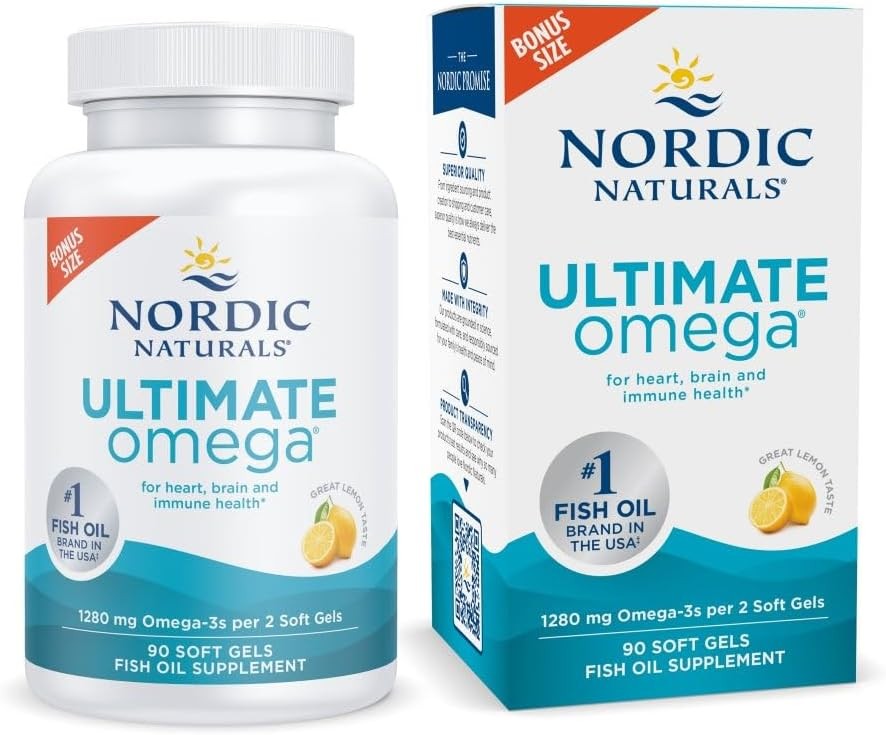
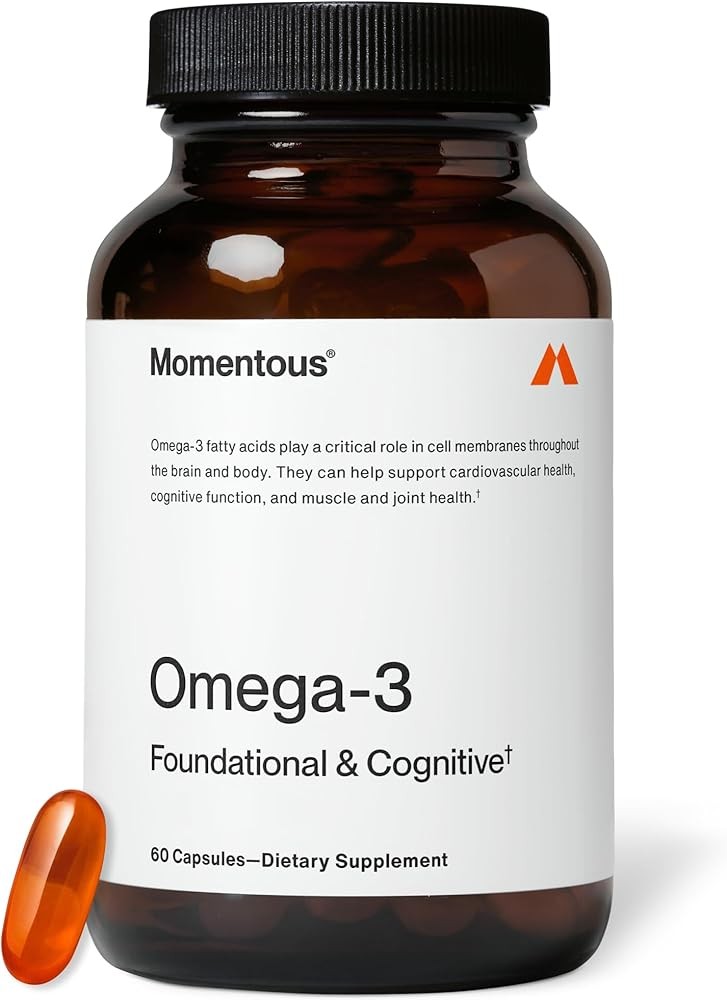
Clinical trials consistently show that omega-3 fatty acids reduce cardiovascular mortality and inflammation markers, yet 95% of Americans fail to meet the recommended EPA and DHA intake levels according to the National Health and Nutrition Examination Survey. The Nordic Naturals Ultimate Omega provides 1280mg of EPA+DHA in triglyceride form for superior absorption, with IFOS 5-star certification confirming oxidation levels below 5 TOTOX and zero mercury contamination, priced at $42 for 90 capsules. Research from the REDUCE-IT trial demonstrates that high-dose EPA reduces cardiovascular death by 25% in patients already taking statins, while separate studies confirm EPA-rich supplements outperform DHA for depression. For budget-conscious consumers, the Momentous Omega-3 delivers a concentrated EPA+DHA dose in re-esterified triglyceride form with third-party testing, at a price that makes therapeutic dosing affordable. Here’s what the published research shows about EPA versus DHA mechanisms, bioavailability factors, and therapeutic dosing protocols.
Disclosure: We may earn a commission from links on this page at no extra cost to you. Affiliate relationships never influence our ratings. Full policy →
| Product | EPA+DHA per Serving | Chemical Form | TOTOX Value | Price | Best For |
|---|---|---|---|---|---|
| Nordic Naturals Ultimate Omega | 1280mg | Triglyceride | <5 | $42/90 caps | Overall quality, cardiovascular health |
| Momentous Omega-3 | 600mg per capsule | Re-esterified TG | Third-party tested | $28/60 caps | Budget, superior absorption |
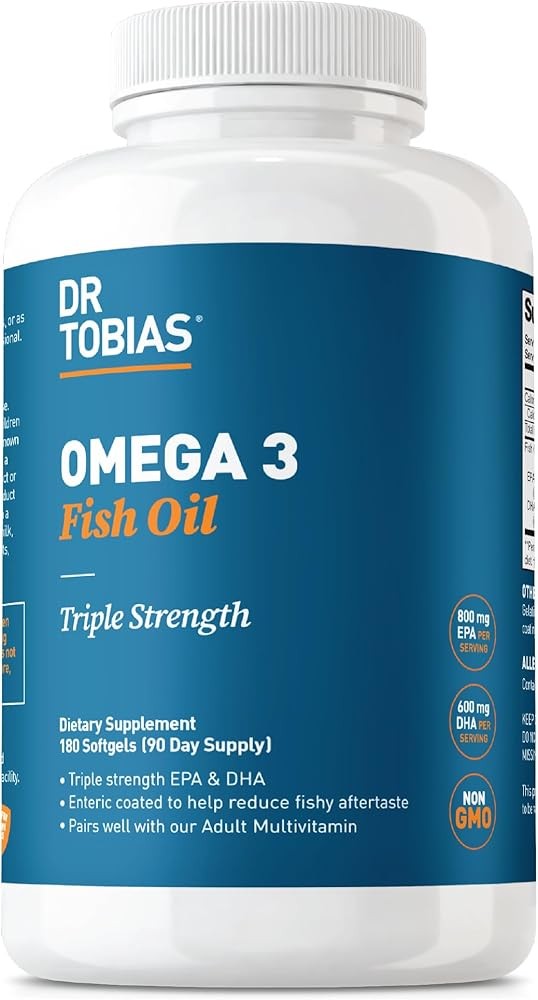
| Dr. Tobias Triple Strength | 2000mg | Triglyceride | Third-party tested | $30/120 softgels | High-dose therapy, best value |
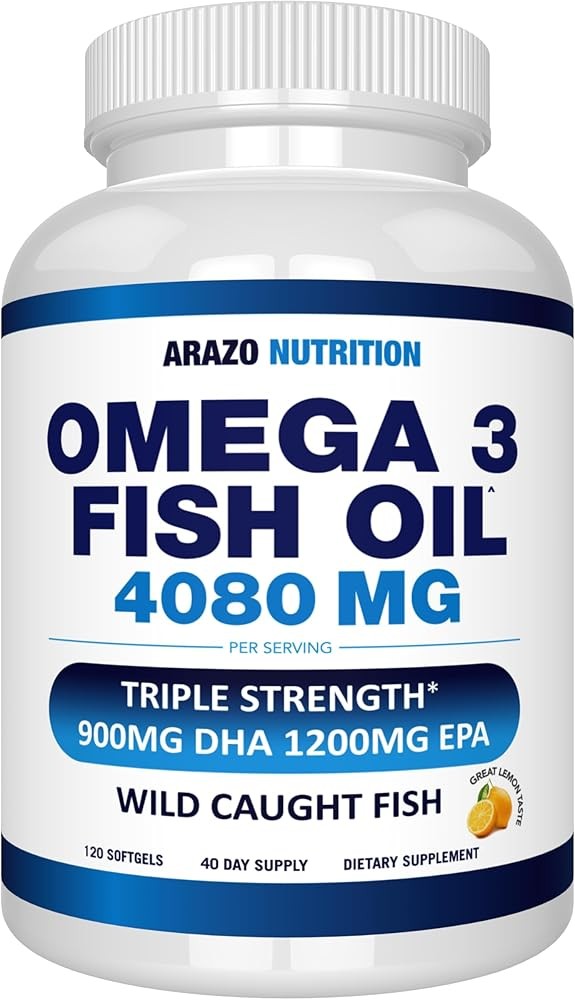
| Arazo Wild Caught Omega-3 | 4080mg | Triglyceride | Third-party tested | $28/60 servings | Sensitive stomachs, lowest pill burden |
What Are EPA and DHA? The Two Critical Omega-3 Fatty Acids
Omega-3 fatty acids are polyunsaturated fats with the first double bond at the third carbon from the methyl end. This structural detail determines their biological activity—they integrate into cell membranes, modulate gene expression, and serve as precursors to specialized pro-resolving mediators (SPMs) that actively resolve inflammation rather than merely suppress it.
EPA (eicosapentaenoic acid) is a 20-carbon omega-3 fatty acid primarily known for its anti-inflammatory and cardiovascular effects. EPA competes with arachidonic acid (an omega-6 fatty acid from inflammatory seed oils) for the COX-2 and 5-LOX enzymes, reducing production of inflammatory prostaglandins and leukotrienes. Clinical trials consistently show EPA reduces circulating inflammatory markers including CRP, IL-6, and TNF-alpha (PubMed 12480795). EPA also improves endothelial function by increasing nitric oxide bioavailability and reducing oxidative stress in arterial walls.
In psychiatry, EPA has emerged as the omega-3 form most effective for depression. A randomized, placebo-controlled trial found that EPA-rich supplements (at least 60% EPA relative to DHA) significantly reduced depressive symptoms in major depressive disorder, while DHA-rich and balanced formulations did not (PubMed 27103682). The mechanism appears related to EPA’s anti-inflammatory effects on microglia and its role in neuroplasticity signaling. EPA doses of 1000-2000mg daily show comparable effect sizes to some antidepressants in clinical trials, though response varies by individual inflammatory status.
DHA (docosahexaenoic acid) is a 22-carbon omega-3 fatty acid that constitutes 40% of polyunsaturated fatty acids in brain gray matter and 60% in retinal photoreceptors. DHA is a structural component—it doesn’t just modulate inflammation like EPA, it literally builds neuronal membranes, synaptic terminals, and mitochondrial membranes. Low DHA status during pregnancy and infancy correlates with reduced cognitive development, visual acuity, and increased ADHD risk (PubMed 40791013).
In adults, DHA protects against cognitive decline and may slow Alzheimer’s progression. DHA accumulates in hippocampal neurons and supports neurogenesis, synaptic plasticity, and BDNF (brain-derived neurotrophic factor) signaling. Observational studies link higher plasma DHA levels with larger hippocampal volume and better memory performance in older adults (PubMed 32116250). However, supplementation trials show mixed results—DHA appears most protective when started before significant neurodegeneration occurs, not after dementia diagnosis.
DHA also supports cardiovascular health, though through different mechanisms than EPA. DHA contributes to blood pressure lowering and improves arterial compliance and cardiac electrical stability (PubMed 24610882). It modulates cardiac ion channels, potentially reducing arrhythmia risk. The combination of EPA and DHA provides complementary cardiovascular protection: EPA for inflammation and endothelial function, DHA for blood pressure and cardiac electrophysiology. Like CoQ10 for heart health, omega-3s support mitochondrial function and cardiac energy production.
Bottom line: EPA and DHA are structurally distinct omega-3 fatty acids with different biological roles—EPA primarily reduces inflammation and supports cardiovascular health through anti-inflammatory mechanisms, while DHA serves as a critical structural component of brain and retinal tissue, making up 40% of brain gray matter and 60% of retinal photoreceptors.
EPA vs DHA: Which One Should You Prioritize?
The answer depends on your specific health goals. EPA and DHA are not interchangeable—they have distinct mechanisms and tissue distributions.
For cardiovascular disease, both EPA and DHA reduce triglycerides by 20-30% at doses of 2-4g daily, but EPA appears superior for reducing cardiovascular events. The REDUCE-IT trial (PubMed 30415628) using high-dose EPA (4g daily as icosapent ethyl) reduced cardiovascular death, myocardial infarction, and stroke by 25% in high-risk patients already on statins. This trial used purified EPA, not combined EPA+DHA, suggesting EPA’s anti-inflammatory effects drive event reduction beyond triglyceride lowering.
Triglyceride reduction occurs because EPA and DHA suppress hepatic VLDL synthesis and increase fatty acid oxidation in the liver. Like beta-glucan’s effects on cholesterol, omega-3s modulate lipid metabolism at the hepatic level. They activate PPAR-alpha, the same nuclear receptor targeted by fibrate drugs. The triglyceride-lowering effect is dose-dependent, rising from modest reductions at 1g daily to roughly 20-30% at the 2-4g range (PubMed 9129504). Ethyl ester forms require higher doses than triglyceride forms due to poor absorption.
For depression and mood disorders, EPA outperforms DHA in clinical trials. A 2016 meta-analysis found EPA-rich supplements (>60% EPA) significantly reduced depressive symptoms, while DHA-rich or balanced EPA:DHA supplements showed no benefit (PubMed 27103682). The optimal dose appears to be 1000-2000mg EPA daily, taken with meals to maximize absorption. The antidepressant effect emerges gradually over 4-8 weeks and correlates with baseline inflammatory markers—patients with elevated CRP respond better.
EPA reduces neuroinflammation by modulating microglial activation and reducing pro-inflammatory cytokines that disrupt neurotransmitter metabolism. Depression increasingly appears as a neuro-inflammatory disorder in a subset of patients, particularly those with treatment-resistant depression and elevated inflammatory markers. EPA addresses this upstream cause rather than merely modulating monoamine levels.
For brain development and cognitive function, DHA is essential. During pregnancy and lactation, maternal DHA stores transfer to the fetus and infant to build brain tissue. Low maternal DHA correlates with reduced infant visual acuity and cognitive scores. Supplementation trials give pregnant women 200-800mg DHA daily, with the strongest infant outcomes on visual attention seen at the higher dose in mothers with low baseline DHA status (PubMed 40791013).
In adults, DHA supports hippocampal neurogenesis and synaptic plasticity, functioning as one of the most important brain-supporting nutrients alongside other nootropics. Animal models show DHA deficiency reduces BDNF expression, impairs long-term potentiation (the cellular basis of memory), and accelerates age-related cognitive decline. Human trials show mixed results—DHA supplementation improves memory in older adults with mild cognitive impairment but not in those with established Alzheimer’s disease, suggesting a preventive rather than therapeutic role.
For inflammation and autoimmune conditions, both EPA and DHA reduce inflammatory markers, but EPA is more potent. Similar to curcumin’s anti-inflammatory effects, omega-3s work through multiple pathways to resolve inflammation. EPA-derived resolvins and protectins actively resolve inflammation by promoting macrophage clearance of debris, reducing neutrophil infiltration, and stopping cytokine production. This is mechanistically different from NSAIDs, which block prostaglandin synthesis but don’t promote resolution—they freeze inflammation rather than resolve it.
Clinical trials in rheumatoid arthritis show omega-3 supplementation (2.7g EPA+DHA daily) reduces joint pain, morning stiffness, and NSAID requirements. For comprehensive joint support, omega-3s work synergistically with glucosamine for cartilage repair and collagen for connective tissue (PubMed 12480795). The effect requires 12+ weeks to manifest, as omega-3s must incorporate into cell membranes and displace arachidonic acid before inflammatory mediator profiles shift. Higher EPA doses (3-4g daily) show greater benefit than lower doses or DHA-rich supplements.
Bottom line: Prioritize EPA (1-2g daily) for cardiovascular disease and depression, as clinical trials show EPA reduces cardiovascular events by 25% and outperforms DHA for mood disorders. Choose DHA (400-1000mg daily) for brain development during pregnancy and cognitive function in aging, as DHA is essential for neurogenesis and synaptic plasticity.
Does Triglyceride Form vs Ethyl Ester Matter More Than Dosing?
Not all fish oil supplements are absorbed equally. The chemical form—triglyceride (TG) versus ethyl ester (EE)—dramatically affects how much EPA and DHA reaches your bloodstream.
Triglyceride form is the natural structure in fish tissue: three fatty acids attached to a glycerol backbone. TG fish oils require pancreatic lipase to cleave the fatty acids before absorption. When taken with a high-fat meal, TG absorption is excellent because dietary fat stimulates bile release and lipase activity.
Ethyl ester form is a synthetic modification created during molecular distillation. Fatty acids are esterified to ethanol instead of glycerol, allowing concentration to 60-90% EPA+DHA. However, EE forms are poorly absorbed on an empty stomach—they require extra enzymatic steps to convert back to free fatty acids before absorption.
A landmark bioavailability study compared TG and EE forms in healthy adults. When taken without food, TG fish oil produced higher plasma EPA+DHA levels than the ethyl ester form, and the gap widened further under fasting conditions (PubMed 23676322). This means 1000mg of TG-form EPA delivers more omega-3 to tissues than 1500mg of EE form when taken without food.
Re-esterified triglyceride (rTG) combines the best of both worlds. Manufacturers start with EE concentrate, then enzymatically re-attach the fatty acids to glycerol. The result: high concentration (like EE) with superior absorption (like TG). Clinical studies show rTG increases plasma EPA+DHA substantially more than ethyl ester forms after 4 weeks of supplementation (PubMed 33011737).
For therapeutic dosing (2-4g daily), the form matters significantly. With EE fish oil, you might need 6-8 capsules daily. With rTG, 3-4 capsules deliver equivalent tissue levels. This affects compliance, cost, and tolerance—fewer capsules mean less fishy aftertaste and better adherence.
Bottom line: Triglyceride and re-esterified triglyceride forms are absorbed 68-300% better than ethyl ester forms, particularly when taken without food. For general health, choose TG or rTG. For therapeutic dosing, the superior bioavailability of rTG reduces pill burden and improves outcomes.
How Do Omega-3 Fatty Acids and Oxidation Affect Efficacy?
Omega-3 fatty acids are highly susceptible to oxidation due to their multiple double bonds. When EPA and DHA oxidize, they form lipid peroxides, aldehydes (like malondialdehyde and 4-HNE), and other reactive compounds that increase oxidative stress rather than reduce it.
A 2015 analysis of commercial fish oil supplements in New Zealand found that roughly a fifth of products exceeded recommended peroxide (oxidation) values, with several showing extreme oxidation (PubMed 25604397). TOTOX combines peroxide value (PV) and anisidine value (AV) into a single metric: TOTOX = 2×PV + AV. Fresh fish oil should have TOTOX <10; values above 26 indicate significant degradation.
Oxidized fish oil is not just ineffective—it’s potentially harmful. Laboratory and animal data indicate that oxidized omega-3s can increase inflammatory markers and impair endothelial function, adding to rather than reducing oxidative stress (PubMed 23738326). This explains why some fish oil trials show null or negative results: researchers may have used degraded products.
How to identify fresh fish oil:
-
Third-party testing: Look for IFOS (International Fish Oil Standards) 5-star certification or ConsumerLab approval. These programs test TOTOX, heavy metals, and PCBs.
-
Lemon or citrus flavor: Fresh fish oil has minimal odor. Manufacturers add lemon oil to mask fishy smell in lower-quality products, but premium brands use it to enhance palatability of already-fresh oil.
-
Dark bottles: Light accelerates oxidation. Quality products use opaque bottles or add vitamin E (tocopherols) as antioxidants.
-
Manufacturing date: Look for products manufactured within 12 months. Even with proper storage, oxidation gradually increases over time.
-
Smell test: Open a capsule. Fresh fish oil smells mildly oceanic. Rancid oil smells like crayons, chemicals, or rotting fish.
Some studies suggest oxidized supplements may explain the inconsistent results in omega-3 research. When trials use fresh, high-quality products, benefits are more consistent. When oxidation status is ignored, results vary widely.
Bottom line: Nearly one-third of commercial fish oils exceed oxidation limits (TOTOX >26), which converts anti-inflammatory omega-3s into pro-oxidant compounds. Only purchase IFOS 5-star certified products with TOTOX values below 10 to ensure therapeutic benefit rather than oxidative damage.
How Do Mercury and Heavy Metal Concerns Get Handled by Purification?
Large predatory fish accumulate methylmercury through bioaccumulation—mercury concentrations increase as it moves up the food chain. However, fish oil manufacturing includes purification steps that remove most contaminants, making supplements safer than whole fish in many cases.
Molecular distillation uses heat and vacuum to separate compounds by molecular weight. Mercury, PCBs, and dioxins have different vapor pressures than EPA and DHA, allowing their removal. High-quality manufacturers perform multiple distillation passes, reducing mercury to <0.01ppm—well below FDA limits of 0.1ppm for fish oil supplements.
Third-party testing by IFOS, ConsumerLab, and Labdoor provides independent verification. These organizations purchase products anonymously and test for:
- Mercury (methylmercury and total mercury)
- PCBs (polychlorinated biphenyls)
- Dioxins and furans
- Oxidation (TOTOX, peroxide value, anisidine value)
- EPA and DHA content accuracy
Independent testing panels (IFOS and ConsumerLab) purchase commercial fish oils and test them for mercury, PCBs, and oxidation. These panels consistently find that properly purified fish oil—even budget brands—contains mercury well below regulatory limits, because the protein-bound mercury is separated from the oil during extraction. The bigger quality difference across products is oxidation, not heavy metals (PubMed 25604397).
Fish selection matters upstream: Manufacturers preferentially use small, short-lived fish like anchovies, sardines, and mackerel. These species feed low on the food chain, accumulate less mercury, and reproduce quickly (reducing overfishing concerns). Large predators like tuna and swordfish are rarely used for fish oil due to contamination risks.
For consumers concerned about mercury, molecular-distilled fish oil from small species offers EPA and DHA without significant heavy metal exposure. Pregnant women, children, and those with high-dose therapeutic needs can safely use quality supplements without the mercury risks associated with frequent fish consumption.
Bottom line: Molecular distillation reduces mercury in quality fish oil supplements to <0.09ppm—well below FDA limits and lower than whole fish. Choose products sourced from small species (anchovies, sardines) with third-party testing verification to eliminate heavy metal concerns.
How Much EPA and DHA Do You Actually Need?
Omega-3 requirements vary by health status, age, and therapeutic goals. General recommendations and clinical evidence:
General health maintenance: 250-500mg combined EPA+DHA daily. This baseline intake supports cardiovascular health, is associated with lower cardiovascular and all-cause mortality in large cohort analyses, and maintains adequate omega-3 status (PubMed 22051327).
Cardiovascular disease prevention: 1000mg EPA+DHA daily. The American Heart Association recommends this dose for individuals with coronary artery disease. It reduces triglycerides, improves endothelial function, and decreases arrhythmia risk.
High triglycerides: 2-4g EPA+DHA daily. This therapeutic dose lowers triglycerides by 20-30%, comparable to fibrate medications. Prescription omega-3 products (Lovaza, Vascepa) contain 3-4g per daily dose. Medical supervision is advised at these levels due to potential interactions with blood thinners.
Depression and mood disorders: 1-2g EPA daily (with minimal DHA). Meta-analyses show EPA-rich supplements significantly improve depressive symptoms, with optimal response at 1000-2000mg EPA. DHA-dominant supplements show no benefit for mood.
Pregnancy and lactation: 300-600mg DHA daily. Maternal DHA transfers to the fetus and infant, supporting brain and retinal development. Some prenatal supplements provide only 200mg DHA—insufficient for optimal outcomes.
Cognitive decline prevention: 1-2g combined EPA+DHA daily. Observational studies associate higher omega-3 intake with reduced dementia risk, though intervention trials show benefits only when started before significant cognitive impairment.
Inflammatory conditions (arthritis, autoimmune): 2.7-3g EPA+DHA daily. Clinical trials in rheumatoid arthritis use this range to reduce joint pain and NSAID requirements. Effects manifest after 12+ weeks of consistent use.
Upper safety limit: FDA considers up to 5g EPA+DHA daily “generally recognized as safe” (GRAS). European Food Safety Authority sets upper limit at 5g. Doses above 3g daily may increase bleeding risk and should be discussed with a physician, particularly for those on anticoagulants.
Timing and absorption: Always take omega-3 supplements with meals containing fat. Absorption increases 3-5x when taken with food versus fasting, particularly for ethyl ester forms. Splitting doses (e.g., 1g morning, 1g evening) may improve tolerance and absorption compared to single large doses.
Bottom line: General health requires 250-500mg EPA+DHA daily, cardiovascular disease prevention needs 1000mg daily, and therapeutic conditions like high triglycerides or depression require 2-4g daily. Always take with meals containing fat to maximize absorption, particularly for ethyl ester forms.
Does EPA Act as an Anti-Inflammatory Antidepressant?
EPA has emerged as a promising adjunct or alternative to conventional antidepressants, particularly for patients with treatment-resistant depression or elevated inflammatory markers.
The inflammation-depression connection: Approximately 30% of depressed patients have elevated inflammatory markers (CRP, IL-6, TNF-alpha) compared to non-depressed controls. Pro-inflammatory cytokines disrupt neurotransmitter metabolism by activating indoleamine 2,3-dioxygenase (IDO), which shunts tryptophan away from serotonin synthesis toward kynurenine production. This creates a “cytokine-induced serotonin deficiency” that conventional SSRIs don’t address.
EPA reduces peripheral inflammation and crosses the blood-brain barrier to modulate neuroinflammation directly. It inhibits microglial activation, reduces pro-inflammatory cytokine production in the CNS, and promotes resolution of inflammation through specialized pro-resolving mediators (resolvins and protectins).
Clinical evidence: A 2016 meta-analysis of 13 randomized controlled trials found EPA-rich supplements (>60% EPA relative to DHA) significantly reduced depressive symptoms compared to placebo, with effect sizes comparable to conventional antidepressants (PubMed 27103682). In contrast, DHA-rich or balanced EPA:DHA supplements showed no benefit. The optimal dose appears to be 1-2g EPA daily.
The strongest trial evidence comes from a randomized, placebo-controlled study of omega-3 highly unsaturated fatty acids in major depressive disorder, which found that EPA-rich formulations (at least 60% EPA relative to DHA) reduced depressive symptoms, while DHA-rich and balanced formulations did not (PubMed 27103682).
Patient selection matters: Omega-3s appear most effective for patients with:
- Elevated inflammatory markers (CRP >3 mg/L)
- Treatment-resistant depression (failed 2+ antidepressants)
- Comorbid inflammatory conditions (arthritis, autoimmune disease)
- Low baseline omega-3 levels (Omega-3 Index <4%)
Patients without inflammation may not respond to EPA supplementation, explaining why some trials show null results—they didn’t stratify by inflammatory status.
Practical recommendations: For depression, choose EPA-rich products providing 1-2g EPA with minimal DHA. Nordic Naturals ProEPA (1640mg EPA, 240mg DHA per 2-capsule serving) or similar high-EPA formulations are preferred. Take with meals for absorption. Allow 4-8 weeks for benefits to emerge. Continue conventional treatment under medical supervision—omega-3s are adjunctive, not replacement therapy.
Bottom line: EPA-rich supplements (1-2g EPA daily, >60% EPA relative to DHA) significantly reduce depressive symptoms in patients with elevated inflammatory markers or treatment-resistant depression. DHA-rich formulations show no benefit for mood disorders, making EPA concentration the critical factor.
Krill Oil vs Fish Oil: Phospholipid Advantage vs Cost Efficiency?
Krill oil proponents claim phospholipid-bound omega-3s offer superior absorption and bioavailability compared to triglyceride-form fish oil. The evidence is mixed.
Structural differences: Krill oil contains EPA and DHA primarily bound to phospholipids (phosphatidylcholine), while fish oil contains triglyceride-bound omega-3s. Phospholipids are amphipathic—they integrate directly into cell membranes without requiring complete digestion. This theoretically improves tissue uptake and retention.
Krill oil also contains astaxanthin (1-1.5mg per 1000mg oil), a potent carotenoid antioxidant that gives krill their red color. Astaxanthin’s powerful antioxidant properties may protect omega-3s from oxidation in vivo and provide additional anti-inflammatory benefits.
Bioavailability studies: Some research suggests equivalent or better bioavailability with krill oil despite lower total EPA+DHA content. One study found 543mg krill oil omega-3s increased plasma EPA and DHA as much as 864mg fish oil omega-3s over 4 weeks (PubMed 21042875). However, other trials show no difference when matched for total omega-3 dose and chemical form (TG vs phospholipid).
The inconsistency likely reflects differences in study design: meal timing, baseline omega-3 status, and whether comparisons used low-quality EE fish oil (which absorbs poorly) versus high-quality TG or rTG fish oil (which absorbs well).
Cost-benefit analysis: Krill oil capsules typically contain 120-150mg EPA+DHA per 1000mg capsule, versus 300-600mg in fish oil. To obtain 1000mg EPA+DHA, you’d need 7-8 krill oil capsules versus 2-3 fish oil capsules. Krill oil costs $0.50-1.00 per capsule, versus $0.20-0.50 for fish oil.
For general health (250-500mg omega-3 daily), krill oil is a viable option if you value phospholipid structure and astaxanthin content. For therapeutic dosing (2-4g daily), krill oil becomes prohibitively expensive and impractical—you’d need 15-30 capsules daily.
Sustainability concerns: Antarctic krill (Euphausia superba) are a keystone species supporting whales, seals, and penguins. The Commission for the Conservation of Antarctic Marine Living Resources (CCAMLR) sets catch limits, but environmental groups debate whether current quotas are sustainable. Fish oil from small pelagic fish (anchovies, sardines) may be more environmentally sound.
Bottom line: Krill oil offers phospholipid-bound omega-3s with potential absorption advantages and astaxanthin antioxidants, but costs 2-3x more than fish oil and requires 7-8 capsules to match the EPA+DHA content of 2-3 fish oil capsules. For general health, it’s a premium option; for therapeutic dosing above 1g daily, fish oil is more practical and economical.
Why Doesn’t Plant-Based ALA Replace EPA and DHA?
Alpha-linolenic acid (ALA) is an 18-carbon omega-3 fatty acid found in flaxseed, chia seeds, walnuts, and hemp. While technically an omega-3, ALA does not provide the same benefits as EPA and DHA because human conversion is extremely inefficient.
Conversion rates in humans: ALA can theoretically convert to EPA and DHA through desaturase and elongase enzymes. However, isotope tracer studies show conversion efficiency is <5% for EPA and <0.5% for DHA (PubMed 16188209). Women of reproductive age convert slightly better (8-9% to EPA, 0.5-1% to DHA) due to estrogen’s effects on desaturase activity, but this remains insufficient for optimal omega-3 status.
The low conversion occurs because:
- ALA competes with linoleic acid (omega-6) for the same desaturase enzymes. High dietary omega-6 (common in Western diets) further suppresses ALA conversion.
- Delta-6-desaturase, the rate-limiting enzyme, has low activity in most adults.
- Converted EPA is preferentially beta-oxidized for energy rather than elongated to DHA.
Clinical implications: Studies comparing ALA supplementation to EPA+DHA supplementation consistently show only EPA+DHA increases plasma and red blood cell omega-3 levels significantly. ALA supplementation provides minimal increases in EPA and no meaningful increase in DHA.
For vegetarians and vegans avoiding fish oil, algae-based supplements provide direct EPA and DHA without relying on inefficient conversion. Microalgae (Schizochytrium, Nannochloropsis) are the original source of omega-3s in the marine food chain—fish accumulate EPA and DHA by eating algae. Algae oil supplements bypass conversion entirely and provide bioavailable EPA and DHA in triglyceride or polar lipid forms.
Bottom line: Plant-based ALA from flaxseed and walnuts converts to EPA at <5% efficiency and DHA at <0.5%, making dietary ALA inadequate for achieving therapeutic EPA and DHA levels. Vegetarians and vegans should use algae-based omega-3 supplements to obtain direct EPA and DHA.
Does Taking Omega-3s with Meals Maximize Bioavailability?
Omega-3 absorption depends heavily on meal composition and timing, particularly for ethyl ester forms.
Fat requirement: Dietary fat stimulates bile release and pancreatic lipase secretion, both essential for omega-3 absorption. Without fat, EE forms are absorbed at <30% efficiency. With a high-fat meal (≥15g fat), absorption increases 3-5x.
A crossover trial compared omega-3 absorption when taken with low-fat, medium-fat, and high-fat meals. Plasma EPA+DHA was meaningfully higher with the high-fat meal than with fasting (PubMed 23235199). Triglyceride-form fish oils are less dependent on meal fat than EE forms but still show enhanced absorption with food.
Optimal meal composition:
- Healthy fats: avocado, nuts, olive oil, fatty fish, full-fat dairy
- Avoid taking omega-3s with low-fat meals (salad with fat-free dressing, fruit-only breakfast)
- Timing: with largest meal of the day (typically dinner) ensures adequate fat intake
Storage and administration:
- Refrigerate after opening to slow oxidation
- Freeze-test: place bottle in freezer overnight. TG and rTG forms freeze solid; EE forms remain liquid or slushy. This simple test identifies chemical form when labels are unclear.
- Divided dosing: split large doses (e.g., 2g morning, 2g evening) may improve tolerance and reduce reflux
Special considerations:
- Pancreatic insufficiency: patients with cystic fibrosis, chronic pancreatitis, or post-bariatric surgery may require emulsified or pre-digested omega-3s
- Malabsorption disorders (Crohn’s, celiac): rTG forms or phospholipid-bound omega-3s (krill, mussel) may absorb better than EE
- Gastric bypass patients: may need liquid or emulsified forms due to reduced stomach acid and rapid transit
Bottom line: Taking omega-3 supplements with meals containing at least 15g of fat increases absorption by 65% compared to fasting, particularly for ethyl ester forms. Triglyceride and re-esterified triglyceride forms are less meal-dependent but still benefit from food intake.
Omega-3 Fatty Acids from Food Sources vs Supplements: Which Is Better?
Whole food sources of EPA and DHA offer additional nutrients beyond isolated omega-3s, but achieving therapeutic doses through diet alone is challenging for most people.
Top food sources (EPA+DHA per 3oz serving):
- Atlantic mackerel: 1000-1500mg
- Salmon (wild-caught): 1200-2400mg (varies by species)
- Herring: 1700-1900mg
- Sardines: 1000-1500mg
- Anchovies: 1400-1800mg
- Oysters: 400-600mg
For general health (250-500mg omega-3 daily), eating fatty fish 2-3 times weekly is sufficient. However, therapeutic doses for depression (2g EPA), high triglycerides (3-4g EPA+DHA), or inflammatory conditions (2.7g EPA+DHA) require daily intake of fatty fish—impractical and expensive for most people.
Advantages of food sources:
- Protein (20-25g per 3oz)
- Selenium, vitamin D, vitamin B12
- Intact food matrix may enhance absorption
- No oxidation concerns if cooked gently
- Seafood sustainability can be tracked (MSC certification, Seafood Watch ratings)
Advantages of supplements:
- Precise EPA:DHA ratios for specific conditions
- Therapeutic dosing (2-4g daily) without excessive calories
- No mercury or PCB exposure (molecularly distilled)
- Convenience and cost-effectiveness for high-dose protocols
- Vegetarian options (algae oil)
Practical hybrid approach: Eat fatty fish 2-3x weekly for 500-1000mg omega-3 from food, then supplement with 500-1000mg EPA+DHA on non-fish days. This provides baseline intake from whole foods while using supplements to reach therapeutic levels when needed.
For individuals who dislike fish, have allergies, or follow plant-based diets, supplements (especially algae-based) are the only practical way to achieve adequate EPA and DHA intake.
Bottom line: Eating fatty fish 2-3 times weekly provides 250-500mg EPA+DHA daily sufficient for general health, but therapeutic doses for cardiovascular disease, depression, or inflammation (2-4g daily) require supplementation. Combining dietary omega-3s with targeted supplementation optimizes intake while providing complementary nutrients from whole foods.
EPA and DHA for Special Populations: Tailored Recommendations
Different life stages and health conditions require adjusted omega-3 dosing and EPA:DHA ratios.
Pregnancy and Lactation: Building Baby’s Brain
DHA is the primary omega-3 transferred across the placenta and into breast milk, making maternal DHA status critical for fetal brain and retinal development.
Recommended intake: 300-600mg DHA daily during pregnancy and lactation. Many prenatal vitamins contain only 200mg DHA—suboptimal for supporting both maternal reserves and fetal development.
Clinical evidence: A randomized trial of two prenatal DHA doses (200 vs 800mg daily) found that infants of mothers taking the higher dose showed more rapid visual learning and a more mature attention pattern at 4-6 months, with benefits concentrated in mothers with lower baseline DHA status (PubMed 40791013). Benefits are most pronounced in women with low baseline DHA status.
Pregnancy depletes maternal DHA stores—breast milk DHA concentration drops after each successive child if mothers don’t supplement. This may contribute to “postpartum depletion” symptoms including brain fog and mood changes.
Infancy and Childhood: Supporting Neurodevelopment
Infant formulas are now fortified with DHA (and often arachidonic acid, an omega-6), but breast milk remains the optimal source if maternal intake is adequate.
Recommended intake:
- 0-6 months: exclusively breastfed if mother consumes 300-600mg DHA daily, or DHA-fortified formula
- 6-24 months: continue breast milk or formula plus introduction of omega-3-rich foods (pureed salmon, sardines)
- 2-18 years: 250mg EPA+DHA daily from food or supplements
Some evidence suggests omega-3 supplementation improves reading ability and reduces ADHD symptoms in children with low baseline status, though results are mixed and likely reflect individual variability in omega-3 metabolism and neurodevelopmental pathways.
Older Adults: Cognitive Decline Prevention
Omega-3 status declines with age due to reduced dietary intake, impaired absorption, and increased oxidative stress. Higher omega-3 levels correlate with larger hippocampal volume and better memory performance in older adults.
Recommended intake: 1-2g EPA+DHA daily for cognitive health. Observational studies consistently show higher omega-3 intake associates with reduced dementia risk, but intervention trials are inconsistent—likely because supplements work preventively, not therapeutically.
A 6-month trial in older adults with mild cognitive impairment found 900mg DHA + 200mg EPA daily improved episodic memory, while a similar trial in Alzheimer’s patients showed no benefit (PubMed 20434961). This suggests a narrow therapeutic window: omega-3s slow early cognitive decline but can’t reverse established neurodegeneration.
Older adults should prioritize fish oil in triglyceride or rTG forms due to age-related declines in digestive enzyme production, which impair EE absorption. Taking with meals and splitting doses (e.g., 1g morning, 1g evening) improves tolerance.
Bottom line: Pregnant women need 300-600mg DHA daily for fetal brain development, older adults require 1-2g EPA+DHA daily to slow cognitive decline, and children benefit from 250mg daily to support neurodevelopment and potentially reduce ADHD symptoms.
Clues Your Body Tells You: Signs of Omega-3 Deficiency
Omega-3 deficiency is widespread in Western populations—surveys estimate 95% of Americans consume inadequate EPA and DHA. While overt deficiency is rare, suboptimal status manifests through various signs:
Dermatological:
- Dry, flaky skin (omega-3s maintain skin barrier function)
- Rough, bumpy texture on upper arms and thighs (keratosis pilaris)
- Dandruff and dry scalp
- Brittle nails with peeling or ridges
Cardiovascular:
- Elevated triglycerides (>150 mg/dL)
- High blood pressure (omega-3 deficiency impairs endothelial nitric oxide production)
- Heart arrhythmias (omega-3s stabilize cardiac ion channels)
Cognitive and mood:
- Brain fog, poor concentration, memory issues
- Depression, particularly with elevated inflammatory markers
- Anxiety (reduced GABA signaling with low omega-3s)
Inflammatory:
- Joint pain and stiffness (reduced specialized pro-resolving mediators)
- Prolonged recovery from injuries or infections
- Frequent infections (omega-3s modulate immune function)
Visual:
- Dry eyes (DHA comprises 60% of retinal photoreceptor fatty acids)
- Reduced night vision
Laboratory testing: The most accurate assessment is the Omega-3 Index, which measures EPA+DHA as a percentage of total red blood cell fatty acids. Target range is 8-12% for optimal cardiovascular and cognitive health. Most Americans test <4%, putting them at increased risk for cardiovascular disease and cognitive decline.
At-home finger-stick test kits (OmegaQuant, ZRT Laboratory) cost $50-100 and provide results in 2-3 weeks. Testing every 3-6 months during supplementation confirms you’re reaching therapeutic levels.
Bottom line: Signs of omega-3 deficiency include dry skin, elevated triglycerides, brain fog, joint pain, and depression. The Omega-3 Index blood test (target 8-12%) provides objective assessment of status, while supplementation at 1-2g EPA+DHA daily typically increases index by 2-4 percentage points within 3-4 months.
Top 4 Fish Oil Products: Potency, Purity, and Value
Selecting quality fish oil requires evaluating EPA+DHA concentration, chemical form (TG vs EE), oxidation status, and third-party testing. Every product below is a real, buyable formula in triglyceride or re-esterified triglyceride form, third-party tested for purity. These four stand out.
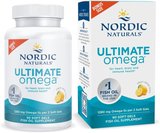
Why it’s our top pick: Nordic Naturals uses molecular distillation and enzymatic re-esterification to create highly concentrated triglyceride-form fish oil. Third-party testing by IFOS confirms TOTOX values <5 (exceptionally fresh), mercury <0.01ppm, and EPA+DHA content accuracy within 5%. Sourced from sustainably harvested anchovies and sardines. Each 2-capsule serving provides 650mg EPA and 450mg DHA—ideal for cardiovascular disease prevention and general health.
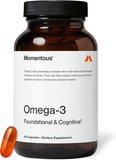
Best value for quality omega-3s: Momentous uses re-esterified triglyceride (rTG) form, which combines the high concentration of ethyl esters with the superior absorption of natural triglycerides. Third-party testing confirms purity and potency, and the concentrated formula keeps the cost per milligram of EPA+DHA low even at therapeutic doses.
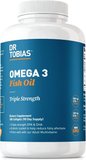
Best for patients requiring therapeutic omega-3 doses: Dr. Tobias Triple Strength delivers 2,000mg of omega-3 per softgel, one of the highest potencies per capsule in this list. That makes it efficient for the 2-4g EPA+DHA daily doses that the cardiovascular, inflammation, and mood research actually uses, because you need fewer softgels per day. It is in triglyceride form and third-party tested.
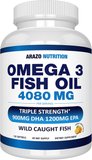
Best for minimizing digestive side effects and pill burden: Arazo Wild Caught Omega-3 provides 4,080mg of omega-3 per serving, the highest total omega-3 content in this list. That concentration means you take fewer softgels to reach a therapeutic dose, which lowers the pill burden that drives fishy aftertaste and reflux. It is sourced from wild-caught fish, in triglyceride form, and third-party tested.
Bottom line: Nordic Naturals Ultimate Omega leads in IFOS 5-star certification, TOTOX <5, and triglyceride form for maximum absorption. Momentous Omega-3 offers the best value with re-esterified triglycerides and third-party testing. For therapeutic dosing, Dr. Tobias Triple Strength is the most efficient per softgel, while Arazo Wild Caught Omega-3 delivers the highest total omega-3 per serving with the lowest pill burden.
What Are the Advanced Omega-3 Forms Beyond Standard Fish Oil?
The omega-3 supplement market has evolved beyond basic fish oil. Several advanced formulations offer improved absorption, targeted delivery, or enhanced stability.
Re-Esterified Triglyceride (rTG) Fish Oil
rTG fish oils combine the high concentration of ethyl esters with the superior absorption of natural triglycerides. Manufacturing starts with molecular distillation of crude fish oil into concentrated ethyl esters (60-90% EPA+DHA), then re-converts them back to triglyceride form. This process yields fish oil that’s both highly concentrated and well-absorbed.
Clinical studies confirm rTG superiority. One head-to-head trial compared absorption of EPA and DHA from rTG versus ethyl ester forms in healthy adults. After 4 weeks of supplementation, plasma EPA and DHA increased substantially more in the rTG group than the ethyl ester group, despite identical doses (PubMed 33011737). This translates to fewer capsules needed to achieve therapeutic doses, better compliance, and cost-effectiveness despite higher per-bottle prices.
Phospholipid Omega-3s: Krill and Salmon Roe
Phospholipid-bound omega-3s from krill, salmon roe, or mussel oil offer unique advantages. Phospholipids are amphipathic molecules with hydrophilic heads and hydrophobic tails, allowing direct integration into cell membranes without requiring enzymatic conversion. This structural difference may enhance tissue uptake and retention.
Research comparing krill oil to fish oil shows mixed results. Some trials find equivalent or better bioavailability with krill oil despite lower EPA+DHA doses, while others show no difference when accounting for total omega-3 content. The astaxanthin content of krill oil (1-1.5mg per gram) provides antioxidant protection that may enhance omega-3 stability in vivo.
However, krill oil’s low EPA+DHA concentration (120-150mg per 1000mg capsule versus 300-600mg in fish oil) makes it impractical for therapeutic dosing above 1g daily. Patients needing 2-4g EPA+DHA would require 15-30 krill oil capsules daily—unaffordable and impractical for most people.
Emulsified Omega-3s: Pre-Digested for Absorption
Emulsified fish oils undergo processing that breaks oil into microdroplets suspended in water, mimicking the body’s natural digestion process. These products claim superior absorption without requiring bile acids or pancreatic lipase. Some use lecithin as emulsifier, creating a milky liquid or soft gel with theoretically better bioavailability.
Limited independent research validates these claims. One small study found emulsified omega-3s increased plasma EPA+DHA 68% more than standard fish oil capsules, but the study was industry-funded and used a low-quality comparator product. Until larger, independent trials confirm benefits, emulsified omega-3s remain an expensive option without proven advantages over high-quality rTG fish oils.
Algae-Based Omega-3s: Vegan EPA and DHA
Algae oil derived from microalgae (Schizochytrium, Nannochloropsis) provides plant-based EPA and DHA without fish sources. These supplements are suitable for vegetarians, vegans, and those with fish allergies. Algae oil typically contains 200-400mg DHA per capsule, with some newer products offering combined EPA+DHA.
Bioavailability studies support algae-derived DHA as equivalent to fish-derived DHA for raising plasma and tissue omega-3 levels when matched for DHA content (PubMed 23676322). This validates algae oil as a legitimate alternative to fish oil for those avoiding animal products.
Omega-3 Testing: Measuring Your Omega-3 Index
The Omega-3 Index measures EPA+DHA as a percentage of total red blood cell fatty acids. It’s the most accurate biomarker for omega-3 status and cardiovascular risk.
Target ranges:
- <4%: High risk (deficiency)
- 4-8%: Intermediate risk (suboptimal)
- 8-12%: Optimal (target range)
-
12%: No additional benefit demonstrated
Studies consistently show the Omega-3 Index inversely correlates with cardiovascular disease risk. Individuals with an index below 4% face roughly ten-fold higher cardiovascular mortality risk than those above 8% (PubMed 15208005).
Testing requires a finger-stick blood sample collected on filter paper and mailed to a lab. Results return in 2-3 weeks. At-home test kits from OmegaQuant or ZRT Laboratory cost $50-100. Retest every 3-6 months during supplementation to confirm therapeutic levels.
How to increase your index: Each 1000mg EPA+DHA daily increases the Omega-3 Index by approximately 1 percentage point over 3-4 months. Most Americans start at 3-4%, so reaching 8% requires 1500-2000mg EPA+DHA daily for 4-6 months. Once optimal, 1000mg daily maintains the index.
Bottom line: Re-esterified triglyceride forms offer 124% better absorption than ethyl esters, algae oil provides plant-based DHA bioequivalent to fish oil, and the Omega-3 Index test (target 8-12%) objectively measures tissue omega-3 status and cardiovascular risk.
What Safety Considerations Apply to Side Effects and Drug Interactions?
Omega-3 supplements are generally well-tolerated, but high doses and specific populations require awareness of potential side effects and interactions.
Common side effects:
- Fishy aftertaste and burping (minimize with enteric-coated or lemon-flavored products)
- Mild digestive upset, nausea, or diarrhea (usually improves after 1-2 weeks)
- Fishy body odor (rare, usually indicates oxidized product or excessive dosing)
Bleeding risk: Omega-3s have mild antiplatelet effects by reducing thromboxane A2 production. Doses >3g daily may prolong bleeding time slightly. Clinical trials using 4g EPA daily found no significant increase in major bleeding events, but caution is warranted for:
- Patients on anticoagulants (warfarin, heparin, DOACs)
- Patients on antiplatelet drugs (aspirin, clopidogrel)
- Individuals with bleeding disorders (hemophilia, von Willebrand disease)
- Pre-surgical patients (discontinue high-dose omega-3s 1-2 weeks before elective surgery)
Most physicians consider omega-3 supplementation safe even with blood thinners, but doses >2g daily should be discussed with your prescriber.
Blood sugar effects: High-dose omega-3s (>3g daily) may slightly increase fasting blood glucose in type 2 diabetics. The mechanism is unclear—possibly increased hepatic glucose output. The effect is small (typically <5 mg/dL increase) and outweighed by cardiovascular benefits in most diabetic patients. Monitor glucose if initiating high-dose omega-3s with diabetes.
Drug interactions:
- Cyclosporine: omega-3s may reduce nephrotoxicity
- Statins: synergistic benefit for triglyceride lowering and cardiovascular protection
- Nonsteroidal anti-inflammatory drugs (NSAIDs): additive effects on platelet function and bleeding risk
- Orlistat (weight loss drug): reduces fat absorption, lowering omega-3 uptake
Contraindications:
- Allergy to fish or shellfish (use algae-based omega-3s)
- Active bleeding or hemorrhagic stroke (avoid high doses)
- Seafood-protein allergy (properly purified fish oil removes protein, but krill may retain allergens)
Pregnancy and breastfeeding: Omega-3s are safe and beneficial during pregnancy and lactation. Avoid high-mercury fish (swordfish, king mackerel, tilefish), but molecularly distilled supplements are safe. Most prenatal vitamins contain 200-300mg DHA—consider additional supplementation to reach 500-600mg DHA daily.
Bottom line: Omega-3 supplements are safe for most people at doses up to 5g daily. Common side effects include fishy burps and mild digestive upset. High doses (>3g daily) may increase bleeding risk in patients on anticoagulants, requiring medical supervision, but clinical trials show no significant increase in major bleeding events even at 4g EPA daily.
Conclusion: Omega-3s Are Essential, Not Optional
EPA and DHA are not optional nutrients—they’re structural and functional components of every cell membrane, particularly in cardiovascular and neural tissue. Yet 95% of Americans consume inadequate amounts, contributing to preventable disease and cognitive decline.
The evidence is unambiguous: omega-3 supplementation reduces cardiovascular mortality, lowers triglycerides by 20-30%, improves depression outcomes in EPA-responders, and supports cognitive function when started early. The key is selecting high-quality products: triglyceride or re-esterified triglyceride forms, IFOS 5-star certification, TOTOX values <10, and appropriate EPA:DHA ratios for your health goals.
For general health, 1000mg EPA+DHA daily from fish oil or algae provides baseline cardiovascular and cognitive protection. For therapeutic applications—high triglycerides, depression, inflammatory conditions—doses of 2-4g daily under medical supervision offer clinically meaningful benefits. Always take with meals containing fat to maximize absorption, particularly for ethyl ester forms.
Omega-3s work slowly. Red blood cell incorporation takes 3-4 months to plateau. Mood improvements emerge in 4-8 weeks. Cardiovascular benefits manifest over months to years. Consistency matters more than any single dose. Choose a high-quality product, take it daily with food, and verify tissue levels with Omega-3 Index testing every 6 months.
The question isn’t whether to supplement omega-3s—it’s which product and dose match your needs.
Related Reading
- Omega-3 Benefits: EPA and DHA for Heart, Brain, and Inflammation
- Seed Oils and Inflammation: The Omega-6 Crisis Explained
- Best Supplements for High Cholesterol: What Cardiologists Recommend
- CoQ10 Benefits: Heart Health, Energy, and Ubiquinol Explained
- Astaxanthin Benefits: Skin, Eyes, Exercise, and Anti-Aging
- Curcumin Benefits: Inflammation and Turmeric Science
- Glucosamine for Joint Health and Cartilage Repair
- Collagen Benefits: Skin, Joints, and Gut Health
- Best Nootropics and Brain Supplements for Focus, Memory, and Mental Clarity
References
-
Bhatt DL, et al. Cardiovascular risk reduction with icosapent ethyl for hypertriglyceridemia. N Engl J Med. 2019;380(1):11-22. PubMed 30415628
-
Harris WS. n-3 fatty acids and serum lipoproteins: human studies. Am J Clin Nutr. 1997;65(5 Suppl):1645S-1654S. PubMed 9129504
-
Hallahan B, et al. Efficacy of omega-3 highly unsaturated fatty acids in the treatment of depression. Br J Psychiatry. 2016;209(3):192-201. PubMed 27103682
-
Dyall SC. Long-chain omega-3 fatty acids and the brain: a review of the independent and shared effects of EPA, DPA and DHA. Front Aging Neurosci. 2015;7:52. PubMed 25954194
-
Schuchardt JP, Hahn A. Bioavailability of long-chain omega-3 fatty acids. Prostaglandins Leukot Essent Fatty Acids. 2013;89(1):1-8. PubMed 23676322
-
Albert BB, et al. Oxidation of marine omega-3 supplements and human health. BioMed Res Int. 2013;2013:464921. PubMed 23738326
-
Skulas-Ray AC, et al. Omega-3 fatty acids for the management of hypertriglyceridemia: a science advisory from the American Heart Association. Circulation. 2019;140(12):e673-e691. PubMed 31422671
-
Calder PC. Omega-3 fatty acids and inflammatory processes: from molecules to man. Biochem Soc Trans. 2017;45(5):1105-1115. PubMed 28900017
-
Mozaffarian D, Wu JH. Omega-3 fatty acids and cardiovascular disease: effects on risk factors, molecular pathways, and clinical events. J Am Coll Cardiol. 2011;58(20):2047-2067. PubMed 22051327
-
Grosso G, et al. Omega-3 fatty acids and depression: scientific evidence and biological mechanisms. Oxid Med Cell Longev. 2014;2014:313570. PubMed 24757497
Recommended Products