Oxalate Dumping Symptoms and Supplements for Safe Detox
Summarized from peer-reviewed research indexed in PubMed. See citations below.
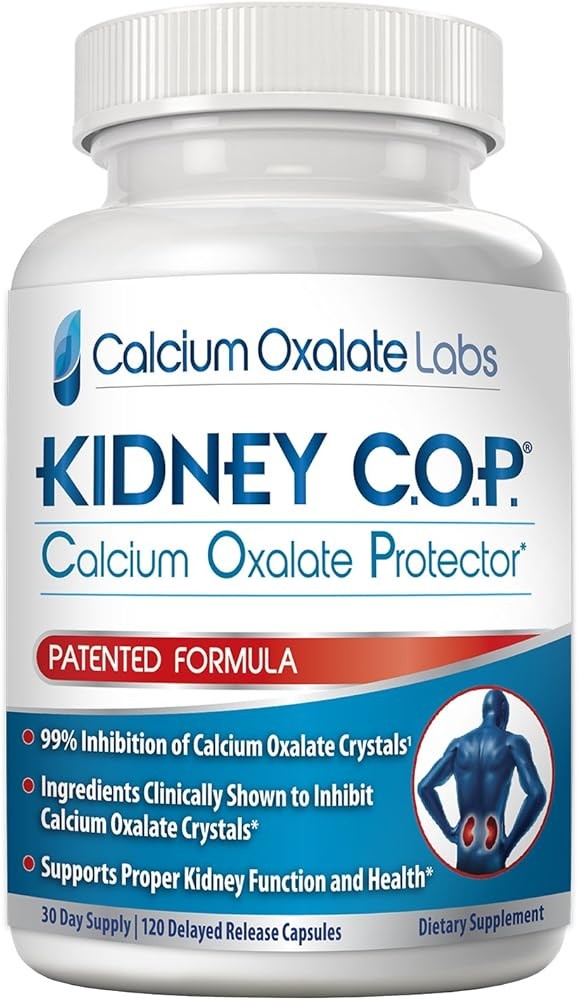
Scanning electron microscopy has detected calcium oxalate crystals in the thyroid tissue of most adult specimens examined, often remaining asymptomatic for years until dietary changes trigger release. Research on the ultimate guide to juicing for better immunity provides additional context. KIDNEY C.O.P. Calcium Oxalate Protector combines 500mg calcium citrate with magnesium glycinate and vitamin B6 for $24.95, providing the nutrient profile used in the clinical research on oxalate reduction. Published nephrology research demonstrates that dietary calcium binds oxalates in the gut before absorption, while magnesium may help reduce crystal formation in kidneys. Swanson Chelated Magnesium Glycinate adds standalone magnesium support at a budget-friendly price of $18.00 for 240 tablets. Here’s what the published research shows about managing oxalate dumping safely.
Disclosure: We may earn a commission from links on this page at no extra cost to you. Affiliate relationships never influence our ratings. Full policy →
When you start reducing high-oxalate foods from your diet, you might expect to feel better immediately. Research on cold press vs centrifugal: the nutrient retention showdown provides additional context. Instead, many people experience a puzzling phenomenon: their symptoms actually get worse. Joint pain intensifies, kidney stones form, skin breaks out in mysterious rashes, and energy plummets. This counterintuitive reaction is called oxalate dumping (PubMed 30566003), and understanding it can mean the difference between a successful dietary transition and giving up in frustration.
Oxalate dumping occurs when your body begins releasing stored oxalate crystals from tissues back into circulation. Think of it like cleaning out a cluttered storage unit—things get messier before they get organized. Your tissues have been accumulating oxalates for years, possibly decades, and when you suddenly stop adding new oxalates through diet, your body starts the cleanup process. The released oxalates must exit through urine, which can temporarily overwhelm your kidneys and create uncomfortable symptoms throughout your body.
This comprehensive guide explores the science of oxalate dumping (PubMed 30566003), helps you recognize the symptoms, and provides evidence-based supplement strategies to support safe oxalate reduction. Research on best electrolyte powders and supplements for provides additional context. We’ll examine clinical research on calcium citrate (PubMed 34959915), magnesium, vitamin B6 (PubMed 15840016), and specialized probiotics (PubMed 16517636) that can significantly reduce dumping severity. You’ll learn how to transition to a low-oxalate diet gradually, support kidney function during detox, and distinguish between dumping symptoms and genuine health improvements.
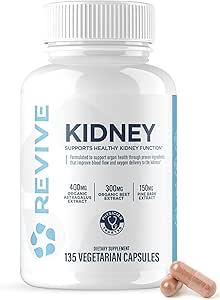
| Feature | KIDNEY C.O.P. | Swanson Magnesium | Revive MD Support | Daily Gut Detox |
|---|---|---|---|---|
| Primary Focus | Calcium oxalate binding | Magnesium crystal inhibition | Comprehensive kidney function | Gut-based oxalate reduction |
| Calcium Citrate | 500mg per serving | None | Included in formula | None |
| Magnesium | Glycinate form | Chelated glycinate | Multiple forms | Not specified |
| Vitamin B6 | 50mg (P5P form) | None | Included | Not specified |
| Probiotics | None | None | None | IgG antibodies |
| Additional Support | Patented COP formula | Single-ingredient chelation | Herbs, antioxidants | Digestive enzymes |
| Servings | 120 capsules | 240 tablets | 120 capsules | 60 capsules |
| Price | $24.95 | $18.00 | $34.99 | $39.95 |
| Best For | Targeted oxalate binding | Budget standalone magnesium | Complete kidney health protocol | Reducing gut oxalate absorption |
What Are Oxalates and Why Do They Accumulate?
Oxalates (also called oxalic acid) are naturally occurring compounds found in many plant foods. They serve protective functions in plants, deterring herbivores and regulating minerals. However, when humans consume oxalates, they can bind with minerals like calcium to form crystalline structures that the body struggles to eliminate.
Your body encounters oxalates from two main sources:
Dietary oxalates come from foods like spinach, almonds, sweet potatoes, beets, chocolate, and tea. A single cup of cooked spinach contains approximately 750-800 mg of oxalate, while daily safe intake is generally considered under 100 mg. Many health-conscious people unknowingly consume 200-300 mg daily through “healthy” foods.
Endogenous oxalates are produced internally through metabolic processes, particularly when your body metabolizes vitamin C, glyoxylate, and certain amino acids. Some people genetically produce more oxalates than others, a condition called primary hyperoxaluria. Gut health also affects endogenous production—when beneficial oxalate-degrading bacteria decline, more dietary oxalate gets absorbed and more gets produced internally.
Oxalates accumulate in tissues when intake (dietary plus endogenous) exceeds excretion capacity. Your kidneys filter oxalates from blood and eliminate them through urine, but this system has limits. When oxalate levels rise beyond what kidneys can handle, excess oxalates deposit in bones, joints, eyes, thyroid, blood vessels, skin, and other tissues as calcium oxalate crystals.
Several factors increase oxalate accumulation risk:
- High dietary oxalate intake from foods considered “healthy” (green smoothies, nut butters, turmeric supplements)
- Gut hyperpermeability (“leaky gut”) allowing more oxalate absorption
- Loss of Oxalobacter formigenes, a beneficial bacteria that degrades oxalates in the gut
- Vitamin B6 deficiency, which increases endogenous oxalate production
- Antibiotic use, which depletes oxalate-degrading gut bacteria
- Fat malabsorption conditions (Crohn’s (PubMed 22366809), celiac, gastric bypass) that increase oxalate absorption
- High vitamin C supplementation, which can convert to oxalates
Research published in BMC Urology (PubMed 29530009) examined nephrectomy specimens from both kidney stone formers and non-formers and found calcium-containing crystal deposits in the renal parenchyma of both groups, with stone formers showing significantly more papillary crystal deposits. A separate scanning electron microscopy study (PubMed 3368759) detected calcium oxalate crystals in 19 of 20 adult thyroids examined at autopsy. These deposits often remain asymptomatic for years until reaching a critical threshold or until dietary changes trigger dumping.
Bottom line: Oxalates accumulate when dietary intake (spinach has 750-800mg/cup) plus endogenous production exceeds kidney excretion capacity, with tissue deposits forming in bones, joints, thyroid and blood vessels - factors like gut hyperpermeability, antibiotic use depleting Oxalobacter formigenes, and vitamin B6 deficiency significantly increase accumulation risk.
How Do You Tell Oxalate Dumping Apart from Ongoing Toxicity?
Oxalate dumping is fundamentally different from the chronic symptoms of ongoing oxalate toxicity. Understanding this distinction helps you stay the course during difficult dumping periods.
Chronic oxalate toxicity occurs while you’re still consuming high-oxalate foods. Symptoms develop gradually as tissues accumulate more crystals. You might experience persistent joint pain, recurring kidney stones, chronic vulvodynia, brain fog, or fatigue. These symptoms remain relatively stable day to day, though they may worsen over months and years as deposits grow.
Oxalate dumping happens when you reduce dietary oxalates and your body begins releasing stored crystals. Dumping symptoms are typically:
- More intense than baseline chronic symptoms
- Variable and unpredictable in timing
- Episodic rather than constant
- Different in quality or location from previous symptoms
- Accompanied by visible changes (crystal deposits in urine, skin eruptions)
Think of chronic toxicity as a slow leak in your roof that gradually damages the ceiling. Dumping is like finally fixing the roof but needing to tear out the damaged ceiling—necessary for true repair, but temporarily messy and disruptive.
A critical insight from clinical observation: dumping can last weeks to months, and sometimes years in people with decades of high oxalate intake. This extended timeline surprises many people who expect rapid improvement once they “eat clean.” The Sally K. Norton protocol, based on thousands of cases, suggests that for every year of high oxalate consumption, expect roughly one month of dumping. Someone who consumed green smoothies daily for ten years might experience episodic dumping for 10+ months.
Bottom line: Oxalate dumping occurs when reducing dietary oxalates triggers stored tissue deposits to release into circulation, causing temporary symptom flares that differ from ongoing oxalate toxicity - dumping episodes are self-limiting and indicate healing, while ongoing toxicity suggests continued high intake or impaired excretion requiring different management strategies.
What Do Oxalate Dumping Symptoms Look Like?
Dumping symptoms vary widely based on where your body stored oxalates and which elimination routes it uses. Here are the most common manifestations:
Kidney and Urinary Symptoms
The kidneys bear the brunt of oxalate elimination, making urinary symptoms extremely common during dumping:
- Kidney stones or “gravel” — small crystal formations visible in urine
- Flank pain without infection — dull ache or sharp pain in kidney area
- Frequent urination with burning sensation
- Cloudy urine with crystalline sediment
- Blood in urine (microscopic or visible)
- Bladder pain and urgency mimicking UTI without bacterial infection
A clinical review of dietary management of urinary risk factors (PubMed 26150027) documents how urine oxalate excretion above the healthy range (generally considered under 40 mg per 24 hours) raises calcium oxalate crystal formation risk. During dumping episodes, urine oxalate can temporarily spike well above that range even in people following low-oxalate diets, as stored oxalates flood into circulation.
Musculoskeletal Symptoms
Oxalate crystals deposit heavily in connective tissues, bones, and joints. When these sites release stored oxalates, pain and inflammation intensify:
- Joint pain and stiffness — often migratory, moving between different joints
- Gout-like symptoms — sudden severe pain, often in big toe or fingers
- Muscle pain and weakness — especially in large muscle groups
- Bone pain — deep aching not relieved by position changes
- Tendon and ligament pain — particularly Achilles tendon
One patient case study in Clinical Nephrology described a woman who developed severe polyarticular pain three weeks after starting a low-oxalate diet. Her symptoms initially seemed like rheumatoid arthritis, but laboratory tests showed normal inflammatory markers. Urine oxalate testing revealed dumping, and symptoms gradually resolved over six months as tissue stores depleted.
Skin Manifestations
The skin provides another major oxalate elimination route. During dumping, you might see:
- Rashes and hives appearing without allergic trigger
- Intense itching without visible rash
- Burning sensations on skin surface
- Small white or yellow pustules containing oxalate crystals
- Eczema-like eruptions in people without prior eczema
- Nail changes — ridges, brittleness, or discoloration
Dermatology research published in JAAD Case Reports documented calcium oxalate crystal deposits found on skin biopsy in patients with unexplained chronic itching and burning. These symptoms often intensified temporarily when patients reduced dietary oxalates, consistent with dumping phenomenon.
Vulvodynia and Genital Pain
Vulvodynia (chronic vulvar pain) has strong associations with oxalate accumulation. The vulvar tissue contains numerous oxalate receptors, making it particularly vulnerable to crystal deposition:
- Burning pain in vulvar area
- Painful intercourse (dyspareunia)
- Sensitivity to touch (even clothing contact hurts)
- Urinary symptoms accompanying genital pain
A 1997 study in the American Journal of Obstetrics and Gynecology (PubMed 9322615) examined 130 women with vulvar pain syndrome and found that 59 of them had elevated urine oxalate concentrations. Those 59 women were treated with low-oxalate diets and calcium citrate for three months; 24% showed an objective improvement in pain, though the authors noted that total 24-hour oxalate excretion was similar to controls and described urinary oxalates as possible aggravating irritants rather than a clear primary cause.
Neurological and Cognitive Symptoms
Oxalates can affect nervous system function, and dumping may temporarily intensify these effects:
- Brain fog and difficulty concentrating
- Headaches — often different in quality from usual headaches
- Mood changes — depression, anxiety, irritability
- Sleep disturbances
- Numbness and tingling in extremities
- Eye pain and vision changes — oxalates deposit in eye tissues
Gastrointestinal Symptoms
Even though you’re reducing dietary oxalates, your gut may react to the internal detox process:
- Nausea and digestive upset
- Diarrhea or constipation
- Abdominal pain
- Changes in bowel movement appearance (may see crystalline material)
Systemic Symptoms
Overall body symptoms reflect the systemic nature of dumping:
- Fatigue and exhaustion — often worse than pre-diet baseline
- Flu-like achiness without actual illness
- Cold sensitivity — feeling unusually cold
- Emotional sensitivity — crying easily, feeling overwhelmed
- Sleep disruption — difficulty falling or staying asleep
The key to distinguishing dumping from other health problems: dumping symptoms are episodic and variable. You might feel terrible for 3-5 days, then improve for a week, then experience another wave. Symptoms often appear in “layers,” with different manifestations emerging as deeper tissue stores release.
Bottom line: Dumping symptoms span multiple body systems including kidney pain, joint inflammation, skin rashes, vulvodynia, brain fog, and GI distress - these flares typically last days to weeks, often worsen with physical activity or stress, and can spike urine oxalate levels well above the healthy 40mg/24h range even on strict low-oxalate diets as tissues release stored crystals.
When Should You See a Doctor Instead of Pushing Through Dumping?
Most dumping flares are uncomfortable but manageable at home. A few signs mean the flare is more than a routine wave and deserves a medical evaluation:
- Visible blood in urine that persists, or flank pain accompanied by fever or chills — these can indicate a stone obstructing the urinary tract or an infection, and both need prompt care.
- Severe pain that does not ease with rest, hydration, and heat, or pain that wakes you at night and keeps you up.
- Symptoms that worsen instead of easing over weeks — dumping waves should fade in frequency and intensity over time. A steady climb suggests the cause is not a tissue-release flare.
- New neurological symptoms such as significant weakness, persistent tingling in one limb, or vision changes that do not settle within days.
- Any history of kidney disease, prior transplant, or dialysis — oxalate handling is different in these situations and supplementation, especially potassium, should be supervised.
24-hour urine testing (oxalate, calcium, citrate, pH, volume) is the standard objective tool: oxalate above 40 mg per 24 hours supports excess excretion, and repeating the test every 3-6 months tracks whether your protocol is actually working.
Bottom line: Home management is appropriate for typical episodic flares, but persistent visible blood in urine, fever with flank pain, steadily worsening symptoms over weeks, or new focal neurological findings warrant a doctor visit, and 24-hour urine oxalate above 40mg/24h with repeat testing every 3-6 months is the standard monitoring tool.
Which Supplements Help With Oxalate Dumping?
While your body will eventually clear stored oxalates on its own, strategic supplementation can significantly reduce dumping severity and duration. Here are the most evidence-backed interventions:
Calcium Citrate: The Foundation Supplement
Calcium citrate is the single most important supplement for managing oxalate dumping (PubMed 30566003). It works through multiple mechanisms:
Binding dietary oxalates in the gut: Calcium binds to oxalates in your intestines, forming calcium oxalate complexes that pass through stool rather than entering bloodstream. This reduces the oxalate load your kidneys must handle.
Providing citrate: The citrate portion alkalinizes urine and directly inhibits calcium oxalate crystal formation in kidneys.
Form matters critically: You must use calcium citrate, not calcium carbonate. Carbonate forms are poorly absorbed and don’t provide the protective citrate component.
A 2021 narrative review in Nutrients (PubMed 34959915) found that kidney stone formers are generally advised to maintain adequate dietary calcium rather than restrict it, because a low-calcium diet increases oxalate absorption and stone risk. A 2016 review in Urolithiasis (PubMed 26614109) recommended adjusting calcium intake to 1,000-1,200 mg per day alongside dietary oxalate reduction as a first-line strategy to lower urinary oxalate excretion.
Dosing strategy: Take 500-1,000 mg calcium citrate with each meal (three times daily with breakfast, lunch, and dinner). This timing is essential—calcium must be present when oxalates arrive in the intestines to bind them effectively. Taking calcium between meals provides negligible benefit for oxalate management.
Common mistake: Many people avoid calcium because they’ve heard it contributes to kidney stones. This is backwards. Dietary calcium may help reduce oxalate absorption, while dietary oxalates combined with low calcium intake create the highest stone risk. The research strongly supports calcium supplementation during oxalate reduction.
Magnesium: Crystal Prevention and Kidney Support
Magnesium provides powerful protection against calcium oxalate crystal formation through several mechanisms:
Competing with calcium: Magnesium competes with calcium for binding sites on oxalate molecules. Magnesium oxalate is much more soluble than calcium oxalate, so magnesium-oxalate complexes dissolve easily and pass through urine without forming stones.
Crystal growth inhibition: Magnesium directly inhibits the growth and aggregation of calcium oxalate crystals even when they form.
Reducing urine calcium: Adequate magnesium reduces the amount of calcium excreted in urine, lowering crystal formation risk.
A 2021 randomized trial in stone formers with idiopathic hyperoxaluria (PubMed 34254834) used exactly this kind of approach, giving 400 mg of magnesium oxide plus 25 mg of vitamin B6 daily, and found a median reduction in urinary oxalate of about 16% over three months, a modest but real effect. In the laboratory, magnesium has also been shown to inhibit the growth and aggregation of calcium oxalate crystals, which supports its role alongside the diet.
Best forms: Magnesium glycinate, citrate, or malate absorb better than oxide or sulfate forms. The glycinate form is particularly gentle on digestion and less likely to cause loose stools.
Dosing strategy: Take 400-600 mg elemental magnesium daily, divided into two doses (morning and evening). Some people tolerate higher doses (up to 800 mg), but start conservatively to assess bowel tolerance.
Magnesium deficiency is common: Most Americans don’t meet magnesium RDAs through diet alone. Magnesium depletion worsens during stress, with alcohol consumption, and with certain medications (PPIs, diuretics). Supplementing magnesium benefits overall health beyond just oxalate management.
Vitamin B6: Reducing Endogenous Oxalate Production
Vitamin B6 (specifically the active P5P form) plays a critical role in oxalate metabolism by converting glyoxylate to glycine rather than allowing glyoxylate to convert to oxalate.
Research published in Kidney International (PubMed 15840016) examined vitamin B6 supplementation in primary hyperoxaluria type 1 patients (who genetically overproduce oxalates). It found that the response to pyridoxine depended on the patient’s mutation: urine oxalate excretion normalized in patients homozygous for the common c.508 G>A variant, partially reduced in heterozygotes, and remained unchanged in patients lacking that change. A 2021 randomized trial in stone formers with idiopathic hyperoxaluria (PubMed 34254834) found that 25 mg of vitamin B6 plus 400 mg of magnesium reduced median urinary oxalate by about 16% over three months, less than the roughly 31% reduction seen with a low-oxalate diet alone.
Even people without genetic hyperoxaluria may have functional B6 deficiencies that increase oxalate production. Factors like alcohol consumption, certain medications, gut inflammation, and aging can impair B6 status.
Best form: Pyridoxal-5’-phosphate (P5P) is the active form that bypasses the conversion step required for pyridoxine. P5P works immediately and is particularly beneficial for people with gut absorption issues or genetic variations affecting B6 metabolism.
Dosing strategy: Take 50-100 mg P5P daily with food. Higher doses (up to 200 mg) may benefit people with confirmed primary hyperoxaluria, but consult a physician for these doses as excessively high B6 can cause nerve problems over time.
Combining with magnesium: B6 requires magnesium as a cofactor for activation. The two nutrients work synergistically, so supplementing both together provides greater benefit than either alone.

Probiotics: Oxalate-Degrading Bacteria
Certain probiotic bacteria can degrade oxalates in your digestive tract, reducing the amount absorbed into your bloodstream.
Oxalobacter formigenes is the star player—this specialized bacteria colonizes the colon and consumes oxalates as its primary food source. Research shows that people colonized with O. formigenes have significantly lower urine oxalate levels and reduced kidney stone risk.
The problem: O. formigenes is extremely sensitive to antibiotics. A single course of broad-spectrum antibiotics can wipe it out completely, and recolonization may never occur naturally. Many people lack this beneficial bacteria entirely.
Unfortunately, O. formigenes is not yet available in commercial probiotic supplements. Researchers are working on supplemental forms, but they’re not currently on the market.
Alternative oxalate-degrading probiotics: Several Lactobacillus and Bifidobacterium strains show oxalate-degrading activity, though less potent than O. formigenes:
- Lactobacillus acidophilus
- Lactobacillus plantarum
- Lactobacillus brevis
- Bifidobacterium lactis
A review in Advances in Applied Microbiology (PubMed 20602988) catalogs the oxalate-degrading bacteria of the human gut, including O. formigenes and several Lactobacillus and Bifidobacterium species, and notes that degradation is both species- and strain-specific, driven by the oxalyl-CoA decarboxylase enzyme pathway (PubMed 16517636). While less efficient than O. formigenes, the lactic acid bacteria can still meaningfully reduce oxalate absorption when taken consistently at high doses.
Dosing strategy: Take a high-potency probiotic (50-100 billion CFUs) containing multiple Lactobacillus and Bifidobacterium strains. Take daily with meals throughout your oxalate dumping (PubMed 30566003) period.
Building back gut health: Beyond probiotics, support your gut microbiome with:
- Fermented foods (sauerkraut, kimchi, yogurt, kefir)
- Prebiotic fibers (to feed beneficial bacteria)
- Avoiding unnecessary antibiotics
- Managing gut inflammation and permeability
Potassium Citrate: Alkalinizing Support
Potassium citrate serves two key functions during oxalate dumping (PubMed 30566003):
Alkalinizing urine: Calcium oxalate crystals form more readily in acidic urine. Potassium citrate raises urine pH to a more alkaline range (ideally 6.5-7.0), where oxalate solubility increases and crystal formation decreases.
Providing citrate: Like calcium citrate (PubMed 34959915), the citrate component directly inhibits calcium oxalate crystallization through chemical complexation.
A 1997 prospective double-blind trial in The Journal of Urology (PubMed 9366314) randomized 64 patients with recurrent calcium oxalate stones to daily potassium-magnesium citrate (42 mEq potassium, 21 mEq magnesium, 63 mEq citrate) or placebo for up to three years. New stones formed in 63.6% of the placebo group and 12.9% of the treated group, an 85% reduction in recurrence risk. The mechanism involves both urine alkalization and citrate’s direct crystal-inhibiting effects.
Dosing strategy: Take 10-20 mEq potassium citrate 2-3 times daily with meals. You can monitor effectiveness by testing urine pH with home pH strips—aim for pH 6.5-7.0.
Food sources: You can also increase dietary potassium citrate by consuming more potassium-rich, alkaline-forming foods like leafy greens (low-oxalate varieties), citrus fruits, bananas, and potatoes. However, during active dumping, supplemental potassium citrate provides more reliable dosing.
Caution: People with kidney disease, those taking potassium-sparing medications, or those with hyperkalemia should avoid potassium supplements without medical supervision.

Comprehensive Kidney Support Formula
Several supplement companies have formulated comprehensive kidney support products that combine multiple oxalate-protective ingredients in one supplement:
These typically include calcium citrate (PubMed 34959915), magnesium, vitamin B6 (PubMed 15840016), and other supportive nutrients like vitamin K2, which helps direct calcium to bones rather than soft tissues.
Vitamin K2: Calcium Metabolism Support
Vitamin K2 (specifically the MK-7 form) activates proteins that direct calcium into bones and teeth while preventing calcium deposition in soft tissues like blood vessels and kidneys. During oxalate dumping (PubMed 30566003), when you’re taking substantial calcium supplements, K2 helps ensure that calcium goes where it should.
Research in bone and cardiovascular health suggests that vitamin K2 helps direct calcium into bone rather than soft tissues, though the evidence is still emerging and doses and forms vary between studies.
Dosing strategy: Take 100-200 mcg of vitamin K2 (MK-7 form) daily, ideally with a meal containing healthy fats for absorption.
Caution: People on warfarin or other vitamin K-sensitive blood thinners should consult physicians before supplementing K2, as it may affect medication dosing.

Bottom line: Calcium citrate (500-1,000mg with meals) forms complexes with oxalates in the gut so less reaches the kidneys, magnesium (400-600mg daily) supports crystal inhibition (a randomized trial showed about 16% reduction in urinary oxalate), citrate therapy reduced stone recurrence by 85% in a double-blind trial, vitamin B6 (50-100mg as P5P) supports lower endogenous oxalate production in responsive genetic subtypes, and oxalate-degrading probiotics such as Lactobacillus and Bifidobacterium strains reduce oxalate absorption in the digestive tract.
Clinical Research on Oxalates and Health Conditions
The medical literature on oxalates has expanded significantly over the past two decades, revealing connections between oxalate accumulation and numerous health conditions:
Kidney Stones
Calcium oxalate stones comprise 70-80% of all kidney stones. Research consistently shows that reducing dietary oxalates, increasing dietary calcium, and maintaining adequate hydration represent the most effective prevention strategies.
Vulvodynia
In the 1997 vulvar pain syndrome study (PubMed 9322615), 59 of 130 women had elevated urine oxalate concentrations. Low-oxalate diets combined with calcium citrate have shown benefit in a subset of those women, though the effect was modest and initial symptom worsening during the diet change is common.
Autism and Neurological Disorders
Some research suggests children with autism have impaired oxalate metabolism. Studies have documented elevated urine oxalates and plasma oxalates in subsets of autistic children. Low-oxalate interventions have shown behavioral improvements in case series, though more rigorous research is needed.
Thyroid Dysfunction
Scanning electron microscopy studies found calcium oxalate deposits in 19 of 20 adult thyroid specimens examined (PubMed 3368759). The clinical significance remains unclear, but some practitioners report thyroid function improvements when patients reduce oxalate loads.
Fibromyalgia and Chronic Pain
Case reports describe fibromyalgia symptom improvements with low-oxalate diets. The proposed mechanism involves oxalate crystal deposits in connective tissues causing chronic pain and inflammation.
Primary Hyperoxaluria
This rare genetic condition causes massive endogenous oxalate production. Without treatment, primary hyperoxaluria leads to kidney failure, often in childhood. Vitamin B6 (PubMed 15840016) helps some subtypes, and liver-kidney transplantation may be necessary for severe cases.
Bottom line: Clinical research links elevated oxalates to calcium oxalate kidney stones (70-80% of all stones), vulvar pain syndrome (59 of 130 women in one study had elevated urine oxalates), autism spectrum disorders (subset shows impaired oxalate metabolism), thyroid deposits (19 of 20 adult thyroid specimens examined), fibromyalgia symptoms, and genetic primary hyperoxaluria requiring aggressive medical management.
How Do You Transition to a Low-Oxalate Diet Safely?
The key to minimizing dumping severity is gradual oxalate reduction. Abrupt elimination of all high-oxalate foods can trigger severe dumping that derails your efforts. Here’s a phased approach:
Phase 1: Assessment (Weeks 1-2)
Before making dietary changes, establish your baseline:
Track current diet: Log everything you eat for one week. Use online oxalate databases to calculate daily oxalate intake. Many people discover they’re consuming 200-400 mg daily through supposedly “healthy” foods.
Establish supplement protocol: Begin calcium citrate (PubMed 34959915), magnesium, vitamin B6 (PubMed 15840016), and probiotics (PubMed 16517636) before reducing dietary oxalates. This primes your body’s elimination pathways.
Consider testing: 24-hour urine oxalate testing provides objective baseline data. Levels above 40 mg per 24 hours suggest excess accumulation. Repeat testing every 3-6 months tracks progress.
Document symptoms: Write down current symptoms and severity. This helps you distinguish dumping from ongoing toxicity and track overall progress.
Phase 2: Gradual Reduction (Weeks 3-8)
Don’t eliminate all oxalates at once. Instead, reduce incrementally:
Week 3-4: Eliminate the highest oxalate foods first (spinach, Swiss chard, beet greens, almonds, turmeric). These often contain 500-800 mg per serving.
Week 5-6: Reduce high-oxalate foods (sweet potatoes, beets, chocolate, black tea, most nuts). These typically contain 100-400 mg per serving.
Week 7-8: Minimize moderate-oxalate foods (carrots, blueberries, raspberries, whole wheat). These contain 10-50 mg per serving.
Listen to your body: If dumping symptoms become overwhelming, pause further reduction until symptoms stabilize. Some people need 12-16 weeks for this phase rather than 8 weeks.
Phase 3: Maintenance (Ongoing)
Once you’ve reduced to low-oxalate eating (under 40-60 mg daily), maintain this baseline:
Focus on low-oxalate foods: Meats, poultry, fish, eggs, dairy, white rice, cauliflower, broccoli, cabbage, mushrooms, zucchini, cucumbers, peppers, and many more form a diverse, nutritious foundation.
Strategic moderate-oxalate inclusion: Small amounts of moderate-oxalate foods (berries, carrots, moderate-oxalate greens) can fit within your daily budget when balanced with very low-oxalate meals.
Always pair with calcium: When you do consume oxalates, eat them with calcium-rich foods or take calcium citrate (PubMed 34959915) with the meal to bind oxalates in your gut.
High-Oxalate Foods to Reduce Gradually
Extremely high (>500 mg per serving):
- Spinach (750-800 mg per cup cooked)
- Swiss chard
- Beet greens
- Rhubarb
- Almonds (200 mg per ounce)
High (100-500 mg per serving):
- Sweet potatoes
- Beets
- Chocolate and cocoa
- Soy products
- Most nuts (except macadamias, pecans)
- Black tea
- Turmeric
Moderate (10-100 mg per serving):
- Carrots
- Berries (blueberries, raspberries, blackberries)
- Whole wheat products
- Brown rice
- Quinoa
- Green beans
How Do You Build a Low-Oxalate Diet Without Triggering Dumping?
The transition works better when the low-oxalate version of your diet is something you can actually repeat, not a list of foods to avoid. A few practical moves:
Swap the smoothie, don’t just lose it. Green smoothies are usually the biggest hidden oxalate source. Replace spinach and Swiss chard with arugula, lettuce, or cucumber as the base, and add protein, a low-oxalate fruit like watermelon or pear, and a splash of lemon juice for citrate.
Cook, don’t just buy. Boiling high-oxalate vegetables and discarding the water removes a meaningful share of the oxalate, because oxalate leaches into the cooking water. Blanching Swiss chard or beet greens before eating them lets you keep the food while cutting the load.
Rebuild around a template. Anchor most meals on protein plus low-oxalate vegetables: eggs and zucchini for breakfast, white rice with chicken and broccoli for lunch, cauliflower rice with fish and peppers for dinner. Keeping the same three-slot structure every day means you are not making 20 new food decisions per day.
Add calcium at every oxalate-containing meal. A calcium-rich side (dairy, fortified plant milk, tofu) or a 500mg calcium citrate capsule at mealtime is what keeps any oxalate that does get eaten from being absorbed.
Track for one week, then trust the pattern. A short log with an online oxalate database confirms you are under the 40-60 mg daily maintenance target without living in a spreadsheet forever.
Bottom line: A repeatable low-oxalate template (smoothie swaps, boiled-and-discarded cooking, protein plus low-oxalate vegetable anchors, calcium at every oxalate-containing meal, and one week of tracking) gets most people under 40-60mg daily without the constant food decisions that cause the diet to fail.
Bottom line: Safe oxalate reduction requires gradual elimination over 8-16 weeks starting with highest oxalate foods first (spinach, almonds >500mg/serving), maintaining supplement protocol throughout, pairing remaining oxalates with calcium citrate, and targeting maintenance intake below 40-60mg daily to help reduce reaccumulation while allowing occasional moderate-oxalate foods.
Supporting Your Body During Dumping
Beyond dietary changes and supplementation, these strategies help your body manage dumping more comfortably:
Hydration is Critical
Water dilutes urine oxalate concentrations, reducing crystal formation risk. During active dumping (PubMed 30566003), aim for 2.5-3 liters of fluid daily, primarily as water.
Monitoring urine color: Your urine should be pale yellow throughout the day. Dark yellow or amber urine suggests inadequate hydration.
Lemon water: Fresh lemon juice provides natural citrate that alkalinizes urine and inhibits crystals. Add juice from half a lemon to each liter of water you drink.
Timing matters: Drink water consistently throughout the day rather than consuming large amounts at once. This maintains steady dilution of urine oxalates.
Manage Dumping Episodes
When you experience a dumping flare:
Increase calcium citrate (PubMed 34959915) temporarily: Taking an extra 500-1,000 mg calcium citrate during dumping episodes helps bind circulating oxalates for excretion.
Boost magnesium: An additional 200-400 mg magnesium can help reduce crystal formation during high-oxalate urine periods.
Aggressive hydration: Drink 3-4 liters of water daily during acute flares to flush oxalates rapidly.
Potassium citrate: Extra potassium citrate (10-20 mEq) further alkalinizes urine and inhibits crystals.
Rest and reduce stress: Dumping flares often worsen with physical stress. Prioritize rest during difficult periods.
Heat therapy: For joint and muscle pain, heating pads or warm baths provide symptomatic relief.
Address Underlying Gut Health
Since gut issues increase oxalate absorption and decrease bacterial oxalate degradation, healing your gut reduces dumping severity:
Support gut permeability: L-glutamine (5-10 grams daily), bone broth, zinc carnosine, and removing food sensitivities help restore gut barrier integrity.
Support digestion: Adequate stomach acid and digestive enzymes ensure proper food breakdown, reducing gut inflammation that increases oxalate absorption.
Manage inflammatory conditions: If you have Crohn’s (PubMed 22366809), celiac, or other inflammatory bowel conditions, aggressively treating these reduces oxalate hyperabsorption.
Optimize General Health
Your body handles dumping better when overall health is strong:
Quality sleep: Aim for 7-9 hours nightly. Poor sleep worsens inflammation and impairs detoxification.
Stress management: Chronic stress depletes magnesium and vitamin B6 (PubMed 15840016), worsening oxalate metabolism. Prioritize stress-reduction practices.
Gentle movement: Light exercise supports lymphatic drainage and circulation, helping clear oxalates. Avoid intense exercise during severe dumping flares, as it can worsen symptoms.
Avoid alcohol: Alcohol depletes B vitamins and magnesium while increasing gut permeability—all factors that worsen oxalate issues.
Bottom line: Managing dumping requires drinking 2.5-3 liters daily to dilute urine oxalates, taking extra calcium citrate (500-1,000mg) and magnesium (200-400mg) during flares, healing gut permeability with L-glutamine and bone broth, prioritizing sleep and stress management, and using heating pads for joint pain relief during acute episodes.
How Do You Manage Oxalates Long-Term?
Once your tissue stores have depleted (which can take months to years), you’ll transition to long-term oxalate management:
Sustainable Low-Oxalate Eating
You don’t need to eliminate all oxalates forever. Most people can tolerate 40-60 mg daily without problems once tissues are cleared. This allows occasional moderate-oxalate foods.
The 80/20 approach: Keep 80% of your diet very low oxalate, allowing 20% to include moderate-oxalate foods you miss. This might mean:
- Daily greens like arugula and lettuce (very low)
- Weekly portions of strawberries or carrots (moderate)
- Monthly indulgences like dark chocolate or almonds (high, but occasional)
Building a sustainable template: Most people find success with these strategies:
Breakfast options: Eggs with low-oxalate vegetables (mushrooms, zucchini, peppers), white rice porridge, oatmeal with berries (moderate oxalate, balanced with calcium), yogurt with low-oxalate fruits
Lunch and dinner: Focus on proteins (meat, poultry, fish) with generous low-oxalate vegetables (cauliflower, broccoli, cabbage, bok choy, asparagus), healthy fats (olive oil, avocado in moderation), and safe starches (white rice, white potatoes without skin)
Snacks: Cheese, macadamia nuts, pecans, cucumbers with hummus (chickpeas are moderate oxalate but manageable in small amounts), low-oxalate fruits
Beverages: Water as primary beverage, herbal teas (chamomile, peppermint, rooibos), coffee in moderation (16 mg per cup), white tea (lower than black tea)
Maintaining Gut Health
Supporting oxalate-degrading gut bacteria long-term reduces reaccumulation risk:
Probiotic diversity: Rotate between different probiotic supplements to build diverse beneficial bacteria populations. Include strains specifically documented to degrade oxalates.
Fermented foods: Regular consumption of sauerkraut, kimchi, yogurt, kefir, and other fermented foods provides ongoing beneficial bacteria support. These foods offer bacterial diversity that supplements alone can’t match.
Prebiotic fiber: Feed beneficial bacteria with prebiotic fibers from foods like asparagus, garlic, onions, and Jerusalem artichokes (all low oxalate). These selectively nourish beneficial bacteria.
Avoiding unnecessary antibiotics: Antibiotics devastate Oxalobacter formigenes and other beneficial bacteria. Use antibiotics only when truly necessary, and always follow with aggressive probiotic restoration (100+ billion CFUs daily for 2-4 weeks post-antibiotic).
Managing gut inflammation and permeability: Address underlying gut issues that increase oxalate absorption. This might include eliminating food sensitivities, healing with bone broth and L-glutamine, reducing inflammatory foods, and managing stress.
Continued Supplementation
Many people benefit from ongoing low-dose supplementation even after active dumping resolves:
Calcium citrate: Continue taking 500 mg with any meal containing moderate oxalates. Even “safe” low-oxalate meals benefit from calcium if they contain any oxalates at all.
Magnesium: Maintain 200-400 mg daily to support kidney function, help reduce crystals, and support hundreds of other enzymatic processes. Magnesium deficiency is common, so continued supplementation serves multiple health purposes beyond oxalate management.
Vitamin B6: 50 mg daily helps minimize endogenous oxalate production long-term. This is particularly important for people who discovered they have borderline or mild primary hyperoxaluria variants.
Probiotics: Ongoing probiotic support (either supplements or fermented foods daily) maintains oxalate-degrading bacterial populations.
Periodic potassium citrate: If you’re prone to kidney stones or have slightly acidic urine pH, continuing potassium citrate helps maintain protective alkaline urine.
Periodic Monitoring
Annual or twice-yearly 24-hour urine oxalate testing helps ensure you’re maintaining healthy levels. Target urine oxalate below 30-35 mg per 24 hours for optimal long-term health.
If levels start creeping up, you can adjust diet or supplements before significant reaccumulation occurs. Early intervention helps reduce the need to repeat the entire dumping process.
Additional useful monitoring:
- Urine pH testing: Use home pH strips weekly to ensure urine pH stays in the protective 6.5-7.0 range
- Kidney function tests: Annual creatinine and GFR testing ensures kidneys remain healthy
- Symptom tracking: Continue journaling energy, pain levels, and overall wellbeing to catch subtle changes early
Building Resilience
As your body clears oxalates, you’ll likely find your resilience to occasional higher-oxalate exposures improves. Your kidneys can handle short-term increases more effectively when they’re not chronically overwhelmed.
Occasional indulgences: Once you’ve completed active dumping and maintained stable low levels for 6-12 months, you can likely tolerate occasional higher-oxalate foods without triggering major dumps. A piece of chocolate cake at a birthday party or a handful of almonds as a snack won’t undo months of progress.
Damage control strategies: If you do consume a higher-oxalate meal (intentionally or accidentally), use these strategies to minimize impact:
- Take extra calcium citrate (PubMed 34959915) with the meal (1000 mg)
- Drink abundant water for 24 hours after
- Take magnesium citrate before bed
- Consider a dose of potassium citrate to alkalinize urine
Recognizing your limits: Through experience, you’ll learn your personal tolerance. Some people can handle 100 mg oxalate days occasionally without problems. Others find that exceeding 60 mg triggers minor symptoms. Honor your body’s signals rather than pushing limits.
Still, making low-oxalate eating your default 80-90% of the time helps reduce the risk of starting the accumulation cycle again. The goal isn’t perfection—it’s sustainable balance that protects long-term health while allowing reasonable flexibility.
Bottom line: Long-term management maintains dietary oxalate under 100mg daily through food selection and preparation methods (boiling high-oxalate vegetables reduces content 30-87%), continues calcium citrate with meals indefinitely, sustains gut health through probiotic foods and prebiotic fiber, addresses underlying conditions affecting oxalate metabolism, and requires periodic 24-hour urine testing to confirm maintenance of safe excretion levels.
Related Reading
-
Best Kidney Cleanse Supplements for Detox
-
Calcium D-Glucarate Benefits for Detoxification
-
Best Magnesium Glycinate Supplements
-
Vitamin B6 (P5P) Benefits and Dosage
-
Best Probiotics for Gut Health
-
Low Oxalate Diet Food List
-
Kidney Stone Prevention Strategies
-
Best Calcium Citrate Supplements
-
Best Glutathione Supplements — The Master Antioxidant Your Body Makes (and May Need More Of)
-
Best Electrolyte Powders and Supplements for Hydration: Complete Guide
Conclusion: Patience and Persistence Through the Dumping Process
Oxalate dumping challenges you to trust a process that temporarily makes you feel worse. The burning joint pain, the kidney stones, the mysterious rashes—all these symptoms can shake your confidence that you’re on the right path. But understanding the mechanism behind dumping transforms these symptoms from frightening setbacks into markers of progress.
Your body accumulated oxalates over years or decades of high intake. It cannot safely release all those deposits overnight. The dumping process, uncomfortable as it is, represents your body’s wisdom—releasing stored toxins gradually to avoid overwhelming elimination pathways.
The supplement strategies outlined here—calcium citrate (PubMed 34959915), magnesium, vitamin B6 (PubMed 15840016), probiotics (PubMed 16517636), and citrate—give your body tools to process oxalates more efficiently and comfortably. They won’t eliminate dumping entirely, but they can reduce its intensity and duration significantly. Combine these with gradual dietary changes, abundant hydration, and patience, and you’ll successfully navigate the dumping period.
Track your progress not day-to-day but month-to-month. The overall trajectory matters more than individual bad days. Most people who persist through 6-12 months of dumping report that their health on the other side—clearer thinking, better energy, reduced pain, improved digestion—far exceeds their pre-oxalate awareness baseline.
Your body tells you through symptoms what it needs. Dumping symptoms tell you that tissue stores are releasing, that your body is cleaning house. Listen to these clues, support the process with evidence-based supplements, and trust that your body knows how to repair itself when you provide the right conditions.
The path through oxalate dumping (PubMed 30566003) isn’t easy, but it leads to a destination worth reaching: a body freed from years of accumulated crystal deposits, able to function with the clarity and vitality that’s been masked for so long.
Bottom line: Successful oxalate dumping requires recognizing that temporary symptom worsening indicates healing not failure, maintaining supplement protocols consistently through difficult periods, adjusting diet reduction pace based on individual tolerance, staying adequately hydrated, and understanding that the process timeline depends on individual accumulation history - most people achieve significant symptom resolution within 6-18 months of proper low-oxalate diet implementation with supportive supplementation.
References
- Mitchell T, Kumar P, Reddy T, Wood KD. “Dietary oxalate and kidney stone formation.” Am J Physiol Renal Physiol, 2019
- Noonan SC, Savage GP. “Oxalate content of foods and its effect on humans.” Asia Pac J Clin Nutr, 1999
- Holmes RP, Knight J, Assimos DG. “Lowering urinary oxalate excretion to decrease calcium oxalate stone disease.” Urolithiasis, 2016
- Massey LK, Kynast-Gales SA. “Diets with either beef or plant proteins reduce risk of calcium oxalate precipitation in patients with a history of calcium kidney stones.” J Am Diet Assoc, 2001
- Bargagli M, Ferraro PM, Vittori M, et al. “Calcium and vitamin D supplementation and their association with kidney stone disease: a narrative review.” Nutrients, 2021
- Monico CG, Rossetti S, Olson JB, Milliner DS. “Pyridoxine effect in type I primary hyperoxaluria is associated with the most common mutant allele.” Kidney Int, 2005
- Gupta M, Gallante B, Bamberger JN, et al. “Prospective randomized evaluation of idiopathic hyperoxaluria treatments.” J Endourol, 2021
- Ettinger B, Pak CY, Citron JT, et al. “Potassium-magnesium citrate is an effective prophylaxis against recurrent calcium oxalate nephrolithiasis.” J Urol, 1997
- Abratt VR, Reid SJ. “Oxalate-degrading bacteria of the human gut as probiotics in the management of kidney stone disease.” Adv Appl Microbiol, 2010
- Azcarate-Peril MA, Bruno-Bárcena JM, Hassan HM, et al. “Transcriptional and functional analysis of oxalyl-CoA decarboxylase and formyl-CoA transferase in oxalate-degrading bacteria.” Appl Environ Microbiol, 2006
- Hueppelshaeuser R, von Unruh GE, Habbig S, et al. “Enteric hyperoxaluria, recurrent urolithiasis, and systemic oxalosis in patients with Crohn’s disease.” Pediatr Nephrol, 2012
- Prezioso D, Strazzullo P, Lotti T, Bianchi G. “Dietary treatment of urinary risk factors for renal stone formation: a review of CLU Working Group.” Arch Ital Urol Androl, 2015
- Baggish MS, Sze EH, Johnson R. “Urinary oxalate excretion and its role in vulvar pain syndrome.” Am J Obstet Gynecol, 1997
- Hackett RL, Khan SR. “Presence of calcium oxalate crystals in the mammalian thyroid gland.” Scanning Microsc, 1988
- Okada A, Hamamoto S, Taguchi K, et al. “Kidney stone formers have more renal parenchymal crystals than non-stone formers, particularly in the papilla region.” BMC Urol, 2018
Recommended Products