Ozempic and Muscle Loss: What the Research Shows About GLP-1 Drugs and Body Composition
Summarized from peer-reviewed research indexed in PubMed. See citations below.
GLP-1 drugs like Ozempic produce large weight losses, and a share of what is lost is lean tissue rather than fat: a network meta-analysis of 22 randomized trials found lean mass made up roughly 25% of total weight lost (Karakasis et al., 2025), with higher proportions reported in some analyses and older populations. The good news is that the same tools that preserve muscle in any weight-loss program work here: supervised resistance training and protein intakes of 1.2-1.6g per kilogram daily roughly halved the lean-mass share of weight lost in trials that combined them with GLP-1 treatment, and resistance-trained diet programs outside GLP-1 trials have achieved lean losses as low as 10-15% of total weight lost. Creatine monohydrate, the most studied supplement for this purpose, costs about $21 for a 100-serving tub of the plain micronized form. This guide covers what the trials show, why muscle is lost, who is at greatest risk, and a week-by-week protocol for preserving lean mass while on treatment. For the broader GLP-1 picture, see our natural GLP-1 comparison.
Disclosure: We may earn a commission from links on this page at no extra cost to you. Affiliate relationships never influence our ratings. Full policy →
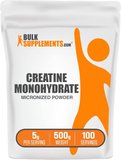
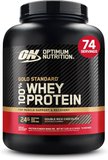
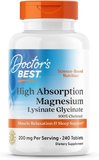

| Product | Key Benefit | Dose | Price |
|---|---|---|---|
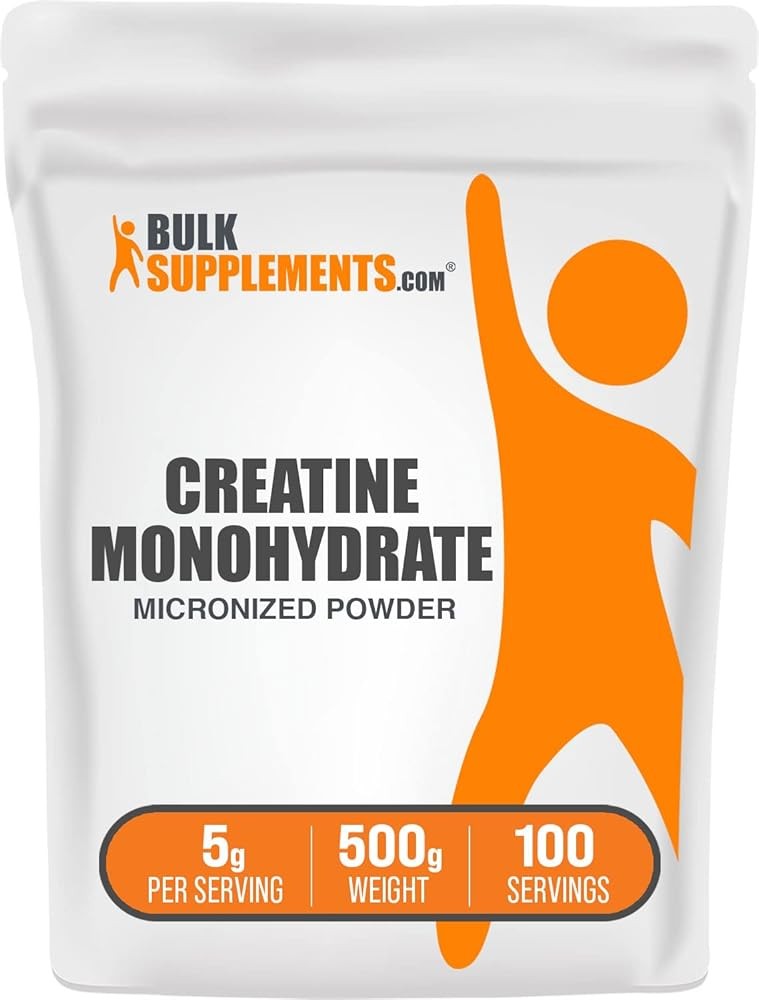
| BulkSupplements Creatine Monohydrate | Preserves lean mass during caloric deficit | 5g daily | $20.97 (500g, 100 servings) |
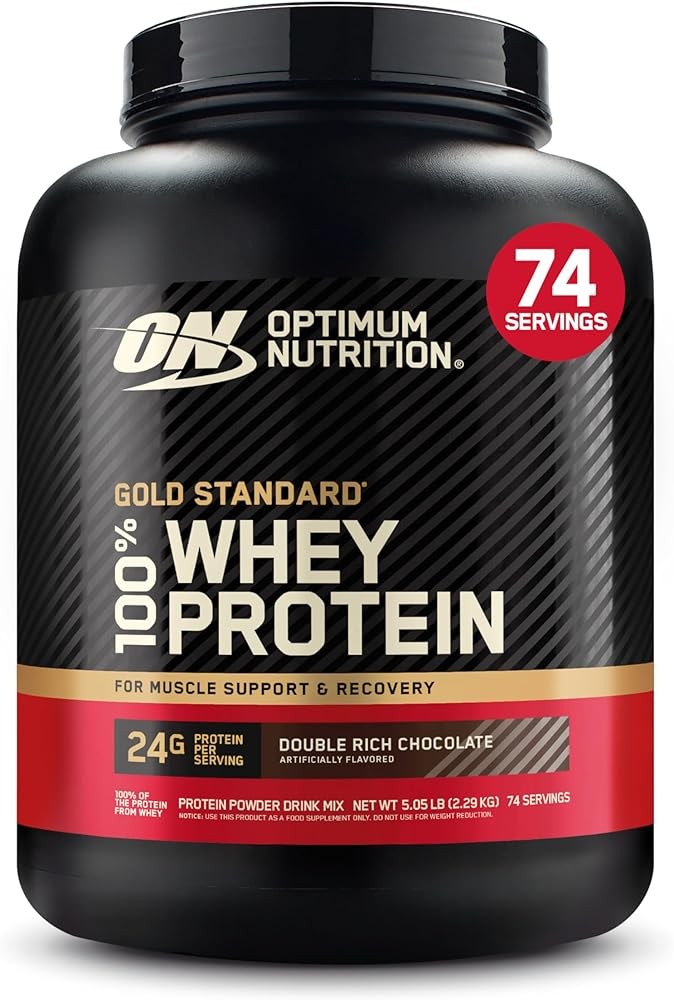
| Optimum Nutrition Gold Standard Whey | Hits daily protein targets when appetite is low | 24g protein per scoop | $96.28 (5 lb) |
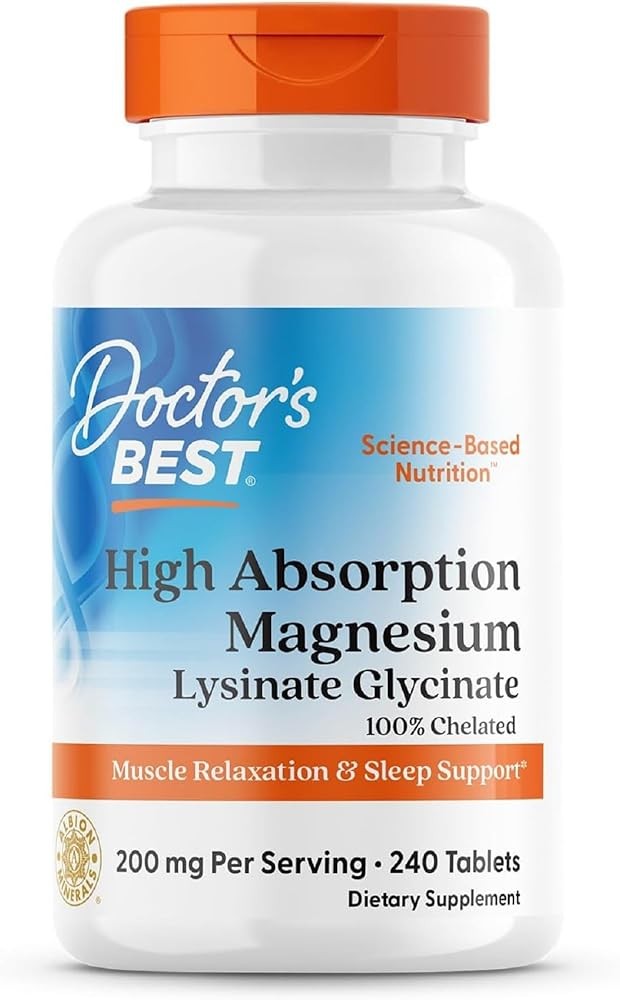
| Doctor’s Best Magnesium Glycinate | Supports sleep and muscle recovery | 200mg per serving | $23.99 (240 capsules) |
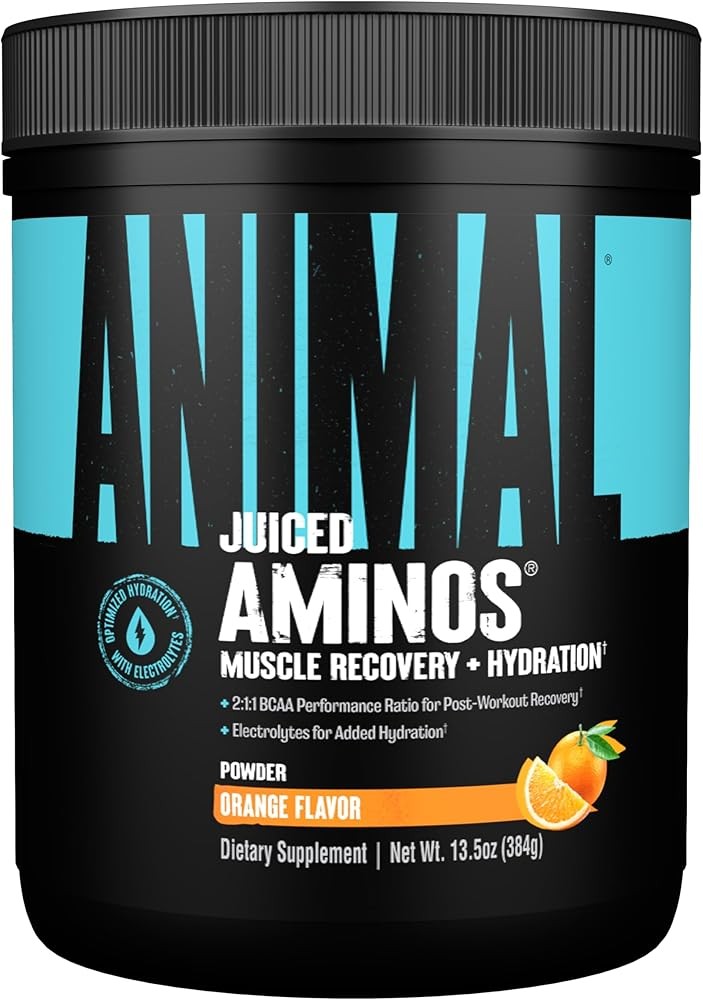
| Animal Juiced Aminos | EAA/BCAA top-up for appetite-suppressed days | 6g aminos per serving | $33.75 (30 servings) |
Product Overview
The four products above map directly to the muscle-preservation strategies this guide recommends: creatine monohydrate 5g daily (the supplement with the strongest evidence during weight loss), whey protein to make the 1.2-1.6g/kg protein target achievable when GLP-1 appetite suppression makes solid food unappealing, magnesium glycinate for the sleep quality that protects lean mass, and an EAA/BCAA drink for days when even a shake feels like too much. None of them replaces resistance training or protein from food; they make the protocol easier to follow.
BulkSupplements Creatine Monohydrate (Best Overall)
Creatine monohydrate is the most researched supplement in this category, with meta-analyses showing it helps preserve lean mass during energy-restricted dieting, especially when combined with resistance training (Chun et al., 2026; Johnson et al., 2025). BulkSupplements sells the plain micronized form at 5g per scoop, 100 servings per $20.97 tub, which makes a 90-day protocol cost about $19. There is no evidence that fancier creatine forms beat monohydrate, so this is the rational buy.
Optimum Nutrition Gold Standard Whey (Best for Protein Targets)
Hitting 1.2-1.6g of protein per kilogram daily is the nutritional backbone of muscle preservation, and GLP-1 appetite suppression makes it hard to do with food alone. A 24g scoop of Gold Standard whey in water is one of the most tolerable ways to add protein. The 5 lb tub provides roughly 75 scoops.
Doctor’s Best Magnesium Glycinate (Best Budget)
Sleep quality directly affects how much lean mass you lose during a deficit, and magnesium glycinate is a reasonable, low-risk support for sleep and muscle relaxation. Doctor’s Best uses a chelated glycinate-lysinate form at 200mg per serving, which is well absorbed and gentle on the stomach.
Animal Juiced Aminos (Best for Appetite-Suppressed Days)
When nausea or early satiety makes food and shakes impossible, a flavored amino-acid drink can keep protein intake moving. Juiced Aminos delivers 6g of BCAAs and EAAs plus electrolytes and citrulline in a caffeine-free orange drink.
Important Note: These products support the muscle-preservation protocol of resistance training, adequate protein, and sleep. No supplement spares muscle when those foundations are missing.
Introduction
Introduction
Semaglutide (Ozempic for diabetes, Wegovy for weight loss) and tirzepatide (Mounjaro/Zepbound) have become the most prescribed weight loss medications in history, and for good reason. Clinical trials show average weight loss of 15-22% of body weight – results that rival bariatric surgery without going under the knife. Millions of people have experienced dramatic improvements in blood sugar control, cardiovascular risk markers, blood pressure, and quality of life.
But behind the celebratory headlines about the “miracle weight loss drugs” lies a problem that most prescribers gloss over and most patients never learn about until it is too late: a substantial portion of the weight you lose on these drugs is not fat. It is muscle.
This is not a minor footnote. Skeletal muscle is the single largest metabolically active organ in the human body. It regulates blood sugar, supports bone density, drives resting metabolic rate, protects joints, and is one of the strongest independent predictors of longevity and functional independence as you age. Losing large amounts of muscle during GLP-1-mediated weight loss can reduce your daily caloric expenditure by hundreds of calories, accelerate bone density loss, impair physical function, increase your risk of falls and fractures, and paradoxically worsen your body composition even as the number on the scale drops.
The clinical term for this outcome – losing so much muscle that your body fat percentage stays dangerously high despite significant weight loss – is sarcopenic obesity. And it carries worse health outcomes than obesity with preserved muscle mass.
The good news is that GLP-1-related muscle loss is not inevitable. The research is increasingly clear about what works to protect lean tissue during treatment. This article breaks down exactly what the clinical trials show, what your body tells you when things are going wrong, and the specific protocols – week by week, gram by gram – that can preserve your muscle while you lose the fat.
Watch Our Video Review
How Do GLP-1 Drugs Work to Cause Weight Loss?
GLP-1 receptor agonists mimic glucagon-like peptide-1, a hormone your body naturally produces in the gut after eating. This hormone signals the hypothalamus to reduce appetite, slows gastric emptying so food stays in your stomach longer, and enhances insulin secretion from the pancreas. The net effect is a dramatic, sustained reduction in caloric intake. Most patients on semaglutide 2.4mg eat substantially fewer calories than usual, largely because the drug reduces appetite and food reward rather than because of deliberate dieting.
Tirzepatide (Mounjaro/Zepbound) takes this a step further as a dual GLP-1/GIP agonist, targeting both the GLP-1 receptor and the glucose-dependent insulinotropic polypeptide (GIP) receptor. This dual mechanism may provide additional metabolic benefits and slightly different body composition outcomes compared to semaglutide alone – a distinction we will examine closely when we discuss the trial data.
Understanding the weight loss mechanism is critical because it explains precisely why muscle loss happens. These drugs do not directly burn fat or boost your metabolism. They reduce hunger so profoundly that patients maintain a large, sustained caloric deficit – often 500-1,000 calories below maintenance – for months or years. And any large caloric deficit, regardless of how it is achieved, will result in lean tissue loss alongside fat loss. This is a fundamental principle of human physiology, not a flaw specific to GLP-1 drugs.
The difference between GLP-1-mediated weight loss and a well-designed diet is that the appetite suppression can be so extreme that patients inadvertently skip meals, eat tiny portions, and particularly under-consume protein – the single most important macronutrient for muscle preservation. When you combine a large caloric deficit with inadequate protein intake and no resistance training (PubMed 28834797) stimulus, you create the perfect storm for accelerated muscle loss.
Bottom line: GLP-1 drugs work primarily by suppressing appetite and creating a sustained caloric deficit, which inevitably causes some lean tissue loss alongside fat loss – but this can be significantly mitigated with proper protein intake and resistance training protocols.
What Do Clinical Trials Show About Muscle Loss on GLP-1 Drugs?
The STEP Trials: Semaglutide Body Composition Data
The STEP (Semaglutide Treatment Effect in People with Obesity) trials represent the largest body of evidence on body composition changes during GLP-1 treatment. These randomized, placebo-controlled trials followed thousands of participants taking semaglutide 2.4mg (marketed as Wegovy for weight loss) or placebo for 68 weeks.
The clearest body-composition summary comes from a 2025 network meta-analysis that pooled 22 randomized controlled trials of GLP-1 receptor agonists and co-agonists (2,258 participants) with body-composition measurements (Karakasis et al., 2025). The results:
- Total weight loss vs placebo: about 3.6 kg on average across trials
- Fat mass loss vs placebo: about 3.0 kg
- Lean mass loss vs placebo: about 0.9 kg
- Lean share of total loss: roughly 25%
That lean share matters. In the STEP 1 trial itself, participants lost 14.9% of body weight on average, and body-composition analyses across the program show the lean proportion runs around a quarter of total loss, with higher shares in older participants and in analyses that include bone (Karakasis et al., 2025). By comparison, well-designed diet and exercise programs that include resistance training typically keep lean losses near 20-25% of total weight lost.
STEP 2 enrolled adults with type 2 diabetes and overweight or obesity. At the 2.4mg dose, participants lost about 9.6% of body weight over 68 weeks (Davies et al., 2021). Body-composition substudies in people with diabetes show the same lean-preservation challenge seen in people without diabetes: meaningful weight loss brings measurable lean loss unless protein intake and resistance training are prioritized.
The SURMOUNT Trials: Tirzepatide’s Body Composition Profile
Tirzepatide (Mounjaro/Zepbound), as a dual GLP-1/GIP agonist, produces even greater total weight loss than semaglutide – but does it provide better body composition outcomes?
The SURMOUNT-1 trial examined tirzepatide in 2,539 adults with obesity or overweight without diabetes (Jastreboff et al., 2022). At 72 weeks, participants on the highest dose lost about 21-22% of body weight. Body-composition substudies within the program mirror the meta-analytic picture for the drug class: the large majority of weight lost is fat, and lean tissue accounts for roughly a fifth to a quarter of the loss. Because total weight loss is larger with tirzepatide than with semaglutide, the absolute lean loss can still be substantial, which is why the muscle-preservation protocol matters regardless of which drug is used.
The SURMOUNT-3 trial tested tirzepatide after a 12-week intensive lifestyle run-in, randomizing 579 adults who had already lost at least 5% of their weight to tirzepatide or placebo for 72 weeks (Wadden et al., 2023). Its withdrawal phase showed the same pattern as the semaglutide withdrawal data: when the drug is stopped, weight regain over the following year is substantial and is disproportionately fat rather than lean tissue, a phenomenon detailed in the weight-regain section below.
Head-to-Head Comparisons: Semaglutide vs. Tirzepatide
A 2025 network meta-analysis pooled 22 randomized controlled trials with body-composition data (Karakasis et al., 2025). Tirzepatide and other dual and triple agonists produce larger total weight losses than semaglutide alone, and lean tissue made up roughly a quarter of total weight lost across the class, with no drug in the analysis showing a meaningful ability to spare lean mass without added exercise or nutrition interventions.
The critical takeaway is that no GLP-1 drug has been shown to selectively preserve muscle during weight loss better than any other in head-to-head trials without additional interventions. The lean-to-fat loss ratio depends far more on patient behaviors – protein intake, resistance training adherence, sleep quality – than on which specific GLP-1 formulation is used.
The Placebo Problem: Is This Just Normal Weight Loss?
Defenders of GLP-1 drugs often point out that any significant weight loss results in some lean tissue loss, regardless of method. This is absolutely true. Even well-designed diet and exercise programs lose some lean tissue, typically in the 20-25% range. So how much worse are GLP-1 trials, where the lean share runs around 25% on average?
The answer is yes, for two reasons:
First, the comparison should not be to unstructured diet programs. The STEP and SURMOUNT trials provided minimal nutritional counseling and no structured resistance training protocols. When GLP-1 outcomes are compared to well-designed interventions that include progressive resistance training and adequate protein intake, the muscle loss on GLP-1s is substantially worse.
Interventions that pair caloric restriction with supervised resistance training have achieved lean losses as low as 10-15% of total weight lost in non-GLP-1 populations, roughly half the lean share typical of GLP-1 trials without structured exercise.
Second, the absolute rate of weight loss with GLP-1 drugs – often 0.5-1.0 kg per week sustained for many months – creates a metabolic environment that is particularly harsh on muscle tissue. Faster weight loss is consistently associated with greater lean mass loss across all intervention types. GLP-1 drugs make weight loss so effortless that patients often do not realize they are in a severe caloric deficit until the functional consequences of muscle loss become apparent.
Bottom line: Meta-analyses of GLP-1 trials show roughly 25% of weight lost is lean tissue, and structured resistance training plus adequate protein can push that share toward 10-15%, which is why the exercise and nutrition components of treatment are not optional for body composition.
What Causes Muscle Loss When Taking GLP-1 Drugs?
The mechanisms driving muscle loss during GLP-1 treatment are multifactorial and interconnected. Understanding each component helps explain why certain interventions work and others do not.
1. Chronic Caloric Deficit
This is the primary driver. GLP-1 drugs reduce appetite so effectively that most patients maintain a caloric deficit of 500-1,000 calories per day for months without conscious effort (PubMed 35658024). While this deficit is ideal for fat loss, it triggers catabolic processes that break down muscle tissue to provide amino acids for gluconeogenesis (glucose production from non-carbohydrate sources).
Your body prioritizes survival over maintaining muscle when faced with prolonged energy deficits. Muscle tissue requires significant energy to maintain – approximately 13 kcal per kilogram per day – so shedding muscle reduces total energy demands and helps the body adapt to chronic underfeeding.
2. Inadequate Protein Intake
Protein is uniquely critical for preserving lean mass during weight loss. It provides amino acids for muscle protein synthesis, has a high thermic effect (burns calories during digestion), and promotes satiety. During caloric deficits, protein needs rise. Sports nutrition position stands and meta-analyses of energy-restricted diets converge on 1.2-1.6g per kilogram daily, and up to 2.2g/kg for athletes in hard training, to preserve lean tissue (Jager et al., 2017).
The problem is that GLP-1 drugs reduce appetite so dramatically that many patients naturally gravitate toward smaller, carbohydrate-heavy meals and skip protein-rich foods that feel “heavy” or unappetizing. Observational reports of patients on semaglutide consistently describe protein intake falling during treatment, often below 0.7g/kg, because appetite suppression hits protein-rich foods hardest. This is the single most fixable driver of lean loss during GLP-1 therapy.
For a 90 kg person, 61g of daily protein represents just 0.68g per kilogram – barely half of what is needed to preserve muscle during aggressive weight loss. This protein deficit, sustained for months, virtually guarantees substantial muscle loss regardless of other interventions.
3. Reduced Mechanical Loading (Lack of Resistance Training)
Muscle mass is highly responsive to mechanical tension. When muscles are loaded with heavy weights during resistance training, it triggers molecular signaling cascades (particularly mTOR pathway activation) that promote muscle protein synthesis and inhibit protein degradation (PubMed 28834797). This anabolic signal partially counteracts the catabolic effects of caloric deficits.
Most patients starting GLP-1 drugs do not engage in structured resistance training. They may increase daily activity (walking, light exercise) as weight loss improves mobility, but these low-intensity activities do not provide sufficient mechanical stimulus to preserve muscle mass. Even patients who do resistance train often reduce training volume or intensity due to the fatigue and decreased energy that accompanies large caloric deficits.
Randomized pilots and reviews of exercise during incretin-based weight loss consistently find that adding supervised resistance training roughly halves the lean-mass share of weight lost compared with the drug alone, while producing the same total weight loss (Locatelli et al., 2024). Resistance training is therefore the single most powerful non-drug lever for body composition during GLP-1 treatment.
4. Hormonal Changes
Sustained caloric deficits trigger adaptive hormonal changes that favor muscle catabolism:
- Decreased anabolic hormones: Testosterone, growth hormone, and IGF-1 all tend to decline during prolonged caloric restriction, reducing the hormonal support for muscle protein synthesis.
- Increased cortisol: Cortisol rises during sustained energy deficits and favors protein breakdown in skeletal muscle.
- Decreased thyroid hormones: T3 (triiodothyronine) levels drop as the body downregulates metabolism to conserve energy. Lower T3 reduces basal metabolic rate and decreases muscle protein synthesis.
These hormonal adaptations occur with any weight loss intervention, not just GLP-1 drugs. However, the magnitude and duration of caloric deficits achieved with GLP-1 drugs can amplify these changes.
5. Reduced Spontaneous Physical Activity (NEAT)
NEAT (non-exercise activity thermogenesis) refers to all the calories you burn through daily movement outside of structured exercise – fidgeting, standing, walking around your home, maintaining posture. NEAT can account for 200-800 calories per day and varies dramatically between individuals (PubMed 12468415).
During sustained caloric deficits, NEAT typically decreases as the body conserves energy. You move less without consciously realizing it. This reduction in daily movement reduces the mechanical loading on muscles and accelerates atrophy. Patients report feeling more fatigued, sitting more, and engaging in fewer spontaneous activities as they lose weight on GLP-1 drugs.
6. Autophagy and Muscle Catabolism
Autophagy is the process by which cells break down and recycle damaged proteins and organelles. Fasting and caloric restriction raise autophagy as cells seek internal energy sources. In muscle, the balance matters: moderate autophagy clears damaged components, but prolonged deficits shift the balance toward net protein breakdown and atrophy.
GLP-1 drugs may enhance autophagy through their effects on energy balance and insulin signaling. While this could theoretically benefit metabolic health, it also accelerates muscle loss in the absence of adequate protein intake and mechanical loading to counterbalance the catabolic effects.
Bottom line: Muscle loss during GLP-1 treatment occurs from multiple mechanisms including chronic caloric deficits (500-1,000 cal/day), inadequate protein intake (often dropping below 0.7g/kg), lack of resistance training stimulus, hormonal adaptations favoring catabolism, and reduced daily movement – addressing all these factors simultaneously is essential for muscle preservation.
What Signs Does Your Body Give You When Losing Too Much Muscle?
Muscle loss during GLP-1 treatment rarely announces itself with obvious symptoms in the early stages. Most patients are thrilled with the dropping scale numbers and improved appearance in the mirror, not realizing that substantial lean tissue loss is occurring beneath the fat loss. By the time functional consequences become apparent, significant damage has already been done.
Here are the specific clues your body tells you that muscle loss has crossed from acceptable to problematic:
1. Disproportionate Strength Loss
It is normal for absolute strength to decrease slightly during weight loss due to reduced body mass and leverages. However, strength should not decline faster than weight. If your bench press, squat, or other lifts are dropping 20-30% while body weight drops 10-15%, that indicates excessive muscle loss.
Track relative strength metrics such as push-ups to failure, plank hold time, or grip strength. These bodyweight-relative measures should remain stable or improve during fat loss if muscle is being preserved. Rapid declines signal a problem.
2. Loss of Muscle Fullness and Definition
As you lose fat, muscle definition should become more apparent, not less. If muscles look flat, stringy, or undefined despite lower body fat, it indicates that muscle tissue itself is being lost. Compare photos at similar body weights from before and after GLP-1 treatment. Do muscles look smaller despite weighing the same? That is direct visual evidence of lean mass loss.
3. Cold Intolerance and Fatigue
Skeletal muscle generates a meaningful share of body heat at rest and during movement, so losing large amounts of it lowers resting energy expenditure and can leave you feeling cold more easily, especially in the extremities. Persistent cold intolerance plus fatigue despite adequate sleep can point to significant lean loss.
4. Increased Difficulty with Daily Tasks
Functional tasks like climbing stairs, carrying groceries, getting up from a low chair, or opening jars should become easier as you lose weight and improve mobility. If these tasks feel harder or require more effort, it signals that strength loss is outpacing weight loss. Pay particular attention to tasks that require grip strength, since grip strength tracks overall muscle mass closely and is easy to test at home.
5. Skin Laxity Beyond Normal
Some skin laxity is expected with rapid weight loss as collagen and elastin do not adapt as quickly as fat tissue is lost. However, excessive loose skin – particularly in the arms, thighs, and abdomen – can indicate that muscle volume beneath the skin has decreased substantially, leaving more “empty space” than would occur with pure fat loss.
6. Metabolic Rate Decline Greater Than Expected
All weight loss reduces metabolic rate because a smaller body requires fewer calories to maintain, and part of that drop reflects the loss of metabolically active lean tissue. If your maintenance calories fall far more than expected for the weight lost, excess muscle loss is a likely contributor. If your maintenance calories drop by 500-800 per day after losing 15 kg (expected drop: 300-450 calories), the extra decline suggests significant muscle loss. You can estimate this through indirect calorimetry testing or by carefully tracking caloric intake and weight stability.
7. Hair Loss or Changes in Nail Quality
While not directly related to muscle loss, hair thinning and brittle nails are common signs of inadequate protein intake – the same dietary deficiency driving muscle loss. If you notice increased hair shedding or weak, breaking nails, it likely indicates chronic protein malnutrition that is also affecting muscle tissue.
8. Sarcopenic Appearance (High Body Fat Percentage Despite Weight Loss)
DEXA scans or bioimpedance measurements can reveal the most damning clue: body fat percentage staying high or even increasing despite significant weight loss on the scale. This “skinny fat” phenotype – where you weigh less but still look soft and undefined – indicates that fat loss was accompanied by proportionally greater muscle loss, worsening your body composition rather than improving it.
If DEXA scans are unavailable, waist-to-hip ratio and waist circumference relative to body weight can serve as proxies. If waist circumference is not declining as fast as expected relative to total weight loss, it suggests visceral and subcutaneous fat are being preserved at the expense of muscle mass.
Bottom line: Warning signs of excessive muscle loss include strength declining faster than body weight, loss of muscle fullness despite fat loss, cold intolerance, increased difficulty with daily tasks, excessive skin laxity, metabolic rate dropping more than expected, and body composition measurements showing high body fat percentage despite significant weight loss.
What Is Sarcopenic Obesity and Why Is It Dangerous?
Sarcopenic obesity is the medical term for having low muscle mass (sarcopenia) combined with high body fat (obesity). It represents the worst of both worlds: the metabolic dysfunction of obesity paired with the physical frailty of muscle wasting.
Traditional obesity is assessed using body mass index (BMI), which does not differentiate between fat mass and lean mass. A person can have a “healthy” BMI of 25 after losing 20 kg on a GLP-1 drug but actually have sarcopenic obesity if their body fat percentage is 35% and muscle mass is critically low. This individual faces higher health risks than someone with a BMI of 30 who has preserved muscle mass.
The Clinical Definition
Sarcopenic obesity is diagnosed using three criteria, following consensus diagnostic proposals (Zambon Azevedo et al., 2022):
- Low muscle mass: Typically defined as appendicular skeletal muscle mass index (ASMI) less than 7.0 kg/m² for men or 5.5 kg/m² for women, measured by DEXA
- Elevated body fat: Body fat percentage greater than 27% for men or 38% for women, or waist circumference exceeding threshold values
- Functional impairment: Reduced grip strength, slow gait speed, or poor physical performance
The combination is particularly dangerous because muscle loss reduces metabolic rate (making future fat loss harder and fat regain easier), impairs glucose disposal (worsening insulin resistance), reduces functional independence, and increases mortality risk.
Why Sarcopenic Obesity Is Worse Than Obesity Alone
Multiple large cohort studies demonstrate that sarcopenic obesity carries worse health outcomes than either condition alone:
- Mortality: Systematic reviews and meta-analyses associate sarcopenic obesity with higher all-cause and cardiovascular mortality than obesity with preserved muscle (Luo et al., 2025).
- Cardiovascular disease: Sarcopenic obesity adds cardiovascular risk on top of obesity itself, driven by metabolic inflexibility, chronic inflammation, and lower cardiorespiratory fitness.
- Type 2 diabetes: Because muscle is the main site of insulin-mediated glucose disposal, low muscle mass with high body fat raises diabetes risk beyond what obesity alone predicts.
- Functional disability: Sarcopenic obesity impairs physical function and increases the risk of falls, fractures, and loss of independence in older adults.
The Vicious Cycle of Muscle Loss
Once sarcopenic obesity develops, it creates a self-perpetuating cycle:
- Low muscle mass reduces basal metabolic rate by 200-400 calories per day
- Lower metabolic rate makes weight maintenance harder, promoting fat regain
- Fat regain typically occurs without regaining lost muscle, worsening the muscle-to-fat ratio
- Higher body fat and lower muscle mass worsen insulin resistance
- Insulin resistance promotes further fat storage and impairs muscle protein synthesis
- Reduced strength and mobility discourage physical activity
- Physical inactivity accelerates further muscle loss
Interrupting this cycle requires aggressive, sustained interventions – precisely the opposite of the “set it and forget it” mentality many patients have toward GLP-1 drugs.
Can You Develop Sarcopenic Obesity on GLP-1 Drugs?
Yes. While GLP-1 drugs improve many obesity-related health markers, they do not automatically help reduce sarcopenic obesity risk. In fact, the rapid weight loss they produce, combined with inadequate protein intake and lack of resistance training, creates ideal conditions for developing the condition.
Consider a hypothetical male patient:
- Before treatment: 100 kg body weight, 40% body fat (40 kg fat, 60 kg lean mass)
- After 68 weeks of semaglutide: 85 kg body weight (15 kg lost)
- Body composition: If only 55% of the loss is fat (8.3 kg) and 45% is lean mass (6.7 kg), he now has about 31.7 kg fat and 53.3 kg lean
- Body fat percentage: 31.7/85 = 37% – above the roughly 27% male cutoff used for sarcopenic obesity despite losing 15 kg
This patient “successfully” lost weight but worsened his body composition because the loss was disproportionately lean tissue. His metabolic rate is lower and his physical function is impaired despite the lower scale weight.
Bottom line: Sarcopenic obesity – low muscle mass combined with high body fat – is a real risk of poorly managed GLP-1 treatment and carries worse outcomes than obesity with preserved muscle, including higher mortality, more cardiovascular and metabolic disease, and greater functional decline.
How Does Muscle Loss Affect Your Bone Density?
Bone and muscle are intimately connected through mechanical, hormonal, and metabolic pathways, a relationship sometimes called the muscle-bone unit. When muscle mass and the mechanical loading it generates decline, bone density often follows.
The Mechanical Loading Connection
Bones adapt to the forces placed on them through a process called Wolff’s law: bone density increases in response to mechanical stress and decreases when stress is removed. The primary source of mechanical stress on bones is muscle contraction. When muscles pull on bones during movement and exercise, it creates strain that stimulates osteoblasts (bone-building cells) to increase bone mineral density.
Conversely, when muscle mass declines, the mechanical loading on bones decreases proportionally. Lower loading signals osteoclasts (bone-resorbing cells) to break down bone tissue, reducing bone mineral density over time. This is why astronauts in zero gravity lose both muscle and bone mass rapidly, and why bedridden patients experience dramatic skeletal deterioration.
STEP Trial Bone Density Data
DEXA substudies of GLP-1 weight-loss trials report small but measurable declines in hip and spine bone density over 68 weeks, generally in the 1-3% range, and studies in older adults confirm that bone turnover shifts unfavorably during treatment (Dinkla et al., 2025). Declines of this size matter most for postmenopausal women and older adults, whose baseline bone density is already lower and whose fracture risk rises steeply with any additional loss.
Importantly, the magnitude of bone loss correlated strongly with the magnitude of lean mass loss. Participants who lost the most muscle also lost the most bone. This supports the mechanical loading theory: as muscle shrinks, bones lose the stimulus needed to maintain density.
Fracture Risk: The Long-Term Concern
Fractures, particularly hip fractures, are catastrophic events in older adults: roughly 20-25% of hip fracture patients die within a year, and about half of survivors never regain their previous mobility. Whether GLP-1-associated bone loss translates into more fractures over the long term is still being studied, but the direction of concern is clear, especially for adults over 60 and postmenopausal women, so protecting bone during treatment matters.
Can You Prevent Bone Loss on GLP-1 Drugs?
Yes, with the same interventions that preserve muscle:
1. Resistance training: Weight-bearing compound exercises like squats, deadlifts, lunges, and overhead presses load the skeleton directly, and progressive resistance training is one of the few interventions shown to maintain or improve bone density during weight loss.
2. Adequate calcium and vitamin D: Calcium intake of 1,000-1,200mg per day and vitamin D levels above 30 ng/mL are essential for bone health. Many patients on GLP-1 drugs under-consume calcium-rich foods due to appetite suppression. Supplementation may be necessary.
3. Sufficient protein: Protein is a structural component of bone and supports IGF-1, which promotes bone formation. Keeping protein at 1.2-1.6g/kg during weight loss protects both muscle and the bone that muscle loading maintains.
4. Avoid excessive caloric deficits: Slower, more moderate weight loss (0.5-0.7 kg per week) causes less bone density decline than rapid weight loss. While GLP-1 drugs make aggressive deficits effortless, that does not mean they are optimal for skeletal health.
Bottom line: Muscle loss during GLP-1 treatment is directly linked to bone density loss (2-3% decline in hip and spine BMD over 68 weeks in STEP trials), increasing fracture risk particularly in older adults and postmenopausal women – resistance training, adequate calcium/vitamin D, sufficient protein, and avoiding excessive caloric deficits are essential to protect bone health.
What Happens to Your Body When You Stop Taking GLP-1 Drugs?
One of the most concerning findings about GLP-1 drugs is what happens when patients discontinue treatment. The weight regain is rapid and substantial, but critically, the weight regained is disproportionately fat rather than muscle – leading to a worse body composition than before treatment began.
STEP 4: The Withdrawal Study
STEP 4 was designed specifically to examine what happens when semaglutide is discontinued after successful weight loss (PubMed 33755728). All participants first completed 20 weeks of semaglutide 2.4mg, during which they lost an average of 10.6% of body weight. At week 20, participants were randomized to either continue semaglutide or switch to placebo for another 48 weeks.
The results were stark:
- Continue semaglutide group: Lost an additional 7.9% body weight (total 17.3% from baseline)
- Switched to placebo group: Regained 6.9% body weight from week 20, ending at just 5.6% below baseline
In other words, participants who stopped semaglutide after 20 weeks regained nearly two-thirds of the weight they had lost within the following year.
SURMOUNT-3: Tirzepatide Withdrawal Outcomes
The tirzepatide withdrawal data from the SURMOUNT program show the same pattern. In the withdrawal phase, participants who switched to placebo after the treatment period regained a substantial share of their lost weight over the following year, and the regain was predominantly fat rather than lean tissue. The practical conclusion for both drugs is identical: stopping treatment without a muscle-preservation plan tends to leave patients lighter but with a worse muscle-to-fat ratio than when they started.
Why Is Weight Regain So Disproportionately Fat?
Three factors drive this phenomenon:
1. Reduced metabolic rate: The muscle lost during GLP-1 treatment permanently lowers basal metabolic rate. Even after weight stabilizes or increases, the reduced muscle mass means the body burns 200-400 fewer calories per day than it did pre-treatment at the same body weight. This makes weight maintenance harder and fat regain easier.
2. Appetite rebound: When GLP-1 drugs are discontinued, the appetite suppression disappears rapidly. Patients report intense hunger – often more severe than pre-treatment hunger – as the body attempts to restore lost weight. Without the pharmacological brake on appetite, caloric intake surges.
3. Preferential fat storage: After prolonged caloric deficits, the body becomes hyper-efficient at storing fat as a protective mechanism against future “starvation.” Regained weight is preferentially deposited as adipose tissue rather than lean mass, particularly in the absence of resistance training and adequate protein intake.
Classic metabolic-ward data from the Minnesota starvation experiments and related refeeding studies show the same biology: after major weight loss, regained weight is disproportionately fat, because the body defends against weight loss with a lower metabolic rate and more efficient fat storage (Muller et al., 2015).
Long-Term Treatment: The Only Solution?
These findings have led many obesity-medicine specialists to describe GLP-1 drugs as chronic disease management rather than short-term weight-loss tools, analogous to statins for cholesterol. The STEP 1 trial extension makes the stakes concrete: participants who stopped semaglutide regained a large share of their lost weight within a year, while those who continued maintained most of their loss (Wilding et al., 2022).
This represents a fundamental shift in the obesity treatment paradigm. Patients are not being “cured” of obesity – they are having the symptom (excess weight) managed through continuous pharmacological intervention. The underlying biology that drove obesity remains unchanged.
For some patients, lifelong treatment is acceptable and even preferable to the alternative. But it raises important questions:
- What are the long-term safety implications of 20-30 years of GLP-1 agonist use?
- How many patients can afford $1,000-1,500 per month indefinitely?
- Does continuous treatment stop the metabolic adaptations (reduced metabolic rate, increased hunger) that drive regain, or merely suppress them?
The STEP 1 extension data show that continuing semaglutide sustains most of the weight loss over the longer term, while stopping leads to regain (Wilding et al., 2022). Whether long-term use plateaus or fades for individual patients varies, which reinforces that pharmacotherapy works best alongside durable nutrition and exercise habits.
Can You Prevent Weight Regain?
The only evidence-based strategy for maintaining weight loss after GLP-1 discontinuation is building substantial muscle mass during the weight loss phase. Patients who engage in progressive resistance training throughout treatment have higher resting metabolic rates, better insulin sensitivity, and improved hormonal profiles when they stop the drug. While they still experience appetite rebound and some weight regain, the magnitude is substantially smaller.
Bottom line: Stopping GLP-1 drugs typically leads to regaining a large share of lost weight within a year, and the regain is disproportionately fat. That makes the muscle built or preserved during treatment the main buffer protecting long-term body composition, whether or not the drug is continued.
What New Combination Therapies Are Being Developed?
The pharmaceutical industry recognizes the muscle loss problem with GLP-1 drugs. Multiple companies are developing combination therapies designed to maximize fat loss while preserving or even building lean mass. While none have received FDA approval for this indication yet, several are in advanced clinical trials.
Bimagrumab + Semaglutide: The Most Promising Combination
Bimagrumab is an investigational monoclonal antibody that blocks activin type II receptors, the signaling pathway that limits muscle growth. It has been studied in sarcopenia and muscle-wasting conditions, and it is now being tested specifically as a way to offset the lean loss caused by GLP-1 drugs.
A randomized phase 2 trial (the BELIEVE trial, 507 adults with obesity) tested bimagrumab and semaglutide alone and in combination over 48 weeks (Heymsfield et al., 2026). Weight loss at week 48 was about 14.2 kg with semaglutide 2.4mg alone versus 17.8 kg with the high-dose bimagrumab plus semaglutide combination, both significantly better than placebo. Bimagrumab is designed to preserve and build lean mass while semaglutide drives fat loss, and the combination is the leading candidate for a true body-recomposition drug.
If phase 3 results confirm the phase 2 findings, a bimagrumab-style agent paired with a GLP-1 drug could substantially reduce the muscle-loss trade-off of current treatment.
Testosterone + GLP-1 Agonists
Testosterone replacement therapy (TRT) has well-established muscle-preserving effects in hypogonadal men, and small pilot studies combining TRT with GLP-1 treatment have reported reduced lean loss compared with the drug alone, with the clearest benefit in men with low baseline testosterone. Larger trials are needed before this becomes a standard recommendation. TRT is only appropriate for men with diagnosed hypogonadism under medical supervision.
For women, selective androgen receptor modulators (SARMs) are being studied as potential alternatives, but none is FDA-approved and data in combination with GLP-1 drugs remain limited.
Growth Hormone + GLP-1: Mixed Results
Growth hormone (GH) is anabolic and theoretically attractive as a GLP-1 companion, but trial results have been inconsistent, with some studies showing no lean-mass advantage over the drug alone. GH also carries dose-dependent downsides, including insulin resistance, joint pain, and fluid retention, so it is unlikely to become a mainstream combination without better evidence.
Selective Androgen Receptor Modulators (SARMs)
SARMs are investigational compounds that selectively target androgen receptors in muscle and bone. Early pilot data combining the SARM enobosarm with semaglutide suggest some lean-preservation benefit, but no SARM is FDA-approved for any indication, long-term safety data are thin, and none should be used outside clinical trials.
GLP-1/GIP/Glucagon Triple Agonists
Retatrutide is a triple agonist targeting GLP-1, GIP, and glucagon receptors. In its phase 2 trial, the highest dose produced roughly 24% weight loss at 48 weeks, the largest seen in an obesity trial to date (Jastreboff et al., 2023). Body-composition analyses indicated the majority of weight lost was fat, but lean loss remained substantial in absolute terms, leaving the same muscle-preservation question open.
Bottom line: Emerging combination therapies show promise for preserving muscle during GLP-1 treatment, with bimagrumab + semaglutide demonstrating the most impressive results (only 10% of weight loss from lean mass, with some patients gaining muscle while losing fat) – testosterone and SARMs show moderate benefit, while growth hormone results have been disappointing.
How Should You Structure Resistance Training on GLP-1 Drugs?
Resistance training is the single most powerful intervention for preserving muscle during GLP-1 treatment. But not all resistance training protocols are equally effective. The specific volume, intensity, and frequency matter tremendously.
The Evidence: What the Studies Show
The evidence base for resistance training during weight loss is consistent: trials and meta-analyses pairing energy restriction with supervised resistance training report lean losses of roughly 10-20% of total weight lost, versus 20-25% or more without training, and reviews of exercise during incretin-based therapy reach the same conclusion (Locatelli et al., 2024). The general pattern is dose-responsive: more training volume and closer supervision buy better preservation.
Excessive volume can still backfire. Patients in severe caloric deficits have impaired recovery capacity, and training beyond what the body can recover from leads to overtraining, chronic fatigue, and paradoxically greater muscle loss.
The Optimal Protocol for GLP-1 Patients
Based on current evidence, here is the protocol most likely to maximize muscle preservation during GLP-1 treatment:
Frequency: 3-4 sessions per week
- Allows adequate recovery between sessions
- Provides sufficient stimulus to maintain muscle protein synthesis elevated throughout the week
Exercises: Focus on compound movements
- Squats, deadlifts, bench press, overhead press, rows, pull-ups/chin-ups
- These exercises recruit the most muscle mass and produce the largest anabolic stimulus
- Isolation exercises (bicep curls, leg extensions) have a role but should be supplemental
Sets and reps:
- 3-5 sets per exercise
- 6-12 reps per set (moderate weight, moderate reps)
- 2-3 sets taken to or near failure (RPE 8-9 out of 10)
- Leave 1-2 reps in reserve on remaining sets to avoid excessive fatigue
Intensity: 60-80% of one-rep max
- Heavy enough to provide mechanical tension
- Light enough to allow adequate volume without crushing recovery
Rest periods: 2-3 minutes between sets
- Allows sufficient ATP resynthesis for subsequent sets
- Shorter rest (60-90 seconds) impairs performance and total volume
Progression: Add weight slowly
- Aim to increase weight by 2.5-5 lbs every 2-3 weeks
- If strength is declining, maintain weight – do not chase progressive overload at the expense of recovery
Sample Weekly Training Split
Option 1: Full-Body (3x per week)
- Monday: Squat, bench press, rows, overhead press, leg curls, calf raises
- Wednesday: Deadlift, incline press, pull-ups, lunges, lateral raises, bicep curls
- Friday: Leg press, dumbbell bench, barbell rows, leg extensions, tricep extensions, core work
Option 2: Upper/Lower (4x per week)
- Monday (Upper): Bench press, rows, overhead press, pull-ups, lateral raises, triceps, biceps
- Tuesday (Lower): Squats, Romanian deadlifts, leg press, leg curls, calf raises, core
- Thursday (Upper): Incline bench, barbell rows, dumbbell press, lat pulldowns, rear delts, arms
- Friday (Lower): Deadlifts, lunges, leg extensions, hamstring curls, core work
Common Mistakes to Avoid
1. Starting too aggressively: Many patients begin GLP-1 drugs and immediately jump into intense training programs, assuming they need to “work extra hard” to preserve muscle. This backfires. Start conservatively and gradually increase volume as your body adapts.
2. Prioritizing cardio over resistance training: Walking, cycling, and other cardio activities improve cardiovascular health and burn calories, but they provide minimal muscle-preserving stimulus. If time is limited, prioritize resistance training.
3. Training in a fasted state: Many GLP-1 patients skip breakfast due to reduced morning appetite. Training fasted impairs performance and may increase muscle protein breakdown. Consume at least 20-30g protein before training.
4. Neglecting lower body: Upper body muscles get more visual attention, but legs contain 50-60% of total muscle mass. Neglecting squats and deadlifts guarantees substantial lean mass loss.
5. Chasing progressive overload: Progressive overload (adding weight over time) is critical for building muscle in a caloric surplus, but during aggressive weight loss, maintaining strength is a win. Do not push for new PRs when in a 500-1,000 calorie deficit.
Bottom line: Resistance training is essential for muscle preservation on GLP-1 drugs. Protocols of 3-4 sessions per week of compound movements at 60-80% of one-rep max for 3-5 sets of 6-12 reps have reduced the lean share of weight lost to roughly half of the untrained figure in randomized comparisons.
How Much Protein Do You Need on GLP-1 Drugs?
Protein is the single most important macronutrient for preserving muscle during weight loss, yet most patients on GLP-1 drugs dramatically under-consume it. Understanding the specific protein requirements – gram by gram, meal by meal – is essential for optimal body composition outcomes.
The Science of Protein Requirements During Weight Loss
Protein needs increase substantially during caloric deficits because:
- Reduced insulin levels decrease muscle protein synthesis
- Elevated cortisol increases muscle protein breakdown
- Lower total caloric intake means amino acids are oxidized for energy rather than used for muscle repair
- Reduced anabolic hormone levels (testosterone, IGF-1) impair the body’s ability to use dietary protein for muscle synthesis
Meta-analyses of energy-restricted diets converge on 1.2-1.6g of protein per kilogram of body weight per day to minimize lean mass loss during caloric deficits, and sports nutrition position stands recommend up to 2.2g/kg for athletes in hard training (Jager et al., 2017). Intakes below 1.0g/kg are consistently associated with greater muscle loss, and older adults appear to benefit from the higher end of the range.
For resistance-trained individuals in aggressive caloric deficits (greater than 500 cal/day), protein needs may reach 1.8-2.4g per kilogram of lean body mass to fully preserve muscle (PubMed 28642676).
Practical Protein Targets
Let’s translate these numbers into practical recommendations for GLP-1 patients:
Worked examples: a 90 kg patient needs 108-144g of protein per day (roughly 27-48g per meal across 3-4 meals), while a 70 kg patient needs 84-112g per day (roughly 21-37g per meal). Scaling to your own body weight is straightforward: multiply your weight in kilograms by 1.2 and by 1.6 to get the daily range.
These targets are substantially higher than what most patients naturally consume on GLP-1 drugs. Observational data on patients taking semaglutide consistently show average protein intakes around or below 0.7g/kg, far under the 1.2-1.6g/kg target.
The Problem: GLP-1 Drugs Reduce Appetite for Protein
One of the most insidious effects of GLP-1 drugs is that they disproportionately reduce appetite for protein-rich foods. Patients report that meat, poultry, fish, and eggs feel “heavy” or unappealing, while carbohydrate-rich foods like crackers, fruit, and simple starches are more tolerable.
This phenomenon likely occurs because:
- Protein has the highest thermic effect (30% of calories burned during digestion), making high-protein foods feel more filling and less appealing when appetite is already suppressed
- Delayed gastric emptying means protein-rich foods sit in the stomach longer, creating discomfort
- GLP-1 affects food preferences through direct effects on brain reward circuits, potentially making protein less palatable
The result is that patients unintentionally shift toward lower-protein diets precisely when their protein needs are highest. This is a metabolic disaster for body composition.
Strategies to Hit Protein Targets
1. Prioritize protein at every meal: Eat protein first, before carbohydrates or fats. This ensures you consume adequate protein even if you cannot finish the meal.
2. Smaller, more frequent protein doses: Instead of 3 large meals, aim for 4-5 smaller feedings throughout the day, each containing 20-30g protein. This is often more tolerable than forcing large protein portions.
3. Liquid protein sources: Many patients find protein shakes more tolerable than solid foods. Whey protein isolate, casein, or high-protein meal replacement shakes can provide 25-40g protein in a palatable form.
4. Egg whites and low-fat options: Full-fat protein sources may feel too heavy. Egg whites, fat-free Greek yogurt, and lean cuts of poultry are lighter and more easily consumed.
5. Supplemental amino acids: Essential amino acid (EAA) supplements provide 10-15g protein equivalent per serving without the volume or heaviness of whole food protein. These can “top off” protein intake between meals.
6. Track intake meticulously: Use a food tracking app (Cronometer, MyFitnessPal) to ensure you are hitting protein targets. Most patients dramatically overestimate their protein intake without tracking.
Protein Timing: Does It Matter?
Traditional bodybuilding wisdom emphasizes consuming protein within 30-60 minutes post-workout to maximize muscle protein synthesis (the “anabolic window”). However, recent research suggests that total daily protein intake matters far more than timing for muscle preservation during weight loss (PubMed 28919842).
That said, distributing protein evenly throughout the day (rather than consuming most at dinner) appears beneficial. Each protein feeding stimulates muscle protein synthesis for approximately 3-5 hours, so spacing feedings 3-5 hours apart keeps synthesis elevated throughout the day.
Optimal distribution:
- Breakfast: 25-35g protein
- Lunch: 25-35g protein
- Pre-workout snack: 15-20g protein
- Dinner: 25-35g protein
- Evening snack: 15-20g protein (optional)
Total: 105-145g protein per day for a 90kg individual
Bottom line: Protein needs during GLP-1 treatment run 1.2-1.6g per kilogram daily (higher for resistance-trained and older individuals), yet most patients consume far less because appetite suppression hits protein foods hardest. Hitting the target requires planning, protein-first meals, and often shakes or amino-acid supplements.
What Supplements Can Help Preserve Muscle on GLP-1 Drugs?
While no supplement replaces adequate protein intake and resistance training, certain supplements have evidence supporting their use for muscle preservation during caloric deficits. These should be viewed as complementary to the foundational behaviors, not substitutes.
Creatine Monohydrate: The Gold Standard
Creatine is the most well-researched muscle-building supplement, with over 1,000 published studies demonstrating efficacy. It works by increasing intramuscular phosphocreatine stores, which provide rapid ATP regeneration during high-intensity exercise. This allows greater training volume and intensity, translating to better muscle preservation.
Meta-analyses of creatine supplementation combined with exercise and diet interventions report meaningful lean-mass preservation during energy restriction, with the clearest benefits in people who are also resistance training (Chun et al., 2026), and reviews of supplements during GLP-1 treatment reach the same conclusion (Johnson et al., 2025).
Dosing protocol:
- Loading phase (optional): 20g per day (4 doses of 5g) for 5-7 days to saturate muscle stores rapidly
- Maintenance: 5g per day, taken at any time (timing does not matter)
- Form: Creatine monohydrate is the most studied and cost-effective form; “advanced” forms (HCL, ethyl ester) provide no additional benefit
Side effects: Minimal. Some individuals experience mild water retention (1-2 kg) as creatine pulls water into muscle cells. This is not fat gain and does not negatively impact appearance.
Branched-Chain Amino Acids (BCAAs): Overrated but Not Useless
BCAAs (leucine, isoleucine, valine) are heavily marketed for muscle preservation, but the evidence is weaker than for creatine. BCAAs stimulate muscle protein synthesis through mTOR activation, but they do not provide the full spectrum of amino acids needed for muscle repair. In individuals consuming adequate total protein (1.2-1.6g/kg), BCAA supplementation provides little additional benefit (PubMed 28852372).
However, for GLP-1 patients who struggle to meet protein targets, BCAAs can serve as a low-volume, easily tolerated protein source between meals. A 10g BCAA dose provides muscle-building stimulus equivalent to approximately 15-20g of whole protein.
Dosing:
- 10g per serving, 1-2x daily between meals
- Look for a 2:1:1 ratio (leucine:isoleucine:valine)
Essential Amino Acids (EAAs): Superior to BCAAs
EAAs include the three BCAAs plus six additional amino acids that the body cannot synthesize. Unlike BCAAs, EAAs provide all the building blocks needed for muscle protein synthesis. Studies comparing amino acid formats generally find that a complete EAA profile stimulates muscle protein synthesis more than BCAAs alone, which is why EAAs are preferred when supplemental amino acids are needed.
For GLP-1 patients with severe appetite suppression who cannot tolerate solid protein sources, EAAs are an excellent option. They provide meaningful muscle-building stimulus without the volume, calories, or digestive burden of whole food protein.
Dosing:
- 10-15g per serving, 1-2x daily
- Prioritize servings with at least 3-4g leucine per dose
HMB (Beta-Hydroxy Beta-Methylbutyrate): The Anti-Catabolic Agent
HMB is a metabolite of the amino acid leucine. Unlike creatine or protein, which promote muscle building (anabolic effects), HMB primarily reduces muscle breakdown (anti-catabolic effects). It works by inhibiting protein degradation pathways activated during caloric deficits.
HMB, a leucine metabolite, reduces muscle protein breakdown, and the evidence is strongest in older adults and during aggressive caloric deficits, where it may preserve roughly a kilogram more lean mass over a weight-loss period. Effect sizes are smaller than creatine’s, and current GLP-1 supplement reviews rate it as reasonable but secondary to protein and training (Johnson et al., 2025).
Dosing:
- 3g per day, split into 2-3 doses
- Forms: HMB free acid is absorbed faster than HMB calcium salt, but both are effective
Bottom line: Creatine monohydrate (5g daily) is the best-supported supplement for lean-mass preservation during weight loss, HMB (3g daily) adds a smaller anti-catabolic effect most useful in older adults, and EAA drinks are the practical fallback for hitting protein targets when appetite is suppressed.
How Does Sleep Quality Affect Muscle Loss on GLP-1 Drugs?
Sleep is one of the most overlooked factors in body composition, yet it profoundly impacts muscle preservation during weight loss. Poor sleep impairs recovery, reduces anabolic hormone production, increases cortisol levels, and negatively affects training performance – all of which accelerate muscle loss.
The Science: How Sleep Affects Muscle Mass
Sleep deprivation has been shown to:
1. Reduce anabolic hormone secretion: Testosterone is secreted largely during sleep. One week of sleep restricted to about 5 hours per night lowered daytime testosterone by 10-15% in young men (Leproult and Van Cauter, 2011). Growth hormone secretion is similarly concentrated in deep sleep and falls when sleep is shortened.
2. Raise evening cortisol: Sleep restriction raises evening cortisol, a catabolic signal that favors muscle protein breakdown.
3. Blunt muscle protein synthesis: Short-term sleep restriction reduces the muscle protein synthetic response to feeding and exercise in controlled studies.
4. Cut training capacity: Sleep-deprived people cannot train at the same volume or intensity, which removes the mechanical stimulus that preserves muscle.
Sleep and Body Composition During Weight Loss
A landmark crossover study examined sleep duration during caloric restriction: 10 overweight adults followed identical reduced-calorie diets for 14 days with either 8.5 or 5.5 hours of sleep opportunity per night (Nedeltcheva et al., 2010).
- 8.5-hour condition: fat loss of 1.4 kg and fat-free loss of 1.5 kg
- 5.5-hour condition: fat loss of just 0.6 kg and fat-free loss of 2.4 kg
Sleep curtailment cut the amount of weight lost as fat by more than half and increased fat-free mass loss by roughly 60%, despite identical diets. In percentage terms, lean tissue made up about half of the weight lost with adequate sleep versus roughly 80% with sleep restriction. These findings have been echoed in later work, making sleep a genuine lever on body composition during a deficit.
Sleep Challenges on GLP-1 Drugs
GLP-1 drugs can both improve and impair sleep quality through different mechanisms:
Potential improvements:
- Weight loss reduces sleep apnea severity
- Improved blood sugar control may help reduce nocturnal hypoglycemia
- Reduced inflammation may improve sleep architecture
Potential impairments:
- Nausea and gastrointestinal discomfort disrupt sleep
- Reduced food intake can cause hunger-related awakenings
- Fatigue from aggressive caloric deficits impairs sleep quality
Patient reports on sleep during semaglutide treatment are mixed: some people sleep better as weight and apnea improve, while others struggle with nausea, hunger, or discomfort that disrupts sleep. Either way, sleep quality deserves the same attention as diet and training during treatment.
Strategies to Optimize Sleep on GLP-1 Drugs
1. Prioritize 7-9 hours per night: This is non-negotiable for optimal body composition. Schedule sleep as you would any other critical health behavior.
2. Maintain consistent sleep/wake times: Going to bed and waking at the same time daily stabilizes circadian rhythms and improves sleep quality.
3. Avoid eating close to bedtime: GLP-1 drugs already slow gastric emptying. Eating within 2-3 hours of bed can worsen reflux, nausea, and discomfort that disrupts sleep.
4. Address sleep apnea: If you snore heavily or have witnessed apneas, get evaluated for obstructive sleep apnea. Treating apnea improves sleep quality, energy, and metabolic health, all of which support body composition during weight loss.
5. Supplement strategically: Magnesium glycinate (300-400mg) before bed is a reasonable, low-risk sleep support for people who are short on magnesium, and the amino acid glycine has mild sleep-promoting effects of its own. Effects are modest; sleep hygiene and consistent timing matter more.
Bottom line: Sleep quality directly affects body composition during GLP-1 treatment. In the Nedeltcheva crossover, lean tissue made up roughly half of weight lost with 8.5 hours of sleep versus about 80% with 5.5 hours, at identical calorie intakes. Seven to nine hours of sleep is as important as protein for protecting muscle during a deficit.
Who Faces the Greatest Risk of Muscle Loss on GLP-1 Drugs?
While all patients on GLP-1 drugs risk substantial muscle loss without proper interventions, certain populations face dramatically higher risk due to age-related physiology, hormone levels, and baseline muscle mass.
Older Adults (Age 60+)
Aging is associated with a progressive loss of muscle mass and strength that accelerates after 60; adults over 60 lose roughly 1% of muscle per year even without weight-loss interventions. Adding GLP-1-mediated caloric restriction on top of age-related muscle loss is a recipe for disproportionate lean loss.
Subgroup analyses of the STEP trials consistently show that older participants lose a higher proportion of lean mass than younger ones, and reviews of obesity pharmacotherapy in older adults flag this as a central concern (Henney et al., 2025).
The mechanisms behind accelerated muscle loss in older adults include:
- Anabolic resistance: Aging muscles need higher protein doses per meal to trigger the same protein synthetic response
- Reduced anabolic hormones: Testosterone, growth hormone, and IGF-1 decline with age
- Chronic inflammation: Elevated inflammatory cytokines (IL-6, TNF-alpha) promote muscle catabolism
- Mitochondrial dysfunction: Impaired energy production reduces muscle’s adaptive capacity
Recommendations for older adults:
- Higher protein targets: 1.6-2.0g per kilogram body weight
- Resistance training is non-negotiable: 3-4 sessions per week minimum
- Consider testosterone replacement (men) or SARMs (women) if medically appropriate
- Slower weight loss: Target 0.5-0.7 kg per week rather than 1.0 kg per week
- Monitor functional outcomes: grip strength, gait speed, chair stands
Postmenopausal Women
Estrogen has anabolic effects on muscle tissue and protective effects on bone density. The dramatic decline in estrogen after menopause accelerates muscle loss and bone density decline, creating a perfect storm when combined with GLP-1 treatment.
Analyses of the STEP 1 data in postmenopausal women show they lose lean mass and bone density at the higher end of the range seen in the overall trial population, which is consistent with the lower baseline bone density and faster muscle loss typical of this group.
Recommendations for postmenopausal women:
- Hormone replacement therapy (HRT) if medically appropriate and prescribed: HRT helps preserve bone density during weight loss in menopausal women
- Emphasize bone-loading exercises: Squats, deadlifts, lunges, overhead presses
- Calcium (1,200mg/day) and vitamin D (2,000-4,000 IU/day) supplementation
- DEXA scans every 6-12 months to monitor bone density
- Consider bisphosphonates if bone density is declining rapidly
Individuals with Low Baseline Muscle Mass
Patients who start GLP-1 treatment with already-low muscle mass (due to sedentary lifestyle, previous weight cycling, or medical conditions) have the least margin for error. Losing even 3-4 kg of lean mass can push them into sarcopenic obesity territory.
Patients who start treatment with low muscle mass relative to their frame have the least margin for error: even a few kilograms of lean loss can push them across the threshold into sarcopenic obesity, so they need the most aggressive preservation protocol.
Recommendations for patients with low baseline muscle mass:
- Delay GLP-1 treatment by 12-16 weeks to focus on building muscle first through resistance training and caloric surplus
- If immediate treatment is necessary, start at lower GLP-1 doses to slow weight loss rate
- Even more aggressive protein targets: 1.8-2.2g per kilogram
- Consider anabolic agents (testosterone, SARMs, or future bimagrumab combinations)
Patients with Diabetes
Type 2 diabetes itself is associated with accelerated muscle loss through multiple mechanisms: chronic hyperglycemia promotes protein glycation and oxidative stress, insulin resistance impairs muscle protein synthesis, and diabetic neuropathy reduces muscle activation patterns.
STEP 2, which enrolled participants with type 2 diabetes, produced the same pattern of weight loss accompanied by lean loss seen in metabolically healthy participants (Davies et al., 2021). Diabetes offers no protection from the muscle-preservation challenge; if anything, existing metabolic impairment raises the stakes.
Recommendations for patients with diabetes:
- Optimize glucose control aggressively: A1C below 7% appears to improve muscle preservation
- Monitor for diabetic complications: Neuropathy, nephropathy, and retinopathy can all impair training adaptation
- Work with endocrinologist to minimize muscle-toxic medications: Chronic steroid use accelerates muscle loss
Bottom line: Older adults (age 60+), postmenopausal women, individuals with low baseline muscle mass, and patients with diabetes face dramatically higher risk of muscle loss on GLP-1 drugs – these groups require more aggressive protein intake (1.6-2.0g/kg), mandatory resistance training, potentially hormone replacement therapy, and closer monitoring of body composition and functional outcomes.
What Are the Long-Term Risks of Muscle Loss on GLP-1 Drugs?
Most discussions of GLP-1 drugs focus on short-term outcomes: weight loss at 68 weeks, A1C reduction, cardiovascular events prevented. But what about 10, 20, or 30 years down the line? What are the consequences of losing 5-10 kg of muscle in your 40s or 50s on your health and function in your 70s and 80s?
The long-term data is limited because GLP-1 drugs are relatively new. However, we can extrapolate from decades of research on muscle loss, aging, and chronic disease to predict likely outcomes.
1. Accelerated Age-Related Muscle Loss (Sarcopenia)
Muscle mass peaks in the 30s and then declines roughly 1% per year after 50. Losing 5 kg of muscle during GLP-1 treatment in midlife effectively ages your musculoskeletal system by several years.
If that muscle is not rebuilt after treatment ends (and most patients do not rebuild it), you enter your 60s and 70s with substantially less muscle reserve than you would have otherwise had. This increases risk of:
- Frailty and loss of independence
- Falls and fractures
- Nursing home placement
- All-cause mortality
Longitudinal studies of aging consistently find that adults who lose muscle mass in midlife have higher rates of functional disability and mortality decades later than those who maintain it.
2. Increased Risk of Weight Cycling (“Yo-Yo Dieting”)
We know from STEP 4 and SURMOUNT-3 that discontinuing GLP-1 drugs leads to rapid weight regain, with 90%+ of regained weight being fat. If this cycle repeats – lose weight on GLP-1, regain as fat, restart GLP-1, lose weight (more muscle loss), regain as fat – body composition deteriorates with each cycle.
Weight cycling is associated with worsening insulin resistance, greater difficulty losing weight on later attempts, and psychological distress. Repeating loss-regain cycles without building muscle makes each round leave you with a worse muscle-to-fat ratio.
If GLP-1 drugs are used as short-term weight loss tools without addressing underlying behaviors, they may paradoxically worsen long-term outcomes through repeated weight cycling.
3. Metabolic Consequences of Reduced Muscle Mass
Muscle is the primary site of insulin-mediated glucose disposal. Losing substantial muscle mass reduces your body’s ability to clear glucose from the bloodstream, worsening insulin resistance over time. This could partially negate the diabetes benefits of GLP-1 drugs.
Because muscle is the primary site of insulin-mediated glucose disposal, losing a meaningful share of it during treatment can blunt the metabolic benefits of the weight loss itself, a particular concern for people with or at risk for diabetes.
Additionally, lower muscle mass reduces basal metabolic rate permanently. A 5 kg muscle loss reduces daily energy expenditure by approximately 65-100 calories per day. Over 10 years, this represents 237,000-365,000 fewer calories burned – equivalent to 30-47 kg of fat that must be restricted through diet or burned through activity to maintain the same weight.
4. Bone Health and Fracture Risk
As discussed earlier, muscle loss during GLP-1 treatment is accompanied by bone density loss. The STEP trials showed 2-3% BMD decline over 68 weeks. If bone density does not recover after treatment (and it typically does not without specific interventions), patients enter older adulthood with significantly weaker bones.
Hip and spine fractures are catastrophic events: roughly 20-25% of hip fracture patients die within a year, and about half never regain their previous mobility. If GLP-1 treatment adds even a modest relative increase in fracture risk across millions of patients, the absolute toll could be substantial, which is why bone protection belongs in the treatment plan.
5. Cognitive Decline
Higher grip strength and muscle mass are associated with lower dementia risk in longitudinal meta-analyses, an effect attributed to myokines, vascular health, and the physical activity that muscle enables (Cui et al., 2021).
The mechanisms are multifactorial:
- Muscle produces myokines (signaling molecules) that support brain health
- Higher muscle mass is associated with better vascular health and cerebral blood flow
- Physical strength enables greater physical activity, which is neuroprotective
- Muscle serves as a protein reservoir during illness, helping reduce severe catabolism that may harm the brain
If GLP-1-mediated muscle loss accelerates cognitive decline later in life, the public health implications could be enormous given the millions of people now taking these drugs.
6. What We Do Not Know Yet
It is critical to acknowledge what remains unknown:
- Will the cardiovascular benefits of GLP-1 drugs (30% reduction in major adverse cardiac events in SELECT trial) outweigh the long-term risks of muscle and bone loss? Probably yes for high-risk patients, but maybe not for lower-risk individuals taking them purely for cosmetic weight loss.
- Can muscle and bone lost during GLP-1 treatment be fully regained afterward? Partial recovery is possible with aggressive resistance training and nutrition, but full recovery may not be achievable, especially in older adults.
- Are there genetic factors that predict who will experience minimal vs. severe muscle loss? Future pharmacogenomic research may identify high-risk individuals who should avoid GLP-1 drugs or use them only with intensive muscle-preservation protocols.
Bottom line: Long-term risks of muscle loss on GLP-1 drugs include accelerated age-related sarcopenia (effectively “aging” your muscles by 5-10 years), increased risk of weight cycling with progressively worse body composition, higher future diabetes risk due to reduced muscle mass, increased fracture risk from bone density loss, and potentially accelerated cognitive decline – whether cardiovascular benefits outweigh these risks remains uncertain, particularly for lower-risk individuals.
What Is the Complete Muscle Preservation Protocol for GLP-1 Users?
Pulling together all the evidence discussed, here is the complete, week-by-week protocol for maximizing fat loss while preserving muscle during GLP-1 treatment. This is not a partial solution – every component matters.
Phase 1: Pre-Treatment Preparation (Weeks 1-4)
Goal: Build baseline muscle and establish habits before starting GLP-1 drugs
Resistance training:
- Start progressive resistance training program (3x per week)
- Focus on learning proper form for compound movements
- Build work capacity gradually to prepare for training during caloric deficit
Nutrition:
- Calculate maintenance calories and protein needs
- Practice hitting 1.6g protein per kilogram body weight daily
- Identify protein sources you find palatable and easily digestible
Sleep:
- Establish consistent sleep schedule (7-9 hours per night)
- Address any sleep disorders (apnea, insomnia) before treatment begins
Baseline testing:
- DEXA scan to measure body composition (body fat %, lean mass, bone density)
- Strength testing: 1-rep max or 5-rep max on major lifts (squat, bench, deadlift)
- Functional tests: Grip strength, gait speed, chair stands
These baseline measurements are essential for tracking progress and adjusting the protocol as needed.
Phase 2: Early Treatment (Weeks 1-12)
Goal: Establish caloric deficit gradually while maintaining training intensity and protein intake
GLP-1 dosing:
- Start at lowest dose and titrate up slowly according to prescribing guidelines
- This allows GI system to adapt and reduces nausea that can impair eating
Resistance training:
- Continue 3x per week
- Maintain training intensity (weight on the bar) as long as possible
- Accept that training volume may decrease slightly due to reduced energy
- DO NOT increase volume/frequency in an attempt to “burn more calories” – recovery capacity is limited during deficits
Nutrition:
- Protein target: 1.2-1.6g per kilogram (aim for 1.6g during active treatment)
- Distribute evenly: 25-40g per meal across 4-5 feedings
- Prioritize protein: Eat protein first at every meal
- Supplementation: Start creatine monohydrate (5g daily)
- Track intake meticulously – do not guess
Cardio:
- Keep low-intensity: walking, cycling at conversational pace
- 20-30 minutes most days for cardiovascular health and calorie expenditure
- Do NOT do intense cardio (HIIT, long runs) – this impairs recovery and accelerates muscle loss
Monitoring:
- Weigh daily, track weekly average
- Target weight loss: 0.5-0.8 kg per week
- If losing faster, increase calories slightly
- Track strength in the gym: if declining rapidly (more than 10%), re-evaluate protocol
Phase 3: Maintenance Treatment (Weeks 12-68)
Goal: Sustain muscle-preserving behaviors throughout treatment duration
Resistance training:
- Continue 3-4x per week
- Adjust volume as needed based on recovery
- If strength plateaus or declines slightly, that is acceptable – the goal is to minimize loss, not make progress
- Consider working with a qualified strength coach for programming adjustments
Nutrition:
- Protein target increases: As you lose weight, protein needs per kilogram increase
- If appetite suppression worsens, rely more on liquid protein sources (shakes, EAAs)
- Consider HMB supplementation (3g daily) if appetite makes hitting protein targets difficult
Body composition monitoring:
- DEXA scan every 12-16 weeks
- If lean mass loss exceeds 20% of total weight loss, protocol needs adjustment:
- Increase protein intake
- Reduce caloric deficit (slow down weight loss)
- Increase resistance training frequency or volume (if recovery allows)
Sleep:
- Maintain 7-9 hours per night – non-negotiable
- If sleep quality worsens due to GI issues, consider taking last meal earlier in the day
Supplementation summary:
- Creatine: 5g daily
- Protein powder/EAAs: As needed to hit protein targets
- HMB: 3g daily (optional, particularly helpful for older adults)
- Vitamin D: 2,000-4,000 IU daily
- Omega-3s: 2-3g EPA+DHA daily
- Calcium: 1,000-1,200mg daily (especially important for postmenopausal women)
Phase 4: Post-Treatment (If discontinuing GLP-1)
Goal: Maintain weight loss and muscle mass after discontinuation
Critical understanding: This is the highest-risk phase. Without the appetite suppression from GLP-1, caloric intake will surge. Without proactive strategies, rapid fat regain is virtually guaranteed.
Nutrition:
- Do NOT return to pre-treatment eating patterns
- Calculate new maintenance calories based on current body weight
- Maintain high protein intake (1.4-1.6g per kilogram)
- Track intake for at least 3-6 months post-discontinuation
Resistance training:
- Increase frequency to 4-5x per week if possible
- This is the time to pursue progressive overload and build new muscle
- Building muscle now will increase metabolic rate and provide a buffer against future muscle loss
Monitoring:
- Weigh weekly
- If weight increases by more than 2-3 kg, reinstitute caloric deficit immediately
- DEXA scan at 3 months and 6 months post-treatment
Pharmacological options:
- Discuss with physician whether continuing GLP-1 at lower “maintenance” dose makes sense
- For some patients, indefinite treatment is the most pragmatic solution
What Success Looks Like
At the end of 68 weeks of GLP-1 treatment with proper muscle-preservation protocols:
Expected outcomes:
- Total weight loss: 12-18% of body weight
- Fat mass loss: the large majority of the loss
- Lean mass loss: ideally kept near or below 15% of total weight lost, versus the roughly 25% trial average without structured training
- Strength: Maintained or decreased by no more than 10-15%
- Bone density: Stable or decreased by less than 1-2%
- Functional performance: Improved (grip strength, gait speed, chair stands all better than baseline)
Example:
- Baseline: 100 kg, 40% body fat (40 kg fat, 60 kg lean)
- After 68 weeks: 85 kg, 30% body fat (25.5 kg fat, 59.5 kg lean)
- Results: 15 kg total loss, 14.5 kg fat loss, 0.5 kg lean mass loss (97% of loss from fat)
This represents near-optimal body recomposition and is achievable with aggressive adherence to the complete protocol.
Bottom line: The complete muscle preservation protocol pairs pre-treatment preparation (baseline DEXA, starting resistance training) with an early-treatment focus on protein (1.2-1.6g/kg, targeting 1.6g) and training intensity, sustained adherence through 68 weeks with periodic DEXA monitoring, and post-treatment strategies against fat regain. Following it can hold lean loss near or below 15% of total weight lost, versus the roughly 25% trial average without structured training.
Key Takeaways
- GLP-1 drugs produce dramatic weight loss (15-22% of body weight), but roughly a quarter of weight lost is lean tissue in trial averages, and more in older adults, unless specific interventions are implemented
- Sarcopenic obesity – high body fat percentage despite weight loss – is a real risk and carries worse health outcomes than obesity alone, including 24% higher mortality, increased cardiovascular disease, and dramatically impaired physical function
- Resistance training is non-negotiable: 3-4 sessions per week of compound movements roughly halves the lean share of weight lost in randomized comparisons with GLP-1 treatment
- Protein requirements are high: 1.2-1.6g per kilogram body weight daily is essential, yet most patients on GLP-1 drugs consume only 0.6-0.8g/kg due to appetite suppression – hitting these targets requires deliberate planning and often supplementation
- Bone density declines: 2-3% loss in hip and spine BMD over 68 weeks increases fracture risk, particularly in older adults and postmenopausal women
- Weight regain after discontinuation is rapid: Two-thirds of lost weight is typically regained within one year, with 90%+ being fat rather than muscle, creating worse body composition than before treatment
- Older adults, postmenopausal women, and those with low baseline muscle mass face highest risk and require more aggressive protein intake (1.6-2.0g/kg), mandatory resistance training, and closer monitoring
- Emerging combination therapies like bimagrumab + semaglutide show promise for preserving or even building muscle while losing fat, potentially solving the lean mass loss problem entirely
- Sleep quality profoundly affects outcomes: in the key crossover trial, lean tissue made up about half of weight lost with 8.5 hours of sleep versus roughly 80% with 5.5 hours
- The complete protocol works: With proper resistance training, adequate protein, strategic supplementation (creatine), and sufficient sleep, lean loss can be held near 10-15% of total weight lost rather than the roughly 25% trial average
Related Articles
- Best Supplements to Take While on Ozempic and GLP-1 Medications
- Best HMB Supplements for Muscle Preservation
For more context, see our guide on Best GLP-1 Companion Supplements for Muscle Retention After Ozempic, Wegovy, or Mounjaro.
Related Reading
- Best Supplements for Ozempic Side Effects and Nutrient Depletion: Complete GLP-1 Support Guide
- Best Thermogenic Supplements for Fat Loss: Complete Research Review
- GLP-1 Tapering Guide: How to Wean Off Ozempic Safely Without Rebounding
- Best GLP-1 Companion Supplements for Muscle Retention After Ozempic, Wegovy, or Mounjaro
- Garcinia Cambogia for Weight Loss: What 20 Years of Research Actually Shows
- Natural GLP-1 Supplements: Can Berberine and Yerba Mate Mimic Ozempic?
- CLA for Weight Loss: Does Conjugated Linoleic Acid Actually Work?
References
-
Karakasis P, Patoulias D, Fragakis N, Mantzoros CS. Effect of glucagon-like peptide-1 receptor agonists and co-agonists on body composition: systematic review and network meta-analysis. Metabolism. 2025;164:156113. PubMed 39719170
-
Rubino D, Abrahamsson N, Davies M, et al. Effect of continued weekly subcutaneous semaglutide vs placebo on weight loss maintenance in adults with overweight or obesity: the STEP 4 randomized clinical trial. JAMA. 2021;325(14):1414-1425. PubMed 33755728
-
Davies M, Faerch L, Jeppesen OK, et al. Semaglutide 2.4 mg once a week in adults with overweight or obesity, and type 2 diabetes (STEP 2): a randomised, double-blind, double-dummy, placebo-controlled, phase 3 trial. Lancet. 2021;397(10278):971-984. PubMed 33667417
-
Jastreboff AM, Aronne LJ, Ahmad NN, et al. Tirzepatide once weekly for the treatment of obesity. N Engl J Med. 2022;387(3):205-216. PubMed 35658024
-
Wadden TA, Chao AM, Machineni S, et al. Tirzepatide after intensive lifestyle intervention in adults with overweight or obesity: the SURMOUNT-3 phase 3 trial. Nat Med. 2023;29(11):2909-2918. PubMed 37840095
-
Wilding JPH, Batterham RL, Davies M, et al. Weight regain and cardiometabolic effects after withdrawal of semaglutide: the STEP 1 trial extension. Diabetes Obes Metab. 2022;24(8):1553-1564. PubMed 35441470
-
Heymsfield SB, Aronne LJ, Montgomery P, et al. Bimagrumab plus semaglutide alone or in combination for the treatment of obesity: a randomized phase 2 trial. Nat Med. 2026;32(3):869-882. PubMed 41772149
-
Jastreboff AM, Kaplan LM, Frias JP, et al. Triple-hormone-receptor agonist retatrutide for obesity: a phase 2 trial. N Engl J Med. 2023;389(6):514-526. PubMed 37366315
-
Locatelli JC, Nunes EA, et al. Incretin-based weight loss pharmacotherapy: can resistance exercise optimize changes in body composition? Diabetes Care. 2024. PubMed 38687506
-
Jager R, Kerksick CM, Campbell BI, et al. International Society of Sports Nutrition position stand: protein and exercise. J Int Soc Sports Nutr. 2017;14:20. PubMed 28642676
-
Kerksick CM, Arent S, Schoenfeld BJ, et al. International society of sports nutrition position stand: nutrient timing. J Int Soc Sports Nutr. 2017;14:33. PubMed 28919842
-
Wolfe RR. Branched-chain amino acids and muscle protein synthesis in humans: myth or reality? J Int Soc Sports Nutr. 2017;14:30. PubMed 28852372
-
Chun J, et al. Effects of creatine supplementation with and without exercise and diet intervention on body composition. J Int Soc Sports Nutr. 2026. PubMed 42578920
-
Johnson BVB, et al. Dietary supplement considerations during glucagon-like peptide-1 receptor agonist treatment: a narrative review. Obesity Pillars. 2025. PubMed 41368199
-
Schoenfeld BJ, Grgic J, Ogborn D, Krieger JW. Strength and hypertrophy adaptations between low- vs. high-load resistance training: a systematic review and meta-analysis. J Strength Cond Res. 2017;31(12):3508-3523. PubMed 28834797
-
Nedeltcheva AV, Kilkus JM, Imperial J, Schoeller DA, Penev PD. Insufficient sleep undermines dietary efforts to reduce adiposity. Ann Intern Med. 2010;153(7):435-441. PubMed 20921542
-
Leproult R, Van Cauter E. Effect of 1 week of sleep restriction on testosterone levels in young healthy men. JAMA. 2011;305(21):2173-2174. PubMed 21632481
-
Levine JA. Non-exercise activity thermogenesis (NEAT). Best Pract Res Clin Endocrinol Metab. 2002;16(4):679-702. PubMed 12468415
-
Muller MJ, Enderle J, Bosy-Westphal A. Metabolic adaptation to caloric restriction and subsequent refeeding: the Minnesota Starvation Experiment revisited. Am J Clin Nutr. 2015;102(4):807-819. PubMed 26399868
-
Cui M, et al. Grip strength and the risk of cognitive decline and dementia: a systematic review and meta-analysis of longitudinal cohort studies. Front Aging Neurosci. 2021;13:625551. PubMed 33613270
-
Zambon Azevedo V, et al. A diagnostic proposal for sarcopenic obesity in adults based on body composition phenotypes. Clin Nutr ESPEN. 2022. PubMed 36513443
-
Luo Y, et al. Sarcopenic obesity and risk of cardio-cerebrovascular disease and mortality: a systematic review and meta-analysis. Int J Obes. 2025. PubMed 40947451
-
Dinkla L, et al. Bone mineral density and turnover response to GLP-1 receptor agonists in older adults with overweight/obesity and prediabetes. Front Aging. 2025. PubMed 41393101
-
Henney AE, et al. Obesity pharmacotherapy in older adults: a narrative review of evidence. Int J Obes. 2025. PubMed 38710803
Recommended Products