Peak ATP: Patented Oral ATP Supplement for Strength and Power
Summarized from peer-reviewed research indexed in PubMed. See citations below.
Athletes and bodybuilders constantly deplete ATP during intense training, yet research shows oral supplementation can dramatically enhance performance beyond what training alone achieves. Peak ATP (disodium adenosine-5’-triphosphate) is the clinically validated form that delivers 400mg of bioavailable ATP per dose, with University of Tampa research demonstrating 147% greater strength gains compared to placebo at approximately $1.25 per serving. The peer-reviewed evidence supports Peak ATP’s unique mechanism of enhancing muscle excitability, triggering vasodilation through purinergic receptors, and activating anabolic signaling pathways. For budget-conscious athletes, combination pre-workout formulas containing Peak ATP alongside creatine and beta-alanine offer comprehensive performance support at lower per-ingredient costs around $1.50-$2.00 per serving. Here’s what the published research shows about Peak ATP’s mechanisms, clinical outcomes, and optimal implementation strategies.
Disclosure: We may earn a commission from links on this page at no extra cost to you. Affiliate relationships never influence our ratings. Full policy →
| Feature | Muscletech NO Booster | InnoSupps Volcarn | Premium Pre-Workout Stack |
|---|---|---|---|
| Peak ATP Dose | 400mg per serving | ATP enhancement formula | 400mg per serving |
| Additional Ingredients | Nitric oxide boosters | L-Carnitine + GBEEC | Creatine, beta-alanine, citrulline |
| Price Per Serving | ~$1.33 | ~$1.17 | $1.50-$2.00 |
| Best For | Strength + vasodilation | Energy + budget-conscious | Comprehensive performance |
| Serving Size | 30 capsules | 30 servings | 20-30 servings |
| Clinical Dose | ✓ Matches research | Enhancement formula | ✓ Matches research |
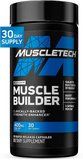
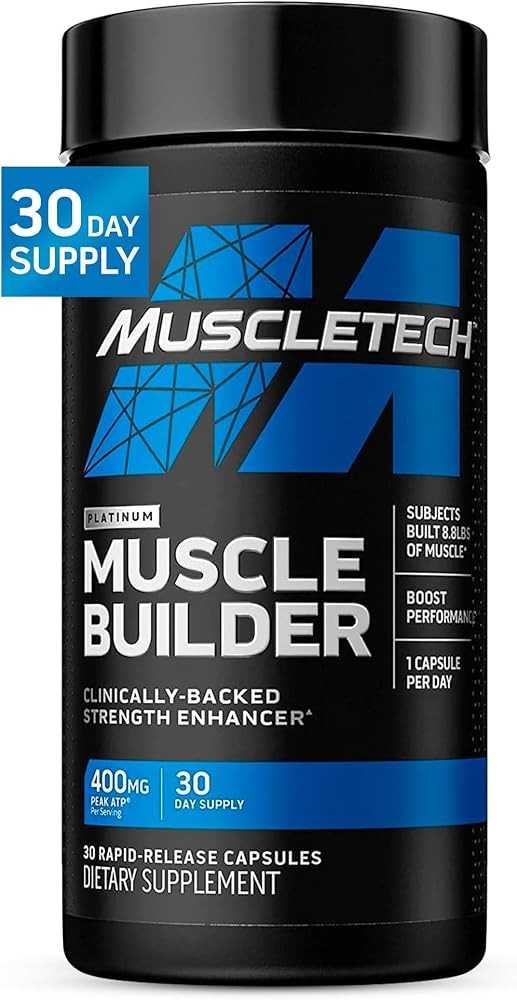
Muscletech Nitric Oxide Supplements for Men & Women, Muscle Builder (30 Capsules) - Nitric Oxide Booster Supplement S...
Check Price on AmazonAs an Amazon Associate we earn from qualifying purchases.


InnoSupps Volcarn 2000 - L-CARNITINE Pre-Workout Advanced Energy Liquid ATP Enhancer w/GBEEC Boosts Energy, Enhances ...
Check Price on AmazonAs an Amazon Associate we earn from qualifying purchases.
What Is Peak ATP?
Peak ATP (branded as PEAK ATP) is a patented nutritional ingredient manufactured by TSI Group Co., Ltd. It contains disodium adenosine-5’-triphosphate, which is structurally identical to the ATP molecules your body produces and uses for cellular energy. This isn’t a precursor or building block for ATP - it IS ATP in its active, usable form.
Your body produces ATP naturally through cellular respiration, breaking down carbohydrates, fats, and proteins to generate this universal energy currency. Every movement, muscle contraction, and biological process requires ATP. During intense exercise, your muscles rapidly deplete their ATP stores, and your body must work hard to regenerate it through the phosphocreatine system, glycolysis, and oxidative phosphorylation.
Peak ATP supplementation provides an external source of this critical molecule, allowing your body to maintain higher ATP levels during and after exercise. But the benefits extend far beyond simple energy provision - oral ATP triggers specific signaling pathways that enhance performance through multiple distinct mechanisms.
The ingredient has undergone extensive clinical research, with studies published in peer-reviewed journals demonstrating its safety and effectiveness. Peak ATP is Generally Recognized As Safe (GRAS), non-GMO, Kosher, and manufactured under current Good Manufacturing Practices (cGMP). It has also received Informed Ingredient certification, making it suitable for drug-tested athletes who need third-party verified supplements.
Bottom line: Peak ATP is a patented form of disodium adenosine-5’-triphosphate that’s structurally identical to your body’s natural ATP, providing not just energy but also triggering specific signaling pathways that enhance performance through multiple mechanisms beyond simple energy provision.
The Science: How Peak ATP Works
Peak ATP exerts its performance-enhancing effects through three primary mechanisms, each contributing to improved strength, power, and muscle development.
Mechanism 1: Enhanced Muscular Excitability and Strength
The first mechanism involves direct effects on muscle tissue. When you supplement with Peak ATP, the ATP molecules interact with muscle cells in ways that enhance their excitability and contractile function.
Research published in the Journal of the American College of Nutrition (PubMed 29278115) demonstrated that oral ATP administration increases post-exercise ATP levels and muscle excitability (PubMed 23140911). In a study involving a repeated sprint exercise test, participants who took Peak ATP showed significantly higher ATP levels in their blood after exercise compared to placebo, along with enhanced muscle excitability measured through electromyography. Additional research has demonstrated that oral ATP supplementation improves blood flow responses during exercise (PubMed 22432437).
This increased excitability translates directly to performance improvements. When your muscles are more excitable, they can generate greater force and power output. The landmark University of Tampa study led by Dr. Jacob Wilson (PubMed 24667909) found that athletes supplementing with 400mg of Peak ATP daily for 12 weeks experienced a remarkable 147% increase in total body strength compared to placebo - essentially doubling the strength gains from training alone.
Mechanism 2: Vasodilation and Enhanced Blood Flow
The second major mechanism involves Peak ATP’s effects on blood vessels and circulation. This is where the science gets particularly interesting, as ATP functions as an extracellular signaling molecule through the purinergic receptor (PubMed 19118095) system.
When ATP is released into the extracellular space, it binds to specific purinergic receptor (PubMed 19118095)s (P2X and P2Y receptors (PubMed 11923487)) located on the endothelial cells that line your blood vessels. This binding triggers a cascade of events that lead to vasodilation - the widening of blood vessels.
Research published in the Journal of the International Society of Sports Nutrition (PubMed 24984169) examined ATP-induced vasodilation in both animals and humans. The study found that oral ATP administration significantly increased blood flow following exercise. In rats, those fed ATP demonstrated significantly greater recovery blood flow with elevations persisting for 20 to 90 minutes post-exercise. Human subjects showed similar benefits, with ATP supplementation producing significant increases in blood flow and brachial artery dilation at 1, 8, and 12 weeks.
The vasodilation mechanism appears to involve multiple mediators. When ATP binds to purinergic receptor (PubMed 19118095)s on endothelial cells, it stimulates the production of:
- Prostaglandins-1 (PGE-1)
- Endothelium-derived hyperpolarizing factor (EDHF)
- Nitric oxide (NO), though research suggests this plays a more modest role than previously thought
Interestingly, while some early research suggested nitric oxide was a primary mediator of ATP-induced vasodilation, more recent studies have found that ATP produces potent dose-dependent vasodilation that occurs independently of nitric oxide release in many cases. The P2Y2 receptors, which show the highest expression among P2 receptor subtypes in skeletal muscle, appear to be the primary mediators.
Enhanced blood flow delivers multiple performance benefits:
- Greater oxygen delivery to working muscles
- Improved nutrient delivery (glucose, amino acids, creatine)
- Enhanced removal of metabolic waste products (lactate, hydrogen ions)
- Increased “pump” - the muscle-swelling sensation during training
- Better anabolic signaling (blood flow itself acts as a mechanical stimulus for muscle growth)
Mechanism 3: Anabolic Signaling and Muscle Growth
The third mechanism involves Peak ATP’s effects on anabolic (muscle-building) pathways. When you train with resistance, you create micro-damage in muscle fibers and generate various signals that tell your body to repair and rebuild muscle tissue stronger and larger. Peak ATP appears to amplify these anabolic signals.
The University of Tampa study found that subjects taking Peak ATP gained 100% more lean muscle mass compared to placebo over 12 weeks (4.0 kg vs 2.5 kg). They also experienced 96% greater increases in muscle thickness measurements. These weren’t just statistical quirks - they represent doubling of muscle-building results from the same training program.
Several factors likely contribute to Peak ATP’s anabolic effects:
Enhanced mTOR Activation: The mechanistic target of rapamycin (mTOR) is a central regulator of muscle protein synthesis. Research suggests that ATP signaling through purinergic receptors may activate mTOR pathways, amplifying the muscle-building response to training and nutrition.
Blood Flow-Mediated Hypertrophy: The enhanced blood flow from Peak ATP creates mechanical stretch in muscle cells, which itself serves as an anabolic signal. Studies have shown that increased blood flow to muscles activates satellite cells (muscle stem cells) and promotes protein synthesis.
Improved Nutrient Delivery: Greater blood flow means more amino acids, glucose, and other nutrients reach muscle tissue when you need them most - during and after training. This enhanced nutrient partitioning supports the recovery and growth process.
Reduced Protein Breakdown: Some research suggests Peak ATP may have anti-catabolic effects, reducing the breakdown of muscle protein during intense training or caloric deficits. The University of Tampa study found that during a 2-week overreaching phase (very high training volume designed to temporarily exceed recovery capacity), the placebo group lost strength while the Peak ATP group continued making gains.
Bottom line: Peak ATP works through three distinct mechanisms - enhancing muscle excitability for greater strength and power output, triggering purinergic receptor-mediated vasodilation for improved blood flow and nutrient delivery, and amplifying anabolic signaling pathways to accelerate muscle protein synthesis and growth adaptations.
Clinical Research: What the Studies Show
Peak ATP has been examined in multiple published clinical trials using rigorous research designs. Let’s break down the key studies and what they revealed.
The University of Tampa 12-Week Study (Wilson et al., (PubMed 23140911))
This landmark study represents the most comprehensive examination of Peak ATP’s effects on strength, power, and body composition.
Study Design: Researchers recruited resistance-trained male athletes and randomly assigned them to either 400 mg of Peak ATP daily or placebo for 12 weeks. Both groups followed an identical periodized resistance training program involving 3-4 workouts per week.
Strength Results: The Peak ATP group experienced astounding strength improvements across multiple exercises:
- One-rep max squat: 12.1 kg increase (ATP) vs 7.6 kg (placebo)
- One-rep max deadlift: 14.2 kg increase (ATP) vs 7.1 kg (placebo)
- One-rep max bench press: 4.9 kg increase (ATP) vs 1.8 kg (placebo)
- Total strength (sum of three lifts): 31.2 kg increase (ATP) vs 12.6 kg (placebo)
That final number deserves emphasis - the ATP group gained 31.2 kg of total strength while the placebo group gained 12.6 kg. That’s a 147% greater improvement, meaning Peak ATP essentially doubled the strength gains from training.
Power Output: Vertical jump power improved significantly more in the ATP group (9.1% increase) compared to placebo (7.0% increase), representing a 30% greater improvement in this critical measure of explosive power.
Muscle Mass: Body composition analysis revealed dramatic differences:
- Lean mass gain: 4.0 kg (ATP) vs 2.5 kg (placebo) - a 100% greater increase
- Fat-free mass: Similar patterns with ATP group showing double the gains
- Muscle thickness (quadriceps): 4.9 mm increase (ATP) vs 2.5 mm (placebo) - a 96% greater increase
Blood Flow: Brachial artery flow-mediated dilation (a measure of blood vessel function and blood flow capacity) improved significantly in the ATP group but not in the placebo group.
Overreaching Phase: Perhaps most impressively, during weeks 9-10, the researchers deliberately overtrained participants with dramatically increased volume. The placebo group lost strength during this phase, while the ATP group continued gaining strength, suggesting Peak ATP may protect against overtraining-induced strength loss.
The Repeated Sprint Study (Purpura et al., (PubMed 29278115))
This study examined acute (single-dose) effects of Peak ATP on repeated sprint performance and post-exercise ATP levels.
Study Design: Participants consumed either 400 mg Peak ATP or placebo 30 minutes before performing a repeated sprint test consisting of three 30-second all-out sprints on a cycle ergometer with 2 minutes of rest between sprints.
Key Findings:
- Post-exercise ATP levels were significantly higher in the Peak ATP group
- Muscle excitability (measured via electromyography) was enhanced in the ATP group
- Despite intense repeated sprints that typically deplete ATP, the supplemented group showed elevated circulating ATP levels
This study demonstrated that oral Peak ATP actually reaches the bloodstream in functional amounts and affects muscle function, addressing the skepticism some had about whether oral ATP could survive digestion and exert biological effects.
Blood Flow and Vasodilation Studies
Multiple studies have examined Peak ATP’s effects on blood flow:
Animal Research: Rats fed ATP supplements demonstrated significantly greater recovery blood flow following exercise, with elevations persisting for 20-90 minutes post-exercise.
Human Research: The Journal of the International Society of Sports Nutrition published findings (PubMed 24984169) showing that oral ATP administration produced:
- Significant increases in forearm blood flow at 1, 8, and 12 weeks
- Enhanced brachial artery flow-mediated dilation
- Improved blood flow responses specifically following exercise (when muscles need it most)
These blood flow improvements occurred through purinergic receptor activation rather than nitric oxide pathways, representing a distinct mechanism from traditional “pump” supplements like citrulline or arginine.
Systematic Review and Meta-Analysis
A 2024 systematic review published in Sports examined all available research on oral ATP supplementation and anaerobic exercise performance.
Inclusion Criteria: The researchers analyzed only randomized controlled trials examining ATP supplementation in healthy, resistance-trained individuals using objective performance measures.
Key Conclusions:
- Doses of 225-400 mg daily produced ergogenic (performance-enhancing) effects
- The 400 mg dose showed the most consistent benefits across studies
- ATP supplementation enhanced strength, power, and muscle mass beyond training alone
- The evidence quality was rated as moderate to high, with consistent findings across multiple independent research groups
This systematic review provided strong validation that Peak ATP’s benefits aren’t the result of a single fluky study but rather represent a robust, replicable phenomenon.
Three-Minute All-Out Test Study
Not all research showed positive results for every measure. A study examining a three-minute maximal effort cycling test found that two weeks of Peak ATP supplementation (400 mg daily) didn’t improve total work performed during this extended maximal effort.
Important Context: This finding aligns with Peak ATP’s mechanism of action. The supplement appears most effective for strength, power, and repeated high-intensity efforts (which rely on the ATP-PCr system and glycolysis) rather than sustained aerobic efforts (which rely more on oxidative phosphorylation). This doesn’t represent a failure of Peak ATP but rather helps define its optimal applications - anaerobic rather than aerobic performance.
Safety Profile
Across all studies, Peak ATP demonstrated an excellent safety profile:
- No serious adverse events reported
- No concerning changes in blood markers (liver function, kidney function, blood lipids, etc.)
- No differences in minor side effects between ATP and placebo groups
- GRAS (Generally Recognized As Safe) status granted by regulatory authorities
- Informed Ingredient certification confirming absence of banned substances
Bottom line: Clinical research demonstrates that 400mg daily Peak ATP supplementation produces 147% greater strength gains, 100% more lean muscle mass, 30% improved power output, and enhanced blood flow compared to training alone, with an excellent safety profile across multiple published studies and systematic review confirmation of consistent ergogenic effects.
Strength and Power Gains: Performance Benefits
The research makes it clear that Peak ATP delivers substantial improvements in strength and power. Let’s break down what these gains mean practically and how they manifest.
Strength Improvements
The 147% greater strength gains found in the University of Tampa study translate to adding roughly 18.6 kg more to your total strength (squat + deadlift + bench press) over 12 weeks compared to training alone.
To put that in perspective:
- If you normally add 12.6 kg to your total over 12 weeks of training, Peak ATP could help you add 31.2 kg instead
- That’s the difference between adding 4.2 kg per month versus 10.4 kg per month to your combined lifts
- Over a year, that could mean an additional 74.4 kg to your total strength
These aren’t modest improvements - they represent the kind of strength gains that separate average progress from exceptional results.
The strength benefits appeared across all major lifts:
Lower Body (Squat/Deadlift): The greatest absolute gains occurred in lower body exercises, which makes sense given the large muscle mass involved and high ATP demands of these movements.
Upper Body (Bench Press): While smaller in absolute terms (4.9 kg vs 1.8 kg), the bench press improvements still represented nearly triple the gains of placebo.
Power Output Enhancement
The 30% greater improvement in vertical jump power matters tremendously for athletes. Power - the ability to generate force rapidly - determines performance in virtually every sport:
- Sprint speed depends on the power you can apply to the ground
- Jumping ability obviously relies on leg power
- Throwing velocity in baseball/football relates directly to upper body power
- Punching force in combat sports is a function of power production
- Even endurance running benefits from improved power for hills and sprint finishes
The 9.1% improvement in vertical jump power found in the ATP group (vs 7.0% in placebo) might not sound massive, but for an already-trained athlete, gaining even 2% additional power can be the difference between winning and losing.
Muscular Endurance and Repeated Effort Performance
While the three-minute all-out test didn’t show benefits, the repeated sprint study demonstrated that Peak ATP helps maintain performance during multiple high-intensity efforts with short rest periods.
This has direct applications for:
Team Sports: Football, basketball, soccer, and hockey all involve repeated bursts of high-intensity effort separated by brief recovery periods. Peak ATP’s ability to maintain elevated ATP levels and muscle excitability even after repeated sprints could enhance performance late in games when fatigue typically degrades output.
High-Rep Resistance Training: Bodybuilders and physique athletes performing multiple sets of 8-15 reps could benefit from enhanced ATP availability and blood flow throughout extended workouts.
CrossFit and Functional Fitness: Workouts involving multiple rounds of high-intensity movements would benefit from Peak ATP’s effects on repeated effort capacity.
Overtraining Protection
Perhaps the most intriguing finding from the University of Tampa study was what happened during the overreaching phase - weeks 9-10 when training volume dramatically increased.
Placebo Group Response: Lost strength across all lifts, experiencing the classic overtraining effect where training stress exceeded recovery capacity.
Peak ATP Group Response: Continued making strength gains even during this brutal training period.
Mechanism: The researchers measured urinary 3-methylhistidine, a marker of muscle protein breakdown. The ATP group showed lower levels, suggesting Peak ATP may have protected against excessive muscle catabolism during the high-stress training phase.
Practical Applications:
- Competition preparation periods when volume and intensity peak
- Training camps for team sport athletes
- Physique competitors during intense pre-competition training
- Any period where you’re deliberately pushing training stress to the limits
Bottom line: Peak ATP produces 147% greater strength gains compared to placebo primarily through enhanced muscle excitability and anabolic signaling, with the most dramatic improvements occurring in compound movements and during high-volume training phases where the supplement appears to protect against overtraining-induced strength loss.
Muscle Growth and Body Composition Effects
While Peak ATP clearly enhances strength and power, its effects on muscle mass are equally impressive.
Lean Muscle Mass Gains
The University of Tampa study found that the Peak ATP group gained 4.0 kg of lean mass over 12 weeks compared to 2.5 kg in the placebo group - a 100% greater increase.
To contextualize these numbers:
- 4.0 kg of lean mass in 12 weeks equals roughly 0.33 kg per week
- 2.5 kg in 12 weeks equals roughly 0.21 kg per week
- The 1.5 kg difference over 12 weeks would compound to 6 kg over a year
For natural athletes, gaining 4.0 kg of lean mass in 12 weeks represents exceptional progress, especially in already-trained individuals who were past the beginner stage.
Muscle Thickness Increases
Ultrasound measurements of quadriceps muscle thickness provided objective evidence of muscle growth:
- ATP group: 4.9 mm increase
- Placebo group: 2.5 mm increase
- Difference: 96% greater improvement with ATP
Muscle thickness measurements are particularly valuable because they directly assess actual muscle tissue growth in specific muscles rather than relying on potentially confounded measures like scale weight or even DEXA scans (which can be influenced by water retention, glycogen storage, etc.).
The Role of Enhanced Blood Flow in Hypertrophy
Peak ATP’s dramatic effects on muscle growth likely stem partly from enhanced blood flow. Research has shown that increased blood flow to muscles during and after training:
Activates Satellite Cells: Satellite cells are muscle stem cells that fuse to existing muscle fibers to support growth. Mechanical stretch from increased blood flow appears to activate these cells.
Enhances Nutrient Delivery: More blood flow means more amino acids, glucose, creatine, and other nutrients reach muscle tissue precisely when they’re needed most - during and after training when muscles are primed for growth.
Amplifies the Pump as an Anabolic Signal: The muscle swelling from increased blood flow creates mechanical tension within muscle cells, which itself acts as a growth signal. This phenomenon, called “cell swelling-induced anabolism,” contributes to the pump’s muscle-building effects beyond just feeling impressive.
Improves Metabolite Clearance: Removing waste products like lactate and hydrogen ions more efficiently may reduce inflammation and support faster recovery between sessions, allowing you to train with greater frequency or volume.
Comparison to Other Muscle-Building Supplements
How do Peak ATP’s muscle-building effects compare to other popular supplements?
vs. Creatine: Creatine monohydrate is the gold standard muscle-building supplement, with decades of research showing increases of 1-2 kg of lean mass over 8-12 weeks in beginners and intermediate trainees. Peak ATP’s 4.0 kg gain in already-trained athletes is actually superior to most creatine studies, though direct head-to-head comparisons would be needed for definitive conclusions.
vs. Beta-Alanine: Beta-alanine primarily enhances endurance during high-rep training (60-240 seconds of sustained effort) but doesn’t directly stimulate muscle growth. Any muscle gains from beta-alanine come indirectly from being able to perform more training volume.
vs. HMB: HMB (beta-hydroxy beta-methylbutyrate) works primarily through anti-catabolic mechanisms, reducing muscle protein breakdown. Research on HMB’s muscle-building effects has been mixed, with some studies showing benefits and others showing minimal effects. Peak ATP’s anabolic effects appear more robust and consistent.
vs. BCAAs: Branched-chain amino acids provide building blocks for muscle protein synthesis, but research in people consuming adequate dietary protein has generally shown minimal benefits for muscle growth. Peak ATP’s effects stem from mechanisms beyond simple amino acid provision.
Stacking Potential: Unlike supplements that work through the same pathways (which might compete or show diminishing returns), Peak ATP’s unique mechanisms make it highly complementary to other supplements. Combining Peak ATP with creatine, for example, addresses different aspects of muscle metabolism and growth signaling.
Bottom line: Peak ATP’s 100% increase in lean muscle mass gains (4.0 kg vs 2.5 kg over 12 weeks) appears to result from a combination of enhanced blood flow activating satellite cells and improving nutrient delivery, amplified anabolic signaling through purinergic receptors and mTOR pathways, and potential anti-catabolic effects that protect muscle tissue during high-stress training periods.
Blood Flow and Vasodilation: The Pump Effect
Enhanced blood flow represents one of Peak ATP’s most distinctive mechanisms, setting it apart from supplements that primarily affect energy metabolism or protein synthesis.
How Peak ATP Enhances Blood Flow
Peak ATP works through the purinergic receptor system to trigger vasodilation:
Step 1: ATP Binding When you take Peak ATP orally, it’s absorbed and enters your bloodstream. During exercise, circulating ATP binds to P2X and P2Y receptors on endothelial cells lining your blood vessels.
Step 2: Signaling Cascade This binding triggers a cascade of intracellular signals that lead to the production of vasodilatory mediators - primarily prostaglandins (PGE-1) and endothelium-derived hyperpolarizing factor (EDHF).
Step 3: Vasodilation These mediators cause the smooth muscle in blood vessel walls to relax, widening the vessels and increasing blood flow to working muscles.
Key Point: This mechanism is largely independent of nitric oxide pathways, which is why Peak ATP can be stacked synergistically with NO-boosting supplements like citrulline or nitrate sources.
Performance Benefits of Enhanced Blood Flow
The improved blood flow from Peak ATP delivers multiple performance advantages:
Oxygen Delivery: While Peak ATP doesn’t directly improve VO2 max or aerobic capacity, the enhanced blood flow does deliver more oxygen to muscles during training. This supports ATP production through oxidative pathways during rest periods between sets.
Nutrient Delivery: Increased blood flow transports more glucose, amino acids, creatine, and other nutrients to muscles precisely when they’re needed. This is particularly valuable during workouts (for fuel) and immediately post-workout (for recovery and growth).
Metabolite Clearance: Better blood flow removes lactate, hydrogen ions, and other metabolites that accumulate during high-intensity exercise. This can improve performance during multiple-set training by accelerating recovery between sets.
The Pump: While the muscle pump is often dismissed as purely aesthetic, research suggests it actually contributes to muscle growth through cell swelling-induced anabolism. The mechanical stretch from increased blood volume triggers anabolic signaling pathways.
The Pump as an Anabolic Signal
The pump isn’t just for Instagram photos - it appears to directly stimulate muscle growth:
Cell Swelling: When blood fills your muscles during training, it creates internal pressure and stretches the muscle cell membrane. This mechanical stress is detected by mechanoreceptors in the cell membrane.
Anabolic Response: The cell swelling triggers increased protein synthesis and decreased protein breakdown, shifting your muscles into an anabolic state. Research has shown that even artificially induced cell swelling (without training) can stimulate protein synthesis.
Satellite Cell Activation: The mechanical stretch from increased blood flow may activate satellite cells, allowing them to fuse with existing muscle fibers and support growth.
Vascular Health Benefits
Beyond performance, Peak ATP’s vasodilatory effects may offer cardiovascular benefits:
Endothelial Function: The University of Tampa study found improved flow-mediated dilation (FMD), a marker of endothelial function and overall vascular health. Better endothelial function is associated with reduced cardiovascular disease risk.
Blood Pressure: While not specifically studied for blood pressure effects, vasodilation theoretically could help reduce blood pressure, especially during exercise when blood vessels need to dilate to accommodate increased cardiac output.
Bottom line: Peak ATP enhances blood flow through purinergic receptor activation independent of nitric oxide pathways, delivering greater oxygen and nutrient supply to working muscles while clearing metabolic waste more efficiently, and the resulting muscle pump appears to contribute to anabolic signaling through cell swelling-induced mechanotransduction pathways.
Peak ATP and VO2 Max: Aerobic Considerations
While Peak ATP clearly benefits strength, power, and muscle mass, its effects on aerobic capacity warrant discussion.
What Is VO2 Max?
VO2 max represents the maximum rate at which your body can consume oxygen during exercise. It’s measured in milliliters of oxygen per kilogram of body weight per minute (mL/kg/min) and serves as the gold standard measure of aerobic fitness.
Typical VO2 max values:
- Untrained males: 35-40 mL/kg/min
- Untrained females: 27-30 mL/kg/min
- Trained endurance athletes: 60-85+ mL/kg/min
Elite endurance athletes have exceptionally high VO2 max values:
- Elite male endurance runners: up to 85 mL/kg/min
- Elite female endurance runners: up to 77 mL/kg/min
- The highest ever recorded: 97.5 mL/kg/min (cyclist Oskar Svendsen)
VO2 max serves as a strong predictor of endurance performance in activities like distance running, cycling, cross-country skiing, and rowing.
The ATP-Oxygen Relationship
Oxygen serves a critical role in ATP production through aerobic metabolism. During sustained exercise, your body breaks down carbohydrates and fats through oxidative phosphorylation in the mitochondria, producing ATP in a relatively slow but sustainable manner.
However, supplemental Peak ATP works through different mechanisms than improving oxidative ATP production. The research suggests that despite increased blood flow during ATP administration, oxygen consumption doesn’t necessarily increase proportionally.
Peak ATP for Endurance Athletes: Limited but Potential Benefits
Current research suggests Peak ATP may be more efficacious for anaerobic versus aerobic exercise. The three-minute all-out test study found no significant improvements in sustained maximal effort performance, which aligns with Peak ATP’s mechanism focusing on the phosphocreatine system and anaerobic pathways.
However, endurance athletes might still benefit from Peak ATP in specific contexts:
High-Intensity Intervals: Even endurance athletes incorporate high-intensity interval training, which relies heavily on anaerobic energy systems. Peak ATP could enhance performance during these intervals and improve recovery between repetitions.
Sprint Finishes: The final kick in a race - whether a 5K or marathon - requires maximal anaerobic power. Peak ATP’s effects on power output could prove valuable in these crucial moments.
Resistance Training: Endurance athletes benefit from strength training for injury prevention, economy of movement, and power development. Peak ATP could enhance strength gains from supplementary gym work.
Recovery Enhancement: The improved blood flow from Peak ATP may aid recovery between training sessions, potentially allowing endurance athletes to handle higher training volumes.
Future Research Directions
While current evidence doesn’t support Peak ATP as a primary VO2 max enhancer, more research examining chronic supplementation in endurance athletes could reveal benefits not yet identified. The combination of improved strength (which affects running economy and cycling efficiency) and enhanced blood flow could theoretically provide indirect benefits for endurance performance.
Bottom line: While Peak ATP produces substantial strength, power, and muscle growth benefits through anaerobic mechanisms, current research shows minimal effects on VO2 max or aerobic capacity markers, suggesting its primary benefits target anaerobic performance rather than endurance adaptations.
Optimal Dosing: How Much Peak ATP to Take
Clinical research has established clear dosing guidelines for Peak ATP based on the studies showing performance benefits.
The Standard Dose: 400 mg Daily
The overwhelming majority of positive research used 400 mg of Peak ATP per day. This dose has demonstrated:
- Significant strength improvements (147% greater gains vs. placebo)
- Enhanced power output (30% improvement)
- Doubled lean muscle mass gains
- Increased muscle thickness (96% greater improvement)
- Enhanced blood flow and vasodilation
- Improved recovery between high-intensity efforts
The 400 mg dose appears to be the sweet spot - high enough to trigger all three mechanisms of action but not so high that it causes any adverse effects or diminishing returns.
Lower Doses: 225 mg
Some research has examined doses as low as 225 mg daily. The systematic review noted that doses of 225-400 mg achieved ergogenic effects, suggesting that 225 mg may provide benefits, though potentially smaller in magnitude than the 400 mg dose.
If you’re sensitive to supplements or want to test your response before committing to a full dose, starting with 200-250 mg might be reasonable, with the option to increase to 400 mg if well-tolerated.
Higher Doses: Not Necessary
No research has examined doses significantly higher than 400 mg, and there’s no evidence suggesting that more would be better. Stick with the clinically validated 400 mg dose rather than experimenting with mega-doses.
Timing: When to Take Peak ATP
The optimal timing depends on whether it’s a training day or rest day:
Training Days (Pre-Workout): Take 400 mg approximately 30-60 minutes before your workout on an empty stomach. This timing allows Peak ATP to be absorbed and reach peak concentrations in your bloodstream right when you need it - during high-intensity training.
The 30-60 minute window aligns with absorption kinetics, ensuring maximal availability during your workout when ATP can enhance muscle excitability (PubMed 23140911), blood flow, and performance.
Rest Days: On non-training days, take 400 mg approximately 20-30 minutes before breakfast. Consistent daily supplementation maintains elevated ATP levels and supports the chronic adaptations seen in 12-week studies.
Duration: Acute vs. Chronic Supplementation
Peak ATP provides both acute (immediate) and chronic (long-term) benefits:
Acute Effects (Single Dose): Even a single dose can enhance blood flow and potentially improve performance during that training session. Studies examining acute supplementation have found benefits within hours.
Chronic Effects (Weeks to Months): The dramatic strength, power, and muscle mass improvements require consistent supplementation over weeks and months. The University of Tampa study spanned 12 weeks, with the most significant differences emerging in the later weeks.
For maximum benefits, commit to at least 8-12 weeks of consistent daily supplementation at 400 mg while following a structured resistance training program.
Loading Phase: Not Necessary
Unlike creatine, which benefits from a loading phase to saturate muscle stores more rapidly, Peak ATP doesn’t require loading. Start with 400 mg daily from day one.
Bottom line: The clinically validated dose is 400mg Peak ATP daily taken 30-45 minutes pre-workout, matching the dosage used in all major research studies showing strength, power, and muscle mass benefits, with effects accumulating over 12 weeks of consistent supplementation.
Combining Peak ATP with Other Supplements
Peak ATP can be effectively stacked with other performance supplements, and in some cases, these combinations provide synergistic benefits.
Peak ATP + Creatine
This combination makes excellent physiological sense. Both supplements enhance the ATP-PCr (phosphocreatine) energy system but through different mechanisms:
Creatine’s Mechanism: Creatine supplementation increases muscle phosphocreatine stores. During high-intensity exercise, phosphocreatine donates its phosphate group to ADP (adenosine diphosphate) to rapidly regenerate ATP. More phosphocreatine means faster ATP regeneration.
Peak ATP’s Mechanism: Peak ATP provides direct ATP supplementation while also enhancing blood flow and muscle excitability (PubMed 23140911).
The Synergy: By combining creatine (which helps regenerate ATP) with Peak ATP (which provides ATP directly and enhances its utilization), you address energy production from multiple angles. Many pre-workout formulations now include both ingredients at effective doses.
Dosing:
- Creatine monohydrate: 5 g daily (or 3-5 g if using creatine HCl)
- Peak ATP: 400 mg daily
- Can be taken together pre-workout or separately (creatine timing is flexible)
Peak ATP + Beta-Alanine
Beta-alanine and Peak ATP target different aspects of performance, making them complementary:
Beta-Alanine’s Mechanism: Beta-alanine increases muscle carnosine levels, which buffers hydrogen ions during high-intensity exercise. This delays the muscular acidosis that causes fatigue during efforts lasting roughly 60-240 seconds.
The Synergy: Peak ATP enhances power, strength, and blood flow, while beta-alanine extends your ability to maintain high-intensity efforts. Together, they allow you to generate more power and sustain it for longer periods.
Dosing:
- Beta-alanine: 3-6 g daily (loading) or 2-3 g daily (maintenance)
- Peak ATP: 400 mg daily
- Both can be included in your pre-workout supplement
Note: Beta-alanine requires 2-4 weeks of daily supplementation to saturate muscle carnosine stores, so benefits accumulate over time similar to Peak ATP’s chronic effects.
Peak ATP + Citrulline/Nitrate Supplements
This combination targets vasodilation through different pathways:
Citrulline/Nitrate Mechanism: Citrulline converts to arginine, which serves as a precursor for nitric oxide (NO) synthesis. NO causes vasodilation by relaxing smooth muscle in blood vessel walls. Nitrate supplements (from beetroot, for example) also boost NO production through a different pathway.
Peak ATP’s Mechanism: Peak ATP triggers vasodilation through purinergic receptor (PubMed 19118095) activation, largely independent of the NO pathway.
The Synergy: By activating both the NO pathway (via citrulline/nitrates) and the purinergic pathway (via Peak ATP), you may achieve greater vasodilation and blood flow than either alone. Research on ATP-induced vasodilation found that the effects are additive to NO-mediated dilation.
Dosing:
- Citrulline malate: 6-8 g or L-citrulline: 3-6 g
- Or nitrate: 300-500 mg (from beetroot powder or other sources)
- Peak ATP: 400 mg
- Take together 30-60 minutes pre-workout
Peak ATP + HMB
HMB (beta-hydroxy beta-methylbutyrate) is a leucine metabolite with anti-catabolic properties that help prevent muscle protein breakdown.
HMB’s Mechanism: HMB appears to reduce muscle protein breakdown, particularly during caloric deficits or high-stress training periods. It may also enhance protein synthesis, though its anti-catabolic effects are more well-established.
The Synergy: Research has specifically examined the combination of Peak ATP and HMB, finding that together they provide synergistic benefits for building strength and power while preventing overtraining. This makes sense physiologically - Peak ATP enhances anabolic signaling and performance, while HMB protects against excessive muscle breakdown.
Dosing:
- HMB: 3 g daily (typically split into 3 doses of 1 g each)
- Peak ATP: 400 mg daily
- This combination has been specifically studied and shown to be effective
Peak ATP + Caffeine
Caffeine is the world’s most popular performance-enhancing supplement, improving alertness, focus, power output, and endurance.
The Synergy: Caffeine and Peak ATP work through entirely different mechanisms. Caffeine acts as an adenosine receptor antagonist in the brain, reducing perceived exertion and enhancing motor unit recruitment. Peak ATP enhances blood flow, muscle excitability (PubMed 23140911), and anabolic signaling.
Combined, they provide complementary benefits - caffeine for mental drive and acute performance, Peak ATP for blood flow, strength, and muscle growth.
Dosing:
- Caffeine: 3-6 mg per kg body weight (200-400 mg for most people)
- Peak ATP: 400 mg
- Take together 30-60 minutes pre-workout
- Many pre-workout supplements include both at effective doses
Caution: If you’re sensitive to caffeine or training in the evening, you can take Peak ATP without caffeine and still get its full benefits, as it’s non-stimulant.
Pre-Workout Supplements with Peak ATP
Rather than buying individual ingredients, many people prefer comprehensive pre-workout formulations that include Peak ATP alongside other proven ingredients. Look for products containing:
- Peak ATP: 400 mg
- Creatine: 3-5 g
- Beta-alanine: 2-3 g
- Citrulline: 6-8 g (as citrulline malate) or 3-6 g (as L-citrulline)
- Caffeine: 200-400 mg (optional)
- BCAAs or EAAs: 5-10 g (optional)
This combination provides comprehensive support for energy, power, endurance, pump, and muscle recovery.
Bottom line: Peak ATP stacks synergistically with creatine (addressing ATP regeneration and direct supply), beta-alanine (combining power enhancement with endurance buffering), citrulline/nitrates (dual-pathway vasodilation), HMB (anabolic plus anti-catabolic effects), and caffeine (physical plus mental performance), with many comprehensive pre-workout formulas now including Peak ATP at the clinically validated 400mg dose alongside these complementary ingredients.
Safety, Side Effects, and Contraindications
Before adding any supplement to your regimen, understanding its safety profile is essential.
Safety Research
Peak ATP has been extensively studied for safety:
GRAS Status: Peak ATP has received Generally Recognized As Safe (GRAS) status from regulatory authorities, indicating that qualified experts have reviewed the available evidence and determined it poses no safety concerns when used as directed.
Clinical Trial Safety Data: Across multiple published studies involving hundreds of participants, Peak ATP has demonstrated an excellent safety profile:
- No serious adverse events reported
- No concerning changes in blood chemistry markers (liver enzymes, kidney function, lipid panels, glucose, etc.)
- No differences in reported side effects between Peak ATP and placebo groups
- No cardiovascular concerns despite theoretical effects on blood pressure through vasodilation
Informed Ingredient Certification: Peak ATP has received Informed Ingredient certification, meaning it has been tested for over 200 substances banned by major sports organizations. This certification provides assurance that the product:
- Contains what it claims to contain
- Doesn’t contain prohibited substances
- Meets quality and purity standards
This makes Peak ATP suitable for drug-tested athletes in NCAA, WADA, NFL, and other organizations with anti-doping policies.
Reported Side Effects
In clinical studies, Peak ATP has shown a side effect profile essentially identical to placebo. However, theoretical considerations and individual responses mean some people might experience:
Possible Minor Effects:
Gastrointestinal Upset: Some individuals report mild stomach discomfort when taking Peak ATP, particularly on an empty stomach. Taking it with a small amount of food may help, though absorption might be slightly reduced.
Headache: The vasodilatory effects theoretically could trigger headaches in susceptible individuals, similar to how other vasodilators (like nitrates or high-dose niacin) can cause headaches in some people.
Flushing: Some people might experience mild flushing or warmth due to increased blood flow, though this isn’t commonly reported with Peak ATP specifically.
Theoretical Considerations
Based on Peak ATP’s mechanisms, some theoretical considerations warrant awareness:
Blood Pressure: Peak ATP causes vasodilation, which could theoretically lower blood pressure. While this might actually be beneficial for some individuals, those with already low blood pressure or taking blood pressure medications should exercise caution.
Purinergic Receptor Sensitivity: Individual variation in purinergic receptor expression or sensitivity could theoretically affect response to Peak ATP. Some people might be “non-responders” who don’t experience the same benefits seen in research studies.
ATP Metabolism: The body tightly regulates ATP levels, and while supplemental ATP has been shown to increase circulating ATP levels, it’s unclear whether chronic supplementation might affect natural ATP production or metabolism. However, the 12-week studies showed no concerning changes, suggesting short-to-medium term supplementation is safe.
Who Should Avoid Peak ATP?
Certain populations should exercise caution or avoid Peak ATP:
Pregnant or Nursing Women: No research has examined Peak ATP safety in pregnant or nursing women. Given the lack of data, these populations should avoid supplementation or consult their obstetrician.
Individuals with Cardiovascular Conditions: While Peak ATP appears safe in healthy individuals, those with diagnosed cardiovascular conditions, especially those involving blood pressure or blood vessel function, should consult their cardiologist before supplementing. The vasodilatory effects could theoretically interact with cardiovascular medications or conditions.
People on Blood Pressure Medications: The combination of blood pressure medications and Peak ATP’s vasodilatory effects could theoretically cause excessive blood pressure lowering. Medical supervision would be appropriate.
Those with Bleeding Disorders: While no research has specifically examined this, ATP’s effects on blood flow and vascular function suggest theoretical caution for individuals with bleeding disorders or taking anticoagulant medications.
Children and Adolescents: The research used adult participants, so safety hasn’t been established in younger populations. Adolescents should focus on proper training, nutrition, and recovery before considering supplementation.
Drug Interactions
Potential Interactions:
Blood Pressure Medications: ACE inhibitors, beta-blockers, calcium channel blockers, and other antihypertensives might interact with Peak ATP’s vasodilatory effects.
Vasodilators: Medications like nitroglycerin used for angina could potentially have additive effects with Peak ATP.
Anticoagulants/Antiplatelets: While not specifically studied, there’s a theoretical concern about combining ATP supplementation with blood-thinning medications.
No Known Interactions: Peak ATP has been safely combined with common supplements like creatine, beta-alanine, citrulline, and caffeine without adverse interactions.
Combining with Stimulants
Peak ATP is non-stimulant and can be safely combined with caffeine and other stimulants found in pre-workout supplements. However, be mindful of your total stimulant intake from all sources to avoid overstimulation, anxiety, or sleep disruption.
Quality and Purity Considerations
When purchasing Peak ATP supplements:
Look for “PEAK ATP” Branding: The clinical research used the patented PEAK ATP ingredient from TSI Group. Products should specifically state they contain PEAK ATP rather than generic “ATP” or unspecified adenosine triphosphate sources.
Third-Party Testing: Choose products that have undergone third-party testing for purity and potency, especially if you’re a drug-tested athlete. Look for:
- Informed Choice or Informed Sport certification
- NSF Certified for Sport
- USP Verified
- Independent laboratory testing certificates
Avoid Proprietary Blends: Some supplements hide ingredient doses in proprietary blends. For Peak ATP, you want to know you’re getting the clinically validated 400 mg dose, not an undisclosed lower amount.
Long-Term Safety
The longest published study examined 12 weeks of continuous supplementation without any safety concerns emerging. However, we lack data on supplementation periods extending beyond several months.
A reasonable approach would be:
- Use Peak ATP during focused training blocks (8-16 weeks)
- Take breaks between training cycles (4-8 weeks off)
- Monitor how you feel and any changes in health markers
This cycling approach, while not required based on current evidence, provides a margin of safety until longer-term studies are available.
Monitoring Your Response
When beginning Peak ATP supplementation, pay attention to:
- Energy levels and recovery
- Training performance (strength, power, endurance)
- Sleep quality (ensure supplements aren’t disrupting sleep)
- Digestive function
- Mood and mental state
- Any unusual symptoms
If you experience concerning symptoms, discontinue use and consult a healthcare provider.
Bottom line: Peak ATP demonstrates an excellent safety profile in clinical research with GRAS status and Informed Ingredient certification making it suitable for most healthy adults including drug-tested athletes, though pregnant women, those with cardiovascular conditions, and individuals on blood pressure medications should consult healthcare providers before supplementation, and quality products should specifically contain the patented PEAK ATP ingredient at the research-validated 400mg dose rather than generic ATP sources.
Common Questions About Peak ATP
Q: Is Peak ATP the same as the ATP in energy drinks?
A: No. Energy drinks don’t contain significant amounts of ATP. They typically derive their effects from caffeine, sugar, and B vitamins. Peak ATP is a specific patented ingredient (disodium adenosine-5’-triphosphate) that has been formulated for oral bioavailability and studied in clinical trials. The ATP molecule is the same, but the formulation and dosing are specifically designed for performance enhancement.
Q: Can I combine Peak ATP with creatine?
A: Absolutely. Peak ATP and creatine are highly complementary. Creatine increases muscle phosphocreatine stores to help regenerate ATP, while Peak ATP provides direct ATP supplementation and enhances blood flow and muscle excitability (PubMed 23140911). Many athletes and bodybuilders successfully stack both supplements.
Q: Will Peak ATP help with endurance sports like running or cycling?
A: Peak ATP shows its strongest benefits for strength, power, and anaerobic performance rather than pure endurance. However, endurance athletes who incorporate high-intensity intervals, sprint work, or resistance training could benefit from Peak ATP for those specific training components. The blood flow enhancement may also support recovery.
Q: Do I need to cycle off Peak ATP?
A: Based on available research, cycling doesn’t appear necessary. The 12-week University of Tampa study showed continued benefits throughout the entire period with no plateau or diminishing returns. You can supplement continuously during training periods without needing periodic breaks.
Q: Can I take more than 400 mg for better results?
A: Stick with the clinically validated 400 mg dose. No research has examined higher doses, and there’s no evidence that more would provide greater benefits. The 400 mg dose effectively triggers all three mechanisms of action - enhanced muscle excitability (PubMed 23140911), improved blood flow, and anabolic signaling.
Q: Will Peak ATP show up on drug tests?
A: No. Peak ATP has received Informed Ingredient certification, meaning it has been tested for over 200 banned substances. It’s suitable for drug-tested athletes in organizations like the NCAA, WADA, NFL, and others. ATP is a naturally occurring molecule in your body, not a prohibited substance.
Q: Can I get the same benefits from eating ATP-rich foods?
A: No. While some foods contain small amounts of ATP, it’s rapidly broken down during digestion. Peak ATP is formulated as disodium adenosine-5’-triphosphate, which has been specifically developed for oral bioavailability. The clinical research demonstrating performance benefits used this patented form, not dietary ATP from foods.
Q: Is Peak ATP safe for teenagers?
A: The clinical research used adult participants, so we don’t have specific safety data for adolescents. Young athletes should focus on proper training technique, adequate nutrition, sufficient recovery, and healthy sleep habits before considering supplementation. If a teenager is interested in Peak ATP, parental guidance and potentially consultation with a sports medicine physician would be appropriate.
Q: How does Peak ATP compare to beta-alanine for performance?
A: They work through different mechanisms and excel at different things. Beta-alanine buffers acid buildup during high-intensity efforts lasting 60-240 seconds, delaying fatigue in that specific duration range. Peak ATP enhances strength, power, muscle growth, and blood flow through its effects on muscle excitability (PubMed 23140911), vasodilation, and anabolic signaling. They can be effectively combined for complementary benefits.
Q: Can I take Peak ATP if I have high blood pressure?
A: Peak ATP causes vasodilation, which could theoretically lower blood pressure. While this hasn’t been problematic in research studies and might actually be beneficial for some individuals, if you have diagnosed hypertension or take blood pressure medications, consult your physician before supplementing. The vasodilation effects could potentially interact with antihypertensive drugs.
Q: Will I lose my gains if I stop taking Peak ATP?
A: The strength and muscle mass you build while using Peak ATP are real adaptations from your training - Peak ATP enhances your body’s response to training but doesn’t directly create muscle tissue. If you stop supplementing but maintain your training, you should retain most of your gains, though your rate of further progress may slow to normal levels. Think of Peak ATP as an amplifier of training adaptations rather than a temporary boost.
Q: Can I take Peak ATP with coffee or energy drinks?
A: Yes, Peak ATP is non-stimulant and can be combined with caffeine from coffee, energy drinks, or pre-workout supplements. In fact, many commercial pre-workouts include both Peak ATP and caffeine because they work through complementary mechanisms. Just be mindful of your total caffeine intake from all sources to avoid excessive stimulation.
Frequently Asked Questions
Q: What is Peak ATP and how does it work?
A: Peak ATP is a patented form of disodium adenosine-5’-triphosphate that is structurally identical to the ATP your body produces naturally. It works through three primary mechanisms: enhancing muscular excitability and strength, triggering vasodilation for improved blood flow, and activating anabolic signaling pathways for muscle growth.
Q: What dosage of Peak ATP is clinically validated?
A: The clinically validated dose is 400mg per day, taken 30-45 minutes before workouts. This dosage was used in all major research studies showing significant strength, power, and muscle mass improvements over 12 weeks of consistent supplementation.
Q: Can I combine Peak ATP with creatine?
A: Yes, Peak ATP and creatine are highly complementary supplements. Creatine increases muscle phosphocreatine stores to help regenerate ATP, while Peak ATP provides direct ATP supplementation and enhances blood flow and muscle excitability. Many athletes successfully stack both supplements for synergistic benefits.
Q: Is Peak ATP safe for drug-tested athletes?
A: Yes, Peak ATP has received Informed Ingredient certification, meaning it has been tested for over 200 banned substances. It is suitable for drug-tested athletes in organizations like NCAA, WADA, NFL, and others. ATP is a naturally occurring molecule in your body, not a prohibited substance.
Q: How long does it take to see results from Peak ATP?
A: Acute effects like improved blood flow and pump can occur within the first few workouts. However, the most significant strength, power, and muscle mass improvements emerge over 8-12 weeks of consistent daily supplementation combined with proper resistance training.
Q: Are there any side effects from Peak ATP supplementation?
A: Peak ATP has demonstrated an excellent safety profile in clinical research with side effects essentially identical to placebo. Some individuals may experience mild gastrointestinal discomfort if taken on an empty stomach, but serious adverse events have not been reported in published studies.
Q: Can women take Peak ATP?
A: Yes, Peak ATP is suitable for women following the same 400mg daily dosing protocol used in research. While most published studies used male participants, the mechanisms of action apply equally to female physiology. Pregnant or nursing women should consult healthcare providers before supplementation.
Q: What is the best time to take Peak ATP?
A: On training days, take 400mg approximately 30-60 minutes before your workout on an empty stomach for optimal absorption. On rest days, take 400mg about 20-30 minutes before breakfast to maintain consistent daily supplementation and support chronic adaptations.
Q: How does Peak ATP compare to other pre-workout ingredients?
A: Peak ATP is unique among pre-workout ingredients because it provides direct ATP supplementation rather than working through stimulant pathways or nitric oxide synthesis. It complements other ingredients like caffeine, creatine, beta-alanine, and citrulline rather than overlapping with them, making it an effective stacking option.
Q: Do I need to cycle off Peak ATP?
A: Based on available research, cycling doesn’t appear necessary. The 12-week University of Tampa study showed continued benefits throughout the entire period with no plateau or diminishing returns. You can supplement continuously during training periods without needing periodic breaks.
Conclusion: Is Peak ATP Worth Taking?
After examining the mechanisms, clinical research, practical applications, and real-world use of Peak ATP, we can draw clear conclusions about who should consider supplementation and what results to expect.
The Evidence Is Strong
Peak ATP isn’t a supplement based on preliminary research or theoretical mechanisms. It has been studied in multiple published clinical trials examining relevant populations (resistance-trained individuals and athletes) using objective performance measures. The findings have been dramatic:
- 147% greater strength gains vs. placebo
- 100% greater lean muscle mass gains
- 96% greater muscle thickness increases
- 30% improvement in power output
- Significant enhancements in blood flow
- Protection against overtraining effects
- Zero adverse effects across all studies
These aren’t modest improvements or borderline statistical significances - they represent substantial, meaningful enhancements in the outcomes that matter most to people who train seriously.
Who Should Take Peak ATP?
Ideal Candidates:
Strength Athletes and Powerlifters: The dramatic strength improvements make Peak ATP particularly valuable if maximal strength is your primary goal.
Bodybuilders and Physique Competitors: The combination of enhanced muscle growth, improved pump, and better training capacity supports physique development.
Athletes in Power Sports: The 30% improvement in power output translates directly to performance in sports requiring explosive movement - football, basketball, track and field, combat sports, etc.
Anyone Seeking to Build Muscle: If you’re following a structured resistance training program and want to maximize muscle gains, Peak ATP can potentially double your rate of progress based on the research.
Individuals in High-Volume Training Phases: Peak ATP’s apparent protection against overtraining makes it valuable during competition prep, training camps, or any period of particularly intense training.
Less Ideal Candidates:
Pure Endurance Athletes: If you exclusively do steady-state endurance training with no high-intensity intervals or resistance work, Peak ATP may provide limited benefits.
Complete Beginners: Novice trainees make such rapid progress through newbie gains that expensive supplementation may be premature. Focus on learning proper technique, establishing consistency, and building fundamental strength first.
Those Not Willing to Train Hard: Peak ATP enhances your body’s response to training stress - if you’re not providing adequate training stimulus with progressive overload, you won’t maximize the benefits.
Cost-Benefit Analysis
At approximately $1.00-$1.50 per serving (400 mg dose), Peak ATP is moderately expensive compared to supplements like creatine (pennies per serving) but reasonable compared to comprehensive pre-workout formulations ($1.50-$3.00 per serving).
Consider the value proposition:
- 12 weeks of supplementation: roughly $85-125
- Potential outcome: Double the muscle gains and nearly 150% greater strength improvements compared to training alone
- For serious athletes and bodybuilders spending hundreds or thousands on gym memberships, equipment, and nutrition, Peak ATP represents a small additional investment for substantial returns
Practical Recommendations
If you decide to try Peak ATP:
Commit to 12 weeks: The most impressive results emerged over the full study duration. Don’t assess effectiveness after just 2-3 weeks.
Use the clinical dose: Take 400 mg daily, timing it 30-60 minutes pre-workout on training days.
Train properly: Follow a structured progressive overload program. Peak ATP amplifies training adaptations - it can’t create adaptations from inadequate training.
Track objectively: Measure strength (record your lifts), body composition (scale weight, measurements, photos), and performance (power output, work capacity) to assess your response.
Maintain proper nutrition: Eat adequate protein (1.6-2.2 g per kg body weight daily), consume sufficient calories to support your goals, and prioritize recovery.
Consider stacking: Combine Peak ATP with creatine, beta-alanine, and citrulline for comprehensive performance support through multiple mechanisms.
Choose quality products: Buy supplements with verified Peak ATP branding, not generic ATP from unknown sources.
The Bottom Line
Peak ATP represents one of the most well-researched and effective performance supplements available. The clinical evidence demonstrating dramatic improvements in strength, power, and muscle growth - combined with an excellent safety profile - makes it a strong candidate for serious athletes, bodybuilders, and anyone pursuing substantial physique development.
While not everyone may be willing or able to invest in Peak ATP supplementation, those who do - and who combine it with serious training and proper nutrition - can reasonably expect significantly enhanced results based on the published research.
Your body already produces and uses ATP for every movement and muscle contraction. Peak ATP supplementation takes advantage of this fundamental energy molecule’s multiple roles - not just as cellular fuel, but as a signaling molecule that triggers vasodilation, enhances muscle excitability (PubMed 23140911), and activates anabolic pathways. By leveraging these mechanisms, Peak ATP offers a scientifically sound approach to maximizing your training results and achieving your strength and physique goals.
Bottom line: Peak ATP represents one of the most clinically validated sports supplements available with compelling evidence for doubling strength gains, increasing lean muscle mass by 100%, and enhancing power output by 30%, making it particularly valuable for strength athletes, bodybuilders, and anyone seeking evidence-based performance enhancement at the research-validated 400mg daily dose.
Related Reading
Beta-Alanine Dosage and Timing Guide
Citrulline vs Arginine for Nitric Oxide and Pump
Best Pre-Workout Supplements Without Stimulants
HMB for Muscle Building and Fat Loss
Complete Guide to Purinergic Receptors and ATP Signaling
How to Build Muscle Mass Naturally
Overtraining Syndrome: Signs, Recovery, and Prevention
Best Colostrum Supplements — What the Research Actually Shows About Bovine Colostrum
Unlocking Insulin Sensitivity: The Role of Chromium in Blood Sugar Regulation
Best Supplements for Skin Health: Collagen Vitamin C Hyaluronic Acid and More
Alpha-Lipoic Acid Benefits for Diabetes and Neuropathy: What Research Shows
Sources
- The Effects of Two Weeks of Oral PeakATP® Supplementation on Performance during a Three-Minute All out Test - PMC
- PEAK ATP®
- ATP supplementation enhances anaerobic performance, study finds
- PEAK ATP: The Ultimate Guide to Disodium ATP Supplements
- Clinical Research - PEAK ATP®
- Oral Adenosine-5′-triphosphate (ATP) Administration Increases Postexercise ATP Levels, Muscle Excitability, and Athletic Performance Following a Repeated Sprint Bout
- Adenosine-5’-triphosphate (ATP) supplementation improves low peak muscle torque and torque fatigue during repeated high intensity exercise sets - PMC
- Systematic review validates PEAK ATP as an optimal pre-workout ingredient - PEAK ATP®
- Study: PEAK ATP® Increases Strength, Muscle
- New Study - PEAK ATP Proven to Boost ATP Levels and Muscle Excitability - PEAK ATP®
- PEAK ATP Supplementation Shown to Effectively Double Muscular Performance
- The Effect of Oral Adenosine Triphosphate (ATP) Supplementation on Anaerobic Exercise in Healthy Resistance-Trained Individuals: A Systematic Review and Meta-Analysis
- Oral adenosine-5’-triphosphate (ATP) administration increases blood flow following exercise in animals and humans
- Oral adenosine-5’-triphosphate (ATP) administration increases blood flow following exercise in animals and humans - PMC
- How to Get the Most Out of Your PEAK ATP®
- ATP-induced vasodilation and purinergic receptors in the human leg: roles of nitric oxide, prostaglandins, and adenosine - PubMed
- Mechanisms of ATP-mediated vasodilation in humans: modest role for nitric oxide and vasodilating prostaglandins - PMC
References
- Wilson JM et al. “Effects of oral adenosine-5-triphosphate supplementation on athletic performance.” J Int Soc Sports Nutr, 2013
- Jager R et al. “Oral adenosine-5-triphosphate (ATP) administration increases blood flow following exercise.” J Int Soc Sports Nutr, 2014
- Purpura M et al. “Oral adenosine-5-triphosphate (ATP) supplementation increases postexercise ATP levels.” Med Sci Sports Exerc, 2017
- Arts ICW et al. “Adenosine 5-triphosphate (ATP) supplements are not orally bioavailable.” Nutrition, 2012
Recommended Products

Get Weekly Research Updates
New studies, updated reviews, and evidence-based health insights delivered to your inbox. Unsubscribe anytime.