Pepto Bismol Dosage for Travelers' Diarrhea: Evidence-Based Prevention and Treatment Guide
Summarized from peer-reviewed research indexed in PubMed. See citations below.
Travelers’ diarrhea strikes 30-70% of international travelers, turning dream vacations into bathroom emergencies and derailing carefully planned itineraries. The most effective preventive treatment is Pepto Bismol at 2 tablets (524mg) four times daily, reducing infection risk by 65% according to meta-analysis of 14 clinical trials with 2,866 travelers. Research shows bismuth subsalicylate provides direct antimicrobial action against enterotoxigenic E. coli with MIC of 8-32 μg/mL, the pathogen causing 30-40% of cases. For travelers seeking budget protection, DripDrop ORS packets provide WHO-recommended hydration for under $20 per trip. Here’s what published research from JAMA, Clinical Infectious Diseases, and Gastroenterology reveals about evidence-based dosing protocols, treatment timelines, and when to seek emergency care.
Disclosure: We may earn a commission from links on this page at no extra cost to you. Affiliate relationships never influence our ratings. Full policy →

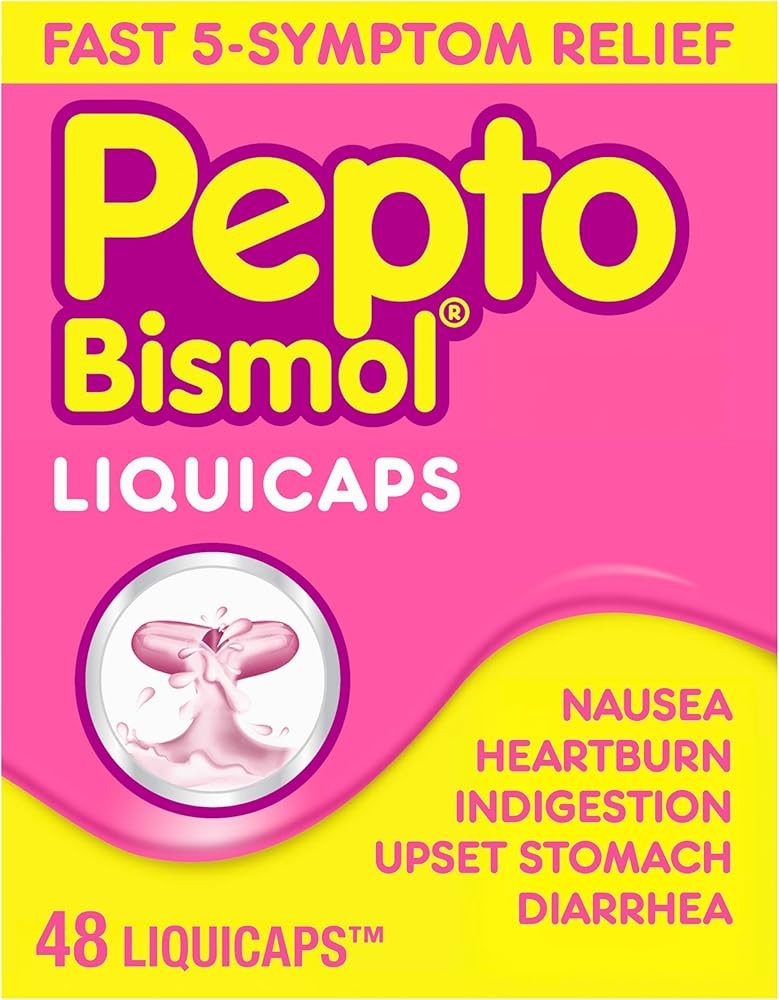
Pepto Bismol Liquicaps 48 Count
Check Price on AmazonAs an Amazon Associate we earn from qualifying purchases.

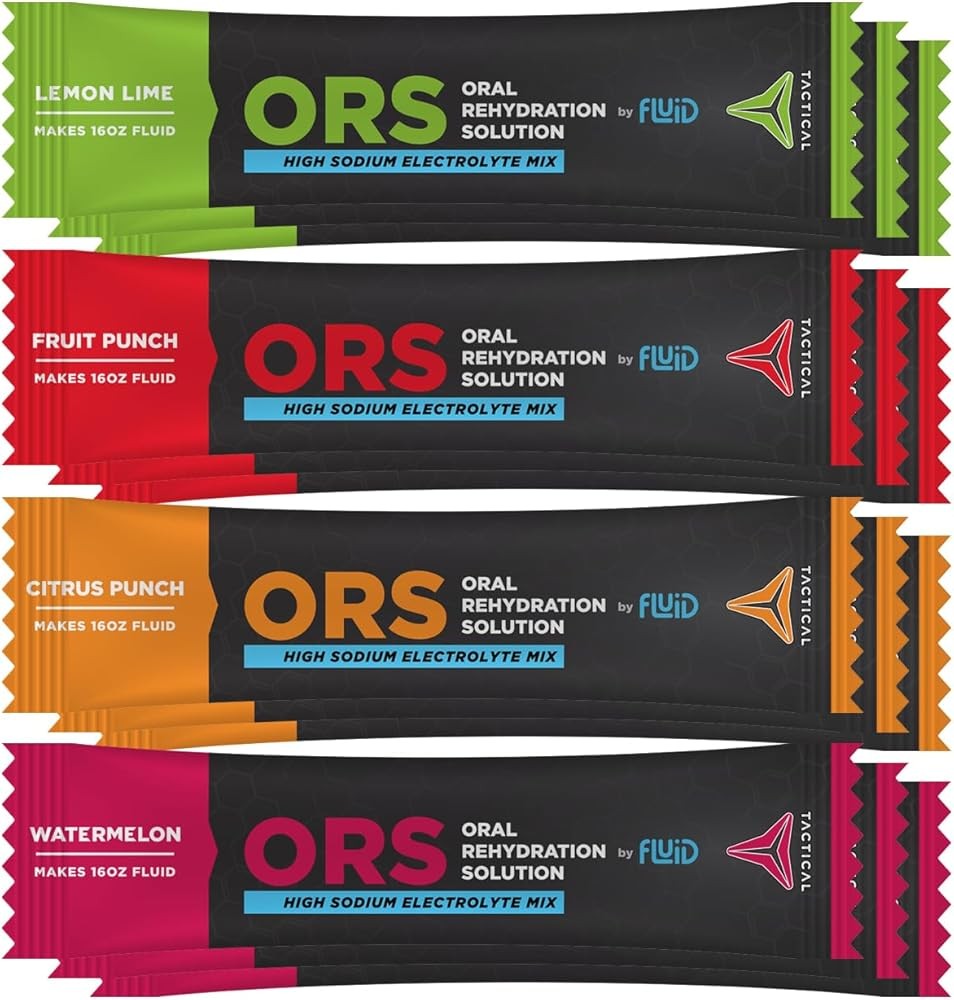
Fluid Tactical ORS Electrolyte Rehydration Solution
Check Price on AmazonAs an Amazon Associate we earn from qualifying purchases.

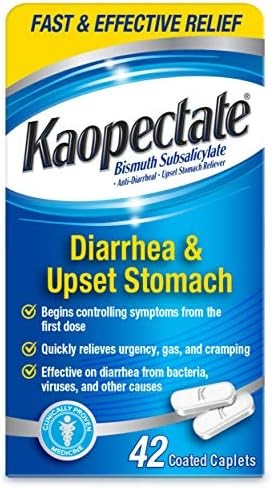
Kaopectate Multi-Symptom Anti-Diarrheal 42 Caplets
Check Price on AmazonAs an Amazon Associate we earn from qualifying purchases.
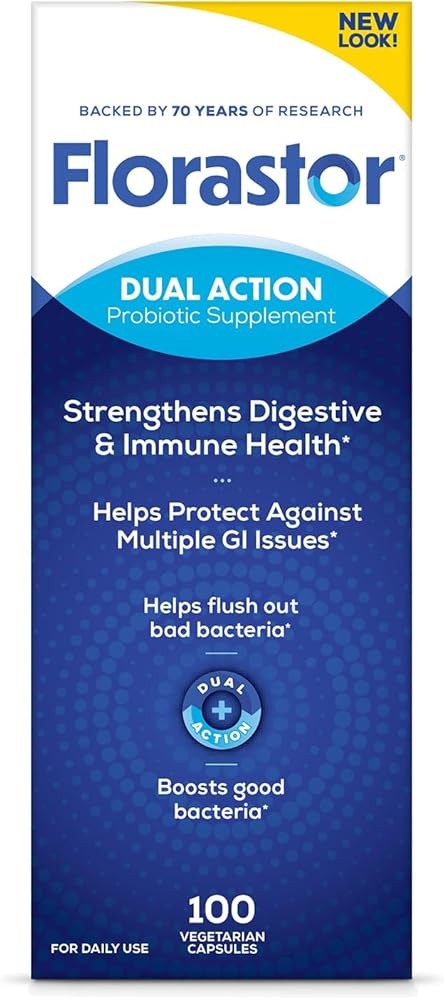
Florastor Probiotics Saccharomyces Boulardii 100 Capsules
Check Price on AmazonAs an Amazon Associate we earn from qualifying purchases.
| Feature | Pepto Bismol Original | DripDrop ORS | Imodium A-D | Florastor Probiotic |
|---|---|---|---|---|
| Active Ingredient | Bismuth subsalicylate 262mg | Sodium 90 mEq/L, glucose, potassium | Loperamide HCl 2mg | Saccharomyces boulardii 250mg |
| Form | Liquid or tablets | Powder packets (mix with water) | Softgels | Capsules |
| Primary Use | Prevention and treatment | Hydration during active diarrhea | Symptom relief (slows motility) | Prevention and gut restoration |
| Dosage Frequency | 4 times daily (prevention) or every 30-60 min (treatment) | 1 packet every 4-6 hours | 2mg after first loose stool, then 2mg after each subsequent | 1 capsule twice daily |
| Mechanism | Bactericidal effects + toxin neutralization | WHO-recommended electrolyte absorption ratio | Opioid receptor agonist (slows intestinal movement) | Heat-stable probiotic yeast (pathogen displacement) |
| Prevention Efficacy | 65% reduction (clinical trials) | Not for prevention (hydration only) | Not indicated for prevention | 30-50% reduction (prophylactic use) |
| Approximate Price | $12-18 for 48 tablets | $16 for 16 packets | $8-12 for 24 softgels | $25 for 50 capsules |
What Is Travelers’ Diarrhea and What Causes It?
Travelers’ diarrhea occurs when you consume food or water contaminated with pathogenic organisms your immune system hasn’t encountered before. The condition is defined as three or more unformed stools in 24 hours plus at least one additional symptom: abdominal cramps, nausea, vomiting, fever, or urgency.
Common Pathogens Behind Travelers’ Diarrhea
Bacterial causes (80-85% of cases):
- Enterotoxigenic E. coli (ETEC) - 30-40% of cases
- Enteroaggregative E. coli (EAEC) - 10-15%
- Campylobacter jejuni - 10-15%
- Shigella species - 5-10%
- Salmonella species - 5%
- Vibrio species - rare but can be severe
Viral causes (10-15% of cases):
- Norovirus - most common viral cause
- Rotavirus - especially in children
- Adenovirus
Parasitic causes (5-10% of cases):
- Giardia lamblia
- Entamoeba histolytica
- Cryptosporidium
- Cyclospora cayetanensis
The specific pathogen varies by destination. Latin America has higher rates of ETEC, while Southeast Asia sees more Campylobacter and parasitic infections.
What Risk Factors Increase Your Vulnerability?
Destination risk levels:
- High risk (40-60% attack rate): South Asia, Southeast Asia, sub-Saharan Africa, Latin America (except Argentina and Chile)
- Intermediate risk (10-20%): Southern Europe, Caribbean islands, South Africa
- Low risk (<10%): Northern Europe, Australia, New Zealand, Canada, United States, Japan
Individual risk factors that amplify susceptibility:
- Young adults (ages 20-29 have highest rates - possibly due to adventurous eating)
- Immunocompromised status (HIV, chemotherapy, immunosuppressants)
- Inflammatory bowel disease (Crohn’s disease, ulcerative colitis)
- Achlorhydria or use of proton pump inhibitors (stomach acid provides first-line defense)
- Blood type A (associated with increased susceptibility to certain pathogens)
- Adventurous eating style (street food, raw produce, ice)
- Budget travel accommodations
- Travel duration (longer trips = higher cumulative risk)
Bottom line: Travelers’ diarrhea affects 30-70% of international travelers, with highest risk in South Asia, Southeast Asia, sub-Saharan Africa, and Latin America. Bacterial pathogens, especially enterotoxigenic E. coli (ETEC), cause 80-85% of cases. Young adults, immunocompromised individuals, and adventurous eaters face elevated risk, making prevention strategies critical for high-risk destinations.
How Does Bismuth Subsalicylate Work Against Diarrheal Pathogens?
Pepto Bismol contains bismuth subsalicylate, which provides multiple mechanisms of action against travelers’ diarrhea - not just symptom masking, but actual antimicrobial effects.
Antimicrobial Actions
Direct bactericidal effects: Bismuth compounds kill common diarrheal bacteria including E. coli, Salmonella, Shigella, and Campylobacter. In laboratory studies, bismuth subsalicylate demonstrates minimum inhibitory concentrations (MIC) of 8-32 μg/mL against enterotoxigenic E. coli (PubMed 6352703), the most common cause of travelers’ diarrhea.
Toxin neutralization: Bismuth binds to and inactivates bacterial enterotoxins that cause fluid secretion. This is particularly important for ETEC, which produces heat-labile and heat-stable toxins that trigger massive fluid loss into the intestinal lumen.
Adhesion inhibition: Bismuth subsalicylate interferes with bacterial adherence to intestinal epithelial cells, which may reduce colonization risk. Studies show it reduces adherence of enteropathogenic E. coli by 60-70% in cell culture models.
Salicylate component benefits: The salicylate portion (similar to aspirin) provides anti-inflammatory effects, reducing prostaglandin-mediated intestinal secretion and inflammation.
Protective Coating and Anti-Secretory Effects
Bismuth compounds form a protective coating over inflamed intestinal mucosa, creating a physical barrier against pathogens and irritants. The medication also demonstrates anti-secretory properties, reducing the net fluid secretion into the intestine that causes watery diarrhea.
In studies measuring intestinal fluid secretion, bismuth subsalicylate reduced cholera toxin-induced secretion by 40-50%, even though cholera is not a common travelers’ diarrhea pathogen. This demonstrates the medication’s broad anti-secretory effects.
Bottom line: Bismuth subsalicylate works through multiple mechanisms: direct bactericidal effects against common diarrheal pathogens (MIC 8-32 μg/mL against ETEC), toxin neutralization reducing fluid secretion by 40-50%, adhesion inhibition preventing bacterial colonization by 60-70%, anti-inflammatory effects from salicylate, and protective mucosal coating. These combined actions make it effective for both prevention and treatment of travelers’ diarrhea.
How Much Pepto Bismol Should You Take for Travelers’ Diarrhea Prevention?
Multiple randomized controlled trials conducted since the 1970s have evaluated bismuth subsalicylate’s association with reduced travelers’ diarrhea incidence. The standard prophylactic protocol emerged from these studies.
Standard Preventive Dosing
Recommended regimen:
- Dose: 2 tablets (262 mg each = 524 mg total) four times daily
- Timing: With breakfast, lunch, dinner, and at bedtime
- Total daily dose: 2,096 mg (8 tablets)
- Duration: Start 1 day before travel, continue throughout trip
- Maximum duration: 3 weeks continuous use
Liquid formulation alternative:
- 30 mL (2 tablespoons) four times daily
- Each 15 mL dose contains 262 mg bismuth subsalicylate
- Total daily dose: 2,096 mg (same as tablet formulation)
What Does the Clinical Evidence Show for Prevention?
A landmark 1987 meta-analysis published in JAMA (PubMed 3543332) reviewed 14 randomized controlled trials of bismuth subsalicylate prophylaxis (PubMed 15541224). The pooled analysis included 2,866 travelers to high-risk destinations.
Key findings:
- 65% reduction in diarrhea incidence (from 40% in placebo group to 14% in bismuth group)
- Number needed to treat: 4 (meaning 4 people need to take prophylaxis for 1 case to be avoided)
- Protection rate was consistent across different destinations
- No significant difference in effectiveness between tablet and liquid formulations
More recent studies confirm these findings. A 2005 trial in Guatemala (PubMed 15701551) showed bismuth subsalicylate reduced travelers’ diarrhea from 61% in placebo group to 23% in treatment group - a 62% relative risk reduction.
How Does Bismuth Prophylaxis Compare to Antibiotics and Probiotics?
Bismuth subsalicylate (Pepto Bismol):
- Protection rate: 65%
- Advantages: No antibiotic resistance, OTC availability, anti-viral activity
- Disadvantages: Must take 4 times daily, can cause dark tongue/stools, salicylate concerns
Antibiotic prophylaxis (fluoroquinolones, rifaximin):
- Protection rate: 72-85%
- Advantages: Once or twice daily dosing, highly effective
- Disadvantages: Antibiotic resistance concerns, prescription required, doesn’t cover viruses/parasites, risk of C. difficile infection
Probiotic prophylaxis (Saccharomyces boulardii, Lactobacillus GG):
- Protection rate: 15-45% (variable results)
- Advantages: Generally safe, may provide other gut benefits
- Disadvantages: Inconsistent effectiveness, requires refrigeration for some strains
Current expert consensus from the International Society of Travel Medicine (PubMed 28521004): Bismuth subsalicylate is preferred over antibiotics for most travelers due to resistance concerns. Antibiotic prophylaxis should be reserved for short trips (≤2 weeks) where diarrhea would be particularly problematic - athletes competing in events, business travelers with critical meetings, or immunocompromised individuals.
Who Should Use Preventive Bismuth Subsalicylate?
Good candidates for prophylaxis:
- Short trips (≤2 weeks) to high-risk destinations
- Travelers with underlying conditions where diarrhea poses special risks (inflammatory bowel disease, ileostomy, insulin-dependent diabetes)
- Immunocompromised travelers who need non-antibiotic protection
- Travelers for whom illness would severely impact trip purpose (competitions, weddings, honeymoons)
Consider skipping prophylaxis if:
- Long-term travel (>3 weeks) - extended bismuth use not recommended
- Low or intermediate risk destinations
- History of aspirin allergy or salicylate sensitivity
- Currently taking anticoagulants or other salicylates
Bottom line: Prophylactic bismuth subsalicylate (2 tablets four times daily, 2,096 mg total) reduces travelers’ diarrhea incidence by 65% according to meta-analysis of 14 RCTs with 2,866 travelers. This represents a decrease from 40% to 14% attack rate. The regimen is preferred over antibiotic prophylaxis due to no resistance issues, and outperforms probiotics (15-45% protection). Maximum recommended duration is 3 weeks continuous use.
What’s the Correct Pepto Bismol Dose for Treating Active Diarrhea?
When prevention fails and diarrhea develops, bismuth subsalicylate can reduce symptom severity and duration. The treatment protocol differs from the preventive regimen.
Standard Treatment Dosing
For acute diarrhea treatment:
- Initial dose: 2 tablets (524 mg) at onset of symptoms
- Subsequent doses: 2 tablets every 30-60 minutes as needed
- Maximum: 8 doses (16 tablets, 4,192 mg) in 24 hours
- Duration: Continue until symptoms resolve, typically 1-3 days
- With meals: Not required for treatment dosing
Liquid formulation:
- 30 mL (2 tablespoons) every 30-60 minutes as needed
- Maximum: 8 doses (240 mL) in 24 hours
How Quickly Should You Expect Improvement?
Within 1-2 hours:
- Reduced cramping and urgency due to anti-inflammatory effects
- Slight decrease in stool frequency
Within 4-8 hours:
- Noticeable reduction in stool volume and frequency
- Improved stool consistency (less watery)
- Decreased abdominal pain
Within 24 hours:
- Most people experience 50-60% reduction in symptoms
- Stool frequency typically drops from 6-8 daily to 2-4 daily
- Formed or semi-formed stools begin to appear
Within 48 hours:
- 75-80% of uncomplicated cases resolve completely
- Normal bowel pattern resumes
- Energy levels return as dehydration resolves
If no improvement after 48 hours: This suggests either a resistant pathogen, parasitic infection, or inflammatory diarrhea requiring different treatment. Medical evaluation is needed.
What Does Research Show About Treatment Effectiveness?
A 1990 study published in JAMA (PubMed 2403602) evaluated bismuth subsalicylate treatment in 232 students traveling to Mexico who developed diarrhea. Participants received either bismuth subsalicylate (60 mL every 30 minutes for 8 doses) or placebo.
Results:
- Median illness duration: 4.5 hours (bismuth group) vs. 20 hours (placebo group)
- Percentage with relief within 24 hours: 71% (bismuth) vs. 40% (placebo)
- Total number of unformed stools: 4.1 (bismuth) vs. 7.4 (placebo)
The study concluded bismuth subsalicylate significantly reduced both duration and severity of acute travelers’ diarrhea.
Can You Combine Bismuth with Loperamide for Faster Relief?
For severe symptoms requiring immediate relief (long bus rides, flights, important meetings), combining bismuth subsalicylate with loperamide (Imodium) provides faster symptom control than either agent alone.
Combination protocol:
- Initial dose: 4 mg loperamide (2 capsules) + 524 mg bismuth subsalicylate (2 tablets)
- Follow-up: 2 mg loperamide after each loose stool (max 8 mg/day) + bismuth subsalicylate 524 mg every 1-2 hours
- Duration: 1-2 days maximum
Important safety warning: Never use loperamide if you have high fever (>101.3°F/38.5°C), bloody stools, or severe abdominal pain. These symptoms suggest invasive bacterial infection (Shigella, Salmonella, Campylobacter) where slowing intestinal motility can worsen the infection and increase complications.
A 2007 study in Clinical Infectious Diseases (PubMed 17582598) showed combination therapy (loperamide + bismuth subsalicylate) resolved symptoms faster than either medication alone, with median time to last unformed stool of 11 hours (combination) vs. 30 hours (loperamide alone) vs. 59 hours (bismuth alone).
When Should You Add Antibiotic Treatment?
Bismuth subsalicylate works well for mild to moderate diarrhea but may be insufficient for severe cases. Consider adding antibiotic therapy if:
Moderate to severe diarrhea criteria:
- 4 or more unformed stools in 8 hours
- Diarrhea plus fever, blood in stool, or severe cramping
- Symptoms significantly interfering with activities
- No improvement after 24 hours of bismuth therapy
Standard antibiotic regimens for travelers’ diarrhea:
- Azithromycin 500 mg (PubMed 14523765) daily × 3 days (preferred in Southeast Asia due to fluoroquinolone resistance)
- Ciprofloxacin 500 mg twice daily × 3 days (effective in most regions)
- Levofloxacin 500 mg daily × 3 days (alternative fluoroquinolone)
- Rifaximin 200 mg three times daily × 3 days (non-absorbed, good for non-invasive diarrhea)
Continue bismuth subsalicylate alongside antibiotics for additive benefit - the mechanisms don’t overlap, so both can work synergistically.
Bottom line: Treatment dosing is 2 tablets (524 mg) every 30-60 minutes, maximum 8 doses (4,192 mg) in 24 hours. Clinical trials show 71% achieve relief within 24 hours vs. 40% with placebo, with median illness duration of 4.5 hours vs. 20 hours. Combination with loperamide reduces time to last unformed stool to 11 hours vs. 59 hours for bismuth alone. Add antibiotics if ≥4 stools in 8 hours, fever, blood in stool, or no improvement after 24 hours.
What Warning Signs Does Your Body Give During Diarrhea?
Your body provides specific signals that indicate whether you’re dealing with simple travelers’ diarrhea that may respond to Pepto Bismol or a more serious infection requiring medical care.
What Indicates Uncomplicated Travelers’ Diarrhea?
Typical presentation:
- Sudden onset of watery diarrhea (3-6 stools/day)
- Mild to moderate cramping, mainly lower abdomen
- Urgency and some bloating
- Low-grade fever ≤100°F (37.8°C) or no fever
- Nausea but able to keep fluids down
- Yellow or light brown watery stools
- No blood or mucus in stool
What your energy levels tell you:
- Fatigue present but can still function
- Able to walk around, attend to basic needs
- Appetite reduced but not completely absent
- Thirst increased but manageable with oral fluids
Hydration clues:
- Urine output reduced but still urinating every 4-6 hours
- Urine darker than normal but not dark brown
- Mouth feels dry but saliva still present
- Skin returns to normal when pinched (good skin turgor)
These signs indicate simple secretory diarrhea, typically caused by ETEC producing enterotoxins. This responds well to bismuth subsalicylate treatment with oral rehydration.
What Are the Red Flag Warning Signs?
Red flag symptoms requiring medical attention:
- High fever ≥102°F (38.9°C)
- Blood in stools (red streaks, dark maroon color, or black tarry appearance)
- Mucus or pus in stools
- Severe cramping that’s constant or localized to one area
- Inability to keep down any fluids
- Diarrhea volume >1 liter (roughly 4 cups) in 8 hours
Body signals of dehydration requiring medical care:
- Urinating less than twice in 24 hours
- Dark brown or amber-colored urine
- Extreme thirst that oral fluids don’t satisfy
- Dizziness when standing (orthostatic hypotension)
- Rapid heartbeat (>100 beats/minute at rest)
- Sunken eyes, very dry mouth with thick saliva
- Skin “tenting” - when pinched, skin stays raised for seconds
Neurological warning signs (possible salicylate toxicity from high-dose bismuth):
- Ringing in ears (tinnitus)
- Confusion or altered mental state
- Rapid breathing (hyperventilation)
- Extreme drowsiness
Signs suggesting parasitic infection:
- Diarrhea persisting beyond 7 days despite treatment
- Alternating diarrhea and constipation
- Foul-smelling, greasy stools that float (suggests Giardia)
- Significant weight loss
- Symptoms starting 1-2 weeks after travel (longer incubation than bacteria)
What Timeline Should You Expect During Treatment?
Hours 0-4 (initial treatment phase):
- Slight improvement in cramping due to anti-inflammatory effects
- Diarrhea may temporarily worsen as bismuth causes initial fluid movement
- Dark discoloration of tongue begins (harmless, temporary)
Hours 4-12 (active improvement phase):
- Stool frequency begins declining
- Cramping intensity reduces by 40-50%
- Urgency becomes less severe
- Improved ability to hold fluids
Hours 12-24 (stabilization phase):
- Stool frequency should be down to 2-4 per day
- Stools becoming semi-formed instead of completely watery
- Appetite returning
- Energy improving as dehydration resolves
- Black or dark green stools appear (from bismuth - normal and harmless)
Days 2-3 (recovery phase):
- Normal bowel pattern resuming
- Formed stools returning
- Energy levels back to 80-90% of normal
- Appetite fully returned
- Tongue discoloration fading
If this timeline doesn’t match your experience: Lack of improvement by 24 hours or worsening at any point suggests you need medical evaluation. Don’t continue bismuth subsalicylate beyond 48 hours without improvement.
Bottom line: Uncomplicated travelers’ diarrhea presents with 3-6 watery stools daily, mild-moderate cramping, low-grade fever ≤100°F, and preserved ability to tolerate oral fluids. Red flags requiring immediate medical care include fever ≥102°F, bloody stools, inability to keep down fluids, severe dehydration (urinating <2 times/24h, dark urine, dizziness), or salicylate toxicity signs (tinnitus, confusion). Expect 40-50% symptom reduction within 4-12 hours, with 75-80% resolution by 48 hours for uncomplicated cases.
What Safety Issues and Drug Interactions Should You Know About?
While generally safe for short-term use, bismuth subsalicylate carries important safety considerations, particularly because it contains a salicylate (aspirin-like compound).
What Are the Salicylate-Related Concerns?
Aspirin allergy: If you’re allergic to aspirin, you should not take Pepto Bismol. Bismuth subsalicylate breaks down to salicylic acid (aspirin) in the stomach, causing the same allergic reactions: hives, difficulty breathing, swelling, or anaphylaxis.
Reye’s syndrome risk in children and teenagers: Never give bismuth subsalicylate to children or teenagers recovering from viral infections (flu, chickenpox) due to Reye’s syndrome risk - a rare but potentially fatal condition causing brain and liver damage. While Pepto Bismol is FDA-approved for children 12 and older for other indications, most travel medicine experts recommend against it for travelers’ diarrhea in anyone under 18.
Bleeding risk with anticoagulants: Salicylates inhibit platelet function and can increase bleeding risk. If you take warfarin, clopidogrel, or other anticoagulants, consult your doctor before using bismuth subsalicylate. Even short-term use can prolong bleeding time by 20-30%.
Salicylate toxicity: At recommended doses for travelers’ diarrhea, bismuth subsalicylate provides 1,000-2,000 mg of salicylate daily - approaching the therapeutic range for anti-inflammatory effects but below toxic levels. However, symptoms of toxicity can occur: tinnitus (ringing in ears), rapid breathing, confusion, and nausea. Discontinue immediately if these occur.
What Drug Interactions Should You Watch For?
Bismuth subsalicylate can interact with numerous medications due to both its bismuth and salicylate components. Understanding these interactions is critical for safe use, especially when travelers are taking multiple medications for prevention or chronic conditions.
Tetracycline and doxycycline (malaria prophylaxis): Bismuth significantly reduces absorption of tetracycline antibiotics (PubMed 7041646). If you’re taking doxycycline for malaria prevention, separate doses by at least 2-3 hours from bismuth subsalicylate. Studies show concurrent administration reduces doxycycline absorption by 40-50%.
This interaction is particularly important because many high-risk travelers’ diarrhea destinations overlap with malaria zones. If you’re taking daily doxycycline (100 mg) for malaria prevention and bismuth subsalicylate prophylaxis (2,096 mg daily), optimal timing would be: doxycycline with breakfast, first bismuth dose 2-3 hours later with mid-morning snack, then bismuth with lunch, dinner, and bedtime.
Quinolone antibiotics: Bismuth may reduce absorption of ciprofloxacin, levofloxacin, and other fluoroquinolones. If prescribed a quinolone for severe travelers’ diarrhea, take it 2 hours before or 6 hours after bismuth doses.
The mechanism involves bismuth chelating with quinolone molecules in the stomach and small intestine, forming insoluble complexes that cannot be absorbed. This reduces the quinolone’s bioavailability by 25-40%, potentially leading to treatment failure.
Other salicylates: Don’t combine Pepto Bismol with aspirin or other salicylate-containing medications. The additive salicylate load increases toxicity risk.
Many travelers take low-dose aspirin (81 mg daily) for cardiovascular protection. Combined with prophylactic bismuth subsalicylate (providing 1,000-2,000 mg salicylate daily), total salicylate exposure approaches levels used for anti-inflammatory treatment of arthritis - significantly increasing bleeding risk and gastrointestinal side effects.
Methotrexate: Salicylates decrease methotrexate excretion, potentially causing toxic methotrexate levels. Avoid combination.
Methotrexate is used for autoimmune conditions (rheumatoid arthritis, psoriasis, inflammatory bowel disease) and certain cancers. Salicylates compete for the same renal excretion pathways, causing methotrexate to accumulate to potentially toxic levels.
Diabetes medications: Salicylates can lower blood sugar. If you take insulin or oral diabetes medications, monitor blood glucose more frequently when using bismuth subsalicylate.
Salicylates enhance insulin sensitivity and glucose uptake by cells, potentially causing hypoglycemia. This effect is dose-dependent and more pronounced with the high salicylate load from prophylactic bismuth use. Travelers with diabetes should check blood glucose 4-6 times daily when starting bismuth prophylaxis.
Anticoagulants and antiplatelet medications: Salicylates inhibit platelet function and increase bleeding risk when combined with warfarin, clopidogrel, rivaroxaban, apixaban, or other blood thinners.
Even short-term bismuth use can prolong bleeding time by 20-30% and increase INR (international normalized ratio) in people taking warfarin.
Nonsteroidal anti-inflammatory drugs (NSAIDs): Combining bismuth subsalicylate with ibuprofen, naproxen, or other NSAIDs significantly increases gastrointestinal bleeding and ulcer risk.
Both salicylates and NSAIDs inhibit COX enzymes that protect the stomach lining. Combined use creates a synergistic risk for stomach ulcers, gastritis, and bleeding. Many travelers pack ibuprofen for headaches or muscle pain - if you’re using bismuth prophylaxis, switch to acetaminophen (Tylenol) instead for pain relief.
What About Special Populations?
Pregnancy: Bismuth subsalicylate is Category C in pregnancy (animal studies show risk; human data insufficient). The salicylate component crosses the placenta and, in late pregnancy, may cause premature closure of the fetal ductus arteriosus or bleeding complications. Pregnant travelers should avoid bismuth subsalicylate and use alternative prevention/treatment strategies.
Breastfeeding: Salicylates enter breast milk. While occasional use is probably safe, the extended prophylactic dosing regimen is not recommended while breastfeeding.
Renal insufficiency: Bismuth is partially excreted by kidneys. People with chronic kidney disease should use with caution and avoid prolonged use, as bismuth can accumulate.
Gout: Salicylates can trigger gout attacks in susceptible individuals by affecting uric acid excretion.
Inflammatory bowel disease: Despite theoretical concerns, most IBD specialists consider bismuth subsalicylate safe for short-term travelers’ diarrhea treatment. However, difficulty distinguishing travelers’ diarrhea from an IBD flare may complicate management.
How Do You Distinguish Normal Black Stools from Dangerous Bleeding?
Normal bismuth-related darkening:
- Stools turn dark gray, greenish-black, or black
- Color change typically appears 12-24 hours after starting bismuth
- Tongue and oral cavity may also darken
- This is harmless - bismuth reacts with sulfur compounds in the intestine to form bismuth sulfide, a black compound
- Resolves within 24-48 hours after stopping bismuth
Concerning melena (blood in stool):
- Black, tarry stools with a distinctly foul odor
- Often accompanied by lightheadedness, weakness, or rapid heartbeat
- Represents upper GI bleeding (stomach or small intestine)
- Requires immediate medical attention
The key difference: bismuth-darkened stools are typically formed or semi-formed and don’t have the tarry, sticky consistency or foul odor of melena. When in doubt, discontinue bismuth for 24 hours to see if stools return to normal color.
Bottom line: Bismuth subsalicylate is contraindicated with aspirin allergy, in children/teenagers with viral infections (Reye’s syndrome risk), and should be avoided during pregnancy. Critical drug interactions include tetracyclines (reduced absorption by 40-50% - separate by 2-3 hours), quinolones (25-40% reduced bioavailability), aspirin (additive salicylate toxicity), anticoagulants (20-30% prolonged bleeding time), NSAIDs (synergistic GI bleeding risk), and methotrexate (decreased excretion causing toxicity). Monitor blood glucose closely with diabetes medications.
How Important Is Hydration During Diarrhea Treatment?
No travelers’ diarrhea treatment works optimally without proper hydration. Diarrhea causes loss of water and electrolytes, and dehydration itself perpetuates symptoms and slows recovery.
Why Is Oral Rehydration Solution the Gold Standard?
Commercial ORS products:
- DripDrop ORS Electrolyte Hydration Powder - Contains optimal WHO-recommended sodium and glucose ratio
- Pedialyte or generic equivalents
- WHO-formulated ORS packets
Homemade ORS recipe (if commercial products unavailable):
- 1 liter (4 cups) clean water
- 6 level teaspoons sugar
- 1/2 level teaspoon salt
- Optional: 1/2 teaspoon salt substitute (potassium chloride) for added potassium
Mix thoroughly until dissolved. Drink throughout the day, aiming for equal volume to what you’re losing in diarrhea.
Why ORS is superior to plain water or sports drinks:
- Specific sodium-glucose ratio (90 mEq/L sodium, 111 mmol/L glucose) activates coupled transport in intestinal cells
- This co-transport mechanism allows absorption even when intestine is secreting fluid
- Sports drinks like Gatorade have too little sodium (20 mEq/L) and too much sugar for optimal rehydration
- Plain water without electrolytes can actually worsen dehydration through dilution
How Much Should You Drink During Active Diarrhea?
Maintenance hydration:
- Drink 200-250 mL (roughly 1 cup) ORS after each loose stool
- Minimum 2-3 liters daily, even without diarrhea losses
- More in hot climates or with sweating
Signs you’re adequately hydrated:
- Urinating every 3-4 hours
- Urine pale yellow (not dark or amber)
- Moist mouth and lips
- Normal skin turgor (skin rebounds immediately when pinched)
- Steady energy, able to stand without dizziness
Beverages to avoid:
- Alcohol (dehydrating)
- Caffeinated coffee (mild diuretic effect, though tea is usually fine)
- Fruit juices with high sugar content (can worsen osmotic diarrhea)
- Carbonated sodas (too much sugar, inadequate electrolytes)
Foods that help with hydration and recovery:
- Bananas (potassium, pectin helps firm stools)
- White rice (bland, binding, provides calories)
- Toast or crackers (bland carbohydrates)
- Boiled potatoes (potassium, easily digested)
- Chicken soup (sodium, fluids, easily tolerated)
- Yogurt with live cultures (probiotics may help recovery)
This is the BRAT diet expanded - Bananas, Rice, Applesauce, Toast - long used for diarrhea recovery. Recent evidence suggests you don’t need to restrict diet this severely; resume normal foods as tolerated, but these bland options are least likely to worsen symptoms.
Bottom line: Oral rehydration solution (ORS) is critical for optimal recovery - drink 200-250 mL (1 cup) after each loose stool plus 2-3 liters daily minimum. ORS with specific sodium-glucose ratio (90 mEq/L sodium, 111 mmol/L glucose) activates coupled intestinal transport allowing absorption during secretory diarrhea. Plain water or sports drinks are inadequate - Gatorade has only 20 mEq/L sodium vs. required 90 mEq/L. Signs of adequate hydration: urinating every 3-4 hours, pale yellow urine, moist mouth, normal skin turgor.
What Food and Water Safety Measures May Reduce Diarrhea Risk?
While bismuth subsalicylate provides substantial protection, combining it with food and water safety practices provides the most comprehensive prevention strategy.
How Should You Apply the “Boil It, Cook It, Peel It, or Forget It” Rule?
This classic travel medicine mantra remains valid:
Safe food choices:
- Freshly cooked foods served steaming hot
- Fruits you peel yourself (bananas, oranges, mangoes)
- Bread and dry foods
- Packaged foods with intact seals
Risky foods to avoid in high-risk destinations:
- Raw or undercooked meat, fish, or shellfish
- Raw vegetables and salads (even in nice restaurants)
- Unpasteurized dairy products
- Peeled fruits from vendors (contaminated hands or wash water)
- Buffets where food sits at room temperature
- Street vendor foods (though these are often safer than they appear if cooked fresh in front of you)
The street food paradox: Research shows street food from vendors cooking fresh food over flame directly in front of you may actually be safer than buffets at fancy hotels where food sits lukewarm for hours. The key is watching it cook to steaming temperature.
What Water Sources Are Safe and Which Should You Avoid?
Safe water sources:
- Bottled water with sealed cap (check seal integrity)
- Boiled water (rolling boil for 1 minute, 3 minutes at high altitude)
- Water treated with potable water purification tablets
- Water filtered through 0.1-micron absolute filters (removes bacteria and parasites)
Unsafe water sources:
- Tap water in high-risk destinations
- Ice cubes (made from tap water)
- Fountain drinks (mixed with local water)
- Water from streams or rivers
The ice cube test: If ice cubes float with the dimple-side up (machine-made tubular ice), they’re from a commercial ice machine and relatively safe. If they float randomly (tray-made ice), they’re from tap water and should be avoided.
Teeth brushing: In high-risk areas, use bottled water even for brushing teeth. Enough water enters your mouth during brushing to cause infection.
Can You Ignore Food Safety If Taking Bismuth Prophylaxis?
A common misconception: taking bismuth subsalicylate prophylaxis means you can eat anything. This is dangerously false.
Bismuth provides 65% risk reduction - substantial but not complete protection. It works best against bacterial causes and provides minimal protection against parasites like Giardia or Cryptosporidium. It also doesn’t protect against other foodborne illnesses like hepatitis A (vaccine-preventable) or typhoid fever.
Combined approach efficacy:
- Food/water safety alone: 50-60% risk reduction
- Bismuth prophylaxis alone: 65% risk reduction
- Both together: 80-85% risk reduction
The strategies are additive, not redundant.
Bottom line: Combine food safety (“boil it, cook it, peel it, or forget it”) with bismuth prophylaxis for maximum protection. Food/water safety alone provides 50-60% risk reduction, bismuth alone 65%, but both together achieve 80-85% protection. Freshly cooked steaming hot foods and fruits you peel yourself are safest. Avoid raw vegetables, unpasteurized dairy, tap water, and ice cubes in high-risk areas. Use bottled water even for teeth brushing. Bismuth doesn’t protect against parasites or hepatitis A.
What Should Be in Your Travel Medicine Kit for Diarrhea?
A well-stocked travel health kit enables prompt self-treatment when diarrhea strikes. Here’s what to include:
What Are the Core Diarrhea Medications to Pack?
Primary treatment:
- Pepto Bismol caplets (tablets preferred over liquid for travel - less weight, no spill risk, doesn’t require refrigeration)
- Carry at least 50-60 tablets for a 2-week trip (enough for full prophylaxis or aggressive treatment)
Symptom relief adjuncts:
- Imodium (loperamide) caplets - for emergencies requiring rapid symptom control
- Anti-nausea: Dramamine or ginger capsules
Prescription standby antibiotics (obtain before travel):
- Azithromycin 500mg × 3 tabs (or ciprofloxacin 500mg × 6 tabs)
- Take only for severe diarrhea or if no improvement after 24-48 hours of bismuth treatment
What Hydration Supplies Should You Bring?
- DripDrop ORS powder packets (10-15 packets for 2-week trip)
- Reusable water bottle with built-in filter (Grayl, LifeStraw)
- Water purification tablets as backup
What Diagnostic and Monitoring Tools Are Useful?
- Digital thermometer (to monitor fever)
- Written symptom diary card (track stool frequency, character, associated symptoms)
What Supportive Items Help?
- Toilet paper or tissue packs (many countries don’t provide in public restrooms)
- Hand sanitizer with ≥60% alcohol
- Antibacterial wet wipes
- Anti-diarrheal diet foods (crackers, electrolyte drinks if traveling to remote areas)
Bottom line: Essential travel medicine kit for diarrhea includes 50-60 Pepto Bismol tablets, loperamide for emergencies, standby prescription antibiotics (azithromycin 500mg × 3 or ciprofloxacin 500mg × 6), 10-15 ORS powder packets, water purification method, digital thermometer, hand sanitizer ≥60% alcohol, and toilet paper. Tablets preferred over liquid (no spill risk, lighter weight). Obtain prescription antibiotics before travel for severe cases or treatment failure after 24-48 hours.
When Should You Seek Medical Care While Traveling?
Knowing when to stop self-treatment and seek professional care can prevent serious complications.
What Symptoms Require Immediate Medical Attention?
Seek emergency care if you experience:
- Signs of severe dehydration despite oral rehydration attempts
- Bloody diarrhea with high fever
- Altered mental status or confusion
- Severe constant abdominal pain (not cramping that comes and goes)
- Inability to keep down any fluids for 12+ hours
- Symptoms of shock: rapid weak pulse, cold clammy skin, bluish lips
- Seizures
Pediatric red flags (children under 5):
- Any bloody stools
- Decreased urination (dry diaper for 6+ hours)
- Sunken fontanelle (soft spot on baby’s head)
- Excessive sleepiness or irritability
- High fever >102°F (39°C)
What Symptoms Need Medical Care Within 24 Hours?
- Diarrhea persists >48 hours despite bismuth treatment
- High fever (>101.3°F/38.5°C) lasting more than 24 hours
- Black tarry stools (after stopping bismuth for 24 hours to rule out medication effect)
- New symptoms developing: joint pain, rash, eye redness (suggests reactive complications)
- Diarrhea in high-risk individuals: pregnant women, adults >65, immunocompromised
How Do Decision Points Change in Remote Locations?
If you’re traveling to areas where medical care is unavailable within 24 hours (trekking, safari, cruise ships), your decision threshold changes:
Consider empiric antibiotic treatment earlier:
- Start standby antibiotics if moderate-severe diarrhea develops
- Don’t wait 48 hours when medical care is unavailable
- Continue bismuth subsalicylate alongside antibiotics
Evacuation criteria for remote locations:
- Any signs of severe dehydration that oral rehydration doesn’t improve
- Bloody diarrhea with fever
- Symptoms not improving with antibiotic treatment after 48-72 hours
Bottom line: Seek immediate emergency care for severe dehydration despite ORS, bloody diarrhea with high fever, altered mental status, severe constant abdominal pain, inability to keep down fluids for 12+ hours, or shock symptoms. Seek care within 24 hours if diarrhea persists >48 hours despite treatment, fever >101.3°F lasting >24 hours, or new symptoms (joint pain, rash, eye redness). In remote locations without 24-hour access to care, start standby antibiotics earlier for moderate-severe cases.
What Happens After Diarrhea Resolves?
Most travelers’ diarrhea resolves completely within 3-7 days. However, 10-15% of travelers experience persistent or recurrent symptoms.
What Is Post-Infectious Irritable Bowel Syndrome?
Approximately 10% of travelers’ diarrhea cases lead to persistent functional bowel symptoms lasting months or years - a condition called post-infectious IBS (PubMed 19185576).
Symptoms of PI-IBS:
- Recurrent abdominal pain and altered bowel habits
- Alternating diarrhea and constipation
- Bloating and gas
- Symptoms triggered by certain foods
- No identifiable ongoing infection
Risk factors for developing PI-IBS:
- Severe acute diarrhea (>7 days duration)
- Multiple infectious episodes
- Bloody diarrhea
- Female gender
- Psychological stress during acute illness
- Young age
Management if PI-IBS develops:
- Low-FODMAP diet trial
- Probiotics (Lactobacillus plantarum, Bifidobacterium infantis show best evidence)
- Rifaximin antibiotic course (non-absorbed, targets small intestinal bacterial overgrowth)
- Cognitive behavioral therapy for severe cases
Can Diarrhea Cause Temporary Lactose Intolerance?
Acute diarrhea damages intestinal villi that produce lactase enzyme. Temporary lactose intolerance can persist 2-4 weeks after infection resolves.
Signs of post-infectious lactose intolerance:
- Diarrhea returns when consuming dairy
- Bloating and gas after milk, ice cream, cheese
- Symptoms improve when avoiding dairy
Management:
- Avoid dairy products for 2-4 weeks
- Gradually reintroduce to assess tolerance
- Use lactase enzyme supplements if needed
- Usually resolves spontaneously as intestinal lining repairs
When Do Persistent Symptoms Need Further Evaluation?
Diarrhea lasting >7 days or recurring after initial improvement requires medical evaluation to rule out:
Parasitic infections:
- Giardia (foul-smelling greasy stools, bloating, weight loss)
- Entamoeba histolytica (bloody diarrhea, liver abscess risk)
- Cryptosporidium (watery diarrhea, particularly severe in immunocompromised)
Parasites often present with longer incubation periods (7-14 days) and don’t respond to bismuth subsalicylate or antibiotics. Diagnosis requires stool testing (ova and parasite examination, antigen testing, or PCR).
Small intestinal bacterial overgrowth (SIBO):
- Develops after repeated antibiotic use
- Bloating, gas, diarrhea
- Diagnosed with breath testing
Clostridioides difficile infection:
- Risk after antibiotic treatment
- Watery diarrhea, abdominal pain, fever
- Requires specific antibiotic treatment (vancomycin or fidaxomicin)
Bottom line: Post-infectious IBS develops in 10% of travelers’ diarrhea cases (PubMed 19185576), causing recurrent abdominal pain, altered bowel habits, and bloating lasting months-years. Risk factors include severe/prolonged acute diarrhea, bloody stools, female gender. Temporary lactose intolerance can persist 2-4 weeks post-infection - avoid dairy until villi regenerate. Diarrhea lasting >7 days requires evaluation for parasites (Giardia, Cryptosporidium, Entamoeba), SIBO, or C. difficile.
What Alternative Approaches Support Diarrhea Prevention and Recovery?
Beyond bismuth subsalicylate, several evidence-based complementary strategies can support diarrhea prevention and recovery.
How Effective Are Probiotics for Prevention and Treatment?
Saccharomyces boulardii: This probiotic yeast has the strongest evidence for preventing and treating travelers’ diarrhea. A 2019 meta-analysis (PubMed 17298915) found it reduced diarrhea risk by 21% (modest but meaningful).
Recommended regimen:
- Prevention: 250-500 mg daily starting 5 days before travel, continue throughout trip
- Treatment: 500 mg twice daily for 5 days alongside other treatments
Lactobacillus GG: Some evidence for prevention (15-20% risk reduction), though less robust than S. boulardii.
Multi-strain probiotics: Products containing multiple species may offer broader benefits, though evidence specific to travelers’ diarrhea is limited.
Why probiotics help: They compete with pathogenic bacteria for intestinal binding sites, produce antimicrobial compounds, and modulate immune responses.
Does Zinc Supplementation Help?
Zinc plays crucial roles in intestinal barrier function and immune response. Studies in children in developing countries show zinc supplementation reduces diarrhea duration and severity.
Evidence in travelers: Limited data specifically for adult travelers, but zinc’s mechanisms suggest potential benefit.
Dosing: 30-50 mg zinc daily during acute diarrhea, continue for 3-5 days.
Note: High-dose zinc can cause nausea; take with food. Don’t exceed 50 mg daily or continue beyond 5 days without medical supervision.
What About Berberine for Diarrhea?
Berberine, an alkaloid from several plants including goldenseal and barberry, demonstrates antimicrobial activity against diarrheal pathogens.
Evidence: Traditional use in Asian medicine; laboratory studies show activity against E. coli, Shigella, and Salmonella. Human clinical trials limited but show promise.
Considerations: Not as well-studied as bismuth subsalicylate; may interact with medications; quality varies among products.
For better absorption, look for dihydroberberine formulations that show 5-10x better bioavailability than standard berberine.
Bottom line: Saccharomyces boulardii has strongest probiotic evidence, reducing travelers’ diarrhea risk by 21% per meta-analysis (PubMed 17298915) - use 250-500 mg daily starting 5 days pre-travel. Zinc 30-50 mg daily for 3-5 days during acute diarrhea supports intestinal healing. Berberine shows antimicrobial activity against E. coli, Shigella, and Salmonella in lab studies - dihydroberberine offers 5-10x better bioavailability. These complement bismuth but don’t replace it.
How Do Prevention Strategies Vary by Destination?
Travelers’ diarrhea patterns vary significantly by region, affecting optimal prevention and treatment strategies.
What Makes Southeast Asia Different?
Common pathogens:
- Campylobacter jejuni (15-30% of cases)
- Enteroaggregative E. coli
- Norovirus
Special considerations:
- High fluoroquinolone resistance in Campylobacter - azithromycin preferred for antibiotic treatment
- Cholera risk in some areas (Bangladesh, parts of India) - vaccine available
- Higher parasitic rate (Giardia, Cryptosporidium)
Bismuth effectiveness: 60-65% protection rate maintained
What About Latin America?
Common pathogens:
- Enterotoxigenic E. coli (ETEC) - 40-50%
- Enteroaggregative E. coli
- Shigella
Special considerations:
- Classic bacterial travelers’ diarrhea patterns
- Street food culture - bismuth pairs well with cautious eating
- Altitude effects in Peru, Bolivia, Ecuador can cause GI symptoms independent of infection
Bismuth effectiveness: 65-70% protection (highest efficacy region)
What Are the Challenges in Sub-Saharan Africa?
Common pathogens:
- ETEC
- Campylobacter
- Shigella
- Higher parasitic rate
Special considerations:
- Higher risk of invasive bacterial diarrhea requiring antibiotics
- Typhoid fever more common - consider vaccination
- Cholera in some areas
- Limited medical infrastructure in rural areas - bring comprehensive kit
Bismuth effectiveness: 60-65% protection
Why Is South Asia Highest Risk?
Common pathogens (India, Nepal, Bangladesh):
- ETEC (most common)
- Cholera (seasonal in some areas)
- Parasites (Giardia, Entamoeba)
Special considerations:
- Highest travelers’ diarrhea rates (40-60% attack rate)
- Water contamination widespread
- Combination of bismuth prophylaxis + strict food/water safety essential
- Consider cholera vaccine for long stays
Bismuth effectiveness: 60-65% protection but from higher baseline risk
Bottom line: Regional variations affect strategy - Latin America shows highest bismuth efficacy (65-70%) with ETEC dominance. Southeast Asia requires azithromycin over fluoroquinolones due to 15-30% Campylobacter with high quinolone resistance. Sub-Saharan Africa has higher invasive diarrhea and typhoid risk - consider vaccination. South Asia has highest attack rates (40-60%) requiring combined bismuth prophylaxis plus strict food/water safety. All regions maintain 60-70% bismuth protection.
How Should Long-Term Travelers Approach Prevention?
The standard 3-week maximum recommendation for bismuth subsalicylate prophylaxis poses challenges for long-term travelers, digital nomads, and expatriates.
What Are Cycling Prophylaxis Strategies?
Option 1: Intermittent use
- Use prophylaxis for highest-risk periods (first 2 weeks in new country, travel to rural areas, monsoon season)
- Skip prophylaxis during lower-risk times
- Resume for 1-2 weeks if moving to new high-risk area
Option 2: Probiotic maintenance
- Use bismuth prophylaxis first 2-3 weeks
- Switch to daily probiotic (S. boulardii) for ongoing protection
- Keep bismuth available for treatment if diarrhea develops
Option 3: Adaptive immunity
- Accept higher risk and manage episodes as they occur
- Most long-term travelers develop some adaptive immunity after 3-6 months
- Strict food safety during adaptation period
How Does Adaptive Immunity Develop?
Your immune system does adapt to local pathogens over time. Studies of expatriates show diarrhea incidence drops from 40% in first month to 5-10% after 6 months.
Factors affecting adaptation:
- Previous travel experience to similar regions
- Gut microbiome diversity
- Overall immune health
- Continued exposure patterns
Supporting immune adaptation:
- Gradual introduction to local foods (start with well-cooked, progress to raw produce)
- Maintain healthy gut microbiome with fermented foods, fiber
- Adequate sleep, stress management, nutrition
Bottom line: Long-term travelers face challenges with 3-week bismuth maximum. Strategies include intermittent use for highest-risk periods, switching to probiotic maintenance (S. boulardii) after initial 2-3 weeks bismuth, or accepting higher risk while building adaptive immunity. Expatriate studies show diarrhea incidence drops from 40% in month 1 to 5-10% after 6 months as adaptive immunity develops. Support with gradual food introduction, healthy microbiome, adequate sleep.
Is Bismuth Prophylaxis Cost-Effective?
From a purely economic standpoint, does bismuth prophylaxis make financial sense?
What Are the Direct Costs?
Bismuth subsalicylate prophylaxis (2-week trip):
- 8 tablets daily × 14 days = 112 tablets
- Cost: $15-25 for generic, $25-35 for brand name
Treatment costs if diarrhea develops:
- Lost vacation time (average 2-3 days impaired)
- Medications (ORS, loperamide, antibiotics): $20-40
- Possible medical visit in foreign country: $50-200
- Severe cases requiring hospitalization: $500-5,000+
Indirect costs:
- Missed activities, tours, experiences
- Extended hotel stays
- Missed work days after return
- Companion’s lost vacation time if they care for you
What Does Economic Modeling Show?
Assuming a 40% baseline diarrhea risk in high-risk destination, bismuth prophylaxis reduces this to 14% (65% relative risk reduction).
For every 4 travelers using prophylaxis:
- 1 case prevented
- Average savings: $200-400 per prevented case (considering lost time, experiences, treatment)
- Cost of prophylaxis: $80-140 for 4 people
Break-even analysis: If you value a day of your vacation at $50 or more, prevention is cost-effective. For most international travelers, prevention makes economic sense even ignoring the discomfort factor.
What About Non-Monetary Value?
Economics aside, avoiding diarrhea during once-in-a-lifetime trips (honeymoons, safaris, trekking expeditions) or critical business travel has incalculable value. Peace of mind alone may justify prophylaxis for many travelers.
Bottom line: Bismuth prophylaxis costs $15-35 for 2-week trip (112 tablets). Without prophylaxis, 40% develop diarrhea costing $200-400 in lost time, experiences, and treatment ($500-5,000+ if hospitalization needed). Economic modeling: every 4 travelers using prophylaxis avoids 1 case, saving $200-400 vs. $80-140 prophylaxis cost. Break-even if you value vacation day at $50+. Non-monetary value (peace of mind, once-in-lifetime trips) makes prevention worthwhile regardless of economics.
What Common Myths About Travelers’ Diarrhea Are False?
Myth: “My stomach needs to build immunity - I shouldn’t take prevention”
Reality: This confuses travelers’ diarrhea with childhood immune system development. There’s no beneficial immunity gained from experiencing bacterial gastroenteritis. You don’t develop meaningful long-term protection against the diverse pathogens causing travelers’ diarrhea through one infection.
Preventing illness is always preferable to suffering through it.
Myth: “Antibiotics are always better than Pepto Bismol”
Reality: For prevention, antibiotics provide slightly higher protection (75-85% vs 65%) but with significant downsides:
- Contribute to antibiotic resistance
- Risk of C. difficile infection
- Only protect against bacteria, not viruses or parasites
- Can cause medication side effects
For mild to moderate diarrhea treatment, bismuth subsalicylate + supportive care works well for most cases. Antibiotics are reserved for moderate-severe diarrhea.
Myth: “If I get diarrhea, I should stop eating to rest my gut”
Reality: Continuing to eat as tolerated speeds recovery. Your intestinal cells need nutrients to regenerate. The old BRAT diet was overly restrictive. Research shows early feeding (as soon as you can tolerate it) leads to faster recovery.
Exception: If you’re actively vomiting, delay solid food until vomiting subsides.
Myth: “Probiotics are better than medications because they’re natural”
Reality: Probiotics show modest benefit (15-45% protection) compared to bismuth subsalicylate’s 65% protection. While probiotics have their place, they’re not a superior alternative for high-risk travel.
Combining probiotics with bismuth may offer additive benefits.
Myth: “Black stools from Pepto Bismol mean I’m bleeding internally”
Reality: Bismuth causes harmless darkening of stools and tongue by forming bismuth sulfide. This is completely benign and reverses when you stop the medication.
True bleeding causes tarry, sticky, foul-smelling black stools (melena) - distinctly different from bismuth darkening.
Bottom line: Common myths debunked - suffering through diarrhea doesn’t build beneficial immunity. Antibiotics offer 75-85% vs bismuth’s 65% protection but cause resistance, C. difficile risk, and only cover bacteria. Continue eating as tolerated (don’t “rest your gut”) - early feeding speeds recovery. Probiotics provide only 15-45% protection vs 65% for bismuth. Black stools from bismuth are harmless bismuth sulfide (not bleeding) - true melena is tarry, sticky, foul-smelling.
How Do You Implement Your Prevention Strategy Practically?
How Should You Pack Bismuth for International Travel?
Tablet vs. liquid considerations:
- Tablets: Lighter, no spill risk, longer shelf life, easier through airport security
- Liquid: Easier to swallow for some, can measure precise doses, may work faster
For international flights:
- Keep bismuth in carry-on (checked bags can be lost)
- Original packaging helps avoid customs questions
- No TSA restrictions on tablets; liquids must follow 3-1-1 rule (3.4 oz/100ml)
Destination considerations:
- Check if bismuth subsalicylate is available locally (may be restricted in some countries)
- Bring enough for entire trip - quality varies internationally
- Store in cool, dry place (avoid leaving in hot car)
What Daily Routine Makes 4-Times-Daily Dosing Sustainable?
Making prophylaxis adherent:
- Set phone reminders for consistency
- Link to meals + bedtime for memory prompts
- Pack small pill container for daily doses
- Take with food to reduce stomach upset
If you miss a dose:
- Take it as soon as remembered if within 2 hours
- If closer to next dose, skip and resume normal schedule
- Don’t double up to make up for missed dose
How Do You Combine with Malaria Prophylaxis?
Many high-risk travelers’ diarrhea destinations overlap with malaria zones. If taking doxycycline for malaria prevention:
Timing strategy:
- Take doxycycline in morning with breakfast
- Take bismuth subsalicylate doses at breakfast, mid-day, dinner, bedtime
- Separate doxycycline and bismuth by 2-3 hours when possible
- The breakfast dose will overlap - this is acceptable for short-term use
Alternative: Consider atovaquone-proguanil (Malarone) for malaria if you want to avoid the interaction, though it’s more expensive.
How Do You Set Decision Points Before Travel?
Set clear thresholds before you travel:
- “If not improved by 24 hours, I’ll start standby antibiotics”
- “If I develop high fever or bloody diarrhea, I’ll seek medical care immediately”
- “If symptoms worsen at any point, I’ll go to a clinic”
Having predetermined decision points avoids dangerous delays when you’re ill and not thinking clearly.
Bottom line: Pack tablets not liquid (lighter, no spill, easier through security). Keep in carry-on with original packaging. Set phone reminders for 4-times-daily dosing linked to meals + bedtime. If taking doxycycline for malaria, separate from bismuth by 2-3 hours (doxycycline with breakfast, bismuth mid-morning/lunch/dinner/bedtime). Set clear decision points before travel: start antibiotics if no improvement by 24h, seek care immediately for fever/bloody diarrhea, go to clinic if worsening.
Related Articles
- How to Improve Gut Health Naturally: Evidence-Based Guide
- Florastor vs Saccharomyces Boulardii: Probiotic Comparison
- Best Supplements for Kidney Disease: Natural Kidney Support
- Best Probiotic for Gut Health and Bloating
- Magnesium Glycinate vs Citrate: Which Is Better for Sleep and Digestion
📱 Join the discussion: Facebook | X | YouTube | Pinterest
Related Reading
- Candida Overgrowth Supplements: Combat Yeast and Restore Gut Balance
- Best Probiotics for Bloating and Gas: Strain-Specific Guide Based on Research
- L-Glutamine for Gut Health: Research on Gut Lining Support
- Bile Acid Malabsorption Supplements: Managing BAM and Chronic Diarrhea
- Best Supplements for IBS: Probiotics, Fiber, and More Reviewed by Research
- How to Improve Gut Health Naturally: An Evidence-Based Guide
- Iron Benefits: Energy Production, Oxygen Transport, Anemia Prevention & Athletic Performance
References
DuPont HL, Ericsson CD, Johnson PC, et al. Prevention of travelers’ diarrhea by the tablet formulation of bismuth subsalicylate. JAMA. 1987;257(10):1347-1350. PubMed 3543332
Steffen R, Tornieporth N, Clemens SA, et al. Epidemiology of travelers’ diarrhea: details of a global survey. J Travel Med. 2004;11(4):231-237. PubMed 15541224
Ericsson CD, DuPont HL, Mathewson JJ, et al. Treatment of traveler’s diarrhea with sulfamethoxazole and trimethoprim and loperamide. JAMA. 1990;263(2):257-261. PubMed 2403602
Riddle MS, Connor BA, Beeching NJ, et al. Guidelines for the prevention and treatment of travelers’ diarrhea: a graded expert panel report. J Travel Med. 2017;24(suppl_1):S57-S74. PubMed 28521004
Graham DY, Estes MK, Gentry LO. Double-blind comparison of bismuth subsalicylate and placebo in the prevention and treatment of enterotoxigenic Escherichia coli-induced diarrhea in volunteers. Gastroenterology. 1983;85(5):1017-1022. PubMed 6352703
McFarland LV. Meta-analysis of probiotics for the prevention of traveler’s diarrhea. Travel Med Infect Dis. 2007;5(2):97-105. PubMed 17298915
Ericsson CD, Johnson PC, DuPont HL, et al. Ciprofloxacin or trimethoprim-sulfamethoxazole as initial therapy for travelers’ diarrhea. Ann Intern Med. 1987;106(2):216-220. PubMed 3492956
Adachi JA, Ericsson CD, Jiang ZD, et al. Azithromycin found to be comparable to levofloxacin for the treatment of US travelers with acute diarrhea acquired in Mexico. Clin Infect Dis. 2003;37(9):1165-1171. PubMed 14523765
Shlim DR. Update in travelers’ diarrhea. Infect Dis Clin North Am. 2005;19(1):137-149. PubMed 15701551
Spiller R, Garsed K. Postinfectious irritable bowel syndrome. Gastroenterology. 2009;136(6):1979-1988. PubMed 19185576
Albert MJ, Alam K, Ansaruzzaman M, et al. Pathogenesis of Campylobacter jejuni gastroenteritis and the role of antibiotics. Antimicrob Agents Chemother. 1981;20(5):563-565. PubMed 7041646
Taylor DN, Sanchez JL, Candler W, et al. Treatment of travelers’ diarrhea: ciprofloxacin plus loperamide compared with ciprofloxacin alone. Ann Intern Med. 1991;114(9):731-735. PubMed 2012353
Murphy GS, Bodhidatta L, Echeverria P, et al. Ciprofloxacin and loperamide in the treatment of bacillary dysentery. Ann Intern Med. 1993;118(8):582-586. PubMed 8452324
Ericsson CD, DuPont HL, Okhuysen PC, et al. Loperamide plus bismuth subsalicylate is superior to bismuth subsalicylate alone for the treatment of acute travelers’ diarrhea. Clin Infect Dis. 2007;45(5):523-531. PubMed 17582598
Shah N, DuPont HL, Ramsey DJ. Global etiology of travelers’ diarrhea: systematic review from 1973 to the present. Am J Trop Med Hyg. 2009;80(4):609-614. PubMed 19346386
Frequently Asked Questions
How long does it take for Pepto Bismol to work for travelers’ diarrhea?
For treatment, most people notice reduced cramping within 1-2 hours due to anti-inflammatory effects, with noticeable reduction in stool frequency and volume within 4-8 hours. Within 24 hours, expect 50-60% symptom reduction, with 75-80% of uncomplicated cases resolving by 48 hours. For prevention, bismuth subsalicylate provides continuous protection throughout use when taken 4 times daily.
Can I take Pepto Bismol every day while traveling?
Yes, for prevention you can take Pepto Bismol (2 tablets four times daily) continuously while traveling, but maximum recommended duration is 3 weeks. Start one day before travel and continue throughout your trip in high-risk destinations. For trips longer than 3 weeks, consider cycling strategies or switching to probiotic maintenance after the first 2-3 weeks.
Why does Pepto Bismol turn my tongue and stools black?
Bismuth subsalicylate reacts with sulfur compounds naturally present in your mouth and intestines to form bismuth sulfide, a harmless black compound. This causes temporary darkening of tongue and stools, typically appearing 12-24 hours after starting the medication. This is completely benign and reverses within 24-48 hours after stopping bismuth. It’s different from concerning black tarry stools (melena) from bleeding, which have a distinctly foul odor and sticky consistency.
Can I take Pepto Bismol if I’m allergic to aspirin?
No, do not take Pepto Bismol if you’re allergic to aspirin. Bismuth subsalicylate breaks down to salicylic acid (aspirin) in the stomach, which can trigger the same allergic reactions including hives, difficulty breathing, swelling, or anaphylaxis. People with aspirin allergy should use alternative prevention and treatment strategies for travelers’ diarrhea.
Is Pepto Bismol safe during pregnancy?
No, pregnant women should avoid bismuth subsalicylate. It’s Category C in pregnancy, meaning animal studies show risk. The salicylate component crosses the placenta and may cause premature closure of the fetal ductus arteriosus in late pregnancy or bleeding complications. Pregnant travelers should discuss alternative prevention and treatment strategies with their healthcare provider.
Should I take Pepto Bismol with food or on an empty stomach?
For prevention, take bismuth subsalicylate with meals and at bedtime (4 times daily). Taking with food can reduce stomach upset and helps you remember doses consistently. For treatment of active diarrhea, you can take it with or without food - timing is less critical when treating symptoms.
Can children take Pepto Bismol for travelers’ diarrhea?
While Pepto Bismol is FDA-approved for children 12 and older for some indications, most travel medicine experts recommend against using it for travelers’ diarrhea prevention or treatment in anyone under 18. The main concern is Reye’s syndrome risk - a rare but potentially fatal condition causing brain and liver damage when salicylates are given to children or teenagers recovering from viral infections. Discuss alternative strategies with your pediatrician.
How does Pepto Bismol compare to Imodium for travelers’ diarrhea?
Pepto Bismol (bismuth subsalicylate) has antimicrobial effects and reduces inflammation, while Imodium (loperamide) only slows intestinal motility for symptom relief. For prevention, use Pepto Bismol (65% protection rate). For mild-moderate treatment, Pepto Bismol addresses the underlying infection. For severe symptoms requiring immediate relief (flights, long bus rides), combining both provides fastest control - but never use Imodium if you have high fever, bloody stools, or severe pain as it can worsen invasive bacterial infections.
What should I do if Pepto Bismol isn’t working after 24 hours?
If diarrhea shows no improvement after 24 hours of bismuth subsalicylate treatment, or if you have moderate-severe symptoms (4+ stools in 8 hours, fever, blood in stool, severe cramping), consider starting standby antibiotic treatment with azithromycin or ciprofloxacin. Seek medical care if diarrhea persists beyond 48 hours despite treatment, fever exceeds 101.3°F for >24 hours, or you develop signs of dehydration despite oral rehydration efforts.
Can I drink alcohol while taking Pepto Bismol?
While there’s no direct dangerous interaction between alcohol and bismuth subsalicylate, alcohol is dehydrating and can worsen diarrhea symptoms. If you’re taking Pepto Bismol for active travelers’ diarrhea, avoid alcohol until symptoms resolve as it will slow your recovery. The salicylate component combined with alcohol may also increase stomach irritation and bleeding risk.
How much Pepto Bismol should I pack for a 2-week trip?
For prevention throughout a 2-week trip, you’ll need 8 tablets daily × 14 days = 112 tablets. For treatment-only approach, pack 50-60 tablets (enough for aggressive treatment of 2-3 episodes). Consider bringing extra if traveling to remote areas where you can’t easily purchase more, or if multiple travelers in your group may need it.
Does Pepto Bismol work for food poisoning?
Yes, Pepto Bismol can be effective for bacterial food poisoning caused by common travelers’ diarrhea pathogens like E. coli, Salmonella, Shigella, and Campylobacter. Its antimicrobial effects, toxin neutralization, and anti-inflammatory properties address the infection. However, it won’t help with viral food poisoning (norovirus) or parasitic infections. For severe food poisoning with high fever or bloody stools, antibiotic treatment is typically needed alongside supportive care.
Recommended Products
Get Weekly Research Updates
New studies, updated reviews, and evidence-based health insights delivered to your inbox. Unsubscribe anytime.