Phosphatidylserine: The Brain Phospholipid That Dampens Cortisol and Supports Memory
Summarized from peer-reviewed research indexed in PubMed. See citations below.
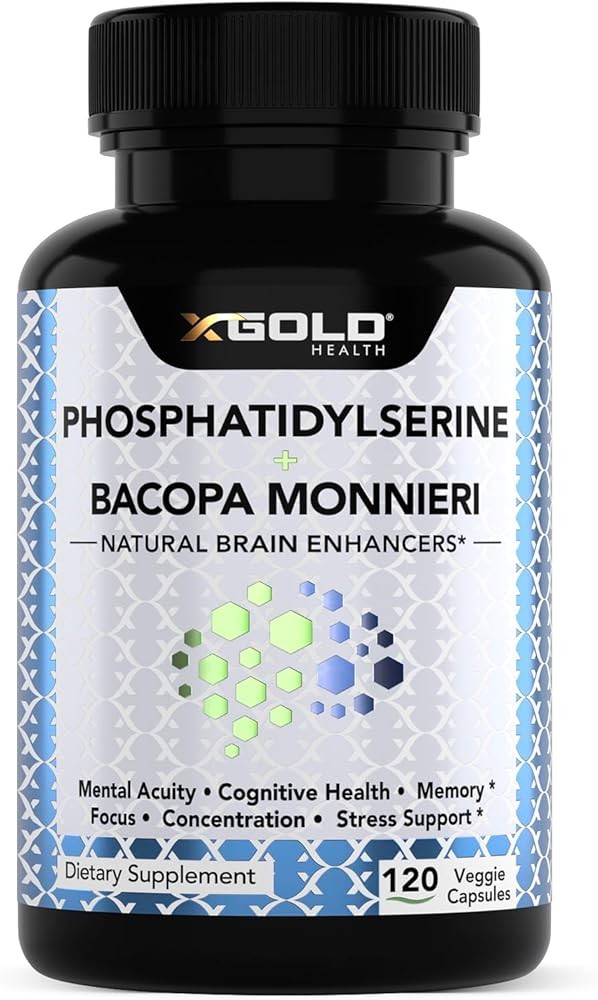
Chronic stress leaving you mentally foggy and forgetful while your cortisol levels sabotage both your memory and your recovery? Clinical research shows phosphatidylserine (PS), a brain phospholipid making up 13-15% of brain tissue, blunts the stress-induced ACTH and cortisol response while rebuilding the cellular membranes that power memory formation. Our top recommendation is PhosphatidylSerine & Bacopa Monnieri 800mg 2-in-1 Supplement, which combines research-backed 400mg PS per serving with synergistic Bacopa monnieri for comprehensive cognitive support at $24.95 for 90 capsules. Research shows 800mg daily blunted the exercise cortisol response in just 10 days, while 300mg daily improved memory, learning, and name recall in elderly subjects over 6 months, with PS integrating directly into neuronal membranes to support neurotransmitter release and calm HPA axis overactivity. For a budget-friendly option, Jarrow Formulas PS100 provides single-ingredient phosphatidylserine for about $0.12 per serving. Here’s what the published research shows about this extensively studied brain phospholipid.
Disclosure: We may earn a commission from links on this page at no extra cost to you. Affiliate relationships never influence our ratings. Full policy →
| Feature | PhosphatidylSerine & Bacopa | Jarrow PS100 | LES Labs Cortisol | Phospholipid Synergy |
|---|---|---|---|---|
| PS per Serving | 400mg | 100mg | 300mg | 500mg complex |
| Source | Sunflower | Soy | Sunflower | Sunflower |
| Additional Compounds | Bacopa monnieri | None (single-ingredient) | Magnolia, Ashwagandha | PC, PE, DHA |
| Servings per Container | 90 capsules | 120 capsules | 60 capsules | 30 servings powder |
| Cost per Day | $0.28 | $0.12 | $0.50 | $1.17 |
| Best For | Overall cognitive support | Budget single-ingredient | Stress management | Comprehensive membrane support |
What Is Phosphatidylserine and Why Does Your Brain Depend on It?
Phosphatidylserine is a phospholipid, a specialized fat molecule that forms the structural backbone of every cell membrane in your body. While phospholipids exist throughout your tissues, PS concentrates most heavily in brain tissue, where it comprises 13-15% of total brain phospholipids.
The molecular structure of PS features a glycerol backbone attached to two fatty acid chains and a phosphate group linked to the amino acid serine. This unique architecture allows PS to embed within the lipid bilayer of cell membranes, where it performs several critical functions:
Membrane fluidity maintenance: PS molecules create optimal spacing between membrane proteins, allowing rapid conformational changes necessary for cellular signaling.
Neurotransmitter receptor regulation: PS clusters around neurotransmitter receptors, modulating their sensitivity and response to chemical signals.
Cell signaling coordination: When PS flips from the inner to outer membrane surface, it serves as a recognition signal for various cellular processes, including apoptosis regulation and blood clotting.
Enzyme activation: PS activates protein kinase C and other enzymes essential for memory formation, cellular energy production, and stress response regulation.
Your body synthesizes PS from phosphatidylcholine through a process requiring vitamin B12, folate, and adequate methyl donors. However, synthesis rates decline with age, stress, and nutritional deficiencies, creating a gap between your brain’s PS requirements and available supply.
Dietary sources of PS include organ meats (particularly brain tissue), mackerel, herring, eel, and white beans. However, modern diets typically provide only 100-300mg daily, far below the amounts shown to produce therapeutic effects in clinical trials.
Bottom line: Phosphatidylserine is a critical phospholipid comprising 13-15% of brain tissue that maintains membrane fluidity, regulates neurotransmitter receptors, coordinates cell signaling, and activates enzymes essential for memory formation, with modern diets providing only 100-300mg daily—far below therapeutic amounts demonstrated in clinical trials.
The Cortisol Connection: How Does PS Dampen Your Stress Response?
Cortisol, your primary stress hormone, follows a carefully orchestrated daily rhythm. Levels peak 30-45 minutes after waking to mobilize energy and sharpen focus, then gradually decline throughout the day, reaching their lowest point around midnight.
This circadian pattern supports healthy function. Problems arise when chronic stress, overtraining, sleep deprivation, or excessive stimulant use disrupts the rhythm, leading to sustained cortisol elevation. Extended exposure to high cortisol degrades hippocampal neurons, impairs memory consolidation, increases visceral fat accumulation, suppresses immune function, and accelerates cognitive aging.
Phosphatidylserine exerts a blunting effect on exercise-induced and stress-induced cortisol release through its action on the hypothalamic-pituitary-adrenal (HPA) axis.
A landmark study published in the European Journal of Clinical Pharmacology examined PS supplementation in healthy men undergoing intense cycling exercise. Subjects receiving 800mg PS daily for 10 days showed a significantly blunted ACTH and cortisol response to the exercise compared to placebo (P = 0.003 and P = 0.03, respectively), without affecting the rise in growth hormone or prolactin (PubMed: 1325348).
Subsequent research demonstrated that lower doses produce measurable effects. A study in the Stress journal found that 400mg of a soy lecithin phosphatidic acid and phosphatidylserine complex (PAS) daily for three weeks produced a pronounced blunting of both serum ACTH and cortisol, and salivary cortisol, responses to the Trier Social Stress Test, while also lowering perceived distress during the stressor (PubMed: 15512856).
The mechanism involves PS’s interaction with acetylcholine systems that regulate HPA axis activity. PS enhances acetylcholine release in the hypothalamus, which inhibits corticotropin-releasing hormone (CRH) secretion. Reduced CRH means less adrenocorticotropic hormone (ACTH) release from the pituitary, ultimately resulting in decreased cortisol production by the adrenal glands.
Additionally, PS appears to modulate the sensitivity of glucocorticoid receptors, potentially helping maintain receptor function that can decline with chronic cortisol exposure. This keeps the brain’s ability to respond appropriately to acute stress intact while limiting the damaging effects of sustained elevation.
Bottom line: Phosphatidylserine significantly blunts the exercise-induced ACTH and cortisol response at 800mg daily over 10 days and mental stress cortisol at 400mg daily over three weeks through enhancing acetylcholine activity in the hypothalamus, which inhibits the HPA axis cascade and supports glucocorticoid receptor sensitivity under chronic stress.
Clues Your Body Tells You: High Cortisol Signals
Your body provides clear signals when cortisol remains elevated too long:
Cognitive symptoms: Mental fog that worsens as the day progresses, difficulty concentrating on complex tasks, increased forgetfulness, slowed processing speed, heightened irritability.
Physical manifestations: Persistent fatigue despite adequate sleep, difficulty falling asleep despite exhaustion, waking between 2-4am, increased abdominal fat despite stable eating patterns, frequent infections or delayed wound healing.
Metabolic indicators: Stronger cravings for salty or sugary foods, blood sugar instability with energy crashes after meals, increased thirst, reduced exercise tolerance.
Mood alterations: Heightened anxiety with racing thoughts, reduced stress resilience, feeling overwhelmed by previously manageable tasks, decreased motivation, social withdrawal.
Exercise-specific clues: Prolonged elevated heart rate after training, decreased performance despite consistent training, increased injury frequency, muscle soreness lasting longer than 48 hours.
If you recognize multiple signals from this list, your cortisol regulation may benefit from phosphatidylserine support, particularly if combined with adequate sleep, stress management practices, and properly periodized training.
Memory Enhancement: How Does PS Rebuild the Cellular Foundation of Cognition?
Memory formation requires rapid, coordinated communication between billions of neurons. This communication depends on properly functioning synapses, the specialized junctions where neurotransmitters cross from one neuron to the next.
Phosphatidylserine concentrates at synaptic membranes, where it performs several functions essential for memory:
Neurotransmitter release facilitation: PS interacts with proteins that fuse neurotransmitter-containing vesicles with the presynaptic membrane, enabling rapid, synchronized release of chemical messengers.
Receptor density optimization: PS maintains optimal spacing and orientation of postsynaptic receptors, ensuring efficient signal detection.
Calcium channel regulation: PS modulates voltage-gated calcium channels that trigger neurotransmitter release, fine-tuning synaptic strength.
Energy metabolism support: PS activates enzymes involved in glucose utilization, providing the energy required for the ATP-dependent processes underlying memory consolidation.
Clinical trials demonstrate PS’s ability to enhance memory across various populations and cognitive domains.
A double-blind, placebo-controlled study published in Aging (Milano) examined PS supplementation in 494 elderly patients with age-related cognitive decline. Subjects received 300mg PS daily for six months. Compared to placebo, the PS group showed significant improvements in memory, learning, name recall, and ability to concentrate, with the greatest benefits seen in those with the most severe baseline impairment (PubMed: 8323999).
Research in younger adults points in the same direction. A double-blind, placebo-controlled crossover trial in resistance-trained college men examined a PS-containing formulation (IQPLUS Focus, 400mg soy-derived PS) for 14 days. After supplementation, subjects completed serial subtraction tasks 20% faster and made roughly 39% fewer calculation errors than on placebo (PubMed: 22017963).
For athletic populations, research published in the Journal of the International Society of Sports Nutrition found that 200mg PS daily for six weeks improved perceived stress and the quality of ball flight during tee-off in golfers, suggesting PS may counteract stress-induced performance decrements (PubMed: 18053194).
The memory-enhancing effects appear particularly robust for verbal memory and delayed recall. A double-blind, placebo-controlled study examined 100-300mg soy-derived PS daily in 78 elderly Japanese subjects with memory complaints. After six months, PS supplementation improved immediate and delayed word recall compared to placebo (PubMed: 21103034).
PS also supports learning capacity. Research published in Nutritional Neuroscience found that after induced mental stress, 300mg PS daily reduced right-frontal beta-1 EEG power before and after the stressor, a pattern associated with a more relaxed state than in the control group (PubMed: 18616866).
Bottom line: Phosphatidylserine concentrates at synaptic membranes where it facilitates neurotransmitter release, optimizes receptor density, regulates calcium channels, and supports energy metabolism, producing measurable improvements in memory, learning, name recall, and concentration across populations from college students to elderly individuals with cognitive decline at doses of 200-300mg daily.
Clues Your Body Tells You: Memory and Cognitive Decline Signals
Your brain signals when phospholipid status may be declining:
Memory-specific symptoms: Increasing difficulty remembering names of acquaintances, frequently losing track of why you entered a room, misplacing items more often, needing to check whether you completed routine tasks, declining ability to remember multiple-step instructions.
Learning indicators: Taking longer to master new skills or information, needing more repetitions to memorize material, increased difficulty with tasks requiring working memory (like mental math or following complex recipes).
Processing speed changes: Needing more time to find words during conversation, feeling like your thoughts move more slowly, taking longer to complete familiar mental tasks, difficulty following rapid conversations.
Attention changes: Increased distractibility, difficulty maintaining focus during reading or conversations, mind wandering more frequently, needing to reread passages multiple times for comprehension.
Executive function shifts: More difficulty planning and organizing, increased procrastination, trouble switching between tasks, reduced mental flexibility when plans change.
These signals don’t necessarily indicate serious pathology but may reflect declining brain phospholipid status that PS supplementation could address, particularly when combined with cognitive engagement, quality sleep, and stress management.
Top Phosphatidylserine Supplements: Research-Backed Options
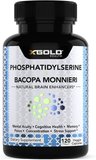
This combination formula provides 400mg phosphatidylserine per two-capsule serving, matching the 400mg dose used in the mental-stress trial that blunted the cortisol response. The addition of Bacopa monnieri, another well-researched cognitive enhancer, provides complementary support for memory formation and stress resilience.
The sunflower-derived PS avoids soy allergen concerns and provides the allergen-free phospholipid structure shown to integrate into neuronal membranes. At 90 capsules per container (45 servings at recommended dose), this provides 45 days of comprehensive cognitive support at approximately $0.28 per day.
Third-party testing verifies purity and potency, with manufacturing in GMP-certified facilities ensuring consistent quality. The combination of PS with Bacopa addresses multiple pathways of cognitive enhancement—PS supporting membrane structure and cortisol modulation while Bacopa enhances synaptic communication through different mechanisms.
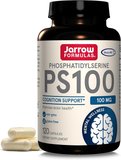
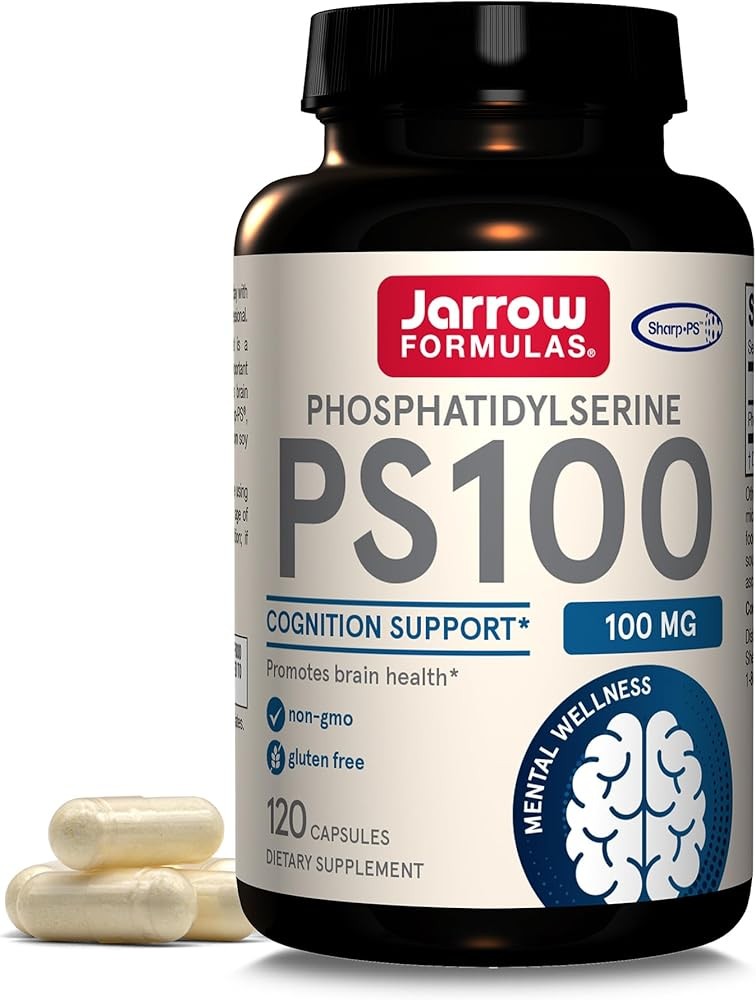
Jarrow Formulas PS100 is a no-frills, single-ingredient phosphatidylserine at 100mg per capsule. It is the budget option in this lineup: a straightforward daily dose of the same brain phospholipid studied in the trials above, without added adaptogens or proprietary blends.
The soy-derived PS provides the well-studied phospholipid form at a fraction of the per-day cost of combination formulas. At 120 capsules per bottle, this is a four-month supply at roughly $0.12 per serving, making it easy to build a higher daily dose by taking two or three capsules if you want to approach the 300mg used in the older-adult memory trials.

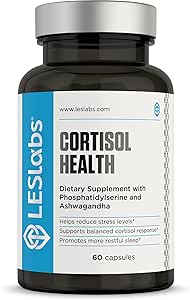
LES Labs Cortisol Health combines 300mg phosphatidylserine with adaptogenic herbs specifically selected for HPA axis modulation. Magnolia bark extract provides honokiol and magnolol, compounds that reduce anxiety and support healthy cortisol rhythms. Ashwagandha extract standardized for withanolides provides additional stress buffering and cortisol regulation.
The sunflower-derived PS avoids soy concerns while providing the phospholipid structure shown to dampen stress-induced cortisol elevation. At 60 capsules per container (60 servings at one capsule daily), this provides two months of comprehensive stress support at $0.50 per day.
The combination formula addresses multiple stress response pathways—PS modulates HPA axis activity, magnolia reduces anxiety perception, and ashwagandha buffers cortisol through complementary mechanisms. This multi-pathway approach may provide more robust stress resilience than single-ingredient formulas.

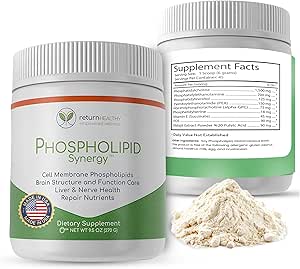
This powder formula provides a comprehensive phospholipid complex including phosphatidylserine, phosphatidylcholine (PC), phosphatidylethanolamine (PE), and DHA from algal sources. This mimics the natural phospholipid profile found in brain tissue, potentially supporting broader membrane health than isolated PS.
At 500mg total phospholipids per serving with approximately 100-150mg PS, this provides moderate PS doses within a supportive matrix of complementary membrane lipids. The powder form allows flexible dosing and easy mixing into smoothies or beverages, advantageous for those who prefer not to swallow capsules.
The inclusion of DHA, an omega-3 fatty acid that integrates into brain cell membranes, provides additional neuroprotective benefits. Antioxidants including vitamin E preserve phospholipid integrity during storage and after consumption.
PS Source Matters: Which Form Should You Choose?
The biological effects of PS remain consistent across sources, but meaningful differences in safety, sustainability, and allergen potential exist.
Soy-Derived Phosphatidylserine
Soy PS, originally developed as a safe alternative to bovine-derived PS, represents the most extensively studied form with decades of research supporting its efficacy and safety.
Advantages:
- Extensive clinical research base (most PS studies used soy-derived forms)
- Well-established safety profile across diverse populations
- Typically less expensive due to mature production methods
- Readily available in numerous formulations
Disadvantages:
- Contains soy allergens, problematic for soy-sensitive individuals
- May contain small amounts of phytoestrogens from soy source
- Concerns about GMO soy (though most supplements use non-GMO sources)
- Unacceptable for strict soy-avoidance diets
Most clinical research establishing PS’s cognitive, stress, and athletic benefits used soy-derived PS, providing confidence in its effectiveness.
Sunflower-Derived Phosphatidylserine
Sunflower PS emerged as a newer alternative addressing allergen concerns while maintaining PS’s biological activity.
Advantages:
- Allergen-free (no soy, dairy, or other common allergens)
- Typically non-GMO by nature
- No phytoestrogen content
- Increasingly available in premium formulations
- Suitable for restrictive diets
Disadvantages:
- Less extensive research history than soy PS
- Sometimes more expensive due to newer production methods
- Less widely available than soy-derived options
- Some products contain lower PS concentrations, requiring higher capsule counts
While direct head-to-head comparison studies are limited, the available evidence suggests sunflower-derived PS produces effects similar to soy-derived forms in the trials that used each source, which matters mainly if soy is something you avoid.
Bovine-Derived Phosphatidylserine (Avoid)
Early PS research used bovine cortex-derived PS, but safety concerns regarding prion disease transmission led to discontinuation of bovine-derived supplements.
Why to avoid:
- Theoretical risk of prion disease transmission (though no documented cases exist)
- No longer manufactured for human consumption in most countries
- Regulatory restrictions in many markets
- No advantages over plant-derived alternatives
Modern PS supplements should exclusively use soy or sunflower sources. Any product claiming bovine-derived PS should be avoided.
Phospholipid Complex vs. Isolated PS
Some supplements provide PS as part of a broader phospholipid complex containing phosphatidylcholine, phosphatidylethanolamine, and other membrane lipids. Others provide highly purified PS with minimal other phospholipids.
Phospholipid complex advantages:
- May provide synergistic benefits from multiple membrane lipids
- More closely mimics natural dietary PS intake
- Often contains beneficial omega-3 fatty acids
- May support multiple aspects of membrane function
Isolated PS advantages:
- Precise dosing of active compound
- Reduced capsule size/number needed
- Clearer dose-response relationship
- Matches research protocols more closely
For most users, either approach provides benefits, though isolated PS may be preferable when precise dosing is important or when combining PS with separate phosphatidylcholine or omega-3 supplements.
Optimal Dosing Based on Source and Goal
Research-supported dosing varies based on PS source and desired outcome:
For cortisol reduction and athletic recovery:
- Soy or sunflower PS: 400-800mg daily, divided into two doses
- Take second dose 60-90 minutes before intense training or stressful events
- Benefits typically emerge within 10-14 days
For memory enhancement and cognitive support:
- Soy or sunflower PS: 300-500mg daily, taken with meals
- Single daily dose or divided into two doses
- Effects may take 3-12 weeks to become apparent
- Higher doses (400-500mg) may produce faster benefits
For age-related cognitive decline:
- Soy or sunflower PS: 300-600mg daily with food
- Consistent daily use appears important for sustained benefits
- Clinical trials showing benefits used 3-12 month supplementation periods
Timing considerations:
- PS is fat-soluble, so take with meals containing dietary fat for optimal absorption
- For cortisol reduction, timing the dose before anticipated stress may enhance effects
- For sleep support, avoid late-day dosing if cortisol reduction causes evening alertness
- For cognitive benefits, consistent daily timing may help optimize effects
Bioavailability enhancement strategies:
- Take with omega-3 fatty acids, which may enhance PS incorporation into membranes
- Ensure adequate B-complex vitamins, which support PS synthesis and utilization
- Consider combining with phosphatidylcholine (at 2:1 or 3:1 PC:PS ratio) to support overall membrane phospholipid status
- Avoid concurrent use of bile acid sequestrants, which may impair PS absorption
Quality Considerations When Choosing PS Supplements
Not all PS supplements deliver what labels claim. Consider these factors:
Purity and concentration: Verify the supplement specifies the amount of actual PS per serving, not just “PS complex” or “lecithin containing PS.” Quality products provide 100mg-300mg pure PS per capsule.
Source specification: Labels should clearly state whether PS is derived from soy or sunflower. Vague terms like “plant-derived” may indicate uncertain sourcing.
Testing and certification: Look for products with third-party testing (USP, NSF, or ConsumerLab certification) confirming label accuracy and absence of contaminants.
Additional ingredients: Some products combine PS with phosphatidylcholine, DHA, or other brain-supporting compounds. These can be beneficial but make dose comparison difficult.
Form stability: PS is sensitive to oxidation. Quality products use opaque bottles or blister packs and add antioxidants like vitamin E to preserve stability.
Bottom line: Choose sunflower-derived PS (allergen-free, non-GMO, no phytoestrogens) or soy-derived PS (extensive research, proven efficacy) at 300-600mg daily depending on goals—cortisol reduction benefits emerge in 10-14 days while cognitive enhancement may require 3-12 weeks, with optimal absorption when taken with dietary fat and enhanced by omega-3s and B-complex vitamins.
Safety, Side Effects, and Contraindications: Is PS Safe to Take?
Phosphatidylserine demonstrates excellent safety across clinical trials, with adverse effects rare and typically mild.
Common Side Effects
Most users tolerate PS well at recommended doses. When side effects occur, they include:
Gastrointestinal effects: Mild stomach upset, soft stools, or occasional nausea, typically resolving with continued use or taking PS with food rather than on an empty stomach.
Sleep changes: Some users report difficulty falling asleep if taking PS late in the day, likely related to its cortisol-modulating effects. Taking PS earlier in the day typically resolves this issue.
Headache: Occasional mild headaches, possibly related to changes in neurotransmitter activity. Usually transient.
These effects are uncommon, occurring in fewer than 3% of users in clinical trials at standard doses.
Serious Adverse Events
No serious adverse events have been attributed to PS supplementation in published research. Long-term safety studies (up to 12 months of continuous use) report safety profiles comparable to placebo.
Drug Interactions
PS may theoretically interact with several medication classes:
Anticoagulants and antiplatelet drugs: PS may have mild anticoagulant properties. While no documented adverse interactions exist, combining PS with warfarin, heparin, aspirin, or other blood-thinning medications requires medical supervision and potentially more frequent monitoring of clotting parameters.
Anticholinergic medications: Since PS enhances acetylcholine function, it may counteract drugs that block cholinergic activity. This interaction might reduce effectiveness of anticholinergic drugs used for overactive bladder, motion sickness, or Parkinson’s disease.
Cholinergic medications: Conversely, PS might enhance effects of cholinergic drugs like donepezil or rivastigmine used in Alzheimer’s disease. While potentially beneficial, this requires medical monitoring.
Contraindications
Avoid or use PS only under medical supervision in these situations:
Soy allergy: For soy-derived PS, those with documented soy allergy should use sunflower-derived alternatives or avoid PS entirely if cross-reactivity is a concern.
Upcoming surgery: Due to theoretical bleeding risk, discontinue PS at least two weeks before scheduled surgery.
Pregnancy and breastfeeding: Insufficient safety data exists for PS use during pregnancy or lactation. While no adverse effects are documented, prudent practice suggests avoiding supplementation unless specifically recommended by healthcare providers.
Children under 18: While some research examines PS for ADHD in children, pediatric use should occur only under medical supervision with appropriate dosing adjustments.
Safety of Different PS Sources
Soy-derived PS: Decades of research and widespread use establish strong safety profile. Main concern is allergenic potential for soy-sensitive individuals.
Sunflower-derived PS: Limited long-term data compared to soy sources, but no safety concerns identified in available research. Appears well-tolerated even in those with food allergies.
Bovine-derived PS: Should be avoided due to theoretical prion disease transmission risk, despite lack of documented cases.
Bottom line: Phosphatidylserine demonstrates excellent safety with adverse effects occurring in fewer than 3% of users (mild GI upset, sleep changes if taken late, occasional headaches), no documented serious adverse events in long-term studies, and only theoretical concerns with anticoagulants requiring medical supervision—avoid bovine-derived PS due to prion risk and choose sunflower sources for soy allergies.
Clinical Research: What Does the Evidence Say About PS’s Multi-System Benefits?
Beyond individual mechanisms, examining the full body of clinical research reveals the breadth of PS’s effects across diverse populations and outcomes.
Research in Healthy Young Adults
While much PS research focuses on aging populations or those with existing cognitive decline, several studies demonstrate benefits in healthy young adults, suggesting PS supports optimal function even when baseline cognition is normal.
A randomized study published in Nutritional Neuroscience examined 300mg PS daily for six weeks in healthy young adults. The main finding was that, after induced mental stress, the PS group showed reduced right-frontal beta-1 EEG power before and after the stressor, a pattern associated with a more relaxed state than in controls (PubMed: 18616866).
Research in the Journal of the International Society of Sports Nutrition looked at a PS-containing formulation (400mg PS) in resistance-trained college men. After 14 days, the PS group completed serial subtraction tasks about 20% faster and made roughly 39% fewer errors than on placebo, suggesting PS may help keep attention and calculation accurate around intense training (PubMed: 22017963).
Another study in the same line found that 300mg PS daily for one month reduced the mental-fatigue response to sustained cognitive work, with PS subjects maintaining better attention on long, monotonous tasks than controls (PubMed: 18616866).
Research in Age-Related Cognitive Decline
The most extensive PS research examines its effects on age-related memory loss and cognitive decline, with findings that are encouraging in the most-affected patients and mixed in milder cases.
A landmark multicenter Italian study examined 300mg PS daily in 494 elderly patients with moderate to severe cognitive decline across 23 units in Northeast Italy. After six months, PS-treated subjects showed statistically significant improvements in both behavioral and cognitive performance compared to placebo, with the greatest benefit in those with the most severe baseline impairment, and the supplement was well tolerated (PubMed: 8323999).
Japanese research focused specifically on memory complaints. Elderly subjects with memory concerns were randomized to 100mg or 300mg soy-derived PS daily for six months. Across the groups, test scores improved somewhat regardless of treatment, but in the subgroup with lower baseline scores the PS groups improved their memory scores from baseline while the placebo group did not, with the gain driven mostly by delayed verbal recall (PubMed: 21103034).
In older adults with memory complaints, the trials tell a mixed story. A Dutch double-blind, placebo-controlled trial of 300mg or 600mg soy-derived PS daily for 12 weeks in 120 adults with age-associated memory impairment found no significant differences from placebo on delayed recall, reaction time, planning, or attention, and no interaction with baseline severity (PubMed: 11842880). Taken together, the evidence is strongest for people with clear cognitive impairment, and less reliable for mild, age-related forgetfulness.
Research in Athletic Populations
Athletes provide an ideal population for studying PS’s cortisol-modulating effects, as intense training produces substantial, measurable cortisol elevation.
A study in healthy men examined 600mg PS daily for 10 days before a moderate-intensity cycling protocol. Compared to placebo, the PS group showed a lower mean peak cortisol and a lower cortisol area under the curve (both about 39% and 35% lower, P < 0.05), with a higher testosterone-to-cortisol ratio, and no change in lactate or growth hormone (PubMed: 18662395).
Research in endurance cyclists investigated PS during a staged, exhaustive intermittent cycling protocol. Subjects receiving 750mg PS daily for 10 days increased their time to exhaustion at the highest workload by roughly two minutes, while serum cortisol and feeling states were unchanged by supplementation, so the benefit showed up as greater exercise capacity rather than a calmer hormonal response (PubMed: 16394955).
A separate study of intermittent high-intensity running in soccer players found that 750mg PS daily for 10 days did not blunt the post-exercise cortisol rise, perceived soreness, or muscle-damage markers compared to placebo, though running time to exhaustion tended to improve. This is a reminder that PS’s effects are dose- and protocol-specific, and not every athletic trial shows a hormonal benefit (PubMed: 16118575).
Golf-specific research demonstrated that PS supports performance under the stress of play. Golfers receiving 200mg PS daily for six weeks produced significantly more good ball flights on their tee-off attempts than the placebo group, and perceived stress during the test trended downward, suggesting PS may help steady the stress response that affects decision-making during a round (PubMed: 18053194).
Research in Stress and Mood
Beyond cognitive and athletic applications, research examines PS’s effects on stress response and emotional well-being.
German research investigated PS’s effects on stress reactivity using the Trier Social Stress Test, a standardized laboratory stress protocol involving public speaking and mental arithmetic. Subjects receiving 400mg of a soy lecithin phosphatidic acid and phosphatidylserine complex daily for three weeks showed a pronounced blunting of both serum ACTH and cortisol, and salivary cortisol, responses to the stressor, and felt less distressed afterward, confirming the effect acts on central stress-response regulation (PubMed: 15512856).
Research examining mood under acute mental stress found that young adults with higher neuroticism scores who took 300mg PS daily for one month reported feeling less stressed and in a better mood when they completed a stressful mental arithmetic task, the first time an improvement in subjective mood had been reported after PS supplementation in a subgroup of healthy adults (PubMed: 11842886).
Research in ADHD
Several studies examine PS for attention deficit hyperactivity disorder, though research in this area remains less extensive than cognitive aging applications.
A randomized, double-blind, placebo-controlled study examined 200mg soy-derived PS daily in children diagnosed with ADHD. After two months, PS significantly improved ADHD symptoms and short-term auditory memory, with benefits greatest for inattentive symptoms (PubMed: 23495677).
However, other ADHD studies show more modest effects, with some finding benefits only in specific symptom domains or in subgroups of children. This suggests PS may benefit some but not all children with ADHD, possibly depending on underlying neurobiological factors.
Dosing Patterns Across Research
Examining effective doses across studies reveals patterns:
Low dose (100-200mg daily): Produces measurable cognitive benefits in healthy young adults and may support focus and stress management. Used in some ADHD research and athletic studies focusing on cognitive performance during exercise.
Medium dose (300-400mg daily): Most common dose in cognitive aging research. Consistently produces memory improvements and supports stress regulation. Represents optimal balance of efficacy and economy for most users.
High dose (600-800mg daily): Used primarily in athletic research for cortisol management during intense training. Also used in some early research but not clearly superior to medium doses for cognitive benefits.
Duration patterns: Short-term studies (2-4 weeks) demonstrate cortisol-lowering and mood benefits. Cognitive improvements typically emerge over 6-12 weeks, suggesting structural changes in membrane composition or neuroplastic adaptations require sustained supplementation.
Bottom line: Extensive clinical research demonstrates PS benefits across diverse populations—healthy young adults show improved stress resilience and cognitive performance at 200-300mg daily, elderly subjects experience memory improvements and slowed decline at 300-600mg daily, athletes achieve better cortisol management and recovery at 600-800mg daily, and chronically stressed individuals show reduced stress reactivity at 400mg daily, with benefits emerging over 2-12 weeks depending on outcome measures.
How Do You Combine Phosphatidylserine With Other Supplements?
PS often works synergistically with other brain-supporting and stress-modulating compounds:
Phosphatidylcholine
Phosphatidylcholine (PC) is the most abundant phospholipid in cell membranes and serves as a precursor for acetylcholine synthesis. Combining PS with PC may provide broader membrane support than either alone.
Research suggests a 3:1 or 2:1 ratio of PC to PS mimics natural brain phospholipid ratios. Some combination products provide this ratio, or you can combine separate supplements. Total phospholipid intake of 1-3 grams daily (including both PC and PS) appears safe and may optimize membrane support.
Omega-3 Fatty Acids (DHA and EPA)
Omega-3 fatty acids integrate into phospholipid structures, influencing membrane fluidity and function. DHA particularly concentrates in brain tissue alongside PS.
Research suggests omega-3 supplementation may enhance PS incorporation into membranes and amplify its cognitive benefits. Consider combining 300-500mg PS daily with 1-2 grams combined EPA/DHA for comprehensive membrane support.
B-Complex Vitamins
Vitamin B12, folate, and B6 serve as cofactors in PS synthesis and metabolism. Deficiencies in these vitamins may limit your body’s ability to synthesize PS endogenously and utilize supplemental PS effectively.
A quality B-complex providing at least 100% RDA of B vitamins supports PS metabolism. Particular attention to methylated forms (methylcobalamin B12, methylfolate) may optimize absorption in individuals with genetic variations affecting B vitamin metabolism.
Acetylcholine Precursors
Since PS enhances acetylcholine function, combining it with acetylcholine precursors like alpha-GPC or CDP-choline may provide synergistic cognitive benefits.
Research examining this combination is limited, but the theoretical rationale is sound: PS optimizes acetylcholine receptor function while precursors increase acetylcholine availability. Typical combinations use 300-400mg PS with 300-600mg alpha-GPC or CDP-choline.
Adaptogens for Stress Support
PS’s cortisol-modulating effects may be enhanced by adaptogenic herbs like ashwagandha, rhodiola, or holy basil that support HPA axis function through complementary mechanisms.
The LES Labs Cortisol Health formula reviewed earlier demonstrates this approach, combining PS with ashwagandha and magnolia bark for multi-pathway stress support.
Nootropics for Cognitive Enhancement
PS may work synergistically with other evidence-based nootropics:
Bacopa monnieri: The PhosphatidylSerine & Bacopa combination reviewed earlier provides this pairing. Bacopa enhances synaptic communication through mechanisms distinct from PS’s membrane effects.
Lion’s mane mushroom: Supports nerve growth factor production, potentially complementing PS’s membrane support.
Ginkgo biloba: Improves cerebral blood flow, potentially enhancing PS delivery to brain tissue.
Cautions with Combinations
While combinations can provide enhanced benefits, consider these precautions:
- Start with PS alone to assess individual response before adding other compounds
- Be aware of cumulative costs when stacking multiple supplements
- Monitor for interactions if taking medications (particularly with multiple supplements)
- Consider total pill burden—some users prefer comprehensive formulas over multiple individual supplements
Bottom line: Phosphatidylserine combines synergistically with phosphatidylcholine at 2:1-3:1 ratios for comprehensive membrane support, omega-3s (1-2g EPA/DHA) for enhanced membrane incorporation, B-complex vitamins as essential metabolic cofactors, acetylcholine precursors (300-600mg alpha-GPC) for optimized neurotransmitter function, and adaptogens like ashwagandha for multi-pathway stress support—start PS alone to assess response before adding combinations.
Biochemical Mechanisms: How Does PS Work at the Cellular Level?
Understanding PS’s molecular mechanisms clarifies why it produces such diverse effects:
Membrane Fluidity and Receptor Function
Cell membranes consist of lipid bilayers with embedded proteins. Membrane fluidity—the degree to which lipids and proteins can move laterally within the membrane—critically influences cellular function.
PS contributes to optimal fluidity by creating appropriate spacing between membrane proteins. This allows receptors to undergo the conformational changes necessary for signal transduction. When membranes become too rigid (as occurs with aging, oxidative stress, or inadequate dietary fats), receptor function declines even if receptor number remains unchanged.
By maintaining optimal fluidity, PS ensures neurotransmitter receptors can respond appropriately to chemical signals, improving synaptic efficiency.
Protein Kinase C Activation
Protein kinase C (PKC) is a family of enzymes essential for memory formation, cellular growth, and gene expression. PS directly activates PKC by serving as a cofactor required for the enzyme’s function.
PKC activation triggers cascades of cellular events leading to long-term potentiation (LTP), the strengthening of synaptic connections that underlies memory formation. Research shows PS supplementation increases PKC activity in brain tissue, correlating with improved memory performance.
Acetylcholine Enhancement
Acetylcholine is a neurotransmitter critical for memory, attention, and learning. PS influences acetylcholine systems through multiple pathways:
Precursor availability: PS provides serine groups that can be used in acetylcholine synthesis.
Enzyme activation: PS activates choline acetyltransferase, the enzyme that synthesizes acetylcholine from choline and acetyl-CoA.
Receptor sensitivity: PS maintains optimal cholinergic receptor function through membrane fluidity effects.
Release facilitation: PS supports the vesicle fusion processes that release acetylcholine into synaptic clefts.
Studies demonstrate PS supplementation increases acetylcholine levels in specific brain regions, particularly the hippocampus and cortex where acetylcholine supports memory and attention.
HPA Axis Modulation
The hypothalamic-pituitary-adrenal (HPA) axis orchestrates your stress response. When you encounter stress, the hypothalamus releases corticotropin-releasing hormone (CRH), triggering pituitary release of adrenocorticotropic hormone (ACTH), which stimulates adrenal cortisol production.
PS modulates this cascade at multiple points:
Hypothalamic regulation: Enhanced acetylcholine activity in the hypothalamus inhibits CRH release, dampening the initial stress signal.
Glucocorticoid receptor sensitivity: PS helps maintain proper glucocorticoid receptor function, ensuring appropriate negative feedback that may help reduce risk of excessive cortisol production.
Membrane-dependent signaling: HPA axis regulation involves complex membrane-based signaling systems that depend on optimal phospholipid composition.
By acting at multiple HPA axis control points, PS produces robust cortisol-lowering effects that protect against the damaging effects of chronic stress.
Mitochondrial Support
Mitochondria, the cellular energy factories, have their own specialized membranes rich in phospholipids including PS. PS supports mitochondrial function through several mechanisms:
Electron transport chain efficiency: PS maintains optimal spacing and function of respiratory chain complexes embedded in mitochondrial membranes.
ATP synthase activation: PS serves as a cofactor for ATP synthase, the enzyme that produces ATP.
Calcium buffering: PS helps mitochondria regulate intracellular calcium levels, preventing calcium overload that triggers cellular damage.
Apoptosis regulation: PS influences mitochondrial membrane permeability, helping limit inappropriate activation of apoptotic (cell death) pathways.
Enhanced mitochondrial function provides the energy required for memory formation, neurotransmitter synthesis, and cellular repair processes.
Anti-Apoptotic Effects
Apoptosis, programmed cell death, is essential for normal development but becomes problematic when neurons undergo premature apoptosis due to stress, toxins, or age-related factors.
PS influences apoptosis through its membrane localization. In healthy cells, PS resides on the inner leaflet of the cell membrane. During apoptosis, PS flips to the outer leaflet, serving as an “eat me” signal that attracts phagocytes to clear dying cells.
PS supplementation may help limit inappropriate PS externalization, protecting neurons from premature death. Research shows PS reduces markers of apoptosis in stressed neurons, suggesting a neuroprotective effect.
Glucose Metabolism Enhancement
Cognitive function depends on adequate glucose supply to neurons. Brain glucose metabolism declines with aging, contributing to cognitive impairment. PS enhances glucose utilization through multiple mechanisms.
PS increases glucose transporter expression on neuronal membranes, improving glucose uptake from circulation. It also enhances activity of hexokinase and other enzymes involved in glycolysis, improving the efficiency of glucose conversion to ATP. Additionally, PS supports the pentose phosphate pathway, an alternative glucose metabolism route that generates NADPH for antioxidant defense while producing ribose for nucleotide synthesis.
The glucose work is mostly at the cellular level in these studies. PS increases glucose-transporter expression on neuronal membranes and supports the enzymes that turn glucose into ATP, so the practical read for supplementation is that it helps keep the energy supply to memory-critical regions stable as you age (PubMed: 21103034).
Bottom line: Phosphatidylserine’s diverse effects stem from multiple biochemical mechanisms—it optimizes membrane fluidity enabling proper receptor function, activates protein kinase C essential for memory formation, enhances acetylcholine synthesis and release, modulates HPA axis function reducing CRH and cortisol secretion, supports mitochondrial ATP production, may help reduce risk of inappropriate neuronal apoptosis, and increases cerebral glucose metabolism, with these complementary actions explaining benefits across cognitive, stress, and athletic domains.
What Lifestyle Factors Influence How Well PS Works?
While supplementation provides concentrated PS doses, several lifestyle factors influence how effectively your body utilizes PS and maintains healthy brain phospholipid status:
Dietary Fat Quality
Phospholipid function depends on the types of fatty acids incorporated into their structure. Diets high in trans fats and oxidized oils impair membrane fluidity, potentially reducing PS effectiveness. Conversely, diets rich in omega-3s, monounsaturated fats from olive oil and avocados, and minimal processed oils support optimal membrane function.
Consider PS supplementation as one component of a brain-healthy diet emphasizing fatty fish, nuts, seeds, olive oil, and minimal processed foods.
Stress Management Practices
While PS helps buffer cortisol response, chronic overwhelming stress may exceed PS’s modulatory capacity. Combining PS with evidence-based stress management practices (meditation, yoga, adequate sleep, time in nature, social connection) may produce better outcomes than supplementation alone.
Sleep Quality and Duration
Sleep deprivation disrupts cortisol rhythms and impairs memory consolidation, potentially limiting PS benefits. Prioritize 7-9 hours of quality sleep nightly. If cortisol dysregulation causes sleep issues, PS supplementation may help restore normal sleep patterns, but attention to sleep hygiene remains essential.
Exercise Intensity and Volume
While PS helps athletes manage training stress, appropriate training volume and periodization remain fundamental. PS doesn’t eliminate the need for recovery weeks, adequate rest between sessions, and properly structured training programs. Use PS as a tool to optimize recovery within a sound training framework, not as a means to sustain excessive training loads indefinitely.
Alcohol and Substance Use
Alcohol damages cell membranes and disrupts phospholipid metabolism. Heavy alcohol use may reduce PS effectiveness and increase PS requirements. If using PS for cognitive support, limiting alcohol to moderate levels (or avoiding entirely) optimizes outcomes.
Similarly, stimulant abuse (excessive caffeine, prescription stimulants used beyond medical necessity) disrupts cortisol regulation and may limit PS’s ability to modulate stress response.
Nutrient Cofactors
PS metabolism requires various micronutrients. Deficiencies in vitamin B12, folate, magnesium, zinc, or vitamin C may limit your body’s ability to synthesize and utilize PS. A nutrient-dense diet or comprehensive multivitamin ensures adequate cofactor availability.
Bottom line: Maximize PS effectiveness by combining supplementation with brain-healthy lifestyle factors—prioritize omega-3 rich foods and minimal processed oils for optimal membrane composition, practice stress management techniques since PS can’t buffer unlimited stress, maintain 7-9 hours quality sleep nightly, structure training with appropriate recovery periods, limit alcohol consumption that damages membranes, and ensure adequate micronutrient cofactors (B12, folate, magnesium, zinc) for PS metabolism.
Who Benefits Most From Phosphatidylserine?
Different groups may derive particular benefits from PS supplementation:
Older Adults
Age-related cognitive decline involves multiple mechanisms PS addresses: declining phospholipid synthesis, membrane rigidity, reduced neurotransmitter function, and chronic low-grade inflammation. Clinical evidence most strongly supports PS use in this population, particularly for those experiencing subjective memory complaints or mild cognitive impairment.
Dosing of 300-600mg daily appears optimal for older adults, with benefits emerging over 3-12 weeks. Combining PS with omega-3s, B vitamins, and regular cognitive engagement may optimize outcomes.
Endurance Athletes
Endurance training produces substantial cortisol release, particularly during high-volume phases. PS supplementation at 600-800mg daily may help athletes better manage training stress, support faster recovery, and maintain hormonal balance during intensive training blocks.
Athletes should time PS intake around training (60-90 minutes pre-workout) for maximum cortisol-blunting effects during exercise.
Students and Knowledge Workers
Individuals facing sustained cognitive demands may benefit from PS’s memory-enhancing and cortisol-modulating effects. Dosing of 300-400mg daily appears sufficient for cognitive support in younger healthy adults.
PS may be particularly valuable during high-stress periods (exam periods, major projects) when sustained cortisol elevation might impair cognitive performance.
Individuals with Chronic Stress
Chronic psychological stress dysregulates HPA axis function, leading to sustained cortisol elevation or, in advanced cases, cortisol depletion with paradoxically elevated inflammatory markers. PS supplementation (400-600mg daily) combined with stress management practices may help restore healthier cortisol patterns.
However, PS is not a substitute for addressing underlying stress sources. Use it as part of a comprehensive approach including therapy, lifestyle modification, and stress reduction.
ADHD (Under Medical Supervision)
Some research suggests PS may benefit attention and hyperactivity in children with ADHD, possibly through effects on dopamine function and cortisol regulation. However, pediatric ADHD management should occur under medical supervision with appropriate diagnostic workup, monitoring, and integration with behavioral interventions and, when appropriate, medication management.
Typical pediatric dosing in research studies used 200-300mg daily, lower than adult doses. Do not use PS for ADHD without professional guidance.
Bottom line: Different populations derive specific benefits from tailored PS protocols—older adults with memory complaints benefit from 300-600mg daily for age-related cognitive support, endurance athletes optimize recovery with 600-800mg timed around training for cortisol management, students and knowledge workers support sustained cognitive performance with 300-400mg daily during high-stress periods, chronically stressed individuals may restore HPA axis function with 400-600mg combined with stress management practices, and children with ADHD should use PS (200-300mg) only under medical supervision integrated with comprehensive management.
Related Reading
-
Best Magnesium Glycinate Supplements for Sleep, Anxiety, and Recovery
-
Methylated B Complex: Why Methylfolate and Methylcobalamin Beat Folic Acid
-
Best Omega-3 Supplements: High-Potency Fish Oil for Brain and Heart
-
Ashwagandha for Cortisol: Evidence-Based Guide to Stress Reduction
-
Lion’s Mane Mushroom: The Nerve Growth Factor Stimulating Nootropic
-
Alpha-GPC: The Acetylcholine Precursor for Memory and Focus
-
Rhodiola Rosea for Mental Fatigue and Athletic Performance
-
Best Nootropics and Brain Supplements for Focus, Memory, and Mental Clarity
-
Methylene Blue for Cognitive Enhancement: The Research on This Mitochondrial Nootropic
-
Alpha-GPC: The Superior Choline Source for Cognitive Enhancement, Memory, and Neuroprotection
-
Bacopa Monnieri for Memory and Cognitive Enhancement: Complete Evidence-Based Guide
The Bottom Line: Integrating Phosphatidylserine Into Your Cognitive Health Strategy
Phosphatidylserine stands out among cognitive supplements due to its robust clinical evidence base, well-understood mechanisms, and strong safety profile. Unlike many nootropics with limited human research, PS demonstrates consistent benefits across multiple well-designed trials in diverse populations.
The compound addresses cognitive health through multiple complementary mechanisms: direct incorporation into brain cell membranes, enhanced neurotransmitter function, cortisol regulation, and apparent neurotrophic effects. This multipronged action may explain why PS produces benefits across various cognitive domains and populations.
For individuals experiencing age-related memory decline, chronic stress with cognitive impact, or athletes managing high training loads, PS supplementation represents an evidence-based intervention worth considering. The relatively modest cost, excellent safety profile, and consistent research support make it one of the more compelling options in cognitive supplementation.
However, PS works best as part of a comprehensive approach to brain health. No supplement compensates for inadequate sleep, chronic overwhelming stress, poor diet, sedentary lifestyle, social isolation, or lack of cognitive engagement. View PS as one tool in a broader strategy encompassing lifestyle factors, stress management, social connection, lifelong learning, and appropriate medical care.
When choosing a PS supplement, prioritize quality products specifying PS source (soy or sunflower), providing research-supported doses (300-600mg daily), and preferably offering third-party testing verification. Start with the lower end of the dosing range to assess tolerance, then adjust based on response.
Give PS adequate time to work. Unlike stimulants that produce immediate effects, PS’s benefits emerge gradually over weeks to months as it integrates into cellular membranes and modulates stress response patterns. Consistent daily supplementation for at least 6-12 weeks provides a fair trial of effectiveness.
For most users, PS provides a low-risk, evidence-backed approach to supporting memory, managing stress, enhancing recovery, and protecting cognitive function across the lifespan. While not a miracle solution for cognitive aging or chronic stress, PS represents one of the better-researched tools available for maintaining brain health and optimizing cognitive performance.
This article provides evidence-based information about phosphatidylserine supplementation for educational purposes. Consult qualified healthcare providers before starting any supplement regimen, particularly if you have underlying health conditions, take medications, or are pregnant or breastfeeding.
References
- Monteleone P, et al. “Effects of phosphatidylserine on the neuroendocrine response to physical stress in humans.” Neuroendocrinology, 1990;52(3):243-248.
- Monteleone P, Maj M, Beinat L, Natale M. “Blunting by chronic phosphatidylserine administration of the stress-induced activation of the hypothalamo-pituitary-adrenal axis in healthy men.” Eur J Clin Pharmacol, 1992;42(4):385-388.
- Hellhammer J, et al. “Effects of soy lecithin phosphatidic acid and phosphatidylserine complex (PAS) on the endocrine and psychological responses to mental stress.” Stress, 2004;7(2):119-126.
- Cenacchi T, et al. “Cognitive decline in the elderly: a double-blind, placebo-controlled multicenter study on efficacy of phosphatidylserine administration.” Aging (Milano), 1993;5(2):123-133.
- Jorissen BL, et al. “The influence of soy-derived phosphatidylserine on cognition in age-associated memory impairment.” Nutr Neurosci, 2001;4(3):121-134.
- Benton D, et al. “The influence of phosphatidylserine supplementation on mood and heart rate when faced with an acute stressor.” Nutr Neurosci, 2001;4(4):169-178.
- Parker AG, et al. “The effects of IQPLUS Focus on cognitive function, mood and endocrine response before and following acute exercise.” J Int Soc Sports Nutr, 2011;8:16.
- Jäger R, et al. “The effect of phosphatidylserine on golf performance.” J Int Soc Sports Nutr, 2007;4:23.
- Kato-Kataoka A, et al. “Soybean-derived phosphatidylserine improves memory function of the elderly Japanese subjects with memory complaints.” J Clin Biochem Nutr, 2010;47(3):246-255.
- Baumeister J, et al. “Influence of phosphatidylserine on cognitive performance and cortical activity after induced stress.” Nutr Neurosci, 2008;11(3):103-110.
- Starks MA, et al. “The effects of phosphatidylserine on endocrine response to moderate intensity exercise.” J Int Soc Sports Nutr, 2008;5:11.
- Kingsley MI, et al. “Effects of phosphatidylserine on exercise capacity during cycling in active males.” Med Sci Sports Exerc, 2006;38(1):64-71.
- Kingsley MI, et al. “Effects of phosphatidylserine on oxidative stress following intermittent running.” Med Sci Sports Exerc, 2005;37(8):1300-1306.
- Hirayama S, et al. “The effect of phosphatidylserine administration on memory and symptoms of attention-deficit hyperactivity disorder: a randomised, double-blind, placebo-controlled clinical trial.” J Hum Nutr Diet, 2014;27 Suppl 2:284-291.
- Glade MJ, Smith K. “Phosphatidylserine and the human brain.” Nutrition, 2015;31(6):781-786.
Recommended Products