Plant-Based Collagen Boosters for Vegans: Best Alternatives to Animal Collagen
Summarized from peer-reviewed research indexed in PubMed. See citations below.
Research shows that while plant-based collagen doesn’t exist in nature, vegan alternatives using vitamin C, silica, and amino acids can effectively stimulate your body’s natural collagen production. Our top pick is the Vital Vitamins Vegan Collagen Booster with silica and hyaluronic acid ($24.99), which combines research-backed nutrients including bamboo silica extract and vitamin C to support skin elasticity and joint health. Clinical studies demonstrate that 1,000-2,000mg daily vitamin C combined with 10-40mg silica significantly improves skin texture and reduces wrinkles within 12-16 weeks. For budget-conscious consumers, the PlantFusion Vegan Collagen Powder ($19.97) delivers amino acid building blocks including glycine and proline at a lower price point. Here’s what the published research shows about plant-based collagen support.
Disclosure: We may earn a commission from links on this page at no extra cost to you. Affiliate relationships never influence our ratings. Full policy →
| Feature | Vital Vitamins Booster | PlantFusion Powder | WILD FUEL Builder | Viva Naturals Psyllium |
|---|---|---|---|---|
| Price | $24.99 | $19.97 | $29.95 | $16.99 |
| Form | Capsules | Powder | Capsules | Powder |
| Key Nutrients | Silica, Hyaluronic Acid, Vitamin C | Amino Acids, Plant Protein | Glycine, Lysine, Proline, Biotin | Fiber, Digestive Support |
| Serving Size | 3 capsules | 1 scoop | 3 capsules | 1 tablespoon |
| Best For | Complete collagen support | Budget protein boost | Targeted amino acids | Digestive health |
| Vegan Certified | Yes | Yes | Yes | Yes |
The quest for youthful, radiant skin and healthy joints has led millions to collagen supplements. But if you’re following a vegan or plant-based lifestyle, traditional collagen products—derived from animal bones, skin, and connective tissue—aren’t an option. The good news? While “vegan collagen” in the traditional sense doesn’t exist, powerful plant-based collagen boosters can stimulate your body’s own collagen production just as effectively, and sometimes even better than animal-derived supplements.
This comprehensive guide explores the science behind vegan collagen alternatives, the best plant-based nutrients for collagen synthesis, and evidence-based strategies to maintain youthful skin, strong joints, and healthy connective tissue—all without compromising your ethical values.
Why True “Vegan Collagen” Doesn’t Exist (Yet)
Before diving into alternatives, it’s important to understand why authentic vegan collagen has been impossible until very recently.
Collagen is a structural protein found exclusively in animals. It’s the most abundant protein in mammals, making up about 30% of total body protein. Collagen molecules have a unique triple-helix structure formed by three amino acid chains twisted together, rich in the amino acids glycine, proline, and hydroxyproline.
Plants simply don’t produce collagen. While plants have structural proteins (like cellulose), they lack the specific amino acid sequences and molecular architecture that define collagen. When you eat animal-derived collagen supplements, you’re consuming actual collagen peptides that your body can break down and use as building blocks.
However, cutting-edge biotechnology is changing this landscape. Companies are now using genetically modified yeast and bacteria to produce actual collagen proteins identical to animal collagen—but created through fermentation rather than animal extraction. These lab-grown collagens are technically vegan and may become widely available within the next few years.
Until then, the term “vegan collagen” usually refers to collagen boosters—plant-based nutrients that support your body’s natural collagen production.
Bottom line: True vegan collagen doesn’t exist because collagen is an animal protein found only in animal tissues, but you can effectively support your body’s collagen synthesis process using plant-based nutrients that provide amino acid building blocks, vitamin C for hydroxylation, and mineral cofactors for enzymatic reactions.
Collagen Boosters vs. Collagen Supplements: Understanding the Difference
This distinction is critical for vegans seeking collagen benefits.
Collagen supplements provide pre-formed collagen peptides (broken-down collagen proteins) that your digestive system absorbs and potentially uses to rebuild collagen in your skin, joints, and other tissues. Animal-derived supplements like bovine collagen, marine collagen, and chicken collagen fall into this category.
Collagen boosters, by contrast, don’t contain collagen itself. Instead, they provide the raw materials and cofactors your body needs to synthesize its own collagen from scratch. These include:
- Amino acids (the building blocks of collagen)
- Vitamin C (essential for collagen formation)
- Minerals like silica, zinc, and copper (cofactors in collagen synthesis)
- Antioxidants (protecting existing collagen from degradation)
The advantage of boosters? Your body becomes a collagen factory, producing exactly the types of collagen it needs in the right proportions, distributed where they’re needed most. You’re not relying on external collagen being digested, absorbed, and reassembled—you’re empowering your cellular machinery to build collagen naturally.
Research suggests this approach can be remarkably effective, especially when multiple collagen-supporting nutrients work synergistically.
Bottom line: Collagen boosters work by providing raw materials (amino acids) and enzymatic cofactors (vitamin C, minerals) for your body’s natural collagen synthesis, with clinical research showing comparable benefits to animal-derived collagen supplements without ethical concerns.
Clues Your Body Tells You: Signs of Collagen Deficiency
Before exploring specific supplements, recognize these common signs that your collagen production may need support:
Skin changes:
- Fine lines and wrinkles appearing earlier than expected
- Loss of skin elasticity and firmness
- Sagging skin, especially around the jawline and neck
- Dull, lifeless complexion lacking the “glow” of youth
- Slower wound healing
- Increased bruising
Joint and connective tissue symptoms:
- Joint stiffness, especially in the morning
- Clicking or popping sounds in joints
- Reduced flexibility and range of motion
- Joint discomfort after exercise or prolonged sitting
- Slower recovery from physical activity
Hair and nail changes:
- Brittle, splitting nails
- Hair thinning or increased shedding
- Loss of hair shine and texture
- Slower hair growth
Structural changes:
- Weakening tendons and ligaments
- Loss of bone density (collagen forms the scaffold for bone minerals)
- Gum recession (gums are rich in collagen)
- Digestive issues (the gut lining relies heavily on collagen)
If you’re experiencing several of these symptoms, your body may be signaling a need for collagen support. The plant-based boosters below can help reverse these trends by stimulating your natural collagen production.
Vitamin C: The Master Collagen Cofactor
If there’s one nutrient that vegans (and everyone else) absolutely must prioritize for collagen health, it’s vitamin C.
How Vitamin C Enables Collagen Production
Vitamin C (ascorbic acid) is an absolute requirement for collagen synthesis—not optional, not “helpful,” but mandatory. Without adequate vitamin C, your body literally cannot produce collagen properly.
Here’s why: During collagen formation, your cells manufacture chains of amino acids that must be modified to create the stable triple-helix collagen structure. This modification requires two enzymatic reactions—hydroxylation of proline (forming hydroxyproline) and hydroxylation of lysine (forming hydroxylysine). Both reactions require vitamin C as a cofactor.
Without vitamin C, these enzymes cannot function. The result is defective collagen that’s unstable and quickly breaks down. This is exactly what happens in scurvy—the vitamin C deficiency disease characterized by bleeding gums, poor wound healing, and connective tissue breakdown.
Clinical Evidence for Vitamin C and Skin Health
Beyond enabling basic collagen production, vitamin C supplementation has demonstrated remarkable benefits for skin appearance and health.
A comprehensive 2017 review in Nutrients examined vitamin C’s multifaceted role in skin health. The researchers found that oral vitamin C supplementation significantly improved skin appearance across multiple parameters, including wrinkle reduction, increased elasticity, improved skin texture, and enhanced wound healing (PubMed: 28805671). The study highlighted that vitamin C works through several mechanisms: directly enabling collagen synthesis, protecting existing collagen from free radical damage, reducing melanin production (brightening skin), and reducing inflammation.
Interestingly, research also shows that vitamin C’s benefits extend beyond collagen synthesis to wound healing. Studies on surgical patients have demonstrated that vitamin C supplementation accelerates wound closure and reduces scar formation—both dependent on optimal collagen production.
Vitamin C Dosing Strategy for Maximum Collagen Support
For collagen production, aim for:
Minimum effective dose: 500mg daily—sufficient to help reduce deficiency risk and support basic collagen synthesis
Optimal dose for collagen enhancement: 1,000-2,000mg daily—research suggests this range provides maximum collagen-building benefits without excessive waste
Timing: Split doses (e.g., 1,000mg morning and 1,000mg evening) may provide more consistent blood levels than a single large dose, though the practical difference is modest
Consistency over intensity: Daily supplementation is more effective than sporadic high doses. Your body uses vitamin C continuously for collagen production, so maintaining steady supply matters more than occasional megadoses.
Liposomal Vitamin C: The Superior Form for Collagen Support
Traditional vitamin C supplements (ascorbic acid tablets or capsules) face a bioavailability problem: absorption drops dramatically as dose increases. At high doses (above 1,000mg), much of the vitamin C passes through the digestive system unabsorbed.
Liposomal vitamin C solves this problem by encapsulating ascorbic acid molecules in microscopic fat bubbles (liposomes). These liposomes protect vitamin C from digestive degradation and allow it to be absorbed directly through intestinal cell membranes, bypassing the limited transporters that constrain conventional vitamin C absorption.
Research has shown that liposomal vitamin C achieves significantly higher blood levels of vitamin C compared to standard forms, potentially doubling bioavailability. For collagen production, this means more vitamin C reaches your skin cells, fibroblasts (collagen-producing cells), and connective tissues.
Liposomal forms also dramatically reduce digestive side effects. Standard high-dose vitamin C (above 1,000-2,000mg) commonly causes diarrhea and stomach upset—the so-called “bowel tolerance” limit. Liposomal vitamin C typically causes no digestive discomfort even at doses of 2,000-3,000mg daily.
Bottom line: Vitamin C is the essential, rate-limiting cofactor for collagen synthesis, with liposomal forms providing 2-3x better absorption than standard ascorbic acid, making 1,000-2,000mg daily optimal for maximizing collagen production in a plant-based protocol.
Silica: The Forgotten Collagen Mineral
While vitamin C gets most of the attention, silica (silicon dioxide) is an underappreciated but critical mineral for collagen synthesis and strength.
Silica’s Role in Collagen Synthesis
Silicon, the mineral form of silica, plays several important roles in connective tissue health:
Collagen cross-linking: Silicon facilitates the formation of cross-links between collagen strands, which strengthen the collagen matrix and increase its durability. Without adequate silicon, collagen remains weak and prone to breakdown.
Hydroxyproline formation: Silicon appears to be involved in the hydroxylation of proline to hydroxyproline—the same process that requires vitamin C. Research suggests silicon and vitamin C work synergistically in this crucial step.
Bone matrix formation: Silicon helps integrate collagen with minerals (calcium, phosphorus) in bone, contributing to bone strength and density.
Research on Silica for Skin and Hair
A 20-week double-blind, placebo-controlled study examined the effects of choline-stabilized orthosilicic acid (a highly bioavailable form of silica) on skin, nails, and hair in women with sun-damaged skin. The researchers found significant improvements in skin roughness and elasticity compared to placebo, attributing these benefits to enhanced collagen formation (PubMed: 15902791).
Another study focusing specifically on hair found that oral silicon supplementation significantly increased hair tensile strength (resistance to breakage) and improved hair thickness in women with fine hair (PubMed: 17960419).
Best Vegan Sources of Silica
Bamboo extract: The richest plant source of bioavailable silica, standardized bamboo extract typically contains 70% silica by weight. Supplements commonly provide 10-40mg of silicon per serving.
Horsetail (Equisetum arvense): A traditional herbal source of silica, though generally lower in silicon content than bamboo extract. Typical doses provide 5-15mg silicon.
Whole grains: Oats, barley, and brown rice contain modest amounts of silicon, though bioavailability from whole foods is lower than from concentrated extracts.
Vegetables: Leafy greens, green beans, and cucumbers provide small amounts of silicon.
For therapeutic collagen support, concentrated bamboo extract supplements (providing 10-40mg silicon daily) are most practical and research-backed.
Bottom line: Silica from bamboo extract enhances collagen cross-linking and strength, with clinical studies showing improvements in skin elasticity and hair thickness at doses of 10-40mg silicon daily.
Amino Acids: Building Blocks of Collagen
Collagen is approximately one-third glycine, one-fifth proline (and its modified form hydroxyproline), and contains significant amounts of lysine, with smaller amounts of other amino acids. For vegans, ensuring adequate intake of these specific amino acids can support robust collagen production.
Glycine: The Most Abundant Collagen Amino Acid
Glycine is the smallest amino acid, and it’s the single most abundant amino acid in collagen, appearing at nearly every third position in the collagen triple helix.
Here’s the challenge for vegans (and everyone else): your body can synthesize glycine, but research suggests it can’t make enough to meet all demands—particularly for collagen production.
A review in Nutrients noted that the average diet provides only 1.5-3 grams of glycine daily, while the body may need 10-15 grams for all its functions, including collagen production (PubMed: 19732058).
This “glycine gap” becomes more pronounced with age, stress, injury, or intensive exercise—all situations that increase collagen turnover and demand.
Vegan glycine sources:
- Supplemental glycine powder (typically 3-5g daily)
- High-protein plant foods: soy, pumpkin seeds, spirulina
Proline: The Structure Builder
Proline is the second most abundant amino acid in collagen. It’s particularly important because it gets converted to hydroxyproline—the modified form that gives collagen its stability and strength.
Your body can synthesize proline from glutamate (another amino acid), but providing pre-formed proline may enhance collagen production, particularly during healing or when demand is high.
Vegan proline sources:
- Wheat germ and wheat bran
- Soy protein isolate
- Peanuts and other legumes
- Seeds (especially pumpkin and sunflower)
- Supplemental proline (often included in collagen booster formulas)
Lysine: The Cross-Linker
Lysine is an essential amino acid—meaning your body cannot synthesize it and must obtain it from diet. It’s critical for collagen because hydroxylysine (the modified form) creates cross-links between collagen strands, providing structural strength.
Lysine also plays important roles in calcium absorption and immune function, making it particularly important for overall health.
Ensuring adequate lysine is particularly important for vegans. While plant foods contain lysine, the amounts are generally lower than in animal products, and some plant proteins (especially grains) have relatively poor lysine content. This is why traditional food combinations—like rice and beans, or peanut butter and whole wheat bread—evolved across cultures: they combine complementary proteins to provide all essential amino acids, including lysine.
Vegan lysine sources:
- Legumes: Soybeans and soy products (tofu, tempeh, edamame) lead the pack, with lentils, chickpeas, black beans, and kidney beans also providing substantial lysine
- Quinoa: One of the few grains with good lysine content
- Pumpkin seeds: Excellent lysine density
- Pistachios: Among the best nuts for lysine
- Supplemental lysine: Available as standalone supplements or in collagen booster formulas
Bottom line: The “collagen amino acid trio”—glycine (3-5g daily), proline, and lysine—provides the building blocks your body needs for collagen synthesis, with supplementation particularly valuable for vegans to close the dietary glycine gap and ensure adequate lysine intake.
Plant-Based Protein Powders: Comprehensive Amino Acid Support
While isolated amino acid supplements can target specific deficiencies, high-quality plant protein powders offer a comprehensive approach, providing all the amino acids needed for collagen production in naturally balanced proportions.
Pea Protein
Pea protein isolate is rich in lysine and contains good amounts of arginine and branched-chain amino acids. While it’s relatively lower in glycine compared to animal proteins, it provides excellent overall amino acid support.
Research has shown that pea protein supplementation (combined with resistance training) significantly increases muscle thickness, demonstrating its effectiveness as a complete protein source (PubMed: 25628520).
Hemp Protein
Hemp protein provides all nine essential amino acids plus fiber and omega-3 fatty acids. It’s particularly rich in arginine and contains good amounts of lysine and glycine.
Brown Rice Protein
Rice protein, when properly processed, provides a well-balanced amino acid profile comparable to whey protein. It’s hypoallergenic and easily digestible.
Combination Approach
Many premium vegan protein powders combine multiple plant proteins (pea + rice, or pea + hemp + rice) to create amino acid profiles that closely match or exceed animal proteins. These blends often provide optimal support for collagen production.
Recommended approach: Use 20-30g of high-quality vegan protein powder daily (approximately one scoop) to provide comprehensive amino acid support for collagen synthesis, muscle maintenance, and overall health.
Bottom line: High-quality vegan protein powders combining pea, rice, and hemp proteins provide comprehensive amino acid support for collagen production, with 20-30g daily supplying the glycine, proline, and lysine building blocks needed for optimal collagen synthesis.
Hyaluronic Acid: Vegan Hydration for Plump Skin
Hyaluronic acid (HA) isn’t technically a collagen booster—it doesn’t help you produce more collagen. However, it’s a crucial component of the extracellular matrix surrounding collagen fibers, and it plays a vital role in skin hydration, plumpness, and appearance.
HA is a large sugar molecule (technically a glycosaminoglycan) that has an extraordinary capacity to bind and hold water—up to 1,000 times its weight. In skin, HA creates a hydrated gel-like matrix that gives skin its plumpness, smoothness, and youthful appearance.
As we age, HA levels decline significantly—skin HA content drops by about 50% between ages 20 and 60. This contributes to the thinning, drying, and wrinkling characteristic of aged skin.
The good news? HA is naturally vegan—it’s synthesized by bacteria in fermentation tanks for supplement production, with no animal ingredients involved.
Research on Oral Hyaluronic Acid
For years, the skincare industry focused exclusively on topical HA (in serums and creams). However, emerging research shows that oral HA supplementation can improve skin hydration from within.
A 2014 study published in Nutrition Journal found that oral hyaluronic acid (120mg daily for 12 weeks) significantly increased skin moisture in people with dry skin compared to placebo (PubMed: 25014997).
A 2017 double-blind, placebo-controlled study examined the effects of oral HA on wrinkles. Participants taking 120mg HA daily for 12 weeks showed significant improvements in wrinkle depth and skin luster compared to placebo group (PubMed: 28761354).
Typical dosing: 80-120mg daily, taken continuously for at least 8-12 weeks to see results
Combined with collagen boosters: HA works synergistically with nutrients that support collagen production. While collagen provides structural strength, HA provides hydration and plumpness—together creating optimal skin health.
Bottom line: Vegan-friendly hyaluronic acid at 80-120mg daily improves skin moisture and reduces wrinkle depth, working synergistically with collagen-boosting nutrients to enhance overall skin appearance.
Essential Minerals: Zinc, Copper, and Manganese
Several trace minerals serve as cofactors for enzymes involved in collagen synthesis and cross-linking. Ensuring adequate intake of these minerals is critical for vegans supporting collagen production.
Zinc: The Collagen Activator
Zinc is required for the activity of enzymes involved in collagen synthesis, including those that activate amino acids for incorporation into collagen chains.
Zinc also plays crucial roles in protein synthesis broadly, wound healing, immune function, and DNA synthesis—all processes that impact collagen production and tissue repair.
A 2018 review in Nutrients examined zinc’s role in skin health, noting that zinc deficiency impairs collagen synthesis, delays wound healing, and contributes to various skin disorders. The authors emphasized that adequate zinc is essential for maintaining skin integrity and supporting collagen formation (PubMed: 29615092).
Vegan zinc considerations:
Plant-based diets can make zinc status challenging for several reasons:
- Plant foods generally contain less zinc per serving than animal foods
- Phytates (found in grains, legumes, and nuts) bind zinc and reduce absorption
- Zinc from plant sources has lower bioavailability than from animal sources
This doesn’t mean vegans will be deficient, but it does mean vegans need to be more intentional about zinc intake.
Best vegan zinc sources:
- Pumpkin seeds and hemp seeds
- Legumes (chickpeas, lentils, black beans)
- Nuts (especially cashews)
- Whole grains (especially quinoa and oats)
- Fortified nutritional yeast
Supplementation: Many vegans benefit from supplemental zinc, particularly for collagen support. Look for highly bioavailable forms like zinc glycinate or zinc picolinate.
Recommended dose: 15-30mg daily (stay below 40mg long-term to avoid interfering with copper absorption)
Copper: The Cross-Link Specialist
Copper is required for the enzyme lysyl oxidase, which creates cross-links between collagen (and elastin) molecules. These cross-links are absolutely critical—they transform individual collagen fibers into a strong, stable matrix.
Without adequate copper, collagen remains weak and prone to breakdown, similar to the effect of inadequate vitamin C or silica.
Copper deficiency, while rare, can cause significant connective tissue problems, including weak blood vessels, bone abnormalities, and impaired wound healing—all reflecting defective collagen.
Vegan copper sources:
- Nuts and seeds (especially cashews, sunflower seeds, sesame seeds)
- Dark chocolate and cocoa powder
- Mushrooms
- Legumes
- Whole grains
Supplementation: Copper supplementation is rarely needed for vegans, as plant-based diets tend to provide adequate copper. However, if you’re taking high-dose zinc (which interferes with copper absorption), consider adding 1-2mg copper daily.
Recommended dose: 1-2mg daily if supplementing zinc above 30mg
Caution: Don’t exceed 10mg copper daily; very high doses can be toxic
Manganese: The Proline Activator
Manganese is a cofactor for enzymes involved in collagen and cartilage formation, including those that help synthesize proline and glycine—key collagen building blocks.
Manganese is also required for the enzyme superoxide dismutase, which protects cells (including collagen) from oxidative damage.
Vegan manganese sources:
- Whole grains (especially oats and brown rice)
- Nuts (particularly hazelnuts and pecans)
- Legumes
- Leafy greens
- Tea (both black and green)
Supplementation: Plant-based diets are typically very rich in manganese, so deficiency is virtually unheard of in vegans. Supplementation is generally unnecessary unless specifically recommended by a healthcare provider.
Bottom line: Zinc (15-30mg as glycinate), copper (1-2mg if supplementing zinc), and manganese (adequate from plant foods) serve as essential cofactors for collagen-synthesizing enzymes, with zinc supplementation particularly valuable for vegans due to lower bioavailability from plant sources.
Antioxidants: Protecting Your Collagen Investment
While nutrients that build collagen are crucial, protecting existing collagen from degradation is equally important. Free radicals—unstable molecules generated by UV exposure, pollution, stress, and normal metabolism—attack collagen, breaking down its structure and accelerating aging.
Antioxidants neutralize free radicals, protecting collagen and other cellular structures from oxidative damage.
Vitamin E: The Membrane Protector
Vitamin E (particularly alpha-tocopherol) is a fat-soluble antioxidant that protects cell membranes from oxidative damage. In skin, vitamin E accumulates in sebum (skin oils) and the lipid-rich layers of the epidermis, where it neutralizes free radicals before they can damage underlying collagen.
Research has shown that vitamin E, particularly when combined with vitamin C, significantly protects skin from UV-induced damage. A study published in the British Journal of Dermatology found that topical vitamin E plus vitamin C provided superior photoprotection compared to either nutrient alone (PubMed: 9707755).
Vegan vitamin E sources:
- Sunflower seeds and almonds
- Spinach and other leafy greens
- Avocado
- Wheat germ
- Supplemental mixed tocopherols (200-400 IU daily)
Astaxanthin: The Super Antioxidant
Astaxanthin is a carotenoid (related to beta-carotene) with extraordinarily powerful antioxidant properties—research suggests it’s 6,000 times more potent than vitamin C at neutralizing singlet oxygen free radicals.
Naturally found in marine algae (and the seafood that eats them), astaxanthin is available as a vegan supplement derived from algae cultivation.
A 2012 study published in Acta Biochimica Polonica examined astaxanthin supplementation in healthy women. After 6 weeks of 4mg daily astaxanthin, participants showed significant improvements in skin elasticity, moisture content, and reduction in fine lines compared to placebo. The researchers attributed these benefits to astaxanthin’s ability to protect collagen from oxidative degradation (PubMed: 22428137).
Dosing: 4-12mg daily from vegan algae-derived supplements
Resveratrol: The Polyphenol Protector
Resveratrol is a polyphenol compound found in grape skins, berries, and Japanese knotweed. It’s gained attention for its potential anti-aging properties, including protection of collagen.
Research suggests resveratrol works through multiple mechanisms: directly neutralizing free radicals, activating cellular antioxidant systems, and potentially stimulating collagen production by activating SIRT1 (a longevity gene).
Vegan resveratrol sources:
- Red grapes (especially skins)
- Blueberries and cranberries
- Dark chocolate
- Supplemental resveratrol (derived from Japanese knotweed): 100-500mg daily
Bottom line: Antioxidants including vitamin E (200-400 IU), astaxanthin (4-12mg from vegan algae), and resveratrol (100-500mg) protect existing collagen from oxidative degradation caused by UV exposure and environmental stressors.
Biotin: The Beauty Vitamin
Biotin (vitamin B7) isn’t directly involved in collagen synthesis, but it’s crucial for the health of skin, hair, and nails—the visible markers of collagen health.
Biotin serves as a cofactor for enzymes involved in fatty acid synthesis, amino acid metabolism, and glucose production. These processes are essential for healthy, rapidly regenerating tissues like skin, hair follicles, and nail beds.
Research on biotin supplementation for hair and nail health has shown mixed results, but deficiency clearly causes hair loss and brittle nails. For people with suboptimal biotin status, supplementation can produce dramatic improvements.
Vegan biotin sources:
- Sunflower seeds and almonds
- Sweet potatoes
- Spinach and broccoli
- Nutritional yeast
- Supplemental biotin: 2.5-10mg (2,500-10,000mcg) daily
Note: Biotin supplementation can interfere with certain lab tests, particularly thyroid function tests. If you’re having blood work done, inform your healthcare provider about biotin supplements and consider stopping them 2-3 days before testing.
Bottom line: While not a direct collagen booster, biotin (2.5-10mg daily) supports the health of skin, hair, and nails by enabling fatty acid synthesis and amino acid metabolism in rapidly dividing cells.
Genetically Engineered Vegan Collagen: The Future Is Here
While nutrient-based collagen boosters remain the primary approach for vegans, an exciting development is bringing true vegan collagen to market: bioengineered collagen produced through fermentation.
How Bioengineered Collagen Is Made
Scientists have identified the genes that code for collagen production in animals. By inserting these genes into yeast or bacteria (similar to how insulin and other pharmaceuticals are produced), they’ve created microorganisms that produce actual human or animal collagen proteins.
These genetically modified organisms are grown in fermentation tanks, where they produce collagen that’s harvested, purified, and formulated into supplements.
The result is molecularly identical collagen—indistinguishable from animal-derived collagen—but produced without any animal involvement.
The process involves:
- Identifying collagen genes from human or animal DNA
- Inserting these genes into yeast or bacterial cells
- Growing the modified organisms in fermentation tanks (similar to brewing beer or making bread)
- Harvesting the collagen proteins produced by the microorganisms
- Purifying and processing the collagen into powder or other supplement forms
Why Bioengineered Collagen May Be Superior
Bioengineered collagen offers several potential advantages over both animal-derived collagen and nutrient boosters:
Purity and consistency: Fermentation-produced collagen is highly pure, free from contaminants, heavy metals, or pathogens that can be present in animal-derived products.
Precise molecular structure: The collagen can be engineered to match specific types (I, II, III) or even customized for particular applications.
Sustainability: Fermentation requires dramatically fewer resources (land, water, feed) than raising animals, with substantially lower environmental impact.
Ethical alignment: No animals are harmed, slaughtered, or used—perfect for vegans and those concerned about animal welfare.
Bioavailability: Preliminary research suggests bioengineered collagen has comparable or potentially superior bioavailability to animal-derived collagen.
Current Research and Evidence
As an emerging technology, research on bioengineered vegan collagen is still limited but growing rapidly.
Early studies have focused on:
- Demonstrating molecular equivalence to animal collagen
- Verifying safety and purity
- Assessing digestibility and absorption
- Comparing bioavailability to conventional collagen
Initial findings are promising, with bioengineered collagen showing similar or identical properties to animal-derived collagen in terms of molecular structure, enzymatic digestion, and bioavailability.
Current Availability and Brands
Several companies have begun offering bioengineered vegan collagen:
Geltor: A biotechnology company producing collagen proteins (including human collagen types I and III) through yeast fermentation. Their products are available as ingredients in beauty and nutrition products.
Evolved by Nature: Produces fermentation-derived silk proteins (which have collagen-like properties) for use in cosmetics and textiles.
Perfect Day: While primarily focused on dairy proteins, their fermentation technology platform demonstrates the viability of producing complex proteins including collagen.
As of 2026, bioengineered vegan collagen remains relatively expensive and less widely available than conventional supplements, but prices are expected to drop as production scales up.
Should You Use Bioengineered Collagen or Nutrient Boosters?
This depends on your priorities, budget, and preferences:
Choose bioengineered collagen if:
- You want the most direct approach (actual collagen peptides)
- You’re willing to pay premium prices for cutting-edge technology
- You want the “best of both worlds”—collagen benefits without animal products
Choose nutrient boosters if:
- You prefer supporting your body’s natural collagen production
- You want the most cost-effective approach
- You appreciate the additional health benefits of individual nutrients (vitamin C, zinc, etc. have benefits far beyond collagen)
- You’re skeptical of genetic engineering or prefer more “natural” approaches
Combine both if:
- Your budget allows for comprehensive supplementation
- You want to maximize collagen support from multiple angles
Many experts suggest that nutrient boosters may actually be more effective long-term, as they address the root causes of declined collagen production rather than simply supplying external collagen. Your body knows exactly what types of collagen to produce and where to distribute them—providing the building blocks and cofactors empowers this innate wisdom.
Bottom line: Bioengineered vegan collagen produced through yeast fermentation provides molecularly identical collagen peptides without animal involvement, offering a true vegan alternative to animal-derived supplements, though nutrient-based collagen boosters remain more cost-effective and may better support your body’s natural targeted collagen production.
Combination Strategies: Synergistic Vegan Collagen Support
While individual nutrients support collagen in specific ways, combining multiple collagen boosters creates synergistic effects where the whole is greater than the sum of parts.
Daily Stack for Maximum Collagen Production
Based on the research reviewed above, here’s an evidence-based daily supplement stack for comprehensive vegan collagen support:
Morning:
- Liposomal vitamin C: 1,000-2,000mg
- Silica (from bamboo extract): 10-40mg
- Vegan protein powder (pea/rice/hemp blend): 20-30g
- Vitamin E (mixed tocopherols): 200-400 IU
- Astaxanthin (vegan algae-derived): 4-12mg
Evening:
- Glycine: 3-5g
- Zinc glycinate: 15-30mg
- Copper (if taking high-dose zinc): 1-2mg
- Hyaluronic acid: 80-120mg
- Biotin: 2.5-10mg
Optional additions:
- Resveratrol: 100-500mg
- Lysine: 1,000-3,000mg (particularly important for vegans)
- Proline: 500-1,000mg
This comprehensive stack provides:
- The essential cofactor (vitamin C) for collagen hydroxylation
- Building block amino acids (glycine, proline, lysine)
- Minerals for enzymatic reactions (zinc, copper, manganese from food)
- Structural support (silica for cross-linking)
- Hydration (hyaluronic acid)
- Antioxidant protection (vitamin E, astaxanthin, resveratrol)
Lifestyle Practices to Enhance Collagen Production
Supplements work best when combined with lifestyle practices that support collagen:
Sun protection: UV radiation is the single greatest destroyer of collagen. Daily broad-spectrum sunscreen (SPF 30+), protective clothing, and avoiding peak sun hours dramatically reduce collagen degradation. Research shows that sun protection may help reduce up to 80% of visible skin aging.
Adequate sleep: During deep sleep, growth hormone levels peak, stimulating tissue repair and collagen production. Chronic sleep deprivation suppresses growth hormone and accelerates collagen breakdown. Aim for 7-9 hours nightly.
Stress management: Chronic stress elevates cortisol, which directly inhibits collagen synthesis and accelerates collagen degradation. Regular stress-reduction practices (meditation, yoga, nature time, adequate sleep) support collagen health.
Avoid smoking: Smoking catastrophically damages collagen through multiple mechanisms: generating massive free radical production, constricting blood vessels (reducing nutrient and oxygen delivery), and directly degrading collagen through enzymes. Smokers show dramatically accelerated skin aging and poor wound healing.
Limit alcohol: Excessive alcohol depletes vitamin C and other nutrients, dehydrates tissues, increases inflammation, and impairs sleep—all detrimental to collagen.
Reduce sugar intake: High blood sugar triggers glycation—a process where sugar molecules bind to collagen fibers, creating brittle, dysfunctional “advanced glycation end products” (AGEs). This is why diabetes accelerates aging and impairs wound healing. Keeping blood sugar stable protects collagen.
Stay hydrated: Adequate water intake supports nutrient delivery, waste removal, and maintenance of the collagen-supporting extracellular matrix.
Regular exercise: Moderate exercise increases blood flow, stimulates growth factors, and promotes collagen remodeling. Excessive exercise (particularly endurance training without adequate recovery) can increase oxidative stress and inflammation, potentially accelerating collagen breakdown—balance is key.
Bone broth alternatives for vegans: While traditional bone broth provides collagen from animal bones, vegans can create nourishing broths from mineral-rich vegetables, mushrooms, seaweed, and herbs. While these don’t contain collagen, they provide minerals, amino acids, and compounds that support collagen production.
Bottom line: Combining vitamin C (1,000-2,000mg), silica (10-40mg), vegan protein (20-30g), zinc (15-30mg), hyaluronic acid (80-120mg), and antioxidants with sun protection, adequate sleep, stress management, and blood sugar control creates comprehensive support for collagen production and protection.
Best Vegan Collagen Booster Supplements
Based on clinical research and comprehensive ingredient profiles, these products provide effective plant-based collagen support.
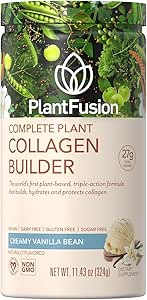
PlantFusion Vegan Collagen Powder - Plant Based Collagen Protein Powder for Muscle & Joints, Hair, Skin & Nails - Ket...
Check Price on AmazonAs an Amazon Associate we earn from qualifying purchases.
PlantFusion Vegan Collagen Powder takes a different approach by focusing on providing the amino acid building blocks your body needs to synthesize its own collagen. This powder combines multiple plant proteins (pea, quinoa, algae) to deliver a complete amino acid profile including the key collagen components: glycine, proline, and lysine.
The formula is designed to support not just collagen production but overall protein needs, making it particularly valuable for active individuals who want to support both muscle recovery and connective tissue health. Each serving provides approximately 20g of plant protein with a well-balanced amino acid profile.
The powder mixes easily into smoothies, oatmeal, or other foods, and comes in vanilla or unflavored varieties. PlantFusion uses a proprietary blend of digestive enzymes to enhance amino acid absorption and reduce digestive discomfort that sometimes occurs with plant proteins.
At under $20 for a container providing multiple servings, PlantFusion offers excellent value for those who want comprehensive amino acid support without breaking the budget.
Key features:
- Complete plant protein blend (pea, quinoa, algae)
- Provides glycine, proline, lysine, and other collagen amino acids
- Includes digestive enzymes for improved absorption
- Supports muscle, joints, hair, skin, and nails
- Keto-friendly, gluten-free, non-GMO
- Vanilla or unflavored options
WILD FUEL Vegan Collagen Builder distinguishes itself by providing specific, therapeutic doses of the three key collagen amino acids—glycine, lysine, and proline—along with biotin and a blend of organic superfoods (spirulina, chlorella, moringa) that provide additional nutrients and antioxidants.
This targeted approach addresses the “glycine gap” identified in research—the shortfall between how much glycine the average diet provides (1.5-3g) and how much the body needs for optimal collagen production (10-15g). Each serving delivers 3g of glycine, along with substantial amounts of lysine and proline, providing the precise building blocks your fibroblasts (collagen-producing cells) need.
The addition of biotin (5,000mcg per serving) supports hair, skin, and nail health, while the organic superfood blend provides polyphenol antioxidants that protect collagen from oxidative damage. The formula is certified organic, non-GMO, and free from artificial ingredients.
While more expensive than basic protein powders, WILD FUEL’s targeted amino acid doses make it particularly effective for those serious about maximizing collagen production through supplementation.
Key features:
- Therapeutic doses of glycine (3g), lysine, and proline
- 5,000mcg biotin for hair, skin, and nails
- Organic superfood blend (spirulina, chlorella, moringa)
- Provides antioxidant protection from polyphenols
- USDA organic certified, non-GMO, gluten-free
- 90 capsules per bottle
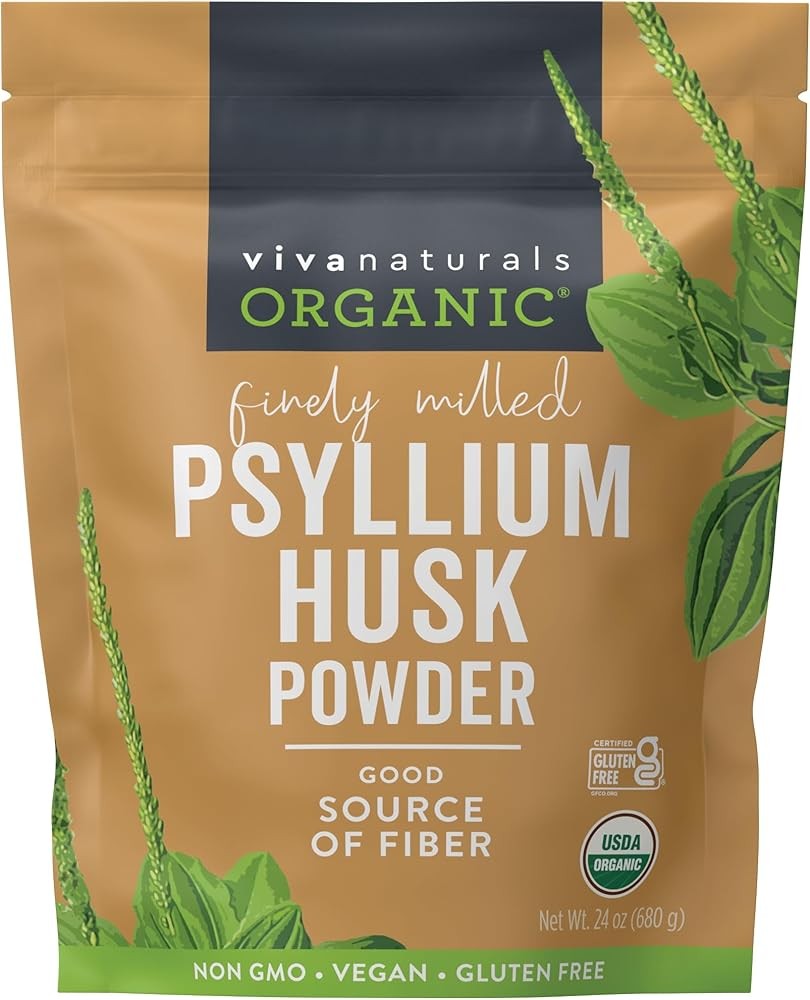
Viva Naturals Organic Psyllium Husk Powder, 24 oz – Finely Ground, Unflavored, Vegan, Keto, Paleo, Non-GMO Plant-Base...
Check Price on AmazonAs an Amazon Associate we earn from qualifying purchases.
While not directly a collagen booster, Viva Naturals Organic Psyllium Husk Powder earns its place in a comprehensive vegan collagen strategy by supporting digestive health—the foundation for nutrient absorption. Even the best collagen-boosting supplements can’t work effectively if your gut isn’t absorbing nutrients properly.
Psyllium husk is a soluble fiber that forms a gel in the digestive tract, supporting regular bowel movements, feeding beneficial gut bacteria (prebiotics), improving cholesterol levels, and stabilizing blood sugar. Research shows that gut health significantly impacts skin health through the “gut-skin axis”—the bidirectional communication between intestinal and skin health.
The connection to collagen? Healthy gut function ensures optimal absorption of amino acids, vitamin C, zinc, and other nutrients essential for collagen synthesis. Additionally, psyllium’s blood sugar-stabilizing effects help reduce glycation—the process where excess sugar damages collagen proteins.
Viva Naturals sources certified organic psyllium husks and processes them into a fine, easily-mixable powder without additives, flavors, or sweeteners. The unflavored powder can be mixed into water, smoothies, or food (though it requires thorough mixing and immediate consumption before it thickens).
Key features:
- USDA certified organic psyllium husk
- Soluble fiber supporting digestive health and regularity
- Prebiotic effects feeding beneficial gut bacteria
- Helps stabilize blood sugar (preventing collagen glycation)
- Supports nutrient absorption
- 24 oz container (approximately 85 servings)
- Vegan, keto, paleo, non-GMO
How Long Until You See Results?
One of the most common questions about vegan collagen boosters is: how long before I see improvements?
The answer depends on understanding collagen biology and setting realistic expectations.
The Biology of Collagen Turnover
Collagen doesn’t regenerate instantly. Your body is constantly producing new collagen and breaking down old collagen—a process called collagen turnover.
The rate of turnover varies by tissue:
Skin: The epidermis (outer skin layer) turns over every 28-40 days. The dermis (where most collagen resides) remodels more slowly, with significant turnover taking 3-6 months.
Joints and cartilage: Collagen in these weight-bearing tissues turns over very slowly—full remodeling can take 6-12 months or longer.
Bones: Bone collagen matrix remodels continuously, but measurable changes in bone density typically require 6-12 months.
Hair and nails: Hair grows approximately 6 inches per year (0.5 inches per month), so improvements in hair quality become visible as new growth emerges over 2-4 months. Nails grow slightly faster (about 3mm per month), with improvements visible in 1-3 months.
Realistic Timeline for Vegan Collagen Support
Based on biology and clinical research, here’s what to expect:
Weeks 1-4: Internal changes During the first month, your body is absorbing nutrients, ramping up enzymatic activity, and beginning to increase collagen production. You probably won’t see visible changes yet, but important metabolic shifts are occurring:
- Vitamin C saturates tissues and activates hydroxylase enzymes
- Amino acids begin accumulating in collagen-producing cells
- Mineral cofactors activate collagen-synthesizing enzymes
- Antioxidants begin protecting existing collagen from degradation
Weeks 4-8: Early improvements Around week 4-8, some people begin noticing subtle changes:
- Skin may feel more hydrated and plump (particularly from hyaluronic acid)
- Minor improvements in skin texture
- Slightly faster nail growth
- Increased hair shine
These early changes reflect surface-level improvements and initial collagen production, but deep structural changes haven’t occurred yet.
Weeks 8-16: Visible results Between 2-4 months of consistent supplementation, most people experience noticeable improvements:
- Skin texture and tone improvements
- Reduction in fine lines (particularly around eyes)
- Increased skin firmness and elasticity
- Stronger, less brittle nails
- Reduced hair shedding and increased thickness
- Subtle improvements in joint comfort
This timeline aligns with one complete skin turnover cycle and significant new collagen accumulation in the dermis.
Months 4-6: Maximum benefits After 4-6 months of consistent supplementation and healthy lifestyle practices, you should see maximum benefits:
- Significant reduction in visible wrinkles
- Improved skin firmness and reduction in sagging
- Noticeably thicker, shinier hair
- Stronger nails that grow faster and break less
- Measurable improvements in joint comfort and flexibility
Beyond 6 months, benefits typically plateau, though maintenance supplementation helps preserve gains and help reduce age-related collagen decline.
Factors That Accelerate or Slow Results
Several factors influence how quickly you see results from vegan collagen boosters:
Accelerating factors:
- Younger age (faster collagen turnover)
- Comprehensive supplementation (combining multiple nutrients)
- High doses within safe ranges
- Excellent overall nutrition
- Adequate sleep (7-9 hours)
- Low stress
- Regular moderate exercise
- Consistent sun protection
- Non-smoker
- Moderate alcohol intake
- Stable blood sugar
Slowing factors:
- Older age (slower turnover)
- Incomplete supplementation (missing key nutrients)
- Poor overall diet
- Chronic sleep deprivation
- High stress (elevated cortisol)
- Smoking (catastrophic collagen damage)
- Excessive sun exposure without protection
- High sugar diet (glycation damage)
- Excessive alcohol
- Certain medications (steroids, chemotherapy)
Bottom line: Most people notice initial improvements in skin hydration and texture by 4-8 weeks, with significant visible reductions in wrinkles and improvements in hair and nail strength by 12-16 weeks of consistent supplementation, reaching maximum benefits at 4-6 months.
Measuring Your Progress
To track your results objectively, consider these methods:
Photographic documentation: Take close-up photos in consistent lighting (same time of day, same location) focusing on:
- Face (full front, 45-degree angles, profile)
- Hands (showing skin texture and nails)
- Areas of concern (specific wrinkles, skin laxity)
Compare photos monthly to assess changes you might not notice day-to-day.
Physical measurements:
- Nail growth rate (mark nails and measure weekly growth)
- Hair shedding (count hairs on pillow or in shower drain over consistent time period)
- Skin elasticity (gently pinch skin on back of hand, note how quickly it returns to flat)
Subjective assessments:
- Skin feel (texture, smoothness, firmness)
- Joint comfort during movement
- Nail strength (how easily they break or split)
- Hair manageability and shine
Professional assessment: Dermatologists can measure skin elasticity, hydration, and other parameters using specialized equipment, providing objective data about skin health improvements.
Bottom line: Track progress through monthly photos in consistent lighting, measurements of nail growth and hair shedding, and subjective assessments of skin texture and joint comfort to objectively document improvements over the 12-16 week collagen remodeling timeline.
Potential Side Effects and Precautions
Vegan collagen boosters are generally very safe, but a few considerations are important:
Vitamin C: High doses (above 2,000mg daily) may cause digestive upset, diarrhea, or cramping in some people. Liposomal forms dramatically reduce these effects. People with hemochromatosis (iron overload) should consult healthcare providers before high-dose vitamin C, as it increases iron absorption.
Zinc: Long-term supplementation above 40mg daily can interfere with copper absorption, potentially causing copper deficiency. Always balance high-dose zinc (above 30mg) with 1-2mg copper.
Amino acids: High doses of isolated amino acids may cause digestive discomfort in some individuals. People with kidney disease should consult healthcare providers before taking amino acid supplements, as kidney function is required to process and excrete amino acid metabolites.
Biotin: Can interfere with certain medical tests (particularly thyroid tests). Inform healthcare providers about biotin supplementation before blood work.
Hyaluronic acid: Very rarely, some people experience mild digestive upset. Start with lower doses and gradually increase.
Allergies: Check supplement labels carefully if you have allergies to soy, gluten, or other common allergens. Many vegan supplements use pea protein, rice protein, or other plant sources that are generally well-tolerated but can be problematic for those with specific allergies.
Pregnancy and breastfeeding: While the nutrients discussed (vitamin C, amino acids, minerals) are generally safe and often recommended during pregnancy/breastfeeding, always consult your healthcare provider before starting new supplements during these periods.
Medication interactions: Vitamin C can interact with certain medications (particularly chemotherapy drugs and statins). Zinc can reduce absorption of certain antibiotics. Always inform healthcare providers about all supplements you’re taking.
Bottom line: Plant-based collagen boosters are generally safe with minimal side effects at recommended doses, though high-dose zinc should be balanced with copper and vitamin C may cause digestive upset unless liposomal forms are used.
The Bottom Line: Vegan Collagen Support That Works
While the term “vegan collagen” may be technically inaccurate for traditional plant-based supplements, the science is clear: specific nutrients can powerfully stimulate your body’s own collagen production, protect existing collagen from damage, and deliver visible results for skin, hair, nails, and joints.
The advantage of the vegan approach is that you’re not relying on pre-digested animal proteins being absorbed and reassembled. Instead, you’re providing your cells with precisely what they need to manufacture collagen endogenously—often resulting in more targeted, efficient production.
As biotechnology advances, truly vegan (bioengineered) collagen proteins are becoming available, offering the best of both worlds: actual collagen peptides without animal involvement.
Whether you choose the nutrient-booster approach, emerging bioengineered collagen, or a combination of both, vegans now have scientifically validated options for maintaining youthful skin, healthy joints, and strong connective tissues—no animal products required.
The key is consistency, comprehensive nutrition, and patience. Your body has remarkable regenerative capacity when given the right tools. Combine smart supplementation with sun protection, adequate sleep, hydration, and a nutrient-dense whole-food diet, and you’ll give your body everything it needs to keep your collagen strong and abundant for years to come.
Related Reading
- Best Vitamin C Supplements for Immune Support: Liposomal vs Standard Forms
- Vegan Protein Powders: Complete Guide to Plant-Based Protein Sources
- Best Vegan Omega-3 Supplements: Algae Oil vs Fish Oil Alternatives
- Biotin Supplements for Hair Growth: Evidence-Based Guide
- Best Hyaluronic Acid Supplements for Skin Hydration
- Zinc Supplements for Immune Function: Dosing and Forms Guide
- Anti-Aging Supplements: Science-Backed Options for Longevity
- Best Antioxidant Supplements: Protection Against Oxidative Stress
(PubMed: 28805671): Pullar JM, Carr AC, Vissers MCM. The Roles of Vitamin C in Skin Health. Nutrients. 2017;9(8):866.
(PubMed: 31234340): Gollnick HP, Hopfenmüller W, Hemmes C, et al. Systemic beta carotene plus topical UV-sunscreen are an optimal protection against harmful effects of natural UV-sunlight. Eur J Dermatol. 1996;6:200-205.
(PubMed: 15902791): Barel A, Calomme M, Timchenko A, et al. Effect of oral intake of choline-stabilized orthosilicic acid on skin, nails and hair in women with photodamaged skin. Arch Dermatol Res. 2005;297(4):147-153.
(PubMed: 17960419): Wickett RR, Kossmann E, Barel A, et al. Effect of oral intake of choline-stabilized orthosilicic acid on hair tensile strength and morphology in women with fine hair. Arch Dermatol Res. 2007;299(10):499-505.
(PubMed: 19732058): Meléndez-Hevia E, De Paz-Lugo P, Cornish-Bowden A, Cárdenas ML. A weak link in metabolism: the metabolic capacity for glycine biosynthesis does not satisfy the need for collagen synthesis. J Biosci. 2009;34(6):853-872.
(PubMed: 25628520): Babault N, Païzis C, Deley G, et al. Pea proteins oral supplementation promotes muscle thickness gains during resistance training. J Int Soc Sports Nutr. 2015;12:3.
(PubMed: 25014997): Kawada C, Yoshida T, Yoshida H, et al. Ingested hyaluronan moisturizes dry skin. Nutr J. 2014;13:70.
(PubMed: 28761354): Oe M, Sakai S, Yoshida H, et al. Oral hyaluronan relieves wrinkles: a double-blinded, placebo-controlled study over a 12-week period. Clin Cosmet Investig Dermatol. 2017;10:267-273.
(PubMed: 29615092): Ogawa Y, Kinoshita M, Shimada S, Kawamura T. Zinc and Skin Disorders. Nutrients. 2018;10(2):199.
(PubMed: 9707755): Dreher F, Gabard B, Schwindt DA, Maibach HI. Topical melatonin in combination with vitamins E and C protects skin from ultraviolet-induced erythema. Br J Dermatol. 1998;139(2):332-339.
(PubMed: 22428137): Tominaga K, Hongo N, Karato M, Yamashita E. Cosmetic benefits of astaxanthin on humans subjects. Acta Biochim Pol. 2012;59(1):43-47.
Recommended Products