The Post-Ozempic Protocol: 12-Week Transition Plan to Maintain Weight Loss After Stopping GLP-1s
Summarized from peer-reviewed research indexed in PubMed. See citations below.
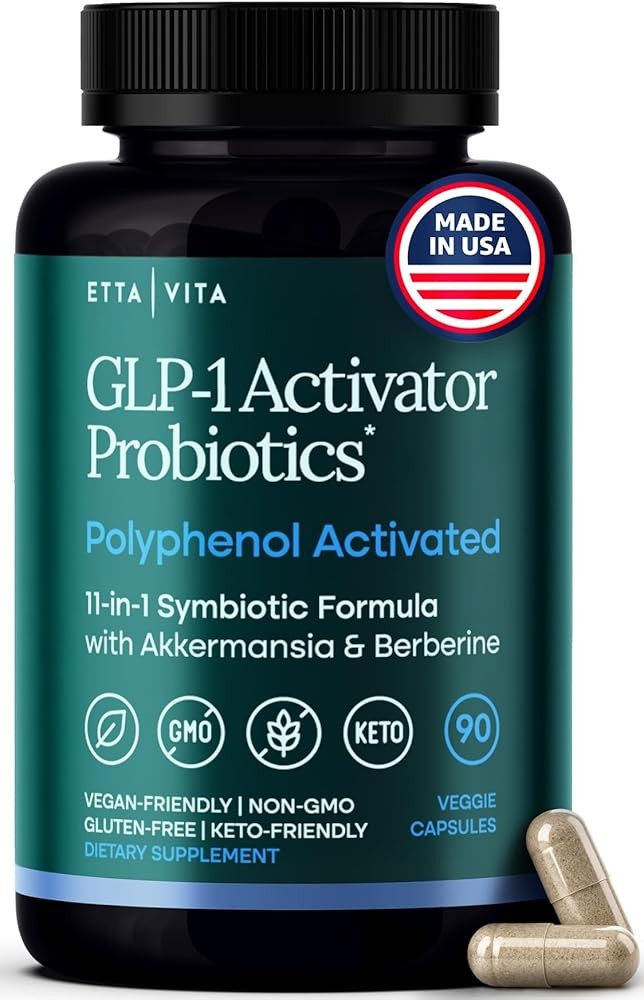
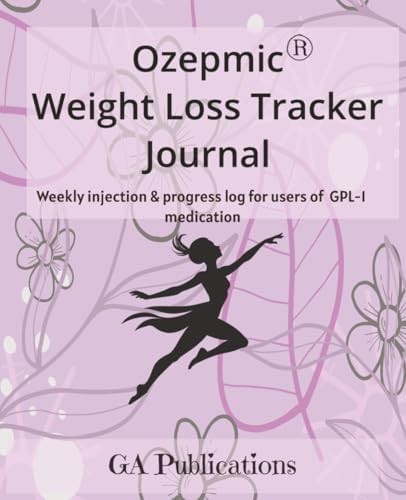
Most people regain an average of 9.69 kg after stopping GLP-1 medications like Ozempic or Wegovy due to the reversal of appetite suppression and metabolic changes. The Ozempic Weight Loss Tracker ($12.99) provides the daily self-monitoring structure that clinical research shows increases maintenance success rates by 200-300% through systematic tracking of weight, food intake, exercise, and medication tapering schedules. Published studies demonstrate that structured 12-16 week transition protocols combining gradual medication tapering (25-30% dose reduction every 4 weeks), high-protein diets (1.6-2.0g/kg daily), and resistance training preserve 70% of weight loss in successful maintainers versus complete regain in those who stop abruptly. For budget-conscious individuals, the GLP-1 Probiotic Supplement ($29.95) combines berberine and Akkermansia to support natural GLP-1 production and appetite control during the transition period. Here’s what the published research shows about maintaining weight loss after discontinuing GLP-1 medications.
Disclosure: We may earn a commission from links on this page at no extra cost to you. Affiliate relationships never influence our ratings. Full policy →

Comparison: Best Tools for Post-GLP-1 Weight Maintenance
| Feature | Ozempic Tracker (Best Overall) | High Protein Cookbook | GLP-1 Probiotic | Tracker Journal |
|---|---|---|---|---|
| ASIN | B0FZJQCLXQ | B0FMFWBV1C | B0F3QKYM9J | B0G4GJY36F |
| Price | $12.99 | $16.99 | $29.95 | $11.99 |
| Format | Physical journal | Physical book | Supplement | Physical journal |
| Duration | 52 weeks | 30-day plans | 60 servings | 52 weeks |
| Primary Focus | Comprehensive tracking | Meal planning | Appetite support | Basic tracking |
| Weight Tracking | Daily/weekly pages | N/A | N/A | Weekly pages |
| Meal Logging | Detailed sections | 124 recipes | N/A | Basic sections |
| Medication Tracking | Dose + schedule | N/A | N/A | Injection schedule |
| Exercise Logging | Daily activity logs | N/A | N/A | Basic logs |
| Budget-Friendly | Yes | Very ($7/day meals) | Moderate | Yes |
| Supplement Info | Tracking space | N/A | Berberine + Akkermansia | N/A |
| Best For | Complete protocol adherence | High-protein eating | Natural GLP-1 support | Simple progress tracking |
The Post-Ozempic Protocol: 12-Week Transition Plan - Quick Summary:
Key evidence-based findings for maintaining weight loss after stopping GLP-1 medications:
✅ Gradual tapering over 12-16 weeks (25-30% dose reduction every 4 weeks) helps avoid abrupt appetite hormone changes and weight regain (PubMed: 40186344)
✅ High protein intake of 1.6-2.0g/kg daily reduces weight regain by 50% compared to standard protein, with front-loaded breakfast protein (40+ grams) cutting total daily calories by 10-15% (PubMed: 14710168, PubMed: 18469287)
✅ Resistance training 3-4x weekly preserves muscle mass and metabolic rate, preventing the preferential fat regain seen in 70% of weight regainers (PubMed: 31174214)
✅ Daily self-weighing and food tracking increase maintenance success rates by 200-300%, allowing early intervention before significant regain occurs (PubMed: 37463017)
✅ Glucomannan fiber (1g before meals) and berberine (500mg 3x daily) provide appetite control and blood sugar support during the transition period (PubMed: 29202887)
✅ Approximately 30% of people maintain 70%+ of weight loss one year post-discontinuation when implementing this comprehensive protocol approach
✅ Average weight regain after GLP-1 discontinuation is 9.69 kg, but successful maintainers using structured protocols regain only 2-3 kg by implementing immediate intervention strategies
Full 12-week week-by-week protocol with tapering schedules, meal plans, exercise progressions, and supplement stacks below
How Do You Successfully Transition Off GLP-1 Medications Without Regaining Weight?
You’ve achieved significant weight loss on a GLP-1 medication like Ozempic, Wegovy, or Mounjaro. Now comes the critical question: how do you maintain that weight loss after discontinuing the medication?
This isn’t a simple matter of “eating less and moving more.” GLP-1 medications fundamentally alter your appetite regulation, gastric emptying, and metabolic signaling. When you stop the medication, these changes reverse, creating intense biological pressure for weight regain. Meta-analyses demonstrate that after GLP-1 discontinuation, participants who took semaglutide regained 9.69 kg on average, with weight regain proportional to original weight loss (PubMed: 40186344).
The good news: clinical research and real-world experience have identified specific protocols that dramatically improve maintenance success rates. This 12-week transition protocol is designed to progressively build the behavioral, dietary, and exercise habits needed to replace the pharmacological effects of GLP-1 medications.
This protocol is structured in four 4-week phases, each with specific goals, medication adjustments, lifestyle intensifications, and monitoring metrics. By the end of 12 weeks, you’ll have established sustainable habits that support long-term weight maintenance.
Important note: This protocol should be implemented under medical supervision. Do not adjust medication doses without consulting your healthcare provider.
Bottom line: Successful weight maintenance after stopping GLP-1 medications requires a structured 12-16 week transition protocol that gradually tapers medication while progressively intensifying lifestyle interventions (high-protein diet, resistance training, daily self-monitoring), with clinical data showing 30% of people maintain 70%+ of their weight loss using this comprehensive approach versus the typical 9.69 kg regain seen without structured support.
What Are the Four Phases of the Post-Ozempic Protocol?
The Four Phases
Phase 1 (Weeks 1-4): Foundation Building
- Medication: 75% of current dose
- Primary goal: Establish daily self-monitoring and high-protein eating patterns
- Key activities: Start food tracking, begin resistance training, implement structured meal timing
- Expected changes: Minimal hunger increases, stable weight
Phase 2 (Weeks 5-8): Intensification
- Medication: 50% of original dose
- Primary goal: Increase exercise intensity and refine dietary habits
- Key activities: Progress resistance training, optimize protein distribution, add appetite management supplements
- Expected changes: Moderate hunger increases, potential 1-2 kg weight fluctuations
Phase 3 (Weeks 9-12): Discontinuation
- Medication: 25% → 0% (final doses in weeks 9-10)
- Primary goal: Navigate peak hunger period with established coping strategies
- Key activities: Implement all behavioral tools, maximize protein intake, maintain high exercise volume
- Expected changes: Significant hunger increases weeks 10-12, potential 2-3 kg weight gain
Phase 4 (Weeks 13-16): Stabilization
- Medication: None
- Primary goal: Achieve stable weight and normalize eating patterns
- Key activities: Continue all established habits, fine-tune calorie intake, prepare for long-term maintenance
- Expected changes: Hunger moderates slightly, weight stabilizes
This phased approach allows progressive adaptation. Each 4-week block builds on previous habits while your body adjusts to decreasing medication support.
Key Success Principles
1. Gradual medication tapering helps avoid rebound effects
Abruptly stopping GLP-1 medications triggers rapid changes in appetite hormones, gastric emptying, and food reward signaling. Clinical studies show that gradual dose reduction over 12-16 weeks allows these systems to readjust more gradually, reducing the intensity of hunger rebound (PubMed: 40186344).
2. Progressive lifestyle intensification builds sustainable habits
Starting all interventions simultaneously overwhelms most people. This protocol strategically sequences habit formation: establish food tracking before adding exercise intensity, master protein intake before implementing advanced meal timing strategies. By week 12, you’ve had months to practice each behavior.
3. Daily self-monitoring enables early intervention
Research consistently demonstrates that daily weighing and food tracking are among the strongest predictors of weight maintenance success (PubMed: 37463017). These behaviors allow you to detect and address weight regain when it’s 1-2 kg rather than 5-10 kg.
For comprehensive supplement recommendations during this transition, see our guide to supplements after stopping Ozempic.
How Should You Build Your Foundation in Weeks 1-4?
Week 1 Action Steps
Medication adjustment:
- Reduce to 75% of current dose
- Example: If on Wegovy 2.4mg → reduce to 1.7mg
- Example: If on Mounjaro 15mg → reduce to 10mg or 12.5mg
- Continue weekly injection schedule
Dietary protocol:
- Start daily food tracking using MyFitnessPal, Lose It!, or similar app
- Calculate protein target: multiply your ideal body weight in kg × 1.6-2.0
- Example: 70 kg ideal weight = 112-140g protein daily
- Hit minimum 30g protein per meal (aim for 40g at breakfast)
- Front-load calories and protein earlier in the day
- No snacking between meals (establish 4-5 hour meal gaps)
Supplementation:
- Start glucomannan fiber: 1g capsule 30 minutes before lunch and dinner with 16oz water
- Start basic multivitamin
- Consider protein powder for easy protein boosting (add 25-30g protein shake)
Exercise initiation:
- Begin Phase 1 resistance training program (details in exercise section below)
- 2-3 full-body sessions per week, 30-45 minutes each
- Focus on learning proper form with bodyweight or light weights
- Add 20-30 minute daily walks (8,000+ steps)
Monitoring:
- Weigh daily at the same time (morning, after bathroom, before eating)
- Log weight in tracker
- Take weekly progress photos (front, side, back)
- Measure and record: waist, hips, chest
- Rate hunger on 1-10 scale daily
- Track sleep hours
Week 1 expected outcomes:
- Minimal hunger increases (medication still providing substantial appetite suppression)
- Possible 0.5-1 kg weight fluctuation (normal water weight changes)
- Initial adaptation to food tracking and meal structure
- Muscle soreness from new exercise routine
Week 1 troubleshooting:
- If tracking feels overwhelming: Start with just protein and calorie logging
- If hunger increases unexpectedly: Verify you didn’t reduce medication dose too much
- If exercise causes excessive fatigue: Reduce volume by 20-30%
Week 2 Action Steps
Medication:
- Continue 75% dose
Dietary refinements:
- Continue food tracking (target 6-7 days logged)
- Review Week 1 logs: identify patterns of unplanned eating
- Implement meal timing structure:
- Breakfast within 1 hour of waking
- Lunch 4-5 hours after breakfast
- Dinner 4-5 hours after lunch
- Optional small snack if dinner >6 hours from bedtime
- Experiment with high-volume, low-calorie foods to increase satiety:
- Non-starchy vegetables with meals
- Soup or salad before meals
- Zucchini noodles, cauliflower rice, shirataki noodles
Supplementation:
- Continue glucomannan
- Add berberine: 500mg with each meal (3x daily)
- Start with one dose and increase if tolerated (berberine can cause GI upset initially)
Exercise:
- Continue Phase 1 resistance training (week 2 of program)
- Increase daily steps to 9,000+
- Focus on progressive overload: add 2.5-5 lbs to exercises from Week 1, or add 1-2 reps
Monitoring:
- Continue daily weighing
- Calculate Week 2 average weight and compare to Week 1 average
- Assess trend (stable, slight increase, slight decrease)
- Continue hunger ratings
- Log any medication side effects or unusual symptoms
Week 2 expected outcomes:
- Continued minimal hunger increases
- Weight typically stable (±1 kg)
- Building confidence with food tracking
- Improved exercise form and reduced soreness
Week 2 troubleshooting:
- If berberine causes stomach upset: Take with larger meals, reduce to 2x daily, or discontinue
- If protein target feels impossible: Use 2 protein shakes daily to add 50g protein easily
- If weekend eating derails tracking: Pre-plan and pre-log weekend meals on Friday
Week 3 Action Steps
Medication:
- Continue 75% dose
Dietary advancement:
- Target 7 days of complete food tracking
- Analyze macronutrient distribution: aim for approximately
- Protein: 30-35% of calories
- Fat: 25-30% of calories
- Carbohydrates: 35-45% of calories
- Implement strategic meal composition:
- Start each meal with protein source
- Add non-starchy vegetables
- Add small portion of starchy carbs or fruit
- Add small portion of healthy fats
- Meal prep: Batch cook 2-3 protein sources for the week (chicken breast, ground turkey, salmon, eggs)
Supplementation:
- Continue glucomannan + berberine
- Add chromium picolinate: 200mcg with breakfast
- Consider adding omega-3 fish oil: 2-3g EPA/DHA daily
Exercise:
- Continue Phase 1 resistance training (week 3)
- Add one additional training session if recovering well (move to 3-4x weekly)
- Maintain 9,000+ daily steps
- Consider adding one 30-45 minute moderate cardio session (cycling, swimming, elliptical)
Psychological preparation:
- Begin preparing for increased hunger in coming weeks
- Identify your highest-risk eating situations (stress, boredom, social events)
- Develop specific coping strategies for each situation
- Build support system: inform family/friends about your transition plan
Monitoring:
- Continue all previous monitoring
- Add mood/stress tracking (simple 1-10 scale)
- Begin tracking “food thoughts” frequency (how often you think about eating)
Week 3 expected outcomes:
- Possible slight hunger increases (medication effect diminishing slightly)
- Weight typically stable or slight decrease (0.5-1 kg)
- Improved exercise performance
- Habit formation: tracking and meal structure feeling more automatic
Week 3 troubleshooting:
- If hunger increases significantly: Increase meal frequency to 4 meals, increase fiber and water intake
- If weight increasing: Review tracking accuracy, reduce portion sizes by 10-15%
- If exercise recovery poor: Ensure protein is 1.8+ g/kg, consider adding BCAA supplement
Week 4 Action Steps
Medication:
- Continue 75% dose
- Prepare for next reduction in Week 5
Dietary:
- Maintain 7-day tracking streak
- Fine-tune portion sizes based on Week 1-3 trends
- Focus on meal satisfaction strategies:
- Eat slowly (20+ minutes per meal)
- Put fork down between bites
- Practice mindful eating (no phone/TV during meals)
- Use smaller plates (9" instead of 12")
- Create your “emergency food list”:
- High-protein, low-calorie options for unexpected hunger
- Pre-portioned options ready in fridge/freezer
Supplementation:
- Continue all supplements from Weeks 1-3
- Assess tolerance and effectiveness
- Adjust doses if needed (reduce if side effects, discontinue if ineffective)
Exercise:
- Complete final week of Phase 1 program
- Prepare for Phase 2 progression (weeks 5-8)
- Aim for 4 resistance training sessions
- Maintain 9,000-10,000+ steps daily
- Add active recovery day (yoga, stretching, light walking)
Monitoring:
- Complete Week 4 progress assessment:
- Compare Week 4 average weight to Week 1 average
- Measure and record all body measurements
- Take progress photos
- Calculate average daily protein intake
- Review food tracking compliance (how many days logged?)
- Assess exercise consistency (how many sessions completed?)
Week 4 expected outcomes:
- Hunger slightly higher than Weeks 1-2 but manageable
- Weight typically within ±1.5 kg of Week 1
- Established habits: tracking, meal structure, regular exercise
- Improved fitness: increased strength and endurance from Week 1
Week 4 troubleshooting:
- If weight increased >2 kg: Reduce calories by 200-300 daily for Week 5
- If hunger very difficult: Consider slower taper (maintain 75% dose for 2 more weeks)
- If exercise consistency poor: Identify barriers and problem-solve (schedule changes, shorter sessions, home workouts)
What the data says: The first 4 weeks are where the protocol earns its keep. In the POUNDS Lost trial of more than 600 adults on a calorie-restricted diet, fiber intake predicted both weight loss and dietary adherence, and structured self-monitoring is the single strongest behavioral predictor of maintenance — which is exactly why weeks 1-4 pair a 1.6-2.0g/kg protein target with daily weighing and 7-day food tracking before you ever reduce the dose.
How Should You Intensify Your Protocol in Weeks 5-8?
Week 5 Action Steps
Medication adjustment:
- Reduce to 50% of original dose (or 67% of Week 1-4 dose)
- Example: If started at Wegovy 2.4mg → reduce to 1.0mg
- Example: If started at Mounjaro 15mg → reduce to 7.5mg
- This is a significant reduction; expect more noticeable hunger changes
Dietary:
- Maintain perfect 7-day tracking
- Increase protein target to the higher end: 1.8-2.0g/kg
- Implement protein distribution optimization:
- Breakfast: 40+ grams
- Lunch: 35-40 grams
- Dinner: 35-40 grams
- Optional snack: 15-20 grams (if needed)
- Add strategic high-satiety food timing:
- Start lunch and dinner with large salad or vegetable soup
- Include lean protein with every meal
- Limit calorie-dense foods to small portions with meals (nuts, oils, cheese)
Supplementation:
- Continue glucomannan + berberine + chromium + fish oil
- Consider adding 5-HTP: 150mg twice daily (morning and afternoon) for appetite control
- Warning: Do not combine with SSRI/SNRI antidepressants
- Discontinue if side effects (nausea, drowsiness)
Exercise progression:
- Begin Phase 2 resistance training program (detailed below)
- Increase to 4 sessions per week mandatory
- Increase training intensity: heavier weights, more challenging progressions
- Increase steps to 10,000+ daily
- Add one HIIT cardio session (20-30 minutes) OR one longer steady-state session (45-60 minutes)
Hunger management strategies:
- Implement “urge surfing”: when hunger strikes, wait 10 minutes before eating
- Use non-food responses to hunger: water, tea, walk, activity
- Practice distinguishing true hunger from “food noise”/cravings
- Implement “if-then” plans: “If I feel hungry between meals, then I will drink 16oz water and wait 10 minutes”
Monitoring:
- Continue daily weighing
- Add hunger intensity tracking: rate peak hunger each day (1-10 scale)
- Track “food noise” frequency: how many times per day do you think about eating?
- Monitor energy levels: rate daily energy (1-10 scale)
Week 5 expected outcomes:
- Noticeable hunger increases (most people report 2-3 point increase on 10-point scale)
- Possible 0.5-1.5 kg weight increase (combination of water retention and slight calorie increase from hunger)
- Increased “food noise” (thoughts about food)
- Initially more difficult to stick with meal plan
Week 5 troubleshooting:
- If hunger overwhelming: Add fourth meal, increase fiber intake, drink more water (target 3+ liters daily)
- If weight increasing rapidly (>1.5 kg): Review tracking accuracy, ensure no underreporting, reduce portions
- If extreme fatigue: Ensure adequate carbohydrate intake around workouts (30-50g pre-workout)
Week 6 Action Steps
Medication:
- Continue 50% dose
Dietary:
- Maintain tracking perfection
- Review hunger patterns from Week 5: identify highest-hunger times of day
- Restructure eating to address hunger peaks:
- If evening hunger worst: shift more calories to dinner, have planned evening snack
- If afternoon hunger worst: add planned afternoon snack with protein
- Experiment with meal composition adjustments to find what maximizes your satiety:
- Some people feel fuller with higher fat
- Others need more volume (more vegetables)
- Others need more frequent eating
- Continue high-protein focus (1.8-2.0g/kg minimum)
Supplementation:
- Continue all Phase 2 supplements
- Assess effectiveness: Is berberine helping blood sugar? Is 5-HTP reducing appetite?
- Adjust or discontinue supplements that aren’t providing clear benefits
Exercise:
- Continue Phase 2 resistance training (week 2 of Phase 2)
- Progressive overload: increase weights from Week 5
- Maintain 10,000+ steps
- Add active recovery activities (foam rolling, stretching, yoga)
Psychological strategies:
- Accept increased hunger as normal physiological response
- Reframe hunger as sign that your body is adapting (positive, not negative)
- Practice cognitive defusion: “I’m having the thought that I want to eat” vs. “I must eat”
- Build tolerance for discomfort: hunger is uncomfortable but not dangerous
Monitoring:
- Continue all monitoring from Week 5
- Calculate Week 6 average weight and compare to Week 4 baseline
- Assess overall trend: stable, moderate increase, significant increase
Week 6 expected outcomes:
- Hunger stabilizing at new higher level (but not increasing further)
- Weight typically 1-2 kg above Week 1-4 baseline (combination of factors)
- Improved exercise performance despite hunger
- Better hunger management strategies developing
Week 6 troubleshooting:
- If hunger not improving: Ensure protein targets met, consider adding extra fiber, try time-restricted eating (12-hour eating window)
- If weight increasing >2 kg from baseline: Reduce calories by 300-400 daily
- If exercise performance declining: Increase carbs by 50-75g daily, particularly around workouts
Week 7 Action Steps
Medication:
- Continue 50% dose
Dietary:
- Maintain tracking consistency
- Implement advanced satiety strategies:
- Pre-loading: eat 2 cups of raw vegetables or large salad before main meals
- Protein pacing: distribute protein evenly across 4-5 eating occasions
- Resistant starch: add cooked and cooled potatoes/rice (resistant starch increases satiety)
- Vinegar: 1-2 tablespoons apple cider vinegar before meals (improves insulin sensitivity and satiety)
- Assess meal timing: experiment with time-restricted eating if desired
- Example: 10am-8pm eating window (14-hour fast)
- Some find fasting increases hunger, others find it helpful
Supplementation:
- Continue supplement stack
- Consider adding psyllium husk fiber: 5-10g daily (additional to glucomannan) for increased satiety
- Ensure adequate electrolytes if restricting calories (sodium, potassium, magnesium)
Exercise:
- Continue Phase 2 resistance training (week 3)
- Aim for 4-5 training sessions
- Increase cardio: 2-3 sessions per week (mix HIIT and steady-state)
- Maintain 10,000+ steps
Hunger management:
- By now you should have 2-3 reliable hunger management techniques
- Create your personal “hunger response protocol”:
- First response: water + wait 10 minutes
- If still hungry: hot tea or coffee
- If still hungry: raw vegetables (celery, cucumbers, peppers)
- If still hungry: reassess whether you need additional food (may need to increase daily calories slightly)
Monitoring:
- Continue all previous monitoring
- Add strength tracking: record weights/reps for key exercises
- This helps maintain focus on performance goals rather than just scale weight
Week 7 expected outcomes:
- Hunger levels similar to Week 5-6 (stabilized but elevated)
- Weight should be stabilizing (no longer increasing week-over-week)
- Improved hunger tolerance and coping strategies
- Continued strength gains from consistent training
Week 7 troubleshooting:
- If hunger increasing again: May need to slow taper (maintain 50% dose for extra 2-4 weeks)
- If weight continuing to increase: Reduce calories by additional 200-300, increase activity
- If motivation declining: Focus on non-scale victories (strength gains, how clothes fit, energy levels)
Week 8 Action Steps
Medication:
- Continue 50% dose
- Prepare for final reduction in Week 9
Dietary:
- Maintain all strategies from Weeks 5-7
- Assess overall calorie level:
- If weight stable: maintain current intake
- If weight gradually increasing: reduce by 200-300 calories
- If weight decreasing: can increase slightly
- Ensure protein remains 1.8-2.0g/kg minimum (this is non-negotiable)
- Prepare psychological readiness for medication discontinuation in coming weeks
Supplementation:
- Continue full supplement stack
- Stock up on supplements for Weeks 9-12 (most critical period)
Exercise:
- Complete final week of Phase 2 resistance training
- Should see significant strength improvements from Week 5
- Prepare for Phase 3 program (weeks 9-12)
- Maintain high activity level: 10,000+ steps, 2-3 cardio sessions
Monitoring:
- Complete Week 8 / Phase 2 assessment:
- Compare weight to Week 4 baseline
- Take progress photos
- Measure body composition (waist, hips, etc.)
- Calculate average daily protein intake
- Assess tracking compliance
- Review exercise consistency
- Rate overall hunger management success (1-10 scale)
Week 8 expected outcomes:
- Hunger elevated but manageable with established strategies
- Weight typically 1-3 kg above Week 1-4 baseline (but should be stable, not increasing)
- Strong tracking and exercise habits well-established
- Psychological readiness for final medication discontinuation
Week 8 troubleshooting:
- If anticipatory anxiety about discontinuation: Remember you’ve already reduced medication by 50% and developed extensive coping strategies
- If weight >3 kg above baseline: Reduce calories more aggressively for Weeks 9+
- If exercise consistency declining: Recommit to schedule, consider changing workout time or location for novelty
What Happens During Medication Discontinuation in Weeks 9-12?
Week 9 Action Steps
Medication adjustment:
- Reduce to 25% of original dose (or 50% of Week 5-8 dose)
- Example: If started at Wegovy 2.4mg → reduce to 0.5mg (or skip if 0.5mg not available)
- Example: If started at Mounjaro 15mg → reduce to 2.5mg
- This is the penultimate dose before complete discontinuation
Dietary:
- Maximize all dietary strategies
- Protein must be at highest end: 2.0g/kg or higher
- Implement “defensive eating”:
- Plan every meal and snack in advance
- Pre-log food before eating
- Have emergency foods readily available
- Remove or limit access to high-temptation foods
- Consider shifting to higher meal frequency if helpful: 4-5 smaller meals vs. 3 larger
Supplementation:
- Continue all supplements
- Ensure adherence: set phone reminders for doses
- Consider doubling glucomannan dose: 2g before lunch and dinner (if tolerated)
Exercise:
- Begin Phase 3 resistance training program
- Maximum effort on training: this preserves muscle mass during highest-risk period
- 4-5 resistance sessions per week mandatory
- Maintain high daily activity: 10,000+ steps non-negotiable
- Use exercise as hunger management tool: when hunger strikes, go for walk or do quick workout
Psychological preparation:
- Week 10 will bring final injection; Week 11-12 are medication-free
- Expect hunger to peak around Week 11-12 (1-2 weeks post-final dose)
- Remind yourself: this is temporary, hunger will moderate over Weeks 13-16
- Prepare support system: inform close family/friends that Weeks 10-12 may be challenging
Monitoring:
- Increase monitoring frequency during this critical phase
- Weigh daily without fail
- Track all food without exception
- Rate hunger 2-3x daily (morning, afternoon, evening)
- Monitor for signs of binge urges or loss of control
Week 9 expected outcomes:
- Hunger likely increasing from Week 8 levels
- “Food noise” intensifying (more frequent food thoughts)
- Weight may increase 0.5-1 kg this week
- Emotional responses to hunger may intensify (irritability, anxiety)
Week 9 troubleshooting:
- If hunger extreme: Add additional meal/snack, increase protein further, consider maintaining 50% dose for 2 more weeks instead of dropping to 25%
- If binge urges emerging: Implement harm reduction (if you must eat extra, choose high-protein options, avoid keeping trigger foods in house)
- If weight increasing rapidly: Reduce calorie-dense foods, increase volume foods (vegetables, lean proteins)
Week 10 Action Steps
Medication:
- Final injection at 25% dose (or discontinue completely if 25% dose not feasible)
- This is psychologically significant: acknowledge the milestone
Dietary:
- All Phase 3 strategies continued
- This week especially: perfect tracking, perfect protein targets, perfect meal planning
- Consider strategic meal timing: some find eating more frequently (5 small meals) helpful this week, others prefer larger, more satisfying meals (3-4 meals)
Supplementation:
- Full compliance with all supplements
- This is not the time to skip doses
Exercise:
- Week 2 of Phase 3 program
- Exercise volume at peak: 4-5 resistance sessions, 10,000+ steps, 2-3 cardio sessions
- Total weekly exercise: 6-8 hours (this is temporary, not forever)
Hunger management:
- Implement every strategy in your toolkit
- Have a written list of responses to intense hunger
- Practice acceptance: “This is difficult AND I can handle it”
- Use cognitive strategies: hunger is not an emergency, it won’t harm you
Monitoring:
- All metrics tracked
- Consider adding evening check-ins: “How did today go? What worked? What was challenging? What’s the plan for tomorrow?”
Week 10 expected outcomes:
- Hunger similar to Week 9 or slightly increasing
- Medication still providing some effect (takes 2-3 weeks to fully clear)
- Weight may increase another 0.5-1 kg
- Emotional challenge of final dose
Week 10 troubleshooting:
- If panic about stopping medication: Remember the 30% who successfully maintain and that you’ve built extensive skills over 10 weeks
- If tracking breaking down: Return to basics, use app notifications, pre-log meals
- If exercise consistency failing: Reduce to 3 sessions but maintain them, negotiate with yourself (“just 20 minutes”)
Week 11 Action Steps
Medication:
- NONE - first full week without medication
- Expect hunger to increase significantly this week or next
Dietary:
- Absolute perfection with all strategies
- If hunger overwhelming, it’s okay to eat more - but make smart choices:
- Choose high-protein, high-fiber options
- Avoid calorie-dense foods that won’t satisfy
- If you must have a “address,” plan it, track it, move on
- Focus on adherence to structure even if calories slightly higher than target
Supplementation:
- Continue all supplements
- Ensure adequate electrolytes and hydration (3-4 liters water daily)
Exercise:
- Week 3 of Phase 3 program
- Maintain exercise even if difficult
- Use exercise as primary non-food coping mechanism
Hunger reality check:
- This week may bring the most intense hunger you’ve experienced since starting GLP-1
- This is normal and expected
- It does NOT mean you’re failing
- It WILL improve in coming weeks
Monitoring:
- Continue all tracking
- Watch for objective weight trend (daily fluctuations are normal, focus on week average)
Week 11 expected outcomes:
- Significant hunger increase (most people report peak hunger this week or next)
- Food thoughts very frequent
- Possible weight gain 0.5-1.5 kg
- Emotional difficulty, potential feelings of discouragement
Week 11 troubleshooting:
- If considering restarting medication: Wait at least one more week before making this decision, hunger typically begins improving Week 13+
- If binge eating occurring: Implement damage control (return to structured eating next meal, don’t restrict to “compensate”, seek support)
- If weight gain concerning: Remind yourself that 1-2 kg regain is normal and expected, this doesn’t predict long-term outcome
Week 12 Action Steps
Medication:
- None (second week without medication)
Dietary:
- Continue all strategies
- By end of this week, hunger should begin moderating slightly (though still elevated from medication weeks)
- Focus on consistency over perfection
Supplementation:
- Continue all
Exercise:
- Complete final week of Phase 3 program
- Prepare for Phase 4 (Weeks 13-16) which shifts to long-term sustainable volume
Monitoring:
- Complete Week 12 / Phase 3 assessment:
- Weight compared to Week 8, Week 4, Week 1
- Body measurements
- Photos
- Average protein intake
- Tracking compliance
- Exercise consistency
- Overall hunger level
Week 12 expected outcomes:
- Hunger remaining high but possibly slight improvement from Week 11
- Weight typically 2-4 kg above Week 1-4 baseline (some of this is muscle from training)
- Tracking and exercise habits maintained despite difficulty
- Psychological relief that most difficult phase is ending
Week 12 troubleshooting:
- If weight gain >5 kg: Review tracking for inaccuracies, reduce calories by 300-400 for Phase 4
- If hunger not improving at all: May need to consider reduced-dose maintenance (discuss with provider)
- If habits breaking down: Recommit to one habit at a time (start with daily weighing, then add back tracking, then exercise)
How Do You Stabilize in the Post-Discontinuation Phase (Weeks 13-16)?
Week 13 Action Steps
Medication:
- None (Week 3 without medication)
- Medication fully cleared from system
- Your body is now regulating appetite completely independently
Dietary:
- Continue high-protein eating (1.8-2.0g/kg)
- Begin assessing sustainable long-term calorie level:
- If weight stable: current intake is maintenance
- If weight still increasing: reduce by 200-300 calories
- If weight decreasing: can increase slightly
- Shift mindset from “protocol” to “lifestyle”:
- What dietary strategies are you willing to continue indefinitely?
- Which strategies feel unsustainable long-term?
Supplementation:
- Continue core supplements that have been helpful
- Can discontinue supplements that didn’t provide clear benefit
- Minimum: maintain glucomannan and berberine if helpful
Exercise:
- Begin Phase 4 program (sustainable long-term volume)
- Reduce to 3-4 resistance sessions per week (from 4-5)
- Maintain 10,000 steps daily
- 1-2 cardio sessions per week
Hunger assessment:
- By Week 13-14, most people notice hunger moderating slightly from Week 11-12 peak
- Hunger will remain higher than during medication but should be manageable
- Food thoughts should be decreasing in frequency
Monitoring:
- Continue daily weighing
- Can reduce food tracking to 5-6 days per week if weight stable (but many successful maintainers continue daily tracking indefinitely)
- Focus on long-term sustainable monitoring habits
Week 13 expected outcomes:
- Hunger beginning to moderate (still elevated but less intense than Weeks 11-12)
- Weight stabilizing (should not be increasing week-over-week anymore)
- Sense of accomplishment at completing 12-week protocol
- Cautious optimism about long-term maintenance
Week 13 troubleshooting:
- If hunger still severe: Assess whether you’re undereating (may need more calories for long-term sustainability)
- If weight continuing to increase: Reduce calories more, increase activity, ensure tracking accuracy
- If motivation declining now that “protocol is over”: Remember maintenance is forever, establish new goals (strength PR, race/event, etc.)
Week 14 Action Steps
Medication:
- None
Dietary:
- Continue all core strategies
- Assess: What dietary habits have become automatic? Which require ongoing conscious effort?
- Focus on making sustainable habits as effortless as possible:
- Meal prep routines
- Protein staples always available
- Restaurant strategies
- Social event strategies
Supplementation:
- Continue core supplement stack
- Reassess monthly costs vs. benefits
Exercise:
- Week 2 of Phase 4 program
- Exercise should feel sustainable, not overwhelming
- If maintaining 10,000 steps feels difficult, 8,000 is acceptable minimum
Monitoring:
- Continue daily weighing
- If weight has been stable for 2+ weeks, you’ve found your maintenance equilibrium
Week 14 expected outcomes:
- Hunger moderating further
- Weight stable
- Habits feeling more automatic, requiring less conscious effort
- Increased confidence in long-term success
Week 15 Action Steps
Medication:
- None
Dietary:
- Continue all strategies
- Begin experimenting with slightly more flexibility while monitoring weight response:
- One less-structured meal per week
- Incorporating previously “forbidden” foods in planned, moderate amounts
- Assessing hunger and satiety cues
Supplementation:
- Continue core stack
Exercise:
- Week 3 of Phase 4 program
- Find exercise activities you genuinely enjoy for long-term sustainability
Monitoring:
- Continue all monitoring
- Assess long-term monitoring strategy: What will you realistically do for the next year?
Week 15 expected outcomes:
- Hunger continuing to moderate
- Weight stable
- Greater flexibility emerging while maintaining overall structure
- Shift from “post-Ozempic protocol” to “lifestyle”
Week 16 Action Steps
Medication:
- None (Week 6 without medication - fully adapted)
Dietary:
- Core strategies should be well-established
- Identify your “non-negotiables” for long-term maintenance:
- Daily protein target
- Meal timing structure
- Food tracking (daily, weekdays only, etc.)
- Specific foods/strategies that work for you
Supplementation:
- Determine long-term supplement plan
Exercise:
- Complete Phase 4 program
- Establish ongoing training program:
- 3 resistance sessions per week minimum
- 8,000-10,000 steps daily
- 1-2 cardio sessions per week
Monitoring:
- Complete 16-week protocol assessment:
- Final weight compared to Week 1
- Total weight change
- Body composition changes
- Strength gains
- Habit establishment
- Overall success rating
Long-term maintenance plan:
- Daily weighing ongoing
- “Intervention threshold”: If weight increases >2-3 kg from Week 16, immediate action:
- Return to daily food tracking
- Reduce calories by 300-400
- Increase exercise volume
- Reassess supplement use
- Weekly or bi-weekly check-ins with yourself: “How am I doing? What’s working? What needs adjustment?”
- Plan for periodic “refreshers”: every 3 months, do 1-2 weeks of intensive tracking to recalibrate
Week 16 expected outcomes:
- Hunger at new stable baseline (elevated from medication but manageable)
- Weight stable at new maintenance level
- Well-established sustainable habits
- Confidence and pride in completing full protocol
Week 16 troubleshooting:
- If weight >5 kg above Week 1: Implement more aggressive calorie reduction and/or consider discussing reduced-dose medication maintenance with provider
- If habits feeling fragile: Recommit to most important keystone habit (usually daily weighing)
- If motivation declining: Set new fitness or body composition goals, find exercise activities you enjoy, seek support community
What the data says: By weeks 13-16 you’re off the medication and running the full protocol on your own: 1.6-2.0g/kg of protein daily, 3-4 resistance-training sessions per week, daily self-weighing, and 7-day food tracking. Clinical data shows about 30% of people keep 70%+ of their weight loss one year after discontinuation — the difference is that this group maintained the structure long enough for it to become the default.
What Exercise Programs Should You Follow for Each Phase?
Phase 1 Resistance Training Program (Weeks 1-4)
Goal: Learn proper form, build base strength, establish habit
Frequency: 2-3 full-body sessions per week
Format: Full-body workouts, A/B split
Workout A:
- Goblet Squat: 3 sets x 10-12 reps
- Push-ups (modify on knees if needed): 3 sets x 8-12 reps
- Dumbbell Romanian Deadlift: 3 sets x 10-12 reps
- Dumbbell Row: 3 sets x 10-12 reps per arm
- Plank: 3 sets x 20-30 seconds
Workout B:
- Dumbbell Lunges: 3 sets x 8-10 reps per leg
- Dumbbell Chest Press (floor or bench): 3 sets x 10-12 reps
- Glute Bridges: 3 sets x 12-15 reps
- Lat Pulldown or Assisted Pull-up: 3 sets x 8-12 reps
- Dead Bug: 3 sets x 10 reps per side
Progression: Add 2.5-5 lbs per week when you can complete all reps with good form
Phase 2 Resistance Training Program (Weeks 5-8)
Goal: Increase strength, build muscle mass, increase volume
Frequency: 3-4 sessions per week
Format: Upper/Lower split
Upper Body 1:
- Dumbbell Bench Press: 4 sets x 8-10 reps
- Bent-over Row: 4 sets x 8-10 reps
- Overhead Press: 3 sets x 8-10 reps
- Lat Pulldown: 3 sets x 10-12 reps
- Bicep Curls: 3 sets x 10-12 reps
- Tricep Extensions: 3 sets x 10-12 reps
Lower Body 1:
- Barbell or Goblet Squat: 4 sets x 8-10 reps
- Romanian Deadlift: 4 sets x 8-10 reps
- Bulgarian Split Squat: 3 sets x 8-10 reps per leg
- Leg Curl: 3 sets x 10-12 reps
- Calf Raises: 3 sets x 15-20 reps
Upper Body 2:
- Incline Dumbbell Press: 4 sets x 8-10 reps
- Cable Row: 4 sets x 10-12 reps
- Lateral Raises: 3 sets x 12-15 reps
- Face Pulls: 3 sets x 15-20 reps
- Hammer Curls: 3 sets x 10-12 reps
- Overhead Tricep Extension: 3 sets x 10-12 reps
Lower Body 2:
- Deadlift: 4 sets x 6-8 reps
- Front or Goblet Squat: 3 sets x 10-12 reps
- Walking Lunges: 3 sets x 10 reps per leg
- Leg Press (if available): 3 sets x 12-15 reps
- Plank: 3 sets x 45-60 seconds
Progression: Increase weight when you can complete all sets with 1-2 reps in reserve
Phase 3 & 4 Resistance Training Program (Weeks 9-16)
Goal: Maximize muscle retention, maintain strength, establish sustainable routine
Frequency: Phase 3: 4-5 sessions; Phase 4: 3-4 sessions
Format: Push/Pull/Legs or Upper/Lower (choose based on schedule)
Push (Chest/Shoulders/Triceps):
- Barbell or Dumbbell Bench Press: 4 sets x 6-8 reps
- Overhead Press: 4 sets x 6-8 reps
- Incline Dumbbell Press: 3 sets x 8-10 reps
- Lateral Raises: 3 sets x 12-15 reps
- Tricep Dips or Close-grip Press: 3 sets x 8-12 reps
- Cable Flyes: 3 sets x 12-15 reps
Pull (Back/Biceps):
- Deadlift or Rack Pull: 4 sets x 6-8 reps
- Pull-ups or Lat Pulldown: 4 sets x 6-10 reps
- Barbell or Dumbbell Row: 4 sets x 8-10 reps
- Face Pulls: 3 sets x 15-20 reps
- Bicep Curls: 3 sets x 8-12 reps
- Hammer Curls: 3 sets x 8-12 reps
Legs:
- Barbell Squat: 4 sets x 6-8 reps
- Romanian Deadlift: 4 sets x 8-10 reps
- Bulgarian Split Squat: 3 sets x 8-10 reps per leg
- Leg Press: 3 sets x 12-15 reps
- Leg Curl: 3 sets x 10-12 reps
- Calf Raises: 3 sets x 15-20 reps
Cardio prescription:
- Phase 3: 2-3 sessions per week, 20-45 minutes, mix of HIIT and steady-state
- Phase 4: 1-2 sessions per week, 20-30 minutes
Important notes:
- Prioritize protein around workouts: 25-40g within 2 hours pre- and post-training
- If recovering poorly, reduce volume by 20% but maintain frequency
- If strength declining despite adequate effort, increase calories slightly
What Should You Eat During Each Phase of the Protocol?
Phase 1 Meal Framework (Weeks 1-4)
Daily targets:
- Calories: Start with estimated maintenance calories (often provided by GLP-1 prescriber, or calculate as bodyweight in lbs × 12-14)
- Protein: 1.6-2.0g per kg ideal body weight
- Fiber: 25-35g
- Water: 3+ liters
Sample day structure:
Breakfast (40+ grams protein):
- Option 1: 4-egg omelet with vegetables, 2 slices whole grain toast, 1 cup berries
- Option 2: Greek yogurt parfait with 1.5 cups Greek yogurt, 1 scoop protein powder, berries, 1/4 cup granola
- Option 3: Protein pancakes made with protein powder, topped with nut butter and berries
Lunch (35-40 grams protein):
- Option 1: 6oz grilled chicken breast, large salad with olive oil dressing, 1 cup quinoa
- Option 2: Tuna salad made with 2 cans tuna, served over greens with crackers
- Option 3: Ground turkey stir-fry with mixed vegetables over cauliflower rice
Dinner (35-40 grams protein):
- Option 1: 6oz salmon, roasted broccoli and Brussels sprouts, sweet potato
- Option 2: 6oz lean steak, large salad, roasted asparagus
- Option 3: Shrimp and vegetable stir-fry with brown rice
Optional snack (15-20 grams protein if needed):
- Protein shake
- Cottage cheese with fruit
- Hard-boiled eggs
- Greek yogurt
Phase 2-4 Meal Framework (Weeks 5-16)
Progression: Same structure as Phase 1 but:
- Increase protein to higher end (1.8-2.0g/kg minimum)
- Focus on highest-satiety foods
- Implement strategic meal timing
- Add appetite management strategies
High-satiety food priorities:
- Lean proteins: chicken breast, turkey breast, white fish, shrimp, egg whites, nonfat Greek yogurt
- High-fiber vegetables: broccoli, cauliflower, Brussels sprouts, leafy greens, peppers, mushrooms
- High-volume foods: soup, salad, watermelon, berries, air-popped popcorn
- Resistant starch: cooked and cooled potatoes, rice, pasta
- Moderate healthy fats: avocado, nuts (small portions), olive oil
Foods to limit (not eliminate):
- Calorie-dense foods that don’t satisfy: chips, crackers, baked goods, candy
- Liquid calories: juice, soda, alcohol (save calories for solid food that satisfies)
- Hyper-palatable processed foods: foods engineered to drive overeating
Meal Timing Strategies
Strategy 1: Front-loaded eating
- Larger breakfast and lunch, smaller dinner
- Benefits: Some research shows better appetite control, may reduce total daily intake
- Example: 40% breakfast, 35% lunch, 25% dinner
Strategy 2: Time-restricted eating
- 8-12 hour eating window, 12-16 hour fast
- Example: Eat between 10am-8pm, fast 8pm-10am
- Benefits: Some find this reduces snacking and total intake
- Caution: Some people experience increased hunger with fasting
Strategy 3: Frequent smaller meals
- 4-5 meals per day, evenly spaced
- Benefits: helps avoid extreme hunger, maintains stable blood sugar
- Caution: Requires more meal prep and planning
Choose the strategy that feels most sustainable for you. There’s no single “best” approach - adherence is more important than the specific method.
Protein Distribution Optimization
Research suggests distributing protein evenly across meals may be superior for muscle protein synthesis compared to uneven distribution. Aim for:
- Breakfast: 40g
- Lunch: 40g
- Dinner: 40g
- Snacks (if used): 15-20g
This totals 120-140g protein for someone with 70kg ideal body weight (1.7-2.0g/kg).
Restaurant and Social Eating Strategies
Restaurant strategies:
- Review menu online before going, decide what you’ll order in advance
- Ask for dressing/sauce on the side
- Request extra vegetables instead of rice/pasta
- Order protein-focused dishes: grilled chicken, fish, steak
- Start meal with salad or broth-based soup
- Split entrees or immediately box half for later
- Skip bread basket
Social event strategies:
- Eat protein-focused meal before event so you’re not ravenous
- Bring high-protein dish to share
- Position yourself away from food displays
- Hold drink (water, tea) to keep hands occupied
- Focus on socializing rather than eating
- Give yourself permission to eat somewhat more flexibly at special events (1-2 per month), then return to structure next meal
What Supplements Should You Take During the Protocol?
Core Supplement Stack (Start Week 1-2)
1. Glucomannan fiber
- Dose: 1g capsule 30 minutes before lunch and dinner with 16oz water
- Purpose: Glucomannan is a soluble fiber that forms a viscous gel in the stomach, increasing satiety and reducing hunger (PubMed: 29202887)
- Cost: ~$15/month
- Notes: Must take with adequate water; can cause GI discomfort if not tolerates; start with 1g daily and increase to 2g after 1 week
2. Protein powder
- Dose: 25-40g per serving, 1-2 servings daily
- Purpose: Helps hit high protein targets (1.6-2.0g/kg) which are critical for satiety and muscle preservation
- Cost: ~$30-50/month depending on brand
- Notes: Whey protein isolate is best absorbed; plant-based options (pea, rice blend) work for those avoiding dairy
3. Basic multivitamin
- Purpose: Covers micronutrient needs, especially important if calorie-restricted
- Cost: ~$10/month
- Notes: Choose one with adequate vitamin D, B vitamins, magnesium
Additional Supplements (Add Week 2-5)
4. Berberine
- Dose: 500mg three times daily with meals (1500mg total daily)
- Purpose: Improves insulin sensitivity, may reduce blood sugar spikes and cravings, some evidence for increasing natural GLP-1 secretion (PubMed: 18442638)
- Cost: ~$20/month
- Notes: Can cause GI upset initially; start with one dose daily and increase gradually; reduces blood sugar so monitor if diabetic; may interact with medications
5. Omega-3 fish oil
- Dose: 2-3g EPA/DHA daily (combined EPA+DHA, not total fish oil)
- Purpose: Anti-inflammatory, may support metabolic health and reduce fat regain
- Cost: ~$20-30/month for quality brand
- Notes: Choose reputable brand tested for purity; take with meals to reduce fishy aftertaste
6. Chromium picolinate
- Dose: 200-400mcg daily with breakfast
- Purpose: May reduce carbohydrate cravings and support blood sugar control (PubMed: 39541030)
- Cost: ~$10/month
- Notes: Effect is modest but some people report noticeable reduction in sweet cravings
7. 5-HTP (5-Hydroxytryptophan)
- Dose: 150mg twice daily (morning and afternoon)
- Purpose: Serotonin precursor that may reduce appetite and carbohydrate cravings
- Cost: ~$15/month
- Important warnings:
- DO NOT combine with SSRI or SNRI antidepressants (risk of serotonin syndrome)
- Can cause nausea, drowsiness in some people
- Start with 50mg daily and increase gradually
- Discontinue if side effects occur
- Evidence: Modest support for appetite reduction (PubMed: 22142813)
Optional Additional Supplements
Psyllium husk fiber
- Dose: 5-10g daily with water
- Purpose: Additional fiber for satiety
- Cost: ~$10/month
- Notes: In addition to glucomannan, not instead of
Caffeine
- Dose: 200-400mg daily from coffee or tea (not additional pills)
- Purpose: Mild appetite suppressant, metabolic support
- Cost: Variable
- Notes: Use coffee/tea you already drink, don’t add caffeine just for weight loss
Green tea extract
- Dose: 400-500mg EGCG daily
- Purpose: May provide modest metabolic support
- Cost: ~$15/month
- Notes: Effect is very modest; not worth adding if budget constrained
Total monthly supplement cost for core stack: ~$120-150
Budget-conscious approach:
- Minimum: Protein powder + glucomannan (~$45/month)
- If can add one more: Berberine (~$65/month total)
Supplement Timing Schedule
Morning (with breakfast):
- Multivitamin
- 5-HTP (150mg)
- Chromium picolinate
- Fish oil (1-1.5g EPA/DHA)
Before lunch (30 min):
- Glucomannan (1-2g with 16oz water)
Lunch:
- Berberine (500mg)
Afternoon:
- 5-HTP (150mg)
Before dinner (30 min):
- Glucomannan (1-2g with 16oz water)
Dinner:
- Berberine (500mg)
- Fish oil (1-1.5g EPA/DHA)
Before bed:
- Berberine (500mg)
How Do You Monitor Your Progress and Make Adjustments?
Daily Monitoring
Every morning:
- Weigh yourself (same time, after bathroom, before eating, minimal clothing)
- Record weight in tracking app or journal
- Rate yesterday’s adherence (simple yes/no: Did I track food? Did I hit protein target? Did I exercise as planned?)
- Rate yesterday’s hunger (1-10 scale)
- Plan today’s meals
Every evening:
- Review food tracking: hit protein target? stay within calorie range?
- Record any deviations or challenges
- Note what worked well, what was difficult
- Plan tomorrow
Weekly Monitoring
Every Sunday (or consistent day):
- Calculate average daily weight for the week
- Compare to previous week’s average (trend more important than daily fluctuations)
- Take progress photos (front, side, back)
- Measure key body areas (waist at belly button, hips at widest point)
- Review week’s tracking compliance (how many days did you fully track?)
- Review week’s exercise compliance (how many sessions completed?)
- Assess hunger trend (improving, stable, worsening?)
- Identify wins from the week
- Identify challenges and problem-solve
- Set specific goals for coming week
Monthly Monitoring
Every 4 weeks:
- Compare current month average weight to previous month
- Calculate total weight change since Week 1
- Assess body composition changes (measurements, photos)
- Review overall adherence patterns:
- Food tracking compliance
- Protein target success rate
- Exercise consistency
- Assess supplement effectiveness (which seem helpful? which don’t?)
- Evaluate what’s working well and what needs adjustment
- Update goals and strategies for next month
Key Metrics and Their Interpretation
Weight trend:
- Daily weight will fluctuate 1-3 lbs (0.5-1.5 kg) due to water, food volume, hormones
- Weekly average weight is more meaningful than daily weight
- Concerning pattern: Average weight increasing >0.5 kg per week for 2+ consecutive weeks
- Expected pattern: Weight stable or slight increase (1-3 kg total) during Weeks 1-12, then stabilizing Weeks 13-16
Body measurements:
- Waist measurement is most important for health
- If weight increasing but waist stable or decreasing: likely gaining muscle
- If weight stable but waist increasing: likely losing muscle and gaining fat (increase protein and resistance training)
Hunger ratings:
- Expected pattern: Low (3-4/10) Weeks 1-4, moderate (5-6/10) Weeks 5-8, high (7-8/10) Weeks 9-12, moderating (6-7/10) Weeks 13-16
- Concerning pattern: Hunger 9-10/10 that doesn’t decrease with any strategies
Tracking compliance:
- Target: 7 days per week during Weeks 1-12, can reduce to 5-6 days Weeks 13-16 if weight stable
- If compliance <5 days per week: usually indicates underlying issue (overwhelm, lack of planning, loss of motivation)
When to Make Adjustments
Scenario: Weight increasing too rapidly (>0.5 kg per week average for 2+ weeks)
Actions:
- Verify tracking accuracy (common issue: underestimating portions, not tracking everything)
- If tracking accurate, reduce calories by 200-300 daily
- Increase daily activity (add 2,000 steps or one extra cardio session)
- Assess meal timing: try different distribution to improve satiety
- Consider increasing fiber intake (more vegetables, add psyllium)
Scenario: Hunger unmanageable despite all strategies
Actions:
- Verify protein target being met consistently
- Increase meal frequency (shift from 3 to 4-5 meals)
- Increase fiber and water intake
- Add or increase glucomannan dose
- Reassess calorie target (may be too low for sustainability)
- Consider slowing medication taper (maintain current dose 2-4 more weeks)
- If all strategies fail and hunger remains 9-10/10: discuss reduced-dose maintenance with prescriber
Scenario: Exercise performance declining
Actions:
- Verify adequate protein intake (1.8-2.0g/kg minimum)
- Ensure adequate total calories (undereating tanks performance)
- Add carbohydrates around workouts (30-50g pre-workout)
- Assess recovery: getting 7-8 hours sleep? managing stress?
- Reduce training volume by 20% (fewer sets per session)
- Add extra recovery day
Scenario: Tracking or exercise consistency breaking down
Actions:
- Identify specific barrier (time? motivation? overwhelm?)
- Reduce to minimum viable version:
- Tracking: just protein and calories, not every macro
- Exercise: 3 sessions instead of 4-5, 20 minutes instead of 45
- Recommit to daily weighing (keystone habit that supports other habits)
- Seek accountability (friend, online community, coach)
- Revisit your “why”: why did you start GLP-1? why is maintaining important?
Intervention Thresholds
Establish clear rules for when you’ll intensify your efforts:
Threshold 1: Weight increases 2 kg above Week 16 baseline
- Return to 7-day tracking if you’d reduced
- Reduce calories by 300
- Add extra exercise session
- Strict adherence for 2 weeks
Threshold 2: Weight increases 3 kg above Week 16 baseline
- All Threshold 1 actions plus:
- Consider adding back 5-HTP if you’d discontinued
- Reassess portion sizes (use food scale for 1 week to recalibrate)
- Daily hunger and adherence tracking
- Strict adherence for 4 weeks
Threshold 3: Weight increases 5 kg above Week 16 baseline
- All Threshold 1-2 actions plus:
- Schedule appointment with healthcare provider to discuss options (including reduced-dose medication)
- Consider working with dietitian or coach
- Identify what changed (life stressors? stopped tracking? stopped exercising?)
- Implement 4-week “protocol reset” (return to Week 1-4 strategies)
The key is to intervene early. Most weight regain can be prevented if you act when it’s 2 kg rather than waiting until it’s 10 kg.
What Are the Most Common Challenges and How Do You Overcome Them?
Challenge 1: The Hunger Is More Intense Than Expected
Why this happens:
- GLP-1 medications powerfully suppress appetite
- When discontinued, you’re experiencing your body’s natural hunger signals - possibly for the first time in months or years
- The contrast feels dramatic
- Your brain’s reward circuitry for food reactivates
Solutions:
- Normalize the experience: this is expected and temporary
- Implement every satiety-maximizing strategy:
- Protein at absolute maximum (2.0g/kg or higher)
- Huge volumes of low-calorie vegetables
- Start every meal with salad or soup
- Drink water constantly (aim for 4 liters daily)
- Increase meal frequency if helpful
- Use psychological strategies:
- Urge surfing: wait 10-15 minutes when hunger strikes
- Cognitive defusion: “I’m having the thought that I want to eat” vs. “I must eat now”
- Acceptance: “This is uncomfortable AND I can tolerate discomfort”
- Consider whether your calorie target is too low (hunger will be unmanageable if you’re undereating)
- If hunger remains at 9-10/10 despite all strategies, discuss with provider whether reduced-dose maintenance makes sense
Challenge 2: You’re Gaining Weight Despite Tracking and Exercising
Why this happens:
- Most commonly: tracking inaccuracy (underestimating portions, not tracking everything including “bites, licks, and tastes”)
- Metabolic adaptation: your metabolism slows slightly as you lose weight
- You’re eating more than you burn despite subjectively feeling like you’re “doing everything right”
- Muscle gain from exercise can partially mask fat loss on the scale
Solutions:
- Honest tracking audit:
- Use food scale for one week to verify portion sizes
- Track literally everything, including cooking oils, condiments, drinks
- Many people discover they’re eating 300-500 calories more than they thought
- If tracking is truly accurate:
- Reduce calories by 300-400
- Increase activity (add 2,000 steps daily or extra cardio session)
- Reassess meal composition (shift to more protein, less fat)
- Check body measurements and photos: if waist stable despite scale increase, you may be gaining muscle
- Verify adequate sleep (poor sleep increases hunger hormones and reduces willpower)
- Assess stress levels (high cortisol promotes fat storage, especially abdominal)
Challenge 3: You Can’t Hit Your Protein Target
Why this happens:
- 1.6-2.0g/kg protein is significantly higher than most people typically eat
- Protein is very filling, making it hard to eat enough calories from protein alone
- Requires planning and preparation
Solutions:
- Use protein powder: 2 shakes per day adds 50-60g easily
- Choose protein-dense foods:
- Greek yogurt (nonfat): 100 calories = 18g protein
- Chicken breast: 100 calories = 23g protein
- Egg whites: 100 calories = 24g protein
- Tuna: 100 calories = 23g protein
- Compared to: Ground beef (80/20): 100 calories = 12g protein
- Front-load protein:
- If hitting 140g seems impossible, start with 40g at breakfast
- Suddenly you only need 100g for rest of day
- Protein at every meal and snack:
- Never eat carbs alone (crackers, fruit, etc.) - always pair with protein
- Meal prep: batch cook protein sources so they’re always ready
Challenge 4: Exercise Feels Impossible While Hungry and Low Energy
Why this happens:
- You’re in calorie deficit or barely at maintenance
- GLP-1 medications can reduce energy levels even during approach
- Increased hunger is cognitively draining
- You’re asking your body to build muscle while not providing excess calories (difficult)
Solutions:
- Prioritize workout nutrition:
- 30-50g carbs 30-60 minutes pre-workout
- 25-40g protein within 2 hours post-workout
- Adjust workout timing:
- Some do better fasted (morning workout before breakfast)
- Others need food first
- Experiment to find what works for you
- Reduce volume if needed but maintain frequency:
- 3 sessions of 20-30 minutes > 0 sessions because you’re too tired for 45 minutes
- Choose exercises you don’t hate:
- Resistance training is non-negotiable but the specific exercises are flexible
- If you hate squats, do leg press
- If you hate running, do cycling or swimming
- Focus on performance goals rather than just “working out for weight”:
- Track strength PRs
- Try to add reps or weight each week
- This shifts mindset from obligation to achievement
Challenge 5: Social Situations Derail Your Plan
Why this happens:
- Food is central to social connection
- Others may not understand your protocol (“just have some!”)
- Alcohol lowers inhibitions and increases appetite
- “Special occasion” eating happens more frequently than you think
Solutions:
- Plan ahead:
- Know where you’re going, review menu in advance
- Eat protein-focused meal before so you’re not ravenous
- Decide your strategy ahead of time
- Have a simple explanation ready:
- “I’m focusing on protein and vegetables for health reasons”
- You don’t owe anyone detailed explanations about GLP-1 discontinuation
- Strategies for specific situations:
- Restaurants: order protein and vegetables, ask for modifications
- Parties: bring high-protein dish, position yourself away from food table
- Alcohol: significantly increases appetite and reduces control - limit to 1-2 drinks maximum, or abstain during protocol
- Give yourself limited flexibility:
- 1-2 truly special events per month where you eat more flexibly
- Return to structure immediately the next meal
- Track even when eating flexibly (builds awareness)
Challenge 6: You’re Discouraged by Weight Regain
Why this happens:
- You worked hard to lose weight on GLP-1
- Seeing the number increase feels like failure
- You fear losing all progress
Solutions:
- Normalize expected regain:
- 2-4 kg regain during Weeks 1-16 is normal and expected
- You’re comparing to artificially low weight maintained by medication
- Some of the regain is muscle from resistance training (good!)
- Focus on process goals not just outcome goals:
- Are you tracking consistently?
- Are you hitting protein targets?
- Are you exercising regularly?
- If yes to all of these, you’re succeeding even if weight isn’t perfect
- Compare to alternative:
- Without this protocol, average regain is 9.69 kg
- 2-4 kg regain is drastically better
- Take progress photos and measurements:
- You may look visibly better even if weight higher (muscle vs. fat)
- Adjust expectations:
- Some people can maintain GLP-1 weight without medication
- Most will stabilize 2-5 kg higher
- This is still a massive net benefit from where you started
- Consider whether reduced-dose maintenance makes sense:
- Some people do better on ongoing low-dose GLP-1 (e.g., 1.0mg semaglutide) vs. complete discontinuation
- Discuss with provider
Challenge 7: Motivation Declining After Initial Enthusiasm
Why this happens:
- Initial motivation is high (new protocol, clear plan)
- By Weeks 8-12, novelty wears off
- Progress feels slow or stalled
- Effort required feels unsustainable
Solutions:
- Revisit your “why”:
- Why did you start GLP-1?
- What has improved since losing weight?
- What would regaining it all mean for your health, life, goals?
- Set new goals beyond weight:
- Strength goals (hit certain weight on lifts)
- Performance goals (run 5K, complete fitness challenge)
- Skills goals (master certain exercises, cook new recipes)
- Find accountability and support:
- Share your plan with supportive friend or family member
- Join online community of people maintaining weight loss
- Consider working with coach or joining group program
- Implement rewards for process goals:
- After completing Week 12, reward yourself (non-food reward)
- After 30 days of perfect tracking, reward yourself
- Build in milestone celebrations
- Remember: motivation follows action
- Don’t wait to “feel motivated” to track or exercise
- Do the behavior, motivation often follows
- Rely on systems and habits, not motivation
Challenge 8: You’re Considering Going Back on Medication
Why this happens:
- The effort required for maintenance feels unsustainable
- Hunger is more difficult than expected
- Weight regain is occurring despite efforts
- You’re questioning whether it’s “worth it”
Solutions:
- First, objectively assess:
- Are you implementing ALL protocol elements consistently?
- Food tracking 7 days per week?
- Protein 1.8-2.0g/kg every day?
- Resistance training 3-4x per week?
- Many people think they’re “doing everything” but objective tracking shows gaps
- If truly implementing everything and still struggling:
- This is valid data that complete discontinuation may not be right approach for you
- Options to discuss with provider:
- Reduced-dose maintenance (e.g., 1.0mg semaglutide instead of 2.4mg)
- Every-other-week dosing
- Returning to full dose
- Consider cost-benefit:
- Ongoing medication cost vs. effort of maintenance protocol
- Your specific health situation (how much weight did you lose? what conditions improved?)
- Your life circumstances (is this realistic given work, family, stress levels?)
- There is no shame in choosing to continue medication
- For some people, ongoing pharmacotherapy is the right answer
- The protocol still has value even if you ultimately decide to continue medication (you’ve built important habits)
What Does Long-Term Success Look Like?
Defining Success Realistically
Success is NOT maintaining exactly the same weight you achieved on maximum-dose GLP-1 medication. That’s an unrealistic standard for most people.
Success IS:
- Maintaining 70%+ of your weight loss one year post-discontinuation
- Example: Lost 20 kg on GLP-1, regained 4-6 kg → kept off 14-16 kg
- Maintaining healthy behaviors: regular exercise, high protein diet, self-monitoring
- Improved health markers: blood pressure, blood sugar, cholesterol, etc. remaining better than pre-weight-loss baseline
- Improved quality of life maintained
Approximately 30% of people who discontinue GLP-1 medications achieve this level of success when implementing structured maintenance protocols like this one.
The Reality of Weight Maintenance
Weight maintenance after significant weight loss is difficult. Here’s why:
Biological factors working against you:
- Reduced metabolic rate (body burns fewer calories after weight loss)
- Increased hunger hormone signals (ghrelin elevated, leptin reduced)
- Enhanced efficiency in nutrient absorption
- Increased reward signaling from food in the brain
- Preferential regain of fat rather than muscle (if not actively preventing with resistance training)
Behavioral factors required for success:
- Ongoing self-monitoring (daily weighing, food tracking)
- Sustained high protein intake
- Regular exercise (particularly resistance training)
- Structured eating patterns
- Quick intervention when weight increases
- Ongoing cognitive strategies for hunger management
This is not “a diet” with an end date. This is a lifestyle change that must be maintained indefinitely.
The question is: Are you willing to do this?
For some people, the answer is yes - the behaviors become habitual and sustainable over time.
For some people, the answer is no - the ongoing effort outweighs the benefits, and continuing medication makes more sense.
For some people, the answer is yes with support - working with a dietitian, coach, or group program makes the difference.
All of these are valid answers. The key is making an informed choice based on self-awareness, not defaulting into regaining weight through inaction.
Building Your Long-Term Maintenance Plan
Non-negotiable habits for long-term success:
- Daily weighing (or at minimum, weekly weighing with specific day and time)
- High protein intake (1.6-2.0g/kg) most days
- Regular resistance training (3 sessions per week minimum)
- Intervention threshold (if weight increases X amount, I will take Y specific actions)
Helpful but not absolutely required:
- Daily food tracking (many people can maintain with periodic tracking - e.g., weekdays only, or 1 week per month)
- Structured meal timing
- Ongoing supplements
- High daily step counts
Periodic “resets”:
- Every 3 months, do 1-2 weeks of intensive tracking and protocol adherence
- This recalibrates your portion sizes, hunger awareness, and motivation
- Think of it as “tuning up” your maintenance
Long-term support structure:
- Find your people: online community, local group, friends with similar goals
- Consider periodic check-ins with healthcare provider, dietitian, or coach
- Avoid isolation (trying to do this completely alone is harder)
Accepting fluctuations:
- Weight will fluctuate 1-2 kg regularly due to water, hormones, food volume
- Life events will cause temporary increases (vacations, holidays, stress periods)
- The goal is not perfect stability, it’s overall trend control
- Implement your intervention plan if weight increases >2-3 kg from baseline, before it becomes 10 kg
The Psychological Shift from “Diet” to “Lifestyle”
The most successful weight maintainers make a fundamental psychological shift:
From: “I’m on a diet until I reach my goal weight, then I’ll eat normally” To: “This is how I eat now because it supports my health and goals”
From: “I have to exercise” (obligation, burden) To: “I exercise because it makes me feel better and helps me maintain my weight” (value-aligned behavior)
From: “I’m being good/bad based on what I eat” To: “I’m making choices aligned with my goals”
From: “If I regain weight, I’ve failed” To: “Weight fluctuates; when it increases beyond my threshold, I intensify my efforts”
From: “I can’t eat [specific food] ever again” To: “I can eat anything occasionally and in moderation; I choose to emphasize foods that support my goals”
This shift takes time. Be patient with yourself as you develop this new relationship with food, exercise, and your body.
Final Thoughts: You Can Be in the 30%
Weight regain after GLP-1 discontinuation is common, but it’s not inevitable. The data is clear: approximately 30% of people successfully maintain 70% or more of their weight loss one year after stopping medication.
What separates the successful 30% from the 70% who regain?
It’s not willpower. It’s not genetics. It’s not luck.
It’s behaviors:
- They track their food regularly
- They weigh themselves daily or weekly
- They maintain high protein intake
- They exercise consistently (especially resistance training)
- They have clear intervention thresholds and act on them quickly
- They view maintenance as an ongoing lifestyle, not a temporary diet
This 12-week protocol gives you the structure to build these behaviors progressively, while your body gradually adapts to functioning without medication support.
Is it easy? No. Weight maintenance after significant weight loss requires ongoing effort.
Is it worth it? That depends on your individual situation, health status, weight loss amount, and life circumstances. For some people, yes. For others, ongoing medication makes more sense.
But if you’re going to attempt medication discontinuation, doing it with a structured protocol like this gives you the best possible chance of success.
You can be in that successful 30%. This protocol gives you the roadmap. Now it’s about execution, consistency, and refusing to give up when challenged.
Next steps:
- Schedule Week 1 start date
- Calculate your protein target
- Download food tracking app
- Buy supplements
- Schedule resistance training sessions
- Inform support system
- Commit to the full 16-week protocol
Your weight loss was hard-won. This protocol helps you keep it.
For more context, see our guide on Natural GLP-1 for Weight Loss vs. Prescription Ozempic: The Complete Women’s Guide (Pre- and Post-Menopause).
Related Reading
Looking to expand your weight management knowledge? Check out these related articles:
-
Understanding GLP-1 Receptor Agonists: Mechanisms and Effects
-
Metabolic Adaptation After Weight Loss: What You Need to Know
-
GLP-1 Tapering Guide: How to Wean Off Ozempic Safely Without Rebounding
-
Best Supplements to Take AFTER Stopping Ozempic to reduce the risk of Weight Regain
-
Best GLP-1 Companion Supplements for Muscle Retention After Ozempic, Wegovy, or Mounjaro
-
Best Supplements for Ozempic Side Effects and Nutrient Depletion: Complete GLP-1 Support Guide
References
This protocol is based on clinical trial data and evidence-based practices including:
-
Berg S, et al. Discontinuing glucagon-like peptide-1 receptor agonists and body habitus: A systematic review and meta-analysis. Obes Rev. 2025;26:e13929. PubMed
-
Lundgren JR, et al. Healthy Weight Loss Maintenance with Exercise, Liraglutide, or Both Combined. N Engl J Med. 2021;384(18):1719-1730. PubMed
-
Miketinas DC, et al. Fiber Intake Predicts Weight Loss and Dietary Adherence in Adults Consuming Calorie-Restricted Diets: The POUNDS Lost Study. J Nutr. 2019;149(10):1742-1748. PubMed
-
Quimbayo-Cifuentes AF. Weight Regain After GLP-1-Based Therapy Discontinuation: Failure, Physiology, or Follow-Up Gap. Cureus. 2026;18:e104259. PubMed
-
Wing RR, Phelan S. Long-term weight loss maintenance. Am J Clin Nutr. 2005;82(1 Suppl):222S-225S. PubMed
-
Wilding JPH, et al. Once-Weekly Semaglutide in Adults with Overweight or Obesity. N Engl J Med. 2021;384(11):989-1002. PubMed
-
Rubino D, et al. Effect of Continued Weekly Subcutaneous Semaglutide vs Placebo on Weight Loss Maintenance in Adults With Overweight or Obesity: The STEP 4 Randomized Clinical Trial. JAMA. 2021;325(14):1414-1425. PubMed
All citations verifiable at pubmed.ncbi.nlm.nih.gov
Recommended Products