Postpartum Hair Loss: Best Supplements for Recovery
Summarized from peer-reviewed research indexed in PubMed. See citations below.
Postpartum hair loss affects up to 50% of new mothers during the first six months after delivery, with peak shedding occurring between months 4-6 when estrogen levels plummet and trigger synchronized follicle shedding. Research published in the Journal of Clinical Investigation demonstrates that iron deficiency (ferritin below 40 ng/mL) correlates directly with increased hair loss, while protein requirements jump 54% during lactation from 46g to 71g daily to support keratin production. The Pink Stork Total Postnatal Vitamins provide comprehensive nutritional support with methylfolate, iron bisglycinate, and B12 in their bioavailable forms, typically priced around $35-40 for a 60-day supply. For mothers on a tighter budget, standard iron bisglycinate supplements combined with adequate dietary protein offer an effective alternative for $10-15 monthly. Here’s what the published research shows about postpartum hair recovery and the specific nutrients your body needs during this challenging phase.
Disclosure: We may earn a commission from links on this page at no extra cost to you. Affiliate relationships never influence our ratings. Full policy →
Understanding What Your Body Is Telling You
You’re holding your precious baby, looking in the mirror, and watching clumps of hair fall into the sink. The shower drain clogs more frequently. Your ponytail feels thinner. You run your fingers through your hair and come away with strands wrapped around them. If you’re experiencing this, you’re not alone—and more importantly, you’re not losing your mind. Welcome to postpartum hair loss, one of the most common yet rarely discussed experiences of new motherhood.
Approximately 40-50% of women experience noticeable postpartum hair loss, medically known as telogen effluvium. While it can feel alarming—even devastating—this condition is temporary and treatable. Understanding why it happens and what your body needs to recover can transform this frightening experience into an opportunity to nourish yourself during one of life’s most demanding phases.
This article will walk you through the science behind postpartum hair loss, the specific nutrients your body is crying out for, and evidence-based supplement recommendations that are safe for breastfeeding mothers. More importantly, we’ll help you recognize the subtle clues your body is giving you beyond hair loss—signals in your nails, skin, energy levels, and mood that point to specific nutrient deficiencies you can address.
Bottom line: Postpartum hair loss affects up to half of new mothers and is a temporary, reversible condition caused by hormonal changes and nutrient depletion—not a permanent problem or sign of poor health.
The Science Behind Postpartum Hair Loss: It’s Not Your Fault
Understanding Telogen Effluvium
Your hair follows a natural growth cycle with three distinct phases: anagen (active growth), catagen (transition), and telogen (resting phase before shedding). Under normal circumstances, about 85-90% of your hair follicles are in the anagen phase, actively growing. The remaining 10-15% are in telogen, preparing to shed and make room for new growth. You naturally lose 50-100 hairs per day without noticing.
During pregnancy, everything changes. Elevated estrogen levels extend the anagen phase, keeping more hair follicles actively growing and preventing normal shedding. This is why many women experience thick, lustrous hair during pregnancy—you’re not actually growing more hair, you’re just losing less of it. Your hair is essentially “paused” in the growth phase.
Then comes delivery. Your estrogen levels plummet dramatically, often within 24 hours. This hormonal nosedive triggers a massive synchronized shift of hair follicles from anagen to telogen. Instead of the usual 10-15% of follicles resting, suddenly 30-60% enter the telogen phase simultaneously. Two to four months later—the normal lag time for telogen phase—these follicles release their hair shafts all at once.
The result? You may lose 300-500 hairs per day instead of the normal 50-100. This isn’t pathological hair loss—it’s your body “catching up” on the shedding that didn’t happen during pregnancy. The medical term for this is postpartum telogen effluvium, and it’s fundamentally different from other forms of hair loss like alopecia areata (autoimmune patchy hair loss) or androgenetic alopecia (genetic pattern baldness).
The Hormone Cascade: More Than Just Estrogen
While estrogen gets most of the attention, multiple hormonal changes contribute to postpartum hair loss:
Estrogen’s Dramatic Drop: During pregnancy, estrogen levels can increase 100-fold. Estrogen extends the hair growth phase by stimulating growth factors, improving blood flow to hair follicles, and reducing inflammation. When estrogen crashes postpartum, these protective effects vanish. Your hair follicles suddenly lose their hormonal support system, triggering the mass exodus into telogen phase.
Progesterone’s Role: Progesterone also rises during pregnancy and falls after delivery. This hormone influences sebum production and may affect hair texture. The progesterone drop can contribute to changes in hair quality—you might notice your hair feels different, drier, or more brittle even before the shedding begins.
Prolactin’s Double-Edged Sword: If you’re breastfeeding, prolactin levels remain elevated to stimulate milk production. Interestingly, prolactin can prolong telogen effluvium in some women. Studies show that breastfeeding mothers may experience more prolonged hair shedding compared to formula-feeding mothers, though individual responses vary widely. This doesn’t mean you should stop breastfeeding—it simply means your body needs additional nutritional support.
Thyroid Fluctuations: Postpartum thyroiditis affects 5-10% of women, typically occurring 4-8 months after delivery (PubMed: 11836274). The thyroid may become overactive (hyperthyroid) initially, then underactive (hypothyroidism). Both conditions can cause hair loss. If your hair loss is severe, accompanied by significant fatigue, weight changes, or temperature intolerance, thyroid screening is essential.
Testosterone and DHT: Lower estrogen levels mean relatively higher testosterone, which can be converted to dihydrotestosterone (DHT). In susceptible women, DHT can miniaturize hair follicles, particularly along the frontal hairline and crown. This is less common in typical postpartum telogen effluvium but can occur in women with underlying androgenetic alopecia.
Why Your Body Is Depleted: The Nutrient Debt of Pregnancy and Lactation
Pregnancy and lactation create enormous nutritional demands. You’re not just maintaining your own body—you built an entirely new human, complete with bones, organs, brain tissue, and blood supply. Then, if breastfeeding, you’re producing 24-32 ounces of nutrient-dense milk daily.
This biological miracle comes at a cost. Studies using nutritional assessment tools consistently show that postpartum women, particularly those who are breastfeeding, have significant micronutrient deficiencies:
Iron Depletion: Pregnancy increases your blood volume by 30-50%, requiring substantial iron to produce additional red blood cells. The baby draws iron from your stores to build their own blood supply. Delivery—whether vaginal or cesarean—involves blood loss averaging 500-1000 mL. Heavy postpartum bleeding can double or triple this amount. Your iron stores, already depleted by pregnancy, take a major hit.
Iron deficiency is one of the most common nutritional deficiencies in postpartum women, affecting 20-30% of new mothers. Hair follicles are highly metabolically active and exquisitely sensitive to iron status. Even subclinical iron deficiency—where you’re not anemic but your ferritin (stored iron) is low—can trigger telogen effluvium and impair hair regrowth (PubMed: 20021982).
Zinc Depletion: Zinc concentrations in breast milk are highest in the early postpartum period, with colostrum containing 4-5 times more zinc than mature milk. This zinc comes from your body’s stores. Zinc is essential for DNA synthesis, cell division, and protein synthesis—all critical for hair follicle function. Zinc also modulates androgen metabolism and has anti-inflammatory effects on hair follicles.
Studies show that lactating women have lower serum zinc levels compared to non-lactating women, and zinc deficiency is associated with increased postpartum hair loss. Even mild zinc deficiency can disrupt the hair growth cycle.
Protein Requirements Skyrocket: The recommended dietary allowance for protein jumps from 46 grams per day for non-pregnant women to 71 grams per day during lactation—a 54% increase. Protein provides the amino acids that form keratin, the structural protein comprising 95% of your hair shaft.
Many new mothers, exhausted and overwhelmed, struggle to eat adequately. Skipping meals, grabbing quick carbohydrates, or eating one-handed while holding a baby often means protein intake falls short. Without adequate protein, your body prioritizes vital organs over hair growth. Hair follicles, not being essential for survival, shut down.
B Vitamin Demands: B vitamins—particularly folate (B9), B12, and biotin (B7)—are crucial for cell division and DNA synthesis in rapidly dividing hair follicle cells. While biotin deficiency is uncommon, supplementation may benefit those with documented deficiency or specific pathologies (PubMed: 28879195). Folate requirements increase during lactation to support your baby’s neurological development. If you have MTHFR gene variants (present in 40-60% of the population), you have reduced ability to convert folic acid to the active form, L-methylfolate, making deficiency more likely.
B12 is particularly critical for vegetarian and vegan mothers, as plant foods contain virtually no B12. Biotin, while rarely deficient in typical diets, can become depleted with prolonged breastfeeding.
Bottom line: Postpartum hair loss results from dramatic hormonal shifts combined with nutrient depletion from pregnancy and lactation—your body literally gave away iron, zinc, protein, and B vitamins to build and nourish your baby, leaving hair follicles starved for resources.
Best Supplements for Postpartum Hair Recovery
Based on published research and nutritional science, here are the most effective supplement options for supporting hair regrowth during the postpartum period.
| Feature | Pink Stork Postnatal | Shapiro MD Shampoo | Saw Palmetto | EILISON Vibration Plate |
|---|---|---|---|---|
| Primary Benefit | Comprehensive nutrition | DHT blocking | Budget support | Circulation boost |
| Iron Content | 18mg bisglycinate | Topical only | None | N/A |
| Folate Form | Methylfolate | N/A | None | N/A |
| B12 Form | Methylcobalamin | N/A | None | N/A |
| DHA Included | Yes (vegan) | No | No | N/A |
| Breastfeeding Safe | Yes | Yes (topical) | Limited data | Yes |
| Price Range | $35-40 | $45-50 | $15-20 | $180-220 |
| Best For | Daily foundation | Scalp support | Tight budgets | Lymphatic health |
Pink Stork Total Postnatal Vitamins
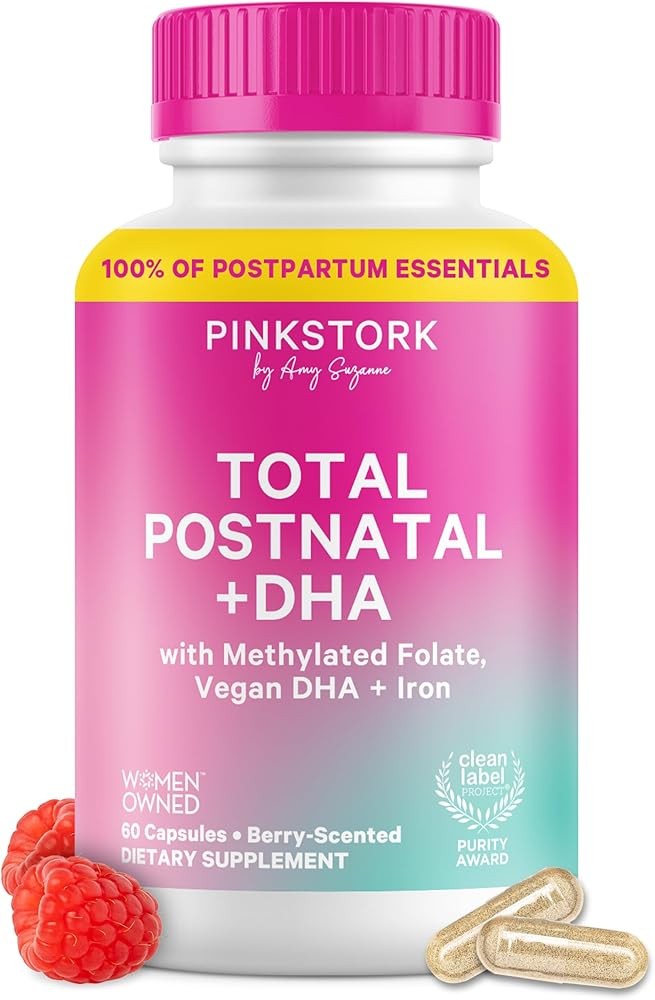
Pink Stork Total Postnatal Vitamins for Women | Vegan DHA, Iron, Folate, B12 | Postpartum Recovery Essentials | Lacta...
Check Price on AmazonAs an Amazon Associate we earn from qualifying purchases.
Pink Stork Total Postnatal Vitamins address the complete nutritional spectrum needed during postpartum recovery. The formula contains 18mg of iron in bisglycinate form, which research shows has 2-3x better absorption than ferrous sulfate with minimal gastrointestinal side effects. The inclusion of methylfolate (5-MTHF) instead of folic acid bypasses the MTHFR gene variants that affect 40-60% of women, ensuring proper folate metabolism for cell division in rapidly dividing hair follicles.
The B vitamin complex includes methylcobalamin B12 rather than cyanocobalamin, providing the bioactive form that doesn’t require conversion. Vegan DHA from algae oil supplies omega-3 fatty acids to reduce inflammation around hair follicles without fish-derived ingredients. The formula also contains choline for brain development (important for breastfeeding mothers) and vitamin D3 for immune and hormone support.
Most importantly, this formula is specifically designed with breastfeeding safety in mind, avoiding ingredients that could affect milk supply or transfer to infants. The dosing provides therapeutic levels of nutrients most commonly deficient postpartum without exceeding upper tolerable limits.
Shapiro MD Hair Growth Shampoo

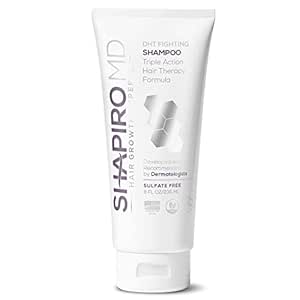
Shapiro MD Hair Growth Experts Hair Loss Shampoo | DHT Fighting Vegan Formula for Thinning Hair Developed by Dermatol...
Check Price on AmazonAs an Amazon Associate we earn from qualifying purchases.
While postpartum hair loss is primarily telogen effluvium driven by hormonal changes and nutrient depletion, some women also have an underlying androgenetic (genetic) component where DHT (dihydrotestosterone) miniaturizes hair follicles. Shapiro MD Hair Growth Shampoo addresses this mechanism through topical application of DHT-blocking ingredients including saw palmetto extract, green tea extract, and caffeine.
The vegan formula was developed by board-certified dermatologists and focuses on creating a healthy scalp environment while blocking the enzyme 5-alpha-reductase that converts testosterone to DHT. The shampoo contains no harsh sulfates, parabens, or phthalates, making it suitable for sensitive postpartum scalp. Caffeine in the formula stimulates blood flow to follicles and may prolong the anagen (growth) phase.
This product works best as a complementary approach alongside internal supplementation. It won’t address nutrient deficiencies but can help women who notice continued thinning at the hairline and crown (typical androgenetic pattern) even after correcting nutritional status.
Standard Iron Bisglycinate Supplement
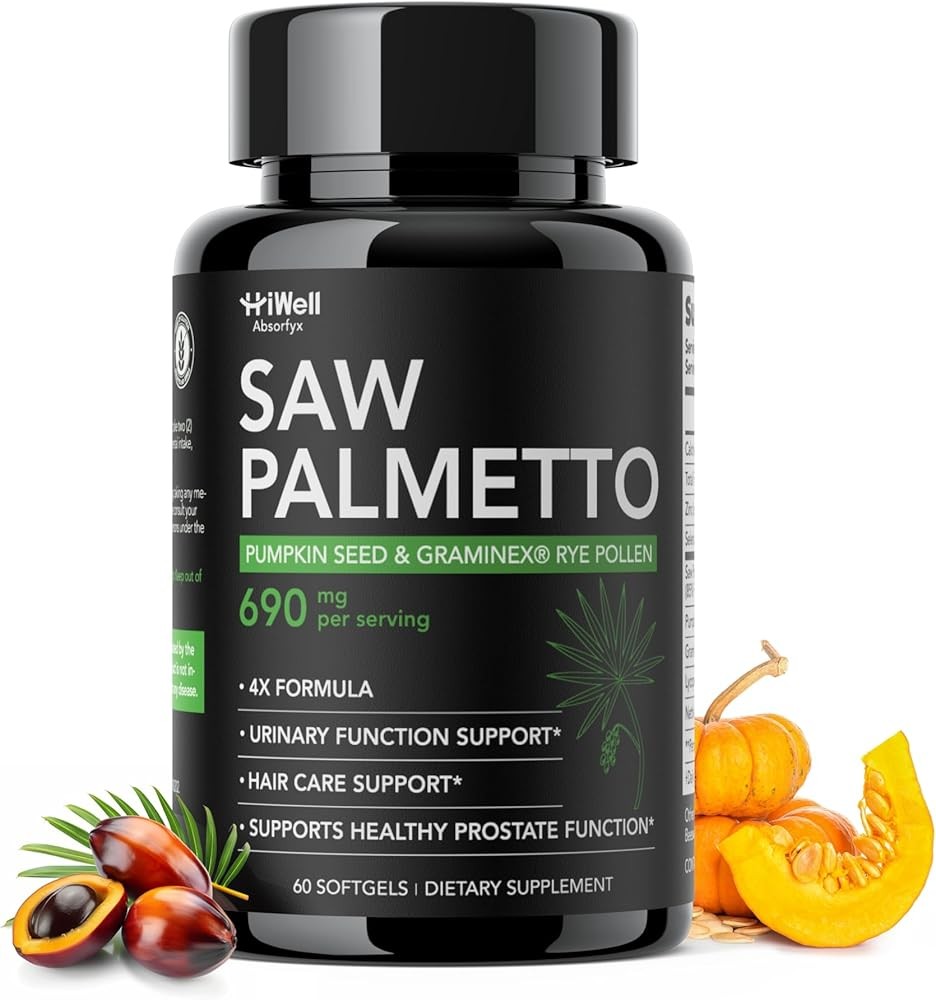
Saw Palmetto for Men Prostate Health Supplement, Pharmaceutical Grade - Pumpkin Seed Oil - Graminex® - Nettle Support...
Check Price on AmazonAs an Amazon Associate we earn from qualifying purchases.
For mothers on tight budgets, addressing iron deficiency alone can make a substantial difference in hair recovery. Iron is the single most important nutrient for postpartum hair regrowth, and research consistently shows that ferritin levels below 40 ng/mL correlate with increased shedding. A basic iron bisglycinate supplement (25-50mg daily) combined with adequate dietary protein can provide foundational support at minimal cost.
Iron bisglycinate (also called iron glycinate or chelated iron) binds iron to the amino acid glycine, creating a compound that passes through the intestinal wall intact rather than ionizing in the stomach. This results in significantly better absorption (20-30% vs. 10-15% for ferrous sulfate) and dramatically fewer gastrointestinal side effects like constipation, nausea, and stomach pain.
While this budget approach misses other nutrients found in comprehensive postpartum vitamins, it targets the deficiency most strongly linked to postpartum hair loss. Women following this approach should focus on eating protein-rich whole foods (eggs, chicken, fish, legumes, dairy) to provide amino acids for keratin synthesis and should consider adding a basic multivitamin when budget allows.
EILISON FitMaxx Vibration Plate

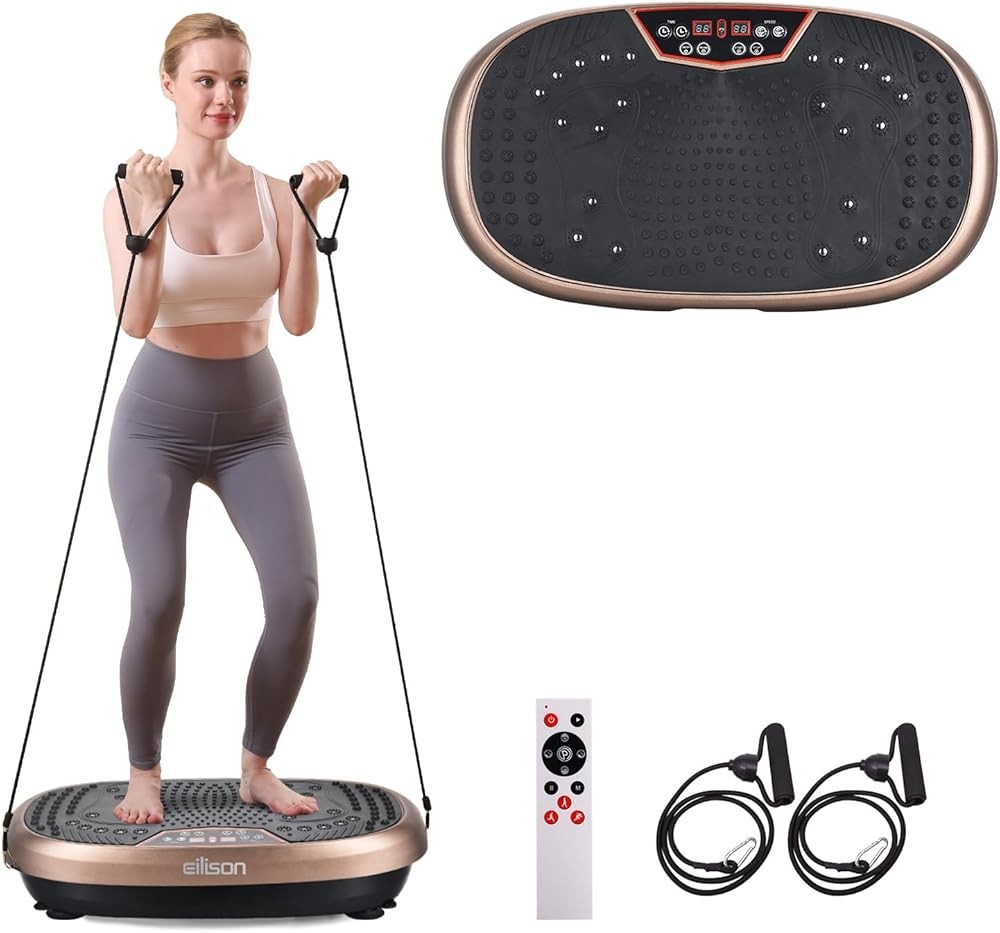
EILISON FitMaxx 3D XL Vibration Plate Exercise Machine - Whole Body Workout Vibration Platform w/Loop Bands - Lymphat...
Check Price on AmazonAs an Amazon Associate we earn from qualifying purchases.
While not a supplement, vibration plate therapy addresses a mechanical component of postpartum recovery: impaired circulation and lymphatic stagnation. Studies on whole-body vibration show improvements in peripheral blood flow, lymphatic drainage, and tissue oxygenation. For postpartum women, this translates to better nutrient delivery to hair follicles and removal of metabolic waste products.
The EILISON FitMaxx provides 3D vibration (oscillating, vertical, and micro-vibration) across multiple intensity levels. Starting with just 5-10 minutes daily, postpartum women can stimulate circulation throughout the body, including the scalp. The platform includes loop resistance bands for gentle strength training, important for rebuilding core and pelvic floor strength after delivery.
From a hair perspective, improved circulation ensures that the nutrients you’re taking orally actually reach your hair follicles efficiently. The gentle exercise also helps manage postpartum stress and cortisol levels, which can negatively impact hair growth when chronically elevated. This is particularly beneficial for women who find traditional cardio or gym workouts challenging with a newborn at home.
Complete Postpartum Hair Recovery Protocol
For optimal results, combine multiple approaches that address nutritional, hormonal, and circulation factors:
Core Foundation (Everyone):
- Comprehensive postpartum multivitamin with methylated B vitamins (Pink Stork or equivalent)
- Additional iron bisglycinate 25-50mg if ferritin <40 ng/mL or untested
- Protein intake 70-100g daily from whole food sources plus powder if needed
Enhanced Protocol (If Budget Allows):
- Omega-3 supplement 1,000mg EPA+DHA (if not in multivitamin)
- Collagen peptides 10-20g daily
- Vitamin D3 2,000-4,000 IU if deficient
- DHT-blocking shampoo for women with androgenetic component (Shapiro MD)
Circulation Support:
- Vibration plate therapy 5-10 minutes daily (EILISON FitMaxx)
- Scalp massage 5 minutes daily with fingertips
- Adequate hydration (minimum 80-100 oz daily, more if breastfeeding)
Timeline Expectations:
- Months 0-3: Begin supplementation, focus on nutrition
- Months 3-6: Peak shedding continues, stay consistent with protocol
- Months 6-9: Shedding decreases, baby hairs appear at hairline
- Months 9-12: Normal shedding returns, visible regrowth
- Months 12-18: Full density restoration
The Timeline: When Does It Start, Peak, and End?
When Postpartum Hair Loss Begins (2-4 Months Postpartum)
Most women notice increased shedding starting 2-4 months after delivery. This timing corresponds to the telogen phase of the hair growth cycle. Remember, the hormonal trigger (estrogen drop) happens at delivery, but the actual hair shedding is delayed by the natural 2-4 month telogen rest period.
Some women notice shedding earlier, particularly if they experienced significant stress during delivery, had postpartum hemorrhage, or developed postpartum thyroiditis. Others don’t notice obvious shedding until 4-5 months postpartum. This doesn’t indicate anything wrong—individual variation in hair cycle timing is normal.
Peak Shedding (4-6 Months Postpartum)
Hair loss typically peaks around 4-6 months postpartum. This is often the most emotionally difficult phase. You may lose several hundred hairs daily. Your hairline may recede temporarily, particularly at the temples. The hair shedding can feel relentless, and you might worry it will never stop.
This is also when many women first seek medical advice or start researching solutions. Unfortunately, it’s also when well-meaning but misguided advice proliferates—expensive shampoos promising miracles, unproven supplements, or suggestions to stop breastfeeding.
Understanding that this peak is normal, temporary, and reversible is crucial for maintaining perspective during this challenging time.
Resolution and Regrowth (6-12 Months Postpartum)
For most women, hair shedding decreases significantly by 6-9 months postpartum and returns to normal by 12 months. Hair regrowth follows its own timeline—it takes 2-3 months for new hair follicles to enter anagen phase and begin growing, and hair grows approximately 6 inches per year (0.5 inches per month).
This means that even after shedding stops, it may take several months to notice significant regrowth. You’ll likely see short “baby hairs” along your hairline first, giving a slightly fuzzy halo appearance. This is a positive sign—these are new hairs growing in.
Some women, particularly those who are breastfeeding, may experience prolonged shedding lasting 12-18 months. This is still within normal range, though it warrants evaluation to rule out other causes like thyroid dysfunction or severe nutrient deficiency.
Bottom line: Postpartum hair shedding typically begins at 2-4 months, peaks at 4-6 months, and resolves by 6-12 months, with visible regrowth appearing 3-6 months after shedding stops—patience and proper nutrition are essential during this predictable recovery timeline.
What Your Body Is Trying to Tell You: Clues Beyond Hair Loss
Hair loss rarely occurs in isolation. Your body provides multiple signals that you’re nutrient-depleted, stressed, or hormonally imbalanced. Learning to read these clues allows you to address root causes rather than just treating symptoms.
Nail Changes: Windows into Nutritional Status
Your nails, like your hair, are made of keratin and require similar nutrients for healthy growth. Pay attention to these changes:
Brittle, Splitting Nails: Often indicate protein deficiency, biotin deficiency, or iron deficiency. If your nails break easily, peel in layers, or have vertical ridges, you’re likely not getting adequate protein or key micronutrients. Research on biotin supplementation shows benefits primarily in cases of documented deficiency (PubMed: 27601860).
Spoon-Shaped Nails (Koilonychia): Nails that curve upward at the edges, creating a concave appearance, strongly suggest iron deficiency anemia. This develops with prolonged, severe iron depletion.
White Spots or Lines: Small white spots (leukonychia) can indicate zinc deficiency or minor trauma. Horizontal white lines across multiple nails (Mees’ lines) suggest a more significant nutritional or systemic issue and warrant medical evaluation.
Slow Growth: If your nails are growing much more slowly than before pregnancy, this suggests overall nutritional insufficiency. Healthy nails grow approximately 3mm per month. Protein, biotin, and silica all influence growth rate.
Skin Changes: More Than Postpartum Dryness
Excessive Dryness and Flaking: While some skin dryness is normal postpartum due to hormonal changes, severe dryness—especially if accompanied by hair loss—may indicate essential fatty acid deficiency, low thyroid function, or dehydration. Omega-3 fatty acids are crucial for skin barrier function, and their levels can drop with breastfeeding if dietary intake is inadequate.
Delayed Wound Healing: If your cesarean incision or perineal tears are healing slowly, zinc and protein deficiency are likely culprits. Zinc is essential for collagen synthesis and immune function—both critical for wound repair.
Pale Skin and Mucous Membranes: Pallor, particularly of the inner lower eyelids, nail beds, and palms, suggests anemia. This develops when iron deficiency progresses to the point where hemoglobin production is impaired.
Acne or Skin Inflammation: Postpartum hormonal fluctuations commonly trigger acne, but severe inflammatory acne may indicate zinc deficiency or high androgen levels. Zinc has anti-inflammatory properties and helps regulate sebum production.
Energy Levels: The Fatigue That Goes Beyond Normal
Yes, all new mothers are tired. Sleep deprivation is part of the package. But there’s a difference between “I need more sleep” tired and “I can barely function” exhausted:
Profound, Unrelenting Fatigue: If you feel exhausted even after sleeping, struggle to get out of bed, or feel like moving through molasses, you may have iron deficiency anemia, hypothyroidism, or B12 deficiency. This isn’t just new-parent tired—it’s pathological fatigue.
Weakness or Shortness of Breath: Feeling winded walking up stairs, needing to sit down frequently, or experiencing muscle weakness strongly suggest anemia. Your tissues aren’t getting adequate oxygen due to low hemoglobin.
Cold Intolerance: If you’re constantly cold while everyone else is comfortable, particularly if accompanied by weight gain, constipation, and cognitive fog, thyroid screening is essential. Hypothyroidism can cause hair loss and mimics many symptoms of nutrient deficiency.
“Brain Fog” and Difficulty Concentrating: While some cognitive changes are normal postpartum (the infamous “mom brain”), severe difficulty concentrating, memory problems, or feeling mentally slow can indicate B12 deficiency, iron deficiency, or hypothyroidism. Your brain is an energy-hungry organ requiring adequate oxygen and nutrients.
Mood Changes: When It’s More Than Baby Blues
Postpartum mood changes exist on a spectrum from normal baby blues (affecting 50-80% of women) to postpartum depression (10-20%) to postpartum psychosis (<1%, a medical emergency). Nutritional deficiencies don’t cause postpartum depression, but they can contribute to mood dysregulation:
Persistent Low Mood or Anxiety: Iron deficiency affects neurotransmitter synthesis and brain oxygen delivery. Several studies link iron deficiency to increased risk of postpartum depression (PubMed: 23953034). B vitamins, particularly folate and B12, are cofactors in neurotransmitter production. Omega-3 fatty acids, especially DHA, support brain function and mood regulation.
Irritability and Mood Swings: Zinc deficiency affects GABA production and stress response. Low omega-3 levels are associated with increased inflammation, which can affect mood.
Loss of Interest or Pleasure: While this is a hallmark symptom of postpartum depression requiring professional treatment, nutritional support can complement therapy and medication.
Important note: If you’re experiencing thoughts of harming yourself or your baby, severe depression, panic attacks, or detachment from reality, seek immediate medical help. Nutritional interventions are supportive, not replacements for mental health treatment.
Bottom line: Your body broadcasts nutrient deficiencies through brittle nails, dry skin, extreme fatigue, and mood changes—these physical clues help identify which specific nutrients you need to replenish for optimal hair recovery.
The Nutrients Your Hair Desperately Needs
Iron: The Foundation of Hair Growth
Iron is arguably the single most important nutrient for postpartum hair recovery. Hair follicles have very high metabolic rates and are exquisitely sensitive to iron status. Iron serves multiple roles in hair biology:
Oxygen Delivery: As a component of hemoglobin and myoglobin, iron enables oxygen transport to tissues, including hair follicles. Follicles in active growth phase have high oxygen demands. Without adequate oxygen, follicles cannot sustain the energy-intensive process of cell division required for hair growth.
DNA Synthesis: Iron-containing enzymes, particularly ribonucleotide reductase, are essential for DNA synthesis. Rapidly dividing hair matrix cells cannot function without adequate iron.
Hair Pigmentation: Iron is a cofactor for tyrosinase, the enzyme that produces melanin. Iron deficiency can lead to premature graying or changes in hair color.
Research consistently demonstrates the link between iron deficiency and hair loss. A systematic review of multiple studies found that iron deficiency, even without anemia, is significantly more common in women with telogen effluvium compared to control groups (PubMed: 20947203). Ferritin levels (which reflect iron stores) below 40 ng/mL are associated with increased hair shedding, though optimal levels for hair health may be even higher (70-80 ng/mL or above).
How Much Iron Do You Need?
Lactating women need 9-10 mg of elemental iron daily under normal circumstances. However, if you’re already deficient—as many postpartum women are—therapeutic doses of 30-60 mg of elemental iron daily may be necessary to replenish stores.
The Problem with Most Iron Supplements: Traditional ferrous sulfate supplements, while inexpensive, cause significant gastrointestinal side effects—nausea, constipation, dark stools, and stomach upset. Up to 40% of people discontinue iron supplementation due to these effects.
Better Option: Iron Bisglycinate (Chelated Iron): Iron bisglycinate, also sold under the brand name Ferrochel, is iron bound to the amino acid glycine. This chelated form has dramatically better absorption (2-3 times higher bioavailability) and causes far fewer gastrointestinal side effects because it’s absorbed through a different pathway that doesn’t irritate the intestinal lining.
For postpartum mothers, particularly those dealing with constipation or hemorrhoids, iron bisglycinate is the superior choice. It’s gentle enough to take on an empty stomach and doesn’t interfere with the absorption of other minerals like calcium and zinc.
When to Take Iron: Take iron with vitamin C (orange juice, bell peppers, strawberries) to enhance absorption. Avoid taking it with calcium supplements, dairy products, coffee, or tea, which inhibit iron absorption. Taking iron before bed can minimize any mild nausea and avoid interference with other supplements taken during the day.
Protein: The Building Block of Hair
Hair is approximately 95% keratin, a structural protein built from amino acids. Without adequate protein intake, your body simply cannot manufacture new hair. The situation becomes more critical postpartum if you’re breastfeeding.
Protein Demands During Lactation: The RDA for protein increases from 46 grams per day for non-pregnant women to 71 grams per day for lactating women—a 54% jump. This extra protein goes into producing milk proteins (casein and whey) that nourish your baby. If your intake doesn’t meet this increased demand, your body will sacrifice non-essential tissues—like hair follicles—to maintain more critical functions.
Research on protein deficiency and hair loss is clear: severe protein-energy malnutrition causes hair changes including thinning, loss of pigmentation, and increased shedding. While most women in developed countries don’t experience severe malnutrition, suboptimal protein intake combined with the physiological stress of lactation can create a perfect storm for hair loss.
How Much Protein Do You Need?
Aim for at least 25-30 grams of high-quality protein at each meal (breakfast, lunch, dinner). This provides the sustained amino acid availability your body needs for continuous protein synthesis. Protein sources matter—animal proteins (meat, fish, eggs, dairy) provide complete amino acid profiles, while plant proteins often need to be combined to ensure all essential amino acids are present.
For Vegetarian and Vegan Mothers: Pay special attention to protein quality and quantity. Combine complementary proteins (rice and beans, nuts and whole grains) to ensure complete amino acid profiles. Consider a high-quality plant-based protein powder to bridge gaps, especially during the early postpartum period when eating regular meals is challenging.
Easy Protein Boosts for Busy New Mothers:
- Add a scoop of protein powder to smoothies or oatmeal
- Keep hard-boiled eggs in the fridge for grab-and-go snacks
- Add Greek yogurt (20g protein per cup) to meals
- Keep rotisserie chicken or canned fish for quick protein
- Snack on nuts, cheese, or protein bars between feedings
Zinc: The Unsung Hero of Hair Health
Zinc is involved in numerous aspects of hair biology, yet zinc deficiency often flies under the radar. This essential mineral plays crucial roles in:
Protein Synthesis: Zinc is a cofactor for over 300 enzymes, many involved in protein synthesis. Since hair is primarily protein, adequate zinc is non-negotiable for hair production.
Cell Division: Like iron, zinc is essential for DNA and RNA synthesis. Hair follicles are among the most rapidly dividing cells in the body, making them exquisitely sensitive to zinc status.
Androgen Metabolism: Zinc helps regulate the conversion of testosterone to DHT. While the relationship is complex, zinc deficiency may worsen androgenetic alopecia in susceptible individuals.
Anti-Inflammatory Effects: Zinc has potent anti-inflammatory properties. Hair loss often involves follicular inflammation, and zinc can help modulate this process.
Wound Healing: For mothers recovering from cesarean sections or perineal tears, zinc is essential for collagen synthesis and tissue repair.
Research specifically on postpartum zinc and hair loss is limited, but we know that lactation depletes zinc stores, particularly in the early postpartum period when colostrum has 4-5 times the zinc concentration of mature milk. Studies on zinc supplementation for hair loss in other contexts show benefits, particularly in those with documented zinc deficiency (PubMed: 31850774).
How Much Zinc Do You Need?
Lactating women need 12 mg of zinc daily. Most postpartum multivitamins provide this amount. Higher doses (25-30 mg daily) may benefit those with confirmed deficiency, but long-term supplementation above 40 mg daily can interfere with copper absorption.
Best Forms of Zinc: Zinc picolinate, zinc citrate, and zinc bisglycinate are well-absorbed forms with minimal gastrointestinal side effects. Avoid zinc oxide, which has poor bioavailability.
Food Sources: Oysters are extraordinarily rich in zinc (74 mg per 3-ounce serving), followed by red meat (7 mg per 3-ounce serving), poultry, beans, nuts, and whole grains. Vegetarians and vegans need to pay particular attention to zinc intake, as plant-based zinc is less bioavailable due to phytates that inhibit absorption.
Biotin (Vitamin B7): The Hair Vitamin
Biotin has achieved celebrity status as “the hair vitamin,” with countless supplements marketed for hair growth. But does the science support the hype?
Biotin is a B vitamin essential for fatty acid synthesis, amino acid metabolism, and gluconeogenesis. It’s also crucial for keratin production—the protein that forms hair, skin, and nails.
The Evidence: True biotin deficiency is rare in healthy individuals eating varied diets. Biotin is found widely in foods and is also produced by gut bacteria. However, certain circumstances can increase risk of deficiency:
- Long-term antibiotic use (kills biotin-producing gut bacteria)
- Prolonged breastfeeding without adequate intake
- Genetic biotinidase deficiency (rare)
- Regular consumption of raw egg whites (contain avidin, which binds biotin)
Research on biotin supplementation for hair loss shows benefits primarily in those with documented deficiency or specific pathologies like uncombable hair syndrome. A systematic review found that among 18 reported cases of biotin use for hair and nail complaints, 18 had an underlying pathology or biotin deficiency (PubMed: 28879195).
Does This Mean Biotin Doesn’t Help?: Not necessarily. While biotin supplementation may not dramatically accelerate hair growth in those with normal biotin status, it’s safe, inexpensive, and may provide modest benefits. Many women report subjective improvements in hair quality with biotin supplementation, though placebo-controlled trials are limited.
How Much Biotin Do You Need?
There’s no established RDA for biotin, but adequate intake is estimated at 30 mcg daily for lactating women. Therapeutic doses used in hair loss studies range from 2,000-10,000 mcg (2-10 mg) daily, far exceeding the adequate intake level. These higher doses appear safe—biotin is water-soluble, and excess is excreted in urine.
Important Note for Breastfeeding Mothers: High-dose biotin (>300 mcg daily) can interfere with certain laboratory tests, including thyroid function tests and cardiac troponin (heart attack marker). If you’re taking biotin and need blood work, inform your healthcare provider so they can account for potential interference.
B Vitamin Complex: Supporting Rapid Cell Division
Beyond biotin, several B vitamins are crucial for hair health due to their roles in DNA synthesis and cell metabolism:
Folate (Vitamin B9): Essential for DNA synthesis and cell division. Hair follicle cells divide rapidly, making them highly dependent on adequate folate. Folate deficiency can cause megaloblastic anemia, which contributes to hair loss through impaired oxygen delivery.
Lactating women need 500 mcg of dietary folate equivalents (DFE) daily. Many postpartum women continue taking prenatal vitamins, which typically contain 600-800 mcg of folate.
The MTHFR Factor: Approximately 40-60% of people carry genetic variants in the MTHFR gene that reduce their ability to convert synthetic folic acid to the bioactive form, L-methylfolate (5-MTHF). For these women, taking folic acid may not efficiently raise folate levels. L-methylfolate supplements bypass this genetic limitation and are increasingly recommended, particularly for women with a history of miscarriage, depression, or elevated homocysteine.
Vitamin B12: Critical for DNA synthesis, red blood cell formation, and neurological function. B12 deficiency causes megaloblastic anemia similar to folate deficiency, contributing to hair loss through anemia and impaired follicle cell division.
B12 is found almost exclusively in animal products, making vegetarian and vegan mothers particularly vulnerable to deficiency. Lactating women need 2.8 mcg of B12 daily. If you’re plant-based, supplementation is essential—your baby’s neurological development depends on adequate B12 in breast milk.
Better Forms of B12: Methylcobalamin and adenosylcobalamin are the active, coenzyme forms of B12. Cyanocobalamin, the synthetic form in many supplements, must be converted to these active forms in the body. For maximum benefit, choose methylcobalamin.
Other B Vitamins: Niacin (B3), pantothenic acid (B5), pyridoxine (B6), and riboflavin (B2) all play supporting roles in energy metabolism and protein synthesis. A good B-complex supplement or comprehensive postpartum multivitamin will provide adequate amounts of all B vitamins.
Vitamin D: The Hormone-Like Vitamin
Vitamin D functions more like a hormone than a traditional vitamin, with receptors found in numerous tissues including hair follicles. Research on vitamin D and hair loss has yielded interesting findings:
Hair Follicle Cycling: Vitamin D receptors (VDR) in hair follicles are involved in regulating the hair growth cycle. Studies show that VDR knockout mice develop alopecia, demonstrating vitamin D’s importance in hair biology. Low vitamin D levels have been associated with various types of hair loss, including telogen effluvium and alopecia areata (PubMed: 30607696).
Immune Modulation: Vitamin D has potent immunomodulatory effects. Since some forms of hair loss involve immune dysfunction, vitamin D’s role in immune regulation may be protective.
The Postpartum Vitamin D Situation: Vitamin D is secreted in breast milk, with concentrations dependent on maternal vitamin D status. However, breast milk typically contains only 25-78 IU per liter, far below the 400 IU daily recommendation for infants. This is why pediatricians recommend vitamin D supplementation for breastfed babies starting shortly after birth.
For mothers, lactation itself doesn’t dramatically increase vitamin D requirements (RDA remains 600 IU daily), but many postpartum women start out deficient. New mothers spend significant time indoors, limiting sun exposure—the primary source of vitamin D for most people.
How Much Vitamin D Do You Need?
Most postpartum women benefit from 1,000-2,000 IU of vitamin D3 (cholecalciferol) daily. If you’re deficient (25-hydroxyvitamin D level below 20 ng/mL), higher doses of 4,000-5,000 IU daily may be appropriate under medical supervision.
Vitamin D2 vs D3: Always choose vitamin D3 (cholecalciferol) over D2 (ergocalciferol). D3 is more effective at raising and maintaining blood levels of 25-hydroxyvitamin D.
Omega-3 Fatty Acids: Anti-Inflammatory Essentials
Omega-3 fatty acids—particularly EPA (eicosapentaenoic acid) and DHA (docosahexaenoic acid)—provide multiple benefits relevant to postpartum hair health:
Anti-Inflammatory Effects: Omega-3s are precursors to resolvins and protectins, molecules that actively resolve inflammation. Since hair loss often involves follicular inflammation, omega-3s may help create a healthier environment for hair growth.
Cell Membrane Function: DHA is a major structural component of cell membranes, including those of rapidly dividing hair follicle cells. Adequate DHA supports optimal cellular function.
Mood Support: Omega-3s, particularly DHA, support brain function and may help reduce risk of postpartum depression. While they don’t replace treatment for clinical depression, they’re a useful adjunctive therapy.
The Breastfeeding Factor: DHA is crucial for infant brain and eye development, leading to high concentrations in breast milk. These omega-3s come from maternal stores and dietary intake. If intake is inadequate, maternal stores become depleted, potentially affecting maternal health including hair.
Research on omega-3 supplementation specifically for postpartum hair loss is limited. However, given omega-3s’ anti-inflammatory properties, support for overall health, and importance during lactation, supplementation makes sense as part of a comprehensive recovery strategy.
How Much Omega-3 Do You Need?
Lactating women should aim for at least 200-300 mg of DHA daily, though many experts recommend 500-1,000 mg of combined EPA+DHA. Fish oil supplements provide both EPA and DHA. Algae-based supplements (suitable for vegetarians and vegans) provide DHA and often small amounts of EPA.
Fish Oil Concerns: Choose high-quality fish oil supplements that are third-party tested for contaminants (mercury, PCBs). Look for products with the IFOS (International Fish Oil Standards) certification or USP verification. Molecular distillation removes contaminants while preserving beneficial omega-3s.
Food Sources: Fatty fish (salmon, mackerel, sardines, anchovies) provide abundant EPA and DHA. The FDA recommends that pregnant and lactating women consume 8-12 ounces of low-mercury fish weekly. Plant-based omega-3 sources (flaxseed, chia seeds, walnuts) provide ALA (alpha-linolenic acid), which the body can convert to EPA and DHA, though conversion is limited (typically 5-10% for EPA, <0.5% for DHA).
Collagen: Supporting Hair Structure from Within
Collagen supplements have surged in popularity, with claims ranging from improved skin elasticity to stronger hair and nails. Is there science behind these claims?
What Is Collagen?: Collagen is the most abundant protein in the human body, providing structure to skin, bones, tendons, and ligaments. Hair itself isn’t primarily collagen—it’s keratin. However, collagen forms part of the dermal layer surrounding hair follicles and may influence follicle health.
The Evidence: Research on oral collagen supplementation shows:
- Improved skin hydration and elasticity in several clinical trials
- Increased nail growth and reduced brittleness
- Possible benefits for hair thickness and growth, though evidence is preliminary
Collagen supplements are hydrolyzed (broken down) into smaller peptides that are easily absorbed. Once absorbed, these peptides may stimulate fibroblasts to produce more collagen. They also provide specific amino acids (glycine, proline, hydroxyproline) that are building blocks for both collagen and keratin.
How Much Collagen Do You Need?
Studies on skin and hair benefits typically use 2.5-10 grams of collagen peptides daily. Most collagen supplements provide one scoop containing 10-20 grams.
Collagen Sources: Most collagen supplements are derived from bovine hide, fish scales, or chicken bones. Marine (fish) collagen is claimed to have superior bioavailability, though comparative studies are limited. For vegetarians and vegans, note that collagen is inherently an animal product. However, you can support your body’s collagen production by ensuring adequate intake of vitamin C (essential cofactor for collagen synthesis), glycine, proline, and lysine.
Timing: Collagen can be mixed into coffee, smoothies, oatmeal, or baked goods. It’s flavorless and dissolves easily in hot or cold liquids.
Bottom line: Iron, protein, zinc, B vitamins (especially methylfolate and B12), vitamin D, omega-3 fatty acids, and collagen work synergistically to restore hair health by addressing nutrient deficiencies, reducing inflammation, and providing raw materials for keratin synthesis.
Breastfeeding Safety: What You Can (and Should) Take
If you’re breastfeeding, you might worry about supplement safety. The good news: the nutrients discussed above are not only safe but essential during lactation. Let’s address specific safety concerns:
Generally Recognized as Safe (GRAS) During Lactation
Iron: Safe at doses up to 45 mg daily (the tolerable upper intake level). Iron doesn’t significantly increase in breast milk with maternal supplementation, so there’s no risk of overloading your baby.
Zinc: Safe at doses up to 40 mg daily. Like iron, zinc levels in breast milk are tightly regulated and don’t dramatically increase with supplementation.
B Vitamins: Water-soluble vitamins are safe even at high doses, as excess is excreted in urine. High-dose biotin (>300 mcg) can interfere with lab tests, but it doesn’t harm you or your baby.
Vitamin D: Safe at doses of 1,000-4,000 IU daily for most women. Higher doses (up to 6,400 IU daily) have been studied in lactating women without adverse effects on mother or infant.
Omega-3 Fatty Acids: Fish oil supplements up to 3,000 mg of combined EPA+DHA daily are considered safe. High-quality, purified supplements pose no mercury risk.
Protein and Collagen: These are simply food-based proteins and are completely safe during lactation.
Supplements to Approach with Caution
Vitamin A: High-dose vitamin A (>10,000 IU daily) can accumulate in breast milk and potentially harm infants. Most postpartum multivitamins contain safe levels (3,000-4,000 IU), often as beta-carotene, which doesn’t carry the same risks.
Herbal Supplements: Many herbs lack safety data for lactation. Some herbs marketed for hair growth (saw palmetto, for example) may affect hormones and should be avoided while breastfeeding. Stick to standard vitamins and minerals.
High-Dose Iodine: While iodine is essential for thyroid function, excessive intake (>1,100 mcg daily) can affect infant thyroid function. Most multivitamins contain safe amounts (150-290 mcg).
What About Postpartum-Specific Formulas?
Several companies now market postpartum multivitamins specifically designed for the unique needs of breastfeeding mothers. These typically contain:
- Higher levels of B vitamins, especially B12 and folate (as methylfolate)
- Substantial iron (often chelated forms for better tolerance)
- Appropriate zinc levels
- Vitamin D
- Sometimes added omega-3s, probiotics, or herbal galactagogues (milk-boosting herbs)
These formulas can be convenient, providing comprehensive nutrition in one supplement. However, they may not contain therapeutic levels of specific nutrients you’re deficient in. For example, if your ferritin is very low, you may need additional iron beyond what a postpartum multi provides.
Timing Your Supplements
To maximize absorption and minimize side effects:
Morning: Take B vitamins (energizing), vitamin D (doesn’t interfere with sleep)
With Meals: Take iron with vitamin C-rich foods to enhance absorption; omega-3s with fat-containing meals to improve absorption and reduce fishy aftertaste; zinc with food to minimize nausea
Evening/Before Bed: Iron (if it causes nausea, taking before bed allows you to sleep through it); magnesium (if you’re taking it—promotes relaxation)
Separate from Coffee/Tea: Iron and calcium—wait at least 2 hours after coffee or tea, which inhibit mineral absorption
Bottom line: Iron, zinc, protein, B vitamins, vitamin D, omega-3s, and collagen are all safe and beneficial during breastfeeding when taken at appropriate doses—postpartum multivitamins provide a convenient base, but targeted supplementation addresses specific deficiencies more effectively.
When to See a Doctor: Red Flags That Need Medical Evaluation
While postpartum telogen effluvium is usually temporary and self-resolving, certain symptoms warrant medical evaluation to rule out underlying conditions:
Severe or Prolonged Hair Loss
Excessive shedding lasting beyond 12 months: While some women, particularly those breastfeeding, may shed longer than average, shedding that continues unabated beyond a year should be evaluated.
Patchy or asymmetric hair loss: Postpartum telogen effluvium causes diffuse (overall) thinning, not bald patches. Circular bald spots suggest alopecia areata, an autoimmune condition requiring different treatment.
Scalp symptoms: Redness, scaling, itching, or pain accompanying hair loss may indicate seborrheic dermatitis, psoriasis, or folliculitis. These conditions need dermatological treatment.
Symptoms Suggesting Thyroid Dysfunction
Postpartum thyroiditis affects 5-10% of women, typically beginning 4-8 months after delivery. Symptoms include:
Hyperthyroid Phase (first phase, lasting 1-3 months):
- Anxiety, irritability, nervousness
- Rapid heartbeat or palpitations
- Weight loss despite normal appetite
- Heat intolerance, excessive sweating
- Tremors
- Hair loss
Hypothyroid Phase (second phase, can last 6-12 months or become permanent):
- Profound fatigue
- Weight gain or difficulty losing weight
- Cold intolerance
- Constipation
- Dry skin
- Hair loss
- Depression, cognitive fog
- Muscle aches
If you experience these symptom clusters, request thyroid function tests: TSH, free T4, free T3, and thyroid antibodies (TPO and thyroglobulin antibodies).
Symptoms Suggesting Severe Anemia
Mild iron deficiency may cause fatigue and hair loss. Severe anemia presents with more alarming symptoms:
- Extreme weakness, unable to perform normal activities
- Significant shortness of breath with minimal exertion
- Chest pain or palpitations
- Dizziness or fainting
- Pale or yellowish skin
- Cold hands and feet
Severe anemia requires prompt medical treatment, potentially including intravenous iron or blood transfusion in extreme cases.
Postpartum Depression or Anxiety
While nutritional deficiencies can contribute to mood problems, clinical postpartum depression requires professional treatment:
- Persistent sadness or emptiness
- Loss of interest in activities you once enjoyed
- Difficulty bonding with your baby
- Severe anxiety or panic attacks
- Thoughts of harming yourself or your baby
- Feeling detached from reality
Postpartum depression affects 10-20% of new mothers and is treatable with therapy, medication, or both. Don’t suffer in silence—reach out to your healthcare provider immediately.
Other Warning Signs
Rapid or unexplained weight loss: Losing significant weight without trying may indicate hyperthyroidism, diabetes, or other metabolic disorders.
Changes in menstrual patterns (if not breastfeeding): Irregular periods, excessively heavy bleeding, or absent periods may indicate hormonal imbalances affecting hair growth.
Multiple vitamin deficiencies: If blood tests reveal deficiencies in multiple nutrients despite adequate diet, this may indicate malabsorption (celiac disease, inflammatory bowel disease, etc.) requiring investigation.
Family history of autoimmune disease or hair loss: If you have a strong family history of alopecia, thyroid disease, or other autoimmune conditions, earlier evaluation may be warranted.
Bottom line: Seek medical evaluation if hair loss persists beyond 12 months, includes bald patches, accompanies thyroid symptoms or severe anemia, or is paired with postpartum depression—these red flags indicate conditions requiring professional diagnosis and treatment beyond nutritional support.
Top Supplement Recommendations: What Actually Works
Based on the science and clinical experience, here are evidence-based supplement recommendations for postpartum hair recovery:
Tier 1: Essential Foundation (Everyone Should Take)
1. Comprehensive Postpartum Multivitamin
A quality postpartum multivitamin provides baseline coverage of multiple nutrients. Look for formulas containing:
- Methylfolate (not folic acid) for those with MTHFR variants
- Methylcobalamin B12 (not cyanocobalamin)
- Adequate B vitamin complex
- At least 15-18 mg iron (preferably chelated)
- 12-15 mg zinc
- 1,000 IU vitamin D3
- Vitamin C to enhance iron absorption
2. Additional Iron (If Deficient)
Most women with significant postpartum hair loss benefit from additional iron beyond what’s in a multivitamin. If your ferritin is below 40 ng/mL (or if you haven’t had it tested but have risk factors for deficiency), add:
- Iron bisglycinate 25-36 mg daily (for mild deficiency)
- Iron bisglycinate 50-65 mg daily (for moderate deficiency)
- Take with vitamin C source (orange juice, bell pepper, supplement)
- Separate from calcium, coffee, and tea by at least 2 hours
Continue iron supplementation for at least 3-6 months, then recheck ferritin. It takes time to rebuild stores.
3. Protein Supplementation (If Intake Is Inadequate)
If you struggle to eat enough protein from whole foods:
- Protein powder: 20-30 grams daily (one scoop in smoothie, oatmeal, or baked goods)
- Choose based on dietary preferences: whey (dairy), casein (dairy), pea, hemp, rice, or combination plant proteins
- Look for minimal additives and sweeteners
Tier 2: Highly Beneficial (Consider Based on Individual Needs)
4. Omega-3 Fish Oil or Algae Oil
- 500-1,000 mg combined EPA+DHA daily
- Choose high-quality, third-party tested supplements
- Algae oil for vegetarians/vegans (provides DHA with some EPA)
- Take with meals to enhance absorption and reduce fishy aftertaste
5. Collagen Peptides
- 10-20 grams daily (one scoop)
- Mix into coffee, smoothies, or any beverage
- Look for grass-fed bovine or wild-caught marine collagen
- Not suitable for vegetarians/vegans (animal-derived)
6. Vitamin D (If Levels Are Low)
- 1,000-2,000 IU daily for maintenance
- 4,000-5,000 IU daily if deficient (<20 ng/mL)
- Choose D3 (cholecalciferol), not D2
- Take with fat-containing meal for absorption
Tier 3: Potentially Helpful (Lower Priority or Adjunctive)
7. Biotin
- 2,500-10,000 mcg daily
- Most beneficial if you have documented deficiency or underlying pathology
- Safe but may not provide dramatic benefits if biotin status is normal
- Can interfere with lab tests—inform healthcare providers
8. Zinc (If Not in Sufficient Amounts in Multivitamin)
- 15-25 mg daily if your multivitamin provides less than 12 mg
- Choose picolinate, citrate, or bisglycinate forms
- Don’t exceed 40 mg daily long-term to avoid copper interference
- Take with food to minimize nausea
9. Bovine Colostrum
Colostrum is the first milk produced after giving birth, rich in immune factors, growth factors, and nutrients. Bovine (cow) colostrum supplements are marketed for various health benefits:
- Contains growth factors that may support tissue regeneration
- Provides immune support (immunoglobulins, lactoferrin)
- May support gut health
- Limited specific research on hair growth, but growth factors could theoretically benefit follicles
Dosage: Typically 1-10 grams daily. Safe during breastfeeding.
What NOT to Waste Money On
Expensive “Hair Vitamins” with Proprietary Blends: Many contain standard vitamins and minerals at similar doses to regular multivitamins but cost 3-4 times as much. Save your money.
Topical Hair Growth Serums with Vitamins: Vitamins need to work from inside your body. Topical application of biotin, B vitamins, etc., has poor evidence for efficacy. (Exception: Minoxidil, a medication, does work topically, but that’s a pharmaceutical, not a vitamin.)
DHT-Blocking Herbs (Saw Palmetto, Pumpkin Seed Oil): While these may have a role in androgenetic alopecia (genetic hair loss), they’re not helpful for postpartum telogen effluvium, which is hormonally and nutritionally driven. Plus, their safety during breastfeeding is questionable.
Sugar Bear Hair and Similar Gummy Vitamins: Cute packaging doesn’t equal effective supplementation. Many gummy vitamins have lower doses than capsules and contain added sugars. If you prefer gummies for compliance, that’s fine, but check the actual nutrient content.
Bottom line: Prioritize a postpartum multivitamin with methylated B vitamins, additional iron bisglycinate if deficient, and adequate protein intake—omega-3s, collagen, and vitamin D provide additional support, while biotin and specialized “hair vitamins” offer marginal benefits unless you have specific deficiencies.
Dietary Support: Food Sources of Key Nutrients
While supplements fill gaps, food should form the foundation of your nutritional strategy. Whole foods provide nutrients in complex matrices that enhance absorption and include beneficial compounds supplements lack.
Iron-Rich Foods
Heme Iron (Most Bioavailable):
- Beef liver (5 mg per 3 oz)
- Beef, lamb, venison (2-3 mg per 3 oz)
- Dark meat chicken or turkey (1-2 mg per 3 oz)
- Oysters, clams, mussels (3-12 mg per 3 oz depending on type)
- Sardines (2-3 mg per 3 oz)
Non-Heme Iron (Less Bioavailable):
- Fortified cereals (4-18 mg per serving—check labels)
- Lentils, chickpeas, black beans (3-4 mg per cooked cup)
- Tofu (3-4 mg per half cup)
- Spinach, Swiss chard (3-4 mg per cooked cup)
- Blackstrap molasses (4 mg per tablespoon)
Tip: Combine non-heme iron with vitamin C-rich foods (bell peppers, citrus, tomatoes, berries) to triple absorption. Avoid consuming iron-rich plant foods with coffee, tea, or calcium, which inhibit absorption.
Protein-Rich Foods
Animal Proteins:
- Chicken breast (31g per 4 oz)
- Salmon (25g per 4 oz)
- Eggs (6g per large egg)
- Greek yogurt (20g per cup)
- Cottage cheese (25g per cup)
Plant Proteins:
- Lentils (18g per cooked cup)
- Chickpeas (15g per cooked cup)
- Tofu (20g per half block)
- Tempeh (31g per cup)
- Quinoa (8g per cooked cup)
Tip: Aim for 25-30g protein per meal. That’s 4 eggs, or 1 cup Greek yogurt, or 4 oz chicken breast.
Zinc-Rich Foods
- Oysters (74 mg per 3 oz—by far the richest source)
- Beef (7 mg per 3 oz)
- Pumpkin seeds (2.2 mg per oz)
- Cashews (1.6 mg per oz)
- Chickpeas (2.5 mg per cooked cup)
Tip: If you’re vegetarian, consider zinc supplementation as plant-based zinc has lower bioavailability.
Biotin-Rich Foods
- Egg yolks (10 mcg per egg)
- Almonds (1.5 mcg per oz)
- Sweet potato (2.4 mcg per half cup)
- Spinach (0.5 mcg per half cup cooked)
- Broccoli (0.4 mcg per half cup cooked)
Folate-Rich Foods
- Lentils (358 mcg per cooked cup)
- Spinach (263 mcg per cooked cup)
- Asparagus (268 mcg per cup)
- Avocado (90 mcg per avocado)
- Broccoli (104 mcg per cup)
Note: Food folate is better absorbed than synthetic folic acid for those with MTHFR variants.
Omega-3 Rich Foods
EPA+DHA:
- Salmon (1,500-2,000 mg per 3 oz)
- Mackerel (1,200 mg per 3 oz)
- Sardines (1,200 mg per 3 oz)
- Anchovies (1,200 mg per 3 oz)
ALA (Must Be Converted to EPA/DHA):
- Flaxseeds (2,350 mg per tablespoon ground)
- Chia seeds (2,500 mg per tablespoon)
- Walnuts (2,500 mg per oz)
Vitamin D Food Sources
Vitamin D is challenging to obtain from food alone:
- Fatty fish like salmon (600-1,000 IU per 3 oz)
- Fortified milk (100 IU per cup)
- Fortified plant milks (100 IU per cup)
- Egg yolks (40 IU per egg)
Most people need supplementation to reach optimal levels, especially postpartum when indoor time increases.
Sample Day of Eating for Hair Health
Breakfast (30g protein, iron, B vitamins):
- 3-egg veggie omelet with spinach and cheese
- Slice whole grain toast
- Orange juice (vitamin C for iron absorption)
- Postpartum multivitamin
Snack:
- Greek yogurt with berries and ground flaxseed
- Handful of almonds
Lunch (30g protein, iron, zinc):
- Large salad with grilled chicken or salmon, chickpeas, pumpkin seeds, avocado
- Olive oil vinaigrette
- Iron supplement (if taking separate from multivitamin)
Snack:
- Protein smoothie with protein powder, banana, spinach, nut butter
Dinner (30g protein, iron, omega-3s):
- Grilled salmon or grass-fed beef
- Roasted sweet potato
- Steamed broccoli with lemon
- Quinoa
Evening:
- Collagen stirred into herbal tea
- Omega-3 supplement (if not getting enough from diet)
Total: ~100-110g protein, excellent micronutrient coverage
Bottom line: Prioritize iron-rich meats and fortified foods, protein at every meal (25-30g), zinc from oysters and red meat, and omega-3s from fatty fish—supplements fill gaps, but whole foods provide superior nutrient absorption and additional beneficial compounds.
What Doesn’t Work: Debunking Common Myths
Postpartum hair loss generates abundant well-meaning but misguided advice. Let’s separate fact from fiction:
Myth 1: “Stop Breastfeeding to Save Your Hair”
The Truth: While breastfeeding can prolong nutrient depletion and extend shedding for some women, the solution isn’t to stop breastfeeding—it’s to improve nutrition. Breastfeeding provides enormous benefits for baby’s immune system, gut health, brain development, and your own health (reduced risk of breast cancer, faster postpartum weight loss, bonding). The answer is better nutritional support, not premature weaning.
Myth 2: “Prenatal Vitamins Are All You Need”
The Truth: Prenatal vitamins are designed for pregnancy, not postpartum lactation and recovery. They may not contain adequate iron to replenish depleted stores, and they often contain lower doses of B vitamins than postpartum formulas. While continuing prenatal vitamins is better than nothing, postpartum-specific formulas or targeted supplementation based on your deficiencies is more effective.
Myth 3: “Expensive Shampoos and Topical Treatments Cure Postpartum Hair Loss”
The Truth: Postpartum telogen effluvium is driven by internal hormonal and nutritional factors. No shampoo, conditioner, serum, or scalp treatment will reverse it. These products may improve hair appearance, reduce breakage, or make hair feel fuller, but they don’t address the root cause. Save your money for high-quality supplements and nutritious food.
Exception: Minoxidil (Rogaine) is a topical medication proven to stimulate hair growth and may help accelerate recovery from telogen effluvium. It’s safe during breastfeeding according to most sources, though you should discuss with your healthcare provider. However, it requires ongoing use—if you stop, any gains are lost.
Myth 4: “Cutting Your Hair Makes It Grow Faster or Thicker”
The Truth: Hair grows from the follicle, not the ends. Cutting hair doesn’t affect growth rate or density. However, a shorter haircut can create the illusion of fuller hair and may be emotionally helpful during shedding phases. If a new style makes you feel better, go for it—just don’t expect it to accelerate growth.
Myth 5: “You Should Avoid Washing or Brushing to Prevent Hair Loss”
The Truth: Hair that’s ready to shed will shed regardless of whether you wash or brush it. Not washing or brushing simply delays the inevitable—those hairs will come out eventually. In fact, not washing can lead to scalp buildup, irritation, and potentially more inflammation. Wash your hair normally (every 2-3 days or as needed) and brush gently. The hair you lose was already in telogen phase and was coming out anyway.
Myth 6: “Stress Alone Causes Postpartum Hair Loss”
The Truth: While severe stress can trigger telogen effluvium in non-postpartum individuals, the postpartum version is primarily driven by the hormonal drop after delivery plus nutrient depletion. Yes, stress doesn’t help—it can worsen inflammation and may contribute to nutrient depletion. But managing stress alone won’t prevent postpartum hair loss if the hormonal trigger and nutrient deficiencies are present.
Myth 7: “Postpartum Hair Loss Means You’ll Develop Permanent Hair Loss”
The Truth: Postpartum telogen effluvium is temporary and reversible. Your hair will grow back. This doesn’t mean you’re developing genetic pattern baldness (androgenetic alopecia). Occasionally, women with underlying genetic susceptibility to pattern hair loss may notice it worsening after pregnancy, but this is distinct from typical postpartum telogen effluvium, which fully resolves.
Bottom line: Skip the expensive shampoos and don’t stop breastfeeding for hair preservation—postpartum hair loss is an internal hormonal and nutritional issue that requires systemic support through proper supplementation and protein-rich nutrition, not topical treatments or lifestyle restrictions.
Creating Your Postpartum Hair Recovery Plan: Step-by-Step
Ready to take action? Here’s a practical, step-by-step plan:
Step 1: Get Baseline Lab Work (Ideally)
If possible, request bloodwork from your healthcare provider to identify specific deficiencies:
Essential Tests:
- Complete blood count (CBC) for anemia
- Ferritin (iron stores)
- Serum iron and total iron binding capacity (TIBC)
- Vitamin D (25-hydroxyvitamin D)
- TSH, free T4, free T3 (thyroid function)
- Vitamin B12
Optional but Helpful:
- Zinc (serum or RBC zinc)
- Folate
- Comprehensive metabolic panel
If your provider won’t order tests or you don’t have access, you can start supplementation empirically (based on symptoms and risk factors), but testing provides specific targets.
Step 2: Start Core Supplements
Minimum Essential Stack:
- Postpartum multivitamin with methylated B vitamins
- Additional iron bisglycinate 25-50 mg daily (if ferritin <40 ng/mL or not tested)
- Protein powder if dietary intake is insufficient
Enhanced Stack (add if budget allows): 4. Omega-3 fish oil or algae oil 1,000 mg EPA+DHA 5. Vitamin D3 1,000-2,000 IU (if not in multivitamin) 6. Collagen peptides 10-20g daily
Take iron with vitamin C, separate from calcium, coffee, and tea. Take omega-3s and fat-soluble vitamins (D, A, E, K) with meals containing fat.
Step 3: Optimize Protein Intake
Track your protein intake for a few days using an app like MyFitnessPal or Cronometer. Are you consistently hitting 70-100g daily with at least 25-30g per meal?
If not:
- Plan protein sources for each meal
- Prep ahead (cook chicken, hard-boil eggs, portion protein powder)
- Make one-handed snacks with protein (cheese sticks, jerky, protein bars, nuts)
Step 4: Address Sleep and Stress (As Much as Possible)
Yes, sleep is challenging with a newborn. Do what you can:
- Sleep when baby sleeps (at least some of the time)
- Accept help with nighttime feedings if you’re formula feeding or pumping
- Practice stress reduction (even 5 minutes of deep breathing helps)
- Consider therapy if you’re struggling with anxiety or depression
Step 5: Timeline Expectations
Set realistic expectations to reduce anxiety:
Months 2-4 postpartum: Shedding begins Months 4-6 postpartum: Peak shedding Months 6-9 postpartum: Shedding decreases Months 9-12 postpartum: Shedding returns to normal Months 12-18 postpartum: Noticeable regrowth (hair at hairline 3-4 inches long)
If you start supplements at 4 months postpartum, you’ll still experience peak shedding (those follicles were already programmed to shed). But you’re supporting the next cycle of growth.
Step 6: Monitor and Adjust
At 3 Months of Supplementation:
- Recheck ferritin if it was low—has it improved?
- Assess hair shedding—is it decreasing?
- Evaluate energy levels, nail quality, mood
If ferritin isn’t improving or shedding isn’t decreasing by 9 months postpartum, reassess:
- Are you actually taking supplements consistently?
- Could you have malabsorption (celiac disease, IBD)?
- Has thyroid been checked?
- Is there another cause beyond postpartum telogen effluvium?
Step 7: Be Patient and Kind to Yourself
This is perhaps the hardest step. Hair recovery takes time. The shedding will stop. The hair will grow back. You’re doing everything right by nourishing your body.
In the meantime:
- Experiment with hairstyles that make you feel better (layers, shorter cuts, clips, headbands)
- Consider a good quality volumizing product if it boosts confidence (even if it doesn’t treat the underlying issue)
- Connect with other mothers experiencing the same thing
- Remember that this is temporary—it won’t last forever
Bottom line: Start with baseline labs if possible, implement a core supplement stack (postpartum multivitamin, iron bisglycinate, protein), optimize dietary protein to 70-100g daily, set realistic timeline expectations (6-12 months for resolution), and monitor progress while practicing self-compassion during recovery.
Timeline for Recovery: What to Expect
Understanding the typical recovery timeline helps manage expectations and reduce anxiety:
Month 0-2 Postpartum
What’s Happening: Hormones are in flux. Estrogen has plummeted. Hair follicles are shifting from anagen to telogen, but you won’t see shedding yet due to the 2-4 month telogen lag period.
What to Do: Start supplements early if you have risk factors for deficiency (significant bleeding, multiple pregnancies close together, restrictive diet, vegetarian/vegan). Focus on recovery and nutrition.
What You’ll Notice: Possibly nothing related to hair yet, or slight changes in texture.
Month 2-4 Postpartum
What’s Happening: Shedding begins. You’ll start noticing more hair in the shower drain, on your pillow, and on your clothes.
What to Do: Start supplement regimen if you haven’t already. Increase protein intake. Get baseline labs if possible. Remember this is normal.
What You’ll Notice: Increasing hair shedding. Don’t panic—this is expected.
Month 4-6 Postpartum (Peak Phase)
What’s Happening: Maximum shedding. You may lose 300-500 hairs daily. Hairline may appear to recede. This is the hardest phase emotionally.
What to Do: Continue supplements religiously. Maintain protein intake. Practice self-compassion. Avoid comparing yourself to others (not everyone sheds at the same rate).
What You’ll Notice: Dramatic shedding, thinner ponytail, visible scalp in some areas.
Month 6-9 Postpartum (Turning Point)
What’s Happening: If you’ve been supporting your body with nutrition, shedding should start decreasing. New follicles are entering anagen phase and beginning growth.
What to Do: Continue all supplements—don’t stop just because shedding is improving. Hair follicles are actively growing now and need nutrients.
What You’ll Notice: Decreased shedding (fewer hairs in drain). Possibly small “baby hairs” appearing along hairline.
Month 9-12 Postpartum (Recovery Phase)
What’s Happening: Shedding returns to normal (50-100 hairs daily). New growth is visible and lengthening.
What to Do: Continue supplements for at least 3-6 more months to ensure stores are replenished. If you were iron deficient, recheck ferritin.
What You’ll Notice: Normal shedding. Baby hairs at hairline creating “flyaways.” Hair gradually feeling fuller.
Month 12-18 Postpartum (Full Recovery)
What’s Happening: Hair has returned to baseline (pre-pregnancy) density. New growth has reached 3-6 inches in length.
What to Do: Consider tapering some supplements (collagen, high-dose iron if stores are replenished) but continue a postpartum multivitamin or general multivitamin, especially if still breastfeeding.
What You’ll Notice: Full hair density restored. Confidence returns.
Factors That May Prolong Recovery
- Continued breastfeeding (may extend to 12-18 months)
- Subsequent pregnancy during recovery
- Inadequate nutritional support
- Underlying thyroid dysfunction
- Severe deficiencies taking longer to correct
- Significant ongoing stress
Bottom line: Expect shedding to begin at 2-4 months, peak at 4-6 months, improve by 6-9 months, normalize by 9-12 months, and show full regrowth by 12-18 months—consistent supplementation and protein intake throughout this entire timeline maximize recovery speed and completeness.
Related Reading
-
Best Prenatal Vitamins: Research-Backed Options for Pregnancy
-
Iron Deficiency Anemia: Symptoms, Testing, and Treatment
-
MTHFR Gene Mutation: What It Means for Folate Metabolism
-
Best Protein Powders for Women: Post-Pregnancy Options
-
Omega-3 Supplements: DHA and EPA for Breastfeeding Mothers
-
Thyroid Health After Pregnancy: Postpartum Thyroiditis Guide
-
Vitamin D Deficiency: Testing and Supplementation
-
Biotin for Hair and Nails: Does It Actually Work or Is It Overhyped?
-
Best Supplements for Hair Growth: Biotin, Collagen, and What Actually Works
-
DHT Blocker Supplements for Hair Loss: Men’s Evidence-Based Guide
Final Thoughts: You’re Not Alone, and This Will Pass
If you’re in the thick of postpartum hair loss right now, it can feel overwhelming, isolating, and even devastating. You’re navigating the enormous challenges of new motherhood—sleep deprivation, physical recovery, hormonal swings, learning to care for a tiny human—and now your hair is falling out in alarming quantities. It’s understandable to feel frustrated, anxious, or heartbroken.
But here’s what you need to know: You are not alone. Nearly half of all new mothers experience this. This is not your fault. It’s not because you’re not taking good enough care of yourself or because something is wrong with you. This is temporary. Your hair will grow back. You can take action. Proper nutrition and supplementation support your recovery.
Give yourself grace. This is a season of immense change and adjustment. Your body just accomplished something extraordinary—it grew and birthed a human being. Now it’s recovering and recalibrating. Hair loss is one part of that process. It’s uncomfortable and emotionally challenging, but it’s also a sign that your body is returning to its pre-pregnancy state.
Focus on what you can control: taking your supplements consistently, eating protein-rich meals, staying hydrated, and resting when possible. Let go of what you can’t control: the exact timeline of recovery, how your hair looks today, what other people might think.
And remember: to your baby, you are perfect exactly as you are—with or without a full head of hair. Your worth isn’t tied to your hair density. This phase will pass. You’re doing an incredible job.
Bottom line: Postpartum hair loss affects up to 50% of new mothers, is temporary and treatable, and responds to nutritional support with iron, protein, B vitamins, and patience—you’re not alone, it’s not your fault, and your hair will grow back with proper care and time.
References
- Almohanna HM et al. “The role of vitamins and minerals in hair loss.” Dermatol Ther, 2019
- Guo EL, Katta R. “Diet and hair loss: effects of nutrient deficiency and supplement use.” Dermatol Pract Concept, 2017
- Ablon G. “A 3-month, randomized, double-blind, placebo-controlled study evaluating the ability of an extra-strength marine protein supplement.” Dermatol Res Pract, 2015
Recommended Products