Pre-Workout Side Effects: What to Watch For
Summarized from peer-reviewed research indexed in PubMed. See citations below.
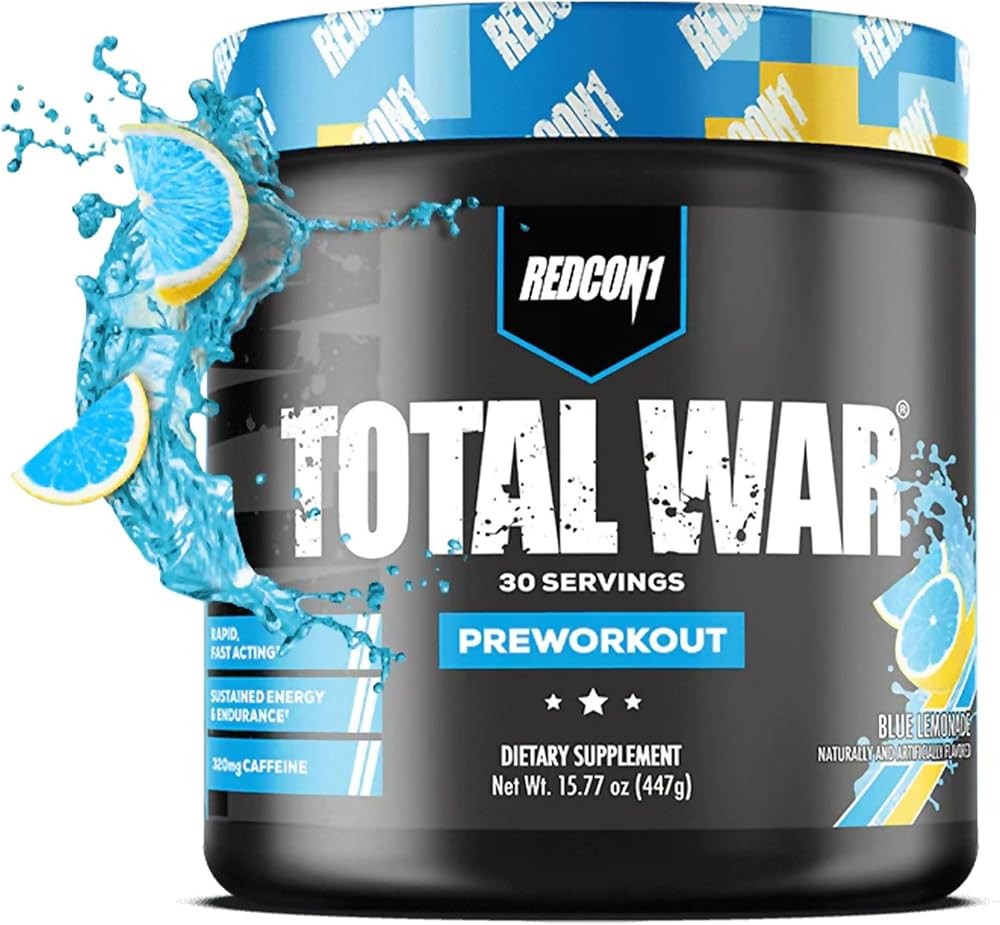
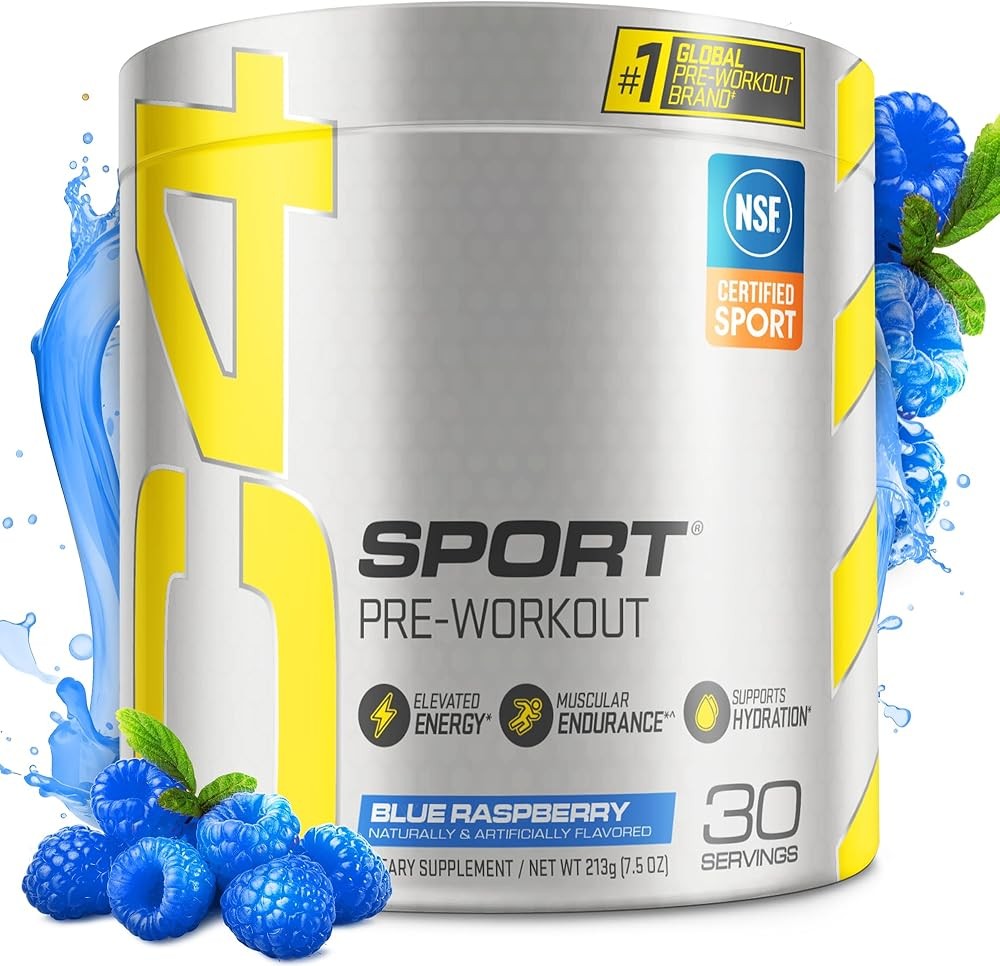
A 2019 survey of 1,045 regular pre-workout consumers found that 44% had experienced side effects and about 10% described them as severe (Jagim et al., 2019). The safest approach for most people is a transparent-label product with moderate caffeine and disclosed ingredient doses: C4 Sport delivers 135mg of caffeine per serving with CarnoSyn beta-alanine for $21.92 per 30 servings, and REDCON1 Total War offers a fully disclosed 320mg formula for experienced users at $27.99. Surveys and case reports consistently find that proprietary blends and multi-stimulant formulas carry higher adverse event rates than transparent options, which is why this guide emphasizes dose transparency and conservative starting points. For budget-conscious users, DIY stacks from bulk ingredients (creatine, beta-alanine, citrulline) cost well under a dollar per serving. Here is what the published research shows about managing pre-workout side effects while keeping the performance benefits.
Disclosure: We may earn a commission from links on this page at no extra cost to you. Affiliate relationships never influence our ratings. Full policy →


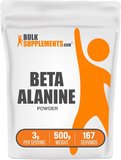
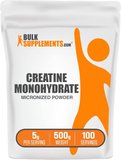
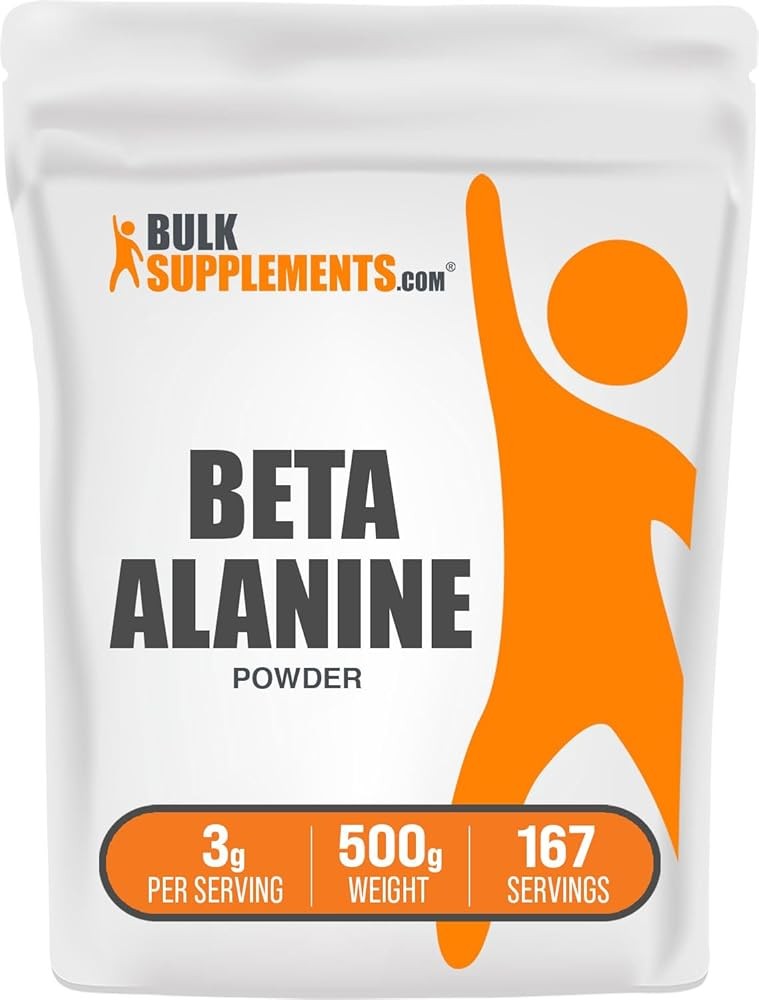
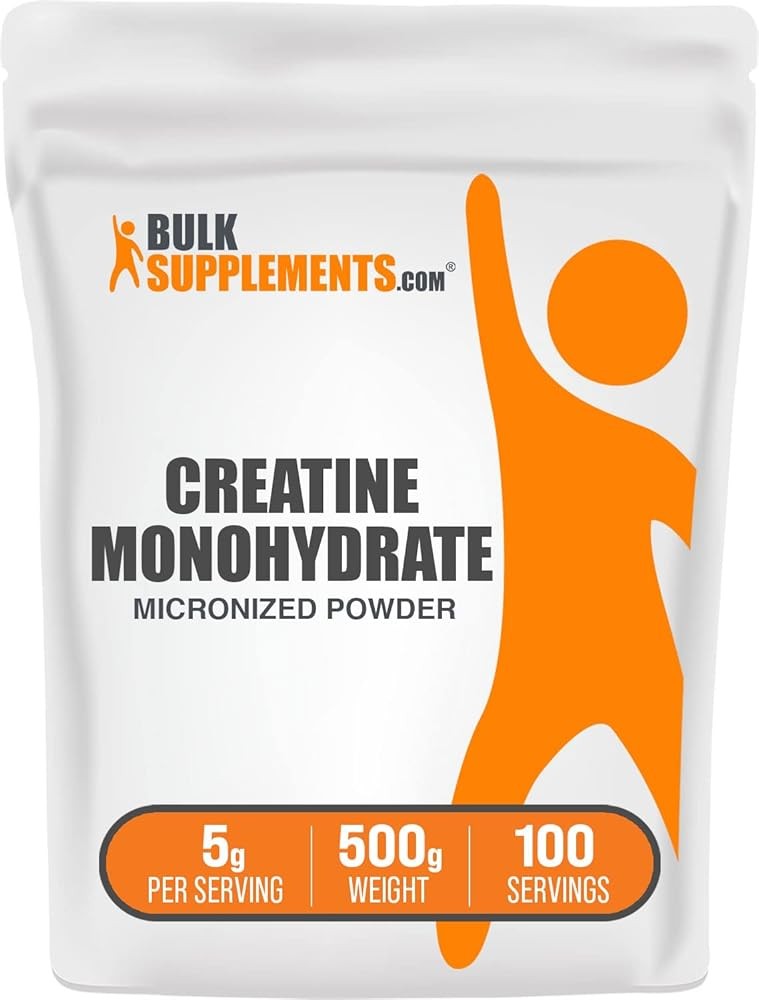
| Feature | REDCON1 Total War | C4 Sport | BulkSupplements Beta-Alanine | BulkSupplements Creatine |
|---|---|---|---|---|
| Caffeine | 320mg per serving | 135mg per serving | 0mg (stimulant-free) | 0mg |
| Main Ingredients | Citrulline malate, beta-alanine | CarnoSyn beta-alanine | Pure beta-alanine | Pure creatine monohydrate |
| Role | Full stimulant pre-workout | Moderate everyday pre-workout | Stim-free endurance ingredient | Daily strength staple |
| Price | $27.99 (30 servings) | $21.92 (30 servings) | $21.97 (500g) | $20.97 (500g) |
| Best For | Experienced users wanting maximum energy | Most users, especially stimulant-sensitive | Evening training, DIY stacks | Daily strength and recovery |
Watch Our Video Review
What Does the Science Say About Pre-Workout Ingredients?
Pre-workout supplements represent complex formulations designed to target multiple physiological pathways involved in exercise performance. Understanding how these ingredients work helps explain why side effects occur and who might be most vulnerable to them.
Core Ingredient Categories
Most pre-workout formulas combine ingredients from several categories, each targeting different aspects of performance:
Stimulants form the backbone of most pre-workout supplements, with caffeine anhydrous being nearly universal. Caffeine blocks adenosine receptors in the brain, reducing fatigue perception while increasing alertness, focus, and pain tolerance during exercise (Goldstein et al., 2010). However, caffeine’s effects extend beyond the central nervous system, triggering adrenaline release, increasing heart rate and blood pressure, and stimulating gastric acid secretion.
Many products enhance caffeine with additional stimulants like synephrine, yohimbine, or DMHA (dimethylhexylamine). These compounds amplify stimulation but also multiply the risk of adverse cardiovascular and neurological effects. A study in the Journal of the International Society of Sports Nutrition found that multi-ingredient pre-workout supplements (MIPS) produced significantly greater increases in heart rate and blood pressure compared to caffeine alone, with effects persisting for several hours post-consumption (Outlaw et al., 2014).
Nitric oxide precursors like L-citrulline, L-arginine, and beetroot extract aim to enhance blood flow and muscle pumps by increasing nitric oxide production. This vasodilation can improve nutrient delivery to working muscles and may enhance endurance capacity. However, excessive vasodilation can cause headaches, dizziness, and dangerous blood pressure drops in susceptible individuals.
Performance enhancers such as beta-alanine and creatine target specific physiological limitations. Beta-alanine increases muscle carnosine, buffering the hydrogen ions that drive fatigue during high-intensity exercise (Trexler et al., 2015). A 2019 survey of 1,045 regular pre-workout consumers found that 44% reported side effects and 10% described them as severe, with proprietary blends and multi-stimulant formulas carrying the highest adverse event rates (Jagim et al., 2019).
The proprietary blend problem deserves special attention. When manufacturers hide behind terms like “Energy and Focus Proprietary Matrix,” consumers have no way to know if they’re getting safe, effective doses of each ingredient. This lack of transparency means you might be consuming dangerously high doses of stimulants or ineffective trace amounts of beneficial ingredients—often in the same product.
Individual Metabolic Variability
Perhaps the most important factor determining whether you’ll experience side effects is your individual biochemistry. Genetic variations in enzyme systems—particularly those involved in caffeine metabolism—create dramatic differences in tolerance between individuals.
The CYP1A2 gene controls the primary enzyme responsible for caffeine breakdown. People with certain variants metabolize caffeine quickly and tolerate high doses well, while “slow metabolizers” clear caffeine much more slowly, leading to prolonged stimulation, sleep disruption, and heightened side effect risk (Cornelis et al., 2006). If your parents can drink coffee at 8 PM and sleep soundly while you lie awake after a 2 PM caffeine intake, genetic differences likely explain this disparity.
Body weight and composition also influence supplement effects. A 250-pound bodybuilder and 120-pound runner taking the same pre-workout dose receive vastly different per-kilogram exposures. Most pre-workout labels provide one-size-fits-all dosing, ignoring this crucial variable.
Hormonal status affects stimulant sensitivity as well. Women in the luteal phase of their menstrual cycle (post-ovulation) may experience heightened caffeine sensitivity and more pronounced side effects. Thyroid dysfunction, adrenal issues, and chronic stress alter how your body responds to stimulants, potentially amplifying adverse reactions.
Bottom line: Pre-workout supplements contain complex combinations of stimulants, nitric oxide precursors, performance enhancers, and nootropics that affect multiple physiological systems simultaneously. Individual responses vary dramatically based on genetic factors (especially CYP1A2 variants affecting caffeine metabolism), body composition, hormonal status, and existing health conditions. Understanding these mechanisms helps explain why 44% of users experience side effects, with proprietary blends and multi-stimulant formulas carrying the highest risk.
Common Side Effects: What Does the Research Show?
Understanding the specific side effects associated with pre-workout supplements—and which ingredients cause them—empowers you to make better choices and recognize when something is wrong.
Cardiovascular Effects
The cardiovascular system bears the brunt of stimulant-heavy pre-workout formulations. Multiple studies document significant acute effects on heart rate and blood pressure.
Elevated Heart Rate and Blood Pressure: A controlled study published in the Journal of the International Society of Sports Nutrition examined acute cardiovascular responses to a commercially available pre-workout supplement containing 300mg caffeine, beta-alanine, and other ingredients. Researchers found mean increases of 10-15 mmHg in systolic blood pressure and 5-10 mmHg in diastolic pressure, with heart rate elevations of 10-20 beats per minute persisting for up to 3 hours post-consumption (Outlaw et al., 2014).
For healthy individuals, these temporary increases typically pose minimal risk. However, people with underlying cardiovascular conditions, hypertension, or those taking blood pressure medications may experience dangerous blood pressure spikes. The combination of pre-workout stimulants with intense exercise—which itself elevates cardiovascular stress—creates a perfect storm for adverse cardiac events.
Arrhythmias and Palpitations: Case reports in medical literature document pre-workout-induced cardiac arrhythmias, including atrial fibrillation, supraventricular tachycardia, and ventricular arrhythmias. Case reports in the cardiology literature describe young, otherwise healthy athletes developing new-onset atrial fibrillation and other arrhythmias after consuming high-dose, multi-stimulant pre-workout products.
The sensation of heart palpitations—feeling your heart racing, pounding, or fluttering—is commonly reported with high-stimulant formulas. While often benign, palpitations can indicate underlying rhythm disturbances requiring medical evaluation.
Risk for Cardiac Events: More seriously, several case reports link pre-workout supplements to myocardial infarction (heart attack) and cardiac arrest in young individuals without prior heart disease. A 2012 report in Military Medicine described deaths of active duty soldiers following ingestion of pre-workout supplements containing DMAA combined with multiple stimulants (PubMed: 23397688).
While such severe events remain rare, they highlight that pre-workout supplements are not benign, especially when products contain undisclosed stimulants or doses exceeding safe levels.
If you have any cardiovascular risk factors—including family history of heart disease, high blood pressure, high cholesterol, or existing heart conditions—consult a cardiologist before using stimulant-based pre-workouts. Many safer alternatives exist for enhancing performance without cardiovascular stress.
Neurological Side Effects
The central nervous system effects of pre-workout supplements extend well beyond intended alertness and focus enhancement.
Jitteriness and Anxiety: Excessive stimulation manifests as physical restlessness, racing thoughts, and anxiety—the infamous “pre-workout jitters.” This occurs when stimulant doses exceed your tolerance threshold, triggering excessive norepinephrine and dopamine release. Research shows that caffeine doses above 400mg significantly increase anxiety symptoms, even in non-anxious individuals (PubMed: 19698996).
Some users describe feeling “overstimulated”—unable to maintain proper form because of shakiness, or so mentally scattered they can’t focus on the workout. This defeats the purpose of pre-workout supplementation entirely.
Certain ingredients amplify anxiety risk beyond caffeine alone. Yohimbine, commonly added for its fat-burning and focus-enhancing properties, increases norepinephrine to degrees that trigger panic attacks in susceptible individuals. If you have anxiety disorders, panic disorder, or are prone to anxiety, avoid pre-workouts containing yohimbine or other alpha-2 antagonists.
Headaches: Multiple mechanisms contribute to pre-workout-induced headaches. Vasodilation from nitric oxide precursors can trigger vascular headaches in migraine-prone individuals. Conversely, caffeine’s vasoconstrictive effects in regular users can cause withdrawal headaches if timing changes. Dehydration amplified by stimulant-induced diuresis is another common culprit.
A study examining side effects of multi-ingredient pre-workout supplements found headaches among the top three reported adverse events, occurring in approximately 8-12% of users (Jagim et al., 2019).
Sleep Disruption: Perhaps the most underestimated side effect is sleep disturbance. Caffeine’s half-life averages 5-6 hours, meaning a pre-workout consumed at 5 PM still has 50% of its caffeine content in your system at 11 PM. For slow metabolizers, half-life can extend to 9-10 hours.
Chronic sleep deprivation from late-day stimulant use sabotages the very adaptations you’re training to achieve. Growth hormone secretion, protein synthesis, and muscle recovery all depend on quality sleep. Research consistently shows that even partial sleep deprivation impairs athletic performance, cognitive function, and metabolic health (PubMed: 25315456).
To minimize sleep disruption, avoid pre-workout supplements within 6-8 hours of bedtime. If you train in the evening, consider stimulant-free ingredients such as creatine and beta-alanine, or skip stimulants entirely.
Tingling and Paresthesia: The distinctive tingling sensation—most commonly felt in the face, neck, and hands—is almost universally caused by beta-alanine. This amino acid activates sensory neurons by binding to MrgprD receptors, triggering the sensation of pins and needles (PubMed: 20004959).
Beta-alanine paresthesia is completely harmless and typically subsides within 60-90 minutes. However, many users find it uncomfortable or distracting. The intensity correlates with dose—amounts below 800mg rarely cause noticeable tingling, while the 3-5g doses in some pre-workouts produce intense sensations.
If you want beta-alanine’s performance benefits without the tingling, sustained-release formulations or dividing doses throughout the day substantially reduce this side effect. Alternatively, beta-alanine supplementation works through chronic elevation of muscle carnosine rather than acute effects, so taking it separately from your pre-workout remains effective.
Gastrointestinal Distress
Digestive side effects rank among the most commonly reported pre-workout complaints and can derail your workout entirely.
Nausea and Vomiting: Multiple factors contribute to pre-workout-induced nausea. Caffeine stimulates gastric acid secretion and accelerates gastric emptying, which can trigger nausea—especially on an empty stomach. High doses of amino acids like citrulline create osmotic load in the intestines, drawing water into the gut and causing discomfort.
Artificial sweeteners, particularly sucralose and acesulfame potassium found in many pre-workout flavors, can cause digestive upset in sensitive individuals. Some people lack the enzymes to properly digest these sweeteners, leading to fermentation by gut bacteria and subsequent nausea, bloating, and cramping.
A study examining the safety of multi-ingredient pre-workout supplements found that 12.5% of users reported nausea, making it one of the three most common side effects (PubMed: 24465156).
Diarrhea and Cramping: Magnesium compounds sometimes added to pre-workouts for their muscle function and electrolyte benefits can have laxative effects, particularly magnesium oxide and citrate. High doses of certain amino acids also draw fluid into the intestines, potentially causing diarrhea.
Sugar alcohols used as sweeteners—including sorbitol, mannitol, and xylitol—are notorious for causing osmotic diarrhea. These compounds are poorly absorbed in the small intestine, pulling water into the gut and accelerating transit time.
Taking pre-workout immediately before intense exercise compounds these issues. Blood flow shifts away from the digestive system to working muscles, impairing normal digestive processes and making gastrointestinal distress more likely.
Strategies to Reduce GI Side Effects: If digestive issues plague your pre-workout experience, consider these evidence-based approaches:
- Take pre-workout with a small amount of easily digestible food (banana, rice cake, toast) rather than on an empty stomach
- Start with half the recommended dose to assess tolerance
- Allow 30-45 minutes between consumption and intense exercise
- Choose products without artificial sweeteners if you’re sensitive—look for naturally flavored options or unflavored formulas
- Stay well-hydrated before, during, and after supplementation
- Avoid products with magnesium oxide or citrate if you’re prone to loose stools
If GI side effects persist despite these modifications, pre-workout supplements may not be compatible with your digestive system. Many athletes achieve excellent results with caffeine alone (coffee, caffeine pills) combined with creatine monohydrate and citrulline taken separately.
Metabolic and Endocrine Effects
Beyond immediate side effects, chronic pre-workout use can influence metabolic and hormonal systems in ways that may impact long-term health and performance.
Adrenal Stress and Cortisol: Regular consumption of high-dose stimulants activates the hypothalamic-pituitary-adrenal (HPA) axis, triggering cortisol and adrenaline release. While acute elevations enhance alertness and energy mobilization, chronic overstimulation can contribute to adrenal dysfunction and elevated baseline cortisol levels.
Persistently elevated cortisol impairs muscle recovery, promotes fat storage (particularly abdominal fat), suppresses immune function, and can lead to burnout. If you’re consuming pre-workout daily for months without breaks, you’re subjecting your adrenal system to continuous stimulation that may eventually backfire.
Insulin and Blood Sugar: Stimulants affect glucose metabolism and insulin sensitivity. Caffeine acutely increases blood glucose and can temporarily reduce insulin sensitivity, though regular consumers develop tolerance to these effects (PubMed: 20859811). For individuals with diabetes or prediabetes, high-dose stimulant pre-workouts may complicate blood sugar management.
Some pre-workout formulas add blood-sugar-relevant ingredients such as chromium or berberine; combined with stimulants these create complex metabolic effects that need careful monitoring if you have glucose issues.
Tolerance and Dependency: Perhaps the most insidious long-term effect is stimulant tolerance and psychological dependency. With regular use, your nervous system adapts by upregulating adenosine receptors and downregulating sensitivity to catecholamines. This means you need progressively higher doses to achieve the same effects—the definition of tolerance.
Many users find themselves unable to train effectively without pre-workout, experiencing fatigue, poor motivation, and subpar performance when they skip their usual dose. This isn’t physical addiction in the clinical sense, but represents a form of psychological dependence and neurochemical adaptation.
Research shows that caffeine tolerance develops within 1-4 weeks of regular consumption, with some cognitive benefits diminishing while cardiovascular effects persist (PubMed: 1410146). This explains why your pre-workout stops “feeling” as effective after several weeks—you’ve become tolerant to many effects.
The Case for Cycling: To reduce tolerance development, maintain effectiveness, and give your nervous system periodic breaks, consider cycling stimulant-based pre-workouts. A common protocol involves 6-8 weeks of regular use followed by 2-3 weeks completely off, or alternating between regular and low-stimulant formulas.
During off periods, your adenosine receptor density normalizes and neurotransmitter systems recalibrate. When you resume pre-workout use, you’ll experience effects more similar to your initial response. This approach maintains long-term effectiveness while reducing risks of chronic overstimulation.
Bottom line: Pre-workout side effects range from mild (jitters, tingling, digestive upset) to severe (cardiac arrhythmias, dangerous blood pressure spikes, neurological events). Cardiovascular effects include 10-20 bpm heart rate increases and 10-15 mmHg blood pressure elevations lasting up to 3 hours. Neurological issues encompass anxiety, headaches, and sleep disruption (caffeine half-life of 5-6 hours means evening use impairs recovery). Gastrointestinal distress affects up to 15% of users, while metabolic effects include altered glucose handling and hormonal disruption from chronic overstimulation.
What Warning Signs Should You Watch For?
Your body provides sophisticated feedback systems that signal when something isn’t right with your supplementation strategy. Learning to recognize and interpret these signals is crucial for avoiding serious problems.
Acute Warning Signs Requiring Immediate Action
Certain symptoms indicate potentially dangerous reactions requiring immediate supplement discontinuation and possibly medical attention:
Cardiovascular Red Flags: Chest pain, pressure, or tightness; severe pounding heartbeat or sensation that your heart is “skipping” beats; shortness of breath unrelated to exercise intensity; severe dizziness or feeling faint; or unusual fatigue that forces you to stop exercising should prompt immediate concern.
These symptoms could indicate cardiac arrhythmia, myocardial ischemia, or dangerous blood pressure elevation. Stop exercising, discontinue the pre-workout, and seek medical evaluation. Don’t assume chest discomfort during or after pre-workout use is “just anxiety”—cardiac events can occur in young, apparently healthy individuals.
Neurological Red Flags: Severe, sudden-onset headache (particularly if different from your typical headaches); visual disturbances like blurred vision, seeing spots, or tunnel vision; confusion, slurred speech, or difficulty finding words; numbness or tingling on one side of the body; or seizure activity all require emergency medical assessment.
While rare, these symptoms could indicate dangerous blood pressure spikes causing posterior reversible encephalopathy syndrome (PRES), stimulant-induced stroke, or other neurological emergencies. Several case reports document these serious events in young athletes consuming high-dose stimulant supplements.
Severe Allergic Reactions: Difficulty breathing, swallowing, or speaking; swelling of the face, lips, tongue, or throat; hives or widespread rash; severe itching; or rapid onset of these symptoms following pre-workout consumption suggests anaphylaxis—a medical emergency requiring immediate epinephrine and emergency care.
While uncommon, allergies to specific ingredients or undisclosed additives can occur. If you experience these symptoms, carry an epinephrine auto-injector if prescribed, and avoid the product completely.
Subacute Warning Signs Suggesting Dose Reduction or Reformulation
Less dramatic but still significant symptoms indicate your current pre-workout doesn’t suit your biochemistry:
Sleep Quality Deterioration: Difficulty falling asleep, frequent nighttime awakenings, or waking feeling unrefreshed despite adequate time in bed suggests excessive or poorly timed stimulant consumption. Track your sleep quality for several weeks—if it correlates with pre-workout use patterns, adjustment is needed.
Sleep tracking devices or apps can provide objective data on sleep onset latency, sleep efficiency, and sleep architecture changes. If your deep sleep percentage drops following pre-workout use, you’re impairing recovery regardless of how you subjectively feel.
Persistent Digestive Issues: Ongoing nausea, acid reflux, cramping, or irregular bowel movements that coincide with pre-workout consumption indicates GI intolerance. These symptoms shouldn’t persist—if they continue despite dose reduction and taking supplements with food, try a different formula or consider caffeine-only alternatives.
Mood and Anxiety Changes: Increased irritability, anxiety, racing thoughts, or difficulty concentrating throughout the day—not just during workouts—suggests overstimulation affecting your broader mental health. Some individuals are particularly sensitive to stimulant effects on mood and neurotransmitter balance.
If you notice anxiety symptoms increasing over weeks of pre-workout use, or if you feel “wired and tired” (simultaneously overstimulated and exhausted), your nervous system is likely overwhelmed. Take a complete break from stimulants for 2-3 weeks to reset.
Performance Declining Despite Consistent Use: Paradoxically, if your workout quality decreases despite regular pre-workout consumption, tolerance has likely developed. You might notice that workouts feel harder, you fatigue more quickly, or motivation drops. This signals that chronic stimulation is impairing rather than enhancing your training adaptations.
Dependence Indicators: Needing progressively larger doses to feel effects, experiencing withdrawal symptoms (headaches, fatigue, irritability) when missing doses, feeling unable to train effectively without pre-workout, or organizing your day around pre-workout timing all suggest problematic dependence.
These patterns indicate your relationship with pre-workout has shifted from beneficial supplementation to problematic reliance. A structured cycling protocol or switching to non-stimulant alternatives helps break this pattern.
Individual Risk Factors
Certain characteristics increase your vulnerability to pre-workout side effects:
Genetic and Metabolic Factors: Slow caffeine metabolizers (CYP1A2 polymorphisms), history of anxiety or panic disorder, cardiovascular disease or risk factors (family history, hypertension, high cholesterol), underlying thyroid dysfunction, or chronic stress and adrenal dysfunction all heighten side effect risk.
If you have any of these factors, start with the lowest possible dose—quarter or half servings—and increase gradually only if well-tolerated. Consider genetic testing panels that include CYP1A2 variants to better understand your caffeine metabolism.
Medication Interactions: Numerous medications interact with pre-workout ingredients, particularly stimulants. Blood pressure medications, antidepressants (especially MAOIs and SSRIs), ADHD medications, asthma medications containing beta-agonists, and blood thinners can all interact dangerously with pre-workout components.
Always disclose supplement use to your physician and pharmacist. The “it’s just a supplement” mindset can lead to dangerous interactions with prescription medications.
Female-Specific Considerations: Women generally metabolize caffeine differently than men, with oral contraceptives significantly slowing caffeine clearance—roughly doubling half-life (PubMed: 1483492). This means women on birth control pills may experience prolonged stimulant effects and increased side effect risk.
Menstrual cycle phase also influences stimulant sensitivity, with increased sensitivity typically occurring during the luteal phase. Pregnancy dramatically slows caffeine metabolism, and high caffeine intake during pregnancy associates with adverse outcomes—pre-workout supplements are generally contraindicated during pregnancy and breastfeeding.
Bottom line: Your body provides sophisticated warning systems signaling supplement intolerance. Acute red flags (chest pain, severe headache, breathing difficulty, allergic reactions) require immediate medical attention. Subacute warnings (persistent sleep disruption, ongoing digestive issues, mood changes, declining performance, dependence patterns) indicate the need for dose reduction or formula change. Individual risk factors include slow caffeine metabolism, anxiety disorders, cardiovascular conditions, medication interactions, and female-specific considerations like oral contraceptive use (which doubles caffeine half-life) and menstrual cycle phase.
Which Ingredients Cause Which Side Effects?
Understanding which specific ingredients cause which side effects empowers smarter product selection.
Caffeine: The Universal Stimulant
As the cornerstone of nearly all pre-workout formulas, caffeine deserves particular attention. The effective dose for performance enhancement ranges from 3-6 mg/kg body weight, translating to 200-400mg for most adults (Goldstein et al., 2010).
However, many aggressive pre-workout formulas contain 300-400mg per serving—before considering additional caffeine from coffee or other sources. This pushes many users beyond safe limits, particularly lighter individuals or slow metabolizers.
If you experience caffeine-related side effects, the solution is straightforward: reduce dose or choose lower-caffeine alternatives. Some excellent pre-workouts contain 150-200mg caffeine—often sufficient for performance enhancement with much lower side effect risk.
For those particularly caffeine-sensitive, caffeine and L-theanine combinations can provide alertness benefits with reduced jitteriness and anxiety. L-theanine, an amino acid found in tea, modulates caffeine’s effects by promoting alpha brain wave activity and increasing calming neurotransmitters.
Beta-Alanine: The Tingle Factor
Beta-alanine supplementation increases muscle carnosine content, buffering acid accumulation during high-intensity exercise. Performance benefits are well-established, particularly for activities lasting 1-4 minutes (Trexler et al., 2015).
The distinctive tingling sensation (paresthesia) is beta-alanine’s most notable side effect. While completely harmless, some individuals find it intolerable. The response is dose-dependent and highly individual—some people tingle intensely from 800mg while others tolerate 5g without discomfort.
Managing Beta-Alanine Paresthesia:
- Choose sustained-release formulations that minimize peak blood concentrations
- Start with lower doses (1-2g) and increase gradually
- Take beta-alanine separately from pre-workout in divided doses throughout the day
- Consider beta-alanine-free pre-workouts if the sensation bothers you
Importantly, beta-alanine’s performance benefits derive from chronically elevated muscle carnosine, not acute supplementation. You don’t need to take it immediately pre-workout—daily supplementation of 3-6g divided into multiple doses works perfectly well without the intense tingling.
Creatine: Generally Well-Tolerated
Creatine monohydrate is one of the most thoroughly researched and safest sports supplements available. However, some individuals experience side effects:
Water Retention and Bloating: Creatine increases intramuscular water content, leading to 1-3 pounds of water weight gain in the first week. While this is expected and beneficial (contributing to muscle volumization and growth signaling), some individuals experience bloating and puffiness they find uncomfortable.
If bloating bothers you, skip the loading phase and use a maintenance dose of 3-5g daily. Creatine HCl formulations claim better solubility and reduced bloating, though research comparing creatine monohydrate versus HCl shows minimal practical differences.
Digestive Issues: Large single doses of creatine (particularly 10-20g during loading) can cause cramping and diarrhea in some individuals. This occurs because unabsorbed creatine in the intestines draws water osmotically. Dividing doses throughout the day or using smaller maintenance doses eliminates this issue for most people.
Kidney Concerns: Despite persistent myths, creatine supplementation does not damage healthy kidneys. Extensive research confirms long-term safety in individuals with normal kidney function (PubMed: 33557850). However, creatine is contraindicated in those with pre-existing kidney disease.
Nitric Oxide Precursors: Citrulline, Arginine, and Beetroot
These ingredients promote vasodilation and enhanced blood flow, creating the “pump” sensation many users seek. Citrulline malate supplementation (6-8g) effectively increases nitric oxide production and may enhance performance in specific contexts.
Potential Side Effects:
- Headaches from vasodilation, particularly in migraine-prone individuals
- Dizziness or lightheadedness from blood pressure drops
- Digestive upset, particularly with large arginine doses
- Interaction with blood pressure medications, potentially causing excessive blood pressure drops
If you’re prone to migraines, consider lower doses of NO precursors or formulas without these ingredients. Monitor blood pressure if you’re taking antihypertensive medications and using NO-boosting pre-workouts.
Yohimbine and Synephrine: Potent Stimulants
These additional stimulants are commonly added to aggressive pre-workout formulas for enhanced fat burning and energy. However, they substantially increase side effect risk beyond caffeine alone.
Yohimbine blocks alpha-2 adrenergic receptors, increasing norepinephrine release. This enhances fat mobilization but also triggers anxiety, panic attacks, elevated blood pressure, and increased heart rate. Yohimbine is particularly problematic for individuals with anxiety disorders.
Synephrine (from bitter orange extract) acts similarly to ephedrine but with somewhat milder effects. It still increases cardiovascular stress and can cause rapid heart rate, elevated blood pressure, and anxiety.
If you have any history of anxiety, panic disorder, or cardiovascular issues, avoid pre-workouts containing these ingredients. Even healthy individuals should approach these compounds cautiously and never combine them with other stimulants beyond the product’s caffeine content.
Proprietary Blends: The Hidden Danger
Many pre-workout supplements hide ingredient amounts behind “proprietary blends”—lists of ingredients with only the total blend weight disclosed. This practice keeps competitors from copying formulas but also stops consumers from knowing what doses they’re actually consuming.
Proprietary blends are problematic because:
- You can’t determine if you’re getting effective doses of beneficial ingredients
- You can’t identify if you’re getting dangerously high doses of stimulants
- You can’t troubleshoot which specific ingredient causes side effects
- You can’t compare products accurately
Research shows that products with proprietary blends have significantly higher adverse event rates compared to fully transparent formulas (Jagim et al., 2019). When possible, choose products with fully disclosed ingredient amounts—often called “transparent labels.”
Bottom line: Each pre-workout ingredient carries a distinct side effect profile. Caffeine (150-300mg per serving; up to 400mg per day total) causes dose-dependent anxiety, sleep disruption, and cardiovascular stress at the top of that range. Beta-alanine triggers harmless paresthesia at 800mg+ doses through MrgprD receptor activation. Creatine is well-tolerated but may cause initial water retention of 1-3 pounds. Nitric oxide precursors (6-8g L-citrulline, 3-6g L-arginine) can cause headaches and blood pressure drops through excessive vasodilation, with individual ingredient purity matters significantly.
Who Should Avoid Pre-Workout Supplements?
Certain groups face heightened risks from pre-workout supplements and may need to avoid them entirely.
Cardiovascular Disease and Risk Factors
If you have any of the following, consult a cardiologist before using stimulant-based pre-workouts:
- Known heart disease, including coronary artery disease, heart failure, or cardiomyopathy
- History of heart attack, cardiac arrest, or arrhythmias
- Structural heart abnormalities (valvular disease, hypertrophic cardiomyopathy)
- Hypertension, especially if poorly controlled
- Family history of sudden cardiac death or early heart disease
- High cholesterol or multiple cardiac risk factors
For these individuals, stimulant-free pre-workouts focusing on creatine, citrulline, and beta-alanine offer safer alternatives for performance enhancement without cardiovascular stress.
Pregnancy and Breastfeeding
Pre-workout supplements are generally contraindicated during pregnancy and lactation. High caffeine doses increase miscarriage risk and associate with low birth weight (PubMed: 26329421). Other stimulants, proprietary blends with unknown ingredients, and compounds lacking pregnancy safety data create unacceptable risks.
Pregnant and nursing women should limit caffeine to 200mg daily from all sources (ACOG guidelines), which rules out most pre-workout formulas. Focus instead on proper nutrition, hydration, and prenatal-appropriate supplements (prenatal vitamins, iron if deficient, omega-3s).
Anxiety and Psychiatric Disorders
Stimulants can exacerbate anxiety disorders, panic disorder, bipolar disorder, and other psychiatric conditions. The activation of sympathetic nervous system and increase in stress hormones may trigger panic attacks or mood destabilization.
If you have diagnosed anxiety or mood disorders, either avoid stimulant-based pre-workouts or choose low-stimulant formulas (100-150mg caffeine maximum). Some individuals with anxiety respond better to L-theanine plus modest caffeine rather than high-dose caffeine alone.
Many anxiety medications (particularly SSRIs and benzodiazepines) interact with pre-workout ingredients. Always discuss supplement use with your psychiatrist or prescribing physician.
Adolescents and Young Adults
The pre-workout market aggressively targets young athletes, despite limited safety research in adolescents. The developing brain may be particularly vulnerable to chronic stimulant exposure, and younger individuals may be more prone to experimental use, high doses, and stacking multiple supplements.
Athletes under 18 should generally avoid pre-workout supplements, focusing instead on proper nutrition, hydration, and training. If supplementation is considered, start with minimal formulations (caffeine only, or creatine monohydrate alone) rather than complex multi-ingredient products.
College athletes must also consider that some pre-workout ingredients appear on NCAA banned substance lists. Always check current banned substance lists before using any supplement if you compete in drug-tested sports.
Drug-Tested Athletes
Speaking of drug testing, several pre-workout ingredients are banned in various sports organizations:
- DMAA (1,3-dimethylamylamine) - banned by WADA and FDA
- DMHA (dimethylhexylamine) - banned by WADA
- Higenamine - banned by WADA as of 2017
- Hordenine - prohibited in some sports
- Various “designer stimulants” that appear in some aggressive formulas
Additionally, contamination with banned substances occurs in some supplements due to poor manufacturing practices. If you compete in drug-tested sports, only use supplements certified by third-party testing organizations like NSF Certified for Sport, Informed-Sport, or BSCG Certified Drug Free.
Bottom line: Certain populations face heightened pre-workout risks and should avoid or severely restrict use. Those with cardiovascular disease, arrhythmias, or hypertension should avoid stimulant-based formulas entirely. Individuals with anxiety disorders, panic disorder, or psychiatric conditions may experience severe symptom exacerbation. Pregnant and breastfeeding women should avoid pre-workouts due to unknown fetal effects and altered caffeine metabolism. Adolescents face particular risks from underdeveloped cardiovascular systems and unknown long-term effects. Medication interactions (blood pressure drugs, antidepressants, ADHD medications, blood thinners) create dangerous complications.
How Can You Minimize Pre-Workout Risks?
If you choose to use pre-workout supplements, these strategies substantially reduce side effect risks while maintaining performance benefits.
Start Low and Go Slow
The single most important risk-reduction strategy is conservative dosing. Start with quarter or half the recommended serving size for the first week, then gradually increase only if well-tolerated and needed.
This approach allows you to assess tolerance systematically. If side effects occur at low doses, you’ll know the product doesn’t suit you before experiencing severe reactions. Many users find that half the label-recommended dose provides excellent performance enhancement with minimal side effects—manufacturers often overformulate to meet consumer expectations for intense sensations.
Choose Transparent Formulations
Select products with fully disclosed ingredient amounts rather than proprietary blends. This allows you to:
- Verify you’re getting evidence-based doses of beneficial ingredients
- Ensure stimulant doses fall within safe ranges
- Identify problematic ingredients if side effects occur
- Make informed comparisons between products
Several reputable brands offer fully transparent labeling, including REDCON1, Cellucor, and Nutricost. These products typically cost a bit more than mystery blends but give you known doses you can troubleshoot against.
Time Your Dose Appropriately
Take pre-workout 30-45 minutes before training to allow absorption and peak effects during your workout. However, consider timing relative to your last caffeine intake and bedtime:
- Allow at least 4 hours between caffeine doses to avoid excessive accumulation
- Consume pre-workout at least 6-8 hours before bedtime (longer for slow metabolizers)
- If training late evening, choose stimulant-free options
Optimize Hydration and Nutrition
Dehydration amplifies most pre-workout side effects. Ensure you’re well-hydrated before supplementation—aim for pale yellow urine as a hydration marker. Continue drinking water throughout your workout, particularly if using formulas with diuretic effects.
Taking pre-workout with a small meal or snack substantially reduces gastrointestinal side effects. Good options include:
- Banana or apple with nut butter
- Rice cakes with honey
- Toast with jam
- Small smoothie with protein
This provides some macronutrients to buffer supplement effects and slow absorption slightly, reducing GI distress and blood sugar fluctuations.
Implement Cycling Protocols
Reduce tolerance development and nervous system overload by cycling stimulant-based pre-workouts:
6-8 weeks on / 2-3 weeks off: Use pre-workout regularly during training blocks, then take complete breaks during deload weeks or lighter training phases.
Alternating protocols: Rotate between regular pre-workout and stimulant-free formulas, getting stimulation benefits without constant exposure.
Weekday-only approach: Use pre-workout for weekday training but skip it on weekends, providing regular mini-breaks.
During off-cycle periods, focus on food-based energy, adequate sleep, and consistent training. You may be surprised how well you perform without relying on supplements.
Consider DIY Formulations
Creating your own pre-workout from individual ingredients offers maximum control and cost-effectiveness. A simple, effective, and safe pre-workout might include:
- Caffeine (150-200mg) - from caffeine pills or coffee
- L-Citrulline (6-8g) - for blood flow and endurance
- Creatine monohydrate (5g) - for strength and power
- Beta-alanine (3g) - optional, for buffering capacity
- L-Theanine (100-200mg) - optional, to smooth caffeine effects
This approach costs a fraction of commercial pre-workouts, provides clinically effective doses, eliminates unnecessary ingredients, and allows precise control over your stimulant intake.
Monitor and Adjust Based on Response
Keep a training log that includes:
- Pre-workout dose and timing
- Subjective energy and focus ratings
- Workout performance metrics
- Side effects experienced
- Sleep quality that night
After 2-4 weeks, patterns emerge showing what works and what doesn’t. If performance isn’t notably better with pre-workout versus without, you’re probably just experiencing stimulant effects rather than meaningful enhancement—consider whether the expense and side effect risks are worthwhile.
Know When to Stop
Discontinue pre-workout use if you experience:
- Persistent side effects despite dose adjustments
- Cardiovascular symptoms (chest discomfort, severe palpitations)
- Worsening anxiety or mood changes
- Sleep quality deterioration
- Increasing tolerance requiring escalating doses
- Feeling unable to train effectively without supplementation
Pre-workout supplements should enhance training, not become prerequisites for adequate performance. If you find yourself psychologically dependent or experiencing diminishing returns, take an extended break to reset both your tolerance and your relationship with supplementation.
Bottom line: Evidence-based risk reduction starts with careful product selection (avoid proprietary blends, verify third-party testing, check for banned substances). Dose management includes starting at 25-50% of recommended serving and timing intake 30-45 minutes pre-workout, at least 6-8 hours before bedtime. Hydration strategies (16-20oz water with pre-workout, additional 8oz every 15-20 minutes during training) reduce side effects. Strategic cycling (6-8 weeks on, 2-3 weeks off) reduces tolerance development. Never combine pre-workouts with other stimulants, and always disclose supplement use to healthcare providers.
What Are Safer Alternatives to Pre-Workouts?
If standard pre-workout formulas cause problematic side effects, several alternatives provide performance enhancement with better tolerability profiles.
Stimulant-Free Pre-Workouts
These formulas focus on performance-enhancing ingredients without caffeine or other stimulants:
- Citrulline or citrulline malate (6-8g) for blood flow and endurance
- Beta-alanine (3-5g) for buffering capacity
- Betaine (2.5g) for power output and hydration
- Creatine (5g) for strength and energy production
- Electrolytes for hydration status
Stimulant-free pre-workouts work excellently for evening training, individuals sensitive to caffeine, or those wanting to reduce stimulant exposure while maintaining performance support.
Caffeine Plus Single Ingredients
Rather than complex formulations, many athletes achieve excellent results with simple combinations:
-
Coffee or caffeine pills (150-200mg) plus creatine: Provides energy and focus plus strength and power enhancement, with minimal side effect risk and maximum cost-effectiveness.
-
Caffeine plus L-theanine: The synergistic combination provides alertness without jitteriness, improved focus, and better mood compared to caffeine alone (Haskell et al., 2008).
-
Caffeine plus citrulline: Combines central nervous system stimulation with peripheral blood flow enhancement for endurance activities.
Food-Based Alternatives
Whole foods provide performance-enhancing compounds without supplement risks:
-
Beetroot juice: Rich in dietary nitrates, beetroot juice (about 500ml providing roughly 400mg nitrate) consumed 2-3 hours before exercise measurably improves endurance performance in controlled trials (Jones et al., 2018).
-
Coffee or matcha: Provide caffeine in contexts including beneficial antioxidants and, in matcha’s case, L-theanine for balanced effects.
-
Tart cherry juice: Contains anthocyanins with anti-inflammatory properties that may enhance recovery, though effects on acute performance are limited.
-
Bananas: Provide quick-digesting carbohydrates for energy plus potassium for muscle function—underrated as pre-workout nutrition.
Mind-Body Approaches
Never underestimate non-supplement approaches to pre-workout readiness:
-
Strategic warm-ups: Properly structured warm-ups including dynamic stretching, activation exercises, and progressive intensity increases prime your nervous system and enhance performance independently of supplementation.
-
Music: Research consistently shows that motivational music enhances exercise performance, increases time to exhaustion, and improves power output (Terry et al., 2020). Creating the right playlist might benefit your workout as much as any supplement.
-
Visualization and mental preparation: Athletes using mental imagery and pre-performance routines demonstrate enhanced focus and performance. Developing consistent pre-training rituals creates psychological readiness without chemicals.
-
Adequate sleep and recovery: No supplement compensates for chronic sleep deprivation. If you consistently need pre-workout to feel energized for training, addressing sleep quality and stress management provides more sustainable solutions than escalating stimulant doses.
Bottom line: For those seeking performance enhancement without high-stimulant risks, multiple evidence-based alternatives exist. Caffeine-only protocols (150-200mg from coffee, tea, or tablets) provide 70-80% of pre-workout benefits without multi-ingredient complexity. Natural performance enhancers include beetroot juice (about 400mg nitrate per 500ml), tart cherry juice for recovery, and green tea for modest caffeine. Single-ingredient supplementation (6-8g citrulline malate, 3-5g creatine, 3-5g beta-alanine, 200-300mg caffeine taken separately) offers precise dosing control and better tolerance.
When Should You Seek Medical Help?
Understanding when side effects warrant medical attention is crucial for safety.
Emergency Situations
Seek immediate emergency care (call 911 or go to emergency department) if you experience:
- Chest pain, pressure, or tightness
- Severe difficulty breathing
- Irregular heartbeat with dizziness or fainting
- Seizure activity
- Sudden severe headache unlike your typical headaches
- Signs of allergic reaction (throat swelling, difficulty breathing, widespread hives)
- Confusion, slurred speech, or neurological symptoms
Don’t assume these symptoms will pass—some pre-workout-related adverse events can be life-threatening and require urgent treatment.
Non-Emergency Medical Consultation
Schedule an appointment with your physician if you experience:
- Persistent heart palpitations or unusual heart rhythms
- New-onset or worsening high blood pressure
- Recurrent severe headaches following pre-workout use
- Significant mood changes or anxiety worsening
- Digestive symptoms lasting beyond supplement discontinuation
- Symptoms persisting despite stopping pre-workout use
Your doctor can assess whether underlying conditions were unmasked by supplement use and whether additional evaluation (EKG, stress test, blood work) is indicated.
Reporting Adverse Events
If you experience serious adverse events from a pre-workout supplement, report them to the FDA’s MedWatch program at FDA
This reporting helps identify dangerous products and potentially triggers FDA investigations and enforcement actions. Many dangerous supplements were removed from the market only after sufficient adverse event reports accumulated.
Bottom line: Seek immediate medical attention for cardiovascular symptoms (chest pain, severe palpitations, shortness of breath, syncope), neurological symptoms (severe headache, visual disturbances, confusion, seizures), or severe allergic reactions (difficulty breathing, facial swelling, widespread hives). Report serious adverse events to FDA MedWatch to improve product safety monitoring. Non-emergency but concerning symptoms (persistent elevated heart rate, ongoing sleep disruption, chronic anxiety, sustained digestive issues) warrant medical evaluation and potential supplement discontinuation.
Do Advanced Ingredient Forms Actually Matter?
One principle that applies across supplementation is that the specific form of an ingredient dramatically affects absorption, effectiveness, and side effect profiles. Unfortunately, many pre-workout manufacturers use cheap, poorly absorbed forms to minimize costs while maximizing profit margins.
Better Caffeine Forms
While most pre-workouts use standard caffeine anhydrous, some utilize more advanced forms:
Microencapsulated caffeine (like Zumxr or PurCaf) provides sustained release, reducing peak blood levels that trigger jitteriness while extending energy. This technology creates smoother, longer-lasting effects with reduced crash.
Dicaffeine malate combines caffeine with malic acid, reportedly providing gentler effects with less GI distress compared to straight caffeine, though research directly comparing forms remains limited.
Chelated and Highly Bioavailable Minerals
If pre-workouts contain minerals like magnesium or zinc, the form matters enormously. Cheap oxide and carbonate forms have poor absorption and cause digestive upset, while chelated forms (glycinate, bisglycinate, picolinate) absorb efficiently with minimal GI side effects.
Quality pre-workouts specify mineral forms rather than just listing “magnesium” or “zinc” without elaboration.
Advanced Creatine Formulations
While creatine monohydrate remains the gold standard, some individuals experience less bloating with creatine HCl or magnesium creatine chelate. These forms claim superior solubility and absorption, though research shows creatine monohydrate remains most cost-effective for most users (Antonio et al., 2021).
Citrulline vs Citrulline Malate vs Arginine
For nitric oxide enhancement, research consistently favors L-citrulline and citrulline malate over L-arginine. Citrulline converts to arginine in the kidneys, producing higher sustained arginine blood levels than arginine supplementation itself due to better absorption and avoiding hepatic first-pass metabolism (Schwedhelm et al., 2008).
Effective citrulline doses range from 6-8g. When checking pre-workout labels, note that citrulline malate is about 56% citrulline by weight, so 8g citrulline malate provides roughly 4.5g actual citrulline. Products providing inadequate doses (2-3g total) won’t produce meaningful performance benefits.
Bottom line: Ingredient forms matter at the margins: sustained-release caffeine smooths the energy curve, sustained-release beta-alanine reduces tingling, chelated minerals digest more comfortably, and citrulline malate at an 8-10g dose delivers roughly 4.5-5.6g of actual citrulline. Plain creatine monohydrate remains the best-studied and most cost-effective creatine form despite marketing for alternatives.
How Do You Build a Safe Pre-Workout Strategy?
Creating an effective, safe pre-workout approach requires considering your specific goals, tolerance, training schedule, and risk factors.
Assess Your Baseline Needs
Before adding any pre-workout, honestly evaluate whether your current fatigue or performance limitations stem from supplementation gaps or fundamental lifestyle issues:
-
Sleep quality and quantity: Are you consistently getting 7-9 hours of quality sleep? If not, no supplement will compensate. Address sleep hygiene, stress management, and recovery fundamentals before adding stimulants.
-
Nutrition adequacy: Are you eating enough calories and protein to support your training demands? Chronic energy deficits impair performance far more than any supplement can enhance it. Proper pre-workout nutrition (carbohydrates for fuel, protein for muscle preservation) matters more than supplementation.
-
Training programming: Is your program appropriately periodized with adequate recovery? If you’re chronically overtrained, stimulants mask fatigue temporarily but accelerate the path toward burnout and injury.
-
Hydration status: Dehydration impairs exercise performance by 10-30% depending on severity. Are you starting workouts well-hydrated?
If fundamental lifestyle factors are poorly managed, adding pre-workout supplements addresses symptoms rather than addressing root causes. Fix the foundation first.
Match Supplement to Training Context
Different training modalities benefit from different pre-workout approaches:
Strength Training: Creatine, caffeine (150-200mg), and beta-alanine (for higher-rep work) provide the most relevant support. Excessive stimulation can impair motor control and increase injury risk during heavy lifting. Lower-stimulant formulas often work better than extreme options.
Endurance Training: Citrulline, beetroot-derived nitrates, and moderate caffeine (100-200mg) enhance sustained aerobic performance. Beta-alanine helps for efforts in the 1-4 minute range (800m-1500m pace). Excessive stimulants may elevate heart rate above optimal aerobic zones.
High-Intensity Interval Training: This demanding modality benefits most from pre-workout supplementation. Beta-alanine, creatine, citrulline, and caffeine all show benefits for repeated high-intensity efforts with short recovery periods.
Skill-Based Activities: Sports requiring fine motor control, precision, and coordination (golf, shooting sports, rock climbing) may suffer from excessive stimulation causing tremor and anxiety. Minimal or no supplementation often works best.
Create Your Personalized Protocol
Based on the principles discussed, design a pre-workout strategy matching your specific needs:
Conservative Approach (minimal side effect risk):
- 100-150mg caffeine (coffee or pill)
- 5g creatine monohydrate
- Adequate pre-workout meal (banana, oatmeal, or similar)
- Consistent sleep and recovery prioritization
Moderate Approach (balanced performance and tolerability):
- 150-200mg caffeine
- 6-8g L-citrulline (or 8-10g citrulline malate, which is only ~56% citrulline)
- 5g creatine monohydrate
- 3g beta-alanine (if tolerant to tingling)
- 100mg L-theanine (optional, for smoother effects)
Aggressive Approach (maximum performance emphasis):
- 200-300mg caffeine
- 8g citrulline malate
- 5g creatine monohydrate
- 5g beta-alanine
- Electrolytes and hydration support
- Note: This approach requires good tolerance and should only be used by experienced users after establishing tolerance to lower doses
Stimulant-Free Approach (evening training or stimulant-sensitive):
- 8g citrulline malate
- 5g creatine monohydrate
- 3-5g beta-alanine
- 2.5g betaine
- Electrolytes
Whichever approach you choose, commit to it consistently for 4-6 weeks before adjusting. This allows you to accurately assess effects versus training variability and placebo responses.
Cost-Effectiveness Considerations
Pre-workout supplements rank among the most expensive categories per serving. A tub of commercial pre-workout typically costs $30-60 for 20-30 servings ($1-2+ per workout).
Building your own from bulk ingredients costs dramatically less:
- Caffeine: $10-15 for 200+ servings
- L-Citrulline: $20-30 for 50+ servings
- Creatine: $15-25 for 100+ servings
- Beta-alanine: $20-30 for 80+ servings
This DIY approach provides clinically effective doses for perhaps $0.50 per workout—a fraction of commercial products—while eliminating proprietary blends, artificial ingredients, and unnecessary additives.
Quality supplement vendors like BulkSupplements and Nutricost offer affordable, pure ingredients with third-party testing and clearly stated doses. A small scale ($15-20) and a few minutes of prep time yield significant savings and superior customization.
For those who prefer high-quality individual ingredients, the BulkSupplements beta-alanine and creatine picks above, plus bulk caffeine tablets and citrulline malate from the same suppliers, cover a complete DIY stack.
Bottom line: Effective pre-workout strategies balance performance enhancement with safety through personalized approaches. Conduct a 2-4 week elimination period to establish baseline tolerance, then introduce single ingredients individually at low doses (1/4 to 1/2 serving), increasing only with demonstrated tolerance. Create optimal timing protocols (30-45 minutes pre-workout, minimum 6-8 hours before bedtime), and implement strategic cycling (6-8 weeks active use, 2-3 weeks washout). Track detailed workout performance, sleep quality, mood, digestive function, and resting heart rate to make data-driven adjustments. Establish specific criteria for when to reduce doses or discontinue use entirely.
Frequently Asked Questions
Q: Can pre-workout supplements cause kidney damage?
A: For individuals with healthy kidneys, pre-workout supplements at recommended doses don’t cause kidney damage. However, very high protein diets combined with dehydration and intense exercise can stress kidney function. The most relevant concern is that creatine supplementation increases creatinine levels (a normal response to increased muscle creatine stores), which can be misinterpreted as kidney dysfunction on lab tests. If you have pre-existing kidney disease, consult a nephrologist before using pre-workout supplements. Stay well-hydrated during supplementation.
Q: Do I need to take pre-workout on rest days?
A: Most pre-workout ingredients work through acute mechanisms benefiting immediate exercise performance rather than chronic adaptations. Therefore, there’s no need to take pre-workout on rest days. The exception is creatine, which works through chronic muscle saturation rather than acute effects—continuing creatine on rest days maintains elevated muscle stores. If your pre-workout contains creatine and you’re not supplementing separately, you might take just the creatine on off days rather than the full pre-workout formula.
Q: Can women use the same pre-workout supplements as men?
A: Generally yes, but women should consider several factors: body weight (smaller individuals need proportionally less), hormonal influences on stimulant metabolism (oral contraceptives slow caffeine clearance), and menstrual cycle effects on tolerance. Women may benefit from starting with lower doses—perhaps 2/3 the standard male dose—and adjusting based on response. Some companies market “women’s pre-workouts,” but these often simply contain less stimulants and added cosmetic ingredients—not fundamentally different formulations.
Q: Will pre-workout make me fail a drug test?
A: Some pre-workout ingredients are banned in drug-tested sports. DMAA, DMHA, higenamine, and several other stimulants appear on WADA and other banned substance lists. Additionally, contamination with banned substances occurs in poorly manufactured supplements. If you compete in drug-tested sports, only use products certified by third-party testing organizations (NSF Certified for Sport, Informed-Sport, BSCG). Check your sport’s specific banned substance list and cross-reference with supplement ingredients.
Q: Can I combine pre-workout with fat burners or other supplements?
A: Extreme caution is needed when combining supplements containing stimulants. Taking pre-workout plus a fat burner can result in dangerous total stimulant doses potentially exceeding 600-800mg caffeine equivalent. This dramatically increases cardiovascular risk, anxiety, and other side effects. If using multiple supplements, calculate total stimulant content across all products to ensure you’re not exceeding safe limits (400mg caffeine maximum daily for most adults). Consider alternating timing or choosing stimulant-free versions of one product.
Q: How long does it take for tolerance to reset?
A: Adenosine receptor density—the primary tolerance mechanism for caffeine—normalizes within 7-14 days of complete cessation. However, subjective effects and psychological associations may take longer to reset. Most experts recommend 2-3 weeks completely off stimulants to substantially reset tolerance. During this period, expect withdrawal symptoms (headaches, fatigue, irritability) for 2-5 days as your nervous system readjusts. These symptoms confirm you had developed physiological dependence.
Q: Are natural pre-workouts safer than synthetic ones?
A: Not necessarily. “Natural” is largely a marketing term without regulatory definition in supplements. Natural doesn’t equal safe—many dangerous compounds are naturally derived (ephedrine from ephedra, DMAA originally from geranium). What matters is ingredient identity, purity, dose, and your individual tolerance—not whether something is natural or synthetic. That said, simple formulas with well-researched ingredients (regardless of natural or synthetic origin) tend to be safer than complex proprietary blends.
📱 Join the discussion: Facebook | X | YouTube | Pinterest
Conclusion
Pre-workout supplements occupy a unique position in the fitness landscape—widely popular, often effective, yet carrying genuine risks that many users underestimate. The difference between beneficial supplementation and problematic side effects often comes down to informed decision-making, appropriate dosing, and honest self-assessment of tolerance and risk factors.
The most important takeaway is that pre-workout supplements are tools, not necessities. They can enhance training quality and performance in specific contexts, but they’re not prerequisites for achieving fitness goals. Many exceptional athletes build impressive physiques and performance capabilities without ever touching pre-workout powder.
If you choose to use pre-workout supplements, approach them intelligently:
- Start with minimal doses to assess tolerance
- Choose transparent formulations from reputable manufacturers
- Consider your individual risk factors honestly
- Implement cycling protocols to reduce tolerance development and dependence
- Monitor your body’s signals and adjust accordingly
- Remember that fundamentals (sleep, nutrition, programming, recovery) matter far more than supplementation
Pay attention to the clues your body provides. Persistent jitteriness, declining sleep quality, increasing tolerance, cardiovascular symptoms, or feeling unable to train without supplementation all signal that your current approach isn’t working. Be willing to adjust or abandon pre-workout use if it’s causing more problems than benefits.
For many individuals, simpler approaches work equally well with fewer risks. A cup of coffee, creatine monohydrate, and proper pre-workout nutrition provide substantial performance support without the complexity and side effect risks of multi-ingredient formulas.
The supplement industry thrives on the promise of effortless enhancement and the illusion that optimal performance comes from a container rather than consistent hard work. In reality, the most powerful performance enhancers remain free: adequate sleep, proper nutrition, intelligent training, and sufficient recovery. Supplements should enhance an already solid foundation, not compensate for fundamental deficiencies.
If you’re currently struggling with pre-workout side effects, don’t suffer unnecessarily. Reduce your dose, switch formulas, take time off to reset tolerance, or embrace stimulant-free alternatives. Your training quality, health, and long-term progress are too important to sacrifice for the temporary buzz from a pre-workout scoop.
Remember that your relationship with pre-workout supplements should remain one of choice, not dependence. If you find yourself organizing your day around pre-workout timing, experiencing anxiety when you forget your supply, or unable to train effectively without it, these patterns signal problematic reliance requiring adjustment.
The goal is sustainable, consistent training that progresses over months and years—not maximally intense individual workouts that leave you jittery, sleep-deprived, and dependent on escalating stimulant doses. Choose the approach that supports your long-term success rather than just today’s workout intensity.
For comprehensive reviews of pre-workout supplements emphasizing safety and effectiveness, see our best pre-workout supplements for strength training guide, which covers transparent labeling, dosing, and safety profiles.
Pre-Workout Side Effects: What to Watch For - Quick Summary:
✅ 44% of regular pre-workout users report side effects - 10% describe them as severe; products with proprietary blends and multiple stimulants have significantly higher adverse event rates (PubMed: 31014016)
✅ Cardiovascular effects include 10-15 mmHg blood pressure increases - heart rate elevations of 10-20 BPM persisting up to 3 hours; case reports document atrial fibrillation and myocardial infarction in young athletes (PubMed: 25302053)
✅ Caffeine tolerance develops within 1-4 weeks - adenosine receptor density normalizes after 7-14 days off; safe upper limit is 400mg daily for most adults (PubMed: 1410146)
✅ Beta-alanine tingling (paresthesia) occurs at doses above 800mg - harmless sensation peaks 30-60 minutes after consumption; sustained-release forms minimize discomfort
✅ 12.5% of users experience nausea - caused by caffeine’s gastric acid stimulation, osmotic load from amino acids, and artificial sweeteners; taking with food reduces GI distress (PubMed: 24465156)
✅ CYP1A2 gene variants affect caffeine metabolism - slow metabolizers clear caffeine at half the rate, leading to prolonged stimulation and heightened side effect risk (PubMed: 16522833)
Full research breakdown below
Key Takeaways
- Pre-workout supplements can enhance performance but carry genuine side effect risks including cardiovascular stress, anxiety, sleep disruption, and GI distress
- The most common side effects—jitteriness, nausea, tingling, and headaches—relate to specific ingredients (caffeine, beta-alanine, nitric oxide precursors) and are dose-dependent
- Individual factors including genetics, body weight, medication use, and health status dramatically influence tolerance and risk
- Starting with low doses, choosing transparent formulas, implementing cycling protocols, and monitoring your body’s responses minimize risks
- Serious side effects like chest pain, severe headaches, or irregular heartbeat require immediate medical attention and supplement discontinuation
- Many individuals achieve excellent results with simpler approaches (coffee plus creatine) rather than complex multi-ingredient formulas
- Fundamentals like sleep, nutrition, and recovery matter far more than supplementation for long-term performance and results
- Proprietary blends obscure ingredient amounts and correlate with higher adverse event rates—choose transparent labels when possible
Related Articles
- Best Pre-Workout Supplements for Strength Training: Evidence-Based Guide
- Caffeine and L-Theanine Stack: The Research Behind the Combo
- Best Creatine Supplements for Building Muscle
- Creatine Monohydrate vs Creatine HCl
- Best Beta-Alanine Supplements for Endurance and Performance
- Citrulline Malate for Performance: What the Research Says
- Creatine vs Beta-Alanine for Performance
- Best Supplements for High Blood Pressure: Natural Options Backed by Research
Related Reading
- CoQ10 Benefits, Dosage, and Side Effects: Complete Evidence-Based Guide
- Chemotherapy Side Effects: Evidence-Based Supplements for Nausea, Neuropathy & Fatigue
- Longevity Habits You and Your Dog Should Be Doing Together
- Best Supplements for Ozempic Side Effects and Nutrient Depletion: Complete GLP-1 Support Guide
- Best Time to Take Supplements: Morning or Night?
- Best Colostrum Supplements — What the Research Actually Shows About Bovine Colostrum
- Best Supplements for Skin Health: Collagen Vitamin C Hyaluronic Acid and More
References
-
Goldstein ER, Ziegenfuss T, Kalman D, et al. International Society of Sports Nutrition position stand: caffeine and performance. J Int Soc Sports Nutr. 2010;7:5. PubMed 20205813
-
Outlaw JJ, Wilborn CD, Smith-Ryan AE, et al. Acute effects of a commercially-available pre-workout supplement on markers of training: a double-blind study. J Int Soc Sports Nutr. 2014;11:40. PubMed 25302053
-
Jagim AR, Camic CL, Harty PS, et al. Common habits, adverse events, and opinions regarding pre-workout supplement use among regular consumers. Nutrients. 2019;11(4):855. PubMed 31014016
-
Cornelis MC, El-Sohemy A, Kabagambe EK, Campos H. Coffee, CYP1A2 genotype, and risk of myocardial infarction. JAMA. 2006;295(10):1135-1141. PubMed 16522833
-
Trexler ET, Smith-Ryan AE, Stout JR, et al. International Society of Sports Nutrition position stand: beta-alanine. J Int Soc Sports Nutr. 2015;12:30. PubMed 26175657
-
Kedia AW, Hofheins JE, Habowski SM, et al. Effects of a pre-workout supplement on lean mass, muscular performance, subjective workout experience and biomarkers of safety. Int J Med Sci. 2014;11(2):116-126. PubMed 24465156
-
Eliason MJ, Eichner A, Cancio A, et al. Case reports: death of active duty soldiers following ingestion of dietary supplements containing 1,3-dimethylamylamine (DMAA). Mil Med. 2012;177(12):1455-1459. PubMed 23397688
-
Nardi AE, Lopes FL, Freire RC, et al. Panic disorder and social anxiety disorder subtypes in a caffeine challenge test. Psychiatry Res. 2009;169(2):149-153. PubMed 19698996
-
Fullagar HH, Skorski S, Duffield R, et al. Sleep and athletic performance: the effects of sleep loss on exercise performance, and physiological and cognitive responses to exercise. Sports Med. 2015;45(2):161-186. PubMed 25315456
-
Liu Q, Tang Z, Surdenikova L, et al. Sensory neuron-specific GPCR Mrgprs are itch receptors mediating chloroquine-induced pruritus. Cell. 2009;139(7):1353-1365. PubMed 20004959
-
Antonio J, Candow DG, Forbes SC, et al. Common questions and misconceptions about creatine supplementation: what does the scientific evidence really show? J Int Soc Sports Nutr. 2021;18(1):13. PubMed 33557850
-
Chen LW, Wu Y, Neelakantan N, et al. Maternal caffeine intake during pregnancy and risk of pregnancy loss: a categorical and dose-response meta-analysis of prospective studies. Public Health Nutr. 2016;19(7):1233-1244. PubMed 26329421
-
Beaudoin MS, Graham TE. Methylxanthines and human health: epidemiological and experimental evidence. Handb Exp Pharmacol. 2011;(200):509-548. PubMed 20859811
-
Evans SM, Griffiths RR. Caffeine tolerance and choice in humans. Psychopharmacology. 1992;108(1-2):51-59. PubMed 1410146
-
Lane JD, Steege JF, Rupp SL, Kuhn CM. Menstrual cycle effects on caffeine elimination in the human female. Eur J Clin Pharmacol. 1992;43(5):543-546. PubMed 1483492
-
Haskell CF, Kennedy DO, Milne AL, et al. The effects of L-theanine, caffeine and their combination on cognition and mood. Biol Psychol. 2008;77(2):113-122. PubMed 18006208
-
Schwedhelm E, Maas R, Freese R, et al. Pharmacokinetic and pharmacodynamic properties of oral L-citrulline and L-arginine: impact on nitric oxide metabolism. Br J Clin Pharmacol. 2008;65(1):51-59. PubMed 17662090
-
Jones AM, Thompson C, Wylie LJ, Vanhatalo A. Dietary nitrate and physical performance. Annu Rev Nutr. 2018;38:303-328. PubMed 30130468
-
Terry PC, Karageorghis CI, Curran ML, et al. Effects of music in exercise and sport: a meta-analytic review. Psychol Bull. 2020;146(2):91-117. PubMed 31804098
Recommended Products