Probiotics for Gut Health: Strain-Specific Guide to Microbiome Support
Summarized from peer-reviewed research indexed in PubMed. See citations below.
Microbiome imbalance is common after antibiotics, poor diet, chronic stress, and illness, and it shows up as digestive discomfort, weakened immunity, and systemic inflammation. Probiotics are the most-studied tool for nudging the microbiome back toward balance, but strain choice and dose matter enormously. This guide covers how the gut microbiome supports health, what the clinical evidence actually shows for specific strains, how to read a probiotic label, and which products match which goals. Our featured picks span the range: a targeted butyrate-producer for barrier support (Designs for Health Anaerostipes, 1 billion AFU, $79.99 per 30-day supply), a broad-spectrum budget formula (NatureWise 60 Billion, $15.99), an IBS-focused 10-strain formula (Physician’s CHOICE 60 Billion, $35.00), and a high-dose immune-support formula (Garden of Life Once Daily Ultra, 90 billion CFU, $39.89). See also our postbiotics vs probiotics comparison for the broader picture.
Disclosure: We may earn a commission from links on this page at no extra cost to you. Affiliate relationships never influence our ratings. Full policy →
| Feature | Designs for Health | NatureWise | Physician’s CHOICE | Garden of Life Ultra |
|---|---|---|---|---|
| CFU Count | 1 Billion AFU | 60 Billion CFU | 60 Billion CFU | 90 Billion CFU |
| Strain Count | 1 (Anaerostipes) | 17 strains | 10 strains | 15 strains |
| Key Benefit | Butyrate production | Broad spectrum | IBS symptoms | Immune support |
| Prebiotics | No | Organic included | Organic included | No |
| Capsule Type | Delayed-release | Delayed-release | Delayed-release | Delayed-release |
| Storage | Refrigerate | Shelf-stable | Shelf-stable | Shelf-stable |
| Price | $79.99 | $15.99 | $35.00 | $39.89 |
| Best For | Gut barrier health | Budget buyers | Bloating and IBS | Immune function |
How Does Your Gut Microbiome Support Overall Health?
The human gut microbiome contains approximately 100 trillion microorganisms, comprising over 1,000 different species of bacteria alone. These microbes collectively weigh about 2-3 pounds and contain more genetic material than all the cells in your body combined. The composition of your microbiome is as unique as your fingerprint, influenced by factors including genetics, birth method, early life exposures, diet, medications, stress levels, and environmental factors.
A healthy microbiome exhibits high diversity, meaning it contains many different species of beneficial bacteria. This diversity is associated with better metabolic health, stronger immune function, lower inflammation, and reduced risk of chronic diseases (PubMed: 23985870). Conversely, reduced microbial diversity—a condition called dysbiosis—has been linked to inflammatory bowel disease, obesity, type 2 diabetes, cardiovascular disease, allergies, autoimmune conditions, and even neurological disorders like depression and Parkinson’s disease (PubMed: 22699609).
The gut microbiome performs numerous essential functions:
Metabolic Functions: Gut bacteria ferment dietary fibers that humans cannot digest, producing short-chain fatty acids (SCFAs) like butyrate, propionate, and acetate. These compounds serve as fuel for colon cells, regulate metabolism, influence appetite hormones, and possess anti-inflammatory properties throughout the body.
Immune Modulation: Approximately 70-80 percent of your immune system resides in or near the gut. The microbiome trains immune cells to distinguish between harmless substances and genuine threats, regulates inflammatory responses, and produces antimicrobial compounds that reduce pathogen colonization.
Barrier Function: Beneficial bacteria strengthen the intestinal barrier by promoting tight junction proteins that seal the spaces between gut lining cells. This helps reduce leaky gut, where bacterial components and undigested food particles cross into the bloodstream, triggering systemic inflammation.
Synthesis of Essential Compounds: Gut bacteria produce vitamins including vitamin K, several B vitamins (B12, biotin, folate), neurotransmitters like serotonin and GABA, and other bioactive compounds that influence health throughout the body.
Protection Against Pathogens: Beneficial bacteria compete with harmful microbes for nutrients and attachment sites, produce antimicrobial substances, and maintain an acidic pH that inhibits pathogen growth.
When this complex ecosystem becomes imbalanced through antibiotic use, poor diet, chronic stress, infections, or other factors, the consequences extend far beyond digestive discomfort. This is where probiotics enter the picture as a targeted intervention to restore beneficial bacteria and their associated health benefits.
What Are Probiotics and How Do They Work?
Probiotics are defined by the World Health Organization and Food and Agriculture Organization as “live microorganisms that, when administered in adequate amounts, confer a health benefit on the host.” The key terms here are “live,” “adequate amounts,” and “health benefit”—all of which must be substantiated through rigorous research for specific strains.
The most commonly studied probiotic genera include:
Lactobacillus species: These lactic acid-producing bacteria naturally inhabit the small intestine, vagina, and oral cavity. Different Lactobacillus strains have been studied for digestive health, immune support, vaginal health, and more.
Bifidobacterium species: These bacteria dominate the large intestine and are particularly abundant in healthy infants. Bifidobacterium levels tend to decline with age, making supplementation potentially beneficial for older adults.
Saccharomyces boulardii: Unlike bacterial probiotics, this is a beneficial yeast that has shown particular efficacy for preventing and treating diarrhea, including antibiotic-associated diarrhea and traveler’s diarrhea.
Streptococcus thermophilus: Commonly used in yogurt production, this bacterium aids lactose digestion and has demonstrated immune-modulating properties.
Bacillus species: Spore-forming bacteria like Bacillus coagulans are highly stable and can survive stomach acid more effectively than other probiotic species.
Probiotics exert their beneficial effects through multiple mechanisms:
Competitive Exclusion: Probiotics compete with pathogenic bacteria for nutrients and attachment sites on the intestinal lining, physically preventing harmful microbes from establishing colonization.
Production of Antimicrobial Substances: Many probiotic strains produce organic acids (lactic acid, acetic acid), hydrogen peroxide, and bacteriocins—proteins that directly inhibit or kill pathogenic bacteria.
Strengthening Barrier Function: Certain strains increase production of mucin (the protective mucus layer) and tight junction proteins that seal gaps between intestinal cells, reducing intestinal permeability.
Immune System Modulation: Probiotics interact with immune cells in the gut-associated lymphoid tissue (GALT), influencing the balance between pro-inflammatory and anti-inflammatory responses. They can enhance the activity of natural killer cells, increase secretory IgA production, and promote regulatory T cells that reduce excessive inflammation (PubMed: 24912386).
SCFA Production: While transient probiotic bacteria may not permanently colonize the gut, they can still ferment dietary fibers during their passage through the digestive tract, contributing to SCFA production with its associated metabolic and anti-inflammatory benefits.
Bile Salt Metabolism: Some probiotic strains can metabolize bile salts, influencing cholesterol metabolism and potentially contributing to cardiovascular health.
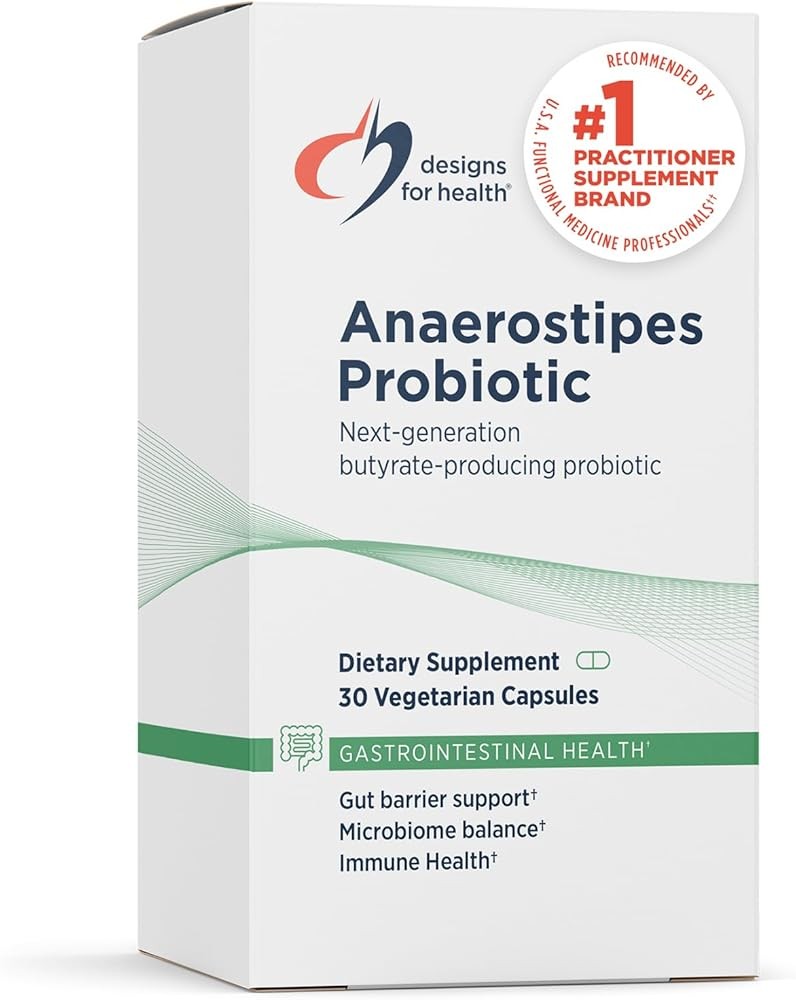
Designs for Health Anaerostipes Probiotic - 1 Billion AFU of Butyrate-Producing Probiotics
Check Price on AmazonAs an Amazon Associate we earn from qualifying purchases.
The Designs for Health Anaerostipes Probiotic (1 billion AFU, $79.99 for 30 delayed-release capsules) represents next-generation probiotic science: an Anaerostipes species whose primary metabolic output is butyrate. Unlike traditional Lactobacillus and Bifidobacterium strains, Anaerostipes bacteria produce butyrate as their primary metabolic byproduct, directly supporting gut barrier function, reducing inflammation, and promoting microbiome diversity.
Clinical research on butyrate-producing bacteria shows significant improvements in intestinal permeability markers, enhanced tight junction protein expression, and reduced systemic inflammation compared to standard probiotic formulations. Butyrate serves as the preferred fuel source for colonocytes (colon cells), supporting barrier integrity and reducing risk of leaky gut syndrome.
This formulation provides 1 billion active fluorescent units (AFU) per capsule using advanced stability technology. The gluten-free, dairy-free formula suits various dietary restrictions while maintaining high bacterial viability through expiration. Recommended dosing is one capsule daily, ideally with meals to enhance survival through stomach acid.
The Anaerostipes strain targets specific mechanisms beyond general probiotic effects. Research demonstrates butyrate-producing species support regulatory T cell development, modulate immune responses, influence metabolic signaling pathways, and provide anti-inflammatory benefits throughout the body, not just the digestive tract.
While the price point exceeds traditional probiotics, the targeted butyrate production and emerging clinical evidence supporting metabolic and barrier function benefits justify the premium for individuals specifically seeking gut barrier support, inflammatory condition management, or next-generation microbiome restoration approaches.


NatureWise Probiotics 60 Billion CFU - 17 Strains + Organic Prebiotics
Check Price on AmazonAs an Amazon Associate we earn from qualifying purchases.
NatureWise Probiotics 60 Billion CFU delivers exceptional value: 17 strains plus organic prebiotics at $15.99 per 30-capsule bottle. The high-potency formula combines diverse Lactobacillus and Bifidobacterium species with organic prebiotic fiber to feed beneficial bacteria.
The delayed-release capsules protect bacterial viability through stomach acid, ensuring strains reach the intestines where they exert beneficial effects. Third-party testing verifies potency and purity, addressing common concerns about probiotic product quality and label accuracy.
The strain diversity provides broad-spectrum benefits including digestive comfort, bowel regularity, immune function, and microbiome balance. Research shows multi-strain formulas often produce superior results compared to single-strain products due to synergistic effects and broader metabolic capabilities.
Organic prebiotic inclusion enhances probiotic effectiveness by providing food sources that support bacterial growth and SCFA production. The combination creates a synbiotic effect maximizing benefits while supporting existing beneficial bacteria already present in your microbiome.
At $15.99 per bottle, this formula provides clinically meaningful CFU counts and researched strains at a price point built for long-term daily use. The shelf-stable formulation eliminates refrigeration requirements, improving convenience for travel and storage.

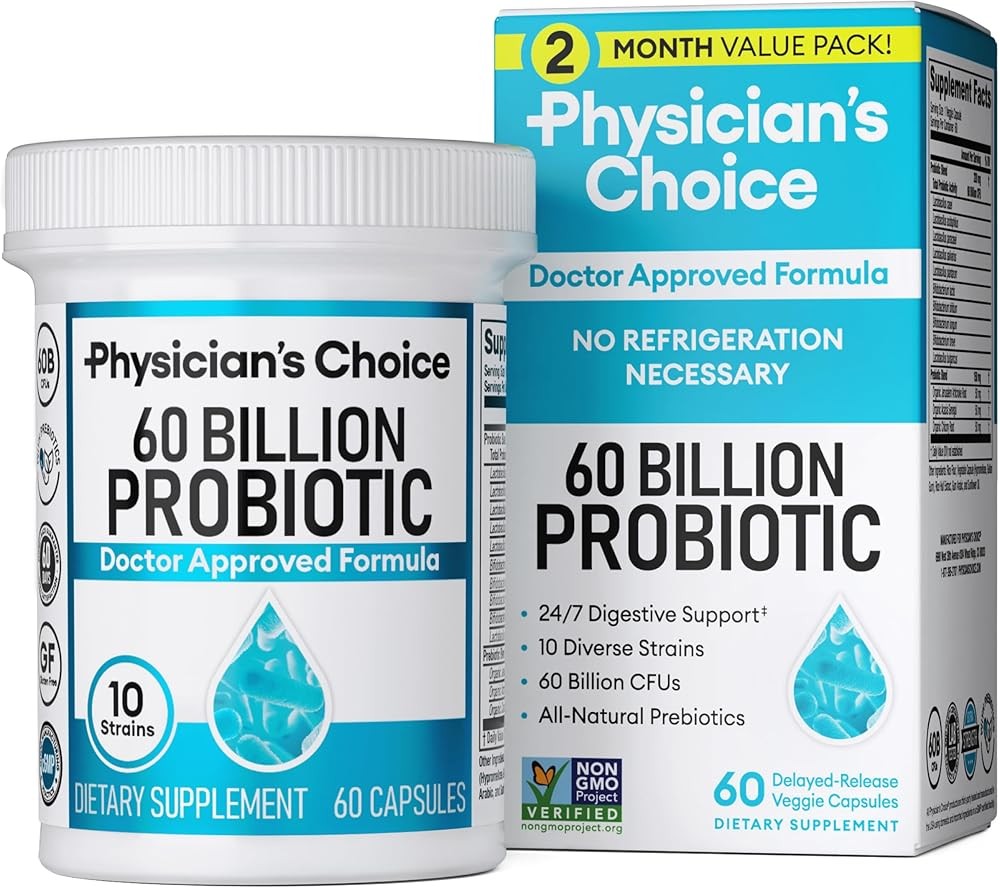
Physician's CHOICE Probiotics 60 Billion CFU - 10 Strains + Organic Prebiotics
Check Price on AmazonAs an Amazon Associate we earn from qualifying purchases.
The Physician’s CHOICE Probiotics 60 Billion CFU ($35.00 per 60-capsule bottle, a two-month supply at one capsule daily) combines 10 extensively researched strains selected for IBS symptom management, bloating reduction, and digestive comfort. Clinical studies on similar multi-strain Bifidobacterium and Lactobacillus combinations show 30-40 percent reductions in IBS symptoms including abdominal pain, bloating, and bowel irregularity.
The targeted strain selection emphasizes species with published research supporting digestive health applications. Bifidobacterium strains dominate the formula since research demonstrates particular efficacy for IBS management across all subtypes (IBS-C, IBS-D, and IBS-M).
Organic prebiotic fiber provides food sources supporting probiotic effectiveness while promoting growth of existing beneficial bacteria. The synbiotic combination enhances SCFA production, supporting gut barrier function and reducing inflammation that contributes to IBS symptom generation.
Delayed-release capsules protect bacterial viability through stomach acid exposure, ensuring therapeutic doses reach the intestines. The vegetarian capsules suit various dietary restrictions while maintaining stability at room temperature, eliminating refrigeration requirements.
The recommended one-capsule daily dose provides 60 billion CFU. Most users notice digestive improvements within 2-4 weeks, with maximum benefits emerging over 8-12 weeks based on IBS clinical trial timelines.


Garden of Life Dr. Formulated Probiotics Once Daily Ultra, 90B CFU, 30ct
Check Price on AmazonAs an Amazon Associate we earn from qualifying purchases.
Garden of Life’s Dr. Formulated Once Daily Ultra delivers 90 billion CFU across 15 strains, including L. acidophilus NCFM, one of the most-studied strains for immune and colon support. Meta-analyses of probiotics for upper respiratory infections report meaningful reductions in infection frequency and duration compared with placebo (Hao et al., 2011).
The formula combines Lactobacillus and Bifidobacterium species with published research on natural killer cell activity, secretory IgA, and balanced cytokine responses, plus soil-based organisms that add delivery resilience. These mechanisms support first-line immune defenses in the gut-associated lymphoid tissue, where most immune cells reside.
The capsules use Garden of Life’s raw, delayed-release delivery to protect strains through stomach acid, and the formula is non-GMO, vegetarian, and free of gluten and soy.
The delayed-release capsule technology protects bacterial viability through stomach acid, ensuring therapeutic doses reach intestinal immune tissues where 70-80 percent of immune system cells reside. The shelf-stable formulation maintains potency without refrigeration.
Recommended use is one capsule daily, at $39.89 per 30-capsule bottle. Immune benefits in trials typically emerge over 4-6 weeks and require ongoing use to persist.
What the data says: The best-evidenced uses are antibiotic-associated diarrhea prevention (meta-analytic risk roughly halved), IBS symptom reduction with specific strains over 8-12 weeks, and fewer upper respiratory infections during defined high-risk periods. Cholesterol, mood, and weight effects are real but modest in meta-analyses.
What Clinical Research Supports Probiotic Benefits?
Over 10,000 published studies examine probiotic effects on human health, with the evidence base expanding rapidly. However, the quality and applicability of research varies significantly. Understanding which health claims have robust clinical support versus preliminary or mixed evidence helps set realistic expectations.
Antibiotic-Associated Diarrhea Prevention
The strongest and most consistent evidence supports probiotic use for preventing antibiotic-associated diarrhea (AAD). Multiple meta-analyses demonstrate:
Lactobacillus rhamnosus GG: Reduces AAD risk by 51 percent across 23 randomized controlled trials involving over 3,000 participants (PubMed: 22570464). Benefits are most pronounced when probiotics are started within 48 hours of antibiotic initiation and continued throughout the antibiotic course plus 1-2 weeks after completion.
Saccharomyces boulardii: This beneficial yeast resists antibacterial medications, allowing simultaneous administration. Cochrane meta-analyses find probiotics roughly halve the risk of Clostridium difficile-associated diarrhea during antibiotic courses, with S. boulardii among the best-supported strains (Goldenberg et al., 2017).
Multi-strain formulas: Combinations of Lactobacillus and Bifidobacterium species show consistent AAD prevention, with effectiveness increasing with higher CFU counts (typically 10-20 billion daily).
The mechanism involves maintaining beneficial bacterial populations despite antibiotic-induced disruption, competing with opportunistic pathogens like C. difficile for colonization sites, and supporting immune function during microbiome perturbation.
IBS Symptom Management
Irritable bowel syndrome affects 10-15 percent of adults, characterized by abdominal pain, bloating, and altered bowel habits without structural abnormalities. Probiotic research shows promising but strain-specific results:
Bifidobacterium infantis 35624: The pivotal encapsulated trial in women with IBS found significant symptom improvements versus placebo, and follow-up work confirms the effect is strain-specific (Whorwell et al., 2006). This specificity is critical: other B. infantis strains do not show equivalent benefits.
Multi-strain Bifidobacterium formulas: Combinations of several Bifidobacterium species show statistically significant IBS symptom improvements, particularly for constipation-predominant IBS (IBS-C).
Lactobacillus plantarum 299v: Research demonstrates reductions in abdominal pain and bloating, though effects are more modest than Bifidobacterium strains.
IBS symptom improvements typically emerge over 8-12 weeks, requiring patience and consistent supplementation. Not all individuals respond equally—success rates in clinical trials range from 40-70 percent depending on IBS subtype and baseline severity.
Immune Function and Infection Prevention
Numerous studies examine probiotic effects on immune parameters and infection rates:
Upper respiratory infections: Cochrane meta-analyses report that probiotics reduce the number of people who experience acute upper respiratory infections and shorten episode duration, with the clearest benefits in children and older adults (Hao et al., 2011).
Immune cell function: Clinical trials demonstrate probiotics enhance natural killer cell activity, increase secretory IgA production at mucosal surfaces, and promote balanced pro-inflammatory and anti-inflammatory responses. These effects support first-line immune defenses while preventing excessive inflammation.
Vaccination responses: Some research suggests probiotics improve antibody responses to vaccines, though results vary by probiotic strain, vaccine type, and population studied.
The mechanism involves gut-associated lymphoid tissue (GALT) training, where 70-80 percent of immune cells reside. Probiotic bacteria interact with these immune cells, influencing systemic immune function beyond just digestive health.
Inflammatory Bowel Disease Management
Research on probiotics for Crohn’s disease and ulcerative colitis shows mixed results:
Ulcerative colitis: The multi-strain formula VSL3 (now called Visbiome due to legal disputes) demonstrates efficacy for inducing and maintaining remission in some UC patients. Research shows benefits comparable to standard medications in mild-to-moderate cases.
Pouchitis prevention: Probiotic therapy significantly reduces pouchitis (inflammation of surgically created intestinal pouches) following colectomy in UC patients. VSL3/Visbiome shows the strongest evidence for this specific application.
Crohn’s disease: Evidence is less convincing for Crohn’s disease management, with most studies showing minimal or inconsistent benefits. The distinct inflammatory mechanisms in Crohn’s versus UC likely explain differential probiotic responses.
IBD represents a more complex inflammatory condition than IBS, and probiotics should complement rather than replace standard medical management. Work with gastroenterologists when considering probiotics for IBD.
Mental Health and Mood
Emerging research explores the gut-brain axis and psychobiotic effects:
Anxiety and depression: Several small studies show probiotic supplementation reduces anxiety and depression symptoms, particularly in individuals with existing mood disorders. Research demonstrates improvements in stress hormone responses and inflammatory markers associated with depression.
Cognitive function: Preliminary research suggests certain strains may enhance memory, processing speed, and cognitive flexibility, though mechanisms remain under investigation.
Stress response: Probiotics appear to modulate cortisol responses and subjective stress perceptions in controlled trials, supporting stress resilience.
While promising, psychobiotic research remains in early stages with significant variability in strain effects, optimal dosing, and individual responses. Current evidence doesn’t support probiotics as primary mental health interventions but suggests potential adjunctive value.
Metabolic Health
Research examines probiotic effects on weight management, blood sugar control, and cholesterol:
Weight management: Results are inconsistent, with some studies showing modest weight loss (1-2 kg over 12 weeks) while others show no significant effects. Lactobacillus gasseri shows the most consistent weight management research, though effects remain modest.
Blood sugar control: Several trials demonstrate improved fasting glucose, HbA1c, and insulin sensitivity in type 2 diabetes patients supplementing with specific probiotic strains. However, effects are generally small and variable.
Cholesterol reduction: Meta-analyses report average reductions of roughly 6-8 mg/dL in total cholesterol and 7-8 mg/dL in LDL from probiotic supplementation (Sun and Buys, 2015). These are statistically significant but clinically modest compared with statin therapy.
Metabolic benefits appear most pronounced in individuals with existing metabolic dysfunction rather than healthy populations. Probiotics may support metabolic health as part of comprehensive lifestyle interventions but don’t replace diet, exercise, or medications when indicated.
The practical takeaway: Match the strain to the condition, confirm the dose matches the research, and check that potency is guaranteed through expiration. A product that names its strains at clinical doses and survives stomach acid beats a higher-CFU blend that answers none of those questions.
How Do You Choose the Right Probiotic?
With hundreds of probiotic products available, selecting an effective formula requires understanding key quality markers and matching strains to specific health goals:
Strain Identification
Complete naming: Quality products list complete strain identification including genus, species, and strain designation. For example: “Lactobacillus rhamnosus GG” not just “Lactobacillus.”
Strain-specific research: Different strains within the same species exhibit different properties. Lactobacillus rhamnosus GG has extensive research for antibiotic-associated diarrhea prevention, while other L. rhamnosus strains may not show equivalent benefits.
Proprietary blends warning: Avoid products listing “proprietary probiotic blend” without specific strain identification. This blocks verification of research supporting claimed benefits.
CFU Count and Dosing
Clinically meaningful doses: Most research uses 10-100 billion CFU daily. Single-strain formulas may use lower doses (1-10 billion) while multi-strain products typically contain 10-60+ billion total CFU.
Guaranteed potency: Look for products guaranteeing CFU counts through expiration date, not just at time of manufacture. Bacterial viability decreases over time, so “manufactured with 50 billion CFU” means potency at expiration may be significantly lower.
Appropriate serving size: Verify the labeled CFU count reflects the recommended serving size. Some products require 2-3 capsules to achieve stated potency.
Survivability Features
Acid resistance: Probiotic bacteria must survive stomach acid (pH 1.5-3.5) to reach the intestines where they function. Look for:
- Delayed-release or acid-resistant capsules
- Enteric coating technology
- Spore-forming species (Bacillus) naturally resistant to acid
- Microencapsulation or other protective technologies
Third-Party Testing
Independent verification: Prefer products that undergo:
- Third-party testing for potency and purity
- Certification from organizations like ConsumerLab, USP, or NSF
- Regular batch testing by manufacturers
Numerous studies finding probiotic products contain different species or lower CFU counts than labeled highlight the importance of third-party verification.
Evidence-Based Formulation
Clinical research: Prioritize products containing:
- Specific strains with published clinical trials for your health goals
- Appropriate doses based on research protocols
- Strain combinations studied together (if multi-strain)
Be skeptical of products making broad claims without strain-specific references or those containing dozens of strains at very low individual doses.
Reading a Probiotic Label in 60 Seconds
A quick mental checklist when comparing bottles:
- Named strains. You want genus + species + strain designation (Lactobacillus rhamnosus GG), not a blend label.
- CFU through expiry. “Guaranteed through expiration” beats “at time of manufacture.”
- Dose per serving. Check whether the listed CFU requires one capsule or three.
- Delivery. Delayed-release, enteric-coated, or microencapsulated beats plain capsules for acid-sensitive strains; Bacillus spores survive without any coating.
- Storage. Match the label to your habits: shelf-stable products exist, but refrigeration is never wrong for conventional strains.
- Testing. Third-party potency testing (USP, NSF, ConsumerLab) or a published certificate of analysis is worth a small premium.
If a label cannot answer items 1 and 2, the product is not serious about what it is selling.
Storage Requirements
Storage Requirements
Viability maintenance: Consider:
- Refrigerated products if you can maintain proper storage
- Shelf-stable products with stability data if refrigeration is impractical
- Expiration dates and how recently products were manufactured
While modern stabilization technologies improve shelf-stable product viability, refrigeration generally provides maximum bacterial survival.
What Are Common Probiotic Mistakes to Avoid?
Understanding common pitfalls helps maximize probiotic effectiveness:
Taking with hot beverages: Heat kills probiotic bacteria. Take capsules with room temperature or cool liquids, never with hot coffee or tea.
Inconsistent supplementation: Most probiotic strains don’t permanently colonize the gut, requiring ongoing supplementation for sustained benefits. Sporadic use provides minimal effects.
Insufficient duration: Many people discontinue probiotics after 1-2 weeks if they don’t see immediate results. Most benefits require 4-8 weeks to emerge, with some conditions (IBS, immune function) requiring 8-12 weeks.
Wrong strain for condition: Using Lactobacillus strains for IBS when research supports Bifidobacterium species, or taking general probiotics for specific conditions requiring particular researched strains.
Expecting unrealistic results: Probiotics provide meaningful but modest benefits for most conditions. They support health as part of comprehensive strategies but rarely produce dramatic standalone effects.
Ignoring diet: No probiotic can overcome persistently poor dietary patterns. Prioritize diverse plant foods, adequate fiber (25-35g daily), and fermented foods alongside supplementation.
Combining with antimicrobials without timing consideration: Take probiotics 2-3 hours apart from antibiotics or antifungals to avoid interference while still providing benefit.
Storage negligence: Exposing probiotics to heat, moisture, or light accelerates bacterial death. Follow storage instructions carefully.
Assuming all probiotics are identical: Different genera, species, and strains provide different benefits. Generic “probiotic” without strain specification blocks informed selection.
Neglecting prebiotic intake: Probiotic bacteria require prebiotic fiber for food and metabolic activity. Inadequate fiber intake limits probiotic effectiveness.
Related Reading
- Postbiotics vs Probiotics: Which Is Better for Gut Health?
- Best Supplements for Gut Health: Probiotics, Prebiotics, and Digestive Enzymes Compared
- How Dogs Improve Human Gut Microbiome: Cross-Species Health Benefits
- Best Probiotics for Bloating and Gas: Strain-Specific Guide Based on Research
- Best Supplements for IBS: Probiotics, Fiber, and More Reviewed by Research
How Long Until Probiotics Work and How Do You Know?
Realistic timelines keep expectations honest and avoid the most common mistake: quitting after a week.
- Antibiotic-associated diarrhea: protection builds within days, which is why you start the probiotic on day one of antibiotics.
- Digestive comfort and regularity: most people notice changes in 2-4 weeks.
- IBS symptom reduction: trials run 8-12 weeks, and response is partial in many people.
- Immune outcomes: benefits accrue over 4-6 weeks of daily use and fade after stopping, because most strains do not colonize permanently.
How do you know it is working? Bowel regularity that is stable rather than swinging, less bloating after meals, and fewer digestive interruptions are the practical markers. If nothing changes after 8 weeks at a clinically meaningful dose, switch strains or reconsider whether a probiotic is the right tool. If symptoms get worse, stop and talk to a clinician.
What Probiotic Myths Cost People Money?
Myth: higher CFU is always better. Dose matters only up to the level the research used for your condition. A 1 billion AFU butyrate-producer is a different tool from a 60 billion multi-strain formula, and comparing them by CFU alone is meaningless.
Myth: more strains are always better. A dozen strains at vanishing doses is a label marketing exercise. What matters is whether the strains you need are present at clinically studied doses.
Myth: all probiotics need refrigeration. Many modern products are shelf-stable through expiration. Refrigeration is a quality signal for traditional strains, but its absence is not proof of a bad product.
Myth: you can repopulate your gut permanently. Most probiotic strains pass through transiently. That is fine, the benefits occur while they are present, which is why daily use matters.
Myth: yogurt and supplements are interchangeable. Fermented foods are excellent for general microbiome support but rarely deliver the specific strain and dose that a clinical trial used for a particular condition.
Can Microbiome Testing Tell You Which Probiotic to Buy?
Direct-to-consumer microbiome tests analyze a stool sample and return diversity scores and species lists. The honest assessment: they can tell you roughly how diverse your community is and flag major imbalances, but they cannot diagnose disease, and the reference databases are still young. The clinical utility for deciding which probiotic to buy is limited, because the strains that resolve a condition are usually known from trials, not from your test result. If a test result is driving a supplement purchase, view it as information rather than a prescription, and choose strains based on the condition-specific trial evidence instead. If digestive symptoms are serious enough to warrant testing, start with a clinician, who can order the tests that actually guide treatment.
What Is the Antibiotic Recovery Protocol?
Antibiotics are the most common reason people reach for probiotics, and the timing details decide whether it works:
- Day 1 of the antibiotic course: start the probiotic the same day, taken at least 2-3 hours away from each antibiotic dose. S. boulardii is the exception and can be taken at the same time as the antibiotic, since it is a yeast.
- During the course: continue daily. A 10-20 billion CFU multi-strain formula or S. boulardii at 250-500mg daily both have trial support.
- After the last dose: continue for 1-2 weeks (the meta-analyses that showed benefit continued supplementation past the antibiotic course).
- Recovery diet: while the probiotic works, feed the microbiome with fiber and fermented foods; the combination outperforms either alone.
- If diarrhea develops during antibiotics: do not self-manage indefinitely. Diarrhea that persists after the course, or with fever or blood, needs medical evaluation because C. difficile infection requires specific treatment.
Do Probiotic Needs Change Across the Life Span?
Infants and children. Specific strains, notably Lactobacillus rhamnosus GG, have evidence for acute gastroenteritis and pediatric antibiotic-associated diarrhea. Give children strains and doses studied in children rather than scaling adult products, and check with a pediatrician for infants.
Pregnancy. Probiotics are widely used in pregnancy and appear safe in trials, but pregnancy-specific research is still limited for most strains; the strongest data cover maternal vaginal health and infant outcomes for specific Lactobacillus and Bifidobacterium combinations.
Older adults. Diversity declines with age, and multi-strain formulas with Bifidobacterium species have the most evidence in older populations, where the goals are regularity, immune support, and reducing infection risk.
Athletes. High training loads suppress mucosal immunity, and research on respiratory infections in athletes favors L. rhamnosus GG-type strains taken daily during heavy training blocks.
Probiotics and Diet: The Synergy Question
The common question is whether probiotics work without dietary changes. The honest answer: they work better with them. Probiotic strains need fermentable fiber to produce the short-chain fatty acids that drive many of their effects, and a diet low in plant foods starves both the native microbiome and the strains you swallow. The practical pattern that research supports is a fiber-rich diet plus fermented foods as the foundation, with targeted probiotic products for defined situations such as antibiotic courses, IBS, or travel. Expecting a capsule to fix a diet of ultra-processed food is the most common reason probiotic trials fail in real life, not in the literature.
What Do Synbiotics and Postbiotics Actually Mean?
The supplement aisle blurs four different things, and the differences change what you should buy:
Probiotics are live microorganisms that confer a health benefit when consumed in adequate amounts. The key word is live, which is why storage, delivery, and potency-through-expiration matter.
Prebiotics are fibers that feed beneficial microbes. Inulin, fructo-oligosaccharides, and galacto-oligosaccharides are the best studied. A prebiotic can support the microbiome you already have without adding new strains.
Synbiotics pair a probiotic with a prebiotic that specifically feeds it. The NatureWise and Physician’s CHOICE products above are synbiotic by design, with organic prebiotic fiber included.
Postbiotics are the metabolic products of probiotic activity, such as butyrate, or inactivated whole cells. They sidestep viability concerns entirely and are an emerging category, but the evidence base is younger than for live probiotics.
When a product claims to be a probiotic, check that it is alive, named, and dosed. When it claims to be a postbiotic, check what the active component actually is.
Which Strain Should You Use? A Quick Reference
| Strain | Best-Evidenced Use | Typical Dose | Notes |
|---|---|---|---|
| Lactobacillus rhamnosus GG | AAD prevention, pediatric diarrhea | 10-20 billion CFU daily | One of the most-studied strains worldwide |
| Saccharomyces boulardii | AAD, C. difficile risk reduction | 250-500mg daily | Yeast; survives antibiotics; skip if immunocompromised |
| Bifidobacterium infantis 35624 | IBS symptoms | 1-10 billion CFU daily | Effect is strain-specific |
| L. acidophilus NCFM | Immune support, lactose digestion | 10-90 billion CFU | Found in the Garden of Life pick above |
| Bifidobacterium lactis BB-12 | Regularity, immune support | 1-10 billion CFU | Well documented in older adults |
| Anaerostipes (butyrate producers) | Barrier support (emerging) | 1 billion AFU | The Designs for Health pick; lower count by design |
No single strain covers every goal. Match the strain column to your reason for supplementing, then confirm the product label names that strain at a research-aligned dose.
Probiotics for Travelers, Shift Workers, and High-Stress Periods
Three common situations deserve their own guidance:
Travel. Traveler’s diarrhea is the classic travel gut problem. S. boulardii has the best evidence of any probiotic strain for reducing its risk, and a multi-strain Lactobacillus formula is a reasonable second option. Start a few days before departure and continue through the trip. Shelf-stable products remove the hotel-fridge problem.
Shift work and jet lag. Disrupted circadian rhythms alter the gut microbiome, and the microbiome in turn influences circadian biology through microbial metabolites. Probiotics will not fix shift work, but taking a Bifidobacterium-containing formula at a consistent time of day, anchored to your main meal, is the most sensible pattern while you address sleep and light exposure properly.
High-stress training or work blocks. Stress and heavy training lower secretory IgA and raise infection risk. A daily Lactobacillus rhamnosus GG-type strain during defined high-stress blocks is the evidence-based pattern from the athlete research, and it should stop when the block ends.
The rule for all three: use probiotics as a defined intervention with a start and an end, not as an indefinite habit. That keeps cost low, expectations realistic, and the evidence aligned with how the trials were run.
How to Evaluate a Probiotic Study or Product Claim
Reading a probiotic claim critically takes thirty seconds once you know the three questions:
- Was the exact strain tested? A study of Lactobacillus rhamnosus GG says nothing about Lactobacillus acidophilus, even though both are Lactobacillus. The claim must name the strain that was studied.
- Was the dose tested? A trial that worked at 20 billion CFU daily does not license a product delivering 2 billion.
- Was the population similar to you? Results in children with acute gastroenteritis do not transfer automatically to adults with IBS, and vice versa.
Apply the same three questions to the products in this guide: each pick names its strains, states its dose, and is matched to the population and condition in the research that supports it. Products that cannot answer all three questions are where the skepticism should start.
Who Should Skip Probiotics and When Should You See a Doctor?
Probiotics have an excellent safety record in healthy people, but they are live organisms, and a few groups need to be more careful.
Immunocompromised people. Anyone with a severely weakened immune system, a central venous catheter, recent major surgery, or an active serious illness should talk to a clinician before taking probiotics. Fungemia and bacteremia from probiotic strains have been reported in these settings, and while rare, they are serious. S. boulardii in particular should be avoided by immunocompromised patients because of documented fungemia cases.
People with structural gut problems. Those with severe acute pancreatitis, short bowel syndrome, or gut barrier failure from critical illness should not take probiotics without medical supervision, based on trial safety signals in those specific populations.
Red-flag symptoms that warrant a doctor, not a supplement. If any of the following occur during probiotic use, stop and seek medical advice: fever with abdominal pain, bloody stools, severe dehydration symptoms, or symptoms that worsen rather than improve over two weeks. Gas, bloating, and mild changes in stool for the first week or two are normal as the microbiome adjusts; severe or persistent symptoms are not.
Medication timing. Take probiotics at least 2-3 hours away from antibiotics and antifungals. If you take immunosuppressants or are about to have surgery, tell your doctor what you supplement with.
Should You Eat Fermented Foods Before Buying Probiotics?
Supplements are not the only way to support the microbiome, and for most people they are not even the most important way.
Fermented foods. Yogurt with live cultures, kefir, kimchi, sauerkraut, miso, and kombucha deliver live microbes in a food matrix. A landmark trial found that a diet rich in fermented foods increased microbiome diversity and reduced markers of inflammation more than a high-fiber diet did. The strain doses in foods are usually lower than in supplements and rarely stated on labels, but the food matrix and regular consumption make them a solid foundation.
Prebiotics. Probiotic bacteria need fuel. Garlic, onions, leeks, asparagus, bananas, oats, barley, and legumes provide the fibers that feed Bifidobacterium and other beneficial genera. Most adults fall well short of the 25-35g of daily fiber that supports a diverse microbiome, and adding prebiotic foods is often a bigger lever than adding a probiotic capsule.
The realistic protocol. Eat fermented foods most days, keep fiber intake high, limit ultra-processed food, and use a targeted probiotic for specific situations: during and after antibiotics, during travel, or for a condition with strain-specific evidence such as IBS-D or antibiotic-associated diarrhea. The products reviewed above map to those situations, and none of them replaces the food foundation.
How Do You Pick a Probiotic in 60 Seconds?
If you take one thing from this guide, use this decision path:
- No specific complaint, healthy digestion: skip the supplement; eat fermented foods and 25-35g of fiber daily instead.
- Antibiotic course now or in the next month: take a 10-20 billion CFU multi-strain formula or S. boulardii daily from day one of the course through two weeks after it ends.
- Bloating, irregularity, or IBS-type symptoms: choose a Bifidobacterium-heavy formula with named strains, such as the Physician’s CHOICE pick, and give it a full 8-12 week trial before judging it.
- Immune support during a defined high-risk window: a high-dose multi-strain formula such as the Garden of Life pick, taken daily for 4-6 weeks.
- Gut barrier or metabolic goals with a bigger budget: the butyrate-producer route (Designs for Health Anaerostipes) is the emerging option, best used alongside the basics above.
Whichever path you take, the four label checks (named strains, dose through expiry, delivery system, third-party testing) and the 8-week trial rule will avoid most of the disappointment people blame on probiotics.
Bottom line: Probiotics work when the strain, dose, and duration match the evidence for your specific goal. Use the four label checks, run an 8-week trial, and keep food first: fermented foods and 25-35g of daily fiber do more for most microbiomes than any capsule. The four products reviewed here cover the common goals, from targeted butyrate support to broad-spectrum immune and digestive formulas.
Conclusion: Making Informed Decisions About Probiotic Use
Your gut microbiome represents one of the most powerful levers for influencing overall health—from digestion and immunity to metabolism, mood, and disease prevention. Probiotics offer a scientifically supported tool for restoring and maintaining this critical ecosystem, but their effectiveness depends on informed selection and realistic expectations.
The evidence is clear: specific probiotic strains provide meaningful benefits for specific conditions. Lactobacillus rhamnosus GG and Saccharomyces boulardii dramatically reduce antibiotic-associated diarrhea. Bifidobacterium infantis significantly alleviates IBS symptoms. Various Lactobacillus and Bifidobacterium strains strengthen immune function and reduce respiratory infections. The key word throughout this research is “specific”—benefits don’t generalize across strains, even within the same species.
Successful probiotic use requires understanding this strain-specificity and choosing products accordingly. Look for complete strain identification, clinically meaningful CFU counts guaranteed through expiration, acid-resistant delivery systems, and third-party testing verification. Match your selection to research supporting specific strains for your health goals rather than assuming any probiotic will provide all benefits.
Remember that probiotics work best within comprehensive gut health strategies. No supplement can overcome persistently poor dietary choices, chronic sleep deprivation, unmanaged stress, or sedentary lifestyles. Prioritize the foundations: diverse plant foods providing 25-35g daily fiber, regular fermented food consumption, adequate sleep, stress management, and physical activity. Then use targeted probiotic supplementation to address specific needs or support recovery from microbiome-disrupting events like antibiotic therapy.
References
-
Claesson MJ, et al. (2012). “Gut microbiota composition correlates with diet and health in the elderly.” Nature, 488(7410):178-84. PubMed: 22797518
-
Eckburg PB, et al. (2005). “Diversity of the human intestinal microbial flora.” Science, 308(5728):1635-8. PubMed: 15831718
-
Turnbaugh PJ, et al. (2006). “An obesity-associated gut microbiome with increased capacity for energy harvest.” Nature, 444(7122):1027-31. PubMed: 17183312
-
Qin J, et al. (2012). “A metagenome-wide association study of gut microbiota in type 2 diabetes.” Nature, 490(7418):55-60. PubMed: 23023125
-
Hempel S, et al. (2012). “Probiotics for the prevention and treatment of antibiotic-associated diarrhea: a systematic review and meta-analysis.” JAMA, 307(18):1959-69. PubMed: 22570464
-
Goldenberg JZ, Yap C, Lytvyn L, et al. (2017). “Probiotics for the prevention of Clostridium difficile-associated diarrhea in adults and children.” Cochrane Database Syst Rev, 12(12):CD006095. PubMed: 29257353
-
O’Mahony L, et al. (2005). “Lactobacillus and bifidobacterium in irritable bowel syndrome: symptom responses and relationship to cytokine profiles.” Gastroenterology, 128(3):541-51. PubMed: 15765388
-
Whorwell PJ, et al. (2006). “Efficacy of an encapsulated probiotic Bifidobacterium infantis 35624 in women with irritable bowel syndrome.” Am J Gastroenterol, 101(7):1581-90. PubMed: 16863564
-
Ford AC, et al. (2014). “Efficacy of prebiotics, probiotics, and synbiotics in irritable bowel syndrome and chronic idiopathic constipation: systematic review and meta-analysis.” Am J Gastroenterol, 109(10):1547-61. PubMed: 25070051
-
Hao Q, Dong BR, Wu T. (2011). “Probiotics for preventing acute upper respiratory tract infections.” Cochrane Database Syst Rev, (9):CD006895. PubMed: 21901706
-
Yan F, Polk DB. (2011). “Probiotics and immune health.” Curr Opin Gastroenterol, 27(6):496-501. PubMed: 21897224
-
Dimidi E, et al. (2014). “The effect of probiotics on functional constipation in adults: a systematic review and meta-analysis of randomized controlled trials.” Am J Clin Nutr, 100(4):1075-84. PubMed: 25099542
-
Kadooka Y, et al. (2010). “Regulation of abdominal adiposity by probiotics (Lactobacillus gasseri SBT2055) in adults with obese tendencies in a randomized controlled trial.” Eur J Clin Nutr, 64(6):636-43. PubMed: 20216555
-
Sun J, Buys N. (2015). “Effects of probiotics consumption on lowering lipids and CVD risk factors: a systematic review and meta-analysis of randomized controlled trials.” Ann Med, 47(6):430-40. PubMed: 26340330
-
Messaoudi M, et al. (2011). “Assessment of psychotropic-like properties of a probiotic formulation (Lactobacillus helveticus R0052 and Bifidobacterium longum R0175) in rats and human subjects.” Br J Nutr, 105(5):755-64. PubMed: 20974015
-
Gareau MG, et al. (2011). “Bacterial infection causes stress-induced memory dysfunction in mice.” Gut, 60(3):307-17. PubMed: 20966022
-
Plaza-Diaz J, et al. (2019). “Evidence of the anti-inflammatory effects of probiotics and synbiotics in intestinal chronic diseases.” Nutrients, 9(6):555. PubMed: 28555037
-
Gerritsen J, et al. (2011). “Intestinal microbiota in human health and disease: the impact of probiotics.” Genes Nutr, 6(3):209-40. PubMed: 21617937
-
Sanders ME, et al. (2019). “Probiotics and prebiotics in intestinal health and disease: from biology to the clinic.” Nat Rev Gastroenterol Hepatol, 16(10):605-616. PubMed: 31296969
-
Hill C, et al. (2014). “Expert consensus document: The International Scientific Association for Probiotics and Prebiotics consensus statement on the scope and appropriate use of the term probiotic.” Nat Rev Gastroenterol Hepatol, 11(8):506-14. PubMed: 24912386
Recommended Products