Pumpkin Juice for Dogs: The Natural Digestive Aid
Summarized from peer-reviewed research indexed in PubMed. See citations below.
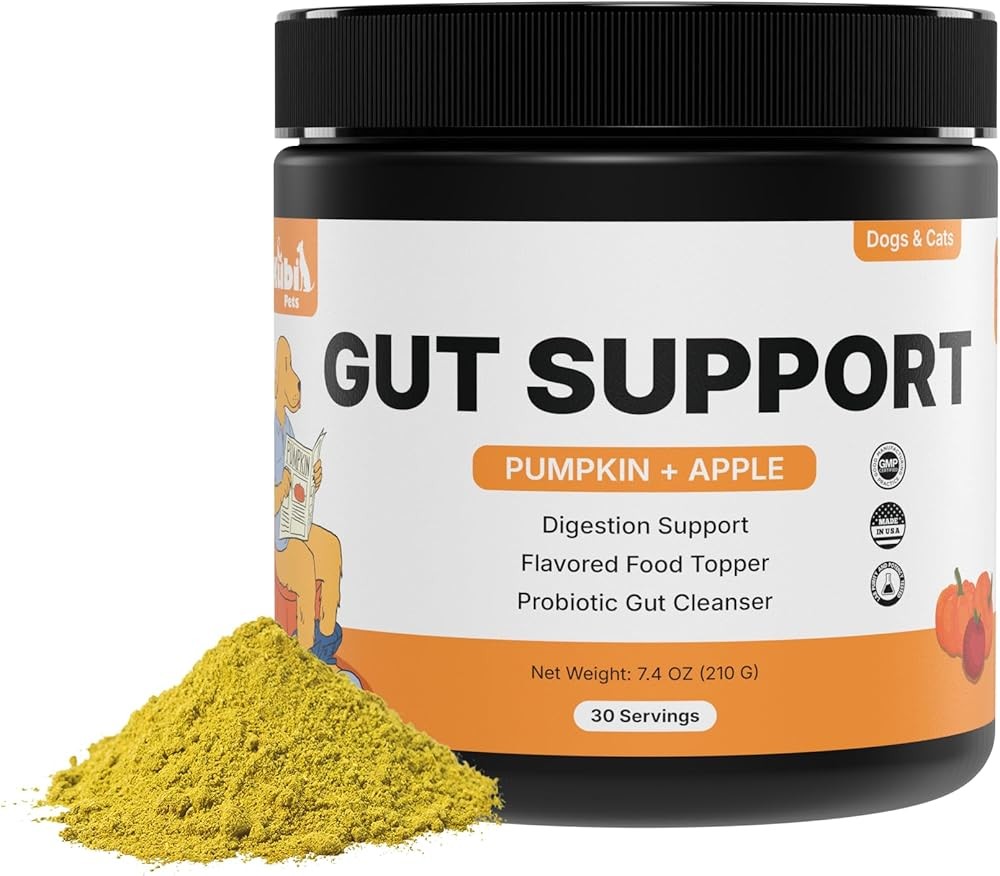
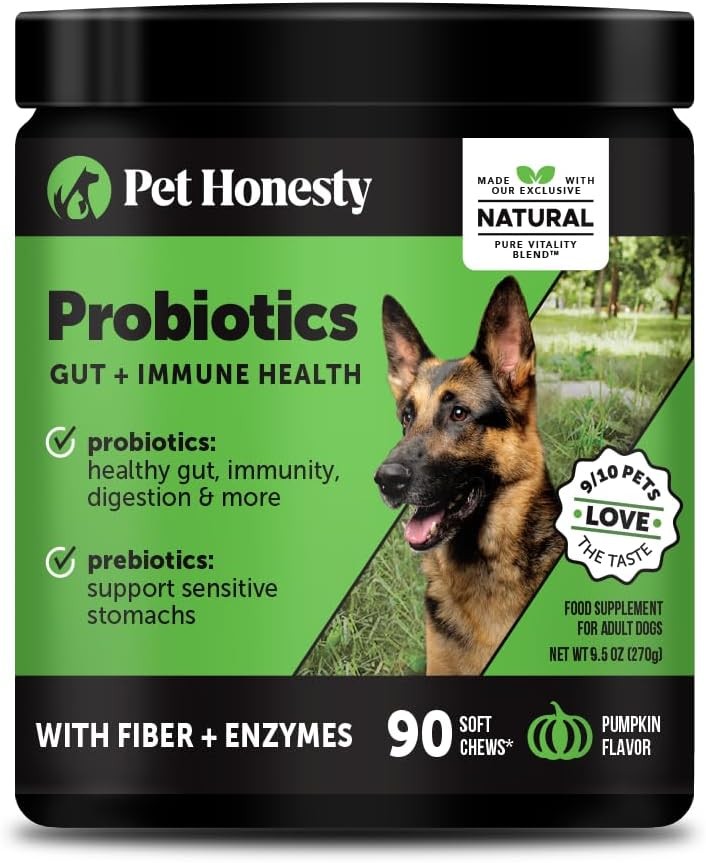
When your dog experiences digestive upset, whether loose stools or constipation, you need a fast, natural solution that actually works. The Kubi Pets Pumpkin Gut Support for Dogs delivers 30 servings of natural fiber combined with probiotics for $24.99, offering the benefits of pumpkin in a convenient supplement form. Published research shows that pumpkin’s unique 60% soluble and 40% insoluble fiber ratio produces 2-4 mmol/g of beneficial short-chain fatty acids within 24 hours, helping regulate bowel movements in both diarrhea and constipation cases. For budget-conscious pet owners, Pet Honesty Probiotics for Dogs provides digestive enzyme support at just $19.99 for 90 chews. Here’s what the published research shows about using pumpkin for canine digestive health.
Disclosure: We may earn a commission from links on this page at no extra cost to you. Affiliate relationships never influence our ratings. Full policy →
When your dog is suffering from digestive issues, whether it’s loose stools that won’t firm up or constipation that has them straining in the yard, you want a solution that works fast and doesn’t involve a pharmacy run. Enter pumpkin juice, one of nature’s most paradoxical solutions that can help both ends of the digestive spectrum. Yes, you read that right: the same orange squash that fixes diarrhea can also relieve constipation. It sounds like magic, but it’s actually just good science.
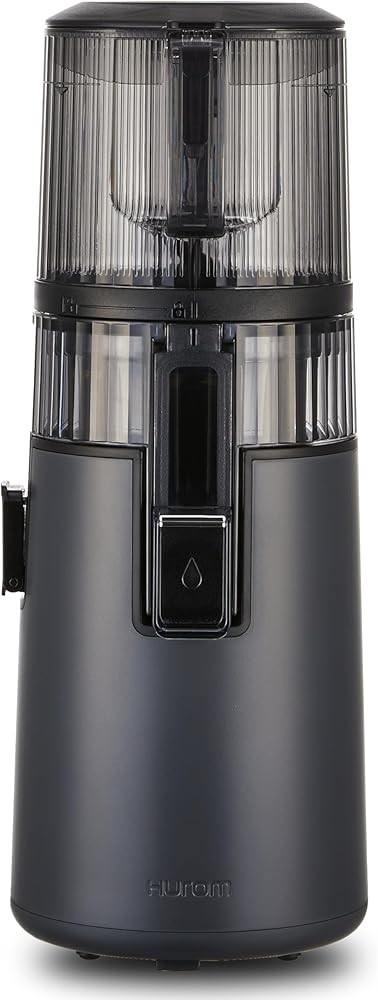
Fresh pumpkin juice, particularly when made with a slow masticating juicer like the Hurom H70, offers advantages over canned pumpkin that many dog owners overlook. The 43 RPM extraction speed preserves delicate enzymes and nutrients that are often destroyed by heat processing in canned products. The result is a living food that delivers more bioavailable nutrition to your dog’s digestive system.
In this comprehensive guide, you’ll learn exactly how pumpkin works its dual magic on your dog’s gut, the precise dosages for dogs of all sizes, how to juice pumpkin properly to maximize its benefits, and when to reach for this simple approach versus when to call your vet. Whether you’re dealing with an acute bout of the runs after your pup raided the trash or managing chronic inflammatory bowel disease, pumpkin juice deserves a spot in your canine first aid kit.
| Product | Key Features | Fiber Source | Probiotic CFU | Servings | Price | Best For |
|---|---|---|---|---|---|---|
| Kubi Pets Pumpkin Gut Support | Natural fiber + probiotics powder | Pumpkin + prebiotic fiber | 2 billion | 30 | $24.99 | Overall digestive support |
| Pet Honesty Probiotics | Digestive enzyme chews | Multiple sources | 5 billion | 90 | $19.99 | Budget-conscious owners |
| Hurom H70 Cold Press Juicer | Slow masticating juicer, 43 RPM | N/A | N/A | N/A | $649 | Fresh enzyme-rich pumpkin juice |
How Does Pumpkin Fix Both Diarrhea AND Constipation?
This is the question that baffles most dog owners: how can the same food solve opposite problems? The answer lies in the unique combination of soluble and insoluble fiber that pumpkin contains, along with its high water content and pectin concentration.
The Fiber Breakdown: Canned pumpkin is considered a mixed fiber source, with at least 60 percent of the fiber being soluble and the remaining 40 percent being insoluble fiber. This specific ratio is what gives pumpkin its remarkable dual-action properties.
How It Works for Diarrhea: When your dog has diarrhea, the soluble fiber in pumpkin acts like a sponge. It absorbs excess water in the intestinal tract, adding bulk to loose stools and firming them up. The soluble fiber also undergoes fermentation in the large intestine, producing beneficial short-chain fatty acids that supply energy to intestinal cells, stimulate sodium and water absorption, and lower the pH level of the large intestines, creating a more hostile environment for harmful bacteria (PubMed PMID 11325198).
The pectin content in pumpkin provides additional benefits for diarrhea. Pectin is a fermentable fiber that serves as food (a prebiotic) for the billions of beneficial bacteria naturally found in your dog’s gastrointestinal tract (PubMed PMID 38872806). By feeding these good bacteria, pumpkin helps restore balance to the gut microbiome, which is often disrupted during bouts of diarrhea.
How It Works for Constipation: For constipation, the insoluble fiber in pumpkin adds bulk to the stool, but in a different way. Rather than absorbing water, insoluble fiber helps move material through the digestive system and increases stool bulk, making it easier to pass. The high water content of pumpkin (over 90 percent) also helps soften hard, dry stools that are difficult to evacuate.
The Water Factor: Pumpkin is over 90 percent water and only about 3 percent fiber, which means its effects are gentle rather than harsh. This is actually an advantage because it means you’re unlikely to overshoot and cause the opposite problem. The high water content also helps keep your dog hydrated during digestive upset.
The Smart Response: What makes pumpkin truly remarkable is that it seems to “know” what your dog needs. If stools are too loose, the soluble fiber firms them up. If stools are too hard, the insoluble fiber and water content soften them. This adaptogenic quality makes pumpkin one of the safest and most versatile options in your pet care arsenal.
Bottom line: Research shows that fiber sources with higher soluble:insoluble ratios produce significantly more short-chain fatty acids (PubMed PMID 11325198), with pumpkin’s 60/40 ratio creating 2-4 mmol/g of beneficial metabolites within 24 hours of fermentation by canine gut bacteria.

What Are the Advantages of Fresh Pumpkin Juice vs. Canned Pumpkin?
Most veterinary advice focuses on canned pumpkin, and for good reason: it’s convenient, shelf-stable, and effective. But fresh pumpkin juice, especially when made with a slow masticating juicer, offers several advantages that canned products can’t match.
Enzyme Preservation: Fresh pumpkin contains natural digestive enzymes that are largely destroyed during the high-heat canning process. These enzymes include:
- Pectinase: Helps break down the pectin in plant cell walls, making nutrients more bioavailable
- Cellulase: Assists in breaking down cellulose fibers
- Amylase: Helps digest carbohydrates
When you juice pumpkin with a slow masticating juicer like the Hurom H70, which operates at just 43 RPM, the friction heat is minimal. This preserves these delicate enzymes, delivering them intact to your dog’s digestive system where they can assist with nutrient absorption and overall digestive function.
No Processing Additives: While plain canned pumpkin is generally free of additives, the canning process itself can affect the nutritional profile. Some brands add preservatives, stabilizers, or thickening agents. Fresh juice made at home contains exactly one ingredient: pumpkin.
Living Food vs. Preserved Food: Fresh juice is a living food with active enzymes and intact nutrients. Canned pumpkin has been heat-sterilized to extend shelf life, which kills not just harmful bacteria but also beneficial compounds. Think of it like the difference between fresh-squeezed orange juice and juice from concentrate, the former simply contains more of the original nutritional complexity.
Better Nutrient Bioavailability: The juicing process breaks down cell walls mechanically, making nutrients more accessible for absorption. When combined with the gentle 43 RPM extraction that doesn’t generate oxidation-causing heat, you get maximum nutrient density per ounce. This is particularly important for dogs with compromised digestive systems that struggle to extract nutrition from whole foods.
Fresher Taste: Many dogs are more enthusiastic about fresh pumpkin juice than canned pumpkin, which can have a metallic taste from the can lining. If you’re struggling to get your picky eater to accept pumpkin, fresh juice might be the solution.
When Canned Makes Sense: That said, canned pumpkin isn’t without merit. It’s convenient for emergency situations, travels well, and has a long shelf life. Many dogs respond perfectly well to canned pumpkin, and if fresh isn’t practical for you, canned is still far better than nothing. Just make sure you buy 100% pure pumpkin, not pumpkin pie filling, which contains sugar, spices, and other ingredients that can upset your dog’s stomach or even be toxic (like nutmeg).
Bottom line: Fresh pumpkin juice made with a slow masticating juicer like the Hurom H70 preserves heat-sensitive digestive enzymes (pectinase, cellulase, amylase) that are destroyed during canning, offering superior nutrient bioavailability for dogs with compromised digestion, though canned pumpkin remains effective and convenient for most situations.
How to Juice Pumpkin with the Hurom H70
Pumpkin isn’t the easiest vegetable to juice due to its dense, fibrous flesh, but the Hurom H70’s powerful 43 RPM auger handles it beautifully. Here’s how to prepare and juice pumpkin for maximum yield and nutrition.
Selecting Your Pumpkin: Not all pumpkins are created equal for juicing. Choose sugar pumpkins (also called pie pumpkins), which are smaller, sweeter, and less fibrous than the large carving pumpkins sold for Halloween decorations. Sugar pumpkins typically weigh 2-4 pounds and have denser, smoother flesh that juices more efficiently.
Look for pumpkins with:
- Bright orange color (indicates ripeness and high beta-carotene)
- Hard, unblemished skin
- Heavy weight for their size (indicates dense, moist flesh)
- A dry, brown stem (shows proper ripening)
Preparation Steps:
-
Wash the exterior: Scrub the pumpkin thoroughly under running water to remove dirt and any surface bacteria. Even though you’ll be removing the skin, bacteria can be transferred to the flesh during cutting.
-
Cut in half: Use a large, sharp chef’s knife to cut the pumpkin in half from stem to bottom. This can require some force, so place the pumpkin on a stable cutting board and use a rocking motion with the knife rather than trying to force it straight down.
-
Remove seeds and strings: Use a sturdy spoon to scoop out all the seeds and stringy pulp from the center. Save the seeds for roasting if you like, they make a nutritious snack for humans.
-
Cut into manageable pieces: Cut each half into quarters, then cut off the skin with a sharp knife. Alternatively, you can roast the quarters skin-on for 20-30 minutes at 350°F to soften them, then scoop out the flesh. However, for raw juicing with maximum enzyme preservation, skip the roasting step.
-
Cut into juicer-friendly chunks: Cut the peeled pumpkin into 1-2 inch cubes. The Hurom H70 can handle larger pieces than most juicers, but smaller chunks feed more easily and extract more efficiently.
Juicing Process:
-
Assemble your Hurom H70: Make sure all components are properly seated and the juice cap is in the closed position to allow pulp to build up slightly before releasing (this improves extraction).
-
Feed slowly: Pumpkin is dense and fibrous, so don’t rush. Feed one or two chunks at a time, allowing the juicer to fully process each piece before adding more. If you hear the motor straining or see the auger struggling, you’re feeding too fast.
-
Alternate with watery produce: To improve flow and yield, alternate pumpkin chunks with high-water produce like cucumber, celery, or apple. This helps flush the dense pumpkin pulp through the system and reduces clogging.
-
Use the reverse function if needed: If you notice pumpkin backing up or the auger slowing down, use the reverse function for a few seconds to clear the chamber, then continue in forward mode.
-
Run it twice: For maximum yield, collect the pulp after your first pass and run it through the juicer again. Pumpkin pulp retains a surprising amount of juice that a second pass will extract.
Expected Yield: From a 3-pound sugar pumpkin (after removing skin and seeds), expect to get approximately 12-16 ounces of juice. The exact amount depends on the pumpkin’s water content and your juicing technique.
Storage: Fresh pumpkin juice is best used immediately, but it can be stored in an airtight glass container in the refrigerator for up to 3 days. The juice will separate (pulp settles to the bottom), so shake well before serving. For longer storage, you can freeze pumpkin juice in ice cube trays, then transfer the cubes to a freezer bag. Each cube is approximately 1 tablespoon, making dosing convenient.
The 43 RPM speed is slow enough that you can actually see the auger working, and you’ll notice how little foam or oxidation occurs compared to high-speed centrifugal juicers. This gentle process is what preserves the nutrients and enzymes that make fresh juice superior to canned pumpkin.
Bottom line: Select small sugar pumpkins (2-4 pounds) with firm, blemish-free skin, cut into 1-2 inch cubes after removing seeds and strings, and feed slowly through the Hurom H70’s 43 RPM auger to extract enzyme-rich juice that should be used fresh or frozen in ice cube trays for convenient dosing.

What is the Precise Dosage of Pumpkin by Dog Weight?
Getting the dosage right is crucial. Too little won’t have the desired effect, and too much can cause the opposite problem or lead to unwanted weight gain (pumpkin does contain carbohydrates and calories).
The General Rule: The standard veterinary recommendation is approximately 1 tablespoon of pumpkin per 10 pounds of body weight per day. This can be given all at once or divided between meals. For fresh pumpkin juice, which is more concentrated than the whole puree, start with slightly less and adjust as needed. Research shows that dietary fiber interventions in dogs are most effective when introduced gradually to minimize digestive upset and allow the microbiome to adapt (PubMed PMID 39714168).
Dosage by Size Category:
Toy Breeds (Under 10 lbs):
- Examples: Chihuahua, Yorkshire Terrier, Pomeranian
- Starting dose: 1 teaspoon per meal, up to 2 teaspoons per day
- Maximum: 1 tablespoon per day
These tiny dogs don’t need much, and their small digestive systems can be easily overwhelmed. Start with just 1 teaspoon mixed into their food once daily. If you don’t see improvement after 24 hours, you can increase to 1 teaspoon twice daily.
Small Dogs (10-25 lbs):
- Examples: Beagle, Cocker Spaniel, Boston Terrier, Shiba Inu
- Starting dose: 1-2 tablespoons per meal
- Maximum: 3 tablespoons per day
For small breeds, 1-2 tablespoons per meal is typically effective. If your 15-pound dog is experiencing diarrhea, start with 1 tablespoon at each meal (morning and evening). For constipation, you might want to give 2 tablespoons all at once with the largest meal of the day.
Medium Dogs (25-50 lbs):
- Examples: Border Collie, Bulldog, Cocker Spaniel, Australian Shepherd
- Starting dose: 2-3 tablespoons per meal
- Maximum: 5 tablespoons per day
Medium-sized dogs can handle more substantial servings. A 35-pound dog experiencing digestive upset could receive 2-3 tablespoons of pumpkin juice mixed into their food twice daily. For maintenance or chronic conditions, 3 tablespoons once daily may be sufficient.
Large Dogs (50-80 lbs):
- Examples: German Shepherd, Golden Retriever, Labrador Retriever, Boxer
- Starting dose: 3-4 tablespoons per meal
- Maximum: 6-7 tablespoons per day
Large breeds need correspondingly more pumpkin to see results. For a 65-pound Lab with diarrhea, start with 3-4 tablespoons mixed into each of their two daily meals. You can adjust up or down based on response.
Giant Breeds (80+ lbs):
- Examples: Great Dane, Mastiff, Saint Bernard, Newfoundland
- Starting dose: 4-5 tablespoons per meal
- Maximum: 8-9 tablespoons per day
These massive dogs can handle substantial amounts of pumpkin. A 120-pound Great Dane might receive 5 tablespoons twice daily for acute diarrhea, or 6 tablespoons once daily for maintenance support.
Adjusting the Dose:
Monitor your dog’s response and adjust accordingly:
- If stools are improving but not quite normal: Continue at the current dose for another 24-48 hours
- If no improvement after 24 hours: Increase by 25-50 percent
- If stools became too firm or too loose: Reduce the dose by half
- If no improvement after 48 hours at an adequate dose: Consult your vet, something more serious may be going on
Frequency Options:
You have three approaches for frequency:
-
Twice daily: Divide the total daily dose between morning and evening meals. This is often most effective for acute issues.
-
Once daily: Give the entire dose with one meal (usually dinner). This works well for maintenance or mild chronic conditions.
-
As needed: For dogs prone to occasional upset, keep pumpkin juice on hand and use it reactively when symptoms appear. This is fine for dogs who only have issues occasionally, such as after getting into something they shouldn’t have.
Long-Term Use:
Pumpkin is safe for long-term daily use in dogs with chronic conditions like inflammatory bowel disease or recurring anal gland issues. Research on working dogs with chronic diarrhea showed that soluble fiber supplementation reduced defecation frequency from 3.5 to 2.9 times daily, with 90% achieving consistent stools and significant weight gain (PubMed PMID 33653329). However, for daily use, consider reducing the dose to the lower end of the range to avoid excessive calorie intake. A dog who needs permanent digestive support might receive pumpkin at 0.5 tablespoons per 10 pounds rather than the full 1 tablespoon per 10 pounds.
Caloric Considerations:
One tablespoon of pumpkin contains approximately 5 calories. For a 50-pound dog receiving 4 tablespoons daily, that’s 20 extra calories. Not a huge amount, but if your dog is on a restricted diet for weight management, you may need to reduce their regular food slightly to compensate. For most dogs, the caloric impact is negligible, especially since pumpkin is being used short-term to address acute issues.
Bottom line: Dose pumpkin based on body weight: small dogs (<25 lbs) get 1-2 tablespoons daily, medium dogs (25-50 lbs) get 2-3 tablespoons, and large dogs (50+ lbs) get 3-4 tablespoons, divided between meals and adjusted based on response within 24-48 hours, with maintenance doses reduced by half once symptoms resolve.
What Are the Signs Your Dog Needs Pumpkin Juice?
Dogs can’t tell you their stomach hurts or that they’re struggling with constipation, but their bodies send clear signals. Here are the signs that indicate pumpkin juice might help.
Diarrhea Signals:
Loose or Watery Stools: The most obvious sign. If your dog’s bowel movements are liquid, soft, or lacking form, pumpkin can help firm things up. Pay attention to frequency as well, if your dog is having more frequent bowel movements than usual, even if they’re only slightly soft, the soluble fiber in pumpkin can help.
Urgency: If your dog is suddenly rushing to the door or having accidents in the house because they can’t hold it, diarrhea is likely the culprit. The inability to control bowel movements is a sign that the digestive transit time has sped up significantly.
Mucus in Stool: A small amount of mucus is normal, but if you see noticeable amounts of clear, slimy material coating your dog’s stool, it indicates irritation in the large intestine. Pumpkin’s soothing fiber can help calm this inflammation.
Straining Without Constipation: If your dog assumes the position and strains but produces only liquid or soft stool, they’re experiencing tenesmus, the sensation of needing to go even when the bowels are empty. This is common with colitis and responds well to pumpkin’s bulking action.
Dehydration Signs: Diarrhea causes fluid loss. Check your dog’s hydration by gently lifting the skin at the back of their neck; it should snap back quickly. If it returns slowly, your dog is dehydrated and needs both pumpkin to firm stools and extra water or electrolytes.
Decreased Appetite: Dogs with upset stomachs often lose interest in food. If your dog is picking at their meal or refusing to eat, adding pumpkin juice can both address the underlying digestive issue and make the food more palatable.
Constipation Signals:
Straining to Defecate: If your dog is assuming the position, straining, and producing either nothing or only small, hard pellets, they’re constipated. You might hear them vocalizing or whimpering during attempts.
No Bowel Movement for 48+ Hours: Most dogs have at least one bowel movement daily, and many have two. If your dog hasn’t produced stool in 48 hours, they need help. Pumpkin’s insoluble fiber and high water content can get things moving.
Hard, Dry, Crumbly Stool: When your dog does manage to go, if the stool is very hard, dry, and breaks into pieces, they need more fiber and moisture. Pumpkin delivers both.
Scooting: While scooting is often associated with anal gland issues, constipation can cause similar behavior. If the anal glands are impacted because stools aren’t bulky enough to express them naturally, pumpkin can add the needed bulk.
Loss of Appetite: Just as with diarrhea, constipated dogs often don’t want to eat because they feel full and uncomfortable. Reduced appetite alongside missed bowel movements is a clear sign.
Lethargy: Constipated dogs may seem tired or less energetic than usual. The discomfort of a backed-up bowel affects their overall mood and energy level.
Vomiting: In severe cases, constipation can lead to vomiting as waste backs up in the digestive system. If your dog is vomiting and hasn’t had a bowel movement in days, this is an emergency, call your vet immediately.
Inflammatory Bowel Disease (IBD) Signals:
Dogs with IBD experience chronic digestive inflammation that causes recurring symptoms. Pumpkin can be part of long-term management, though it’s not a substitute for veterinary care.
Chronic Diarrhea: If your dog has soft stools or diarrhea that persist for weeks despite diet changes, IBD might be the cause. Pumpkin’s prebiotic fiber can help stabilize the gut environment.
Weight Loss Despite Good Appetite: IBD interferes with nutrient absorption. If your dog is eating well but losing weight, malabsorption is likely. While pumpkin won’t address IBD on its own, it can support better digestive function.
Intermittent Vomiting: Dogs with IBD may vomit occasionally, especially in the morning when the stomach is empty. This is from excess bile and stomach acid, which pumpkin’s soothing properties can help buffer.
Gas and Bloating: Excessive gas, a bloated abdomen, and gurgling stomach noises are common with IBD. The fermentable fiber in pumpkin produces short-chain fatty acids that can reduce inflammation and improve gut motility.
Anal Gland Problems:
Frequent Scooting: If your dog drags their rear end across the floor frequently, their anal glands likely need expressing. Firmer, bulkier stools naturally express these glands during defecation. Pumpkin can provide the bulk needed to keep impaction from recurring.
Excessive Licking: Dogs with uncomfortable anal glands will lick around the base of their tail and under their tail excessively. Adding pumpkin to firm up stools can reduce the need for manual expression by your groomer or vet.
Foul Odor: Impacted anal glands produce a distinctly fishy, foul smell. If your dog suddenly smells terrible from their rear end, the glands are the likely culprit. Pumpkin’s long-term use can help keep the problem from recurring.
When to See the Vet Instead:
Pumpkin is effective for mild, acute issues, but it’s not a replacement for veterinary care. Call your vet if:
- Diarrhea or constipation lasts more than 48 hours despite pumpkin
- You see blood in the stool (red or black/tarry)
- Your dog is vomiting repeatedly
- Your dog shows signs of severe pain
- Your dog is lethargic, weak, or unresponsive
- Your dog refuses all food and water
- You suspect your dog ingested something toxic
- Your dog has a pre-existing condition that could be worsening
Bottom line: Watch for loose/watery stools, straining without production, mucus in stool, urgency, or hard pellets as signs your dog needs pumpkin, but consult your vet immediately if symptoms persist beyond 48 hours, blood appears in stool, or vomiting and lethargy develop.
When Should You Not Use Pumpkin?
While pumpkin is safe for most dogs, there are situations where you should exercise caution or avoid it entirely.
Severe or Bloody Diarrhea:
If your dog has profuse, watery diarrhea or you see bright red blood or black, tarry stools, skip the pumpkin and call your vet immediately. These are signs of serious conditions that need professional diagnosis and intervention, including parasites, viral infections (like parvovirus), bacterial infections, poisoning, or internal bleeding.
Pumpkin is not appropriate for medical emergencies. Don’t waste time trying home treatments when your dog needs urgent care.
Chronic Vomiting:
If your dog is vomiting repeatedly, with or without diarrhea, they need veterinary attention. Persistent vomiting can indicate:
- Obstruction (foreign object in the digestive tract)
- Pancreatitis
- Liver or kidney disease
- Toxin ingestion
Adding pumpkin to food won’t help if your dog can’t keep anything down, and delaying proper care could worsen the condition.
Known Food Allergies:
While rare, some dogs are allergic to pumpkin. If your dog has a known allergy to pumpkin or squash family vegetables, obviously avoid pumpkin juice. Signs of food allergy include itching and skin redness, ear infections, digestive upset (ironically, the opposite of what you’re trying to fix), excessive licking of paws or body, and chronic inflammation.
If you’re introducing pumpkin for the first time, start with a very small amount and monitor for any adverse reactions over 24-48 hours before increasing to therapeutic doses.
Diabetes:
Pumpkin contains natural sugars and carbohydrates. While the fiber can actually help stabilize blood sugar in some cases, dogs with diabetes should only receive pumpkin under veterinary guidance. The additional carbohydrates could affect insulin requirements.
If your dog is diabetic and experiencing digestive issues, consult your vet before adding pumpkin. They may recommend it as part of a carefully managed diet, but dosing and timing will need to be coordinated with insulin administration and blood glucose monitoring.
Caloric Restriction:
If your dog is on a strict weight-loss diet, account for the calories from pumpkin (approximately 5 calories per tablespoon). While not a huge amount, it can add up over time.
Kidney Disease:
Pumpkin is relatively high in potassium. Dogs with kidney disease who need to limit potassium intake should only receive pumpkin with veterinary approval and monitoring.
Bladder Stones:
Dogs with calcium oxalate bladder stones should avoid high-oxalate foods. Pumpkin is moderate in oxalates, so check with your vet before using it in dogs with a history of these stones.
Allergies:
While rare, some dogs can be allergic to pumpkin. If you notice itching, skin redness, ear infections, or gastrointestinal symptoms after starting pumpkin, discontinue use and consult your vet.
Pumpkin Pie Filling:
This cannot be emphasized enough: NEVER give your dog pumpkin pie filling or pumpkin pie mix. These products contain sugar, spices (including nutmeg, which is toxic to dogs), and other ingredients that can be harmful. Only use 100% pure pumpkin puree or fresh pumpkin juice.
Too Much Pumpkin:
Yes, there is such a thing as too much of a good thing. Excessive pumpkin can cause:
- Diarrhea (paradoxically, the opposite of what you’re trying to achieve)
- Gas and bloating
- Stomach discomfort
- Excessive weight gain (from the carbohydrates)
Stick to recommended doses and monitor your dog’s response.
Medication Interactions:
Pumpkin is generally safe to use alongside medications, but the fiber could potentially affect absorption of certain drugs. If your dog is on medication, give pumpkin at least 2 hours before or after the medication dose to ensure optimal absorption of the drug.
Pregnant or Nursing Dogs:
Pumpkin is safe for pregnant and nursing dogs and can actually help with the constipation that often occurs during pregnancy. However, maintain moderate doses to avoid digestive upset.
Puppies:
Pumpkin can be used in puppies as young as 8 weeks, but use smaller doses and introduce gradually. Research shows that prebiotic fiber blends improve digestive health in puppies aged 8-14 months, with decreased fecal moisture and improved stool scores over 90+ days (PubMed PMID 38872806). Puppy digestive systems are more sensitive than adult systems, so start with half the adult dose.
Bottom line: While pumpkin is safe for most dogs at 1-4 tablespoons daily (approximately 5 calories per tablespoon), dogs with diabetes should be monitored carefully due to carbohydrate content, and those with kidney disease may need potassium restriction, requiring veterinary approval before fiber supplementation begins.
Can I Give Pumpkin to Senior Dogs or Dogs With IBD?
Pumpkin is often one of the first things a vet will suggest when an older dog starts having loose stools, and there’s a reason for that. As dogs age, their digestive systems change in ways that make the gentle, fiber-rich properties of pumpkin especially useful, and the same holds for dogs managing a chronic gut condition.
Senior Dogs (7+ Years): Older dogs commonly deal with a combination of issues: slower digestion, a less robust gut microbiome, and a higher likelihood of mild constipation or intermittent loose stools. Pumpkin’s soluble fiber supports regularity in both directions, and its prebiotic fiber feeds the beneficial bacteria that tend to decline with age. Research on the canine gut microbiome confirms that an imbalanced microbial community is linked to gastrointestinal disease, and that dietary fiber helps stabilize it over time (PubMed PMID 31993446).
For senior dogs, start at the lower end of the dosage range and introduce pumpkin gradually over a week. A senior dog with a sensitive gut may respond best to 1-2 tablespoons mixed into the evening meal rather than a full dose all at once. Watch for any increase in gas during the first few days, which is normal as the microbiome adapts to more fermentable fiber.
Inflammatory Bowel Disease (IBD): Dogs with IBD have a chronically inflamed intestinal lining that causes recurring soft stools, mucus, and sometimes weight loss. Pumpkin is not a substitute for a vet-prescribed plan, but it can be a helpful part of long-term management. A 2022 multicenter study of dogs with chronic large-bowel diarrhea found that a fiber-supplemented dietary intervention produced consistent, measurable improvements in stool consistency across the trial group (PubMed PMID 35751062), and the prebiotic fiber in pumpkin supports the same kind of stabilization. The soluble fiber firms the stool while the prebiotic fraction feeds the beneficial bacteria that a dysbiotic gut loses over time, both of which can reduce the frequency of flare-ups.
If your dog is already on a prescription therapeutic diet for IBD, add pumpkin in small amounts (1-2 tablespoons daily) and coordinate the timing with their meals. The fiber will add bulk without displacing the carefully formulated nutrition in the therapeutic food.
What to Watch For: In senior and IBD dogs the response window is a bit longer. Give pumpkin a full 3-5 days before judging whether it’s helping, since the microbiome needs time to shift. If there’s no improvement after a week, or if symptoms worsen (blood in stool, vomiting, weight loss), that’s a signal to see the vet rather than keep pushing home care.
Bottom line: Senior dogs (7+ years) and dogs with IBD can use pumpkin as a gentle dietary aid, starting at the low end of the dosage range (1-2 tablespoons daily) and introduced gradually over a week, with a 3-5 day window to assess response before escalating to veterinary care.
The Science: Why Pumpkin Works
Understanding the science behind pumpkin’s effectiveness helps you use it more strategically and confidently.
Fiber Types and Their Functions:
Soluble Fiber: Soluble fiber dissolves in water to form a gel-like substance. In pumpkin, this is primarily pectin. When soluble fiber reaches the large intestine, it absorbs water to add bulk to loose stools and slow transit time, undergoes fermentation by beneficial bacteria producing short-chain fatty acids (SCFAs), feeds the microbiome as a prebiotic selectively feeding beneficial bacteria (PubMed PMID 35751062), and lowers pH as the SCFAs produced during fermentation make the large intestine less hospitable to pathogenic bacteria.
Insoluble Fiber: Insoluble fiber doesn’t dissolve in water but absorbs water like a sponge. In pumpkin, this is primarily cellulose and hemicellulose. Insoluble fiber adds bulk to increase stool size and weight, speeds transit by stimulating peristalsis (wave-like muscle contractions) to move material through the gut, improves regularity to establish predictable bowel movements (PubMed PMID 35751062), and keeps constipation from setting in as the combination of bulk and moisture makes stools easier to pass.
The 60/40 Ratio:
Pumpkin’s 60% soluble and 40% insoluble fiber ratio is nearly ideal for addressing both constipation and diarrhea. Most fiber sources are heavily weighted toward one type or the other, making them less versatile.
Short-Chain Fatty Acids (SCFAs):
When beneficial bacteria ferment pumpkin’s soluble fiber, they produce three primary SCFAs:
Butyrate:
- Primary energy source for colonocytes (cells lining the colon)
- Has direct anti-inflammatory effects
- Strengthens the intestinal barrier
- May have protective properties
Propionate:
- Regulates cholesterol synthesis
- Affects appetite and satiety
- Has anti-inflammatory effects
- Influences immune function
Acetate:
- Most abundant SCFA produced
- Crosses into bloodstream and affects distant organs
- Regulates fat storage and glucose metabolism
- Influences brain function and appetite
The Microbiome Connection:
The gut microbiome (the collection of bacteria, viruses, fungi, and other microorganisms living in the digestive tract) plays a crucial role in overall health. An imbalanced microbiome (dysbiosis) is associated with inflammatory bowel disease, obesity, diabetes, allergies, and behavioral issues (PubMed PMID 31993446).
Pumpkin’s prebiotic fiber helps restore and maintain a healthy microbiome by feeding beneficial bacteria and providing the fermentable substrate they need to thrive, producing beneficial metabolites like SCFAs that have systemic health effects, crowding out pathogens when beneficial bacteria flourish, and supporting immune function through microbiome-mediated immune system regulation (PubMed PMID 38254365).
The pH Effect:
The SCFAs produced during fiber fermentation lower the pH of the large intestine. This acidic environment:
- Inhibits growth of pathogenic bacteria (most prefer neutral to alkaline pH)
- Enhances absorption of certain minerals
- Promotes the growth of beneficial bacteria (which thrive in slightly acidic conditions)
Water Content:
Pumpkin’s 90+ percent water content contributes to its effectiveness in several ways:
- Provides hydration to the digestive tract
- Helps soften hard stools
- Facilitates mixing of digestive contents
- Helps fiber perform its functions (both types of fiber require water)
Nutrient Density:
Beyond fiber and water, pumpkin contains beta-carotene (an antioxidant that converts to vitamin A and supports immune function—studies show 20-50mg daily increases CD4+ cell counts and IgG concentrations in dogs PubMed PMID 10917901), vitamin C (antioxidant and immune support), potassium (supports muscle function, including the smooth muscle of the intestinal wall), iron (supports oxygen transport and energy production), zinc (supports immune function and wound healing), alpha-carotene (antioxidant compound), and various phytonutrients (plant compounds with antioxidant and anti-inflammatory properties).
These nutrients support overall health and specifically contribute to digestive tract healing and function.
Enzyme Activity:
Fresh, raw pumpkin (and pumpkin juice made with a slow juicer) contains active enzymes:
- Pectinase: Breaks down pectin in plant cell walls
- Cellulase: Breaks down cellulose fibers
- Various amylases: Help break down starches
These enzymes are denatured (destroyed) by the high heat of canning, which is why fresh pumpkin juice may be more effective than canned pumpkin for some dogs. The enzymes aid in digestion and nutrient extraction.
Bottom line: Pumpkin’s effectiveness stems from its unique combination of 60% soluble fiber (absorbs water, feeds beneficial bacteria, produces anti-inflammatory short-chain fatty acids) and 40% insoluble fiber (adds stool bulk, promotes motility), plus 90% water content for hydration and active enzymes in fresh juice that aid digestion and nutrient absorption.
Pumpkin Juice vs. Pumpkin Puree: What’s the Difference?
Both fresh pumpkin juice and canned pumpkin puree deliver the same core fiber benefits, but they differ in texture, preparation, and a few details that matter for certain dogs. Understanding the difference helps you pick the right form for your situation.
Fiber Content: Canned pumpkin puree is the most studied and most commonly recommended form. A standard serving (one tablespoon) contains roughly the same balance of soluble and insoluble fiber as the fresh pumpkin it’s made from, which is why vets reach for it first. The 60/40 soluble-to-insoluble ratio is preserved through the canning process because fiber is not destroyed by heat. Fresh pumpkin juice has the same fiber ratio per ounce of actual pumpkin, but the juicing process separates some of the insoluble fiber into the pulp, so a cup of juice carries a slightly higher proportion of the soluble (pectin-rich) fraction than the equivalent cup of whole puree.
Enzymes and Freshness: This is where fresh juice has a real edge. Canning uses heat, which denatures the natural digestive enzymes (pectinase, cellulase, amylase) that are present in raw pumpkin. Fresh juice made at low speed preserves those enzymes. For most healthy dogs this difference is minor, since the fiber itself does the heavy lifting. But for a dog with a compromised digestive system that has trouble breaking down food, the intact enzymes in fresh juice can give a modest extra edge in nutrient absorption.
Convenience and Cost: Canned pumpkin puree wins on practicality. It’s shelf-stable, inexpensive (typically $2-4 per can), and requires no equipment. You can keep a few cans in the pantry and dose them in seconds. Fresh pumpkin juice requires a juicer, fresh pumpkins (in season), and 15-20 minutes of prep time. If you already juice regularly, it’s easy to batch and freeze; if not, the canned option is the sensible default.
Texture and Acceptance: Some dogs prefer the smooth, liquid texture of juice mixed into their food, while others do better with the thicker puree. For dogs with dental issues or difficulty chewing, juice is easier to incorporate. For picky eaters who mask pumpkin in wet food, the puree blends in more seamlessly.
Storage and Dosing: Canned pumpkin lasts months unopened and a week or two opened in the refrigerator. Fresh juice keeps 3 days refrigerated or months frozen. For precise dosing, both work: one tablespoon of either is roughly one serving for a 10-25 lb dog.
Which Form for Which Situation: For an acute episode of loose stools, reach for canned puree, it’s fast and already measured. For ongoing daily support in a dog with a fragile gut, fresh juice made with a slow masticating juicer keeps the enzymes intact. For a dog that simply refuses anything pumpkin-flavored, the liquid form of juice is the easiest to hide in a spoonful of wet food.
Preparing It for Your Dog: No matter which form you choose, the serving method matters for acceptance. The most reliable approach is to mix the pumpkin into whatever your dog already eats. A tablespoon of puree stirred into a scoop of wet food disappears without a trace, and the same works for a sprinkle of juice over kibble. If your dog is a determined sniffer, add the pumpkin first and top it with a little broth or a spoonful of the kibble so the texture change is less obvious. For dogs that only eat when they’re very hungry, you can work the pumpkin in over 2-3 days, increasing the amount each time so the gut adapts without a sudden texture shock.
Cost Comparison: The cost math is simple and favors the canned option for most people. A 15-ounce can of 100% pure pumpkin costs roughly $2 to $4 and yields about 20-24 tablespoons, so each serving runs a few cents. Fresh juice costs more in time than in ingredients, since a single sugar pumpkin (around $2-3 at the store) yields 12-16 ounces of juice but takes 15-20 minutes to prep and requires a juicer. If you already buy pumpkins for other recipes, the marginal cost of a cup of pumpkin juice for your dog is essentially nothing. For the occasional acute episode, canned is the cheaper and faster path. For a household that juices regularly, fresh is the lower-cost daily option.
Bottom line: Canned pumpkin puree and fresh pumpkin juice deliver the same 60/40 soluble-to-insoluble fiber ratio, but fresh juice preserves the heat-sensitive digestive enzymes that canning destroys, at the cost of more prep time. For most dogs the canned option is the practical default; for dogs with compromised digestion, fresh juice offers a modest enzyme edge. Mix either form into wet food or kibble for best acceptance, and start with a small amount worked in over 2-3 days for picky eaters.
Related Reading
-
Best Juicers for Hard Vegetables - Learn about masticating juicers ideal for pumpkin
-
Hurom H70 Review - Complete guide to the H70’s features and performance
-
Digestive Enzyme Supplements - Supporting gut health with enzymes
-
Probiotic Foods for Gut Health - Natural sources of beneficial bacteria
-
Fiber-Rich Foods and Juicing - Understanding fiber types and benefits
-
Natural Aids for Pet Health - Holistic approaches to common pet issues
-
Slow Juicing vs Fast Juicing - Why extraction speed matters for nutrition
-
How Dogs Improve Human Gut Microbiome: Cross-Species Health Benefits
Sources
- Can Pumpkin Help Dogs With Diarrhea? Benefits, Dosage, & Tips
- Canned Pumpkin For Dogs: A Veterinarian’s Guide - Dr. Buzby’s ToeGrips for Dogs
- Pumpkin for Dog Diarrhea and Constipation – Native Pet
- Pumpkin for Dogs and Cats: When It Helps, When It Doesn’t, and How Much to Feed - Petful
- All About Digestive Enzymes for Dogs | PetMD
- Effect of enzyme supplements on macronutrient digestibility by healthy adult dogs - PMC
- Canine Inflammatory Bowel Disease Management - Dr. Loudon
- Pumpkin for Dogs - Whole Dog Journal
References
- Rudinsky AJ, Parker VJ. “Therapeutic Applications of Dietary Fiber: Managing Fiber-responsive Gastrointestinal Conditions in Dogs and Cats.” Vet Clin North Am Small Anim Pract, 2026
- Moreno AA, Parker VJ, Winston JA, Rudinsky AJ. “Dietary fiber aids in the management of canine and feline gastrointestinal disease.” J Am Vet Med Assoc, 2022
- Salavati Schmitz S, Salgado JP, Glendinning L. “Microbiota of healthy dogs demonstrate a significant decrease in richness and changes in specific bacterial groups in response to supplementation with resistant starch, but not psyllium or methylcellulose.” Access Microbiol, 2024
Recommended Products