Quercetin Benefits: Science-Backed Health Benefits
Summarized from peer-reviewed research indexed in PubMed. See citations below.
Chronic inflammation and oxidative stress drive most age-related diseases, yet standard antioxidants often fall short in clinical research. For cardiovascular protection, allergy relief, and cellular defense, quercetin 500-1,000mg daily stands as one of the most evidence-backed flavonoids available—meta-analysis of 587 participants showed significant blood pressure reductions (3.04 mmHg systolic, 2.63 mmHg diastolic), while stabilizing mast cells to help reduce histamine release without sedative effects. Research demonstrates quercetin inhibits the NF-κB inflammatory pathway, eliminates senescent “zombie cells,” and improves endothelial function within 5 weeks at just 200mg daily. For budget-conscious consumers, standard quercetin with bromelain provides effective absorption enhancement at $15-20 per bottle versus $30-40 for premium phytosome formulations. Here’s what the published research shows about this powerful plant compound.
Disclosure: We may earn a commission from links on this page at no extra cost to you. Affiliate relationships never influence our ratings. Full policy →
| Feature | Quercetin + Bromelain | Quercetin Phytosome | Standard Quercetin | Liposomal Quercetin |
|---|---|---|---|---|
| Bioavailability | Enhanced 2-5x | Enhanced 20x | Baseline (10%) | Enhanced 5-10x |
| Typical Dose | 500mg 2x daily | 250mg 2x daily | 500mg 2x daily | 250-500mg daily |
| Cost per Month | $15-25 | $30-45 | $10-18 | $35-50 |
| Absorption Method | Enzyme enhancement | Phospholipid complex | Standard | Lipid encapsulation |
| Additional Benefits | Anti-inflammatory synergy | Maximum blood levels | Cost-effective | Cellular delivery |
| Best For | Allergies, inflammation | Maximum absorption | Budget, general use | Anti-aging, targeted |
What is Quercetin?
Quercetin (pronounced KWAIR-se-tin) is a flavonoid—a type of polyphenolic plant pigment—found abundantly in fruits, vegetables, and grains. It belongs to the flavonol subclass of flavonoids and is responsible for the vibrant colors in many foods we eat daily. Chemically, quercetin exists in nature primarily as glycosides (bound to sugar molecules) but is most bioactive in its aglycone (sugar-free) form.
The compound is present in particularly high concentrations in:
- Red and yellow onions (up to 284 mg per 100g in the outer rings)
- Capers (180 mg per 100g)
- Apples with skin (4-5 mg per 100g)
- Dark berries (cranberries, blueberries, blackberries)
- Red grapes and red wine
- Leafy greens like kale and spinach
- Citrus fruits
- Broccoli and other cruciferous vegetables
- Green and black tea
- Buckwheat
Despite these dietary sources, supplementation has become increasingly popular for several reasons. First, the bioavailability of quercetin from food sources is notoriously poor—studies show absorption rates typically below 10% (PubMed: 11237925). Second, therapeutic dosages studied in clinical research (500-1,000 mg daily) are difficult to achieve through diet alone; you’d need to eat approximately 10-20 apples or several pounds of onions daily to reach these levels. Third, modern agricultural practices and food processing often reduce the quercetin content in produce compared to historical levels.
Antioxidants like quercetin play crucial roles in protecting cells from oxidative stress—damage caused by reactive oxygen species (ROS) and free radicals. These unstable molecules are byproducts of normal metabolism, but environmental factors like pollution, radiation, cigarette smoke, and even intense exercise can dramatically increase their production. When ROS overwhelm the body’s natural antioxidant defenses, oxidative stress occurs, leading to cellular damage, inflammation, and accelerated aging. This oxidative damage is implicated in virtually every chronic disease, from cardiovascular disease to cancer to neurodegenerative conditions.
Quercetin’s molecular structure—featuring multiple hydroxyl groups—makes it particularly effective at neutralizing free radicals. But its benefits extend far beyond simple antioxidant activity. As we’ll explore in detail, quercetin modulates cellular signaling pathways, influences gene expression, and acts as a bioactive compound with targeted effects on specific physiological systems.
Bottom line: Quercetin is a powerful flavonoid antioxidant found in onions, berries, and other colorful plants, but supplementation is necessary to achieve therapeutic doses of 500-1,000mg daily since food absorption is typically below 10% and you’d need to eat 10-20 apples daily to reach research-backed levels.
Quercetin Benefits: An Overview
Before diving into the specific mechanisms and research, let’s overview the broad spectrum of quercetin’s documented benefits:
Potent Antioxidant Activity: Quercetin ranks among the most powerful dietary antioxidants, with oxygen radical absorbance capacity (ORAC) values significantly higher than vitamins C and E in some assays. It directly scavenges free radicals and also upregulates the body’s endogenous antioxidant systems, including glutathione production and superoxide dismutase activity.
Anti-Inflammatory Properties: Chronic inflammation underlies most degenerative diseases. Quercetin inhibits pro-inflammatory pathways at multiple points, particularly the nuclear factor kappa B (NF-κB) pathway, which controls the expression of hundreds of inflammatory genes. Studies document reductions in inflammatory markers like C-reactive protein (CRP), interleukin-6 (IL-6), and tumor necrosis factor-alpha (TNF-α).
Cardiovascular Protection: Multiple mechanisms contribute to heart health: improved endothelial function (the inner lining of blood vessels), reduced blood pressure, inhibition of LDL cholesterol oxidation, and prevention of platelet aggregation. Epidemiological studies consistently show inverse relationships between dietary flavonoid intake and cardiovascular disease risk.
Allergy and Immune Modulation: Quercetin stabilizes mast cells and basophils—immune cells that release histamine during allergic reactions. This mast cell stabilization occurs through calcium channel inhibition and prevention of degranulation, offering relief from allergic rhinitis, asthma, and other histamine-mediated conditions without the sedating effects of antihistamine drugs.
Exercise Performance Enhancement: Research indicates quercetin may improve mitochondrial biogenesis (the creation of new cellular power plants), enhance endurance capacity, and reduce exercise-induced oxidative stress and inflammation. Some studies show improvements in VO2 max and time to exhaustion during endurance activities.
Senolytic Effects: One of the most exciting recent discoveries is quercetin’s ability to selectively eliminate senescent cells—damaged cells that have stopped dividing but refuse to die. These “zombie cells” accumulate with age, secreting inflammatory factors that accelerate aging and disease. Quercetin, particularly when combined with dasatinib, can clear these cells, making it a potential anti-aging intervention.
Metabolic Health Support: Emerging research suggests benefits for blood sugar regulation, insulin sensitivity, and potentially weight management through various mechanisms including AMPK activation and improved mitochondrial function.
Neuroprotection: Preliminary studies indicate potential benefits for cognitive function, mood, and protection against neurodegenerative diseases through antioxidant activity in the brain, reduction of neuroinflammation, and possible modulation of neurotransmitter systems.
Bottom line: Quercetin provides broad-spectrum health benefits including potent antioxidant and anti-inflammatory effects, cardiovascular protection, allergy relief through mast cell stabilization, exercise performance enhancement, senolytic “zombie cell” elimination, metabolic health support, and neuroprotection—making it one of the most versatile evidence-based supplements available.
Top 5 Quercetin Benefits Backed by Science
Let’s examine the most compelling evidence for quercetin’s health benefits, focusing on mechanisms of action and clinical research.
1. Cardiovascular Protection and Blood Pressure Reduction

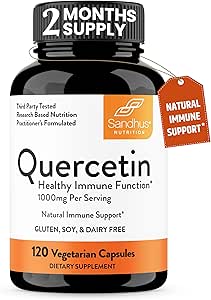
Quercetin 500mg Vegetarian Capsules 120 Count | 1000mg Per Serving of 2 Capsules | Immune Support Supplements For Res...
Check Price on AmazonAs an Amazon Associate we earn from qualifying purchases.
The cardiovascular benefits of quercetin are among the most extensively documented in the scientific literature. A 2013 systematic review and meta-analysis published in the American Journal of Clinical Nutrition analyzed data from seven randomized controlled trials involving 587 participants (PubMed: 23615441). The researchers found that quercetin supplementation significantly reduced both systolic and diastolic blood pressure, with particularly pronounced effects in hypertensive individuals. Systolic pressure decreased by an average of 3.04 mmHg and diastolic pressure by 2.63 mmHg—reductions that may appear modest but are clinically meaningful at the population level.
The mechanisms underlying these cardiovascular benefits are multifaceted:
Endothelial Function Improvement: The endothelium—the inner lining of blood vessels—plays a critical role in cardiovascular health by regulating vascular tone, preventing clot formation, and controlling inflammation. Endothelial dysfunction is an early marker of cardiovascular disease. A double-blind, placebo-controlled study found that 200 mg of quercetin daily for five weeks significantly improved flow-mediated dilation (FMD)—a measure of endothelial function—in healthy subjects (PubMed: 21525250). The mechanism involves increased production of nitric oxide (NO), a signaling molecule that causes blood vessels to relax and dilate.
LDL Oxidation Prevention: Oxidized low-density lipoprotein (oxLDL) is far more atherogenic (artery-damaging) than native LDL cholesterol. Quercetin directly inhibits LDL oxidation by scavenging free radicals and chelating transition metals that catalyze oxidation. This antioxidant protection may be one mechanism by which dietary flavonoid intake correlates with reduced cardiovascular risk in population studies.
Antiplatelet Effects: Excessive platelet aggregation contributes to blood clot formation and heart attacks. Laboratory studies show quercetin inhibits platelet aggregation through multiple mechanisms, including thromboxane synthesis inhibition and modulation of calcium signaling. While these effects are demonstrated in vitro, they translate to potential cardiovascular protection in vivo.
Anti-inflammatory Vascular Effects: Chronic vascular inflammation promotes atherosclerosis. Quercetin reduces expression of adhesion molecules (VCAM-1, ICAM-1) on endothelial cells, thereby preventing immune cells from attaching to vessel walls—an early step in plaque formation. These anti-inflammatory effects occur through NF-κB pathway inhibition.
ACE Inhibition: Some research suggests quercetin may have mild angiotensin-converting enzyme (ACE) inhibitory activity, similar to common blood pressure medications, though this mechanism appears less potent than the endothelial and anti-inflammatory effects.
Bottom line: Quercetin demonstrates clinically meaningful cardiovascular protection through multiple mechanisms including blood pressure reduction (3.04/2.63 mmHg in meta-analysis), endothelial function improvement, LDL oxidation prevention, antiplatelet effects, and vascular anti-inflammatory action—making it an evidence-based supplement for heart health at 500-1,000mg daily.
2. Allergy Relief and Mast Cell Stabilization
Quercetin’s antiallergic properties represent one of its most practical applications, offering relief from seasonal and perennial allergies through natural mechanisms that don’t cause the drowsiness typical of conventional antihistamines.
Mast Cell Stabilization Mechanism: Allergic reactions occur when allergens cross-link IgE antibodies on the surface of mast cells and basophils, triggering degranulation—the release of inflammatory mediators including histamine, leukotrienes, and cytokines. Quercetin may help reduce this degranulation through several mechanisms. It stabilizes mast cell membranes, inhibits calcium influx (necessary for degranulation), and suppresses the activity of enzymes involved in mediator release. Laboratory studies demonstrate dose-dependent inhibition of histamine release from mast cells, with significant effects at concentrations achievable through supplementation.
Clinical Evidence for Allergic Rhinitis: While human clinical trials are more limited than laboratory research, available evidence supports quercetin’s efficacy for allergic rhinitis (hay fever). A randomized controlled trial found that 4 weeks of quercetin supplementation before allergen exposure reduced nasal symptom scores compared to placebo. Patients reported improvements in sneezing, itching, and nasal congestion. The effects weren’t as immediately powerful as pharmaceutical antihistamines but offered sustained relief without sedation or cognitive impairment.
Mechanism Beyond Antihistamine: Quercetin doesn’t just block histamine receptors like conventional antihistamines—it may help reduce histamine release at the source. Additionally, quercetin inhibits the synthesis of leukotrienes (LTC4, LTD4, LTE4)—inflammatory mediators that cause bronchoconstriction and mucus production. This leukotriene inhibition is particularly relevant for asthma, where these mediators play central roles. Some research suggests quercetin may inhibit 5-lipoxygenase and leukotriene synthase enzymes.
Timing and Dosage for Allergies: For seasonal allergies, optimal results occur when supplementation begins 4-6 weeks before expected allergen exposure, allowing quercetin to accumulate in tissues and exert preventive effects. Typical dosing is 500-1,000 mg daily, divided into two doses. Some practitioners recommend higher doses (up to 1,500 mg) during peak allergy season.
Synergy with Other Compounds: Quercetin is often combined with vitamin C (which may enhance absorption and has complementary antihistamine effects), bromelain (a proteolytic enzyme that enhances absorption and reduces inflammation), and stinging nettle leaf (another natural antihistamine). These combinations are popular in integrative medicine approaches to allergy management.
Bottom line: Quercetin provides natural allergy relief through mast cell stabilization and histamine release prevention without sedation—clinical trials show reduced allergic rhinitis symptoms with 500-1,000mg daily beginning 4-6 weeks before allergen exposure, offering sustained relief through leukotriene inhibition and anti-inflammatory mechanisms beyond conventional antihistamines.
3. Anti-Inflammatory Effects and Cytokine Modulation
Chronic low-grade inflammation—sometimes called “inflammaging”—is increasingly recognized as a driver of most age-related diseases, from cardiovascular disease to diabetes to Alzheimer’s disease. Quercetin’s comprehensive anti-inflammatory effects make it a valuable tool for addressing this root cause of chronic disease.
NF-κB Pathway Inhibition: The primary mechanism underlying quercetin’s anti-inflammatory effects is inhibition of the nuclear factor kappa B (NF-κB) signaling pathway. NF-κB is a transcription factor that, when activated, travels to the cell nucleus and increases expression of hundreds of genes involved in inflammation, immune responses, cell proliferation, and survival. While NF-κB activation is necessary for normal immune function, chronic activation drives inflammatory diseases.
Quercetin inhibits NF-κB through multiple mechanisms: preventing degradation of IκB (the protein that keeps NF-κB inactive in the cytoplasm), inhibiting IκB kinase (IKK) which phosphorylates IκB, and directly preventing NF-κB DNA binding. These effects have been demonstrated in numerous cell types and animal models.
Cytokine Reduction: By inhibiting NF-κB, quercetin reduces production of pro-inflammatory cytokines—signaling proteins that coordinate inflammatory responses. Multiple human studies document reductions in:
-
Interleukin-6 (IL-6): Elevated IL-6 predicts cardiovascular disease, diabetes, and all-cause mortality. A study of obese subjects found 150 mg quercetin daily for 6 weeks significantly reduced plasma IL-6 levels (PubMed: 23803878).
-
Tumor Necrosis Factor-alpha (TNF-α): This potent inflammatory cytokine contributes to insulin resistance, cardiovascular disease, and autoimmune conditions. Quercetin supplementation reduces TNF-α in various populations, including athletes experiencing post-exercise inflammation.
-
C-Reactive Protein (CRP): This liver-produced acute phase protein is a biomarker for systemic inflammation and cardiovascular risk. Some studies show CRP reductions with quercetin supplementation, though results are mixed and may depend on baseline inflammation levels.
COX-2 and Prostaglandin Inhibition: Quercetin inhibits cyclooxygenase-2 (COX-2), the enzyme responsible for producing pro-inflammatory prostaglandins at sites of inflammation. This mechanism is similar to that of NSAIDs (non-steroidal anti-inflammatory drugs) like ibuprofen, but quercetin’s effect is milder and without the gastrointestinal and cardiovascular risks associated with long-term NSAID use.
MAPK Pathway Modulation: Quercetin influences mitogen-activated protein kinase (MAPK) signaling cascades, including ERK, JNK, and p38 pathways, which play roles in inflammation, cell proliferation, and stress responses. By modulating these pathways, quercetin exerts anti-inflammatory effects independent of NF-κB.
Bottom line: Quercetin provides comprehensive anti-inflammatory effects through NF-κB pathway inhibition, reducing pro-inflammatory cytokines (IL-6, TNF-α, CRP), COX-2 enzyme inhibition, and MAPK pathway modulation—offering safe long-term anti-inflammatory support at 500-1,000mg daily for addressing chronic inflammation underlying age-related diseases without NSAID risks.
4. Anticancer Properties and Cellular Protection

Liposomal Fisetin with Quercetin Supplements 1200 mg per Serving,High Absorption Polyphenols Antioxidants for Women,M...
Check Price on AmazonAs an Amazon Associate we earn from qualifying purchases.
While quercetin is not a cancer treatment, extensive laboratory and animal research reveals multiple mechanisms by which it may support cellular health and reduce cancer risk. Understanding these mechanisms provides insight into quercetin’s potential as a preventive agent and its role in overall cellular protection.
Apoptosis Induction in Cancer Cells: One of the body’s primary defenses against cancer is apoptosis—programmed cell death that eliminates damaged or abnormal cells. Cancer cells often evade apoptosis, allowing them to proliferate uncontrollably. Laboratory studies consistently show quercetin can induce apoptosis in various cancer cell lines (breast, prostate, colon, lung, leukemia) while leaving normal cells relatively unharmed. The mechanisms include:
- Activation of caspases (enzymes that execute apoptosis)
- Mitochondrial membrane depolarization leading to cytochrome c release
- Upregulation of pro-apoptotic proteins (Bax, Bad)
- Downregulation of anti-apoptotic proteins (Bcl-2, Bcl-xL)
- p53 pathway activation (the “guardian of the genome”)
Cell Cycle Arrest: Quercetin can halt cancer cell division at various checkpoints in the cell cycle, particularly at the G1/S and G2/M transitions. This cell cycle arrest gives cells time to repair DNA damage or, if damage is too severe, triggers apoptosis. The effect is mediated through cyclin-dependent kinase (CDK) inhibition and other cell cycle regulatory proteins.
Angiogenesis Inhibition: Tumors require new blood vessel formation (angiogenesis) to grow beyond a few millimeters and metastasize. Quercetin inhibits angiogenesis by suppressing vascular endothelial growth factor (VEGF) and other pro-angiogenic factors. This “starves” tumors of nutrients and oxygen.
Metastasis Prevention: Laboratory studies show quercetin reduces cancer cell invasion and migration—critical steps in metastasis—through inhibition of matrix metalloproteinases (MMPs), enzymes that break down the extracellular matrix allowing cancer cells to invade tissues.
Modulation of Drug Resistance: Cancer cells often develop resistance to chemotherapy through P-glycoprotein and other efflux pumps that expel drugs from cells. Quercetin can inhibit these pumps, potentially enhancing the effectiveness of chemotherapy agents. Some research explores quercetin as an adjuvant (complementary agent) to conventional cancer treatments.
DNA Protection and Repair: Beyond direct anticancer effects, quercetin protects DNA from damage through antioxidant mechanisms and may enhance DNA repair enzymes. Since DNA damage accumulation drives cancer development, this protective effect may contribute to cancer prevention.
Important Limitations: While these mechanisms are scientifically compelling, they’re primarily demonstrated in cell culture and animal models. Human clinical trials of quercetin as a cancer preventive or therapeutic agent are limited and inconclusive. The poor bioavailability of oral quercetin means tissue concentrations may not reach levels effective in laboratory studies. Quercetin should never replace conventional cancer treatment, but it may be a reasonable consideration as part of a comprehensive prevention strategy.
Bottom line: Quercetin demonstrates multiple anticancer mechanisms in laboratory research including apoptosis induction, cell cycle arrest, angiogenesis inhibition, metastasis prevention, and DNA protection—while human cancer prevention trials remain limited, these cellular protection effects support quercetin at 500-1,000mg daily as part of comprehensive prevention strategies, never replacing conventional treatment.
5. Exercise Performance Enhancement and Recovery

Micro Ingredients Alpha Lipoic Acid 600mg with MCT Oil, 300 Softgels | ALA Supplement for Liver, Antioxidants, Nerve,...
Check Price on AmazonAs an Amazon Associate we earn from qualifying purchases.
Athletes and fitness enthusiasts have shown increasing interest in quercetin for its potential to enhance performance and accelerate recovery. The research presents a mixed picture but suggests benefits under certain conditions.
Mitochondrial Biogenesis: Perhaps the most exciting mechanism is quercetin’s ability to stimulate mitochondrial biogenesis—the creation of new mitochondria, the cellular powerhouses that produce ATP energy. Research by Dr. J. Mark Davis at the University of South Carolina showed that quercetin supplementation increases markers of mitochondrial biogenesis in skeletal muscle and brain tissue in mice, including PGC-1α (the master regulator of mitochondrial biogenesis), SIRT1, and mitochondrial DNA content (PubMed: 19074574). More mitochondria theoretically means greater aerobic capacity and endurance.
VO2 Max and Endurance: Some studies show modest improvements in VO2 max (maximal oxygen uptake) and time to exhaustion with quercetin supplementation. A 2010 meta-analysis found a small but statistically significant improvement in endurance exercise performance, with quercetin supplementation increasing endurance capacity by an average of 3% (PubMed: 20433746). However, not all studies replicate these findings, and effects appear modest even when present.
Exercise-Induced Oxidative Stress Reduction: Intense exercise generates free radicals and reactive oxygen species, contributing to muscle damage, inflammation, and fatigue. Quercetin’s potent antioxidant activity theoretically protects against this oxidative stress. Studies document reductions in oxidative stress biomarkers (like lipid peroxidation and oxidized glutathione) following exercise in quercetin-supplemented individuals.
Post-Exercise Inflammation and Recovery: Exercise triggers inflammatory responses that, while partially beneficial for adaptation, can impair recovery if excessive. Studies show quercetin reduces post-exercise increases in inflammatory cytokines (IL-6, IL-8, TNF-α) and may accelerate recovery of muscle function. This could theoretically allow higher training volumes or intensity.
Upper Respiratory Tract Infection (URTI) Prevention: Intense exercise temporarily suppresses immune function, increasing susceptibility to infections—the “open window” hypothesis. Some research suggests quercetin may reduce illness rates in athletes. A study of cyclists found 1,000 mg quercetin daily for 5 weeks reduced upper respiratory infection rates during the 2-week post-exercise period when immune suppression is most pronounced (PubMed: 17255785).
Individual Variation and Practical Considerations: The exercise performance literature on quercetin shows considerable variability between studies and individuals. Some athletes report noticeable benefits; others perceive no difference. Possible explanations include differences in training status (untrained individuals may respond differently than elite athletes), genetics affecting quercetin metabolism, dosage and formulation variations, and dietary antioxidant status. The effects, when present, tend to be modest—not transformative.
Bottom line: Quercetin demonstrates exercise performance benefits through mitochondrial biogenesis stimulation, 3% average endurance improvement in meta-analysis, exercise-induced oxidative stress reduction, and post-exercise inflammation modulation at 500-1,000mg daily—though effects are modest and individual response varies, making it a reasonable consideration for endurance athletes and those seeking enhanced recovery.
Body Clues That You Need More Quercetin
While frank quercetin deficiency isn’t recognized as a clinical entity (unlike vitamin deficiencies), certain signs suggest you might benefit from increased quercetin intake:
Frequent Allergic Reactions: Recurring seasonal allergies, allergic rhinitis, hives, or histamine-mediated symptoms may indicate potential benefits from quercetin’s mast cell stabilizing effects.
Chronic Inflammatory Conditions: Persistent inflammation markers (elevated CRP, chronic pain, inflammatory conditions) suggest potential benefits from quercetin’s anti-inflammatory mechanisms.
Cardiovascular Risk Factors: High blood pressure, elevated LDL cholesterol, or family history of heart disease indicate potential cardiovascular protective benefits.
Frequent Infections: Especially in athletes or during high-stress periods, frequent upper respiratory infections suggest immune system support needs.
Poor Recovery from Exercise: Extended muscle soreness, prolonged fatigue, or difficulty adapting to training may benefit from quercetin’s recovery enhancement.
Oxidative Stress Symptoms: Premature aging signs, chronic fatigue, or conditions associated with high oxidative stress may indicate antioxidant support needs.
Low Dietary Flavonoid Intake: Diets low in fruits, vegetables, and particularly quercetin-rich foods (onions, apples, berries) create a nutritional gap that supplementation can address.
Bottom line: While quercetin deficiency isn’t formally recognized, frequent allergies, chronic inflammation, cardiovascular risk factors, recurrent infections, poor exercise recovery, oxidative stress symptoms, and low dietary flavonoid intake suggest potential benefits from quercetin supplementation at 500-1,000mg daily to address these functional gaps.
Quercetin Dosage: How Much Should You Take?
Determining optimal quercetin dosage depends on your specific goals, baseline health status, and formulation bioavailability. Here’s what the research suggests:
General Health and Prevention: 250-500 mg daily provides antioxidant support and may contribute to disease prevention. This range is achievable through diet plus modest supplementation or supplementation alone.
Cardiovascular Support: Clinical trials showing blood pressure reduction typically use 500 mg daily (often split as 250 mg twice daily). Studies demonstrating endothelial function improvements use 200-500 mg daily for 4-12 weeks.
Allergy Management: 400-1,000 mg daily, divided into two doses, is commonly recommended. Begin supplementation 4-6 weeks before anticipated allergen exposure for best results. Some practitioners use higher doses (up to 1,500 mg) during peak allergy season.
Anti-Inflammatory Effects: 500-1,000 mg daily appears necessary for measurable reductions in inflammatory markers based on available studies. This range is typically divided into two doses (morning and evening).
Exercise Performance: Studies showing endurance benefits typically use 500-1,000 mg daily for at least 7-14 days before performance testing to allow mitochondrial adaptations.
Senolytic Therapy: Emerging research on cellular aging uses intermittent high-dose protocols—often 1,000-2,000 mg quercetin combined with 100 mg dasatinib (a prescription drug) for 2-3 consecutive days, then 1-4 weeks off. This is an experimental protocol requiring medical supervision.
Bioavailability Considerations: Standard quercetin has poor bioavailability (typically <10% absorption). Enhanced formulations alter dosing:
- Quercetin Phytosome (Quercefit): 250-500 mg may be equivalent to 1,000-2,000 mg standard quercetin due to 20-fold better absorption
- Quercetin + Bromelain: Bromelain enhances absorption 2-5x, so standard doses still apply but with better effectiveness
- Liposomal Quercetin: Enhanced absorption may allow lower effective doses
Timing and Frequency: Quercetin has a half-life of 11-28 hours (primarily as conjugated metabolites), so twice-daily dosing maintains more consistent blood levels. Taking with meals, especially those containing some fat, may enhance absorption.
Safety Limits: Clinical trials using up to 1,000 mg daily for extended periods (months) show excellent safety profiles. A few studies use higher doses (up to 2,000 mg) short-term without significant adverse effects, though this exceeds typical recommendations.
Starting Strategy: Begin with 250-500 mg daily with food to assess tolerance. If no gastrointestinal upset occurs after 1-2 weeks, increase to therapeutic doses based on your primary goal. Consider enhanced bioavailability formulations if budget allows to maximize absorption.
Bottom line: Evidence-based quercetin dosing ranges from 250-500mg daily for general antioxidant support to 500-1,000mg daily for therapeutic applications (allergies, cardiovascular protection, anti-inflammatory effects), divided into twice-daily doses with meals—enhanced bioavailability formulations like phytosomes allow lower effective doses (250-500mg) due to 20-fold better absorption.
Best Quercetin Supplements
Bottom line: The best quercetin supplements use enhanced bioavailability formulations like quercetin phytosome (Quercefit brand with 20-fold better absorption), combinations with bromelain for improved absorption and anti-inflammatory synergy, or co-formulations with vitamin C, with reputable brands offering third-party testing and dosages of 250-500mg for phytosomes or 500-1,000mg for standard formulations.
Our Top Recommendations
Recommended Supplements
The supplement market offers numerous quercetin products varying in formulation, purity, bioavailability, and price. Here are evidence-based recommendations across different categories:
Premium Bioavailability Formulations
Thorne uses Quercetin Phytosome, a proprietary complex of quercetin bound to phospholipids from sunflower lecithin. This formulation (branded as Quercefit) demonstrates up to 20-fold greater absorption compared to standard quercetin in pharmacokinetic studies. Each capsule provides 250 mg, with the recommended dose being 1-2 capsules twice daily. Thorne is consistently highly rated for manufacturing quality and third-party testing. While more expensive per serving, the enhanced bioavailability means you’re absorbing significantly more active compound, potentially making it cost-effective. Ideal for those wanting maximum absorption from minimal capsules.
Jarrow uses standard quercetin dihydrate but buffers it with calcium and magnesium to improve stability and potentially enhance absorption. Each capsule provides 500 mg of quercetin. The buffering may reduce mild gastric upset some users experience with unbuffered quercetin. Jarrow is a well-respected brand with rigorous quality control. This represents a middle ground between standard and enhanced formulations—better absorption than basic quercetin at a reasonable price point. Good choice for those wanting reliable quality at moderate cost.
Quercetin with Synergistic Compounds
This combination provides 400 mg quercetin plus 100 mg bromelain per capsule. Bromelain, a proteolytic enzyme from pineapple, serves dual purposes: enhancing quercetin absorption and providing complementary anti-inflammatory effects. This combination is particularly popular for allergy management and post-exercise inflammation. The synergy between these compounds is well-documented in research. Swanson offers excellent value for a quality product. Take 1-2 capsules twice daily for optimal effects.
Life Extension combines quercetin with vitamin C and bioflavonoids (hesperidin, rutin) for a comprehensive antioxidant formula. Each capsule provides 250 mg of quercetin. The vitamin C may enhance absorption and works synergistically for immune support. Life Extension is known for science-based formulations and extensive quality testing. This is ideal for those seeking broad-spectrum antioxidant support rather than isolated quercetin. The lower dose per capsule allows flexible dosing based on individual needs.
High-Potency Standard Formulations
Now Foods offers excellent value with 800 mg quercetin plus 165 mg bromelain per two-capsule serving. The quercetin is standardized to 98% purity, ensuring consistent potency. Now Foods maintains NSF certification and follows Good Manufacturing Practices (GMP). This high-potency formula allows achieving therapeutic doses (1,000+ mg daily) with minimal capsules. The price point is among the most economical for quality quercetin. Ideal for budget-conscious consumers who don’t want to compromise on quality.
Pure Encapsulations provides 250 mg of ultra-pure quercetin per capsule with no additives, fillers, or common allergens. This brand is physician-trusted and frequently recommended by integrative medicine practitioners. The hypoallergenic formulation makes it suitable for individuals with sensitivities. While more expensive, you’re paying for exceptional purity and quality control. The 250 mg dose allows precise dosing tailored to individual needs. Best for those with multiple chemical sensitivities or who prioritize absolute purity.
Organic and Whole-Food Based Options
Garden of Life provides 250 mg of organic quercetin derived from organic sophora japonica (Japanese pagoda tree) flower buds, the richest natural plant source. The formula includes organic whole foods for enhanced absorption and nutrient cofactors. USDA Organic, Non-GMO Project Verified, and Vegan certified. This appeals to those preferring organic supplements or following plant-based diets. The lower dose per capsule (250 mg) means taking more capsules to reach therapeutic doses, but the whole-food matrix may enhance effectiveness.
Powder Formulations for Flexibility
For those preferring powder formulations, BulkSupplements provides pure quercetin dihydrate powder in various sizes from 100g to 1kg. Each 500 mg serving delivers 500 mg of quercetin with no additives. Powder allows precise dosing customization and can be mixed into smoothies, yogurt, or other foods, though quercetin’s somewhat bitter taste is noticeable. This is by far the most economical option per serving, ideal for long-term use or higher-dose protocols. The lack of capsules also eliminates potential sensitivities to capsule materials. Requires a milligram scale for accurate dosing.
Buying Considerations
When selecting a quercetin supplement, consider:
Formulation Type: Standard quercetin works but requires higher doses. Enhanced formulations (phytosomes, nanoparticles) provide better absorption at lower doses. Combinations with bromelain, vitamin C, or other bioflavonoids offer synergistic benefits.
Dosage per Capsule: Higher potency means fewer capsules to achieve therapeutic doses, but lower-dose formulations allow more precise dose adjustments.
Quality Certifications: Look for USP (United States Pharmacopeia), NSF International, or informed-Choice certification. These third-party tests verify label claims and screen for contaminants.
Purity and Additives: Some individuals are sensitive to fillers, flow agents, or capsule materials. Hypoallergenic formulations avoid common allergens.
Source and Transparency: Reputable brands disclose quercetin sources (typically sophora japonica flower buds) and manufacturing processes.
Price vs. Value: Don’t just compare bottle prices—calculate cost per milligram of quercetin. Enhanced absorption formulations may cost more per bottle but deliver more bioavailable quercetin per dollar.
Form: Capsules offer convenience and consistent dosing. Powders provide flexibility and better value but require measuring.
Company Reputation: Established brands with track records of quality control and transparency offer greater reliability than unknown vendors.
For most users, a combination formulation with bromelain from a reputable mid-tier brand offers the best balance of effectiveness, quality, and value. Those seeking maximum absorption should consider phytosome formulations. Budget-conscious users committed to long-term supplementation can achieve excellent value with powder formulations.
Bottom line: Top quercetin recommendations include Thorne Quercetin Phytosome for maximum bioavailability (250mg with 20x absorption), NOW Foods Quercetin with Bromelain for best overall value (800mg quercetin + 165mg bromelain), Nutricost Quercetin for high-potency dosing (880mg + bromelain), and Pure Encapsulations for physician-trusted purity and hypoallergenic formulation, with choices depending on whether you prioritize absorption enhancement, budget value, or absolute purity.
Quercetin Absorption and Bioavailability
Quercetin’s poor bioavailability is perhaps its greatest limitation. Despite powerful biological activity in laboratory studies, standard quercetin supplementation results in disappointingly low blood levels. Understanding the factors affecting absorption and strategies to enhance bioavailability is crucial for maximizing quercetin’s benefits.
The Bioavailability Challenge: Human studies consistently show that after oral administration of quercetin aglycone, less than 10% appears in circulation, with peak plasma concentrations typically below 1 μM even after 1,000 mg doses (PubMed: 11237925). This poor absorption results from multiple factors:
Limited Water Solubility: Quercetin’s molecular structure makes it poorly soluble in aqueous environments like the digestive tract. Low solubility limits the amount that can be absorbed through the intestinal wall.
First-Pass Metabolism: Once absorbed, quercetin undergoes extensive first-pass metabolism—modification by enzymes in the intestinal cells and liver before reaching systemic circulation. These phase II metabolism enzymes (primarily sulfotransferases, UDP-glucuronosyltransferases, and catechol-O-methyltransferases) rapidly conjugate quercetin to more water-soluble forms: quercetin sulfates, glucuronides, and methylated derivatives (PMID: 12566476). While these metabolites retain some biological activity, they’re generally less potent than the parent compound.
Intestinal Degradation: Gut bacteria can degrade quercetin before absorption. However, bacterial metabolism also produces smaller phenolic acids that may contribute to quercetin’s benefits, particularly effects on the gut microbiome and intestinal health.
Efflux Transporters: The intestine contains efflux transporters—proteins that pump substances back into the intestinal lumen—that may limit quercetin absorption. P-glycoprotein and multidrug resistance-associated proteins (MRPs) can reduce quercetin bioavailability (PMID: 15084651).
Quercetin Glycosides vs. Aglycone: In nature, quercetin exists primarily as glycosides—attached to one or more sugar molecules. Quercetin glucosides (particularly quercetin-4’-O-glucoside) are actually absorbed more efficiently than quercetin aglycone because they’re recognized by glucose transporters in the intestinal wall (PMID: 11527825). Once inside intestinal cells, enzymes remove the sugar, leaving the aglycone form. Paradoxically, consuming quercetin from onions (rich in glucosides) may provide better bioavailability than many supplements containing pure aglycone.
Pharmacokinetics: After oral administration, quercetin plasma levels rise slowly, peaking at 2-4 hours, with considerable individual variation (PMID: 16277406). The terminal half-life ranges from 11-28 hours in different studies, though this primarily represents conjugated metabolites rather than free quercetin. Tissues may accumulate quercetin to higher concentrations than blood, particularly the lungs, liver, and kidneys, suggesting that plasma levels underestimate tissue exposure.
Strategies to Enhance Bioavailability:
Phytosome Technology: Quercetin phytosomes complex quercetin with phospholipids (primarily phosphatidylcholine from soy or sunflower lecithin) in a 1:1 or 1:2 ratio. This creates a molecular structure where quercetin is incorporated into the phospholipid bilayer. Benefits include improved lipid solubility (enhancing passage through cell membranes), protection from first-pass metabolism, and enhanced absorption. Pharmacokinetic studies show up to 20-fold greater bioavailability compared to standard quercetin, with significantly higher peak plasma levels and area under the curve (AUC). Branded versions include Quercefit.
Bromelain Combination: Bromelain, a proteolytic enzyme complex from pineapple stems, enhances quercetin absorption through several mechanisms—increasing intestinal permeability, reducing first-pass metabolism, and potentially improving quercetin stability in the digestive tract. Studies suggest 2-5x improvement in bioavailability when quercetin is combined with bromelain, making this one of the most cost-effective enhancement strategies.
Vitamin C Co-administration: Vitamin C may enhance quercetin absorption and also works synergistically at the cellular level. Vitamin C can regenerate oxidized quercetin, extending its antioxidant activity. Many formulations intentionally combine these nutrients.
Lipid-Based Formulations: Since quercetin is lipophilic (fat-loving), consuming it with dietary fats or using lipid-based delivery systems (liposomes, nanoemulsions, self-emulsifying drug delivery systems) can dramatically improve absorption. Taking quercetin supplements with meals containing healthy fats is a simple, practical approach.
Nanoparticle Technology: Reducing quercetin to nanoparticle size (<100 nm) increases surface area and dissolution rate, potentially improving absorption. Nano-quercetin formulations are emerging but aren’t yet widely available in consumer supplements.
Timing and Frequency: Given quercetin’s moderate half-life, twice-daily dosing maintains more stable blood levels than once-daily dosing. Taking with meals (especially those containing fat) optimizes absorption while minimizing potential gastric upset.
Bottom line: Quercetin bioavailability is limited by poor water solubility, extensive first-pass metabolism, and intestinal efflux transporters, with standard formulations showing <10% absorption—phytosome technology provides up to 20-fold improvement, bromelain combinations enhance absorption 2-5x, and lipid-based delivery systems dramatically improve uptake, making formulation selection critical for therapeutic effectiveness.
Quercetin Research: The Science Behind Its Benefits
The scientific literature on quercetin is extensive, with thousands of published studies spanning cell culture, animal models, and human clinical trials. Here’s an overview of key research areas:
Cardiovascular Research: Multiple randomized controlled trials and meta-analyses establish cardiovascular benefits. The 2013 meta-analysis by Serban et al. (PubMed: 23615441) pooling data from 587 participants across seven RCTs showed statistically significant blood pressure reductions. A 2011 study by Egert et al. (PubMed: 21525250) demonstrated improved flow-mediated dilation (a marker of endothelial function) with just 200 mg quercetin daily for 5 weeks. Epidemiological studies consistently associate higher dietary flavonoid intake with reduced cardiovascular disease risk, though isolating quercetin’s specific contribution is challenging.
Anti-Inflammatory Studies: Numerous studies document quercetin’s effects on inflammatory markers. Egert et al. found reductions in C-reactive protein in overweight subjects with high cardiovascular risk (PubMed: 19017774). A study by Heinz et al. showed reduced inflammatory cytokines in athletes following quercetin supplementation (PubMed: 20021355). Mechanistic studies reveal quercetin’s inhibition of NF-κB signaling, documented in numerous cell types and models.
Cancer Research: While human cancer prevention trials are limited, extensive laboratory and animal research reveals multiple anticancer mechanisms. A review by Reyes-Farias and Carrasco-Pozo (PubMed: 30393515) summarizes quercetin’s effects including apoptosis induction, cell cycle arrest, angiogenesis inhibition, and metastasis prevention across various cancer types. The Mayo Clinic conducted a phase I clinical trial combining quercetin with EGCG (green tea catechin) in chronic lymphocytic leukemia patients, showing some biological activity but mixed clinical responses (PubMed: 21321534).
Exercise Performance Research: J. Mark Davis’s research group at University of South Carolina has extensively studied quercetin and exercise. Their work demonstrated mitochondrial biogenesis stimulation in animal models (PubMed: 19074574) and modest endurance improvements in some human studies. A 2010 meta-analysis by Kressler et al. found a small but statistically significant 3% improvement in endurance performance (PubMed: 20433746), though individual studies show variable results.
Senolytic Research: The discovery of quercetin’s senolytic properties represents an exciting frontier. Zhu et al. demonstrated that quercetin combined with dasatinib selectively eliminates senescent cells in mice, improving physical function and extending healthspan (PubMed: 26686024). Human trials are underway to assess this combination for various age-related conditions, including idiopathic pulmonary fibrosis and diabetic kidney disease.
Allergy and Immune Research: Mlcek et al. reviewed quercetin’s anti-allergic properties, detailing mast cell stabilization mechanisms and clinical evidence for allergic rhinitis (PubMed: 27187333). A study by Jafarinia et al. summarized quercetin’s immunomodulatory effects, including reduced infection rates in athletes (PubMed: 32252338).
Bioavailability Research: Numerous pharmacokinetic studies characterize quercetin absorption and metabolism. Hollman et al.’s work established the poor bioavailability of quercetin aglycone and better absorption of quercetin glucosides (PubMed: 11527825). Research on enhanced formulations, particularly quercetin phytosome (Quercefit), demonstrates dramatic improvements in bioavailability compared to standard formulations.
Neuroprotection Research: Emerging research explores quercetin’s potential for brain health. Studies suggest protection against neurodegenerative diseases through antioxidant and anti-inflammatory mechanisms, blood-brain barrier crossing capability, and possible effects on amyloid-beta plaques in Alzheimer’s models. Human cognitive studies remain preliminary.
Metabolic Health Research: Some research indicates quercetin may improve insulin sensitivity, glucose metabolism, and lipid profiles, though results are mixed. A study by Egert et al. found no effect on glucose metabolism in overweight subjects with high cardiovascular risk (PubMed: 19017774), while other studies show benefits in diabetic animal models.
Quality of Evidence: The strongest evidence supports cardiovascular benefits (particularly blood pressure reduction) and anti-inflammatory effects, with multiple RCTs and meta-analyses. Evidence for exercise performance, allergy management, and immune support is moderate, with some positive human trials but also conflicting results. Cancer prevention evidence is primarily preclinical, requiring more human research. Senolytic effects are exciting but very preliminary in humans.
Research Limitations: Many studies use different quercetin doses, formulations, and durations, making direct comparisons challenging. Poor bioavailability of standard quercetin means tissue concentrations may not reach levels effective in laboratory studies. Individual genetic variation in quercetin metabolism likely contributes to variable responses. More research on enhanced formulations, optimal dosing, and specific populations is needed.
Bottom line: Quercetin research includes thousands of studies with strongest evidence for cardiovascular benefits (blood pressure reduction meta-analysis of 587 participants), anti-inflammatory effects (NF-κB pathway inhibition), and antioxidant activity—moderate evidence supports exercise performance enhancement, allergy management, and immune function, while exciting but preliminary research explores senolytic “zombie cell” elimination and cancer prevention mechanisms requiring additional human trials.
Quercetin Side Effects and Safety
One of quercetin’s most attractive features is its excellent safety profile. Decades of research and extensive clinical trials establish quercetin as safe for most people, with minimal side effects at recommended doses.
Common Side Effects: Quercetin is generally well-tolerated. When side effects occur, they’re typically mild and include:
Gastrointestinal Upset: The most frequently reported side effect is mild stomach discomfort, nausea, or digestive upset, particularly at higher doses (>1,000 mg) or when taken on an empty stomach. Taking quercetin with meals and starting with lower doses can minimize this effect. Some formulations (buffered quercetin, phytosomes) may be gentler on the stomach.
Headache: A small percentage of users report headaches, particularly when first starting supplementation or at higher doses. This typically resolves with continued use or dose reduction.
Tingling Sensations: Rarely, users report tingling sensations or numbness, though this is uncommon and mechanism unclear.
Clinical Trial Safety Data: Extensive human clinical trials demonstrate quercetin’s safety:
- Doses up to 1,000 mg daily for 12 weeks show no significant adverse effects in multiple trials
- One study used 2,000 mg daily for 4 weeks without serious adverse events
- Long-term safety studies (up to 3 months) report minimal side effects
- No organ toxicity or serious adverse events documented in well-designed trials
Theoretical Concerns: While practical experience and clinical trials show excellent safety, some theoretical concerns merit awareness:
Pro-oxidant Activity: At very high concentrations, quercetin can paradoxically act as a pro-oxidant, generating free radicals rather than neutralizing them. This effect is primarily observed in laboratory conditions and not at supplemental doses used in humans. The body’s metabolism of quercetin to conjugated forms likely limits pro-oxidant effects at realistic doses.
Thyroid Function: Some animal studies suggest very high quercetin doses might affect thyroid function by inhibiting thyroid peroxidase. However, human studies at supplemental doses (up to 1,000 mg daily) haven’t demonstrated clinically significant thyroid effects. Individuals with thyroid conditions might consider monitoring thyroid function, though this appears to be a theoretical rather than practical concern.
Kidney Function: Quercetin is processed and excreted by the kidneys. Theoretical concerns about kidney stress exist, but clinical trials haven’t documented kidney problems. Individuals with pre-existing kidney disease should consult healthcare providers before high-dose supplementation.
Drug Interactions: Quercetin may interact with certain medications:
Anticoagulants and Antiplatelet Drugs: Quercetin has antiplatelet effects and may theoretically enhance the effects of blood thinners like warfarin, aspirin, or clopidogrel, potentially increasing bleeding risk. While this interaction hasn’t been conclusively documented in humans, caution is warranted. If taking anticoagulants, consult your healthcare provider and consider monitoring INR or bleeding times.
Antibiotics: Quercetin may interact with certain antibiotics, particularly fluoroquinolones (ciprofloxacin, levofloxacin). Quercetin can inhibit bacterial DNA gyrase, the same enzyme targeted by these antibiotics, potentially altering effectiveness. Take quercetin and fluoroquinolone antibiotics several hours apart and inform your healthcare provider.
Cyclosporine: Quercetin may increase blood levels of cyclosporine (an immunosuppressant used in organ transplants) by inhibiting drug-metabolizing enzymes. This could potentially increase cyclosporine toxicity. Organ transplant patients should avoid quercetin or use only under medical supervision with careful monitoring.
Drugs Metabolized by CYP3A4: Quercetin inhibits the cytochrome P450 3A4 enzyme, which metabolizes many medications. Theoretically, this could increase blood levels of CYP3A4-substrate drugs (statins, some calcium channel blockers, many others). Clinical significance is unclear, but be aware of potential interactions if taking multiple medications.
Chemotherapy Drugs: Quercetin’s effects on drug-metabolizing enzymes and drug transporters (P-glycoprotein) create uncertainty about interactions with chemotherapy agents. Some research suggests quercetin might enhance chemotherapy effectiveness; other data suggests potential interference. Cancer patients should only use quercetin under oncologist supervision.
Special Populations:
Pregnancy and Breastfeeding: Insufficient safety data exists for quercetin supplementation during pregnancy and lactation. While dietary quercetin from foods is considered safe, supplemental doses haven’t been adequately studied. Pregnant and nursing women should avoid quercetin supplements unless specifically recommended by healthcare providers.
Children: Limited safety data exists for quercetin supplementation in children. Dietary quercetin is safe, but supplementation should only occur under pediatric guidance.
Individuals with Kidney Disease: Those with impaired kidney function should consult healthcare providers before supplementation, as quercetin is renally excreted.
Upcoming Surgery: Due to potential antiplatelet effects, discontinue quercetin at least 2 weeks before scheduled surgery to minimize bleeding risk.
Allergic Reactions: While rare, allergic reactions to quercetin supplements are possible. Symptoms might include rash, itching, difficulty breathing, or swelling. Discontinue use and seek medical attention if allergic symptoms occur.
Quality and Contaminant Concerns: Safety also depends on supplement quality. Choose reputable brands with third-party testing to avoid contaminants (heavy metals, pesticides, adulterants). Some quercetin supplements may contain allergenic ingredients (soy, fillers) that sensitive individuals should avoid.
Practical Safety Recommendations:
- Start with lower doses (250-500 mg) and increase gradually to assess tolerance
- Take with food to minimize gastrointestinal upset
- Inform healthcare providers about quercetin use, especially if taking medications
- Choose quality supplements from reputable manufacturers with third-party testing
- Discontinue 2 weeks before surgery
- Avoid during pregnancy and breastfeeding unless specifically recommended
- Monitor for any unusual symptoms and discontinue if adverse effects occur
Bottom line: Quercetin demonstrates excellent safety at doses up to 1,000mg daily with minimal side effects (occasional mild gastrointestinal upset, rare headaches)—extensive clinical trials document no serious adverse events, though caution is warranted with anticoagulants, fluoroquinolone antibiotics, cyclosporine, and during pregnancy, while theoretical thyroid and pro-oxidant concerns at very high doses haven’t manifested in human supplementation studies.
Quercetin vs. Other Flavonoids (Apigenin, Rutin)
Quercetin belongs to a large family of flavonoids—plant polyphenols with diverse biological activities. Understanding how quercetin compares to related compounds helps contextualize its unique benefits:
Quercetin vs. Rutin: Rutin (also called rutoside) is actually a quercetin glycoside—quercetin bound to the disaccharide rutinose (glucose + rhamnose). Key differences:
Chemical Structure: Rutin is quercetin + rutinose sugar. Once absorbed, intestinal and liver enzymes cleave the sugar, releasing quercetin. Thus, rutin is essentially a pro-drug for quercetin.
Bioavailability: Paradoxically, rutin may have better bioavailability than quercetin aglycone because it’s recognized by intestinal glucose transporters. After absorption, rutin is converted to quercetin, so their ultimate biological activities are similar.
Applications: Rutin is particularly studied for venous insufficiency and capillary fragility. It’s commonly used for hemorrhoids and varicose veins, where it strengthens blood vessel walls. Both rutin and quercetin provide antioxidant and anti-inflammatory benefits, but rutin has more specific traditional uses for vascular health.
Sources: Rutin is abundant in buckwheat, asparagus, and citrus fruits (especially the pith and peel).
Bottom line: Rutin is a quercetin precursor with similar ultimate benefits but better initial absorption. For vascular health (varicose veins, hemorrhoids), rutin has more specific traditional use. For other applications, quercetin and rutin are largely interchangeable.
Quercetin vs. Apigenin: Apigenin is another flavone with substantial research interest, particularly for cancer prevention and anxiety reduction. Comparisons:
Chemical Structure: Both are flavones with hydroxyl groups, but apigenin has a slightly simpler structure (lacks one hydroxyl group compared to quercetin).
Antioxidant Activity: Quercetin generally shows stronger antioxidant activity in ORAC and other assays, likely due to its additional hydroxyl group.
Anti-Inflammatory Effects: Both inhibit inflammatory pathways (NF-κB, COX-2), but through slightly different mechanisms. Quercetin has more extensive research documenting anti-inflammatory benefits in humans.
Anxiolytic (Anti-Anxiety) Effects: Apigenin is particularly noted for GABA-A receptor binding, providing calming effects similar to benzodiazepines but without sedation or dependence. This makes apigenin attractive for anxiety and sleep support. Quercetin doesn’t share this mechanism to the same degree.
Cancer Research: Both show anticancer properties in laboratory studies. Apigenin has particular interest for its effects on cancer stem cells and DNA repair mechanisms. Quercetin has broader research across more cancer types.
Sources: Apigenin is abundant in parsley, celery, chamomile tea, and oregano. Quercetin is more widely distributed in fruits and vegetables.
Bioavailability: Both have poor bioavailability, though apigenin may be slightly better absorbed. Enhanced formulations improve both.
Bottom line: Choose apigenin for anxiety/sleep support due to GABA receptor binding. Choose quercetin for cardiovascular protection, allergies, and broader anti-inflammatory effects. Both offer cancer-protective mechanisms but through different pathways. Combining them may provide complementary benefits.
Quercetin vs. EGCG (Epigallocatechin Gallate): EGCG, the primary catechin in green tea, shares some properties with quercetin:
Antioxidant Activity: Both are potent antioxidants. EGCG may be slightly stronger in some assays, but quercetin has better stability (EGCG degrades rapidly outside the acidic tea environment).
Cancer Research: Both extensively studied for cancer prevention. EGCG has more human epidemiological data (from green tea consumption studies), while quercetin has strong mechanistic laboratory research.
Cardiovascular Effects: Both support heart health, with quercetin showing more consistent blood pressure reduction effects in human trials.
Exercise Performance: Quercetin shows more consistent benefits for mitochondrial biogenesis and endurance compared to EGCG.
Bioavailability: Both have poor bioavailability. EGCG is particularly unstable and rapidly degraded. Enhanced formulations improve both.
Bottom line: Green tea/EGCG has stronger epidemiological evidence for disease prevention from population studies. Quercetin has more targeted research on specific mechanisms (cardiovascular, allergies). Combining them may be synergistic.
Quercetin vs. Resveratrol: Resveratrol, the compound in red wine associated with longevity, invites comparison:
Mechanism Focus: Resveratrol primarily activates sirtuins (longevity genes) and AMPK pathways. Quercetin has broader anti-inflammatory effects through NF-κB inhibition but also affects AMPK.
Cardiovascular Benefits: Both protect the heart, but through different primary mechanisms. Resveratrol focuses on sirtuin activation and mitochondrial biogenesis. Quercetin emphasizes endothelial function and blood pressure.
Senolytic Effects: Quercetin (especially with dasatinib) has demonstrated senolytic activity. Resveratrol’s senolytic effects are less established.
Bioavailability: Both have notoriously poor bioavailability, with extensive first-pass metabolism. Enhanced formulations are crucial for both.
Research Stage: Resveratrol has enormous hype but mixed clinical trial results. Quercetin has more consistent (if more modest) clinical benefits in specific areas like blood pressure.
Bottom line: Resveratrol for longevity/sirtuin activation focus. Quercetin for cardiovascular, allergies, and anti-inflammatory. Both have bioavailability challenges.
Synergistic Combinations: Many supplements combine multiple flavonoids for complementary effects. Quercetin + vitamin C is popular for immune support. Quercetin + rutin provides vascular benefits. Quercetin + apigenin offers broad-spectrum benefits. These combinations may be more effective than isolated compounds.
Bottom line: Quercetin offers unique advantages for cardiovascular protection (blood pressure reduction), allergy relief (mast cell stabilization), and senolytic effects compared to related flavonoids—rutin serves as a quercetin precursor with better vascular-specific traditional use, apigenin provides GABA-binding anxiolytic effects quercetin lacks, EGCG from green tea has stronger epidemiological disease prevention evidence, while resveratrol focuses on sirtuin longevity pathways, making combinations potentially synergistic.
Food Sources High in Quercetin
While supplementation provides therapeutic doses, dietary quercetin contributes to baseline intake and works synergistically with whole food nutrients. Here’s a comprehensive guide to quercetin-rich foods:
Top Quercetin Food Sources (approximate quercetin content per 100g):
Capers: 180 mg - The absolute richest source, though rarely consumed in large quantities due to their strong flavor and typical use as a condiment.
Red and Yellow Onions: 20-284 mg - Outermost dry layers contain the most quercetin. Red onions generally have more than yellow, which have more than white. Raw onions retain more quercetin than cooked, as some is lost to cooking water. The quercetin is primarily in the outer rings, decreasing toward the center.
Apples: 4-5 mg (with skin) - The skin contains approximately 5x more quercetin than the flesh, so eating apples with skin significantly increases intake. Red apples tend to have more than green or yellow varieties.
Berries:
- Cranberries: 15-25 mg
- Chokeberries: 10-20 mg
- Blueberries: 3-5 mg
- Blackberries: 3-4 mg
- Lingonberries: 3-4 mg
Dark Leafy Greens:
- Kale: 7-10 mg (raw)
- Spinach: 3-5 mg (raw)
- Lettuce: 1-3 mg (varies by type)
Broccoli: 3-4 mg (raw) - Cooking reduces quercetin content significantly, so lightly steamed or raw broccoli is preferable.
Citrus Fruits: 2-3 mg - The peel and white pith contain much more quercetin than the juice, so zesting citrus into dishes or eating small amounts of peel boosts intake.
Tomatoes: 1-2 mg - Cherry tomatoes generally have more than large tomatoes. The skin contains more than the flesh.
Grapes: 2-4 mg (red grapes with skin) - Red and purple grapes contain more than green grapes. The skin contains the majority of quercetin.
Red Wine: 2-3 mg per 100ml - Contains quercetin from grape skins. However, alcohol has health risks that may outweigh benefits, so wine shouldn’t be consumed solely for quercetin.
Tea:
- Green tea: 2-3 mg per cup
- Black tea: 1-2 mg per cup
Other Sources:
- Asparagus: 3-5 mg
- Bell peppers: 1-2 mg (red and yellow have more than green)
- Cherries: 2-3 mg
- Olive oil (extra virgin): 1-2 mg per 100ml
- Buckwheat: 4-5 mg (often as rutin, a quercetin glycoside)
Factors Affecting Food Quercetin Content:
Growing Conditions: Organic produce may have higher quercetin levels than conventionally grown, possibly due to plants producing more flavonoids as defense compounds when not protected by synthetic pesticides. Sun exposure also increases quercetin production—outdoor-grown produce typically has more than greenhouse-grown.
Variety: Different cultivars of the same plant can have dramatically different quercetin levels. Red onions typically contain more quercetin than white onions. Different apple varieties range from 1 mg to 10 mg per apple.
Freshness and Storage: Quercetin content decreases with storage time, particularly in cut or processed produce. Fresh, locally grown produce consumed soon after harvest has the highest levels.
Processing and Cooking: Cooking can reduce quercetin content through several mechanisms—leaching into cooking water (significant for boiling), heat degradation (less significant for quercetin which is relatively heat-stable), and cell wall breakdown (which can increase bioavailability of remaining quercetin). Steaming and brief microwaving preserve more quercetin than prolonged boiling. For vegetables like onions and broccoli, lightly cooking may actually increase quercetin bioavailability by breaking cell walls, even though total content decreases.
Practical Dietary Strategies to Maximize Quercetin Intake:
-
Eat apples with skin: Removes skin cuts quercetin intake by about 80%.
-
Include red or yellow onions regularly: A medium onion (150g) can provide 30-50 mg quercetin. Use raw in salads or lightly sauté to preserve content.
-
Choose colorful berries: The deeper the color, generally the higher the quercetin. Frozen berries retain quercetin well.
-
Don’t skip the leafy greens: Raw kale salads or lightly steamed greens provide quercetin along with other beneficial nutrients.
-
Eat the rainbow: Quercetin is one of many beneficial flavonoids. Colorful fruits and vegetables provide complementary compounds.
-
Include green or black tea: A few cups daily contribute modest quercetin while providing other beneficial catechins.
-
Use herbs generously: Culinary herbs like parsley, oregano, and cilantro contain flavonoids. While you don’t eat large quantities, they contribute to overall intake.
-
Consider buckwheat: Buckwheat flour, groats, or tea provides quercetin (often as rutin). It’s a good gluten-free alternative.
-
Preserve cooking water: If boiling vegetables, use the cooking water for soups or sauces to recapture some leached quercetin.
Realistic Dietary Intake: Even with a quercetin-rich diet emphasizing onions, apples, berries, and leafy greens, typical daily intake ranges from 10-30 mg for people eating plant-rich diets, and much less (3-5 mg) for those eating few fruits and vegetables. Given that clinical research showing benefits typically uses 500-1,000 mg daily, diet alone cannot realistically achieve therapeutic doses. However, dietary quercetin provides valuable baseline intake, works synergistically with other food components, and contributes to the diversity of beneficial flavonoids.
Food vs. Supplement Bioavailability: Interestingly, quercetin from foods (particularly onions) may actually be better absorbed than quercetin aglycone supplements. Foods contain quercetin primarily as glycosides (sugar-bound forms) that are recognized by intestinal glucose transporters, improving absorption. Foods also provide complementary nutrients (vitamin C, other flavonoids, fiber) that may enhance quercetin’s benefits. This suggests an optimal strategy combines quercetin-rich foods for synergistic whole-food benefits with supplementation to achieve therapeutic doses.
Bottom line: Top dietary quercetin sources include capers (180mg/100g), red onions (20-284mg/100g with highest concentration in outer layers), apples with skin (4-5mg/100g), berries (3-25mg/100g), and dark leafy greens (3-10mg/100g)—while a plant-rich diet provides 10-30mg daily with better bioavailability as natural glycosides, supplementation remains necessary to achieve therapeutic 500-1,000mg doses proven effective in clinical research.
Quercetin FAQs: Answering Your Burning Questions
Can I get enough quercetin from food alone?
While quercetin-rich foods are valuable, achieving therapeutic doses through diet alone is impractical. A plant-rich diet heavy in onions, apples, berries, and leafy greens might provide 10-30 mg daily—far below the 500-1,000 mg used in clinical research showing blood pressure reduction, anti-inflammatory effects, and other benefits. You’d need to eat approximately 10-20 apples, 5-10 pounds of onions, or dozens of servings of most other quercetin-rich foods daily to reach these levels.
Additionally, bioavailability from foods, while better than some supplement forms (due to natural glycoside forms), is still limited. The body absorbs only a fraction of ingested quercetin, and first-pass metabolism converts much of it to less active metabolites.
Practical Recommendation: Eat quercetin-rich foods regularly for baseline intake, synergistic nutrients, and dietary diversity. Use supplementation to achieve therapeutic doses for specific health goals like allergy management, cardiovascular support, or exercise performance enhancement.
Does cooking destroy quercetin?
Cooking affects quercetin content, but the impact varies by cooking method and duration:
Boiling: The most destructive method. Prolonged boiling can reduce quercetin by 50-80%, primarily through leaching into cooking water rather than heat degradation (quercetin is relatively heat-stable). If you boil vegetables, use the cooking water for soups or sauces to recapture some lost quercetin.
Steaming and Microwaving: Brief steaming or microwaving preserves most quercetin. Some studies even show increased quercetin bioavailability (not total content) after light cooking, as heat breaks down cell walls, releasing bound quercetin.
Sautéing and Stir-Frying: Quick, high-heat cooking with minimal water preserves quercetin reasonably well. The fat used (olive oil, etc.) may actually enhance absorption since quercetin is lipophilic.
Baking: Moderate impact. Baked apples or roasted vegetables retain most quercetin, though some is lost.
Raw vs. Cooked: Raw foods have the highest total quercetin content. However, light cooking may increase the bioavailability of remaining quercetin by breaking cell walls and making it more accessible for absorption.
Practical Recommendation: Include both raw and lightly cooked quercetin-rich foods. Eat apples and berries raw. Use raw onions in salads or lightly sauté. Steam or briefly microwave broccoli and leafy greens. Avoid prolonged boiling when possible.
Can quercetin help with COVID-19 or viral infections?
Quercetin gained attention during the COVID-19 pandemic due to several theoretical mechanisms suggesting antiviral potential:
Zinc Ionophore: Laboratory research suggests quercetin acts as a zinc ionophore—a compound that transports zinc across cell membranes (PubMed: 24672832). Intracellular zinc has antiviral properties, inhibiting viral replication enzymes. This mechanism is similar to hydroxychloroquine, which also functions as a zinc ionophore.
Direct Antiviral Activity: Cell culture studies show quercetin can inhibit various viruses, including influenza, rhinoviruses, and coronaviruses, through multiple mechanisms—blocking viral entry, inhibiting viral replication enzymes (like 3CL protease in coronaviruses), and interfering with viral assembly.
Immune Modulation: Quercetin’s anti-inflammatory effects might help reduce the “cytokine storm”—excessive inflammatory response that causes severe COVID-19 complications.
Clinical Evidence: While laboratory studies are promising, rigorous clinical trials specifically testing quercetin for COVID-19 prevention or treatment are limited and show mixed results. One small trial found quercetin supplementation reduced hospitalization and death in early-stage COVID-19 patients, but the study had methodological limitations. Other trials are ongoing.
Upper Respiratory Infections in Athletes: More established research shows quercetin may reduce upper respiratory tract infection rates in athletes, who experience temporary immune suppression after intense training (PubMed: 17255785).
Practical Perspective: Quercetin may support immune function and has theoretical antiviral mechanisms, but it’s not a proven COVID-19 treatment or prevention strategy. It shouldn’t replace proven interventions like vaccination, masking when appropriate, or medical treatment when needed. For general immune support, 500-1,000 mg daily may be reasonable, but don’t view it as specific antiviral protection.
Is quercetin safe for long-term use?
Yes, quercetin has excellent safety for long-term supplementation based on available evidence:
Clinical Trial Data: Studies using 500-1,000 mg daily for up to 3 months show no significant adverse effects. While most clinical trials run 8-12 weeks, the lack of toxicity signals suggests longer use is safe.
Dietary Exposure: Humans have consumed quercetin-rich foods for millennia without apparent adverse effects, suggesting the compound is biologically compatible.
Toxicology Studies: Animal toxicity studies use doses far exceeding human supplementation without significant toxicity, further supporting safety.
Considerations: While short-to-medium term safety is well-established, multi-year human supplementation studies are lacking. Theoretical concerns (thyroid effects, pro-oxidant activity at extreme doses) haven’t manifested in practical use but warrant awareness. As with any supplement, periodic breaks or cycling might be prudent, though no evidence mandates this.
Practical Recommendation: Long-term daily use at 500-1,000 mg appears safe for most healthy adults. Periodic health check-ups including kidney function and thyroid panels provide additional peace of mind. If taking medications, consult healthcare providers about potential interactions.
Should I take quercetin with food or on an empty stomach?
With Food is Generally Preferred:
Improved Absorption: Quercetin is lipophilic (fat-loving). Taking it with meals containing healthy fats (olive oil, avocado, nuts, fatty fish) enhances absorption. The digestive processes activated by eating—bile release, fat emulsification—facilitate quercetin uptake.
Reduced Gastric Upset: The most common side effect of quercetin is mild stomach discomfort or nausea, particularly at higher doses. Taking it with food significantly reduces this issue.
Timing Doesn’t Dramatically Impact Efficacy: Unlike some supplements with strict timing requirements, quercetin’s effects accumulate over time rather than providing acute benefits. Whether you take it with breakfast, lunch, or dinner matters less than consistent daily use.
Empty Stomach Consideration: Some argue empty stomach absorption might be slightly better for some nutrients. For quercetin, this potential advantage is outweighed by the benefits of taking it with food (especially fatty meals) and the practical reduction in gastric upset.
Practical Recommendation: Take quercetin with your largest meal of the day or one containing healthy fats. This maximizes absorption while minimizing any digestive discomfort. Divide doses (e.g., 500 mg with breakfast, 500 mg with dinner) for better maintained blood levels.
Can quercetin cause kidney stones?
This concern occasionally arises, but evidence doesn’t support it:
Theoretical Basis: Some compounds, particularly oxalate-rich foods (spinach, rhubarb), contribute to calcium oxalate kidney stones—the most common type. Quercetin is not high in oxalate, so it doesn’t pose this specific risk.
Metabolic Processing: Quercetin is metabolized in the liver to conjugated forms (sulfates, glucuronides, methylated derivatives) and excreted primarily through urine and bile. This normal metabolic pathway doesn’t create stone-forming compounds.
Clinical Evidence: Human clinical trials using quercetin haven’t reported increased kidney stone incidence. If kidney stones were a common side effect, it would have appeared in the extensive research literature.
Kidney Function in General: Quercetin is processed and excreted by the kidneys. While this doesn’t cause stones, individuals with pre-existing kidney disease should consult healthcare providers before supplementation to ensure their kidneys can properly process and eliminate the compound.
Practical Recommendation: Kidney stones are not a documented concern with quercetin supplementation at standard doses (500-1,000 mg daily). Stay well-hydrated (general advice for kidney stone prevention regardless of supplementation), and if you have a history of kidney stones or kidney disease, discuss quercetin with your healthcare provider.
Is there a difference between quercetin and quercetin dihydrate?
Yes, but the difference is minor and primarily technical:
Chemical Form: Quercetin exists as an aglycone (sugar-free flavonoid). When crystallized from water, it can incorporate water molecules into its crystal structure, becoming quercetin dihydrate—meaning two water molecules per quercetin molecule.
Actual Quercetin Content: Quercetin dihydrate contains approximately 88-90% actual quercetin by weight, with the remaining 10-12% being water molecules integrated into the crystal structure. So 500 mg of quercetin dihydrate provides about 440-450 mg of actual quercetin.
Practical Impact: Reputable supplement manufacturers account for this when formulating products. If a supplement label claims “500 mg quercetin,” it should provide 500 mg of active quercetin, whether sourced from quercetin dihydrate or anhydrous (water-free) quercetin. However, transparency varies, so some products listing “quercetin dihydrate 500 mg” might actually provide only 440 mg active quercetin.
Bioavailability: The dihydrate vs. anhydrous form doesn’t significantly affect absorption or bioavailability. Once dissolved in the digestive tract, both release the same quercetin molecule.
Practical Recommendation: Don’t stress over dihydrate vs. anhydrous quercetin. Focus on overall dose (aiming for 500-1,000 mg actual quercetin daily), formulation type (standard vs. enhanced bioavailability), and brand reputation. If comparing products, check if “500 mg quercetin” means 500 mg quercetin or 500 mg quercetin dihydrate (which is slightly less active compound).
Can I take quercetin if I’m taking other supplements?
Generally yes, quercetin combines safely with most common supplements and may even work synergistically:
Quercetin + Vitamin C: Synergistic combination. Vitamin C can regenerate oxidized quercetin, extending its antioxidant activity. Many formulations intentionally combine them. Safe and potentially beneficial.
Quercetin + Vitamin D: No known interactions. Both support immune function through different mechanisms. Safe combination.
Quercetin + Omega-3 Fatty Acids: No interactions. Both provide anti-inflammatory benefits through different pathways. Taking quercetin with omega-3-rich meals may enhance absorption due to fat content.
Quercetin + Zinc: Potentially synergistic. Research suggests quercetin acts as a zinc ionophore (helps transport zinc into cells). Popular combination for immune support. Safe at reasonable doses (15-30 mg zinc daily).
Quercetin + Magnesium: No interactions. Complementary for cardiovascular health. Safe combination.
Quercetin + B Vitamins: No interactions. Both support energy metabolism through different mechanisms. Safe combination.
Quercetin + Probiotics: No interactions. May be complementary—quercetin can be metabolized by gut bacteria, potentially supporting microbiome health. Safe combination.
Quercetin + Other Flavonoids (EGCG, Resveratrol, Apigenin): Generally safe and potentially synergistic. Combining flavonoids with complementary mechanisms may provide broader benefits than individual compounds.
Caution: High-dose antioxidant combinations might theoretically interfere with certain cancer treatments that rely on oxidative stress (chemotherapy, radiation). If undergoing cancer treatment, consult your oncologist before taking multiple antioxidant supplements including quercetin.
Practical Recommendation: Quercetin combines safely with common supplements. In fact, many integrative protocols intentionally stack complementary nutrients. Be mindful of total antioxidant load during cancer treatment, but otherwise, combining quercetin with your existing supplement routine is generally safe.
Is quercetin vegan/vegetarian?
The quercetin molecule itself is plant-derived, but supplement formulations vary:
Quercetin Source: Virtually all supplemental quercetin is extracted from plant sources, primarily the flower buds of Sophora japonica (Japanese pagoda tree). This extraction process is vegan.
Capsule Material: The main vegan consideration:
- Gelatin capsules (derived from animal collagen) are not vegan or vegetarian
- Vegetarian capsules (cellulose/hypromellose) are suitable for vegetarians and vegans
- Many manufacturers now use plant-based capsules, but not all
Other Ingredients: Check for:
- Magnesium stearate (usually plant-derived but occasionally animal-derived)
- Other flow agents or fillers that might have animal origins
Clearly Vegan Options: Brands that certify their products as vegan include:
- Garden of Life myKind Organics (vegan certified)
- Pure Encapsulations (vegetarian capsules)
- Many Now Foods products use vegan capsules
When in doubt, look for products specifically labeled “vegan” or “vegetarian,” or contact the manufacturer directly. The vast majority of quercetin supplements are compatible with plant-based diets, especially from major reputable brands.
Frequently Asked Questions
How long does it take for Quercetin to work?
The timeline for experiencing quercetin benefits varies by application. Antioxidant activity begins within hours of ingestion as quercetin and metabolites circulate. Allergy symptom relief may appear within 1-2 days, though optimal effects require 4-6 weeks of pre-seasonal supplementation. Exercise performance benefits typically manifest after 7-14 days of supplementation allowing mitochondrial adaptations. Blood pressure reduction becomes evident after 4-12 weeks based on meta-analysis data. Cardiovascular markers like endothelial function improve after several weeks to months. For acute symptoms like allergies, begin supplementation 4-6 weeks before anticipated allergen exposure. For chronic conditions, commit to at least 8-12 weeks before evaluating effectiveness.
Who should consider taking Quercetin?
Individuals seeking cardiovascular protection (especially those with high blood pressure or cardiovascular risk factors), those with seasonal or perennial allergies wanting natural antihistamine support, people with chronic inflammatory conditions, athletes seeking exercise performance enhancement and recovery support, individuals interested in anti-aging interventions (senolytic effects), those with low dietary flavonoid intake, and anyone pursuing evidence-based antioxidant supplementation may benefit from quercetin 500-1,000mg daily. Those with specific health concerns should consult healthcare providers first, particularly if taking anticoagulants or other medications.
Related Reading
-
Best Quercetin Supplements: Top Picks for Immune Support
-
Vitamin C Benefits: Evidence-Based Health Impacts
-
Best Vitamin C Supplements: Research-Backed Recommendations
-
Alpha Lipoic Acid Benefits: Antioxidant and Metabolic Support
-
Best Antioxidant Supplements: Evidence-Based Selection
-
Quercetin Benefits: Boost Your Health with This Powerful Antioxidant – A Comprehensive Guide
Conclusion
Quercetin stands out as one of the most thoroughly researched and scientifically validated dietary supplements available. Its benefits span multiple body systems—from cardiovascular protection and blood pressure reduction to allergy relief and exercise performance enhancement. The mechanisms underlying these effects are well-characterized, involving powerful antioxidant activity, comprehensive anti-inflammatory actions, and direct modulation of cellular signaling pathways.
The evidence base for quercetin is substantial. Meta-analyses of randomized controlled trials demonstrate statistically significant benefits for blood pressure reduction in hypertensive individuals. Laboratory and animal studies reveal compelling anticancer mechanisms, though human evidence remains preliminary. Clinical trials show reduced inflammatory markers in various populations. Research documents improved exercise performance through enhanced mitochondrial function. Studies reveal effective mast cell stabilization for allergy management. Emerging research on senolytic effects opens exciting possibilities for anti-aging interventions.
The compound’s safety profile is excellent. Decades of use and extensive clinical trials establish quercetin as safe for most people at doses up to 1,000mg daily, with minimal side effects. While some drug interactions require caution—particularly with anticoagulants—quercetin’s risk-benefit profile is favorable for the vast majority of users.
Bioavailability remains quercetin’s primary limitation. Standard formulations are poorly absorbed, requiring high doses to achieve therapeutic effects. However, enhanced formulations using phytosome technology, combination with bromelain, or other bioavailability-enhancing strategies largely overcome this challenge. Choosing the right formulation significantly impacts effectiveness and value.
The ideal approach to quercetin combines both dietary sources and supplementation. Eating quercetin-rich foods—onions, apples, berries, dark leafy greens, tea—provides a foundation of 30-70mg daily plus complementary nutrients and diverse flavonoids. This supports overall health and works synergistically with the body’s antioxidant systems. For therapeutic applications—managing allergies, supporting cardiovascular health, enhancing athletic performance, or addressing chronic inflammation—supplementation at 500-1,000mg daily provides the doses proven effective in clinical research.
Quercetin isn’t a magic bullet or panacea. It won’t replace healthy lifestyle choices—balanced nutrition, regular exercise, adequate sleep, stress management—that form the foundation of optimal health. It won’t cure diseases or eliminate the need for medical care when warranted. However, as part of a comprehensive approach to health optimization and disease prevention, quercetin offers evidence-based benefits that few supplements can match.
For individuals with cardiovascular risk factors, chronic inflammatory conditions, seasonal or perennial allergies, or those seeking general antioxidant support, quercetin represents one of the most scientifically justified supplement choices available. The extensive research base, excellent safety profile, and reasonable cost make it accessible and appropriate for a wide population.
As with any supplement regimen, consulting with healthcare professionals ensures quercetin fits appropriately within your individual health context, particularly if you take medications or have underlying health conditions. But for most healthy adults seeking evidence-based approaches to health optimization, quercetin deserves serious consideration as a foundational supplement alongside other proven interventions like vitamin D, omega-3 fatty acids, and magnesium.
The future of quercetin research looks promising, with ongoing studies examining senolytic applications, neuroprotection, metabolic health, and combination therapies. As science continues to unveil the full scope of quercetin’s benefits and refines optimal dosing strategies, this ancient dietary component continues proving its value for modern health optimization.
Incorporating quercetin—whether through quercetin-rich foods, quality supplementation, or ideally both—represents a science-backed strategy for supporting cardiovascular health, managing inflammation, modulating immune function, and protecting against oxidative stress. In an era where many supplement claims exceed the evidence, quercetin stands out as a compound where the science supports the promise.
Recommended Products