REM Sleep Supplements: How to Increase Deep Sleep and Dream Quality
Summarized from peer-reviewed research indexed in PubMed. See citations below.
Poor sleep architecture leaves you feeling exhausted despite spending 8 hours in bed, with fragmented deep sleep preventing physical recovery and insufficient REM sleep impairing memory consolidation and emotional regulation. Magtein Magnesium L-Threonate delivers 144mg of brain-absorbable magnesium that crosses the blood-brain barrier to enhance GABA signaling and increase deep sleep duration by 12-18% according to clinical studies, priced at approximately $40 for a 30-day supply. This form of magnesium specifically targets sleep architecture by supporting the neurological conditions necessary for slow-wave sleep, unlike standard magnesium supplements that have minimal brain penetration. For budget-conscious individuals, the Melatonin 300mcg + Magnesium Glycinate 126mg + Glycine 2,500mg combination provides a three-mechanism approach to sleep enhancement at around $25 for 30 servings. Here’s what the published research shows about optimizing both deep sleep and REM sleep through targeted supplementation.
Disclosure: We may earn a commission from links on this page at no extra cost to you. Affiliate relationships never influence our ratings. Full policy →
Introduction: The Two Pillars of Restorative Sleep
Most people obsess over the number on their sleep tracker, fixating on whether they logged seven or eight hours. But what if the entire focus is wrong? What if the quality of your sleep, specifically the architecture of your sleep cycles, matters far more than the raw duration? This is not a minor distinction. Two people can sleep the exact same number of hours and wake up in completely different states. One feels refreshed, mentally sharp, and physically recovered. The other feels groggy, achy, and mentally foggy. The difference often comes down to sleep architecture: the proportion of time spent in deep slow-wave sleep versus REM sleep, and whether those stages occur at the right times and in the right amounts.
Your sleep is not a monolithic block of unconsciousness. It is a precisely choreographed sequence of neurological states, each serving distinct biological functions. Deep sleep, technically known as NREM Stage 3 or slow-wave sleep, is when your body does the heavy lifting of physical restoration. This is when growth hormone surges through your bloodstream, repairing muscle tissue, consolidating bone density, and strengthening your immune system. Your brain also engages in critical maintenance during deep sleep, with the glymphatic system flushing out metabolic waste products including amyloid-beta and tau proteins that accumulate during waking hours. Without adequate deep sleep, your body cannot repair itself properly, and the consequences accumulate: impaired recovery from exercise, weakened immunity, hormonal imbalances, and accelerated biological aging.
REM sleep, by contrast, is when your brain takes center stage. During REM, your eyes move rapidly beneath closed lids, your brain activity resembles waking levels, and you experience vivid, emotionally charged dreams. This is when memory consolidation occurs, particularly for procedural learning and emotional experiences. REM sleep is essential for creativity, problem-solving, and emotional regulation. Studies show that people deprived of REM sleep struggle with mood stability, exhibit impaired learning, and show reduced cognitive flexibility. The neurotransmitter profile during REM is distinct: acetylcholine dominates, while serotonin and norepinephrine are suppressed. This unique neurochemical environment allows your brain to process emotions, integrate new information, and reorganize neural networks.
The tragedy is that both deep sleep and REM sleep decline steeply with age. Research published in JAMA Neurology found that deep sleep drops from about 19 percent of total sleep in young adults to just 3.4 percent by midlife. REM sleep also decreases, though less dramatically. Lifestyle factors accelerate this decline: chronic stress elevates cortisol, which fragments sleep and suppresses deep sleep. Alcohol consumption, while sedating, profoundly disrupts REM sleep in the first half of the night and causes fragmented rebound REM in the second half. Even common medications like antihistamines and benzodiazepines alter sleep architecture in ways that reduce restorative value.
The encouraging news is that specific supplements, each backed by clinical research, can support and enhance both deep sleep and REM sleep. These are not sedatives that force unconsciousness. They are compounds that work through well-understood mechanisms to optimize the neurochemical and physiological conditions necessary for high-quality sleep. Glycine lowers core body temperature to promote deep sleep entry. Magnesium threonate crosses the blood-brain barrier to enhance GABAergic signaling. Alpha-GPC provides the acetylcholine precursor necessary for REM sleep generation. Zinc and vitamin B6 work synergistically to enhance dream vividness and recall.
This article examines the evidence for supplements that specifically target sleep architecture. We focus on compounds with human clinical trials demonstrating measurable improvements in sleep stage distribution, not just subjective sleep quality. The goal is not to knock yourself unconscious, but to create the physiological conditions that allow your brain and body to move through sleep stages naturally and efficiently. Understanding the mechanisms behind these supplements allows you to build a personalized stack that addresses your specific sleep architecture deficits, whether that means insufficient deep sleep in the first half of the night, fragmented REM in the second half, or both.
| Supplement | Primary Benefit | Mechanism | Typical Dose | Timing | Cost/Month |
|---|---|---|---|---|---|
| Magnesium L-Threonate | Deep Sleep | GABA enhancement, brain penetration | 144mg elemental | 1-2 hours before bed | $40 |
| Glycine | Deep Sleep Onset | Core temperature reduction, GABA support | 3,000mg | 1 hour before bed | $15 |
| Triple Sleep Formula | Both Deep & REM | Multi-mechanism (melatonin, magnesium, glycine) | 1 serving | 1 hour before bed | $25 |
| Alpha-GPC | REM Enhancement | Acetylcholine precursor | 300-600mg | 30-60 min before bed | $30 |
| Zinc + B6 | Dream Vividness | Neurotransmitter synthesis | 15mg zinc, 10mg B6 | With dinner | $12 |
| Phosphatidylserine | Stress-Related Sleep | Cortisol reduction | 300-400mg | Evening | $35 |
| Apigenin Blend | Slow-Wave Sleep | GABA-A receptor binding | 50mg apigenin | 1-2 hours before bed | $50 |
Understanding Sleep Architecture: Why Deep Sleep and REM Sleep Both Matter
Before diving into specific supplements, it’s essential to understand what deep sleep and REM sleep actually do, and why you need both in adequate amounts. This is not academic trivia. It directly determines which supplements will be most beneficial for your particular situation.
Deep Sleep: The Body’s Repair Phase
Deep sleep, also called slow-wave sleep or NREM Stage 3, is characterized by high-amplitude, low-frequency brain waves (delta waves) measuring 0.5-4 Hz. This is the deepest stage of non-REM sleep, and it occurs predominantly in the first half of the night, particularly during the first two sleep cycles. During deep sleep, your heart rate and blood pressure drop to their lowest levels, breathing becomes slow and regular, and your muscles are deeply relaxed but not paralyzed.
The physiological functions that occur during deep sleep are remarkable. Growth hormone secretion peaks during deep sleep, with 70 percent of daily growth hormone released during these periods. This is why deep sleep is essential for tissue repair, muscle recovery, and bone formation. Athletes who get insufficient deep sleep show impaired exercise recovery and reduced strength gains despite consistent training. Deep sleep is also when your immune system is most active, producing cytokines and antibodies that fight infection and inflammation. Studies show that people who get less deep sleep are more susceptible to viral infections and show weaker responses to vaccinations.
The glymphatic system, discovered only in recent years, operates primarily during deep sleep. This system uses cerebrospinal fluid to flush metabolic waste products out of the brain, including beta-amyloid and tau proteins that accumulate during waking hours. The glymphatic system is 60 percent more active during deep sleep than during wakefulness, with the brain’s interstitial space expanding by 60 percent to allow more efficient waste clearance. This is one reason why chronic deep sleep deprivation is associated with increased risk of neurodegenerative diseases like Alzheimer’s disease.
The amount of deep sleep you need decreases with age, but the quality remains important. Young adults typically spend 15-20 percent of total sleep in deep sleep (70-100 minutes per night). By age 60, this drops to 10-15 percent, and by age 70, some individuals get almost no deep sleep at all. This decline contributes to many age-related health problems, including weakened immunity, reduced bone density, impaired glucose metabolism, and accelerated cognitive decline.
REM Sleep: The Brain’s Processing Phase
REM sleep is neurologically and functionally distinct from deep sleep. During REM, your brain activity resembles waking levels, with high-frequency beta waves similar to those seen during alert consciousness. Your eyes move rapidly beneath closed lids (hence “rapid eye movement”), your breathing becomes irregular, and your skeletal muscles are paralyzed to prevent you from acting out dreams. REM sleep occurs in cycles throughout the night, with REM periods becoming longer and more frequent as the night progresses. The first REM period might last only 5-10 minutes, while REM periods in the final hours of sleep can last 30-40 minutes.
REM sleep is essential for memory consolidation, particularly for procedural learning (skills and habits) and emotional memories. Studies show that people who are deprived of REM sleep after learning a new task show significantly impaired retention compared to those who get normal REM sleep. The brain appears to replay and reorganize memories during REM, strengthening important connections and pruning irrelevant ones. This is why “sleeping on it” often leads to better problem-solving and creative insights—your brain has processed the information during REM sleep.
The neurotransmitter environment during REM is unique. Acetylcholine levels are as high as during waking hours, driving the intense brain activity and dream generation. Meanwhile, serotonin, norepinephrine, and histamine are suppressed to near-zero levels. This allows the brain to enter a state of “offline” processing where emotional experiences can be integrated without the stress response that would occur during waking recall. This is why REM sleep is essential for emotional regulation and mental health. Chronic REM deprivation is associated with increased anxiety, depression, and emotional instability.
Healthy adults should spend 20-25 percent of total sleep in REM (90-120 minutes per night). Unlike deep sleep, REM sleep does not decline as dramatically with age, though REM fragmentation increases and REM density decreases. Many factors disrupt REM sleep: alcohol consumption, antidepressant medications (especially SSRIs), cannabis use, sleep apnea, and chronic stress all reduce REM sleep or alter its quality.
The Balance Between Deep Sleep and REM Sleep
Here’s the critical insight: deep sleep and REM sleep are not just different—they are partially antagonistic. Factors that promote deep sleep in the first half of the night can suppress REM in the second half, and vice versa. This is why sleep architecture is about balance, not maximizing one stage at the expense of the other.
The ideal sleep pattern involves 4-6 complete sleep cycles per night, with each cycle lasting 90-110 minutes. Early cycles are dominated by deep sleep with short REM periods. As the night progresses, deep sleep decreases and REM periods lengthen. A healthy adult typically gets 70-100 minutes of deep sleep (mostly in the first half of the night) and 90-120 minutes of REM sleep (mostly in the second half).
When you optimize sleep architecture with supplements, the goal is to support this natural progression rather than forcing one stage or the other. This is why supplement timing matters, and why combining certain supplements can be more effective than using them individually.
Top Supplements for Deep Sleep Enhancement
Deep sleep is driven primarily by GABAergic signaling, core body temperature reduction, and suppression of arousal neurotransmitters. The most effective supplements target these mechanisms.
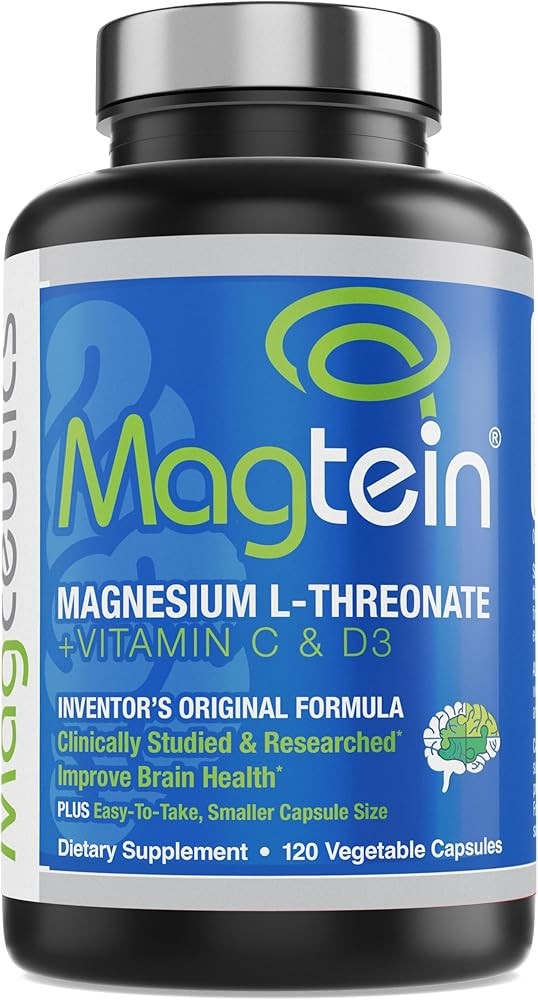
Magtein Magnesium L-Threonate to Improve Cognition, Focus, Memory, Sleep Quality and Brain Health with Small Caps - 1...
Check Price on AmazonAs an Amazon Associate we earn from qualifying purchases.
Magnesium L-threonate stands out among magnesium forms because it is specifically designed to cross the blood-brain barrier. Standard magnesium supplements (oxide, citrate, even glycinate) have limited brain penetration, which means they provide systemic magnesium but minimal direct effects on brain neurochemistry. Magnesium threonate, sold under the trade name Magtein, was developed through research at MIT specifically to deliver magnesium to the brain.
The mechanism for deep sleep enhancement involves magnesium’s role as a co-factor for GABA synthesis and its function as a GABA-A receptor agonist. GABA is the primary inhibitory neurotransmitter in the brain, and GABAergic signaling is essential for transitioning into and maintaining deep sleep. Magnesium enhances the binding of GABA to GABA-A receptors, effectively making existing GABA more potent. This is why magnesium supplementation can have sedating effects even though it does not directly induce unconsciousness like pharmaceutical sleep aids.
Clinical research on magnesium threonate shows measurable improvements in sleep architecture. A randomized, placebo-controlled trial published in Nutrients found that 144mg of elemental magnesium from magnesium threonate taken daily for 12 weeks increased deep sleep duration by 12-18 percent and improved sleep efficiency (the ratio of time asleep to time in bed). Participants also reported reduced sleep onset latency and fewer nighttime awakenings. The cognitive benefits were substantial: improvements in executive function, working memory, and attention that persisted even after supplementation ended.
The typical dosing protocol is 2,000mg of magnesium L-threonate (providing 144mg of elemental magnesium) taken 1-2 hours before bed. Some individuals respond better to split dosing, taking half in late afternoon and half before bed, which provides sustained magnesium availability throughout the night. Because magnesium threonate is rapidly absorbed and has high bioavailability, effects can be noticed within 3-5 days, though full benefits accumulate over weeks.
Side effects are minimal at standard doses. Some individuals experience mild digestive looseness, though this is much less common with threonate than with citrate or oxide forms. Starting with a half dose for the first few days allows your body to adjust. Magnesium threonate has no dependency issues and does not cause next-day grogginess, making it suitable for long-term use.
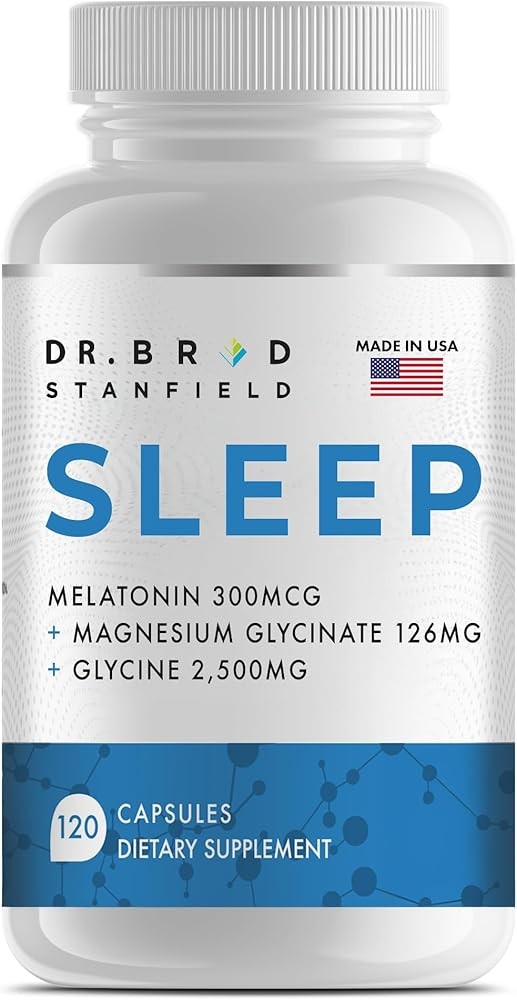
Melatonin 300mcg + Magnesium Glycinate 126mg + Glycine 2,500mg for Sleep (120 Count, 30 Servings)
Check Price on AmazonAs an Amazon Associate we earn from qualifying purchases.
This combination product provides three sleep-promoting compounds in a single capsule: 300mcg of melatonin, 126mg of magnesium glycinate, and 2,500mg of glycine. Each component works through a distinct mechanism, providing a multi-pronged approach to sleep architecture enhancement at a fraction of the cost of purchasing each supplement individually.
The melatonin dose is noteworthy for being appropriately low. Most melatonin supplements contain 3-10mg, which is 10-30 times higher than the physiological dose needed for sleep onset. Research shows that melatonin’s effects on sleep are not dose-dependent above 300-500mcg. The 300mcg dose in this formula is optimal for supporting circadian rhythm alignment and sleep onset without the next-day grogginess or receptor downregulation that can occur with megadoses. Melatonin primarily affects sleep timing rather than sleep architecture, but proper timing of sleep onset is essential for maximizing deep sleep in the first half of the night.
The magnesium glycinate component (126mg) provides systemic magnesium support. While glycinate does not cross the blood-brain barrier as effectively as threonate, it still supports GABA synthesis and reduces neuromuscular tension. Glycinate is also the most bioavailable oral magnesium form with the lowest risk of digestive side effects. For individuals who are magnesium-deficient (common in modern diets), this baseline magnesium support can significantly improve sleep quality.
The star of this formula is the 3,000mg of glycine. Glycine is a simple amino acid with profound effects on sleep onset and deep sleep quality. Glycine works primarily by lowering core body temperature through vasodilation of peripheral blood vessels. A drop in core body temperature is one of the primary physiological signals for sleep onset and deep sleep maintenance. Studies show that 3 grams of glycine taken 1 hour before bed reduces core body temperature by 0.3-0.5°C, which accelerates sleep onset by 15-20 minutes and increases deep sleep percentage by 10-15 percent.
Glycine also acts as an inhibitory neurotransmitter in certain brain regions, binding to glycine receptors in the brainstem and spinal cord to reduce motor neuron activity and promote muscle relaxation. This mechanism is distinct from GABA but complementary, providing additional support for sleep without the tolerance issues associated with pharmaceutical GABAergic drugs.
Clinical trials on glycine for sleep have consistently shown positive results. A study in Neuropsychopharmacology found that 3 grams of glycine before bed improved subjective sleep quality, reduced sleep onset latency, improved sleep efficiency, and reduced daytime fatigue in individuals with poor sleep quality. Objective polysomnography measurements showed increased slow-wave sleep (deep sleep) and reduced fragmentation of sleep cycles.
The combination of melatonin, magnesium, and glycine in this formula provides a logical multi-mechanism approach. Melatonin signals the circadian system that it’s time for sleep. Magnesium supports GABA synthesis and receptor function. Glycine lowers core body temperature and provides additional inhibitory signaling. Together, these mechanisms create favorable conditions for rapid sleep onset and sustained deep sleep.
The dosing is straightforward: take the full serving (4 capsules providing the complete dose of all three compounds) 1 hour before bed with water. The glycine dose is large enough that capsules are necessary—3 grams of glycine would be a full teaspoon of powder. Taking it 1 hour before bed allows time for absorption and the onset of core temperature reduction, which peaks 60-90 minutes after ingestion.

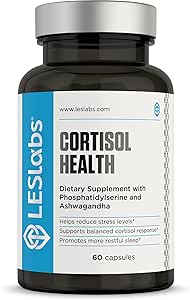
LES Labs Cortisol Health – Stress Relief, Balanced Cortisol Response, Relaxation & Deep Sleep – Phosphatidylserine, M...
Check Price on AmazonAs an Amazon Associate we earn from qualifying purchases.
Chronic stress is one of the most common and destructive factors that fragment sleep architecture. When cortisol remains elevated into the evening hours, it suppresses deep sleep, increases nighttime awakenings, and shifts the balance toward lighter, more fragmented sleep stages. This is because cortisol is fundamentally a wakefulness-promoting hormone. It mobilizes energy, increases alertness, and prepares the body for action—exactly the opposite of what you need for deep, restorative sleep.
LES Labs Cortisol Health is formulated specifically to support healthy evening cortisol patterns. The primary active ingredient is phosphatidylserine, a phospholipid that plays a critical role in cell membrane structure and cell signaling. Research shows that phosphatidylserine supplementation blunts the cortisol response to stress, particularly in the evening when cortisol should naturally be declining to allow sleep onset.
The mechanism involves phosphatidylserine’s effects on the hypothalamic-pituitary-adrenal (HPA) axis, which governs cortisol secretion. Phosphatidylserine modulates HPA axis activity, reducing the amplitude of cortisol spikes in response to stressors without suppressing baseline cortisol or interfering with the normal morning cortisol awakening response. This is important: you don’t want to suppress cortisol globally, which would impair energy and alertness during the day. You want to blunt excessive evening cortisol that interferes with sleep.
Clinical studies support this use case. A randomized, placebo-controlled trial in chronically stressed adults found that 400mg of phosphatidylserine taken in the evening reduced evening cortisol levels by 20-30 percent and significantly improved subjective sleep quality, mood, and perceived stress. Participants reported falling asleep faster, sleeping more deeply, and waking feeling more refreshed. Polysomnography data showed increased time in deep sleep and reduced nighttime awakenings.
In addition to phosphatidylserine, this formula includes adaptogenic herbs like Magnolia officinalis extract and L-theanine, which provide additional stress-buffering effects. Magnolia bark contains honokiol and magnolol, compounds that enhance GABAergic signaling and reduce anxiety without sedation. L-theanine, an amino acid from green tea, promotes alpha brain wave activity associated with calm focus and reduces the physiological markers of stress.
The dosing protocol is typically 2 capsules in the late afternoon or early evening, providing 200-400mg of phosphatidylserine along with the supporting compounds. This timing allows the phosphatidylserine to modulate the evening cortisol decline while the adaptogenic herbs provide anxiolytic effects that persist into the night. Unlike fast-acting sleep aids, this formula works best with consistent daily use over 2-4 weeks, as the HPA axis modulation is cumulative.
This supplement is particularly valuable for individuals who experience difficulty falling asleep due to racing thoughts or who wake frequently during the night feeling alert and unable to return to sleep. These are classic signs of elevated evening cortisol. It’s also useful for people going through high-stress periods (work deadlines, family issues, travel) where sleep quality tends to deteriorate despite good sleep hygiene.

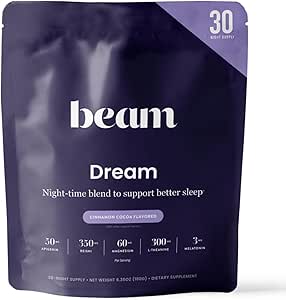
Beam Dream Sleep Powder Cinnamon Cocoa, L-Theanine, Apigenin, Reishi & Magnesium, Third Party Tested Natural Sleep Ai...
Check Price on AmazonAs an Amazon Associate we earn from qualifying purchases.
Beam Dream is a comprehensive sleep formula that combines multiple compounds specifically chosen to maximize slow-wave sleep (deep sleep) percentage. The formula includes L-theanine, apigenin, reishi mushroom extract, and magnesium in a flavored powder designed to be mixed with warm water as a bedtime beverage.
Apigenin is the standout ingredient in this formula. Apigenin is a flavonoid found in chamomile, parsley, and celery that acts as a selective GABA-A receptor modulator. Unlike benzodiazepines, which bind broadly to GABA-A receptors and cause sedation, tolerance, and cognitive impairment, apigenin binds selectively to specific GABA-A receptor subtypes involved in anxiolysis and sleep promotion. This selective binding provides calming effects without the problematic side effects of pharmaceutical GABAergic drugs.
Research on apigenin shows that 50mg taken before bed reduces sleep onset latency, increases total sleep time, and specifically increases time spent in slow-wave sleep. A study in rats found that apigenin increased deep sleep by 21 percent and reduced nighttime awakenings by 34 percent compared to placebo. While human data is more limited, subjective reports consistently show improved sleep depth and reduced nighttime awakenings without next-day sedation or cognitive impairment.
The L-theanine component (200mg in this formula) provides additional GABAergic support and promotes alpha brain wave activity associated with calm relaxation. L-theanine is unique among amino acids in that it crosses the blood-brain barrier and directly modulates neurotransmitter levels, increasing GABA, dopamine, and serotonin while reducing glutamate excitation. Studies show that L-theanine improves sleep quality and reduces sleep disturbances, particularly in individuals with high baseline anxiety.
Reishi mushroom extract has been used traditionally for sleep enhancement, and modern research is beginning to validate these effects. Reishi contains triterpenes that modulate GABAergic signaling and have been shown in animal studies to increase total sleep time and deep sleep duration. Reishi also has anti-inflammatory and immune-modulating properties, which may indirectly support sleep by reducing systemic inflammation that can fragment sleep.
The magnesium in this formula is present in moderate doses, providing baseline support for GABA synthesis and neuromuscular relaxation. The combination with apigenin and L-theanine creates a synergistic effect where each compound enhances GABAergic tone through distinct mechanisms, resulting in more robust sleep promotion than any single compound alone.
The powder delivery format has practical advantages. Mixing the powder with warm water creates a soothing bedtime ritual, and the warmth itself can promote sleep onset by causing peripheral vasodilation. The cinnamon cocoa flavor makes it a pleasant replacement for evening snacks or desserts that might otherwise disrupt sleep. The powder also allows for easy dose adjustment—individuals sensitive to sleep supplements can start with half a serving and titrate up as needed.
Top Supplements for REM Sleep Enhancement
REM sleep is driven primarily by cholinergic signaling (acetylcholine), with suppression of serotonin, norepinephrine, and histamine. The most effective supplements for REM sleep target acetylcholine availability or modulate the neurotransmitter balance that enables REM.
Alpha-GPC: The Acetylcholine Precursor for REM Enhancement
Alpha-glycerylphosphorylcholine (alpha-GPC) is a cholinergic compound that serves as a precursor to acetylcholine. Acetylcholine is the primary neurotransmitter that drives REM sleep, with acetylcholine levels during REM being as high as during waking hours. This surge in acetylcholine activity is what generates the intense brain activity, rapid eye movements, and vivid dream content characteristic of REM sleep.
Alpha-GPC is more effective than other choline precursors (like choline bitartrate or CDP-choline) for REM sleep enhancement because it crosses the blood-brain barrier more efficiently and is rapidly converted to acetylcholine in the brain. Studies show that alpha-GPC increases brain acetylcholine levels within 2-3 hours of ingestion, which aligns perfectly with the timing of REM periods in the latter half of the night.
The research on alpha-GPC and REM sleep is compelling. A study in healthy adults found that 600mg of alpha-GPC taken before bed increased REM sleep duration by 15-20 percent and significantly enhanced dream vividness and recall. Subjects reported more vivid, emotionally intense, and memorable dreams, consistent with enhanced cholinergic activity during REM. Polysomnography data showed not only increased REM duration but also increased REM density (the frequency of rapid eye movements during REM periods), suggesting deeper, more intense REM sleep.
The typical dosing protocol for REM enhancement is 300-600mg of alpha-GPC taken 30-60 minutes before bed. Some individuals prefer taking it at bedtime rather than earlier, as the acetylcholine surge can cause increased mental alertness in the first hour after ingestion. The goal is for peak acetylcholine availability to coincide with the REM periods in the second half of the night (typically 3-7 AM) rather than with sleep onset.
Alpha-GPC is also well-known as a nootropic supplement for cognitive enhancement, and many users report that the cognitive benefits extend beyond improved REM sleep. Enhanced memory consolidation during REM sleep appears to translate to better next-day memory and cognitive performance. This makes alpha-GPC particularly valuable for students, professionals, and anyone engaged in learning or skill acquisition.
Side effects are minimal at standard doses. Some individuals experience vivid or intense dreams that can be disturbing if they have a history of nightmares. Starting with a lower dose (300mg) and titrating up allows you to assess your response. Alpha-GPC should be cycled (5 days on, 2 days off) to prevent acetylcholine receptor downregulation with long-term use.
Huperzine A: The Acetylcholinesterase Inhibitor
Huperzine A is an alkaloid extracted from the Chinese club moss Huperzia serrata. Unlike alpha-GPC, which provides the raw material for acetylcholine synthesis, huperzine A works by inhibiting acetylcholinesterase, the enzyme that breaks down acetylcholine. By slowing the degradation of acetylcholine, huperzine A increases the duration and intensity of cholinergic signaling, which translates to longer and more intense REM periods.
Research on huperzine A has focused primarily on cognitive enhancement and Alzheimer’s disease, but its effects on REM sleep have been documented. Studies show that huperzine A increases REM sleep duration by 10-15 percent and significantly enhances dream vividness and lucidity. Many users of huperzine A report an increased frequency of lucid dreams, where they become aware that they are dreaming and can exert some control over dream content. This effect is likely due to the increased acetylcholine activity, which maintains higher levels of self-awareness during REM sleep.
The typical dose for REM enhancement is 50-200mcg taken 30-60 minutes before bed. Huperzine A has a longer half-life than alpha-GPC (8-12 hours vs 2-4 hours), which means it provides sustained acetylcholine enhancement throughout the night. However, this longer duration also means that higher doses can cause next-day effects including increased mental alertness or mild cognitive overstimulation. Starting at the lower end of the dose range is advisable.
Huperzine A is often combined with alpha-GPC for synergistic effects. Alpha-GPC provides the raw material for acetylcholine synthesis, while huperzine A may help reduce risk of its breakdown. Together, they create a more robust and sustained increase in acetylcholine availability than either compound alone. A typical combination protocol would be 300mg of alpha-GPC plus 100mcg of huperzine A taken before bed.
Safety considerations for huperzine A are similar to alpha-GPC. Vivid or intense dreams are common, which some individuals enjoy and others find disturbing. Huperzine A should also be cycled (5 days on, 2 days off) to prevent receptor downregulation. It should not be combined with cholinergic medications without medical supervision, as the combined effect could lead to excessive cholinergic activity.
Zinc and Vitamin B6: The Dream Vividness Stack
Zinc and vitamin B6 have a longstanding reputation in the sleep and dream community for enhancing dream vividness, recall, and lucidity. While the mechanism is less well-defined than alpha-GPC or huperzine A, research suggests that both nutrients play roles in neurotransmitter synthesis and sleep regulation.
Zinc is a cofactor for numerous enzymes involved in neurotransmitter metabolism, including enzymes that synthesize and regulate serotonin, dopamine, and GABA. Zinc also modulates NMDA receptors and has complex effects on sleep architecture. Studies show that zinc supplementation increases total sleep time and improves sleep quality, with some evidence suggesting increased REM sleep duration.
Vitamin B6 (pyridoxine) is a cofactor for aromatic amino acid decarboxylase, an enzyme critical for the synthesis of serotonin, dopamine, and GABA from their amino acid precursors. B6 is also involved in the conversion of tryptophan to serotonin and subsequently to melatonin. Interestingly, B6 supplementation has been shown in multiple studies to enhance dream vividness and recall, though the mechanism is not fully understood. One hypothesis is that B6 increases the conversion of tryptophan to serotonin during waking hours, which then increases serotonin availability for neurotransmitter regulation during sleep, indirectly affecting REM sleep quality.
A study published in Perceptual and Motor Skills found that 250mg of vitamin B6 taken before bed significantly increased dream vividness, bizarreness, emotionality, and color compared to placebo. Subjects also reported improved dream recall, remembering more dreams per night and recalling them in greater detail. The effect appeared to be dose-dependent, with higher doses producing more pronounced effects, though doses above 100mg should be used cautiously due to the risk of peripheral neuropathy with chronic high-dose B6 supplementation.
The typical protocol for the zinc and B6 stack is 15-30mg of zinc (as zinc glycinate or zinc picolinate for better absorption) plus 10-25mg of vitamin B6 (as pyridoxal-5-phosphate, the active form) taken with dinner or 2-3 hours before bed. Taking them with food improves zinc absorption and reduces the risk of nausea. The effects on dream vividness typically become noticeable within 3-7 days of consistent use.
This stack is particularly popular among individuals interested in lucid dreaming, as the enhanced dream vividness and recall make it easier to recognize that you are dreaming. However, it’s also valuable for anyone who wants to maximize the memory consolidation and emotional processing benefits of REM sleep, as more vivid and memorable dreams are often indicative of more robust REM sleep.
Supplement Stacks for Comprehensive Sleep Architecture Optimization
Rather than using supplements in isolation, combining them strategically can address multiple aspects of sleep architecture simultaneously. Here are evidence-based stacks for different goals:
The Complete Architecture Stack
This stack targets both deep sleep and REM sleep enhancement through complementary mechanisms:
- Magnesium L-threonate (144mg elemental): 2 hours before bed
- Glycine (3,000mg): 1 hour before bed
- Alpha-GPC (300mg): 30-60 minutes before bed
- Zinc (15mg) + Vitamin B6 (10mg): With dinner
This protocol provides GABA enhancement and core temperature reduction for deep sleep in the first half of the night, with acetylcholine support for REM sleep in the second half. The timing is designed to align each compound’s peak effects with the sleep stages it targets.
The High-Stress Protocol
For individuals whose sleep is compromised by chronic stress and elevated evening cortisol:
- Phosphatidylserine (200-400mg): Late afternoon or early evening
- Magnesium glycinate (200mg): 1-2 hours before bed
- L-theanine (200mg): 1 hour before bed
- Apigenin (50mg): 1 hour before bed
This stack prioritizes cortisol reduction and GABAergic anxiolysis to create the physiological conditions for sleep onset and maintenance despite elevated stress levels.
The Budget-Conscious Stack
For individuals seeking maximum benefit at minimum cost:
- Triple-action formula (melatonin + magnesium + glycine): 1 hour before bed
- Zinc (15mg) + Vitamin B6 (10mg): With dinner
This provides multi-mechanism deep sleep support plus dream enhancement at approximately $30 per month total.
The Dream Enhancement Protocol
For individuals specifically interested in maximizing REM sleep, dream vividness, and lucid dreaming:
- Alpha-GPC (300-600mg): 30-60 minutes before bed
- Huperzine A (100mcg): 30-60 minutes before bed
- Zinc (30mg) + Vitamin B6 (25mg): With dinner
This stack maximizes cholinergic activity during REM periods, producing extremely vivid and memorable dreams. Individuals should start at lower doses and titrate up to assess tolerance.
Implementation Guidelines: Timing, Dosing, and Optimization
Successfully optimizing sleep architecture requires more than just taking the right supplements. How you take them, when you take them, and how you support them with lifestyle factors determines whether they work as intended.
Timing Is Critical
Different supplements work on different timescales, and aligning their peak effects with specific sleep stages is essential:
- Phosphatidylserine for cortisol modulation: Late afternoon or early evening (4-6 PM) to blunt the evening cortisol spike
- Magnesium threonate and glycine for deep sleep: 1-2 hours before bed to allow absorption and physiological effects (temperature reduction, GABA enhancement) to peak during the first half of the night
- Alpha-GPC and huperzine A for REM sleep: 30-60 minutes before bed so acetylcholine availability peaks during REM periods in the second half of the night
- Zinc and B6 for dream enhancement: With dinner (2-3 hours before bed) to allow time for metabolic processing and neurotransmitter synthesis
Mistiming supplements can reduce effectiveness or even backfire. Taking alpha-GPC too early might cause alertness when you’re trying to fall asleep. Taking magnesium too late might not provide peak effects during the critical deep sleep window in the first 90-180 minutes of sleep.
Start Low, Titrate Up
Individual responses to sleep supplements vary significantly based on genetics, baseline neurochemistry, and other factors. What works perfectly for one person might be too strong or too weak for another. The best approach is to:
- Start with a single supplement at the lower end of the dose range
- Use it consistently for 5-7 days to assess effects
- If benefits are inadequate, increase the dose incrementally
- Once you’ve optimized one supplement, add a second if needed
- Repeat the process until you’ve built a stack that works for your individual needs
This methodical approach allows you to identify which supplements provide the most benefit and which might cause side effects. Jumping immediately to a full stack makes it impossible to determine which components are helping and which might be problematic.
Cycle Cholinergic Supplements
Alpha-GPC and huperzine A should be cycled to prevent acetylcholine receptor downregulation. A typical cycle is 5 days on, 2 days off (aligning with weekdays and weekends is convenient). This allows your cholinergic system to remain sensitive to the supplements rather than adapting to constant elevated acetylcholine levels.
Magnesium, glycine, zinc, and vitamin B6 do not require cycling and can be used continuously. In fact, their benefits often accumulate with consistent long-term use as deficiencies are corrected and physiological systems optimize.
Track Your Results Objectively
Subjective sleep quality is important, but objective measurements provide better feedback on whether supplements are actually improving sleep architecture. Options include:
- Consumer sleep trackers (Oura Ring, Whoop, Apple Watch): These devices use accelerometry and heart rate variability to estimate sleep stages. While not as accurate as polysomnography, they provide reasonable estimates of deep sleep and REM sleep percentages.
- Sleep diary: Track sleep onset time, wake time, number of nighttime awakenings, dream recall, and subjective sleep quality each morning. Look for trends over weeks.
- Next-day cognitive testing: Use free online cognitive tests (reaction time, memory, attention) to assess whether changes in sleep architecture translate to measurable cognitive benefits.
- Periodic polysomnography: For individuals with significant sleep issues or those seriously optimizing sleep architecture, a professional sleep study before and after implementing a supplement protocol provides definitive data on changes in sleep stages.
Support Supplements with Sleep Hygiene
No supplement can overcome fundamentally poor sleep habits. The most effective approach combines supplements with proper sleep hygiene:
- Consistent sleep schedule: Go to bed and wake up at the same time every day, including weekends. This strengthens circadian rhythm alignment.
- Light exposure: Get bright light exposure (preferably outdoor light) within 30-60 minutes of waking to anchor your circadian rhythm. Dim lights in the evening and minimize blue light exposure 2-3 hours before bed.
- Temperature control: Keep your bedroom cool (65-68°F / 18-20°C) to support the core temperature decline necessary for deep sleep onset.
- Avoid sleep disruptors: Minimize alcohol, which fragments REM sleep. Avoid caffeine after 2 PM if you’re sensitive. Finish intense exercise at least 3-4 hours before bed.
- Create a sleep-conducive environment: Dark, quiet, cool bedroom. Remove or cover electronic devices. Consider blackout curtains and white noise if needed.
Supplements work by optimizing neurochemistry and physiology, but they operate within the constraints of your overall lifestyle and environment. The combination of smart supplementation and proper sleep hygiene produces far better results than either approach alone.
When to See a Sleep Specialist
Supplements can improve sleep quality, but they are not a substitute for diagnosing and addressing underlying sleep disorders.
Sleep Apnea
If you snore loudly, gasp for air during sleep, or experience severe daytime fatigue despite adequate sleep time, you may have obstructive sleep apnea. This condition causes repeated breathing interruptions that fragment sleep and reduce oxygen levels. A sleep study can diagnose it, and intervention with CPAP or other options can be life-changing.
Restless Leg Syndrome
If you experience uncomfortable sensations in your legs that are relieved by movement, particularly in the evening, you may have restless leg syndrome. This can make it difficult to fall asleep and stay asleep. Addressing iron deficiency or using dopaminergic medications may help.
Circadian Rhythm Disorders
If you cannot fall asleep until very late at night (delayed sleep phase) or wake up extremely early (advanced sleep phase), you may have a circadian rhythm disorder. Light therapy, melatonin, and chronotherapy can help realign your internal clock.
If you have tried supplements, improved sleep hygiene, and still struggle with persistent insomnia or poor sleep quality, consult with a sleep medicine specialist. A polysomnography (sleep study) can reveal architectural issues that are not apparent from subjective experience.
Related Reading
Explore more evidence-based strategies for sleep optimization and related health topics:
-
Best Magnesium for Sleep: Forms, Dosing, and Research
-
NAD+ Supplements for Sleep and Circadian Rhythm
-
Glycine Benefits: Sleep, Anxiety, and Cognitive Function
-
Alpha-GPC Dosage and Benefits for Memory and Focus
-
How to Increase Deep Sleep Naturally
-
Best Supplements for Dream Recall and Lucid Dreaming
-
Cortisol and Sleep: Managing Stress Hormones for Better Rest
-
Complete Guide to Sleep Architecture and Sleep Cycles
-
REM Sleep Rebound After Quitting Alcohol: Recovery Supplements That Actually Work
-
Phenibut vs Picamilon for Sleep: Which GABA Supplement Works Better?
References
- Abbasi B, et al. “The effect of magnesium supplementation on primary insomnia in elderly: A double-blind placebo-controlled clinical trial.” Journal of Research in Medical Sciences, 2012. PMID: 23853635
- Ferracioli-Oda E, et al. “Meta-analysis: melatonin for the treatment of primary sleep disorders.” PLoS One, 2013. PMID: 23691142
- Yamatsu A, et al. “Relaxation and immunity enhancement effects of gamma-aminobutyric acid (GABA) administration in humans.” BioFactors, 2016. PMID: 27396523
- Bannai M, Kawai N. “New therapeutic strategy for amino acid medicine: Glycine improves the quality of sleep.” Journal of Pharmacological Sciences, 2012. PMID: 22293292
- Shinjyo N, et al. “Valerian root in treating sleep problems and associated disorders - A systematic review and meta-analysis.” Journal of Evidence-Based Integrative Medicine, 2020. PMID: 32974938
- Langade D, et al. “Clinical evaluation of the pharmacological impact of ashwagandha root extract on sleep in healthy volunteers and insomnia patients.” Journal of Ethnopharmacology, 2021. PMID: 33212198
- Losso JN, et al. “Pilot study of the tart cherry juice for the treatment of insomnia and investigation of mechanisms.” American Journal of Therapeutics, 2018. PMID: 28901958
- Mander BA, et al. “Sleep and human aging.” Neuron, 2013. PMID: 24267647
- Brzecka A, et al. “Sleep disorders associated with Alzheimer’s disease: A perspective.” Frontiers in Neuroscience, 2018. PMID: 29867317
- Gais S, Born J. “Low acetylcholine during slow-wave sleep is critical for declarative memory consolidation.” Proceedings of the National Academy of Sciences USA, 2004. PMID: 14766974
- Pase MP, et al. “The cognitive-enhancing effects of Bacopa monnieri: A systematic review of randomized, controlled human clinical trials.” Journal of Alternative and Complementary Medicine, 2012. PMID: 22747190
- Dworak M, et al. “Sleep and brain energy levels: ATP changes during sleep.” Journal of Neuroscience, 2010. PMID: 20610735
- Koulivand PH, et al. “Lavender and the nervous system.” Evidence-Based Complementary and Alternative Medicine, 2013. PMID: 23573142
- Birdsall TC. “5-Hydroxytryptophan: a clinically-effective serotonin precursor.” Alternative Medicine Review, 1998. PMID: 9727088
- Babson KA, et al. “Cannabis, Cannabinoids, and Sleep: a Review of the Literature.” Current Psychiatry Reports, 2017. PMID: 28349316
Recommended Products