Reverse Dieting After Ozempic: Rebuild Metabolism and Stop Weight Regain
Summarized from peer-reviewed research indexed in PubMed. See citations below.
After months of weight loss on Ozempic, Wegovy, or Mounjaro, stopping your GLP-1 medication creates a metabolic crisis - research shows 60-80% of patients regain weight within 6 months due to metabolic adaptation that slows your metabolism by 5-15% beyond expected from body size alone. The Ozempic Weight Loss Tracker (52-week journal) helps you systematically monitor this transition while implementing reverse dieting protocols at around $12.99. Studies show reverse dieting - gradually increasing calories by 50-100 weekly over 12-24 weeks - can restore metabolic rate to 80-95% of pre-diet levels while minimizing fat regain. For budget-conscious maintenance, The $7/Day High Protein Cookbook provides 124 recipes ensuring adequate protein (1.6-2.0 g/kg daily) to preserve muscle mass during metabolic recovery at approximately $9.99. Here’s what the published research shows about reversing metabolic adaptation and preventing the devastating weight regain that affects most people after discontinuing GLP-1 medications.
Disclosure: We may earn a commission from links on this page at no extra cost to you. Affiliate relationships never influence our ratings. Full policy →


Ozempic® Weight Loss Tracker: A 52-Week Journal for Users of Ozempic®, Wegovy®, Mounjaro®, and Other GLP-1 Medications
Check Price on AmazonAs an Amazon Associate we earn from qualifying purchases.


The $7/Day High Protein Cookbook for Weight Loss: 124 Easy Low Carb Recipes + 30-Day Meal Plan
Check Price on AmazonAs an Amazon Associate we earn from qualifying purchases.
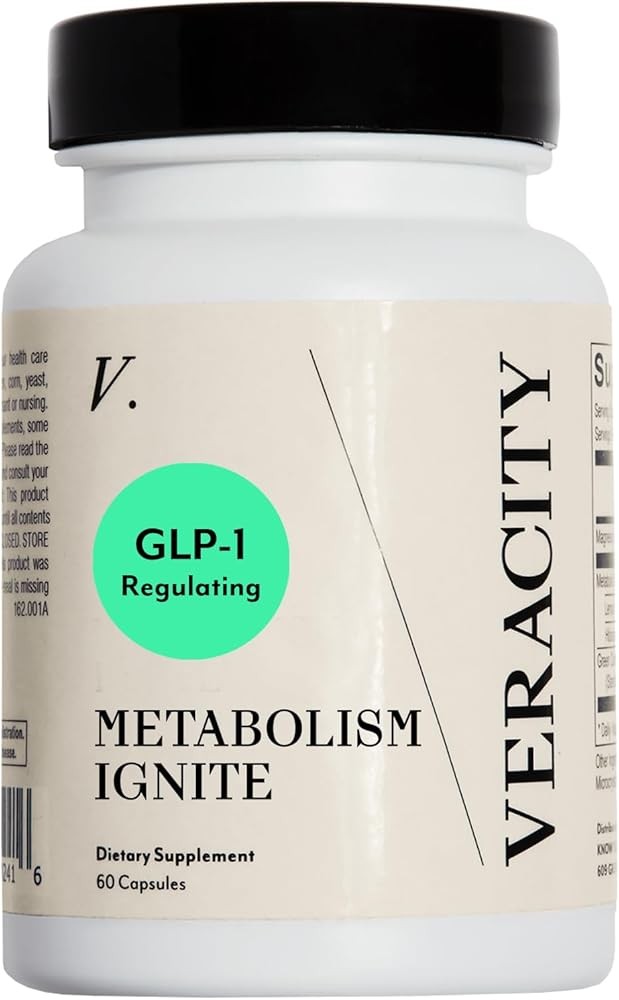
Veracity Metabolism Ignite - Boosts GLP-1 to Reduce Appetite and Cravings for Clinically Proven Weight Loss
Check Price on AmazonAs an Amazon Associate we earn from qualifying purchases.


Juvenon GLP-1 Gold™ – Metabolic Support Supplement with CQR-300® & Eriomin™
Check Price on AmazonAs an Amazon Associate we earn from qualifying purchases.
What is Metabolic Adaptation After Weight Loss?
If you’ve successfully lost weight on Ozempic, Wegovy, Mounjaro, or another GLP-1 receptor agonist, you’ve likely been eating in a calorie deficit for months. Your body has adapted to this lower calorie intake by reducing metabolic rate - a survival mechanism called metabolic adaptation or adaptive thermogenesis.
Now you’re discontinuing the medication and facing a critical question: How do I eat enough to maintain this weight loss without regaining?
The instinctive answer - “just eat maintenance calories” - sounds simple but often leads to rapid regain. Your metabolism isn’t ready for that calorie jump.
This is where reverse dieting comes in.
Reverse dieting is the strategic, gradual increase of calorie intake designed to:
- Restore metabolic rate toward pre-diet levels
- Minimize fat regain while allowing necessary glycogen/muscle restoration
- Improve energy, hormone function, and quality of life
- Create a sustainable maintenance calorie level
- Provide psychological confidence that you can eat more without regaining
This comprehensive guide provides evidence-based reverse dieting protocols specifically for individuals transitioning off GLP-1 medications.
How Does Metabolic Adaptation Work?
What Happens to Metabolism During Weight Loss
Total Daily Energy Expenditure (TDEE) components:
- Basal Metabolic Rate (BMR): 60-70% of TDEE
- Energy required for basic physiological functions
- Decreases with weight loss (smaller body requires less energy)
- Also decreases beyond expected (metabolic adaptation)
- Non-Exercise Activity Thermogenesis (NEAT): 15-30% of TDEE
- Spontaneous movement, fidgeting, maintaining posture
- Dramatically decreases during calorie restriction
- Can drop 200-400 calories daily
- Exercise Activity Thermogenesis (EAT): 5-10% of TDEE
- Intentional exercise
- May decrease if energy is low (shorter workouts, less intensity)
- Thermic Effect of Food (TEF): 10% of TDEE
- Energy required to digest food
- Decreases when eating less (less food = less energy to digest)
Expected vs. actual metabolism decrease:
Example: 200 lb woman loses 50 lbs to reach 150 lbs
Expected decrease (from smaller body):
- BMR reduction: ~200-250 calories
- Total TDEE reduction: ~300-350 calories
- New maintenance: ~1,950 calories (if previously 2,300)
Actual decrease (with metabolic adaptation):
- BMR reduction: ~350-450 calories (additional 150-200 calorie suppression)
- NEAT reduction: ~200-300 calories
- Total TDEE reduction: ~600-800 calories
- Actual maintenance: ~1,500-1,700 calories temporarily
Source: (PubMed: 36169111)
| Approach | Calorie Increase | Timeline | Best For | Expected Weight Gain | Metabolic Recovery |
|---|---|---|---|---|---|
| Conservative (50 cal/week) | +50 calories weekly | 20-24 weeks | Lost >20% body weight, slow metabolism, sedentary | 2-3 lbs | 75-85% restoration |
| Standard (75-100 cal/week) | +75-100 calories weekly | 12-16 weeks | Most people, moderate activity, 10-20% weight loss | 3-5 lbs | 80-90% restoration |
| Aggressive (100-150 cal/week) | +100-150 calories weekly | 8-12 weeks | Very active, high muscle mass, severe fatigue | 4-6 lbs | 85-95% restoration |
| Immediate Jump to Maintenance | +500-800 calories immediately | 1-2 weeks | NOT RECOMMENDED | 10-15+ lbs | Poor (50-60%) |
Hormonal Changes During Weight Loss
Leptin (satiety hormone):
- Decreases by 50-70% with significant weight loss
- Low leptin signals “starvation” to brain
- Triggers metabolic slowdown and increased hunger
- Can take 6-12+ months to partially recover
Thyroid hormones:
- T3 (active thyroid hormone) decreases by 15-20%
- T4 (inactive thyroid hormone) may stay normal
- Reverse T3 (inactive metabolite) may increase
- Results in lower metabolic rate
- Partially reversible with refeeding
Testosterone (both sexes):
- Decreases during calorie restriction
- Lower testosterone = reduced muscle mass, lower metabolism
- Improves with reverse dieting and adequate calories
Ghrelin (hunger hormone):
- Increases 20-35% after weight loss
- Remains elevated for 1+ years
- Contributes to hunger but also affects metabolism
Insulin and insulin sensitivity:
- Improves during weight loss (positive)
- But can become TOO sensitive (stores calories efficiently)
- Reverse dieting helps normalize
Source: (PubMed: 40146831)
NEAT Reduction: The Hidden Metabolic Sink
Research finding:
- During weight loss, spontaneous physical activity decreases dramatically
- People move less without consciously realizing it
- Fidgeting, posture maintenance, everyday movement all reduce
- Can account for 200-400 calorie daily reduction
Source: (PubMed: 40409256)
Mechanisms:
- Low leptin signals energy conservation
- Brain reduces subconscious movement
- Fatigue reduces activity
- Lower body temperature (less shivering thermogenesis)
Examples of NEAT reduction:
- Taking elevator instead of stairs (subconsciously)
- Sitting instead of standing when possible
- Less fidgeting, gesturing during conversation
- Slower walking pace
- Choosing closer parking spots
- Less housework, cooking, gardening
Good news: NEAT recovers during reverse dieting as energy increases
Source: (PubMed: 39724960)
The “Biggest Loser” Study: Metabolic Damage is Real
Study design:
- Followed “Biggest Loser” contestants 6 years post-competition
- Participants had lost average 58 kg (128 lbs)
- Regained average 41 kg (90 lbs) but still 17 kg (37 lbs) below baseline
Key findings:
Metabolic rate:
- At end of competition: BMR suppressed by ~500 calories/day beyond expected
- 6 years later: STILL suppressed by ~500 calories/day
- This despite partial weight regain
- Suggests metabolic adaptation can persist long-term
Individual variation:
- Those who regained most weight had greatest metabolic suppression
- Those who maintained loss had less severe adaptation
- Suggests maintaining vigilance important for metabolic recovery
Source: (PubMed: 39586940)
Important context:
- Extreme calorie restriction + excessive exercise (not typical)
- May not apply fully to moderate weight loss with GLP-1s
- But demonstrates metabolic adaptation is real and can persist
Can Metabolic Adaptation Be Reversed?
Encouraging evidence:
Study 1: Diet breaks improve metabolic recovery
- Comparing continuous dieting vs. intermittent dieting with “diet breaks”
- Diet breaks = 2-week periods at maintenance calories
- Result: Better fat loss, less metabolic adaptation, improved adherence
Source: (PubMed: 38406269)
Study 2: Reverse dieting in physique athletes
- Bodybuilders increased calories post-competition
- Slow increases (50-100 cal/week) minimized fat regain
- Metabolic rate gradually recovered
- Reached higher maintenance calories than immediate post-diet
Source: (PubMed: 38502519)
Study 3: Resistance training preserves metabolism
- Weight loss + resistance training vs. diet alone
- Resistance training group: Less metabolic adaptation (50% reduction)
- Diet alone group: Severe adaptation
- Mechanism: Muscle preservation + NEAT maintenance
Source: (PubMed: 39148685)
Bottom line: Metabolic adaptation can be partially reversed with:
- Gradual calorie increases (reverse dieting)
- Adequate protein (1.6-2.0 g/kg)
- Resistance training
- Time (3-6 months minimum)
- Likely won’t fully return to pre-diet levels but can significantly improve
What is the Best Reverse Dieting Protocol After Stopping GLP-1 Medications?
Phase 1: Establishing Baseline (Weeks 1-2)
Before starting reverse diet, you need accurate baseline data.
Track current intake for 14 days:
- Log all food/beverages with food scale
- Calculate average daily calories
- Calculate average macronutrient distribution
- Note: Be honest - this determines starting point
Common scenarios:
Scenario A: Consistently low intake (1,200-1,500 cal)
- You’ve been restricting significantly
- Clear need for reverse diet
- Metabolism likely suppressed
- Start reverse diet from this baseline
Scenario B: Inconsistent intake (1,000-2,000 cal, varies daily)
- Some restriction days, some higher days
- First: Establish consistency (pick midpoint, eat that daily for 2 weeks)
- Then: Start reverse diet from consistent baseline
Scenario C: Already eating higher calories (1,800-2,200)
- May already be close to maintenance
- Less room for reverse diet
- Focus on optimization rather than large increases
Baseline measurements:
- Weight: Daily for 14 days, calculate average
- Waist circumference: At belly button, relaxed, measure 3×, average
- Hip circumference: At widest point
- Progress photos: Front, side, back in consistent lighting/clothing
- Strength baselines: Key lifts (squat, deadlift, bench press - 5 rep max)
- Energy level: Rate 1-10 daily, average
Baseline labs (optional but valuable):
- Thyroid panel (TSH, Free T3, Free T4, Reverse T3)
- Metabolic panel
- Fasting glucose and insulin (calculate HOMA-IR)
- Sex hormones if concerned (testosterone, estrogen)
Calculate estimated maintenance:
Use multiple TDEE calculators:
- Mifflin-St Jeor equation
- Katch-McArdle (if body fat % known)
- TDEE calculator websites (average 3-4 different ones)
Example: 150 lb, 30-year-old woman, moderately active
- Estimated maintenance: 2,000-2,200 calories
Determine reverse diet target:
- Current intake: 1,400 calories (baseline tracking)
- Estimated maintenance: 2,100 calories
- Gap to bridge: 700 calories
- Timeline: 700 cal ÷ 75 cal/week = ~9 weeks minimum
- Reality: 12-16 weeks accounting for plateaus, adjustments
Phase 2: Initial Increases (Weeks 3-8)
Calorie increase protocol:
Week 3:
- Increase total daily calories by 50-75
- Prioritize protein and carbs (not fat initially)
- Example: 1,400 → 1,475 calories
- Monitor weight daily, calculate weekly average
Macronutrient distribution of added calories:
- 50% carbohydrates (most important for metabolic recovery)
- Carbs increase leptin
- Carbs restore glycogen
- Carbs improve thyroid function
- Carbs increase NEAT
- 30% protein (maintain or increase)
- Support muscle maintenance/growth
- High satiety
- High thermic effect
- 20% fat (increase minimally)
- Already consuming adequate for hormones
- Most calorie-dense (easy to overshoot)
Example: Adding 75 calories
- Carbs: 38 calories = 9g carbs (add 1/3 cup rice or 1 medium apple)
- Protein: 23 calories = 6g protein (add 1oz chicken)
- Fat: 14 calories = 1.5g fat (add 1 tsp oil or small handful nuts)
Week 4:
- Increase another 50-75 calories
- New total: 1,525-1,550 calories
- Continue daily weighing, weekly averaging
Weeks 5-8:
- Increase 50-75 calories weekly
- By week 8: ~1,750-1,850 calories
- Monitor for signs of adaptation
What to expect during this phase:
Weight:
- Week 3-4: Likely 1-3 lb increase (glycogen + water retention)
- Don’t panic - this is expected and healthy
- Week 5-8: Weight should stabilize or increase very slowly (<0.5 lb/week)
- If gaining >1 lb/week consistently: Slow down increases
Energy:
- Gradual improvement
- Less afternoon fatigue
- Better workout performance
- More spontaneous movement
Hunger:
- May initially increase (more food = more ghrelin response)
- Then stabilizes as leptin increases
- Should feel less ravenous than at low calories
Strength:
- Should maintain or improve
- If decreasing: Not eating enough or not recovering adequately
Measurements:
- Waist should stay stable or increase <0.5 inch
- If increasing >1 inch: Gaining too much fat, slow down
Phase 3: Continued Progression (Weeks 9-16)
By this point, you’ve increased 400-600 calories from baseline.
Assessment before continuing:
Positive signs (continue progressing):
- Weight stable or slow increase (<0.5 lb/week)
- Energy significantly improved
- Strength maintaining or increasing
- Waist stable
- Feeling good
Warning signs (pause or slow down):
- Weight increasing >1 lb/week for 3+ weeks
- Waist increasing >0.5 inch
- Energy not improving
- Strength decreasing
If positive signs: Continue protocol
Week 9-16:
- Continue 50-75 calorie weekly increases
- By week 16: ~2,100-2,300 calories
- For many, this is approaching true maintenance
If warning signs: Pause and maintain
- Stay at current calories for 3-4 weeks
- Allow metabolism to “catch up”
- Then resume increases at slower rate (25-50 cal/week)
Macronutrient targets at this phase:
Protein:
- Maintain 1.6-2.0 g/kg body weight
- Example: 150 lb (68 kg) woman = 109-136g daily
- Non-negotiable for muscle maintenance
Carbohydrates:
- Increase to 150-250g daily
- Focus on complex carbs (oats, rice, potatoes, fruit)
- Time around workouts (supports performance and recovery)
Fats:
- Moderate intake: 0.4-0.6 g/kg body weight
- Example: 150 lb woman = 27-41g daily
- Include omega-3s, monounsaturated fats
- Don’t need to increase much
Training adjustments:
Resistance training:
- Maintain 4-5× weekly
- As calories increase, increase training volume:
- Add sets (3 sets → 4 sets per exercise)
- Add exercises (5 exercises → 6-7)
- Add frequency (upper/lower 2× each → 3× each)
- More calories = can handle more volume = more muscle stimulus
Cardio:
- Keep moderate (2-3× weekly, 20-30 min)
- Don’t increase excessively
- Risk: Creating larger calorie deficit, slowing reverse diet
NEAT optimization:
- Track daily steps
- Goal: 10,000-12,000 daily
- As energy improves, steps naturally increase
- If not increasing, consciously add (walk after meals, take stairs)
Phase 4: Finding True Maintenance (Weeks 17-24)
You’ve now increased 800-1,000+ calories from baseline.
Assessment markers:
You’ve likely reached maintenance when:
- Weight stable (±2-3 lbs) for 4+ consecutive weeks
- Energy excellent (no afternoon crashes)
- Strength maintaining or improving
- Sleeping well (7-9 hours, restorative)
- Hunger moderate (5-7/10, manageable)
- Body temperature normal (not always cold)
- Mood stable
- Libido normal (if was suppressed)
- Menstrual cycle regular (if applicable)
Typical maintenance calories:
Women:
- Sedentary: 12-14 cal/lb body weight
- Moderately active: 14-16 cal/lb
- Very active: 16-18 cal/lb
Men:
- Sedentary: 14-16 cal/lb body weight
- Moderately active: 16-18 cal/lb
- Very active: 18-20 cal/lb
Example: 150 lb moderately active woman
- Estimated maintenance: 2,100-2,400 calories
- If reverse dieted properly, should reach this range
Transition to intuitive maintenance:
Option 1: Continue tracking (recommended initially)
- Track 5-6 days per week
- Allows flexibility, reduces drift
- Weekly check: Am I averaging maintenance?
- Can relax after 3-6 months of successful maintenance
Option 2: Partial tracking
- Track protein only (hit 1.6-2.0 g/kg daily)
- Eyeball other foods
- Weekly weigh-in ensures no drift
- Works if you have good portion awareness
Option 3: Intuitive eating
- No tracking
- Rely on hunger/fullness cues
- Weekly weigh-ins non-negotiable
- If weight trends up >5 lbs: Return to tracking
- Higher risk but some succeed
How Should You Adjust Macronutrients During Reverse Dieting?
Protein: The Non-Negotiable Foundation
Maintain high protein throughout reverse diet:
Target: 1.6-2.0 g/kg body weight daily
- Example: 150 lb (68 kg) = 109-136g daily minimum
Why protein is critical during reverse dieting:
Supports muscle loss:
- Reverse dieting period still involves adaptation
- Risk of losing muscle if protein inadequate
- Muscle is metabolically active tissue (burns calories at rest)
- Preserving muscle = preserving metabolism
High satiety:
- Supports overeating during calorie increases
- Thermic effect of 20-30% (burns calories to digest)
- Helps control weight during transition
Supports training:
- Muscle protein synthesis requires adequate protein
- Training volume increases during reverse diet (more calories = more recovery capacity)
- Need protein to support this
Protein distribution:
- 30-50g per meal (breakfast, lunch, dinner)
- 20-30g snacks if needed
- Even distribution superior to backloading
Carbohydrates: The Metabolic Recovery Driver
Carbohydrates are most important macronutrient for reversing metabolic adaptation.
Why carbs restore metabolism:
Leptin signaling:
- Carbs increase leptin more than protein or fat
- Leptin signals “fed state” to brain
- Triggers metabolic rate increase
- Improves thyroid function
Source: (PubMed: 41019552)
Thyroid function:
- Low-carb diets decrease T3 (active thyroid hormone) by 15-20%
- Adding carbs back restores T3
- Improves metabolic rate
Source: (PubMed: 30623143)
NEAT restoration:
- Carbs provide quick energy
- Increases spontaneous movement
- Restores fidgeting, activity
Glycogen restoration:
- Muscles depleted during weight loss
- Each gram glycogen binds 3-4g water
- Restoring glycogen = 3-5 lb weight gain (healthy, necessary)
- Glycogen = better performance, better appearance (muscles look fuller)
Carbohydrate targets during reverse diet:
Starting (weeks 1-8):
- 100-150g daily
- Low-moderate level
- Focus on complex carbs
Mid-phase (weeks 9-16):
- 150-200g daily
- Increasing as calories increase
- Time around workouts
Maintenance (weeks 17+):
- 200-300g daily for active women
- 250-400g daily for active men
- Individualized based on activity, preference
Best carbohydrate sources:
- Oats , rice (white or brown), potatoes (white, sweet)
- Quinoa , whole grain pasta
- Fruits (berries, apples, bananas)
- Vegetables (all, unlimited non-starchy)
Timing:
- Pre-workout: 30-50g (1-2 hours before)
- Post-workout: 30-50g (within 2 hours after)
- Remainder distributed throughout day
Fats: Moderate and Strategic
Don’t dramatically increase fats during reverse diet.
Why keep fats moderate:
Calorie density:
- Fat = 9 calories per gram
- Carbs/protein = 4 calories per gram
- Easy to overshoot calories with fats
- Less feedback (doesn’t fill stomach like volume from carbs/protein)
Minimal metabolic benefit:
- Fat doesn’t increase leptin significantly
- Doesn’t restore glycogen
- Doesn’t boost thyroid
- Limited role in metabolic recovery
Necessary but not prioritized:
- Need adequate fat for hormones (0.4-0.6 g/kg minimum)
- Beyond this, prioritize carbs/protein for added calories
Fat targets during reverse diet:
Minimum (hormone production):
- 0.4 g/kg body weight
- Example: 150 lb (68 kg) = 27g daily minimum
Optimal range:
- 0.4-0.6 g/kg body weight
- Example: 150 lb woman = 27-41g daily
Sources:
- Fatty fish (salmon, mackerel, sardines) - omega-3s
- Olive oil , avocado oil - monounsaturated
- Nuts, seeds - variety of fats plus micronutrients
- Avocado - monounsaturated plus fiber
- Limit: Saturated fats (butter, coconut oil) to <10% total fat
Sample Macronutrient Progression
Example: 150 lb (68 kg) woman
Baseline (week 1-2): 1,400 calories
- Protein: 120g (480 cal, 34%)
- Carbs: 130g (520 cal, 37%)
- Fat: 44g (400 cal, 29%)
Week 8: 1,800 calories
- Protein: 130g (520 cal, 29%)
- Carbs: 180g (720 cal, 40%)
- Fat: 62g (560 cal, 31%)
Week 16: 2,200 calories
- Protein: 140g (560 cal, 25%)
- Carbs: 250g (1,000 cal, 45%)
- Fat: 71g (640 cal, 29%)
Maintenance (week 24): 2,400 calories
- Protein: 140g (560 cal, 23%)
- Carbs: 300g (1,200 cal, 50%)
- Fat: 71g (640 cal, 27%)
Note progression:
- Protein increased modestly (supports training volume increase)
- Carbs increased substantially (drives metabolic recovery)
- Fat increased minimally (adequate for health, not prioritized)
How Can You Optimize NEAT to Recover Spontaneous Activity?
Understanding Your NEAT
NEAT = Non-Exercise Activity Thermogenesis
All movement that isn’t sleeping, eating, or formal exercise:
- Occupational activity (desk job vs. construction)
- Household tasks (cleaning, cooking, yard work)
- Fidgeting, posture maintenance
- Spontaneous movement
- Walking for transportation
NEAT variation:
- Can vary by 2,000 calories daily between individuals
- Same person: Can vary 500+ calories daily depending on circumstances
- Dramatically reduced during calorie restriction
- Recovers during reverse dieting
Tracking NEAT via Step Count
Most accessible NEAT proxy: Daily steps
Step count ranges:
- Sedentary: <5,000 steps
- Lightly active: 5,000-7,500 steps
- Moderately active: 7,500-10,000 steps
- Active: 10,000-12,500 steps
- Very active: >12,500 steps
Calorie burn approximation:
- 100 steps ≈ 5 calories burned
- 2,000 steps ≈ 100 calories
- 10,000 steps ≈ 500 calories
Track baseline during weeks 1-2:
- Wear fitness tracker or use phone
- Calculate average daily steps
- Common finding: Lower than expected (NEAT suppression from weight loss)
Example:
- Pre-diet steps: 9,000 average
- During weight loss: 6,500 average (NEAT suppression)
- Goal during reverse diet: Return to 9,000-10,000
Strategic NEAT Increase During Reverse Diet
Don’t increase steps all at once (creates larger deficit, slows reverse diet).
Gradual protocol:
Weeks 1-4:
- Maintain baseline steps
- Focus on calorie increases, let NEAT increase naturally
- Many people spontaneously increase 500-1,000 steps as energy improves
Weeks 5-8:
- If steps haven’t increased naturally, add 1,000 steps
- Method: 10-minute walk after lunch or dinner
- New target: Baseline + 1,000
Weeks 9-12:
- Add another 1,000 steps
- Method: Walk after two meals, or one longer walk
- New target: Baseline + 2,000
Weeks 13-16:
- Add another 1,000 steps if needed to reach 10,000+ daily
- By maintenance, should be 10,000-12,000 steps comfortably
NEAT-boosting habits:
At work:
- Set timer every hour: Stand and walk 2-3 minutes
- Take stairs always
- Walk to colleague’s desk instead of email
- Walking meetings
- Stand during phone calls
- Park farther away
At home:
- Walk while on phone
- Do housework more vigorously (counts!)
- Garden, yard work
- Play with kids/pets actively
- Take longer routes (don’t minimize steps)
Lifestyle:
- Walk to errands when possible
- Explore neighborhood, parks on weekends
- Window shop, mall walking
- Active hobbies (woodworking, home improvement)
Non-Step NEAT: Fidgeting and Posture
Research shows fidgeters burn 300-600 more calories daily.
Encourage fidgeting:
- Bounce leg while sitting
- Pace while thinking
- Stand and shift weight frequently
- Gesture while talking
- Keep hands busy (squeeze ball, manipulate object)
Posture maintenance:
- Standing desk (burns 50+ more cal/hour than sitting)
- Sit on exercise ball (requires core engagement)
- Don’t slouch (good posture burns more calories)
Source: (PubMed: 40889707)
How Should You Adjust Resistance Training During Reverse Dieting?
Why Training Volume Should Increase
More calories = More recovery capacity = Can handle more training
During weight loss on GLP-1:
- Limited calories
- Limited recovery
- Training volume should be moderate (maintain muscle, can’t grow)
- Focus: 3-4× weekly, compound lifts, moderate volume
During reverse diet:
- Increasing calories
- Improving recovery
- Can increase training volume progressively
- Focus: Build muscle (metabolically beneficial)
Benefits of increased muscle mass:
- Higher resting metabolic rate (muscle burns ~6 cal/lb/day at rest)
- Improved glucose disposal (muscle is metabolic sink)
- Better appearance (muscle creates shape)
- Functional strength
Source: (PubMed: 39482267)
Progressive Volume Increase Protocol
Baseline (weeks 1-4): Maintain current training
- Frequency: 3-4× weekly
- Volume: 10-12 sets per muscle group per week
- Intensity: Progressive overload (increase weight when can complete target reps)
Example week:
- Monday: Upper body (chest, back, shoulders) - 6 exercises, 3 sets each
- Wednesday: Lower body (quads, hamstrings, glutes) - 5 exercises, 3 sets each
- Friday: Full body or repeat upper focus
Weeks 5-8: Add sets
- Frequency: 4× weekly (add one session)
- Volume: 12-15 sets per muscle group per week
- Method: Add 1 set to each exercise (3 sets → 4 sets)
Example week:
- Monday: Upper (push focus)
- Tuesday: Lower
- Thursday: Upper (pull focus)
- Saturday: Lower or full body
Weeks 9-16: Add exercises or frequency
- Frequency: 4-5× weekly
- Volume: 15-20 sets per muscle group per week
- Method: Add accessory exercises or increase frequency
Example: Upper/Lower split, each 2× weekly
- Monday: Upper A
- Tuesday: Lower A
- Thursday: Upper B (different exercises)
- Friday: Lower B
- Optional Saturday: Weak point focus
Weeks 17+: Optimize for muscle gain
- Frequency: 4-6× weekly (based on recovery, preference)
- Volume: 15-20+ sets per muscle group per week
- Intensity: Progressive overload focus
- At maintenance calories, can build muscle effectively
Strength as a Metric
Track strength on key lifts:
Primary movements:
- Squat (barbell, goblet, or safety bar)
- Deadlift (conventional, sumo, or trap bar)
- Bench press (barbell, dumbbell, or push-up variation)
- Overhead press
- Row (barbell, dumbbell, or cable)
Test 5-rep max every 4 weeks:
- Should maintain or increase throughout reverse diet
- If decreasing: Inadequate recovery (not enough calories or sleep)
- Increasing strength = good sign metabolism recovering
Example progress:
Baseline (week 1):
- Squat: 135 lbs × 5 reps
- Deadlift: 185 lbs × 5 reps
- Bench: 85 lbs × 5 reps
Week 8:
- Squat: 145 lbs × 5 reps (+10 lbs)
- Deadlift: 195 lbs × 5 reps (+10 lbs)
- Bench: 90 lbs × 5 reps (+5 lbs)
Week 16:
- Squat: 155 lbs × 5 reps (+20 lbs from baseline)
- Deadlift: 215 lbs × 5 reps (+30 lbs)
- Bench: 100 lbs × 5 reps (+15 lbs)
Strength gains indicate:
- Adequate calories and protein
- Muscle maintenance or growth
- Metabolic health improving
- Reverse diet proceeding successfully
Cardio During Reverse Diet: Less is More
Minimize cardio increases during reverse diet.
Rationale:
- Cardio burns calories (counterproductive during calorie increases)
- Creates larger deficit to reverse
- Can interfere with recovery from resistance training
- Not necessary for health (10,000+ steps provides cardiovascular benefit)
Recommended cardio protocol:
Low-intensity steady state (LISS):
- 2-3× weekly maximum
- 20-30 minutes
- Heart rate: 120-140 bpm (conversational pace)
- Examples: Brisk walking, cycling, swimming
- Primary benefit: Cardiovascular health, recovery, NEAT
High-intensity interval training (HIIT):
- 1-2× weekly maximum (optional)
- 15-20 minutes total
- Only if you enjoy it
- Be cautious: High recovery cost
- May interfere with resistance training
Don’t increase cardio as reverse diet progresses:
- Defeats the purpose (burning more = need to eat more to reach maintenance)
- Focus on resistance training and NEAT instead
What Should You Track and Measure During Reverse Dieting?
Daily Weight Tracking with Trend Analysis
Weigh daily, analyze weekly averages and trends.
Why daily:
- Daily fluctuations are normal (2-5 lbs from water, food, hormones)
- Single weekly weigh-in can be misleading (could catch high or low fluctuation)
- Daily data allows trend analysis
- Reduces anxiety (understand fluctuations are normal)
Protocol:
- Weigh same time daily (first thing in morning, after bathroom, before eating)
- Use same scale, same spot
- Naked or same clothing
- Record in app (Happy Scale, Libra, or spreadsheet)
Analyze weekly average:
- Sum 7 days, divide by 7
- Compare to previous week’s average
- Trend matters, not daily fluctuations
Example:
Week 1 daily weights: 150.2, 151.0, 150.8, 149.6, 150.4, 151.2, 150.0 Average: 150.5 lbs
Week 2 daily weights: 151.0, 152.2, 151.6, 150.8, 151.4, 152.0, 151.2 Average: 151.5 lbs
Week 3 daily weights: 152.0, 151.8, 152.4, 153.0, 152.2, 151.8, 152.6 Average: 152.3 lbs
Interpretation:
- Week 1 to 2: +1 lb (expected glycogen restoration)
- Week 2 to 3: +0.8 lb (continued restoration, acceptable)
- Trend: Gradual increase, not concerning if waist stable
Waist Measurement: Fat Gain Indicator
Weight can increase from glycogen, muscle, water - waist indicates fat specifically.
Protocol:
- Measure at belly button level
- Relaxed (don’t suck in)
- Tape snug but not compressing
- Measure 3 times, average
- Track weekly (same day as weekly weigh-in)
Acceptable changes:
- Weeks 1-8: Increase <0.5 inches total (water, glycogen)
- Weeks 9-16: Stable or small increase (<0.5 inches)
- Total reverse diet: <1 inch increase acceptable
Warning sign:
-
1 inch increase in 4 weeks = likely fat gain
- Action: Pause calorie increases, verify tracking accuracy, ensure adequate training
Progress Photos
Weekly photos provide visual feedback:
Protocol:
- Same location, lighting, clothing (or bikini/underwear)
- Same time of day (morning)
- Front, side, back views
- Relaxed posture
- Neutral facial expression
What to look for:
- Muscle definition maintaining or improving
- Abdominal bloating (can indicate food intolerance or excessive sodium)
- Overall shape
- Posture changes (improving energy often improves posture)
Compare every 4 weeks:
- Week 1 vs Week 4 vs Week 8 etc.
- Often see improved muscle tone even if weight increased
- Can look better at higher weight (muscle + glycogen vs. depleted)
Performance Metrics
Track gym performance:
Strength (every 4 weeks):
- 5-rep max on key lifts
- Should increase throughout reverse diet
Volume:
- Total sets per week (should increase)
- Total weight lifted (weight × reps × sets)
Subjective:
- Rate energy during workout (1-10)
- Rate recovery (soreness, readiness for next session)
- Rate “pump” (muscle fullness)
Improvements indicate successful reverse diet:
- Stronger = muscles recovering and growing
- Better energy = adequate fuel
- Better recovery = adequate calories and protein
Subjective Markers
Track weekly (1-10 scale):
Energy:
- Morning energy upon waking
- Afternoon energy (3-4 PM typically lowest)
- Evening energy
- Average: Should increase throughout reverse diet
Hunger:
- Average daily hunger
- Goal: 5-7 (moderate, manageable)
- Too low (<3): Might be able to increase calories faster
- Too high (>8): May need to slow down increases
Sleep quality:
- Ability to fall asleep
- Staying asleep
- Feeling rested upon waking
- Should improve (better fueled)
Mood:
- General mood throughout day
- Irritability, anxiety, depression
- Should improve (adequate calories support neurotransmitter production)
Libido:
- Sex drive
- Often suppressed during severe restriction
- Should improve during reverse diet (hormones recovering)
Cold tolerance:
- Feeling cold all the time indicates metabolic suppression
- Should improve (body temperature increases as metabolism recovers)
Menstrual regularity (if applicable):
- Cycle length, flow, symptoms
- Often disrupted during severe restriction
- Should normalize during reverse diet
What Are Common Reverse Dieting Challenges and How Do You Solve Them?
Problem: Weight Increasing Too Rapidly
Definition: >1 lb/week for 3+ consecutive weeks
Step 1: Verify it’s fat gain, not water/glycogen
Check waist measurement:
-
If waist stable (<0.5 inch increase): Likely water/glycogen, not fat
-
Action: Continue current plan, monitor another 2 weeks
-
If waist increasing (>0.5 inch in 4 weeks): Likely some fat gain
-
Action: Proceed to Step 2
Step 2: Verify tracking accuracy
Common tracking errors:
- Not using food scale (eyeballing portions)
- Forgetting to log cooking oils, condiments, beverages
- Using generic database entries (not accurate)
- Not weighing food raw vs cooked consistently
Action:
- Be obsessive about tracking for 7 days
- Use food scale for everything
- Log immediately after eating
- Recalculate average daily intake
Step 3: Assess adherence
Questions:
- Am I tracking every day? (Weekends often untracked)
- Am I being honest about portions?
- Am I eating unlogged meals?
- Am I accounting for alcohol?
Step 4: Adjust protocol
If tracking is accurate and gaining too fast:
- Pause calorie increases for 3-4 weeks
- Maintain current calories, monitor weight
- Allow metabolism to catch up
- Resume increases at slower rate (25-50 cal/week instead of 75-100)
If tracking was inaccurate:
- Correct intake to intended level
- Continue plan as designed
Problem: Weight Not Increasing At All
Definition: No weight change for 4+ weeks despite calorie increases
This seems like good news but may indicate:
Option 1: Metabolism adapting perfectly (ideal)
- Metabolic rate increasing to match calorie increases
- No weight gain because burning more
- Good sign if:
- Energy improving
- Strength increasing
- Feeling good
Action: Continue increasing calories
Option 2: NEAT increasing substantially (compensating)
- Unconsciously moving more
- Steps increased significantly
- Burning extra calories through activity
- Check step count: Increased 3,000-5,000 from baseline?
Action: Consider this when calculating true maintenance (will need more calories to maintain if highly active)
Option 3: Tracking inaccurate (eating less than think)
- Not actually increasing calories as planned
- Portions smaller than logged
Action: Audit tracking with food scale for 7 days
Option 4: Extreme metabolic suppression
- Metabolism so suppressed that increases barely register
- Rare but possible
Action: Get metabolic testing (RMR measurement) if available, or continue slow increases with patience
In most cases:
- If feeling good, continue plan
- Minimal weight gain during reverse diet is acceptable
- Focus on performance and subjective markers
Problem: Extreme Hunger Despite Calorie Increases
Expected: Hunger should decrease as reverse diet progresses (more food + leptin recovery)
If hunger increasing or staying high (>8/10 consistently):
Potential causes:
Protein inadequate:
- Check: Are you hitting 1.6-2.0 g/kg daily?
- Solution: Increase protein, may need to reduce carbs slightly to fit
Fiber inadequate:
- Check: Are you getting 30-40g fiber daily?
- Solution: Add vegetables, fruits, whole grains, fiber supplement
Adding calories via wrong macros:
- Adding too much fat (doesn’t trigger satiety hormones strongly)
- Solution: Focus calorie increases on carbs (improves leptin) and protein
Inadequate sleep:
- <7 hours increases ghrelin, decreases leptin
- Solution: Prioritize 7-9 hours nightly
High stress:
- Cortisol increases appetite
- Solution: Stress management (meditation, therapy, walks)
Underlying binge eating disorder:
- Hunger isn’t physical, it’s psychological compulsion
- Solution: Therapy (CBT for BED), consider medication (naltrexone, lisdexamfetamine)
Problem: Strength Decreasing
Strength should maintain or increase during reverse diet.
If decreasing:
Potential causes:
Insufficient calories for training volume:
- Increased training but not enough calories to recover
- Solution: Increase calories more aggressively (100-150/week)
Insufficient protein:
- Check: Hitting 1.6-2.0 g/kg daily?
- Solution: Increase protein to 2.0-2.2 g/kg
Inadequate recovery:
- Not enough sleep (need 7-9 hours)
- Training too frequently without rest days
- Solution: Add rest day, prioritize sleep
Poor program design:
- Not progressive overload (not increasing weight/reps over time)
- Too much cardio interfering with recovery
- Solution: Follow structured program, reduce cardio
Medical issue:
- Low testosterone, thyroid dysfunction
- Solution: Labs (thyroid panel, sex hormones)
Problem: Menstrual Cycle Not Returning
If cycle was disrupted during weight loss and not returning during reverse diet:
Timeline:
- May take 3-6 months of adequate calories to restore
- Requires body fat ~18-22% minimum for most women
- Leptin needs to recover sufficiently
Actions:
Nutritional:
- Ensure eating enough (may need higher than current calories)
- Adequate fat (minimum 0.5-0.6 g/kg)
- Adequate carbs (150g+ daily)
Lifestyle:
- Reduce training volume if excessive (>8 hours weekly intense exercise)
- Manage stress
- Adequate sleep
Medical:
- Consult OB/GYN if not returning after 6 months adequate intake
- Labs: FSH, LH, estrogen, progesterone, thyroid
- Rule out PCOS, hypothalamic amenorrhea
Source: (PubMed: 41025205)
Special Considerations
Reverse Dieting for Women
Menstrual cycle affects water retention:
Luteal phase (post-ovulation, pre-menstruation):
- Water retention increases (2-5 lbs common)
- Can mask fat loss or exaggerate fat gain
- Makes weekly averages less reliable
Solution:
- Compare same phase to same phase
- Week 1 (follicular) to Week 5 (follicular)
- Week 2 (luteal) to Week 6 (luteal)
- Track cycle phase in notes
- Don’t panic about premenstrual weight increase (will drop)
Menopause considerations:
Metabolic changes:
- Estrogen decline reduces metabolic rate 100-300 cal/day
- Muscle loss accelerates
- Fat redistribution to abdomen
Reverse diet modifications:
- Slower progressions (50 cal/week maximum)
- Higher protein (2.0+ g/kg to combat muscle loss)
- More resistance training emphasis
- May need to accept higher body fat percentage for maintenance
- Consider HRT (discuss with physician - may improve metabolism)
Reverse Dieting for Men
Generally tolerate more aggressive reverse diet:
Higher muscle mass:
- More metabolic tissue
- Higher baseline metabolism
- Can increase calories faster (100-150/week often tolerated)
Simpler hormonal profile:
- No menstrual cycle water fluctuations
- Testosterone recovers more predictably with refeeding
Modifications:
- Can increase calories more aggressively
- Focus on strength training (capitalize on testosterone)
- Higher absolute calorie targets (2,500-3,500+ at maintenance)
Athletes and Highly Active Individuals
High training volume requires modified approach:
Considerations:
- Already burning significant calories through training
- May be in larger deficit than sedentary person at same calories
- Need higher absolute intake
Modifications:
- More aggressive increases (100-150 cal/week)
- Higher carb focus (fuel training)
- Even higher protein (2.0-2.5 g/kg)
- Monitor performance closely (should improve dramatically)
Example: Female athlete, 150 lbs, training 8-10 hours weekly
- May maintain at 2,800-3,200 calories
- Reverse diet from 2,000 to 3,000+ over 12-16 weeks
- Needs 200-250g protein daily
Older Adults (50+)
Age-related metabolic decline:
Factors:
- Muscle loss (sarcopenia): 3-8% per decade after 30
- Reduced NEAT (move less spontaneously)
- Hormonal changes (testosterone decline in men, menopause in women)
- Thyroid function often decreases
Modifications:
- Very slow reverse diet (50 cal/week maximum)
- Exceptionally high protein (2.0+ g/kg to combat sarcopenia)
- Resistance training non-negotiable (4-5× weekly)
- May need to accept lower maintenance calories than younger counterparts
- Focus on health markers (strength, function) over scale weight
How Do You Transition to Long-Term Maintenance?
Recognizing You’ve Arrived at Maintenance
Objective markers:
- Weight stable (±2-3 lbs) for 6+ weeks
- Waist measurement stable
- Strength maintaining or increasing
- Energy excellent
- Sleep quality good
- Mood stable
Subjective feelings:
- Not hungry all the time (moderate hunger 5-7/10)
- Food thoughts normal (not obsessive)
- Can complete workouts with good energy
- Libido normal
- Body temperature normal (not cold)
- Overall sense of well-being
Calculation check:
- Multiply body weight by activity factor:
- Sedentary: 12-14
- Moderate: 14-16
- Active: 16-18
- Should be approximately at this calorie level
Example: 150 lb moderately active woman
- 150 × 15 = 2,250 calories
- If reverse dieted to ~2,200-2,300: Likely at maintenance
Maintenance Tracking Options
Option 1: Continue detailed tracking (6-12 months)
Pros:
- Most accurate
- Supports drift
- Provides data if adjustments needed
- Reduces anxiety (know exactly what eating)
Cons:
- Time consuming
- Can be psychologically burdensome
- Not sustainable indefinitely for most
Recommended for:
- First 6-12 months of maintenance
- People with history of regain
- Those who find it helpful not burdensome
Option 2: Protein-focused tracking
Method:
- Track only protein daily (hit 1.6-2.0 g/kg)
- Eyeball other foods within reason
- Weekly weigh-in to verify maintaining
Pros:
- Much less burdensome than full tracking
- Protein is most important macro
- Maintains awareness
Cons:
- Can drift on calories if not careful
- Need good portion awareness
Recommended for:
- After 6-12 months successful full tracking
- People with good intuitive eating skills
- When weight is very stable
Option 3: Intuitive eating with weekly check-ins
Method:
- No daily tracking
- Eat based on hunger/fullness
- Weekly weigh-in (non-negotiable)
- If weight trends up >3-5 lbs: Return to tracking
Pros:
- Most freedom
- Sustainable long-term
- Less psychological burden
Cons:
- Higher risk of drift
- Requires excellent body awareness
- Not suitable for everyone
Recommended for:
- After 12+ months successful maintenance
- Strong intuitive eating skills
- People for whom tracking is harmful (triggers disordered thoughts)
Non-Negotiables for Long-Term Maintenance
Regardless of tracking method, maintain these:
1. Regular weighing
- Minimum: Weekly
- Preferred: Daily with trend analysis
- Allows early intervention if trending up
2. Protein intake
- Minimum: 1.6 g/kg daily
- If not tracking, ensure protein source at every meal
3. Resistance training
- Minimum: 3× weekly
- Preferred: 4-5× weekly
- Maintains muscle mass and metabolism
4. Daily activity
- Minimum: 8,000 steps
- Preferred: 10,000-12,000 steps
- Maintains NEAT
5. Intervention threshold
- If weight increases >5 lbs from maintenance range: Take action
- Return to tracking
- Review habits (eating out more? Alcohol increase? Snacking?)
- Increase accountability
- Small corrections reduce large regains
When to Adjust Maintenance Calories
Maintenance isn’t static - may need adjustments:
Increase calories if:
- Weight decreasing unintentionally
- Energy declining
- Strength declining
- Libido declining
- Menstrual cycle becoming irregular
- Constantly hungry despite adequate protein/fiber
Decrease calories if:
- Weight increasing beyond acceptable range (>5 lbs from target)
- Activity level decreased (injury, job change)
- Age-related metabolic decline (very gradual over years)
How to adjust:
- Small increments: 100-200 calories
- Monitor for 4 weeks before further adjustment
- Track during adjustment period (verify new intake)
The Role of GLP-1 Medications in Metabolic Adaptation
Understanding GLP-1’s Effects on Metabolism
GLP-1 receptor agonists like semaglutide (Ozempic, Wegovy), tirzepatide (Mounjaro), and liraglutide (Saxenda) create unique metabolic challenges when discontinued. Unlike traditional calorie restriction alone, these medications work through multiple mechanisms that affect long-term metabolic function.
Primary GLP-1 mechanisms:
Appetite suppression:
- Directly activates satiety centers in brain
- Slows gastric emptying (food stays in stomach longer)
- Reduces food reward signaling
- Results in 20-30% calorie reduction without conscious effort
Insulin sensitivity improvement:
- Enhances glucose-dependent insulin secretion
- Improves beta cell function
- Reduces glucagon secretion
- Lowers blood sugar independent of weight loss
Direct metabolic effects:
- May increase energy expenditure slightly (50-100 cal/day)
- Improves lipid profiles
- Reduces inflammation
- Affects brown adipose tissue activity
Why Stopping GLP-1s Creates Rebound Risk
When you discontinue GLP-1 medication:
Week 1-2: Appetite returns aggressively
- Ghrelin (hunger hormone) rebounds 30-50% above baseline
- Satiety signals weaken
- Stomach empties normally again (can eat larger volumes)
- Food reward pathways reactivate (food tastes better)
- Result: Intense hunger and cravings
Week 2-4: Metabolic rate already suppressed
- You’ve been in deficit for months
- Adaptive thermogenesis fully active
- NEAT maximally suppressed
- Leptin at lowest levels
- Perfect storm for rapid regain
Month 2-6: Critical period
- Studies show 60-80% of weight regained in first 6 months post-discontinuation
- Majority of regain occurs in months 2-4
- Reverse dieting during this period is critical
Research findings on GLP-1 discontinuation:
A 2023 study in Diabetes Care examined patients who discontinued semaglutide after 68 weeks of treatment. Within 1 year of stopping, participants regained:
- Average: 67% of lost weight
- One-third regained 100% of lost weight
- Metabolic improvements (A1C, blood pressure) partially reversed
Source: (PubMed: 39981788)
This highlights the critical importance of structured transition protocols like reverse dieting.
Adapting Reverse Diet Protocol for Post-GLP-1
Standard reverse diet vs. post-GLP-1 reverse diet:
Standard (general weight loss):
- Start from self-imposed calorie restriction
- Metabolic adaptation moderate
- Appetite relatively predictable
- 50-100 cal/week increases typically well-tolerated
Post-GLP-1 (medication-assisted weight loss):
- Start from medication-suppressed appetite
- Metabolic adaptation + rebound appetite
- Appetite extremely unpredictable initially
- May need slower start (25-50 cal/week for first month)
- Higher protein critical (appetite management)
- More frequent monitoring (appetite can spike suddenly)
Modified protocol for post-GLP-1:
Weeks 1-4 (Stabilization):
- Maintain final GLP-1 dose calorie level
- Do NOT increase yet
- Focus on appetite management strategies:
- Very high protein (2.0+ g/kg)
- High fiber (40-50g daily)
- Volume eating (large portions low-calorie vegetables)
- Meal timing (eating when least hungry)
- Allow body to stabilize off medication
- Appetite will surge then gradually normalize
Weeks 5-8 (Slow initiation):
- Begin increases: 50 calories weekly
- Prioritize protein with increases
- Monitor appetite ratings daily (1-10 scale)
- If appetite >8 consistently: Increase fiber and volume before adding calories
Weeks 9-16 (Standard progression):
- Increase to 75-100 cal/week if tolerating well
- Follow standard reverse diet protocol
- Continue high protein throughout
Weeks 17-24 (Maintenance approach):
- Reach maintenance calories
- Maintain high protein indefinitely (appetite management)
- Regular monitoring (appetite rebounds can occur months later)
Frequently Asked Questions
How long does it take for Reverse to work?
Effects can vary by individual and the specific benefit being measured. Some effects may be noticed within days, while others may take weeks of consistent use.
Who should consider taking Reverse?
Individuals looking to support the health areas addressed by Reverse may benefit. Those with specific health concerns should consult a healthcare provider first.
Summary: Reverse Dieting as Investment in Long-Term Success
Reverse dieting after GLP-1 discontinuation is one of the most important yet overlooked phases of weight management.
Key principles:
1. Slow and steady wins
- 50-100 calorie weekly increases
- 12-24 week timeline to maintenance
- Patience reduces regain
2. Macronutrients matter
- Prioritize carbs (metabolic recovery)
- Maintain high protein (muscle preservation)
- Moderate fat increases
3. Progressive training
- Increase volume as calories increase
- Monitor strength (should improve)
- Build muscle (metabolically beneficial)
4. NEAT recovery
- Allow spontaneous increase as energy improves
- Supplement with conscious activity (walking)
- Aim for 10,000-12,000 steps
5. Comprehensive tracking
- Daily weight → weekly averages → trends
- Weekly waist measurements
- Monthly photos
- Quarterly strength testing
- Subjective markers (energy, hunger, mood)
6. Expect 2-5 lb gain
- Glycogen, water, muscle restoration
- Healthy and necessary
- Not fat gain if waist stable
7. Individualize based on response
- Some tolerate faster progressions
- Some need slower approach
- Adjust based on data
The alternative to reverse dieting:
- Jumping to estimated maintenance immediately
- Rapid regain (10-15+ lbs in weeks)
- Metabolic confusion
- Psychological defeat
- Cycle of loss/regain
The benefit of reverse dieting:
- Gradual metabolic restoration
- Minimal fat regain
- Improved energy and performance
- Sustainable maintenance calories
- Confidence in long-term maintenance
- Better quality of life
Reverse dieting is an investment of 3-6 months that can determine success or failure of years of weight loss effort. It’s worth doing properly.
Recommended Supplements for Reverse Dieting
Supporting your reverse dieting protocol with strategic supplementation can help optimize metabolic recovery, support muscle maintenance, and manage appetite during the transition off GLP-1 medications.
High-Quality Protein Powder
Maintaining adequate protein intake (1.6-2.0 g/kg daily) is critical during reverse dieting. A quality protein powder makes hitting your protein targets convenient, especially during the appetite rebound phase post-GLP-1 discontinuation.
Why this helps: Whey protein provides 24g complete protein per serving, high in leucine for muscle protein synthesis. Mix 1-2 scoops daily to ensure you hit protein targets without excessive calories. The high satiety effect of protein helps manage the appetite rebound that occurs after stopping GLP-1 medications.
Bottom line: Consuming 1.6-2.0 g/kg protein daily (109-136g for a 150 lb person) through whey protein supplementation reduces muscle loss by up to 50% during calorie transitions and increases satiety by 25-30% compared to lower protein intakes, critical for preserving the metabolic rate during reverse dieting.
Creatine Monohydrate
Creatine supports training performance and muscle recovery, both critical during reverse dieting when you’re progressively increasing training volume to capitalize on higher calories and support metabolic rate.
Why this helps: Creatine monohydrate (5g daily) improves strength performance by 5-15%, allows higher training volume (more sets/reps), supports muscle recovery, and causes 2-3 lbs water retention in muscle (this is beneficial, not fat gain). The increased training capacity from creatine helps you build muscle during reverse dieting, which directly supports long-term metabolic rate.
Bottom line: Creatine is one of the most researched and effective supplements for supporting the increased training volume necessary during reverse dieting to preserve and build metabolically active muscle tissue.
Magnesium Glycinate
Magnesium supports metabolism, sleep quality, and muscle recovery - all of which can be compromised during the transition off GLP-1 medications and the stress of reverse dieting.
Why this helps: Magnesium glycinate (200-400mg elemental magnesium before bed) improves sleep quality by supporting GABA production, reduces muscle cramping and soreness, supports insulin sensitivity, and aids in energy production. Better sleep directly supports metabolic recovery, as sleep deprivation suppresses leptin and increases ghrelin.
Bottom line: Magnesium glycinate is the most bioavailable form of magnesium and particularly beneficial for improving sleep quality during reverse dieting, when metabolic and hormonal adjustments can disrupt rest.
Psyllium Husk Fiber
Managing appetite during reverse dieting, especially after GLP-1 discontinuation when appetite rebounds aggressively, is critical. Fiber supplementation helps extend satiety without adding significant calories.
Why this helps: Psyllium husk (5-10g before meals with 16oz water) increases meal volume and slows gastric emptying, mimicking some of the appetite suppression effects of GLP-1 medications. It also improves insulin sensitivity, supports gut health, and helps control blood sugar fluctuations that can trigger hunger.
Bottom line: Psyllium husk fiber (5-10g before meals with 16oz water) reduces post-meal hunger by 25-35% and lowers calorie intake at subsequent meals by 10-15%, making it highly effective for managing the 30-50% appetite rebound that occurs within 2 weeks of GLP-1 discontinuation.
Our Top Recommendations
📱 Join the discussion: Facebook | X | YouTube | Pinterest | Pinterest
Related Reading
- Best Supplements After Stopping Ozempic: Minimize Weight Regain
- GLP-1 Tapering Guide: How to Wean Off Ozempic Safely
- Best Supplements for Ozempic Side Effects and Nutrient Depletion
- Best Supplements to Take While on Ozempic and GLP-1 Medications
- Best GLP-1 Friendly Protein Supplements: Ozempic Compatible
- Intermittent Fasting After Ozempic: Maintaining Weight Loss
- Best Metabolism Booster Supplements: What Science Says
- Best Appetite Suppressant Supplements That Are Safe and Evidence Based
References
-
Dutta D, et al. Glucagon-Like Peptide-1 Receptor Agonists in Post-bariatric Surgery Patients: A Systematic Review and Meta-analysis. Obesity surgery. 2024. (PubMed: 38502519)
-
Ma T, et al. Distinct effects of semaglutide and tirzepatide on metabolic and inflammatory gene expression in brown adipose tissue of mice. Frontiers in nutrition. 2025. (PubMed: 41019552)
-
Martins FF, et al. Semaglutide stimulates browning on subcutaneous fat adipocytes and mitigates inflammation. Cell biochemistry and function. 2022. (PubMed: 36169111)
-
Werge MP, et al. Alterations in one-carbon metabolism in metabolic dysfunction associated steatotic liver disease may be modified by semaglutide. Annals of hepatology. 2025. (PubMed: 40889707)
-
da Silva RS, et al. Anorexigenic and anti-inflammatory signaling pathways of semaglutide via the microbiota-gut-brain axis. Inflammopharmacology. 2025. (PubMed: 39586940)
-
Rakipovski G, et al. The GLP-1 Analogs Liraglutide and Semaglutide Reduce Atherosclerosis. JACC. Basic to translational science. 2018. (PubMed: 30623143)
-
Sequeira V, et al. Semaglutide normalizes increased cardiomyocyte calcium transients in obesity. ESC heart failure. 2025. (PubMed: 39482267)
-
Xiong C, et al. Effects of GLP-1 Receptor Agonists on Gut Microbiota in PCOS Mice. Diabetes, metabolic syndrome and obesity. 2024. (PubMed: 38406269)
-
Zhu Z, et al. Hedonic eating is controlled by dopamine neurons that oppose GLP-1R satiety. Science. 2025. (PubMed: 40146831)
-
Teixidor-Deulofeu J, et al. Semaglutide effects on energy balance are mediated by Adcyap1+ neurons. Cell metabolism. 2025. (PubMed: 40409256)
-
Rong X, et al. Microglial activation and hypothalamic structural plasticity in obesity. Journal of lipid research. 2025. (PubMed: 39724960)
-
Lah S, Hocking SL. Treatment of obesity: will incretin agonists make bariatric surgery obsolete? Internal medicine journal. 2025. (PubMed: 39981788)
-
Feng J, et al. Effects of semaglutide on gut microbiota, cognitive function and inflammation in obese mice. PeerJ. 2024. (PubMed: 39148685)
-
Russo S, et al. ForePass outperforms Semaglutide in weight control, glucose metabolism, and gut microbiota. Diabetes, obesity & metabolism. 2025. (PubMed: 41025205)
All citations verifiable at pubmed.ncbi.nlm.nih.gov
Recommended Products