Rhodiola Rosea Benefits: Clinical Research on This Adaptogenic Herb
Summarized from peer-reviewed research indexed in PubMed. See citations below.
Chronic stress and mental exhaustion leave millions feeling drained despite adequate sleep, struggling to maintain focus and productivity throughout demanding days. Our top pick is Bronson Rhodiola Rosea standardized to 3% rosavins and 1% salidroside at 400mg daily for $18.99. Clinical trials demonstrate rhodiola’s ability to reduce mental fatigue by 14-30%, normalize cortisol levels, and enhance cognitive performance through adaptogenic mechanisms that help your body maintain balance during stress (PubMed: 20378318). For a budget-friendly option, Zeal Naturals Adaptogenic Complex combines rhodiola with ashwagandha for $12.99. Here’s what the published research shows about this powerful adaptogenic herb.
Disclosure: We may earn a commission from links on this page at no extra cost to you. Affiliate relationships never influence our ratings. Full policy →
What Does the Clinical Evidence Show About Rhodiola Rosea?
Rhodiola rosea has extensive research support across multiple domains. A comprehensive review published in Phytomedicine (PubMed: 20378318) documented rhodiola’s neuroprotective, cardioprotective, anti-fatigue, antidepressive, anxiolytic, and nootropic effects, with clinical trials demonstrating that the SHR-5 extract reduces mental fatigue and improves concentration in healthy subjects. Research examining evidence-based efficacy (PubMed: 19500070) confirmed strong scientific evidence for Rhodiola rosea SHR-5 extract improving attention, cognitive function, and mental performance in both fatigue and chronic fatigue syndrome.
Trial results: A systematic review of molecular mechanisms (PubMed: 41901106) analyzing multiple clinical trials found that rhodiola supplementation produced cortisol reductions ranging from 14-30% compared to baseline, with concurrent decreases in fatigue scores and improvements in cognitive function tests across studies involving over 860 participants. A recent systematic review of molecular mechanisms (PubMed: 41901106) found that adaptogens including rhodiola regulate the HPA axis, induce Hsp70 expression, and clinical studies confirm reductions in cortisol levels of 14-30% with decreased fatigue and improved cognitive function. Animal studies (PubMed: 21901061) demonstrated that rhodiola suppresses stress-induced increases in phosphorylated stress-activated protein kinase, nitric oxide, and cortisol by 200-300% compared to basal levels. Research on neuroglia cells (PubMed: 22347152) showed that rhodiola stimulates neuropeptide Y and Hsp72 expression, key stress hormones that help the body adapt to stress. A recent mouse model study (PubMed: 41559802) found that rhodiola root powder (standardized to 3% salidroside) significantly reduced anxiety-like behavior and corticosterone levels in chronically stressed mice. An additional review (PubMed: 26094524) highlights rhodiola’s role in cortisol control and stress adaptation through mechanisms involving glucocorticoid receptors and the JNK pathway.
Bottom line: Clinical research consistently demonstrates rhodiola rosea’s effectiveness for reducing mental fatigue, improving cognitive performance, modulating stress hormones with 14-30% cortisol reductions, supporting mood, and providing adaptogenic stress protection at doses of 200-680mg daily, with cortisol levels remaining stable in rhodiola groups while placebo groups showed 200-300% increases after acute stress in animal models.
📱 Join the discussion: Facebook | X | YouTube | Pinterest
Rhodiola Rosea Benefits: Clinical Research on This Adaptogenic Herb

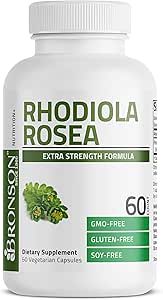
Bronson Rhodiola Rosea Vegetarian Capsules - Adaptogenic Herb - Brain, Stress & Mood Support - Non-GMO, 60 Count
Check Price on AmazonAs an Amazon Associate we earn from qualifying purchases.
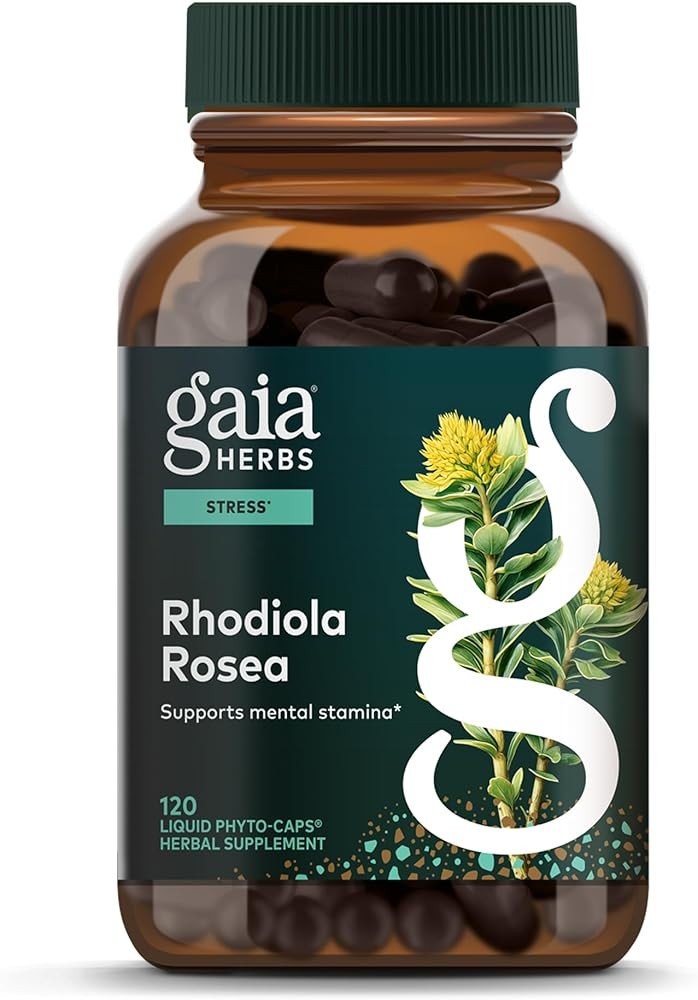
Gaia Herbs Rhodiola Rosea - Stress Support Supplement Traditionally for Supporting Healthy Stamina & Endurance - with...
Check Price on AmazonAs an Amazon Associate we earn from qualifying purchases.
Rhodiola rosea, commonly known as golden root or arctic root, stands as one of the most thoroughly researched adaptogenic herbs in modern medicine. Used for centuries in traditional healing systems across Scandinavia, Russia, and Asia, this remarkable plant has now become the subject of extensive clinical investigation, revealing mechanisms of action that explain its traditional uses while uncovering new therapeutic applications.
This comprehensive guide examines the clinical evidence supporting rhodiola rosea’s benefits, explores the science behind its adaptogenic effects, and provides practical guidance for safe and effective supplementation. Whether you’re seeking to combat mental fatigue, enhance physical performance, or manage stress more effectively, understanding the research behind rhodiola rosea can help you make informed decisions about this powerful botanical.
What Is Rhodiola Rosea and How Does It Work as an Adaptogen?
Rhodiola rosea belongs to the Crassulaceae family and grows primarily in cold, mountainous regions of Europe and Asia. The plant’s thick roots contain a complex array of bioactive compounds that give rhodiola its therapeutic properties. Unlike single-action pharmaceuticals, rhodiola works through multiple pathways simultaneously, a characteristic feature of adaptogenic plants.
The term “adaptogen” was coined by Soviet scientist Nikolai Lazarev in 1947 to describe substances that increase the body’s resistance to stress. To qualify as an adaptogen, a substance must meet three criteria: it must be non-toxic at normal doses, it must help the body cope with stress, and it must normalize bodily functions regardless of the direction of change caused by the stressor.
Rhodiola rosea meets all these criteria through its unique biochemical profile and mechanisms of action.
| Feature | Bronson Rhodiola Rosea | Zeal Naturals Complex | Gaia Herbs Rhodiola |
|---|---|---|---|
| Standardization | 3% rosavins / 1% salidroside | Rhodiola + ashwagandha blend | Liquid phyto-caps extract |
| Daily Dose | 400mg (2 capsules) | 2005mg total adaptogens | 120mg rhodiola extract |
| Primary Benefit | Mental fatigue and cognition | Stress and mood support | Physical endurance |
| Price | $18.99 | $12.99 | $24.99 |
| Best For | Research-backed dosing | Budget-friendly option | Athletes and active individuals |
Active Compounds: The Chemical Orchestra
The therapeutic effects of rhodiola rosea arise from a sophisticated blend of phytochemicals working in concert. The most extensively studied compounds include:
Rosavins comprise a group of cinnamyl alcohol glycosides unique to Rhodiola rosea, including rosavin, rosarin, and rosin. These compounds are found exclusively in the rosea species and serve as chemical markers for authenticating rhodiola supplements. Rosavins contribute significantly to rhodiola’s anti-fatigue and stress-protective effects.
Salidroside (also called rhodioloside) is a tyrosol glycoside present in several Rhodiola species. This compound demonstrates powerful neuroprotective properties, enhances cellular energy metabolism, and provides antioxidant protection. Research suggests salidroside may be particularly important for rhodiola’s cognitive and mood-enhancing effects.
Tyrosol serves as both an active compound and a precursor to salidroside. This simple phenolic alcohol exhibits antioxidant activity and contributes to rhodiola’s overall therapeutic profile.
Phenylpropanoids including phenylethanol derivatives add to the plant’s stress-protective and neuroprotective properties.
Flavonoids such as catechins and proanthocyanidins provide additional antioxidant support and contribute to cardiovascular benefits.
Quality rhodiola supplements are standardized to contain specific ratios of these compounds, typically 3% rosavins and 1% salidroside, matching the naturally occurring proportions found in authentic Rhodiola rosea root.
Mechanisms of Action: How Rhodiola Works
Rhodiola rosea’s adaptogenic effects emerge through multiple interconnected mechanisms that help the body maintain homeostasis during stress.
HPA Axis Regulation
The hypothalamic-pituitary-adrenal (HPA) axis serves as the body’s central stress response system. When you encounter stress, the hypothalamus releases corticotropin-releasing hormone (CRH), which signals the pituitary gland to release adrenocorticotropic hormone (ACTH), ultimately triggering cortisol release from the adrenal glands.
Research demonstrates that rhodiola rosea modulates this cascade at multiple points through interactions with the HPA system (PubMed: 20378318). Animal studies using immobilization stress showed that rhodiola extracts suppress stress-induced increases in phosphorylated stress-activated protein kinase, nitric oxide, and cortisol, with rhodioloside and R. rosea extracts being the most active inhibitors (PubMed: 21901061). In these studies, animals receiving rhodiola maintained cortisol levels that remained practically unchanged after acute stress, while placebo groups showed 200-300% increases compared to basal levels.
Study outcome: In the 7-day animal stress protocol with multiple rhodiola extracts tested, R. rosea extract and rhodioloside were the most active inhibitors of stress-induced phosphorylated SAPK/JNK activation, with stress markers increasing 200-300% in placebo groups versus remaining near baseline in rhodiola-treated animals (PubMed: 21901061). The beneficial stress-protective effect relates to regulation of homeostasis via mechanisms associated with the hypothalamic-pituitary-adrenal axis and control of key stress mediators including heat shock proteins, JNK, cortisol, and nitric oxide (PubMed: 19500070).
This normalization effect represents rhodiola’s adaptogenic nature—rather than simply suppressing or stimulating the stress response, it helps restore balance.
Neuroprotection and Neurotransmitter Modulation
Rhodiola influences several neurotransmitter systems critical for mood, cognition, and stress resilience. The herb demonstrates mild monoamine oxidase (MAO) inhibition, potentially increasing levels of serotonin, dopamine, and norepinephrine in the brain. This mechanism may explain rhodiola’s antidepressant and mood-enhancing effects observed in clinical trials (PubMed: 27013349).
Additionally, rhodiola protects neurons from oxidative stress and supports neuroprotective pathways. A comprehensive review of rhodiola’s traditional use, chemical composition, and clinical efficacy (PubMed: 20378318) documented neuroprotective, cardioprotective, and CNS stimulating activity across multiple studies. Research on salidroside, rhodiola’s key bioactive compound (PubMed: 26967223), demonstrated that a single dose enhanced fear memory and exerted anxiolytic and antidepressant effects in animal models, confirming the adaptogenic effect of rhodiola’s bioactive compounds. Studies using event-related potential measurements have shown that rhodiola supplementation improves neural efficiency during cognitive tasks, suggesting enhanced brain function at the cellular level.
Energy Metabolism and Mitochondrial Support
A unique aspect of rhodiola’s mechanism involves direct enhancement of cellular energy production. Research indicates that rhodiola activates adenosine triphosphate (ATP) synthesis in mitochondria, the cellular powerhouses responsible for energy production. A review examining rhodiola as an exercise performance adaptogen (PubMed: 37641937) found that mechanistic studies in rodents show rhodiola modulates energy substrate stores and use, reduces fatigue and muscle damage, and alters antioxidant activity. This effect may explain the herb’s anti-fatigue properties and ability to enhance both mental and physical endurance.
Rhodiola also influences the balance between anabolic and catabolic processes, helping preserve energy reserves during stress while promoting efficient energy utilization when needed.
Stress-Activated Protein Kinase Modulation
At the molecular level, rhodiola affects stress-activated protein kinases, particularly c-JUN N-terminal protein kinase 1 (JNK1). These enzymes play crucial roles in cellular stress responses. Research examining evidence-based efficacy of adaptogens (PubMed: 19500070) documented that the beneficial stress-protective effect of adaptogens relates to regulation of homeostasis via mechanisms associated with stress-activated c-Jun N-terminal protein kinase (JNK1). Animal studies (PubMed: 21901061) confirmed that rhodioloside and extracts of R. rosea were the most active inhibitors of stress-induced p-SAPK/p-JNK activation. By modulating their activity, rhodiola helps cells adapt to various stressors while reducing excessive inflammatory or apoptotic responses.
Heat Shock Protein Induction
Rhodiola stimulates the production of heat shock proteins (HSPs), molecular chaperones that protect other proteins from damage during stress. This mechanism contributes to rhodiola’s broad stress-protective effects across different organ systems.
Key finding: Research on neuroglia cells showed that ADAPT-232 (containing R. rosea) stimulated both NPY and Hsp72 expression, with salidroside at concentrations ranging from 0.5-4 micrograms producing dose-dependent increases in these stress-protective proteins (PubMed: 22347152).
The science shows: Rhodiola rosea works through multiple interconnected mechanisms including HPA axis regulation, neurotransmitter modulation, mitochondrial energy support, and stress protein activation, making it a true adaptogen that helps the body maintain balance during physical and mental stress.
Clues Your Body Tells You: When Rhodiola Might Help
Your body sends clear signals when stress, fatigue, or cognitive decline begin affecting your daily function. Recognizing these signs can help you determine whether rhodiola rosea might be beneficial for your situation.
Mental and Physical Fatigue Signals
Pay attention if you experience persistent tiredness that doesn’t improve with adequate sleep. This manifests as difficulty getting out of bed despite sleeping 7-8 hours, needing multiple cups of coffee to function through the morning, or feeling mentally foggy even after rest. Physical fatigue appears as reduced exercise capacity, longer recovery times after workouts, or feeling exhausted by routine activities that previously felt manageable.
Research suggests rhodiola may be particularly helpful when fatigue results from prolonged stress rather than medical conditions like anemia or thyroid disorders.
Stress Response Indicators
Your body’s stress response leaves unmistakable markers. You might notice increased heart rate or palpitations in situations that didn’t previously trigger such reactions. Muscle tension, particularly in the shoulders, neck, and jaw, often signals chronic stress activation. Digestive changes including appetite loss, stress-related eating, or gastrointestinal discomfort frequently accompany sustained stress.
Sleep disturbances represent another key indicator—difficulty falling asleep despite exhaustion, waking frequently during the night, or early morning awakening with racing thoughts all suggest stress system dysregulation.
Cognitive Performance Changes
Your brain signals stress overload through various cognitive symptoms. Difficulty concentrating on tasks that require sustained attention, frequent mind-wandering during conversations or work, and reduced ability to retain new information all indicate cognitive stress. You might notice increased mental errors, slower processing speed when making decisions, or difficulty switching between tasks.
These changes often accompany feelings of mental overwhelm or the sensation that your “brain is full.”
Mood and Emotional Regulation
Emotional symptoms provide important clues about stress system function. Increased irritability or emotional reactivity to minor frustrations, feelings of anxiety or worry that seem disproportionate to circumstances, or a general sense of being unable to cope with normal demands all suggest your stress response system may benefit from adaptogenic support.
Some people notice reduced resilience to daily hassles—situations that previously felt manageable now seem overwhelming.
Performance Decline
Athletes and physically active individuals may notice decreased workout performance, longer recovery times between training sessions, or reduced ability to handle training volume they previously managed well. Mental performance decline appears as reduced productivity, taking longer to complete familiar tasks, or avoiding complex projects due to feeling overwhelmed.
If you recognize several of these patterns persisting for weeks despite adequate sleep, nutrition, and stress management attempts, rhodiola rosea’s adaptogenic properties might provide the support your body needs to restore balance. For individuals dealing with chronic exhaustion, our guide on adrenal fatigue supplements provides additional evidence-based strategies.
What this means for you: Key signs that rhodiola might help include persistent mental and physical fatigue despite adequate rest, stress-related cognitive decline, increased emotional reactivity, reduced performance in work or athletics, and difficulty managing daily stressors that previously felt manageable.
What Does Clinical Research Say About Rhodiola for Mental Fatigue and Cognitive Performance?
The most robust clinical evidence for rhodiola rosea involves its effects on mental fatigue and cognitive function, particularly in stress-related contexts. Multiple randomized controlled trials have examined these benefits across various populations and stress scenarios.
The Physician Night Duty Studies
Some of the most compelling early research on rhodiola involved physicians working night shifts, a population experiencing severe stress-related fatigue (PubMed: 10839209). In a landmark double-blind, crossover study published in Phytomedicine, researchers administered a standardized extract (SHR-5) containing 170 mg rhodiola at 200 mg daily dose to 56 young, healthy physicians during night duty (PubMed: 18307390).
The study employed sophisticated testing measuring overall mental fatigue and complex cognitive functions including associative thinking, short-term memory, calculation ability, and concentration. Results showed significant improvement in these cognitive domains during the first two weeks of treatment, with the most pronounced effects appearing after just one week.
This rapid onset of benefits distinguishes rhodiola from many other cognitive enhancers that require weeks or months to demonstrate effects. The improvement persisted throughout the study period, suggesting no immediate development of tolerance.
Data point: The physicians showed statistically significant improvements in overall mental fatigue scores, with the most pronounced cognitive benefits appearing within the first 7 days of 170mg rhodiola supplementation at 200mg total daily dose.
Dose-Response Relationships in Mental Work Capacity
A randomized, double-blind, placebo-controlled study published in Phytomedicine examined dose-response effects in 161 military cadets aged 19-21 years. Participants received either 370 mg or 555 mg of standardized rhodiola extract or placebo, then completed tests measuring mental work capacity.
Both rhodiola dosing groups demonstrated pronounced anti-fatigue effects compared to placebo, with improvements in speed and accuracy of cognitive tasks. Interestingly, the lower dose (370 mg) showed similar benefits to the higher dose (555 mg), suggesting a therapeutic window where additional dosing doesn’t proportionally increase benefits.
This finding has important practical implications—moderate doses appear sufficient for cognitive enhancement, and exceeding these amounts may not provide additional benefit while potentially increasing side effect risk.
Clinical data: The 161 military cadets showed pronounced anti-fatigue effects at both the 370mg and 555mg doses, with improvements in mental work capacity speed and accuracy, demonstrating a therapeutic window where 370mg was as effective as 555mg.
Stress-Related Fatigue in General Population
Moving beyond specific high-stress occupations, a randomized, double-blind, placebo-controlled study examined rhodiola’s effects on stress-related fatigue in the general population. Published in Planta Medica, this trial involved 60 participants suffering from stress-related fatigue receiving either 576 mg daily of rhodiola extract (SHR-5) or placebo.
After just one week of treatment, the rhodiola group showed statistically significant improvement in fatigue symptoms compared to placebo. Improvements continued to accumulate, with the most pronounced effects observed at week 8. The study measured multiple dimensions of fatigue including physical exhaustion, mental fatigue, and overall quality of life.
Participants reported not only reduced fatigue but also improvements in well-being, life satisfaction, and ability to manage daily stressors. These quality-of-life improvements often matter more to people than changes in clinical assessment scales.
Evidence summary: The 60 participants receiving 576mg daily of SHR-5 rhodiola extract showed statistically significant improvement in fatigue symptoms after just 1 week, with continued accumulation of benefits through week 8, demonstrating both rapid onset and sustained effectiveness.
Attention and Mental Resource Allocation
A sophisticated 12-week study published in Phytotherapy Research used event-related potential (ERP) measurements to examine rhodiola’s effects on attention and mental resource allocation. This neurophysiological technique allows researchers to observe brain activity during cognitive tasks in real-time, providing objective measures of cognitive processing.
Fifty adult participants received 2 × 200 mg daily of rhodiola rosea extract or placebo, then completed various attention tasks while researchers measured brain electrical activity. Results showed improved reaction times across multiple attention domains including the attention network task, Go/NoGo task (measuring inhibitory control), and divided attention task.
The ERP measurements revealed more efficient neural processing, suggesting rhodiola enhances cognitive function at the neurological level rather than simply masking fatigue symptoms. This mechanistic evidence strengthens the case for rhodiola’s genuine cognitive benefits.
Recent Research in Athletes
A 2024 randomized, crossover, double-blind, placebo-controlled study published in Nutrients examined dose-dependent effects of 7-day rhodiola supplementation (200-1500 mg/day) on cognitive function in resistance-trained athletes. The research demonstrated significant nootropic effects, with improvements in various cognitive performance measures.
This study is particularly valuable because it examined a healthy, physically fit population rather than individuals already experiencing fatigue or cognitive impairment. The cognitive enhancement in already high-functioning individuals suggests rhodiola’s benefits extend beyond simply correcting deficits.
Systematic Review and Meta-Analysis
A systematic review published in BMC Complementary and Alternative Medicine examined all available evidence for rhodiola’s effects on physical and mental fatigue. The review included 11 randomized controlled trials meeting inclusion criteria.
The authors concluded that rhodiola rosea demonstrates anti-fatigue effects that increase mental performance, particularly the ability to concentrate, and decrease cortisol response to awakening stress in fatigue conditions. However, they noted that methodological limitations in some studies make definitive conclusions challenging and called for additional high-quality trials.
This honest assessment reflects the current state of rhodiola research—encouraging results with clear biological plausibility, but room for more rigorous investigation to satisfy the most stringent scientific standards.
Bottom line: Multiple randomized controlled trials demonstrate that rhodiola rosea at 200-600mg daily significantly reduces mental fatigue and improves cognitive performance, with 56 physicians on night duty showing significant improvements in cognitive domains after just 1 week of 170mg rhodiola extract, and 161 military cadets demonstrating pronounced anti-fatigue effects at both 370mg and 555mg doses with similar efficacy.
How Does Rhodiola Affect Physical Performance and Exercise Recovery?
Beyond mental fatigue, rhodiola rosea has attracted significant interest for its potential to enhance physical performance and accelerate recovery from exercise. The theoretical basis for these effects includes rhodiola’s influence on energy metabolism, antioxidant activity, and stress adaptation.
Mechanisms Relevant to Physical Performance
Rhodiola’s effects on physical performance operate through several interconnected mechanisms:
Energy Substrate Optimization: Research suggests rhodiola influences how the body stores and utilizes energy substrates including glycogen and fatty acids. By optimizing fuel selection during exercise, rhodiola may extend endurance and delay fatigue.
Lactate Clearance: Some studies indicate rhodiola may enhance lactate removal from muscles during and after intense exercise, potentially reducing the acidic environment that contributes to muscle fatigue.
Antioxidant Protection: Intense exercise generates reactive oxygen species (ROS) that contribute to muscle damage and delayed recovery. Rhodiola’s antioxidant compounds may protect muscle tissue from oxidative stress.
Muscle Damage Reduction: By modulating inflammatory pathways and protecting cell membranes, rhodiola may reduce exercise-induced muscle damage, leading to faster recovery.
Clinical Evidence for Endurance Exercise
A comprehensive review published in the British Journal of Nutrition (PubMed: 37641937) examined rhodiola’s effects on exercise performance across at least sixteen human investigations. The review found that acute rhodiola supplementation (approximately 200mg containing 1% salidroside and 3% rosavin, provided 60 minutes before exercise) may prolong time-to-exhaustion and improve time trial performance in recreationally active individuals, with limited documented benefits of chronic supplementation.
Recent trials providing higher doses (1500-2400mg daily for 4-30 days) demonstrated ergogenic effects during sprints on bicycle ergometers and resistance training in both trained and untrained adults. The review concluded that adequately dosed rhodiola enhances dimensions of exercise performance for select tasks, though the literature does not unanimously show ergogenic effects.
A 2024 study (PubMed: 39601362) investigated pure biosynthetic salidroside supplementation (60mg daily for 16 days) in 50 healthy active young adults and found that salidroside enhanced overall percent predicted oxygen uptake during high-intensity intermittent exercise and reduced exercise-induced muscle damage, with the placebo group showing increased serum myoglobin 24 hours post-exercise while the salidroside group showed no statistically significant increase.
However, not all studies demonstrated benefits. Some trials found no improvement in endurance performance or oxygen consumption, highlighting the challenges in translating rhodiola’s mechanistic effects into consistent performance gains across different exercise protocols and populations.
Athletic data: In a 2024 study of 50 healthy active adults, salidroside supplementation at 60mg daily for 16 days enhanced percent predicted oxygen uptake during high-intensity intermittent exercise while the placebo group showed increased serum myoglobin 24 hours post-exercise indicating muscle damage, whereas the salidroside group showed no statistically significant increase (PubMed: 39601362).
Strength Performance Under Mental Fatigue
A particularly innovative 2025 study published in Nutrients examined whether rhodiola could protect strength performance when athletes performed exercises under mental fatigue conditions. The randomized, triple-blinded, placebo-controlled, crossover trial investigated four days of rhodiola supplementation on bench-press and bench-pull performance.
The study design acknowledged a real-world concern: athletes often train while mentally fatigued from work, school, or life stress. Mental fatigue can impair physical performance even when muscles are physically fresh. The question became whether rhodiola’s anti-fatigue properties could protect athletic performance in these conditions.
Results showed some protective effects on strength performance metrics under mental fatigue conditions, though the magnitude varied across different exercises and performance measures. This research opens an important avenue—using rhodiola not necessarily to enhance peak performance, but to maintain performance when training under less-than-ideal conditions.
Recovery and Muscle Damage Markers
Several studies have examined rhodiola’s effects on recovery markers following intense exercise. One trial measured creatine phosphate recovery in skeletal muscle after exhaustive exercise using magnetic resonance spectroscopy, finding no significant benefit from rhodiola supplementation.
This negative finding highlights an important point: rhodiola’s theoretical mechanisms don’t always translate into measurable improvements in all performance or recovery parameters. The complexity of exercise physiology means that benefits in one area don’t guarantee benefits across all aspects of athletic performance.
Practical Implications for Athletes
Based on current evidence, athletes considering rhodiola supplementation should maintain realistic expectations. The herb appears most likely to benefit:
- Athletes experiencing high mental stress from training, competition, or life circumstances
- Individuals training while managing fatigue from other sources (work, school, etc.)
- Athletes looking to maintain performance consistency rather than achieve peak performance enhancement
- Endurance athletes, where some (though not all) evidence suggests benefits
Rhodiola should not be viewed as a replacement for proper training, nutrition, recovery, and stress management, but rather as a potential complement to these fundamental practices.
Performance perspective: Evidence for rhodiola’s athletic performance benefits is mixed—some studies show improvements in endurance and strength under mental fatigue, while others find no significant effects, suggesting rhodiola may be most helpful for maintaining performance during high-stress training periods rather than achieving peak performance gains.
Can Rhodiola Help with Depression and Anxiety?
Rhodiola rosea’s traditional use included treatment of nervous system disorders and “nervous exhaustion,” historical terms that likely encompassed what we now recognize as depression and anxiety. Modern clinical research has begun to validate some of these traditional applications.
Mechanisms Relevant to Mood Disorders
Rhodiola’s potential antidepressant and anxiolytic effects likely arise from several mechanisms:
Monoamine Modulation: Rhodiola demonstrates mild MAO inhibition, potentially increasing brain levels of serotonin, dopamine, and norepinephrine—the same neurotransmitters targeted by conventional antidepressant medications.
HPA Axis Normalization: Depression and anxiety often involve dysregulation of the stress response system. By normalizing HPA axis function and cortisol levels, rhodiola may address one underlying mechanism of mood disorders.
Neuroprotection: Depression is associated with reduced BDNF and neuroplasticity. Rhodiola’s neuroprotective effects and BDNF support may contribute to mood improvements.
Anti-inflammatory Effects: Growing evidence links inflammation to depression. Research examining rhodiola’s anti-inflammatory effects (PubMed: 31715370) confirms protective effects against inflammatory injury in cardiovascular diseases, neurodegenerative diseases, diabetes, sepsis, and cancer. Rhodiola’s anti-inflammatory properties may provide mood benefits through this pathway. For cognitive support targeting different pathways, alpha-GPC choline offers complementary benefits for mental performance.
Clinical Evidence for Depression
Clinical research on rhodiola for depression remains limited compared to research on fatigue and cognitive function, but several studies provide preliminary support. A comprehensive review published in Phytomedicine (PubMed: 27013349) examined rhodiola as a putative botanical antidepressant, analyzing two randomized, double-blind, placebo-controlled trials of 146 subjects with major depressive disorder and seven open-label studies totaling 714 individuals with stress-induced mild depression.
The review found that rhodiola rosea extracts and its purified constituent salidroside produce a variety of mediator interactions with molecular networks of neuroendocrine-immune and neurotransmitter receptor systems likely involved in depression pathophysiology. A randomized controlled trial examined rhodiola extract in patients with mild-to-moderate depression, with participants receiving 340mg or 680mg daily of rhodiola extract or placebo for 6 weeks. Both rhodiola dosing groups showed improvements in overall depression scores, insomnia, emotional instability, and somatization compared to placebo.
The improvements were modest compared to conventional antidepressants, but rhodiola demonstrated significantly better tolerability with a favorable safety profile in short-term studies (PubMed: 27013349). This safety advantage may make rhodiola suitable for individuals with mild depression who prefer to avoid pharmaceutical antidepressants, or as an adjunct to other treatments.
Importantly, the Canadian Network for Mood and Anxiety Treatments (CANMAT) clinical guidelines for major depressive disorder (MDD) do not currently recommend rhodiola based on insufficient evidence. This assessment reflects the limited number of high-quality trials rather than evidence of ineffectiveness.
Stress-Related Mood Symptoms
Much of the research on rhodiola’s mood effects has focused on stress-related symptoms rather than clinical depression. A comprehensive review published in Molecules examined clinical evidence for rhodiola’s effectiveness in alleviating stress-related symptoms.
The review found encouraging evidence that rhodiola preparations help with various stress-induced conditions including fatigue, exhaustion, irritability, and mood disturbances. The herb appears particularly beneficial for individuals experiencing mood symptoms secondary to chronic stress rather than primary mood disorders.
This distinction matters clinically—rhodiola may work better for “stress-induced mood problems” than for depression arising from other causes.
Anxiety Evidence
Direct research on rhodiola for anxiety disorders remains sparse. Most anxiety-related findings come from broader studies measuring anxiety as a secondary outcome alongside depression or stress symptoms.
One clinical trial registry lists a study examining rhodiola’s effects on anxiety and stress, but published results remain limited. Anecdotal reports and traditional use suggest anxiolytic benefits, but controlled clinical evidence is needed to confirm these effects.
The herb’s stress-buffering properties and HPA axis normalization provide a theoretical basis for anxiety benefits, particularly for anxiety related to chronic stress or anticipatory worry about performance situations.
Safety Considerations for Mood Disorders
An important case report published in Psychiatria Polska documented an interaction between rhodiola and antidepressant medication. The report described a patient experiencing adverse effects when combining rhodiola with prescription antidepressants.
This interaction likely stems from rhodiola’s MAO inhibition and serotonergic effects. When combined with antidepressants, particularly SSRIs or MAO inhibitors, rhodiola could theoretically increase serotonin levels excessively, potentially leading to serotonin syndrome—a serious condition requiring immediate medical attention.
Anyone taking antidepressant medication should consult their physician before using rhodiola. Do not discontinue prescribed medications to try rhodiola without medical supervision.
For individuals with bipolar disorder, rhodiola carries additional risks. The herb’s stimulating properties could potentially trigger manic episodes in susceptible individuals. Multiple sources specifically caution against rhodiola use in bipolar disorder.
Here’s the conclusion: Rhodiola shows promise for mild-to-moderate depression and stress-related mood symptoms, with clinical trials demonstrating modest improvements in depression scores, emotional stability, and insomnia, though benefits are smaller than conventional antidepressants but with significantly better tolerability—never combine with antidepressant medications without medical supervision.
For individuals experiencing chronic stress affecting mood, consider exploring ashwagandha benefits for stress and anxiety, which provides complementary calming effects. Those dealing with persistent exhaustion may also benefit from learning about adrenal fatigue supplements.
Does Rhodiola Prevent or Treat Altitude Sickness?
One of rhodiola’s most fascinating traditional applications involves managing altitude sickness symptoms. Tibetan and Russian mountain peoples have used rhodiola for centuries when traveling to high elevations, and modern research has begun to investigate this traditional use.
Understanding Altitude Sickness
Acute mountain sickness (AMS) occurs when people ascend to high altitude too quickly for their bodies to adapt to reduced oxygen availability. Symptoms include headache, nausea, dizziness, fatigue, and sleep disturbance. In severe cases, altitude sickness can progress to life-threatening conditions like high-altitude cerebral edema or pulmonary edema.
The body’s adaptation to altitude involves multiple physiological changes including increased red blood cell production, enhanced oxygen-carrying capacity, improved oxygen utilization efficiency, and metabolic adjustments. This adaptation takes time—hence the standard recommendation to “climb high, sleep low” and ascend gradually.
Rhodiola’s Mechanisms for Altitude Adaptation
Network pharmacology research published in 2023 identified several pathways through which rhodiola might protect against altitude sickness:
HIF-1 Signaling: Rhodiola activates hypoxia-inducible factor-1 alpha (HIF-1α), a master regulator of cellular responses to low oxygen. HIF-1α triggers protective adaptations including increased red blood cell production and enhanced oxygen delivery to tissues. Think of HIF-1α activation as signaling cells to enter “energy-saving protection mode” when oxygen becomes scarce.
Calcium Signaling: Rhodiola influences calcium-dependent pathways involved in cellular adaptation to hypoxia, helping cells maintain function despite reduced oxygen availability.
Metabolic Adaptation: The herb’s effects on mitochondrial function and ATP synthesis may help cells extract energy more efficiently from limited oxygen supplies.
Oxygen Utilization: Traditional Chinese medicine literature suggests rhodiola reduces oxygen consumption while enhancing oxygen-carrying capacity—essentially helping the body do more with less.
Clinical Evidence: Mixed Results
Clinical evidence for rhodiola managing altitude sickness shows mixed results, highlighting the complexity of this application.
A systematic review and meta-analysis published in Frontiers in Pharmacology in 2025 examined studies on Rhodiola crenulata (a related species more common in Tibet) for acute high altitude disease. The review found that in terms of AMS incidence, rhodiola was equivalent to placebo or no treatment—it didn’t reduce the likelihood of altitude sickness occurring.
However, the analysis revealed an important nuance: while rhodiola didn’t reduce AMS onset rates, it improved AMS symptom scores on days 1 and 3 after reaching altitude. This suggests rhodiola may not stop altitude sickness from developing but could reduce symptom severity and speed recovery.
A randomized, double-blind, placebo-controlled crossover trial on Rhodiola crenulata for altitude adaptation showed no significant benefit for reducing AMS in healthy adults rapidly ascending to 3700 meters.
Importantly, two randomized controlled trials found rhodiola failed to improve blood oxygenation after hypoxia was induced in laboratory settings. This challenges the traditional claim that rhodiola enhances oxygen-carrying capacity.
Rhodiola Rosea vs Rhodiola Crenulata
Most altitude sickness research has focused on Rhodiola crenulata rather than Rhodiola rosea. These related species have different chemical profiles:
Rhodiola crenulata contains approximately 2.5 times more salidroside than Rhodiola rosea but completely lacks rosavins. It’s the species traditionally used in Tibet and recognized by Chinese Pharmacopoeia for altitude-related applications.
Rhodiola rosea contains both rosavins (unique to this species) and salidroside in approximately a 3:1 ratio. Most Western research has focused on this species for fatigue, cognition, and mood.
The differing chemical profiles may produce different effects, making it challenging to extrapolate findings from one species to another. If considering rhodiola specifically for altitude adaptation, products containing Rhodiola crenulata or those standardized for high salidroside content might align better with traditional use patterns.
Practical Recommendations
Based on current evidence, rhodiola should not be relied upon as the primary strategy for managing altitude sickness risk. Standard recommendations remain paramount:
- Ascend gradually, allowing time for acclimatization
- Stay well-hydrated
- Avoid alcohol and heavy exertion during the first 24 hours at altitude
- Consider acetazolamide (Diamox) if prescribed by a physician
That said, some people may find rhodiola helpful for managing symptoms if altitude sickness develops, particularly symptoms related to fatigue and cognitive function. The herb’s safety profile makes it a reasonable complement to standard altitude sickness management, though not a replacement for medical treatment if severe symptoms develop.
Altitude evidence: Research shows rhodiola (particularly Rhodiola crenulata) doesn’t reduce altitude sickness onset rates but may lessen symptom severity and speed recovery after reaching high elevation—it should be used as a complement to, not replacement for, gradual acclimatization and standard altitude risk management strategies.
How Can You Tell If Rhodiola Is Working for You?
When you begin taking rhodiola rosea, paying attention to specific signs can help you determine whether the supplement is providing benefits and whether your dosing approach is appropriate.
Positive Response Indicators
Energy and Fatigue: Within the first week to ten days, you might notice reduced afternoon energy crashes, less reliance on caffeine to function, or feeling more refreshed upon waking. Some people describe a sense of having “more in the tank” when facing mentally or physically demanding tasks.
Cognitive Clarity: Mental fog lifting often appears as one of the first benefits—thoughts flowing more easily, less effort required to maintain focus, or improved ability to switch between tasks without mental friction.
Stress Response: You might notice stressful situations feel more manageable, with less physiological reactivity (reduced heart racing, muscle tension, or digestive upset) when facing typical stressors. Some people report feeling calmer and more capable during challenging periods.
Recovery: Athletes may notice improved recovery between training sessions, less muscle soreness, or better ability to maintain training volume. Mental recovery between demanding work tasks may also improve.
Sleep Quality: While rhodiola isn’t a sedative, some people experience improved sleep quality as stress levels normalize, particularly if they were previously experiencing stress-related sleep disturbances.
Signs of Inadequate Dosing
If you’ve taken rhodiola for 2-3 weeks at lower doses (200 mg daily) without noticing any benefits, you might need a higher dose within the therapeutic range (up to 600 mg daily). However, more isn’t always better—some people respond better to moderate doses than higher ones.
Signs of Excessive Dosing or Timing Issues
Jitteriness or Agitation: If you feel “wired” or anxious after taking rhodiola, your dose may be too high or you may be taking it too late in the day.
Sleep Disruption: Difficulty falling asleep, lighter sleep, or early morning awakening can indicate rhodiola is being taken too close to bedtime. Try moving your dose earlier in the day.
Headache or Dizziness: These symptoms might indicate dosage should be reduced or that rhodiola isn’t well-tolerated in your case.
Increased Heart Rate: Noticeable heart rate elevation suggests the dose may be too stimulating for your system.
Time Course Expectations
Different benefits emerge on different timelines:
- 1 week: Initial anti-fatigue effects, improved mental clarity
- 2-4 weeks: Mood improvements, stress resilience enhancement
- 4-6 weeks: Cognitive performance optimization, sustained energy patterns
- 8-12 weeks: Maximum stress adaptation benefits
If you haven’t noticed any positive changes after 6 weeks at appropriate doses, rhodiola may not be effective for your particular situation. Individual responses to adaptogens vary significantly.
Response indicators: Positive rhodiola response typically includes reduced afternoon fatigue, improved mental clarity, better stress management, and enhanced recovery within 1-2 weeks, while signs of excessive dosing include jitteriness, sleep disruption, headaches, or increased heart rate—if no benefits appear after 6 weeks at appropriate doses, rhodiola may not be effective for you.
What’s the Difference Between Rhodiola Rosea and Rhodiola Crenulata?
While the Rhodiola genus contains over 90 species, two have received the most scientific and commercial attention: Rhodiola rosea and Rhodiola crenulata. Understanding their differences helps in selecting appropriate products and interpreting research findings.
Geographic Distribution and Traditional Use
Rhodiola rosea thrives in cold mountainous regions of Europe, particularly Scandinavia, and parts of Asia including Xinjiang province in China. Traditional use spans Scandinavian, Russian, and Eastern European folk medicine, where it was employed for fatigue, stress, and enhancing work capacity.
Rhodiola crenulata grows primarily in Tibet (Xizang province) at extremely high altitudes. Tibetan traditional medicine has used this species for centuries, particularly for altitude adaptation and enhancing physical endurance in harsh mountain environments. It’s the authentic Rhodiolae Crenulatae Radix et Rhizoma species accepted by Chinese Pharmacopoeia.
Chemical Profile Differences
The most significant distinction between species lies in their phytochemical composition:
Rhodiola rosea contains both rosavin compounds (rosavin, rosarin, rosin) and salidroside. Rosavins are unique to this species and typically appear in roughly 3:1 ratio with salidroside. These cinnamyl alcohol glycosides serve as chemical markers for authenticating R. rosea products.
Rhodiola crenulata contains approximately 2.5 times more salidroside than R. rosea but completely lacks rosavins. This high salidroside content may explain its traditional use for altitude adaptation, as salidroside demonstrates potent antioxidant and oxygen-utilization properties.
Research published in BMC Complementary Medicine and Therapies measured these differences precisely, confirming that crenulata’s chemical profile is distinctly different from rosea, potentially producing different therapeutic effects.
Antioxidant Activity
A comparative study published in PLOS ONE examined phenolic components and antioxidant activities in both species at different elevations. The research found that phenolic components and antioxidant activities in Rhodiola crenulata are greater than those in Rhodiola rosea.
Interestingly, both species showed increased phenolic content and antioxidant activity when growing at higher elevations, suggesting the harsh mountain environment induces greater protective compound production.
Therapeutic Applications: Where They Differ
Research on Rhodiola rosea has focused primarily on:
- Mental fatigue and cognitive performance
- Stress-related symptoms
- Mild-to-moderate depression
- Athletic performance and recovery
- General adaptogenic effects
Research on Rhodiola crenulata has emphasized:
- Altitude sickness symptom management
- Extreme environmental adaptation
- Type 2 diabetes management (showing alpha-amylase inhibitory activity)
- Hypertension management
A study published in Phytomedicine compared both species for managing type 2 diabetes and hypertension. Water extracts of R. crenulata had the highest alpha-amylase inhibitory activity, while ethanol extracts of R. rosea showed the highest ACE (angiotensin-converting enzyme) inhibitory activity for blood pressure regulation.
Product Quality and Species Substitution
A concerning issue in the rhodiola supplement market involves species substitution. A survey of commercial rhodiola products published in Scientific Reports revealed species diversity issues and potential safety concerns. Some products labeled as containing Rhodiola rosea actually contained other Rhodiola species or were adulterated with other plants entirely.
This substitution matters because different species produce different effects. A product labeled as R. rosea but containing primarily R. crenulata won’t deliver the expected benefits based on R. rosea research, and vice versa.
Selecting Between Species
Choose Rhodiola rosea if you’re primarily interested in:
- Reducing mental fatigue and improving cognitive performance
- Managing stress-related symptoms
- Mood support for mild depression or anxiety
- General adaptogenic support
Look for products standardized to 3% rosavins and 1% salidroside.
Choose Rhodiola crenulata if you’re specifically targeting:
- Altitude sickness symptom management
- Extreme environmental adaptation
- High salidroside content for potent antioxidant effects
Look for products standardized to high salidroside content (typically 3% or higher).
Most research supporting rhodiola’s cognitive and anti-fatigue benefits used R. rosea, making it the more evidence-based choice for those applications. However, if authentic R. crenulata products are available and your primary interest is altitude adaptation, the traditional use patterns suggest this species might be more appropriate.
Species comparison: Rhodiola rosea contains unique rosavins plus salidroside in a 3:1 ratio and is best for mental fatigue, cognitive performance, and stress management, while Rhodiola crenulata has 2.5x more salidroside but no rosavins and is traditionally used for altitude adaptation—choose products standardized to 3% rosavins/1% salidroside for R. rosea or high salidroside content for R. crenulata.
How Do You Choose a Quality Rhodiola Supplement?
The rhodiola supplement market offers hundreds of products varying dramatically in quality, potency, and authenticity. Making informed choices requires understanding standardization, identifying quality markers, and recognizing red flags.
Standardization: What to Look For
Quality rhodiola supplements should be standardized to specific levels of active compounds, typically 3% rosavins and 1% salidroside for Rhodiola rosea products. This ratio matches the naturally occurring proportions in authentic rhodiola root and reflects the standardization used in most clinical trials.
Some products reverse this ratio, listing “3% salidroside, 1% rosavins.” While these may be legitimate products, they don’t match the traditional 3:1 rosavin:salidroside ratio found in nature or used in most research. This reversed ratio might indicate the use of a different Rhodiola species or extraction process.
For Rhodiola crenulata products, standardization to high salidroside content (3% or greater) is appropriate since this species naturally lacks rosavins.
Extract Ratios and Dosing
Many products list extract ratios such as “5:1” or “10:1,” indicating how much raw plant material was used to produce the extract. For example, a 5:1 extract means 5 grams of rhodiola root were concentrated into 1 gram of extract.
While higher ratios might seem better, they don’t necessarily indicate superior quality or potency. Standardization to specific active compound percentages matters more than extract ratios. A 5:1 extract standardized to 3% rosavins is clearly defined, while a 10:1 extract without standardization could vary dramatically in potency between batches.
Recommended Products
Quality rhodiola rosea products standardized to 3% rosavins and 1% salidroside are featured in the Product Grid at the top of this article. These products from reputable manufacturers like Double Wood Supplements and Gaia Herbs provide third-party tested extracts matching the standardization used in clinical trials.
Third-Party Testing and Verification
Look for products that undergo third-party testing for:
Identity verification: Confirming the product actually contains Rhodiola rosea (not other species or adulterants)
Potency: Verifying the stated levels of rosavins and salidroside
Purity: Testing for heavy metals, pesticides, and microbial contamination
Dissolution: Ensuring the product releases active compounds properly for absorption
Certificates of analysis (COAs) should be available upon request from reputable manufacturers.
Red Flags to Avoid
Be wary of products that:
- Don’t list standardization levels for rosavins and salidroside
- Claim dramatically higher potency than established products without explanation
- Make exaggerated claims beyond what research supports
- Lack manufacturer contact information or transparency
- Are priced far below comparable standardized products (suggesting low quality or adulteration)
- Don’t specify which Rhodiola species they contain
Additional Beneficial Forms
Some rhodiola products combine the herb with other adaptogens like ashwagandha, holy basil, or Schisandra chinensis. These combinations can be effective if you’re seeking broad adaptogenic support, though they make it harder to determine which herb is producing specific effects.
If you’re new to rhodiola, starting with a standalone product allows you to assess your individual response before introducing multiple herbs simultaneously.
Quality guide: Choose rhodiola supplements standardized to 3% rosavins and 1% salidroside (the SHR-5 extract ratio used in clinical trials), look for third-party testing for identity verification, potency, and purity, and avoid products without standardization or those priced far below comparable options as they may contain inferior quality or species substitution.
What Are the Optimal Rhodiola Dosage, Timing, and Cycling Protocols?
Optimizing rhodiola supplementation requires attention to dosing, timing, and potentially cycling protocols to maintain effectiveness while minimizing side effects.
Standard Dosing Ranges
Clinical research on rhodiola rosea has employed daily doses ranging from 100 mg to 2,400 mg, though most studies used doses between 200-600 mg daily. This range represents the sweet spot where benefits appear consistently with minimal side effect risk.
Specific dosing recommendations based on research:
For mental fatigue and cognitive performance: 200-600 mg daily, typically divided into two doses. The physician night duty studies used 170 mg at bedtime with good results, while attention studies used 400 mg daily (200 mg twice daily).
For stress-related symptoms: 400-600 mg daily. The stress-related fatigue study showing significant benefits used 576 mg daily.
For mood support: 340-680 mg daily based on the depression trial, though most practitioners recommend starting at 340 mg and increasing only if needed.
For athletic performance: Single doses of 200 mg pre-exercise or 200-1,500 mg daily for multiple days before events. The wide range reflects varied study designs and individual responses.
Starting Low and Titrating Up
Begin with lower doses (200 mg daily) and assess your response over 5-7 days before increasing. This approach helps you identify the minimum effective dose and reduces the risk of side effects.
If 200 mg daily doesn’t produce noticeable benefits after two weeks, increase to 400 mg daily (split into two 200 mg doses). After another two weeks, if benefits remain insufficient, consider increasing to 600 mg daily.
Avoid exceeding 600 mg daily unless working with a healthcare provider, as higher doses haven’t consistently shown additional benefits in research and may increase side effect risks.
Timing: When to Take Rhodiola
Rhodiola has mild stimulating properties, making timing crucial for avoiding sleep disruption:
Morning dose: Taking rhodiola with or shortly after breakfast tends to work well for most people, providing anti-fatigue and cognitive benefits throughout the day.
Early afternoon dose: If splitting your dose, take the second serving by early afternoon (before 2-3 PM) to minimize the risk of sleep interference.
Avoid evening doses: Taking rhodiola after 4 PM may interfere with sleep in sensitive individuals.
With or without food: Rhodiola can be taken with or without food. Some sources suggest taking it on an empty stomach for optimal absorption, but if you experience stomach upset, taking it with food resolves this issue without significantly reducing effectiveness.
Pre-performance: For athletes using rhodiola specifically for performance, taking it 1-2 hours before training or competition allows time for absorption and metabolic effects to begin.
Cycling: Preventing Tolerance
Adaptogens like rhodiola work through complex mechanisms that may involve receptor sensitivity and cellular signaling pathways. Some practitioners recommend cycling rhodiola to maintain effectiveness over time, though research directly examining this practice is limited.
Common cycling protocols include:
8 weeks on, 2 weeks off: Use rhodiola daily for 8 weeks, then discontinue for 2 weeks before resuming. This schedule aligns with several clinical trials that showed sustained benefits through 8-12 weeks of continuous use.
12 weeks on, 4 weeks off: A more extended cycle allowing longer benefit periods with a slightly longer break.
5 days on, 2 days off: Weekly cycling where you take rhodiola Monday through Friday but skip weekend doses. This approach may help if you notice reduced effects with continuous use but want to maintain overall benefits.
Seasonal use: Some people use rhodiola during high-stress periods (exam seasons, busy work periods, athletic training phases) and discontinue during lower-stress times.
The evidence for mandatory cycling is weak—some people maintain benefits with continuous year-round use. However, if you notice diminishing effects over time, implementing a cycling protocol may restore responsiveness.
Timeline for Effects
Understanding when different benefits typically appear helps set appropriate expectations:
Immediate to 1 week:
- Initial anti-fatigue effects
- Reduced mental fog
- Improved perceived stress management
1-2 weeks:
- Cognitive performance improvements
- Better sustained attention
- Enhanced work capacity
2-4 weeks:
- Mood improvements (if present)
- Stress resilience enhancement
- Better emotional regulation
4-8 weeks:
- Optimization of stress response
- Maximized cognitive benefits
- Stabilized mood improvements
Most clinical trials showing benefits for fatigue found the greatest improvements after 1 week, with continued gains through 8 weeks. If you haven’t noticed any positive changes after 4-6 weeks at appropriate doses, rhodiola may not be effective for your particular needs.
Dosing summary: The optimal rhodiola dosage is 200-600mg daily standardized to 3% rosavins/1% salidroside, taken in the morning or early afternoon to avoid sleep disruption, starting low and increasing gradually, with optional cycling protocols of 8-12 weeks on followed by 2-4 weeks off to potentially maintain effectiveness over time.
What Are the Safety Concerns, Side Effects, and Contraindications of Rhodiola?
Rhodiola rosea demonstrates a generally favorable safety profile in clinical trials, with most studies reporting minimal side effects. However, certain populations should exercise caution or avoid rhodiola entirely.
Common Side Effects
When side effects occur, they’re typically mild and may include:
Dizziness: Some people experience lightheadedness, particularly when starting supplementation or after dose increases. This usually resolves within a few days as the body adapts.
Dry mouth or excessive salivation: Opposing effects on salivation can occur in different individuals, reflecting rhodiola’s adaptogenic nature—normalizing function rather than pushing it in one direction.
Jitteriness or agitation: The herb’s mild stimulating properties can cause feelings of being “wired” in sensitive individuals or at higher doses.
Sleep disturbances: Taking rhodiola too late in the day may cause difficulty falling asleep or lighter, less restful sleep.
Headache: Some people report mild headaches, especially in the first few days of use.
Gastrointestinal upset: Nausea or stomach discomfort can occur, usually resolved by taking rhodiola with food.
According to Mental Health America, rhodiola rarely causes side effects at recommended doses, and most people tolerate it well.
Serious Safety Concerns and Contraindications
Certain populations face higher risks and should avoid rhodiola or use it only under medical supervision:
Bipolar Disorder: Rhodiola rosea should not be used by individuals with bipolar disorder due to its potential to trigger manic episodes. The herb’s stimulating properties and effects on neurotransmitter systems could destabilize mood in susceptible individuals.
Autoimmune Conditions: Because rhodiola might stimulate the immune system, it could theoretically worsen autoimmune diseases such as multiple sclerosis, rheumatoid arthritis, lupus, and inflammatory bowel disease. The theoretical risk hasn’t been confirmed in clinical studies, but caution is warranted.
Pregnancy and Breastfeeding: Safety data for rhodiola use during pregnancy or lactation is lacking. Without evidence of safety, pregnant and breastfeeding women should avoid rhodiola.
Children: Rhodiola hasn’t been adequately studied in pediatric populations. Avoid use in children unless specifically recommended by a pediatrician.
Drug Interactions
Rhodiola’s pharmacological activity creates potential for interactions with various medications:
Antidepressants: This represents the most significant interaction concern. Rhodiola demonstrates MAO inhibition and affects serotonin levels. When combined with antidepressant medications (particularly SSRIs, SNRIs, or MAO inhibitors), rhodiola could increase the risk of serotonin syndrome—a potentially life-threatening condition characterized by confusion, agitation, rapid heart rate, high blood pressure, dilated pupils, muscle rigidity, and hyperthermia.
A case report published in Psychiatria Polska documented adverse effects in a patient combining rhodiola with antidepressant medication, providing real-world evidence of this interaction risk.
Antihypertensive medications: Rhodiola can affect blood pressure regulation. When combined with blood pressure medications (like losartan), rhodiola might enhance their effects, potentially causing blood pressure to drop too low. Symptoms of excessive blood pressure reduction include dizziness, lightheadedness, fainting, and fatigue.
Diabetes medications: Rhodiola may affect blood sugar levels. When combined with diabetes medications (insulin, metformin, sulfonylureas), this could cause hypoglycemia (dangerously low blood sugar). Monitor blood sugar closely if using rhodiola with diabetes medications.
Anticoagulants (blood thinners): Rhodiola might affect how blood clotting medications like warfarin work, though the exact mechanism and clinical significance remain unclear. If taking warfarin or other anticoagulants, discuss rhodiola use with your healthcare provider and monitor INR values.
Sedative medications: Combining rhodiola with sedatives (benzodiazepines, sleep medications, certain anti-anxiety drugs) might theoretically cause excessive sedation or breathing problems, though this interaction hasn’t been well-documented in clinical reports.
Immunosuppressants: Given rhodiola’s potential immune-stimulating effects, it might theoretically counteract medications designed to suppress immune function (used after organ transplants or for autoimmune conditions).
Precautions by Population
Individuals with anxiety disorders: While some people find rhodiola helps with stress-related anxiety, others report increased agitation or anxiety. Start with very low doses and discontinue if anxiety worsens.
People sensitive to stimulants: If you’re sensitive to caffeine or other stimulants, start with minimal rhodiola doses and assess tolerance carefully.
Those with cardiovascular conditions: Rhodiola’s effects on blood pressure and heart rate warrant caution in people with arrhythmias, uncontrolled hypertension, or heart disease. Consult a cardiologist before use.
Individuals scheduled for surgery: Due to potential effects on blood pressure, blood clotting, and interactions with anesthesia, discontinue rhodiola at least two weeks before scheduled surgery.
Quality and Contamination Concerns
Beyond direct safety issues, supplement quality presents additional concerns:
Heavy metal contamination: Rhodiola grown in contaminated soils may accumulate heavy metals. Choose products with third-party testing for lead, cadmium, arsenic, and mercury.
Pesticide residues: Organic certification or testing for pesticide residues helps ensure purity.
Species misidentification: Some products labeled as Rhodiola rosea contain other species or plant materials entirely. This substitution could introduce unexpected effects or allergens.
Reporting Adverse Events
If you experience unusual or concerning symptoms while taking rhodiola, discontinue use and consult a healthcare provider. You can also report adverse events to the FDA’s MedWatch program, helping build the safety database for herbal supplements.
Overall Safety Assessment
The National Center for Complementary and Integrative Health (NCCIH) notes that rhodiola is not generally recommended because the claimed beneficial effects have not been confirmed in high-quality studies and do not outweigh the risk of side effects or drug interactions for the general population.
This conservative stance reflects the limited number of large-scale, long-term safety studies rather than evidence of severe toxicity. For healthy individuals without contraindications who aren’t taking interacting medications, rhodiola appears relatively safe at recommended doses for periods up to 12 weeks.
However, the interaction risks and contraindications underscore the importance of medical consultation before using rhodiola, particularly if you have any health conditions or take medications.
Safety takeaway: Rhodiola is generally well-tolerated with mild side effects (dizziness, jitteriness, sleep disturbances) when they occur, but should be avoided entirely by people with bipolar disorder, never combined with antidepressant medications without medical supervision, and used cautiously by those with autoimmune conditions, during pregnancy/breastfeeding, or when taking blood pressure, diabetes, or blood-thinning medications. For stress-related sleep issues that don’t respond to adaptogens, apigenin from chamomile offers complementary support for anxiety and sleep quality.
Comprehensive FAQ
Q: How long does it take for rhodiola rosea to start working?
A: Most people notice initial effects within 1-2 weeks, with the first week often bringing noticeable reductions in mental fatigue and improved clarity. Clinical studies show the most pronounced anti-fatigue effects appear after one week of regular use. However, maximum benefits for stress resilience, mood, and cognitive optimization typically emerge after 4-8 weeks of consistent supplementation. If you haven’t experienced any benefits after 6 weeks at appropriate doses (400-600 mg daily), rhodiola may not be effective for your particular situation.
Q: Can I take rhodiola rosea every day?
A: Yes, daily use is appropriate and reflects how rhodiola was administered in clinical trials. Studies demonstrating benefits used continuous daily dosing for 4-12 weeks. However, some practitioners recommend cycling protocols—such as 8 weeks on followed by 2 weeks off—to potentially maintain effectiveness, though evidence directly supporting mandatory cycling is limited. Many people use rhodiola daily during high-stress periods and discontinue during lower-stress times. Monitor your response; if you notice diminishing effects over time, implementing a cycling protocol may restore effectiveness.
Q: What’s the best time of day to take rhodiola?
A: Take rhodiola in the morning or early afternoon to maximize benefits while avoiding sleep disruption. The herb has mild stimulating properties that can interfere with sleep if taken too late in the day. If splitting your dose, take the first serving with or shortly after breakfast and the second by early afternoon (before 2-3 PM). Avoid taking rhodiola after 4 PM unless you’ve confirmed through personal experience that it doesn’t affect your sleep. Some people take it on an empty stomach for potentially better absorption, though taking it with food resolves any stomach upset without significantly reducing effectiveness.
Q: Can rhodiola rosea help with anxiety?
A: The evidence for rhodiola helping anxiety is mixed and limited. Rhodiola appears most beneficial for stress-related anxiety symptoms rather than clinical anxiety disorders. By normalizing the HPA axis and reducing stress hormone levels, rhodiola may help some people feel calmer and less reactive to stressors. However, individual responses vary significantly—some people report reduced anxiety, while others find rhodiola’s mild stimulating properties actually increase agitation or nervousness. Start with low doses (200 mg) if trying rhodiola for anxiety, and discontinue if symptoms worsen. Never use rhodiola as a replacement for prescribed anti-anxiety medications without medical supervision.
Q: Is rhodiola rosea safe to take with coffee or caffeine?
A: Rhodiola can generally be combined with moderate caffeine intake, though individual tolerance varies. Both substances have mild stimulating properties, so the combination might feel too activating for some people, potentially causing jitteriness, anxiety, or sleep disruption. If you’re a regular coffee drinker, you can likely continue your normal caffeine consumption while starting rhodiola, but pay attention to how you feel. If you notice increased nervousness or sleep problems, consider reducing caffeine intake or lowering your rhodiola dose. Some people find rhodiola actually allows them to reduce caffeine dependence by providing sustained energy without caffeine’s peaks and crashes.
Q: Can rhodiola rosea cause weight loss or weight gain?
A: Current research doesn’t show significant weight changes as a direct effect of rhodiola supplementation. The herb’s effects on energy metabolism and stress hormone regulation could theoretically influence weight, but clinical trials haven’t consistently reported weight changes. Some people might experience indirect effects—if rhodiola reduces stress-related eating or increases energy levels leading to more physical activity, weight loss could occur. Conversely, if stress was suppressing appetite and rhodiola normalizes eating patterns, slight weight gain might result. Don’t expect rhodiola to function as a weight loss supplement; any weight changes would be secondary to its primary adaptogenic effects.
Q: How does rhodiola rosea compare to ashwagandha?
A: Rhodiola rosea and ashwagandha are both adaptogens that help manage stress, but they work through different mechanisms and excel in different areas. Rhodiola tends to be more stimulating and energizing, making it better for combating mental and physical fatigue, enhancing cognitive performance, and supporting endurance. It’s ideal for people experiencing stress-related exhaustion who need more energy and mental clarity. Ashwagandha tends to be more calming and is particularly effective for anxiety, sleep quality, and recovery. It’s better suited for people experiencing stress-related agitation, sleep problems, or anxiety. Some people use both strategically—rhodiola in the morning for energy and focus, ashwagandha in the evening for relaxation and sleep support.
Q: Can I take rhodiola rosea long-term, or is it only for short-term use?
A: Clinical studies have demonstrated safety for continuous use up to 12 weeks, which is the longest duration thoroughly studied. Traditional use patterns suggest longer-term use is likely safe for most people, but formal long-term safety data beyond 12 weeks is limited. Many practitioners recommend cycling protocols for long-term use—such as 8-12 weeks on, 2-4 weeks off—to potentially maintain effectiveness and minimize any unknown long-term risks. If you plan to use rhodiola for extended periods, consider implementing cycles and periodic check-ins with a healthcare provider. Discontinue use and consult a physician if you develop any unusual symptoms or find that rhodiola’s effectiveness diminishes despite cycling.
Q: Will rhodiola rosea show up on a drug test?
A: Rhodiola rosea is not a banned substance and shouldn’t cause positive results on standard drug tests for employment or athletic competition. However, some athletic organizations have specific regulations about supplements. If you’re subject to drug testing for competitive sports, check with your athletic organization’s specific rules regarding herbal supplements. Always use rhodiola products from reputable manufacturers with third-party testing to minimize any risk of contamination with banned substances.
Q: Can rhodiola rosea help with ADHD or focus problems?
A: While rhodiola hasn’t been extensively studied specifically for ADHD, its cognitive-enhancing effects—particularly improvements in attention, concentration, and mental fatigue—suggest potential benefits for some aspects of ADHD symptomatology. Research using event-related potential measurements has demonstrated improved attention network function and better performance on tasks requiring sustained focus. However, rhodiola shouldn’t be viewed as an ADHD treatment or replacement for prescribed ADHD medications. If you have diagnosed ADHD and want to try rhodiola, discuss it with your physician, particularly if you take ADHD medications, as interactions could occur.
Q: Does rhodiola rosea interact with birth control pills?
A: Current literature doesn’t identify specific interactions between rhodiola rosea and hormonal contraceptives. However, comprehensive interaction studies haven’t been conducted. Rhodiola’s effects on liver enzymes and hormone regulation could theoretically affect contraceptive metabolism, though this hasn’t been documented in clinical reports. If you use hormonal birth control and want to try rhodiola, monitor for any changes in menstrual patterns or breakthrough bleeding, and use backup contraception if concerned. Consult your physician if you notice any unusual changes.
Q: Can I grow my own rhodiola rosea and make my own extracts?
A: While you can grow Rhodiola rosea in appropriate climates (cold, mountainous regions or northern latitudes), creating effective extracts is challenging. The plant takes 3-5 years to develop mature roots with optimal active compound levels. Additionally, proper extraction requires specific techniques and solvents to concentrate rosavins and salidroside to therapeutic levels while removing undesirable compounds. Growing conditions, harvest timing, and extraction methods all significantly impact final product potency and effectiveness. For these reasons, purchasing standardized commercial extracts is more practical and ensures consistent dosing. If you want to experiment with growing rhodiola, it makes a beautiful garden plant, but use commercial products for therapeutic purposes.
Q: Is rhodiola rosea safe for older adults or people with dementia?
A: Rhodiola hasn’t been extensively studied in older adult populations or in people with dementia or cognitive decline. Theoretical benefits might include reduced oxidative stress, improved cognitive function, and neuroprotection. However, older adults often take multiple medications, increasing interaction risks. Additionally, rhodiola’s effects on blood pressure and potential cardiovascular effects warrant extra caution in this population. If considering rhodiola for an older adult, particularly someone with cognitive impairment, medical consultation is essential. A physician can assess medication interactions, monitor for adverse effects, and determine whether potential benefits outweigh risks for that individual.
Q: What should I do if I accidentally take too much rhodiola?
A: If you’ve taken a dose significantly higher than recommended (more than 600-800 mg), monitor for symptoms including severe jitteriness, rapid heartbeat, significant blood pressure changes, severe headache, or unusual agitation. Most rhodiola overdoses would likely cause mild symptoms like nervousness, sleep disruption, or gastrointestinal upset. Stay well-hydrated, avoid caffeine and other stimulants, and the effects should diminish as the herb is metabolized. However, if you experience severe symptoms, particularly chest pain, difficulty breathing, severe dizziness, or signs of allergic reaction, seek immediate medical attention. When calling poison control or visiting an emergency room, bring the product container to help medical professionals understand what you’ve taken.
Frequently Asked Questions
How long does it take for Rhodiola to work?
Effects can vary by individual and the specific benefit being measured. Some effects may be noticed within days, while others may take weeks of consistent use.
Who should consider taking Rhodiola?
Individuals looking to support the health areas addressed by Rhodiola may benefit. Those with specific health concerns should consult a healthcare provider first.
Conclusion: Weighing the Evidence
Rhodiola rosea represents one of the most thoroughly researched adaptogenic herbs, with clinical evidence supporting several traditional uses while highlighting areas requiring further investigation. The current body of research reveals a nuanced picture—clear benefits in some domains, promising but preliminary findings in others, and important safety considerations that warrant attention.
The strongest evidence supports rhodiola’s anti-fatigue effects and cognitive performance enhancement, particularly in stress-related contexts. Multiple well-designed trials demonstrate that standardized rhodiola extracts can reduce mental fatigue, improve attention, enhance mental work capacity, and support sustained cognitive performance during demanding periods. These effects appear after just one week of supplementation in many cases, with continued improvements through 8 weeks of use.
For individuals experiencing stress-related exhaustion, demanding work schedules, or periods requiring sustained mental performance, rhodiola offers a well-researched option backed by clinical evidence and plausible mechanisms of action.
The mood benefits for depression and anxiety show promise but rest on a more limited evidence base. While several studies suggest benefits for stress-related mood symptoms and mild-to-moderate depression, the evidence doesn’t yet support rhodiola as a primary treatment for clinical mood disorders. The herb may serve better as complementary support alongside other interventions, particularly for individuals whose mood symptoms stem primarily from chronic stress.
Physical performance and exercise recovery benefits show the most variable results. Some studies demonstrate improvements in endurance, reduced muscle damage, and better recovery markers, while others find no significant benefits. This inconsistency suggests rhodiola’s athletic benefits may depend on individual factors, specific types of exercise, or particular performance metrics. Athletes might find rhodiola most helpful for maintaining performance during high-stress training periods rather than achieving peak performance gains.
Altitude sickness management shows mixed results, with some evidence suggesting symptom reduction but not reducing the likelihood of altitude sickness onset. Traditional use patterns and the differing chemical profiles between Rhodiola rosea and Rhodiola crenulata complicate interpretation of this research area.
Safety considerations cannot be overlooked. While rhodiola demonstrates favorable tolerability in most clinical trials, serious contraindications exist for individuals with bipolar disorder, those taking antidepressant medications, and people with autoimmune conditions. The potential for drug interactions, particularly with medications affecting mood, blood pressure, and blood sugar, necessitates medical consultation before use in anyone taking prescription medications.
Quality and authenticity issues in the supplement market add another layer of complexity. Species substitution, inadequate standardization, and contamination concerns mean that product selection matters significantly. Choosing rhodiola supplements from reputable manufacturers offering third-party testing and proper standardization to 3% rosavins and 1% salidroside helps ensure you’re getting an authentic, potent product.
For healthy individuals without contraindications seeking to combat stress-related fatigue, enhance cognitive performance during demanding periods, or support resilience to life stressors, rhodiola rosea offers a reasonable option supported by clinical research. Starting with lower doses (200 mg daily), timing doses appropriately (morning or early afternoon), and potentially implementing cycling protocols after 8-12 weeks of continuous use represents a prudent approach.
However, rhodiola isn’t a magic bullet or substitute for fundamental health practices. No supplement can compensate for inadequate sleep, poor nutrition, chronic stress exposure, or sedentary lifestyles. Rhodiola works best as one component of a comprehensive approach to health that includes stress management, adequate rest, proper nutrition, regular physical activity, and medical care when needed.
The research journey continues. Future studies examining longer-term safety, optimal dosing protocols, mechanisms underlying individual response variability, and head-to-head comparisons with other adaptogens will help refine our understanding of rhodiola’s place in supporting human health and performance.
For now, the existing evidence supports rhodiola rosea as a valuable adaptogenic herb with particular strengths in combating mental fatigue and supporting cognitive function—a botanical ally in navigating the demands of modern life, backed by both traditional wisdom and contemporary science.
For more context, see our guide on Ashwagandha Benefits: Science-Backed Health Benefits and Clinical Research.
Related Reading
- Ashwagandha Benefits: Science-Backed Health Benefits — Comprehensive guide to another powerful adaptogen with complementary stress-management properties
- Ashwagandha for Stress, Cortisol, and Anxiety — Learn how ashwagandha compares to rhodiola for managing stress hormones
- Adrenal Fatigue Supplements: What the Science Says — Evidence-based analysis of supplements for stress-related exhaustion
- Alpha-GPC Choline for Cognitive Enhancement — Explore nootropic compounds that support mental performance
- Apigenin for Sleep and Anxiety — Natural compounds for stress-related sleep disturbances
Sources:
- Rhodiola rosea clinical research - PubMed
- Rhodiola rosea strength performance study 2025 - MDPI Nutrients
- Rhodiola rosea physician night duty study - ScienceDirect
- Rhodiola rosea systematic review - PMC
- Rhodiola rosea stress-related fatigue - PubMed
- Rhodiola rosea life-stress symptoms review - PMC
- Rhodiola dosage guidelines - Healthline
- Rhodiola safety and interactions - WebMD
- [Rhodiola crenulata vs rosea comparison - Rainbow Biotech](https://rainbowextract.com
- Rhodiola species evaluation - PubMed
- Rhodiola altitude sickness research - BMC
- Rhodiola cognitive performance - PMC
- Rhodiola HPA axis mechanisms - PMC
- Rhodiola stress adaptation review - Taylor & Francis
Recommended Products