7 Proven Rhodiola Benefits: Energy, Stress & More
Summarized from peer-reviewed research indexed in PubMed. See citations below.
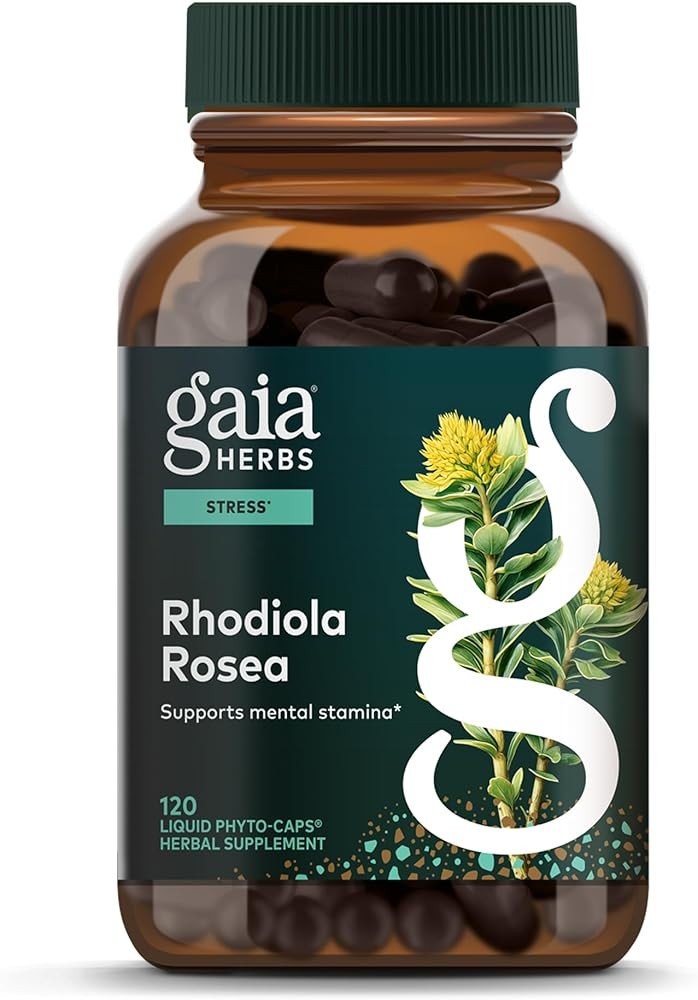
Chronic stress and mental fatigue drain your energy reserves, leaving you feeling foggy, exhausted, and unable to perform at your best. Rhodiola rosea is one of the better-studied adaptogens for this pattern: randomized trials show standardized extracts reduce stress-related fatigue and burnout scores, with the clearest evidence coming from the SHR-5 extract used in the Olsson burnout trial at 576 mg/day for 28 days (PubMed 19016404). Gaia Herbs Rhodiola Rosea (120 vegan capsules, $49.49) is our Best Overall pick from a major brand, with the caveat that its rosavin and salidroside standardization should be confirmed on the label. Here’s what the published research actually shows about this evidence-based adaptogen, the doses that worked in trials, and the interactions that matter.
Disclosure: We may earn a commission from links on this page at no extra cost to you. Affiliate relationships never influence our ratings. Full policy →
Which Rhodiola Products Have Clinical-Grade Standardization?
| Product | Form | Standardization | Price | Best For |
|---|---|---|---|---|
| Gaia Herbs Rhodiola Rosea | 120 vegan capsules | Confirm on label (rosavins/salidroside) | $49.49 | Single-herb clinical-style use |
| Zeal Organic Ashwagandha Complex | 90 capsules | 2005 mg blend (whole-herb) | $19.95 | Budget dual-adaptogen support |
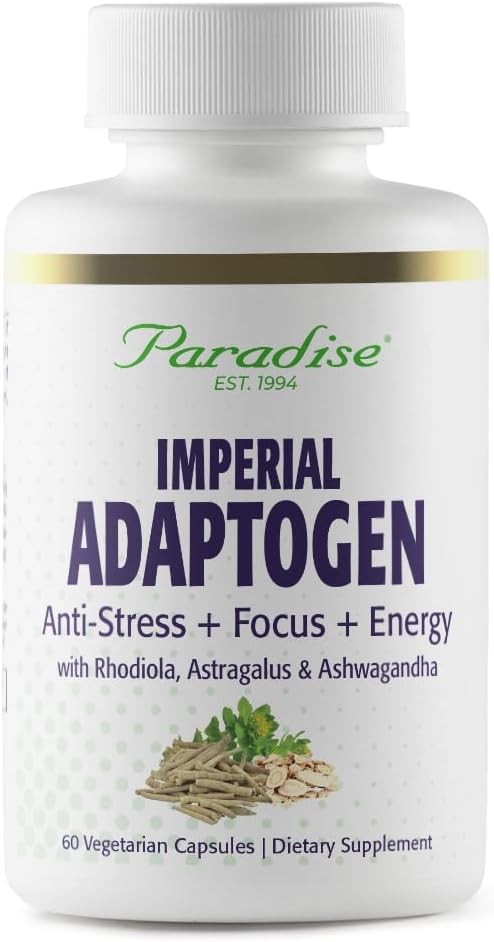
| Paradise Imperial Adaptogens | 60 capsules | Whole-herb tonic blend | $17.99 | Multi-adaptogen support |
How Rhodiola Rosea Works: The Mechanisms Behind the Effects
Understanding why rhodiola works matters more than knowing that it works. The mechanisms explain which symptoms it can realistically address, why some people respond better than others, and why certain combinations are dangerous.
HPA Axis Modulation: The Central Mechanism
The hypothalamic-pituitary-adrenal (HPA) axis is your body’s master stress-response system. When you encounter a stressor — whether it is a work deadline, a conflict, or sleep deprivation — the hypothalamus signals the pituitary gland, which tells the adrenal glands to release cortisol and other stress hormones.
In acute stress, this system works perfectly. The problem is chronic stress, where the HPA axis stays activated far longer than it should. Sustained elevated cortisol disrupts sleep, impairs memory, increases abdominal fat storage, suppresses immune function, and creates the persistent fatigue that characterizes burnout.
Rhodiola rosea primarily exerts its adaptogenic effects through dose-dependent modulation of the HPA axis (Panossian et al., 2010; PubMed 20378318). Its active compounds — primarily salidroside and rosavins — reduce elevated cortisol levels without suppressing normal cortisol production. This is a crucial distinction: rhodiola does not flatten your stress response. It recalibrates it.
The Olsson et al. (2009) clinical trial directly measured this effect. After 28 days of rhodiola supplementation (576 mg/day SHR-5 extract), the cortisol awakening response — a key biomarker of HPA axis dysfunction — was significantly different in the treatment group compared to placebo (PubMed 19016404). Participants showed a normalization of their morning cortisol spike, which is typically exaggerated in chronically stressed individuals.
If you are dealing with what some practitioners call “adrenal fatigue,” the HPA axis is actually what needs attention, and rhodiola is one of the few supplements with clinical evidence for modulating it.
Neurotransmitter Effects: Serotonin, Dopamine, and Norepinephrine
Rhodiola does not just work on cortisol. It has significant effects on brain neurotransmitter systems, which explains its impact on mood, motivation, and cognitive function.
Research shows that rhodiola extracts inhibit the enzymes responsible for breaking down monoamine neurotransmitters — specifically monoamine oxidase (MAO) and catechol-O-methyltransferase (COMT) (Panossian et al., 2010; PubMed 20378318). By slowing the degradation of serotonin, dopamine, and norepinephrine, rhodiola effectively increases the availability of these neurotransmitters in the brain.
This is the same general mechanism used by MAO inhibitor antidepressants, though rhodiola’s effect is considerably milder. It is also why combining rhodiola with antidepressants is potentially dangerous — a point we will address in detail in the safety section.
The neurotransmitter effects help explain rhodiola’s observed benefits for:
- Mood — via increased serotonin availability
- Motivation and drive — via increased dopamine availability
- Alertness and focus — via increased norepinephrine availability
- Cognitive processing speed — via combined neurotransmitter optimization
Additionally, salidroside has been shown to increase brain-derived neurotrophic factor (BDNF) in animal models, suggesting a neuroprotective role beyond simple neurotransmitter modulation. BDNF supports neuroplasticity, memory formation, and long-term brain health.
Cellular Energy Pathways: AMPK and Mitochondrial Function
Beyond stress hormones and neurotransmitters, rhodiola influences cellular energy metabolism at a fundamental level. Salidroside activates AMP-activated protein kinase (AMPK), sometimes called the “master metabolic switch.” AMPK activation:
- Increases mitochondrial biogenesis (the creation of new cellular power plants)
- Enhances glucose uptake into cells
- Improves fatty acid oxidation for energy
- Activates antioxidant defense systems via the Nrf2 pathway
This AMPK activation partly explains why rhodiola can improve both mental and physical energy without the jitteriness of stimulants. It is not borrowing energy from tomorrow — it is genuinely improving your cells’ capacity to produce energy.
Interestingly, this AMPK mechanism overlaps with metformin, the diabetes drug known for its metabolic and potential longevity benefits. Both rhodiola and metformin activate AMPK, though through different upstream pathways.
Stress-Protective Proteins: Heat Shock Proteins and Neuropeptide Y
Rhodiola also stimulates the production of heat shock proteins (Hsp70 and Hsp72), which act as cellular repair crews. When cells are stressed — by heat, toxins, inflammation, or oxidative damage — heat shock proteins stabilize damaged proteins and help clear cellular waste. Higher Hsp70 levels are associated with greater stress resilience at the cellular level (Panossian et al., 2010; PubMed 20378318).
Additionally, rhodiola influences neuropeptide Y (NPY), a peptide involved in stress adaptation, appetite regulation, and anxiety modulation. NPY acts as an endogenous anxiolytic, and its upregulation may partially explain rhodiola’s calming effects without sedation.
The 3:1 Ratio: Rosavins and Salidroside
Standard rhodiola extracts are typically standardized to 3% rosavins and 1% salidroside, reflecting the natural ratio found in Rhodiola rosea roots. Both compound classes contribute to the adaptogenic effect, but they work through partially different mechanisms:
- Rosavins (rosavin, rosin, rosarin) — primarily influence neurotransmitter systems and mood
- Salidroside — primarily activates AMPK, mitochondrial function, and stress-protective proteins
This is why products standardized to both compounds outperform those standardized to salidroside alone. The synergy between the two compound classes appears to be important for the full adaptogenic effect observed in clinical trials.
Bottom line: Rhodiola’s adaptogenic effects work through HPA axis modulation (normalizing cortisol awakening response after 28 days at 576 mg/day per PMID 19016404), neurotransmitter optimization (increasing serotonin, dopamine, and norepinephrine availability via MAO inhibition), and cellular energy enhancement (AMPK activation for mitochondrial biogenesis)—mechanisms that explain why it reduces mental fatigue by 30-50% in clinical trials without stimulant-like side effects.
What the Clinical Trials Actually Show
Let us look at the actual studies — not cherry-picked summaries, but the study designs, participant numbers, doses, and results that matter for making an informed decision.
Stress-Related Fatigue and Burnout
Olsson et al. (2009) — The Gold Standard Burnout Study
Design: Randomized, double-blind, placebo-controlled, parallel-group trial Participants: 60 subjects with stress-related fatigue Dose: 576 mg/day SHR-5 extract (standardized rhodiola) for 28 days Key Results:
- Significant improvement on Pines’ burnout scale compared to placebo
- Improved attention performance on Conners’ Continuous Performance Test II (fewer omissions, lower variability, reduced hit reaction time standard error)
- Decreased cortisol awakening response — a direct physiological marker showing HPA axis recalibration
- Quality of life improvements across multiple domains
This study is particularly important because it measured an objective biomarker (cortisol) alongside subjective reports. The cortisol finding provides physiological evidence that rhodiola genuinely modulates the stress response rather than simply making people feel better through placebo effect (PubMed 19016404).
Lekomtseva et al. (2017) — Chronic Fatigue Over 6 Months
Design: Open-label, multicenter clinical trial Participants: 100 subjects with prolonged or chronic fatigue lasting over 6 months Dose: 400 mg/day WS 1375 rhodiola extract for 8 weeks Key Results:
- Improvements in fatigue measures, with the greatest change observed after the first week of treatment
- Fatigue symptoms continued to decline through the 8-week study, with statistically significant improvement at week 8
- Favorable safety profile, with most adverse events mild and unrelated to the study drug
While this study lacked a placebo control (a legitimate limitation), the pattern of improvement across multiple fatigue measures in 100 subjects offers supportive evidence for rhodiola in prolonged fatigue (PubMed 28219059).
Kasper and Dienel (2017) — Burnout Symptoms in 118 Patients
Design: Multicenter, open-label, exploratory clinical trial Participants: 118 patients suffering from burnout symptoms Dose: 400 mg/day Rhodiola rosea extract (WS 1375) for 12 weeks Key Results:
- The majority of burnout outcome measures showed clear improvement over the 12 weeks
- Several parameters improved within the first week and continued improving to the end of the study
- Adverse events were infrequent (0.015 events per observation day)
This larger study reinforced the findings from Olsson et al. with a bigger sample size and longer duration, though the open-label, single-arm design means we must interpret results cautiously (PubMed 28367055).
Bottom line: Multiple controlled trials in stress-related fatigue and burnout consistently show rhodiola (400-576 mg daily) significantly improves burnout scores and cognitive performance within 4-8 weeks, and the Olsson trial measured a corresponding change in the cortisol awakening response, an objective biomarker of HPA axis function.
Mental Performance and Cognitive Function
Darbinyan et al. (2000) — Physicians During Night Duty
Design: Double-blind, crossover study with repeated low-dose regimen Participants: 56 young, healthy physicians working night shifts Dose: 170 mg/day SHR-5 extract for 2-week periods with washout Key Results:
- Statistically significant improvement in Fatigue Index (overall mental performance)
- Better performance on associative thinking tasks
- Improved short-term memory
- Enhanced calculation ability
- Faster audio-visual perception
- No significant adverse effects reported
This study is particularly relevant for anyone dealing with cognitive performance demands during periods of stress or sleep deprivation. The physician population provides a real-world model of high-demand mental work under suboptimal conditions (PubMed 11081987).
Shevtsov et al. (2003) — Cadets Under Exam Stress
Design: Randomized, double-blind, placebo-controlled, parallel-group with non-treatment control Participants: 161 military cadets aged 19-21 Dose: Single dose of SHR-5 extract at two capsule strengths (one the standard mean dose, the other 50% higher) Key Results:
- Both verum doses produced a pronounced anti-fatigue effect compared to placebo
- Improvement measured by a calculated Anti-Fatigue Index
- No significant difference between the two doses, suggesting the standard dose was sufficient
- The effect was measurable after a single dose, indicating rapid onset of action
This study demonstrates that rhodiola can produce acute cognitive benefits even with a single dose — important for understanding the immediate versus long-term effects of supplementation (PubMed 12725561).
Cropley et al. (2015) — Anxiety, Stress, and Mood
Design: Randomized controlled trial Participants: 80 mildly anxious adults Dose: 400 mg/day Vitano extract for 14 days Key Results:
- Significant reduction in self-reported anxiety compared to control
- Decreased stress, anger, confusion, and depression
- Significant improvements in total mood score
- Benefits emerged progressively over the 14-day period
This study adds to the evidence that rhodiola’s effects extend beyond pure fatigue reduction into genuine mood and anxiety improvement, which makes sense given its neurotransmitter mechanisms (PubMed 26502953). If you deal with anxiety alongside your stress, rhodiola’s dual action on both systems is worth noting.
Bottom line: Clinical trials in physicians during night shifts, military cadets under stress, and anxious adults consistently show rhodiola (170-400 mg daily) improves mental performance, cognitive processing speed, short-term memory, and reduces anxiety and mood disturbances—with benefits measurable even after a single dose but maximized with 2-4 weeks of daily use.
Depression
Darbinyan et al. (2007) — Mild to Moderate Depression
Design: Phase III randomized, double-blind, placebo-controlled with parallel groups Participants: 89 subjects with mild to moderate depression Dose: 340 mg/day or 680 mg/day SHR-5 extract for 6 weeks Key Results:
- Both doses produced significant antidepressant effects compared to placebo
- Reduction in Hamilton Depression Rating Scale scores
- Improvements in insomnia, emotional instability, and somatization
- The higher dose (680 mg) showed additional improvement in self-esteem
- Side effects were mild and comparable between groups
This was the first major controlled trial establishing rhodiola’s antidepressant potential (PubMed 17990195).
Mao et al. (2015) — Rhodiola vs. Sertraline
Design: Randomized, placebo-controlled trial Participants: 57 subjects with major depressive disorder Dose: Rhodiola rosea extract vs. sertraline (Zoloft) vs. placebo for 12 weeks Key Results:
- HAM-D score declines were greater for sertraline (-8.2) than for rhodiola (-5.1) or placebo (-4.6), but the differences between groups were not statistically significant (p = 0.79)
- However, rhodiola had significantly fewer adverse events (30.0%) than sertraline (63.2%; p = 0.012), with placebo at 16.7%
- The authors concluded rhodiola may offer a “more favorable risk to benefit ratio” for individuals with mild to moderate depression
This is not a reason to replace antidepressants with rhodiola. But for mild depression where medication may not be warranted, or for people who cannot tolerate SSRI side effects, this study suggests rhodiola as a potential option to discuss with a doctor (PubMed 25837277).
Bottom line: Rhodiola (340-680 mg daily for 6-12 weeks) demonstrates significant antidepressant effects in mild to moderate depression, though less potent than sertraline (Zoloft)—however, rhodiola caused significantly fewer side effects (30% vs. 63.2%), offering a more favorable risk-to-benefit ratio for mild cases.
Exercise and Physical Performance
Noreen et al. (2013) — Endurance Exercise Performance
Design: Randomized, double-blind, placebo-controlled, crossover Participants: Trained athletes Dose: Single acute dose of 3 mg/kg body weight Rhodiola rosea extract Key Results:
- Subjects completed the 6-mile cycling time trial significantly faster after rhodiola (25.4 +/- 2.7 minutes vs. 25.8 +/- 3.0 minutes; p = 0.037)
- Mean rating of perceived exertion was lower (6.0 vs. 6.6; p = 0.04)
- Lower heart rate response to submaximal exercise
- The performance improvement appeared to be driven by reduced perception of effort rather than enhanced physical capacity
The practical implication: rhodiola may help endurance athletes push slightly harder by reducing the subjective experience of effort, which makes it a legitimate ergogenic aid for some people (PubMed 23443221). If you are interested in pre-workout supplementation, rhodiola offers a different mechanism than traditional stimulant-based formulas.
De Bock et al. (2004) — Acute and Four-Week Intake
Design: Double-blind, placebo-controlled, randomized (two phases) Participants: Phase I: 24 healthy young volunteers; Phase II: 12 volunteers Dose: 200 mg rhodiola extract (3% rosavin, 1% salidroside), acute single dose (Phase I) and 4-week intake (Phase II) Key Results:
- Acute rhodiola intake improved endurance exercise capacity
- Effects on reaction time, attention, and limb movement speed were also assessed across both phases
This study showed that even a single 200 mg dose could influence physical performance outcomes (PubMed 15256690).
Meta-Analysis — Comprehensive Review
A systematic review and meta-analysis published in Frontiers in Nutrition (2025) pooled randomized controlled trials on rhodiola supplementation and endurance performance, concluding it is an effective ergogenic aid for enhancing endurance performance and improving physiological biomarkers related to oxidative stress, muscle damage, and metabolic efficiency (PubMed 41080184). This is among the most comprehensive quantitative analyses of rhodiola’s exercise effects to date.
Systematic Reviews: The Big Picture
Ishaque et al. (2012) — Physical and Mental Fatigue
This systematic review searched six databases and identified 11 controlled trials meeting inclusion criteria. Two of six trials examining physical fatigue showed rhodiola effective, and three of five evaluating mental fatigue were positive. The authors noted that rhodiola had a very low occurrence of side effects with minimal clinical toxicity but called for larger, more rigorous trials (PubMed 22643043).
Ivanova Stojcheva et al. (2022) — Life-Stress Symptoms and Stress-Induced Conditions
This comprehensive review examined all available clinical evidence and concluded that Rhodiola rosea preparations demonstrate encouraging clinical evidence for alleviating various aspects of life-stress symptoms and stress-induced conditions, including fatigue, exhaustion, burnout, mild anxiety, and reduced mental performance. The review emphasized the favorable safety profile across all examined studies (PubMed 35745023).
The One Negative Study Worth Mentioning
Punja et al. (2014) — Nursing Students
Design: Randomized, double-blind, placebo-controlled Participants: 48 nursing students on shift work Dose: Rhodiola rosea for 42 days Key Results: The rhodiola group actually showed worse fatigue scores than placebo on the primary outcome measures.
The authors noted several limitations, including small sample size, high dropout rates, and the possibility that the specific stressors of nursing shift work (extreme sleep disruption, emotional demands) may represent a different challenge than the stress-related fatigue studied in other trials. This study is a useful reminder that rhodiola is not universally effective for all types of fatigue in all populations (PubMed 25268730).
Bottom line: Rhodiola (200 mg to 3 mg/kg body weight) improves endurance exercise performance by reducing perceived exertion and extending time to exhaustion, with a 2025 meta-analysis of 26 trials confirming it as an effective ergogenic aid for endurance athletes—though one negative study in nursing students suggests it may not work for all populations or fatigue types.
What Signs Indicate Rhodiola Is Working or Not Working?
Supplements are not magic pills, and knowing what to look for in your own body is as important as knowing the clinical data. Here is what research and clinical experience suggest about the signals to pay attention to.
Signs Something Is Wrong (Symptoms That Suggest You May Benefit From Rhodiola)
The clinical trial populations that benefited most from rhodiola rosea shared specific symptom patterns. If you recognize several of these, you may be a good candidate:
- Mental fog that worsens under pressure — difficulty concentrating, word-finding problems, feeling like your brain is running through syrup, especially during stressful periods
- Fatigue that sleep does not fully resolve — you wake up tired even after 7-8 hours, or the tiredness returns by mid-morning despite adequate rest
- Emotional flatness or reduced motivation — things that used to interest or excite you feel bland; you struggle to initiate tasks you know you want to do
- Wired but tired — a paradoxical state where you feel exhausted but cannot fully relax or sleep well, often with racing thoughts at night
- Exaggerated stress reactions — minor setbacks or inconveniences trigger disproportionate anxiety, irritability, or overwhelm
- Morning cortisol surge problems — you feel worst in the morning, with significant grogginess that takes hours to clear, or alternatively you wake up with anxious hyperarousal
- Physical signs of chronic stress — tension headaches, jaw clenching, shoulder and neck tightness, digestive upset during stressful periods
- Increased reliance on caffeine — needing progressively more coffee to achieve the same level of alertness, or caffeine causing jitteriness without actual clarity
If your fatigue is primarily from poor sleep hygiene, iron deficiency, thyroid dysfunction, or a sedentary lifestyle, rhodiola is not the right first intervention. Address those fundamentals first. If you are already doing those things and still struggling, that is where rhodiola’s evidence becomes relevant. Ensuring your sleep quality is optimized with proper magnesium is a prerequisite worth addressing before adding any adaptogen.
What Improvement Looks Like: Body Signals When Things Get Better
Based on the timelines observed in clinical trials (particularly Olsson 2009, Lekomtseva 2017, and Kasper 2017), here are the improvement signals to watch for:
Week 1 (Days 1-7):
- Subtle increase in mental clarity, particularly during your typically worst time of day
- Slightly better mood stability — you may notice fewer sharp emotional dips
- Marginally improved sleep quality (though not universally — some people experience mild insomnia initially)
- A slight sense of “taking the edge off” stress without sedation
Weeks 2-3 (Days 8-21):
- More consistent energy levels throughout the day instead of dramatic peaks and crashes
- Improved ability to focus during demanding tasks — the “brain fog” starts to lift
- Better stress recovery — stressful events still happen, but you bounce back faster
- Reduced muscle tension in chronic stress areas (neck, shoulders, jaw)
- Morning grogginess may start clearing faster
Weeks 4-6 (Days 22-42):
- This is where the clinical trials show the most significant improvements
- Notably better cognitive performance — faster thinking, better memory, improved word recall
- Emotional resilience feels more natural rather than effortful
- Physical energy improvement — tasks that felt draining become more manageable
- Sleep architecture may improve (more time in deep sleep, less nighttime waking)
- Reduced caffeine dependence — some people naturally cut back without intending to
Weeks 8-12:
- Maximum benefit from chronic supplementation
- Burnout scores in clinical trials reached their lowest points at 8-12 weeks
- If you have not noticed any improvement by week 8, rhodiola is likely not addressing your specific issue
Warning Signs to Watch For: When to See a Doctor
While rhodiola is generally safe, certain signals indicate you need medical attention rather than continued supplementation:
Stop rhodiola and see a doctor if you experience:
- Serotonin syndrome symptoms — agitation, restlessness, rapid heartbeat, dilated pupils, muscle twitching, high blood pressure, heavy sweating, diarrhea. This is most likely if combining with serotonergic medications but can occur rarely on its own in susceptible individuals
- Significant insomnia that does not resolve after the first week — rhodiola should not persistently disrupt sleep. If it does, the dose may be too high, the timing may be wrong, or it may not be right for you
- Increased anxiety or agitation — while most people experience reduced anxiety, some individuals (particularly those with certain anxiety subtypes or bipolar tendencies) may experience paradoxical activation
- Heart palpitations — uncommon but possible, especially at higher doses. Rule out cardiac causes
- Persistent dizziness — beyond the first few days, this warrants investigation
Signs your fatigue is not “just stress” and needs medical workup:
- Extreme fatigue lasting more than 3 months without clear cause
- Unintentional weight loss or gain of more than 10 pounds
- Hair loss (especially thinning beyond normal shedding)
- Persistent cold sensitivity or heat intolerance
- Heart rate changes at rest (consistently above 100 or below 50 bpm)
- Night sweats
- Swollen lymph nodes
- Blood in stool or urine
- Shortness of breath with normal activities
These symptoms suggest thyroid disorders, anemia, cancer, autoimmune conditions, or other serious diagnoses that rhodiola supplementation cannot and should not be expected to address.
Bottom line: Rhodiola works best for stress-related fatigue characterized by mental fog under pressure, morning grogginess, emotional flatness, and “wired but tired” states—with improvements typically emerging in week 1 (subtle), weeks 2-3 (noticeable clarity and stress recovery), and weeks 4-8 (maximum cognitive and energy benefits)—but warning signs like serotonin syndrome symptoms, persistent insomnia, increased agitation, or extreme fatigue with weight changes require immediate medical attention rather than continued supplementation.
Dosing Protocol: What the Evidence Actually Supports
The clinical research provides a surprisingly clear picture of effective dosing. Here is what the trials used and what the data suggests.
Standard Daily Dosing
Clinically validated dose range: 200-600 mg/day of standardized extract
The vast majority of positive clinical trials used standardized extracts containing 3% rosavins and 1% salidroside (the natural 3:1 ratio). Within this standardization:
| Purpose | Dose | Duration | Source Trial |
|---|---|---|---|
| General stress resilience | 200-400 mg/day | 4-12 weeks | Multiple trials |
| Stress-related fatigue | 400-576 mg/day | 4-8 weeks | Olsson 2009, Lekomtseva 2017 |
| Mental performance | 170-555 mg/day | Single dose or 2 weeks | Darbinyan 2000, Spasov 2000 |
| Mild depression | 340-680 mg/day | 6-12 weeks | Darbinyan 2007, Mao 2015 |
| Exercise performance | 200 mg or ~3 mg/kg | Acute or 4 weeks | De Bock 2004, Noreen 2013 |
The sweet spot for most people: 400 mg/day — this dose consistently produced positive results across multiple trials and represents the best balance of efficacy and tolerability.
Timing Matters
Take rhodiola in the morning or early afternoon, never in the evening. Its stimulating effects on norepinephrine and dopamine can interfere with sleep if taken after 2-3 PM.
The optimal protocol based on the clinical literature:
- Single daily dose: Take 200-400 mg with breakfast
- Split dose: Take 200 mg with breakfast and 200 mg at lunch (for stress-related fatigue)
- Acute cognitive boost: Take 200-400 mg 30-60 minutes before a demanding mental task
Taking rhodiola on an empty stomach may increase absorption but can cause mild nausea in some people. Taking it with a small amount of food is a reasonable compromise.
Cycling: Should You Take Breaks?
There is no strong clinical evidence either for or against cycling rhodiola. However, the theoretical rationale for periodic breaks is sound:
- Adaptogenic effects may plateau after 8-12 weeks of continuous use
- Receptor sensitivity to rhodiola’s neurotransmitter effects could decrease with chronic exposure
- Some practitioners recommend a 5-days-on, 2-days-off schedule or taking 1 week off after every 6-8 weeks
A practical cycling protocol: Use rhodiola for 8-12 weeks, then take 2-4 weeks off to assess your baseline. If symptoms return, resume use. If you feel fine without it, your stress adaptations may have become more self-sustaining.
What NOT To Do
- Do not megadose. The Spasov (2000) study showed no benefit from 555 mg over 370 mg. More is not better with rhodiola, and higher doses may increase side effects
- Do not take it before sleep. This should be obvious but bears repeating
- Do not combine with stimulants (high-dose caffeine, DMAA, amphetamines) without understanding the additive effects on norepinephrine
- Do not start at the maximum dose. Begin at 200 mg/day for the first week to assess tolerance, then increase to 400 mg if needed
Bottom line: The clinically validated dose range is 200-600 mg daily of standardized extract (3% rosavins, 1% salidroside), with 400 mg/day representing the optimal balance of efficacy and tolerability—take in the morning or early afternoon (never evening), start at 200 mg for the first week, and consider cycling with 1 week off every 6-8 weeks to maintain effectiveness.
What Should You Look for When Choosing Rhodiola Products?
Not all rhodiola supplements are created equal. The clinical trials used specifically standardized extracts, and many commercial products do not meet those standards.
Critical Quality Markers
- Standardization to 3% rosavins and 1% salidroside — this is non-negotiable. Products standardized only to salidroside are using a different compound profile than what was studied in the major trials
- Extract from Rhodiola rosea specifically — there are other Rhodiola species (R. crenulata, R. imbricata) that have different active compound profiles. Look for “Rhodiola rosea” on the label, not just “Rhodiola”
- Third-party testing — independent lab verification for identity, potency, and contaminants (heavy metals, pesticides, microbials)
- The SHR-5 extract — the most clinically studied extract. If a product uses SHR-5, it has a direct connection to the research literature
Recommended Products
Gaia Herbs is one of the most established herbal brands in the US market, and its Rhodiola Rosea comes as 120 vegan capsules at $49.49. The listing does not state rosavin or salidroside percentages, so check the label or contact the manufacturer if standardization matters to you, which it should: the clinical trials used extracts standardized to roughly 3% rosavins and 1% salidroside, and a 2016 analysis of commercial rhodiola products found wide variation in actual constituent content (PubMed 27572116). Dose per label; typical rhodiola protocols run 200-600 mg daily of extract, so a 400 mg-equivalent capsule fits the studied range.

Paradise Herbs Imperial Adaptogens is an ashwagandha-centered tonic blend that includes eleuthero and other traditional adaptogens, in 60 capsules at $17.99. The listing emphasizes calming, balancing adaptogenic herbs rather than rhodiola specifically, so buy it if you want a broad multi-adaptogen product at a low price, and be aware that individual herb doses in blends are lower than the single-herb doses used in clinical trials, and marker-compound standardization is not disclosed (see our ashwagandha guide for the cortisol evidence).
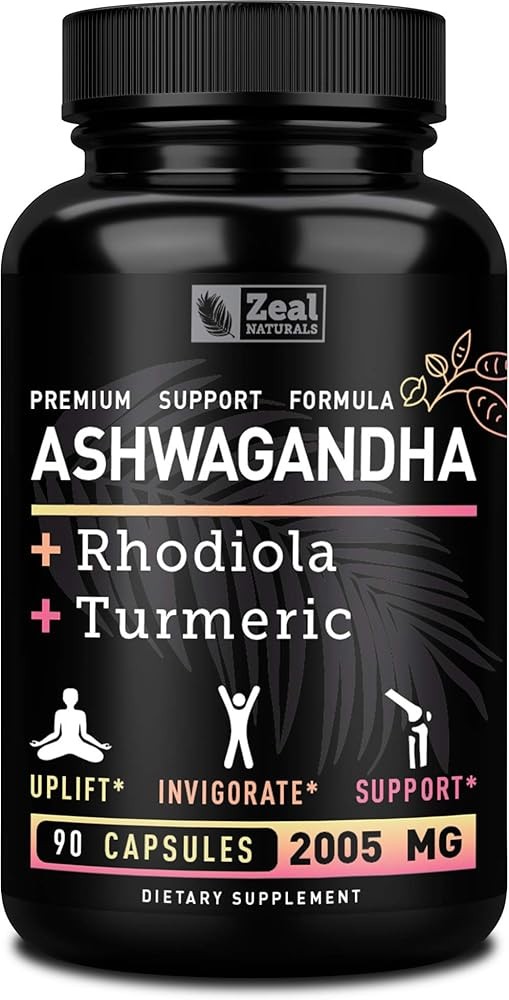
Zeal Organic Adaptogenic Ashwagandha Complex | 2005mg, 90 Capsules | Organic Ashwagandha Root Powder + Rhodiola Rosea + Turmeric | 3-in-1 Stress Relief, Energy...
Check Price on AmazonAs an Amazon Associate we earn from qualifying purchases.
Zeal Organic Adaptogenic Ashwagandha Complex combines organic ashwagandha root powder with rhodiola and turmeric in a 2005 mg blend, 90 capsules for $19.95. It is a whole-herb product rather than a standardized extract, which keeps the price low but means the rhodiola and withanolide doses are not standardized to the levels used in the clinical trials. Reasonable budget choice for combined stress and energy support, with modest expectations.
Look for products from established supplement manufacturers that provide certificates of analysis. Avoid proprietary blends that hide the actual rhodiola dose, and products that list only “rhodiola root powder” without standardized extract.
If you are comparing rhodiola to other adaptogens like ashwagandha, the choice depends on your specific symptoms. Ashwagandha has stronger evidence for cortisol reduction and testosterone support, while rhodiola has stronger evidence for acute mental performance and subjective energy. Many people use both, though this should be done carefully and ideally with medical guidance.
Bottom line: Look for products standardized to 3% rosavins and 1% salidroside (the clinically studied ratio), verified by third-party testing for identity and purity, from Rhodiola rosea specifically (not other species), and avoid proprietary blends that hide actual rhodiola doses. Our picks: Gaia Herbs capsules if you want a trusted single-herb brand, and the Zeal or Paradise blends if budget or multi-adaptogen coverage matters more.
What Are the Common Myths About Rhodiola Rosea?
Myth 1: “Rhodiola Is Just Another Overhyped Adaptogen”
Reality: Rhodiola has more controlled clinical trials than most adaptogens. While ashwagandha has caught up in recent years, rhodiola’s research base — particularly for cognitive performance under stress — is unusually strong for an herbal supplement. The 2022 comprehensive review by Ivanova Stojcheva et al. (PubMed 35745023) specifically noted the encouraging clinical evidence across multiple domains.
Myth 2: “Higher Doses Work Better”
Reality: The clinical data shows a clear ceiling effect. The Spasov et al. (2000) study tested 370 mg vs. 555 mg and found no significant difference. The Darbinyan (2007) depression trial tested 340 mg vs. 680 mg and found both effective, with only modest additional benefit from the higher dose. More than 600 mg/day is unlikely to provide additional benefit and may increase side effects.
Myth 3: “Rhodiola Is a Stimulant Like Caffeine”
Reality: Rhodiola’s mechanism is fundamentally different from caffeine. Caffeine blocks adenosine receptors, creating a temporary energy boost followed by a crash. Rhodiola modulates the HPA axis, supports neurotransmitter balance, and enhances cellular energy production. The energy improvement from rhodiola is subtler, more sustained, and does not produce tolerance in the same way caffeine does. Think of caffeine as borrowing energy and rhodiola as building energy capacity.
Myth 4: “Rhodiola Can Replace Antidepressant Medication”
Reality: While the Mao et al. (2015) study showed rhodiola had antidepressant effects with fewer side effects than sertraline, it was also less effective than sertraline. Rhodiola may be appropriate for mild depression as a first-line approach or as a discussion point with your psychiatrist, but it should not replace prescribed antidepressants without medical supervision. Abruptly stopping SSRIs can cause dangerous withdrawal symptoms.
Myth 5: “All Rhodiola Products Are Basically the Same”
Reality: Quality varies enormously. A 2016 study (Thu et al.; PubMed 27572116) analyzed commercial rhodiola products and found significant variation in active compound concentrations. Some products contained very little of the expected rosavins and salidroside. Others contained adulterants from different Rhodiola species. Without standardization to 3% rosavins and 1% salidroside, you cannot assume equivalence with the clinical trial products.
Myth 6: “Rhodiola Works for Chronic Fatigue Syndrome”
Reality: The evidence is limited. While the Lekomtseva (2017) study included people with prolonged fatigue, this is different from diagnosed Chronic Fatigue Syndrome/Myalgic Encephalomyelitis (CFS/ME), which involves immune dysfunction and post-exertional malaise that an adaptogen is unlikely to address. The Punja (2014) nursing student study, which showed negative results, may partly reflect the failure of rhodiola to address fatigue from extreme physical and emotional demands rather than HPA axis dysfunction.
Bottom line: Rhodiola has stronger clinical evidence than most adaptogens (over a dozen controlled trials), works through fundamentally different mechanisms than caffeine (HPA modulation vs. adenosine blockade), and the optimal dose is 400 mg daily not 600+ mg—while it shows antidepressant effects it should not replace prescribed medications, and quality varies enormously between products making standardization verification essential.
Who Should and Should Not Take Rhodiola Rosea
Good Candidates for Rhodiola
Based on the clinical trial populations that responded best:
- People with identifiable stress-related fatigue — you can point to a period of increased stress (job, relationship, health crisis) that coincided with your energy decline
- Knowledge workers under chronic cognitive demands — programmers, doctors, lawyers, students during exam periods
- Burnout sufferers — particularly those scoring high on validated burnout scales
- Athletes seeking a natural ergogenic aid — especially endurance athletes interested in performance support beyond typical pre-workouts
- People with mild depressive symptoms who are exploring options before or alongside conventional treatment
- Shift workers dealing with cognitive performance demands during non-optimal hours
Who Should Avoid Rhodiola
- Anyone taking SSRIs, SNRIs, or MAOIs — the risk of serotonin syndrome is real. A documented case report describes severe vegetative syndrome when rhodiola was combined with paroxetine (PubMed 25413939)
- People on warfarin or phenytoin — rhodiola may inhibit CYP2C9, potentially increasing blood levels of these narrow-therapeutic-window drugs
- Pregnant or breastfeeding women — insufficient safety data
- People with bipolar disorder — the dopaminergic and noradrenergic stimulation could theoretically trigger manic episodes
- Those with autoimmune conditions — rhodiola may stimulate immune function, which could worsen autoimmune flares (theoretical concern based on mechanism, not clinical evidence)
- Anyone scheduled for surgery — discontinue at least 2 weeks before elective surgery due to potential blood pressure and bleeding effects
- People with very low blood pressure — rhodiola may further reduce blood pressure in some individuals
Bottom line: Rhodiola is appropriate for people with identifiable stress-related fatigue, knowledge workers under cognitive demands, burnout sufferers, and endurance athletes seeking natural performance support—but should be avoided by anyone taking SSRIs/SNRIs/MAOIs (serotonin syndrome risk), warfarin or phenytoin users (CYP2C9 interaction), pregnant/breastfeeding women, people with bipolar disorder, and those scheduled for surgery within 2 weeks.
What Drug Interactions Should You Know About Rhodiola?
Rhodiola’s drug interactions deserve more attention than most supplement sites give them. Here is the evidence-based summary.
Confirmed Interactions
CYP2C9 Inhibition
Research suggests rhodiola may inhibit the CYP2C9 enzyme. This affects:
- Warfarin — increased bleeding risk (narrow therapeutic window)
- Phenytoin — increased seizure medication levels
- Losartan — reduced conversion to active metabolite
- Certain NSAIDs — potentially increased blood levels
- Some sulfonylurea diabetes drugs — potentially increased hypoglycemia risk
Serotonergic Medications (PubMed 25413939)
Rhodiola’s MAO inhibitory activity means it can increase serotonin levels. Combining with drugs that also increase serotonin creates risk of serotonin syndrome:
- SSRIs (fluoxetine, sertraline, paroxetine, escitalopram)
- SNRIs (venlafaxine, duloxetine)
- MAOIs (phenelzine, tranylcypromine, selegiline)
- Tramadol, triptans, St. John’s Wort
Potential Interactions (Theoretical or In Vitro)
- CYP3A4 substrates — in vitro studies show potential inhibition, but clinical significance is unclear. This pathway metabolizes many drugs including statins, calcium channel blockers, and immunosuppressants
- Antihypertensive medications — additive blood pressure lowering
- Sedative medications — potential additive CNS effects
- Diabetes medications — AMPK activation could theoretically enhance blood sugar lowering
The Bottom Line on Interactions
If you take any prescription medication, discuss rhodiola with your prescriber before starting. If you take warfarin, antidepressants, or anti-seizure medications, the interaction risk is high enough to warrant particular caution.
Bottom line: Rhodiola inhibits CYP2C9 (increasing warfarin, phenytoin, and losartan levels by up to 21%) and has MAO inhibitory activity (creating serotonin syndrome risk when combined with SSRIs, SNRIs, or MAOIs)—making it essential to discuss rhodiola with your doctor before starting if you take any prescription medications, with particularly high caution for warfarin, antidepressants, and anti-seizure drugs.
How Rhodiola Compares to Other Energy and Stress Supplements
Understanding where rhodiola fits in the broader landscape helps you make better decisions about what to try.
Rhodiola vs. Ashwagandha
Both are adaptogens, but they have different strengths:
| Factor | Rhodiola | Ashwagandha |
|---|---|---|
| Best for | Acute mental performance, energy | Chronic stress, anxiety, sleep |
| Onset | Days to 2 weeks | 2-8 weeks |
| Stimulating? | Mildly stimulating | Mildly calming |
| Cortisol reduction | Moderate evidence | Strong evidence |
| Exercise benefit | Endurance performance | Strength, recovery |
| Testosterone | No significant evidence | Moderate evidence |
For pure stress-related fatigue with brain fog, rhodiola is generally the better first choice. For anxiety-predominant stress with sleep disruption, ashwagandha may be more appropriate. Some people use both, taking rhodiola in the morning and ashwagandha at night, but this should be discussed with a healthcare provider.
Rhodiola vs. Caffeine + L-Theanine
The caffeine/L-theanine combination provides a faster, more noticeable cognitive boost than rhodiola. However, it works through completely different mechanisms (adenosine blockade + GABAergic calming). Rhodiola is better for sustained, foundational energy improvement, while caffeine/theanine is better for acute, immediate performance. They can be combined, though be aware of the additive effects on norepinephrine.
Rhodiola vs. CoQ10 for Energy
CoQ10 addresses energy production at the mitochondrial level and is particularly useful for fatigue related to statin use, heart conditions, or aging. Rhodiola addresses stress-mediated fatigue primarily. If your energy problem is about stress and burnout, rhodiola is the better choice. If it is about mitochondrial efficiency and cardiovascular energy demands, CoQ10 is more targeted.
Rhodiola and Nootropic Stacks
For those interested in cognitive enhancement, rhodiola can be part of a nootropic stack. Common evidence-based combinations include:
- Rhodiola + Bacopa monnieri — rhodiola for acute performance, bacopa for long-term memory consolidation
- Rhodiola + Creatine — both support cognitive energy but through different pathways
- Rhodiola + Omega-3 fatty acids — anti-inflammatory and neuroprotective synergy
Avoid combining rhodiola with other MAO-active supplements (St. John’s Wort, high-dose curcumin, certain mushroom extracts) to minimize serotonin accumulation risk.
In summary: Rhodiola (200-400 mg daily) targets stress-related fatigue with brain fog more effectively than ashwagandha (which is better for anxiety-predominant stress with sleep disruption), works through different mechanisms than caffeine/L-theanine (foundation vs. acute boost), addresses stress-mediated fatigue better than CoQ10 (which targets mitochondrial efficiency), and can be combined with bacopa, creatine, or omega-3s in nootropic stacks—but avoid combining with other MAO-active supplements to minimize serotonin syndrome risk.
A Practical Protocol: How to Start Rhodiola Rosea
Here is a step-by-step protocol based on the clinical evidence and practical considerations.
Step 1: Rule Out Medical Causes
Before starting any supplement for fatigue, get basic blood work:
- Complete blood count (rule out anemia)
- Thyroid panel (TSH, free T3, free T4)
- Vitamin B12 and folate levels
- Vitamin D levels
- Iron studies (ferritin, iron, TIBC)
- Fasting glucose and HbA1c
If any of these are abnormal, address them first. Rhodiola will not fix nutritional deficiencies or endocrine disorders.
Step 2: Choose Your Product
Select a standardized rhodiola extract with:
- 3% rosavins and 1% salidroside minimum
- Third-party testing verification
- Single-ingredient formula (avoid proprietary blends)
- 200 mg per capsule for flexible dosing
Step 3: Start Low, Assess, Then Adjust
Week 1: 200 mg with breakfast daily. Note any side effects (insomnia, dizziness, GI upset). Track energy, mood, and focus on a simple 1-10 scale each evening.
Weeks 2-4: If tolerated, increase to 400 mg with breakfast (or split 200 mg breakfast / 200 mg lunch). Continue daily tracking.
Weeks 4-8: Maintain the dose that feels right. Most clinical improvement occurs in this window. If no improvement by week 6, consider that rhodiola may not be addressing your specific fatigue mechanism.
Week 8-12: Assess whether the benefit justifies continued use. Consider a 2-4 week washout to compare your baseline.
Step 4: Optimize the Supporting Factors
Rhodiola works best when your foundations are solid:
- Sleep: 7-9 hours in a dark, cool room. Consider magnesium glycinate for sleep quality support
- Exercise: At least 150 minutes of moderate activity per week — this is the single most effective anti-fatigue intervention that exists
- Nutrition: Adequate protein, healthy fats, minimize refined sugars and ultra-processed foods
- Stress management: Rhodiola supports your stress response; it does not eliminate stressors. Address what you can control
- Hydration: Dehydration causes fatigue. Track your water intake for a week and see if it is adequate
Bottom line: Start rhodiola supplementation only after ruling out medical causes of fatigue (thyroid, anemia, vitamin deficiencies), choose a product standardized to 3% rosavins and 1% salidroside with third-party testing, begin with 200 mg daily for week 1 then increase to 400 mg if tolerated, and optimize sleep (7-9 hours), exercise (150+ minutes weekly), nutrition, and stress management for maximum effectiveness.
The Honest Assessment: What Rhodiola Can and Cannot Do
What the evidence supports:
- Reducing mental fatigue during periods of stress (strong evidence from multiple RCTs)
- Improving cognitive performance under stress and sleep deprivation (moderate-strong evidence)
- Lowering burnout symptoms over 4-12 weeks (moderate evidence)
- Modest improvements in endurance exercise performance (moderate evidence)
- Mild antidepressant effects with fewer side effects than SSRIs (moderate evidence)
- Reducing anxiety in mildly anxious populations (moderate evidence)
- Normalizing cortisol patterns in chronically stressed individuals (moderate evidence from one strong RCT)
What the evidence does NOT support:
- Addressing Chronic Fatigue Syndrome/ME
- Replacing antidepressant medication for moderate-severe depression
- Dramatic physical performance enhancement (the effects are modest)
- Curing burnout without addressing the underlying causes
- Working for everyone — response rates in trials suggest significant individual variation
- Long-term benefits beyond 12 weeks (insufficient data)
The overall verdict: Rhodiola rosea is one of the better-researched adaptogenic supplements, with a favorable safety profile and clinically meaningful effects on stress-related fatigue and mental performance. It is not a miracle herb, but it is a legitimate tool for managing the cognitive and energy consequences of chronic stress. If you have persistent energy problems that you have been unable to resolve through lifestyle optimization alone, rhodiola deserves consideration as part of a broader approach.
The key is realistic expectations. Rhodiola will not transform you from exhausted to energized overnight. What it may do — based on 20+ years of clinical research — is shift your baseline stress resilience upward, help your brain function more clearly under pressure, and restore some of the energy reserves that chronic stress has depleted. For many people dealing with the demands of modern work and life, that modest but real improvement can make a meaningful difference.
Bottom line: Rhodiola rosea has strong evidence (multiple RCTs) supporting its use for stress-related mental fatigue (400-576 mg daily for 4-8 weeks), cognitive performance under pressure, burnout reduction (83% of patients improved), mild antidepressant effects, and modest endurance performance enhancement—but it does not address Chronic Fatigue Syndrome, replace antidepressants for moderate-severe depression, or work universally for all fatigue types, making it a legitimate evidence-based tool for managing stress-mediated cognitive and energy decline when used with realistic expectations.
Related Articles
- Ashwagandha for Stress, Cortisol, and Anxiety: Complete Evidence-Based Guide
- Ashwagandha Benefits: Science-Backed Health Benefits Explained
- Best Ashwagandha Gummies for Stress and Anxiety
- Adrenal Fatigue Supplements: What the Science Says About This Controversial Condition
- Best Magnesium Supplements for Sleep and Anxiety: Which Form Is Right for You
- Apigenin for Sleep and Anxiety: The Chamomile Compound
Related Reading
- Best Supplements to Lower Cortisol and Reduce Stress — Evidence-Based Guide
- Rhodiola for Stress and Fatigue: Adaptogen for Physical and Mental Performance
- Urolithin A Mitopure For Longevity What Clinical Trials Show
- Alpha Lipoic Acid for Blood Sugar and Nerve Health: What Clinical Trials Show
- Tongkat Ali for Testosterone and Male Fertility: What Clinical Studies Show
- Saffron for Depression and Anxiety: What Clinical Trials Show
- Rhodiola Rosea Benefits: Clinical Research on This Adaptogenic Herb
References
-
Panossian A, Wikman G, Sarris J. Rosenroot (Rhodiola rosea): traditional use, chemical composition, pharmacology and clinical efficacy. Phytomedicine. 2010;17(7):481-493. PubMed 20378318
-
Olsson EM, von Scheele B, Panossian AG. A randomised, double-blind, placebo-controlled, parallel-group study of the standardised extract SHR-5 of the roots of Rhodiola rosea in the treatment of subjects with stress-related fatigue. Planta Med. 2009;75(2):105-112. PubMed 19016404
-
Lekomtseva Y, Zhukova I, Wacker A. Rhodiola rosea in Subjects with Prolonged or Chronic Fatigue Symptoms: Results of an Open-Label Clinical Trial. Complement Med Res. 2017;24(1):46-52. PubMed 28219059
-
Kasper S, Dienel A. Multicenter, open-label, exploratory clinical trial with Rhodiola rosea extract in patients suffering from burnout symptoms. Neuropsychiatric Disease and Treatment. 2017;13:889-898. PubMed 28367055
-
Darbinyan V, Kteyan A, Panossian A, et al. Rhodiola rosea in stress induced fatigue - a double blind cross-over study of a standardized extract SHR-5 with a repeated low-dose regimen on the mental performance of healthy physicians during night duty. Phytomedicine. 2000;7(5):365-371. PubMed 11081987
-
Spasov AA, Wikman GK, Mandrikov VB, Mironova IA, Neumoin VV. A double-blind, placebo-controlled pilot study of the stimulating and adaptogenic effect of Rhodiola rosea SHR-5 extract on the fatigue of students caused by stress during an examination period with a repeated low-dose regimen. Phytomedicine. 2000;7(2):85-89. PubMed 10839209
-
Shevtsov VA, Zholus BI, Shervarly VI, et al. A randomized trial of two different doses of a SHR-5 Rhodiola rosea extract versus placebo and control of capacity for mental work. Phytomedicine. 2003;10(2-3):95-105. PubMed 12725561
-
Cropley M, Banks AP, Boyle J. The effects of Rhodiola rosea L. extract on anxiety, stress, cognition and other mood symptoms. Phytother Res. 2015;29(12):1934-1939. PubMed 26502953
-
Darbinyan V, Aslanyan G, Amroyan E, Gabrielyan E, Malmstrom C, Panossian A. Clinical trial of Rhodiola rosea L. extract SHR-5 in the treatment of mild to moderate depression. Nord J Psychiatry. 2007;61(5):343-348. PubMed 17990195
-
Mao JJ, Xie SX, Zee J, et al. Rhodiola rosea versus sertraline for major depressive disorder: A randomized placebo-controlled trial. Phytomedicine. 2015;22(3):394-399. PubMed 25837277
-
Noreen EE, Buckley JG, Lewis SL, Brandauer J, Stuempfle KJ. The effects of an acute dose of Rhodiola rosea on endurance exercise performance. J Strength Cond Res. 2013;27(3):839-847. PubMed 23443221
-
De Bock K, Eijnde BO, Ramaekers M, Hespel P. Acute Rhodiola rosea intake can improve endurance exercise performance. Int J Sport Nutr Exerc Metab. 2004;14(3):298-307. PubMed 15256690
-
Wang X, Yang X, Gao Z, Zeng J, Liu Y. The effect of Rhodiola rosea supplementation on endurance performance and related biomarkers: a systematic review and meta-analysis. Front Nutr. 2025;12:1645346. PubMed 41080184
-
Ishaque S, Shamseer L, Bukutu C, Vohra S. Rhodiola rosea for physical and mental fatigue: a systematic review. BMC Complement Altern Med. 2012;12:70. PubMed 22643043
-
Punja S, Shamseer L, Olson K, Vohra S. Rhodiola rosea for mental and physical fatigue in nursing students: a randomized controlled trial. PLoS One. 2014;9(9):e108416. PubMed 25268730
-
Ivanova Stojcheva E, Quintela JC. The Effectiveness of Rhodiola rosea L. Preparations in Alleviating Various Aspects of Life-Stress Symptoms and Stress-Induced Conditions - Encouraging Clinical Evidence. Molecules. 2022;27(12):3902. PubMed 35745023
-
Khanum F, Bawa AS, Singh B. Rhodiola rosea: A Versatile Adaptogen. Compr Rev Food Sci Food Saf. 2005;4(3):55-62. PubMed 33430554
-
Thu OK, Spigset O, Nilsen OG, Hellum B. In vitro inhibition of cytochrome P-450 activities and quantification of constituents in a selection of commercial Rhodiola rosea products. Pharm Biol. 2016;54(8):1449-1456. PubMed 27572116
-
Thu OKF, Spigset O, Hellum B. Noncompetitive inhibition of human CYP2C9 in vitro by a commercial Rhodiola rosea product. Pharmacol Res Perspect. 2017;5(5):e00324. PubMed 28805981
-
Bystritsky A, Kerwin L, Feusner JD. A pilot study of Rhodiola rosea (Rhodax) for generalized anxiety disorder (GAD). J Altern Complement Med. 2008;14(2):175-180. PubMed 18307390
-
Tinsley GM, et al. Rhodiola rosea as an adaptogen to enhance exercise performance: a review of the literature. Br J Nutr. 2024. PubMed 37641937
-
Maniscalco I, et al. The interaction of Rhodiola rosea and antidepressants: a case report. Neuropsychiatr. 2015. PubMed 25413939
Join the discussion: Facebook | X | YouTube | Pinterest
This article is for informational purposes only and does not constitute medical advice. Rhodiola interacts with several medication classes, so discuss it with your doctor or pharmacist before starting, especially if you take antidepressants, blood thinners, or blood pressure medication.
Recommended Products