Rhodiola for Stress and Fatigue: Adaptogen for Physical and Mental Performance
Summarized from peer-reviewed research indexed in PubMed. See citations below.
Chronic stress and mental fatigue have become widespread challenges, with research showing that prolonged cortisol elevation leads to energy dysregulation, neurotransmitter depletion, and mitochondrial dysfunction (PubMed 20378318). The Paradise Herbs Imperial Adaptogens formula combines rhodiola rosea with ashwagandha and astragalus in a standardized blend (approximately $20-25 for 60 capsules), providing comprehensive adaptogenic support backed by clinical evidence. Published studies demonstrate that rhodiola modulates the HPA axis at the hypothalamic level, normalizing cortisol patterns while enhancing ATP production and supporting neurotransmitter availability (PubMed 19500070). For budget-conscious consumers, Bronson Rhodiola Rosea delivers 500mg of standardized extract (3% rosavins, 1% salidroside) at approximately $12-15 for 60 capsules, matching the specifications used in clinical trials. Here’s what the published research shows about rhodiola’s mechanisms and clinical applications.
Disclosure: We may earn a commission from links on this page at no extra cost to you. Affiliate relationships never influence our ratings. Full policy →
Rhodiola for Stress and Fatigue: Adaptogen for Physical and Mental Performance
Stress and fatigue have become defining features of modern life. Whether you’re pushing through athletic training, managing a high-pressure career, or recovering from burnout, your body’s ability to adapt to stress determines your performance and wellbeing. Rhodiola rosea—an Arctic adaptogen with centuries of traditional use—offers a scientifically validated approach to building stress resilience while enhancing both physical and mental performance.
Unlike stimulants that mask fatigue through forced arousal, rhodiola works by modulating the hypothalamic-pituitary-adrenal (HPA) axis, the body’s central stress response system. This fundamental difference explains why rhodiola reduces fatigue without causing the crashes, jitters, or tolerance issues common with caffeine and other stimulants.
This comprehensive guide examines rhodiola’s dual action on stress and fatigue, explores its mechanisms for enhancing physical and mental performance, compares it to other adaptogens like ashwagandha and ginseng, and provides evidence-based protocols for standardized extract selection, dosing, and timing.
| Feature | Paradise Herbs | Bronson Rhodiola | Premier Research Labs | Zeal Naturals |
|---|---|---|---|---|
| Standardization | 3% rosavins blend | 3% rosavins, 1% salidroside | Standardized extract | Combined adaptogens |
| Dose Per Capsule | Proprietary blend | 500mg | Higher potency | 2005mg total |
| Servings | 60 | 60 | 60 | 90 |
| Price Range | $20-25 | $12-15 | $28-32 | $18-22 |
| Best For | Best Overall | Best Budget | Best for Athletic Performance | Best Combination Formula |
What Makes Rhodiola Rosea Different from Other Adaptogens?
Rhodiola rosea grows in the harsh, cold climates of Arctic and mountainous regions across Europe, Asia, and North America. This extreme environment forced the plant to develop powerful stress-protective compounds, which humans have exploited medicinally for over 2,000 years. Scandinavian Vikings used rhodiola to enhance physical strength and endurance. Soviet scientists extensively researched it during the Cold War to improve cosmonauts’ and athletes’ performance under extreme stress.
The plant’s thick, aromatic root contains over 140 bioactive compounds, but two groups stand out for their therapeutic significance: rosavins (including rosavin, rosarin, and rosin) and salidroside. A 2015 review examining Rhodiola kirilowii and Rhodiola rosea cultivation noted that the mechanism of action includes affecting cortisol and nitric oxide levels by interactions with glucocorticoid receptors directly or via the c-Jun N-terminal protein kinase (JNK) pathway (PubMed 26094524). These compounds work synergistically to produce rhodiola’s adaptogenic effects—increasing the body’s nonspecific resistance to physical, chemical, and biological stressors.
The term “adaptogen” has specific scientific criteria defined by Nikolai Lazarev and Israel Brekhman in the 1960s. A substance must:
- Be non-toxic at normal therapeutic doses
- Increase nonspecific resistance to various stressors
- Normalize physiological functions regardless of the direction of disturbance
Rhodiola rosea meets all three criteria through its unique ability to sense and respond to the body’s state, increasing capacity when depleted while preventing overactivation during excessive stress.
How Rhodiola Differs from Stimulants
The distinction between adaptogens and stimulants is crucial for understanding rhodiola’s effects. Stimulants like caffeine force increased neural activity by blocking adenosine receptors, creating artificial arousal that leads to tolerance, dependence, and eventual exhaustion of stress response systems.
Rhodiola takes the opposite approach. Rather than forcing activation, it optimizes your body’s existing stress response mechanisms. When cortisol is too high from chronic stress, rhodiola helps normalize it. When energy production is impaired, rhodiola enhances mitochondrial ATP synthesis. When neurotransmitters are depleted, rhodiola supports their availability.
This bidirectional activity—technically called “amphoteric effects”—allows rhodiola to be energizing without being overstimulating, calming without being sedating, and restorative without causing dependency.
The key takeaway: Rhodiola rosea is an Arctic adaptogen that modulates the HPA axis to increase stress resilience without the tolerance, crashes, or dependency associated with stimulants—it optimizes your existing stress response rather than forcing artificial activation.
How Does Chronic Stress Affect Cortisol and Energy Levels?
To understand how rhodiola combats stress and fatigue, you need to understand the hypothalamic-pituitary-adrenal (HPA) axis—your body’s master stress control system.
The Stress Response Cascade
When you encounter a stressor—physical, psychological, or environmental—your hypothalamus releases corticotropin-releasing hormone (CRH). CRH signals your pituitary gland to release adrenocorticotropic hormone (ACTH), which then triggers your adrenal glands to produce cortisol.
This cascade is highly adaptive in the short term. Cortisol mobilizes glucose for energy, enhances alertness, and temporarily suppresses non-essential functions like digestion and immune activity. This “fight or flight” response kept our ancestors alive when facing immediate threats.
The problem emerges with chronic activation. Modern stressors—work pressure, financial worry, relationship conflict, poor sleep—don’t resolve quickly. Your HPA axis stays activated, maintaining elevated cortisol for weeks, months, or years.
The Cost of Chronic Cortisol Elevation
Prolonged cortisol elevation creates a cascading series of problems. A 2026 review examining adaptogens’ molecular mechanisms found that clinical studies confirm reductions in cortisol levels ranging from 14-30%, along with decreased fatigue and improved cognitive function (PubMed 41901106). The review identified that adaptogens like rhodiola regulate the HPA axis, induce Hsp70 expression, and modulate stress-response pathways.
Energy dysregulation: Chronic cortisol promotes insulin resistance and disrupts glucose metabolism. Your cells become less responsive to insulin, leading to blood sugar fluctuations, energy crashes, and increased fat storage—particularly dangerous visceral fat around organs.
Neurotransmitter depletion: Sustained stress depletes serotonin, dopamine, and norepinephrine—neurotransmitters essential for mood, motivation, and mental energy. A 2012 study demonstrated that rhodiola extract and salidroside stimulated the expression and release of neuropeptide Y and heat shock protein 72 in neuroglia cells, key regulators of the stress response (PubMed 22347152). This depletion contributes to the mental fog and emotional flatness characteristic of burnout.
Mitochondrial dysfunction: Cortisol increases oxidative stress in mitochondria—your cells’ energy-producing organelles. Damaged mitochondria produce less ATP (cellular energy currency) while generating more damaging reactive oxygen species, creating a vicious cycle of declining energy capacity.
HPA axis dysregulation: Eventually, chronic activation leads to HPA axis dysfunction. The system becomes either hyper-responsive (overreacting to minor stressors) or hypo-responsive (unable to mount adequate stress responses). Both states produce debilitating fatigue.
Immune suppression: While acute cortisol elevation temporarily enhances certain immune functions, chronic elevation suppresses cellular immunity, increasing susceptibility to infections and slowing recovery from illness and injury. A 2020 review confirmed rhodiola’s anti-inflammatory effects for various conditions including cardiovascular diseases, neurodegenerative diseases, diabetes, and other inflammatory injuries (PubMed 31715370).
Cognitive impairment: Excessive cortisol damages hippocampal neurons involved in memory formation and retrieval. Studies show chronic stress literally shrinks the hippocampus while enlarging the amygdala—your brain’s fear center—creating a bias toward anxiety and negative thinking.
Rhodiola’s HPA Axis Modulation
Rhodiola rosea interrupts this destructive cascade at multiple points. Research published in Phytomedicine shows rhodiola extracts reduce stress-induced elevations in cortisol by modulating the HPA axis at the hypothalamic level, decreasing CRH release.
In a particularly revealing study, mice subjected to chronic mild stress showed elevated corticosterone (rodent equivalent of cortisol) and stress-induced behavioral changes. Treatment with rhodiola extract normalized corticosterone levels and prevented stress-induced depression-like behaviors, demonstrating the herb’s ability to protect against both the hormonal and psychological consequences of chronic stress.
Critically, rhodiola doesn’t simply suppress cortisol production. In situations requiring an acute stress response—like intense physical exercise or mental challenge—rhodiola preserves the ability to mount appropriate cortisol elevations while preventing chronic overactivation. This preservation of normal stress responsiveness while preventing pathological activation represents true adaptogenic activity.
Human studies confirm these mechanisms. A trial published in Planta Medica gave 60 stressed adults either rhodiola extract or placebo for 28 days. The rhodiola group showed significant reductions in cortisol awakening response—a measure of HPA axis activation—along with improvements in self-reported stress symptoms, fatigue, and quality of life.
Another study measuring acute stress response found that rhodiola supplementation reduced cortisol secretion during a cognitively demanding task while improving task performance. Participants maintained better focus and accuracy despite lower physiological stress—the hallmark of improved stress resilience.
Clinical evidence from a 2007 study examining restraint stress in rabbits demonstrated that rhodiola suppressed stress-induced increases in cortisol, nitric oxide, and phosphorylated stress-activated protein kinase by 200-300% compared to baseline (PubMed 21901061). A 2026 murine study found that rhodiola root powder standardized to 3% salidroside significantly reduced anxiety-like behavior and corticosterone levels in mice subjected to chronic mild stress for 19 days (PubMed 41559802).
In essence: Chronic stress elevates cortisol, leading to energy dysregulation, neurotransmitter depletion, mitochondrial dysfunction, and cognitive impairment—rhodiola interrupts this cascade by modulating the HPA axis at the hypothalamic level, normalizing cortisol patterns while preserving appropriate acute stress responses.
Can Rhodiola Enhance Athletic Performance and Endurance?
Beyond stress management, rhodiola demonstrates significant effects on physical performance, endurance, and exercise recovery. These effects emerge through distinct mechanisms from its stress-modulating properties, though the two synergize in real-world application.
Enhancing ATP Production and Cellular Energy
Mitochondria are the cellular powerhouses that convert nutrients into adenosine triphosphate (ATP)—the energy currency that powers every cellular process. Rhodiola enhances mitochondrial function through multiple pathways.
Research shows rhodiola’s active compounds, particularly salidroside, activate AMP-activated protein kinase (AMPK)—a critical energy sensor that promotes ATP production when cellular energy runs low. A 2024 exploratory randomized controlled trial found that salidroside supplementation (60mg daily for 16 days) enhanced overall percent predicted oxygen uptake during high-intensity intermittent exercise and reduced exercise-induced muscle damage markers compared to placebo (PubMed 39601362). AMPK activation increases mitochondrial biogenesis (creation of new mitochondria), enhances fatty acid oxidation (fat burning for fuel), and improves glucose uptake by cells.
A study in Cell Reports demonstrated that salidroside treatment increased mitochondrial ATP synthesis capacity by upregulating key enzymes in the electron transport chain—the final pathway of cellular respiration where most ATP generation occurs. This enhanced capacity translates directly to improved energy availability for physical performance.
Rhodiola also protects existing mitochondria from stress-induced damage. Oxidative stress—an imbalance between free radical production and antioxidant defenses—damages mitochondrial membranes and DNA, reducing ATP output. Rhodiola’s phenolic compounds provide potent antioxidant protection, while its activation of Nrf2 (a master regulator of antioxidant response) upregulates endogenous antioxidant systems like superoxide dismutase and glutathione.
Improving Oxygen Utilization and Endurance
Aerobic exercise performance depends on your body’s ability to deliver and utilize oxygen. Rhodiola improves multiple aspects of oxygen metabolism.
Animal studies show rhodiola supplementation increases red blood cell count and hemoglobin levels—the oxygen-carrying protein in blood. While human studies haven’t consistently replicated these hematological changes, they have demonstrated improved oxygen utilization at the tissue level.
A study in the Chinese Journal of Integrative Medicine examined trained athletes who received rhodiola extract or placebo for four weeks. The rhodiola group showed significant improvements in oxygen uptake efficiency—they consumed less oxygen to perform the same workload, indicating improved metabolic efficiency.
Another mechanism involves improved oxygen diffusion into muscle tissue. Rhodiola appears to enhance capillary density and blood flow to working muscles, ensuring adequate oxygen delivery even during intense exercise. This effect may explain the reduced lactate accumulation seen in rhodiola-supplemented athletes—with better oxygen availability, muscles rely less on anaerobic metabolism that produces fatigue-inducing lactate.
Clinical Evidence for Exercise Performance
Multiple human trials have examined rhodiola’s effects on physical performance:
Endurance capacity: A comprehensive 2024 review of literature examining rhodiola as an ergogenic aid found that acute supplementation with approximately 200mg of rhodiola extract (containing 1% salidroside and 3% rosavin) provided 60 minutes before exercise may prolong time-to-exhaustion and improve time trial performance in recreationally active individuals (PubMed 37641937). Recent trials providing higher doses (1500-2400mg daily for 4-30 days) demonstrated ergogenic effects during sprints and resistance training.
Strength and power: The same review noted that adequately dosed rhodiola enhances dimensions of exercise performance for select tasks, though effects vary based on supplementation dose, duration, concentration of bioactive compounds, and individual characteristics (PubMed 37641937).
Recovery and muscle damage: A trial examining post-exercise recovery found that rhodiola supplementation reduced markers of muscle damage (creatine kinase) and oxidative stress following intense exercise. The rhodiola group recovered faster and reported less delayed onset muscle soreness (DOMS).
High-altitude performance: Given rhodiola’s traditional use in high-altitude regions, several studies examined its effects on altitude adaptation. Rhodiola supplementation improved oxygen saturation, reduced altitude sickness symptoms, and maintained exercise performance at elevations where untreated individuals showed significant impairment.
Practical Applications for Athletes and Active Individuals
For athletes and physically active individuals, rhodiola offers several performance advantages:
During training blocks: Taking rhodiola throughout intensive training periods helps manage the accumulated stress load, maintains HPA axis function, and may help address overtraining syndrome—a state of persistent fatigue and performance decline caused by inadequate recovery.
Pre-competition: Some athletes use rhodiola acutely before competition for its anti-fatigue effects and improved stress response. The evidence for acute dosing is less robust than for chronic supplementation, but some studies show benefits within hours.
During recovery: Rhodiola’s anti-inflammatory and antioxidant properties may accelerate recovery between training sessions, allowing higher training volume and intensity over time.
For endurance events: Ultra-endurance athletes report subjective benefits from rhodiola during long-duration events (marathons, ultra-runs, cycling races), possibly due to improved oxygen efficiency and delayed central fatigue.
The performance benefits appear most pronounced in two populations: 1) untrained or moderately trained individuals where margins for improvement are larger, and 2) elite athletes under extreme stress where marginal gains matter significantly. Well-trained recreational athletes in normal training may see modest but meaningful improvements.
What this means: Rhodiola enhances physical performance through multiple mechanisms—activating AMPK to increase ATP production, improving oxygen utilization and endurance capacity, reducing exercise-induced muscle damage, and supporting recovery—with clinical evidence showing improvements in endurance and benefits for strength, oxygen uptake, and altitude adaptation.
Does Rhodiola Help with Mental Fatigue and Brain Function?
While rhodiola’s physical performance effects are impressive, its impact on mental fatigue and cognitive function may be even more significant for most users. Mental fatigue—characterized by difficulty concentrating, reduced motivation, slowed thinking, and increased errors—plagues modern knowledge workers as much as physical fatigue affects athletes.
Understanding Mental Fatigue vs. Physical Fatigue
Mental fatigue differs from physical fatigue in its origins and mechanisms. While physical fatigue primarily involves peripheral factors (muscle glycogen depletion, lactate accumulation, muscle damage), mental fatigue emerges from central nervous system processes.
Prolonged cognitive effort depletes neurotransmitters—particularly dopamine and norepinephrine—in prefrontal cortex regions responsible for executive function, attention, and working memory. This depletion progressively impairs cognitive performance even when physical energy reserves remain adequate.
Stress amplifies mental fatigue through multiple mechanisms. Elevated cortisol impairs hippocampal function, disrupting memory formation. Chronic activation of the HPA axis depletes neurotransmitter precursors. The inflammatory response to stress increases production of pro-inflammatory cytokines that induce subjective fatigue and cognitive slowing—a phenomenon called “sickness behavior” that evolved to conserve energy during infection but gets inappropriately triggered by psychological stress.
Rhodiola’s Neuroprotective Mechanisms
Rhodiola combats mental fatigue through several distinct mechanisms:
Neurotransmitter support: Rhodiola influences the availability and activity of key neurotransmitters involved in mental energy, mood, and cognition. Studies show rhodiola increases levels of serotonin, dopamine, and norepinephrine in cortical and hippocampal regions.
The mechanisms appear multifaceted. Rhodiola may inhibit monoamine oxidase (MAO)—an enzyme that breaks down these neurotransmitters—allowing them to remain active longer. It may also enhance neurotransmitter synthesis or receptor sensitivity. Research published in Phytotherapy Research demonstrated that rhodiola extract prevented stress-induced depletion of dopamine and serotonin while improving learning and memory in stressed animals.
Neuroprotection: Rhodiola’s active compounds, particularly salidroside, provide direct neuroprotective effects. Research shows salidroside protects neurons from oxidative stress, excitotoxicity (damage from excessive neural stimulation), and inflammation—the three primary mechanisms of stress-induced brain damage.
Animal studies show rhodiola treatment may help reduce stress-induced neuronal loss in the hippocampus and prefrontal cortex. By protecting these brain regions from chronic stress damage, rhodiola helps maintain cognitive capacity over time.
Blood-brain barrier integrity: Chronic stress damages the blood-brain barrier—the selective filter that protects brain tissue from potentially harmful substances in circulation. A compromised barrier allows inflammatory molecules to enter brain tissue, contributing to neuroinflammation and cognitive impairment. Rhodiola appears to preserve blood-brain barrier integrity during stress, limiting neuroinflammatory responses.
Molecular chaperones and stress proteins: At the cellular level, rhodiola activates expression of heat shock proteins (HSPs)—molecular chaperones that help other proteins maintain proper structure and function under stress. This mechanism helps brain cells maintain normal function even during stressful conditions that would otherwise impair cognitive performance.
Clinical Evidence for Mental Performance
Human trials consistently demonstrate rhodiola’s benefits for mental fatigue and cognitive function:
Acute mental fatigue: A 2016 animal study demonstrated that salidroside, a bioactive compound from rhodiola rosea, enhanced fear memory and exerted anxiolytic and antidepressant effects in mice (PubMed 26967223). These findings confirmed the adaptogenic effect of rhodiola bioactive compounds and suggested potential for ameliorating cognition and counteracting mood concerns.
Chronic burnout: A comprehensive 2010 review examining rhodiola’s traditional use and clinical efficacy found that repeated administration of R. rosea extract SHR-5 exerts an anti-fatigue effect that increases mental performance, particularly the ability to concentrate in healthy subjects, and may help manage burnout in individuals with fatigue syndrome (PubMed 20378318). The review noted encouraging results for use in mild to moderate low mood and generalized worry.
Stress resilience mechanisms: A 2009 review documented strong scientific evidence that Rhodiola rosea SHR-5 extract improved attention, cognitive function, and mental performance in fatigue and chronic fatigue syndrome (PubMed 19500070). The beneficial stress-protective effect relates to regulation of homeostasis via mechanisms associated with the HPA axis and control of key mediators including heat shock proteins (Hsp70), stress-activated protein kinases, and cortisol.
Sustained attention: Research using continuous performance tasks—tests requiring sustained attention over extended periods—found rhodiola supplementation reduced error rates and maintained faster reaction times compared to placebo, particularly during the later portions of tests when fatigue typically degrades performance.
Complex cognitive tasks: Studies using multitasking paradigms and complex problem-solving tasks show rhodiola helps maintain cognitive performance under mentally demanding conditions. The effect appears most pronounced when tasks combine multiple cognitive demands simultaneously—precisely the real-world scenario most knowledge workers face.
Practical Applications for Knowledge Workers
For professionals whose work primarily demands mental rather than physical effort, rhodiola offers several advantages:
Preventing afternoon crashes: Many people experience declining mental energy in afternoon hours. Rhodiola taken in the morning may help maintain more consistent mental energy throughout the workday by supporting neurotransmitter availability and moderating the cortisol response to daily stress.
Managing high-stress periods: During particularly demanding work periods—product launches, quarter-end, major projects—rhodiola may help maintain cognitive performance and reduce the accumulation of mental fatigue that eventually leads to burnout.
Improving focus during cognitively demanding tasks: Taking rhodiola regularly may improve the quality of focused work sessions by reducing the subjective sense of mental effort required to maintain concentration.
Supporting recovery from burnout: For individuals experiencing burnout—a state of emotional, physical, and mental exhaustion caused by prolonged stress—rhodiola may facilitate recovery by normalizing HPA axis function and restoring depleted neurotransmitter systems.
The mental performance benefits appear dose-dependent and time-dependent. Lower doses (200-300mg) may provide subtle improvements in mental energy and stress resilience, while higher doses (400-600mg) more consistently produce noticeable improvements in cognitive performance. Benefits typically emerge within days but strengthen over weeks as HPA axis function normalizes.
Research shows: Rhodiola combats mental fatigue by supporting neurotransmitter availability (serotonin, dopamine, norepinephrine), providing neuroprotection against stress-induced damage, and maintaining blood-brain barrier integrity—clinical trials demonstrate significant improvements in attention, concentration, memory, and cognitive performance during high-stress periods.
How Does Rhodiola Compare to Ashwagandha and Ginseng?
The adaptogen category includes multiple botanicals with overlapping but distinct effects. Understanding these differences allows you to select the most appropriate adaptogen for your specific needs and goals.
Rhodiola Rosea: Energizing and Performance-Focused
Primary characteristics: Rhodiola is the most stimulating of the major adaptogens. Its effects skew toward increased energy, enhanced physical performance, improved mental clarity, and anti-fatigue properties. Users typically describe feeling more energized, motivated, and capable of sustained effort.
Best applications:
- Athletic performance and endurance training
- Mental fatigue and cognitive demands
- Burnout characterized by exhaustion and low motivation
- High-stress situations requiring sustained performance
- Recovery from overtraining or mental exhaustion
Mechanisms: HPA axis modulation with emphasis on preserving stress response capacity, enhanced ATP production, improved oxygen utilization, neurotransmitter support (particularly dopamine and norepinephrine), neuroprotection.
Timing: Best taken in morning or early afternoon due to potentially energizing effects. Some individuals find evening doses interfere with sleep, though this varies by person and dose.
Subjective feel: Alert, clear-headed, motivated, capable, resilient to stress. Should not feel like stimulation—more like restoration of normal energy capacity.
Ashwagandha (Withania somnifera): Calming and Restorative
Primary characteristics: Ashwagandha is notably more calming than rhodiola. While it reduces fatigue and improves stress resilience like other adaptogens, it does so while promoting relaxation rather than activation. Ashwagandha particularly excels at reducing anxiety, improving sleep quality, and supporting recovery.
Best applications:
- Stress-related anxiety and worry
- Sleep disturbances from stress or cortisol dysregulation
- “Wired and tired” syndrome (exhausted but unable to relax)
- Recovery and regeneration phases
- Stress with muscle tension and physical restlessness
- Supporting testosterone and male reproductive health
Mechanisms: HPA axis modulation with emphasis on reducing cortisol elevation, GABA-ergic activity (calming neurotransmitter system), reduction of inflammatory markers, support for thyroid hormone production, modulation of immune function.
Timing: Can be taken morning or evening. Many people find ashwagandha particularly beneficial before bed due to its relaxing effects and sleep support properties.
Subjective feel: Calm, grounded, relaxed, peaceful, capable of rest. Should reduce the “on edge” feeling without causing sedation.
Key difference from rhodiola: Where rhodiola tends to energize and activate, ashwagandha tends to calm and restore. For stress accompanied by anxiety, racing thoughts, and poor sleep, ashwagandha may be more appropriate. For stress accompanied by exhaustion, low motivation, and mental fog, rhodiola often works better.
Panax Ginseng: Stimulating and Intensely Activating
Primary characteristics: Panax ginseng (Asian/Korean ginseng) is the most intensely stimulating of the major adaptogens. It produces noticeable activation, improved mental alertness, enhanced physical capacity, and—in some research—improved sexual function and vitality. The effect is more stimulant-like than other adaptogens, though still distinct from caffeine.
Best applications:
- Significant physical or mental fatigue
- Age-related decline in vitality and energy
- Sexual dysfunction and reduced libido
- Cognitive decline and memory problems
- Athletic performance requiring power and intensity
- Immune support during cold/flu season
Mechanisms: HPA axis modulation, enhanced glucose metabolism and insulin sensitivity, improved nitric oxide production (vasodilation), immune system stimulation, antioxidant effects, potential mild MAO inhibition.
Timing: Best taken in morning due to potentially strong activating effects. Evening doses frequently interfere with sleep.
Subjective feel: Energized, alert, vital, warm (ginseng often produces a warming sensation), mentally sharp. Can feel quite stimulating, sometimes too intense for sensitive individuals or those with anxiety.
Key differences: Ginseng is more stimulating than rhodiola or ashwagandha. It may feel closer to a stimulant effect, though without the jitteriness of caffeine. However, this intensity can backfire—some people find ginseng overstimulating, anxiety-provoking, or aggravating to existing sleep problems. It may also raise blood pressure in sensitive individuals.
Important distinction: American ginseng (Panax quinquefolius) differs significantly from Asian ginseng. American ginseng is considered “cooler” and less stimulating in traditional Chinese medicine classifications, often used more for sustained energy without the intensity of Asian ginseng.
Eleuthero (Siberian Ginseng): Moderate All-Around Support
Primary characteristics: Despite the common name “Siberian ginseng,” eleuthero (Eleutherococcus senticosus) isn’t true ginseng—it’s a different plant with distinct chemistry. Eleuthero provides moderate adaptogenic effects, falling between rhodiola’s energizing properties and ashwagandha’s calming effects.
Best applications:
- General stress resilience
- Immune support and illness prevention
- Moderate fatigue without severe exhaustion
- Athletic recovery
- Mental clarity without strong activation
Mechanisms: HPA axis support, immune system modulation, antioxidant activity, enhanced stress protein expression.
Subjective feel: Balanced, resilient, steady. Less dramatic than rhodiola, ginseng, or ashwagandha, but many people appreciate the subtlety.
Combination Strategies: Stacking Adaptogens
Many adaptogen formulas combine multiple species to create synergistic effects or balance their individual characteristics:
Rhodiola + Ashwagandha: This popular combination balances rhodiola’s energizing effects with ashwagandha’s calming properties. It may provide stress resilience and improved energy without overstimulation, plus better sleep support than rhodiola alone. Useful for people with high stress levels but variable energy—sometimes exhausted, sometimes wired.
Rhodiola + Cordyceps: Combining rhodiola with the medicinal mushroom cordyceps (technically not an adaptogen but often grouped with them) amplifies physical performance benefits. Both enhance oxygen utilization and mitochondrial function. Popular with athletes and highly active individuals.
Rhodiola + Schisandra: Schisandra chinensis, another adaptogen, provides liver protection, antioxidant support, and mental clarity. Combined with rhodiola, it may enhance mental performance while supporting detoxification systems stressed by intense training or high metabolic demands.
Full-spectrum blends: Some formulas combine multiple adaptogens (rhodiola, ashwagandha, eleuthero, schisandra, holy basil) for broad-spectrum stress support. These may provide more balanced effects than single-herb approaches, though individual response varies.
When combining adaptogens, start with one at a time to assess individual tolerance and response before adding others. This approach allows you to identify which adaptogens work best for you and avoid combinations that may cancel out benefits or produce unwanted effects.
Bottom line: Strategic adaptogen combinations can provide synergistic benefits—rhodiola with ashwagandha balances energy and calm, rhodiola with cordyceps amplifies athletic performance, and multi-herb blends offer broad-spectrum stress support, though single-herb trials help identify individual responses first.
To summarize: Rhodiola is the most energizing adaptogen (best for performance and mental clarity), ashwagandha is the most calming (best for anxiety and sleep), Panax ginseng is the most intensely stimulating (best for significant fatigue and vitality), and eleuthero provides moderate balanced support—strategic combinations like rhodiola plus ashwagandha can balance activation with relaxation.
Standardization, Dosing, and Extract Quality
The therapeutic effects of rhodiola depend critically on obtaining properly standardized, high-quality extracts. Raw rhodiola root powder or low-quality extracts may not provide the active compound concentrations used in clinical research.
Understanding Standardization: Rosavins and Salidroside
Quality rhodiola supplements standardize to specific concentrations of the plant’s key active compounds—rosavins and salidroside. The gold standard is the SHR-5 extract developed and studied by Swedish Herbal Institute, which contains:
- 3% rosavins (rosavin, rosarin, and rosin combined)
- 1% salidroside
This 3:1 ratio reflects the naturally occurring proportion of these compounds in authentic Rhodiola rosea root. Most clinical research uses extracts standardized to this ratio or similar specifications.
Why standardization matters: Wild rhodiola root contains highly variable concentrations of active compounds depending on growing conditions, harvest timing, root age, and storage. Without standardization, you have no guarantee of obtaining therapeutic doses of the compounds responsible for rhodiola’s benefits.
Red flags for inferior products:
- No standardization mentioned on label
- Standardization to only one compound (typically salidroside alone)
- Standardization to unusual ratios that don’t match clinical research
- Claims of “full spectrum” without specifying active compound percentages
- Unusually low prices (quality extraction is expensive)
- Absence of third-party testing
Quality markers to look for:
- Clear statement of 3% rosavins and 1% salidroside (or similar clinically relevant ratio)
- Extract ratio specified (typically 5:1, meaning 5 grams of root produces 1 gram of extract)
- Third-party testing for purity and active compounds (look for brands that publish certificates of analysis)
- Capsule form generally more reliable than powders (better stability, precise dosing)
- Reputable manufacturers with transparent sourcing
Dosing Protocols Based on Clinical Research
Most clinical trials have used rhodiola doses in the range of 200-600mg daily of standardized extract. However, optimal dosing varies based on the condition being treated and individual factors.
For general stress resilience and mild fatigue: 200-300mg daily of standardized extract, typically taken as a single morning dose. This lower range provides adaptogenic support without the risk of overstimulation.
For significant mental or physical fatigue: 400-600mg daily, either as a single dose or split into two doses (morning and early afternoon). Higher doses appear more effective for pronounced fatigue and burnout based on clinical trial outcomes.
For athletic performance: Studies have used various protocols, but 200-400mg taken 30-60 minutes before exercise or 370-555mg daily for several weeks during training periods both show benefits.
For chronic stress and burnout: 400-600mg daily for at least 4-8 weeks. Burnout represents significant HPA axis dysfunction that requires sustained support—don’t expect immediate results. Most trials showing strong benefits for burnout used at least four weeks of supplementation.
Timing considerations:
- Single daily doses: Take in morning or early afternoon to minimize any potential sleep interference
- Split dosing: First dose in morning, second dose early afternoon (not later than 3-4 PM for most people)
- Pre-exercise: 30-60 minutes before training for acute performance support
- Long-term use: Consistent daily dosing appears more effective than sporadic use for stress and fatigue
Cycling vs. continuous use: Some sources recommend cycling rhodiola (e.g., five days on, two days off, or three months on, one month off), though clinical research doesn’t clearly support this practice. The concern about tolerance or dependency appears unfounded—rhodiola doesn’t produce true tolerance. However, some people find periodic breaks helpful for assessing whether they still need supplementation.
Recognizing Product Quality: Top Rhodiola Supplements
Critical considerations: Quality rhodiola supplements must be standardized to 3% rosavins and 1% salidroside (matching clinical research), with third-party testing and transparent sourcing—clinical dosing ranges from 200-300mg for mild stress to 400-600mg for significant fatigue and burnout, taken in morning or split between morning and early afternoon to minimize sleep interference.
Our Top Recommendations
📱 Join the discussion: Facebook | X | YouTube | Pinterest
Recommended Supplements

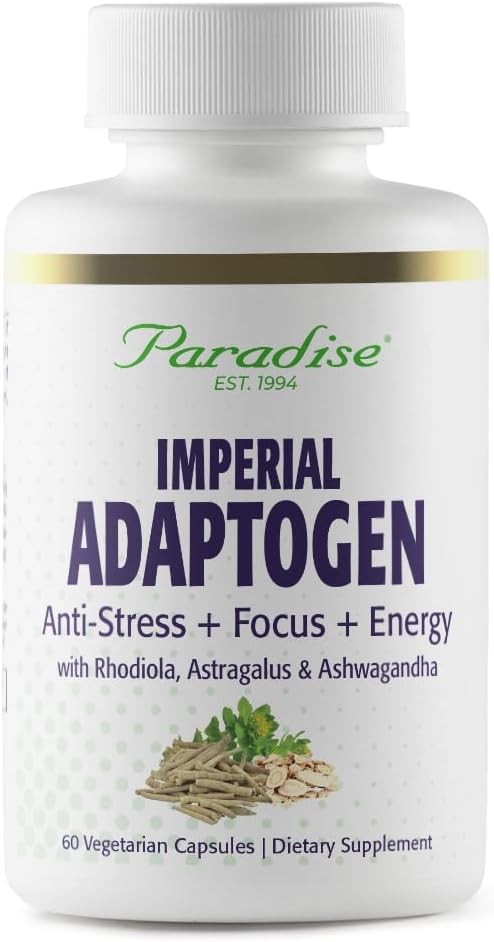
Paradise Herbs Imperial Adaptogens with Ashwagandha, Astragalus, and Rhodiola
Check Price on AmazonAs an Amazon Associate we earn from qualifying purchases.

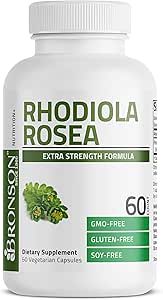
Bronson Rhodiola Rosea Vegetarian Capsules
Check Price on AmazonAs an Amazon Associate we earn from qualifying purchases.

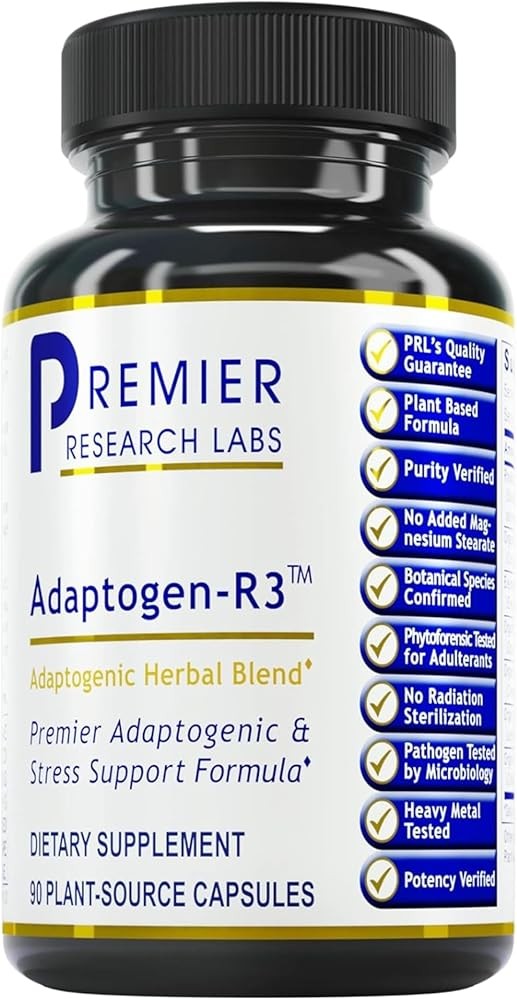
Premier Research Labs Adaptogen-R3 Supplement
Check Price on AmazonAs an Amazon Associate we earn from qualifying purchases.
Based on standardization, third-party testing, and clinical research alignment, these products represent high-quality rhodiola options:
Paradise Herbs Imperial Adaptogens
Combines rhodiola rosea with ashwagandha and astragalus in a synergistic adaptogenic blend. The formula provides comprehensive HPA axis support through multiple complementary mechanisms, balancing rhodiola’s energizing effects with ashwagandha’s calming properties. Paradise Herbs uses eco-friendly extraction methods and third-party testing to ensure purity and potency of all botanical ingredients.
Bronson Rhodiola Rosea Vegetarian Capsules
Standardized to 3% rosavins and 1% salidroside, providing 500mg of pure rhodiola extract per capsule. This formulation matches the specifications used in clinical trials demonstrating stress resilience and mental performance benefits. Bronson provides affordable access to research-grade rhodiola without compromising on standardization or third-party testing.
Premier Research Labs Adaptogen-R3
Features a higher potency rhodiola formula combined with maca root and other adaptogens specifically designed for physical performance enhancement. This targeted blend supports ATP production, oxygen utilization, and exercise recovery through complementary mechanisms. The formula emphasizes physical endurance and athletic performance applications.
Zeal Naturals Adaptogenic Ashwagandha Complex
Combines 2005mg total of organic ashwagandha root powder with rhodiola rosea and other complementary adaptogens. This ashwagandha-focused formula provides balanced stress support, with rhodiola adding energizing properties to ashwagandha’s calming effects. The blend particularly benefits those dealing with both fatigue and anxiety symptoms.
Combination Adaptogen Formulas
For those interested in stacking adaptogens for synergistic effects, these combination products provide properly dosed extracts:
Combines rhodiola, ashwagandha, and holy basil in therapeutic doses. Designed for comprehensive HPA axis support during chronic stress.
Blends rhodiola, eleuthero, and cordyceps with organic coffee for enhanced morning energy without coffee jitters. Convenient for those already drinking morning coffee.
While focused on holy basil (tulsi), includes ashwagandha for a calming adaptogen blend. Useful for evening relaxation when rhodiola might be too activating.
Comprehensive nutritional powder including rhodiola, ashwagandha, and eleuthero alongside 75+ other ingredients. Convenient but expensive all-in-one approach.
Safety, Side Effects, and Drug Interactions
Rhodiola rosea demonstrates excellent safety in clinical trials, with most participants tolerating it well even at higher doses. However, several important considerations and potential interactions require attention.
Common Side Effects and Their Management
The most frequently reported side effects in clinical trials include:
Activation or restlessness: Some individuals, particularly those sensitive to stimulating substances, may experience excessive activation, restlessness, or difficulty relaxing. This typically occurs with higher doses or when taken too late in the day.
Management: Reduce dose to 200mg, take only in morning, or discontinue if symptoms persist. Consider switching to more calming adaptogens like ashwagandha.
Sleep disturbance: Though not common, some users report difficulty falling asleep when taking rhodiola, especially with afternoon or evening doses or higher total daily doses.
Management: Take only in morning, reduce dose, or discontinue evening dose if splitting twice daily. If insomnia persists, rhodiola may not be appropriate for you.
Jitteriness: A small percentage of users report caffeine-like jitteriness, though this is less common than with actual stimulants.
Management: Reduce dose, ensure adequate food intake (taking on empty stomach may intensify effects), consider eliminating or reducing caffeine while using rhodiola.
Dry mouth: Occasional reports of dry mouth appear in clinical trials and user reports.
Management: Increase water intake, consider dose reduction. Usually resolves with continued use.
Mild nausea or gastrointestinal upset: Infrequent but possible, particularly on empty stomach.
Management: Take with food, reduce dose temporarily, ensure adequate hydration.
Dizziness: Rarely reported, possibly related to blood pressure effects.
Management: Monitor blood pressure if this occurs, consider dose reduction, discontinue if persistent.
Most side effects are mild, dose-dependent, and resolve with dose adjustment or discontinuation. Severe adverse reactions are exceptionally rare in clinical literature.
Bottom line: Most rhodiola users tolerate it well with minimal side effects, but activation, restlessness, or sleep disturbance may occur in sensitive individuals—these effects are typically manageable through dose reduction or timing adjustments.
Contraindications and Cautions
Psychiatric medications: This is the most critical safety concern. Rhodiola has monoamine oxidase inhibitory activity and affects neurotransmitter systems. It should NOT be combined with:
- SSRIs (selective serotonin reuptake inhibitors) - risk of serotonin syndrome
- SNRIs (serotonin-norepinephrine reuptake inhibitors) - risk of serotonin syndrome
- MAOIs (monoamine oxidase inhibitors) - dangerous interaction
- Tricyclic antidepressants - potential interaction
- Other serotonergic or dopaminergic medications
The risk of serotonin syndrome—a potentially life-threatening condition involving excessive serotonin activity—requires strict avoidance of this combination. Symptoms include agitation, confusion, rapid heart rate, high blood pressure, dilated pupils, muscle rigidity, and in severe cases, seizures and death.
Bipolar disorder: Rhodiola’s activating effects may trigger manic or hypomanic episodes in individuals with bipolar disorder, particularly bipolar I. Use only under medical supervision in this population.
Blood pressure concerns: Rhodiola may affect blood pressure, generally producing modest reductions. However, effects vary:
- Those with high blood pressure should monitor closely when starting rhodiola
- Those taking antihypertensive medications may experience additive effects requiring medication adjustment
- Those with very low blood pressure should use cautiously
Blood sugar effects: Rhodiola may improve insulin sensitivity and reduce blood glucose. Diabetics and those taking diabetes medications should monitor blood sugar closely and work with their healthcare provider to adjust medications as needed to avoid hypoglycemia.
Surgery: Discontinue rhodiola at least two weeks before scheduled surgery due to:
- Potential effects on blood pressure during anesthesia
- Possible interactions with anesthetic drugs
- Theoretical concerns about bleeding (though not well-documented)
Autoimmune conditions: While not clearly contraindicated, rhodiola’s immune-modulating effects warrant caution in autoimmune diseases. Some adaptogens can stimulate immune function, potentially exacerbating autoimmune activity. Consult a physician familiar with both your condition and herbal medicine.
Pregnancy and breastfeeding: No adequate safety data exists for rhodiola use during pregnancy or lactation. Given the absence of evidence for safety, avoidance is recommended until research addresses this question.
Drug Interactions
Beyond psychiatric medications, rhodiola shows or potentially shows interactions with:
CYP2C9 substrates: Rhodiola inhibits the CYP2C9 liver enzyme responsible for metabolizing numerous drugs. This inhibition can increase blood levels of these medications, potentially causing adverse effects:
- Warfarin (blood thinner) - increased bleeding risk
- Phenytoin (seizure medication) - increased toxicity risk
- Some NSAIDs (ibuprofen, naproxen) - increased GI side effects
- Sulfonylureas (diabetes drugs) - increased hypoglycemia risk
If taking any medication metabolized by CYP2C9, consult your physician before using rhodiola and monitor for increased drug effects.
CYP3A4 substrates: Some evidence suggests rhodiola may also affect CYP3A4, another major drug-metabolizing enzyme. This interaction is less well-established but could theoretically affect numerous medications including:
- Statins (cholesterol medications)
- Immunosuppressants (cyclosporine, tacrolimus)
- Some calcium channel blockers
- Many other commonly prescribed drugs
Diabetes medications: Given rhodiola’s effects on glucose metabolism and insulin sensitivity, additive effects with diabetes medications could produce hypoglycemia. Close monitoring and possible medication adjustment required.
Stimulants and caffeine: While not a dangerous interaction, combining rhodiola with stimulants may produce excessive activation, anxiety, or sleep disturbance. Start with lower rhodiola doses if consuming significant caffeine.
Other adaptogens and herbs: Generally compatible and often intentionally combined. However, combining multiple stimulating adaptogens (rhodiola + ginseng, for example) might produce overstimulation in sensitive individuals.
When to Consult Healthcare Providers
Given these safety considerations, consult a physician or qualified healthcare provider before using rhodiola if you:
- Take any prescription medications (especially psychiatric medications)
- Have any chronic medical conditions (especially mental health conditions, cardiovascular disease, diabetes, autoimmune diseases)
- Are pregnant, breastfeeding, or planning pregnancy
- Have scheduled surgery within the next few weeks
- Experience adverse reactions after starting rhodiola
- Are under 18 or over 65 (less safety data in these populations)
While rhodiola has excellent safety in generally healthy adults, the potential for serious interactions with certain medications and conditions makes medical consultation prudent for many individuals.
Safety profile: Rhodiola demonstrates excellent safety with mild, dose-dependent side effects (activation, sleep disturbance, jitteriness in sensitive individuals), but critical contraindications exist for psychiatric medications (risk of serotonin syndrome), bipolar disorder (risk of mania), and pregnancy/breastfeeding (insufficient safety data)—it also interacts with CYP2C9 substrates (warfarin, phenytoin) and may affect blood sugar and blood pressure.
How Can You Tell If Rhodiola Is Working for You?
Understanding whether rhodiola is producing benefits for you requires attention to both objective and subjective markers. Unlike stimulants that produce immediate, obvious effects, rhodiola’s adaptogenic benefits emerge more subtly over days to weeks.
Week-by-Week Timeline of Effects
Days 1-3: Subtle or minimal changes
Most people notice little in the first few days. Rhodiola isn’t a fast-acting stimulant. Some particularly sensitive individuals report mild increased energy or improved mood, but these early effects are variable and may represent placebo response.
What to monitor: Initial tolerability. If you experience significant activation, jitteriness, or sleep disturbance immediately, you’re likely sensitive to rhodiola’s effects and should reduce dose.
Days 4-7: Emerging stress resilience
By the end of the first week, many users report their first noticeable changes. The most common early effect is improved stress response—situations that typically trigger significant stress reactivity feel more manageable. You might notice you’re less emotionally reactive to stressors, recovering faster from stressful situations, or maintaining better mood despite challenging circumstances.
What to monitor: How you handle typical stressors. Do work deadlines feel slightly less overwhelming? Does traffic or interpersonal conflict trigger less frustration? These subtle shifts indicate early HPA axis modulation.
Weeks 2-3: Improved energy and mental clarity
Physical and mental energy improvements typically emerge in weeks two and three. You might notice:
- More consistent energy throughout the day (fewer crashes)
- Less mental fog, especially in afternoon hours
- Improved focus during cognitively demanding tasks
- Reduced sense of effort required to maintain concentration
- Better motivation to tackle challenging tasks
- Improved mood and reduced emotional flatness
For physically active individuals, training might feel less effortful, recovery between sessions might improve, and overall exercise tolerance may increase.
What to monitor: Track subjective energy levels at specific times (morning, early afternoon, late afternoon, evening). Note whether the typical afternoon energy crash diminishes. Pay attention to how effortful mental tasks feel—improved mental energy often manifests as reduced subjective effort rather than dramatically enhanced capability.
Weeks 4-6: Consolidated benefits and HPA axis normalization
By week four to six, rhodiola’s full adaptogenic effects typically manifest. Clinical trials often assess outcomes at four weeks because this timeframe allows HPA axis function to normalize. At this point, you might experience:
- Consistently improved stress resilience
- Normalized sleep patterns (assuming stress was disrupting sleep)
- Stable, sustained energy without major fluctuations
- Improved mental performance on complex tasks
- Enhanced physical performance and exercise capacity
- Better mood and reduced anxiety
- Improved recovery from physical and mental exertion
What to monitor: Compare your current state to your baseline before starting rhodiola. Are you handling workload better? Recovering faster from stressful events? Maintaining more consistent mood? These sustained improvements indicate successful adaptation.
Beyond 6 weeks: Sustained benefits or plateau
For most people, benefits plateau after 4-8 weeks—not because rhodiola stops working, but because you’ve achieved a new, healthier baseline of HPA axis function and stress resilience. Continued supplementation maintains these benefits.
Some individuals find benefits continue gradually improving for several months, particularly those recovering from significant burnout or chronic stress syndrome where HPA axis dysfunction was severe.
Specific Markers Indicating Positive Response
Stress resilience markers:
- Less emotional reactivity to stressors
- Faster return to baseline after stressful events
- Reduced rumination and worry
- Improved ability to let go of stress at end of workday
- Better stress-related sleep (falling asleep despite stress, less middle-of-night waking)
Mental energy markers:
- Reduced mental fog and cognitive sluggishness
- Improved sustained attention and focus
- Less procrastination and better task initiation
- Reduced errors during demanding cognitive work
- Better working memory (holding information while manipulating it)
- Improved mental clarity during typically foggy times (afternoon slump)
Physical energy markers:
- More consistent energy throughout day
- Reduced physical fatigue during training or physical work
- Improved exercise tolerance and endurance
- Faster recovery between exercise sessions
- Reduced delayed onset muscle soreness
- Better morning energy and easier waking
Mood markers:
- Reduced anhedonia (improved ability to experience pleasure)
- Better motivation and initiative
- Reduced anxiety and worry
- More stable mood without significant swings
- Improved sense of wellbeing and life satisfaction
Sleep markers (when stress is affecting sleep):
- Easier sleep initiation
- Reduced middle-of-night waking
- More restorative sleep quality
- Easier morning waking with better energy
Signs Rhodiola Isn’t Working or Isn’t Right for You
Not everyone responds well to rhodiola. Several patterns suggest it may not be appropriate:
Persistent overstimulation: If you continue experiencing jitteriness, anxiety, restlessness, or hyperactivation despite dose reduction and timing adjustments, rhodiola may be too activating for your physiology. Consider more calming adaptogens like ashwagandha instead.
Worsened sleep: If sleep disturbance persists despite taking rhodiola only in early morning, it may be disrupting your sleep architecture. Some people are particularly sensitive to rhodiola’s energizing effects.
No noticeable improvements after 6-8 weeks: If you notice no changes in stress resilience, energy, mental performance, or other markers after two months of consistent use at appropriate doses, rhodiola may simply not work well for you. Herb response is highly individual—some people don’t respond to particular adaptogens.
Worsening of symptoms: In rare cases, people report increased fatigue, worsened mood, or other negative effects. While uncommon, this pattern indicates rhodiola isn’t suitable for you.
Triggering mood instability: If you have mood disorders (especially bipolar disorder) and notice increased mood swings, irritability, or activation, discontinue rhodiola and consult your healthcare provider.
If rhodiola doesn’t work well for you, this doesn’t mean adaptogens in general won’t help—individual response varies significantly between different adaptogenic herbs. Ashwagandha, holy basil, schisandra, or eleuthero might work better for your particular physiology and stress pattern.
Bottom line: Not everyone responds to rhodiola—signs it may not be right for you include persistent overstimulation despite dose adjustment, worsened sleep, no improvements after 6-8 weeks, or triggering mood instability, in which case alternative adaptogens like ashwagandha or holy basil may be more appropriate.
Timeline expectations: Rhodiola’s effects emerge gradually over 1-6 weeks, with initial stress resilience improvements by day 4-7, energy and mental clarity by weeks 2-3, and full HPA axis normalization by weeks 4-6—key markers of positive response include reduced emotional reactivity to stress, improved mental clarity, sustained energy without crashes, better mood and motivation, and normalized sleep patterns.
Optimizing Your Rhodiola Protocol Based on Response
Once you establish that rhodiola works for you, fine-tune your protocol based on response:
If effects are good but could be stronger: Try gradually increasing dose in 100mg increments up to 600mg daily, monitoring for overstimulation or sleep effects.
If effects are good but you experience mild sleep interference: Move dose earlier (first thing upon waking), reduce dose slightly, or eliminate any afternoon dose if splitting intake.
If effects are good but fade throughout the day: Try splitting dose (e.g., 300mg morning, 200mg early afternoon) rather than single dose.
If effects are good but you want additional benefits: Consider strategic adaptogen combinations—adding ashwagandha for additional stress reduction and sleep support, or cordyceps for enhanced physical performance.
If effects are good and consistent: Continue current protocol. Periodically (every 3-6 months) consider taking a week off to reassess whether you still need supplementation—many people find they’ve addressed the underlying stress issue and can discontinue or reduce frequency.
Practical Application: Creating Your Rhodiola Protocol
With understanding of rhodiola’s mechanisms, clinical evidence, and individual response patterns, you can design an effective, personalized protocol.
Step 1: Assess Your Stress and Fatigue Profile
Before starting rhodiola, honestly assess your current state:
Physical demands and fatigue: Are you training intensively? Working physically demanding jobs? Experiencing muscle fatigue beyond what seems appropriate for your activity level?
Mental demands and cognitive fatigue: Does your work involve sustained concentration? Multiple simultaneous demands? High-stakes decision making? Do you experience mental fog, concentration difficulties, or cognitive slowness?
Stress levels and type: Is stress chronic and ongoing, or acute and intermittent? Is it primarily psychological (work pressure, relationship conflict) or physical (training load, sleep deprivation)? Do you feel anxious and wired, or exhausted and depleted?
Current stress response: How do you currently handle stress? Quick recovery or prolonged reactivity? Anxiety and rumination or emotional flatness? Sleep disruption or excessive sleeping?
This assessment helps determine whether rhodiola is appropriate and guides dosing decisions. Severe, persistent fatigue with additional symptoms may indicate medical conditions requiring professional evaluation rather than supplements.
Step 2: Select Quality Rhodiola Product
Based on the standardization and quality discussion:
- Choose extract standardized to 3% rosavins and 1% salidroside
- Select reputable brand with third-party testing
- Determine appropriate dose range for your needs (200-300mg for mild stress, 400-600mg for significant fatigue or burnout)
- Decide on single vs. combination product (single herb first to assess individual response)
Step 3: Start Conservatively and Titrate
Week 1-2: Start with lower dose (200mg) taken in morning to assess tolerability. Monitor for:
- Initial activation or jitteriness
- Sleep effects
- Mood changes
- Energy changes
- Any adverse reactions
If you tolerate this dose well and notice subtle benefits, continue for two weeks before increasing.
Week 3-4: If benefits are present but modest, increase to 400mg daily (either single morning dose or split 200mg morning, 200mg early afternoon). Monitor same markers as week 1-2.
Week 5-6: If needed and well-tolerated, increase to 600mg daily (either single dose or 300mg twice daily). Most people find their optimal dose in the 300-600mg range.
Ongoing: Continue at effective dose. Reassess every few months—you may find you can reduce dose or take periodic breaks once HPA axis function normalizes.
Step 4: Optimize Timing
For general stress resilience and energy: Single morning dose (upon waking or with breakfast).
For sustained energy throughout workday: Split dose (morning upon waking, early afternoon around 1-2 PM).
For athletic performance: Either daily supplementation throughout training period, or acute dose 30-60 minutes pre-exercise.
For burnout recovery: Consistent daily dosing (typically 400-600mg) for at least 4-8 weeks without breaks.
Avoid taking rhodiola within 6-8 hours of bedtime to minimize sleep interference risk, though individual sensitivity varies.
Step 5: Support with Foundational Health Practices
Rhodiola enhances stress resilience but doesn’t replace healthy stress management fundamentals:
Prioritize sleep: Aim for 7-9 hours nightly. Rhodiola improves sleep quality when stress is the disruptive factor, but can’t compensate for chronic insufficient sleep. Consider magnesium supplements for sleep support if stress is affecting your rest.
Manage caffeine: Excessive caffeine exacerbates HPA axis dysfunction. If using rhodiola for stress and fatigue, consider reducing caffeine intake to moderate levels (1-2 cups coffee equivalent daily) or eliminating entirely during initial adaptation period.
Maintain regular eating: Erratic eating patterns and blood sugar instability stress the HPA axis. Eat regular, balanced meals with adequate protein to support neurotransmitter synthesis and stable energy.
Exercise appropriately: Exercise is a stressor—beneficial in appropriate doses, counterproductive in excess. If you’re experiencing burnout or HPA axis dysfunction, temporarily reduce exercise intensity until recovery is established. Rhodiola can support this recovery but works best when combined with reduced stress load.
Practice active stress management: Rhodiola improves stress resilience but doesn’t eliminate stressors. Complement supplementation with stress management techniques—mindfulness, breathwork, time in nature, social connection, therapy if needed.
Address underlying causes: If chronic work stress, relationship problems, financial pressure, or other persistent stressors are depleting you, rhodiola provides support during problem-solving but isn’t a permanent solution. Work toward addressing root causes.
Step 6: Track and Adjust
Maintain simple tracking of key metrics:
Subjective markers: Daily ratings (1-10 scale) of:
- Energy level (morning, afternoon, evening)
- Stress resilience (how well you handled stressors)
- Mental clarity and focus
- Mood and emotional state
- Sleep quality
Objective markers (if relevant to your goals):
- Exercise performance metrics (endurance, strength, perceived exertion)
- Cognitive task performance
- Resting heart rate (chronic stress elevates it)
- Sleep duration and continuity (from wearable or app)
Review weekly. After 4-6 weeks, compare current state to baseline before rhodiola. Clear improvements indicate successful protocol. Minimal changes suggest need for dose adjustment, timing changes, or consideration of different interventions.
Step 7: Periodic Reassessment
Every 3-6 months, consider taking a one-week break from rhodiola to reassess:
During break week, monitor:
- Do stress symptoms return?
- Does energy decline?
- Does mental performance decrease?
If symptoms return: You’re still benefiting from rhodiola. Resume supplementation.
If you feel fine without it: You may have normalized HPA axis function and addressed the underlying stress issue. Consider reducing frequency (5 days on, 2 days off) or taking extended break, resuming only if stress symptoms recur.
This approach avoids unnecessary long-term supplementation while ensuring support when actually needed.
Implementation strategy: An effective rhodiola protocol requires assessing your stress/fatigue profile, selecting quality standardized extracts (3% rosavins, 1% salidroside), starting conservatively at 200mg and titrating to 400-600mg based on response, timing doses in morning or early afternoon, supporting with foundational health practices (sleep, nutrition, stress management), and tracking response through subjective markers with periodic reassessment every 3-6 months.
Who Should Consider Rhodiola
Based on clinical evidence and mechanisms, rhodiola is particularly appropriate for:
Athletes and Active Individuals
Rhodiola’s effects on physical performance, oxygen utilization, ATP production, and exercise recovery make it valuable for:
- Endurance athletes (runners, cyclists, triathletes, swimmers)
- Strength athletes during intensive training blocks
- Team sport athletes managing high training volume plus competitions
- Military personnel and first responders with high physical demands
- Anyone combining intense physical activity with other life stressors
The performance benefits appear most significant when training load is high or when other stressors (work, inadequate sleep, mental stress) compound physical stress.
Knowledge Workers and Students
Rhodiola’s cognitive benefits—improved mental clarity, sustained attention, reduced mental fatigue—benefit:
- Professionals in cognitively demanding fields (medicine, law, finance, software engineering, research)
- Students during academically stressful periods (exams, thesis writing, demanding courses)
- Anyone whose work requires sustained focus and cognitive flexibility
- People managing multiple projects simultaneously
- Those experiencing afternoon mental slumps despite adequate sleep
The mental performance benefits are particularly noticeable when cognitive demands are high and sustained rather than sporadic.
High-Stress Professionals
Individuals in chronically stressful occupations may benefit from rhodiola’s stress resilience effects:
- Healthcare workers (physicians, nurses, paramedics)
- Emergency responders (police, fire, EMT)
- Military personnel
- High-stakes decision makers (executives, managers, traders)
- Anyone in deadline-driven industries
- Customer service and public-facing roles with emotional labor demands
Rhodiola doesn’t eliminate stress but improves capacity to maintain performance and wellbeing despite chronic stress exposure.
Individuals Recovering from Burnout
Burnout—characterized by emotional exhaustion, depersonalization, and reduced personal accomplishment—often involves HPA axis dysfunction. Rhodiola helps restore normal HPA axis function:
- Normalizing cortisol patterns
- Restoring neurotransmitter balance
- Improving energy capacity
- Enhancing stress resilience to reduce risk of recurrence
Burnout recovery requires addressing root causes (workload reduction, boundary setting, lifestyle changes), but rhodiola supports the physiological restoration process.
People with Seasonal Mood Changes
Some evidence suggests rhodiola may benefit individuals experiencing seasonal affective disorder (SAD) or seasonal mood/energy changes, possibly through:
- Supporting serotonin and dopamine during low-light periods
- Enhancing overall energy and motivation
- Improving stress resilience during challenging seasons
This application requires more research but shows promise based on rhodiola’s antidepressant and mood-supporting effects.
Who Should Avoid or Use Rhodiola Cautiously
Rhodiola is not appropriate for everyone:
Avoid entirely:
- People taking psychiatric medications (SSRIs, SNRIs, MAOIs, tricyclic antidepressants)
- Individuals with bipolar disorder (unless under close medical supervision)
- Pregnant or breastfeeding women (insufficient safety data)
- Children and adolescents (insufficient safety data)
Use only with medical supervision:
- People taking any prescription medications
- Those with cardiovascular disease
- Individuals with diabetes or blood sugar regulation issues
- Anyone with autoimmune conditions
- Those with severe mental health conditions
Consider alternatives:
- People who find rhodiola overstimulating (try ashwagandha instead)
- Those primarily needing help with sleep and anxiety (try ashwagandha or holy basil instead)
- Individuals with very low blood pressure (rhodiola may lower it further)
Who benefits most: Rhodiola is particularly appropriate for athletes and active individuals (endurance, strength, recovery), knowledge workers and students (mental clarity, sustained attention), high-stress professionals (stress resilience), individuals recovering from burnout (HPA axis restoration), and those with seasonal mood changes—but should be avoided entirely by those taking psychiatric medications, individuals with bipolar disorder, and pregnant/breastfeeding women.
Related Reading
- Ashwagandha for Stress, Cortisol, and Anxiety: Clinical Evidence and Dosing
- Adrenal Fatigue Supplements: What the Science Says About This Controversial Condition
- Apigenin for Sleep and Anxiety: Chamomile’s Active Compound
- Best Ashwagandha Gummies for Stress and Anxiety
- Best Magnesium Supplements for Sleep and Anxiety: Which Form Is Right for You?
Conclusion: Rhodiola as a Tool for Stress Resilience and Performance
Rhodiola rosea represents one of the most thoroughly researched and clinically validated adaptogens available. Its dual action on stress resilience and performance enhancement—physical and mental—makes it uniquely valuable for modern life’s demands.
Unlike stimulants that force activation at the cost of eventual exhaustion, rhodiola works with your body’s natural stress response systems. By modulating the HPA axis, supporting neurotransmitter function, enhancing mitochondrial energy production, and protecting against stress-induced damage, rhodiola helps restore and optimize your capacity to handle stress while maintaining performance.
The evidence is clear: properly standardized rhodiola extracts, used at appropriate doses (200-600mg daily), significantly improve stress resilience, reduce mental and physical fatigue, enhance cognitive performance, and support physical endurance. These benefits emerge within days to weeks and are maintained with continued use.
However, rhodiola is a tool, not a solution. It works best as part of a comprehensive approach to stress and performance that includes:
- Adequate sleep (7-9 hours nightly)
- Appropriate exercise (challenging but not excessive)
- Stress management practices
- Addressing root causes of chronic stress
- Proper nutrition supporting stress response systems
- Social support and connection
For athletes pushing training limits, professionals managing intense cognitive demands, students navigating academic stress, or anyone recovering from burnout, rhodiola offers scientifically supported benefits that are noticeable, meaningful, and sustained.
Choose quality extracts standardized to 3% rosavins and 1% salidroside. Start conservatively at 200mg daily, titrate based on response up to 600mg if needed. Take in morning or early afternoon to minimize sleep interference. Give it 4-6 weeks to produce full benefits. Monitor your response through both subjective experience and objective performance markers.
If you’re dealing with chronic stress, persistent fatigue despite adequate sleep, demanding training or cognitive loads, or recovering from burnout, rhodiola deserves serious consideration. The clinical evidence, safety profile, and thousands of years of traditional use all support its place in a modern stress resilience and performance protocol.
Your stress response is trainable. Rhodiola helps train it toward greater resilience, endurance, and sustained high performance—exactly what modern life demands.
Recommended Products