Sea Moss Benefits: What the Research Actually Shows (Plus Side Effects and Best Forms)
Summarized from peer-reviewed research indexed in PubMed. See citations below.
Sea moss supplements have exploded in popularity, with claims about providing 92 minerals and supporting thyroid function, but most of these claims lack human clinical trial support. The Atlantic Naturals Organic Irish Sea Moss Capsules (wildcrafted Chondrus crispus, third-party tested for heavy metals, $25 for 120 capsules) stand out for their species specificity and safety testing. Research shows sea moss genuinely provides meaningful amounts of iodine (3.86 mg/kg dry weight), calcium, magnesium, and polysaccharides with prebiotic properties, though excessive iodine intake poses thyroid dysfunction risks documented in published case reports (Farebrother et al., 2021). For budget-conscious buyers, the MAJU 4-in-1 Organic Sea Moss Capsules ($20, 120 capsules) combine wildcrafted sea moss with bladderwrack and burdock root for comprehensive mineral support. Here’s what the published research shows about sea moss benefits, safety concerns, and which forms actually work.
Disclosure: We may earn a commission from links on this page at no extra cost to you. Affiliate relationships never influence our ratings. Full policy →
What Is Sea Moss? Species, Types, and Why It Matters
The Botany
Sea moss is not a single species — it is a colloquial term applied to several genera of red macroalgae (Rhodophyta). The two most commercially relevant are:
-
Chondrus crispus (true Irish moss): A cold-water red alga native to the rocky Atlantic coasts of North America and Europe. It grows only on rocks in cold, nutrient-rich waters and cannot be cultivated in artificial pools. It has a thick, bushy, fan-like structure and ranges in color from golden to dark purple.
-
Genus Gracilaria (tropical sea moss): A warm-water red alga found throughout the Caribbean, Southeast Asia, and tropical Atlantic regions. It has a thinner, finger-like branching structure, grows year-round, and can be cultivated on ropes or in artificial pools.
This distinction is not academic. The species you buy dramatically affects what you are actually consuming. Chondrus crispus has a denser nutritional profile and higher concentrations of certain bioactive compounds. Gracilaria is easier and cheaper to farm, which is why it dominates the mass-market supplement industry — often sold under the generic label “sea moss” without specifying the species.
Wildcrafted vs. Pool-Grown
A second critical distinction is how the sea moss was harvested:
-
Wildcrafted sea moss is hand-harvested from its natural ocean habitat. It develops its mineral profile by absorbing elements from the surrounding seawater over its full growth cycle.
-
Pool-grown sea moss is cultivated in artificial freshwater or saltwater tanks. Because it is not exposed to the natural ocean mineral environment, its nutrient density tends to be lower. Pool-grown sea moss also typically appears more uniform — thin, straight strands resembling spaghetti — compared to the irregular, tangled mesh of ocean-grown varieties.
Bottom line: Chondrus crispus contains 3.86 mg/kg iodine on average (exceeding daily limits with just 4 grams), while pool-grown Gracilaria delivers 30-50% less mineral density (Andersen et al., 2019). Wildcrafted products cost $0.20-0.25 per capsule versus $0.15-0.17 for pool-grown varieties, but only wildcrafted species provide the full polysaccharide and mineral profile documented in research.
| Feature | Chondrus crispus (Irish Moss) | Gracilaria (Tropical Sea Moss) |
|---|---|---|
| Growing Environment | Cold North Atlantic waters on rocks | Warm tropical/Caribbean waters, pools |
| Cultivation | Wildcrafted only, cannot be pool-grown | Can be rope/pool-cultivated |
| Texture | Thick, bushy, fan-like | Thin, finger-like strands |
| Mineral Density | Higher (ocean mineral exposure) | Lower (especially pool-grown) |
| Iodine Content | 3.86 mg/kg dry weight average | Variable, often lower |
| Carrageenan Type | Kappa and lambda carrageenan | Mixed carrageenan types |
| Price | More expensive ($25-30/120 caps) | Less expensive ($15-20/120 caps) |
| Third-Party Testing | More commonly tested | Less commonly tested |
| Best For | Those wanting highest nutrient density | Budget-conscious buyers |
What Does Sea Moss Actually Contain? The Real Nutritional Profile
Macronutrients
According to USDA data and published compositional analyses, raw Irish moss per 100 grams contains approximately:
- Calories: 49
- Carbohydrates: 12.3 g (primarily carrageenan and other polysaccharides)
- Protein: 1.5 g (up to 10-27% of dry weight depending on the analysis)
- Fat: 0.2 g
- Fiber: 1.3 g (soluble fiber from carrageenan)
- Water: 81.3 g
The carbohydrate fraction is dominated by carrageenan, a sulfated polysaccharide that constitutes 55-75% of the dry weight of Chondrus crispus. This is the compound responsible for most of the biological activity attributed to sea moss.
Minerals
This is where sea moss genuinely shines — and where the marketing gets out of control.
A 2024 compositional analysis of Chondrus crispus reported the following mineral content per 100g dry weight (Lomartire et al., 2024):
| Mineral | Amount per 100g (dry weight) | % Daily Value (approximate) |
|---|---|---|
| Potassium | 3,184 mg | 68% |
| Calcium | 1,120 mg | 86% |
| Sodium | 4,270 mg | 186% |
| Magnesium | 732 mg | 174% |
| Iron | 8.9 mg | 49% |
| Zinc | 1.95 mg | 18% |
| Iodine | 24.5 mg (24,500 mcg) | 16,333% |
| Manganese | 0.37 mg | 16% |
| Selenium | 0.7 mcg | 1% |
Several things stand out:
-
The iodine content is extraordinarily high — potentially thousands of times the recommended daily intake per 100g of dry weight. This is the primary safety concern with sea moss and the reason dosing matters enormously.
-
Potassium, calcium, and magnesium are present in genuinely significant amounts. If you are deficient in these minerals, sea moss could theoretically help — though the tiny serving sizes used in supplements (1-4 grams) deliver a fraction of these values. For a broader look at electrolyte balance, see our electrolyte supplement guide.
-
The “92 minerals” claim is misleading. While sea moss may contain trace amounts of many elements (including toxic ones like lead and arsenic), only about 10-15 are present in nutritionally meaningful quantities. The number 92 has no basis in any published peer-reviewed study. A 2024 fact-check traced the claim to social media repetition, not scientific literature.
Bottom line: A 4-gram serving of dried sea moss provides approximately 15 mcg iodine (10% DV), 13 mg calcium (1% DV), and 3 mg magnesium (1% DV) — far less than the per-100g values suggest (Lomartire et al., 2024). For comparison, 1 cup of dairy milk provides 300 mg calcium (23% DV), showing that sea moss is not a replacement for traditional mineral sources despite its high per-weight values.
Vitamins
Sea moss contains modest amounts of several vitamins per 100g of raw product:
- Vitamin A: 118 IU
- Vitamin C: 3 mg
- Vitamin B2 (Riboflavin): 0.47 mg (36% DV)
- Vitamin B3 (Niacin): 0.59 mg
- Vitamin B9 (Folate): 182 mcg (45% DV)
- Vitamin E: 0.87 mg
- Vitamin K: 5 mcg
The folate and riboflavin content is noteworthy. However, these values are per 100g of raw sea moss — supplement doses (1-4 grams) provide only a tiny fraction.
Bioactive Compounds
Beyond basic nutrition, Chondrus crispus contains several biologically active compounds:
- Carrageenan (kappa, iota, and lambda types): Sulfated polysaccharides with documented antiviral, anticoagulant, and immunomodulatory properties
- Mycosporine-like amino acids (MAAs): UV-protective compounds with antioxidant activity
- Phenolic compounds: Including catechin (2.335 mcg/mL), p-coumaric acid, and gallic acid
- Polyunsaturated fatty acids: Including eicosapentaenoic acid (EPA) and arachidonic acid
- Galactolipids: At least eight different types identified
The antioxidant capacity of Chondrus crispus extracts measured 182.4 mg Trolox equivalents per gram of dry weight in ABTS assays — comparable to vitamin C standards (Lomartire et al., 2024).
What Sea Moss Benefits Does Science Actually Support?
Let us be upfront: the human clinical evidence for sea moss is extremely limited. To date, only two small randomized controlled trials have specifically examined Chondrus crispus in humans, each enrolling fewer than 60 adults for less than 12 weeks. Most of what we know comes from in vitro (test tube), animal, and compositional studies.
We will grade each benefit claim by the strength of its evidence.
1. Thyroid Support via Iodine (Evidence: Moderate — But Double-Edged)
The mechanism: Your thyroid gland requires iodine to produce thyroid hormones (T3 and T4), which regulate metabolism, energy production, growth, and development. Sea moss is one of the richest natural sources of iodine, with Chondrus crispus containing approximately 3.86 mg/kg dry weight on average, though values vary considerably by batch and growing conditions. Research examining Irish and Atlantic seaweed species found that Chondrus crispus delivers significant iodine levels that can meet or exceed daily requirements with minimal consumption (Aquaron et al., 2002).
What the research shows: Research examining Irish and Atlantic seaweed species found that Chondrus crispus delivers significant iodine levels that can meet or exceed daily requirements with minimal consumption (Aquaron et al., 2002). A 2021 review in Nutrients examined the relationship between seaweed iodine and thyroid function across multiple populations (Farebrother et al., 2021). Key findings include:
- Approximately 40% of algal iodine becomes bioaccessible during digestion
- A single 4-gram serving of dehydrated Irish moss can provide 25.7% of a child’s recommended daily iodine intake
- The WHO recommends 150 mcg of iodine daily for adults, with an upper tolerable limit of 1,100 mcg (EFSA sets a more conservative 600 mcg limit)
- Consuming as little as 45 grams of Chondrus crispus could deliver 2.1 mg (2,100 mcg) of iodine — nearly twice the upper tolerable limit
The double-edged sword: For people who are genuinely iodine-deficient (common in populations that do not consume iodized salt or seafood), sea moss could help normalize thyroid function. But for people with adequate iodine status — which includes most Americans — the excess iodine from regular sea moss consumption can actually cause thyroid problems.
Published case reports document both hypothyroidism and hyperthyroidism from seaweed overconsumption (Eliason, 2024). In one case, a previously healthy middle-aged man developed hypothyroidism after chronically consuming kelp for “health benefits.” In another, a 72-year-old woman developed hyperthyroidism from sea-kelp tablets, which resolved six months after stopping. A particularly concerning case described a 45-year-old woman with no prior thyroid disease who developed hyperthyroidism from a kelp-containing diet, which then progressed to overt hypothyroidism — a phenomenon called the Jod-Basedow effect (Di Matola et al., 2019).
Verdict: Sea moss is a legitimate iodine source, but this is a benefit only if you are actually iodine-deficient. For everyone else, it is a risk factor. Get your iodine status checked before supplementing.
2. Gut Health and Prebiotic Effects (Evidence: Promising but Preliminary)
The mechanism: The carrageenan and other polysaccharides in sea moss resist digestion in the small intestine and arrive intact in the colon, where gut bacteria ferment them into short-chain fatty acids (SCFAs) — particularly butyrate, propionate, and acetate. These SCFAs feed colonocytes, reduce intestinal inflammation, and support barrier integrity.
What the research shows: A 2015 study published in BMC Complementary and Alternative Medicine examined the prebiotic effects of Chondrus crispus supplementation in rats, comparing it to fructo-oligosaccharides (FOS), a well-established prebiotic (Liu et al., 2015). The sea moss group showed:
- Increased populations of Bifidobacterium and Lactobacillus species
- Enhanced SCFA production in the colon
- Improved immune markers and reduced inflammatory signaling
- Effects comparable to FOS supplementation
A 2021 review in Marine Drugs confirmed that seaweed polysaccharides, including those from red algae, function as prebiotics by selectively promoting beneficial gut bacteria while inhibiting pathogens (Cherry et al., 2021). A 2019 study on Gracilaria red algae oligosaccharides showed similar prebiotic effects, promoting Lactobacillus and Streptococcus growth (Zhang et al., 2019).
One of the small human trials on Chondrus crispus reported improved stool frequency, suggesting a meaningful effect on gut motility — though the study was too small to draw firm conclusions.
The catch: These are mostly animal and in vitro studies. The human evidence is extremely limited, and the carrageenan component has its own controversy (discussed below). If you are specifically looking for gut health support, we cover the best-studied options in our gut health supplements guide and our leaky gut supplement review.
Verdict: The prebiotic mechanism is biologically plausible and supported by animal data. But we cannot confidently say sea moss improves gut health in humans based on current evidence.
3. Antiviral Properties (Evidence: Strong In Vitro, No Human Trials for Oral Use)
The mechanism: Carrageenans from red algae block viral entry by binding to viral surface proteins, physically preventing viruses from attaching to host cell receptors. Different carrageenan types (kappa, iota, lambda) have different antiviral profiles.
What the research shows: This is actually one of the better-studied areas for Chondrus crispus compounds:
-
Enzymatic hydrolysates of C. crispus demonstrated significant activity against Herpes simplex virus type 1 (HSV-1), with EC50 values of 77.6-126.8 mcg/mL, without cytotoxicity (Bouhlal et al., 2011).
-
Lambda-carrageenan and iota-carrageenan have demonstrated anti-HIV activity in vitro, with the number of sulfate groups and molecular weight playing important roles in potency (Jang et al., 2021).
-
A randomized controlled trial of iota-carrageenan nasal spray (not oral supplementation) showed a 79.8% relative risk reduction against COVID-19 in healthcare workers — a striking result, though this used a concentrated pharmaceutical preparation applied directly to nasal mucosa, not an oral sea moss supplement (Figueroa et al., 2021).
-
Carrageenan has shown broad-spectrum antiviral activity against human papillomavirus (HPV), influenza, dengue, and rhinoviruses in laboratory settings (Gomaa & Elshoubaky, 2016).
The critical distinction: Almost all of this antiviral research uses purified carrageenan extracts applied directly to cells or mucous membranes. There is no evidence that eating sea moss gel or swallowing sea moss capsules produces systemic antiviral effects. Oral carrageenan would need to survive digestion, be absorbed into the bloodstream in sufficient quantities, and reach viral targets at effective concentrations — none of which has been demonstrated.
Verdict: Carrageenan is a genuinely promising antiviral compound, but the delivery method matters. Eating sea moss is not the same as applying purified carrageenan to cells in a lab.
4. Anti-Cancer Properties (Evidence: Preclinical Only)
The mechanism: Carrageenan fractions from Chondrus crispus have shown anti-proliferative effects on cancer cells through multiple mechanisms, including inducing apoptosis (programmed cell death) and inhibiting cell migration.
What the research shows: Laboratory studies report that carrageenan fractions inhibited multiple cancer cell lines — including ovarian, colon, lung, and cervical cancer cells — with 91-96% effectiveness at certain concentrations (Lomartire et al., 2024).
Reality check: Hundreds of substances kill cancer cells in a petri dish — including bleach, alcohol, and boiling water. The question is whether a substance can selectively target cancer cells inside a living human body without harming healthy tissue. No human cancer trials have been conducted with sea moss or carrageenan supplements.
Verdict: Interesting preliminary data, but light-years away from a clinical recommendation.
5. Skin Health (Evidence: Indirect and Theoretical)
The mechanism: Sea moss contains several nutrients associated with skin health: vitamin C (required for collagen synthesis), zinc (involved in wound healing and acne control), vitamin A (supports cell turnover), and sulfur-containing compounds. Its mycosporine-like amino acids (MAAs) have UV-protective properties. When applied topically, carrageenan acts as a hydrating agent due to its water-binding capacity.
What the research shows: No clinical trials have examined sea moss specifically for skin health. The evidence is entirely compositional — sea moss contains nutrients that are, individually, linked to skin health in other research contexts.
For a comprehensive review of evidence-backed skin supplements, see our skin health supplement guide. If you are interested in collagen specifically, our collagen research review covers what the trials actually show.
Verdict: The nutrients in sea moss are relevant to skin health, but there is no evidence that sea moss itself improves skin compared to getting those same nutrients from a balanced diet or targeted supplements.
6. Blood Sugar Regulation (Evidence: Very Limited)
The mechanism: Soluble fiber slows the absorption of glucose from the gut, potentially reducing post-meal blood sugar spikes. Additionally, seaweed polysaccharides may improve insulin sensitivity through SCFA-mediated mechanisms.
What the research shows: One of the two small human trials on sea moss reported modest reductions in fasting glucose levels, but the study was too small and too short to be conclusive. A separate trial of brown seaweed supplementation (5 g/day for 5 weeks) in type 2 diabetes patients found no significant effect on blood glucose (Kim et al., 2008).
A 2024 prospective cohort study found that habitual seaweed intake was associated with a lower risk of type 2 diabetes, but this was an observational association — it cannot prove that seaweed caused the reduced risk (Park et al., 2024).
Verdict: Plausible mechanism, but the clinical evidence is too weak to recommend sea moss for blood sugar management. If this is your goal, berberine and chromium have considerably stronger evidence.
7. Weight Management (Evidence: Theoretical Only)
The mechanism: Carrageenan is a hydrocolloid that absorbs water and expands in the stomach, potentially increasing satiety. One estimate suggests it slows gastric emptying by approximately 40%. The SCFA propionate, produced by fermentation of sea moss fibers, may trigger the release of GLP-1 and PYY — the same appetite-suppressing hormones targeted by drugs like Ozempic.
What the research shows: No human clinical trials have tested sea moss for weight loss. An animal study published in the Journal of Functional Foods (2021) found that seaweed-derived fibers reduced weight gain in mice on high-fat diets, but these results have not been replicated in humans.
For more on how GLP-1 and appetite hormones work, see our article on natural GLP-1 supplements.
Verdict: Sea moss is not a weight loss supplement. The mechanisms are plausible at a theoretical level, but no human data supports this claim.
8. Immune Support (Evidence: Indirect)
The mechanism: Sea moss contains zinc, selenium, vitamin C, and vitamin D — all nutrients with established roles in immune function. Its carrageenan may also have immunomodulatory effects by interacting with pattern recognition receptors on immune cells.
What the research shows: The 2015 animal study on Chondrus crispus showed enhanced immune markers, including increased immunoglobulin production and improved immune cell response (Liu et al., 2015). However, no human trials have tested sea moss specifically for immune outcomes.
If immune support is your primary goal, the evidence is far stronger for individual nutrients like vitamin C, zinc, and elderberry or vitamin D.
Verdict: Sea moss contains immune-relevant nutrients, but there is no evidence it provides immune benefits beyond what those individual nutrients offer on their own.
Bottom line: Only 2 human clinical trials (total n<120, duration <12 weeks) have tested sea moss supplementation, with one showing modest improvements in stool frequency and the other reporting slight TSH increases (Farebrother et al., 2021). By comparison, probiotics have 200+ human trials and omega-3s have 500+ human trials — showing the evidence gap for sea moss is vast.
The Carrageenan Controversy: Should You Be Worried?
This is one of the most confusing and contentious topics in food science, and it directly affects how we think about sea moss safety.
What Is Carrageenan?
Carrageenan is a family of sulfated polysaccharides extracted from red algae, including Chondrus crispus. It is widely used in the food industry as a thickener, stabilizer, and gelling agent — you will find it in ice cream, yogurt, almond milk, deli meats, and countless other products. The FDA classifies food-grade carrageenan as Generally Recognized as Safe (GRAS).
The Two Types: Food-Grade vs. Degraded
This is the critical distinction that the controversy hinges on:
-
Food-grade carrageenan (undegraded, high molecular weight): This is what exists naturally in sea moss and what is used in food products. Its molecular weight is above 100,000 daltons.
-
Poligeenan (degraded carrageenan, low molecular weight): This is produced by acid hydrolysis at high temperatures. Its molecular weight is below 40,000 daltons. Poligeenan is a known inflammatory agent used to induce inflammation in animal research models. It is not used in food and is not present in sea moss.
What the Research Shows
The controversy centers on whether food-grade carrageenan can be degraded into poligeenan during digestion, and whether this matters:
The “carrageenan is harmful” camp: Some researchers, most notably Joanne Tobacman at the University of Illinois, have published studies suggesting that even food-grade carrageenan causes intestinal inflammation and may contribute to inflammatory bowel disease. A 2021 review in Nutrients found that carrageenan may aggravate intestinal inflammation, particularly in people with pre-existing conditions (Martino et al., 2021).
A particularly concerning 2025 study published in PubMed identified Bacteroides xylanisolvens as a key gut bacterium capable of degrading food-grade lambda-carrageenan in the colon. The microbiota-generated degraded carrageenan significantly increased nitric oxide, COX-2 production, and upregulated pro-inflammatory genes including IL-1beta, TNF-alpha, and IL-6 in macrophages (Zhang et al., 2025).
The “carrageenan is safe” camp: Multiple regulatory agencies and review papers have concluded that food-grade carrageenan is not significantly degraded during normal digestion. A 2014 critical review noted that carrageenan’s high molecular weight, protein-bound structure, and resistance to low pH mean it passes through the GI tract largely intact (McKim, 2014). A 2018 review in Food Hydrocolloids reinforced this position (David et al., 2018).
The nuanced reality: The truth likely depends on individual factors. People with compromised gut barriers, inflammatory bowel disease, or specific microbiome compositions (particularly those enriched in carrageenan-degrading bacteria like B. xylanisolvens) may be more vulnerable to carrageenan-induced inflammation. For healthy individuals with intact gut barriers, food-grade carrageenan at normal dietary levels appears to pose minimal risk.
What this means for sea moss: Whole sea moss contains carrageenan in its natural, food-grade form — not purified, extracted, or degraded. Traditional consumption of whole seaweed has not been associated with the intestinal inflammation seen in animal studies using purified carrageenan. However, if you have IBD, Crohn’s disease, or ulcerative colitis, caution is warranted.
What Are the Real Risks of Sea Moss? Heavy Metals, Iodine Overload, and Drug Interactions
This section may be the most important part of this article. The wellness industry rarely discusses these risks, but they are documented in peer-reviewed research.
Heavy Metal Contamination
Seaweeds bioaccumulate heavy metals from their surrounding water. A study set to publish in the Journal of Agriculture and Food Research (2025) found that consuming seaweed products can cause accumulation of heavy metals in the body, provoking adverse health effects including kidney dysfunction, neurological damage, increased cancer risk, and cognitive impairment.
The specific metals of concern in sea moss include:
- Lead: Can accumulate in bones and soft tissues, causing neurological damage
- Arsenic: Both organic and inorganic forms have been detected in seaweed products
- Cadmium: Toxic to kidneys at chronic low doses
- Mercury: Neurotoxic, particularly concerning for pregnant women
- Aluminum: Detected at elevated levels in some seaweed products
The critical variable is where the sea moss was harvested. Sea moss from polluted waterways near industrial zones, ports, or commercial shipping lanes will have dramatically higher heavy metal levels than moss from clean, protected ocean environments. Unfortunately, many commercial sea moss products do not disclose their source location or provide heavy metal testing results.
What to do about it: Only purchase sea moss from brands that provide third-party certificates of analysis (COAs) testing for lead, arsenic, mercury, and cadmium. Products certified by organizations like the Clean Label Project or NSF International have undergone independent testing.
Iodine Overload and Thyroid Disruption
As discussed above, this is the most clinically significant risk of sea moss supplementation. The key numbers:
- Recommended daily iodine intake: 150 mcg (adults), 250 mcg (pregnant women)
- Upper tolerable limit: 1,100 mcg (US), 600 mcg (EFSA/Europe)
- Iodine content of sea moss: Highly variable, but averages around 3.86 mg/kg dry weight — meaning just 4 grams of dried sea moss could contain approximately 15 mcg of iodine, while some batches could deliver far more
The problem is that iodine levels in sea moss products are wildly inconsistent between brands and between batches of the same brand. Without standardized testing, you have no way to know how much iodine you are actually consuming.
Who is at highest risk:
- People with Hashimoto’s thyroiditis or Graves’ disease
- People with autonomous thyroid nodules
- People previously iodine-deficient (the Jod-Basedow effect can cause hyperthyroidism when iodine intake suddenly increases)
- People taking thyroid medications (levothyroxine, methimazole)
- Pregnant and breastfeeding women (thyroid disruption can affect fetal development)
Drug Interactions
Sea moss may interact with several medication classes:
- Thyroid medications: Iodine content can interfere with levothyroxine dosing
- Blood thinners (warfarin, heparin): Carrageenan has anticoagulant properties that could potentiate bleeding risk
- Blood pressure medications: The high potassium content could interact with ACE inhibitors or potassium-sparing diuretics
- Diabetes medications: Theoretical risk of additive blood sugar lowering
- Lithium: Iodine and lithium both affect the thyroid, and concurrent use increases the risk of hypothyroidism
If you take any prescription medication, consult your healthcare provider before adding sea moss to your routine.
What Signs Show You Might Need Sea Moss? Mineral Deficiency Clues
Before reaching for any supplement, it helps to understand whether your body is actually signaling a deficiency that sea moss could address. Here are the specific patterns to watch for:
Signs You Might Be Low in Key Minerals Found in Sea Moss
Iodine deficiency signals:
- Unexplained fatigue and sluggishness despite adequate sleep
- Feeling cold when others are comfortable, especially cold hands and feet
- Dry, flaky skin that does not respond to moisturizers
- Hair loss or hair becoming noticeably thinner
- Weight gain that seems disproportionate to your calorie intake
- Brain fog, difficulty concentrating, and memory issues
- A visible swelling at the front of the neck (goiter) — this is a late-stage sign
- In women: heavier or irregular menstrual periods
Potassium deficiency signals:
- Muscle cramps, particularly in the legs
- Fatigue and weakness, especially during exercise
- Heart palpitations or irregular heartbeat
- Constipation
- Tingling or numbness in extremities
Calcium and magnesium deficiency signals:
- Muscle spasms, twitches, or cramps (particularly the eyelid or calf)
- Difficulty sleeping or restless legs
- Anxiety and irritability that seem out of proportion
- Brittle nails that chip or break easily
- Numbness or tingling in fingers and toes
Iron deficiency signals:
- Exhaustion that sleep does not fix
- Pale skin, especially the inner eyelids and nail beds
- Shortness of breath during mild activity
- Craving ice or non-food items (pica)
- Restless legs syndrome, especially at night
Important note: These symptoms overlap with many other conditions. The only way to confirm a mineral deficiency is through blood testing. Do not assume you are deficient based on symptoms alone.
How Do You Know If Sea Moss Is Working? Signs of Improvement
If you start taking sea moss and it is actually addressing a deficiency or providing beneficial compounds, here is what to watch for:
Week 1-2: Early Signals
- Digestive changes: This is usually the first thing people notice. Increased stool frequency, softer stools, and reduced bloating — consistent with the prebiotic fiber effects. Some people experience mild gas initially as gut bacteria adjust to the new fiber source.
- Energy shifts: If you were iodine-deficient, you may begin to notice slightly improved energy levels as thyroid function normalizes. This takes at least 1-2 weeks to become noticeable.
- Skin hydration: Some people report their skin feeling slightly more hydrated, likely from the mineral content rather than the sea moss itself.
Week 2-4: Establishing Effects
- Gut regularity stabilizing: The initial digestive adjustment period should settle, and you may notice more consistent bowel movements.
- Improved nail strength: If you were mineral-deficient, you might notice new nail growth appearing slightly stronger — though this takes months to become truly visible.
- Reduced cravings: If you were deficient in minerals like iron or magnesium, correcting those deficiencies can reduce cravings for non-nutritive foods.
Month 1-3: Longer-Term Patterns
- Hair changes: Hair grows approximately 0.5 inches per month. If sea moss is correcting a nutrient deficiency affecting your hair, you may notice less shedding after 4-6 weeks and slightly improved texture of new growth by month 2-3.
- Thyroid markers: If you get blood work done, TSH, free T3, and free T4 should remain within normal ranges. If they shift outside normal ranges, this is a warning sign, not an improvement.
- General well-being: Some users report improved mood and mental clarity, though this is highly subjective and could be placebo.
What is NOT Normal
If you experience any of the following, stop taking sea moss and consult a healthcare provider:
- Rapid or irregular heartbeat
- Excessive sweating or feeling overheated
- Unexplained weight loss or weight gain
- Neck swelling or tenderness
- Skin rash or hives
- Metallic taste in the mouth (possible heavy metal issue)
- Persistent nausea or diarrhea
- Trembling hands or anxiety that appeared after starting sea moss
- Joint pain (can indicate iodine excess in susceptible individuals)
What Are the Warning Signs of Sea Moss Side Effects? Thyroid and Heavy Metal Symptoms
These are the red flags that mean sea moss is causing harm, not helping.
Thyroid Overactivation (Hyperthyroidism from Iodine Excess)
- Rapid heartbeat (resting heart rate consistently above your normal baseline)
- Unintentional weight loss despite eating normally
- Excessive sweating and heat intolerance
- Tremor in your hands
- Anxiety, nervousness, or irritability that is new and unexplained
- Difficulty sleeping despite feeling exhausted
- Frequent bowel movements or diarrhea
- Bulging eyes or eye irritation (in severe cases)
Thyroid Suppression (Hypothyroidism from Iodine Excess — the Wolff-Chaikoff Effect)
- Extreme fatigue that worsens rather than improves
- Unexplained weight gain
- Constipation
- Feeling cold all the time
- Puffy face, especially around the eyes
- Hoarse voice
- Dry skin and hair
- Depression or cognitive sluggishness
- Slowed heart rate
Signs of Heavy Metal Accumulation
These develop gradually with chronic exposure and may take weeks to months to become apparent:
- Persistent headaches
- Metallic taste in the mouth
- Nausea or stomach pain
- Memory problems or difficulty concentrating
- Numbness or tingling in hands and feet
- Muscle weakness
- Kidney pain or changes in urination patterns
- In severe cases: hair loss, skin changes, or neurological symptoms
If you experience any combination of these symptoms after starting sea moss, stop immediately and see your doctor. Request thyroid function tests (TSH, free T3, free T4) and a heavy metals panel.
How Much Sea Moss Should You Take and in What Form?
No Standardized Dose Exists
There is no established clinical dose for sea moss because there have been almost no clinical trials. The following dosing guidelines are based on traditional use patterns, iodine safety limits, and general supplement industry practices — not rigorous evidence.
General Dosing Guidelines
| Form | Typical Serving | Approximate Iodine Content | Frequency |
|---|---|---|---|
| Sea moss gel | 1-2 tablespoons (15-30 mL) | Variable (50-300+ mcg) | Daily |
| Capsules | 1-2 capsules (500-1000 mg) | Variable (50-200+ mcg) | Daily |
| Powder | 1/4 to 1 teaspoon (1-4 g) | Variable (50-300+ mcg) | Daily |
| Raw dried sea moss | 1-2 tablespoons (after soaking) | Highly variable | Daily |
Safety-Based Dosing Recommendations
Given the iodine safety concerns, here is a pragmatic approach:
- Start low: Begin with half the recommended serving size for the first week
- Watch for thyroid symptoms: Monitor for the warning signs described above
- Cycle your intake: Consider taking sea moss 5 days per week with 2 days off, or 3 weeks on and 1 week off, to reduce the risk of iodine accumulation
- Do not combine with other iodine sources: If you take a multivitamin containing iodine, use iodized salt, or eat significant amounts of other seaweed, account for total iodine intake
- Get baseline bloodwork: Have your TSH, free T3, and free T4 checked before starting, and recheck at 6-8 weeks
Timing
Sea moss can be taken at any time of day. Taking it with food may reduce the mild digestive upset some people experience initially. If using the gel form, many people add it to morning smoothies, coffee, or oatmeal.
Which Form of Sea Moss Is Best? Gel vs. Capsules vs. Powder vs. Raw
Sea Moss Gel
Pros:
- Closest to whole-food consumption
- Easy to add to smoothies, soups, teas, and recipes
- Retains the full polysaccharide structure of carrageenan
- Typically made from identifiable whole sea moss
Cons:
- Short shelf life (2-4 weeks refrigerated)
- Inconsistent potency between batches
- Requires refrigeration
- Taste and texture are not appealing to everyone
- More expensive per serving than capsules
Best for: People who want the most whole-food form of sea moss and do not mind the taste or short shelf life.
Sea Moss Capsules
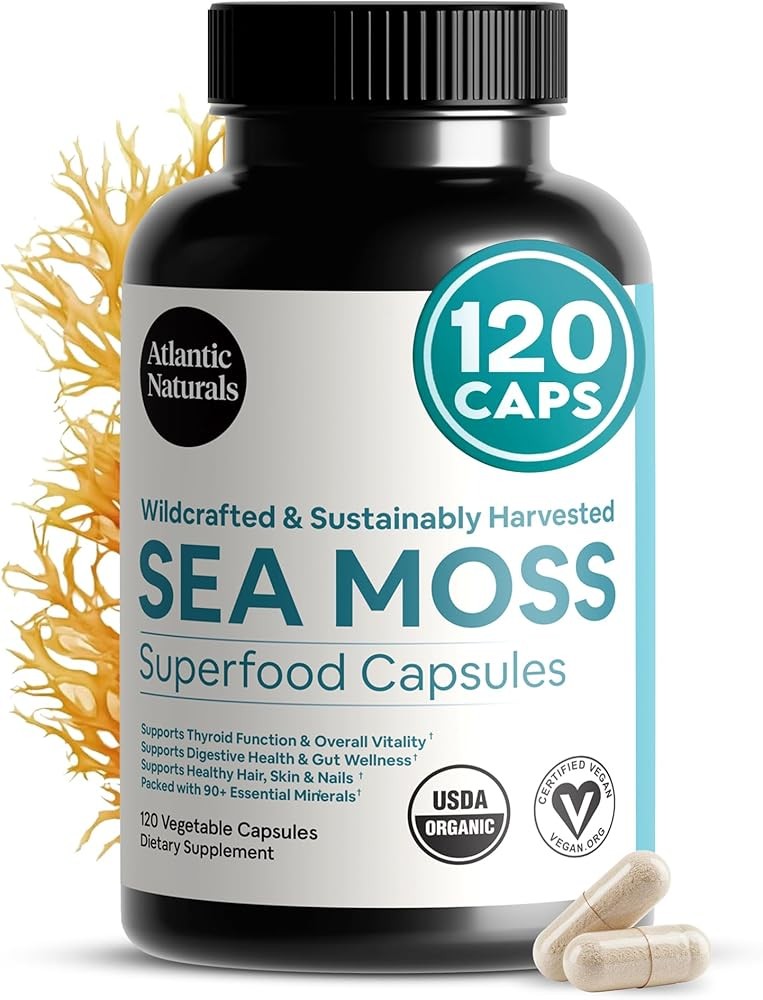
Atlantic Naturals Superfood Organic Irish Sea Moss Capsules - 120 Veggie Capsules | Wildcrafted Organic Sea Moss Supp...
Check Price on AmazonAs an Amazon Associate we earn from qualifying purchases.
Best for: People who want convenience and consistent dosing, and who do not enjoy the taste or texture of gel.
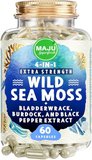
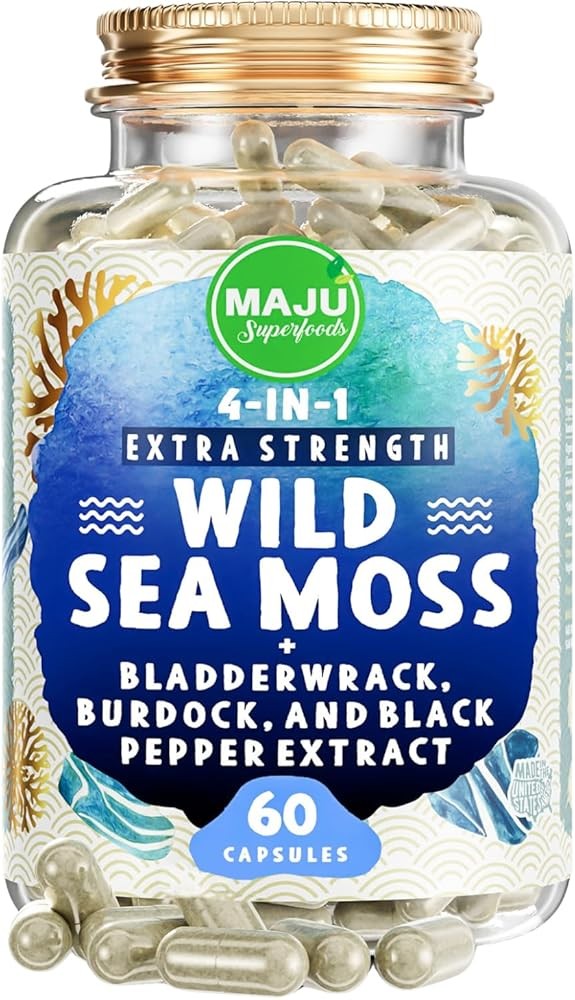
MAJU 4-in-1 Organic Sea Moss Capsules, Wild Chondrus Crispus, Seamoss w/Bladderwrack + Burdock Root, Stronger Than Ge...
Check Price on AmazonAs an Amazon Associate we earn from qualifying purchases.
Best for: People who want a complete seaweed-based mineral formula with complementary botanicals.
Sea Moss Powder
Pros:
- Versatile — can be added to smoothies, baked goods, soups, or taken in water
- Longer shelf life than gel
- Can control exact dose by weight
Cons:
- Taste can be strong and oceanic
- Mixes unevenly in some liquids
- Quality varies significantly between brands
Best for: People who want flexibility in how they consume sea moss and want to control their exact dose.
Sea Moss Liquid Drops
Best for: People who want liquid convenience with the most rigorous third-party safety testing available.
Sea Moss with Comprehensive Mineral Support
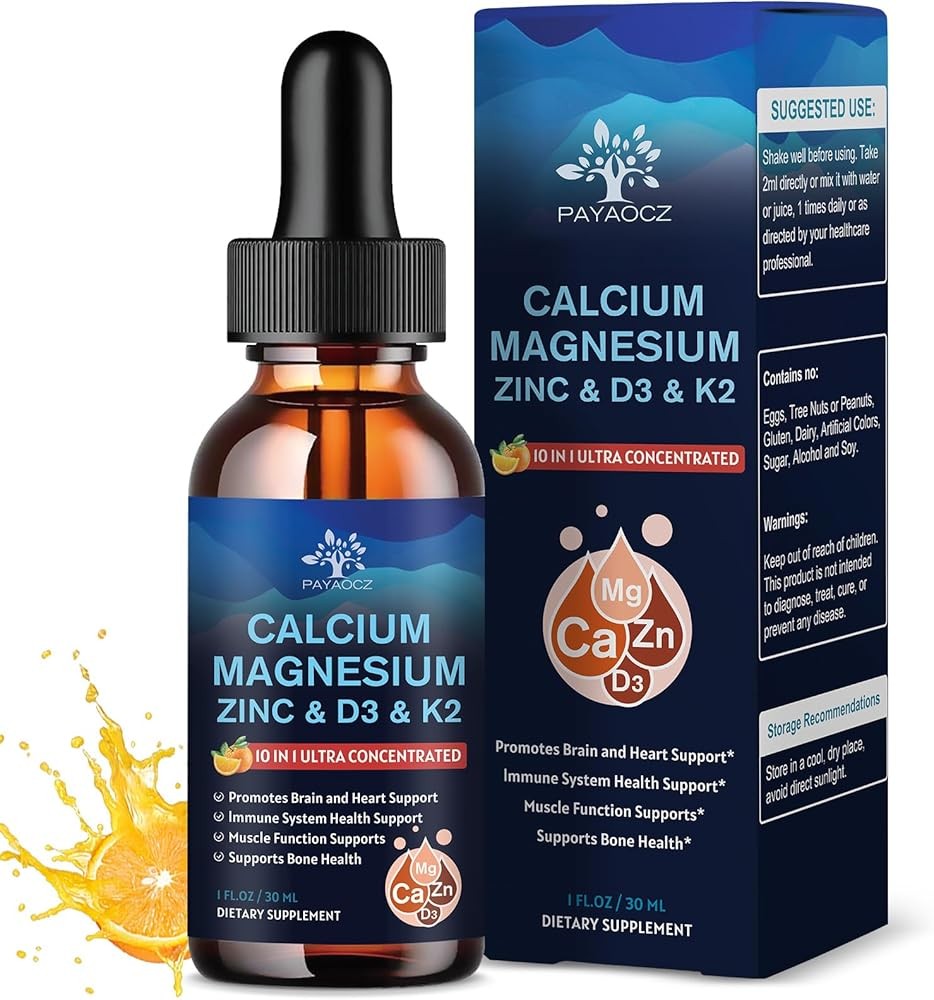
(2 Pack) 10 in 1 Magnesium Calcium Zinc Supplement with Vitamin C D3 K2, Glycinate Mag Vegan Liquid Drops Plus L-Thea...
Check Price on AmazonAs an Amazon Associate we earn from qualifying purchases.
Best for: People who want sea moss as part of a complete mineral and vitamin formula rather than standalone supplementation.
Raw Dried Sea Moss
Pros:
- Most unprocessed form
- Can visually inspect quality and species
- Can make your own gel at home
- Longest shelf life when stored properly
Cons:
- Requires soaking (12-24 hours) and blending to prepare
- Highest risk of variable iodine and mineral content
- Must trust your supplier for heavy metal safety
- Most time-intensive option
Best for: People who want maximum control over their sea moss experience and do not mind the preparation process.
What Sea Moss Myths Should You Ignore? Claims Without Evidence
Myth 1: “Sea Moss Contains 92 of the 102 Minerals Your Body Needs”
Reality: This claim has no basis in peer-reviewed science. The human body utilizes approximately 20-25 minerals in nutritionally significant amounts. Sea moss contains about 10-15 of these in meaningful quantities. The “92” number likely originated from the observation that seaweeds can contain trace amounts of many elements found in seawater — but “contains trace amounts of an element” is not the same as “provides nutritionally significant quantities of a mineral.” Some of the elements detected in sea moss analyses include toxic metals like lead, arsenic, and cadmium — these are contaminants, not health benefits.
Myth 2: “Sea Moss Fixes Thyroid Disease”
Reality: Sea moss provides iodine, which is one of many nutrients the thyroid needs. In people who are genuinely iodine-deficient, restoring adequate iodine can help normalize thyroid function. But sea moss does not fix or reverse thyroid disease — and in many cases, it can make thyroid conditions worse by delivering excessive iodine. The published case reports of seaweed-induced thyroid dysfunction are real and should not be dismissed.
Myth 3: “Sea Moss Detoxes Your Body”
Reality: Your liver and kidneys handle detoxification. There is no clinical evidence that sea moss enhances detoxification. In fact, because sea moss can contain heavy metals, it may actually add to your body’s toxic burden rather than reducing it.
Myth 4: “Sea Moss Boosts Libido and Fertility”
Reality: This claim appears to originate from traditional Caribbean folk medicine, not clinical research. While sea moss contains zinc (which plays a role in reproductive health) and iodine (which supports thyroid function, indirectly affecting hormonal balance, no studies have tested sea moss specifically for libido or fertility outcomes. For evidence-based approaches to male fertility, see our male fertility supplements guide.
Myth 5: “All Sea Moss Is the Same”
Reality: As discussed above, the species (Chondrus crispus vs. Gracilaria), harvesting method (wildcrafted vs. pool-grown), geographic source (clean vs. polluted waters), and season of harvest all dramatically affect what you are actually consuming. Buying generic “sea moss” without knowing these details is like buying “fish” without knowing the species, source, or mercury levels.
Myth 6: “Sea Moss Is a Complete Protein”
Reality: Sea moss contains approximately 1.5 g of protein per 100g raw, or 10-27% protein by dry weight. While it does contain some essential amino acids, the protein content per typical serving (1-4 grams) is negligible. You would need to consume impractical quantities to obtain meaningful protein.
Who Should and Should Not Take Sea Moss
May Benefit From Sea Moss
- People with confirmed iodine deficiency (verified by blood or urine testing)
- People in populations with low seafood and iodized salt intake (vegans, people in inland regions)
- People looking for a whole-food mineral supplement who have verified the product is third-party tested for heavy metals
- People interested in the prebiotic potential who do not have IBD or gut inflammation
Should Avoid Sea Moss
- People with any thyroid condition (Hashimoto’s, Graves’, thyroid nodules) — unless specifically directed by their endocrinologist
- People taking thyroid medications (levothyroxine, methimazole, etc.)
- People taking blood thinners (warfarin, heparin, DOACs) — due to carrageenan’s anticoagulant effects
- People with inflammatory bowel disease (Crohn’s, ulcerative colitis) — the carrageenan controversy suggests caution
- Pregnant or breastfeeding women — the risk of iodine excess and heavy metal exposure outweighs potential benefits
- Children — more susceptible to both iodine excess and heavy metal toxicity
- People with kidney disease — the high potassium content can be dangerous when kidneys cannot properly excrete potassium
- People taking lithium — combined thyroid effects increase hypothyroidism risk
What Is the Safest Sea Moss Protocol? Practical Guidelines
Given the limited evidence, this protocol prioritizes safety:
Before Starting
- Get baseline blood work: TSH, free T3, free T4, and a basic metabolic panel
- Choose a product that specifies Chondrus crispus, is wildcrafted, and provides a third-party COA for heavy metals
- Check your current iodine intake from other sources (multivitamin, iodized salt, other seafood)
Week 1: Introduction Phase
- Dose: Half the recommended serving (e.g., 1/2 tablespoon of gel or 1 capsule)
- Frequency: Every other day
- Monitor: Digestive response, heart rate, energy levels, any skin reactions
Week 2-4: Assessment Phase
- Dose: Full recommended serving (1 tablespoon of gel or 1-2 capsules)
- Frequency: 5 days per week, 2 days off
- Monitor: All the body signals described in the “Clues Your Body Tells You” sections above
Month 2: Follow-Up
- Repeat TSH, free T3, and free T4 blood work
- If thyroid values have shifted outside normal ranges, stop sea moss
- If values are stable and you feel good, continue at the same dose
Ongoing
- Cycle periodically: 3 weeks on, 1 week off is a reasonable approach
- Retest thyroid annually if continuing long-term use
- Switch brands periodically to avoid accumulating contaminants from a single source
- Do not exceed the recommended serving size — more is not better with sea moss
How Long Does Sea Moss Take to Work? Realistic Timeline
Here is a realistic timeline based on the mechanisms and available evidence:
Day 1-3
- Mild digestive changes are common (slight increase in gas or stool frequency)
- No significant nutritional effects yet — your body is adjusting to the fiber
Week 1
- Digestive system begins adapting to the prebiotic fiber
- If the initial gas or bloating occurred, it should be subsiding
- No meaningful changes in energy, skin, or hair yet
Week 2-3
- Gut regularity may improve (more consistent bowel movements)
- If you were iodine-deficient, subtle improvements in energy and thermoregulation may begin
- Skin may feel slightly more hydrated (mineral effect)
- Any negative thyroid effects would typically begin showing around this time
Month 1
- Gut microbiome composition may be shifting (based on animal prebiotic data)
- If your body is responding well, you may notice improved nail strength in new growth
- Energy levels should be stable or improving — if they are worsening, this is a red flag
- Time for follow-up thyroid blood work if you have any risk factors
Month 2-3
- Hair changes (reduced shedding, improved texture of new growth) may become noticeable if a mineral deficiency was corrected
- Immune function changes are difficult to subjectively assess but may manifest as fewer minor infections
- Long-term digestive benefits should be established
- If any negative effects are going to appear from heavy metal accumulation, they could begin surfacing now
Month 3+
- You should have a clear sense of whether sea moss is providing any subjective benefit
- If you notice no difference, the supplement may not be addressing any deficiency you have
- Continue monitoring thyroid function annually
Our Top Recommendations
📱 Join the discussion: Facebook | X | YouTube | Pinterest | Pinterest
The Bottom Line: An Honest Assessment
Sea moss is a genuinely nutrient-dense seaweed with a rich history of traditional use and some promising biological properties. The mineral content is real. The prebiotic mechanisms are plausible. The antiviral properties of its carrageenan compounds are scientifically documented, at least in laboratory settings.
But the evidence for sea moss as a health supplement is, frankly, thin. Only two small human trials exist. Most of the claimed benefits are extrapolated from test-tube studies, animal models, or the known effects of individual nutrients that happen to be present in sea moss. The “92 minerals” claim is marketing fiction. The “fixes thyroid disease” claim is dangerously misleading. And the heavy metal contamination risk is real and underappreciated.
If you decide to try sea moss, do it with clear eyes:
- Choose a third-party tested product from a reputable brand
- Verify it is Chondrus crispus, not generic Gracilaria
- Start at a low dose and cycle your intake
- Monitor your thyroid function with blood work
- Do not expect miracles — the evidence does not support them
- If you experience any warning signs, stop immediately
Sea moss is not the superfood that TikTok claims. It is also not dangerous for everyone, as some critics suggest. The reality, as with most supplements, is somewhere in the middle — a potentially useful addition to a healthy diet for some people, with specific risks that require awareness and monitoring.
For most people, the biggest bang for their supplement budget goes to nutrients with strong human evidence: vitamin D, magnesium, omega-3s, and targeted supplements for specific deficiencies. Sea moss is an interesting addition, not a foundation.
Related Articles
- How to Improve Gut Health Naturally: An Evidence-Based Guide
- Best Supplements for Gut Health: Probiotics, Prebiotics, and Digestive Enzymes Compared
- Best Immune System Supplements: Vitamin C, Zinc, Elderberry, and What Research Supports
- Best Supplements for Skin Health: Collagen, Vitamin C, Hyaluronic Acid and More
- How Much Vitamin D Do You Actually Need? The Complete Evidence-Based Guide
Related Reading
- Best Colostrum Supplements — What the Research Actually Shows About Bovine Colostrum
- Vitamin C Megadosing for Immune Support: What the Research Actually Shows
- Iodine Benefits: The Essential Mineral for Thyroid, Metabolism, and Brain Health
- Berberine Benefits: Science-Backed Health Benefits and Clinical Research
- Garcinia Cambogia for Weight Loss: What 20 Years of Research Actually Shows
- Fadogia Agrestis for Testosterone: What the Research Actually Shows
- Resveratrol Benefits and Dosing: What the Anti-Aging Research Actually Shows
References
-
Lomartire, S., et al. (2024). An Update on the Chemical Constituents and Biological Properties of Selected Species of an Underpinned Genus of Red Algae: Chondrus. Marine Drugs, 22(1), 47. PMC10817618
-
Farebrother, J., et al. (2021). Iodine, Seaweed, and the Thyroid. Nutrients, 13(4), 1309. PMC8077470
-
Combet, E., et al. (2014). Risk assessment of iodine intake from the consumption of red seaweeds (Palmaria palmata and Chondrus crispus). Journal of Applied Phycology, 26, 1803-1813. PubMed 32803579
-
Eliason, M.J. (2024). Hypothyroidism Due to Seaweed Overconsumption. Cureus, 16(3), e56872. PMC10981384
-
Di Matola, T., et al. (2019). Transient Hyperthyroidism following the ingestion of complementary medications containing kelp seaweed: A case-report. BMC Endocrine Disorders, 19, 97. PMC6750240
-
Liu, J., et al. (2015). Prebiotic effects of diet supplemented with the cultivated red seaweed Chondrus crispus or with fructo-oligo-saccharide on host immunity, colonic microbiota and gut microbial metabolites. BMC Complementary and Alternative Medicine, 15, 279. PubMed 26271359
-
Cherry, P., et al. (2021). Seaweed Components as Potential Modulators of the Gut Microbiota. Marine Drugs, 19(7), 358. PMC8303941
-
Bouhlal, R., et al. (2011). Enzyme-Assisted Extraction of Bioactive Material from Chondrus crispus and Codium fragile and Its Effect on Herpes simplex Virus (HSV-1). Marine Drugs, 13(1), 558-580. PMC4306952
-
Jang, Y., et al. (2021). Antiviral Activity of Carrageenans and Processing Implications. Marine Drugs, 19(8), 437. PMC8400836
-
Gomaa, H.H. & Elshoubaky, G.A. (2016). Antiviral Activity and Mechanisms of Seaweeds Bioactive Compounds on Enveloped Viruses — A Review. Virology Journal, 19, 115. PMC9228758
-
Martino, J.V., et al. (2021). The Role of Carrageenan in Inflammatory Bowel Diseases and Allergic Reactions: Where Do We Stand? Nutrients, 13(10), 3402. PMC8539934
-
Zhang, Y., et al. (2025). Gut Microbiota-Mediated Degradation of Food-Grade Lambda-Carrageenan by Bacteroides xylanisolvens and Its Role in Inflammation. Food Chemistry, 473, 142963. PubMed 39920146
-
McKim, J.M. (2014). Food additive carrageenan: Part II: A critical review of carrageenan in vivo safety studies. Critical Reviews in Toxicology, 44(3), 244-269. PubMed 24467586
-
David, S., et al. (2018). Revisiting the carrageenan controversy: do we really understand the digestive fate and safety of carrageenan in our foods? Food & Function, 9(3), 1344-1352. PubMed 29469913
-
Kim, M.S., et al. (2008). Effects of seaweed supplementation on blood glucose concentration, lipid profile, and antioxidant enzyme activities in patients with type 2 diabetes mellitus. Nutrition Research and Practice, 2(2), 62-67. PMC2815322
-
Park, J., et al. (2024). Association between seaweed intake and risk of type 2 diabetes mellitus: a prospective cohort study. BMC Medicine, 22, 110. PMC10918518
-
Pereira, L. (2024). Carrageenan in the Diet: Friend or Foe for Inflammatory Bowel Disease? Nutrients, 16(12), 1839. PMC11174395
-
Necas, J. & Bartosikova, L. (2013). Carrageenan: a review. Veterinarni Medicina, 58(4), 187-205. PubMed 2823697
-
Pereira, L., et al. (2024). Seaweed Nutritional Value and Bioactive Properties: Insights from Ascophyllum nodosum, Palmaria palmata, and Chondrus crispus. Life, 14(11), 1522. MDPI
-
Aquaron, R., et al. (2002). Bioavailability of seaweed iodine in human beings. Cellular and Molecular Biology, 48(5), 563-569. PubMed 12146713
-
Combet, E., et al. (2014). Low-level seaweed supplementation improves iodine status in iodine-insufficient women. The British Journal of Nutrition, 112(5), 753-761. PubMed 25006699
-
Andersen, S., et al. (2019). Iodine in Edible Seaweed, Its Absorption, Dietary Use, and Relation to Iodine Nutrition in Arctic People. Journal of Medicinal Food, 22(4), 421-427. PubMed 30990756
-
Zhang, Y.H., et al. (2019). Antioxidant capacity and prebiotic effects of Gracilaria neoagaro oligosaccharides prepared by agarase hydrolysis. International Journal of Biological Macromolecules, 137, 177-186. PubMed 31255619
-
Khan, B.M., et al. (2019). Physicochemical characterization of Gracilaria chouae sulfated polysaccharides and their antioxidant potential. International Journal of Biological Macromolecules, 134, 255-261. PubMed 31078595
Common Questions About Sea Moss
What are the benefits of sea moss?
Sea Moss has been studied for various potential health benefits. Research suggests it may support several aspects of health and wellness. Individual results can vary. The strength of evidence differs across different claimed benefits. More high-quality research is often needed. Always review the latest scientific literature and consult healthcare professionals about whether sea moss is right for your health goals.
Is sea moss safe?
Sea Moss is generally considered safe for most people when used as directed. However, individual responses can vary. Some people may experience mild side effects. It’s important to talk with a healthcare provider before using sea moss, especially if you have existing health conditions, are pregnant or nursing, or take medications.
How does sea moss work?
Sea Moss works through various biological mechanisms that researchers are still studying. Current evidence suggests it may interact with specific pathways in the body to produce its effects. Always consult with a healthcare provider before starting any new supplement or health regimen to ensure it’s appropriate for your individual needs.
Who should avoid sea moss?
Sea Moss is a topic of ongoing research in health and nutrition. Current scientific evidence provides some insights, though more studies are often needed. Individual responses can vary significantly. For personalized advice about whether and how to use sea moss, consult with a qualified healthcare provider who can consider your complete health history and current medications.
What are the signs sea moss is working?
Signs that sea moss may be working include improved digestive regularity within 1-2 weeks, reduced fatigue if you were iodine-deficient (after 2-4 weeks), and stronger nail growth after 1-2 months. However, effects vary by individual and depend on your baseline mineral status. If you experience thyroid symptoms (rapid heartbeat, anxiety, unexplained weight changes), stop use immediately and consult your healthcare provider.
How long should I use sea moss?
The time it takes for sea moss to work varies by individual and depends on factors like dosage, consistency of use, and individual metabolism. Some people notice effects within days, while others may need several weeks. Research studies typically evaluate effects over weeks to months. Consistent use as directed is important for best results. Keep a journal to track your response.
Frequently Asked Questions
How long does it take for Sea to work?
Effects can vary by individual and the specific benefit being measured. Some effects may be noticed within days, while others may take weeks of consistent use.
Who should consider taking Sea?
Individuals looking to support the health areas addressed by Sea may benefit. Those with specific health concerns should consult a healthcare provider first.
Recommended Products