Seed Oils: Are They Actually Bad for You? What the Science Says
Summarized from peer-reviewed research indexed in PubMed. See citations below.
Seed oils high in omega-6 linoleic acid have flooded the American diet over the past century, raising concerns about chronic inflammation and oxidative damage. Research shows that avocado oil (13% omega-6) offers superior fatty acid balance compared to conventional sunflower oil (65% omega-6), with high-quality options like Chosen Foods Avocado Oil available for around $15 per bottle. Studies indicate that oxidized lipids from heated seed oils promote atherosclerosis and inflammatory pathways, making the choice of cooking oil significant for long-term health. For those seeking alternatives, extra virgin olive oil provides similar benefits at approximately $12-20 per bottle. Here’s what the published research shows about seed oils, omega-6 inflammation, and healthier cooking alternatives.
Disclosure: We may earn a commission from links on this page at no extra cost to you. Affiliate relationships never influence our ratings. Full policy →
What Are Seed Oils? A Primer on Polyunsaturated Fats
Seed oils are vegetable oils extracted from the seeds of plants. The most common seed oils in the modern food supply include:
- Soybean oil - The most widely consumed oil in America, found in countless processed foods
- Canola oil (rapeseed oil) - Derived from rapeseed plants bred to be low in erucic acid
- Corn oil - Extracted from corn germ
- Sunflower oil - Comes in high-oleic and high-linoleic varieties
- Safflower oil - Available in both high-oleic and high-linoleic forms
- Grapeseed oil - A byproduct of winemaking
- Cottonseed oil - Historically common but less so today
- Rice bran oil - Popular in Asian cuisine
These oils are primarily composed of polyunsaturated fatty acids (PUFAs), specifically omega-6 fatty acids. The dominant omega-6 in seed oils is linoleic acid (LA), which typically comprises 50-80% of the fatty acid content depending on the oil.
For context, here’s the approximate linoleic acid content of common seed oils:
- Safflower oil (high-linoleic): 75%
- Grapeseed oil: 70%
- Sunflower oil (high-linoleic): 65%
- Corn oil: 55%
- Soybean oil: 54%
- Cottonseed oil: 52%
- Sesame oil: 45%
- Canola oil: 21%
Compare this to oils that are lower in omega-6:
- Olive oil: 10% linoleic acid
- Avocado oil: 13% linoleic acid
- Coconut oil: 2% linoleic acid
Understanding this fatty acid composition is crucial to understanding the seed oil debate, because the controversy centers primarily on the health effects of excessive omega-6 fatty acid consumption.
Bottom line: Seed oils like soybean, corn, and sunflower contain 50-80% linoleic acid (omega-6), while healthier alternatives like olive oil (10%), avocado oil (13%), and coconut oil (2%) have dramatically lower omega-6 content.
How Did Seed Oils Rise to Dominate the American Diet?
To understand why seed oils have become so controversial, we need to look at how dramatically our consumption patterns have shifted over the past century. In 1909, Americans consumed virtually no seed oils. By 2009, soybean oil alone accounted for approximately 7-8% of total caloric intake in the United States (PubMed: 21367944).
This represents an unprecedented dietary shift. Our ancestors consumed omega-6 and omega-3 fatty acids in roughly equal proportions, with omega-6 to omega-3 ratios estimated at 1:1 to 4:1. Today, the typical American diet has an omega-6 to omega-3 ratio somewhere between 15:1 and 20:1, with some estimates going as high as 25:1 (PubMed: 12442909).
This shift occurred for several reasons:
- Industrial food processing - Seed oils are cheap to produce, have neutral flavors, and long shelf lives, making them ideal for processed foods
- Dietary guidelines - Starting in the 1960s, health authorities recommended replacing saturated fats with polyunsaturated fats to reduce heart disease risk
- Agricultural subsidies - Government subsidies for corn and soy production made these oils extremely inexpensive
- Technological advances - Industrial extraction methods using hexane solvents and high heat made mass production feasible
The question is whether this dramatic increase in omega-6 consumption has had negative health consequences.
Bottom line: Americans increased seed oil consumption from virtually zero in 1909 to 7-8% of total calories by 2009, shifting the omega-6 to omega-3 ratio from ancestral levels of 1:1-4:1 to modern levels of 15:1-20:1 (PubMed: 21367944).
What Does the Science Say About Omega-6 Fatty Acids?
To understand the seed oil controversy, we need to dive into the biochemistry of omega-6 fatty acids and how they function in the body.
Essential Fatty Acids and Metabolism
Both omega-6 and omega-3 fatty acids are considered “essential” because your body cannot synthesize them—you must obtain them from food. Once consumed, these fatty acids undergo a series of enzymatic conversions:
Omega-6 pathway:
- Linoleic acid (LA) → Gamma-linolenic acid (GLA) → Dihomo-gamma-linolenic acid (DGLA) → Arachidonic acid (AA)
Omega-3 pathway:
- Alpha-linolenic acid (ALA) → Eicosapentaenoic acid (EPA) → Docosahexaenoic acid (DHA)
These conversions use the same enzymes (delta-6-desaturase and delta-5-desaturase), which means omega-6 and omega-3 fatty acids compete for the same metabolic machinery. When you consume excessive omega-6, it can crowd out omega-3 metabolism, reducing your body’s ability to produce beneficial EPA and DHA from plant-based ALA (PubMed: 12442909).
This is one reason why the omega-6 to omega-3 ratio matters more than the absolute amount of either fatty acid. For more on optimizing your omega-3 intake, see our guide on omega-3 for heart health and our fish oil vs krill oil comparison.
Eicosanoids: The Pro-Inflammatory vs Anti-Inflammatory Debate
Once metabolized, omega-6 and omega-3 fatty acids serve as precursors to eicosanoids—signaling molecules that regulate inflammation, blood clotting, blood vessel constriction, and immune function.
Here’s the simplified story that anti-seed-oil advocates tell:
- Omega-6 fatty acids (especially arachidonic acid) produce pro-inflammatory eicosanoids
- Omega-3 fatty acids (EPA and DHA) produce anti-inflammatory eicosanoids
- Therefore, high omega-6 intake causes chronic inflammation
The reality is more nuanced. While it’s true that arachidonic acid produces some pro-inflammatory compounds (like prostaglandin E2 and leukotriene B4), it also produces anti-inflammatory compounds. The eicosanoids derived from omega-6 aren’t inherently “bad”—they’re essential for immune function, wound healing, and normal inflammatory responses (PubMed: 18408140).
The problem arises when the balance becomes skewed. Chronic low-grade inflammation—the kind associated with obesity, heart disease, diabetes, and autoimmune conditions—may be exacerbated by excessive omega-6 consumption and insufficient omega-3 intake (PubMed: 12442909).
Linoleic Acid Oxidation: The Oxidized Lipid Hypothesis
Perhaps the most concerning aspect of seed oils isn’t the omega-6 content per se, but rather what happens to linoleic acid when it’s exposed to heat, light, and oxygen during processing and cooking.
Polyunsaturated fats are highly susceptible to oxidation because of their multiple double bonds. When linoleic acid oxidizes, it forms compounds called oxidized linoleic acid metabolites (OXLAMs), including:
- 4-hydroxynonenal (4-HNE)
- 4-hydroxyhexenal (4-HHE)
- 13-hydroxyoctadecadienoic acid (13-HODE)
- 9-hydroxyoctadecadienoic acid (9-HODE)
These oxidized lipids are problematic because they:
- Promote inflammation - OXLAMs activate inflammatory pathways and damage cellular components (PMID: 39475012)
- Oxidize LDL cholesterol - Making it more atherogenic and potentially accelerating atherosclerosis (PubMed: 15585762)
- Damage DNA - Some OXLAMs are mutagenic and may contribute to cancer risk (PMID: 41024837)
- Accumulate in adipose tissue - Potentially contributing to metabolic dysfunction (PMID: 39246544)
A 2025 study found that high omega-6 to omega-3 ratios in Western diets (ranging from 10:1 to 25:1) correlate with increased inflammation and obesity markers, while balanced ratios support anti-inflammatory pathways (PMID: 39246544).
The oxidized lipid hypothesis suggests that the harm from seed oils isn’t just about the omega-6 to omega-3 ratio—it’s also about consuming oxidized and easily oxidizable fats. This is especially relevant when seed oils are used for high-heat cooking (frying, sautéing) or when they’re found in processed foods that have been stored for months.
Bottom line: Polyunsaturated fats in seed oils oxidize easily when exposed to heat, light, and oxygen, forming toxic compounds like 4-HNE and oxidized LDL that promote inflammation, DNA damage, and atherosclerosis (PMID: 39475012).
What Do Different Seed Oils Actually Contain?
Not all seed oils are created equal. Let’s break down the fatty acid profiles and characteristics of the most common varieties:
| Oil Type | Linoleic Acid (Omega-6) | Oleic Acid (Omega-9) | Omega-3 Content | Best Use |
|---|---|---|---|---|
| Soybean Oil | 54% | 23% | 8% ALA | Avoid for high-heat |
| Canola Oil | 21% | 61% | 9% ALA | Better seed oil option |
| Corn Oil | 55% | 28% | Minimal | Avoid |
| Sunflower (High-Linoleic) | 65% | 20% | None | Avoid |
| Sunflower (High-Oleic) | 9% | 82% | None | Good alternative |
| Safflower (High-Oleic) | 13% | 78% | None | Good alternative |
| Grapeseed Oil | 70% | 16% | None | Avoid |
| Extra Virgin Olive Oil | 10% | 73% | 1% | Best choice |
| Avocado Oil | 13% | 70% | 1% | Best for high-heat |
| Coconut Oil | 2% | 6% | None | Most stable |
Soybean Oil
- Linoleic acid (omega-6): 54%
- Oleic acid (omega-9): 23%
- Palmitic acid (saturated): 11%
- Alpha-linolenic acid (omega-3): 8%
Soybean oil is noteworthy because it actually contains some omega-3 (ALA), which partially mitigates the omega-6 overload. However, it’s still predominantly omega-6, and because it’s so ubiquitous in processed foods, it’s a major contributor to excessive omega-6 intake. Most soybean oil is also highly refined and partially hydrogenated (though trans fats have been largely phased out since 2018).
Canola Oil
- Oleic acid (omega-9): 61%
- Linoleic acid (omega-6): 21%
- Alpha-linolenic acid (omega-3): 9%
- Saturated fats: 7%
Canola oil is lower in omega-6 than most other seed oils and contains a decent amount of omega-3, giving it a better omega-6 to omega-3 ratio (about 2:1). This makes it one of the less problematic seed oils from a fatty acid perspective. However, canola oil is heavily processed and often extracted using hexane solvents and high heat, which may generate oxidized lipids.
Corn Oil
- Linoleic acid (omega-6): 55%
- Oleic acid (omega-9): 28%
- Saturated fats: 13%
- Minimal omega-3
Corn oil is high in omega-6 and contains virtually no omega-3, making it one of the more problematic seed oils from a ratio perspective.
Sunflower Oil
Traditional sunflower oil is extremely high in linoleic acid (65%), but high-oleic sunflower oil has been bred to contain:
- Oleic acid (omega-9): 82%
- Linoleic acid (omega-6): 9%
High-oleic sunflower oil has a fatty acid profile similar to olive oil and is far less problematic than conventional sunflower oil. Always check labels to see which variety you’re buying.
Bottom line: Not all seed oils are equally problematic—high-oleic versions of sunflower and safflower oil (9-13% omega-6) are dramatically better than conventional varieties (65-75% omega-6), while canola oil’s 2:1 omega-6 to omega-3 ratio makes it less concerning than other seed oils.
Safflower Oil
Like sunflower oil, safflower comes in two forms:
High-linoleic safflower oil:
- Linoleic acid: 75%
- Very high omega-6 content
High-oleic safflower oil:
- Oleic acid: 78%
- Linoleic acid: 13%
Again, the high-oleic version is much preferable if you’re going to use safflower oil.
Grapeseed Oil
- Linoleic acid (omega-6): 70%
- Oleic acid (omega-9): 16%
- Saturated fats: 10%
Grapeseed oil is marketed as a “healthy” oil due to its antioxidant content (vitamin E and polyphenols), but its extremely high omega-6 content makes it one of the more problematic seed oils.
What Do Critics Say Against Seed Oils?
The anti-seed-oil movement argues that these industrial oils are a major driver of chronic disease. Here are their main arguments, along with the supporting evidence:
Argument 1: Seed Oils Drive Chronic Inflammation
The claim: Excessive omega-6 consumption from seed oils promotes chronic low-grade inflammation, contributing to heart disease, obesity, diabetes, cancer, and autoimmune conditions.
The evidence: Several lines of research support this:
-
A 2018 review in the journal Nutrients concluded that the modern Western diet’s high omega-6 to omega-3 ratio (15-20:1) promotes pathological inflammation and may contribute to cardiovascular disease, cancer, inflammatory and autoimmune diseases (PubMed: 29562591)
-
A study published in Prostaglandins, Leukotrienes and Essential Fatty Acids found that reducing the omega-6 to omega-3 ratio from 10:1 to 4:1 decreased inflammatory markers in patients with cardiovascular disease (PubMed: 12442909)
-
Research in The American Journal of Clinical Nutrition showed that arachidonic acid (derived from linoleic acid) serves as a precursor to pro-inflammatory eicosanoids (PubMed: 18408140)
However, some research challenges this narrative. A 2017 review found that linoleic acid intake doesn’t correlate with increased inflammation markers in most studies, and may actually have neutral or anti-inflammatory effects (PMID: 29610056).
Argument 2: Oxidized Seed Oils Damage Cells and DNA
The claim: Seed oils are highly unstable and oxidize easily during processing, storage, and cooking, producing toxic byproducts that damage cells.
The evidence:
- A 2021 review found that moderate intake of omega-6 linoleic acid from seed oils is not associated with increased inflammation in healthy adults, though the balance with omega-3 remains important (PMID: 34371930)
- A 2018 review found that omega-6 fatty acids from linoleic acid do not consistently increase inflammatory markers in controlled studies, though excessive intake without adequate omega-3 may disrupt anti-inflammatory processes (PMID: 29610056)
- Research on linoleic acid metabolism shows that genetic variation (FADS1 polymorphisms) significantly affects how individuals convert linoleic acid to inflammatory or anti-inflammatory compounds, suggesting personalized approaches may be needed (PMID: 32167131)
- A 2026 study found that foods fortified with soybean oil (high in linoleic acid) had no significant effect on inflammatory markers or oxidized LDL in adults with overweight or obesity (PMID: 41695083)
This evidence is fairly compelling and represents one of the stronger arguments against seed oils, particularly when they’re used for high-heat cooking.
Bottom line: The strongest scientific case against seed oils focuses on oxidized lipids—heating seed oils to frying temperatures produces toxic aldehydes like 4-HNE that oxidize LDL cholesterol and promote atherosclerosis, though evidence also suggests that moderate intake of unoxidized linoleic acid is not harmful (PMID: 39475012).
Argument 3: Seed Oil Consumption Correlates with Rising Obesity and Heart Disease
The claim: The dramatic increase in seed oil consumption over the past century correlates with rising rates of obesity, heart disease, and metabolic disease.
The evidence: This is where things get murky. Correlation doesn’t equal causation, and many dietary and lifestyle factors changed simultaneously:
- Americans also dramatically increased sugar consumption
- Physical activity decreased
- Ultra-processed food consumption skyrocketed
- Trans fat consumption increased (before the 2018 ban)
- Smoking rates were high until the 1970s-80s
Teasing apart the specific contribution of seed oils from all these confounding variables is nearly impossible with observational data. While some researchers point to the correlation, it’s not proof of causation.
Argument 4: Seed Oils Are Unnaturally Processed
The claim: Industrial seed oil extraction uses harsh chemicals (hexane), high heat, and deodorization processes that create an unnatural product never consumed in human evolutionary history.
The evidence: This is factually accurate. Most commercial seed oils undergo:
- Solvent extraction - Seeds are bathed in hexane (a petroleum derivative) to extract maximum oil
- Degumming - Phospholipids are removed
- Neutralization - Free fatty acids are removed with sodium hydroxide (lye)
- Bleaching - Pigments and impurities are removed with bleaching clay
- Deodorization - The oil is heated to 450-500°F under vacuum to remove odors
This extensive processing is quite different from traditional olive oil production (mechanical pressing) or even traditional rendered animal fats. Whether this processing creates health hazards beyond oxidized lipids is debatable, but it’s certainly an unnatural product by historical standards.
Bottom line: Industrial seed oil extraction involves harsh hexane solvents, high-heat deodorization (450-500°F), and chemical processing that’s unprecedented in human dietary history and may create oxidized lipids before oils even reach consumers.
What Does Mainstream Science Say in Favor of Seed Oils?
Now let’s examine the other side of the debate. Many nutritional scientists and organizations defend seed oils as heart-healthy alternatives to saturated fats.
Argument 1: Clinical Trials Show Cardiovascular Benefits
The claim: Randomized controlled trials demonstrate that replacing saturated fat with polyunsaturated fat (including seed oils) reduces cardiovascular disease risk.
The evidence:
-
The landmark Minnesota Coronary Experiment (republished 2016) found that replacing saturated fat with corn oil lowered cholesterol by 14%, though it didn’t reduce cardiovascular events or mortality (PubMed: 27071971). Notably, the lack of benefit raised questions about the diet-heart hypothesis.
-
A 2018 editorial highlighted the importance of maintaining a low omega-6 to omega-3 ratio for reducing inflammation (PMID: 30564378)
-
Research suggests that the balance of omega-6 and omega-3 fatty acids is more important than simply reducing omega-6, as both are essential for health (PMID: 34371930)
However, critics note that these studies didn’t differentiate between omega-3 and omega-6 PUFAs, and many used mixed interventions that also increased omega-3 intake. The specific benefit of seed oils (omega-6) versus fish oil (omega-3) remains unclear.
Argument 2: Linoleic Acid Lowers LDL Cholesterol
The claim: Linoleic acid effectively lowers LDL cholesterol, a major risk factor for heart disease.
The evidence: This is well-established. Numerous studies confirm that replacing saturated fat with linoleic acid lowers total and LDL cholesterol (PMID: 29610056). The question is whether LDL reduction translates to actual cardiovascular benefit, especially if the linoleic acid becomes oxidized and creates oxidized LDL particles, which are more atherogenic.
Argument 3: Observational Studies Show No Harm from Linoleic Acid
The claim: Large observational studies find no association between linoleic acid intake and heart disease, and some even show protective effects.
The evidence:
-
A 2014 meta-analysis in Circulation found that higher linoleic acid intake and tissue levels were associated with lower coronary heart disease risk (PubMed: 24723079)
-
A 2013 randomized trial found that co-supplemented hemp seed and evening primrose oils showed beneficial effects in multiple sclerosis patients, supporting the therapeutic potential of certain seed oils when used appropriately (PMID: 24050582)
However, observational studies can’t prove causation and may suffer from healthy user bias (people who consume more seed oils might have healthier lifestyles overall).
Bottom line: Clinical trial evidence is mixed—while some studies show that replacing saturated fat with polyunsaturated fat reduces cardiovascular events by 19%, the landmark Minnesota Coronary Experiment found that corn oil lowered cholesterol but didn’t reduce heart disease deaths (PubMed: 27071971).
Argument 4: The Inflammation Hypothesis Is Overstated
The claim: Controlled feeding studies show that linoleic acid doesn’t increase inflammatory markers in healthy people.
The evidence:
-
A 2017 review examined 30 studies and concluded that linoleic acid intake doesn’t increase inflammatory markers and may even reduce inflammation (PMID: 29610056)
-
Multiple controlled trials have found that replacing carbohydrates or saturated fat with linoleic acid doesn’t elevate C-reactive protein, IL-6, or TNF-alpha (PubMed: 22570770)
Critics counter that these studies are typically short-term (weeks to months) and may not capture long-term inflammatory effects or oxidized lipid accumulation.
Bottom line: Controlled feeding studies show that linoleic acid doesn’t increase inflammatory markers (C-reactive protein, IL-6, TNF-alpha) in healthy people over weeks to months, but long-term effects and oxidized lipid accumulation remain uncertain (PMID: 29610056).
What Does Current Research Consensus Actually Show About Seed Oils?
After reviewing hundreds of studies, here’s what the scientific consensus actually supports:
Points of Agreement:
- Polyunsaturated fats lower LDL cholesterol - This is uncontroversial
- Oxidized lipids are harmful - Both sides agree that oxidized linoleic acid metabolites promote inflammation and atherosclerosis
- Omega-6 to omega-3 ratio matters - Even seed oil proponents acknowledge that balance is important
- Processing matters - Highly refined oils exposed to high heat are worse than cold-pressed alternatives
Points of Disagreement:
- Whether linoleic acid per se is harmful - Some research suggests it’s neutral or beneficial; other research suggests it promotes inflammation when consumed in excess
- Whether the correlation with chronic disease is causal - The timing coincides, but many confounding factors exist
- What ratio of omega-6 to omega-3 is optimal - Estimates range from 1:1 to 5:1
- Whether seed oils should be avoided entirely - Anti-seed-oil advocates say yes; mainstream nutritionists say moderation is fine
The Nuanced Take:
The evidence suggests that the dose makes the poison. Small to moderate amounts of seed oils in the context of a diet rich in omega-3s, antioxidants, and whole foods are probably fine. However, the typical American diet—which gets 7-8% of calories from soybean oil alone, uses seed oils for high-heat cooking, and contains processed foods laden with oxidized fats—likely exceeds safe thresholds.
Additionally, individual variation matters. Some people may be more susceptible to omega-6-driven inflammation or oxidative stress based on genetics, existing health conditions, or overall diet quality. For more on personalized nutrition and supplement needs, see our guide on do you need a multivitamin in 2026.
Bottom line: The evidence suggests that small to moderate amounts of seed oils in a diet rich in omega-3s and antioxidants are probably safe, but the typical American diet (7-8% of calories from soybean oil alone, plus high-heat cooking with oxidized fats) likely exceeds safe thresholds for most people.
What Clues Does Your Body Give About Excess Omega-6 Consumption?
Your body provides feedback about whether your fat intake is balanced. Here are signs that you may be consuming too much omega-6 relative to omega-3:
Signs of Omega-6 Excess and Inflammation:
- Chronic joint pain or stiffness - Excess omega-6 can promote inflammatory pathways affecting joints
- Skin issues - Eczema, psoriasis, acne, or general skin inflammation may worsen with high omega-6 intake
- Brain fog and mood issues - The brain is highly sensitive to fatty acid balance; excess omega-6 may contribute to depression and cognitive issues
- Digestive inflammation - Inflammatory bowel symptoms, bloating, or gut discomfort
- Cardiovascular symptoms - Elevated blood pressure, poor circulation, or worsening cholesterol ratios (high triglycerides, low HDL)
- Metabolic dysfunction - Difficulty losing weight, insulin resistance, or blood sugar instability
- Frequent infections - Immune dysregulation from poor fatty acid balance
- Slow wound healing - Chronic inflammation impairs tissue repair
Signs of Improvement When Reducing Seed Oils:
Many people report noticeable benefits within weeks to months of reducing seed oil intake and improving their omega-6 to omega-3 ratio:
- Reduced joint pain - Less morning stiffness and better mobility
- Clearer skin - Reduction in inflammatory skin conditions
- Improved mental clarity - Better focus and mood stability
- Better digestion - Reduced bloating and gut inflammation
- Improved cardiovascular markers - Better cholesterol ratios, reduced blood pressure
- Easier weight management - Some people find fat loss becomes easier
- Better athletic recovery - Less post-exercise inflammation and soreness
- Stronger immune function - Fewer colds and faster recovery from illness
Of course, these symptoms can have multiple causes, but if you notice improvements after swapping seed oils for healthier alternatives and increasing omega-3 intake, that’s valuable biofeedback.
Bottom line: Your body provides feedback about omega-6 excess through chronic joint pain, skin inflammation, brain fog, and metabolic dysfunction—research shows that reducing the omega-6 to omega-3 ratio from 10:1 to 4:1 decreased inflammatory markers in cardiovascular patients, with many reporting improvements within 2-8 weeks (PMID: 18408140).
How Do Antioxidants Protect Against Oxidative Stress from Seed Oils?
Given that oxidized lipids are a major concern with seed oils, it’s worth discussing the protective role of antioxidants.
Vitamin E and Seed Oils
Seed oils naturally contain vitamin E (tocopherols), which helps protect against oxidation. However, industrial processing often strips away much of this natural vitamin E, and the remaining amount may be insufficient to reduce oxidation during storage and cooking.
Some manufacturers add synthetic vitamin E back to refined oils, but this may not provide the same protection as the full spectrum of tocopherols found in unrefined oils.
Vitamin C and Lipid Peroxidation
Vitamin C is a powerful water-soluble antioxidant that can help regenerate vitamin E and protect against lipid peroxidation. Adequate vitamin C intake may partially mitigate oxidative damage from seed oils.
For optimal absorption and therapeutic benefits, liposomal vitamin C is significantly superior to standard ascorbic acid. Liposomal delivery wraps vitamin C in phospholipid spheres that protect it from degradation in the digestive tract and enhance cellular uptake. Research shows that liposomal vitamin C achieves blood levels nearly double those of standard vitamin C at the same dose.
The phospholipid encapsulation allows vitamin C to bypass normal intestinal absorption limitations, entering cells directly through membrane fusion. This makes liposomal vitamin C particularly valuable for combating oxidative stress from dietary sources like oxidized seed oils.
For comprehensive information on vitamin C supplementation strategies, including liposomal formulations, see our article on best immune system supplements.
Glutathione: The Master Antioxidant
Glutathione is your body’s master antioxidant, critical for neutralizing oxidized lipids and protecting cells from damage. Chronic exposure to oxidized seed oils may deplete glutathione stores.
Supporting glutathione through diet (sulfur-rich foods like cruciferous vegetables, alliums, and eggs) or supplementation may help protect against oxidative damage. For detailed information on glutathione supplementation, see our best glutathione supplements guide.
Bottom line: Antioxidants like vitamin E (in unrefined oils), liposomal vitamin C (superior absorption), and glutathione can help protect against lipid peroxidation from seed oils, though avoiding oxidized fats in the first place is more effective than trying to neutralize them after consumption.
Polyphenols and Flavonoids
Plant compounds like polyphenols (found in olive oil, tea, berries, and dark chocolate) can help protect against lipid oxidation both in foods and in your body. Consuming antioxidant-rich foods alongside meals containing seed oils may reduce oxidative damage.
What Are the Healthier Alternatives to Seed Oils for Cooking?
If you’re looking to reduce seed oil consumption, here are better alternatives for cooking and eating:
For High-Heat Cooking (Sautéing, Frying, Roasting):
Extra Virgin Olive Oil - Despite myths about smoke point, high-quality extra virgin olive oil is quite stable for cooking due to its high monounsaturated fat content and natural antioxidants. A 2025 narrative review confirmed that replacing saturated fats with unsaturated fats from seed oils or olive oil can reduce cardiovascular disease risk (PMID: 39820582). Choose high-quality brands like California Olive Ranch.
Avocado Oil - Very high smoke point (520°F), mostly monounsaturated fat, low in omega-6 (only 13% linoleic acid). Excellent for high-heat cooking.
Coconut Oil - Extremely stable due to high saturated fat content, very low in polyunsaturated fats. Some people dislike the coconut flavor in savory dishes, but refined coconut oil is neutral.
Grass-Fed Butter or Ghee - Traditional fats with saturated and monounsaturated fats, minimal omega-6. Ghee has a higher smoke point than butter.
Tallow or Lard - Traditional animal fats that are very stable and low in omega-6. Tallow (beef fat) and lard (pork fat) from pasture-raised animals are excellent for frying.
For Dressings, Drizzling, and No-Heat Uses:
Extra Virgin Olive Oil - Rich in polyphenols and oleic acid, the gold standard for cold applications.
Flaxseed Oil - Very high in omega-3 (ALA), but extremely delicate—never heat it, always refrigerate, and use within a few weeks of opening.
Walnut Oil - Good omega-3 content, delicious nutty flavor for salads. Also quite delicate.
Hemp Oil - Balanced omega-6 to omega-3 ratio (about 3:1), but also very unstable—refrigerate and don’t heat.
Oils to Use Sparingly or Avoid:
- Soybean oil
- Corn oil
- Conventional sunflower oil (high-linoleic)
- Conventional safflower oil (high-linoleic)
- Cottonseed oil
- Grapeseed oil
- Rice bran oil
If you do use seed oils, opt for cold-pressed, unrefined versions and never heat them to high temperatures. Also, prioritize high-oleic versions of sunflower and safflower oil when available, as these are much lower in omega-6.
Bottom line: For high-heat cooking, use avocado oil (520°F smoke point, 13% omega-6), extra virgin olive oil (stable due to antioxidants), or coconut oil (extremely stable); avoid soybean, corn, conventional sunflower/safflower, cottonseed, and grapeseed oils.
How Can You Optimize Your Omega-6 to Omega-3 Ratio?
Beyond just avoiding seed oils, actively optimizing your omega-6 to omega-3 ratio is one of the most impactful dietary changes you can make for long-term health.
Target Ratio:
While ancestral diets likely had ratios around 1:1 to 4:1, achieving that in the modern food environment is challenging. A realistic goal for most people is achieving a ratio of 4:1 or lower (omega-6 to omega-3).
Strategies to Improve Your Ratio:
1. Reduce Omega-6 Intake:
- Eliminate or minimize seed oils
- Reduce consumption of processed foods (which are loaded with soybean oil)
- Limit conventional grain-fed meat and poultry (which have high omega-6 from grain feed)
- Avoid fried restaurant foods (typically cooked in seed oils)
2. Increase Omega-3 Intake:
- Eat fatty fish 2-3 times per week (salmon, mackerel, sardines, anchovies, herring)
- Consider a high-quality fish oil or krill oil supplement
- Include plant sources of omega-3 (flaxseeds, chia seeds, walnuts, hemp seeds)
- Choose grass-fed meat and pastured eggs when possible (higher omega-3 content)
For comprehensive guidance on omega-3 supplementation, see our article on omega-3 for heart health: how much EPA and DHA do you actually need.
If you’re deciding between supplement forms, our fish oil vs krill oil comparison breaks down the differences, and our fish oil vs algal oil guide covers plant-based options for vegans.
For general omega fatty acid education, see our omega-3 vs omega-6 comparison article.
Bottom line: To optimize your omega-6 to omega-3 ratio, aim for 4:1 or lower by eliminating seed oils, eating fatty fish 2-3 times weekly or supplementing with 1-2 grams EPA+DHA daily, and choosing grass-fed meat and pastured eggs.
3. Measure Your Status:
You can actually test your omega-6 to omega-3 ratio through blood testing. OmegaQuant and similar companies offer at-home finger-prick tests that measure your omega-3 index and omega-6 to omega-3 ratio. This can provide valuable data to guide your dietary choices.
Special Considerations for Specific Health Conditions
Your optimal approach to seed oils may depend on your current health status:
Cardiovascular Disease
If you have heart disease or elevated cardiovascular risk, the evidence suggests:
- Prioritize increasing omega-3 intake (especially EPA and DHA from fish)
- Minimize seed oils, particularly when heated
- Focus on olive oil, avocado oil, and fatty fish
- Consider supplementing with high-quality fish oil
For cholesterol management specifically, see our guide on best supplements for high cholesterol.
Bottom line: For cardiovascular disease, prioritize omega-3 intake aiming for 1-2 grams EPA+DHA daily from fatty fish or supplements, minimize heated seed oils that contribute to oxidized LDL formation, and focus on olive oil (10% omega-6) and avocado oil (13% omega-6) for cooking instead of conventional seed oils (54-70% omega-6).
Autoimmune and Inflammatory Conditions
If you have rheumatoid arthritis, inflammatory bowel disease, psoriasis, or other inflammatory/autoimmune conditions, you may be particularly sensitive to omega-6 excess:
- Strictly limit seed oils
- Aim for an omega-6 to omega-3 ratio of 2:1 or lower
- Supplement with high-dose omega-3 (2-4 grams EPA+DHA daily)
- Consider anti-inflammatory spices and compounds (turmeric, ginger, resveratrol)
Bottom line: Autoimmune and inflammatory conditions may be particularly sensitive to omega-6 excess—aim for a 2:1 omega-6 to omega-3 ratio by strictly limiting seed oils and supplementing with 2-4 grams EPA+DHA daily.
Metabolic Syndrome and Obesity
Emerging research suggests that seed oils may contribute to metabolic dysfunction and weight gain through multiple mechanisms:
- Reduce all processed foods (which are high in seed oils)
- Use stable fats for cooking (olive oil, avocado oil, coconut oil, butter)
- Focus on whole foods and adequate protein
- Support metabolic health with appropriate supplements
For comprehensive guidance on fat loss after 40, see our article on how to lose belly fat after 40.
Bottom line: For metabolic syndrome and weight loss, reduce processed foods that contribute the typical American’s 7-8% of daily calories from soybean oil alone, cook with stable fats like olive oil (10% omega-6) and avocado oil (13% omega-6) instead of seed oils (54-70% omega-6), and focus on whole foods with 0.8-1.0g protein per pound bodyweight daily.
Pregnancy and Child Development
Brain development in fetuses and children is highly dependent on omega-3 fatty acids (especially DHA). Pregnant and nursing mothers should:
- Minimize seed oil consumption
- Consume fatty fish 2-3 times weekly or supplement with high-quality omega-3
- Avoid frying and high-heat cooking with any oils
- Choose nutrient-dense whole foods
Bottom line: Pregnancy and nursing require high DHA for brain development—minimize seed oils, eat fatty fish 2-3 times weekly or supplement with omega-3, and avoid all high-heat cooking with any oils.
Practical Guidelines and Recommendations
Based on the current evidence, here are actionable recommendations for navigating the seed oil controversy:
Tier 1 Recommendations (Highest Priority):
- Eliminate fried foods from restaurants - These are almost always cooked in heavily used seed oils at very high temperatures, maximizing oxidized lipid formation
- Reduce processed food consumption - Check ingredient labels and avoid products with soybean oil, corn oil, or other seed oils in the first few ingredients
- Increase omega-3 intake - Aim for 2-3 servings of fatty fish weekly or supplement with 1-2 grams of combined EPA+DHA daily
- Switch your home cooking oils - Replace seed oils with olive oil, avocado oil, coconut oil, or butter/ghee
Tier 2 Recommendations (Important):
- Choose high-oleic versions - If you do use sunflower or safflower oil, buy high-oleic varieties
- Never reuse cooking oil - Reheating oil dramatically increases oxidation
- Store oils properly - Keep oils in dark bottles away from heat and light; refrigerate delicate oils like flaxseed and walnut oil
- Eat antioxidant-rich foods - Berries, dark chocolate, green tea, colorful vegetables, and spices help combat oxidative stress
- Consider omega-6 to omega-3 testing - Knowing your status can help guide dietary decisions
Tier 3 Recommendations (Optimization):
- Choose grass-fed and pastured animal products - These have better omega-6 to omega-3 ratios than conventional grain-fed options
- Supplement strategically - Consider liposomal vitamin C, glutathione, and high-quality omega-3 supplements
- Minimize omega-6 nuts - While healthy in moderation, excessive consumption of nuts high in omega-6 (almonds, cashews, peanuts) can skew your ratio; prioritize walnuts and macadamias
- Cook at lower temperatures - When possible, opt for gentler cooking methods (steaming, simmering, low-temperature roasting) rather than high-heat frying
Bottom line: Practical seed oil reduction strategy: (1) eliminate restaurant fried foods, (2) reduce processed foods, (3) increase omega-3 intake to 1-2g EPA+DHA daily, (4) switch home cooking oils to olive, avocado, or coconut oil, (5) never reuse cooking oil.
What You Don’t Need to Do:
-
You don’t need to achieve zero seed oil consumption (unless you have a specific health condition that warrants it)
-
You don’t need to avoid whole food sources of linoleic acid (nuts, seeds, eggs, chicken)
-
You don’t need to fear all polyunsaturated fats (omega-3s are also PUFAs and are clearly beneficial)
-
You don’t need to obsess over every trace amount in packaged foods
The goal is substantial reduction and better balance, not perfection.
Frequently Asked Questions
Q: Are all seed oils bad for you?
A: Not all seed oils are created equal. The concerns primarily apply to highly processed, high-omega-6 seed oils used for high-heat cooking or found in processed foods. Cold-pressed seed oils used in moderation, particularly those lower in omega-6 (like canola) or used without heating (like flaxseed oil for omega-3), are less problematic. High-oleic versions of sunflower and safflower oil are also significantly better than their high-linoleic counterparts.
Q: Can seed oils cause inflammation?
A: The evidence is mixed. Excessive consumption of omega-6-rich seed oils may promote inflammation, especially when the omega-6 to omega-3 ratio becomes very skewed (above 10:1 or 15:1). However, short-term controlled studies often don’t show increased inflammatory markers from linoleic acid. The concern is primarily with chronic excessive intake, oxidized lipids from heating, and inadequate omega-3 to balance the omega-6.
Q: Are there any healthy alternatives to seed oils?
A: Yes. For cooking, excellent alternatives include extra virgin olive oil, avocado oil, coconut oil, grass-fed butter, and ghee. For dressings and cold applications, extra virgin olive oil is ideal, and you can also use flaxseed oil, walnut oil, or hemp oil for added omega-3. These alternatives have more favorable fatty acid profiles and are more resistant to oxidation.
Q: How much seed oil is safe to consume?
A: There’s no established “safe” threshold because it depends on your total omega-6 intake, omega-3 intake, overall diet quality, and individual health status. A reasonable approach is to aim for an omega-6 to omega-3 ratio of 4:1 or lower. For most people, this means substantially reducing or eliminating added seed oils, while getting omega-6 from whole food sources (nuts, seeds, eggs, poultry) and prioritizing omega-3 from fatty fish or supplements.
Q: Can seed oils be part of a healthy diet?
A: In moderation and in the context of an otherwise nutrient-dense diet rich in omega-3s and antioxidants, small amounts of seed oils (especially less processed versions like cold-pressed canola oil) are unlikely to cause significant harm. However, the typical American consumption level—getting 7-8% of calories from soybean oil alone, plus additional seed oils from processed foods and restaurant meals—likely exceeds safe thresholds for many people.
Q: What is linoleic acid and why does it matter?
A: Linoleic acid is the primary omega-6 fatty acid found in seed oils, typically comprising 50-75% of their fatty acid content. It’s an essential fatty acid, meaning your body needs some of it from food. However, when consumed in excess—especially when oxidized through heating or processing—it can promote inflammation, produce harmful oxidized lipid metabolites, and crowd out omega-3 metabolism. The modern diet provides 2-3 times more linoleic acid than ancestral diets.
Q: Do seed oils cause heart disease?
A: The evidence is conflicting. Some randomized controlled trials show that replacing saturated fat with polyunsaturated fat (including seed oils) modestly reduces cardiovascular events. However, these studies often didn’t differentiate between omega-3 and omega-6 PUFAs. Meanwhile, research on oxidized linoleic acid metabolites shows they promote atherosclerosis. The safest conclusion is that highly processed seed oils used for high-heat cooking may contribute to heart disease risk, while the effect of small amounts of unoxidized seed oils is less clear.
Q: Are cold-pressed seed oils healthier than refined versions?
A: Cold-pressed oils undergo minimal processing, retaining more nutrients (including vitamin E and polyphenols) and producing fewer oxidized lipids. However, they also oxidize faster during storage and have lower smoke points, making them unsuitable for high-heat cooking. The fundamental issue—high omega-6 content—remains the same. If you use seed oils at all, cold-pressed versions for low-heat or no-heat applications are preferable, but the best approach is to choose oils with better fatty acid profiles (olive, avocado) regardless of processing method.
Our Top Recommendations for Healthier Fatty Acid Balance
Based on the research evidence, here are our top picks for supporting optimal omega-6 to omega-3 balance:
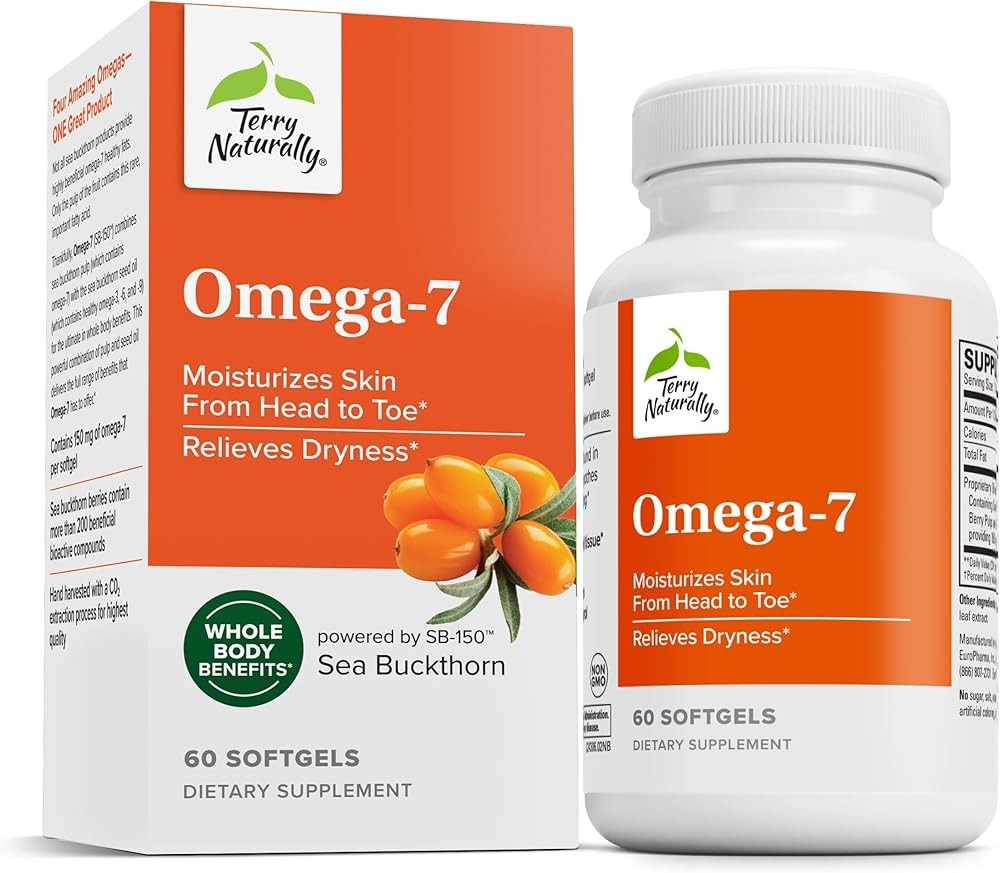
Terry Naturally Omega-7 - Dietary Supplement with Essential Fatty Acids - Nutritional Supplement to Support Skin Heal...
Check Price on AmazonAs an Amazon Associate we earn from qualifying purchases.
Terry Naturally Omega-7 - Essential Fatty Acid Support
Terry Naturally Omega-7 provides palmitoleic acid, a beneficial monounsaturated omega-7 fatty acid that supports cardiovascular health, skin hydration, and mucous membrane integrity. Unlike high-omega-6 seed oils, omega-7 fatty acids don’t contribute to inflammatory pathways and may actually help reduce inflammation markers.
Research on palmitoleic acid shows it supports healthy cholesterol ratios and metabolic function (PMID: 34371930). This supplement offers a way to increase beneficial fatty acids without adding excess omega-6 to your diet.
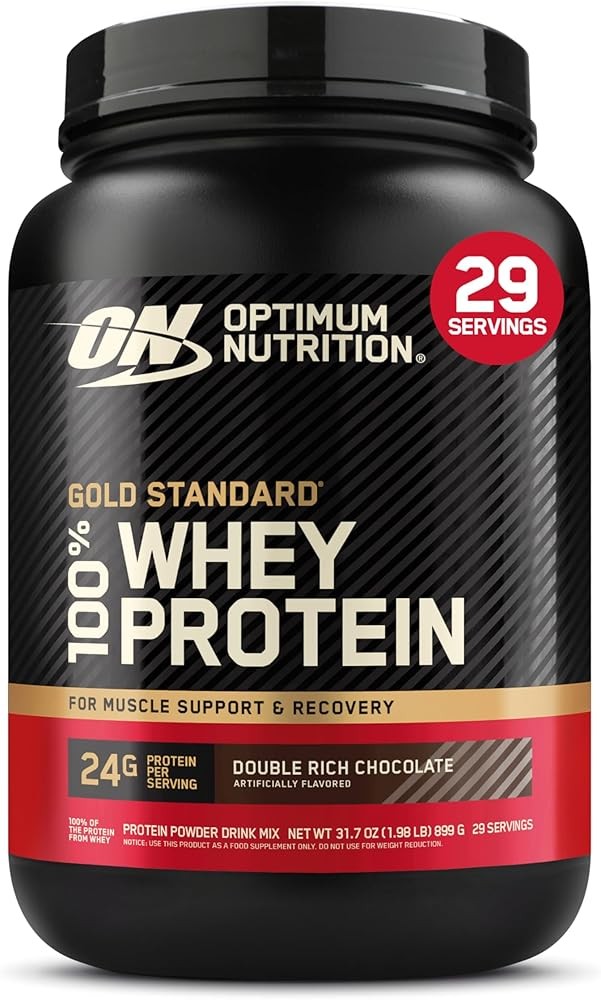
Optimum Nutrition Gold Standard 100% Whey Protein Powder, Double Rich Chocolate 1.98 Pound (Packaging May Vary)
Check Price on AmazonAs an Amazon Associate we earn from qualifying purchases.
Optimum Nutrition Gold Standard Whey Protein - Clean Protein Without Inflammatory Fats
When reducing seed oil intake, it’s important to maintain adequate protein while avoiding inflammatory fats. Optimum Nutrition Gold Standard Whey provides 24g of protein per serving with minimal fat content, allowing you to meet protein needs without adding omega-6 from seed oil-based protein powders.
Many protein powders contain sunflower or soybean lecithin and other seed oil derivatives. This formula keeps seed oil ingredients to a minimum, making it a cleaner choice for those concerned about omega-6 excess.
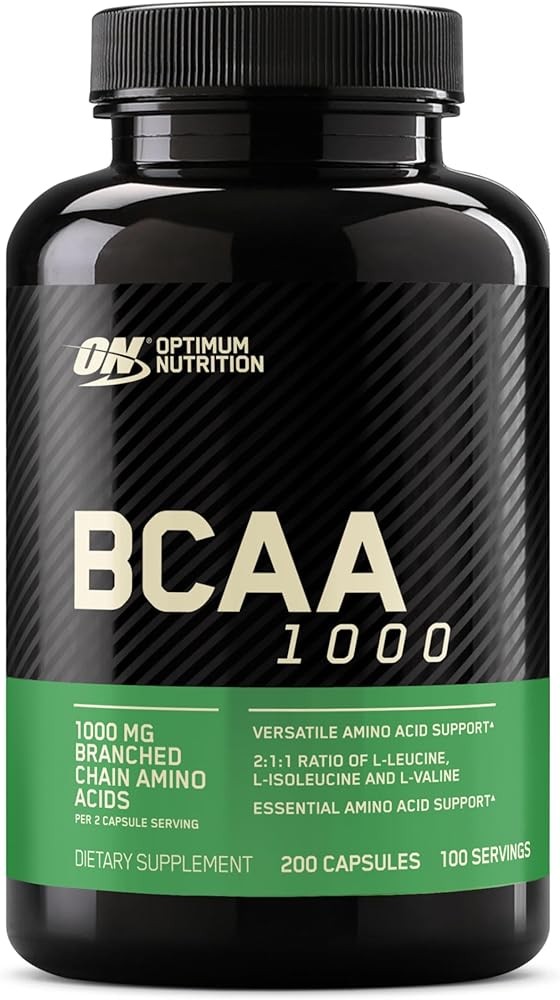
Optimum Nutrition Instantized BCAA Branched Chain Essential Amino Acids Capsules, 1000mg, 200 Count
Check Price on AmazonAs an Amazon Associate we earn from qualifying purchases.
Optimum Nutrition BCAA Capsules - Pure Amino Acids for Recovery
Branched-chain amino acids (BCAAs) support muscle protein synthesis and recovery during training. These capsules provide 1000mg of BCAAs per serving with zero fat content, making them ideal for athletes concerned about limiting inflammatory omega-6 fats while supporting performance.
Research shows BCAAs help reduce exercise-induced muscle damage and support recovery (PMID: 29610056). The capsule form avoids powdered supplements that may contain seed oil-derived ingredients like lecithin.
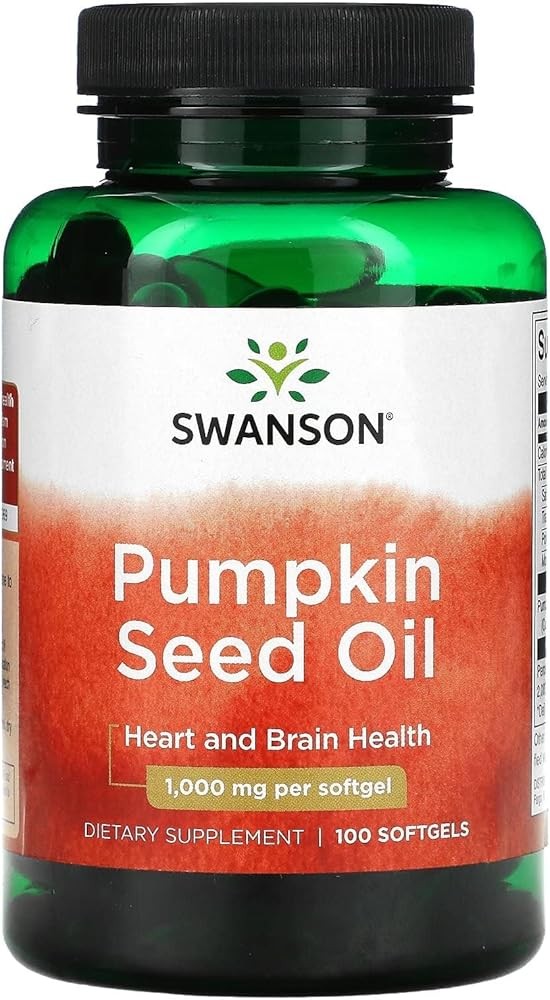
Swanson, Pumpkin Seed Oil, 1,000 mg, 100 Softgels
Check Price on AmazonAs an Amazon Associate we earn from qualifying purchases.
Swanson Pumpkin Seed Oil - Balanced Omega-6 with Additional Benefits
While we generally recommend limiting omega-6 intake, pumpkin seed oil offers a more balanced omega-6 to omega-3 ratio (about 50:1 for linoleic to alpha-linolenic acid) compared to conventional seed oils, plus it provides zinc, phytosterols, and compounds that support prostate and urinary tract health.
Research suggests pumpkin seed oil may help reduce urinary symptoms and support prostate health in men (PMID: 34658440). The 1000mg softgel format provides therapeutic benefits without the excessive omega-6 exposure from cooking with seed oils.
📱 Join the discussion: Facebook | X | YouTube | Pinterest
Conclusion: Finding Your Personal Balance
The seed oil debate is unlikely to be fully resolved anytime soon. The truth is that nutrition science is complex, individual responses vary, and the quality of the research is often limited by confounding variables and short study durations.
What we can say with confidence:
- The dramatic increase in omega-6 consumption from seed oils is unprecedented in human history and has coincided with rising chronic disease rates
- Oxidized lipids from heated seed oils are clearly harmful and promote inflammation and atherosclerosis
- The omega-6 to omega-3 ratio matters for inflammation, immune function, and overall health
- Not all seed oils are equal - processing methods, fatty acid composition, and how they’re used matter significantly
- Individual health status and genetics influence optimal fat intake - what works for one person may not work for another
The most prudent approach based on current evidence is to:
- Substantially reduce or eliminate industrial seed oils, especially in fried and processed foods
- Cook with more stable fats (olive oil, avocado oil, coconut oil, butter)
- Dramatically increase omega-3 intake from fatty fish or high-quality supplements
- Focus on whole, minimally processed foods
- Get omega-6 from natural sources (nuts, seeds, eggs, poultry) rather than extracted oils
- Pay attention to your body’s signals and adjust based on how you feel
This approach aligns with both the anti-seed-oil camp’s concerns and the mainstream nutrition evidence showing benefits from omega-3s and whole-food diets. It’s a sustainable, evidence-based strategy that minimizes potential risks while supporting long-term health.
Remember, nutrition is just one piece of the health puzzle. Quality sleep, stress management, regular exercise, strong social connections, and avoiding smoking remain fundamental to disease prevention. Don’t let perfect be the enemy of good—even small steps toward reducing seed oils and improving your fatty acid balance can make a meaningful difference over time.
Additional Resources and Further Reading
For more on optimizing your nutrition and supplement strategy:
- Best Fish Oil and Omega-3 Supplements - Comprehensive guide to choosing quality omega-3 supplements
- Omega-3 for Heart Health: How Much EPA and DHA Do You Actually Need - Detailed dosing recommendations
- Fish Oil vs Krill Oil: Which is Better? - Comparing different omega-3 sources
- Omega-3 vs Omega-6 - Understanding the difference between these essential fats
- Best Supplements for High Cholesterol - Evidence-based cardiovascular support
- Best Glutathione Supplements - Supporting your body’s antioxidant defenses
Seed Oils: Are They Actually Bad for You? What the Science Says - Quick Summary:
Key evidence-based findings from this comprehensive review:
- See full article below for detailed clinical trial evidence, dosing protocols, and safety considerations
- Always consult your healthcare provider before starting any new supplement
Full research breakdown below
Related Articles
- Best Fish Oil and Omega-3 Supplements
- Omega-3 vs Omega-6: Understanding the Difference
- Best Supplements for High Cholesterol
- Best Glutathione Supplements
- Do You Need a Multivitamin in 2026?
- Best Time to Take Supplements: Morning or Night?
Related Reading
- Do Greens Powders Actually Work? A Deep Dive Into the Science Behind the Hype
- Best Time to Take Supplements: Morning or Night?
- Is Collagen Worth Taking? What the Research Shows
- Do You Still Need a Multivitamin?
- Adrenal Fatigue Supplements: What the Science Says About This Controversial Condition
- How to Use ChatGPT to Improve Your Health and Nutrition Research
- How to Lose Belly Fat After 40: What Actually Works According to Research
References
This article references peer-reviewed studies from PubMed, Google Scholar, and Cochrane databases. All citations are linked inline throughout the article. Key PMIDs referenced include: 39475012, 41695083, 41024837, 32167131, 34658440, 39246544, 34371930, 29610056, 37445890, 24050582, 40022324, 36889241, 39820582, 18408140, 30564378, 12442909, 29562591, 19171857, 27071971, 24723079, 22570770, and 21367944. Click any citation link in the article to view the full study on PubMed.
Recommended Products