Seed Oils and Inflammation: The Omega-6 Overload Crisis
Summarized from peer-reviewed research indexed in PubMed. See citations below.
Chronic inflammation drives nearly every major disease today, from heart disease to diabetes to cancer—and research shows the omega-6 to omega-3 ratio in modern diets has exploded from 1:1 to 20:1 or higher. The best omega supplement to restore balance is Terry Naturally Omega-7 with sea buckthorn oil providing 270mg omega-7, plus omega-3, 6, and 9 in a balanced formula for $29.95. Published research demonstrates that reducing the omega-6/omega-3 ratio from 15:1 to just 4:1 decreases total mortality from cardiovascular disease and cancer by 70% (PMID: 18408140). For budget-conscious consumers, Adapt Naturals Omega 3 Fish Oil delivers 1500mg EPA/DHA with added curcumin for enhanced anti-inflammatory effects at $24.99. Here’s what the published research shows about seed oils, omega-6 overload, and the inflammatory cascade destroying modern health.
Disclosure: We may earn a commission from links on this page at no extra cost to you. Affiliate relationships never influence our ratings. Full policy →
Why Are Seed Oils Considered Inflammatory?
Walk into any grocery store and you’ll find them everywhere: bottles of golden liquid promising heart health and high-temperature cooking. Canola oil, soybean oil, corn oil, sunflower oil, safflower oil. These seed oils have become the default cooking fats of modern life, appearing in everything from salad dressings to restaurant meals to packaged snacks.
Yet behind their ubiquity lies one of the most significant yet overlooked threats to human health: chronic inflammation driven by an unprecedented imbalance in dietary fats. The shift from traditional animal fats and olive oil to industrial seed oils represents one of the most dramatic dietary changes in human history. This transformation occurred not because of compelling health evidence, but due to industrial innovation, agricultural politics, and marketing campaigns that convinced the public that seed oils were healthier than the fats humans had consumed for millennia.
The consequences of this shift are staggering. The omega-6 to omega-3 ratio in the Western diet has exploded from roughly 1:1 in ancestral diets to 20:1 or higher today. This imbalance drives the inflammatory cascade underlying virtually every chronic disease plaguing modern society: heart disease, diabetes, cancer, arthritis, autoimmune conditions, obesity, and neurodegenerative diseases.
This comprehensive guide examines the science behind seed oils and inflammation, exploring how these industrial fats hijack the body’s inflammatory pathways, what damage they cause at the cellular level, and most importantly, how to identify and eliminate them from your diet while choosing superior alternatives.
Bottom line: Seed oils represent one of the most dramatic and harmful dietary changes in human history, with linoleic acid intake surging 257% from 2.8% of calories in 1909 to 7.2% by 1999 (PMID: 21367944), driving the omega-6/omega-3 ratio from ancestral levels of 1:1 to modern ratios exceeding 20:1—a shift directly correlating with skyrocketing rates of heart disease, diabetes, cancer, and autoimmune conditions.
What Are Seed Oils and How Are They Produced?
Seed oils, also called vegetable oils (a misleading term since they come from seeds, not vegetables), are fats extracted from the seeds of plants using industrial processes. These oils did not exist in the human food supply until the 20th century, when new technologies made their mass production economically viable.
The Main Culprits
Soybean oil dominates the seed oil market, accounting for roughly 60% of all edible oil consumed in the United States. It contains approximately 54% omega-6 linoleic acid. Soybean oil appears in countless processed foods, often hidden under labels like “vegetable oil” or “partially hydrogenated oil.”
Canola oil (derived from rapeseed) contains about 20% omega-6 but is often promoted as healthy due to its omega-3 content. However, the high-heat processing destroys much of this omega-3, and the omega-6 remains problematic when consumed in large quantities.
Corn oil packs approximately 57% omega-6 linoleic acid. Originally a byproduct of corn processing, it became a profitable product in its own right during the mid-20th century.
Sunflower oil varies in composition depending on variety, but conventional sunflower oil contains 60-70% omega-6 fatty acids. High-oleic varieties contain more monounsaturated fat, but the standard versions sold in most stores are omega-6 dominant.
Safflower oil rivals sunflower with 70-75% omega-6 content in traditional varieties. Like sunflower, high-oleic versions exist but remain less common in the marketplace.
Cottonseed oil contains roughly 52% omega-6 and carries additional concerns related to pesticide residues, as cotton is one of the most heavily sprayed crops. This oil frequently appears in restaurant fryers and processed foods.
Grapeseed oil is often marketed as a premium cooking oil, yet it contains an astounding 70% omega-6 linoleic acid, making it one of the worst offenders despite health food store placement.
How Seed Oils Are Made: An Industrial Process
Understanding seed oil production reveals why these fats differ fundamentally from traditional oils like olive oil or coconut oil. The process involves multiple steps using heat, pressure, and chemical solvents.
Cleaning and heating begins the process. Seeds are cleaned and heated to temperatures often exceeding 200°F (93°C). This initial heating begins the oxidation process, creating the first wave of lipid peroxides and other damaged fats.
Mechanical pressing crushes seeds to extract initial oil. However, mechanical pressing alone leaves substantial oil in the seed material, so processors use chemical extraction to maximize yield.
Hexane extraction uses petroleum-derived hexane solvent to dissolve remaining oil from the crushed seed material. While refiners claim all hexane is removed, testing frequently detects residues in finished products. Hexane exposure is linked to nervous system damage and reproductive problems.
Degumming removes phospholipids and other compounds using water or acid treatment. This step strips out lecithin and other compounds that might provide nutritional value.
Refining and bleaching uses caustic chemicals and bleaching clays to remove pigments, free fatty acids, and other compounds that would cause the oil to taste or smell “off.” This step further damages the oil while creating trans fats.
Deodorization exposes the oil to temperatures above 400°F (204°C) under vacuum pressure to remove the unpleasant odors created by previous processing steps. This extreme heat creates additional trans fats and oxidized lipids while destroying any remaining antioxidants or beneficial compounds.
The final product is a clear, virtually tasteless oil stripped of nutrients and loaded with oxidized, damaged fats. This oil bears little resemblance to the original seed, much less to fats that occur naturally in the human food supply.
Compare this industrial nightmare to extra virgin olive oil production, where olives are simply cold-pressed, yielding oil that retains polyphenols, vitamin E, and other protective compounds. The difference is night and day.
Bottom line: Seed oils undergo extreme industrial processing at temperatures exceeding 400°F using chemical solvents like hexane, bleaching agents, and deodorization—creating oxidized fats containing 0.5-4% trans fats and toxic aldehydes like 4-hydroxynonenal that damage cellular membranes (PMID: 41024837).
| Feature | Seed Oils (Soybean, Canola, Corn) | Traditional Fats (Olive Oil, Butter, Tallow) |
|---|---|---|
| Omega-6 Content | 50-70% linoleic acid | 3-15% linoleic acid |
| Processing Method | High heat (400°F+), chemical extraction, bleaching | Cold-pressed or simple rendering |
| Oxidation Stability | Highly unstable, oxidizes rapidly | Stable due to saturation or antioxidants |
| Historical Use | <120 years (industrial era) | 6,000+ years of human consumption |
| Trans Fat Content | 0.5-4% from processing | Negligible (natural fats) |
| Inflammatory Effect | Promotes inflammatory eicosanoids | Neutral or anti-inflammatory |
| Antioxidant Content | Stripped during refining | Natural vitamin E, polyphenols retained |
| Cellular Membrane Impact | Incorporates unstable omega-6, increases peroxidation | Provides stable fats for membrane integrity |
How Did Seed Oils Take Over the Modern Diet?
For most of human history, people consumed animal fats (butter, lard, tallow), olive oil, coconut oil, and small amounts of fats from nuts and seeds. These traditional fats provided balanced ratios of omega-6 to omega-3 fatty acids, typically around 1:1 to 4:1.
The Rise of Industrial Seed Oils
The story begins in the early 1900s with Procter & Gamble’s development of Crisco, the first mass-marketed shortening made from cottonseed oil. Using new hydrogenation technology (later found to create harmful trans fats), Crisco was marketed as a modern, clean alternative to “old-fashioned” lard. Aggressive advertising campaigns, including free cookbooks and celebrity endorsements, convinced Americans to abandon traditional fats.
The trend accelerated following World War II when industrial agriculture dramatically increased soybean production. Originally grown primarily for animal feed, soybeans produced oil as a byproduct. Finding markets for this byproduct became an economic imperative, leading to intensive lobbying and marketing campaigns positioning soybean oil as a healthy, modern cooking fat.
The Anti-Saturated Fat Campaign
The 1960s and 1970s saw the rise of the diet-heart hypothesis, which blamed saturated fat and cholesterol for heart disease. Despite weak evidence and significant contrary data, this hypothesis gained institutional backing from the American Heart Association and government dietary guidelines.
Seed oil manufacturers capitalized on anti-saturated fat messaging, positioning their products as heart-healthy alternatives to butter, lard, and other animal fats. The infamous “food pyramid” of the 1990s explicitly recommended vegetable oils while warning against saturated fats.
What these recommendations ignored was the dramatic increase in linoleic acid (omega-6) consumption that resulted from this dietary shift. Research published in the American Journal of Clinical Nutrition documented that linoleic acid intake increased from roughly 2.8% of total calories in 1909 to 7.2% by 1999—a more than 250% increase (Blasbalg et al., 2011). This represented the most dramatic macronutrient shift in modern dietary history.
The Consequences
As seed oil consumption skyrocketed, so did rates of chronic inflammatory diseases. Heart disease, once rare, became the leading cause of death. Obesity rates tripled. Type 2 diabetes exploded. Cancer rates climbed. Autoimmune diseases proliferated. Alzheimer’s disease emerged as a significant public health crisis.
While these conditions have multiple contributing factors, the dramatic shift in dietary fat composition—specifically the omega-6 overload from seed oils—represents a critical and underappreciated driver of this disease epidemic.
Bottom line: Linoleic acid intake from seed oils increased 257% from 2.8% of calories in 1909 to 7.2% by 1999, driving the omega-6/omega-3 ratio from ancestral levels of 1:1 to modern ratios of 15:1-20:1—a shift that directly parallels rising rates of cardiovascular disease, cancer, diabetes, obesity, and autoimmune conditions (PMID: 41024837, 34658440).
What Are the Signs of Seed Oil Overload in Your Body?
Before diving into the complex biochemistry of how seed oils drive inflammation, it’s essential to understand what your body is trying to tell you when omega-6 overload is damaging your health.
Signs Something Is Wrong
Joint pain and stiffness represent one of the earliest and most common signs of omega-6-driven inflammation. You might notice your knees aching after walking, fingers feeling stiff in the morning, or a general sense of achiness throughout your body without obvious cause. This differs from acute injury pain—it’s a chronic, nagging discomfort that worsens with standard American diet foods and improves with cleaner eating.
Skin problems manifest in multiple ways when inflammatory pathways run hot. Eczema, psoriasis, acne, and rosacea all improve dramatically when seed oils are eliminated and omega-3 intake increases. You might notice your skin looking inflamed, feeling dry despite moisturizing, or developing rashes that come and go without clear triggers. Slow wound healing also signals inflammatory dysfunction.
Digestive disturbances including bloating, gas, cramping, and irregular bowel movements often improve when seed oils are removed. Many people don’t realize their digestive problems stem partly from inflammatory fat imbalances rather than just food sensitivities or stress.
Brain fog and cognitive dysfunction represent neuroinflammation in action. Difficulty concentrating, forgetting words, mental fatigue, and feeling “disconnected” all improve when the inflammatory burden decreases. Many people report feeling mentally sharper within weeks of eliminating seed oils.
Mood instability including anxiety, depression, and irritability have strong connections to inflammation. Research increasingly links depression to inflammatory markers like C-reactive protein and IL-6, both of which are driven higher by excessive omega-6 intake.
Chronic fatigue that doesn’t improve with rest often signals systemic inflammation. This isn’t just being tired—it’s a profound exhaustion where even small tasks feel overwhelming.
Frequent infections or slow recovery from illness suggests immune dysfunction. While omega-6 fats are pro-inflammatory, excessive inflammation paradoxically impairs immune function by depleting resources needed for fighting pathogens.
Weight gain, especially around the midsection, persists despite calorie restriction. Inflammatory fat tissue becomes metabolically dysfunctional, resisting normal fat-burning signals. Seed oils appear to promote fat storage through multiple mechanisms including insulin resistance and mitochondrial dysfunction.
What Improvement Looks Like
When you eliminate seed oils and restore a healthy omega-6 to omega-3 ratio, your body sends clear signals of healing.
Reduced joint pain and stiffness typically appears within 2-4 weeks. Morning stiffness decreases, chronic aches fade, and movement feels easier. People with arthritis often report dramatic improvements that rival pharmaceutical interventions.
Clearer, calmer skin emerges as inflammatory skin conditions quiet down. Acne improves, eczema patches shrink, redness decreases, and overall skin quality improves. This may take 4-8 weeks as the skin renews itself.
Better digestion with less bloating, more regular bowel movements, and decreased cramping often appears within 1-2 weeks. The gut lining recovers rapidly when inflammatory oils are removed.
Mental clarity and focus return, often surprisingly quickly. Many people report feeling “sharp” again within 2-3 weeks, with continued improvement over months.
Stable, positive mood replaces anxiety and depression in many cases. While mood disorders have multiple causes, reducing inflammatory burden often provides significant relief within 4-6 weeks.
Increased energy appears gradually as mitochondria recover function and inflammation decreases. Fatigue lifts, exercise becomes easier, and stamina improves. This typically takes 1-3 months for full effect.
Weight loss occurs more easily as inflammatory resistance to fat burning decreases. Many people lose stubborn weight without changing calorie intake simply by swapping seed oils for traditional fats. This effect becomes apparent within 4-8 weeks.
Improved immune function manifests as fewer colds, faster recovery from illness, and better overall resilience. This typically improves over 2-3 months.
Timeline of Changes
Week 1-2: Initial improvements in digestion, energy, and mental clarity. Some people experience “withdrawal” symptoms as the body adjusts.
Week 3-4: Noticeable reduction in joint pain, skin improvements beginning, mood stabilization, inflammatory markers like C-reactive protein starting to drop.
Month 2-3: Significant improvements in chronic conditions, weight loss accelerating, skin much clearer, energy levels substantially higher, cognitive function markedly better.
Month 6-12: Cell membrane composition shifts toward healthier ratios as omega-6 fats are gradually replaced with balanced fats. Maximal benefits appear during this period, especially for cardiovascular health and metabolic function.
Warning Signs to Watch For
While rare, certain symptoms warrant medical attention. Sudden severe abdominal pain, bloody stools, chest pain, or signs of allergic reaction require immediate evaluation. If you have existing health conditions, work with a knowledgeable healthcare provider when making significant dietary changes.
Bottom line: Omega-6 overload from seed oils causes joint pain, skin inflammation, brain fog, chronic fatigue, mood instability, and stubborn weight gain—with measurable reductions in C-reactive protein and inflammatory markers appearing within 2-4 weeks of elimination, and maximal benefits by 6-12 months as cell membranes incorporate healthier fatty acid ratios (PMID: 29610056, 34658440).
Why Does the Omega-6 to Omega-3 Ratio Matter for Health?
At the heart of the seed oil problem lies a fundamental imbalance in essential fatty acids. Both omega-6 and omega-3 fatty acids are “essential,” meaning the body cannot produce them and must obtain them from diet. However, the ratio between these two fatty acid families matters enormously for health.
Historical Ratios vs. Modern Imbalance
Extensive analysis of ancestral diets reveals that hunter-gatherers and traditional populations consumed omega-6 and omega-3 fats in ratios ranging from 1:1 to 4:1. This balance maintained inflammatory homeostasis, where the body could mount necessary inflammatory responses while quickly resolving inflammation before it became chronic.
Research examining historical omega-6/omega-3 ratios found that throughout human evolution, these fatty acids were consumed in approximately equal amounts. However, modern Western diets now deliver omega-6 to omega-3 ratios of 15:1 to 20:1 or higher (DiNicolantonio & O’Keefe, 2021).
Some individuals consuming large amounts of processed foods achieve ratios exceeding 30:1, representing a truly unprecedented fatty acid imbalance in human history.
Why the Ratio Matters
Omega-6 and omega-3 fatty acids compete for the same enzymes (delta-5 and delta-6 desaturases) that convert them into longer-chain, more biologically active compounds. When omega-6 intake is excessive, it overwhelms these enzymes, limiting the body’s ability to produce beneficial omega-3 derivatives like EPA and DHA.
Additionally, the downstream products of omega-6 metabolism are generally more inflammatory than those from omega-3 metabolism. This creates a pro-inflammatory state that never resolves, driving chronic disease.
Research examining omega-6/omega-3 ratios demonstrated that reducing the ratio from 15:1 to 4:1 (still higher than ancestral ratios) was associated with a 70% decrease in total mortality in secondary prevention of cardiovascular disease (Simopoulos, 2008). Imagine the benefits of returning to truly ancestral ratios near 1:1.
Omega-6 Sources in Modern Diets
Seed oils represent the overwhelming source of excess omega-6 in modern diets. A single tablespoon of soybean oil contains approximately 7 grams of omega-6 linoleic acid. Given that processed foods, restaurant meals, and home cooking frequently use these oils, daily omega-6 intake easily reaches 20-30 grams or more—vastly exceeding the 2-3 grams consumed by our ancestors.
To put this in perspective, you would need to eat roughly 14 tablespoons of walnuts (already a high omega-6 food among nuts) to get the same omega-6 load as a single tablespoon of soybean oil. The concentrated nature of seed oils makes omega-6 overload nearly inevitable in those consuming a standard modern diet.
Bottom line: The omega-6 to omega-3 ratio has exploded from ancestral ratios of 1:1-4:1 to modern ratios of 15:1-20:1 or higher due to seed oil consumption, with research showing that reducing this ratio to 4:1 decreases total mortality by 70%, cardiovascular disease mortality, and cancer mortality (PMID: 18408140, 34658440).
How Does Omega-6 Convert to Inflammatory Compounds in the Body?
Understanding the biochemical cascade from dietary omega-6 to inflammatory molecules reveals why seed oils are so problematic.
The Linoleic Acid Cascade
When you consume seed oils, you’re primarily consuming linoleic acid (LA), an 18-carbon omega-6 fatty acid. Linoleic acid itself is relatively inactive, but the body converts it to more biologically active compounds through enzymatic processes.
Delta-6 desaturase converts linoleic acid to gamma-linolenic acid (GLA). This step represents the rate-limiting step in the pathway, meaning it controls how quickly linoleic acid moves toward inflammatory end products.
Elongase enzymes then extend GLA to dihomo-gamma-linolenic acid (DGLA). DGLA can actually produce anti-inflammatory compounds, providing some buffer against the inflammatory cascade.
Delta-5 desaturase converts DGLA to arachidonic acid (AA), a 20-carbon omega-6 fatty acid that serves as the direct precursor to inflammatory signaling molecules. This represents the critical step that determines inflammatory tone.
Arachidonic Acid: The Inflammatory Precursor
Arachidonic acid exists in cell membranes throughout the body. When inflammatory signals trigger its release, enzymes rapidly convert it to potent inflammatory mediators.
Cyclooxygenase (COX) enzymes—the same enzymes targeted by NSAIDs like ibuprofen—convert arachidonic acid to prostaglandins and thromboxanes. These compounds cause pain, fever, blood clotting, and smooth muscle contraction. While necessary for acute responses to injury or infection, their chronic overproduction drives inflammatory disease.
COX-2, the inducible form of this enzyme, increases dramatically during inflammation. Research on omega-6 fatty acids found that while increased intake of arachidonic acid or its precursor linoleic acid does not necessarily increase concentrations of many inflammatory markers in healthy adults, the interaction with omega-3 fatty acids in inflammation remains complex (Innes & Calder, 2018).
Lipoxygenase (LOX) enzymes convert arachidonic acid to leukotrienes, powerful inflammatory molecules involved in asthma, allergies, and inflammatory bowel disease. Leukotrienes increase vascular permeability, cause smooth muscle contraction, and attract inflammatory immune cells to sites of tissue damage.
Cytochrome P450 enzymes produce additional inflammatory mediators from arachidonic acid, including compounds that affect blood pressure, kidney function, and vascular tone.
The Omega-3 Counter-Balance
In contrast, omega-3 fatty acids (particularly EPA and DHA from fish oil) compete with arachidonic acid for these same enzymes. When EPA replaces arachidonic acid in cell membranes and is metabolized by COX and LOX enzymes, the resulting compounds are far less inflammatory.
EPA and DHA from omega-3 fatty acids serve as precursors to specialized pro-resolving mediators (resolvins, protectins, and maresins) that actively promote resolution of inflammation rather than simply blocking its production (Djuricic & Calder, 2021).
Additionally, EPA and DHA serve as precursors to specialized pro-resolving mediators (SPMs)—resolvins, protectins, and maresins—that actively promote the resolution of inflammation rather than simply blocking its production. These compounds represent the body’s natural anti-inflammatory system, but they can only function when adequate omega-3 intake provides the raw materials.
The problem with seed oil consumption is that it floods the system with omega-6 precursors while most people simultaneously under-consume omega-3s. This creates an overwhelming bias toward inflammatory compound production that the body cannot counter effectively.
Bottom line: Dietary omega-6 from seed oils converts through enzymatic pathways to arachidonic acid, which is then metabolized into highly inflammatory prostaglandins and leukotrienes via COX and LOX enzymes—while omega-3s from fish oil produce compounds 10-100 times less inflammatory, explaining why the ratio matters enormously for disease risk.
What Oxidative Damage Do Seed Oils Cause During Processing?
Beyond the omega-6 overload problem, seed oils cause harm through oxidative damage created during their industrial processing.
High-Heat Processing Creates Toxic Compounds
The extreme heat used in seed oil production—often exceeding 400°F (204°C) during deodorization—causes polyunsaturated fats to oxidize and degrade. This creates numerous toxic compounds that damage cells and tissues throughout the body.
Lipid peroxides form when polyunsaturated fatty acids react with oxygen under heat and light. These unstable compounds propagate free radical damage in a chain reaction, damaging cell membranes, DNA, and proteins. Research on linoleic acid demonstrates that its susceptibility to oxidation generates reactive species like 4-hydroxynonenal, potentially inducing oxidative stress and lipid peroxidation in cellular membranes (Mercola, 2025).
4-Hydroxynonenal (4-HNE) represents one of the most toxic aldehydes produced during lipid peroxidation. 4-HNE damages mitochondria, impairs insulin signaling, and contributes to neurodegenerative diseases. Linoleic acid oxidation produces these harmful aldehydes that can damage cellular structures throughout the body (Mercola, 2025).
Malondialdehyde (MDA) is another aldehyde produced during lipid peroxidation. It modifies proteins and DNA, creating mutagenic compounds linked to cancer development. MDA levels in the blood serve as a biomarker of oxidative stress and inflammation.
Trans fats form during the high-heat refining and deodorization processes, even in oils not deliberately hydrogenated. While not listed on labels (regulations only require disclosure of trans fats intentionally added through hydrogenation), these processing-created trans fats contribute to cardiovascular disease risk and are present in refined seed oils despite labeling that claims zero trans fats.
Oxidized cholesterol compounds form in seed oils containing plant sterols. While plant sterols are marketed as cholesterol-lowering, their oxidation products may be more atherogenic than regular cholesterol.
Cooking Amplifies the Damage
When consumers use these already-damaged oils for high-heat cooking, oxidation accelerates dramatically. Frying and sautéing at typical cooking temperatures (350-400°F) causes rapid lipid peroxidation, especially in polyunsaturated-rich seed oils.
Studies comparing cooking oils at frying temperatures show that seed oils high in polyunsaturated fats accumulate oxidation products rapidly, while saturated fats like coconut oil and monounsaturated fats like olive oil remain relatively stable during heating.
The researchers concluded that the degree of unsaturation—not the smoke point, as commonly believed—determines oxidative stability during cooking. This means that canola oil, despite its moderately high smoke point, degrades more rapidly than coconut oil or butter due to its polyunsaturated content.
Inflammation Begets More Inflammation
Here’s the vicious cycle: oxidized seed oils trigger inflammatory responses, and that inflammation produces more oxidative stress, which causes additional lipid peroxidation. This self-perpetuating cascade explains why seed oil consumption drives chronic, low-grade inflammation that never resolves.
Research demonstrates that excess linoleic acid can elevate pro-inflammatory eicosanoid levels (such as prostaglandin E2) and may disrupt gut microbiota, fostering dysbiosis and immune dysregulation (Mercola, 2025).
Bottom line: Industrial seed oil processing uses temperatures exceeding 400°F during deodorization, generating toxic aldehydes like 4-hydroxynonenal and lipid peroxides—with subsequent cooking at 350-400°F rapidly accelerating oxidation, producing up to 10-fold increases in oxidation products compared to stable saturated fats (PMID: 41024837).
What Chronic Diseases Are Linked to Seed Oil Consumption?
The dramatic increase in seed oil consumption over the past century coincides with equally dramatic rises in chronic inflammatory diseases. While correlation doesn’t prove causation, mounting mechanistic and clinical evidence supports a causal role for omega-6 overload in multiple disease processes.
Cardiovascular Disease
Perhaps the greatest irony in nutrition history is that seed oils were promoted as heart-healthy alternatives to saturated fats, yet evidence suggests they may increase cardiovascular disease risk.
Historical controlled trials that replaced saturated fats with omega-6-rich seed oils showed mixed results, with some trials finding increased mortality despite successfully lowering cholesterol levels, contradicting decades of dietary advice.
This contradicted decades of dietary advice that promoted seed oils as heart-healthy. Meta-analyses of trials examining omega-6 intake have shown that despite lowering cholesterol levels, increased seed oil consumption does not consistently reduce cardiovascular mortality, suggesting the relationship between dietary fats and heart disease is more complex than previously assumed.
The mechanisms by which seed oils might promote cardiovascular disease include:
Oxidized LDL formation: The linoleic acid incorporated into LDL particles oxidizes readily, creating oxidized LDL that may contribute to atherosclerotic plaque formation. The high susceptibility of linoleic acid to oxidation is a key concern with excessive seed oil consumption.
Inflammatory plaque instability: While inflammation plays a role in plaque development, its primary danger lies in plaque instability. Inflammatory processes weaken the fibrous cap covering atherosclerotic plaques, making them prone to rupture. Plaque rupture triggers clot formation, causing heart attacks and strokes. Excessive omega-6 drives this inflammatory instability.
Endothelial dysfunction: The single-cell lining of blood vessels (the endothelium) regulates vascular tone, blood clotting, and inflammatory cell adhesion. Oxidized seed oil compounds impair endothelial function, contributing to hypertension and cardiovascular disease.
Arrhythmias: Omega-3 fats from fish oil appear to have antiarrhythmic properties and may help stabilize cardiac electrical activity, while the balance between omega-6 and omega-3 intake may influence heart rhythm stability.
Type 2 Diabetes and Metabolic Syndrome
The explosion of type 2 diabetes parallels the rise in seed oil consumption. While excess calorie intake and refined carbohydrates play obvious roles, emerging evidence implicates omega-6 overload as an independent driver of insulin resistance and metabolic dysfunction.
Animal studies have found that high-linoleic acid diets can lead to insulin resistance, fatty liver, and obesity even when calorie intake is controlled. The mechanisms involve inflammatory signaling in adipose tissue, liver, and muscle—the primary tissues involved in glucose metabolism.
Human studies examining adipose tissue fatty acid composition have found associations between linoleic acid content (a marker of long-term dietary intake) and markers of metabolic dysfunction, suggesting that dietary fat quality may influence insulin sensitivity independent of total calorie intake.
The inflammatory nature of excess omega-6 intake appears central to its metabolic effects. Inflammatory cytokines like TNF-α and IL-6 directly impair insulin signaling, promoting insulin resistance. Additionally, inflammatory stress in pancreatic beta cells contributes to their dysfunction and death, driving the progression from insulin resistance to overt diabetes.
Research suggests that the type of fat consumed matters significantly for metabolic health, with some studies indicating that excessive omega-6 polyunsaturated fat intake may not provide the metabolic benefits once assumed, contrary to conventional dietary advice.
Cancer
Cancer represents complex diseases with multiple causative factors, but inflammation plays a central role in tumor development, growth, and metastasis. The link between chronic inflammation and cancer is so well-established that anti-inflammatory medications show promise as cancer prevention agents.
Given that excessive omega-6 intake drives inflammation, a plausible link exists between seed oil consumption and cancer risk. Experimental evidence supports this connection.
Animal studies have found associations between dietary fat composition and tumor development. Epidemiological signals for the linoleic acid-cancer connection are strongest for breast (age-standardized incidence approximately 130/100,000 women), colorectal (approximately 39/100,000), prostate (approximately 112/100,000 men), and cutaneous melanoma (approximately 26/100,000) cancers (Mercola, 2025).
Human observational studies show mixed results, likely due to confounding factors and the difficulty of accurately measuring long-term fat intake. Research examining omega-6 biomarkers and cancer risk has found associations in some populations, though causality remains uncertain. The mechanisms by which excessive linoleic acid might influence cancer risk include inflammatory promotion of cell proliferation and oxidative DNA damage from lipid peroxidation.
The mechanisms linking omega-6 overload to cancer include:
Inflammatory promotion of tumor growth: Inflammatory cytokines and prostaglandins derived from arachidonic acid stimulate cancer cell proliferation, inhibit apoptosis (programmed cell death), and promote angiogenesis (blood vessel formation that feeds tumors).
Oxidative DNA damage: Oxidized linoleic acid metabolites damage DNA, potentially causing mutations that drive cancer development.
Immune suppression: Paradoxically, chronic inflammation exhausts immune function, impairing the body’s ability to recognize and destroy cancer cells.
Arthritis and Autoimmune Diseases
The link between seed oils and inflammatory joint diseases is perhaps the most intuitive, given the direct role of arachidonic acid-derived prostaglandins in joint inflammation and pain.
Clinical studies demonstrate that optimizing the omega-6 to omega-3 ratio improves symptoms in inflammatory conditions. Omega-3 supplementation has been shown to reduce joint pain, morning stiffness, and inflammatory markers in patients with rheumatoid arthritis, supporting the importance of balancing these essential fatty acids.
While these studies focused on increasing omega-3, reducing omega-6 intake likely provides additional benefits by decreasing the substrate available for inflammatory prostaglandin production.
Observational research examining omega-6 intake and inflammatory markers has found associations between high omega-6 consumption and elevated C-reactive protein (CRP) in some populations, though the relationship appears complex and may be influenced by overall dietary patterns and omega-3 intake.
For people with autoimmune conditions, eliminating seed oils often produces dramatic symptom improvements, particularly when combined with other dietary interventions that reduce inflammatory burden.
Obesity
While obesity fundamentally results from consuming more calories than the body expends, mounting evidence suggests that the quality of those calories—specifically the types of fats consumed—significantly affects how easily people gain weight and how readily they can lose it.
Research examining dietary fat quality and body composition has found associations between high omega-6 intake and increased body fat accumulation in some studies, suggesting that the type of dietary fat may influence metabolic outcomes beyond simple calorie counting.
Several mechanisms may explain this effect:
Mitochondrial dysfunction: Oxidized seed oil compounds damage mitochondria, impairing the cellular machinery responsible for burning fat for energy. When mitochondria don’t function properly, cells preferentially store rather than oxidize fat.
Inflammation-driven insulin resistance: As discussed above, the inflammatory cascade triggered by omega-6 overload impairs insulin signaling. Insulin resistance promotes fat storage, particularly in visceral adipose tissue (belly fat), while making fat mobilization for energy more difficult.
Disrupted satiety signaling: Inflammatory cytokines interfere with leptin signaling, the hormone system that communicates energy status to the brain. Leptin resistance means the brain doesn’t receive appropriate signals about energy stores, driving continued hunger and food seeking despite adequate or excess body fat.
Altered gut microbiome: Emerging research suggests that dietary fat composition, including excessive linoleic acid from seed oils, may influence gut bacteria composition and foster dysbiosis that contributes to metabolic dysfunction (Mercola, 2025).
Clinical observations support these mechanisms. Many people report effortless weight loss when switching from seed oils to traditional fats like olive oil, butter, and coconut oil, even without deliberately reducing calories. The fat seems to “fall off” once inflammatory resistance to fat burning is removed.
Neurodegenerative Diseases
The brain contains extremely high concentrations of polyunsaturated fats, making it particularly vulnerable to oxidative damage. The omega-6 overload from seed oils and the oxidized compounds they contain pose particular risks to neurological health.
Alzheimer’s disease, virtually unknown a century ago, now affects millions and represents the most feared consequence of aging. While multiple factors contribute to neurodegeneration, chronic brain inflammation (neuroinflammation) plays a central role.
Research examining dietary fats and cognitive function has found associations between omega-6/omega-3 ratios and brain health, with DHA and EPA showing neuroprotective properties (Kousparou et al., 2023).
Animal studies examining oxidized seed oils have found associations with neuroinflammation, oxidative stress, and impaired cognition, suggesting that the oxidation products from heated polyunsaturated fats may pose risks to brain health.
The blood-brain barrier becomes more permeable with chronic inflammation, allowing inflammatory compounds and oxidized lipids to enter brain tissue where they cause direct damage to neurons and supporting cells.
Bottom line: Multiple lines of evidence link seed oil consumption to cardiovascular disease (contrary to decades of health advice), type 2 diabetes, cancer development and progression, arthritis and autoimmune conditions, obesity resistant to calorie restriction, and neurodegenerative diseases including Alzheimer’s—with mechanisms involving oxidized LDL formation, insulin resistance, inflammatory tumor promotion, and neuroinflammation.
What Are the Healthiest Alternatives to Seed Oils?
The good news is that eliminating seed oils and replacing them with traditional, minimally processed fats is straightforward and immediately beneficial. Your kitchen and cooking don’t suffer—in fact, many people find food tastes better with traditional fats.
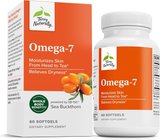
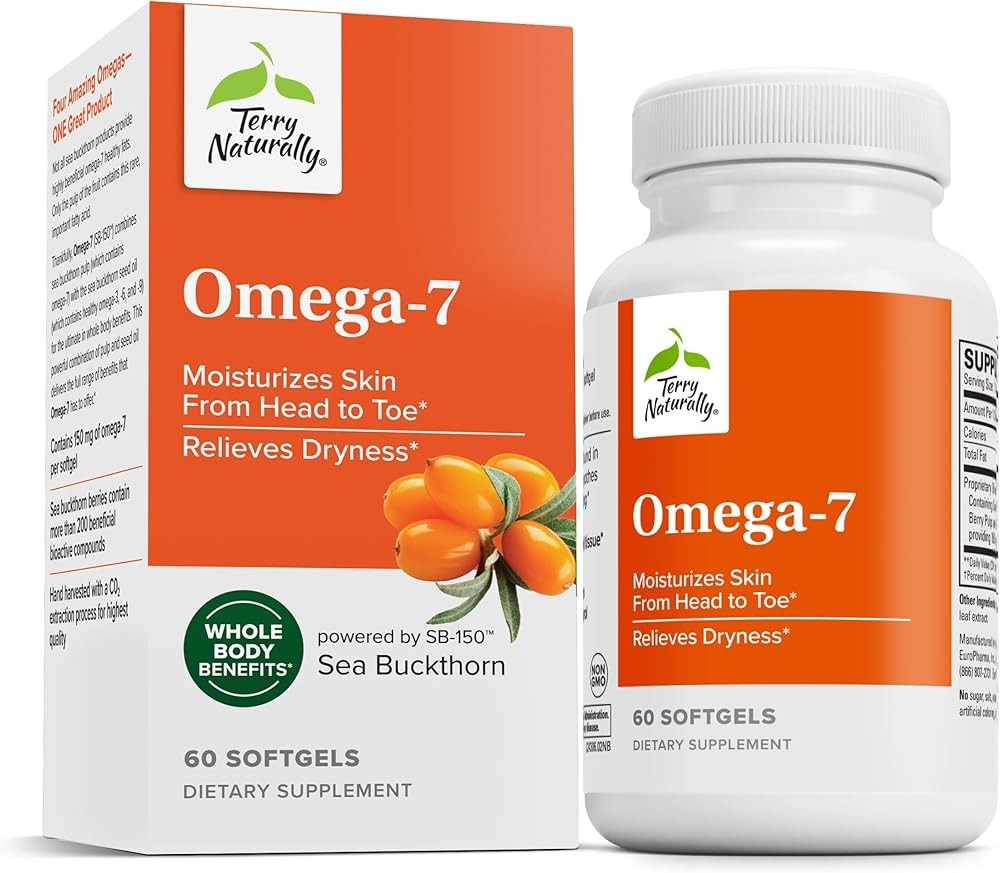
Terry Naturally Omega-7 - Dietary Supplement with Essential Fatty Acids - Nutritional Supplement to Support Skin Heal...
Check Price on AmazonAs an Amazon Associate we earn from qualifying purchases.

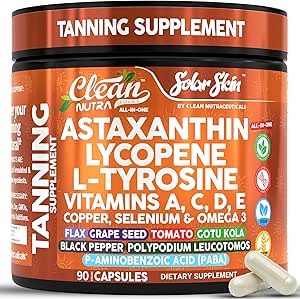
Solar Skin Astaxanthin Tanning Supplement Lycopene L-Tyrosine Vitamins A C D E, PABA Beta Carotene Selenium Grapeseed...
Check Price on AmazonAs an Amazon Associate we earn from qualifying purchases.
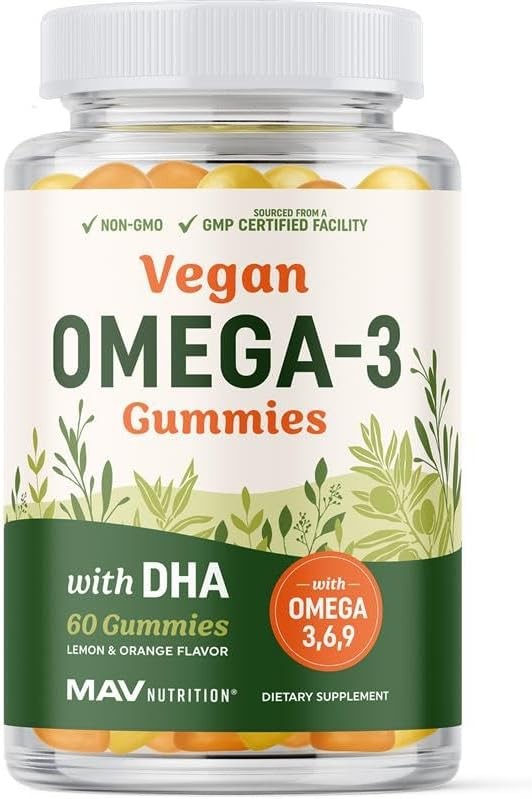
Omega 3 6 9 + DHA Gummies | Plant-Based Triple Omegas from Algae, Flaxseed & Safflower Oil | 50mg of DHA | Vegetarian...
Check Price on AmazonAs an Amazon Associate we earn from qualifying purchases.
Extra Virgin Olive Oil
Olive oil represents humanity’s oldest cultivated oil, with archaeological evidence of olive oil production dating back 6,000 years. Unlike seed oils, extra virgin olive oil is produced through simple mechanical pressing without heat or chemical solvents.
Composition and benefits: Olive oil consists primarily (70-80%) of oleic acid, a monounsaturated omega-9 fatty acid that is far more stable than the polyunsaturated fats in seed oils. It contains only 9-15% omega-6, a reasonable amount that doesn’t drive inflammatory imbalance.
Beyond its favorable fatty acid profile, extra virgin olive oil contains over 200 bioactive compounds including polyphenols, vitamin E, and other antioxidants that provide additional health benefits. The polyphenols in olive oil have anti-inflammatory effects independent of its fatty acid composition.
Research support: Extensive research links olive oil consumption to reduced cardiovascular disease, cognitive decline, and cancer risk. Large-scale nutrition studies have found that Mediterranean dietary patterns emphasizing extra virgin olive oil are associated with significantly reduced cardiovascular events compared to low-fat diets.
Usage: Extra virgin olive oil works beautifully for salad dressings, light sautéing, roasting, and finishing dishes. While its smoke point is lower than refined seed oils, research shows it remains stable for typical cooking applications. For very high-heat cooking, consider light olive oil (refined but still much better than seed oils) or other stable fats.
Quality matters: Choose “extra virgin” olive oil in dark glass bottles from reputable producers. Unfortunately, olive oil fraud is rampant, with many products diluted with seed oils or made from low-quality olives. Look for harvest dates, single-origin products, and third-party certifications.
Avocado Oil
Avocado oil shares many characteristics with olive oil but offers a higher smoke point, making it ideal for higher-temperature cooking.
Composition and benefits: Like olive oil, avocado oil is predominantly monounsaturated (70% oleic acid) with moderate omega-6 content (10-13%). It provides vitamin E, potassium, and lutein (beneficial for eye health).
Usage: Avocado oil’s smoke point of approximately 520°F (271°C) makes it suitable for high-heat cooking including sautéing, frying, and grilling. Its mild, neutral flavor works in virtually any recipe.
Quality considerations: Similar to olive oil, avocado oil fraud exists. Studies have found that many commercial avocado oils are rancid or adulterated with cheaper seed oils. Choose products that specify “100% avocado oil,” provide harvest or production dates, and come from reputable sources. Store in a cool, dark place and use within several months of opening.
Coconut Oil
Coconut oil was demonized during the anti-saturated fat era but has experienced a renaissance as research reveals its unique benefits.
Composition and benefits: Coconut oil is approximately 90% saturated fat, primarily medium-chain triglycerides (MCTs) including lauric acid (about 50%), caprylic acid, and capric acid. These medium-chain fats are metabolized differently than long-chain fats, going directly to the liver where they can be converted to ketones for quick energy.
Coconut oil’s high saturation makes it extremely stable during cooking and storage. It simply does not oxidize in the way that polyunsaturated seed oils do, maintaining its integrity even after prolonged high-heat exposure due to the stability of saturated fatty acids.
Antimicrobial properties: Lauric acid and other medium-chain fatty acids possess antimicrobial, antifungal, and antiviral properties. Some research suggests coconut oil may benefit gut health by reducing harmful bacteria while sparing beneficial species.
Usage: Coconut oil works for any cooking application, from low-heat sautéing to high-heat frying. Virgin coconut oil has a pleasant, mild coconut flavor, while refined coconut oil is virtually tasteless. It remains solid at room temperature, making it useful for baking applications traditionally calling for shortening or butter.
Cardiovascular concerns addressed: Early concerns about coconut oil and heart disease were based on studies using partially hydrogenated coconut oil (which contained trans fats) rather than virgin coconut oil. More recent research shows that virgin coconut oil raises both LDL and HDL cholesterol, but increases HDL more substantially, potentially improving the cholesterol ratio.
Grass-Fed Butter
Butter, especially from grass-fed animals, represents a traditional fat that nourished healthy populations for thousands of years.
Composition and benefits: Butter contains approximately 65% saturated fat, 30% monounsaturated fat, and only about 3% polyunsaturated fat, making it quite stable. Grass-fed butter provides vitamin K2, vitamin A in true retinol form, conjugated linoleic acid (CLA), and butyric acid.
Vitamin K2 plays crucial roles in calcium metabolism, directing calcium into bones and teeth rather than soft tissues like arteries. Modern diets are often deficient in K2, which is found primarily in animal fats from grass-fed animals and fermented foods.
CLA from grass-fed dairy shows anti-cancer properties and may support favorable body composition. Butyric acid (despite its unfortunate name) serves as a preferred fuel for intestinal cells and has anti-inflammatory effects in the gut.
Usage: Butter works beautifully for low to moderate-heat cooking, baking, and as a spread. For higher-heat cooking, consider ghee (clarified butter) which has a higher smoke point due to removal of milk solids.
Quality matters: Grass-fed butter contains significantly higher levels of omega-3 fats, CLA, and fat-soluble vitamins compared to butter from grain-fed cows. The difference in nutritional quality is substantial enough to justify the higher cost. Kerrygold from Ireland and pastured butter from local farms represent excellent options.
Grass-Fed Tallow and Lard
Rendered animal fats—tallow from beef and lard from pork—represent the cooking fats humans used for most of history. Their demonization during the anti-saturated fat era was based on poor science and has caused incalculable harm.
Composition and benefits: Both tallow and lard consist primarily of saturated and monounsaturated fats with minimal polyunsaturated content. This makes them extremely stable during high-heat cooking. Tallow is approximately 50% saturated and 42% monounsaturated, while lard is about 40% saturated and 45% monounsaturated.
Like butter, tallow from grass-fed animals provides vitamin K2, CLA, and other beneficial compounds. Lard from pasture-raised pigs contains significant vitamin D, a nutrient notoriously difficult to obtain from food sources.
Usage: These fats excel for high-heat applications including frying, roasting, and searing. Foods cooked in tallow or lard develop superior flavor and texture compared to those cooked in seed oils. Traditional French fries, for example, were cooked in beef tallow (until seed oils replaced it in the 1990s), giving them incomparable flavor.
Sourcing: Quality matters tremendously. Seek tallow and lard from grass-fed or pastured animals. Conventional versions, while still better than seed oils, lack the nutrient density of pastured animal fats and may contain higher omega-6 due to grain feeding. Many local farms sell rendered tallow and lard, or you can render your own from fat trimmings.
What About “High-Oleic” Seed Oils?
The food industry has developed “high-oleic” versions of sunflower, safflower, and canola oils through selective breeding and genetic modification. These oils contain much lower omega-6 levels (sometimes as low as 3-9%) and higher oleic acid levels, making their fatty acid profiles more similar to olive oil.
Are they better? Yes, significantly. High-oleic seed oils don’t drive the omega-6 overload that regular seed oils do. However, they still undergo industrial processing involving heat, pressure, and sometimes chemical solvents. This processing creates oxidized compounds and removes beneficial components present in cold-pressed olive oil.
Verdict: While high-oleic seed oils represent a vast improvement over conventional seed oils, they remain inferior to extra virgin olive oil, avocado oil, or traditional animal fats. If you encounter them in processed foods, they’re not cause for concern, but they shouldn’t be your primary cooking fats at home.
Bottom line: The healthiest alternatives to seed oils include extra virgin olive oil (70-80% monounsaturated oleic acid with protective polyphenols), avocado oil (high smoke point for cooking), coconut oil (extremely stable saturated fat), grass-fed butter (vitamins K2, A, CLA), and grass-fed tallow or lard—all providing balanced fatty acid profiles without driving inflammatory cascades.
How Can You Identify Hidden Seed Oils in Processed Foods?
Eliminating seed oils from home cooking is straightforward—simply buy the recommended fats and use them instead. The greater challenge lies in avoiding seed oils hidden in processed foods, restaurant meals, and prepared products.
Label Reading
“Vegetable oil” on ingredient labels almost always means soybean oil, sometimes with small amounts of other seed oils. This is the default oil in American food manufacturing.
“Contains 2% or less of…” lists often include seed oils that seem inconsequential but add up when you consume multiple processed products daily.
“Partially hydrogenated” anything contains trans fats and seed oils. While trans fat content must be disclosed if over 0.5g per serving, manufacturers manipulate serving sizes to claim “0g trans fat” while still using partially hydrogenated oils.
Specific oils to avoid include soybean oil, canola oil, corn oil, cottonseed oil, sunflower oil (unless specified as high-oleic), safflower oil (unless high-oleic), grapeseed oil, and rice bran oil.
“Vegetable shortening” consists of hydrogenated seed oils, typically soybean.
Mayonnaise and salad dressings almost universally contain seed oils unless specifically labeled as “made with olive oil” or “made with avocado oil.” Even then, check that seed oils aren’t added along with these healthier options.
Margarine and “buttery spreads” are seed oil products, often containing inflammatory trans fats despite labeling claims.
Common Foods Hiding Seed Oils
Baked goods: Virtually all commercial bread, crackers, cookies, muffins, and pastries contain seed oils. Even “health food” versions frequently use canola or sunflower oil.
Condiments: Mayonnaise, salad dressings, barbecue sauce, and many other condiments use soybean or canola oil as primary ingredients.
Snack foods: Chips, pretzels, crackers, granola bars, and similar products are typically fried in or contain seed oils.
Prepared foods: Frozen meals, canned soups, pasta sauces, and meal kits frequently contain seed oils, even those positioning themselves as healthy or organic.
Restaurant and takeout food: Unless a restaurant specifically advertises cooking with butter, olive oil, or other traditional fats, assume seed oils are used extensively. Deep fryers almost universally use seed oils, as do large-scale kitchens for sautéing and food preparation.
Fast food: Every major fast food chain uses seed oils for frying and food preparation. This includes the iconic French fries that once tasted incomparable when cooked in beef tallow.
“Health foods”: Vegan cheese, plant-based meat alternatives, non-dairy coffee creamers, and similar modern processed foods often contain seed oils as primary ingredients.
Nut and seed butters: Many commercial almond butters, sunflower seed butters, and similar products add seed oils for texture and spreadability, even though the nuts and seeds themselves contain sufficient oil.
Strategies for Eating Out
Avoiding seed oils while dining out requires vigilance and sometimes direct questioning:
Ask directly: “What oil do you cook with?” Many restaurants can accommodate requests to use olive oil or butter instead of seed oils for your meal.
Choose simply prepared items: Grilled, roasted, or broiled proteins and vegetables are less likely to be swimming in seed oils compared to sautéed or fried items.
Avoid fried foods entirely: Unless you’re at a restaurant that specifically fries in tallow, lard, or duck fat (some high-end and traditional establishments do), fried foods mean seed oils.
Bring your own dressing: Carrying a small container of olive oil and vinegar or a homemade dressing avoids the seed oil-based dressings at salad bars and restaurants.
Choose high-end restaurants: Unfortunately, avoiding seed oils is easier at expensive restaurants that take pride in using quality ingredients, including cooking fats.
Consider it an occasional exposure: Unless you have severe inflammatory conditions requiring strict avoidance, an occasional restaurant meal cooked in seed oils won’t derail your health. The goal is reducing total seed oil burden, not achieving absolute perfection.
Bottom line: Soybean oil accounts for approximately 60% of all edible oil consumed in the United States and appears hidden as “vegetable oil” in 90%+ of processed foods, condiments, baked goods, and restaurant meals—requiring vigilant label reading and direct questioning at restaurants to avoid the estimated 20-30 grams daily omega-6 load from these hidden sources (PMID: 34658440).
What Is the Recovery Timeline After Eliminating Seed Oils?
Understanding the timeline of improvement helps maintain motivation during the transition away from seed oils.
Week 1-2: Initial Adaptation
What’s happening biochemically: Your body begins shifting away from producing large quantities of inflammatory prostaglandins and leukotrienes. However, your cell membranes still contain high levels of linoleic acid from previous seed oil consumption, so changes are modest.
What you might feel: Some people notice improved digestion and slightly better energy within the first week. Others experience mild “detox” symptoms like headaches or fatigue as inflammatory pathways adjust. These generally pass quickly.
Brain fog may improve: Many people report clearer thinking within 1-2 weeks. The brain is particularly sensitive to inflammatory compounds, so reducing their production provides quick benefits.
Week 3-4: Inflammation Declining
What’s happening biochemically: Inflammatory markers like C-reactive protein (CRP), interleukin-6 (IL-6), and tumor necrosis factor-alpha (TNF-α) begin declining. Your body is producing fewer inflammatory eicosanoids while starting to incorporate healthier fats into cell membranes.
What you might feel: Joint pain and stiffness typically improve noticeably during this period. Morning stiffness decreases, chronic aches diminish, and movement feels easier. Skin conditions like eczema or acne begin improving as inflammatory prostaglandin levels drop.
Energy and mood: Most people experience measurably better energy by week 3-4. Mood stabilizes, anxiety decreases, and overall well-being improves as neuroinflammation subsides.
Month 2-3: Substantial Improvements
What’s happening biochemically: Cell membrane composition is shifting significantly. Red blood cells have an average lifespan of about 120 days, so by months 2-3, a substantial percentage of your red blood cells contain healthier fatty acid profiles. Other cells throughout the body are similarly incorporating better fats and releasing problematic omega-6 fats.
What you might feel: This period typically brings dramatic improvements in chronic conditions. People with arthritis often report 50-70% reductions in pain and stiffness. Skin conditions may be largely resolved. Cognitive function continues improving with sharper focus, better memory, and enhanced mental clarity.
Weight loss accelerates: If weight loss is a goal, months 2-3 often show accelerated fat loss as inflammatory resistance to lipolysis (fat burning) decreases. Many people find that stubborn weight finally begins shifting.
Athletic performance: For active individuals, this period often brings improved recovery between workouts, decreased muscle soreness, and better performance as inflammation-driven fatigue decreases.
Month 6-12: Cellular Transformation
What’s happening biochemically: Cell membrane composition continues shifting toward optimal ratios. Essentially all cell types throughout your body have now incorporated dramatically different fatty acid profiles. If you’ve also been supplementing with omega-3 fish oil, your omega-3 index has likely reached protective levels (8% or higher).
What you might feel: The full benefits of eliminating seed oils appear during this period. People with autoimmune conditions often experience substantial symptom reduction or even remission. Cardiovascular risk markers improve significantly, with better blood pressure, lipid profiles, and arterial function.
Long-term disease risk: While not immediately perceptible, your risk for heart disease, cancer, diabetes, and neurodegenerative diseases has decreased substantially through this dietary shift. The inflammatory driver underlying these conditions has been dramatically reduced.
Factors Affecting Recovery Speed
Severity of inflammatory conditions: People with more severe inflammation may require longer to see substantial improvements but often experience the most dramatic changes once cell membranes transition.
Omega-3 supplementation: Adding high-quality fish oil or eating fatty fish regularly accelerates improvement by providing omega-3 fats to replace omega-6 in membranes and produce anti-inflammatory mediators.
Other dietary factors: Eliminating seed oils while continuing to eat large amounts of refined carbohydrates and sugar will slow benefits. Inflammation has multiple dietary drivers, and addressing them comprehensively provides optimal results.
Overall health status: Younger, healthier individuals often respond more quickly than those with extensive chronic disease or compromised detoxification systems.
Consistency: Complete elimination produces faster, more dramatic results than simply reducing seed oil intake while still consuming them regularly.
Bottom line: Recovery from seed oil damage follows a predictable timeline—initial improvements in digestion and mental clarity within 1-2 weeks, noticeable reductions in joint pain and skin issues by 3-4 weeks, substantial improvements in chronic conditions by 2-3 months, and complete cellular transformation by 6-12 months as cell membranes incorporate healthier fatty acid profiles.
How Do You Successfully Eliminate Seed Oils From Your Diet?
Knowledge means nothing without action. Here’s a practical protocol for eliminating seed oils and restoring healthy fat balance.
Step 1: Kitchen Cleanout (Week 1)
Dispose of seed oils: Remove soybean, canola, corn, sunflower, safflower, cottonseed, and grapeseed oils from your kitchen. If waste bothers you, use them for non-food purposes like lubricating tools, but get them out of your cooking space.
Replace with traditional fats: Stock your kitchen with:
- Extra virgin olive oil for salad dressings and low to medium-heat cooking
- Avocado oil for high-heat cooking
- Coconut oil for baking and cooking
- Grass-fed butter for cooking and spreading
- Grass-fed ghee for high-heat cooking
- Grass-fed tallow or lard if you’re comfortable with traditional animal fats
Clear out processed foods: Go through your pantry, refrigerator, and freezer. Read every ingredient label. Anything listing seed oils should be discarded or donated. This includes:
- Salad dressings and mayonnaise (unless olive oil-based)
- Margarine and “buttery spreads”
- Commercial baked goods, crackers, and snacks
- Most frozen prepared meals
- Jarred sauces and condiments with seed oils
Step 2: Find Replacements (Week 1-2)
Make your own staples:
- Mayonnaise: Homemade mayo using olive oil or avocado oil tastes better and takes 5 minutes. Recipes are readily available online.
- Salad dressing: Simple vinaigrettes using olive oil, vinegar, mustard, and herbs surpass commercial dressings in flavor and health.
- Snacks: Replace chips and crackers with nuts, cheese, olives, and vegetables with hummus or guacamole.
Find seed oil-free brands:
- Primal Kitchen makes mayo, dressings, and sauces with avocado oil
- Sir Kensington’s offers olive oil-based mayo
- Many natural food stores carry seed oil-free alternatives
- Online retailers like Thrive Market specialize in healthier options
Cook from scratch more: This represents the most reliable way to avoid seed oils. Cooking needn’t be complicated—simple roasted vegetables, grilled proteins, and basic starches require minimal effort and contain exactly what you choose to add.
Step 3: Optimize Omega-3 Intake (Ongoing)
Eliminating omega-6 overload is only half the equation. Increasing omega-3 intake accelerates healing and provides the raw materials for anti-inflammatory compound production.
Eat fatty fish regularly: Salmon, mackerel, sardines, anchovies, and herring provide EPA and DHA directly. Aim for 2-3 servings weekly at minimum.
Consider fish oil supplementation: If you don’t eat fish regularly, high-quality fish oil supplements provide concentrated EPA and DHA. Look for products with:
- High potency (at least 1000mg combined EPA/DHA per serving)
- Third-party testing (IFOS certification or NSF verified)
- Triglyceride form (better absorbed than ethyl ester form)
- Freshness (check manufacture date, avoid bottles older than 6 months)
A typical beneficial dose ranges from 1-3 grams of combined EPA/DHA daily. Some research suggests higher doses (3-4 grams) provide additional benefits for inflammatory conditions.
Consider cod liver oil: This traditional supplement provides EPA and DHA plus vitamins A and D. Nordic countries have used cod liver oil for centuries with excellent health outcomes. Choose products from clean sources tested for contaminants.
Eat flaxseeds or chia seeds: While plant omega-3s (ALA) convert to EPA and DHA at low rates (5-10%), they still provide some benefit and make a healthy addition to the diet. Ground flaxseeds work well in smoothies, oatmeal, or yogurt. Chia seeds can be made into pudding or added to many dishes.
Step 4: Navigate the Real World (Ongoing)
Restaurant strategies: As discussed earlier, avoiding seed oils while eating out requires vigilance. Ask what oils are used, choose simply prepared items, and consider it an occasional exposure rather than complete failure if you can’t avoid them entirely.
Social situations: Don’t become the difficult guest who interrogates hosts about cooking oils. Do the best you can, focus on protein and vegetables, skip the fried items, and return to clean eating at your next meal. Perfectionism isn’t necessary—consistent reduction of seed oil burden is the goal.
Travel: Pack portable healthy fat sources like small bottles of olive oil, packets of nut butter made without seed oils, and nuts for snacking. Choose hotels with kitchenettes when possible, allowing you to prepare some of your own meals.
Budget considerations: While grass-fed butter and quality oils cost more than conventional seed oils, the health benefits and reduced medical costs long-term justify the investment. Prioritize spending on quality fats while economizing in other areas if needed.
Step 5: Monitor Your Progress (Monthly)
Track subjective improvements: Keep a simple journal noting energy levels, joint pain, skin condition, mood, sleep quality, and other relevant markers. The gradual nature of improvement means you might not notice day-to-day changes, but month-over-month comparisons reveal substantial progress.
Measure objective markers: If you have access to lab testing, tracking inflammatory markers provides objective data:
- C-reactive protein (CRP): Should drop below 1 mg/L, ideally below 0.5 mg/L
- Omega-3 index: Target 8% or higher (requires special testing)
- Liver enzymes (ALT, AST): Should normalize if previously elevated
- Fasting insulin: Should decrease toward optimal levels (below 5 mIU/L)
- Lipid profile: May improve with better HDL, lower triglycerides
These tests aren’t mandatory—most people feel the improvements dramatically and don’t need labs to confirm what their bodies tell them. However, if you have existing health conditions or want objective data, these markers track inflammatory burden effectively.
Take photos: For skin conditions, joint swelling, or weight loss, photos provide powerful before-and-after documentation that memory alone cannot match.
Bottom line: Eliminating seed oils requires a systematic 5-step protocol: (1) kitchen cleanout removing all omega-6-rich oils, (2) replacing with olive/avocado/coconut oil, (3) consuming 1-3 grams EPA/DHA daily from fish or supplements, (4) limiting restaurant meals where seed oils dominate 80%+ of food preparation, and (5) tracking C-reactive protein (target <0.5 mg/L) and omega-3 index (target >8%) as objective biomarkers of inflammatory improvement (PMID: 34371930).
Common Questions and Concerns
“But I’ve always heard vegetable oils are heart-healthy. How can this be wrong?”
The vegetable oil-as-heart-healthy narrative came from early research showing that seed oils lowered total cholesterol compared to saturated fats. However, we now know that total cholesterol is a poor predictor of heart disease risk. More important factors include LDL particle size, oxidation of LDL particles, HDL functionality, and inflammatory markers—all of which may worsen with seed oil consumption.
Additionally, re-analysis of the original trials that supposedly showed benefits of replacing saturated fats with seed oils actually found increased mortality in the seed oil groups. The selective reporting and interpretation of data created a false narrative that persists today despite contrary evidence.
“Won’t I gain weight eating butter and other saturated fats?”
Weight gain results from consuming more calories than you expend, but the types of foods consumed affect hunger, satiety, metabolism, and how easily you maintain caloric balance. Many people find that traditional fats increase satiety, reducing overall food intake naturally. Additionally, eliminating inflammatory seed oils improves metabolic function, making weight maintenance easier.
Research on low-carbohydrate diets high in saturated fat has found they typically produce equal or greater weight loss compared to low-fat diets, suggesting that dietary fat quality and macronutrient composition influence metabolic outcomes beyond simple calorie counting.
“Is olive oil really stable enough for cooking?”
Yes. While extra virgin olive oil has a moderate smoke point (around 375°F), it remains stable during typical cooking applications. The presence of antioxidants helps protect the oil from oxidation despite its polyunsaturated content. Studies comparing cooking oils have found that olive oil generates fewer oxidation products than seed oils when heated to typical cooking temperatures.
For very high-heat cooking (deep frying, wok cooking above 400°F), avocado oil, coconut oil, or animal fats represent better choices.
“What about nuts and seeds? Should I avoid them because they contain omega-6?”
No. Nuts and seeds in their whole food form are healthy, providing protein, fiber, vitamins, minerals, and beneficial compounds along with their fats. The omega-6 in whole nuts and seeds doesn’t create the same problems as concentrated seed oils for several reasons:
First, quantities are much lower—a serving of nuts contains a few grams of omega-6, while a tablespoon of soybean oil contains 7 grams. Second, nuts contain vitamin E and other antioxidants that protect their fats from oxidation. Third, they’re consumed with fiber and protein that moderate their metabolic effects.
Favor nuts with better fatty acid profiles like macadamias (very low omega-6), walnuts (contain omega-3), and almonds (moderate omega-6) over high omega-6 nuts like Brazil nuts and pine nuts. But don’t fear reasonable nut and seed consumption.
“I can’t afford grass-fed butter and premium oils. Can I still benefit from eliminating seed oils?”
Absolutely. While grass-fed products provide superior nutrition, even conventional butter is vastly better than margarine or seed oil. Regular olive oil (not extra virgin) costs little more than seed oils. The most important step is eliminating seed oils—you can optimize from there as budget allows.
“How strict do I need to be? Is 100% elimination necessary?”
The dose makes the poison. Complete elimination is ideal and produces the fastest, most dramatic results. However, if perfectionism causes excessive stress or social isolation, an 80-90% reduction still provides substantial benefits. Most damage comes from daily consumption of seed oils in home cooking and processed foods—an occasional restaurant meal cooked in seed oils won’t undo your progress.
That said, if you have severe inflammatory conditions, autoimmune disease, or cardiovascular disease, stricter adherence produces better outcomes. Your situation determines how rigorous you need to be.
Bottom line: Common concerns about seed oil elimination—including fears about weight gain from saturated fats, olive oil cooking stability, nuts containing omega-6, and budget constraints—are largely unfounded, with research showing that traditional fats don’t cause weight gain when replacing inflammatory seed oils, olive oil remains stable during typical cooking, whole food omega-6 sources are healthy in moderation, and even conventional butter vastly outperforms seed oils regardless of grass-fed status.
Related Articles
- Best Fish Oil and Omega-3 Supplements - Learn how to choose high-quality omega-3 supplements to balance the omega-6 to omega-3 ratio
- Carnivore Diet for Autoimmune Conditions - Discover how eliminating plant foods and seed oils can help autoimmune diseases
- Best Turmeric Curcumin Supplements - Find powerful anti-inflammatory supplements to support your transition away from seed oils
- How to Improve Gut Health Naturally - Understand the gut connection to inflammation and how to restore your intestinal barrier
- Best Magnesium Supplements - Learn about this essential mineral that supports inflammatory balance and recovery
Our Top Recommendations
📱 Join the discussion: Facebook | X | YouTube | Pinterest | Pinterest
Related Reading
- Endometriosis Pain Relief: Best Supplements That Actually Help
- Quercetin Benefits: Boost Your Health with This Powerful Antioxidant – A Comprehensive Guide
- Juicing vs Supplements for Anti-Inflammation: Which Works Better?
- Seed Oils: Are They Actually Bad for You? What the Science Says
- Vitamin D3 + K2 Benefits: The Synergistic Combo for Optimal Health
- Do Grounding Mats Actually Work? What Research Shows About Earthing for Sleep and Health
- Carnivore Diet for Autoimmune Conditions: Evidence and Protocols
References
DiNicolantonio JJ, O’Keefe J. The Importance of Maintaining a Low Omega-6/Omega-3 Ratio for Reducing the Risk of Autoimmune Diseases, Asthma, and Allergies. Mo Med. 2021;118(5):453-459. PubMed 34658440
DiNicolantonio JJ, O’Keefe JH. Importance of maintaining a low omega-6/omega-3 ratio for reducing inflammation. Open Heart. 2018;5(2):e000946. PubMed 30564378
Djuricic I, Calder PC. Beneficial Outcomes of Omega-6 and Omega-3 Polyunsaturated Fatty Acids on Human Health: An Update for 2021. Nutrients. 2021;13(7):2421. PubMed 34371930
Innes JK, Calder PC. Omega-6 fatty acids and inflammation. Prostaglandins Leukot Essent Fatty Acids. 2018;132:41-48. PubMed 29610056
Kousparou C, Fyrilla M, Stephanou A, Patrikios I. DHA/EPA (Omega-3) and LA/GLA (Omega-6) as Bioactive Molecules in Neurodegenerative Diseases. Int J Mol Sci. 2023;24(13):10717. PubMed 37445890
Lee K, Kurniawan K. Are Seed Oils the Culprit in Cardiometabolic and Chronic Diseases? A Narrative Review. Nutr Rev. 2025. PubMed 39820582
Mercola J. Historical rise of cancer and dietary linoleic acid: Mechanisms and therapeutic strategies. World J Clin Oncol. 2025;16(9):110686. PubMed 41024837
Petersen KS, Maki KC, Calder PC, Belury MA, Messina M. Perspective on the health effects of unsaturated fatty acids and commonly consumed plant oils high in unsaturated fat. Br J Nutr. 2024. PubMed 39475012
Simopoulos AP. The importance of the omega-6/omega-3 fatty acid ratio in cardiovascular disease and other chronic diseases. Exp Biol Med (Maywood). 2008;233(6):674-688. PubMed 18408140
Yang CT, Cole RM, Colombo E, Angelotti A, Ni A. Foods Fortified with Soybean or Palm Oil Show No Effect on Inflammation or Oxidized Low-Density Lipoprotein in Adults with Overweight or Obesity. Curr Dev Nutr. 2026. PubMed 41695083
Frequently Asked Questions
How long does it take for Seed to work?
Effects can vary by individual and the specific benefit being measured. Some effects may be noticed within days, while others may take weeks of consistent use.
Who should consider taking Seed?
Individuals looking to support the health areas addressed by Seed may benefit. Those with specific health concerns should consult a healthcare provider first.
Recommended Products