Shilajit Benefits for Men: Testosterone, Energy, and What the Studies Say
Summarized from peer-reviewed research indexed in PubMed. See citations below.
Age-related testosterone decline affects most men over 40, contributing to persistent fatigue, reduced muscle strength, and declining vitality that lifestyle changes alone may not fully address. Purified shilajit extract (PrimaVie) at 500mg daily increased total testosterone by 20.45% and free testosterone by 19.14% in healthy men aged 45-55 over 90 days, while also raising DHEAS precursor hormones by 31.35%. Randomized controlled trials support shilajit’s dual mechanism combining mitochondrial energy enhancement through fulvic acid and dibenzo-alpha-pyrones with direct testosterone production support via steroidogenic enzymes. For men seeking budget options, D-Aspartic Acid provides a lower-cost testosterone support option at around $25 per month. Here’s what the published research shows about shilajit’s clinical evidence, proper dosing protocols, heavy metal safety concerns, and how it compares to other evidence-based testosterone boosters.
Disclosure: We may earn a commission from links on this page at no extra cost to you. Affiliate relationships never influence our ratings. Full policy →
Shilajit Has Become One of the Most Popular Men’s Health Supplements. Here Is What the Clinical Evidence Actually Shows.
Shilajit has exploded in popularity over the past several years, particularly among men looking for natural ways to support testosterone levels, energy production, and overall vitality. Social media is saturated with claims about this ancient Ayurvedic substance, ranging from reasonable assertions about energy support to wildly exaggerated promises about dramatic testosterone increases and near-miraculous health transformations.
The reality, as usual, sits somewhere in the middle. Shilajit does have legitimate clinical evidence behind it. Multiple human studies, including randomized, double-blind, placebo-controlled trials, have demonstrated meaningful effects on testosterone levels, sperm quality, exercise performance, and mitochondrial energy production. At the same time, the research base is still relatively small, most studies have been funded by the primary extract manufacturer, and the supplement market is flooded with unregulated products that may contain dangerous levels of heavy metals.
This article provides a comprehensive, evidence-based analysis of shilajit supplementation for men. We will cover the substance’s geological origins and bioactive chemistry, the mechanisms through which it influences testosterone and energy production, every significant human clinical trial, practical guidance on dosing and product selection, serious safety concerns including heavy metal contamination, and an honest assessment of where shilajit fits in the hierarchy of men’s health supplements.
If you are considering adding shilajit to your supplement stack, or if you are already taking it and want to understand what the science actually supports, this is the article to read.
What is shilajit and where does it come from?
Shilajit is a dark, tar-like substance that oozes from cracks in rocky mountain formations at altitudes between 1,000 and 5,000 meters. It is found primarily in the Himalayas, the Altai Mountains, the Caucasus Mountains, and mountain ranges across Central Asia and South America. The word “shilajit” comes from Sanskrit and loosely translates to “conqueror of mountains and destroyer of weakness,” reflecting the high regard in which traditional Ayurvedic medicine has held this substance for thousands of years.
Shilajit is not a plant extract, mineral supplement, or animal product. It is a complex phytomineral substance formed over centuries through the slow decomposition of plant matter, primarily from species like Euphorbia royleana and Trifolium repens, combined with microbial action and geological pressure. The decomposing organic material interacts with minerals in the surrounding rock, and over hundreds to thousands of years, this process produces a dense, resinous substance rich in humic compounds, trace minerals, and unique organic molecules.
In Ayurvedic medicine, shilajit is classified as a rasayana, a category of substances believed to promote longevity, rejuvenation, and overall health. It has been used for centuries across South Asia as a general health tonic, energy booster, aphrodisiac, and treatment for a wide range of conditions including diabetes, urinary disorders, cognitive decline, and anemia. Traditional practitioners in India, Nepal, and Tibet have prescribed shilajit in various prepared forms for millennia, and it remains one of the most widely used substances in Ayurvedic pharmacology.
Key Bioactive Compounds in Shilajit
Understanding shilajit’s composition is essential for evaluating its clinical effects, because the specific extraction and purification process determines which compounds are present in a finished product and at what concentrations. Shilajit is not a single molecule. It is a complex mixture of organic and inorganic constituents (PubMed: 17295385).
Fulvic acid is the most abundant and pharmacologically important organic compound in shilajit, typically accounting for 60% to 80% of purified shilajit by weight. Fulvic acid is a class of humic substances with very low molecular weight, which gives it excellent bioavailability and rapid intestinal absorption. Research has documented its antioxidant, anti-inflammatory, and neuroprotective properties through multiple mechanisms (PubMed: 22482077). Fulvic acid acts as a potent electron donor in the mitochondrial electron transport chain, directly supporting ATP synthesis. It also has the ability to chelate and transport minerals, which enhances the bioavailability of the trace elements present in shilajit. Fulvic acid is considered the primary driver of many of shilajit’s observed biological effects.
Dibenzo-alpha-pyrones (DBPs) are a class of small organic molecules unique to shilajit. These compounds function as electron carriers in mitochondrial energy metabolism. Research has shown that DBPs can enhance the efficiency of oxidative phosphorylation, the process by which mitochondria produce ATP from nutrients. Studies examining shilajit’s pharmacological properties confirm that these compounds contribute significantly to its bioactivity. In combination with fulvic acid, DBPs form what researchers describe as a mitochondrial energy support system. Purified shilajit extracts like PrimaVie are standardized to contain at least 0.3% DBPs.
Dibenzo-alpha-pyrone chromoproteins (DCPs) are complexes formed between DBPs and specific carrier proteins. These chromoproteins may function as electron reservoirs and are standardized to at least 10% in clinical-grade extracts. DCPs are thought to extend the functional capacity of DBPs in mitochondrial energy metabolism.
Humic acids are larger molecular weight humic substances that make up part of shilajit’s composition. While less bioavailable than fulvic acid due to their size, humic acids possess their own antioxidant and mineral-binding properties.
Trace minerals: Shilajit contains over 40 different trace minerals and elements, including iron, zinc, magnesium, manganese, copper, selenium, and others. The mineral composition varies depending on the geographic source of the shilajit and the specific geological conditions where it was formed. Fulvic acid’s chelating properties are thought to enhance the absorption and bioavailability of these minerals.
Other organic compounds: Shilajit also contains various amino acids, phenolic compounds, terpenoids, sterols, aromatic carboxylic acids, polyphenols, and phospholipids. These contribute to its overall antioxidant capacity and biological activity.
The critical takeaway for consumers is that not all shilajit products are equivalent. The composition varies dramatically based on geographic source, altitude, purification method, and standardization. The most clinically studied form is PrimaVie, a purified aqueous extract standardized to contain at least 50% fulvic acid, at least 0.3% DBPs, and at least 10% DCPs. Products that do not meet these standardization criteria cannot be assumed to produce the same effects observed in clinical trials.
Bottom line: Shilajit is a complex geological substance formed from centuries of plant decomposition in high-altitude mountains, containing fulvic acid (60-80% of purified extracts), dibenzo-alpha-pyrones for mitochondrial energy, and over 40 trace minerals. Only standardized extracts like PrimaVie with verified fulvic acid content and heavy metal testing should be considered, as product composition varies dramatically by source and purification method.
| Product | Form | Standardization | Key Feature | Price |
|---|---|---|---|---|
| Nootropics Depot PrimaVie | 250 mg capsules, 90 count | PrimaVie purified extract (the clinically studied form) | Used in the Pandit testosterone RCT | $32.99 |
| Zazzee Himalayan Shilajit | 40:1 extract, 120 vegan capsules | 50% fulvic acid | Long supply, standardized extract | $22.99 |
| EVL D-Aspartic Acid | Powder (per label dose) | Single-ingredient DAA | Budget testosterone-support comparator | $7.00 |
Note on evidence: the human clinical data on shilajit reviewed in this article used the purified PrimaVie extract specifically. Whole-resin and other extract products cannot be assumed to match the studied composition, which is why standardization and third-party heavy-metal testing matter more than brand marketing.
How does shilajit affect testosterone production?
The mechanism by which shilajit influences testosterone levels is not fully understood, but several overlapping pathways have been identified through preclinical and clinical research. Unlike pharmaceutical testosterone replacement, which introduces exogenous hormone, shilajit appears to support the body’s endogenous testosterone production through multiple indirect mechanisms.
Support of Mitochondrial Function in Leydig Cells
Testosterone synthesis occurs primarily in the Leydig cells of the testes, and this process is intensely energy-dependent. The conversion of cholesterol to testosterone requires multiple enzymatic steps, each consuming ATP. The rate-limiting step, the transport of cholesterol across the inner mitochondrial membrane by the StAR protein (steroidogenic acute regulatory protein), is itself a mitochondrial process that requires adequate cellular energy.
Fulvic acid and DBPs in shilajit directly support mitochondrial function by acting as electron donors and carriers in the electron transport chain. By improving mitochondrial efficiency and ATP output in Leydig cells, shilajit may create more favorable conditions for steroidogenesis. This mechanism is particularly relevant for aging men, whose mitochondrial function naturally declines over time and whose Leydig cells may have reduced capacity for testosterone synthesis as a consequence.
Enhancement of Steroidogenic Enzyme Activity
Human and animal studies of shilajit point to effects on the androgen axis. In the 2010 Biswas trial, oligospermic men taking 200 mg daily of processed shilajit for 90 days saw serum testosterone rise 23.5% (PubMed 20078516), and a 2024 mouse study found shilajit preserved testicular steroidogenesis under chemotherapy-induced oxidative stress via Nrf2/Keap1 signaling (PMC11362644).
A 2024 study published in Reproductive Toxicology by Trivedi et al. investigated shilajit’s protective effects against chemotherapy-induced testicular toxicity in a mouse model (PMC: PMC11362644). The researchers found that shilajit preserved testicular germ cell dynamics and modulated steroidogenesis through the Nrf2/Keap1 signaling pathway, maintaining testosterone production even under severe oxidative stress conditions. While this is an animal study, it provides mechanistic support for shilajit’s steroidogenic effects.
DHEAS Elevation as a Precursor Pathway
The Pandit 2016 clinical trial found that DHEAS (dehydroepiandrosterone sulfate) levels increased progressively during shilajit supplementation, rising by 9.14% at day 30, 9.59% at day 60, and a substantial 31.35% by day 90 (PubMed: 26395129). DHEAS is a precursor hormone that can be converted to testosterone through a series of enzymatic steps. The progressive nature of the DHEAS increase suggests that shilajit may prime the androgenic precursor pool, with the full testosterone-elevating effect taking several months to manifest.
This finding is clinically interesting because DHEAS levels decline with age even more dramatically than testosterone, dropping by approximately 2-3% per year after age 30. If shilajit can meaningfully restore DHEAS levels, it may be supporting testosterone through a precursor-loading mechanism that addresses an age-related hormonal deficit upstream of testosterone itself.
Antioxidant Protection of Testicular Tissue
Oxidative stress is a well-documented contributor to declining testosterone levels and impaired spermatogenesis. Reactive oxygen species damage Leydig cells, impair steroidogenic enzymes, and reduce the viability and motility of sperm cells. Shilajit’s fulvic acid component has documented antioxidant effects, including enhancement of endogenous antioxidant systems like glutathione peroxidase and superoxide dismutase.
The Biswas 2010 study in oligospermic men found that shilajit supplementation significantly reduced malondialdehyde (MDA) content in semen by 18.7%, indicating decreased lipid peroxidation and oxidative damage. By protecting testicular tissue from oxidative stress, shilajit may help preserve the functional capacity of Leydig cells and support ongoing testosterone production.
Maintained Gonadotropin Levels
One of the more reassuring findings from the testosterone research is that LH and FSH levels remained stable during shilajit supplementation. This matters because it indicates that the testosterone increase is not being driven by an artificial stimulation of the hypothalamic-pituitary-gonadal (HPG) axis that might lead to feedback disruption. Instead, shilajit appears to enhance testosterone production at the testicular level without disturbing the central regulatory hormones, suggesting a physiologically sustainable mechanism.
Bottom line: Shilajit increases testosterone through multiple pathways including enhanced mitochondrial ATP production in Leydig cells, upregulation of steroidogenic enzymes (3-beta-HSD and 17-beta-HSD), progressive elevation of DHEAS precursor hormones (31% increase by day 90), and antioxidant protection of testicular tissue, all without disrupting gonadotropin (LH/FSH) feedback loops.
What does the clinical evidence show for testosterone?
The clinical evidence for shilajit’s effects on testosterone centers on two key studies, with supporting data from additional trials examining related outcomes.
The Pandit Testosterone Trial
The most important study on shilajit and testosterone was published in Andrologia in 2016 by Pandit, Biswas, Debnath, Saha, Kundu, and Das. This was a randomized, double-blind, placebo-controlled clinical trial conducted at the J.B. Roy State Ayurvedic Medical College and Hospital in Kolkata, India.
Study design: Seventy-five healthy male volunteers aged 45 to 55 were randomized to receive either 250mg of purified shilajit (PrimaVie) twice daily or a matching placebo for 90 days. Fasting blood samples were collected at baseline, day 30, day 60, and day 90 to measure total testosterone, free testosterone, DHEAS, LH, and FSH.
Results:
- Total testosterone increased by 20.45% in the shilajit group compared to placebo (P < 0.05)
- Free testosterone increased by 19.14% compared to placebo (P < 0.05)
- DHEAS increased by 31.35% by day 90 compared to baseline (P < 0.05)
- LH and FSH remained stable and within normal ranges
- No significant adverse effects were reported
The testosterone increase was progressive, meaning it grew stronger with continued supplementation. This pattern is consistent with a cumulative effect on mitochondrial function and steroidogenic enzyme activity rather than an acute pharmacological effect.
Limitations: The study was funded by Natreon Inc., the manufacturer of PrimaVie. The sample size of 75 is modest. No independent research team has yet replicated these findings in a separate trial. The study was conducted in a single center in India, and the participants were all apparently healthy men in a narrow age range. Whether the results generalize to younger men, men with clinically low testosterone, or different populations remains unknown.
The Biswas Oligospermia Study
An earlier clinical study by Biswas et al. published in Andrologia in 2010 evaluated processed shilajit in 60 infertile men, with 35 completing the treatment protocol. The men had total sperm counts below 20 million/mL and received 100mg of processed shilajit twice daily (200mg total) for 90 days.
Results:
- Serum testosterone increased by 23.5% (P < 0.001)
- FSH increased by 9.4% (P < 0.05)
- Total sperm count increased by 61.4%
- Sperm motility improved by 12.4% to 17.4% across different time intervals
- Normal sperm morphology improved by 18.9%
- Semen MDA (malondialdehyde) decreased by 18.7%, indicating reduced oxidative stress
- Liver and kidney function tests remained normal throughout the study
Limitations: This was an open-label study without a placebo control group, which significantly weakens the strength of the evidence. The dropout rate was substantial (25 of 60 patients did not complete the study). However, the magnitude of the testosterone and sperm quality improvements, combined with the objective reduction in oxidative stress markers and maintained safety parameters, provides useful supporting data.
What These Studies Tell Us Together
When you combine the Pandit and Biswas data, a consistent pattern emerges: shilajit supplementation at doses of 200 to 500mg per day over 90 days appears to increase total testosterone by approximately 20-24% in men aged 45 and older. The effect is accompanied by increases in DHEAS and improvements in sperm parameters, with no disruption to gonadotropin levels and no significant adverse effects.
However, intellectual honesty requires acknowledging the limitations. The total number of men studied across both trials is approximately 110. Both studies were conducted in India by researchers with connections to the shilajit industry. No Western research institution has independently replicated these findings. The effect size, while clinically meaningful, is modest compared to testosterone replacement therapy. And the long-term effects of shilajit supplementation beyond 90 days on testosterone levels are unknown.
For context, a 20% increase in total testosterone for a man with a baseline level of 400 ng/dL would bring him to approximately 480 ng/dL. This is a meaningful improvement that could translate to noticeable changes in energy, libido, and body composition, but it is not going to produce the dramatic transformations that social media marketers sometimes suggest.
If you are interested in how shilajit compares to other natural testosterone-supporting compounds, our comprehensive guide on best natural testosterone boosters ranks the evidence for each major ingredient, and our deep dive into tongkat ali for testosterone covers another well-studied option in this category.
Bottom line: Purified shilajit (PrimaVie) at 500mg daily increased total testosterone by 20.45% and free testosterone by 19.14% in healthy men aged 45-55 over 90 days, with DHEAS rising 31.35% and no disruption to LH/FSH. Oligospermic men saw a 23.5% testosterone increase at 200mg daily. While evidence is promising, both studies were industry-funded with modest sample sizes (110 total men), and no independent Western replication exists.
Does shilajit improve energy and exercise performance?
Beyond testosterone, some of the most interesting research on shilajit involves its effects on cellular energy production, exercise performance, and skeletal muscle adaptation.
Mitochondrial Energy Production and CoQ10 Synergy
Shilajit’s effects on mitochondrial function represent a distinct mechanism of action that is independent of its hormonal effects. The fulvic acid and DBPs in purified shilajit act directly in the electron transport chain, the series of enzyme complexes in the inner mitochondrial membrane where the vast majority of cellular ATP is produced.
Preclinical research has demonstrated that combining shilajit with CoQ10 produces synergistic effects on ATP production that exceed what either compound achieves alone. One study found that the combination produced a 56% increase in energy production in brain cells, which was 40% more than CoQ10 alone. In muscle cells, the combination produced a 144% increase in ATP production, which was 27% better than CoQ10 alone. The mechanism appears to involve shilajit’s DBPs acting as additional electron carriers that complement CoQ10’s role in the electron transport chain, while fulvic acid enhances CoQ10’s stability and mitochondrial uptake.
This synergy with CoQ10 is notable because CoQ10 levels also decline with age and with statin medication use. For men over 40 who are already taking CoQ10 for cardiovascular health, adding shilajit may enhance the mitochondrial benefits they are already getting. For more information on CoQ10 and its role in cellular energy, see our CoQ10 benefits guide.
The Keller Exercise Performance Study
A study by Keller et al. published in the Journal of the International Society of Sports Nutrition in 2019 examined the effects of shilajit supplementation on exercise-induced fatigue and muscular strength.
Study design: This was a randomized, double-blind, placebo-controlled trial in which recreationally active men and women received either 250mg of PrimaVie shilajit, 500mg of PrimaVie shilajit, or a placebo daily for 8 weeks. After the supplementation period, participants performed a fatiguing exercise protocol, and maximal voluntary isometric contraction (MVIC) was measured before and after the fatigue challenge.
Results:
- The placebo group experienced a 16% decline in MVIC following the fatiguing protocol
- The low-dose (250mg) group experienced a 17% decline (no improvement over placebo)
- The high-dose (500mg) group experienced only an 8.9% decline, meaning they retained significantly more muscular strength after fatigue
- Baseline serum hydroxyproline levels (a marker of collagen breakdown) were significantly decreased in the high-dose group, indicating reduced connective tissue degradation
- The supplementation was well-tolerated with no changes in blood glucose or lipid profiles
Interpretation: The 500mg dose of purified shilajit helped maintain muscular strength during fatiguing exercise, reducing the performance decline by nearly half compared to placebo. This has practical implications for resistance training, where the ability to maintain force output across multiple sets translates to greater total training volume and, over time, greater strength and hypertrophy adaptations.
The hydroxyproline finding is also significant because it suggests shilajit may protect connective tissues, including tendons and ligaments, from exercise-induced collagen degradation. This is particularly relevant for men over 40 whose connective tissue recovery capacity is diminished. If you are looking for other supplements that support exercise performance, our creatine supplements review covers one of the most evidence-backed options for strength and muscle support.
The Das Skeletal Muscle Transcriptome Study
A study by Das et al. published in the Journal of Medicinal Food in 2016 investigated the effects of oral shilajit supplementation on skeletal muscle gene expression in overweight and obese adults (PubMed 27414521).
Study design: Participants supplemented with shilajit while performing moderate exercise (30 minutes per day, 3 days per week) for 4 weeks. Muscle biopsies were taken before and after the intervention to analyze changes in gene expression using transcriptomic analysis.
Results: Shilajit supplementation markedly enhanced the expression of genes related to extracellular matrix (ECM) remodeling, including collagen, elastin, fibronectin, and proteoglycans. This is significant because ECM remodeling is a critical component of skeletal muscle adaptation to exercise. The ECM provides the structural scaffolding within which muscle fibers grow and regenerate, and enhanced ECM gene expression suggests improved capacity for muscle repair and adaptation.
Interpretation: This study provides the first mechanistic evidence in humans that shilajit influences skeletal muscle at the gene expression level, specifically by enhancing the connective tissue infrastructure that supports muscle growth. This is a distinct mechanism from the testosterone effects and suggests that shilajit may benefit exercise outcomes through both hormonal and structural pathways.
Bottom line: Shilajit enhances mitochondrial ATP production synergistically with CoQ10 (56% increase in brain cells, 144% in muscle cells), reduces exercise-induced strength decline by nearly 50% at 500mg daily, decreases connective tissue breakdown (hydroxyproline reduction), and upregulates skeletal muscle genes for extracellular matrix remodeling including collagen, elastin, and fibronectin expression.
The Collagen Marker Finding
The same 2019 Keller trial that measured strength retention also reported that 500 mg daily of PrimaVie significantly lowered baseline serum hydroxyproline, a marker of collagen breakdown, suggesting reduced connective tissue degradation under training stress (PubMed 30728074).
Can shilajit improve male fertility and sperm quality?
The evidence for shilajit’s effects on male fertility extends beyond the testosterone data and includes specific improvements in sperm parameters that are directly relevant to reproductive outcomes.
Sperm Quality Improvements in the Biswas Study
As discussed in the testosterone section, the Biswas 2010 study in 35 oligospermic men found substantial improvements in multiple sperm parameters after 90 days of supplementation with 200mg daily of processed shilajit:
- Total sperm count increased by 61.4%
- Sperm motility improved by 12.4% to 17.4%
- Normal sperm morphology improved by 18.9%
- Semen volume also showed improvement
These improvements are clinically significant because sperm count, motility, and morphology are the three primary parameters used to assess male fertility potential. A 61.4% increase in total sperm count in men who started with counts below 20 million/mL could be the difference between subfertility and fertility.
Mechanisms Behind Fertility Improvements
The fertility benefits of shilajit appear to operate through multiple pathways:
-
Reduced oxidative stress: The 18.7% reduction in semen MDA indicates decreased lipid peroxidation in the seminal fluid. Oxidative stress is one of the most common causes of impaired sperm function, damaging sperm DNA, reducing motility, and impairing the acrosome reaction needed for fertilization.
-
Testosterone elevation: The 23.5% increase in serum testosterone directly supports spermatogenesis, the process of sperm production in the seminiferous tubules. Adequate intratesticular testosterone is essential for all stages of sperm development.
-
FSH increase: The 9.4% increase in FSH (follicle-stimulating hormone) directly stimulates Sertoli cells in the seminiferous tubules, which provide nutritional and structural support to developing sperm cells.
-
Trace mineral delivery: Shilajit’s zinc, selenium, and other trace minerals, made more bioavailable by fulvic acid’s chelating properties, are essential cofactors for spermatogenesis and sperm maturation.
For men dealing with fertility challenges, shilajit may be worth considering as part of a broader supplement strategy. Our guide on supplements for male fertility and sperm health covers the full range of evidence-based options, including zinc, selenium, CoQ10, and L-carnitine.
Bottom line: Shilajit at 200mg daily for 90 days improved total sperm count by 61.4%, motility by 12.4-17.4%, and normal morphology by 18.9% in oligospermic men, while reducing oxidative stress (18.7% decrease in semen MDA) and increasing testosterone (23.5%) and FSH (9.4%). These fertility improvements operate through reduced oxidative damage, hormonal support, and enhanced trace mineral delivery via fulvic acid chelation.
Does shilajit support cognitive function and brain health?
The evidence for shilajit’s cognitive effects is primarily preclinical, but the mechanisms are compelling and have attracted serious scientific interest, particularly in the context of Alzheimer’s disease research.
Fulvic Acid and Tau Protein Aggregation
One of the hallmarks of Alzheimer’s disease is the accumulation of hyperphosphorylated tau protein, which forms neurofibrillary tangles that destroy neurons. A landmark study by Cornejo et al. demonstrated that fulvic acid, shilajit’s primary bioactive component, blocks tau self-aggregation and promotes disassembly of tau fibrils in vitro (PubMed 21785188). This finding opened a new avenue in Alzheimer’s research, suggesting that fulvic acid might slow or inhibit one of the core pathological processes driving the disease.
Neuroprotective Mechanisms
A comprehensive review published in the International Journal of Alzheimer’s Disease in 2012 by Carrasco-Gallardo et al. described shilajit as “a natural phytocomplex with potential procognitive activity” (PubMed: 22482077). The review highlighted several neuroprotective mechanisms:
- Anti-amyloid activity: Fulvic acid has been shown to reduce amyloid beta aggregation, the other hallmark pathology of Alzheimer’s alongside tau tangles
- Antioxidant neuroprotection: By enhancing endogenous antioxidant systems (glutathione peroxidase, superoxide dismutase) and reducing oxidative stress through direct free radical scavenging
- Anti-inflammatory effects: Modulation of NF-kB and Nrf2/HO-1 signaling pathways reduces neuroinflammation, which is increasingly recognized as a major contributor to neurodegenerative disease
- Mitochondrial support: By enhancing mitochondrial efficiency in neurons, which are among the most metabolically demanding cells in the body
A 2023 review published in Pharmaceuticals by Guzman-Martinez et al. specifically examined Andean shilajit as a novel neuroprotective agent for Alzheimer’s disease (PubMed 37513872), noting that fulvic acid’s ability to cross the blood-brain barrier and its dual anti-tau and anti-amyloid properties make it a uniquely promising candidate for neurodegenerative disease research.
The Cognitive Function Reality Check
It is important to be straightforward: no human clinical trial has demonstrated cognitive improvements or dementia reduction with shilajit supplementation in healthy adults. The evidence is preclinical, meaning it comes from cell cultures, animal models, and mechanistic studies. The leap from “fulvic acid blocks tau aggregation in a test tube” to “shilajit supplements reduce Alzheimer’s risk” is enormous and unproven.
However, the preclinical evidence is strong enough that serious researchers are interested, and the general antioxidant and mitochondrial-support mechanisms of shilajit are plausibly beneficial for brain health even if they do not specifically reduce dementia risk. For men looking for supplements with stronger evidence for cognitive function, compounds like phosphatidylserine and L-theanine have more direct human cognitive data in published research.
Bottom line: Fulvic acid in shilajit blocks tau protein self-aggregation and reduces amyloid beta accumulation in preclinical Alzheimer’s models, while providing neuroprotection through antioxidant upregulation (glutathione, SOD), anti-inflammatory pathways (NF-kB, Nrf2/HO-1), and mitochondrial support in neurons. However, no human clinical trials have demonstrated cognitive improvements or dementia prevention with shilajit supplementation.
What other health benefits does shilajit provide?
Bone Health
A randomized, double-blind, placebo-controlled trial by Pingali and Nutalapati published in Phytomedicine in 2022 examined shilajit’s effects on bone density in 60 postmenopausal women with osteopenia over 48 weeks.
Results: Women receiving shilajit (250mg or 500mg daily) showed dose-dependent preservation of bone mineral density in both the lumbar spine and femoral neck, while the placebo group experienced progressive bone loss. The shilajit groups also showed decreased markers of bone turnover (CTX-1, BALP, RANKL), increased protective osteoclast inhibitor OPG, decreased oxidative stress (reduced MDA, increased GSH), and progressive reductions in inflammatory marker hsCRP.
While this study was conducted in women, the bone-protective mechanisms — reduced oxidative stress, decreased inflammation, and modulation of bone remodeling markers — are relevant to men as well, particularly older men at risk of osteopenia.
Antioxidant and Anti-Inflammatory Effects
Shilajit’s antioxidant capacity is well-documented across multiple studies. Fulvic acid enhances endogenous antioxidant defenses by upregulating glutathione peroxidase and superoxide dismutase, while directly scavenging reactive oxygen species. The anti-inflammatory effects occur through modulation of NF-kB signaling (a master regulator of inflammatory gene expression) and activation of the Nrf2/HO-1 pathway (a key cellular defense mechanism against oxidative stress).
A 2018 review published in the Journal of Diabetes Research by Winkler and Ghosh specifically examined fulvic acid’s therapeutic potential in chronic inflammatory diseases and diabetes, noting its ability to modulate inflammatory cytokines, reduce oxidative biomarkers, and support metabolic function (PubMed 30276216).
Iron Absorption and Altitude Adaptation
Traditional Ayurvedic texts describe shilajit as beneficial for anemia, and there is a plausible mechanism. Fulvic acid is known to chelate and transport iron, potentially enhancing its bioavailability and absorption. Shilajit also contains iron as one of its trace minerals. However, this property has been demonstrated in plant systems but has not been confirmed in human clinical trials.
Shilajit has also been traditionally used to counter the effects of high altitude, and a review published in the International Journal of Ayurveda Research by Meena et al. (2010) described shilajit as “a panacea for high-altitude problems,” noting its ability to enhance blood oxygen-carrying capacity, stimulate blood formation, and improve nutrient absorption — all properties that would theoretically benefit adaptation to hypoxic conditions at altitude.
Bottom line: Shilajit (250-500mg daily) preserves bone mineral density in postmenopausal women over 48 weeks through reduced oxidative stress (decreased MDA, increased GSH), decreased bone turnover markers (CTX-1, BALP, RANKL), and anti-inflammatory effects (reduced hsCRP). Fulvic acid’s documented antioxidant and anti-inflammatory properties through NF-kB and Nrf2/HO-1 pathways extend beyond bone health, though iron absorption enhancement claims lack human clinical validation.
What signs indicate you might benefit from shilajit?
Signs of Low Testosterone and Declining Energy That Shilajit May Address
Your body gives you signals when testosterone and mitochondrial energy production are declining. These are the patterns to watch for, particularly if you are a man over 35:
- Persistent fatigue that is not explained by poor sleep — you get adequate hours but still feel drained by mid-afternoon, and caffeine provides diminishing returns
- Reduced motivation and drive — tasks that used to energize you now feel like a slog, and your ambition has quietly faded
- Declining exercise performance — you are weaker than you used to be, your endurance is shorter, and recovery takes longer even though your training has not changed
- Increased body fat, especially around the midsection — despite maintaining similar eating patterns, visceral fat is accumulating
- Reduced libido and sexual function — decreased interest in sex, weaker erections, or less satisfying sexual experiences
- Brain fog and difficulty concentrating — mental sharpness has declined, and you find it harder to focus for extended periods
- Mood changes — increased irritability, mild depressive symptoms, or a general sense that something is “off” emotionally
- Slower wound healing and increased susceptibility to minor illnesses — indicating potential declines in cellular repair and immune function
These symptoms can have many causes, and low testosterone is only one possibility. Before reaching for any supplement, get your testosterone levels tested with a morning blood draw. Baseline numbers give you an objective starting point and allow you to measure whether any intervention is working. For a comprehensive overview of energy-related supplements, see our guide on supplements for energy and fatigue.
What Improvement Looks Like on Shilajit
If shilajit is working for you, here is what you might notice based on the clinical evidence and the mechanisms described above:
- Weeks 1-2: Subtle improvements in daily energy levels, potentially less afternoon fatigue. This is most likely related to enhanced mitochondrial ATP production rather than hormonal changes, which take longer to manifest.
- Weeks 2-4: Improved exercise stamina and possibly faster recovery between workouts. You may notice you can sustain effort longer before fatigue sets in, consistent with the Keller 2019 data showing reduced MVIC decline in the shilajit group.
- Weeks 4-8: Gradual improvements in mood, mental clarity, and motivation. If testosterone is rising (as the Pandit study showed significant changes by day 30), you may begin to notice libido improvements and a general sense of increased vitality.
- Weeks 8-12: The full testosterone and DHEAS effects should be manifesting by this point. If you re-test your hormone levels at the 90-day mark, this is when you would expect to see measurable increases in total testosterone, free testosterone, and DHEAS on bloodwork.
- Beyond 12 weeks: Potential cumulative benefits to body composition (easier fat loss, modest lean mass support), sustained energy improvements, and ongoing connective tissue and joint benefits from the collagen synthesis effects.
What you should NOT expect: Dramatic, steroid-like muscle gains. A doubling of your testosterone levels. Instant energy like a stimulant. Reversal of severe clinical hypogonadism. Shilajit produces modest, progressive improvements in men with age-related hormonal decline, not pharmaceutical-grade transformations.
Warning Signs to Watch For
While shilajit has a favorable safety profile in clinical studies, pay attention to these signals:
- Digestive discomfort: Nausea, bloating, or loose stools, especially when taken on an empty stomach or at high doses. This is the most common side effect and usually resolves by taking shilajit with food or reducing the dose.
- Allergic reactions: Rash, itching, or hives would indicate an allergy to one of shilajit’s many organic compounds. Discontinue immediately if this occurs.
- Increased heart rate or dizziness: May indicate a response to the mineral content or a product quality issue. Stop supplementation and consult your healthcare provider.
- Dark or unusually colored urine: While shilajit can naturally darken urine slightly due to its fulvic acid content, significant changes in urine color could indicate kidney stress, especially with poor-quality products.
- Symptoms of heavy metal accumulation: Chronic headaches, metallic taste in the mouth, muscle weakness, or cognitive changes with long-term use of low-quality products could indicate heavy metal toxicity. This is why product selection is paramount.
See a doctor immediately if you experience: Severe abdominal pain, jaundice (yellowing of the skin or eyes), significant changes in urination patterns, persistent headaches, or any neurological symptoms. These could indicate contamination-related toxicity and require immediate medical evaluation.
Bottom line: Men with age-related testosterone decline (particularly 400-550 ng/dL baseline), persistent unexplained fatigue, declining exercise performance, increased visceral fat, reduced libido, brain fog, or fertility challenges are most likely to benefit from shilajit. Expect subtle energy improvements within 1-2 weeks, exercise stamina gains by weeks 2-4, mood and libido improvements by weeks 4-8, and full hormonal effects (20% testosterone increase) by 90 days requiring bloodwork confirmation.
Why is heavy metal contamination a concern with shilajit?
This section may be the most important in this entire article. The single biggest risk with shilajit supplementation is not the substance itself; it is the quality of the product you choose.
Why Shilajit Contains Heavy Metals
Shilajit forms in mountain rock over centuries through the decomposition of organic matter mixed with geological minerals. This process naturally concentrates heavy metals present in the surrounding rock and soil. Raw, unprocessed shilajit can contain lead, arsenic, mercury, cadmium, thallium, copper, aluminum, and other potentially toxic metals at levels that exceed safety thresholds for human consumption.
This is not a defect in the substance or a sign that all shilajit is dangerous. It is a consequence of the geological process that creates it. The solution is proper purification and testing, but not all manufacturers do this adequately.
What ConsumerLab’s Testing Found
ConsumerLab, an independent testing organization, published results in September 2024 from an analysis of eight popular shilajit supplements. The findings were illuminating:
- Fulvic acid content varied by nearly 32,000% across products, ranging from a paltry 6.9mg to 2,206mg per serving. This means some products contained almost no active ingredient despite claims on the label.
- Resin forms contained far less fulvic acid than capsule extracts, contradicting the common marketing claim that resin is the “purest” form of shilajit.
- Heavy metal levels (lead, cadmium, arsenic, mercury) were beneath levels of concern for all products when taken as a single daily dose. However, some products would exceed strict lead limits if taken more than once per day.
- ConsumerLab noted that thallium, a particularly toxic heavy metal that is not included in standard heavy metal panels, was detected in five out of six shilajit supplements in a separate study. Thallium can accumulate in the body over time and cause neurological damage, hair loss, and organ toxicity.
A Review on Heavy Metals in Shilajit
A review published in Biological Trace Element Research in 2024 by Bhatt et al. specifically examined the heavy metal content of shilajit and its detoxification mechanisms. The authors noted that while the levels of most metals in properly processed shilajit fall below WHO and FDA permissible limits, exceeded levels have been reported in some studies, particularly for lead and arsenic. They emphasized that the humic substances in shilajit (particularly fulvic acid) possess chelating properties that may partially mitigate the toxicity of co-present heavy metals by binding them and facilitating their excretion, but this protective effect is not sufficient to make contaminated products safe.
How to Protect Yourself
-
Only use purified, standardized extracts from established manufacturers. PrimaVie (made by Natreon Inc.) is the most clinically studied and has a documented record of heavy metal testing below safety thresholds.
-
Demand a Certificate of Analysis (COA) from any manufacturer. A legitimate COA should show testing for lead, cadmium, arsenic, mercury, and ideally thallium, along with the fulvic acid content and other bioactive markers.
-
Avoid raw, unprocessed shilajit resin from unverified sources, especially products sold in bulk from online marketplaces without established brand names or third-party testing documentation.
-
Look for GMP certification and third-party testing by independent laboratories (ISO 17025 accredited).
-
Do not exceed recommended doses — even products with acceptable heavy metal levels at a single daily dose may exceed safety thresholds at higher intakes.
-
Avoid shilajit entirely if you have hemochromatosis, sickle cell anemia, or thalassemia — the iron content combined with fulvic acid’s iron-absorption-enhancing properties could be dangerous for these conditions.
Bottom line: Raw unprocessed shilajit can contain dangerously high levels of lead, arsenic, mercury, cadmium, and thallium from centuries of geological accumulation. ConsumerLab’s 2024 testing found fulvic acid content varying 32,000% across products, with some exceeding lead limits at multiple daily doses. Only use purified standardized extracts (PrimaVie) with third-party certificates of analysis showing heavy metal testing, GMP certification, and verified fulvic acid content of at least 50%.
What is the proper dosing protocol for shilajit?
Recommended Doses Based on Clinical Evidence
| Goal | Dose | Duration | Source |
|---|---|---|---|
| Testosterone support | 250mg twice daily (500mg total) | 90 days minimum | Pandit 2016 |
| Male fertility/sperm quality | 100mg twice daily (200mg total) | 90 days | Biswas 2010 |
| Exercise performance | 500mg once daily | 8 weeks minimum | Keller 2019 |
| Bone density support | 250-500mg once daily | 48 weeks | Pingali 2022 |
| General mitochondrial support | 250-500mg daily | Ongoing | Various |
Practical Supplementation Protocol
Starting dose: Begin with 250mg per day for the first week to assess tolerance. If no digestive issues occur, increase to the target dose of 500mg per day (either 250mg twice daily or 500mg once daily).
Timing: Take shilajit with meals to minimize the risk of digestive discomfort. The Pandit testosterone study used twice-daily dosing (morning and evening with meals), which maintains more consistent blood levels of the active compounds. If you prefer once-daily dosing, take it with breakfast.
Duration: Commit to at least 90 days of consistent supplementation before evaluating results for testosterone and fertility outcomes. The Pandit study showed progressive increases through the full 90-day period, with DHEAS showing its most dramatic rise between day 60 and day 90.
Form: Capsules containing standardized extract (PrimaVie or equivalent) are recommended over resin for precise dosing and verified fulvic acid content. If using resin, a pea-sized portion (approximately 300-500mg) dissolved in warm water, milk, or tea is the traditional method.
Cycling: There is no established evidence that cycling shilajit (taking breaks) is necessary. The 90-day and 48-week clinical trials used continuous daily supplementation without cycling. However, some practitioners recommend a 1-week break every 8-12 weeks. This is based on general adaptogen supplementation philosophy rather than shilajit-specific data.
Combining with CoQ10: If you want to maximize the mitochondrial energy benefits, consider taking shilajit alongside 100-200mg of ubiquinol (the reduced form of CoQ10). The preclinical data showing synergistic ATP production makes this a theoretically well-supported combination.
Bottom line: Clinical trials used 200-500mg daily of purified shilajit extract, with testosterone studies using 250mg twice daily (500mg total) for 90 days minimum. Take with meals to minimize digestive discomfort, commit to at least 90 days for full hormonal effects (testosterone peaks at day 90, DHEAS shows dramatic rise between days 60-90), and consider combining with 100-200mg ubiquinol CoQ10 for synergistic mitochondrial ATP production.
Who should and should not take shilajit?
Best Candidates for Shilajit Supplementation
Based on the clinical evidence and mechanisms, shilajit is most likely to benefit:
- Men over 40 with age-related testosterone decline (particularly in the 400-550 ng/dL range, where a 20% increase could produce noticeable benefits)
- Men with suboptimal sperm parameters who are trying to conceive, particularly those with idiopathic oligospermia or reduced motility
- Physically active men who want to support muscular endurance, reduce exercise-induced fatigue, and protect connective tissues
- Men taking CoQ10 who want to enhance mitochondrial energy production synergistically
- Men experiencing general fatigue and low energy that is not explained by sleep deprivation, clinical depression, or other medical conditions
- Men looking for a comprehensive men’s health supplement that addresses multiple pathways (hormonal, mitochondrial, antioxidant) simultaneously
Who Should Avoid Shilajit
- People with hemochromatosis (iron overload disorder) — shilajit’s iron content and fulvic acid’s iron-absorption enhancement could worsen this condition
- People with sickle cell anemia or thalassemia — similar concerns regarding iron metabolism
- People taking blood thinners (warfarin, heparin, etc.) — potential interactions with mineral content and antioxidant effects
- People taking diabetes medications — shilajit may lower blood sugar, creating a risk of hypoglycemia when combined with insulin or sulfonylureas
- People taking thyroid medications — potential mineral interactions that could affect thyroid hormone metabolism
- People taking blood pressure medications — shilajit may have blood-pressure-lowering effects that could compound with antihypertensive drugs
- Pregnant or breastfeeding women — insufficient safety data
- Anyone with kidney disease — reduced capacity to excrete any heavy metals that may be present, even in low amounts
- Anyone using products without verified third-party testing — the heavy metal risk is simply too high
If you take any prescription medications, consult your healthcare provider before starting shilajit. The potential for drug interactions with diabetes, thyroid, blood pressure, and blood-thinning medications is real enough to warrant medical guidance.
Bottom line: Best candidates are men over 40 with age-related testosterone decline (400-550 ng/dL), suboptimal sperm parameters, exercise performance goals, or general fatigue not explained by other conditions. Avoid shilajit if you have hemochromatosis/sickle cell/thalassemia (iron overload risk), take blood thinners/diabetes/thyroid/blood pressure medications (interaction risk), have kidney disease (reduced heavy metal excretion), are pregnant/breastfeeding, or use untested products.
What are the most common myths about shilajit?
Myth 1: “Shilajit Resin Is More Potent Than Capsules”
This is one of the most widespread misconceptions in the shilajit market, and ConsumerLab’s 2024 testing directly contradicts it. Their analysis found that resin forms contained far less fulvic acid than capsule and tablet extracts. Many resin products are marketed with vague claims about being “pure” or “unprocessed,” but this often means they have not undergone the standardization process that ensures consistent bioactive content. A properly standardized capsule extract like PrimaVie, with verified fulvic acid content of at least 50%, is a more reliable choice than most resin products.
Myth 2: “Shilajit Will Double Your Testosterone”
The best clinical evidence shows a 20% increase in total testosterone over 90 days. This is meaningful but nowhere near a doubling. Social media exaggerations about dramatic testosterone transformations are not supported by any published research. For a man with a baseline of 450 ng/dL, a 20% increase would bring him to approximately 540 ng/dL, which is beneficial but not life-altering in the way that testosterone replacement therapy at supraphysiological doses would be.
Myth 3: “All Shilajit Is Basically the Same”
The 32,000% variation in fulvic acid content documented by ConsumerLab demolishes this myth. Products range from essentially inert to clinically relevant in their bioactive content. Geographic source, altitude of collection, purification method, and standardization process all dramatically affect the final product. Only standardized extracts with documented bioactive content and third-party testing should be considered.
Myth 4: “Shilajit Is Completely Natural, So It Is Completely Safe”
This is the naturalistic fallacy applied to a substance that literally forms in rocks for centuries and can accumulate toxic heavy metals. Raw, unprocessed shilajit is not safe for human consumption. Even purified products can contain trace amounts of lead, cadmium, arsenic, mercury, and thallium. Safety depends entirely on proper processing and testing. “Natural” does not mean “harmless.”
Myth 5: “Shilajit Replaces the Need for Lifestyle Changes”
No supplement replaces adequate sleep, regular resistance training, a nutrient-dense diet, stress management, and maintaining a healthy body weight. These lifestyle factors have far greater effects on testosterone and energy than any supplement, including shilajit. If your sleep is poor, your diet is inflammatory, and you are sedentary, shilajit is not going to override those problems. Think of it as a supplement to an already-solid foundation, not a substitute for one.
For more on supplements that support building muscle and maintaining strength as you age, proper resistance training combined with adequate protein intake remains the foundation of any effective muscle-building program.
Bottom line: ConsumerLab’s 2024 testing debunked major myths including that resin is more potent than capsules (resins had far less fulvic acid), that shilajit will double testosterone (evidence shows 20% increase, not 100%), that all products are equivalent (32,000% variation in fulvic acid content), that natural means safe (raw shilajit contains toxic heavy metals), and that supplements replace lifestyle (sleep, training, diet, stress management have far greater effects).
Which shilajit products should you buy?
Choosing the right shilajit product is not optional; it is the single most important decision you will make regarding shilajit supplementation. Product quality determines whether you get clinically relevant amounts of fulvic acid and DBPs, or whether you get an expensive capsule of unknown composition with potential heavy metal contamination.
Top Pick: Standardized PrimaVie Extract
PrimaVie is the only shilajit extract with multiple published human clinical trials. It is manufactured by Natreon Inc. and standardized to contain at least 50% fulvic acid, at least 0.3% DBPs, and at least 10% DCPs. Every clinical study reviewed in this article used PrimaVie.
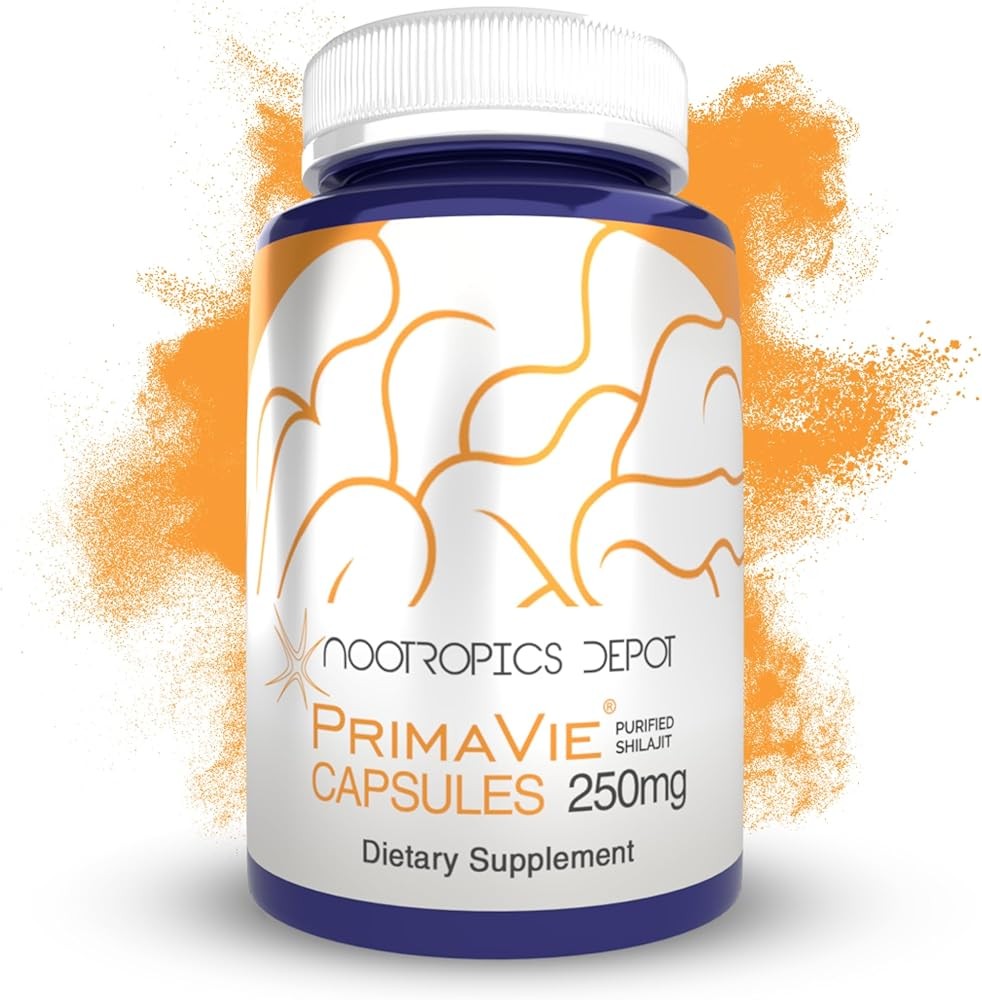
Nootropics Depot PrimaVie Shilajit Capsules | 250mg | 90 Count | Purified Extract | Ayurvedic Herb | Supports Mitochondrial Function + Boosts Endurance
Check Price on AmazonAs an Amazon Associate we earn from qualifying purchases.
Nootropics Depot is one of the most transparent supplement retailers in the space, and its PrimaVie shilajit is the extract with the clinical evidence behind it: the Pandit testosterone trial, the Keller exercise study, and the Das muscle transcriptome work all used PrimaVie. Each capsule delivers 250 mg of the purified extract at $32.99 for 90 capsules, with third-party testing documentation. If you want to replicate the studied protocols (500 mg daily split as 250 mg twice daily), two capsules a day uses the bottle in 45 days.
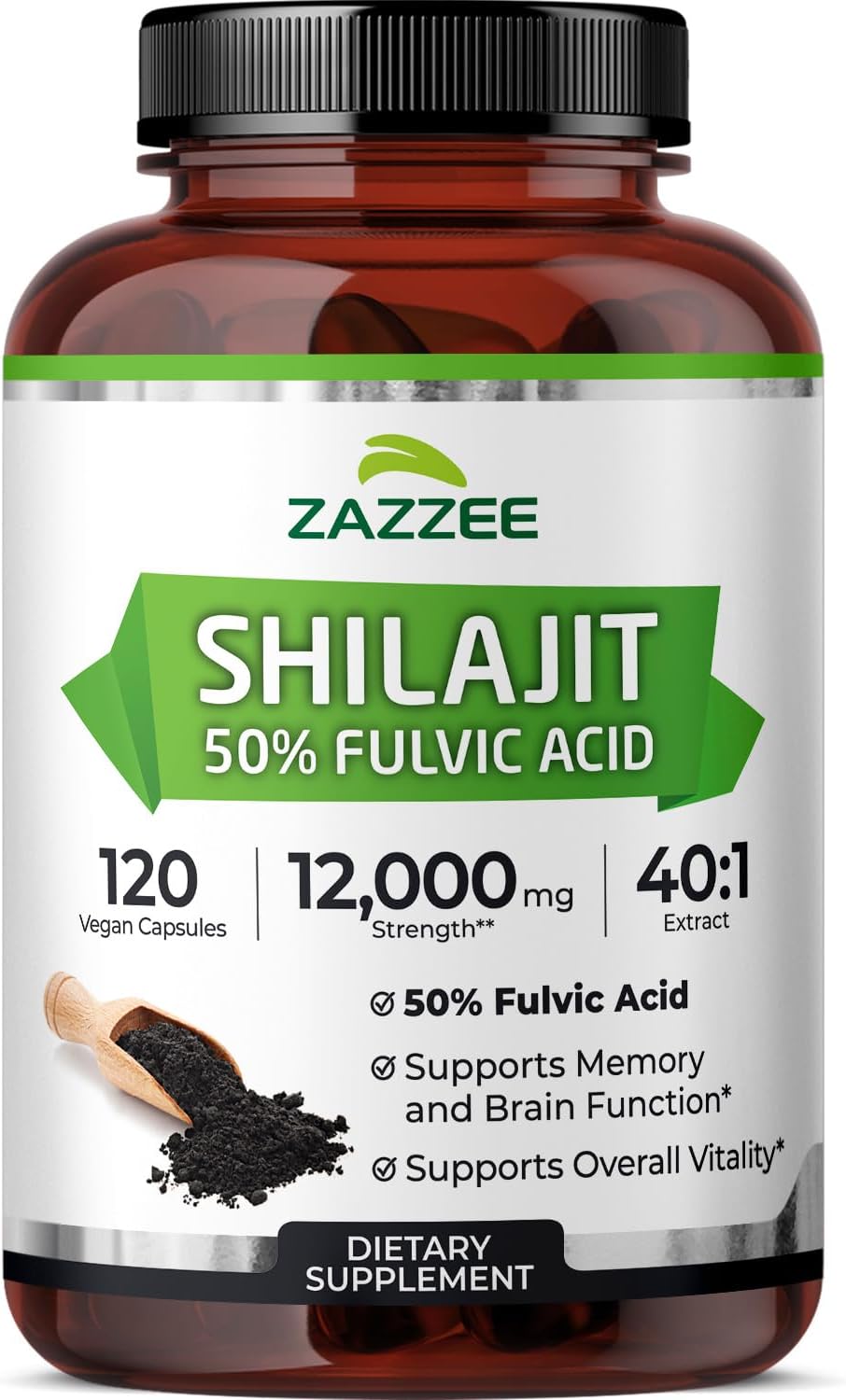
Zazzee 100% Pure Himalayan Shilajit 40:1 Extract, 50% Fulvic Acid
Check Price on AmazonAs an Amazon Associate we earn from qualifying purchases.
Zazzee’s 100% Pure Himalayan Shilajit is a 40:1 extract standardized to 50% fulvic acid, sold as 120 vegan capsules for $22.99, roughly a four-month supply at one capsule daily. It is not PrimaVie, so it has no direct clinical-trial data behind it, but its disclosed fulvic acid standardization and price make it a reasonable value choice for general mitochondrial and energy support with realistic expectations.
Budget Testosterone Support Option
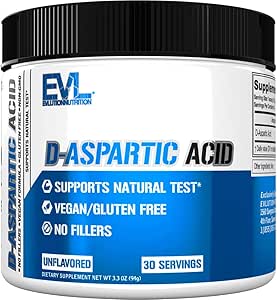
EVL D-Aspartic Acid Testosterone Support Powder for Men - Unflavored
Check Price on AmazonAs an Amazon Associate we earn from qualifying purchases.
What to Avoid
- Products without any third-party testing documentation — there is no way to know what you are actually getting
- Extremely cheap shilajit products — proper purification and testing is expensive, and rock-bottom prices often indicate corner-cutting on quality
- Products making extreme claims — “10x testosterone,” “pure ancient Himalayan resin,” or similar marketing language that far exceeds what the evidence supports
- Raw, unprocessed shilajit from any source — the heavy metal risk is unacceptable without proper purification
Bottom line: Only use PrimaVie standardized extract (≥50% fulvic acid, ≥0.3% DBPs, ≥10% DCPs) from verified retailers like Nootropics Depot with third-party testing and certificates of analysis. Avoid cheap products, extreme marketing claims, raw unprocessed resin from unknown sources, and products without documented heavy metal testing. Product quality is the single most critical decision determining safety and clinical effectiveness.
How does shilajit compare to other testosterone boosters?
Understanding where shilajit fits relative to other evidence-based testosterone-supporting supplements helps you make an informed decision about whether it belongs in your stack.
| Supplement | Evidence Strength | Testosterone Effect | Key Advantage | Key Limitation |
|---|---|---|---|---|
| Ashwagandha (KSM-66) | Strong (multiple RCTs) | 10-20% increase | Best-studied, adaptogenic stress reduction | Effects may be primarily cortisol-mediated |
| Tongkat Ali (Physta/LJ100) | Moderate-strong | 15-37% in stressed/hypogonadal men | Strong effect in men with low baseline T | Most studies in specific subpopulations |
| Shilajit (PrimaVie) | Moderate | 20% increase | Unique mitochondrial + hormonal dual mechanism | Small study base, industry-funded |
| Fenugreek | Moderate | 12-46% (varies by study) | Widely available, affordable | Inconsistent results across studies |
| D-Aspartic Acid | Weak | Temporary spike, returns to baseline | Acute effect is real | Does not sustain elevation |
| Zinc | Context-dependent | Significant if deficient | Essential mineral, corrects a common deficiency | No effect if already zinc-sufficient |
Shilajit’s unique position in this landscape is its dual mechanism: it supports testosterone through mitochondrial and steroidogenic pathways while simultaneously providing direct cellular energy support through its effects on the electron transport chain. No other natural testosterone booster offers this combined hormonal and energy-production mechanism.
For many men, the optimal approach may be combining shilajit with one or two other evidence-based compounds that work through different mechanisms. A stack of shilajit (for mitochondrial support and steroidogenesis), ashwagandha (for cortisol reduction and HPA axis support), and tongkat ali (for aromatase inhibition and SHBG modulation) would theoretically address multiple pathways contributing to age-related testosterone decline. However, this specific combination has never been studied in a clinical trial, so the synergistic benefits are theoretical.
For a detailed comparison of all the major testosterone-boosting compounds, see our best testosterone booster supplements review.
Bottom line: Shilajit’s unique dual mechanism combining mitochondrial energy support (fulvic acid and DBPs in electron transport chain) with testosterone enhancement (20% increase) distinguishes it from other natural boosters. Ashwagandha (10-20% testosterone via cortisol reduction), tongkat ali (15-37% via aromatase inhibition), and fenugreek (12-46% variable) work through different pathways, making theoretical stacking possible but unstudied. Zinc and D-aspartic acid have context-dependent or temporary effects.
What is the realistic timeline for shilajit results?
Here is a realistic timeline of what to expect when starting shilajit supplementation, based on the clinical evidence and pharmacological mechanisms:
Week 1-2: Establishing Tolerance
- You are primarily establishing that the supplement agrees with your digestive system
- Any energy improvements at this stage are likely related to mitochondrial effects and trace mineral delivery rather than hormonal changes
- Minor digestive adjustment is possible (slight nausea or loose stools); take with food to minimize this
Week 2-4: Early Mitochondrial Effects
- Improved baseline energy that is not stimulant-like but rather a sustained, underlying sense of reduced fatigue
- Potentially better exercise stamina, particularly toward the end of workouts when fatigue normally sets in
- The testosterone increase is beginning but is not yet at its full magnitude
Month 2 (Day 30-60): Measurable Hormonal Changes
- The Pandit study showed statistically significant testosterone increases by day 30
- DHEAS is rising progressively
- You may notice improved libido, better morning erections, and enhanced mood stability
- Exercise recovery may be improving due to the combined hormonal and antioxidant effects
Month 3 (Day 60-90): Full Effect Window
- Total testosterone and free testosterone at their peak supplementation effect (approximately 20% increase from baseline)
- DHEAS shows its most dramatic increase during this period (31.35% from baseline by day 90)
- This is when you should re-test hormone levels to objectively measure whether shilajit is working for you
- Exercise performance benefits should be clearly noticeable
- If you are trying to conceive, sperm parameters should be showing improvement
Beyond 90 Days: Maintenance and Ongoing Benefits
- Continue at the same dose if bloodwork confirms beneficial hormonal changes
- The connective tissue and collagen synthesis benefits (supported by the Keller collagen study) accumulate over time
- Antioxidant and anti-inflammatory effects provide ongoing cellular protection
- Periodic hormone re-testing (every 6-12 months) is prudent to confirm continued benefit
When Shilajit Probably Is Not Working for You
- No noticeable changes in energy, mood, or exercise performance after 90 days of consistent supplementation
- No measurable change in testosterone or DHEAS on repeat bloodwork at the 90-day mark
- Persistent digestive issues that do not resolve with dose adjustment or timing changes
- If your baseline testosterone is already in the upper-normal range (700+ ng/dL), the 20% effect may not produce noticeable subjective changes
Bottom line: Expect weeks 1-2 for digestive tolerance establishment and early mitochondrial energy effects, weeks 2-4 for improved exercise stamina, month 2 (days 30-60) for measurable hormonal changes including improved libido and mood, and month 3 (days 60-90) for peak testosterone and DHEAS elevation requiring bloodwork confirmation. Connective tissue and collagen synthesis benefits accumulate over time beyond 90 days with continued supplementation.
What are the benefits of shilajit?
Clinical research supports shilajit’s potential to increase testosterone by 20% in men aged 45-55, improve sperm count by 61% in oligospermic men, reduce exercise-induced strength decline by nearly 50%, and enhance mitochondrial ATP production synergistically with CoQ10. Studies also document antioxidant protection through fulvic acid’s upregulation of glutathione and SOD, bone density preservation in postmenopausal women, and preclinical evidence for neuroprotection against tau protein aggregation in Alzheimer’s models. Individual results vary based on baseline hormonal status, product quality (standardized extracts with verified fulvic acid content versus contaminated raw resin), dosing consistency, and lifestyle factors including sleep, diet, and exercise habits.
Is shilajit safe?
Purified, processed shilajit from verified manufacturers appears safe at 200-500mg daily for up to 48 weeks based on clinical trial data with no serious adverse events reported. However, raw unprocessed shilajit poses significant heavy metal risks including lead, arsenic, mercury, cadmium, and thallium contamination from centuries of geological accumulation. ConsumerLab’s 2024 testing found fulvic acid content varying 32,000% across products, with some exceeding lead limits at multiple daily doses. Safety absolutely depends on using only standardized extracts like PrimaVie with third-party certificates of analysis showing heavy metal testing below safety thresholds. Avoid shilajit if you have hemochromatosis, sickle cell anemia, thalassemia, or take blood thinners, diabetes medications, thyroid hormones, or blood pressure drugs without medical guidance.
How does shilajit work?
Shilajit works through dual mechanisms combining mitochondrial energy enhancement with testosterone production support. Fulvic acid and dibenzo-alpha-pyrones act as electron carriers in the electron transport chain to increase cellular ATP production by 56% in brain cells and 144% in muscle cells when combined with CoQ10. For testosterone, shilajit upregulates steroidogenic enzymes (3-beta-HSD and 17-beta-HSD) in Leydig cells, progressively elevates DHEAS precursor hormones by 31% by day 90, provides antioxidant protection reducing semen lipid peroxidation by 18.7%, and enhances mitochondrial efficiency for the energy-intensive cholesterol-to-testosterone conversion process. Importantly, LH and FSH gonadotropins remain stable, indicating testicular-level enhancement without disrupting hypothalamic-pituitary feedback loops.
Who should avoid shilajit?
Avoid shilajit if you have hemochromatosis, sickle cell anemia, or thalassemia due to iron overload risk from shilajit’s iron content combined with fulvic acid’s iron-absorption enhancement. People taking blood thinners (warfarin, heparin), diabetes medications (insulin, sulfonylureas), thyroid medications, or blood pressure medications face interaction risks requiring medical supervision. Those with kidney disease have reduced capacity to excrete heavy metals even in low amounts, making contaminated products particularly dangerous. Pregnant or breastfeeding women should avoid use due to insufficient safety data. Anyone using products without verified third-party testing for heavy metals faces unacceptable contamination risk regardless of health status.
What are the signs shilajit is working?
Clinical evidence suggests a progressive timeline: weeks 1-2 show subtle baseline energy improvements from mitochondrial ATP enhancement, weeks 2-4 bring improved exercise stamina and reduced fatigue consistent with the Keller 2019 MVIC preservation data, weeks 4-8 manifest as gradual mood and libido improvements as testosterone rises (Pandit study showed significant changes by day 30), and weeks 8-12 deliver peak hormonal effects with 20% testosterone increase and 31% DHEAS elevation confirmed by bloodwork. Beyond 90 days, cumulative connective tissue benefits emerge from the reduced collagen-breakdown markers documented in the Keller 2019 trial. If you experience no noticeable energy, mood, or exercise performance changes after 90 days, or bloodwork shows no measurable testosterone/DHEAS increases, shilajit likely is not working for you.
How long should I use shilajit?
The Pandit 2016 testosterone study demonstrated progressive increases through the full 90-day period, with DHEAS showing its most dramatic rise between day 60 and day 90, rising 31.35% from baseline. The Keller 2019 exercise performance study measured outcomes after 8 weeks of supplementation. The Biswas 2010 fertility study used a 90-day treatment period for sperm quality improvements. The Pingali 2022 bone density study in postmenopausal women ran for 48 weeks showing dose-dependent preservation effects. Clinical evidence supports committing to at least 90 days of consistent daily supplementation before evaluating effectiveness, with bloodwork confirmation at the 90-day mark being the objective measure. Long-term use beyond 90 days appears safe based on the 48-week bone density trial, with periodic hormone re-testing every 6-12 months prudent to confirm continued benefit.
Frequently Asked Questions Beyond the Basics
Can shilajit help with erectile dysfunction?
Shilajit has not been directly studied for erectile dysfunction in a controlled clinical trial. However, the testosterone increase, improved blood antioxidant status, and enhanced mitochondrial function could theoretically benefit erectile function indirectly. A 2023 randomized controlled trial examined shilajit’s effects on sexual function scores and found that the intervention group had significantly higher total sexual function scores (28.93) compared to the control group (22.09) after 90 days. This is encouraging but requires replication. Erectile dysfunction has multiple causes (vascular, neurological, psychological, hormonal), and addressing the root cause is more important than any single supplement.
Does shilajit affect estrogen levels?
The available clinical studies have not specifically measured estrogen or estradiol levels during shilajit supplementation. The fact that shilajit increased testosterone without significantly changing LH or FSH suggests it is not acting as an aromatase inhibitor (which would typically raise LH as the pituitary compensates for reduced estrogen feedback). For men concerned about estrogen balance, compounds like tongkat ali and DIM have more specific anti-estrogenic evidence.
Is shilajit vegan?
Technically, shilajit itself is neither plant nor animal derived; it is a geological phytomineral substance formed from decomposed plant matter. Most experts consider it suitable for vegan diets. However, the traditional Ayurvedic preparation method sometimes involves processing with cow’s milk or ghee, and capsule products may use gelatin capsules. Check the specific product label. PrimaVie is available in vegetarian capsules from several manufacturers.
Can women take shilajit?
The testosterone, exercise performance, and bone density studies have included or specifically studied women with positive results. The Pingali 2022 bone density study was conducted entirely in postmenopausal women and showed significant benefits. Shilajit is not an exclusively male supplement. However, women with hormone-sensitive conditions (PCOS, endometriosis, hormone-responsive cancers) should consult their healthcare provider before use, as the hormonal effects have not been fully characterized in these populations.
How should I store shilajit?
Capsules should be stored in a cool, dry place away from direct sunlight, like any supplement. Resin should be stored at room temperature in its original container, tightly sealed. Shilajit resin is naturally stable and does not require refrigeration, though refrigeration will make it harder and more difficult to portion. If the resin becomes very soft or develops an unusual odor, this could indicate contamination or degradation.
The Bottom Line on Shilajit for Men
Shilajit occupies an interesting position in the men’s health supplement landscape. It has more clinical evidence than most natural testosterone boosters, with a well-designed randomized controlled trial showing a 20% increase in total testosterone and meaningful improvements in sperm quality, exercise performance, and collagen synthesis across multiple studies. Its unique mechanism of action, targeting both mitochondrial energy production and steroidogenesis through fulvic acid and dibenzo-alpha-pyrones, distinguishes it from other testosterone-supporting compounds that work through different pathways.
At the same time, the evidence base is not as robust as the marketing would have you believe. The total number of men in testosterone-focused trials is around 110. Most studies have been funded by the extract manufacturer. No independent Western research team has replicated the testosterone findings. And the heavy metal contamination issue with low-quality products is a genuine safety concern that makes product selection the most critical variable in shilajit supplementation.
Here is the practical recommendation: If you are a man over 40 with age-related testosterone decline, persistent fatigue, or suboptimal sperm parameters, purified shilajit (specifically PrimaVie or an equivalent standardized extract with verified third-party testing) is a reasonable addition to your supplement regimen. Take 250mg twice daily with meals for at least 90 days, get baseline and follow-up testosterone bloodwork to objectively evaluate the results, and combine it with the lifestyle factors (adequate sleep, resistance training, healthy diet, stress management, and maintaining a healthy body weight) that matter far more than any supplement.
Do not expect miracles. Do expect modest, progressive improvements in energy, hormonal markers, and exercise performance if you are among the men for whom the evidence suggests benefit. And whatever you do, do not buy cheap, unverified shilajit products from unknown sellers. The heavy metal risk makes product quality a non-negotiable priority.
For more on building an evidence-based men’s health supplement stack, explore our guides on tongkat ali, fenugreek for testosterone, and best supplements for energy.
Related Articles
- Best Natural Testosterone Boosters: What the Science Actually Shows
- Fadogia Agrestis for Testosterone: What the Research Actually Shows
- Best Supplements for Male Fertility and Sperm Health: Evidence-Based Guide
- Best Supplements for Energy and Fatigue: What Actually Works Beyond Caffeine
- Best Testosterone Booster Supplements: What the Research Actually Supports
- CoQ10 Benefits: Heart, Energy, and Antioxidant Support
- Fenugreek for Testosterone and Blood Sugar: Complete Research Review
- L-Carnitine: Weight Loss, Energy Benefits, and Dosing
Related Reading
- Tongkat Ali for Testosterone and Male Fertility: What Clinical Studies Show
- Shilajit Benefits: Testosterone, Energy, and Cognitive Performance - Complete Evidence-Based Guide
- Fenugreek for Testosterone and Blood Sugar: Complete Research Review
- Best Supplements for Male Fertility and Sperm Health: Evidence-Based Guide
- Best Testosterone Booster Supplements: What the Research Actually Supports
- Best Natural Testosterone Boosters: What the Science Actually Shows
- Ashwagandha Benefits: Science-Backed Health Benefits and Clinical Research
References
-
Pandit S, Biswas S, Debnath U, Saha SC, Kundu U, Das SC. Clinical evaluation of purified Shilajit on testosterone levels in healthy volunteers. Andrologia. 2016;48(5):570-575. PubMed 26395129
-
Biswas TK, Pandit S, Mondal S, et al. Clinical evaluation of spermatogenic activity of processed Shilajit in oligospermia. Andrologia. 2010;42(1):48-56. PubMed 20078516
-
Keller JL, Housh TJ, Hill EC, et al. The effects of Shilajit supplementation on fatigue-induced decreases in muscular strength and serum hydroxyproline levels. J Int Soc Sports Nutr. 2019;16(1):3. PubMed 30728074
-
Das A, Datta S, Rhea B, et al. The human skeletal muscle transcriptome in response to oral Shilajit supplementation. J Med Food. 2016;19(7):701-709. PubMed 27414521
-
Carrasco-Gallardo C, Guzman L, Maccioni RB. Shilajit: a natural phytocomplex with potential procognitive activity. Int J Alzheimers Dis. 2012;2012:674142. PubMed 22482077
-
Cornejo A, Guzman L, Maccioni RB. Fulvic acid inhibits aggregation and promotes disassembly of tau fibrils associated with Alzheimer’s disease. J Alzheimers Dis. 2011;27(1):143-153. PubMed 21785188
-
Meena H, Pandey HK, Arya MC, Ahmed Z. Shilajit: a panacea for high-altitude problems. Int J Ayurveda Res. 2010;1(1):37-40. PubMed 20532096
-
Stohs SJ. Safety and efficacy of shilajit (mumie, moomiyo). Phytother Res. 2014;28(4):475-479. PubMed 23733436
-
Agarwal SP, Khanna R, Karmarkar R, Anwer MK, Khar RK. Shilajit: a review. Phytother Res. 2007;21(5):401-405. PubMed 17295385
-
Winkler J, Ghosh S. Therapeutic potential of fulvic acid in chronic inflammatory diseases and diabetes. J Diabetes Res. 2018;2018:5391014. PubMed 30276216
-
Trivedi R, et al. Shilajit mitigates chemotherapeutic drug-induced testicular toxicity: study on testicular germ cell dynamics, steroidogenesis modulation, and Nrf-2/Keap-1 signaling. Reprod Toxicol. 2024;128:108634. PMC11362644
-
Hussain A, et al. Hazardous or advantageous: uncovering the roles of heavy metals and humic substances in shilajit with emphasis on heavy metals toxicity and their detoxification mechanisms. Biol Trace Elem Res. 2024;202:4258-4276. PubMed 38393486
-
Andrade V, et al. Scaling the Andean shilajit: a novel neuroprotective agent for Alzheimer’s disease. Pharmaceuticals (Basel). 2023;16(7):960. PubMed 37513872
Join the discussion: Facebook | X | YouTube | Pinterest
This article is for informational purposes only and does not constitute medical advice. Testosterone and fatigue symptoms can reflect medical conditions that need evaluation, and shilajit product quality varies enormously, so consult a healthcare provider before supplementing, especially if you take medication or have iron-metabolism or kidney conditions.
Recommended Products