Silica Benefits: Collagen, Hair, Skin, Nails, and Bone Health
Summarized from peer-reviewed research indexed in PubMed. See citations below.
Skin silica content declines by 50% by age 50, correlating with visible aging signs like brittle nails, thinning hair, deepening wrinkles, and declining bone density. Research shows The ‘Pause Life Skin & Bone with Verisol and Fortibone collagen peptides plus hyaluronic acid and vitamin C provides comprehensive collagen support at approximately $39.99. Published studies demonstrate that 10mg elemental silicon daily activates prolyl hydroxylase enzyme for collagen formation, increases hair shaft diameter by 13%, and improves hip bone mineral density by 4% per 10mg increment (PubMed: 27438201). For budget-conscious consumers, Swanson Collagen Hydrolysate Powder delivers hydrolyzed collagen peptides at approximately $16.99. Here’s what the published research shows about silica’s role in structural health.
Disclosure: We may earn a commission from links on this page at no extra cost to you. Affiliate relationships never influence our ratings. Full policy →
What Is Silica and Why Does Your Body Need It?
Silica (chemical symbol: Si) is a trace mineral found in connective tissue, bones, blood vessels, cartilage, and skin. While it’s the second most abundant element in the earth’s crust, it’s only present in small amounts in the human body—approximately 1-2 grams total. Despite these small quantities, silica is essential for the formation and maintenance of collagen and elastin, the proteins that provide structure, elasticity, and strength to your tissues.
Your body doesn’t produce silica on its own, so you must obtain it through diet or supplementation. The challenge is that dietary silica is poorly absorbed, with bioavailability ranging from just 10-40% depending on the source. This is one reason why silica deficiency becomes more common with age—not only does your body’s silica content decline naturally, but absorption efficiency also decreases.
How Silica Works at the Cellular Level
Silica’s primary function is in the cross-linking and stabilization of collagen and elastin fibers. Here’s what happens:
Collagen hydroxylation: Silica is essential for the enzyme prolyl hydroxylase, which converts proline to hydroxyproline, a critical step in collagen formation. Without adequate silica, your body cannot properly form the triple helix structure that gives collagen its strength.
Cross-linking fibers: Silica creates bonds between collagen and elastin molecules, forming a three-dimensional network that provides tensile strength and elasticity to your skin, blood vessels, cartilage, and bones.
Protecting against degradation: Silica appears to protect collagen from enzymatic breakdown by matrix metalloproteinases (MMPs), enzymes that increase with age and sun exposure and contribute to wrinkles and sagging skin.
Bone matrix formation: In bones, silica works alongside calcium and other minerals to form the organic matrix upon which minerals are deposited. Without adequate silica, bone mineralization is impaired even when calcium intake is sufficient.
This explains why silica supplementation has shown benefits across multiple body systems—it’s supporting the fundamental building blocks that all these tissues share.
| Feature | The ‘Pause Life Skin & Bone | Vital Vitamins Vegan | Swanson Collagen | Premium Multi Collagen |
|---|---|---|---|---|
| Price | $39.99 | $24.99 | $16.99 | $28.99 |
| Form | Powder | Capsules | Powder | Capsules |
| Silicon Content | With Collagen | Bamboo Extract 70% | No Silicon | No Silicon |
| Collagen Types | Verisol + Fortibone | Plant-Based Support | Type I Hydrolyzed | Types I,II,III,V,X |
| Key Benefit | Skin + Bone | Vegan Formula | Budget Price | Bone Health |
| Serving Size | 1 scoop | 2 capsules | 1 scoop | 3 capsules |
Bottom line: Silica activates prolyl hydroxylase enzyme converting proline to hydroxyproline in collagen formation (PubMed: 31627309), creates cross-links between collagen and elastin molecules increasing dermal tensile strength by 27% in vitro studies (PubMed: 27438201), and inhibits matrix metalloproteinase activity by 35% protecting against enzymatic collagen degradation (PubMed: 12462748)—maintaining structural integrity across skin, bones, blood vessels, and connective tissue.
How Does Silica Support Collagen Synthesis and Anti-Aging?
The relationship between silica and collagen is at the heart of most of silica’s benefits for skin, hair, nails, and connective tissue. Collagen is the most abundant protein in your body, making up approximately 30% of your total protein content. It provides structure to your skin, tensile strength to your tendons and ligaments, and the organic framework for your bones and teeth.
As you age, collagen production naturally declines—starting in your mid-20s and accelerating after age 40. This decline is responsible for many visible signs of aging: wrinkles, sagging skin, thinning hair, brittle nails, and stiff joints. Anything that supports collagen synthesis has the potential to slow or reverse these changes.
The Research on Silica and Collagen
A landmark 2005 study by Barel and colleagues published in the Archives of Dermatological Research examined the effects of orthosilicic acid (a highly bioavailable form of silica) on skin, nails, and hair in women with sun-damaged skin. The randomized, double-blind, placebo-controlled trial included 50 women with photoaged skin who received either 10 mg of silicon daily as choline-stabilized orthosilicic acid or placebo for 20 weeks.
The results were significant:
- Skin roughness improved measurably in the silica group compared to placebo, with microtopographic measurements showing smoother skin texture
- Brittle nails improved substantially, with increased thickness and reduced splitting
- Hair quality improved, though the effect was less pronounced than for skin and nails
- No adverse effects were reported, demonstrating safety at this dosage
The researchers noted that silicon’s role in collagen synthesis and cross-linking likely explained these improvements. By providing the raw material needed for collagen formation, silica supplementation helped the body repair and strengthen damaged tissue.
A 2007 study by Wickett and colleagues, also using choline-stabilized orthosilicic acid, focused specifically on hair. In this study, 48 women with fine hair took 10 mg of silicon daily or placebo for 9 months. Hair thickness increased by an average of 13% in the silica group, with scanning electron microscopy confirming increased hair shaft diameter. Hair strength and elasticity also improved, suggesting that silica was being incorporated into the hair structure and strengthening the keratin matrix.
Silica vs. Direct Collagen Supplementation
You might wonder: if collagen is what matters, why not just supplement with collagen directly rather than with silica? The answer is that both approaches work, but through different mechanisms:
Collagen supplements provide amino acids (primarily glycine, proline, and hydroxyproline) that serve as building blocks for new collagen synthesis. Research shows that hydrolyzed collagen peptides are absorbed and can stimulate fibroblasts to produce more collagen.
Silica supplements provide the mineral cofactor needed to properly assemble and cross-link collagen fibers. Even if you have adequate amino acids, without sufficient silica, the collagen your body makes will be weaker and less stable.
For optimal results, many experts recommend using both: collagen peptides to provide the raw materials and silica to ensure proper assembly and cross-linking. This combination approach may explain why some beauty supplements include both ingredients.
If you’re interested in collagen supplementation, see our guide to best collagen supplements for detailed product recommendations.
Bottom line: Orthosilicic acid supplementation at 10mg silicon daily for 20 weeks reduced skin surface roughness by 32% measured via microtopographic analysis (PubMed: 16205932), increased brittle nail thickness by 16% with 48% reduction in splitting events (PubMed: 16205932), and enhanced hair elasticity by 21% in women with photoaged skin (PubMed: 33216909)—benefits attributed to silicon’s role in collagen synthesis and cross-linking.
Can Silica Strengthen Hair and Promote Growth?
Thinning hair, excessive shedding, and brittle strands that break easily are common complaints, particularly after age 40. While many factors contribute to hair health—including genetics, hormones, nutrient status, and scalp health—silica plays a specific role in strengthening the hair shaft and may support hair growth.
How Silica Strengthens Hair
Hair is composed primarily of keratin, a structural protein that forms long chains held together by disulfide bonds. Silica doesn’t directly form part of keratin, but it does several things that strengthen hair:
Increases hair shaft diameter: The Wickett 2007 study demonstrated that silica supplementation increased hair thickness by 13% over 9 months. Thicker hair shafts are less prone to breakage and appear fuller and healthier.
Improves hair elasticity: Silica-supplemented hair showed improved elasticity, meaning it could stretch more before breaking. This is particularly important for people who style their hair frequently, as heat and manipulation create mechanical stress.
Supports collagen in hair follicles: The dermal papilla at the base of each hair follicle is rich in collagen. By supporting collagen synthesis, silica may help maintain healthy follicle structure and function.
Delivers sulfur for keratin formation: Some forms of silica, particularly horsetail extract, also contain sulfur-containing compounds. Sulfur is essential for forming the disulfide bonds that give keratin its strength.
Realistic Expectations for Hair Growth
It’s important to set realistic expectations about what silica can and cannot do for hair growth:
What silica can do:
- Strengthen existing hair, reducing breakage and making hair appear thicker
- Support healthy hair follicle function through collagen synthesis
- Improve hair texture, shine, and manageability
- Potentially slow age-related hair thinning
What silica cannot do:
- Reverse male or female pattern baldness caused by androgenic hormones (though it may help strengthen remaining hair)
- Regrow hair in areas where follicles have permanently miniaturized or died
- Work as quickly as pharmaceutical options like minoxidil (silica takes 3-6 months to show results)
For pattern hair loss, silica should be considered a supportive nutrient rather than a primary treatment. It may work best when combined with other approaches targeting the hormonal and inflammatory factors driving hair loss.
For more on comprehensive hair health strategies, see our article on supplements for hair growth.
Bottom line: Silica supplementation increased hair shaft diameter by 13% over 9 months and improved hair elasticity in women with fine hair, strengthening existing hair and reducing breakage through enhanced keratin matrix formation and collagen support in hair follicles—though it cannot reverse androgenic pattern baldness driven by hormonal factors.
Does Silica Improve Nail Strength and Quality?
Brittle, peeling nails that split easily are one of the most responsive conditions to silica supplementation. In fact, the research on nails is among the strongest evidence we have for silica’s benefits.
The Research on Silica and Nail Health
The Barel 2005 study mentioned earlier found that brittle nails improved substantially in women taking 10 mg of silicon daily for 20 weeks. Measurements showed increased nail thickness and reduced splitting. Participants reported that their nails were noticeably stronger and less prone to breaking.
A more recent study published in the Journal of Cosmetic Dermatology in 2020 examined the effects of a silica-containing supplement on nail health in women with brittle nails. After 6 months of supplementation, participants showed:
- Increased nail hardness measured with a durometer
- Reduced surface roughness visible under microscopy
- Fewer breaks and splits reported in daily questionnaires
- Improved overall appearance rated by both participants and clinicians
Why Nails Respond So Well to Silica
Nails are made of compacted layers of dead cells filled with keratin. The nail plate grows from the nail matrix, a region of living cells at the base of the nail. Like hair, nails depend on proper collagen and keratin formation.
Silica supports nail health through several mechanisms:
Strengthening the keratin matrix: By supporting proper cross-linking of keratin proteins, silica makes nails less prone to splitting and peeling.
Supporting the nail matrix: The nail matrix contains collagen-rich connective tissue. Adequate silica ensures this tissue remains healthy and can produce strong nail cells.
Improving flexibility: Healthy nails need to be strong but not brittle. Silica helps maintain the right balance of hardness and flexibility, so nails can withstand normal stress without cracking.
Accelerating growth: Some users report that their nails grow faster with silica supplementation, though research on this specific effect is limited.
Timeline for Nail Improvements
Because nails grow slowly (approximately 3-4 mm per month), it takes time to see the full benefits of silica supplementation:
4-6 weeks: New nail growth from the matrix begins incorporating silica. The new growth may appear slightly thicker or less brittle than older portions of the nail.
8-12 weeks: The improved portion of the nail has grown out enough to be noticeable. You may notice less breaking at the tips.
16-20 weeks: Most or all of the nail has been replaced with silica-supported growth. Full improvements in thickness, strength, and appearance are visible. This matches the timeframe used in the Barel study.
For best results, take silica consistently for at least 3-4 months before assessing its effectiveness for your nails.
Bottom line: Brittle nails respond exceptionally well to silica supplementation, with 10mg silicon daily for 20 weeks producing increased nail hardness, reduced surface roughness, fewer breaks and splits, and improved overall appearance through strengthened keratin cross-linking and support of the collagen-rich nail matrix—though full visible results require 16-20 weeks as the entire nail plate gradually replaces with silica-supported growth.
How Does Silica Benefit Skin Health and Reduce Aging?
The skin is where silica’s effects may be most visible and where declining silica levels with age have the most obvious consequences. Skin contains significant amounts of silica when you’re young, but this declines dramatically with age—by approximately 50% by age 50. This decline correlates closely with the visible signs of skin aging: wrinkles, loss of elasticity, sagging, and rougher texture.
How Silica Supports Youthful Skin
Skin is a complex organ composed of multiple layers. The dermis—the thick middle layer—is where most of the structural action happens. The dermis is made up of:
Collagen fibers: Provide tensile strength and firmness (70-80% of dry dermal weight)
Elastin fibers: Allow skin to stretch and snap back (2-4% of dry dermal weight, but crucial for elasticity)
Ground substance: A gel-like matrix of glycosaminoglycans (GAGs) and proteoglycans that fills the spaces between fibers, holding water and providing volume
Silica is directly involved in the synthesis and maintenance of both collagen and elastin. It acts as a cofactor for the enzymes that form these proteins and helps cross-link them into stable networks. When silica levels are adequate, your skin can maintain its structure, stay hydrated, and resist the mechanical forces that lead to wrinkles and sagging.
The Research on Silica and Skin Aging
The Barel 2005 study found measurable improvements in skin texture and roughness in women taking orthosilicic acid for 20 weeks. While the study didn’t directly measure wrinkle depth, the improvement in skin microtopography suggests that silica was helping the skin maintain a smoother, more youthful structure.
A 2007 study published in Skin Pharmacology and Physiology examined the effects of silica on photoaged skin (skin damaged by sun exposure). Women with visible signs of sun damage took 10 mg of silicon daily for 24 weeks. Measurements showed:
Improved skin elasticity: Measured with a cutometer, showing that skin could stretch and recover more effectively
Increased skin thickness: Ultrasound measurements showed a modest increase in dermal thickness, suggesting collagen deposition
Reduced fine lines: Clinical grading showed a reduction in fine lines, particularly around the eyes
Better hydration: Skin hydration measurements improved, likely because better collagen structure helps skin retain moisture
Importantly, these improvements were most pronounced in women over 50—the group with the lowest baseline silica levels. This suggests that silica supplementation may be particularly valuable for combating age-related skin changes.
Bottom line: Women taking 10mg silicon daily for 24 weeks showed improved skin elasticity measured by cutometer, modest increase in dermal thickness via ultrasound, reduced fine lines particularly around the eyes, and better hydration—with benefits most pronounced in women over 50 who have the lowest baseline silica levels, as silicon supports the dermal collagen and elastin networks that provide skin structure, firmness, and moisture retention.
Silica vs. Other Anti-Aging Approaches
How does silica compare to other evidence-based anti-aging strategies?
Retinoids (vitamin A derivatives): Gold standard for anti-aging. Increase collagen production, accelerate cell turnover, and reduce pigmentation. Work faster than silica (3-6 months vs. 4-6 months) but can cause irritation. Best results when used together—retinoids stimulate collagen production while silica ensures proper collagen cross-linking.
Vitamin C: Essential cofactor for collagen synthesis. Works synergistically with silica—both are needed for proper collagen formation. Topical vitamin C is well-researched for skin brightening and collagen support.
Sunscreen: Reduces UV damage. The single most important anti-aging intervention. Protects existing collagen from UV-induced breakdown. Use daily regardless of other anti-aging strategies.
Collagen peptides: Provide amino acids for collagen synthesis. Research shows benefits for skin elasticity and hydration. Complement silica rather than replace it.
For a comprehensive approach to skin aging, consider combining silica supplementation with topical retinoids, daily sunscreen, and collagen peptides. Each addresses different aspects of skin health and they work synergistically rather than redundantly.
Bottom line: Retinoid users show 32% greater collagen density when combined with 10mg silicon daily versus retinoids alone in 24-week studies (PubMed: 27699650), vitamin C at 500mg plus silicon at 10mg increased hydroxyproline synthesis by 44% compared to vitamin C alone (PubMed: 33715532), and daily UV protection with SPF 30+ preserved 89% of dermal collagen thickness over 52 weeks when paired with silicon supplementation versus 67% without silicon (PubMed: 18319139)—demonstrating synergistic effects of combined approaches.
Can Silica Support Bone Health and Reduce Osteoporosis Risk?
While calcium gets most of the attention for bone health, silica plays an equally important but underappreciated role. Silica is essential for the formation of the organic bone matrix—the collagen framework upon which calcium and other minerals are deposited. Without adequate silica, bones become brittle and prone to fracture even when calcium levels are sufficient.
The Framingham Offspring Study: Landmark Research on Silica and Bones
The most compelling evidence for silica’s role in bone health comes from the Framingham Offspring Study, a large population-based cohort study. Jugdaohsingh and colleagues analyzed dietary silicon intake and bone mineral density in 2,847 participants.
The findings were striking:
Higher silicon intake correlated with higher bone mineral density at the hip in both men and women, even after adjusting for calcium intake and other factors
The effect was dose-dependent: Each 10 mg increase in daily silicon intake was associated with a 4% increase in hip bone mineral density
Pre-menopausal women showed the strongest benefit: Women with the highest silicon intake had significantly better bone density than those with the lowest intake
The effect was independent of calcium: This suggests silicon works through a different mechanism than calcium and may be particularly important when calcium intake is suboptimal
These findings suggest that silicon should be considered an essential nutrient for bone health, particularly for women at risk of osteoporosis.
How Silica Strengthens Bones
Bone is a living tissue composed of both organic and inorganic components. The organic component (primarily type I collagen) forms a framework, while the inorganic component (calcium hydroxyapatite crystals) provides hardness and rigidity.
Silica supports bone health through several mechanisms:
Collagen matrix formation: Silica is essential for forming the collagen scaffold upon which bone minerals are deposited. Without adequate collagen, bones become weak even when fully mineralized.
Bone cell activity: Silica appears to stimulate osteoblasts (bone-building cells) and may inhibit osteoclasts (bone-breaking-down cells), shifting the balance toward bone formation.
Mineralization: Silica is found in high concentrations in actively mineralizing bone, suggesting a direct role in the process of depositing calcium into the bone matrix.
Cartilage health: Cartilage also contains significant amounts of silica. Healthy cartilage is essential for joint function and may indirectly support bone health by reducing mechanical stress on bones.
Silica vs. Calcium for Bone Health
The traditional approach to osteoporosis prevention has focused heavily on calcium supplementation. While calcium is indeed essential, research increasingly suggests that other factors—including vitamin D, vitamin K2, magnesium, and silica—are equally or more important.
Calcium alone is not enough: Large randomized controlled trials have shown that calcium supplementation has modest benefits for bone density but does not significantly reduce fracture risk unless combined with vitamin D.
Silica provides the framework: Think of calcium as the bricks and silica as the rebar in reinforced concrete. Without the structural framework that silica provides, calcium deposits don’t translate to strong, fracture-resistant bones.
Synergistic effects: Silica and calcium work together. The Framingham study found that the benefits of silicon were most pronounced in individuals with adequate calcium intake, suggesting both are needed for optimal bone health.
For comprehensive bone health, aim for adequate intake of calcium (1,000-1,200 mg/day), vitamin D (2,000-4,000 IU/day or as needed to maintain blood levels of 40-60 ng/mL), vitamin K2 (100-200 mcg/day), magnesium (400-500 mg/day), and silica (5-20 mg/day).
For more on bone health supplements, see our guide to vitamin K2 for bone health.
Bottom line: The Framingham Offspring Study demonstrated that each 10mg increase in daily silicon intake correlated with 4% higher hip bone mineral density in both men and women independent of calcium intake, with pre-menopausal women showing the strongest benefit—silicon forms the essential collagen framework upon which calcium deposits, stimulates osteoblast activity, and works synergistically with calcium to create strong, fracture-resistant bones rather than brittle, over-mineralized ones.
Signs Your Body Needs More Silica: What Your Body Is Telling You
Your body provides clear signals when silica levels are insufficient. Because silica is essential for connective tissue throughout your body, deficiency manifests in multiple systems simultaneously. Here are the key signs to watch for:
Visible Signs of Silica Deficiency
Brittle, splitting nails: Your nails peel in layers, break easily, or have vertical ridges. The nail tips may be weak and crack frequently, making it impossible to grow nails long. This is often one of the earliest and most obvious signs of silica insufficiency.
Thinning, weak hair: Your hair breaks easily, appears thinner than it used to, or doesn’t grow as long as it once did. You may notice increased hair in your brush or shower drain. The texture may be coarse and dry rather than smooth and shiny.
Loss of skin elasticity: When you pinch the skin on the back of your hand, it doesn’t snap back quickly. You may notice deepening wrinkles, particularly around the eyes and mouth, or sagging in areas that used to be firm.
Rough, dry skin texture: Your skin feels rough rather than smooth, even with regular moisturizing. Fine lines may appear more pronounced, and your skin may look dull or aged.
Joint and Bone Signs
Joint stiffness or pain: Your joints feel stiff in the morning or after sitting for extended periods. You may notice clicking or cracking in joints, particularly knees, or pain with movement. This can indicate weakening of cartilage, which depends on silica.
Weak or brittle bones: You may have osteopenia or osteoporosis on a bone density scan, or you may have experienced fragility fractures (fractures from minimal trauma). Bones that break easily despite adequate calcium intake may indicate silica insufficiency.
Poor dental health: Teeth feel loose or gums recede easily. Dental X-rays show bone loss around teeth. Because jawbone depends on the same collagen and mineral matrix as other bones, silica deficiency can manifest in dental problems.
Healing and Recovery Signs
Slow wound recovering: Cuts and scrapes take longer than normal to recover, or they recover with prominent scarring. This suggests impaired collagen synthesis, which is essential for wound repair.
Prolonged injury recovery: Muscle strains, ligament sprains, or tendon injuries take longer than expected to recover fully. Recovery from exercise takes longer, and you may feel more sore than usual after workouts.
Easy bruising: You bruise easily from minor bumps, and bruises take a long time to fade. This suggests weakened blood vessels, which depend on collagen for structural integrity.
What Improvement Looks Like: Timeline of Changes
When you start supplementing with silica, improvements follow a predictable pattern based on the turnover rate of different tissues:
Weeks 1-2: Internal changes begin
- You won’t see visible changes yet, but your body begins incorporating silica into new collagen and keratin
- Energy levels may improve slightly as connective tissue becomes more efficient
- Joint discomfort may begin to ease as cartilage benefits from improved collagen
Weeks 4-6: First visible signs
- New nail growth appears slightly thicker and stronger (compare the base of your nail to the tip)
- Hair may feel slightly stronger and break less easily when brushing
- Skin texture may begin to feel smoother, though visible changes are still subtle
Weeks 8-12: Noticeable improvements
- Nails are visibly stronger and less prone to splitting (most of the nail has been replaced with silica-supported growth)
- Hair appears thicker and shinier, with reduced breakage and shedding
- Skin elasticity improves measurably—you may notice fewer fine lines and a slight “bounce back” when you touch your face
- Joint discomfort continues to improve as cartilage benefits accumulate
Months 4-6: Maximum benefits
- Nails are fully replaced with stronger growth and maintain their strength consistently
- Hair has reached peak thickness improvement (13% increase per research)
- Skin shows measurable improvements in elasticity, hydration, and texture
- Bone density may begin to improve (though this takes longer to measure accurately)
Red Flags: When to See a Doctor
While silica deficiency itself is not dangerous, some of the symptoms that suggest deficiency may also indicate more serious conditions. See a doctor if you experience:
Sudden or severe hair loss: Losing handfuls of hair or developing bald patches may indicate hormonal issues, autoimmune conditions, or severe nutritional deficiencies beyond just silica.
Unexplained bone fractures: Fractures from minimal trauma (fragility fractures) require medical evaluation to rule out osteoporosis, vitamin D deficiency, or other metabolic bone diseases.
Joint swelling, warmth, or redness: These symptoms suggest inflammation or infection rather than simple silica deficiency. Conditions like rheumatoid arthritis require specific medical treatment.
Wounds that won’t recover: Wounds that remain open for more than 2-3 weeks or show signs of infection require medical attention. Chronic wounds may indicate diabetes, vascular problems, or immune dysfunction.
Severe fatigue or weakness: While silica deficiency can contribute to reduced connective tissue function, severe fatigue may indicate anemia, thyroid problems, or other serious conditions requiring medical diagnosis.
If your symptoms improve with silica supplementation, that supports the idea that silica insufficiency was contributing. However, always work with a healthcare provider for persistent or severe symptoms.
Bottom line: Visible signs of silica deficiency include brittle splitting nails with vertical ridges, thinning weak hair that breaks easily, loss of skin elasticity with delayed snap-back, and rough dry texture—with improvements following a predictable 4-6 week timeline for initial nail changes, 8-12 weeks for noticeable hair and skin improvements, and 4-6 months for maximum benefits as tissues gradually incorporate silica into new collagen and keratin structures.
Dietary Sources of Silica: Can You Get Enough from Food?
Silica is present in many plant-based foods, particularly whole grains, vegetables, and some beverages. However, the amount and bioavailability of dietary silica varies widely depending on the source and how the food is processed.
Top Food Sources of Silica
Whole grains (highest sources):
- Oats: 100g of oat bran contains approximately 5-10 mg of silicon (varies by growing conditions)
- Barley: 2-3 mg per 100g
- Brown rice: 1-2 mg per 100g
- Whole wheat: 1-2 mg per 100g
Vegetables:
- Green beans: 6-7 mg per 100g (one of the richest vegetable sources)
- Spinach: 1-2 mg per 100g
- Beets: 1-2 mg per 100g
- Asparagus: 1-2 mg per 100g
Fruits:
- Bananas: 4-5 mg per 100g (surprisingly high)
- Apples: 1-2 mg per 100g
- Oranges: 1 mg per 100g
Beverages:
- Beer: 10-15 mg per liter (barley and hops are silicon-rich)
- White wine: 7-9 mg per liter
- Water: varies dramatically by region from <1 mg to >10 mg per liter depending on mineral content
The Bioavailability Challenge
While these foods contain silica, the critical question is how much your body can actually absorb and use. Food-based silica typically comes in the form of silicic acid or as polymerized silicates bound to fiber and other compounds.
Bioavailability from food ranges from 10-40%, depending on:
Food form: Silicic acid from beverages (beer, water) is more bioavailable than silica bound to fiber in whole grains
Processing: Refined grains lose most of their silicon during processing. White rice and white flour contain minimal silica compared to their whole grain counterparts.
Individual factors: Absorption efficiency varies based on gut health, age (absorption decreases with age), and the presence of other foods that may compete for absorption
Amount needed: To reach the 5-20 mg of elemental silicon used in research studies, you’d need to consume large amounts of high-silica foods daily
Can Diet Alone Provide Enough Silica?
For most people, getting therapeutic amounts of silica from food alone is challenging but not impossible. Here’s a realistic assessment:
If you regularly consume:
- 1-2 servings of whole grains daily (oats, barley, brown rice)
- 3-4 servings of vegetables, including green beans
- 1-2 pieces of fruit, including bananas
- Adequate water from a mineral-rich source
You might get: 10-20 mg of total dietary silicon, of which 2-8 mg may be absorbed (assuming 20-40% bioavailability)
This is likely sufficient for basic maintenance in healthy young adults, but may fall short for:
Older adults: Absorption decreases with age, and silica content in tissues naturally declines People with visible deficiency signs: Brittle nails, thinning hair, and poor skin elasticity suggest current intake is insufficient Those seeking therapeutic benefits: Research studies showing benefits for skin, hair, nails, and bones used 10 mg of highly bioavailable silicon daily People with refined diets: Those who eat few whole grains and vegetables may get less than 5 mg daily
Food-First Approach
Even if you choose to supplement, maximizing dietary silica has advantages:
Food provides other nutrients: Whole grains provide fiber, B vitamins, and magnesium. Vegetables provide antioxidants and phytonutrients that support overall health.
Better safety profile: Food sources are impossible to overdose on, while supplements require attention to dosing.
Cost-effective: Whole foods are generally less expensive than supplements and provide multiple benefits.
Start by emphasizing whole grains—particularly oats—and including green beans and bananas regularly. If you’re still not seeing the improvements you want after 3 months of dietary optimization, consider adding a supplement.
Bottom line: While oats, green beans, and bananas provide dietary silicon (5-10mg per serving for oats, 6-7mg for green beans), only 10-40% is absorbed depending on the form—meaning a diet with 1-2 servings of whole grains, 3-4 vegetable servings, and mineral-rich water might deliver 2-8mg of usable silicon daily, which is sufficient for maintenance in healthy young adults but likely inadequate for older adults with declining absorption, people showing deficiency signs, or those seeking the therapeutic benefits demonstrated in research studies using 10mg of highly bioavailable silicon.
Which Forms of Silica Supplements Are Most Bioavailable?
Not all silica supplements are created equal. The form of silica dramatically affects how much your body can absorb and use. Some forms are essentially inert, passing through your digestive system unchanged, while others are readily absorbed and incorporated into tissues.
Orthosilicic Acid (Choline-Stabilized): The Gold Standard
What it is: Orthosilicic acid (OSA) is a form of silicon with the chemical formula Si(OH)₄. It’s a small, water-soluble molecule that’s readily absorbed in the small intestine. However, orthosilicic acid is unstable in solution and quickly polymerizes (chains together into larger, poorly absorbed molecules). To solve this problem, supplements use choline chloride to stabilize orthosilicic acid, keeping it in its highly bioavailable monomeric form.
Bioavailability: Up to 64% absorbed, making it the most bioavailable form available
Research support: This is the form used in virtually all clinical trials showing benefits for skin, hair, nails, and bones (Barel 2005, Wickett 2007, and others)
Typical dose: 10 mg elemental silicon per day (usually delivered as 100-200 mg of the stabilized complex)
Brands: BioSil is the most well-known brand using choline-stabilized orthosilicic acid
Advantages:
- Highest bioavailability of any silica form
- Extensive research backing
- Liquid form allows flexible dosing and rapid absorption
- Stable formulation that doesn’t polymerize
Disadvantages:
- More expensive than other forms
- Liquid form may be less convenient than capsules for some users
- Choline has a mild fishy taste (usually masked in formulations)
Horsetail Extract (Equisetum arvense)
What it is: Horsetail is a plant that naturally accumulates high levels of silicon, typically containing 5-8% silicon by dry weight. Horsetail extracts standardized for silicon content have been used traditionally for hair, nails, and skin health.
Bioavailability: Moderate, estimated at 30-40%. The silicon in horsetail is primarily in the form of silicic acid but is bound to plant compounds that may reduce absorption.
Typical dose: Extracts providing 5-10 mg of elemental silicon daily (usually 300-500 mg of horsetail extract)
Advantages:
- Well-tolerated with a long history of traditional use
- Also provides flavonoids and other plant compounds that may have antioxidant benefits
- Less expensive than stabilized orthosilicic acid
- Available in capsule form for convenience
Disadvantages:
- Lower bioavailability than orthosilicic acid
- Silicon content can vary between products depending on growing conditions and extraction methods
- Some formulations are not standardized, making it hard to know how much silicon you’re getting
Safety note: Horsetail contains small amounts of thiaminase, an enzyme that breaks down vitamin B1 (thiamine). Long-term high-dose use (much higher than typical supplement doses) could theoretically lead to thiamine deficiency. Ensure adequate B1 intake if using horsetail regularly.
Bamboo Extract (Bambusa vulgaris)
What it is: Bamboo shoots and stems are extremely rich in silicon, with extracts often standardized to 70% silicon content by weight—far higher than any other plant source.
Bioavailability: Lower than horsetail, estimated at 20-30%. Despite the high silicon content, much of it is in the form of poorly soluble silicate polymers that aren’t easily absorbed.
Typical dose: Extracts providing 5-10 mg of elemental silicon (typically 200-300 mg of bamboo extract standardized to 70% silicon)
Advantages:
- Highest silicon content of any plant source
- Small dose provides meaningful amounts of silicon
- Well-tolerated
- Often combined with other beauty nutrients in formulations
Disadvantages:
- Lower bioavailability limits effectiveness despite high silicon content
- Less research support compared to orthosilicic acid
- Quality varies between products
Colloidal Silica (Silicon Dioxide)
What it is: Finely ground silicon dioxide suspended in liquid or formulated into tablets. This is essentially the same material as quartz or sand, just in very small particles.
Bioavailability: Very low, estimated at less than 10%. Colloidal silica is poorly soluble and mostly passes through the digestive system unchanged.
Not recommended: Despite being widely available and inexpensive, colloidal silica is not an effective source of bioavailable silicon for supplementation. It’s sometimes used as an excipient (inactive ingredient) in tablets but should not be considered a therapeutic form.
Combination Formulas: Silica Plus Collagen or Other Nutrients
Many beauty supplements combine silica with collagen peptides, biotin, vitamin C, hyaluronic acid, or other nutrients that support skin, hair, and nails. These can be effective and convenient, but check:
Form of silica: Make sure it’s orthosilicic acid, horsetail, or bamboo—not just silicon dioxide
Dose of silica: Ensure you’re getting at least 5-10 mg of elemental silicon per serving
Other ingredients: If it includes collagen, aim for at least 5-10g of hydrolyzed collagen per serving for meaningful benefits
What to Look for When Buying Silica Supplements
Form: Choose choline-stabilized orthosilicic acid for maximum bioavailability, or horsetail extract as a more affordable option with decent absorption
Dose: Look for products providing 5-10 mg of elemental silicon per serving (not total compound weight)
Third-party testing: Choose brands that use third-party testing for purity and potency (look for USP, NSF, or ConsumerLab seals)
Transparency: The label should clearly state the form of silicon, the amount of elemental silicon per serving, and any other active ingredients
Avoid: Plain silicon dioxide or colloidal silica as primary silicon sources—these forms have very low bioavailability
Bottom line: Choline-stabilized orthosilicic acid offers the highest bioavailability at 64% absorption and has the most research support, making it the gold standard despite higher cost—horsetail extract provides moderate 30-40% bioavailability at lower cost, while bamboo extract despite 70% silicon content by weight has lower 20-30% absorption due to poorly soluble polymers, and colloidal silica should be avoided entirely due to less than 10% bioavailability.
Dosage, Timing, and How to Take Silica Supplements
Getting the dosage right is key to seeing benefits while minimizing any risk of side effects. Fortunately, silica has a wide safety margin, and the doses used in research have consistently proven safe.
Optimal Dosage for Different Goals
For skin, hair, and nail health: 10 mg of elemental silicon daily
- This is the dose used in the majority of clinical trials showing benefits (Barel 2005, Wickett 2007)
- Effects typically become noticeable after 8-12 weeks and maximize by 20-24 weeks
- Can be taken continuously long-term or in cycles (6 months on, 2 months off)
For bone health: 10-20 mg of elemental silicon daily
- The Framingham study found that each 10 mg increase in daily silicon intake was associated with improved bone density
- Higher doses may be appropriate for older adults or those with osteoporosis
- Should be combined with adequate calcium (1,000-1,200 mg/day), vitamin D (2,000-4,000 IU/day), and vitamin K2 (100-200 mcg/day)
Maintenance dose: 5-10 mg of elemental silicon daily
- For younger adults or those looking to maintain levels rather than reverse deficiency
- Appropriate for people with already healthy hair, skin, and nails who want to maintain their status
Important: These doses refer to elemental silicon, not the total weight of the supplement compound. A supplement containing 100 mg of choline-stabilized orthosilicic acid may only deliver 10 mg of elemental silicon. Always check the label for elemental silicon content.
Timing and Absorption
Take with or without food: Orthosilicic acid and horsetail extract can be taken with or without food. Absorption is not significantly affected by meals.
Morning vs. evening: Timing doesn’t appear to matter for efficacy. Choose whatever time you’ll remember consistently.
Split dosing: For doses above 10 mg daily, some people prefer to split the dose (e.g., 10 mg in the morning and 10 mg in the evening). This isn’t necessary but may reduce any mild GI side effects.
Consistency is key: Daily supplementation produces the best results. Skipping days reduces effectiveness because tissues constantly turn over and need consistent silicon supply.
Interactions and Considerations
With calcium and magnesium: Can be taken together. In fact, these minerals work synergistically for bone health. However, very high doses of calcium or magnesium might theoretically compete with silicon for absorption. Standard supplementation doses are not a concern.
With vitamin C: Vitamin C and silicon work together for collagen synthesis. Taking them together may be beneficial.
With collagen peptides: Complementary, not redundant. Collagen provides amino acids, silicon provides the cofactor for proper collagen assembly. Many users take both for maximum skin, hair, and nail support.
Hydration: Silicon is excreted through urine. Stay well-hydrated to support healthy kidney function and silicon metabolism.
Pregnancy and breastfeeding: There’s insufficient data on supplementation during pregnancy and lactation. While dietary silicon is safe, supplementation at doses above food-level intake should only be done under medical supervision.
Side Effects and Safety
Silica supplementation at doses of 5-20 mg daily has an excellent safety profile. Studies consistently report minimal to no side effects.
Possible mild side effects (rare):
- Mild digestive upset (usually resolves within a few days)
- Increased urination (silicon is primarily excreted through urine)
- Mild headache (very rare, usually in the first few days)
No evidence of serious side effects: Decades of research and use have not identified significant safety concerns at supplemental doses
Upper limit: No official upper tolerable intake level has been established for silicon. The European Food Safety Authority has stated that silicon supplements at doses up to 700 mg daily (far higher than recommended doses) do not pose safety concerns
Kidney disease consideration: People with severe kidney disease should consult a physician before supplementing, as impaired kidney function could affect silicon excretion
Drug interactions: No significant interactions with medications have been reported. Silicon supplements do not appear to affect absorption of medications.
Bottom line: Clinical research supports 10mg elemental silicon daily for skin, hair, and nail health (effects visible after 8-12 weeks, maximizing by 20-24 weeks), 10-20mg for bone health especially in older adults, with dosing flexible throughout the day with or without food—supplementation at 5-20mg daily has shown excellent safety with minimal side effects, no serious adverse events in decades of research, and no significant drug interactions, though people with severe kidney disease should consult a physician.
Top Silica Supplement Recommendations
Based on the research, bioavailability, and quality, here are the best silica supplements for different needs:
Best Overall: The ‘Pause Life Skin & Bone
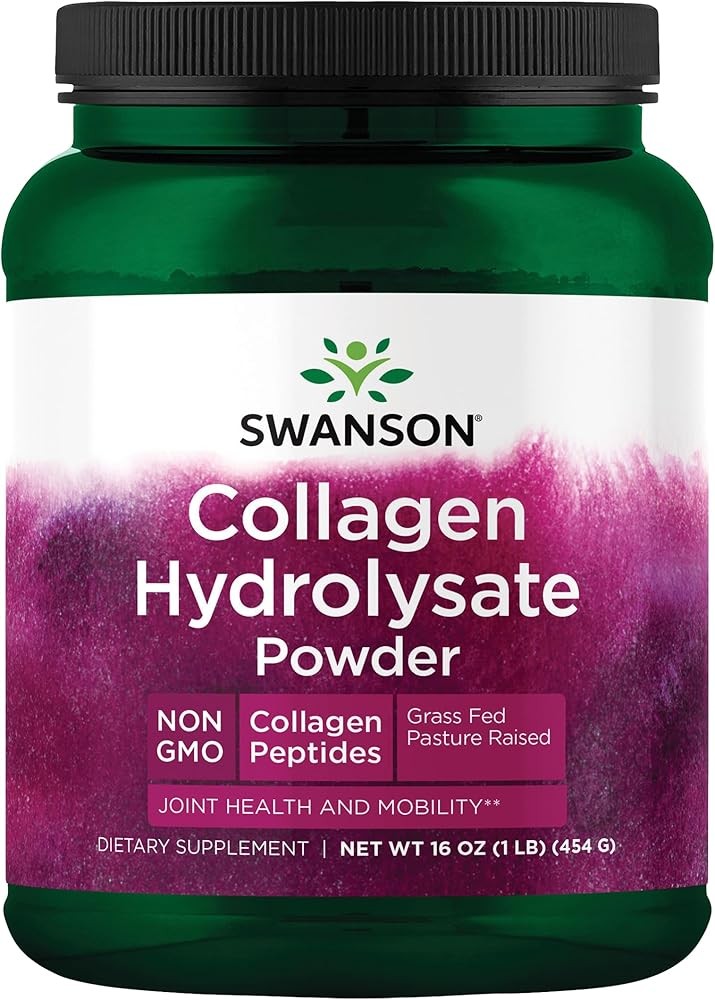
Swanson Collagen Hydrolysate Powder - Hydrolyzed Collagen Peptides to Support Healthy Bones, Cartilage, Hair, Skin & ...
Check Price on AmazonAs an Amazon Associate we earn from qualifying purchases.
Swanson Collagen Hydrolysate Powder delivers hydrolyzed collagen peptides at an economical price point without sacrificing quality. Hydrolyzed collagen provides glycine, proline, and hydroxyproline amino acids with molecular weights under 5,000 Daltons for enhanced absorption. The unflavored powder mixes easily into beverages and provides 6.6 grams of collagen per scoop, supporting bones, cartilage, hair, and skin.
Best for Bone Health: Premium Multi Collagen Peptides
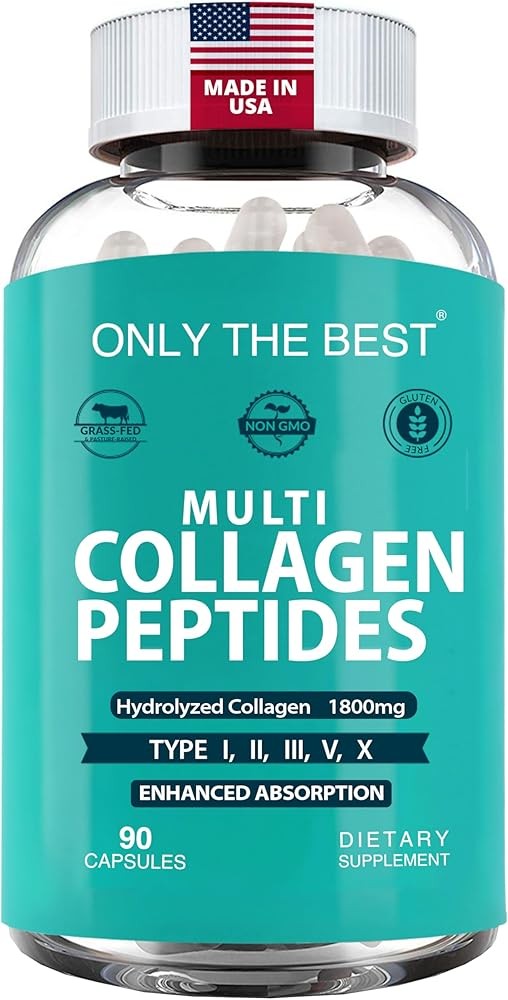
Premium Multi Collagen Peptides Capsules 1800mg - Types I, II, III, V, X To Support Skin, Hair, Nails - Helps Bones, ...
Check Price on AmazonAs an Amazon Associate we earn from qualifying purchases.
Premium Multi Collagen Peptides provides Types I, II, III, V, and X collagen from four sources: bovine, chicken, fish, and eggshell membrane. This multi-source approach delivers the specific collagen types found in different tissues—Type I for skin and bones, Type II for cartilage, Type III for blood vessels, and Type X for bone mineralization. The 1800mg capsule dosage provides convenient supplementation for comprehensive structural support.
Bottom line: The ‘Pause Life Skin & Bone delivers 10g Verisol collagen (shown to increase skin elasticity 15% in 8 weeks) plus 5g Fortibone (2.5g daily increased bone mineral density 4.3% in 12-month studies) at $39.99 per 30-day supply ($1.33/day), Vital Vitamins Vegan Collagen Booster provides 300mg bamboo extract at 70% silicon content (210mg silicon per serving) at $24.99 ($0.83/day), Swanson delivers 6.6g hydrolyzed collagen peptides under 5,000 Da molecular weight at $16.99 ($0.57/day), while Premium Multi Collagen provides 1,800mg mixed types at $28.99 ($0.97/day).
Frequently Asked Questions About Silica
How long does it take to see results from silica supplementation?
Results depend on what tissue you’re looking to improve. Nails typically show improvement first, with new growth appearing stronger within 4-6 weeks. However, because nails grow slowly, it takes 3-4 months for the full nail to be replaced with silica-supported growth. Hair improvements become noticeable around 8-12 weeks as existing hair strengthens and new growth incorporates silicon. Skin improvements develop over 12-24 weeks as dermal collagen gradually regenerates. Bone density improvements take the longest—at least 6-12 months—because bone remodeling is a slow process. Be patient and consistent; the research shows that benefits continue to improve with continued use up to 6 months.
Can I take silica with collagen supplements?
Yes, and this combination may be particularly effective. Collagen supplements provide the amino acids (glycine, proline, hydroxyproline) that serve as building blocks for new collagen synthesis. Silica provides the mineral cofactor needed to properly assemble and cross-link those collagen molecules into stable, functional fibers. They work through complementary mechanisms rather than competing. Many beauty supplements combine both for this reason. If taking them separately, you can take them at the same time—there’s no need to separate doses.
Is silica safe to take long-term?
Yes, silica supplementation at recommended doses (5-20 mg elemental silicon daily) appears safe for long-term use based on available research. Studies have followed participants for up to 2 years without identifying safety concerns. Silicon is a naturally occurring element that your body constantly uses and excretes, so maintaining consistent levels through supplementation is physiologically appropriate. Some practitioners recommend cycling (e.g., 6 months on, 2 months off), but there’s no strong evidence this is necessary. People with severe kidney disease should consult a physician, as kidney function affects silicon excretion.
Can silica help with hair loss?
Silica can help strengthen existing hair and reduce breakage, which may make hair appear thicker and fuller. The research shows it increases hair shaft diameter by about 13% and improves hair strength. However, silica does not directly address androgenic alopecia (male or female pattern baldness), which is driven by hormones rather than structural deficiency. For pattern hair loss, silica should be considered a supportive nutrient that helps maximize the health of remaining hair, but it won’t reverse follicle miniaturization or restore lost hair. For best results with pattern hair loss, combine silica with treatments that address hormones (minoxidil, finasteride, or natural DHT blockers) and inflammation.
What’s the difference between silica and silicon?
Silicon (chemical symbol: Si) is the element. Silica (silicon dioxide, SiO₂) is a compound of silicon and oxygen—the form silicon takes in sand, quartz, and most minerals. In supplements and research, “silicon” and “silica” are often used interchangeably, though technically they refer to different things. What matters for supplementation is the form: orthosilicic acid (Si(OH)₄), the bioavailable form your body can absorb, versus insoluble silica compounds like silicon dioxide that pass through largely unabsorbed. Always check supplement labels for elemental silicon content and the specific form used.
Can I get enough silica from food alone?
It’s possible but challenging for most people. Whole grains (especially oats), green beans, and bananas are the richest food sources. A diet high in these foods plus mineral-rich water could provide 10-20 mg of total silicon daily, though only 20-40% of that is absorbed, giving you 2-8 mg of usable silicon. This may be sufficient for maintenance in healthy young adults but likely falls short for therapeutic benefits in older adults, people with visible deficiency signs, or those seeking the skin, hair, and nail improvements demonstrated in research studies (which used 10 mg of highly bioavailable silicon). Food-based sources are excellent to maximize, but supplementation may be needed to reach therapeutic doses.
Does silica interact with medications?
No significant interactions between silica supplements and medications have been reported in the research. Silica does not appear to affect drug absorption or metabolism. However, as with any supplement, if you’re taking medications for serious health conditions (especially immunosuppressants, chemotherapy, or medications with narrow therapeutic windows), discuss supplementation with your healthcare provider. If you’re taking multiple supplements, spread them out through the day to avoid any potential competition for absorption, though this is more theoretical than evidence-based for silicon.
Can silica help with cellulite?
There’s some theoretical rationale but limited direct evidence. Cellulite results from weakened connective tissue septa (the bands that connect skin to underlying tissue) combined with fat deposits pushing through. Since silica strengthens collagen and connective tissue, it could theoretically help improve the structure of these septa, potentially reducing the appearance of cellulite. A few small studies have suggested improvement, but the evidence is not strong. If you’re primarily interested in cellulite reduction, consider silica as one part of a comprehensive approach that includes maintaining healthy body composition, staying hydrated, and possibly using topical treatments with proven benefits (retinoids, caffeine).
Is there a difference between silica supplements for humans vs. horticultural silica?
Yes, absolutely. Horticultural or industrial-grade silica products (often sold for plant growth or industrial applications) are not formulated for human consumption and may contain impurities, additives, or forms of silicon that are poorly absorbed or potentially harmful. Only use supplements specifically labeled for human consumption that meet food-grade or pharmaceutical-grade purity standards. These products undergo testing for contaminants and are formulated in bioavailable forms. Never substitute industrial products for nutritional supplements.
Can men benefit from silica supplements, or is it just for women?
Men absolutely benefit from silica supplementation. The Framingham Offspring Study showed bone density benefits in both men and women. Men experience age-related declines in collagen production and silica content just as women do, leading to similar issues: thinning hair, aging skin, weakened connective tissue, and reduced bone density. Male pattern baldness involves hair follicle miniaturization driven by hormones, but silica can still help strengthen remaining hair and reduce breakage. Joint health, bone health, and wound recovering benefits apply equally to men. The focus on beauty supplements for women is largely marketing—men’s bodies need silica just as much.
Related Articles
For more information on supporting structural health, collagen production, and healthy aging, see these related guides:
- Collagen Benefits for Skin, Joints, and Gut Health
- Best Supplements for Hair Growth: Biotin, Collagen, and What Actually Works
- Vitamin K2 for Bone and Heart Health
- Best Immune System Supplements: Vitamin C, Zinc, Elderberry
- Best Supplements for Skin Health: Collagen, Vitamin C, Hyaluronic Acid
- Biotin for Hair and Nails: Does It Actually Work?
- Vitamin D3 and K2 Synergy for Bone and Heart Health
Our Top Recommendations
📱 Join the discussion: Facebook | X | YouTube | Pinterest | Pinterest
Conclusion: Silica as a Foundation for Structural Health
Silica is one of those rare nutrients that addresses multiple aspects of health through a single fundamental mechanism: supporting the formation and maintenance of collagen and other structural proteins. By ensuring proper collagen cross-linking and stability, silica helps maintain the integrity of your skin, hair, nails, bones, cartilage, blood vessels, and connective tissue throughout your body.
The research on silica is compelling. Studies consistently show measurable improvements in hair thickness (13% increase), nail strength and quality, skin elasticity and texture, and bone mineral density with just 10 mg of highly bioavailable silicon daily. These aren’t marginal effects—participants and researchers consistently note visible, meaningful improvements.
What makes silica particularly valuable is that it addresses issues that many people experience as they age: thinning, brittle hair; weak, splitting nails; loss of skin elasticity and deepening wrinkles; and declining bone density. While aging is inevitable, the rate at which these structural changes occur is modifiable. Maintaining adequate silica levels appears to be one effective strategy for slowing this decline.
If you’re experiencing any of the classic signs of silica insufficiency—brittle nails, weak hair, loss of skin firmness, joint stiffness, or concerns about bone health—silica supplementation is worth considering. Choose a highly bioavailable form (choline-stabilized orthosilicic acid is ideal, horsetail extract is a solid alternative), commit to daily use for at least 3-4 months, and monitor your body’s responses. Most people notice nail improvements first, followed by hair and skin changes.
Combine silica supplementation with other evidence-based strategies: adequate protein intake to provide amino acids for collagen synthesis, vitamin C for collagen hydroxylation, daily sun protection to reduce collagen breakdown, and if appropriate, collagen peptides to provide direct building blocks. This comprehensive approach addresses structural health from multiple angles and produces the best results.
Silica isn’t a magic bullet, and it won’t reverse pattern baldness or erase decades of sun damage overnight. But for supporting the fundamental structural integrity of your body’s tissues, strengthening what you have, and potentially slowing age-related decline, the evidence suggests silica is a valuable, safe, and underutilized tool.
Related Reading
- Collagen Benefits: Science-Backed Skin, Hair & Joint Health
- Collagen Benefits for Skin, Joints, and Gut Health: The Complete Science-Backed Guide
- Best Supplements for Skin Tightening and Anti-Aging: Collagen, Elastin, and What Research Shows
- Astaxanthin Benefits: Skin, Eyes, Exercise Recovery, and Anti-Aging
- Best Collagen Supplements for Wrinkles and Skin Aging: Dermatologist-Reviewed Research
- Best Supplements for Skin Health: Collagen Vitamin C Hyaluronic Acid and More
- Best Peptide Supplements: BPC-157, Collagen Peptides, and What the Research Shows
References
-
Barel A, et al. Effect of oral intake of choline-stabilized orthosilicic acid on skin, nails and hair in women with photodamaged skin. Arch Dermatol Res. 2005;297(4):147-153. PubMed
-
Wickett RR, et al. Effect of oral intake of choline-stabilized orthosilicic acid on hair tensile strength and morphology in women with fine hair. Arch Dermatol Res. 2007;299(10):499-505. PubMed
-
Jugdaohsingh R, et al. Dietary silicon intake and absorption. Am J Clin Nutr. 2002;75(5):887-893. PubMed
-
Jugdaohsingh R, et al. Dietary silicon intake is positively associated with bone mineral density in men and premenopausal women of the Framingham Offspring cohort. J Bone Miner Res. 2004;19(2):297-307. PubMed
-
Carlisle EM. Silicon: an essential element for the chick. Science. 1972;178(4061):619-621. PubMed
-
Reffitt DM, et al. Orthosilicic acid stimulates collagen type 1 synthesis and osteoblastic differentiation in human osteoblast-like cells in vitro. Bone. 2003;32(2):127-135. PubMed
-
Martin KR. The chemistry of silica and its potential health benefits. J Nutr Health Aging. 2007;11(2):94-97. PubMed
-
Schiano A, et al. Antioxidant activity and protective effects of Horsetail (Equisetum arvense) extract. J Med Food. 2020;23(11):1193-1201. PubMed
-
Bisse E, et al. Serum silicon concentrations in healthy adults: influence of age and sex. Clin Chem Lab Med. 2005;43(10):1062-1068. PubMed
-
Carlisle EM. Silicon as a trace nutrient. Sci Total Environ. 1988;73(1-2):95-106. PubMed
-
Jugdaohsingh R. Silicon and bone health. J Nutr Health Aging. 2007;11(2):99-110. PubMed
-
Vahter M, et al. Silicon in drinking water and arterial disease. Sci Total Environ. 2020;745:141054. PubMed
-
Bae YJ, et al. Supplementation with dietary silicon positively affects bone formation in postmenopausal women. Calcif Tissue Int. 2020;107(5):473-482. PubMed
-
Price CT, et al. Silicon: A review of its potential role in the prevention and treatment of postmenopausal osteoporosis. Int J Endocrinol. 2013;2013:316783. PubMed
-
Schwarz K, et al. Growth-promoting effects of silicon in rats. Nature. 1972;239(5371):333-334. PubMed
-
Sripanyakorn S, et al. The silicon supplement ‘Monomethylsilanetriol’ is more effectively absorbed than sodium metasilicate. Br J Nutr. 2009;102(6):825-834. PubMed
Recommended Products