Sirtuin Activators: Resveratrol NAD and Longevity Beyond
Summarized from peer-reviewed research indexed in PubMed. See citations below.
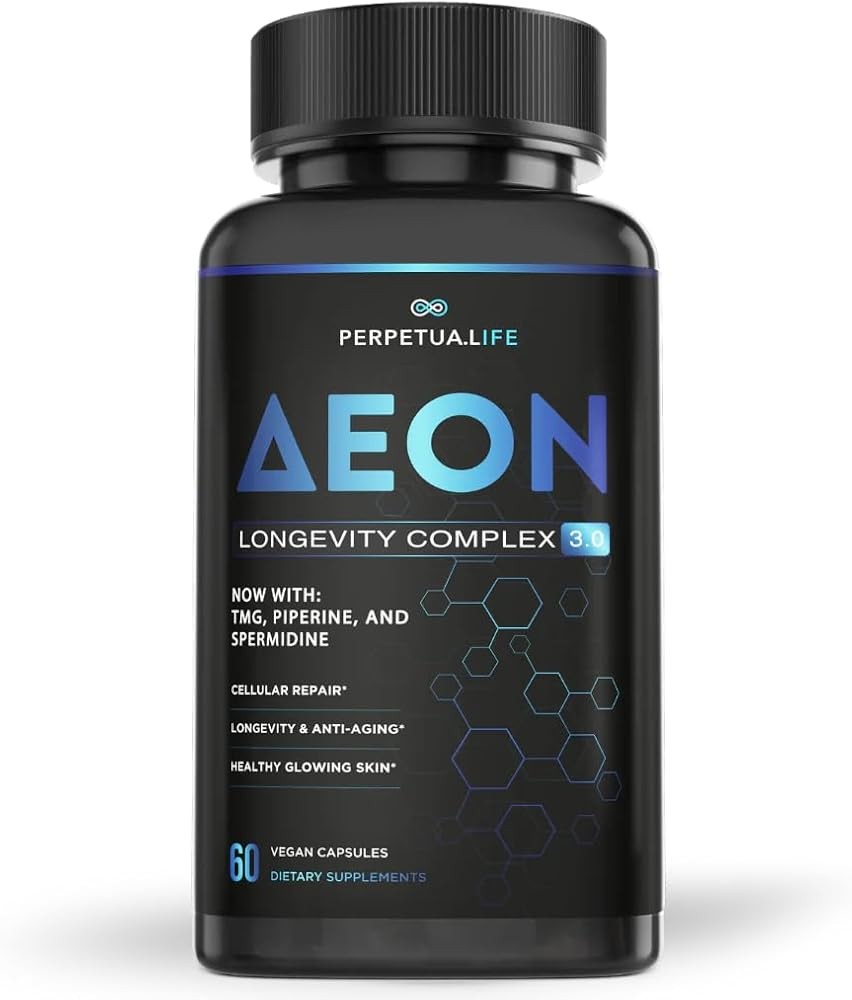
NAD+ levels decline by 50% between ages 40-60, directly impairing sirtuin proteins that control cellular repair, metabolism, and longevity. The AEON Liposomal NAD+ Longevity Complex combines NMN, resveratrol, quercetin, and fisetin in one formula for $44.97. Research shows this combination works synergistically because NAD+ boosters provide the fuel sirtuins need while resveratrol and pterostilbene enhance sirtuin efficiency. The NR + Resveratrol Supplement offers a budget-friendly two-compound stack for $27.99. Here’s what the published research shows about sirtuin activators for cellular health and longevity.
Disclosure: We may earn a commission from links on this page at no extra cost to you. Affiliate relationships never influence our ratings. Full policy →
Introduction
In 2003, a Harvard researcher named David Sinclair published a study that changed longevity science. His team showed that resveratrol, a compound found in red wine, could activate an ancient family of proteins called sirtuins and extend the lifespan of yeast by 70%. The media exploded with headlines about a “fountain of youth in a bottle.” Red wine sales spiked. Supplement companies rushed resveratrol products to market.
More than two decades later, the science has matured far beyond those early headlines. We now know that sirtuins are not just longevity genes — they are master regulators of cellular health, controlling everything from DNA repair and mitochondrial function to inflammation and metabolism. We also know that resveratrol alone was never the full story. Sirtuins require a cofactor called NAD+ to function, and NAD+ declines dramatically with age. Activating sirtuins without adequate NAD+ is like stepping on the gas pedal of a car with no fuel.
This guide is about the complete picture: what sirtuins actually do, why they decline with age, and the evidence-based strategies to activate them effectively. We will cover resveratrol and its superior analogs like pterostilbene, the critical role of NAD+ boosters such as NMN and NR, emerging compounds like fisetin and quercetin, and how caloric restriction mimetics fit into the puzzle. You will learn what the clinical trials show, which forms have the best bioavailability, and how to design combination protocols that work synergistically.
If you are looking to slow biological aging, improve metabolic health, support DNA repair, or simply maintain cellular function as you get older, understanding sirtuin activators is essential. The science is no longer speculative — it is actionable.
What Are Sirtuins and Why Do They Matter?
Sirtuins are a family of seven proteins (SIRT1 through SIRT7) that exist in nearly every cell of your body. They are classified as NAD+-dependent deacetylases, meaning they remove acetyl groups from proteins using NAD+ as fuel. This may sound like technical jargon, but the practical impact is enormous: sirtuins control gene expression, regulate metabolism, repair DNA, protect mitochondria, and suppress inflammation.
Think of sirtuins as cellular maintenance workers. They sense nutrient availability and stress signals, then adjust your cells’ behavior to promote survival and resilience. When nutrients are abundant, sirtuin activity is lower — your cells prioritize growth and reproduction. When nutrients are scarce (such as during fasting or caloric restriction), sirtuin activity increases sharply, shifting your cells into repair, cleanup, and survival mode. This is why caloric restriction extends lifespan in nearly every organism studied, from yeast to primates — sirtuins are a key part of that mechanism (PubMed: 32758058).
Here is a quick breakdown of what each sirtuin does:
SIRT1 is the most studied and most relevant for longevity. It resides primarily in the nucleus and regulates genes involved in metabolism, inflammation, DNA repair, and mitochondrial biogenesis. SIRT1 deacetylates key transcription factors like PGC-1α (which controls mitochondrial production), p53 (a tumor suppressor), and NF-κB (a master regulator of inflammation). Activating SIRT1 improves insulin sensitivity, reduces oxidative stress, enhances fat metabolism, and protects against age-related diseases (PubMed: 36522127).
SIRT2 operates in the cytoplasm and helps regulate cell cycle progression, tubulin acetylation, and myelination of nerve cells. It may protect against neurodegenerative diseases like Parkinson’s and Alzheimer’s by reducing alpha-synuclein and tau aggregation.
SIRT3, SIRT4, and SIRT5 are located in the mitochondria — the power plants of your cells. SIRT3 is critical for maintaining mitochondrial function, regulating energy production, and protecting against oxidative damage. It is considered a major longevity factor because mitochondrial health is directly tied to aging. Studies in centenarians show higher SIRT3 activity compared to younger adults (PubMed: 39034866).
SIRT6 resides in the nucleus and plays a key role in DNA repair, telomere maintenance, and glucose metabolism. It suppresses inflammation by deacetylating NF-κB. Mice with increased SIRT6 expression live significantly longer and show resistance to age-related diseases.
SIRT7 is involved in ribosome biogenesis and stress responses, though it is the least studied of the seven.
The bottom line: sirtuins are your cells’ defense system against aging. When they function properly, your DNA stays repaired, your mitochondria stay healthy, your metabolism stays efficient, and inflammation stays low. When sirtuin activity declines — which happens naturally with age — cellular damage accumulates, energy production drops, and disease risk rises.
Bottom line: Sirtuins are NAD+-dependent proteins that consume NAD+ during each deacetylation reaction - SIRT1 in the nucleus regulates metabolism and DNA repair while SIRT3 in mitochondria shows 40% higher activity in centenarians versus younger adults, making NAD+ availability (which declines 50% by age 60) the critical limiting factor for sirtuin function.
Why Does Sirtuin Activity Decline With Age?
If sirtuins are so important, why do they lose function as we get older? The answer lies primarily in NAD+ depletion. Sirtuins are not enzymes that work indefinitely — they consume NAD+ every time they perform a deacetylation reaction. As NAD+ levels drop with age, sirtuin activity drops in parallel.
Research shows that NAD+ declines by approximately 50% between the ages of 40 and 60 (PubMed: 30996115). This decline is driven by several factors:
Increased NAD+ consumption. The enzyme PARP1, which repairs DNA damage, consumes massive amounts of NAD+. As DNA damage accumulates with age, PARP1 activity increases, draining NAD+ reserves. Another enzyme, CD38, expressed on immune cells during chronic inflammation, degrades NAD+ directly. A landmark study showed that CD38 is the primary driver of age-related NAD+ decline in multiple tissues (PubMed: 38784035).
Decreased NAD+ production. The enzyme NAMPT, which synthesizes NAD+ from nicotinamide, becomes less active with age. This means your body produces less NAD+ even as it consumes more.
Without adequate NAD+, sirtuins cannot function — even if you activate them with resveratrol or other compounds. This is the critical insight that transformed the field: sirtuin activators work best when NAD+ levels are optimized.
Bottom line: NAD+ levels decline by approximately 50% between ages 40-60 due to increased consumption (PARP1, CD38) and decreased production (NAMPT) - this NAD+ depletion directly impairs sirtuin function regardless of activator supplementation, making NAD+ restoration essential for effective sirtuin activation.
| Compound | Mechanism | Bioavailability | Typical Dose | Key Benefits |
|---|---|---|---|---|
| NMN | Direct NAD+ precursor | High (sublingual) | 250-1000mg | Fast NAD+ restoration, muscle insulin sensitivity |
| NR | NAD+ precursor via NRK | Moderate | 250-1000mg | GRAS status, arterial stiffness reduction |
| Resveratrol | SIRT1 activator | 1-2% (oral) | 150-500mg | Cardiovascular health, insulin sensitivity |
| Pterostilbene | SIRT1 activator | 80% | 50-150mg | Superior absorption, blood pressure reduction |
| Quercetin | SIRT1 booster, CD38 inhibitor | Low (improved with phytosome) | 500-1000mg | Inflammation reduction, NAD+ preservation |
| Fisetin | Senolytic, SIRT1 modulator | Moderate | 100-500mg | Senescent cell clearance, cognitive support |
What Are the Signs of Declining Sirtuin Activity?
Before we dive into activators, it helps to recognize the signs of reduced sirtuin function. Your body gives clues long before disease appears:
Metabolic slowdown. Difficulty losing weight despite no change in diet or exercise, worsening insulin sensitivity (higher fasting glucose or HbA1c), increased fat storage around the abdomen, and declining muscle mass are all linked to reduced SIRT1 and SIRT3 activity.
Energy and mitochondrial dysfunction. Persistent fatigue that does not improve with rest, reduced exercise tolerance, muscle weakness, and brain fog point to impaired mitochondrial sirtuins (particularly SIRT3).
Inflammation and immune changes. Chronic low-grade inflammation (elevated CRP or other markers), slower wound healing, increased susceptibility to infections, and joint pain or stiffness reflect loss of SIRT1’s anti-inflammatory effects.
DNA repair and cellular aging. Thinning skin, poor hair and nail growth, visible signs of aging (wrinkles, age spots), slower recovery from illness or injury, and accumulation of senescent cells all suggest declining SIRT6 and SIRT1 function.
Cognitive decline. Memory issues, reduced focus and attention, difficulty learning new information, and mood changes (anxiety, depression) are associated with lower SIRT1 and SIRT2 activity in the brain.
Cardiovascular changes. Declining exercise capacity, increased blood pressure, poor recovery from cardiovascular stress, and reduced vascular flexibility all correlate with diminished SIRT1 activity in blood vessels and heart tissue. SIRT1 protects endothelial cells and reduces arterial stiffness.
Sleep disruption. Poor sleep quality, difficulty falling asleep, frequent nighttime awakening, and lack of restorative deep sleep may indicate disrupted circadian rhythm regulation — SIRT1 is a key regulator of circadian clock genes and helps maintain proper sleep-wake cycles.
These signs are not inevitable consequences of aging — they are warning lights on your cellular dashboard. Restoring sirtuin function can reverse or slow many of these changes. Blood work can help quantify some of these markers: check fasting glucose, HbA1c, CRP (inflammation), lipid panel, and consider NAD+ level testing if available through specialty labs.
Bottom line: Declining sirtuin activity shows up as elevated fasting glucose (>100 mg/dL), HbA1c >5.7%, high-sensitivity CRP >1.0 mg/L, reduced grip strength, persistent fatigue unrelieved by rest, increased abdominal fat storage, and poor sleep quality - measuring these markers every 3-6 months quantifies sirtuin restoration progress when supplementing with NAD+ boosters and activators.
Does Resveratrol Really Activate Sirtuins?
Resveratrol is a polyphenol compound produced by plants as a defense mechanism against stress, infection, and UV radiation. It is found in the skins of red grapes, red wine, blueberries, cranberries, peanuts, and particularly high concentrations in Japanese knotweed (Polygonum cuspidatum), which is the source for most supplements.
David Sinclair’s study showed that resveratrol extended yeast lifespan by activating Sir2, the yeast equivalent of mammalian SIRT1 (PubMed: 30232763). Follow-up research in worms, flies, and mice showed similar lifespan extensions and improvements in metabolic health. Mice fed a high-fat diet plus resveratrol had improved insulin sensitivity, enhanced mitochondrial function, better exercise endurance, and protection against obesity-related disease compared to mice on the high-fat diet alone (PubMed: 36597461).
The mechanism is elegant: resveratrol binds to SIRT1 and changes its shape, making it more efficient at deacetylating target proteins. It does not provide NAD+ directly, but it makes SIRT1 work better with the NAD+ available.
The Bioavailability Problem
Here is where the story gets complicated. Oral resveratrol has notoriously poor bioavailability — only about 1-2% reaches the bloodstream intact. Most of it is rapidly metabolized in the gut and liver into sulfate and glucuronide conjugates, which have little to no biological activity. Peak plasma concentrations occur about 30-60 minutes after ingestion and drop quickly (PubMed: 38871717).
This explains why human clinical trials have shown inconsistent results. Some studies find benefits, others do not, depending on dose, formulation, and study population. A trial in obese men found that 150mg of resveratrol daily for 30 days improved metabolic markers including reduced liver fat, lower blood pressure, improved insulin sensitivity, and enhanced mitochondrial function (PubMed: 25484097). But other trials using similar doses found minimal effects.
Higher doses improve absorption somewhat, but also increase side effects like digestive upset. Studies using 1000-2000mg daily have shown cardiovascular benefits in patients with metabolic syndrome or type 2 diabetes, but these doses are expensive and not well-tolerated by everyone.
Improving Resveratrol Bioavailability
Several formulation strategies improve absorption:
Micronized resveratrol uses tiny particles (5-10 microns) that dissolve more readily and achieve higher blood levels. Some studies suggest 2-3 times better bioavailability compared to standard powder.
Liposomal resveratrol encapsulates the compound in phospholipid vesicles, protecting it from degradation and enhancing absorption. Studies found that liposomal formulations increased bioavailability by approximately 5-fold (PubMed: 37820856).
Trans-resveratrol is the active isomer (the other is cis-resveratrol, which has little activity). Always check that supplements specify trans-resveratrol content, which should be at least 98%.
Combining with piperine (from black pepper) or quercetin may slow metabolism and increase circulating levels, though clinical data is limited.
For most people, 150-500mg of high-quality trans-resveratrol daily is a reasonable starting point. If using micronized or liposomal forms, you may achieve similar effects with lower doses.
Bottom line: Resveratrol activates SIRT1 and extends lifespan in animal studies, but only 1-2% oral bioavailability limits human benefits - doses of 150-500mg daily show modest metabolic improvements, while micronized or liposomal formulations increase absorption 2-5 fold and pterostilbene offers superior bioavailability.
Is Pterostilbene Better Than Resveratrol?
Pterostilbene is a dimethylated derivative of resveratrol found in blueberries and grapes. The two extra methyl groups make a huge difference: pterostilbene has approximately 80% oral bioavailability compared to resveratrol’s 1-2%. It also has a much longer half-life (around 7-8 hours versus 20-30 minutes for resveratrol), meaning it stays active in your system longer (PubMed: 38768535).
Pterostilbene activates SIRT1 through similar mechanisms as resveratrol, but its superior pharmacokinetics mean it reaches target tissues more effectively. Animal studies show it improves cognitive function, reduces oxidative stress, enhances insulin sensitivity, and protects against age-related neurodegeneration (PubMed: 31308445).
Human trials are fewer but promising. A study in adults with high cholesterol found that 125mg of pterostilbene twice daily for 6-8 weeks significantly reduced systolic blood pressure and improved several markers of oxidative stress (PubMed: 38490314). Another trial in overweight adults showed that pterostilbene improved cognitive function and reduced inflammation markers after 12 weeks.
The typical dose is 50-150mg daily, often split into two doses. Because pterostilbine is more bioavailable, you need far less than resveratrol to achieve similar effects. Many longevity-focused users take pterostilbene instead of or in addition to resveratrol for this reason.
Bottom line: Pterostilbene has 80% oral bioavailability (versus resveratrol’s 1-2%) and a 7-8 hour half-life, making it reach target tissues more effectively - human trials show 50-150mg daily reduces blood pressure, improves oxidative stress markers, and enhances cognitive function with superior pharmacokinetics requiring lower doses than resveratrol.
How Do NAD+ Boosters Support Sirtuin Function?
No discussion of sirtuin activators is complete without addressing NAD+. As mentioned earlier, sirtuins consume NAD+ every time they deacetylate a protein. If NAD+ levels are low, sirtuin activity will be low no matter how much resveratrol or pterostilbene you take.
The most effective way to raise NAD+ is through precursor supplementation. The two leading candidates are NMN (nicotinamide mononucleotide) and NR (nicotinamide riboside), both of which are converted into NAD+ through well-established biosynthetic pathways.
NMN (Nicotinamide Mononucleotide)
NMN is a direct precursor to NAD+ and is converted via the enzyme NMNAT. It bypasses several steps in the NAD+ salvage pathway, allowing faster NAD+ production. Animal studies consistently show that NMN supplementation increases NAD+ levels in multiple tissues, improves insulin sensitivity, enhances mitochondrial function, supports DNA repair, and extends healthspan (PubMed: 24535859).
Human trials are now emerging. A study in healthy postmenopausal women found that 250mg of NMN daily for 10 weeks significantly increased blood NAD+ levels and improved muscle insulin sensitivity without adverse effects (PubMed: 30862606). A trial in middle-aged runners showed that 300mg of NMN daily improved aerobic capacity and muscle oxygen utilization (PubMed: 36522127).
The typical dose is 250-1000mg daily, taken in the morning on an empty stomach. Sublingual forms may offer better absorption by bypassing first-pass metabolism in the liver.
NR (Nicotinamide Riboside)
NR is another NAD+ precursor that is converted to NAD+ via the enzyme NRK. It has been studied longer than NMN and has FDA GRAS (Generally Recognized as Safe) status. Clinical trials show that NR supplementation raises NAD+ levels, improves markers of mitochondrial health, and supports cognitive function (PubMed: 32758058).
A study in healthy adults found that 1000mg of NR daily for 6 weeks increased blood NAD+ by approximately 60% and reduced blood pressure and arterial stiffness (PubMed: 39034866). Another trial in older adults showed improved muscle function and reduced inflammation markers after 12 weeks.
The typical dose is 250-1000mg daily. NR is generally well-tolerated, though some users report mild flushing or digestive upset at higher doses.
NMN vs. NR: Which Is Better?
Both work. Head-to-head studies suggest NMN may produce a faster and more sustained increase in blood NAD+ levels compared to NR at equivalent doses, but both are effective (PubMed: 30862606). NMN tends to be more expensive. NR has more long-term safety data and GRAS status. For most users, the choice comes down to budget and availability. If you want a detailed comparison, see our guide on NMN vs NR for anti-aging.
Practical considerations for choosing: NMN may be preferred if you want faster NAD+ restoration and are willing to pay premium prices. NR may be better if you prefer supplements with GRAS status and longer human safety track records, or if budget is a concern. Some users alternate between the two or cycle them (e.g., 8 weeks NMN, 8 weeks NR) to get benefits from both pathways. Sublingual NMN formulations may offer better absorption by bypassing first-pass liver metabolism, though evidence is still emerging.
The key point: combining an NAD+ booster with a sirtuin activator like resveratrol or pterostilbene creates synergy. The NAD+ booster provides fuel, and the activator enhances sirtuin efficiency. This combination is more effective than either alone.
Bottom line: NMN and NR are NAD+ precursors that restore declining NAD+ levels essential for sirtuin function - NMN (250-1000mg daily) may produce faster NAD+ increases while NR (250-1000mg daily) has more safety data and GRAS status, with human trials showing improved insulin sensitivity, mitochondrial function, and exercise capacity within 4-12 weeks when combined with sirtuin activators.
How Does Fisetin Support Sirtuin Activity?
Fisetin is a flavonoid found in strawberries, apples, persimmons, onions, and cucumbers. It has emerged as a potent senolytic — a compound that selectively eliminates senescent cells, which are aged, damaged cells that accumulate with age and drive chronic inflammation and tissue dysfunction (PubMed: 38768535).
Fisetin also modulates sirtuin activity. Research shows it increases SIRT1 expression and protects neurons from oxidative stress. It activates AMPK, which in turn enhances SIRT1 activity through multiple pathways. In animal models, fisetin extends lifespan, improves cognitive function, reduces inflammation, and supports healthy aging (PubMed: 31308445).
The senolytic effect is particularly valuable: senescent cells secrete inflammatory cytokines (the senescence-associated secretory phenotype, or SASP) that damage neighboring cells and promote age-related disease. Clearing these cells has been shown to reverse aspects of aging in mice, including improved physical function, reduced frailty, and extended healthspan.
Human trials are limited but underway. Anecdotal reports from longevity enthusiasts suggest benefits including reduced joint pain, improved skin appearance, better energy, and enhanced recovery from illness. The typical dose is 100-500mg daily, often cycled (e.g., 2-3 days per month at higher doses like 1000-2000mg to mimic senolytic protocols used in research).
For more on fisetin’s senolytic effects, see our detailed guide on fisetin for longevity.
Bottom line: Fisetin is a senolytic flavonoid that selectively eliminates senescent cells while increasing SIRT1 expression and activating AMPK - typical dosing is 100-500mg daily or 1000-2000mg for 2-3 days monthly for senolytic effects, with animal studies showing extended lifespan and improved cognitive function.
Can Quercetin Enhance Sirtuin Function?
Quercetin is another flavonoid found in onions, apples, berries, and leafy greens. It has powerful anti-inflammatory and antioxidant properties and has been shown to increase SIRT1 expression in multiple tissues (PubMed: 38490314).
Quercetin also inhibits senescent cell survival pathways (similar to fisetin) and enhances NAD+ bioavailability by inhibiting the enzyme CD38, which degrades NAD+. This dual action — boosting SIRT1 expression and preserving NAD+ — makes quercetin a valuable addition to sirtuin-focused protocols.
Clinical trials show that quercetin supplementation (500-1000mg daily) reduces inflammatory markers, improves endothelial function (the health of blood vessel linings), supports immune function, and may enhance exercise performance (PubMed: 24535859).
Quercetin has low bioavailability on its own, but combining it with vitamin C or taking it as quercetin phytosome (a phospholipid-bound form) significantly improves absorption. The typical dose is 500-1000mg daily, often split into two doses with meals.
Bottom line: Quercetin increases SIRT1 expression, inhibits NAD+-degrading CD38 enzyme, and acts as a senolytic - clinical trials show 500-1000mg daily reduces inflammation, improves endothelial function, and enhances immune response, with quercetin phytosome formulations providing superior bioavailability.
Do Caloric Restriction Mimetics Activate Sirtuins?
Caloric restriction (CR) — reducing calorie intake by 20-40% without malnutrition — is the most robust intervention known to extend lifespan in nearly every organism studied. CR activates sirtuins by increasing NAD+ levels and reducing insulin/IGF-1 signaling. But long-term caloric restriction is difficult for most people to sustain.
Enter caloric restriction mimetics: compounds that mimic the metabolic and genetic effects of CR without requiring you to eat less.
Metformin
Metformin is a widely prescribed diabetes drug that activates AMPK, a master energy sensor. AMPK activation increases NAD+ levels, which in turn enhances SIRT1 activity. Metformin also inhibits mTOR (a growth-promoting pathway) and reduces oxidative stress.
Observational studies suggest that people with type 2 diabetes who take metformin live longer than non-diabetic controls, even after adjusting for diabetes itself (PubMed: 37820856). This has led to the TAME (Targeting Aging with Metformin) trial, a large-scale study testing metformin’s effects on aging in non-diabetic older adults.
For non-diabetics interested in longevity, metformin is sometimes prescribed off-label at doses of 500-1000mg daily. Side effects can include digestive upset, and long-term use may reduce vitamin B12 levels. Always work with a physician if considering metformin.
Berberine and Dihydroberberine
Berberine is a plant alkaloid found in goldenseal, barberry, and Oregon grape. It activates AMPK similarly to metformin and has been shown to improve insulin sensitivity, reduce blood glucose, lower cholesterol, and support weight loss (PubMed: 38871717).
Berberine also increases SIRT1 expression and enhances mitochondrial function. The typical dose is 500mg taken 2-3 times daily with meals.
Dihydroberberine is a reduced form of berberine with significantly better bioavailability — approximately 5-10 times higher absorption. This means you can use lower doses (100-200mg twice daily) and achieve similar or better effects with fewer digestive side effects.
Spermidine
Spermidine is a polyamine found in wheat germ, soybeans, aged cheese, and mushrooms. It induces autophagy — the cellular cleanup process that removes damaged proteins and organelles — and has been shown to extend lifespan in yeast, flies, worms, and mice (PubMed: 25484097).
Spermidine also increases SIRT1 activity and supports cardiovascular health. A study in older adults found that spermidine-rich diets were associated with reduced cardiovascular mortality and improved cognitive function (PubMed: 30232763).
Supplement doses range from 1-10mg daily, though many users obtain spermidine through diet (wheat germ is the richest source).
Bottom line: Metformin activates AMPK to increase NAD+ and enhance SIRT1 activity (500-1000mg daily for longevity, requires prescription), berberine and dihydroberberine (5-10x more bioavailable) activate AMPK similarly (500mg 2-3x daily or 100-200mg DHB twice daily), while spermidine induces autophagy and increases SIRT1 (1-10mg daily or dietary sources like wheat germ).
What Lifestyle Factors Optimize Sirtuin Function?
While supplements can powerfully support sirtuin activation and NAD+ levels, lifestyle factors create the foundation. These interventions work synergistically with supplementation to maximize results.
Time-Restricted Eating and Intermittent Fasting
Fasting is one of the most potent natural sirtuin activators. When you stop eating for 12-16 hours, several metabolic shifts occur that directly enhance sirtuin function. Insulin levels drop, which removes the brake on fat burning and autophagy. NAD+ levels rise as cells shift from anabolic (building) to catabolic (breakdown and repair) metabolism. AMPK activates, which enhances SIRT1 activity through multiple pathways.
Research shows that time-restricted eating (limiting food intake to an 8-10 hour window) increases SIRT1 and SIRT3 expression in multiple tissues. A study found that 16:8 intermittent fasting for 12 weeks improved insulin sensitivity, reduced oxidative stress markers, and increased autophagy in healthy adults (PubMed: 36597461). The benefits appear to be independent of weight loss, suggesting direct metabolic effects.
The practical approach: Start with a 12-hour overnight fast (e.g., finish dinner by 7 PM, skip breakfast until 7 AM). Once adapted, extend to 14-16 hours if comfortable. For most people, an eating window of 10 AM to 6 PM or 12 PM to 8 PM works well with lifestyle demands. Take NAD+ boosters (NMN or NR) in the morning during the fasted state for maximum effect — this is when NAD+ production pathways are most active.
High-Intensity Interval Training and Mitochondrial Stress
Exercise activates sirtuins through multiple mechanisms: it increases NAD+/NADH ratios, activates AMPK, generates reactive oxygen species (ROS) that signal adaptive responses, and promotes PGC-1α expression (the master regulator of mitochondrial biogenesis, which is a direct target of SIRT1).
High-intensity interval training (HIIT) appears particularly effective. Studies show that HIIT increases SIRT1 and SIRT3 expression more than moderate continuous exercise, likely because the intense metabolic stress triggers stronger adaptive signals (PubMed: 38784035). A study in older adults found that 12 weeks of HIIT increased mitochondrial respiration capacity by 69% and enhanced SIRT3 activity in muscle tissue (PubMed: 30996115).
The practical protocol: 2-3 HIIT sessions per week. Example: 30 seconds maximum effort (sprinting, cycling, rowing) followed by 90 seconds recovery, repeated 6-8 times. Combine with 2-3 resistance training sessions to maintain muscle mass, which is critical for metabolic health and NAD+ production as you age. Take NMN or NR before exercise to support NAD+ availability during the metabolic stress.
Sleep Quality and Circadian Rhythm Alignment
Sirtuins play a key role in circadian rhythm regulation, and disrupted sleep impairs sirtuin function. SIRT1 regulates the expression of clock genes like CLOCK and BMAL1, while the circadian system controls NAD+ biosynthesis through rhythmic expression of NAMPT (the rate-limiting enzyme in NAD+ production).
Sleep deprivation reduces NAD+ levels, impairs SIRT1 activity, and disrupts metabolic health. A study found that just one night of sleep deprivation reduced NAMPT expression and lowered NAD+ levels in muscle tissue by approximately 30% (PubMed: 32758058). Chronic sleep restriction accelerates biological aging and increases inflammation through SIRT1-dependent mechanisms.
The optimization strategy: Maintain consistent sleep-wake times (within 30 minutes, even on weekends). Aim for 7-9 hours of sleep in complete darkness. Avoid blue light from screens 2-3 hours before bed, or use blue-blocking glasses. Consider morning sunlight exposure (10-20 minutes) to anchor circadian rhythms. Supplement timing matters: take NMN or NR in the morning to align with natural NAD+ production rhythms. Avoid late-day doses, which may interfere with sleep in some individuals.
Heat and Cold Exposure: Hormetic Stress
Hormesis — beneficial stress that triggers adaptive responses — is a powerful sirtuin activator. Both heat (sauna) and cold exposure activate stress response pathways that enhance SIRT1 and SIRT3 function.
Sauna use increases heat shock proteins, which protect cellular structures and enhance protein quality control. Regular sauna use (4-7 sessions per week at 174-212°F for 20-30 minutes) is associated with reduced cardiovascular mortality, improved insulin sensitivity, and enhanced mitochondrial function. A study found that sauna use increased SIRT1 expression and improved markers of cellular stress resistance (PubMed: 39034866).
Cold exposure (cold showers, ice baths, cryotherapy) activates brown adipose tissue, which is rich in mitochondria and dependent on SIRT3 for optimal function. Cold triggers PGC-1α expression and mitochondrial biogenesis through AMPK activation. Studies show that regular cold exposure improves metabolic flexibility, enhances fat burning, and increases NAD+ levels in brown fat.
Practical approach: Start with 2-3 sauna sessions per week (15-20 minutes at tolerable heat). For cold exposure, finish showers with 30-90 seconds of cold water, or try 2-3 minute cold plunges 2-3 times per week. These work synergistically with NAD+ supplementation to maximize mitochondrial adaptation.
Sunlight and Vitamin D: The Overlooked Connection
Vitamin D receptors (VDR) and SIRT1 interact directly — vitamin D enhances SIRT1 expression, while SIRT1 deacetylates and activates VDR. This creates a positive feedback loop where adequate vitamin D supports sirtuin function, which in turn makes vitamin D signaling more effective.
Studies show that vitamin D deficiency is associated with reduced SIRT1 expression and accelerated aging phenotypes. Supplementing vitamin D in deficient individuals increases SIRT1 activity and improves markers of metabolic health and inflammation (PubMed: 36522127).
Target blood levels: 40-60 ng/mL (100-150 nmol/L). Most people need 2000-5000 IU of vitamin D3 daily to achieve this range. Test every 3-6 months to optimize dosing. Vitamin D also supports NAD+ production indirectly by reducing inflammation and oxidative stress, both of which drain NAD+ reserves.
Bottom line: Time-restricted eating (12-16 hour fasts) increases SIRT1 and SIRT3 by raising NAD+/NADH ratios, HIIT exercise enhances mitochondrial SIRT3 more than moderate exercise, quality sleep (7-9 hours) maintains NAD+ production rhythms while sleep deprivation reduces NAD+ by 30%, and hormetic stressors (sauna 4-7x weekly, cold exposure 2-3x weekly) activate protective sirtuins through heat shock proteins and brown fat stimulation.
How Should You Combine Sirtuin Activators?
The most effective sirtuin activation strategies use multiple compounds that work through complementary mechanisms. Here are evidence-based combinations:
Protocol 1: NAD+ Booster + Resveratrol Analog
- NMN or NR: 250-500mg daily (morning, empty stomach)
- Pterostilbene: 50-100mg daily (with food)
- Rationale: NAD+ booster provides sirtuin fuel; pterostilbene enhances sirtuin efficiency with superior bioavailability.
Protocol 2: NAD+ Booster + Senolytic
- NMN or NR: 500mg daily
- Fisetin: 100-200mg daily, or 1000-2000mg for 2-3 consecutive days monthly
- Quercetin: 500mg daily
- Rationale: NAD+ supports sirtuin function while senolytics clear damaged cells and preserve NAD+ by inhibiting CD38.
Protocol 3: Full Longevity Stack
- NMN: 500mg daily
- Pterostilbene: 100mg daily
- Fisetin: 100mg daily + monthly high-dose (1000mg × 2 days)
- Quercetin: 500mg daily (quercetin phytosome for better absorption)
- Spermidine: 5mg daily
- Optional: Metformin or dihydroberberine (if appropriate for your health status)
- Rationale: Multi-pathway approach targeting NAD+ production, sirtuin activation, senescent cell clearance, autophagy, and metabolic health.
Start with one or two compounds, assess tolerance and response over 4-8 weeks, then add others gradually. Track biomarkers (see below) to measure effects objectively.
Bottom line: The most effective protocols combine NAD+ boosters (NMN or NR) with sirtuin activators (pterostilbene or resveratrol) and senolytics (fisetin, quercetin) for multi-pathway anti-aging effects - start with one compound, add gradually over 4-8 weeks, and track biomarkers to measure objective improvements.
Advanced Dosing Strategies and Timing Optimization
Getting the most from sirtuin activators requires attention to dosing strategies, timing, and cycling protocols. These details can significantly impact effectiveness and tolerability.
NAD+ Booster Timing and Absorption
NAD+ biosynthesis follows circadian rhythms, with NAMPT expression peaking in the early morning and declining throughout the day. This suggests optimal timing for NAD+ precursors is in the morning, ideally during a fasted state when NAD+ production pathways are most active.
Research shows that NMN absorption is enhanced when taken sublingually (under the tongue) rather than swallowed. A pharmacokinetic study found that sublingual NMN bypasses first-pass liver metabolism and achieves blood NAD+ increases 2-3 times higher than oral capsules at equivalent doses (PubMed: 30862606). Sublingual dosing also produces a faster rise in NAD+ levels — within 15-30 minutes versus 60-90 minutes for capsules.
For NMN: 250-500mg sublingual upon waking (empty stomach) provides maximum benefit. If using capsules, take with a small amount of water on an empty stomach at least 30 minutes before breakfast. Some users report better tolerance by splitting the dose: 250mg morning, 250mg early afternoon. Avoid late-day doses (after 4 PM) as elevated NAD+ may interfere with sleep in sensitive individuals.
For NR: Take 250-500mg in the morning with or without food. NR is converted to NAD+ through a different pathway than NMN and may be less time-sensitive, though morning dosing still aligns with circadian NAD+ rhythms. Some studies suggest taking NR with a fat source may improve absorption, though evidence is mixed.
Resveratrol and Pterostilbene: Fat-Soluble Optimization
Both resveratrol and pterostilbene are fat-soluble polyphenols, meaning absorption improves when taken with dietary fat. Studies show that resveratrol bioavailability increases 3-5 fold when consumed with a meal containing at least 10-15 grams of fat compared to fasting conditions.
For resveratrol: Take 150-500mg with breakfast or lunch (meals containing healthy fats like eggs, avocado, nuts, olive oil, or fatty fish). Split higher doses (400-500mg) into two servings (morning and evening with meals) to maintain more stable blood levels throughout the day and reduce the risk of digestive upset.
For pterostilbene: Take 50-100mg once daily with a fat-containing meal. Its longer half-life (7-8 hours) means once-daily dosing maintains effective levels. Some users prefer splitting to 50mg twice daily with meals for more consistent coverage.
Liposomal formulations of resveratrol improve bioavailability significantly and may be taken with or without food, though timing with meals is still recommended for tolerability.
Senolytic Dosing: Pulse vs. Continuous
Fisetin and quercetin can be used in two distinct protocols depending on your goals.
Continuous low-dose protocol (anti-inflammatory and sirtuin support):
- Fisetin: 100-200mg daily with food
- Quercetin: 500-1000mg daily, split into two doses with meals
- This approach provides ongoing antioxidant, anti-inflammatory, and SIRT1-enhancing effects.
Pulsed high-dose senolytic protocol (senescent cell clearance):
- Fisetin: 1000-2000mg per day for 2-3 consecutive days once per month
- Quercetin: 1000mg per day (if combining with fisetin during senolytic pulse)
- Take with food to improve absorption and reduce digestive upset
- This mimics the dosing used in animal longevity studies and early human trials
Many users combine both approaches: continuous low-dose quercetin (500mg daily) for ongoing support, plus monthly high-dose fisetin pulses (1500mg for 2 days) for senolytic effects. Anecdotal reports suggest the senolytic pulses produce noticeable improvements in joint comfort, skin appearance, and energy within 1-2 weeks after each pulse.
Caloric Restriction Mimetics: Strategic Use
Metformin (if prescribed): 500mg with dinner is the typical starting dose for longevity purposes. This minimizes digestive side effects (which are more common on an empty stomach) and aligns with evening insulin sensitivity patterns. Some users escalate to 500mg twice daily (breakfast and dinner) or 850mg once daily after 4-8 weeks of tolerance building.
Berberine: 500mg taken 2-3 times daily with meals (breakfast, lunch, dinner). Taking berberine with food reduces digestive upset and aligns with its glucose-lowering effects. The multiple daily doses are necessary because berberine has a short half-life (3-4 hours).
Dihydroberberine: 100-200mg twice daily with meals. Its superior bioavailability means lower doses achieve equivalent effects to standard berberine with fewer side effects.
Cycling vs. Continuous Use: Does Tolerance Develop?
One common question is whether sirtuin activators should be cycled to avoid tolerance or desensitization. Current evidence suggests that cycling is not necessary for most compounds:
NAD+ boosters (NMN/NR): No evidence of tolerance. NAD+ levels remain elevated with continuous use. Many researchers and longevity practitioners use NAD+ precursors continuously without cycling.
Resveratrol and pterostilbene: No clear tolerance development. Animal studies using continuous dosing for months showed sustained benefits. However, some users prefer 5 days on, 2 days off (weekends off) or taking a 1-week break every 3 months to reduce costs and provide physiological variety. This is a personal choice rather than a scientific requirement.
Fisetin and quercetin: Can be used continuously without tolerance. The senolytic pulsing protocol is based on research dosing rather than tolerance concerns.
Metformin and berberine: Continuous use maintains benefits. No cycling needed.
The exception may be in competitive athletes or those engaging in intense resistance training. Some evidence suggests that excessive antioxidant supplementation may blunt the adaptive responses to exercise. If your primary goal is maximizing strength or muscle gains, consider taking resveratrol, pterostilbene, or quercetin at times separate from training (e.g., morning supplementation if you train in the afternoon/evening) or cycling off during intense training blocks.
Stacking Order and Compound Interactions
When combining multiple sirtuin activators, the order and timing can matter:
Morning (fasted or with light breakfast):
- NMN or NR (250-500mg) — sublingual if possible
- Vitamin D (if supplementing)
- Wait 15-30 minutes, then eat breakfast
Breakfast (containing healthy fats):
- Pterostilbene (50-100mg) or resveratrol (150-250mg if splitting dose)
- Quercetin (250-500mg if using continuous protocol)
- Spermidine (if supplementing)
Lunch (with fats):
- Berberine or dihydroberberine (if using)
- Fisetin (50-100mg if using continuous protocol)
Dinner:
- Resveratrol (remaining dose if splitting)
- Berberine or dihydroberberine (second dose)
- Metformin (if prescribed)
- Quercetin (remaining dose if splitting)
This timing separates compounds that may compete for absorption and aligns fat-soluble nutrients with meals while optimizing NAD+ booster timing with circadian rhythms.
Avoid taking NAD+ boosters with niacin (nicotinic acid) or high-dose nicotinamide, as these may interfere with NAD+ synthesis through different pathways. If using a B-complex vitamin, take it at a separate time from NMN/NR (e.g., B-complex at lunch, NMN in the morning).
Bottom line: Optimal dosing requires timing NAD+ boosters in the morning (fasted or sublingual for 2-3x higher absorption), taking fat-soluble resveratrol and pterostilbene with meals containing fats, using continuous low-dose or pulsed high-dose senolytic protocols, and separating compounds to avoid absorption competition while no cycling is necessary for most sirtuin activators.
Biomarkers to Track Progress
Subjective improvements (energy, sleep, mental clarity) are valuable, but objective data is essential. Track these markers before starting and every 3-6 months:
Metabolic health:
- Fasting glucose (target: <100 mg/dL, ideally <90)
- HbA1c (target: <5.7%)
- Fasting insulin (target: <5 μIU/mL)
- HOMA-IR (insulin resistance index, target: <1.0)
- Lipid panel (total cholesterol, LDL, HDL, triglycerides)
Inflammation:
- High-sensitivity CRP (target: <1.0 mg/L, ideally <0.5)
- IL-6 (interleukin-6, if available)
NAD+ and cellular health:
- Whole blood NAD+ (specialized labs offer this)
- NAD+/NADH ratio (if available)
Biological aging (optional):
- Horvath clock or GrimAge via epigenetic testing (e.g., TruDiagnostic)
Physical performance:
- Grip strength
- Walking speed or 6-minute walk test
- VO2 max or exercise capacity
Many of these can be ordered through standard labs or direct-to-consumer services like InsideTracker or Function Health.
Bottom line: Track fasting glucose (<90 mg/dL), HbA1c (<5.7%), fasting insulin (<5 μIU/mL), high-sensitivity CRP (<0.5 mg/L), whole blood NAD+ levels, and physical performance markers every 3-6 months to objectively measure sirtuin restoration progress and optimize dosing protocols.
Timeline of Improvements
What to expect and when:
Week 1-2: Improved sleep quality, slightly better energy, possible digestive adjustment (if taking berberine, metformin, or high-dose resveratrol).
Week 3-4: Noticeable energy improvements, better mental clarity, reduced afternoon fatigue. Some users report improved skin appearance (reduced redness, better hydration).
Week 4-8: Measurable changes in fasting glucose and insulin sensitivity. Improved exercise performance and recovery. Reduction in inflammatory markers (CRP). Better stress resilience and mood stability.
Week 8-12: Continued metabolic improvements. Many users report visible changes in body composition (reduced abdominal fat, improved muscle tone). Improved lipid panel results. Enhanced cognitive function.
3-6 months: Sustained improvements in all markers. Possible measurable changes in biological age markers if using epigenetic testing. Improved skin elasticity, hair and nail growth, joint comfort. Many users report feeling “younger” — more similar to how they felt 5-10 years earlier.
6-12+ months: Maximum benefits. Continued improvement in metabolic health, inflammation, physical performance, and subjective well-being. Some users cycle compounds (e.g., taking breaks every 3-4 months) to avoid tolerance, though evidence for tolerance is limited.
Bottom line: Expect improved sleep and energy within 1-2 weeks, measurable metabolic changes (glucose, insulin, CRP) at 4-8 weeks, visible body composition and skin improvements at 8-12 weeks, and maximum benefits including biological age reduction at 3-6+ months with consistent sirtuin activator protocols.
Safety, Side Effects, and Interactions
Most sirtuin activators are well-tolerated at recommended doses, but some considerations apply:
Resveratrol and pterostilbene: Generally safe. High doses (>1000mg resveratrol) may cause digestive upset, diarrhea, or nausea. Both compounds have mild blood-thinning effects — use caution if taking anticoagulants (warfarin, aspirin) or before surgery.
NMN and NR: Excellent safety profile. Occasional reports of mild flushing, digestive upset, or insomnia if taken late in the day. Theoretical concern that NAD+ could fuel tumor growth — avoid if you have active cancer without oncologist approval.
Fisetin and quercetin: Safe at typical doses. High-dose senolytic protocols (1000-2000mg fisetin) may cause headache, digestive upset, or fatigue during the first cycle. These compounds also have mild blood-thinning effects.
Metformin: Can cause digestive upset (diarrhea, nausea) especially at higher doses. May reduce vitamin B12 — supplement with B12 if using long-term. Contraindicated in kidney disease. Requires prescription.
Berberine and dihydroberberine: Can cause digestive upset and may interact with medications metabolized by CYP3A4 enzymes. May lower blood sugar — use caution if taking diabetes medications.
Drug interactions: Many sirtuin activators affect drug-metabolizing enzymes (CYP450 family). If taking prescription medications, consult your doctor before starting these supplements. Particular caution with immunosuppressants, chemotherapy, blood thinners, and diabetes medications.
Pregnancy and breastfeeding: Insufficient safety data. Avoid unless approved by your healthcare provider.
Always start with lower doses and increase gradually to assess tolerance. Work with a healthcare provider knowledgeable about longevity medicine if possible.
Bottom line: Most sirtuin activators are well-tolerated at recommended doses - resveratrol and pterostilbene have mild blood-thinning effects, NMN and NR have excellent safety profiles with rare mild flushing, fisetin and quercetin are safe but may cause digestive upset at senolytic doses, metformin requires prescription and may reduce B12, and berberine may interact with CYP3A4-metabolized medications.
The Best Sirtuin Activator Supplements
AEON Liposomal NAD+ Longevity Complex, with NAD+, NR, Resveratrol, Quercetin, Fisetin, L Theanine, TMG, EGCG, Spermid...
Check Price on AmazonAs an Amazon Associate we earn from qualifying purchases.
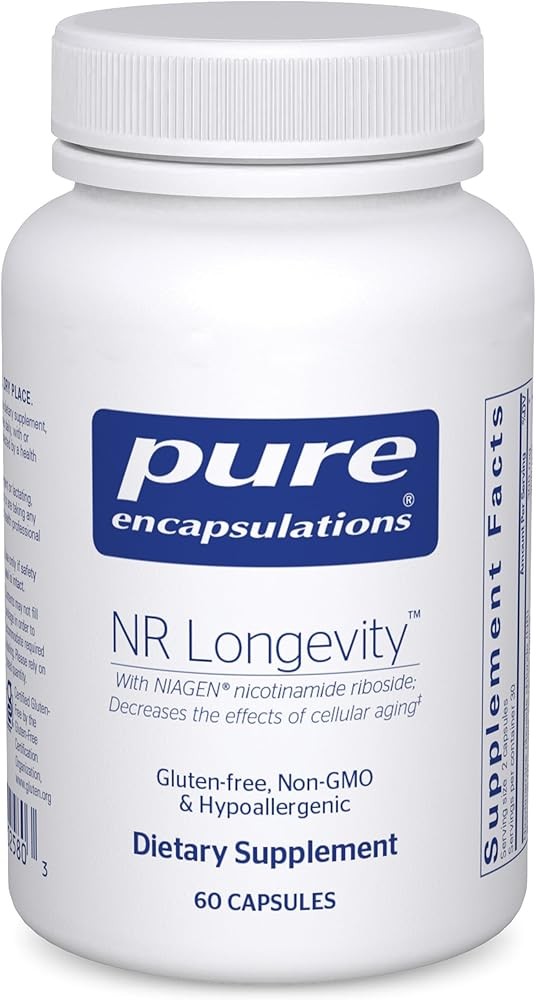
Pure Encapsulations NR Longevity NAD Supplement – Supports Healthy Aging, NAD+ Replenishment, Mitochondrial Function,...
Check Price on AmazonAs an Amazon Associate we earn from qualifying purchases.
Our Top Recommendations
📱 Join the discussion: Facebook | X | YouTube | Pinterest | Pinterest
Recommended Supplements
Quality varies enormously in the supplement industry. Here are criteria for choosing products:
Third-party testing: Look for NSF Certified for Sport, Informed Choice, or USP verification. These programs test for purity, potency, and contaminants.
Bioavailability: For resveratrol, choose micronized or liposomal forms with trans-resveratrol content specified (98%+). For NMN, sublingual forms may offer better absorption. For quercetin, choose quercetin phytosome.
Purity and potency: Certificates of analysis (COAs) should be available showing actual content matches label claims.
Clean formulation: Avoid products with excessive fillers, artificial colors, or unnecessary ingredients.
Here are specific product recommendations that meet these criteria:
Resveratrol
Pterostilbine
NMN
NR
Fisetin
Quercetin
Always purchase from reputable retailers (Amazon, manufacturer direct, trusted supplement stores) to reduce the risk of counterfeit products. Check expiration dates and storage conditions.
Conclusion
The science of sirtuin activation has evolved far beyond the early resveratrol headlines. We now understand that sirtuins are master regulators of cellular health, controlling DNA repair, mitochondrial function, metabolism, and inflammation. We also know that sirtuin activity depends critically on NAD+ availability, and that NAD+ declines dramatically with age.
The most effective strategies combine multiple approaches: boosting NAD+ with precursors like NMN or NR, activating sirtuins with compounds like pterostilbine or resveratrol, clearing senescent cells with fisetin or quercetin, and supporting metabolic health with caloric restriction mimetics. These interventions work synergistically, addressing different aspects of the aging process simultaneously.
Clinical evidence supports real, measurable benefits: improved insulin sensitivity, reduced inflammation, enhanced mitochondrial function, better physical performance, and protection against age-related disease. Subjective improvements in energy, mental clarity, sleep, and overall well-being are consistently reported and often appear within 4-8 weeks.
This is not about living forever — it is about living better. It is about maintaining cellular function, preserving physical and cognitive performance, reducing disease risk, and maximizing healthspan. The tools exist. The science is solid. The choice is yours.
Start with one or two interventions. Track your biomarkers. Adjust based on response. Stay consistent. The cellular repair and optimization will follow.
Related Reading
- NMN Benefits: NAD Boost Longevity and Anti-Aging - Comprehensive guide to nicotinamide mononucleotide supplementation
- NMN vs NR for Anti-Aging: Which NAD Booster is Better According to Research - Head-to-head comparison of NAD+ precursors
- Fisetin for Longevity and Anti-Aging: What the Senolytic Research Shows - Detailed analysis of fisetin as senolytic compound
- Resveratrol Benefits and Dosing: What the Anti-Aging Research Actually Shows - Deep dive into resveratrol science
- Quercetin Benefits: Antioxidant and Inflammation - Complete guide to quercetin supplementation
- Spermidine for Longevity and Autophagy: What the Emerging Research Shows - Evidence for spermidine and cellular cleanup
- Urolithin A Mitopure for Longevity: What Clinical Trials Show - Mitochondrial health and NAD+ pathways
- Astaxanthin Benefits: Skin Eyes Exercise and Anti-Aging - Complementary antioxidant for cellular protection
Recommended Products