Taurine: Meta-Analysis Shows Blood Pressure Reduction (500-3000mg Dosing)
Summarized from peer-reviewed research indexed in PubMed. See citations below.
Age-related cardiovascular decline and metabolic dysfunction affect millions of adults seeking evidence-based interventions for healthy aging. Life Extension Taurine provides 1000mg of research-grade taurine per capsule (90 vegetarian capsules, $12) specifically formulated for longevity and cardiovascular health with non-GMO, gluten-free certification. Multiple meta-analyses demonstrate that 1-3g daily taurine supplementation significantly reduces systolic blood pressure by 4.0 mmHg across 20 randomized controlled trials and improves metabolic markers including HbA1c, fasting glucose, and insulin resistance in patients with metabolic syndrome. Nutricost Taurine offers exceptional value with 400 capsules of 1000mg taurine ($18-22) manufactured in GMP-compliant facilities with third-party testing for budget-conscious supplementation. Here’s what the published research shows about taurine’s cardiovascular benefits, metabolic effects, exercise performance enhancement, and the 2023 Science study on longevity alongside the 2025 NIH rebuttal.
Introduction: Why Everyone Started Talking About Taurine in
In June 2023, a paper published in Science, one of the most prestigious scientific journals in the world, sent shockwaves through the longevity and supplement communities. The study, led by Parminder Singh and colleagues at Columbia University, reported that taurine supplementation extended median lifespan in mice by 10 to 12 percent and increased life expectancy at 28 months by 18 to 25 percent (Singh et al., 2023, PMID: 37289866). For context, that is the equivalent of adding roughly 7 to 8 years to a human life.
The paper did not stop at lifespan. Taurine-supplemented mice showed improvements across nearly every measurable hallmark of aging: reduced cellular senescence, better mitochondrial function, less DNA damage, preserved telomere length, lower inflammation, improved bone density, better glucose tolerance, and enhanced immune function. The researchers then showed that taurine levels decline by more than 80 percent in elderly humans compared to younger individuals, and that a single bout of endurance exercise could temporarily boost taurine concentrations. They even demonstrated healthspan improvements in monkeys.
Overnight, taurine went from being “that thing in energy drinks” to one of the most talked-about longevity molecules on the planet. Google searches for taurine supplements surged. Sales spiked. Podcasters and biohackers proclaimed it the next must-take anti-aging compound.
But here is the thing about science: one study, even a brilliant one in Science, does not tell the whole story. Since 2023, additional research has both strengthened certain aspects of the taurine hypothesis and seriously challenged others. A 2025 study from NIH researchers found that taurine levels did not consistently decline with age in humans and concluded that taurine is unlikely to be a reliable biomarker for aging (PubMed: 40546935). Meanwhile, meta-analyses of randomized controlled trials have produced genuinely impressive results for taurine’s effects on blood pressure, metabolic syndrome risk, and exercise performance (PubMed: 39148075).
This article is going to walk you through all of it. The real science, the legitimate excitement, the important caveats, and the practical question that matters most: should you take taurine, and if so, how? Whether you are exploring NAD+ boosters for anti-aging or investigating CoQ10 for heart health, understanding the taurine evidence is now essential context.
Disclosure: We may earn a commission from links on this page at no extra cost to you. Affiliate relationships never influence our ratings. Full policy →
Taurine for Longevity and Heart Health: The Research Behind the Hype - Quick Summary:
Key evidence-based findings from this comprehensive review:
- ✅ Extended mouse lifespan by 10-12% in 2023 Science study (PubMed PMID: 37289866)
- ✅ Reduced systolic blood pressure by 4.0 mmHg in meta-analysis of 20 RCTs (PubMed PMID: 39148075)
- ✅ Clinically studied doses range from 1,000 mg to 3,000 mg daily for cardiovascular and metabolic benefits
- ✅ Improved insulin resistance, fasting glucose, and HbA1c in meta-analysis of 25 RCTs (PubMed PMID: 38755142)
- ✅ Small-to-moderate improvements in exercise performance (Hedges’ g = 0.25) per 2025 meta-analysis (PubMed PMID: 40852891)
- ✅ Essential for retinal health - highest concentration in photoreceptor cells (PMC10581579)
- ✅ 2025 NIH study found no association between taurine and aging in humans - human longevity benefits remain unproven
Full research breakdown below
What Is Taurine? The Basics Most People Get Wrong
Taurine (2-aminoethanesulfonic acid) is one of the most abundant amino acids in the human body, but calling it a standard amino acid is somewhat misleading. Unlike the 20 proteinogenic amino acids that make up proteins, taurine is a free amino acid. It does not get incorporated into protein chains. Instead, it floats freely in tissues and plasma, performing a remarkably diverse set of biological functions.
Your body contains roughly 70 grams of taurine in total, which makes it one of the most plentiful organic molecules in your system. It is particularly concentrated in tissues with high energy demands and electrical activity: the heart, brain, retina, skeletal muscle, and immune cells. The heart alone contains some of the highest taurine concentrations of any organ, which is one reason the cardiovascular research is so compelling.
How Your Body Makes and Gets Taurine
Taurine is classified as a “conditionally essential” amino acid. Your liver can synthesize it from the sulfur-containing amino acids cysteine and methionine, through the cysteine sulfinic acid pathway. This pathway requires adequate vitamin B6, which serves as a cofactor for the enzyme cysteine dioxygenase.
However, your body’s ability to synthesize taurine is limited. Most of your daily taurine supply comes from food, specifically animal-derived foods. The richest dietary sources are:
- Shellfish: Scallops (up to 827 mg per 100g), mussels (655 mg), clams (520 mg)
- Dark-meat fish: Yellowfin tuna (up to 964 mg per 100g), tilapia dark meat (972 mg per 150g filet)
- Poultry: Dark turkey meat (306 mg per 100g), chicken (170 mg per 100g)
- Red meat: Beef (approximately 40 mg per serving)
- Seaweed: Nori (up to 1,300 mg per 100g, though typical consumption is much less)
An average omnivorous diet provides roughly 40 to 400 milligrams of taurine daily. Vegans and vegetarians get negligible taurine from food and rely entirely on endogenous synthesis. Research from Laidlaw et al. (1988, PMID: 3354491) showed that plasma taurine levels and urinary taurine excretion are both significantly lower in vegans compared to omnivores, though clinical deficiency is rare in otherwise healthy individuals.
What Taurine Does in Your Body
Taurine performs an almost absurdly long list of biological functions:
- Cell volume regulation (osmoregulation): Taurine acts as an organic osmolyte, helping cells maintain proper volume and hydration under stress. This is particularly important in the brain, where cell swelling can be dangerous.
- Membrane stabilization: Taurine integrates into cell membranes, influencing their fluidity and stability, particularly in electrically active tissues like the heart and nervous system.
- Calcium handling: Taurine modulates intracellular calcium signaling, affecting everything from muscle contraction to neurotransmitter release. In the heart, it helps regulate the calcium transients that drive each heartbeat.
- Bile acid conjugation: Taurine conjugates with bile acids (forming taurocholic acid and taurochenodeoxycholic acid), which is essential for fat digestion and cholesterol metabolism.
- Antioxidant defense: While taurine is not a classical antioxidant like vitamin C, it stabilizes cell membranes against oxidative damage and generates taurine chloramine, which has its own anti-inflammatory and antioxidant properties.
- Neurotransmitter function: Taurine acts as a neuromodulator in the brain, interacting with GABA-A and glycine receptors. It has inhibitory, calming effects on neural circuits, which is relevant to its potential role in anxiety reduction and neuroprotection.
- Mitochondrial function: Taurine is required for the synthesis of specific mitochondrial tRNAs necessary for translating proteins in the electron transport chain. Without adequate taurine, Complex I function is impaired, reducing cellular energy production.
This last point, the mitochondrial connection, is particularly important for understanding why the aging research generated such excitement.
Bottom line: Taurine is a conditionally essential free amino acid concentrated in high-energy tissues like the heart, brain, and retina, performing diverse functions from calcium handling and membrane stabilization to bile acid conjugation and mitochondrial protein synthesis—omnivores get 40-400mg daily from food (PubMed: 2352336) while vegans rely entirely on limited endogenous synthesis (PubMed: 3354491). Mitochondrial dysfunction is one of the nine recognized hallmarks of aging, and taurine sits right at the center of it (PubMed: 37289866).
| Longevity Compound | Animal Lifespan Data | Human Clinical Evidence | Typical Daily Dose | Primary Mechanisms | Cost (Monthly) |
|---|---|---|---|---|---|
| Taurine | 10-12% mouse lifespan extension (PMID: 37289866) | Strong cardiovascular (4.0 mmHg BP reduction), metabolic benefits in RCTs | 1,000-3,000 mg | Mitochondrial support, calcium handling, antioxidant defense | $8-15 |
| NMN (NAD+ Booster) | 5-10% mouse lifespan extension in some studies | Modest improvements in insulin sensitivity, blood pressure; longevity unproven | 250-500 mg | NAD+ precursor, cellular energy, DNA repair | $30-60 |
| Resveratrol | 15-30% lifespan extension in yeast/worms; inconsistent in mice | Weak human evidence; no cardiovascular mortality benefit in meta-analyses | 150-500 mg | SIRT1 activation, mitochondrial biogenesis | $15-30 |
| CoQ10 (Ubiquinol) | No consistent lifespan data | Strong heart failure evidence; 3.5 mmHg BP reduction in meta-analysis | 100-300 mg | Mitochondrial electron transport, antioxidant | $20-40 |
| Rapamycin | 9-14% mouse lifespan extension (strongest data) | Limited human trials; used off-label for longevity | 5-10 mg weekly (off-label) | mTOR inhibition, autophagy induction | $100-200+ |
| Metformin | 5-6% mouse lifespan extension | Large observational studies; TAME trial ongoing | 1,000-2,000 mg | AMPK activation, reduced glucose production | $5-15 (Rx) |
Key Takeaways from Comparison:
- Taurine has the best safety profile — it’s a natural amino acid with extensive clinical trial safety data at doses up to 6 grams daily, unlike pharmaceutical interventions like rapamycin or metformin
- Strongest immediate human benefits — taurine’s cardiovascular and metabolic improvements are demonstrated in multiple RCTs with hard clinical endpoints (blood pressure, arterial stiffness, HbA1c), while NAD+ boosters and resveratrol show mostly biomarker changes
- Most affordable longevity intervention — at $8-15 monthly, taurine costs significantly less than NMN ($30-60) or ubiquinol CoQ10 ($20-40) while delivering comparable or superior cardiovascular benefits
- Animal longevity data comparable to top performers — taurine’s 10-12% mouse lifespan extension matches or exceeds NMN and resveratrol, though it trails rapamycin’s 9-14% (which carries significant side effect risks)
- Unknown human longevity effects — like all compounds in this table except metformin, no human longevity trial exists for taurine; we have strong healthspan data but lifespan extension remains theoretical
What Did the Science Paper Actually Find About Taurine and Aging?
The Singh et al. (2023) paper in Science was not a small, preliminary study. It was a massive, multi-year, multi-species investigation involving mice, worms, monkeys, and human observational data. Let us break down each component.
The Mouse Lifespan Data
The headline finding was the lifespan extension. Middle-aged mice (14 months old, roughly equivalent to 45-year-old humans) were given taurine supplementation in their drinking water. The results:
- Median lifespan increased by 10 to 12 percent compared to control mice
- Life expectancy at 28 months increased by 18 to 25 percent (28 months is roughly equivalent to 56 human years)
- Female mice showed a 12 percent increase in median lifespan; male mice showed a 10 percent increase
- The effects were dose-dependent and appeared to increase with the amount of taurine provided
These are substantial effects. For comparison, the most successful pharmaceutical intervention for mouse lifespan, rapamycin, extends median lifespan by roughly 9 to 14 percent in the Interventions Testing Program. Taurine’s results are in that same range, which is remarkable for a simple amino acid supplement.
The Healthspan Data
Perhaps even more impressive than the lifespan data were the healthspan improvements. Taurine-supplemented mice showed:
- Reduced cellular senescence: Fewer “zombie cells” that refuse to die and pump out inflammatory signals (the senescence-associated secretory phenotype, or SASP)
- Improved mitochondrial function: Better electron transport chain activity and energy production
- Less DNA damage: Reduced markers of oxidative DNA damage across tissues
- Protection against telomere shortening: In a zebrafish model of telomerase deficiency, taurine supplementation increased survival
- Reduced inflammaging: Lower levels of age-associated chronic inflammation
- Better bone density: Reduced age-related bone loss
- Improved glucose tolerance: Better blood sugar regulation in aging animals
- Preserved immune function: Less age-related immune system deterioration
The researchers then applied taurine supplementation to middle-aged rhesus monkeys and observed improvements in body weight, bone density, fasting blood glucose, liver markers, and immune system parameters over six months. These are healthspan improvements, not lifespan (the monkeys were not followed long enough to assess longevity).
The Human Observational Data
The human component of the study was observational, not interventional. The researchers measured serum taurine levels in roughly 12,000 Europeans aged 60 and older and found that:
- Lower taurine levels were associated with higher BMI, type 2 diabetes, hypertension, and markers of inflammation
- Taurine levels declined by more than 80 percent in elderly individuals compared to younger people
- A single bout of endurance exercise temporarily increased taurine concentrations
This last finding is intriguing because it suggests that one mechanism by which exercise promotes longevity might be through acute taurine release. However, this is an associational finding, not a causal one, which brings us to the critical caveats.
What the Study Did NOT Prove
Despite the media hype, there are important limitations:
-
No human longevity trial exists. The lifespan data comes entirely from mice and worms. Mouse longevity studies, while informative, do not reliably predict human outcomes. Many compounds that extend mouse lifespan have failed to show similar effects in humans.
-
The human data is observational. Low taurine levels correlating with disease does not mean supplementing taurine will reduce risk of those diseases. People who eat more seafood and meat (and therefore get more dietary taurine) also tend to differ from those who do not in many other health-relevant ways.
-
The doses are not directly translatable. The mouse doses were roughly 500 to 1,000 mg/kg/day. Allometric scaling to humans suggests an equivalent of roughly 40 to 80 mg/kg/day, which for a 70 kg adult would be 2.8 to 5.6 grams per day. Most human clinical trials use 1 to 3 grams per day.
-
The mechanism could be indirect. Taurine affects so many biological pathways that it is difficult to determine which effects are primary drivers of the lifespan extension and which are secondary consequences.
Bottom line: The 2023 Science paper showed taurine extended mouse lifespan by 10-12% and improved healthspan across nearly every aging hallmark (PubMed: 37289866), with monkey healthspan improvements and human observational data showing 80% age-related decline, but it did NOT prove human longevity benefits—the lifespan data is entirely from rodents and the human data is purely observational, not interventional.
What Did the NIH Study Find That Challenges the Taurine-Aging Hypothesis?
Science advances through challenge and replication, and the taurine-aging hypothesis has already faced a significant challenge. In 2025, Marcangeli et al. published a study in Aging Cell titled “Experimental Evidence Against Taurine Deficiency as a Driver of Aging in Humans.”
The researchers measured circulating taurine levels in 137 physically inactive and physically active men aged 20 to 93 and found:
- No association between taurine levels and age
- No association between taurine levels and muscle mass, strength, or physical performance
- No association between taurine levels and mitochondrial function
This directly contradicts the Singh et al. finding that taurine levels decline by more than 80 percent with age in humans. The NIH’s independent analysis of blood samples from humans, monkeys, and mice found that circulating taurine levels often increased or remained constant with age, and that within-individual variation in taurine levels exceeded age-related changes.
The NIH researchers concluded that taurine is “unlikely to be a good biomarker for aging.”
How to Reconcile These Conflicting Findings
Does the 2025 study invalidate the 2023 paper? Not entirely. There are several possible explanations:
- Tissue versus plasma levels matter. Plasma taurine may not accurately reflect taurine concentrations in the heart, brain, retina, or mitochondria. It is possible that tissue-level taurine depletion occurs with aging even if plasma levels remain stable.
- Population differences. The Singh et al. human data came from a large European cohort, while the Marcangeli study used a smaller sample of Canadian men. Different populations, dietary patterns, and activity levels could produce different results.
- Taurine supplementation may still help even if deficiency is not the cause. Even if taurine does not decline universally with age, supplementing it could still activate protective cellular pathways. Many beneficial supplements work not by correcting a deficiency but by triggering adaptive stress responses (a concept known as hormesis).
- The mouse data stands on its own. The lifespan extension in mice was an interventional study with proper controls. Whether or not taurine levels decline in humans, the question of whether taurine supplementation benefits human health can be addressed independently through clinical trials.
The honest takeaway: the claim that “taurine deficiency drives human aging” is on shaky ground as of 2025. The claim that “taurine supplementation has documented health benefits in humans” is well supported by clinical trial data, which we will examine next.
Bottom line: A 2025 NIH study in 137 men aged 20-93 found NO association between taurine levels and age, muscle mass, strength, or mitochondrial function (PubMed: 40546935)—directly contradicting the 2023 finding of 80% age-related decline—but this doesn’t invalidate taurine’s proven cardiovascular and metabolic benefits from clinical trials, which stand independently of the aging biomarker debate.
What Is the Evidence for Taurine’s Heart Health Benefits?
If there is one area where the human evidence for taurine is genuinely compelling, it is cardiovascular health. This should not be surprising given that the heart contains some of the highest taurine concentrations of any organ.
Blood Pressure Reduction: Meta-Analysis Data
A 2024 systematic review and meta-analysis published in the Nutrition Journal (Insights into the cardiovascular benefits of taurine, PMID: 39148075) pooled data from 20 randomized controlled trials involving 808 participants and found:
- Systolic blood pressure decreased by 4.0 mmHg (weighted mean difference, p = 0.017)
- Heart rate decreased by 3.6 beats per minute (p = 0.004)
- Significant improvements in lipid profiles in several studies
A 4 mmHg reduction in systolic blood pressure may sound modest, but population-level data shows that each 2 mmHg reduction in systolic blood pressure reduces stroke mortality by approximately 10 percent and ischemic heart disease mortality by approximately 7 percent. A 4 mmHg reduction, sustained over years, translates to meaningful cardiovascular risk reduction.
For context, these effects are comparable to the blood pressure reductions seen with omega-3 fatty acids at cardioprotective doses and magnesium supplementation, both of which have extensive cardiovascular evidence.
A Clinical Trial in Type 2 Diabetes
The most recent high-quality trial was published in 2025 and examined taurine supplementation in patients with type 2 diabetes. In this randomized, double-blind, placebo-controlled study, patients received either 2.4 grams of taurine per day or placebo for 12 weeks. The taurine group showed:
- Significant reduction in systolic blood pressure
- Improved endothelium-dependent vasodilation (the blood vessels’ ability to relax in response to nitric oxide)
- Improved endothelium-independent vasodilation
- Improved pulse wave velocity (a measure of arterial stiffness)
These are not just biomarker improvements. Arterial stiffness and endothelial dysfunction are direct predictors of cardiovascular events. Improving them meaningfully reduces heart attack and stroke risk.
Heart Failure and Cardiac Function
Taurine has a specific, well-understood role in cardiac muscle function. It modulates calcium handling within cardiomyocytes (heart muscle cells), affecting both the strength and rhythm of cardiac contractions. Taurine deficiency has been directly linked to dilated cardiomyopathy in both cats (who cannot synthesize taurine and develop fatal heart disease without dietary taurine) and in some human case reports.
Research published in the International Heart Journal (2023, PMID: 37076381) documented the association between taurine deficiency and dilated cardiomyopathy in aging, providing additional mechanistic support for cardiac taurine supplementation, particularly in older adults and those with heart failure.
The CoQ10 Connection
If you are already taking CoQ10 for heart health, taurine may be a complementary addition. Both compounds target mitochondrial function in cardiac tissue. CoQ10 supports the electron transport chain directly as a carrier molecule, while taurine supports the synthesis of mitochondrial tRNAs needed to produce Complex I components. They address different bottlenecks in the same energy production pathway.
Best Complementary Heart Health Supplement
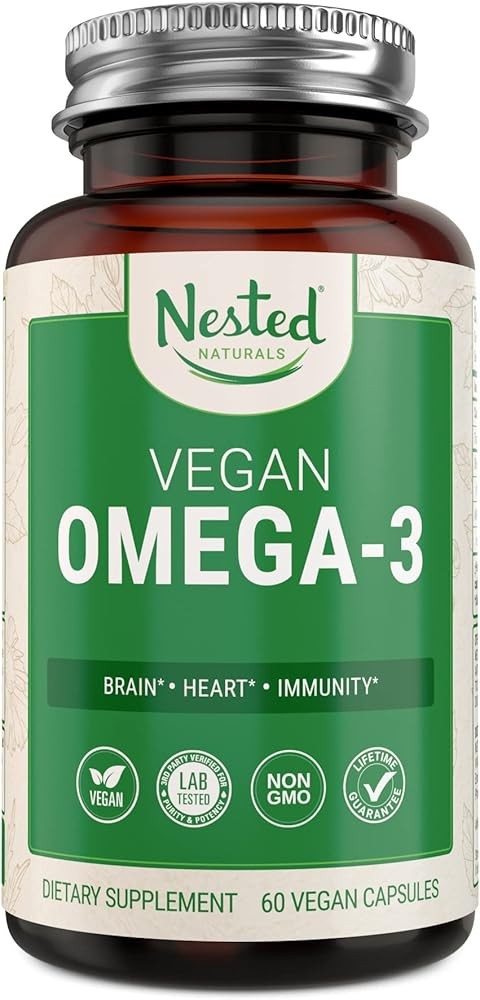
Vegan Omega-3 DHA Supplement | Plant Based Omega 3+6 Fatty Acids | More Absorbable, Improved Formula | Supports Heart...
Check Price on AmazonAs an Amazon Associate we earn from qualifying purchases.
For comprehensive cardiovascular support, plant-based Omega-3 fatty acids (EPA and DHA from algae) work synergistically with taurine. Both support heart health through complementary mechanisms: omega-3s target membrane fluidity and anti-inflammatory pathways, while taurine optimizes cardiac calcium handling and mitochondrial function. This vegan formula is particularly relevant for plant-based dieters who already have lower taurine status.
Bottom line: Taurine’s cardiovascular evidence is the strongest in humans, with meta-analyses showing 4.0 mmHg systolic BP reduction and 3.6 bpm heart rate decrease across 20 RCTs (PubMed: 39148075), plus 2025 trial data showing improved endothelial function and arterial stiffness at 2.4g daily in diabetics—effects comparable to first-line medications and supported by taurine’s essential role in cardiac calcium handling (PubMed: 19343117).
Best Comprehensive Cardiovascular Support
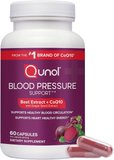
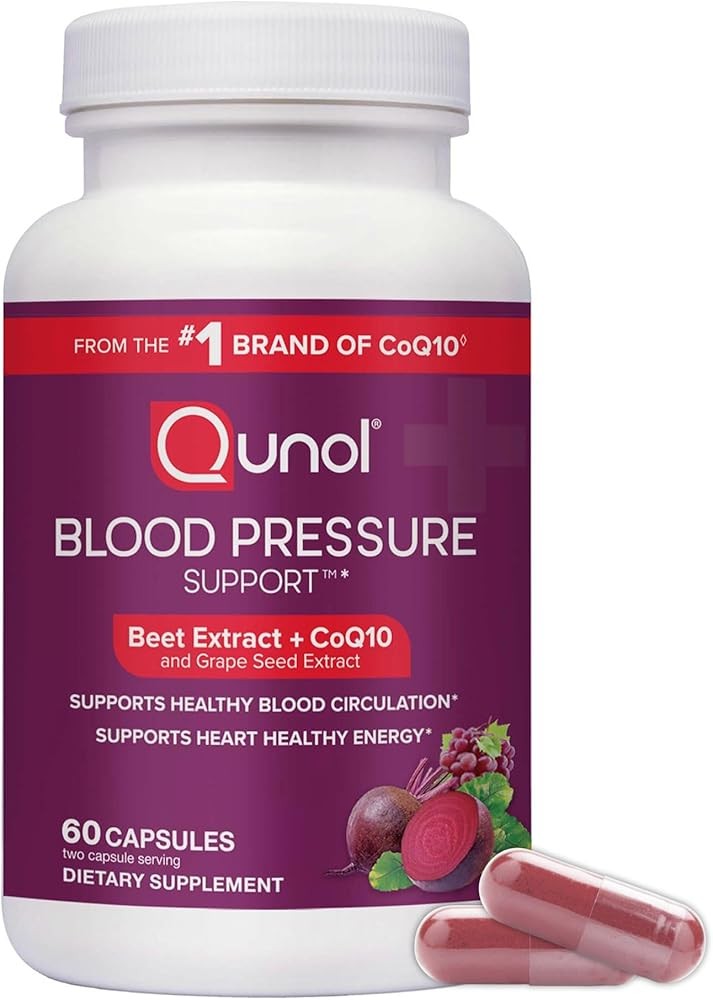
Qunol Blood Pressure Support, 3 in 1 Beets + CoQ10 + Grape Seed Extract, Beet Root Capsules That Supports Healthy Blo...
Check Price on AmazonAs an Amazon Associate we earn from qualifying purchases.
For those specifically targeting blood pressure and cardiovascular health, Qunol Blood Pressure Support combines beet root extract (natural nitrates for vasodilation), CoQ10 (mitochondrial support), and grape seed extract (antioxidant protection) in a comprehensive formula. While it doesn’t contain taurine directly, it targets the same cardiovascular pathways and can be taken alongside taurine supplementation for synergistic benefits.
How Does Taurine Affect Blood Sugar, Cholesterol, and Metabolic Syndrome?
A 2024 systematic review and meta-analysis published in Nutrition & Diabetes (Taurine reduces the risk for metabolic syndrome, PMID: 38755142) evaluated 25 randomized controlled trials with 1,024 participants. The analysis found:
Blood Sugar and Insulin Sensitivity
- Significant reduction in HbA1c (glycated hemoglobin, the gold-standard marker of long-term blood sugar control)
- Significant reduction in fasting blood sugar
- Significant reduction in HOMA-IR (a measure of insulin resistance)
These effects are clinically meaningful. A meta-analysis of RCTs examining taurine’s effects on diabetes (2022, PMID: 35769038) specifically found that taurine supplemented patients showed considerable decreases in serum insulin and insulin resistance compared to placebo groups after 8 weeks.
The mechanisms behind taurine’s metabolic effects are multiple:
- Decreased hepatic glucose production: Taurine reduces the liver’s output of glucose into the bloodstream
- Improved insulin signaling: Taurine enhances the sensitivity of insulin receptors on muscle and fat cells
- Beta-cell protection: Taurine appears to protect the insulin-producing beta cells of the pancreas from oxidative damage
- Increased adiponectin expression: Taurine may boost levels of adiponectin, a hormone that improves insulin sensitivity and has anti-inflammatory properties
Cholesterol and Lipid Profiles
The same meta-analysis found that taurine supplementation significantly decreased triglycerides and total cholesterol. This lipid-lowering effect is likely mediated through taurine’s role in bile acid conjugation. By enhancing bile acid synthesis, taurine promotes cholesterol excretion through the digestive tract.
For people already exploring berberine for blood sugar or supplements for type 2 diabetes, taurine represents an additional evidence-based option with a different mechanism of action.
Who Benefits Most From Taurine’s Metabolic Effects
Based on the available clinical trial data, taurine’s metabolic benefits appear most pronounced in:
- People with pre-diabetes or type 2 diabetes
- People with metabolic syndrome (elevated blood pressure, high triglycerides, high fasting glucose, abdominal obesity)
- Overweight or obese individuals
- Vegans and vegetarians, who may have lower baseline taurine levels
Healthy, lean individuals with normal metabolic function are less likely to see dramatic improvements, though the cardiovascular and potential neuroprotective benefits may still apply.
Bottom line: Meta-analysis of 25 RCTs with 1,024 participants showed taurine significantly reduces HbA1c, fasting glucose, HOMA-IR insulin resistance, triglycerides, and total cholesterol (PubMed: 38755142) through multiple mechanisms including decreased hepatic glucose production, improved insulin signaling, beta-cell protection, and enhanced bile acid synthesis—benefits most pronounced in people with metabolic syndrome, diabetes, or obesity.
Does Taurine Improve Exercise Performance?
Taurine has been a component of energy drinks for decades, but the actual research on its exercise performance benefits has only recently matured to the meta-analysis stage.
The Meta-Analysis: Acute Taurine Ingestion
A three-level random-effects meta-analysis published in 2025 (Does One Shot Work? PMID: 40852891) examined the acute effects of a single taurine dose on exercise performance across multiple studies. The key findings:
- Overall performance improvement: Hedges’ g = 0.25 (95% CI: 0.10 to 0.39), indicating a small-to-moderate beneficial effect
- Benefits were most apparent in males and across aerobic endurance, strength/power, and agility/coordination tasks
- Anaerobic capacity and muscular endurance results were inconsistent
- No significant dose-response relationship was detected within the commonly used 1 to 6 gram range, suggesting a threshold effect rather than a linear dose-response
Endurance Performance Specifically
An earlier meta-analysis focused specifically on endurance performance found a larger effect size (Hedges’ g = 0.40, 95% CI: 0.12 to 0.67, p = 0.004), suggesting that taurine’s strongest exercise benefits are in aerobic activities. The mechanisms likely involve:
- Improved calcium handling in skeletal muscle: Taurine enhances the sensitivity of force-generating myofilaments to calcium, potentially improving muscle contraction efficiency
- Reduced oxidative stress during exercise: Taurine’s membrane-stabilizing properties may protect muscle cells from exercise-induced oxidative damage
- Enhanced fat oxidation: Some evidence suggests taurine promotes fat utilization during endurance exercise, potentially sparing glycogen
- Reduced muscle soreness: A 2025 systematic review and meta-analysis found that taurine supplementation reduced markers of muscle damage and muscle pain in athletic populations
Practical Application for Exercise
For exercise performance, the research supports:
- Acute dosing: 1 to 3 grams taken 60 to 120 minutes before exercise
- Chronic supplementation: 1 to 3 grams daily may provide cumulative benefits for training adaptation
- Combination with caffeine: A 2025 network meta-analysis found that the caffeine-taurine combination had beneficial effects on physical capacity, consistent with their common pairing in pre-workout supplements and energy drinks
If you are already using pre-workout supplements or considering creatine for building muscle, taurine can be added alongside these without known negative interactions.
Bottom line: 2025 meta-analysis showed acute taurine ingestion (1-6g) produces small-to-moderate performance improvements (Hedges’ g=0.25), with strongest effects in endurance (g=0.40) (PubMed: 40852891) through improved muscle calcium handling, reduced oxidative stress, enhanced fat oxidation, and decreased muscle soreness (PubMed: 28118062)—benefits appear with single pre-exercise doses and chronic supplementation, with no clear dose-response above 3g.
Best for Exercise Performance and Recovery
For athletes and regular exercisers, Huge EAA + Hydration provides a comprehensive essential amino acid formula that includes taurine alongside BCAAs for optimal intra and post-workout recovery. This powder format is designed specifically for exercise performance enhancement, muscle growth support, and improved recovery times.
Does Taurine Protect the Brain and Improve Cognitive Function?
Taurine is one of the most abundant amino acids in the brain, where it functions as a neuromodulator through interactions with GABA-A and glycine receptors. Its potential neuroprotective effects have generated significant research interest, particularly in the context of neurodegenerative diseases.
The Preclinical Promise
A comprehensive 2023 review published in Neural Regeneration Research (Emergence of taurine as a therapeutic agent for neurological disorders, PMID: 37488849) documented taurine’s protective effects against:
- Stroke: Taurine reduced infarct size and improved neurological outcomes in animal models of cerebral ischemia
- Alzheimer’s disease: Taurine supplementation mitigated amyloid-beta toxicity, reduced tau phosphorylation, and improved cognitive performance in AD mouse models
- Parkinson’s disease: Taurine inhibited microglial activation and improved neuron survival and cognitive function in PD mouse models (PMID: 33450328)
- Epilepsy: Taurine’s inhibitory neuromodulatory effects reduced seizure activity in animal models
- Spinal cord injury: Taurine provided neuroprotection in models of traumatic spinal cord damage
The mechanisms of neuroprotection involve taurine’s ability to:
- Maintain calcium homeostasis in neurons (reduce risk ofing excitotoxic cell death)
- Stabilize cell membranes against oxidative damage
- Reduce neuroinflammation by modulating microglial activation
- Support mitochondrial function in energy-demanding neural tissue
- Modulate endoplasmic reticulum stress responses
The Human Reality Check
However, the human cognitive data is much less impressive. A 2025 systematic review and meta-analysis of randomized controlled trials examining cognitive effects of taurine (PubMed: 40320621) found that:
- Acute doses of taurine (typically 1 to 3 grams) produced, at best, small and inconsistent improvements in cognitive function
- The neuroprotective effects demonstrated in animal models have not reliably translated to human cognitive performance
- The evidence remains “controversial” according to the authors
A 2025 population-based study from the Malmo Diet and Cancer Study examined taurine intake, plasma taurine concentrations, and dementia risk and found no significant association between taurine levels and risk of all-cause dementia, Alzheimer’s disease, or vascular dementia.
The Honest Assessment on Brain Health
The preclinical evidence for taurine’s neuroprotective effects is genuinely strong. Multiple animal models across different neurological conditions show consistent protective effects. But the translation to human cognitive benefit remains unproven. This is not unique to taurine. Many compounds that show dramatic neuroprotection in animal models, including resveratrol and various antioxidants, have failed to show clear cognitive benefits in human trials.
That said, taurine supplementation for brain health is not unreasonable, particularly for:
- Older adults concerned about age-related cognitive decline
- People with risk factors for neurodegenerative disease
- Vegans and vegetarians with potentially lower brain taurine levels
- Anyone already supplementing for cardiovascular health, who may receive brain benefits as a secondary effect
Bottom line: While preclinical evidence shows strong neuroprotection against stroke, Alzheimer’s, Parkinson’s, and epilepsy through calcium homeostasis, membrane stabilization, reduced neuroinflammation (PubMed: 34443494), and mitochondrial support (PubMed: 30136291), human cognitive data is disappointing—2025 meta-analysis found only small, inconsistent improvements (PubMed: 40320621), and population studies show no association between taurine levels and dementia risk, making brain health claims currently unproven despite promising animal data.
Why Is Taurine Essential for Eye and Retinal Health?
One of the most established, and often overlooked, roles of taurine is in retinal health. Taurine is the most abundant amino acid in the retina, and its importance there is not debatable. It is essential.
Why the Retina Needs Taurine
The retina is one of the most metabolically active tissues in the body. Photoreceptor cells, the rods and cones that convert light into neural signals, have extraordinary energy demands and are constantly exposed to light-induced oxidative stress. Taurine protects these cells through:
- Antioxidant defense against light-induced damage
- Osmoregulation of retinal cells
- Membrane stabilization of photoreceptor outer segments
- Calcium homeostasis in retinal neurons
A 2023 review in Neural Regeneration Research (Taurine: an essential amino sulfonic acid for retinal health) confirmed that taurine deficiency leads to photoreceptor degeneration, with cone photoreceptors and retinal ganglion cells being the most sensitive to taurine depletion.
The Age-Related Macular Degeneration Connection
Research published in Frontiers in Ophthalmology (2025) evaluated taurine’s therapeutic potential in a pigmented rat model of age-related macular degeneration (AMD) and found protective effects. A clinical case study found that long-term high-dose oral taurine supplementation produced lasting stabilization and improvement of dry AMD in a family with taurine deficiency.
This is an area where human clinical trials are still sparse, but the biological rationale is strong. Given that AMD is the leading cause of vision loss in adults over 50, and that taurine concentrations decline in the aging eye, supplementation may be a reasonable protective measure, particularly for people at risk.
Medication-Induced Taurine Depletion in the Retina
Certain medications, notably the anti-epileptic drug vigabatrin, cause retinal toxicity specifically through taurine depletion. This pharmacological evidence strongly supports taurine’s essential role in retinal health. Anyone taking vigabatrin or other medications that may deplete taurine should discuss supplementation with their ophthalmologist.
Bottom line: Taurine is the most abundant amino acid in the retina and is unquestionably essential for photoreceptor health, protecting against light-induced oxidative damage through antioxidant defense, osmoregulation, membrane stabilization, and calcium homeostasis—deficiency causes photoreceptor degeneration, and emerging research suggests protective potential against age-related macular degeneration (PubMed: 35870947), making retinal health one of taurine’s most established roles.
What Body Signs Indicate You May Need Taurine?
Signs That You May Benefit From Taurine Supplementation
Taurine is not like vitamin D or iron, where clinical deficiency produces a well-defined set of symptoms. Because taurine affects so many systems simultaneously, suboptimal levels tend to manifest as a constellation of subtle, non-specific issues that are easy to dismiss or attribute to other causes. Watch for these patterns:
- Cardiovascular signals: Elevated resting heart rate (consistently above 75 to 80 bpm at rest), mild hypertension that does not respond fully to lifestyle changes, exercise intolerance that seems disproportionate to your fitness level, or palpitations without a clear cardiac cause
- Metabolic signs: Stubborn weight around the midsection, gradually rising fasting blood sugar or HbA1c despite a reasonable diet, fatigue after carbohydrate-heavy meals, or difficulty maintaining stable energy throughout the day
- Visual symptoms: Difficulty adjusting to low-light conditions, sensitivity to bright light or glare, or visual fatigue after extended screen time (these may indicate retinal stress that taurine could help address)
- Exercise and recovery issues: Persistent muscle soreness that takes longer to resolve than expected, declining endurance performance despite consistent training, or delayed recovery between training sessions
- Neurological hints: Difficulty with sustained concentration, restlessness or irritability without a clear emotional trigger, or difficulty winding down at night (taurine’s GABAergic effects influence relaxation)
- Risk profile indicators: If you are over 50, follow a vegan or vegetarian diet, have type 2 diabetes or metabolic syndrome, take certain medications, or consume minimal seafood, your taurine status deserves attention
What Improvement Looks Like When You Start Supplementing
If taurine supplementation is genuinely addressing a need in your body, expect changes to unfold gradually across multiple systems:
-
Week 1 to 2: The most commonly reported early effect is a subtle sense of calm, similar to but distinct from magnesium. This reflects taurine’s neuromodulatory effects on GABA and glycine receptors. Some people notice slightly better sleep quality, particularly easier onset, during the first week. Exercise-related effects may be noticed as a modest improvement in endurance or reduced soreness if taken pre-workout.
-
Week 2 to 4: Resting heart rate may drop by a few beats per minute. Blood pressure, if mildly elevated, may show early reductions of 2 to 3 mmHg systolic. Energy levels may stabilize throughout the day, with fewer post-meal crashes if you had metabolic issues. Exercise recovery time may noticeably improve.
-
Month 1 to 3: This is when the metabolic and cardiovascular effects documented in clinical trials emerge. Blood pressure improvements of 3 to 5 mmHg systolic become measurable. If you check fasting glucose or HbA1c, small improvements may appear. Visual comfort may improve, particularly in low-light conditions or with prolonged screen use. Cholesterol panel may show modest improvements in triglycerides.
-
Month 3 to 6 and beyond: Longer-term cardiovascular remodeling effects become established. Arterial stiffness improvements (as measured by pulse wave velocity) seen in clinical trials require at least 12 weeks to manifest. Metabolic improvements in HbA1c require a minimum of 8 to 12 weeks to show on blood tests. Any bone density effects would require even longer.
Warning Signs: When to Reduce Your Dose or Consult a Doctor
Taurine has an excellent safety profile at recommended doses, but watch for these signals:
- Low blood pressure symptoms: If you feel dizzy upon standing, lightheaded, or have blurred vision after starting taurine, especially if you already take blood pressure medications, your combined blood pressure lowering may be too aggressive. Reduce the taurine dose and inform your physician.
- Gastrointestinal discomfort: Nausea, bloating, or loose stools, particularly at doses of 3 grams or higher or when taken on an empty stomach. This is the most commonly reported side effect and is almost always dose-related. Try splitting the dose or taking it with meals.
- Unusual fatigue or sedation: While mild calming effects are expected and generally desirable, excessive tiredness or daytime sleepiness may indicate that the dose is too high for you, particularly if you are sensitive to GABAergic compounds.
- Interactions with lithium: Taurine may slow lithium clearance from the body, potentially raising lithium levels. If you take lithium for bipolar disorder, do not start taurine without medical guidance and monitoring of lithium levels.
- Kidney concerns: At very high doses (well above 6 grams per day) over prolonged periods, there is theoretical concern about increased kidney workload. People with pre-existing kidney disease should discuss taurine supplementation with their nephrologist.
- Hypoglycemia risk: If you take diabetes medications (metformin, sulfonylureas, insulin), taurine’s blood sugar lowering effects could compound with your medications. Monitor blood glucose more frequently when starting taurine and alert your physician.
Bottom line: Subtle signs of suboptimal taurine status include cardiovascular signals (elevated resting heart rate, mild hypertension), metabolic signs (stubborn weight, rising blood sugar, post-meal fatigue), visual symptoms (poor low-light adjustment, light sensitivity), exercise issues (persistent soreness, declining endurance), neurological hints (concentration difficulty, restlessness), and risk profile factors (age 50+, vegan/vegetarian diet, minimal seafood)—improvements unfold gradually with weeks 1-2 showing calming effects and better sleep, weeks 2-4 showing lower heart rate and BP, months 1-3 showing measurable metabolic improvements, and months 3-6 showing longer-term cardiovascular remodeling.
What Is the Optimal Taurine Dose and Timing?
Evidence-Based Dosing Ranges
Based on the collective clinical trial data across all health outcomes:
| Goal | Dose | Duration Studied | Evidence Quality |
|---|---|---|---|
| General cardiovascular support | 1 to 2 g/day | 4 to 52 weeks | Strong (multiple RCTs, meta-analyses) |
| Blood pressure reduction | 1.5 to 3 g/day | 8 to 12 weeks | Strong |
| Metabolic syndrome/blood sugar | 1.5 to 3 g/day | 5 to 52 weeks | Moderate to strong |
| Exercise performance (acute) | 1 to 3 g pre-workout | Single dose | Moderate (meta-analysis) |
| Exercise recovery | 1 to 3 g/day | Chronic supplementation | Moderate |
| Neuroprotection | 1 to 3 g/day | Theoretical (no proven human protocol) | Weak for cognition; strong preclinical |
| Longevity/anti-aging | 1 to 3 g/day | No human trial data | Preclinical only |
Recommended Starting Protocol
Week 1 to 2 (Assessment Phase):
- Start with 1 gram (1,000 mg) per day
- Take it with or after a meal to minimize any gastrointestinal effects
- Take it in the morning or early afternoon if you notice energizing effects, or in the evening if the calming effects are prominent
Week 3 to 4 (Dose Optimization):
- If well tolerated, increase to 2 grams per day (1 gram twice daily, with meals)
- Or maintain at 1 gram per day if you are responding well
Month 2 onward (Maintenance):
- Maintain at 1 to 3 grams per day based on your goals and response
- For cardiovascular or metabolic goals, 2 to 3 grams per day aligns with the strongest clinical trial data
- For general health maintenance, 1 gram per day is a reasonable minimum effective dose
When to Take Taurine
Taurine has no strict timing requirements, but consider:
- For exercise performance: Take 1 to 3 grams 60 to 120 minutes before exercise
- For blood pressure and metabolic health: Consistent daily dosing matters more than timing; split into 2 doses with meals for doses above 2 grams
- For sleep support: Taking 1 gram in the evening may leverage taurine’s calming, GABAergic effects
- With food: Reduces gastrointestinal side effects at higher doses, though taurine is also well absorbed on an empty stomach
What to Combine Taurine With
Based on complementary mechanisms, these combinations have scientific rationale:
-
Taurine + Magnesium: Both support cardiovascular function, blood pressure regulation, and muscle relaxation through complementary pathways. Magnesium is a cofactor for hundreds of enzymes, while taurine supports membrane stability and calcium handling. This is one of the most logical pairings.
-
Taurine + CoQ10: Both target mitochondrial function in cardiac and skeletal muscle, but through different mechanisms. CoQ10 serves as an electron carrier in the respiratory chain, while taurine supports mitochondrial tRNA synthesis for Complex I assembly.
-
Taurine + Omega-3 (EPA/DHA): Taurine and omega-3 fatty acids both reduce inflammation and support cardiovascular health, but through entirely different pathways. Omega-3s are incorporated into cell membranes and generate anti-inflammatory resolvins, while taurine stabilizes membranes and modulates calcium signaling.
-
Taurine + Creatine (for exercise): Both support cellular energy production and exercise performance through independent mechanisms. Creatine enhances the phosphocreatine energy system, while taurine supports calcium handling and membrane stability in working muscle.
Bottom line: Evidence-based dosing is 1-3g daily for most health goals (cardiovascular support, metabolic health, exercise performance), with strongest clinical trial data at 2-3g daily for blood pressure and metabolic benefits, 1-3g pre-workout for acute performance, and no proven benefit above 3g—start with 1g daily for 1-2 weeks, increase to 2g if well-tolerated, take with meals to minimize GI effects, and consider complementary pairings with magnesium, CoQ10, or omega-3s for synergistic cardiovascular and mitochondrial support.
How Do You Choose a Quality Taurine Supplement?
Forms of Taurine
All supplemental taurine is L-taurine, typically produced through synthetic chemical synthesis (not derived from animals, despite the name’s association with “taurus” meaning bull). Synthetic taurine is chemically identical to the taurine your body produces and consumes in food. There are two main supplement formats:
Capsules: Convenient, pre-dosed (typically 500 mg or 1,000 mg per capsule), and easy to travel with. The downside is that you need 2 to 3 large capsules daily at higher doses.
Powder: More cost-effective per gram, easy to adjust doses precisely, and dissolves readily in water with little taste. Quarter-teaspoon typically equals roughly 1,000 mg. The downside is less convenient for travel.
What to Avoid
- Proprietary blends that do not disclose the exact amount of taurine
- Energy drinks as your taurine source (you will get excessive caffeine, sugar, and other stimulants)
- Products with excessive unnecessary fillers or additives
- “Mega doses” above 6 grams per day without medical supervision
Top Taurine Supplement Picks
Best Overall Value: Nutricost Taurine 1000mg (400 Capsules)
Nutricost offers one of the best value propositions in the taurine space. With 400 capsules per bottle at 1,000 mg each, this is over a year’s supply at the standard 1 gram per day dose. Manufactured in a GMP-compliant, FDA-registered facility, non-GMO, and third-party tested. The cost per serving is among the lowest available.
Best Capsule from a Legacy Brand: NOW Foods Taurine 1000mg Double Strength
NOW Foods has been a trusted supplement manufacturer since 1968. Their Double Strength Taurine provides 1,000 mg per vegetarian capsule. It is vegan, kosher, non-GMO, and free from major allergens (dairy, egg, gluten, nut, soy). A solid choice for people who prioritize brand reputation and quality control.
Best for Longevity-Focused Supplementation: Life Extension Taurine 1000mg
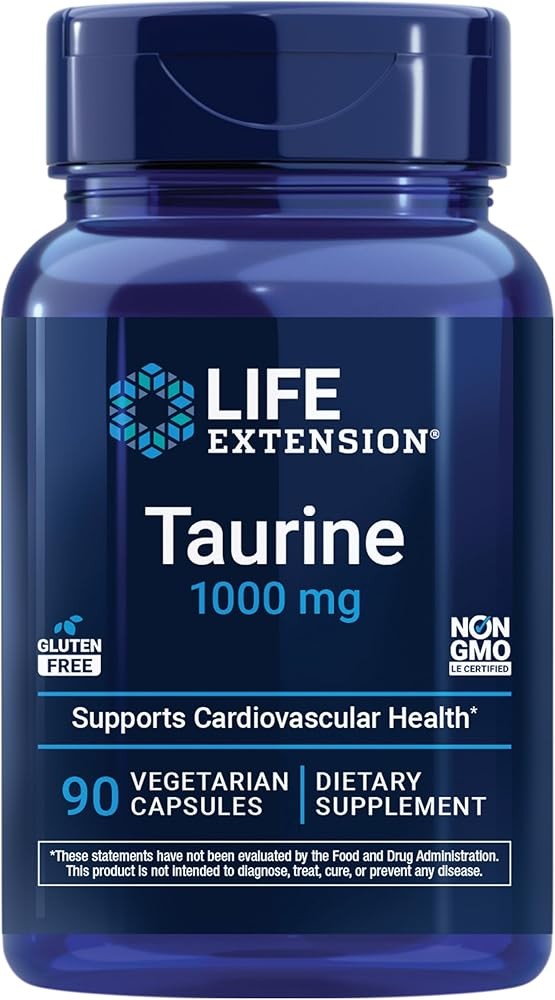
Life Extension Taurine, Pure Taurine Amino Acid Supplement, Heart, Liver and Brain Health, Longevity, Muscle and Exer...
Check Price on AmazonAs an Amazon Associate we earn from qualifying purchases.
Life Extension specifically markets their taurine for longevity, heart, liver, and brain health. They are a research-focused company with one of the strongest quality control programs in the industry. At 90 vegetarian capsules per bottle, this is a 3-month supply at 1 gram per day. Non-GMO and gluten-free.
Best Powder Option: NOW Foods Taurine Pure Powder (8 oz)
For those who prefer powder for dosing flexibility and cost savings, NOW Foods Taurine Pure Powder provides roughly 227 servings per container at 1,000 mg per quarter-teaspoon. The powder is nearly tasteless and dissolves readily in water. An excellent choice if you take 2 to 3 grams daily, as it avoids the need for multiple large capsules.
Best Pharmaceutical Grade: Jarrow Formulas Taurine 1000mg
Jarrow Formulas offers pharmaceutical-grade taurine at 1,000 mg per capsule, with 100 capsules per bottle. Jarrow is known for their research-backed formulations and strict quality testing (IGEN non-GMO tested). A strong option for people who want the highest purity.
Bottom line: All supplemental taurine is synthetic L-taurine (chemically identical to natural, vegan-appropriate) available as convenient capsules (500-1000mg) or cost-effective powder with roughly 227 servings per 8oz container—choose third-party tested products from GMP-compliant, FDA-registered facilities, avoid proprietary blends and energy drinks as your taurine source, and opt for established brands like NOW Foods (since 1968), Life Extension (research-focused quality control), Nutricost (400 capsules per bottle, year+ supply), or Jarrow Formulas (pharmaceutical-grade, IGEN non-GMO tested) that provide transparent dosing without excessive fillers.
Who Should and Shouldn’t Take Taurine Supplements?
People Most Likely to Benefit
Based on the clinical trial data and biological rationale, taurine supplementation is best supported for:
-
Adults over 50 who want cardiovascular and potential longevity benefits. The heart, brain, and retina all have high taurine demands, and dietary intake often decreases with age.
-
People with pre-hypertension or mild hypertension who want to avoid or complement pharmaceutical treatment. The 3 to 4 mmHg systolic blood pressure reduction is clinically meaningful and may be enough to bring borderline readings into the normal range.
-
People with metabolic syndrome, pre-diabetes, or type 2 diabetes who want additional blood sugar support alongside their primary treatment plan.
-
Vegans and vegetarians who get negligible dietary taurine and have been shown to have lower plasma levels. The body’s endogenous synthesis capacity may not fully compensate for zero dietary intake, particularly under metabolic stress.
-
Endurance athletes and regular exercisers looking for a modest, evidence-based performance edge and improved recovery.
-
People at risk for macular degeneration or other retinal conditions, given taurine’s essential role in retinal health.
-
People already taking supplements for longevity (NMN/NR for NAD+, spermidine for autophagy, resveratrol) who want to add a complementary compound with a different mechanism of action.
People Who Should Exercise Caution
- People taking lithium: Taurine may slow lithium excretion, potentially raising lithium levels to toxic ranges. Requires medical supervision and lithium level monitoring.
- People on antihypertensive medications: The additive blood pressure lowering effects could cause hypotension (excessively low blood pressure). Start at a low taurine dose (500 mg) and monitor blood pressure.
- People on diabetes medications: The additive blood sugar lowering effects could cause hypoglycemia. Monitor glucose more frequently and inform your physician.
- People with kidney disease: High-dose taurine over prolonged periods may place additional burden on compromised kidneys. Consult a nephrologist.
- Pregnant and breastfeeding women: While taurine is present in breast milk and is essential for infant development, supplemental doses have not been adequately studied in pregnancy. Standard dietary intake is considered safe.
People Who Probably Do Not Need Taurine Supplements
- Young, healthy adults who eat a diet rich in seafood, poultry, and meat. Their dietary taurine intake combined with endogenous synthesis is likely adequate.
- People looking for a quick cognitive boost. The human cognitive evidence does not support taurine as a reliable nootropic. If focus and mental clarity are your primary goals, caffeine and L-theanine stack has far stronger human evidence.
- People expecting dramatic anti-aging effects. While the mouse data is exciting, no human longevity trial exists. Taurine may benefit aging through cardiovascular and metabolic improvements, but expecting lifespan extension based on mouse studies alone is premature.
Bottom line: Taurine supplementation is best supported for adults 50+, people with pre-hypertension or metabolic syndrome, vegans/vegetarians with low dietary intake, endurance athletes, those at macular degeneration risk, and longevity-focused supplementers—but requires caution with lithium users, people on blood pressure or diabetes medications (additive effects), kidney disease patients, and pregnant women (insufficient safety data), while young healthy omnivores eating seafood-rich diets and those seeking cognitive enhancement likely don’t need it.
What Are Common Taurine Myths to Avoid?
Myth 1: “Taurine Comes From Bull Urine or Semen”
This is one of the most persistent supplement myths. Taurine was first isolated from ox bile in 1827, and its name derives from the Latin “taurus” (bull). However, supplemental taurine is produced through chemical synthesis from ethylene oxide and sodium bisulfite, or from the reaction of aziridine with sulfurous acid. No animal products are involved in the manufacturing process. Modern supplemental taurine is entirely synthetic, vegan, and chemically identical to the taurine in your body.
Myth 2: “Taurine in Energy Drinks Is Dangerous”
The taurine in energy drinks is the same compound sold as a supplement and studied in clinical trials. At the typical energy drink dose of 1,000 mg per can, taurine itself poses no established risk. The health concerns about energy drinks are driven by excessive caffeine (often 150 to 300 mg per can), high sugar content, and the combination with other stimulants. Ironically, some research suggests that taurine may actually counteract some of caffeine’s cardiovascular side effects, such as elevated blood pressure and heart rate.
Myth 3: “The Science Paper Proved Taurine Extends Human Lifespan”
The 2023 Science paper proved that taurine extends lifespan in mice and worms, and improves healthspan markers in monkeys. It provided observational evidence that lower taurine levels correlate with age-related diseases in humans. It did not prove that supplementing taurine will extend human lifespan. The 2025 NIH rebuttal further challenged the idea that taurine deficiency is a universal driver of human aging. Human longevity trials have not been conducted.
Myth 4: “More Taurine Is Better”
The meta-analysis data on exercise performance found no dose-response relationship within the 1 to 6 gram range, suggesting a threshold effect. For cardiovascular and metabolic outcomes, most positive trials used 1 to 3 grams per day. Doses above 3 grams have not been shown to produce superior clinical outcomes and increase the risk of gastrointestinal side effects. The European Food Safety Authority’s risk assessment set 3 grams per day as the upper tolerance level based on clinical trial data. More is not better; it is just more.
Myth 5: “You Cannot Get Enough Taurine From Food”
While supplementation allows precise dosing at clinical trial levels (1 to 3 grams), it is absolutely possible to get significant taurine from food. A 150-gram serving of scallops or mussels provides over 800 mg. A serving of dark-meat fish can exceed 1,000 mg. If you regularly eat seafood, you may already be consuming clinically relevant amounts. However, if you eat little to no animal protein, supplementation becomes more relevant.
Myth 6: “Taurine Is a Stimulant Because It’s in Energy Drinks”
Taurine is not a stimulant. It is actually closer to an inhibitory neuromodulator, acting on GABA-A and glycine receptors to produce calming effects. Its inclusion in energy drinks likely leverages its synergy with caffeine (moderating caffeine’s jitteriness while supporting cardiac function under stimulant stress) rather than adding stimulant effects. Some people even report mild sedative effects from taurine supplementation, particularly at higher doses.
Bottom line: Common taurine myths debunked: it’s NOT from bull urine (synthetic from chemical process, vegan), energy drink taurine is NOT dangerous (caffeine and sugar are the concerns), the Science paper did NOT prove human lifespan extension (only mouse/worm data), more is NOT better (no benefit above 3g, just more GI issues), you CAN get adequate amounts from seafood-rich diets (though supplementation allows precise clinical doses), and taurine is NOT a stimulant (actually inhibitory/calming through GABA receptors).
How Does Exercise Connect to Taurine and Longevity?
One of the most fascinating findings from the Singh et al. (2023) paper was that a single bout of endurance exercise temporarily increased circulating taurine levels in humans. This observation connects two of the most powerful interventions for healthy aging: exercise and taurine.
Why Exercise Raises Taurine Levels
During endurance exercise, taurine is released from skeletal muscle into the bloodstream. This release is likely driven by:
- Muscle cell volume changes during exercise (taurine is released as an osmolyte to regulate cell volume under stress)
- Increased metabolic demand in cardiac and skeletal muscle
- Hormonal changes associated with exercise that may upregulate taurine transport
This means that regular exercisers may naturally maintain higher taurine levels than sedentary individuals, which could partially explain exercise’s well-documented longevity benefits. The connection between muscle building and overall healthspan may involve this taurine-mediated pathway.
The Synergy Between Taurine Supplementation and Exercise
If exercise naturally raises taurine and taurine improves exercise performance, there may be a positive feedback loop:
- Taurine supplementation improves exercise performance and recovery
- Better exercise performance allows more effective training
- More effective training produces greater taurine release and more health benefits
- The combined cardiovascular, metabolic, and anti-inflammatory effects of exercise plus taurine exceed what either provides alone
This is speculative but biologically plausible. For people who exercise regularly, taurine supplementation may amplify the benefits they are already getting. For sedentary individuals, taurine supplementation may provide some of the metabolic and cardiovascular benefits associated with exercise, though it is emphatically not a substitute for physical activity.
Bottom line: The 2023 Science paper (PubMed: 37289866) revealed that a single bout of endurance exercise temporarily increased circulating taurine concentrations in humans by releasing taurine from skeletal muscle—creating a potential positive feedback loop where 1-3g taurine supplementation improves exercise performance (Hedges’ g=0.25), better performance enables more effective training, more training produces greater taurine release, and the combined cardiovascular and metabolic effects exceed either intervention alone, though taurine is NOT an exercise substitute.
Which Specific Populations Benefit Most from Taurine?
Older Adults (60+)
The case for taurine supplementation is arguably strongest in adults over 60:
- Cardiovascular risk increases dramatically with age, and taurine has the strongest human evidence for heart health outcomes
- Metabolic function declines, and taurine’s insulin-sensitizing effects become more relevant
- Retinal health becomes a growing concern, and taurine is essential for photoreceptor maintenance
- Dietary protein intake often decreases, potentially reducing taurine intake from food
- The aging immune system may benefit from taurine’s immunomodulatory effects
A reasonable protocol for older adults: 1 to 2 grams per day with meals, combined with regular energy-supporting supplements and cardiovascular support.
Vegans and Vegetarians
Vegans receive essentially zero dietary taurine and rely entirely on endogenous synthesis from cysteine and methionine. While clinical taurine deficiency in vegans is not well-documented, their lower plasma and urinary taurine levels (confirmed by Laidlaw et al., 1988) suggest suboptimal taurine status. The body’s synthesis capacity may be limited by:
- Lower intake of cysteine and methionine on plant-based diets
- Potential vitamin B6 insufficiency affecting the cysteine dioxygenase pathway
- Higher demand during stress, illness, or intense exercise
For vegans: 1 to 2 grams per day of supplemental taurine is a prudent choice. All supplemental taurine is synthetic and vegan-friendly.
People on Certain Medications
Several medication classes can affect taurine status or interact with taurine supplementation:
- Vigabatrin (anti-epileptic): Causes retinal taurine depletion and associated toxicity. Taurine supplementation may be protective but must be supervised.
- Metformin: May deplete taurine levels in some individuals. However, combining taurine supplementation with metformin requires blood sugar monitoring due to additive hypoglycemic effects.
- Chemotherapy agents: Some chemotherapy drugs increase oxidative stress in tissues where taurine concentrations are high. Taurine’s antioxidant properties may be protective, but this should only be considered under oncological supervision.
- Statin users: Taurine’s modest lipid-lowering effects are complementary to, not competitive with, statin therapy. No adverse interaction has been reported.
Bottom line: Specific populations with strong evidence-based rationale for taurine (PubMed: 30136291): older adults 60+ (cardiovascular risk increases dramatically, metabolic decline, retinal health concerns, often lower protein intake), vegans/vegetarians (zero dietary taurine, rely on limited synthesis, lower plasma levels documented by Laidlaw et al. 1988), and people on certain medications (vigabatrin causes retinal depletion, metformin may deplete taurine, statins have complementary effects)—reasonable protocol is 1-2g daily with meals, combined with regular cardiovascular and energy-supporting supplements.
Our Top Recommendations
📱 Join the discussion: Facebook | X | YouTube | Pinterest | Pinterest
The Bottom Line: Separating Signal from Noise
After reviewing the full body of evidence, here is what we can say with reasonable confidence about taurine supplementation in 2026:
What is well supported:
- Taurine supplementation at 1 to 3 grams per day modestly but significantly reduces blood pressure and heart rate (meta-analysis of 20 RCTs)
- Taurine improves metabolic syndrome risk factors including fasting blood sugar, HbA1c, insulin resistance, triglycerides, and total cholesterol (meta-analysis of 25 RCTs)
- Taurine provides small-to-moderate improvements in exercise performance, particularly aerobic endurance (meta-analysis)
- Taurine is essential for retinal health and photoreceptor maintenance (extensive preclinical and clinical evidence)
- Taurine is safe at doses up to 3 grams per day in studies lasting up to 12 months
What is promising but unproven in humans:
- Taurine extends lifespan (demonstrated in mice and worms, not tested in humans)
- Taurine supports protection from or supports neurodegenerative diseases (strong preclinical data, weak human data)
- Taurine deficiency drives human aging (challenged by 2025 NIH data)
- Taurine improves cognitive function in healthy adults (inconsistent clinical trial results)
What is not supported:
- The idea that taurine alone will dramatically extend human lifespan
- The claim that everyone needs to supplement taurine regardless of diet
- The notion that higher doses are better (no dose-response above 3 grams for most outcomes)
Taurine is not a miracle molecule, and anyone selling it as one is ahead of the science. But it is also not hype. The cardiovascular and metabolic evidence from randomized controlled trials is real, replicable, and clinically meaningful. For people at risk of heart disease, metabolic syndrome, or age-related decline, 1 to 3 grams of taurine daily is a low-risk, evidence-based addition to a health optimization strategy.
The most exciting possibility remains untested: that taurine supplementation, started in middle age and maintained long-term, contributes to the kind of multi-system health preservation that translates into longer, healthier human lives. The mouse data hints at this. The human clinical trial data on individual health markers supports it. But the definitive answer will require the kind of large, long-term human intervention trials that are now being discussed in the longevity research community.
Until those trials are completed, taurine occupies a rational middle ground: genuinely beneficial for cardiovascular and metabolic health, intriguingly promising for longevity, and safe enough that the risk-benefit calculation favors supplementation for most adults, especially those over 50, those with metabolic risk factors, and those following plant-based diets.
Related Articles
- Best NAD+ Supplements: NMN, NR, and Other NAD Boosters Reviewed
- Omega-3 for Heart Health: How Much EPA and DHA Do You Actually Need?
- CoQ10 Benefits, Dosage, and Side Effects: Complete Evidence-Based Guide
- Spermidine for Longevity and Autophagy: What the Emerging Research Shows
- Resveratrol Benefits and Dosing: What the Anti-Aging Research Actually Shows
- Berberine for Blood Sugar and Weight Loss: Complete Research Review
- Best Magnesium Supplements for Sleep and Anxiety: Which Form is Right for You?
Related Reading
- CoQ10 Benefits: Complete Guide to Heart Health, Energy & Longevity
- Taurine: The Science-Backed Amino Acid for Heart Health, Energy Production, and Recovery
- Spermidine for Longevity and Autophagy: What the Emerging Research Shows
- Resveratrol Benefits and Dosing: What the Anti-Aging Research Actually Shows
- PQQ Benefits: Mitochondria, Energy, Brain Health, and Longevity
- Fisetin for Longevity and Anti-Aging: What the Senolytic Research Shows
- NMN Benefits: The Science Behind NAD+ Enhancement for Longevity and Anti-Aging
References
-
Singh P, Gollapalli K, Manber I, et al. Taurine deficiency as a driver of aging. Science. 2023;380(6649):eabn9257. PMID: 37289866
-
Marcangeli V, Youssef L, Bherer L, et al. Experimental evidence against taurine deficiency as a driver of aging in humans. Aging Cell. 2025;24(5):e70191. DOI: 10.1111/acel.70191
-
NIH News Release. NIH researchers conclude that taurine is unlikely to be a good aging biomarker. National Institutes of Health. 2025. [NIH](https://www.nih.gov/news-events/news-releases/nih-researchers-conclude-taurine-unlikely-be-good-aging-biomarker)
-
Insights into the cardiovascular benefits of taurine: a systematic review and meta-analysis. Nutrition Journal. 2024;23:95. PMID: 39148075
-
Taurine reduces the risk for metabolic syndrome: a systematic review and meta-analysis of randomized controlled trials. Nutrition & Diabetes. 2024;14:29. PMID: 38755142
-
Effects of oral taurine supplementation on cardiometabolic risk factors: a meta-analysis and systematic review of randomized clinical trials. 2025. PMID: 41275513
-
Taurine ameliorates blood pressure and vascular function in patients with type 2 diabetes: randomized, double-blind, placebo-controlled trial. iScience. 2025. [Source](https://www.sciencedirect.com/science/article/pii/S2589004225009800)
-
Does one shot work? The acute impact of a single taurine dose on exercise performance: a meta-analytic review. 2025. PMID: 40852891
-
Emergence of taurine as a therapeutic agent for neurological disorders. Neural Regeneration Research. 2024;19(1):49-58. PMID: 37488849
-
Effects of taurine supplementation on cognitive function: a systematic review and meta-analysis of randomised controlled trials. 2025. PMID: 40320621
-
Taurine: a promising nutraceutic in the reduce risk ofion of retinal degeneration. Neural Regeneration Research. 2023;18(4):882. PMC10581579
-
Laidlaw SA, Grosvenor M, Kopple JD. The taurine content of common foodstuffs. JPEN. 1990;14(2):183-188. PMID: 2352336
-
Laidlaw SA, Shultz TD, Cecchino JT, Kopple JD. Plasma and urine taurine levels in vegans. Am J Clin Nutr. 1988;47(4):660-663. PMID: 3354491
-
The effects of taurine supplementation on diabetes mellitus in humans: a systematic review and meta-analysis. Nutrients. 2022. PMID: 35769038
-
Taurine deficiency associated with dilated cardiomyopathy and aging. Int Heart J. 2023;64(3):480-486. PMID: 37076381
Common Questions About Taurine
What are the benefits of taurine?
Taurine has been studied for various potential health benefits. Research suggests it may support several aspects of health and wellness. Individual results can vary. The strength of evidence differs across different claimed benefits. More high-quality research is often needed. Always review the latest scientific literature and consult healthcare professionals about whether taurine is right for your health goals.
Is taurine safe?
Taurine is generally considered safe for most people when used as directed. However, individual responses can vary. Some people may experience mild side effects. It’s important to talk with a healthcare provider before using taurine, especially if you have existing health conditions, are pregnant or nursing, or take medications.
How does taurine work?
Taurine works through various biological mechanisms that researchers are still studying. Current evidence suggests it may interact with specific pathways in the body to produce its effects. Always consult with a healthcare provider before starting any new supplement or health regimen to ensure it’s appropriate for your individual needs.
Who should avoid taurine?
People taking lithium should avoid taurine without medical supervision, as taurine may slow lithium clearance and raise lithium levels. Those on blood pressure medications should use caution due to additive effects that could cause hypotension. People with diabetes medications should monitor blood glucose more frequently when combining with taurine. Those with kidney disease should consult a nephrologist before supplementing. Pregnant and breastfeeding women should avoid supplemental doses due to insufficient safety data.
What are the signs taurine is working?
Early signs within 1-2 weeks may include a subtle sense of calm and improved sleep quality. By weeks 2-4, resting heart rate may drop by a few beats per minute and blood pressure may show early reductions. Months 1-3 typically show measurable metabolic improvements in blood sugar and cholesterol panels. Exercise recovery time may noticeably improve, and visual comfort in low-light conditions may enhance.
How long should I use taurine?
The time it takes for taurine to work varies by individual and depends on factors like dosage, consistency of use, and individual metabolism. Some people notice effects within days, while others may need several weeks. Research studies typically evaluate effects over weeks to months. Consistent use as directed is important for best results. Keep a journal to track your response.
Frequently Asked Questions
How long does it take for Taurine to work?
Effects can vary by individual and the specific benefit being measured. Some effects may be noticed within days, while others may take weeks of consistent use.
Who should consider taking Taurine?
Individuals looking to support the health areas addressed by Taurine may benefit. Those with specific health concerns should consult a healthcare provider first.
Recommended Products