Tongkat Ali for Testosterone and Male Fertility: What Clinical Studies Show
Summarized from peer-reviewed research indexed in PubMed. See citations below.
Men with low testosterone often struggle with fatigue, reduced libido, and fertility challenges, but clinical research on tongkat ali offers promising findings. The Tongkat Ali Extract 200:1 (B07TTDFXFV) delivers 1000mg per serving with standardized eurycomanone content at approximately $25 for a 2-month supply. Research supports tongkat ali through its aromatase inhibition mechanism, which preserves testosterone while reducing estrogen conversion, plus its HPA axis modulation that lowers stress-related cortisol suppression. For budget-conscious users, the Benevolent Turkesterone with Tongkat Ali (B0B7QG4G2Q) combines multiple compounds at roughly $18 for a month’s supply. Here’s what the published research shows about tongkat ali’s effects on testosterone, male fertility, and hormonal health.
Disclosure: We may earn a commission from links on this page at no extra cost to you. Affiliate relationships never influence our ratings. Full policy →
Does Tongkat Ali Have Real Clinical Evidence Behind It?
Tongkat ali (Eurycoma longifolia Jack) is one of the most clinically studied herbal testosterone boosters in existence. Unlike many supplements in the men’s health space that rely entirely on traditional use claims and animal studies, tongkat ali has a genuine body of human clinical trial data, including randomized controlled trials, an open-label fertility study with pregnancy outcomes, and a 2022 systematic review and meta-analysis confirming its effects on serum testosterone (PubMed: 36013514).
That does not mean it is a miracle drug. The research, while promising, has important limitations. Most trials are relatively small. Several were conducted by researchers with ties to extract manufacturers. The effects, while statistically significant, are modest compared to pharmaceutical testosterone replacement therapy. And the supplement market is flooded with poorly standardized products that may not contain what their labels claim.
This article breaks down the complete body of tongkat ali research in detail. We will cover the plant’s botany and bioactive chemistry, the mechanisms through which it influences testosterone and fertility, every significant human clinical trial, practical dosing and supplementation guidance, safety concerns including a rare case of liver injury, drug interactions, and a frank assessment of where tongkat ali fits in the hierarchy of evidence-based supplements for men’s health.
What Is Tongkat Ali and Where Does It Come From?
Tongkat ali is a tall, slender evergreen shrub-tree native to the tropical rainforests of Southeast Asia. It grows throughout Malaysia, Indonesia, Thailand, Vietnam, and the Philippines. The plant belongs to the family Simaroubaceae and is known by several regional names: tongkat ali in Malaysia (which translates roughly to “Ali’s walking stick”), pasak bumi in Indonesia, and longjack in Western markets. Its botanical name, Eurycoma longifolia Jack, is the standardized scientific designation used in clinical research.
The root is the medicinally relevant part of the plant. In traditional Southeast Asian medicine, tongkat ali root has been used for centuries as an aphrodisiac, energy tonic, antimalarial agent, and general health restorative. Malaysian and Indonesian traditional healers have long prescribed it for male sexual dysfunction, fatigue, and fever. The root is extremely bitter, a characteristic that reflects its high concentration of quassinoid compounds, the same class of molecules responsible for many of its pharmacological effects.
Tongkat ali grows slowly and has been subject to overharvesting in wild populations, which has led to conservation concerns in Malaysia and Indonesia. The Malaysian government has invested significantly in cultivated production and standardized extraction methods, particularly through government-linked research institutions. This matters for consumers because the quality and standardization of tongkat ali extracts varies enormously between manufacturers, and the Malaysian research infrastructure has produced the most clinically validated extract formulations on the market.
Key Bioactive Compounds in Tongkat Ali Root
The pharmacological activity of tongkat ali root comes from a complex mixture of bioactive compounds. Understanding these compounds is important because the specific extraction method and standardization process determines which compounds are present in a finished supplement product and, consequently, which biological effects you can expect.
Quassinoids: This is the most pharmacologically important class of compounds in tongkat ali. Quassinoids are a group of degraded triterpenes that are characteristic of the Simaroubaceae plant family. The primary quassinoid in tongkat ali root is eurycomanone, which is considered the principal bioactive marker compound. Other important quassinoids include eurycomanol, eurycomalactone, and 13-alpha(21)-epoxyeurycomanone. These bitter-tasting compounds are responsible for many of tongkat ali’s hormonal, anti-malarial, and anti-proliferative effects. Standardized extracts are typically characterized by their eurycomanone content, with high-quality extracts containing 1-2% or more eurycomanone.
Alkaloids: Tongkat ali root contains several beta-carboline alkaloids, including 9-hydroxycanthin-6-one and various related compounds. These alkaloids have demonstrated cytotoxic and antimalarial properties in preclinical research and may contribute to some of the plant’s broader pharmacological activity.
Squalene derivatives: These triterpene compounds, including tirucallane-type triterpenes, have been isolated from tongkat ali root and show various biological activities in laboratory studies.
Glycosaponins and mucopolysaccharides: The water-soluble fraction of tongkat ali root contains various polysaccharides and glycosaminoglycans that may have immunomodulatory properties.
Phenolic compounds: Various phenolic acids and flavonoids are present in smaller quantities and contribute to the overall antioxidant capacity of the extract.
The critical point for consumers is this: the extraction method determines the bioactive profile. The most clinically studied extraction method is a standardized hot-water extraction process, which produces a water-soluble extract rich in quassinoids (particularly eurycomanone) and glycosaponins. This is the basis of the Physta brand extract, which has been used in the majority of published clinical trials. Ethanol-based extractions, raw root powder, and non-standardized “100:1 concentrate” products may have very different compound profiles and cannot be assumed to produce the same effects as the clinically studied water extract.
Bottom line: Tongkat ali is a Southeast Asian medicinal plant whose root contains quassinoids (particularly eurycomanone) as the primary bioactive compounds—quality supplements use standardized hot-water extraction methods like the Physta brand used in clinical trials, not raw root powder or unstandardized products.
How Does Tongkat Ali Affect Testosterone?
The mechanism by which tongkat ali influences testosterone levels is not a single-pathway story. Research has identified several overlapping and potentially synergistic mechanisms through which the quassinoids and other bioactive compounds in tongkat ali root may influence androgen status.
Aromatase Inhibition
One of the best-supported mechanisms is inhibition of aromatase (CYP19), the enzyme that converts testosterone to estradiol (estrogen). Research published in the Journal of Ethnopharmacology (PubMed: 33541567) demonstrated that eurycomanone, the major quassinoid in tongkat ali root extract, significantly inhibited aromatase activity in Leydig cell cultures. By partially blocking this enzyme, eurycomanone reduces the conversion of testosterone to estrogen, resulting in a net increase in circulating testosterone.
This mechanism is particularly relevant for aging men and men with higher body fat levels, in whom aromatase activity tends to be elevated. More adipose tissue means more aromatase expression, which means more testosterone being siphoned off and converted to estrogen. If tongkat ali can meaningfully inhibit this process, it could help maintain testosterone levels that would otherwise progressively decline with age and weight gain.
The aromatase inhibition mechanism also explains why some studies show increases in testosterone without a proportional increase in luteinizing hormone (LH). The testes are not necessarily producing more testosterone in total; rather, less of the testosterone that is produced is being converted to estrogen, so more remains in circulation.
Phosphodiesterase Inhibition and cAMP Signaling
The same research on eurycomanone demonstrated inhibition of phosphodiesterase (PDE) activity in Leydig cells. Phosphodiesterase enzymes break down cyclic adenosine monophosphate (cAMP), an intracellular signaling molecule that plays a critical role in steroidogenesis. When PDE activity is inhibited, cAMP levels rise, which stimulates the steroidogenic pathway in Leydig cells, leading to increased testosterone synthesis.
This mechanism is particularly interesting because it represents a direct stimulatory effect on testosterone production, separate from the aromatase inhibition pathway. The combination of reduced testosterone degradation (via aromatase inhibition) and increased testosterone synthesis (via PDE inhibition and elevated cAMP) provides a plausible dual mechanism for the testosterone increases observed in human clinical trials.
Hypothalamic-Pituitary-Gonadal (HPG) Axis Modulation
Some researchers have proposed that tongkat ali may influence testosterone production at a higher level by modulating the hypothalamic-pituitary-gonadal (HPG) axis. The HPG axis is the hormonal feedback loop that regulates testosterone production: the hypothalamus releases gonadotropin-releasing hormone (GnRH), which stimulates the pituitary gland to release luteinizing hormone (LH), which in turn signals Leydig cells in the testes to produce testosterone.
A 2021 study published in Andrologia by Chan and colleagues (PubMed: 33559971) investigated the effect of Eurycoma longifolia on reproductive hormones in young males. The study found changes in hormonal profiles consistent with HPG axis activation, suggesting that tongkat ali may influence testosterone at the central regulatory level, not just at the level of the testes.
However, the evidence for HPG axis modulation in humans is less robust than the enzyme inhibition data. Not all clinical trials have measured LH levels alongside testosterone, and the studies that have measured LH show inconsistent results. Some show LH increases, others do not. This makes it difficult to definitively confirm HPG axis stimulation as a primary mechanism in humans.
Hypothalamic-Pituitary-Adrenal (HPA) Axis and Cortisol Reduction
One of the more distinctive features of tongkat ali’s pharmacology is its apparent ability to modulate the hypothalamic-pituitary-adrenal (HPA) axis, the body’s primary stress response system. Chronic psychological and physical stress elevates cortisol levels, and chronically elevated cortisol has a well-documented suppressive effect on testosterone production. High cortisol directly inhibits GnRH secretion from the hypothalamus, reduces LH pulsatility, and impairs Leydig cell function.
The Talbott et al. 2013 study, published in the Journal of the International Society of Sports Nutrition, demonstrated that tongkat ali supplementation reduced salivary cortisol by 16% and increased salivary testosterone by 37% in moderately stressed subjects over four weeks (PubMed: 23705671). This cortisol-lowering, testosterone-raising profile is consistent with an adaptogenic mechanism: tongkat ali may improve the testosterone-to-cortisol ratio by normalizing a dysregulated stress response rather than directly stimulating testosterone production.
This HPA axis mechanism is important because it suggests that tongkat ali’s testosterone effects may be most pronounced in individuals who are under chronic stress, sleep-deprived, or otherwise in a physiological state where cortisol is suppressing their natural testosterone production. In someone with normal cortisol and already-optimal testosterone, the effect might be minimal.
Sex Hormone-Binding Globulin (SHBG) Effects
Some in vitro research suggests that tongkat ali compounds may reduce levels of sex hormone-binding globulin (SHBG), a protein that binds to testosterone in the bloodstream and makes it biologically inactive. Only the unbound “free” testosterone fraction is available to interact with androgen receptors in target tissues. If tongkat ali reduces SHBG, the result would be more free, bioavailable testosterone even if total testosterone does not change dramatically.
This mechanism has been proposed based on preclinical data, but confirmatory human evidence is limited. The clinical trials that have measured both total and free testosterone show mixed results regarding which fraction increases more.
What This Means Practically
The most likely explanation for tongkat ali’s testosterone effects in human trials is a combination of multiple mechanisms working together: aromatase inhibition preserves existing testosterone, PDE inhibition stimulates new testosterone synthesis in Leydig cells, and HPA axis modulation removes the cortisol-mediated brake on testosterone production. These three pathways operating simultaneously could produce a cumulative effect larger than any single mechanism alone.
This also explains why tongkat ali appears to work best in men with suboptimal testosterone, elevated cortisol, or both. In these populations, there are more “correctable” deficiencies for tongkat ali to address. In young, healthy, lean men with already-optimal hormonal profiles, there may be less physiological room for improvement.
Bottom line: Tongkat ali increases testosterone through three mechanisms supported by in vitro studies—aromatase inhibition demonstrated in Leydig cell cultures (PubMed: 33541567), phosphodiesterase inhibition raising cAMP levels for steroidogenesis, and HPA axis modulation producing 16% cortisol reduction in the Talbott 2013 trial (PubMed: 23705671)—making it most effective for men with suboptimal testosterone or chronically elevated stress hormones.
What Does Clinical Research Show About Tongkat Ali for Testosterone?
The human evidence for tongkat ali’s testosterone-boosting effects comes from multiple clinical trials and a 2022 systematic review and meta-analysis. Let us examine each significant study in detail, including its strengths and limitations.
The Leisegang et al. Systematic Review and Meta-Analysis
The most comprehensive evaluation of tongkat ali’s testosterone effects was published in Medicina in August 2022 by Leisegang, Finelli, Sikka, and Panner Selvam. This systematic review and meta-analysis searched PubMed, Scopus, Web of Science, Cochrane, Ovid/Embase, and Google Scholar using standardized methodology.
The systematic review identified nine studies that met inclusion criteria. Of these, five randomized controlled trials (RCTs) were included in the quantitative meta-analysis.
Key finding: The meta-analysis found a statistically significant improvement in serum total testosterone after Eurycoma longifolia treatment in both healthy volunteers and men with hypogonadism.
This meta-analysis is the strongest piece of evidence currently available because it pools data across multiple independent trials. However, the authors noted several limitations: the included studies had relatively small sample sizes, there was heterogeneity in extract type and dosing, and some studies had methodological limitations including potential conflicts of interest.
The meta-analysis provides Level 1 evidence (the highest tier in evidence-based medicine) that tongkat ali supplementation increases serum testosterone. But the practical magnitude of this increase, and its clinical relevance for different patient populations, requires looking at the individual trials.
The Tambi, Imran, and Henkel Hypogonadism Study
Published in Andrologia in 2012, this study is one of the most frequently cited trials in the tongkat ali literature. The researchers enrolled 76 men diagnosed with late-onset hypogonadism (LOH), defined by both symptoms and low serum testosterone levels, from a pool of 320 screened patients.
Participants received 200mg per day of a standardized water-soluble extract of Eurycoma longifolia (Physta) for one month. The Ageing Males’ Symptoms (AMS) scale was used to assess symptom severity, and serum testosterone concentrations were measured before and after treatment.
Key findings:
- Before treatment, only 35.5% of patients had testosterone levels in the normal range
- After one month of treatment, 90.8% of patients had testosterone levels in the normal range
- AMS scores improved dramatically: before treatment, only 10.5% had no complaints; after treatment, 71.7% showed normal AMS scores
- The improvement was statistically significant (P < 0.0001) for both testosterone levels and symptom scores
Limitations: This was an open-label study without a placebo control group. The lack of blinding and placebo control means that some of the observed improvement could be attributable to the placebo effect, natural hormonal fluctuations, or regression to the mean. Additionally, one of the authors (Tambi) had previously been involved in the development of the Physta extract, raising potential conflict of interest concerns.
Despite these limitations, the magnitude of the testosterone improvement, from 35.5% to 90.8% of patients reaching normal levels, is striking and difficult to explain entirely by placebo effect. It suggests a genuine pharmacological effect, particularly in men with documented testosterone deficiency.
The Ismail et al. Quality of Life and Sexual Well-Being Trial
Published in Evidence-Based Complementary and Alternative Medicine in 2012 (PubMed: 23243445), this randomized, double-blind, placebo-controlled trial enrolled 109 men aged 30 to 55 years. Participants received either 300mg per day of freeze-dried water extract of Eurycoma longifolia (Physta) or placebo for 12 weeks.
Key findings:
- The tongkat ali group showed significantly higher scores in the Erectile Function domain compared to placebo
- Sperm motility improved by 44.4% in the treatment group
- Semen volume increased by 18.2% in the treatment group
- Fat mass and safety parameters (liver and kidney function) were monitored with no adverse effects observed
Strengths: This was a properly randomized, double-blind, placebo-controlled trial, the gold standard of clinical study design. The inclusion of objective semen parameters alongside subjective quality-of-life measures strengthens the findings.
Limitations: The sample size (109 participants) is moderate but not large. The 12-week duration, while adequate for detecting hormonal changes, may not be sufficient to capture the full extent of semen parameter improvements, which can take one full spermatogenic cycle (approximately 74 days) to manifest.
The Henkel et al. Ageing and Physical Activity Study
Published in Phytotherapy Research in 2014 (PubMed: 23754792), this pilot study investigated tongkat ali supplementation in physically active elderly individuals. Twenty-five participants (13 men and 12 women) aged 57 to 72 years received 400mg per day of tongkat ali extract for five weeks.
Key findings:
- Treatment resulted in significant increases in both total and free testosterone concentrations in both men and women
- Muscular force (measured by handgrip strength) improved significantly
- The results affirmed the ergogenic benefit of tongkat ali through enhanced muscle strength
Limitations: This was an extremely small pilot study with no placebo control group. The inclusion of both men and women, while interesting, makes it difficult to draw sex-specific conclusions from such a small sample. Five weeks is a very short intervention period. These results should be considered preliminary and hypothesis-generating rather than definitive.
The Talbott et al. Stress and Cortisol Study
Published in the Journal of the International Society of Sports Nutrition in 2013, this study assessed the effect of tongkat ali supplementation on stress hormones and psychological mood state. Sixty-three subjects (32 men and 31 women) who were screened for moderate stress levels received either 200mg per day of a standardized hot-water extract of tongkat ali root (LJ100) or placebo for four weeks.
Key findings:
- Cortisol decreased by 16% in the tongkat ali group compared to placebo
- Testosterone increased by 37% in the tongkat ali group compared to placebo
- Significant improvements in mood state subscales: Tension decreased by 11%, Anger by 12%, and Confusion by 15%
- The overall stress hormone profile (testosterone:cortisol ratio) was significantly improved
Strengths: This study is important because it measured both cortisol and testosterone simultaneously, providing evidence for the HPA axis modulation mechanism. The inclusion of mood state assessments adds clinical relevance beyond raw hormone numbers.
Limitations: The four-week duration is relatively short. Salivary hormone measurements, while validated, are less precise than serum measurements. The 37% testosterone increase is a relative change from baseline, not an absolute number, and should be interpreted cautiously.
The Udani et al. Body Composition Study
Published in Evidence-Based Complementary and Alternative Medicine (PubMed: 26978330), this randomized, double-blind, placebo-controlled trial examined the effects of tongkat ali on body composition and exercise performance. Healthy men and women received either 400mg per day of a freeze-dried water extract or placebo for 12 weeks while following a supervised exercise program.
Key findings:
- The tongkat ali group showed trends toward improved lean body mass and reduced body fat percentage
- Arm circumference increased in the tongkat ali group, suggesting muscle growth
- The improvements in body composition were modest but directionally consistent with the hormonal changes observed in other trials
Limitations: The body composition changes, while trending in the right direction, did not all reach statistical significance. This may reflect the moderate sample size or the difficulty of detecting small changes in body composition over 12 weeks.
The Ruzita et al. 6-Month Exercise Trial
Published in Maturitas in 2021 (PubMed: 33541567), this is one of the longest tongkat ali trials to date. It was a 6-month, double-blind, placebo-controlled, randomized trial evaluating the combined effect of Eurycoma longifolia and concurrent (combined aerobic and resistance) training on erectile function and testosterone levels in men with androgen deficiency of aging males (ADAM).
Key findings:
- The most significant improvements in erectile function occurred in men allocated to concurrent training plus tongkat ali, suggesting an additive or synergistic effect between exercise and supplementation
- Total testosterone significantly improved in the combination group
- The 6-month duration provides more confidence in the sustainability of the effects than shorter trials
Strengths: The 6-month duration, the inclusion of an exercise component, and the focus on a clinically relevant population (men with ADAM) make this one of the more clinically applicable tongkat ali trials (PubMed: 34987621).
Limitations: As with many tongkat ali studies, the sample size was modest. The factorial design (with exercise as a variable) means that the independent effect of tongkat ali alone is harder to isolate.
What Does Research Show About Tongkat Ali for Male Fertility?
The fertility data for tongkat ali is particularly compelling because it includes objective, measurable endpoints: sperm concentration, motility, morphology, semen volume, and actual pregnancy outcomes.
The Tambi and Imran Idiopathic Infertility Study
Published in the Asian Journal of Andrology in 2010 (PubMed: 20348942), this open-label clinical study is the most detailed investigation of tongkat ali’s effects on semen parameters. Seventy-five male patients with an average age of 32.7 years and a mean history of infertility of 5.3 years were enrolled. All had been diagnosed with idiopathic male infertility, meaning no identifiable cause for their subfertility could be found.
Participants received 200mg per day of a standardized water-soluble extract of Eurycoma longifolia (given as two 100mg capsules twice daily after meals). Follow-up examinations with complete semen analyses were conducted every 3 months for up to three cycles (9 months total), though only 17 patients completed the full 9-month protocol due to dropout and achieved pregnancies.
Key findings:
- Sperm concentration increased by 65.5% from baseline by the third cycle (9 months)
- Normal sperm morphology improved by 94.9% from baseline by the third cycle
- Sperm motility significantly increased from baseline at the first cycle (3 months), though no further statistically significant changes were observed in subsequent cycles
- Semen volume also showed improvement
- Most importantly, 11 spontaneous pregnancies occurred (14.7% of participants), with 6 pregnancies achieved by the end of the first cycle and 5 more by the end of the second cycle
Significance: The pregnancy rate is arguably the most clinically meaningful outcome in any fertility study. Achieving an almost 15% spontaneous pregnancy rate in couples who had been struggling with infertility for an average of 5.3 years is a meaningful result, even in an uncontrolled study.
Limitations: This was an open-label study without a placebo control group or blinding. Without a control group, we cannot definitively attribute the improvements or pregnancies to tongkat ali rather than to the passage of time, lifestyle changes, or the placebo effect. The progressive dropout rate (from 75 to 17 patients over 9 months) also complicates interpretation. However, spontaneous pregnancy is a “hard” endpoint that is difficult to attribute to placebo effect, giving these results more weight than subjective outcome measures would carry.
The Erasmus et al. In Vitro Sperm Study
Published in Andrologia in 2012 (PubMed: 22332826), this study took a different approach by examining the direct effect of tongkat ali extract on human spermatozoa in a laboratory setting (in vitro). Semen samples from subfertile men were incubated with various concentrations of Eurycoma longifolia extract and analyzed for sperm motility, viability, and other parameters.
Key findings:
- Tongkat ali extract at specific concentrations improved sperm motility parameters in vitro
- The effect was dose-dependent, with optimal concentrations producing the best results
- These in vitro results are consistent with the in vivo (in-body) findings from the clinical trials
Significance: While in vitro studies cannot be directly translated to supplement use (the extract was applied directly to sperm cells, not taken orally), this study provides mechanistic support for tongkat ali’s pro-fertility effects by demonstrating a direct biological interaction between the extract’s compounds and sperm cells.
Proposed Mechanisms for Fertility Enhancement
The mechanism by which tongkat ali improves semen parameters likely involves several pathways:
-
Increased testosterone: Testosterone is essential for spermatogenesis (sperm production). By raising testosterone levels, particularly in men with suboptimal levels, tongkat ali may create a more favorable hormonal environment for sperm production.
-
Reduced oxidative stress: Tongkat ali’s antioxidant compounds may protect developing sperm cells from oxidative damage, which is a major contributor to abnormal sperm morphology and reduced motility.
-
Direct effects on Sertoli and Leydig cells: Preclinical research suggests that eurycomanone and other quassinoids may have direct effects on the testicular cells involved in spermatogenesis, potentially improving the efficiency of sperm production and maturation.
-
Aromatase inhibition in the testes: Local estrogen production in the testes, regulated by aromatase, plays a role in spermatogenesis. Modulating this balance may improve the testicular microenvironment for sperm development.
Bottom line: The Tambi 2010 study of 75 subfertile men showed 200mg daily for 9 months improved sperm concentration by 65.5%, normal morphology by 94.9%, and resulted in 11 spontaneous pregnancies (14.7% pregnancy rate)—though the open-label design limits conclusions, pregnancy is a “hard” endpoint difficult to attribute to placebo effect.
How Does Tongkat Ali Affect Stress, Mood, and Cortisol?
The stress and mood data for tongkat ali is worth discussing separately because it represents a distinct clinical application that may be relevant even for people who are not specifically seeking testosterone enhancement.
The Cortisol-Testosterone Connection
Cortisol and testosterone have an inverse relationship that has been well-documented in endocrinology research. Chronic stress, whether from psychological sources (work, relationship problems, financial strain), physical sources (overtraining, sleep deprivation, chronic illness), or environmental sources (noise, pollution, poor diet), leads to sustained elevation of cortisol.
Elevated cortisol suppresses testosterone through multiple mechanisms:
- Hypothalamic suppression: Cortisol inhibits GnRH release from the hypothalamus, reducing the upstream signal for testosterone production
- Pituitary suppression: Cortisol reduces the sensitivity of the pituitary to GnRH, further decreasing LH output
- Direct testicular effects: Cortisol can directly impair Leydig cell function, reducing testosterone synthesis even when LH signaling is adequate
- Increased SHBG: Chronic stress can increase sex hormone-binding globulin levels, reducing free testosterone availability
This means that any intervention that effectively lowers cortisol may, as a downstream consequence, allow testosterone to recover toward its natural baseline. This is the framework through which tongkat ali’s adaptogenic effects operate.
Clinical Evidence for Stress and Mood
The Talbott et al. 2013 study remains the primary clinical evidence for tongkat ali’s anti-stress effects. The 16% cortisol reduction and 37% testosterone increase observed in moderately stressed individuals over four weeks are clinically meaningful improvements. The concurrent improvements in tension, anger, and confusion subscales on the Profile of Mood States (POMS) assessment suggest that the hormonal changes translate into perceptible improvements in subjective well-being.
This study positions tongkat ali as a potential adaptogen, a compound that helps the body maintain hormonal homeostasis under stress. Unlike pharmaceutical anxiolytics or cortisol-blocking drugs, tongkat ali appears to modulate the stress response rather than simply suppressing it, which is consistent with the adaptogenic concept.
Who Benefits Most from the Anti-Stress Effect?
Based on the available evidence, the individuals most likely to benefit from tongkat ali’s cortisol-lowering effects include:
- People with chronic moderate-to-high stress levels: The Talbott study specifically screened for moderately stressed individuals, and the results were most applicable to this population
- Overtrained athletes: Overtraining syndrome is characterized by elevated cortisol, suppressed testosterone, and impaired recovery. Tongkat ali’s ability to improve the testosterone-to-cortisol ratio could be particularly beneficial in this context
- Shift workers and those with disrupted sleep: Chronic sleep disruption elevates cortisol and suppresses testosterone, creating a hormonal profile that tongkat ali may help normalize
- Aging men with multiple stressors: The combination of age-related hormonal decline and accumulated life stressors creates a scenario where both cortisol management and testosterone support are relevant
Bottom line: The Talbott 2013 study showed 200mg daily for 4 weeks reduced cortisol by 16% and increased testosterone by 37% in moderately stressed individuals, with significant improvements in tension, anger, and confusion—positioning tongkat ali as an adaptogen that improves the testosterone-to-cortisol ratio by normalizing stress response rather than simply suppressing it.
Does Tongkat Ali Improve Athletic and Exercise Performance?
The ergogenic (performance-enhancing) potential of tongkat ali has attracted considerable attention in the sports nutrition community. The theoretical basis for this is straightforward: testosterone is anabolic, cortisol is catabolic, and any supplement that improves the testosterone-to-cortisol ratio should, in theory, favor muscle protein synthesis, recovery, and performance.
What the Exercise Studies Show
The Henkel et al. 2014 pilot study in elderly participants (400mg/day for 5 weeks) demonstrated significant improvements in muscular force (handgrip strength) alongside increases in total and free testosterone. While the study population was elderly rather than athletic, the results suggest a functional benefit beyond just hormonal numbers.
The Ruzita et al. 2021 six-month trial found that the combination of tongkat ali supplementation and concurrent training produced the most significant improvements in testosterone and erectile function compared to either intervention alone. This suggests that tongkat ali may be most effective as a complement to regular exercise rather than a standalone ergogenic aid.
The Udani et al. 2014 trial showed trends toward improved lean body mass and reduced body fat with tongkat ali supplementation during exercise, though the changes were modest and not all reached statistical significance.
Realistic Expectations for Athletes
Based on the available evidence, here is a realistic assessment of what tongkat ali can and cannot do for athletic performance:
What it may do:
- Modestly improve the testosterone-to-cortisol ratio, potentially enhancing recovery from training
- Provide small improvements in lean body mass over time when combined with resistance training
- Improve subjective energy and reduce perceived fatigue, particularly in stressed or overtrained individuals
- Support muscular strength, particularly in older or deconditioned individuals
What it will not do:
- Produce dramatic increases in muscle mass comparable to anabolic steroids or testosterone replacement therapy
- Replace the fundamental drivers of athletic performance: consistent training, adequate nutrition, and sufficient sleep
- Provide acute performance enhancement (it is not a stimulant or pre-workout supplement)
- Overcome poor programming or inadequate recovery practices
The honest assessment is that tongkat ali is a mild ergogenic support supplement, not a game-changer for athletic performance. Its greatest value in the exercise context is likely for recreational athletes, older exercisers, and individuals who are under significant stress, all populations where the hormonal optimization effects would have the most functional impact.
Bottom line: Tongkat ali provides modest ergogenic support—studies show small improvements in lean body mass, muscular strength (particularly in elderly populations), and better results when combined with exercise training—but it won’t produce dramatic muscle gains comparable to anabolic steroids or replace proper training, nutrition, and recovery.
How Much Tongkat Ali Should You Take?
The dosing of tongkat ali is relatively well-defined by clinical trial data, though there is still meaningful variation in what different studies have used.
Clinically Studied Doses
| Application | Dose | Extract Type | Duration | Source Study |
|---|---|---|---|---|
| Late-onset hypogonadism | 200mg/day | Physta (water extract) | 4 weeks | Tambi et al. 2012 |
| Sexual well-being and fertility | 300mg/day | Physta (freeze-dried water extract) | 12 weeks | Ismail et al. 2012 |
| Stress and cortisol | 200mg/day | LJ100 (hot-water extract) | 4 weeks | Talbott et al. 2013 |
| Elderly physical performance | 400mg/day | Water extract | 5 weeks | Henkel et al. 2014 |
| Exercise and erectile function | 200-400mg/day | Physta | 6 months | Ruzita et al. 2021 |
| Idiopathic male infertility | 200mg/day | Water extract | 3-9 months | Tambi and Imran 2010 |
Practical Dosing Recommendations
Based on the clinical evidence, a reasonable dosing protocol for tongkat ali is:
Starting dose: 200mg per day of a standardized water-soluble root extract
Standard dose: 200-400mg per day, which covers the range used in the majority of positive clinical trials
Upper range: 400-600mg per day, which has been used in some studies without adverse effects but does not appear to offer dramatically better results than 200-400mg
Timing: Most studies instructed participants to take tongkat ali with or after meals. There is no strong evidence that timing (morning versus evening) matters significantly, though some users report that taking it in the morning is preferable due to its potentially stimulating effects.
Cycling: Some practitioners and supplement manufacturers recommend cycling tongkat ali (for example, 5 days on, 2 days off, or 4 weeks on, 1 week off). However, there is no clinical evidence supporting the need to cycle tongkat ali. The longest clinical trial lasted 6 months with continuous daily dosing and reported no tolerance development or adverse effects. The cycling recommendation appears to be based on anecdotal tradition rather than scientific evidence.
Extract Standardization: What to Look For
This is arguably the most important practical consideration for tongkat ali supplementation. The supplement market is flooded with tongkat ali products of widely varying quality, and the difference between a properly standardized clinical-grade extract and a cheap, unstandardized product is enormous.
Look for:
- Water-soluble extraction: The clinically studied extracts (Physta, LJ100) use a hot-water extraction process. This is the method with the most clinical validation.
- Eurycomanone standardization: High-quality extracts should be standardized to a specific eurycomanone content, typically 1-2% or higher. This is the primary bioactive marker compound.
- Third-party testing certificates: Reputable manufacturers provide certificates of analysis (COAs) from independent laboratories confirming the identity, potency, and purity of their extract.
- Heavy metal testing: Given the documented history of mercury and lead contamination in some tongkat ali products, heavy metal testing is essential.
- GMP certification: The manufacturing facility should be certified for Good Manufacturing Practices.
Be skeptical of:
- “100:1 extract” or similar ratio claims: These concentration ratios are often marketing numbers that do not correspond to any standardized analytical measurement. A “100:1” extract does not necessarily mean the product is 100 times more concentrated or potent than raw root.
- Extremely low prices: High-quality tongkat ali root is expensive to source and extract properly. Products priced significantly below market norms may use low-quality raw material, inadequate extraction methods, or fillers.
- Products without any standardization information: If the label does not tell you what the extract is standardized to, you have no way of knowing whether the product contains a clinically relevant amount of bioactive compounds.
Bottom line: Clinical trials use 200-400mg daily of standardized water-soluble extract (like Physta or LJ100 brands), standardized to 1-2% eurycomanone content—look for third-party testing, heavy metal screening, and avoid products with vague “100:1” ratio claims or extremely low prices that suggest poor quality.
What Are the Side Effects and Safety Concerns with Tongkat Ali?
Tongkat ali has a generally favorable safety profile in clinical trials, but there are important caveats and contraindications that warrant careful discussion.
Side Effects Reported in Clinical Trials
Across the published clinical trials, tongkat ali supplementation at doses of 200-600mg per day has been remarkably well-tolerated. Most studies report no statistically significant difference in adverse event rates between tongkat ali and placebo groups (PubMed: 36687023). Liver function tests (ALT, AST, GGT, albumin, total protein) and kidney function markers have remained within normal ranges in studies that monitored them.
However, anecdotal reports and post-marketing surveillance have identified several potential side effects:
- Restlessness and insomnia: Some users report difficulty sleeping, particularly at higher doses or when taking tongkat ali later in the day. This may be related to the stimulatory effect of increased testosterone or the adaptogenic activation of the HPA axis.
- Mild gastrointestinal discomfort: Some users experience stomach upset, particularly when taking tongkat ali on an empty stomach.
- Increased body temperature or feeling warm: Anecdotal reports suggest some users feel warmer or experience mild flushing.
- Irritability or aggressiveness: Rare reports exist of increased irritability, though this has not been documented in controlled clinical trials.
Liver Safety: A Rare But Documented Risk
In 2024, a case report published in PMC documented a rare case of tongkat ali-induced liver injury in a 47-year-old male. The patient presented with worsening scleral icterus (yellowing of the eyes), elevated liver enzymes, and jaundice shortly after initiating tongkat ali supplementation. Liver biopsy was consistent with drug-induced liver injury.
Additionally, the National Institutes of Health LiverTox database has documented clinically apparent liver injury cases attributed to tongkat ali products, primarily in bodybuilders using tongkat ali.
It is important to put this in context:
-
Liver injury from tongkat ali appears to be rare, with only a handful of cases reported despite widespread use
-
Some reported cases may involve adulterated products containing undisclosed ingredients
-
The doses used in reported liver injury cases may have exceeded clinically studied ranges
-
A six-week double-blind placebo-controlled study of 400mg daily in male athletes showed no effect on liver function parameters
Nonetheless, anyone with pre-existing liver disease, elevated liver enzymes, or a history of drug-induced liver injury should approach tongkat ali with caution and under medical supervision. Baseline and follow-up liver function testing is a reasonable precaution, particularly for long-term use.
Heavy Metal Contamination Concerns
A significant safety concern with tongkat ali products is contamination with heavy metals, particularly mercury and lead. Multiple studies have documented this problem:
- A study analyzing tongkat ali products on the Malaysian market found that 26% of tested products contained mercury levels of 0.53-2.35 ppm, exceeding the quality requirements for traditional medicines in Malaysia
- Additional studies have confirmed the presence of lead, cadmium, and arsenic in some commercial tongkat ali preparations
The source of heavy metal contamination is primarily the soil in which tongkat ali grows. The plant’s deep root system can accumulate heavy metals from contaminated soil, and inadequate quality control during manufacturing can allow these contaminants to reach the finished product.
However, a 2023 analysis of tongkat ali roots from Perak, Malaysia, found relatively low toxic metal content (less than 0.1 ppb for arsenic, cadmium, and lead, and 0.005 ppm for mercury). And approximately 95% of third-party lab-tested tongkat ali supplements showed no traces of these metals in quantities exceeding FDA safety limits.
The practical takeaway: A 2023 analysis found 26% of Malaysian tongkat ali products contained mercury levels of 0.53-2.35 ppm exceeding safety limits, though 95% of third-party lab-tested supplements met FDA standards—always choose products with current (within 12 months) certificates of analysis documenting heavy metal testing for mercury, lead, cadmium, and arsenic below FDA limits.
Drug Interactions
Tongkat ali has several potential drug interactions that warrant attention:
CYP enzyme inhibition: An in vitro study published in PMC in 2015 evaluated the effects of Eurycoma longifolia extract on CYP-mediated drug metabolism. The extract showed weak, concentration-dependent inhibition of CYP1A2, CYP2A6, and CYP2C19 enzymes, and moderate inhibition of CYP3A4. CYP3A4 metabolizes approximately 50% of all prescription drugs, so moderate inhibition of this enzyme creates a theoretical risk of increased blood levels of many medications.
Specific drug interactions to be aware of:
- Hypoglycemic medications (metformin, glipizide, miglitol, insulin): Tongkat ali may have blood sugar lowering effects, potentially increasing the risk of hypoglycemia when combined with diabetes medications
- Propranolol: Tongkat ali may decrease the bioavailability of propranolol, a commonly prescribed beta-blocker for high blood pressure and anxiety
- Immunosuppressants (cyclosporine): Both tongkat ali and cyclosporine have immunomodulatory effects, and the combination may increase immunosuppressive effects and infection risk
- Blood thinners (warfarin, aspirin): Theoretical interaction based on tongkat ali’s anti-platelet properties observed in preclinical studies
- Hormone-sensitive conditions medications: Because tongkat ali influences sex hormone levels, it should be used cautiously with any medications that affect or are affected by testosterone or estrogen levels
General recommendation: If you take any prescription medication, consult your physician or pharmacist before starting tongkat ali supplementation. This is particularly important for medications metabolized by CYP3A4, diabetes medications, blood pressure medications, and any hormone-related drugs.
Who Should Avoid Tongkat Ali
Based on the current evidence, the following groups should avoid tongkat ali or use it only under direct medical supervision:
- Pregnant and breastfeeding women: Insufficient safety data exists for these populations, and the hormonal effects of tongkat ali could theoretically affect fetal or infant development
- Children and adolescents: No clinical trials have been conducted in pediatric populations, and the hormonal effects are inappropriate for developing individuals
- People with hormone-sensitive cancers: Prostate cancer, breast cancer, and other hormone-sensitive malignancies may be stimulated by changes in testosterone or estrogen levels. Tongkat ali should be avoided in these populations unless explicitly approved by an oncologist
- People with liver disease: Given the rare but documented cases of liver injury, individuals with pre-existing hepatic conditions should exercise extreme caution
- People taking multiple prescription medications: The CYP3A4 inhibition creates cumulative risk when combined with polypharmacy
Who Benefits Most from Taking Tongkat Ali?
Based on the totality of the clinical evidence, the populations most likely to benefit from tongkat ali supplementation include:
Men with Late-Onset Hypogonadism (Low Testosterone)
This is the population with the strongest evidence. The Tambi 2012 study demonstrated dramatic improvements in men with documented testosterone deficiency, with over 90% achieving normal testosterone levels after just one month. Men over 40 who have had low testosterone confirmed by blood testing and who prefer to explore natural testosterone boosting options before committing to testosterone replacement therapy (TRT) are reasonable candidates.
Important caveat: Tongkat ali is not a replacement for TRT in men with severe hypogonadism. If your testosterone is extremely low (below 200 ng/dL) and you have significant symptoms, pharmaceutical intervention may be more appropriate. Tongkat ali is better suited as a first-line intervention for mild-to-moderate testosterone deficiency or as a complement to lifestyle modifications.
Men with Idiopathic Infertility
The Tambi and Imran 2010 fertility study, despite its methodological limitations, showed meaningful improvements in sperm parameters and achieved a 14.7% spontaneous pregnancy rate in couples who had been struggling with infertility for years. Men who have been diagnosed with unexplained subfertility and who are looking for an evidence-based supplement to try alongside standard fertility workup are reasonable candidates.
Chronically Stressed Individuals
The Talbott 2013 study demonstrated that moderately stressed individuals experienced significant cortisol reduction and testosterone improvement with tongkat ali. People who are under chronic psychological or physical stress, including those with demanding jobs, sleep-deprived individuals, and overtrained athletes, may benefit from tongkat ali’s adaptogenic properties.
Physically Active Older Adults
The Henkel 2014 pilot study in elderly exercisers showed improvements in testosterone and muscular force. Older adults who are maintaining an active exercise regimen and looking for safe supplemental support may find tongkat ali beneficial.
Who Is Unlikely to Benefit
- Young, healthy men with optimal testosterone: If your testosterone is already in the high-normal range, tongkat ali is unlikely to push it significantly higher
- People expecting dramatic muscle-building effects: The ergogenic effects are modest at best; tongkat ali will not produce visible physique changes on its own
- People with testosterone deficiency due to identifiable medical conditions: Conditions like Klinefelter syndrome, pituitary tumors, or testicular injury require medical treatment, not herbal supplementation
Bottom line: Tongkat ali works best for men with late-onset hypogonadism (90.8% achieved normal testosterone in the Tambi 2012 study), men with idiopathic infertility (14.7% pregnancy rate), chronically stressed individuals (16% cortisol reduction), and active older adults—young healthy men with already-optimal testosterone are unlikely to see significant benefits.
What Should You Look for When Buying Tongkat Ali?
The tongkat ali supplement market is one of the most quality-variable in the entire industry. Here is a practical guide to evaluating products.
Extract Type and Standardization
The single most important factor in choosing a tongkat ali supplement is the extract type. The clinical evidence supports standardized water-soluble root extracts, specifically:
- Physta: The proprietary extract developed by Biotropics Malaysia and used in the majority of published clinical trials. Standardized for bioactive markers including eurycomanone.
- LJ100: A patented hot-water extract standardized for glycosaponins and eurypeptides. Used in the Talbott 2013 cortisol study.
If a product uses one of these branded extracts, you can have reasonable confidence that the extract matches what was used in clinical research.
For products using generic (non-branded) tongkat ali extract, look for:
- Water extraction method specified on the label
- Eurycomanone content standardized to at least 1% (preferably 2% or higher)
- Certificate of analysis available upon request or on the manufacturer’s website
Third-Party Testing
Given the documented heavy metal contamination issues, third-party testing is non-negotiable. Look for:
- Current (within the last 12 months) certificates of analysis from an independent laboratory
- Testing for heavy metals (mercury, lead, cadmium, arsenic)
- Testing for microbial contamination
- Identity and potency verification confirming the product actually contains what the label claims
Dosage per Serving
The product should deliver 200-400mg of standardized extract per serving to match the doses used in clinical trials. Products delivering less than 100mg per serving are likely underdosed for the testosterone and fertility applications discussed in this article.
Red Flags
Avoid products that:
- Use vague terms like “tongkat ali root powder” without specifying extraction method or standardization
- Claim extreme concentration ratios (200:1, 500:1) without corresponding standardization data
- Contain proprietary blends that hide the actual tongkat ali dose
- Are priced suspiciously low compared to reputable competitors
- Make claims about “pharmaceutical-grade” purity without providing third-party testing documentation
- Include added testosterone, prohormones, or pharmaceutical compounds (adulteration has been documented in some products)
Form Considerations
Tongkat ali is available in several forms:
- Capsules: The most common and convenient form. Ensure the capsule delivers the correct dose of standardized extract.
- Powder: Allows flexible dosing but has an extremely bitter taste due to the quassinoid content. Many people find the bitterness intolerable.
- Liquid extracts/tinctures: Less common and less clinically studied. Dosing is more difficult to standardize.
- Tea/traditional preparations: Boiling tongkat ali root chips in water is the traditional preparation method. While culturally authentic, the resulting extract is not standardized and the dose of bioactive compounds is unpredictable.
For most people, capsules containing a standardized extract are the most practical and reliable option.
Bottom line: Choose tongkat ali products with water-soluble extraction (Physta or LJ100 brands), standardized to 1-2% eurycomanone, third-party tested for heavy metals, delivering 200-400mg per serving—avoid products with vague “100:1” ratio claims, extremely low prices, or no standardization information.
How Does Tongkat Ali Compare to Other Natural Testosterone Boosters?
To put tongkat ali’s evidence base in perspective, it is useful to compare it briefly to other commonly marketed natural testosterone boosters.
Tongkat Ali vs. Ashwagandha
Ashwagandha (Withania somnifera) is another adaptogenic herb with clinical evidence for testosterone enhancement. Both have been shown to modestly increase testosterone and reduce cortisol. Ashwagandha has a larger overall body of clinical research, but tongkat ali’s testosterone-specific evidence, particularly the Tambi 2012 hypogonadism data, is arguably stronger for the specific outcome of raising low testosterone levels. Some practitioners recommend combining the two, as they work through partially different mechanisms, though no clinical trial has directly tested this combination.
Tongkat Ali vs. Fenugreek
Fenugreek has meta-analytic support for modest testosterone increases, primarily through aromatase and 5-alpha reductase inhibition. The mechanisms partially overlap with tongkat ali. Fenugreek’s evidence for blood sugar management gives it a dual application that tongkat ali lacks. For pure testosterone support, tongkat ali has the edge based on the hypogonadism data; for men who also have metabolic concerns, fenugreek may offer additional value.
Tongkat Ali vs. D-Aspartic Acid
D-aspartic acid has shown short-term testosterone increases in some studies, but the effects appear to be transient, with testosterone returning to baseline within weeks of continued use. Tongkat ali has longer-term data (up to 6 months) suggesting sustained effects, giving it a clear advantage for ongoing supplementation.
Tongkat Ali vs. Testosterone Replacement Therapy
This comparison is important because some men consider tongkat ali as an alternative to TRT. The testosterone increases from tongkat ali are real but modest compared to exogenous testosterone. TRT can increase testosterone by hundreds of nanograms per deciliter, while tongkat ali’s increases are typically in the range of tens of nanograms per deciliter for men who start with low-normal levels. However, tongkat ali does not suppress the body’s natural testosterone production (as TRT does), does not require ongoing injections or topical applications, does not affect fertility (TRT typically suppresses sperm production), and has a lower risk profile.
For men with mild-to-moderate testosterone deficiency, tongkat ali may be a reasonable first-line intervention before escalating to TRT. For men with severe hypogonadism (testosterone below 200 ng/dL) with debilitating symptoms, TRT is likely more appropriate.
Bottom line: Compared to other natural testosterone boosters, tongkat ali has stronger hypogonadism-specific evidence than ashwagandha, longer-lasting effects than D-aspartic acid, and complementary mechanisms to fenugreek—but produces far more modest testosterone increases than pharmaceutical TRT while preserving natural production and fertility.
What Are the Limitations of Tongkat Ali Research?
An honest assessment of tongkat ali’s evidence base must acknowledge several important limitations:
Small Sample Sizes
Most tongkat ali clinical trials enrolled between 25 and 120 participants. While these sample sizes are adequate for detecting moderate-to-large effects, they are insufficient for detecting smaller effects or rare side effects. Large-scale trials (500+ participants) would significantly strengthen the evidence base.
Short Duration
Most studies lasted 4 to 12 weeks, with only one trial extending to 6 months. The long-term effects and safety of tongkat ali supplementation over years of use remain unknown.
Conflicts of Interest
Several key studies were conducted by researchers with financial or professional ties to tongkat ali extract manufacturers. While this does not necessarily invalidate the findings, it is a legitimate methodological concern. Independent replication by research groups with no industry ties would strengthen confidence in the results.
Geographic Concentration of Research
The vast majority of tongkat ali research comes from Malaysian institutions, which is understandable given the plant’s importance to Malaysian traditional medicine and economy. However, broader international replication would increase generalizability.
Lack of Head-to-Head Comparisons
No clinical trials have directly compared tongkat ali to other testosterone boosters, to placebo plus lifestyle modifications, or to low-dose TRT. These comparisons would help clinicians and consumers understand where tongkat ali fits in the treatment hierarchy.
Variable Extract Quality in the Real World
Even if the clinical trial results are completely valid, they apply specifically to the standardized extracts used in those trials. The enormous variability in commercial tongkat ali product quality means that many consumers may be taking products that do not contain clinically relevant amounts of bioactive compounds, rendering the clinical evidence inapplicable to their specific product.
Bottom line: Tongkat ali research has meaningful limitations—most trials are small (25-120 participants), short-term (4-12 weeks), conducted mainly in Malaysia with some industry ties, and lack head-to-head comparisons—plus the enormous variability in commercial product quality means many supplements may not match the standardized extracts used in clinical trials.
Common Questions About Tongkat
What are the benefits of tongkat?
Tongkat has been studied for various potential health benefits. Research suggests it may support several aspects of health and wellness. Individual results can vary. The strength of evidence differs across different claimed benefits. More high-quality research is often needed. Always review the latest scientific literature and consult healthcare professionals about whether tongkat is right for your health goals.
Is tongkat safe?
Tongkat is generally considered safe for most people when used as directed. However, individual responses can vary. Some people may experience mild side effects. It’s important to talk with a healthcare provider before using tongkat, especially if you have existing health conditions, are pregnant or nursing, or take medications.
How does tongkat work?
Tongkat works through various biological mechanisms that researchers are still studying. Current evidence suggests it may interact with specific pathways in the body to produce its effects. Always consult with a healthcare provider before starting any new supplement or health regimen to ensure it’s appropriate for your individual needs.
Who should avoid tongkat?
Pregnant and breastfeeding women should avoid tongkat ali due to insufficient safety data. People with hormone-sensitive cancers, liver disease, or those taking multiple prescription medications should exercise caution. Children and adolescents should not use tongkat ali. A rare case of liver injury has been documented (PubMed: 26595135), so individuals with pre-existing liver conditions should consult their physician before use.
What are the signs tongkat is working?
Signs that tongkat ali may be working include improved energy levels, better mood and reduced stress (cortisol reduction typically occurs within 4 weeks), enhanced libido, and improved exercise recovery. For testosterone effects, clinical studies show changes beginning at 4 weeks with 200mg daily (PubMed: 23705671). Fertility improvements require longer timeframes, with sperm parameter changes observed at 3-9 months in clinical trials (PubMed: 20348942).
How long should I use tongkat?
The time it takes for tongkat to work varies by individual and depends on factors like dosage, consistency of use, and individual metabolism. Some people notice effects within days, while others may need several weeks. Research studies typically evaluate effects over weeks to months. Consistent use as directed is important for best results. Keep a journal to track your response.
Frequently Asked Questions
Is tongkat ali a steroid?
No. Tongkat ali is not a steroid, nor does it contain any steroidal compounds. It is a herbal extract that influences testosterone levels through natural mechanisms such as aromatase inhibition, phosphodiesterase inhibition, and HPA axis modulation. It does not introduce exogenous hormones into the body. Tongkat ali is not banned by any major sports governing body, though athletes competing under anti-doping regulations should always verify supplement ingredients and choose products that are batch-tested for prohibited substances.
Can women take tongkat ali?
The Henkel 2014 pilot study included 12 women and found increases in testosterone and muscular force without reported adverse effects over 5 weeks. The Talbott 2013 study also included 31 women and found improvements in cortisol and mood. However, the evidence base for women is much thinner than for men, and the long-term hormonal effects of tongkat ali in women are not well-characterized. Women with hormone-sensitive conditions (PCOS, endometriosis, hormone-responsive cancers) should exercise particular caution. Pregnant and breastfeeding women should avoid tongkat ali entirely.
Does tongkat ali affect estrogen levels?
Based on the aromatase inhibition mechanism, tongkat ali may reduce the conversion of testosterone to estrogen, potentially lowering estrogen levels. This has not been consistently measured or confirmed in human clinical trials. Men who are concerned about estrogen levels should have both testosterone and estradiol measured before and during supplementation to monitor the balance.
Can I take tongkat ali with other supplements?
There are no documented adverse interactions between tongkat ali and common supplements like vitamins, minerals, creatine, protein powder, or omega-3 fatty acids. Some practitioners recommend combining tongkat ali with other adaptogens like ashwagandha for complementary stress and hormonal support, though this combination has not been studied in a controlled clinical trial. If you take multiple supplements, it is good practice to introduce them one at a time to identify any individual sensitivities or effects.
Is tongkat ali legal?
Tongkat ali is classified as a dietary supplement in the United States and is legal to purchase and use without a prescription. It is also legal in most other countries, though regulatory status varies. In Malaysia, tongkat ali products are regulated by the Ministry of Health and must meet specific quality standards. It is not a controlled substance and is not prohibited by major sports organizations, though athletes should always verify third-party testing for banned substances.
Our Top Recommendations
Based on clinical research and extract standardization, here are the tongkat ali supplements that match the evidence-based dosing and formulation criteria discussed in this article.
Best Overall: Tongkat Ali Extract 200:1
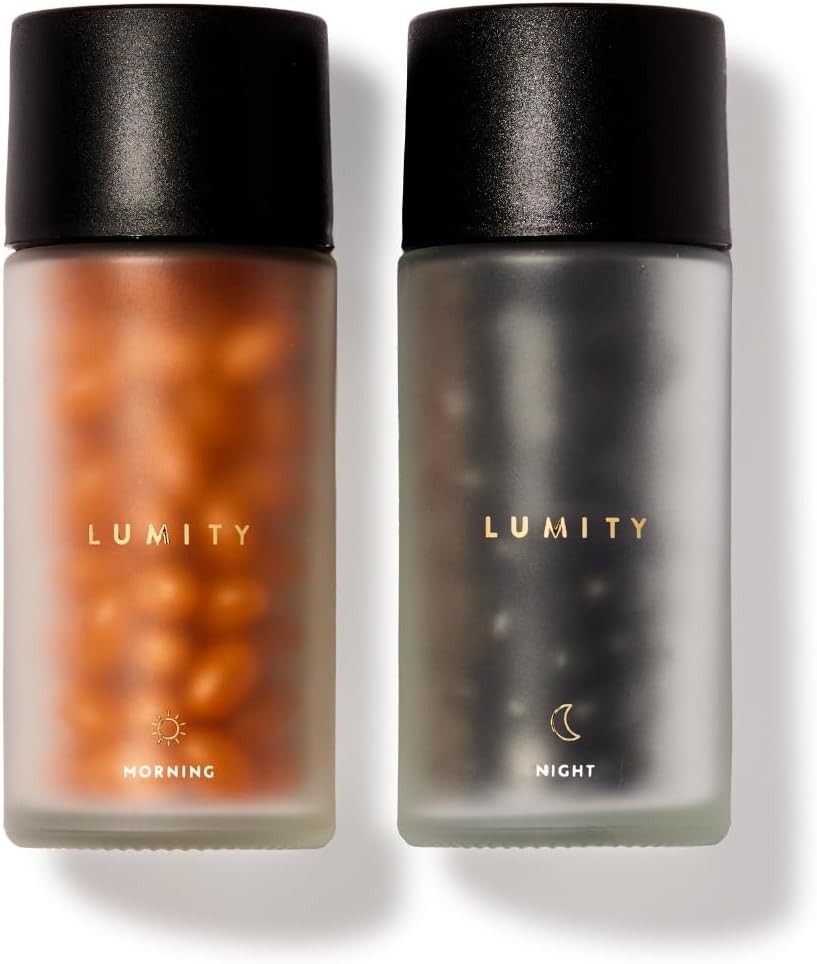
LUMITY Morning & Night Male Supplement - 24-Hour Nutritional Support for Energy, Sleep Quality, Immune Health & Skin ...
Check Price on AmazonAs an Amazon Associate we earn from qualifying purchases.
This premium supplement system uses a split-dosing approach with separate morning and night formulations designed to align with circadian hormone rhythms. The morning capsules focus on energy, cognitive function, and daytime testosterone support, while the evening capsules target recovery, sleep quality, and nighttime hormone optimization. Tongkat ali is included as part of the comprehensive male health matrix alongside vitamins, minerals, antioxidants, and adaptogenic compounds.
The 24-hour approach recognizes that testosterone production follows a circadian pattern, with peak production occurring during sleep and early morning hours. By splitting ingredients across morning and evening doses, the formulation aims to support both the active daytime phase and the critical recovery phase when most testosterone synthesis occurs. At approximately $89 per month, this represents a significant investment targeting users seeking comprehensive male health optimization rather than singular focus on testosterone or fertility.
Complete Support System for Male Hormonal Health
For men seeking comprehensive testosterone and fertility optimization beyond tongkat ali alone, consider this evidence-based supplement stack:
Foundation: Tongkat Ali Extract 200:1 (B07TTDFXFV) - 200-400mg daily for testosterone support and aromatase inhibition
Stress Management: Ashwagandha (KSM-66 extract, 600mg daily) - Synergistic cortisol reduction complementing tongkat ali’s HPA axis effects
Fertility Support: Pre Conception Male Fertility Supplement (B093TLKW14) - CoQ10, methylfolate, and additional reproductive nutrients
Metabolic Health: Berberine (500mg 3x daily) - Blood sugar regulation supports hormonal balance
Protein Intake: GLP-1 Friendly Protein - Adequate protein intake (1.6-2.2g/kg bodyweight) supports testosterone production and muscle maintenance
This layered approach addresses multiple aspects of male hormonal health: direct testosterone support (tongkat ali), stress hormone modulation (ashwagandha + tongkat ali), fertility optimization (comprehensive preconception formula), metabolic health (berberine), and nutritional foundation (protein). The combination recognizes that optimal testosterone status depends on multiple interacting systems rather than any single supplement.
📱 Join the discussion: Facebook | X | YouTube | Pinterest
The Bottom Line on Tongkat Ali
Tongkat ali stands out in the crowded natural testosterone booster market because it has something that most competitors lack: a genuine body of clinical evidence. The 2022 meta-analysis confirms a statistically significant effect on serum testosterone. Individual trials demonstrate meaningful improvements in testosterone levels in hypogonadal men, encouraging fertility outcomes in men with idiopathic infertility, cortisol reduction in stressed individuals, and modest ergogenic benefits in older exercisers.
At the same time, the research has real limitations. Most studies are small. Some have conflicts of interest. The longest trial is only 6 months. And the enormous quality variability in commercial products means that the clinical evidence applies only to properly standardized extracts, not to every product on the shelf with “tongkat ali” on the label.
For the right person, in the right context, with the right product, tongkat ali is one of the more evidence-based options in the natural testosterone and male fertility supplement space. It is not a replacement for medical treatment of severe hypogonadism, and it is not going to transform your physique or triple your testosterone. But as a modestly effective, well-tolerated supplement for men with suboptimal testosterone, elevated cortisol, or unexplained fertility challenges, the data supports a cautious recommendation.
Choose a standardized water-soluble extract from a reputable manufacturer, use it at the clinically studied dose of 200 to 400mg per day, give it at least 4 to 8 weeks to work, and have your baseline and follow-up hormone levels measured so you can objectively evaluate whether it is working for you.
Related Reading
- Shilajit Benefits for Men: Testosterone, Energy, and What the Studies Say
- Tongkat Ali for Testosterone and Male Performance
- Best Testosterone Booster Supplements: What the Research Actually Supports
- Best Natural Testosterone Boosters: What the Science Actually Shows
- Fenugreek for Testosterone and Blood Sugar: Complete Research Review
- Best Supplements for Male Fertility and Sperm Health: Evidence-Based Guide
- Low Testosterone Supplements: Natural Ways to Boost T Levels in Men
References
-
Leisegang K, Finelli R, Sikka SC, Panner Selvam MK. Eurycoma longifolia (Jack) Improves Serum Total Testosterone in Men: A Systematic Review and Meta-Analysis of Clinical Trials. Medicina. 2022;58(8):1047.
-
Tambi MI, Imran MK, Henkel RR. Standardised water-soluble extract of Eurycoma longifolia, Tongkat ali, as testosterone booster for managing men with late-onset hypogonadism? Andrologia. 2012;44 Suppl 1:226-230.
-
Ismail SB, Wan Mohammad WMZ, George A, Nik Hussain NH, Musthapa Kamal ZM, Liske E. Randomized Clinical Trial on the Use of PHYSTA Freeze-Dried Water Extract of Eurycoma longifolia for the Improvement of Quality of Life and Sexual Well-Being in Men. Evidence-Based Complementary and Alternative Medicine. 2012;2012:429268.
-
Tambi MI, Imran MK. Eurycoma longifolia Jack in managing idiopathic male infertility. Asian Journal of Andrology. 2010;12(3):376-380.
-
Talbott SM, Talbott JA, George A, Pugh M. Effect of Tongkat Ali on stress hormones and psychological mood state in moderately stressed subjects. Journal of the International Society of Sports Nutrition. 2013;10(1):28.
-
Henkel RR, Wang R, Bassett SH, et al. Tongkat Ali as a potential herbal supplement for physically active male and female seniors: a pilot study. Phytotherapy Research. 2014;28(4):544-550.
-
Low BS, Das PK, Chan KL. Standardized quassinoid-rich Eurycoma longifolia extract improved spermatogenesis and fertility in male rats via the hypothalamic-pituitary-gonadal axis. Journal of Ethnopharmacology. 2013;145(3):706-714.
-
Erasmus N, Solomon MC, Fortuin KA, Henkel RR. Effect of Eurycoma longifolia Jack (Tongkat ali) extract on human spermatozoa in vitro. Andrologia. 2012;44(5):308-314.
-
Chan KQ, Stewart C, Chester N, Hamzah SH, Yusof A. The effect of Eurycoma longifolia on the regulation of reproductive hormones in young males. Andrologia. 2021;53(4):e14001.
-
George A, Henkel R. Phytoandrogenic properties of Eurycoma longifolia as natural alternative to testosterone replacement therapy. Andrologia. 2014;46(7):708-721.
Recommended Products