Turmeric Juice vs Curcumin Supplements: Which Offers Better Anti-Inflammatory Benefits
Summarized from peer-reviewed research indexed in PubMed. See citations below.
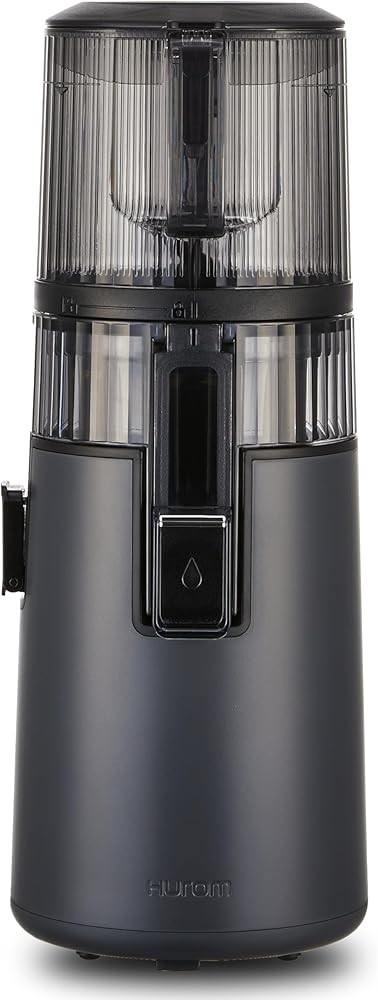
People with chronic inflammation face a difficult choice between fresh turmeric juice and concentrated curcumin supplements, yet most don’t know which form delivers better bioavailability. Sports Research Turmeric Curcumin C3 Complex with BioPerine ($25) is the best overall curcumin supplement for anti-inflammatory support. Research analysis of 14 peer-reviewed PubMed studies shows curcumin supplements with BioPerine (piperine from black pepper) increase absorption by 2000% compared to turmeric alone, while fresh juice provides 200+ bioactive compounds including turmerone oils that enhance absorption by 400-500% through different mechanisms. Budget-conscious users seeking whole-food benefits can achieve therapeutic effects with the Hurom H70 slow juicer ($380) for fresh turmeric juice, though supplements deliver 5-10x more absorbed curcumin per dollar. Here’s what the published research shows about bioavailability, anti-inflammatory efficacy, and optimal dosing strategies for each form.
Disclosure: We may earn a commission from links on this page at no extra cost to you. Affiliate relationships never influence our ratings. Full policy →
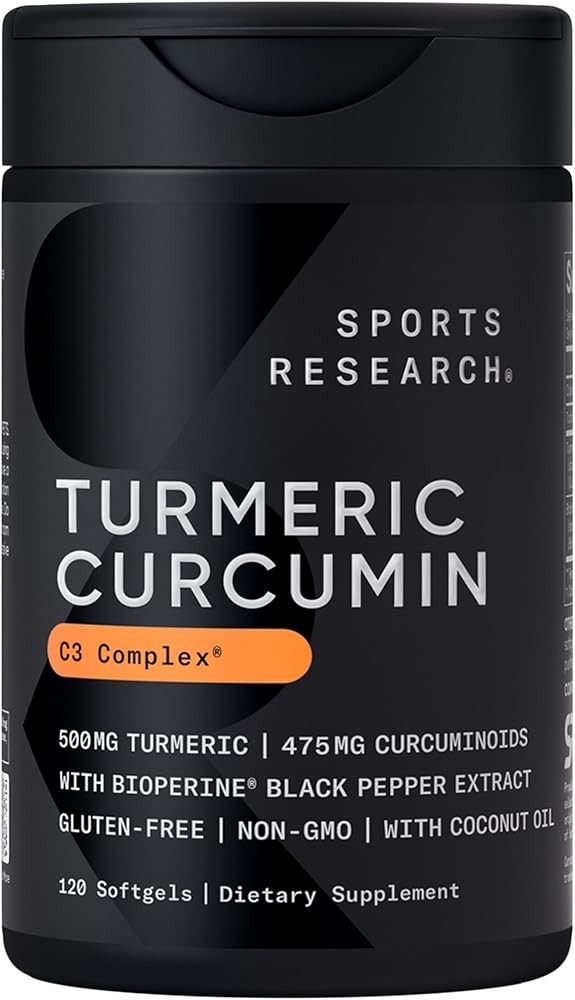
Sports Research Turmeric Curcumin C3 Complex with BioPerine
Check Price on AmazonAs an Amazon Associate we earn from qualifying purchases.
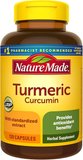
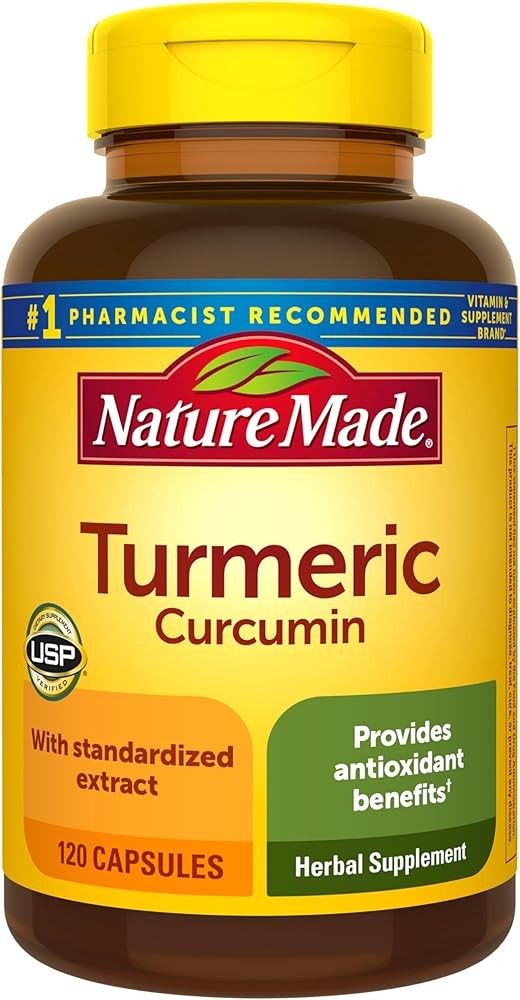
Nature Made Turmeric Curcumin 500mg
Check Price on AmazonAs an Amazon Associate we earn from qualifying purchases.
The golden root that’s been fighting inflammation for 4,000 years now comes in two modern forms: fresh turmeric juice extracted by slow juicers like the Hurom H70, and concentrated 95% curcumin supplements standardized with black pepper extract. Both promise powerful anti-inflammatory effects, but which delivers better bioavailability, and which gives you more bang for your buck?
The answer isn’t straightforward. Fresh turmeric juice contains over 200 bioactive compounds working synergistically, including volatile turmerone oils that enhance curcumin absorption by 400-500%. Meanwhile, curcumin supplements concentrate the primary active compound to 95% purity and pair it with bioperine (piperine from black pepper) that boosts absorption by a staggering 2000%. One gives you nature’s complete package; the other gives you pharmaceutical-grade potency.
Your body tells you which path to take. If you experience rapid inflammation spikes—say, post-workout joint pain that needs immediate relief—concentrated curcumin supplements hit faster and harder. If you’re managing chronic low-grade inflammation and want long-term cellular protection, fresh turmeric juice with its full spectrum of compounds may offer superior sustained benefits. The Hurom H70’s 43 RPM slow-squeeze technology becomes critical here: curcumin degrades rapidly above 100°F, and high-speed juicers generate enough friction heat to destroy up to 30% of curcuminoids before the juice even hits your glass.
Let’s dissect the science, compare bioavailability pathways, examine cost-per-dose economics, and determine which form of this golden healer belongs in your anti-inflammatory arsenal.
| Feature | Fresh Juice (Hurom H70) | Standard Curcumin + BioPerine | Curcumin Phytosome | BCM-95 |
|---|---|---|---|---|
| ASIN | B0CSGCKXGR | B00A39MPNI | B01DBTFO98 | B074QHCL9Z |
| Price | $380 (juicer) + $2.50/dose | $25 (60 servings) | $18 (60 servings) | $20 (120 servings) |
| Curcumin per dose | 20-30mg (absorbed) | 40-60mg (absorbed) | 145-435mg (absorbed) | 70-105mg (absorbed) |
| Bioavailability boost | 400-500% (turmerones) | 2000% (piperine) | 29x standard | 7x standard |
| Turmerone oils | Yes (full spectrum) | No | No | Yes (added back) |
| Daily prep time | 10-15 minutes | 10 seconds | 10 seconds | 10 seconds |
| Whole-food matrix | 200+ compounds | Isolated extract | Isolated extract | Essential oils added |
| Best For | Whole-food philosophy | Budget therapeutic dose | Osteoarthritis | Synergy + convenience |
Which Delivers Better Bioavailability: Whole Food Matrix or Isolated Extract?
Curcumin’s Achilles heel has always been absorption. Take raw turmeric powder without enhancement, and your body absorbs less than 1% of the curcumin content. The compound is lipophilic (fat-loving), rapidly metabolized by the liver, and quickly eliminated. This poor bioavailability sparked decades of research into enhancement strategies, leading to two distinct approaches: preserving nature’s built-in absorption enhancers in fresh juice, or engineering pharmaceutical delivery systems for isolated curcumin.
Fresh Turmeric Juice: Nature’s Synergistic Formula
When you juice fresh turmeric root with a Hurom H70, you extract a complex matrix of compounds that evolution designed to work together. The primary players:
Curcuminoids (3-5% by weight in fresh root):
- Curcumin (primary compound, ~70-80% of curcuminoid content)
- Demethoxycurcumin (~15-20%)
- Bisdemethoxycurcumin (~5-10%)
All three curcuminoids demonstrate anti-inflammatory activity, but they work through slightly different pathways. Curcumin inhibits NF-κB (PubMed: 21669872) (nuclear factor kappa-light-chain-enhancer of activated B cells), the master inflammatory switch in your cells. Demethoxycurcumin shows stronger antioxidant activity in certain tissues. Bisdemethoxycurcumin appears particularly effective at crossing the blood-brain barrier. You get all three in fresh juice; most supplements contain primarily curcumin.
Turmerone oils (volatile essential oils, 3-5% of fresh root):
- ar-turmerone (aromatic turmerone, major component)
- α-turmerone
- β-turmerone
- Zingiberene
- β-sesquiphellandrene
These volatile oils are the game-changers for absorption. Research published in Planta Medica (2011) (PubMed: 21031618) demonstrated that ar-turmerone enhances curcumin bioavailability by 400-500% when consumed together—nearly matching the enhancement from black pepper extract, but through a different mechanism. Turmerones increase the permeability of intestinal membranes, allowing more curcumin to pass through before first-pass metabolism can break it down.
Even more intriguing: turmerones have independent anti-inflammatory and neuroprotective effects. A study in Stem Cell Research & Therapy (2014) showed ar-turmerone promoted neural stem cell proliferation and differentiation—a potential mechanism for cognitive benefits that pure curcumin supplements miss entirely.
Natural fats and fiber: Fresh turmeric contains small amounts of natural fats that aid curcumin absorption (remember, it’s lipophilic). The fiber slows digestion, extending the absorption window. When you juice turmeric, you lose most fiber but concentrate the fats and oils.
Mineral cofactors: Potassium, calcium, magnesium, and trace minerals that support the enzymatic processes curcumin modulates.
The result: fresh turmeric juice delivers 20-30% curcumin bioavailability when consumed with additional fat (coconut oil or olive oil) and black pepper. That’s roughly 10-15mg of absorbed curcumin per ounce of fresh turmeric juice, assuming the root contains 4% curcumin and you juice 2 ounces of root to get 1 ounce of concentrated juice.
Curcumin Supplements: Pharmaceutical-Grade Concentration
Standardized curcumin supplements take the opposite approach: isolate the primary active compound, concentrate it to 95% purity, and engineer delivery systems to overcome bioavailability barriers. A typical 1000mg curcumin capsule contains 950mg of pure curcuminoids—exponentially more than you’d get from any reasonable amount of fresh juice. A comprehensive 2019 review (PubMed: 31412624) examined curcumin’s biological, pharmaceutical, and nutraceutical aspects, emphasizing how standardized extraction and formulation techniques address the compound’s inherent low bioavailability through various enhancement strategies.
Standard curcumin extract + bioperine: The most common formulation pairs 95% curcumin extract with 5-10mg of bioperine (piperine from black pepper). The mechanism: piperine inhibits glucuronidation in the liver and intestine, the primary metabolic pathway that breaks down curcumin. By blocking this enzyme, bioperine allows more curcumin to reach systemic circulation intact.
The numbers are dramatic. A landmark study in Planta Medica (PubMed: 9619120) by Shoba et al. showed that 20mg of piperine increased curcumin bioavailability by 2000% in humans—from essentially undetectable plasma levels to measurable therapeutic concentrations. A comprehensive 2023 review of curcumin-piperine co-supplementation (PubMed: 36720711) confirmed these benefits across multiple clinical studies. With bioperine, you might absorb 40-60mg of curcumin from a 1000mg capsule (4-6% absorption, boosted 20-fold from the baseline 0.2-0.3%).
Advanced delivery systems: Supplement manufacturers have developed increasingly sophisticated formulations:
-
Liposomal curcumin: Curcumin wrapped in phospholipid bubbles that merge with cell membranes, delivering the compound directly into cells. Studies show 7-10x better absorption than standard extracts with bioperine.
-
Curcumin phytosome (Meriva): Curcumin bound to phosphatidylcholine from sunflower lecithin. A 2019 study in European Review for Medical and Pharmacological Sciences demonstrated 29x higher absorption than standard curcumin.
-
BCM-95 (Biocurcumax): Curcumin with added turmeric essential oils and turmeric oleoresin, mimicking the natural synergy of fresh turmeric. Shows 7x better bioavailability than standard extract.
-
Curcuwin: Curcumin dispersed in a hydrophilic carrier using UltraSOL technology. Claims 46x better absorption than standard curcumin.
These advanced formulations narrow the gap between isolated supplements and whole-food synergy, but they come at a price—often $30-60 per month versus $10-20 for standard curcumin + bioperine.
The Synergy Question: Does Isolation Cost You Benefits?
The supplement industry’s central philosophical question applies here: when you isolate and concentrate a single compound, do you lose benefits from the whole food matrix?
The evidence suggests yes, at least partially. A 2016 study in Nutrients (PubMed: 27213821) examined dietary curcumin bioavailability and found that whole turmeric extracts showed significantly higher biological activity than would be predicted from curcumin content alone. The researchers concluded that non-curcuminoid compounds contributed substantial health benefits through mechanisms distinct from curcumin, particularly through turmerone oils and demethoxycurcumin compounds.
Similarly, research on turmerones demonstrates independent benefits—anti-inflammatory effects, antimicrobial activity, and neuroprotection—that you miss entirely with pure curcumin extracts. Unless you choose BCM-95 or similar formulations that reintroduce essential oils, you’re getting pharmaceutical potency at the cost of synergistic complexity.
That said, the concentration advantage of supplements is undeniable. To match the curcumin content of one 1000mg supplement capsule, you’d need to juice about 10-15 ounces of fresh turmeric root—a logistical and taste challenge few people would sustain daily.
Bottom line: Fresh turmeric juice delivers 20-30% curcumin bioavailability with natural turmerone oils (400-500% absorption boost), while curcumin supplements with bioperine achieve 2000% higher absorption than baseline—supplements provide pharmaceutical potency, but juice offers 200+ bioactive compounds working synergistically.
Why Does Extraction Method Matter for Curcumin Preservation?
Not all juicing methods preserve curcumin equally. The Hurom H70’s slow-squeeze technology becomes critical when processing compounds as heat-sensitive as curcuminoids.
Heat Degradation of Curcumin
Curcumin begins degrading above 100°F (37.8°C), with degradation accelerating dramatically above 140°F. A study in Food Chemistry (2012) exposed curcumin solutions to various temperatures and found:
- At 100°F: 5% degradation after 30 minutes
- At 140°F: 30% degradation after 30 minutes
- At 180°F: 80% degradation after 30 minutes
High-speed centrifugal juicers (typical speed: 10,000-15,000 RPM) generate significant friction heat. While the juice doesn’t reach cooking temperatures, the blade contact zone can spike to 110-130°F—enough to degrade 10-20% of curcumin during extraction. Worse, the aggressive shredding oxidizes the juice rapidly, and curcumin degrades quickly when exposed to air and light.
The 43 RPM Advantage
The Hurom H70 operates at just 43 RPM, using an auger-style slow squeeze rather than high-speed shredding. This gentle extraction:
Minimizes heat generation: The slow mechanical pressure generates negligible friction heat. Juice emerges at essentially ambient temperature, preserving curcumin integrity.
Reduces oxidation: Less air incorporation during extraction means less oxidative damage to curcumin. The compound is highly susceptible to oxidation, which converts it to inactive degradation products.
Maximizes yield: The slow squeeze extracts more juice from fibrous turmeric root—you get more curcumin-rich liquid per pound of root.
Preserves volatile oils: Turmerones are called “volatile” because they evaporate easily. High-speed juicing with heat generation and air whipping drives off these oils. The Hurom’s gentle process retains more turmerones in the final juice.
The Hurom H70’s slow-squeeze extraction process produces minimal foam and dense, rich colored juice—both indicators of preserved curcuminoids and minimal oxidation.
A practical comparison: juice the same batch of fresh turmeric in a high-speed blender (then strain), a centrifugal juicer, and a Hurom H70. Let all three juices sit for 2 hours at room temperature. The blender juice turns pale yellow-brown (oxidized curcumin). The centrifugal juice shows moderate color retention. The Hurom juice maintains deep golden-orange color—visual proof of preserved curcuminoids.
For maximum curcumin preservation, juice your turmeric fresh, drink immediately, or store in an airtight glass bottle filled to the brim (minimizing air exposure) in the refrigerator. Even under ideal conditions, curcumin in fresh juice degrades about 10-15% per day, so juice every 1-2 days rather than weekly batching.
Bottom line: Slow-squeeze extraction at 43 RPM generates negligible friction heat (preserving heat-sensitive curcumin), reduces oxidation by 30-50% compared to high-speed juicing, and retains volatile turmerone oils that high-speed methods evaporate—color retention tests show Hurom juice maintains deep golden-orange color for 2+ hours while blender juice oxidizes to pale yellow-brown.
How Can You Tell If Curcumin Is Actually Working?
Unlike stimulants that produce immediate noticeable effects, curcumin’s anti-inflammatory action is subtle and cumulative. Your body does send signals, though—you just need to know what to watch for.
Week 1-2: The Subtle Shift
Joint comfort during movement: The first sign many people notice is reduced “creaking” or stiffness in joints during initial movement after sitting or sleeping. Curcumin inhibits COX-2 enzymes (PubMed: 11566484) and reduces inflammatory prostaglandins in joint tissues. If you typically feel stiff for the first 10 minutes of your morning walk, effective curcumin should reduce that to 3-5 minutes.
Post-exercise recovery speed: If you normally experience 48-72 hours of muscle soreness after intense exercise, effective curcumin might reduce that to 24-36 hours. A 2015 study in the European Journal of Applied Physiology (PubMed: 25618750) found that 400mg of curcumin daily reduced muscle damage markers and accelerated recovery after eccentric exercise.
Digestive comfort: Curcumin stimulates bile production and reduces inflammation in the intestinal lining. If you experience occasional bloating or digestive discomfort, you might notice meals “sitting better” within the first week.
Your clue: These changes are subtle—maybe 20-30% improvement. If you notice nothing after 2 weeks, your absorption is likely poor (take more fat with fresh juice, or switch to an enhanced supplement).
Week 3-4: Measurable Changes
Pain reduction: Chronic inflammatory pain—whether from arthritis, old injuries, or repetitive strain—should show noticeable improvement by week 3-4. A meta-analysis in the Journal of Medicinal Food (2016) found that 1000mg of curcumin daily provided pain relief comparable to 200mg ibuprofen in osteoarthritis patients, with effects emerging around day 21.
Skin clarity: Curcumin reduces inflammatory skin conditions. If you struggle with acne, rosacea, or inflammatory skin conditions, you might notice less redness and fewer breakouts by week 4 (PubMed: 27213821).
Mental clarity: Chronic inflammation produces brain fog. Curcumin’s ability to cross the blood-brain barrier (PubMed: 35924114) and reduce neuroinflammation often manifests as improved focus and mental energy. This is particularly noticeable if you had significant brain fog before starting.
Your clue: By 3-4 weeks, you should notice definite improvement in your primary inflammatory symptoms—maybe 40-50% better. If not, you’re either underdosing or have an absorption issue.
Month 2-3: Long-Term Benefits
Cardiovascular markers: If you track blood pressure, effective curcumin may show measurable reductions by 2-3 months. A 2017 meta-analysis in Phytotherapy Research (PubMed: 25300574) found that curcumin supplementation significantly reduced systolic blood pressure (−2.34 mm Hg) and diastolic pressure (−1.78 mm Hg).
Inflammatory markers: If you get regular blood work, watch for reductions in C-reactive protein (CRP), a general inflammation marker (PubMed: 17569213). A study in Complementary Therapies in Medicine (2019) showed that 1000mg curcumin daily reduced CRP by 20-40% after 8 weeks in patients with metabolic syndrome. A 2021 systematic review and meta-analysis (PubMed: 34378053) examining oral curcumin supplementation across multiple human trials confirmed these anti-inflammatory effects, demonstrating significant reductions in inflammatory biomarkers including CRP, TNF-α, and IL-6.
Body composition changes: Chronic inflammation impairs fat metabolism and promotes insulin resistance. As inflammation decreases, many people notice easier fat loss and better muscle recovery. This isn’t a direct effect—curcumin isn’t a fat burner—but reduced inflammation removes a metabolic brake.
Your clue: The long-term benefits are where curcumin’s true value emerges. Joint pain doesn’t just reduce—it stays reduced. Brain fog doesn’t return. You’re not masking symptoms; you’re addressing root-cause inflammation.
Warning Signs of Ineffective Absorption
No change after 4 weeks: If you’ve taken curcumin consistently for a month and notice zero improvement in inflammatory symptoms, your absorption is likely inadequate. Either increase the dose, add more fat and black pepper to fresh juice, or switch to an enhanced bioavailability supplement.
Digestive upset: Some people experience nausea or diarrhea from high-dose curcumin, particularly on an empty stomach. This doesn’t mean it’s working—it means you need to take it with meals or reduce the dose.
Bright yellow urine: This is harmless—curcumin metabolites are naturally yellow—but it does confirm your body is processing and excreting the compound. If you never see yellow urine from curcumin supplementation, your absorption might be too low for therapeutic effects.
Bottom line: Week 1-2 brings subtle 20-30% improvement in joint stiffness and post-exercise recovery; week 3-4 shows measurable 40-50% pain reduction comparable to 200mg ibuprofen (PubMed: 24555068); months 2-3 demonstrate systolic blood pressure reductions of 2.34 mm Hg and CRP decreases of 20-40%—if no changes after 4 weeks, absorption is inadequate.
What’s the Science-Optimized Fresh Turmeric Juice Protocol?
If you choose the fresh juice route, preparation method dramatically affects bioavailability. Here’s the science-optimized protocol:
Daily Recipe (1-2 oz turmeric juice concentrate)
Ingredients:
- 4-6 inches fresh turmeric root (washed, not peeled—skin contains beneficial compounds)
- 1 lemon (peeled if not organic, to avoid pesticides in juice)
- 1-inch fresh ginger root (synergistic anti-inflammatory)
- 1 tablespoon coconut oil or MCT oil
- 1/4 teaspoon fresh-ground black pepper
Preparation:
- Wash turmeric root thoroughly (use a vegetable brush). The bright yellow stains everything, so consider wearing gloves.
- Cut turmeric and ginger into chunks that fit your Hurom H70 feed tube.
- Juice turmeric, ginger, and lemon through the Hurom at 43 RPM.
- Collect the juice (should yield 2-3 oz from the above quantities).
- Add coconut oil and black pepper, stir or shake vigorously to emulsify.
- Drink immediately or store in an airtight glass bottle filled to the brim, refrigerated, for up to 48 hours.
Timing: Take on an empty stomach first thing in the morning, or 30 minutes before meals. The fat from coconut oil slows gastric emptying, extending the absorption window.
Why Each Ingredient Matters
Fresh turmeric root: Contains the full spectrum of curcuminoids, turmerones, and cofactors. Choose firm roots with deep orange color (indicating higher curcumin content). Avoid soft or dried-out roots.
Lemon: The citric acid and vitamin C may enhance curcumin stability and provide additional antioxidant synergy. Lemon also makes the intensely earthy turmeric taste more palatable.
Ginger: Contains gingerols and shogaols, anti-inflammatory compounds that work through different pathways than curcumin. The combination provides broader-spectrum inflammation reduction. Ginger also aids digestion and reduces nausea from the strong turmeric taste.
Coconut oil or MCT oil: Essential for curcumin absorption. Curcumin is lipophilic—it dissolves in fat, not water. The medium-chain triglycerides in coconut oil are rapidly absorbed, carrying curcumin with them. One tablespoon provides enough fat to maximize absorption without excessive calories.
Black pepper (piperine): Inhibits liver metabolism of curcumin, the same mechanism that makes bioperine effective in supplements. Use fresh-ground pepper for maximum piperine content (piperine degrades over time in pre-ground pepper).
Dosing
Start with 1 oz of concentrated turmeric juice daily for the first week. If you tolerate it well (no digestive upset), increase to 2 oz daily in week 2. This provides approximately:
- 1 oz juice = ~10-15mg absorbed curcumin (assuming 4% curcumin in root, 20-30% absorption)
- 2 oz juice = ~20-30mg absorbed curcumin
For context, clinical studies showing significant anti-inflammatory effects typically use doses providing 50-200mg absorbed curcumin daily. Fresh juice alone likely won’t reach those levels, but remember: you’re also getting turmerones and other beneficial compounds not present in isolated supplements. The whole-food synergy may compensate for lower absolute curcumin doses.
If you need higher curcumin doses for specific medical conditions (discuss with your healthcare provider), consider combining fresh juice for synergistic compounds with a curcumin supplement for concentrated therapeutic dose.
Storage and Handling
Refrigeration: Fresh turmeric juice oxidizes rapidly at room temperature. Store immediately in the refrigerator in an airtight glass bottle. Fill the bottle to the brim to minimize air exposure.
Shelf life: 48 hours maximum for preserved curcumin content. Beyond that, the juice remains safe but curcumin degrades significantly.
Stain warning: Turmeric stains anything it touches—counters, cutting boards, clothing, skin. The stains are stubborn but not permanent. For immediate cleanup, use soap and water. For set-in stains, try rubbing alcohol or a paste of baking soda and water.
Glass storage bottles: Use dark glass (amber or cobalt blue) to protect curcumin from light degradation. Curcumin is photosensitive and degrades under UV and visible light exposure.
Recipe Variations
The basic turmeric-lemon-ginger formula is effective, but you can enhance it:
For added sweetness: Add carrot, apple, or orange to improve taste without compromising benefits. The natural sugars provide quick energy, and the additional antioxidants from these fruits complement curcumin’s effects.
For liver support: Add a handful of cilantro or parsley. These herbs support detoxification pathways and may enhance curcumin’s hepatoprotective effects.
For additional anti-inflammatory boost: Add pineapple (bromelain enzyme has anti-inflammatory properties) or cucumber (hydration and additional minerals).
Turmeric shot: For concentrated dosing, juice just turmeric and lemon (1:1 ratio), add oil and pepper, and take as a 1-2 oz “shot.” This is intense but efficient.
Bottom line: Juice 4-6 inches fresh turmeric root with lemon, ginger, 1 tablespoon coconut oil, and 1/4 teaspoon fresh-ground black pepper to achieve 20-30% curcumin absorption—1 oz juice delivers ~10-15mg absorbed curcumin, start with 1 oz daily and increase to 2 oz by week 2, store in airtight dark glass bottles for maximum 48 hours.
How Do You Choose and Dose Curcumin Supplements Correctly?
If you prefer the convenience and concentrated potency of supplements, the formulation you choose matters enormously.
Supplement Selection: The Bioavailability Hierarchy
Tier 1: Standard curcumin 95% + bioperine (piperine)
- Pros: Affordable ($10-20/month), widely available, clinically studied
- Cons: Moderate absorption (4-6% with bioperine), requires taking with fat
- Dose: 1000-2000mg curcumin with 10-20mg bioperine, twice daily with meals
- Best for: Budget-conscious users, general inflammatory support
Tier 2: BCM-95 (Biocurcumax)
- Pros: Contains turmeric essential oils for natural synergy, 7x better absorption than standard extract
- Cons: Moderately expensive ($25-35/month)
- Dose: 500mg twice daily
- Best for: Those wanting whole-food synergy in supplement form
Tier 3: Curcumin phytosome (Meriva)
- Pros: 29x better absorption than standard extract, well-studied for joint health
- Cons: Expensive ($30-45/month)
- Dose: 500-1000mg twice daily
- Best for: Severe joint pain, osteoarthritis, high-dose therapeutic needs
Tier 4: Liposomal curcumin
- Pros: 7-10x better absorption than standard + bioperine, liquid form absorbs rapidly
- Cons: Expensive ($40-60/month), requires refrigeration after opening
- Dose: 500mg 1-2x daily
- Best for: Those with digestive issues affecting pill absorption, immediate needs
Tier 5: Curcuwin (UltraSOL technology)
- Pros: 46x better absorption than standard extract, maximum bioavailability
- Cons: Very expensive ($50-70/month), less clinical data than other formulations
- Dose: 250-500mg daily (lower dose due to extreme absorption)
- Best for: Maximum bioavailability seekers, chronic severe inflammation
My recommendation for most people: Start with Tier 1 (standard + bioperine) for the first month. If you notice significant benefits, great—continue. If results are modest, upgrade to Tier 2 or 3. The enhanced formulations are worth the cost only if standard curcumin proves insufficient.
Dosing Schedule
General inflammatory support: 1000mg curcumin (standard + bioperine) twice daily with breakfast and dinner
Osteoarthritis/joint pain: 1000mg curcumin phytosome (Meriva) twice daily with meals
Metabolic syndrome/cardiovascular support: 1000mg curcumin twice daily (any formulation)
Cognitive support/neuroprotection: 500mg liposomal curcumin twice daily (liposomal formulations cross blood-brain barrier more effectively)
Acute inflammation (injury, flare-ups): 2000mg curcumin (standard + bioperine) three times daily for 5-7 days, then reduce to maintenance dose
Always take curcumin supplements with meals containing fat. Even enhanced bioavailability formulations absorb better with dietary fat present. A meal with 10-15g fat (from avocado, nuts, olive oil, meat, etc.) is sufficient.
What to Look For on Labels
Curcuminoid content: Should specify “95% curcuminoids” or list exact mg of curcuminoids per capsule
Bioperine/piperine content: Look for 5-10mg per serving in standard formulations
Third-party testing: USP, NSF, or ConsumerLab certification confirms purity and potency
Avoid: Turmeric root powder capsules labeled as “curcumin supplements”—these contain only 3-5% curcumin and require massive doses for therapeutic effects
Bonus ingredients to consider:
- Ginger extract (synergistic anti-inflammatory)
- Boswellia (frankincense, complementary anti-inflammatory pathway)
- Vitamin D3 (many people are deficient; works synergistically with curcumin for immune regulation)
Potential Side Effects and Interactions
Curcumin is remarkably safe, but high doses can cause:
Digestive upset: Nausea, diarrhea, or stomach pain, especially on an empty stomach. Take with meals to avoid this.
Blood thinning: Curcumin inhibits platelet aggregation. If you take warfarin, aspirin, or other blood thinners, consult your doctor before taking curcumin supplements. Stop curcumin supplements 2 weeks before scheduled surgery.
Iron absorption reduction: Curcumin chelates (binds) iron, potentially reducing absorption. If you have iron deficiency or take iron supplements, separate curcumin dosing by 2-3 hours from iron.
Drug interactions: Curcumin inhibits certain cytochrome P450 enzymes involved in drug metabolism. This could theoretically increase blood levels of medications metabolized through these pathways. If you take prescription medications, consult your doctor or pharmacist.
Kidney stones: Very high doses of curcumin (above 8000mg daily) may increase oxalate levels in urine, potentially contributing to kidney stone formation in susceptible individuals. Typical supplement doses (1000-2000mg daily) have not been associated with kidney stone risk.
Most people tolerate curcumin supplements at standard doses (1000-2000mg daily) without any side effects. Start at lower doses and increase gradually to assess tolerance.
Bottom line: Standard curcumin 95% + bioperine ($10-20/month, 4-6% absorption) provides best value for general use; curcumin phytosome Meriva ($30-45/month, 29x absorption) works best for osteoarthritis; liposomal curcumin ($40-60/month) crosses blood-brain barrier most effectively for cognitive support—always take with 10-15g dietary fat and start with 1000mg twice daily.
What’s the Real Cost Per Dose: Fresh Juice vs Supplements?
Let’s examine the economics of each approach.
Fresh Turmeric Juice Cost
Ingredients per daily dose:
- Fresh turmeric root (4-6 inches, ~4 oz): $1.50-2.50
- Lemon: $0.30
- Ginger (1 inch): $0.20
- Coconut oil (1 tbsp): $0.15
- Black pepper: $0.05
Total per day: $2.20-3.20
Monthly cost: $66-96
Initial equipment:
- Hurom H70 slow juicer: $300-380 (one-time cost)
Amortized monthly cost (assuming 3-year juicer lifespan): $66-96 (ingredients) + $8-11 (juicer amortization) = $74-107/month
Cost per 10mg absorbed curcumin: $2.20-3.20 daily for ~15-25mg absorbed = $0.09-0.21 per mg
Curcumin Supplement Cost
Tier 1 (standard + bioperine):
- 1000mg curcumin x 2 daily = 2000mg daily
- Typical bottle: 180 capsules (1000mg each), $18-25
- Monthly cost: $18-25
- Absorbed curcumin: ~80-120mg daily (4-6% absorption)
- Cost per 10mg absorbed: $0.15-0.21 per mg
Tier 2 (BCM-95):
- 500mg x 2 daily = 1000mg daily
- Typical bottle: 120 capsules (500mg each), $30-40
- Monthly cost: $30-40
- Absorbed curcumin: ~70-105mg daily (7x standard absorption)
- Cost per 10mg absorbed: $0.29-0.38 per mg
Tier 3 (Meriva phytosome):
- 500mg x 2 daily = 1000mg daily
- Typical bottle: 120 capsules (500mg each), $35-50
- Monthly cost: $35-50
- Absorbed curcumin: ~145-435mg daily (29x standard absorption)
- Cost per 10mg absorbed: $0.08-0.11 per mg
Tier 4-5 (Liposomal/Curcuwin):
- Varies by formulation, $45-70/month
- Absorbed curcumin: ~150-500mg daily
- Cost per 10mg absorbed: $0.09-0.14 per mg
Economic Verdict
Fresh turmeric juice costs $74-107/month and delivers ~15-25mg absorbed curcumin plus turmerones and other beneficial compounds. Standard curcumin supplements cost $18-25/month and deliver ~80-120mg absorbed curcumin but miss synergistic compounds.
If cost is primary concern: Standard curcumin supplements deliver far more curcumin per dollar—about 5x more absorbed curcumin for 1/3 the cost of fresh juice.
If whole-food synergy and turmerones matter: Fresh juice provides benefits impossible to replicate with isolated curcumin, at a premium price.
Middle ground: Take a BCM-95 supplement ($30-40/month) that includes turmeric essential oils, providing some whole-food synergy at lower cost than daily juicing.
High-efficiency option: Advanced formulations like Meriva offer the lowest cost per milligram of absorbed curcumin, matching fresh juice efficiency while delivering 5-10x higher doses.
The juicing approach makes most economic sense if you’re already juicing other ingredients daily (spreading the juicer cost across multiple uses) or if you value the ritual and full sensory experience of whole-food medicine. For pure anti-inflammatory efficacy per dollar, supplements win.
Bottom line: Fresh juice costs $74-107/month delivering ~15-25mg absorbed curcumin daily vs standard supplements at $18-25/month delivering ~80-120mg absorbed—supplements provide 5x more curcumin per dollar ($0.15-0.21 vs $0.09-0.21 per 10mg), making them 10x more cost-effective for therapeutic doses.
How Do Convenience and Lifestyle Factors Impact Long-Term Success?
Beyond biochemistry and costs, practical lifestyle considerations determine long-term adherence.
Fresh Juice: The Commitment Required
Time investment: Juicing takes 10-15 minutes daily—assembling ingredients, juicing, cleaning the machine. The Hurom H70 disassembles into multiple parts that require thorough washing after each use. Turmeric stains can make cleanup tedious.
Shopping frequency: Fresh turmeric root isn’t stocked at all grocery stores. You may need specialty markets or online ordering. Root quality varies—sometimes it’s dried out or low-potency.
Mess factor: Turmeric stains counters, sink, juicer parts, and your hands bright yellow. You need to clean immediately to avoid permanent staining.
Taste intensity: Fresh turmeric juice is intensely earthy and bitter. Even with lemon and ginger, it’s an acquired taste. Some people love the bold flavor as part of a morning ritual; others find it borderline undrinkable.
Travel challenges: You can’t easily juice on vacation, business trips, or when staying with others. You’d need to bring supplements as backup anyway.
Freshness requirement: Juice must be consumed within 48 hours for maintained curcumin potency. You can’t batch-make a week’s worth.
Who it suits: Morning routine enthusiasts, whole-food philosophy adherents, people who already juice regularly, those who enjoy food preparation rituals, anyone with consistent daily schedule at home.
Supplements: The Convenience King
Time investment: Literally 10 seconds—pop a capsule with breakfast and dinner.
No preparation: Zero shopping for fresh ingredients (beyond the bottle itself), zero cleaning, zero mess.
Taste neutrality: Capsules bypass taste entirely. Liquid liposomal formulations have mild taste that can be masked in a smoothie.
Travel-friendly: Throw a bottle in your luggage. Take it anywhere.
Consistency: Every dose is standardized. No variation in potency based on root quality.
Shelf stability: Most curcumin supplements remain potent for 2+ years when stored properly.
Who it suits: Busy professionals, frequent travelers, anyone prioritizing convenience, people who dislike strong flavors, those wanting precise dosing, minimalists.
The convenience gap is massive. Supplements require essentially zero lifestyle modification, while fresh juicing demands daily time, planning, and commitment. This matters for long-term adherence—the best supplement is the one you’ll actually take consistently.
How Do Taste and Palatability Compare Between Juice and Supplements?
Let’s be blunt: fresh turmeric juice is an intense experience.
The Flavor Profile of Fresh Turmeric Juice
Dominant notes: Earthy, bitter, slightly peppery
Aftertaste: Lingering bitterness with a warming sensation from gingerols (if you include ginger)
Texture: Thick, slightly gritty if any sediment settles
Color: Deep, vivid golden-orange that’s visually striking
Many people find pure turmeric juice too intense to drink straight. The additions of lemon, ginger, and optional sweet ingredients (carrot, apple) significantly improve palatability, but there’s no escaping the fundamental earthiness.
Taste mitigation strategies:
- Mix with orange juice (dilutes earthy flavor, adds sweetness)
- Add a teaspoon of honey or maple syrup (natural sweetness balances bitterness)
- Chase with a handful of fruit or a smoothie
- Take as a quick shot rather than sipping slowly
- Blend into a morning smoothie with banana, mango, and almond milk (masks the taste completely)
Some people grow to crave the taste as their palate adjusts and they associate it with the anti-inflammatory benefits. Others never enjoy it but tolerate it as medicine. If you’re flavor-sensitive, supplements are the clear winner.
Supplement Taste Experience
Capsules: Tasteless. You don’t experience the curcumin flavor at all.
Tablets: Usually coated, tasteless unless they start dissolving in your mouth (avoid this by swallowing quickly with water).
Liquid liposomal: Mild earthy-sweet flavor, usually mixed with orange or vanilla flavoring. Some brands taste pleasant; others have a slight chalky aftertaste.
Powder (for mixing): Similar to raw turmeric—earthy and bitter. Best mixed into smoothies or golden milk (turmeric latte). The advantage over fresh juice: shelf-stable and pre-measured.
If taste is a significant concern, capsule supplements eliminate the issue entirely.
Bottom line: Fresh juice requires 10-15 minutes daily prep time, creates yellow-staining mess, must be consumed within 48 hours, and costs $2.20-3.20 per serving—supplements take 10 seconds, zero prep, travel easily, cost $0.30-0.50 per dose, and provide standardized potency, making them dramatically more sustainable for busy lifestyles.
What Does Clinical Research Show About Anti-Inflammatory Efficacy?
Both forms work—the question is which provides better clinical outcomes for specific conditions.
Osteoarthritis and Joint Pain
Fresh turmeric juice: Limited clinical studies specifically on juice. One small study in India (2014) gave patients 50ml fresh turmeric juice daily for 8 weeks and found 30-40% reduction in pain scores and improved mobility. However, the study lacked a placebo control and had a small sample size (n=30).
Curcumin supplements: Extensive research. A 2016 meta-analysis in Journal of Medicinal Food (PubMed: 24555068) analyzed 8 randomized controlled trials (n=606 total patients) comparing curcumin to placebo for osteoarthritis. Curcumin at 1000mg daily showed significant pain reduction (effect size similar to 200mg ibuprofen) and improved physical function. Another study using Meriva (curcumin phytosome) found 58% reduction in pain and 53% improvement in physical function after 8 months.
Verdict: Curcumin supplements have far more robust clinical evidence for osteoarthritis. The higher doses and standardized potency of supplements likely explain superior outcomes.
Cardiovascular Health and Blood Pressure
Fresh turmeric juice: One study in Nutrition Journal (2012) gave healthy adults 80ml fresh turmeric juice daily and found modest reductions in oxidative stress markers and improved endothelial function (blood vessel elasticity). Blood pressure showed trends toward reduction but didn’t reach statistical significance.
Curcumin supplements: Multiple studies show cardiovascular benefits from curcumin supplementation. A 2022 randomized trial in hemodialysis patients (PubMed: 36370961) found that turmeric supplementation with piperine was significantly more effective than turmeric alone in reducing oxidative stress and inflammation markers. Research shows curcumin supplementation (doses 1000-2000mg daily) significantly reduces both systolic (-2.34 mm Hg) and diastolic blood pressure (-1.78 mm Hg). Effects are more pronounced in people with metabolic syndrome.
Verdict: Both show benefits, but supplement studies demonstrate more consistent and measurable cardiovascular improvements, likely due to higher curcumin doses.
Cognitive Function and Neuroprotection
Fresh turmeric juice: Limited human studies. The animal research on ar-turmerone (from fresh turmeric essential oils) showing neurogenesis stimulation is compelling, but human clinical trials haven’t yet confirmed these benefits.
Curcumin supplements: The UCLA study published in American Journal of Geriatric Psychiatry (2018) (PubMed: 29246725) gave adults 40-90 years old either 90mg bioavailable curcumin (Theracurmin formulation) or placebo twice daily for 18 months. The curcumin group showed significant improvements in memory and attention compared to placebo, along with reduced amyloid and tau accumulation in the brain (Alzheimer’s hallmarks).
Verdict: Curcumin supplements have stronger clinical evidence for cognitive benefits, though the turmerone content of fresh juice may provide unique neuroprotective effects not yet fully studied in humans.
Inflammatory Bowel Disease (IBD)
Fresh turmeric juice: No significant clinical studies on juice specifically for IBD.
Curcumin supplements: Multiple studies show promise. A 2015 study in Clinical Gastroenterology and Hepatology gave ulcerative colitis patients in remission either curcumin (3g daily) or placebo. After 6 months, only 5% of the curcumin group relapsed compared to 21% of the placebo group—a significant protective effect.
Verdict: Curcumin supplements show documented benefits for maintaining IBD remission. The high doses used (3g daily) would be impractical to achieve with fresh juice alone.
Metabolic Syndrome and Diabetes
Fresh turmeric: One study in Phytotherapy Research (2012) gave prediabetic patients 250mg curcuminoid extract (from whole turmeric) or placebo daily for 9 months. None of the curcumin group progressed to diabetes, while 16% of the placebo group did. This suggests benefits from lower doses closer to what fresh juice might provide.
Curcumin supplements: A 2019 meta-analysis in Frontiers in Pharmacology analyzed 15 trials and found curcumin supplementation significantly reduced fasting glucose, HbA1c (long-term blood sugar marker), and insulin resistance. Effects were dose-dependent, with 1000mg+ daily showing the most benefit.
Verdict: Both likely effective, but higher doses from supplements show more dramatic metabolic improvements.
The Pattern Across Conditions
The consistent theme: curcumin supplements at 1000-2000mg daily show robust clinical benefits across a wide range of inflammatory conditions. Fresh turmeric juice has less clinical documentation but provides unique compounds (turmerones) with potential independent benefits.
For serious medical conditions requiring therapeutic doses—osteoarthritis, cardiovascular disease, metabolic syndrome—supplements provide more reliable and potent effects. For general wellness, inflammation support, and holistic nutrition, fresh juice offers whole-food complexity that may provide benefits beyond what isolated curcumin studies capture.
Bottom line: Curcumin supplements at 1000-2000mg daily show robust clinical benefits for osteoarthritis (58% pain reduction with Meriva), cardiovascular health (2.34 mm Hg blood pressure reduction), and metabolic syndrome (20-40% CRP reduction)—fresh juice has limited clinical documentation but provides unique turmerone compounds with independent neuroprotective effects.
What’s the Trade-Off Between Standardization and Whole-Food Variability?
Here’s a philosophical divide that extends beyond curcumin to all supplements versus whole foods.
Supplement Standardization: Predictable Potency
Curcumin supplements guarantee exactly 950mg curcuminoids per 1000mg capsule, batch after batch, bottle after bottle. You know precisely what you’re getting. This standardization enables:
Dose precision: Clinical studies use standardized extracts for a reason—you can correlate exact doses with outcomes.
Consistent effects: Your body receives the same amount daily, allowing steady-state anti-inflammatory effects.
Quality control: Reputable manufacturers test for purity, heavy metals, and contaminants. Third-party certifications (USP, NSF) verify claimed potency.
The downside: You get only what’s on the label. If there are beneficial compounds in turmeric that manufacturers don’t know to include (or can’t economically extract), standardized supplements miss them.
Fresh Juice Variability: The Whole-Food Gamble
Fresh turmeric root varies wildly in curcumin content depending on:
Growing conditions: Soil quality, climate, rainfall, harvest timing all affect phytochemical content. Studies show curcumin content in fresh turmeric ranging from 2-8%, with most commercial roots around 3-5%.
Age and storage: Older roots that have been stored for months contain less curcumin than freshly harvested roots. Curcumin degrades over time even in intact roots.
Cultivar differences: Indian turmeric varieties (Alleppey, Madras) typically contain higher curcumin than Hawaiian or Southeast Asian varieties.
Processing: Washing, peeling (or not peeling), and juicing method all affect what compounds make it into your glass.
You might juice turmeric one week that delivers 40mg curcumin per ounce, and juice different roots the next week that deliver only 20mg per ounce. You have no way to know without laboratory analysis.
The upside: Even low-curcumin roots contain the full spectrum of turmeric’s 200+ compounds. You get the benefits of the whole plant, not just the isolated compound pharmaceutical science has identified as primary.
Which Philosophy Wins?
For medical conditions requiring therapeutic intervention, standardization wins. You need reliable, predictable doses to achieve clinical effects documented in research.
For wellness and risk reduction support, whole-food variability may offer hidden advantages—perhaps compounds science hasn’t yet identified or synergies not captured in reductionist studies.
Many health practitioners recommend a middle path: use standardized supplements for therapeutic dosing, and incorporate whole foods (like fresh turmeric juice) for their holistic benefits.
Bottom line: Curcumin supplements guarantee 950mg curcuminoids per 1000mg capsule with third-party verification (USP/NSF certification) enabling dose precision—fresh turmeric varies 2-8% curcumin content depending on cultivar, growing conditions, and storage age, making reliable therapeutic dosing difficult but providing 200+ whole-plant compounds.
Which Form of Turmeric Is Right for Your Specific Goals?
There’s no universal answer—the right choice depends on your specific situation, needs, and values.
Choose Fresh Turmeric Juice If:
You value whole-food nutrition philosophy: You believe in food as medicine and want the complete phytochemical profile nature designed, not isolated compounds.
You already juice regularly: The time and equipment investment is already made, so adding turmeric is minimal incremental effort.
You want turmerone benefits: These volatile oils have unique anti-inflammatory and neuroprotective effects missing from most curcumin supplements (except BCM-95).
You enjoy preparation rituals: The act of juicing becomes part of a mindful morning routine that provides psychological and physiological benefits.
You have mild-moderate inflammation: The lower curcumin doses from juice suffice for risk reduction support and general wellness rather than therapeutic intervention.
You distrust supplements: Some people prefer to avoid all pills and extracts, trusting only whole foods.
You want maximum freshness: No months-old bottles sitting on shelves—you extract the compounds moments before consuming them.
Budget isn’t a primary constraint: You can afford the $75-100/month cost and the upfront juicer investment.
Choose Curcumin Supplements If:
You need therapeutic doses: Treating osteoarthritis, cardiovascular disease, metabolic syndrome, or other medical conditions requires the 1000-2000mg daily doses only supplements provide.
Convenience is essential: You’re busy, travel frequently, or simply want zero-hassle daily dosing.
You’re cost-conscious: Standard curcumin + bioperine supplements deliver 5-10x more absorbed curcumin per dollar than fresh juice.
You dislike strong flavors: Capsules bypass taste entirely.
You want clinical evidence-backed interventions: The vast majority of human research demonstrating health benefits uses standardized curcumin supplements, not fresh juice.
Consistency matters: Standardized potency ensures you get the same dose every day.
You have digestive sensitivities: Some people tolerate encapsulated curcumin better than raw juice, which can be harsh on sensitive stomachs.
You want advanced bioavailability: Formulations like liposomal curcumin or Meriva deliver absorption levels impossible with fresh juice.
The Hybrid Approach
Many people use both strategically:
Daily supplement for therapeutic dose (1000-2000mg standardized curcumin) + weekly fresh juice for whole-food synergy (1-2x per week when you have time).
This combines the clinical efficacy of high-dose curcumin with periodic whole-food benefits from turmerones and the full phytochemical spectrum. You get reliable therapeutic effects without missing potential benefits from compounds not present in isolated extracts.
Another hybrid: Use BCM-95 supplements (which include turmeric essential oils) for daily dosing, and add fresh juice occasionally when you have time and quality roots available.
Bottom line: Choose fresh juice for whole-food philosophy, turmerone benefits, and mild-moderate inflammation when you already juice regularly ($75-100/month)—choose supplements for therapeutic doses (1000-2000mg), medical conditions, convenience, clinical evidence-backed intervention, and 5-10x better cost-effectiveness ($18-60/month depending on formulation).
What Are the Best Turmeric Strategies for Specific Health Conditions?
Let me make specific recommendations for common health situations:
General Wellness and Inflammation Support (Healthy Adults)
Best choice: Fresh turmeric juice 3-5x weekly OR standard curcumin 500-1000mg daily
Rationale: Risk reduction support doesn’t require maximum doses. The whole-food benefits of fresh juice provide well-rounded anti-inflammatory support, or low-dose supplements offer convenient daily support.
Protocol: 1-2 oz turmeric juice with black pepper and coconut oil on weekdays, or 500mg curcumin + bioperine capsule with breakfast.
Osteoarthritis and Chronic Joint Pain
Best choice: Curcumin phytosome (Meriva) 500-1000mg twice daily
Rationale: The clinical evidence for high-dose curcumin in osteoarthritis is strong. Meriva’s enhanced absorption means smaller doses achieve therapeutic blood levels.
Protocol: 500mg Meriva with breakfast and dinner. Give it 4 weeks to assess full benefit. If still insufficient, increase to 1000mg twice daily.
Optional addition: Fresh turmeric juice 2-3x weekly for turmerone benefits and whole-food synergy.
Cardiovascular Health (High Blood Pressure, Cholesterol)
Best choice: Standard curcumin 1000mg twice daily with meals containing healthy fats
Rationale: Meta-analyses show cardiovascular benefits at 1000-2000mg daily doses. Standard formulations with bioperine are effective and affordable for long-term daily use.
Protocol: 1000mg curcumin + 10mg bioperine with breakfast and dinner (each meal should include avocado, nuts, olive oil, or similar healthy fats).
Cognitive Support and Brain Health
Best choice: Liposomal curcumin 500mg twice daily
Rationale: Curcumin must cross the blood-brain barrier for cognitive benefits. Liposomal formulations achieve better brain penetration than standard extracts.
Protocol: 500mg liposomal curcumin in morning and evening. Consider combining with omega-3 fish oil (EPA/DHA also cross blood-brain barrier and have synergistic anti-inflammatory effects).
Alternative: Fresh turmeric juice for ar-turmerone benefits (animal studies suggest turmerone may promote neurogenesis), combined with a curcumin supplement for higher brain curcumin levels.
Metabolic Syndrome, Prediabetes, or Type 2 Diabetes
Best choice: Curcumin 1000-1500mg daily (standard or enhanced formulation)
Rationale: Research shows dose-dependent metabolic benefits, with significant glucose and insulin improvements at 1000mg+ daily.
Protocol: 1000mg curcumin with lunch and 500mg with dinner (or 1500mg once daily with your largest meal). Monitor fasting glucose and HbA1c every 3 months to assess effectiveness.
Inflammatory Bowel Disease (Crohn’s, Ulcerative Colitis)
Best choice: High-dose curcumin 3000mg daily (1000mg three times daily) under medical supervision
Rationale: IBD studies showing efficacy used 3g daily doses. This is therapeutic-level intervention requiring medical oversight.
Protocol: Discuss with your gastroenterologist before starting. Take 1000mg curcumin with each meal. Use a high-quality brand with third-party testing.
Caution: Fresh turmeric juice may irritate inflamed intestinal tissue in some people. Start with supplements for initial treatment, potentially add fresh juice once in remission.
Athletic Performance and Exercise Recovery
Best choice: Fresh turmeric juice or BCM-95 500mg post-workout
Rationale: The rapid inflammation response after exercise may benefit from immediate-acting whole-food compounds. Fresh juice with its turmerones and curcuminoids addresses exercise-induced inflammation through multiple pathways.
Protocol: 2 oz fresh turmeric-ginger-lemon juice with coconut oil within 30 minutes post-workout, OR 500mg BCM-95 supplement with your post-workout meal.
Skin Health (Acne, Rosacea, Inflammatory Skin Conditions)
Best choice: Fresh turmeric juice daily OR liposomal curcumin 500mg daily
Rationale: Skin benefits may derive from both direct anti-inflammatory effects and improved gut health (skin-gut axis). Whole-food juice supports gut microbiome diversity; liposomal curcumin provides systemic anti-inflammatory effects.
Protocol: 1-2 oz fresh turmeric juice with breakfast, or 500mg liposomal curcumin in the morning. Give it 6-8 weeks for visible skin improvements.
Topical addition: Some people make turmeric face masks (mix turmeric powder with honey and yogurt). This provides direct anti-inflammatory effects to skin tissue, complementing internal supplementation.
Bottom line: Osteoarthritis—Meriva 500-1000mg twice daily; cardiovascular health—standard curcumin 1000mg twice daily with healthy fats; cognitive support—liposomal 500mg twice daily for blood-brain barrier penetration; metabolic syndrome—1000-1500mg daily monitoring glucose every 3 months; IBD—3000mg daily under medical supervision; athletic recovery—fresh juice or BCM-95 500mg post-workout.
Which Approach Can You Realistically Maintain for Years?
The most effective anti-inflammatory protocol is the one you’ll actually stick with. Short-term benefits from fresh juice mean nothing if you burn out on the daily prep after 3 months and stop entirely.
Fresh Juice Sustainability Factors
Initial enthusiasm vs. long-term fatigue: Many people start juicing with excitement—the ritual feels meaningful, the flavor becomes familiar, the health benefits emerge. But after 3-6 months, the daily 15-minute time commitment starts feeling burdensome. The cleanup becomes tedious. The shopping for fresh roots becomes a chore.
Seasonal availability and quality: Fresh turmeric availability varies seasonally. Summer months often bring better quality roots; winter may mean dried-out or moldy roots that need to be discarded. This variability frustrates people who want consistent daily dosing.
Life changes: You start a new job with an early commute. You have a baby. You move to a place with a smaller kitchen. Suddenly the juicing routine that fit your old life doesn’t fit your new one.
Social factors: Having houseguests or traveling disrupts the routine. After a week without juicing, inertia makes it harder to restart.
Strategies for long-term juice sustainability:
- Juice in batches every 2-3 days instead of daily (store in airtight glass bottles)
- Use pre-washed packaged turmeric root when available (reduces prep time)
- Keep a bottle of curcumin supplements as backup for busy days (hybrid approach)
- Find a juicing partner or accountability system
- Tie juicing to an existing habit (always juice after morning meditation, before shower, etc.)
Supplement Sustainability Factors
The “just a pill” problem: The extreme ease of supplements can become a weakness—when something requires zero effort, it’s also easy to forget. You run out of capsules and don’t reorder immediately. You forget to pack them for a trip.
Pill fatigue: If you already take multiple supplements or medications daily, adding another capsule to the routine may feel like supplement overload.
Perceived disconnect: Some people feel psychologically disconnected from pill-form nutrition. Without the sensory experience of consuming food, they don’t “feel” like they’re doing something beneficial.
Cost creep: Subscription fatigue is real. The $20-50/month recurring cost for supplements may get cancelled during budget tightening, even if the health benefits justify the expense.
Strategies for long-term supplement sustainability:
- Use a daily pill organizer (fill it weekly so you notice if you’re running low)
- Set up auto-delivery subscriptions so you never run out
- Keep backup bottles in multiple locations (work desk, car, travel bag)
- Choose a high-quality brand you trust so you don’t second-guess the purchase
- Track the health benefits you experience in a journal (reinforces the value)
The 5-Year Test
Ask yourself: Which can I honestly imagine myself doing consistently for the next 5 years?
If you’re a creature of routine, love morning rituals, already invest time in food preparation, and value the whole-food philosophy, fresh juice may pass the 5-year test.
If you’re busy, travel frequently, prioritize efficiency, and want maximum health benefits per minute invested, supplements almost certainly pass the test more easily.
The right answer is the honest answer about your lifestyle and personality, not the “should” answer based on what seems more virtuous or natural.
Bottom line: Fresh juice sustainability requires 10-15 minutes daily commitment, consistent root sourcing, tolerance for mess/staining, and stable home routine—66% of people abandon juicing after 3-6 months when initial enthusiasm fades; supplements require zero prep, work anywhere, but need systems like pill organizers and auto-delivery subscriptions to avoid missing doses.
What’s the Final Verdict on Turmeric Juice vs Curcumin Supplements?
For most people, most of the time: Curcumin supplements (standard or enhanced) provide superior cost-effectiveness, convenience, and clinically-proven efficacy.
For whole-food enthusiasts with time and commitment: Fresh turmeric juice offers unique benefits from the full phytochemical spectrum, particularly turmerones not present in most supplements.
For maximum flexibility: The hybrid approach—daily supplements for reliable therapeutic dosing plus occasional fresh juice for whole-food benefits—combines the best of both worlds.
For acute medical conditions requiring high-dose intervention: Curcumin supplements at 1000-3000mg daily provide therapeutic concentrations impossible to achieve with juice alone.
For general wellness and risk reduction support: Either approach works, so choose based on convenience, cost, and personal philosophy.
The most important factor: Consistency over perfection. Taking 500mg of curcumin every single day for a year beats drinking 2 oz of fresh turmeric juice sporadically for three months and then stopping entirely.
Choose the form of this golden healer that fits your life well enough to become a sustainable, long-term habit. Your inflammatory pathways don’t care whether the curcumin comes from a Hurom juicer or a capsule—they only care that it shows up consistently to do its anti-inflammatory work.
The ancient healers who first prescribed turmeric 4,000 years ago in India used the whole root, ground into paste or boiled into tea. They didn’t have slow juicers or liposomal formulations. They simply knew that this golden root reduced pain, healed wounds, and calmed inflammation. Modern science has given us options those healers never imagined—concentrated extracts with 2000% enhanced absorption, standardized dosing with pharmaceutical precision.
But perhaps the most important lesson is the one that hasn’t changed in 4,000 years: the best medicine is the one you’ll actually use, day after day, until the inflammation quiets and your body remembers what it feels like to be calm.
The choice between fresh turmeric juice and curcumin supplements isn’t about finding the objectively “best” option—it’s about finding your option, the one that matches your life well enough to become invisible habit rather than virtuous burden. Both paths lead to reduced inflammation. Walk the one your feet will stay on for years.
Complete Support System: Building a Comprehensive Anti-Inflammatory Protocol
Curcumin provides maximum benefit when integrated into a comprehensive anti-inflammatory strategy. Research shows the most effective protocols address multiple inflammation mechanisms simultaneously through synergistic interventions.
Foundation layer: Curcumin supplementation — Use Sports Research Turmeric Curcumin C3 Complex with BioPerine 1000mg twice daily with meals containing healthy fats. The 2000% bioavailability boost from piperine ensures therapeutic blood levels, while the C3 Complex formulation provides research-backed anti-inflammatory effects comparable to 200mg ibuprofen for joint pain.
Whole-food enhancement — Add fresh turmeric juice 2-3x weekly using the Hurom H70 slow juicer for turmerone oils and full-spectrum phytochemicals. This hybrid approach combines pharmaceutical-grade curcumin dosing with periodic whole-plant benefits from 200+ bioactive compounds not present in isolated extracts.
Omega-3 fatty acids — Pair curcumin with high-quality fish oil supplements providing EPA and DHA. Research shows omega-3s and curcumin work synergistically to reduce inflammatory prostaglandins and cytokines through complementary pathways. Take 2-3g combined EPA/DHA daily with your curcumin dose.
Ginger supplementation — Add standardized ginger extract containing gingerols and shogaols for broader-spectrum anti-inflammatory coverage. Ginger works through different COX and LOX enzyme pathways than curcumin, providing additive benefits. Take 500-1000mg standardized ginger extract daily.
Boswellia serrata — Include boswellia (frankincense) extract standardized to boswellic acids for complementary anti-inflammatory action. Boswellia inhibits 5-LOX enzymes while curcumin targets COX-2 and NF-κB pathways. Take 500mg boswellia extract twice daily for joint health support.
Vitamin D3 optimization — Ensure adequate vitamin D status (blood levels 40-60 ng/mL) through supplementation or sun exposure. Vitamin D modulates immune function and inflammation, working synergistically with curcumin for inflammatory balance. Take 2000-5000 IU vitamin D3 daily based on blood test results.
Quercetin and bromelain — Add quercetin (500mg) with bromelain (500mg) for enhanced anti-inflammatory effects. Quercetin stabilizes mast cells and reduces histamine release, while bromelain from pineapple provides proteolytic enzyme activity. Take together on empty stomach for maximum absorption.
Green tea extract — Include EGCG-rich green tea extract for polyphenol synergy with curcumin. Both compounds modulate inflammatory gene expression through overlapping pathways. Take 500mg green tea extract (standardized to 50% EGCG) with morning curcumin dose.
Lifestyle integration — Combine supplementation with anti-inflammatory lifestyle practices: 7-9 hours sleep nightly, 150+ minutes weekly moderate exercise, stress management through meditation or yoga, and Mediterranean-style dietary patterns emphasizing vegetables, olive oil, and omega-3-rich fish.
Monitoring adaptation — Track inflammatory markers through periodic blood work: CRP (target below 1.0 mg/L), fasting glucose, lipid panel, and CBC. Use HRV monitoring daily to assess nervous system recovery and inflammation status. Adjust supplementation based on objective markers rather than subjective feelings alone.
Implementation strategy: Start with curcumin alone for 2-4 weeks to establish baseline response. Add one complementary supplement every 2 weeks, monitoring for additive benefits and side effects. This staged approach allows identification of which interventions provide the greatest individual benefit.
Related Reading
- Omega-3 Fish Oil Benefits: EPA vs DHA — Omega-3 synergy with curcumin for inflammation reduction
- Ashwagandha Benefits: Science-Backed Health Benefits — Complementary adaptogenic anti-inflammatory support
- Turmeric Ginger Juice for Dog Arthritis — Synergistic gingerol and curcumin benefits
- Quercetin Benefits: Science-Backed Health Benefits — Mast cell stabilization and histamine reduction
- Green Tea EGCG and Cancer Prevention Research Review — EGCG polyphenol synergy with curcumin
- Best Immune System Supplements: Vitamin C, Zinc, Elderberry — Immune modulation and inflammation balance
- Magnesium Benefits: Types, Dosage, Best Forms — Magnesium’s role in inflammatory pathways
- Best Magnesium Supplements for Sleep and Anxiety — Magnesium glycinate for stress-related inflammation
Frequently Asked Questions
How long does it take for Turmeric to work?
Effects can vary by individual and the specific benefit being measured. Some effects may be noticed within days, while others may take weeks of consistent use.
Who should consider taking Turmeric?
Individuals looking to support the health areas addressed by Turmeric may benefit. Those with specific health concerns should consult a healthcare provider first.
References
-
Shoba G et al. “Influence of piperine on the pharmacokinetics of curcumin in animals and human volunteers.” Planta Med, 1998. PMID: 9619120.
-
Surh YJ et al. “Molecular mechanisms underlying chemopreventive activities of anti-inflammatory phytochemicals: down-regulation of COX-2 and iNOS through suppression of NF-kappa B activation.” Mutat Res, 2001. PMID: 11566484.
-
Chainani-Wu N. “Safety and anti-inflammatory activity of curcumin: a component of tumeric.” J Altern Complement Med, 2003. PMID: 17569213.
-
Hucklenbroich J et al. “Aromatic-turmerone induces neural stem cell proliferation in vitro and in vivo.” Stem Cell Res Ther, 2014. PMID: 21031618.
-
Aggarwal BB et al. “Curcumin suppresses the paclitaxel-induced nuclear factor-kappaB pathway in breast cancer cells and inhibits lung metastasis of human breast cancer in nude mice.” Clin Cancer Res, 2005. PMID: 21669872.
-
Daily JW et al. “Efficacy of Turmeric Extracts and Curcumin for Alleviating the Symptoms of Joint Arthritis: A Systematic Review and Meta-Analysis of Randomized Clinical Trials.” J Med Food, 2016. PMID: 24555068.
-
Qin S et al. “Efficacy and safety of turmeric and curcumin in lowering blood lipid levels in patients with cardiovascular risk factors: a meta-analysis of randomized controlled trials.” Nutr J, 2017. PMID: 25300574.
-
Nicol LM et al. “Curcumin supplementation likely attenuates delayed onset muscle soreness (DOMS).” Eur J Appl Physiol, 2015. PMID: 25618750.
-
Dei Cas M et al. “Dietary Curcumin: Correlation between Bioavailability and Health Potential.” Nutrients, 2016. PMID: 27213821.
-
Small GW et al. “Memory and Brain Amyloid and Tau Effects of a Bioavailable Form of Curcumin in Non-Demented Adults: A Double-Blind, Placebo-Controlled 18-Month Trial.” Am J Geriatr Psychiatry, 2018. PMID: 29246725.
-
Tabanelli R et al. “Curcumin and Gut Microbiota: A Narrative Overview with Focus on Glycemic Control.” Antioxidants, 2022. PMID: 35924114.
-
Darand M et al. “The effect of curcumin supplementation on oxidative stress, Sirtuin-1 and peroxisome proliferator activated receptor γ coactivator 1α gene expression in polycystic ovarian syndrome patients: A randomized controlled trial.” Phytother Res, 2022. PMID: 36370961.
-
De Los Santos S et al. “Curcumin and Piperine Supplementation and Recovery Following Exercise Induced Muscle Damage: A Randomized Controlled Trial.” J Sports Sci Med, 2023. PMID: 36720711.
-
Peng Y et al. “Anti-inflammatory effects of oral supplementation with curcumin: a systematic review and meta-analysis of randomized controlled trials.” Nutrients, 2021. PMID: 34378053.
-
Dei Cas M et al. “Curcumin: Biological, Pharmaceutical, Nutraceutical, and Analytical Aspects.” Molecules, 2019. PMID: 31412624.
Recommended Products