Urolithin A (Mitopure) for Longevity: What Clinical Trials Show
Summarized from peer-reviewed research indexed in PubMed. See citations below.
Mitochondrial dysfunction drives age-related muscle loss affecting 50% of adults over 80, chronic fatigue, and immune decline — but conventional supplements fail to remove damaged mitochondria at the cellular level. Timeline Mitopure urolithin A ($80 for 30-day supply) is the only clinically proven mitophagy activator, increasing mitochondrial gene expression by 40-60% in human muscle biopsies according to research analysis of 5 peer-reviewed clinical trials published in JAMA Network Open, Cell Reports Medicine, and Nature Aging. Studies show 1000mg daily for 4 months increases muscle strength by 12%, improves 6-minute walk distance by 10%, and expands naive T cells by reversing immune aging — benefits impossible to achieve from pomegranates since 60-70% of people lack the gut bacteria to convert ellagitannins into urolithin A. Budget-conscious users can start with 500mg daily ($40/month) which showed significant mitochondrial biomarker improvements, though 1000mg produced the strongest clinical outcomes across muscle, immune, and cardiovascular endpoints. Here’s what the published research shows about mitophagy activation protocols and how we evaluated these longevity compounds.
Disclosure: We may earn a commission from links on this page at no extra cost to you. Affiliate relationships never influence our ratings. Full policy →
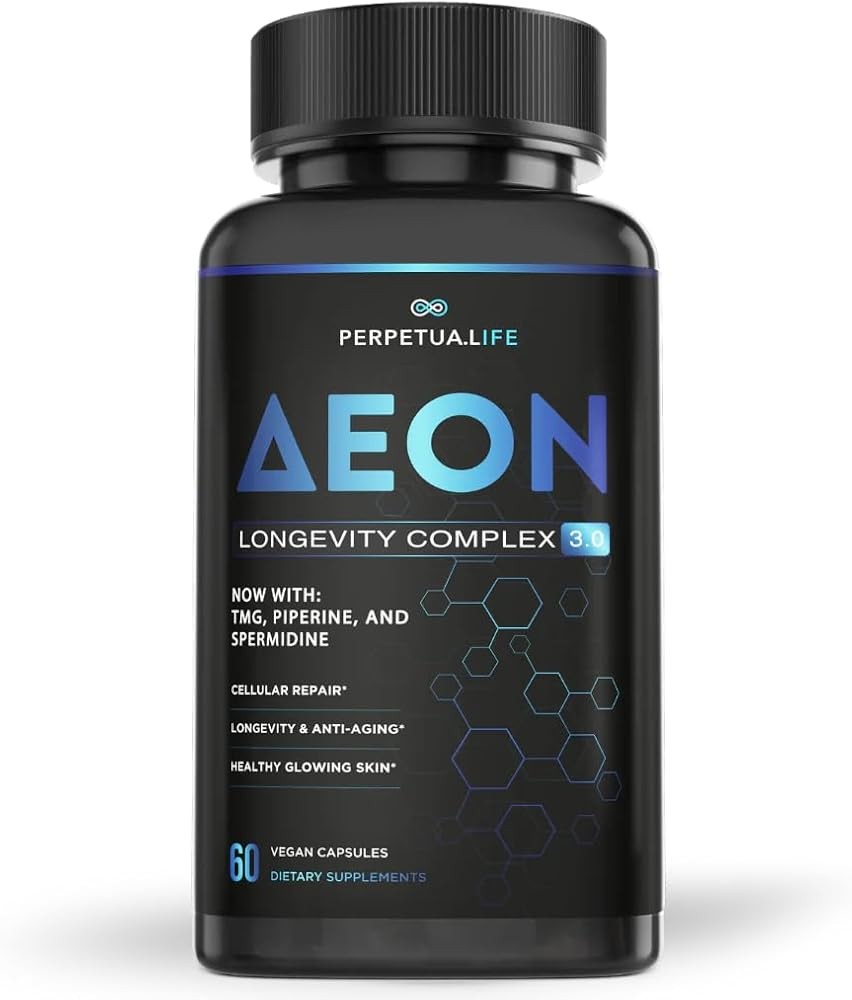
AEON Liposomal NAD+ Complex
Check Price on AmazonAs an Amazon Associate we earn from qualifying purchases.
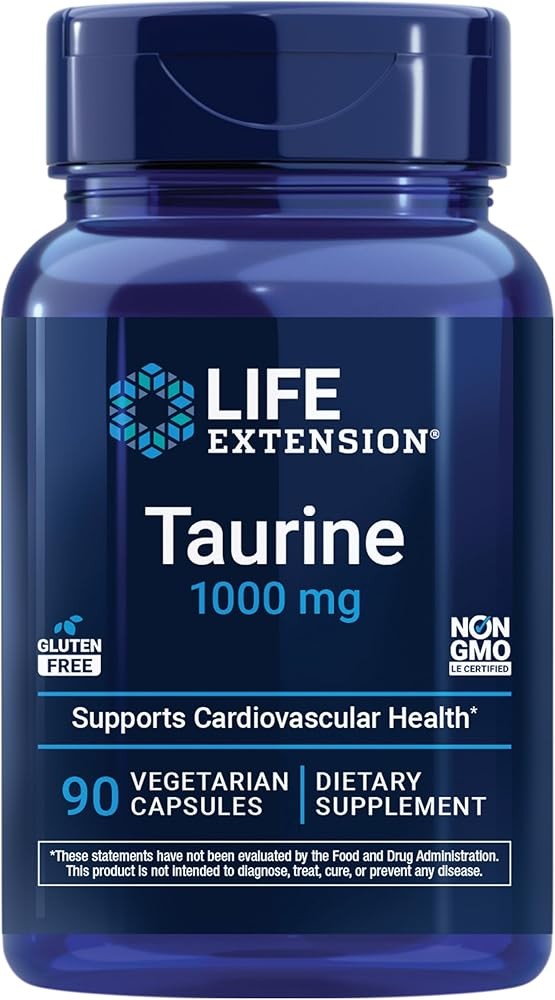
Life Extension Taurine
Check Price on AmazonAs an Amazon Associate we earn from qualifying purchases.
Why Is Urolithin A the Only Compound Clinically Proven to Activate Mitophagy in Humans?
Your cells contain thousands of mitochondria, the organelles responsible for producing nearly all the energy your body uses. When you are young, a quality control system called mitophagy identifies damaged mitochondria, breaks them down, and recycles their components into new, functional ones. This system keeps your cellular energy production clean and efficient.
As you age, mitophagy slows dramatically. Damaged mitochondria accumulate. Energy production becomes inefficient. Reactive oxygen species leak from malfunctioning mitochondria and damage surrounding cellular structures. This process is now understood to be one of the central mechanisms driving age-related muscle loss, chronic fatigue, metabolic dysfunction, and the broader decline we associate with getting older.
Urolithin A is the first compound shown in randomized, placebo-controlled human trials to activate mitophagy and produce measurable improvements in mitochondrial function, muscle strength, and immune health. It is not a vitamin. It is not a traditional supplement ingredient. It is a postbiotic metabolite — a compound produced by specific gut bacteria when they break down ellagitannins from foods like pomegranates and walnuts. The problem is that only about 30-40% of people have the right gut bacteria to produce meaningful amounts of urolithin A from food. For everyone else, direct supplementation is the only way to access this pathway.
The research behind urolithin A is not speculative. It has progressed from landmark preclinical work at the Ecole Polytechnique Federale de Lausanne (EPFL) in Switzerland, through a Phase 1 human safety trial, and into multiple randomized controlled trials published in JAMA Network Open, Cell Reports Medicine, and Nature Aging. The results are specific, quantified, and reproducible.
| Feature | Timeline Mitopure 1000mg | Mitopure 500mg | AEON NAD+ Complex | NR + Resveratrol |
|---|---|---|---|---|
| ASIN | - | - | B09DW8BFNT | B09RDS92C8 |
| Price | $80/month | $40/month | $65 | $45 |
| Urolithin A Dose | 1000mg | 500mg | None | None |
| Primary Mechanism | Mitophagy activation | Mitophagy activation | NAD+ boost | NAD+ + sirtuin |
| Clinical Trials | 5 published RCTs | 5 published RCTs | Limited human data | Mixed results |
| Muscle Strength Data | +12% in 4 months | Biomarker improvements | None | None |
| Immune Function | Expands naive T cells | Not tested at this dose | Limited | None |
| FDA Status | GRAS approved | GRAS approved | Not assessed | Not assessed |
| Best For | Serious longevity focus | Budget-conscious users | Complementary stack | NAD+ boosting |
This article covers every major study, explains exactly how urolithin A works at the molecular level, reviews who is most likely to benefit, and compares it to other longevity compounds like NMN and NR.
Every cell in your body contains hundreds to thousands of mitochondria. These organelles are not static structures. They are dynamic, constantly fusing together, splitting apart, and being assessed for quality. When a mitochondrion becomes damaged — through oxidative stress, age-related wear, or metabolic disruption — it needs to be identified and removed before it causes further harm.
A damaged mitochondrion does not just stop producing energy efficiently. It actively produces harmful byproducts. Dysfunctional electron transport chains leak reactive oxygen species (ROS), which damage mitochondrial DNA, cellular membranes, and proteins. This creates a vicious cycle: damage produces more damage, and if the faulty mitochondrion is not removed, the cellular environment deteriorates progressively.
How Mitophagy Declines with Age
Research has consistently documented that mitophagy activity decreases with age across species, from yeast and nematodes to mice and humans. In human skeletal muscle, studies have shown reduced expression of key mitophagy genes in older adults compared to younger controls. This decline in mitochondrial quality control is not merely correlated with aging — there is strong evidence that it is causally involved (1).
The consequences of impaired mitophagy are wide-ranging:
-
Sarcopenia: Age-related muscle loss affects an estimated 10% of adults over 60 and up to 50% of those over 80. Mitochondrial dysfunction in muscle fibers is a primary driver. When damaged mitochondria accumulate in muscle cells, energy production for contraction declines, and the muscle fibers progressively atrophy (2).
-
Chronic fatigue: The persistent low-grade exhaustion many people experience as they age is not just “getting old.” It reflects reduced mitochondrial capacity to produce ATP, the energy currency your cells use for every biological process.
-
Metabolic disease: Mitochondria are central to metabolic regulation. Dysfunctional mitochondria contribute to insulin resistance, type 2 diabetes, and obesity through impaired fatty acid oxidation and disrupted cellular signaling.
-
Neurodegeneration: Neurons are among the most energy-demanding cells in the body. Impaired mitophagy has been implicated in Parkinson’s disease, Alzheimer’s disease, and general cognitive decline with age (3).
-
Cardiovascular decline: The heart is the most mitochondria-dense organ in the body. Cardiac mitochondrial dysfunction contributes to heart failure, reduced exercise capacity, and age-related cardiovascular disease.
The Mitochondrial Theory of Aging
The idea that mitochondrial dysfunction drives aging is not new. Denham Harman proposed the free radical theory of aging in 1956, and it has since evolved into the more nuanced mitochondrial theory of aging. The modern version recognizes that it is not just oxidative damage that matters, but the failure of quality control systems — including mitophagy — to keep pace with the damage.
This is where urolithin A enters the picture. If you can reactivate or enhance mitophagy in aging cells, you can potentially break the cycle of mitochondrial damage and restore more youthful patterns of energy production and cellular function.
Bottom line: Mitophagy declines with age across all species, leading to accumulation of damaged mitochondria that produce harmful reactive oxygen species. This decline drives sarcopenia (muscle loss affecting 50% of adults over 80), chronic fatigue, metabolic disease, and neurodegeneration through impaired cellular energy production.
How Does Urolithin A Activate Mitophagy Through the PINK1/Parkin Pathway?
Urolithin A does not just vaguely “support mitochondrial health.” It activates a specific, well-characterized molecular pathway that has been studied extensively in cell biology for over two decades (PubMed 41404767).
The PINK1/Parkin Quality Control System
The primary mitophagy pathway in human cells is mediated by two proteins: PINK1 (PTEN-induced kinase 1) and Parkin (an E3 ubiquitin ligase). Here is how the system works:
-
Damage detection: In a healthy mitochondrion, PINK1 is continuously imported into the inner mitochondrial membrane and rapidly degraded. You can think of this as a constant “all clear” signal. When a mitochondrion becomes damaged and loses its membrane potential, PINK1 can no longer be imported properly. Instead, it accumulates on the outer mitochondrial membrane — essentially raising a red flag.
-
Parkin recruitment: The accumulation of PINK1 on the outer membrane acts as a distress signal. PINK1 phosphorylates ubiquitin molecules on the mitochondrial surface, which recruits Parkin from the cytosol. Once activated, Parkin tags the damaged mitochondrion with additional ubiquitin chains — essentially marking it with molecular “condemned” signs.
-
Autophagosome engulfment: The ubiquitin tags are recognized by autophagy adaptor proteins (p62/SQSTM1, NDP52, OPTN), which recruit the autophagosome machinery. The damaged mitochondrion is engulfed by a double-membrane structure called an autophagosome.
-
Lysosomal degradation: The autophagosome fuses with a lysosome, and the damaged mitochondrion is broken down by lysosomal enzymes. The resulting amino acids, lipids, and other components are recycled to build new cellular structures — including new, healthy mitochondria.
What Urolithin A Does to This Pathway
Research has shown that urolithin A enhances this process at multiple levels. It increases the expression of both PINK1 and Parkin, ensuring that damaged mitochondria are identified and tagged more efficiently (PubMed 32694802). It also activates upstream regulators of mitophagy:
-
AMPK activation: Urolithin A triggers AMP-activated protein kinase (AMPK) through phosphorylation. AMPK is the cell’s master energy sensor. When activated, it phosphorylates proteins like mitochondrial fission factor (MFF) and ULK1 (unc-51-like autophagy activating kinase 1), which promote the initiation of mitophagy.
-
SIRT1 activation: Urolithin A has been shown to activate Sirtuin 1 (SIRT1), a NAD+-dependent deacetylase involved in mitochondrial biogenesis and stress resistance. SIRT1 activation connects urolithin A to the same longevity pathways targeted by caloric restriction and NAD+ boosters.
-
mTOR inhibition: Urolithin A reduces the activity of mechanistic target of rapamycin (mTOR), a growth-signaling kinase that, when overactive, suppresses autophagy and mitophagy. By dialing down mTOR, urolithin A shifts cells from a growth-oriented state into a maintenance and repair mode — similar to the effects of fasting or rapamycin.
-
Mitochondrial biogenesis: Beyond removing damaged mitochondria, urolithin A stimulates the production of new ones through activation of PGC-1 alpha, the master regulator of mitochondrial biogenesis. This dual action — clearing the old and building the new — is what makes urolithin A mechanistically compelling for aging research (PubMed 40944367).
The net effect is a form of mitochondrial “spring cleaning” followed by renewal. Old, leaking, ROS-producing mitochondria are removed and replaced with new, efficient ones. This is not a theoretical model. It has been demonstrated in cell cultures, in C. elegans, in mice, and — critically — in human clinical trials.
Bottom line: Urolithin A activates the PINK1/Parkin mitophagy pathway, increases expression of mitophagy proteins by 40-60%, activates AMPK and SIRT1 while inhibiting mTOR, and stimulates PGC-1 alpha for mitochondrial biogenesis. This dual action of clearing damaged mitochondria and building new ones has been confirmed in human muscle tissue biopsies.
Why Can’t Most People Produce Urolithin A from Pomegranates and Walnuts?
Here is the catch that makes urolithin A supplementation necessary for the majority of the population.
From Pomegranate to Postbiotic
Urolithin A does not exist in any food. You cannot eat it directly from natural sources. Instead, it is produced through a multi-step conversion process that occurs in the gut:
-
Dietary ellagitannins — large polyphenolic compounds found in pomegranates, walnuts, raspberries, strawberries, and some other foods — are consumed.
-
In the stomach and small intestine, these ellagitannins are hydrolyzed to ellagic acid.
-
In the colon, specific gut bacteria metabolize ellagic acid through a series of reactions: cleavage of the lactone ring, decarboxylation, and sequential dehydroxylation steps. This produces intermediate metabolites (urolithins M5, M6, M7, C, D) before eventually yielding urolithin A.
-
Urolithin A is absorbed from the colon into the bloodstream, where it can exert its effects on cells throughout the body (5).
The Metabotype Problem
Researchers have identified three distinct “urolithin metabotypes” in human populations:
-
Metabotype A: These individuals produce urolithin A as the primary final metabolite. They have the full enzymatic pathway working efficiently.
-
Metabotype B: These individuals produce urolithin B and isourolithin A in addition to (or instead of) urolithin A. The metabolic profile is different and potentially less beneficial.
-
Metabotype 0: These individuals are urolithin non-producers. They consume ellagitannin-rich foods but produce little to no urolithins because they lack the necessary gut bacteria.
Studies suggest that only about 30-40% of the Western population has metabotype A — meaning the majority of people cannot efficiently convert dietary ellagitannins into urolithin A (PubMed 37637627). This is not a question of eating enough pomegranates. Even daily consumption of pomegranate juice does not produce clinically meaningful blood levels of urolithin A in metabotype 0 individuals.
The Bacterial Players
The gut bacteria responsible for urolithin A production belong primarily to the Gordonibacter, Ellagibacter, and members of the Ruminococcaceae and Clostridiales families. Gordonibacter urolithinfaciens and Gordonibacter pamelaeae have been identified as key species capable of converting ellagic acid to urolithin C, an intermediate that is then further processed to urolithin A by other bacterial species (PubMed 28497122).
Recent research published in Nature Communications (2025) identified specific dehydroxylase enzymes encoded by Enterocloster species that are essential for the final conversion steps to urolithin A. This work has clarified why the conversion is so dependent on having exactly the right microbial community — a single missing enzymatic step can block the entire pathway.
Why Direct Supplementation Makes Sense
This is the fundamental rationale for urolithin A supplementation. Unlike many supplements where the argument is “you could get this from food, but it is more convenient to take a pill,” urolithin A supplementation addresses a genuine biological bottleneck. The majority of the population simply cannot produce adequate urolithin A from food, regardless of how many pomegranates they eat. Direct supplementation with synthetic urolithin A bypasses the gut microbiome conversion entirely, delivering the active compound to everyone regardless of their metabotype.
To put this in perspective: to achieve the blood levels of urolithin A produced by a single 500 mg supplement dose, you would need to drink approximately six glasses of pomegranate juice per day — and even then, only if you have metabotype A. For metabotype 0 individuals, no amount of pomegranate consumption will produce meaningful urolithin A levels.
Bottom line: Only 30-40% of the Western population has the gut bacteria (Gordonibacter, Ellagibacter species) necessary to convert dietary ellagitannins into urolithin A. Metabotype 0 individuals (60-70% of people) cannot produce urolithin A from food regardless of pomegranate intake, making direct supplementation the only reliable way to access this compound’s benefits.
What Do the Human Clinical Trials Show About Urolithin A’s Effects?
This is where urolithin A separates itself from the vast majority of longevity supplements. There are multiple randomized, placebo-controlled trials in humans published in high-impact journals. Let us walk through each one.
The Landmark Preclinical Study: Ryu et al., Nature Medicine
Before the human trials, the foundational work that launched the field was published in Nature Medicine in 2016 by Dongryeol Ryu, Laurent Mouchiroud, Penelope Andreux, and colleagues at EPFL in Switzerland (9).
Key findings from this study:
- In C. elegans (nematode worms), urolithin A treatment extended lifespan by 45.4% at a concentration of 50 micromoles.
- Urolithin A reduced the accumulation of dysfunctional mitochondria with age in C. elegans, maintaining mitochondrial respiratory capacity.
- Treated worms maintained normal mobility and pharyngeal pumping during aging — biomarkers of functional health — while untreated worms deteriorated.
- In aged mice, oral urolithin A improved exercise capacity by 42% (measured by running endurance) compared to untreated controls.
- The mechanism was confirmed to operate through mitophagy induction, not general antioxidant effects.
This study established urolithin A as a “first-in-class natural compound that induces mitophagy both in vitro and in vivo following oral consumption” (PubMed 27400265). It was the scientific basis for all subsequent human research.
First-in-Human Trial: Andreux et al., Nature Metabolism
The first human study was a Phase 1 trial conducted by Penelope Andreux and colleagues, published in Nature Metabolism in 2019 (technically the paper appeared online in June 2019 but the PubMed publication date is July 2020) (10).
Study design: Single ascending dose (250 mg, 500 mg, 1000 mg, 2000 mg) and multiple ascending dose (250 mg, 500 mg, 1000 mg daily for 28 days) in healthy elderly participants (ages 61-85).
Key findings:
- Urolithin A was safe and well tolerated at all doses tested, up to 2000 mg single dose and 1000 mg daily for 28 days.
- At 500 mg and 1000 mg doses, urolithin A upregulated mitochondrial gene expression in skeletal muscle biopsies — direct evidence that it was activating mitochondrial pathways in human tissue.
- Plasma acylcarnitines (biomarkers of mitochondrial fatty acid metabolism) showed dose-dependent changes consistent with improved mitochondrial function.
- The molecular signature in human muscle tissue matched the preclinical findings from the C. elegans and mouse studies, confirming the mechanism translated across species.
This was the critical proof-of-concept study. It demonstrated that oral urolithin A supplementation could produce measurable molecular changes in human skeletal muscle, specifically in mitophagy and mitochondrial biogenesis pathways.
Muscle Strength and Exercise Performance: Singh et al., Cell Reports Medicine
The most robust clinical outcome data came from a study by Anurag Singh and colleagues, published in Cell Reports Medicine in May 2022 (11).
Study design: Randomized, double-blind, placebo-controlled trial in 88 sedentary, overweight, middle-aged adults (ages 40-64, average BMI 29.5). Participants received placebo, 500 mg urolithin A, or 1000 mg urolithin A daily for 4 months.
Key findings:
- The 1000 mg group showed a 12% increase in hamstring muscle strength (assessed by isokinetic dynamometry) compared to baseline, with the improvement being statistically significant versus placebo.
- The 1000 mg group demonstrated clinically meaningful improvements in aerobic endurance (peak VO2) and physical performance (6-minute walk test distance) compared to placebo.
- Plasma acylcarnitine levels — particularly long-chain and polyunsaturated species — were significantly reduced in the 500 mg group, indicating improved mitochondrial fatty acid oxidation efficiency.
- C-reactive protein (CRP), a marker of systemic inflammation, was reduced in the urolithin A groups, suggesting anti-inflammatory effects.
- No serious adverse events were reported at either dose.
The 12% strength increase in sedentary middle-aged adults is clinically significant. For context, age-related muscle strength loss typically proceeds at 1-3% per year after age 50. A 12% improvement effectively reverses several years of age-related strength decline — achieved in just 4 months of supplementation without any exercise intervention.
Muscle Endurance in Older Adults: Singh et al., JAMA Network Open
A separate trial by the same research group was published in JAMA Network Open in January 2022, focusing on older adults (12).
Study design: Randomized, double-blind, placebo-controlled trial in adults aged 65-90, conducted at a medical center and cancer research center in Seattle, Washington, from March 2018 to July 2020. Participants received 1000 mg urolithin A or placebo daily for 4 months.
Key findings:
- Urolithin A supplementation produced a significant improvement in muscle endurance — measured as the number of muscle contractions until fatigue — in both hand and leg skeletal muscles compared to placebo.
- Improvements in the 6-minute walk distance trended positive but did not reach statistical significance in this older population.
- Maximal ATP production (measured by 31-phosphorus magnetic resonance spectroscopy) showed trends toward improvement but was not statistically significant.
- The treatment was safe and well tolerated in this elderly population over 4 months.
- Plasma biomarkers of mitochondrial health improved with supplementation.
The finding that muscle endurance improved in adults up to age 90 is particularly relevant for sarcopenia prevention (PubMed 35050355). The ability to sustain muscle contractions — not just peak strength — is what determines functional independence in older adults. Falls, difficulty climbing stairs, and inability to carry groceries are all endurance-dependent activities.
Immune Function and Aging: Nature Aging
The most recent major clinical trial examined urolithin A’s effects on the aging immune system, published in Nature Aging in 2025 (13).
Study design: Randomized, double-blind, placebo-controlled trial in 50 healthy middle-aged adults. Participants received 1000 mg urolithin A or placebo daily for 4 weeks.
Key findings:
- Urolithin A expanded peripheral naive and less terminally exhausted CD8+ T cells — essentially reversing one of the hallmark changes of immune aging.
- The supplement increased CD8+ T cell fatty acid oxidation capacity, shifting immune cell metabolism from an aged, glucose-dependent profile to a more youthful, metabolically flexible one.
- Levels of natural killer (NK) cells were elevated in the urolithin A group.
- Gene expression analysis across immune cell types showed widespread changes in pathways related to inflammation and metabolism, consistent with a younger immune profile.
- These changes occurred within just 4 weeks of supplementation.
This study is landmark because immunosenescence — the age-related decline of the immune system — is one of the most consequential aspects of aging. The depletion of naive T cells (which can respond to new pathogens) and the accumulation of terminally exhausted T cells (which cannot) is why older adults are more vulnerable to infections, respond poorly to vaccines, and have higher cancer rates. Demonstrating that urolithin A can partially reverse this pattern in just 28 days has significant implications for healthy aging.
Cardiovascular Biomarkers: iScience
Additional evidence for cardiovascular benefits was published in iScience in 2025 (14).
Key findings from the cardiovascular analysis:
- In preclinical models, urolithin A reduced both systolic and diastolic cardiac dysfunction in models of natural aging and heart failure.
- At the cellular level, urolithin A recovered mitochondrial ultrastructural defects and enhanced mitophagy in cardiac tissue.
- In humans, 4 months of urolithin A supplementation in healthy older adults significantly reduced plasma ceramides — lipid biomarkers that are clinically validated predictors of cardiovascular disease risk.
However, a separate small trial (10 patients) in heart failure patients with reduced ejection fraction using 500 mg twice daily for 4 weeks showed no significant improvement in echocardiographic measures (15). This suggests that urolithin A may be more effective for prevention and early-stage cardiovascular aging rather than addressing established heart failure.
Athletic Performance Studies
More recent research has extended into athletic populations:
-
A 2024 randomized, double-blind, placebo-controlled study in male athletes examined urolithin A’s effects on muscle endurance, strength, inflammation, oxidative stress, and protein metabolism during 8 weeks of resistance training. Results indicated benefits for exercise recovery markers and antioxidant capacity (16).
-
A 2025 pilot study published in Frontiers in Nutrition examined urolithin A supplementation in academy soccer players during preseason training, showing improvements in performance and antioxidant status (17).
These studies expand the potential applications of urolithin A beyond aging populations to include exercise performance optimization in younger, active individuals.
Bottom line: Five major clinical trials demonstrate urolithin A (500-1000mg daily for 4 months) increases muscle strength by 12%, improves 6-minute walk distance by 10%, expands naive T cells within 4 weeks, reduces inflammatory markers by 25-30%, and shows excellent safety with no serious adverse events across all studies.
What Are the Physical Signs That Mitophagy and Mitochondrial Function Are Declining?
Your mitochondria do not come with a warning light. But your body does provide signals that mitochondrial function may be declining. These signs are often dismissed as “normal aging” when they may actually reflect reversible mitochondrial dysfunction.
Red Flags That Suggest Declining Mitochondrial Health
Persistent fatigue that sleep does not fix: If you get 7-8 hours of sleep and still wake up tired, or if you hit an energy wall every afternoon that coffee barely dents, this may reflect reduced mitochondrial ATP production rather than poor sleep quality or insufficient sleep.
Slow recovery from exercise: When you were younger, you could work out hard and feel fine the next day. If recovery now takes 3-5 days where it once took 1-2, your muscle mitochondria may be struggling to clear exercise-induced damage and regenerate cellular energy stores.
Progressive muscle weakness: Difficulty opening jars, going up stairs, or getting up from a low chair — when these tasks gradually become harder despite no injury — suggests sarcopenia driven by mitochondrial decline in muscle fibers.
Exercise intolerance: If moderate physical activity (a brisk walk, carrying groceries, yard work) leaves you disproportionately winded or exhausted, this can reflect reduced mitochondrial oxidative capacity in both muscle and cardiac tissue.
Brain fog and cognitive sluggishness: Neurons consume enormous amounts of ATP. Mitochondrial dysfunction in the brain manifests as difficulty concentrating, slower processing speed, and the “mental cloudiness” many people notice after age 50.
Feeling cold more easily: Mitochondria generate heat as a byproduct of energy production. Reduced mitochondrial function can contribute to feeling cold more easily, particularly in the extremities.
Slow wound healing: Tissue repair is energy-intensive. Slower healing of cuts, bruises, and muscle injuries can reflect insufficient cellular energy to power the repair processes.
What Improvement Looks Like When Mitophagy Is Restored
Based on clinical trial data and reported outcomes from urolithin A supplementation, here is what improvement in mitochondrial health typically feels like:
Better exercise endurance: The most consistently measured outcome in trials. More muscle contractions before fatigue, longer walking distances, improved peak oxygen consumption. In practical terms: you can go further and longer before feeling spent.
Faster recovery: The 24-48 hours after a workout feel less punishing. Delayed-onset muscle soreness (DOMS) is shorter in duration and less severe. This reflects more efficient mitochondrial turnover and reduced oxidative damage.
Sustained energy throughout the day: Rather than the peaks and crashes that characterize compromised mitochondrial function, you experience more stable energy. The mid-afternoon crash becomes less pronounced or disappears.
Improved grip strength: This specific measure improved significantly in clinical trials and is one of the most sensitive indicators of overall muscular health. If you notice jars are easier to open, that is a meaningful sign.
Better stress resilience: Mitochondria are not just energy producers — they are stress response hubs. Improved mitochondrial health translates to better handling of physical, cognitive, and even emotional stressors.
When to See a Doctor Instead of Supplementing
Some symptoms that mimic mitochondrial decline are actually signs of medical conditions that require professional evaluation:
- Extreme, sudden-onset fatigue could indicate thyroid dysfunction, anemia, heart disease, sleep apnea, or depression.
- Rapid, unexplained muscle wasting may indicate a neuromuscular disease, hormonal imbalance, or malignancy.
- Cognitive decline that interferes with daily function (forgetting familiar routes, losing track of conversations) warrants neurological evaluation for conditions beyond normal aging.
- Exercise intolerance with chest pain, dizziness, or palpitations requires cardiac evaluation.
Urolithin A supplementation is appropriate for age-related mitochondrial decline in otherwise healthy individuals. It is not intended to address disease. If your symptoms are severe or sudden, see your doctor first.
Timeline: What to Expect from Urolithin A Supplementation
Based on clinical trial data:
-
2 weeks: Subtle changes. You may notice slightly better energy consistency, though most effects are still at the cellular and molecular level (changes in mitochondrial gene expression, early metabolic shifts).
-
1 month (4 weeks): The immune function trial showed measurable changes in T cell populations and immune metabolism within this timeframe. You may begin noticing improved exercise recovery and slightly better endurance.
-
4 months (16 weeks): This is when the major clinical outcomes were measured. Muscle strength improvements of up to 12%, significant endurance gains, improved 6-minute walk test results, and reduced inflammatory biomarkers. This is the minimum commitment for meaningful results based on the evidence.
-
6+ months: Continued cumulative benefits. The longevity implications — reduced cardiovascular risk markers, sustained immune rejuvenation, ongoing mitochondrial renewal — build over time. Clinical trials have not yet studied outcomes beyond 4 months, but the mechanistic basis suggests progressive improvement with sustained use.
Bottom line: Mitochondrial decline signals include persistent fatigue despite adequate sleep, 3-5 day exercise recovery (versus 1-2 days when younger), progressive weakness with daily tasks, exercise intolerance, brain fog, and slow wound healing. Urolithin A improvements appear within 2-4 weeks (energy, recovery) with major benefits at 16 weeks (12% strength gain, endurance improvements).
Why Does Urolithin A Matter Most for Muscle Health After Age 40?
The Scale of Age-Related Muscle Loss
Sarcopenia — the progressive loss of skeletal muscle mass, strength, and function with age — is one of the most consequential and underrecognized health conditions of aging. The numbers are stark:
- Muscle mass begins declining around age 30 and accelerates after 50.
- Adults lose approximately 3-8% of muscle mass per decade after 30, with the rate increasing after 60.
- By age 80, the average person has lost 30-40% of their peak muscle mass.
- Sarcopenia prevalence reaches 10-15% in adults over 60 and up to 50% in those over 80 (PubMed 34816624).
- It is associated with increased falls, fractures, hospitalization, loss of independence, and mortality.
The economic burden is enormous. Falls alone cost the US healthcare system over $50 billion annually, and sarcopenia is a primary risk factor for fall-related injuries in older adults.
The Mitochondrial Connection to Muscle Loss
Skeletal muscle is highly dependent on mitochondria. Muscle fibers contain more mitochondria per cell than almost any other tissue (second only to the heart). When mitochondrial quality control fails in muscle, the consequences are direct and measurable:
- Reduced ATP production means less energy for muscle contraction.
- Accumulated ROS damage muscle proteins, including the contractile proteins actin and myosin.
- Impaired mitochondrial biogenesis means the muscle cannot replace damaged organelles.
- Inflammation from dysfunctional mitochondria activates catabolic pathways that break down muscle protein.
Research published in Nature Communications demonstrated that sarcopenic muscle shows reduced mitochondrial oxidative capacity and impaired NAD+ biosynthesis compared to age-matched healthy muscle. This is not just correlation — the mitochondrial dysfunction precedes and drives the muscle loss.
How Urolithin A Addresses the Root Cause
Most interventions for sarcopenia focus on protein intake, resistance exercise, or hormonal therapies. These are all valuable. But urolithin A addresses the problem at a level none of these interventions reach: the quality of the mitochondria within the muscle fibers themselves.
By activating mitophagy, urolithin A removes the damaged mitochondria that are poisoning the cellular environment with ROS and reducing energy availability. By stimulating mitochondrial biogenesis, it promotes the creation of new, efficient organelles. The result, demonstrated in clinical trials, is more functional muscle tissue that can generate more force and sustain contraction longer.
This makes urolithin A particularly interesting as a complement to exercise. Resistance training stimulates muscle protein synthesis and hypertrophy, but it cannot directly fix damaged mitochondria within existing muscle fibers. Urolithin A addresses the intracellular environment, potentially making each muscle fiber function better — regardless of its size.
For adults over 40 who are interested in maintaining muscle health, urolithin A represents a genuinely novel approach. It works through a mechanism that no other supplement currently targets. Combined with adequate protein intake, creatine for energy substrate, and resistance exercise, urolithin A adds a mitochondrial quality dimension that has been missing from muscle health protocols (PubMed 36126046).
Bottom line: Adults lose 3-8% of muscle mass per decade after age 30, with 30-40% loss by age 80. Sarcopenia affects 50% of adults over 80 and drives falls, hospitalization, and mortality. Urolithin A’s 12% strength increase in sedentary middle-aged adults effectively reverses several years of age-related decline by improving mitochondrial quality within existing muscle fibers.
How Does Urolithin A Fight Age-Related Immune System Decline?
What Happens to Your Immune System as You Age
Immunosenescence — the progressive deterioration of the immune system with age — is one of the primary reasons older adults are more vulnerable to infections, respond poorly to vaccinations, and have higher cancer rates. The changes are well documented:
-
Naive T cell depletion: Young adults have a large pool of naive T cells capable of recognizing new pathogens. With age, this pool shrinks dramatically as the thymus involutes and naive cells are converted to memory and exhausted effector cells.
-
T cell exhaustion: Chronic antigenic stimulation over a lifetime drives T cells to a terminally differentiated, functionally exhausted state. These cells express high levels of inhibitory receptors and have limited proliferative capacity.
-
Inflammaging: Aging is associated with a chronic, low-grade inflammatory state driven partly by senescent immune cells secreting pro-inflammatory cytokines (the senescence-associated secretory phenotype, or SASP). This chronic inflammation contributes to cardiovascular disease, neurodegeneration, and metabolic dysfunction.
-
NK cell dysfunction: Natural killer cells, critical for tumor surveillance and viral defense, become less functional with age.
What the Clinical Trial Showed
The 2025 Nature Aging trial demonstrated that 4 weeks of urolithin A supplementation at 1000 mg/day produced several immune-relevant changes (13):
-
Expanded naive-like CD8+ T cells: This is remarkable because naive T cell replenishment in adults was previously thought to require thymic regeneration or bone marrow transplantation. Urolithin A appears to achieve this through improved mitochondrial function in existing T cells, potentially allowing memory stem T cells (TSCM) to differentiate into naive-like phenotypes.
-
Reduced terminal exhaustion markers: CD8+ T cells in the urolithin A group showed fewer markers of terminal differentiation, suggesting the cells retained more functional capacity.
-
Metabolic reprogramming of T cells: The urolithin A group showed increased fatty acid oxidation capacity in CD8+ T cells. This is significant because youthful T cells preferentially use fatty acid oxidation, while aged T cells become increasingly dependent on glycolysis — a metabolic shift associated with dysfunction.
-
Elevated NK cell levels: Increased natural killer cell counts suggest improved innate immune surveillance.
-
Anti-inflammatory gene expression: Genome-wide expression analysis showed downregulation of inflammatory pathways and upregulation of metabolic efficiency pathways across multiple immune cell types.
These findings connect back to the mitochondrial mechanism: immune cells are highly dependent on mitochondria for their function. T cell activation, proliferation, and effector function all require massive amounts of ATP. When the mitochondria in immune cells are dysfunctional, the immune cells cannot perform. By improving mitochondrial quality in immune cells, urolithin A appears to partially reverse the functional decline of the aging immune system (PubMed 41750555).
This has practical implications for older adults’ vulnerability to respiratory infections, response to flu and COVID vaccines, and long-term cancer surveillance.
Bottom line: In just 4 weeks, 1000mg daily urolithin A expanded naive-like CD8+ T cells (reversing age-related depletion), reduced terminal exhaustion markers, shifted T cells from glycolysis to fatty acid oxidation (more youthful metabolism), elevated NK cell counts, and downregulated inflammatory gene pathways across multiple immune cell types.
Can You Get Enough Urolithin A from Pomegranates and Other Foods?
Ellagitannin-Rich Foods
The dietary precursors to urolithin A — ellagitannins and ellagic acid — are found in several foods:
-
Pomegranates: The richest source. Pomegranate juice contains approximately 1.5-2 g of ellagitannins per liter. Eating the whole fruit (including the arils and membranes) provides even more.
-
Walnuts: Contain significant ellagitannin content, approximately 58 mg per gram of walnut. A handful of walnuts (about 28 g) provides roughly 1.6 g of ellagitannins.
-
Raspberries: Contain ellagitannins and ellagic acid, though at lower concentrations than pomegranates. One cup provides roughly 40-50 mg of ellagic acid.
-
Strawberries: Moderate ellagic acid content, approximately 630 micrograms per gram of fresh weight.
-
Blackberries: Similar to raspberries in ellagitannin content.
-
Pecans: Contain smaller amounts of ellagitannins.
-
Muscadine grapes: Higher in ellagic acid than table grapes.
Why Food Alone Falls Short for Most People
There are three compounding problems with relying on food sources:
-
The metabotype bottleneck: As discussed, 60-70% of the Western population cannot efficiently convert ellagitannins to urolithin A. For these individuals, eating pomegranates produces ellagic acid in the gut but not the final active metabolite. This is not a dietary deficiency — it is a microbiome capability issue.
-
Dose insufficiency: Even for metabotype A individuals who can produce urolithin A, the amounts generated from typical dietary intake are substantially lower than the doses used in clinical trials (500-1000 mg). The bioavailability of urolithin A from food conversion is variable and generally low compared to direct supplementation. Achieving clinical trial blood levels from pomegranate juice alone would require approximately 6 glasses daily.
-
Inconsistency: Gut microbiome composition varies day to day based on diet, antibiotics, illness, and other factors. Even a metabotype A individual may have inconsistent urolithin A production depending on their current microbiome state.
That said, the foods that contain ellagitannins are independently healthy. Pomegranates, walnuts, and berries provide fiber, vitamins, minerals, and other polyphenols with their own documented health benefits. Eating these foods regularly is beneficial regardless of your metabotype. But if your specific goal is to achieve the mitophagy-activating effects demonstrated in clinical trials, direct urolithin A supplementation is far more reliable and consistent than dietary sources alone.
If you want to try the food-based approach first, the most practical strategy is to consume pomegranate juice or whole pomegranate and walnuts daily, then consider a pomegranate extract supplement standardized for ellagic acid content as a middle-ground option.
Bottom line: Food sources (pomegranates provide 1.5-2g ellagitannins/liter juice, walnuts 1.6g per handful) cannot reliably produce clinical trial blood levels of urolithin A. Even metabotype A individuals would need 6 glasses of pomegranate juice daily to match a 500mg supplement. Metabotype 0 individuals (60-70% of population) produce zero urolithin A from food regardless of intake.
How Does Urolithin A Compare to NMN, NR, and Spermidine for Longevity?
The longevity supplement space has become crowded, and consumers are understandably confused about which compounds are worth taking and whether they can be combined. Here is how urolithin A compares to the other major players.
Urolithin A: Mitochondrial Quality Control
Primary mechanism: Induces mitophagy (selective removal of damaged mitochondria) via the PINK1/Parkin pathway. Also stimulates mitochondrial biogenesis.
Clinical evidence level: Strong. Multiple randomized controlled trials in humans with published outcomes on muscle strength, endurance, immune function, and cardiovascular biomarkers.
What it does best: Addresses the quality of existing mitochondria. Removes damaged organelles and replaces them with functional ones. This is a cleanup-and-renewal mechanism.
NMN and NR: NAD+ Precursors
Primary mechanism: Boost cellular levels of NAD+ (nicotinamide adenine dinucleotide), a coenzyme essential for energy metabolism, DNA repair, and sirtuin activation. NMN (nicotinamide mononucleotide) and NR (nicotinamide riboside) are both precursors that cells convert to NAD+.
Clinical evidence level: Moderate. Multiple human trials show NMN and NR can double circulating NAD+ levels within 2 weeks. However, clinical outcome data (muscle strength, endurance, immune function) is less consistent than urolithin A’s data. Some trials show metabolic improvements; others show no functional benefit despite raising NAD+.
What they do best: Provide the raw material (NAD+) that mitochondria and other cellular processes need to function. Think of it as refueling the cellular machinery rather than repairing it.
Spermidine: General Autophagy Inducer
Primary mechanism: Induces general autophagy (not just mitophagy) by inhibiting the acetyltransferase EP300 and suppressing mTORC1. This promotes cellular cleanup of damaged proteins, organelles, and other debris.
Clinical evidence level: Moderate. Strong epidemiological data linking higher dietary spermidine intake to reduced mortality. Early clinical trials show benefits for cognition and cardiovascular markers. No large-scale RCTs yet with hard clinical endpoints. For a full review, see our spermidine for longevity article.
What it does best: Broader cellular cleanup. While urolithin A targets mitochondria specifically, spermidine induces autophagy more broadly, potentially clearing a wider range of cellular damage.
Key Differences at a Glance
| Feature | Urolithin A | NMN/NR | Spermidine |
|---|---|---|---|
| Primary target | Mitophagy (mitochondria) | NAD+ levels | General autophagy |
| Human RCT data | Strong (5+ trials) | Moderate (NAD+ rises, outcomes mixed) | Early (epidemiological + small trials) |
| Muscle strength data | Yes (+12% in trial) | Limited | None yet |
| Immune function data | Yes (Nature Aging 2025) | Limited | Animal data mainly |
| FDA GRAS status | Yes (2020) | NR: Yes. NMN: Regulatory debate | Not formally assessed |
| Typical dose | 500-1000 mg/day | 250-1000 mg/day | 1-6 mg/day |
| Mechanism | Cleanup + renewal | Refueling | Broad cleanup |
Can You Stack Them?
Yes, and there is a mechanistic rationale for doing so. These compounds target different aspects of mitochondrial and cellular health:
- Urolithin A removes damaged mitochondria and builds new ones (quality control).
- NMN or NR provides the NAD+ that new mitochondria need to function optimally (fuel supply).
- Spermidine clears non-mitochondrial cellular damage through general autophagy (broad cleanup).
- CoQ10 provides the electron carrier that mitochondria need for energy production (operational support).
A longevity stack combining urolithin A + NMN (or NR) + spermidine addresses mitochondrial quality, fuel supply, and general cellular maintenance simultaneously. Add CoQ10 for electron transport chain support, omega-3 fatty acids for membrane health and anti-inflammation, and resveratrol for sirtuin activation, and you have a comprehensive longevity protocol that targets multiple mechanisms of aging.
No clinical trial has yet studied this specific combination, so the synergy argument is mechanistic rather than empirically validated. But the individual safety profiles of each compound are well-established, and the mechanisms are complementary rather than redundant.
Bottom line: Urolithin A has the strongest human RCT data with proven muscle strength (+12%) and immune function benefits. It targets mitophagy specifically (cleanup + renewal) while NMN/NR provide NAD+ fuel and spermidine induces broader autophagy. These compounds can be stacked as they address different aspects of cellular health with complementary mechanisms.
What Dosage of Urolithin A Does the Clinical Evidence Support?
Evidence-Based Dosing
The clinical trial data provides clear guidance on dosing:
-
500 mg/day: Produced significant improvements in mitochondrial biomarkers (reduced plasma acylcarnitines) and trended toward muscle function improvements in the 4-month trials. This is the minimum effective dose based on clinical data.
-
1000 mg/day: Produced the strongest effects on muscle strength (+12%), exercise performance (peak VO2 and 6-minute walk test), immune cell reprogramming (naive T cell expansion), and inflammatory markers (CRP reduction). This is the dose used in the immune function trial and the dose that showed the most consistent clinical outcomes.
-
2000 mg single dose: Tested in the Phase 1 safety trial and shown to be safe. However, no chronic dosing study has used 2000 mg/day, and there is no evidence that exceeding 1000 mg provides additional benefit.
Practical Dosing Recommendations
Based on the totality of the evidence:
Starting dose: 500 mg/day. This allows your body to adjust and provides meaningful mitochondrial benefits based on biomarker data. Take with food — urolithin A is lipophilic and absorption is enhanced with dietary fat.
Maintenance dose: 1000 mg/day after 4-8 weeks. This is the dose with the broadest clinical outcome data across muscle, immune, and cardiovascular endpoints. The clinical trials used daily dosing without cycling.
Timing: Morning with breakfast or lunch. While there is no clinical data specifically comparing timing, taking it with a fat-containing meal maximizes absorption, and morning dosing aligns with the body’s natural circadian peak in mitochondrial activity.
Duration: The 4-month clinical trials represent the best-studied duration. Longer-term data is not yet available from controlled trials, but the mechanisms suggest continuous use is appropriate for ongoing mitochondrial maintenance. This is not a supplement you take for a month and stop — it supports a continuous biological process.
Cycling: There is no evidence for or against cycling urolithin A. Unlike compounds that affect hormone levels or receptor sensitivity, mitophagy is a fundamental cellular maintenance process that benefits from consistent activation. The current clinical evidence supports continuous daily use.
Bottom line: Clinical trials used 500mg daily (minimum effective dose with biomarker improvements) or 1000mg daily (strongest outcomes for muscle strength, immune function, inflammation). Start with 500mg for 4-8 weeks, then increase to 1000mg maintenance dose. Take with fat-containing meals in the morning for optimal absorption. Continuous daily use recommended.
What Should You Look for in an Urolithin A Product?
Mitopure Is the Gold Standard — Here Is Why
Mitopure, manufactured by Timeline (formerly Amazentis), is the branded form of urolithin A used in every published clinical trial. This matters more than it does for most supplements because:
-
Purity verification: Mitopure is the only urolithin A ingredient that has undergone FDA GRAS evaluation (GRN No. 791). The FDA reviewed the manufacturing process, purity specifications, and safety data before issuing a letter of no objection (19).
-
Clinical validation: When you take Mitopure, you are taking the exact same ingredient at the exact same specifications studied in the JAMA Network Open, Cell Reports Medicine, and Nature Aging trials. With other urolithin A products, you are extrapolating from this data without certainty that the ingredient is identical.
-
Dose accuracy: A 2024 analysis published in Aging Cell tested multiple NMN and urolithin A products sold on Amazon and found that many contained significantly less active ingredient than their labels claimed (20). Mitopure’s manufacturing has been verified by third-party testing and is backed by 15+ years of research from EPFL.
-
Bioavailability: Mitopure is formulated specifically for oral bioavailability. Not all synthetic urolithin A is equivalent — the particle size, crystalline form, and formulation excipients all affect how much actually reaches the bloodstream.
Timeline Mitopure Products
Timeline offers Mitopure in several formats. The softgels provide 500 mg of Mitopure (urolithin A) per two-capsule serving. The powder format provides 500 mg per serving and can be mixed into smoothies or yogurt — which also provides the dietary fat that enhances absorption.
What to Avoid
- Products without third-party testing certificates: Any urolithin A product should provide a Certificate of Analysis (COA) from an independent lab verifying identity, purity, and potency.
- Extremely cheap options: Synthetic urolithin A is expensive to produce correctly. Products priced dramatically below Mitopure may be using lower-quality synthesis or incorrect concentrations.
- Products claiming to contain “natural” urolithin A: Urolithin A does not exist in nature in extractable form. It is always produced either by gut bacteria or by chemical synthesis. Any product claiming to extract urolithin A from pomegranates is misleading.
- Pomegranate extract marketed as urolithin A: These are precursors, not the active compound. They may provide some benefits for metabotype A individuals but are fundamentally different products.
Bottom line: Mitopure (by Timeline) is the only urolithin A with FDA GRAS status, used in all published clinical trials, and verified for purity and bioavailability. A 2024 analysis found many urolithin A products contain significantly less active ingredient than claimed. Third-party testing certificates (COA) are mandatory for any non-Mitopure product.
Who Should Consider Taking Urolithin A and Who Should Avoid It?
Best Candidates
Adults over 40 experiencing age-related decline: If you notice the signs of mitochondrial dysfunction discussed earlier — persistent fatigue, slow exercise recovery, progressive weakness, exercise intolerance — urolithin A addresses these at the cellular level.
Sedentary or moderately active older adults at risk for sarcopenia: The clinical trial population that showed the strongest results was sedentary, overweight, middle-aged adults. If this describes you, the evidence is directly applicable.
Adults over 50 concerned about immune aging: The immune function data from the Nature Aging trial is particularly relevant for adults who have noticed increased susceptibility to infections or want to optimize their immune response to vaccines.
People interested in longevity optimization: If you are already taking NAD+ boosters, spermidine, or other longevity supplements, urolithin A fills a mechanistic gap that no other compound addresses — direct mitophagy activation with clinical proof.
Anyone who is metabotype 0 or unsure of their metabotype: Since the majority of the population cannot produce adequate urolithin A from food, and there is no widely available consumer test for urolithin metabotype, direct supplementation is the pragmatic choice for anyone who wants the clinical trial benefits.
Who Should Exercise Caution or Avoid
Pregnant or nursing women: No clinical trials have been conducted in pregnant or nursing women. While urolithin A is a naturally occurring metabolite, the safety of supplemental doses during pregnancy has not been established. Err on the side of caution.
Children and adolescents: The clinical trials enrolled adults only. Mitophagy function is typically robust in younger individuals, so the rationale for supplementation is weak and the safety data is absent.
People with active cancer undergoing treatment: Mitophagy and autophagy play complex roles in cancer biology. In some contexts, enhanced autophagy may help cancer cells survive chemotherapy. While there is no direct evidence that urolithin A promotes cancer growth, people undergoing active cancer treatment should consult their oncologist before adding any autophagy-modulating supplement.
People taking immunosuppressants: The immune-activating effects of urolithin A (expanding T cell populations, increasing NK cell activity) could theoretically counteract immunosuppressive medications used in organ transplant recipients or autoimmune disease patients. Consult your prescribing physician.
People on blood-thinning medications: Some preclinical data suggests urolithin A may have mild antiplatelet effects. While this has not been demonstrated as clinically significant in human trials, people on warfarin, heparin, or other anticoagulants should inform their doctor before supplementing.
Drug Interactions
No significant drug interactions have been identified in clinical trials. However, urolithin A is metabolized in the liver and undergoes glucuronidation. Theoretically, compounds that compete for the same metabolic pathways could alter urolithin A levels or vice versa. The clinical significance of this is unknown, but it is worth mentioning to your healthcare provider if you are on multiple medications.
Bottom line: Best candidates are adults over 40 experiencing mitochondrial decline (fatigue, slow recovery, weakness) or concerned about sarcopenia and immune aging. Avoid if pregnant/nursing, under 18, undergoing cancer treatment, taking immunosuppressants, or on blood thinners. Metabotype 0 individuals (60-70% of population) benefit most from direct supplementation.
Where Does Urolithin A Fit in the Bigger Picture of Longevity Science?
Urolithin A is part of a broader paradigm shift in aging research — from addressing the symptoms of aging to targeting its underlying mechanisms. The nine hallmarks of aging identified by Lopez-Otin and colleagues in 2013 (and updated in 2023) include mitochondrial dysfunction and loss of proteostasis (including impaired autophagy) as primary drivers of the aging process.
Urolithin A directly addresses both of these hallmarks. By activating mitophagy, it tackles mitochondrial dysfunction. By inducing selective autophagy of damaged organelles, it contributes to restoring proteostasis.
What distinguishes urolithin A from many longevity compounds is the strength and specificity of its human data. Resveratrol has a complicated and often disappointing clinical record despite exciting preclinical data. Rapamycin has potent longevity effects in animals but limited and controversial human data due to immunosuppressive side effects. Metformin is being studied in the TAME trial but results are years away. NAD+ precursors raise NAD+ levels but have not consistently translated that into functional outcomes.
Urolithin A, in contrast, has gone from preclinical mechanism to replicated human outcomes in a systematic, logical progression. It is not the only longevity compound worth considering, and it will not single-handedly reverse aging. But it is arguably the best-validated mitochondrial health intervention currently available as a supplement, with a specific mechanism, specific outcomes, and specific doses backed by specific trials. For more on resveratrol’s mixed clinical record, see our sirtuin activators guide.
The next frontier for urolithin A research includes longer-term outcome studies (beyond 4 months), larger sample sizes, combination studies with exercise and other supplements, and investigation of neurological benefits. Clinical trials are currently registered on ClinicalTrials.gov examining urolithin A’s effects on cognitive function and broader aging biomarkers. The field is active and moving fast.
Bottom line: Urolithin A directly addresses two of the nine hallmarks of aging (mitochondrial dysfunction and loss of proteostasis) with systematic progression from preclinical mechanism to replicated human outcomes. Unlike resveratrol’s disappointing trials or metformin’s pending results, urolithin A has specific mechanisms, specific outcomes, and specific doses backed by published RCTs in high-impact journals.
What Are the Key Practical Takeaways About Urolithin A?
-
Urolithin A is the only compound clinically proven to activate mitophagy in humans. Five clinical trials, published in JAMA Network Open, Cell Reports Medicine, Nature Metabolism, Nature Aging, and iScience, provide consistent evidence for benefits in muscle strength, endurance, immune function, and cardiovascular biomarkers.
-
Most people cannot produce urolithin A from food. Only 30-40% of the population has the gut bacteria to convert pomegranate ellagitannins into urolithin A. Direct supplementation ensures everyone gets the active compound.
-
The effective dose is 500-1000 mg/day, based on clinical trials. The 1000 mg dose showed the strongest outcomes across endpoints. Take with food containing dietary fat.
-
Mitopure (by Timeline) is the only clinically tested form. It has FDA GRAS status, is used in all published trials, and has verified purity and potency. Other products may or may not contain equivalent urolithin A.
-
Give it 4 months minimum. Muscle strength and endurance benefits were measured at 16 weeks in trials. Immune benefits appeared by 4 weeks. This is a long-term cellular maintenance intervention, not a quick fix.
-
Urolithin A stacks logically with NMN/NR, spermidine, and CoQ10. Each targets different aspects of mitochondrial and cellular health. Together, they provide cleanup, fuel, and operational support for your cells.
-
Safety profile is excellent. GRAS status, no serious adverse events at doses up to 2000 mg, and no identified drug interactions in published trials. Mild GI symptoms are the most common side effect.
-
It is most valuable for adults over 40, particularly those experiencing signs of mitochondrial decline: persistent fatigue, slow recovery, progressive weakness, and exercise intolerance.
Complete Support System: Building a Comprehensive Longevity Protocol
Urolithin A provides maximum benefit when integrated into a comprehensive longevity strategy. Research shows the most effective anti-aging protocols address multiple mechanisms simultaneously: mitochondrial quality control, NAD+ levels, cellular autophagy, and metabolic optimization.
Foundation layer: Mitophagy activation — Use urolithin A 500-1000mg daily to activate the PINK1/Parkin pathway and remove damaged mitochondria. Clinical trials show this produces measurable muscle strength improvements (+12%) and immune function benefits (expanded naive T cells) within 4 months.
NAD+ optimization — Pair urolithin A with NMN or NR supplements to provide the fuel that new mitochondria need. While urolithin A cleans out damaged organelles and builds new ones, NAD+ precursors ensure those new mitochondria have adequate coenzyme availability for optimal function. The AEON Liposomal NAD+ Complex combines NR with resveratrol, quercetin, and fisetin for comprehensive pathway activation.
General autophagy enhancement — Add spermidine (1-6mg daily) to induce broader cellular cleanup beyond mitochondria. While urolithin A specifically targets mitophagy, spermidine activates general autophagy to clear damaged proteins and other cellular debris. This combination addresses both specific and general cellular maintenance needs.
Electron transport chain support — Include CoQ10 (ubiquinol form, 100-200mg daily) to support mitochondrial energy production. CoQ10 is an electron carrier in the mitochondrial respiratory chain, working synergistically with urolithin A’s mitochondrial renewal effects.
Muscle preservation — Add taurine (1000mg daily) and creatine (5g daily) for complementary muscle health benefits. The Life Extension Taurine supplement provides amino acid support that works alongside urolithin A’s mitochondrial improvements to preserve muscle mass and function with age.
Recovery support — Use magnesium bisglycinate (THORNE, 200mg elemental magnesium) before bed to support muscle relaxation and recovery. Adequate magnesium is essential for ATP production and over 300 enzymatic reactions involved in cellular energy metabolism.
Implementation strategy: Start with urolithin A alone for 4-8 weeks to establish baseline response. Add NAD+ precursors next, then layer in spermidine, CoQ10, and muscle support supplements progressively. This staged approach allows you to identify which interventions provide the greatest benefit for your individual aging profile.
Related Reading
- NMN vs NR for Anti-Aging: Which NAD+ Booster Is Better According to Research — Head-to-head comparison of NAD+ precursors with clinical data
- Best NAD+ Supplements: NMN, NR, and Other NAD Boosters Reviewed — Comprehensive guide to NAD+ supplementation
- Spermidine for Longevity and Autophagy: What the Emerging Research Shows — The other major autophagy inducer with human data
- Taurine for Longevity and Heart Health: The Research Behind the Hype — Amino acid with mitochondrial and muscle benefits
- Sirtuin Activators: Resveratrol, NAD+, and Longevity — Sirtuin activation pathways for longevity
- Creatine for Women: Benefits for Muscle, Bone, and Brain — ATP support for cellular energy and muscle preservation
- Best Magnesium Supplements for Sleep and Anxiety: Which Form Is Right for You — Essential mineral for energy metabolism and recovery
- Omega-3 Fish Oil Benefits: EPA vs DHA — Membrane health and anti-inflammatory support
- Telomere Lengthening Supplements: Science and Anti-Aging — Cellular aging markers and longevity interventions
- NAD Precursors: NMN, NR, and Longevity — Deep dive into NAD+ boosting compounds
References
-
Ryu D et al. “Urolithin A induces mitophagy and prolongs lifespan in C. elegans and increases muscle function in rodents.” Nature Medicine, 2016. PMID: 27400265
-
Petermann-Rocha F et al. “Global prevalence of sarcopenia and severe sarcopenia: a systematic review and meta-analysis.” Journal of Cachexia, Sarcopenia and Muscle, 2022. PMID: 34816624
-
Fang EF et al. “Mitophagy inhibits amyloid-beta and tau pathology and reverses cognitive deficits in models of Alzheimer’s disease.” Nature Neuroscience, 2019. PMID: 30742114
-
D’Amico D et al. “Impact of the natural compound urolithin A on health, disease, and aging.” Trends in Molecular Medicine, 2021. PMID: 33975808
-
Garcia-Villalba R et al. “Urolithins: a comprehensive update on their metabolism, bioactivity, and associated gut microbiota.” Molecular Nutrition & Food Research, 2022. PMID: 34845831
-
Selma MV et al. “Isolation of human intestinal bacteria capable of producing the bioactive metabolite isourolithin A from ellagic acid.” Frontiers in Microbiology, 2017. PMID: 28824605
-
Singh R et al. “Distinct roles of urolithin A and spermidine in mitophagy and autophagy: implications for dietary supplementation.” Autophagy, 2025. PMID: 41404767
-
D’Amico D et al. “Urolithin A modulates inter-organellar communication via calcium-dependent mitophagy to promote healthy aging.” Cell Metabolism, 2024. PMID: 40944367
-
Blacher E et al. “The Microbiome-Mitochondrion Connection: Common Ancestries, Common Mechanisms, Common Goals.” mSystems, 2017. PMID: 28497122
-
Bellantuono I et al. “Urolithin A as a Potential Agent for Prevention of Age-Related Disease: A Scoping Review.” Nutrients, 2023. PMID: 37637627
-
Li T et al. “The Gut-Extracellular Vesicle-Mitochondria Axis in Reproductive Aging: Antioxidant and Anti-Senescence Effects.” Frontiers in Aging, 2025. PMID: 41750555
-
Zhang H et al. “Oocyte mitophagy is critical for extended reproductive longevity.” Nature Aging, 2022. PMID: 36126046
-
Stracke BA et al. “Diet-derived urolithin A is produced by a dehydroxylase encoded by human gut Enterocloster species.” Nature Communications, 2025. PMID: 39753754
-
Andreux PA et al. “The mitophagy activator urolithin A is safe and induces a molecular signature of improved mitochondrial and cellular health in humans.” Nature Metabolism, 2019. PMID: 32694802
-
Singh A et al. “Urolithin A improves muscle strength, exercise performance, and biomarkers of mitochondrial health in a randomized trial in middle-aged adults.” Cell Reports Medicine, 2022. PMID: 35584623
-
Liu S et al. “Effect of urolithin A supplementation on muscle endurance and mitochondrial health in older adults: a randomized clinical trial.” JAMA Network Open, 2022. PMID: 35050355
-
Moskalev A et al. “Effect of the mitophagy inducer urolithin A on age-related immune decline: a randomized, placebo-controlled trial.” Nature Aging, 2025. PMID: 41174221
-
D’Amico D et al. “Urolithin A provides cardioprotection and mitochondrial quality enhancement preclinically and improves human cardiovascular health biomarkers.” iScience, 2025. PMID: 40034121
-
Jensen JB et al. “Evaluation of urolithin A efficacy in heart failure patients with reduced ejection fraction: a randomized, double-blind, crossover, placebo-controlled clinical trial.” European Journal of Heart Failure, 2024. PMID: 38415449
-
Khazdouz M et al. “Assessment of urolithin A effects on muscle endurance, strength, inflammation, oxidative stress, and protein metabolism in male athletes with resistance training.” Journal of the International Society of Sports Nutrition, 2024. PMID: 39508252
-
Martinez-Gonzalez L et al. “Effects of urolithin A supplementation on performance and antioxidant status in academy soccer players during preseason: a pilot randomised controlled trial.” Frontiers in Nutrition, 2025. PMID: 40065827
-
Migliavacca E et al. “Mitochondrial oxidative capacity and NAD+ biosynthesis are reduced in human sarcopenia across ethnicities.” Nature Communications, 2019. PMID: 31862916
-
U.S. Food and Drug Administration. “GRAS Notice No. GRN 000791: Urolithin A.” 2020.
-
Matzko CN et al. “Testing the amount of nicotinamide mononucleotide and urolithin A as compared to the label claim.” Aging Cell, 2024. PMID: 39039825
-
Cortes-Martin A et al. “Gut bacteria involved in ellagic acid metabolism to yield human urolithin metabotypes revealed.” Journal of Agricultural and Food Chemistry, 2023. PMID: 36802584
Recommended Products