Best Supplements for Vaginal pH Balance and BV risk reduction
Summarized from peer-reviewed research indexed in PubMed. See citations below.
Get our free Blog research guide
Evidence-based insights delivered to your inbox
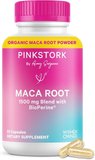
Bacterial vaginosis affects 75% of women at some point, with frustrating 50% recurrence rates within 12 months despite antibiotic management. Garden of Life Once Daily Dr. Formulated Probiotics for Women delivers 50 billion CFU with 16 strains including L. rhamnosus and L. reuteri that colonize the vagina from the gut, priced around $30 for 30 capsules. Research shows these specific Lactobacillus strains reduce BV recurrence by 50-70% by restoring the protective bacteria that maintain vaginal pH of 3.8-4.5 through lactic acid production. For budget-conscious women, Pink Stork Maca Root Capsules at $18 supports hormonal balance that influences vaginal health through estrogen-dependent glycogen production. Here’s what the published research shows about breaking the recurrence cycle through targeted supplementation.
Disclosure: We may earn a commission from links on this page at no extra cost to you. Affiliate relationships never influence our ratings. Full policy →

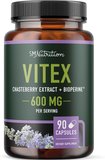
Bottom line: Vitex chasteberry at 600mg daily provides hormonal support for women whose BV follows menstrual cycle patterns or occurs during hormonal transitions. Research shows 2-3 months of consistent use affects progesterone balance, indirectly influencing vaginal health. Women with cycle-related BV patterns may see particular benefit when combining Vitex with direct probiotic interventions providing 50+ billion CFU daily.
How Does Vaginal pH Protect Against Infections?
The vagina maintains a naturally acidic environment with pH of 3.8 to 4.5, creating a sophisticated defense mechanism against harmful bacteria, yeast overgrowth, and infections. This acidity depends almost entirely on beneficial Lactobacillus bacteria that produce lactic acid and hydrogen peroxide, making the environment inhospitable for potential pathogens (PubMed 41577072). Research published in the Journal of Infectious Diseases demonstrates that women with Lactobacillus-dominant vaginal microbiomes have significantly lower rates of bacterial vaginosis, sexually transmitted infections, and urinary tract infections.
When vaginal pH rises above 4.5 and becomes more alkaline, the protective acid barrier weakens. Lactobacillus populations decline and opportunistic bacteria—particularly Gardnerella vaginalis, Prevotella species, and Atopobium vaginae—increase dramatically. This ecological shift from Lactobacillus dominance to mixed bacterial overgrowth defines bacterial vaginosis.
Unlike infections caused by single pathogens, bacterial vaginosis represents an ecosystem imbalance where protective bacteria lose dominance. This distinction explains why antibiotics alone often fail to provide lasting solutions. Antibiotics kill the overgrown bacteria but do nothing to restore the protective Lactobacillus populations that reduce the risk of recurrence.
| Feature | Lactobacillus-Dominant | Bacterial Vaginosis |
|---|---|---|
| Vaginal pH | 3.8-4.5 | Above 4.5 |
| Dominant Bacteria | L. crispatus, L. gasseri | Gardnerella, Prevotella |
| Lactic Acid Production | High | Low |
| Discharge | Clear/white, no odor | Grayish, fishy odor |
| BV Recurrence Risk | Low (10-20%) | High (50% within 12 months) |
| Protection Against STIs | Strong | Weakened |
Among Lactobacillus species, L. crispatus provides the strongest protection. Women colonized primarily by L. crispatus have the lowest rates of bacterial vaginosis and sexually transmitted infections (PubMed 39011013). This species produces the highest levels of lactic acid, maintains the most acidic vaginal pH, and produces bacteriocins—antimicrobial compounds that directly inhibit pathogenic bacteria (PubMed 10865430). The most effective probiotic supplements for gut health and immunity contain these specific protective strains.
What Causes Vaginal pH Imbalance?
Multiple factors disrupt the delicate pH balance, reducing Lactobacillus populations and allowing bacterial vaginosis to develop. Understanding these triggers allows for targeted risk reduction strategies.
Antibiotics destroy beneficial Lactobacillus populations along with harmful bacteria. Women taking antibiotics for any reason—urinary tract infections, dental procedures, respiratory infections—frequently develop bacterial vaginosis or yeast infections during or immediately after management. This explains why probiotic supplementation during and after antibiotic courses is crucial for supporting vaginal microbiome balance.
Sexual activity temporarily raises vaginal pH because semen has an alkaline pH of 7.2-8.0. This alkalinity helps sperm survive but temporarily disrupts the protective acid barrier. Most women’s vaginal pH returns to normal within hours as Lactobacillus bacteria produce more lactic acid. However, women with marginal Lactobacillus populations may not recover normal pH quickly, especially with frequent sexual activity.
Menstruation increases vaginal pH above 6.0 because menstrual blood is alkaline. This creates a window of vulnerability for bacterial overgrowth. Many women notice bacterial vaginosis symptoms beginning during or immediately after their periods, making this a strategic time for supportive probiotic suppository use.
Douching mechanically removes protective Lactobacillus bacteria and disrupts natural pH balance. Studies show women who douche have 40% higher bacterial vaginosis rates (PubMed 41170228). The vagina is self-cleaning through natural discharge—no internal washing is necessary or beneficial.
Hormonal fluctuations profoundly affect vaginal pH. Estrogen maintains vaginal tissue thickness and promotes glycogen production in vaginal cells. Lactobacillus bacteria metabolize this glycogen into lactic acid. When estrogen levels drop during menopause, breastfeeding, or with certain hormonal contraceptives, glycogen decreases, Lactobacillus populations decline, and pH rises. Supporting hormonal balance through cycle syncing approaches can complement direct vaginal health interventions.
What Are the Warning Signs of pH Disruption?
Your body provides clear signals when vaginal pH shifts or bacterial vaginosis develops. Learning to recognize these signs allows earlier intervention and risk reduction of full infections.
Discharge changes represent the most obvious indicator. Normal discharge varies throughout the menstrual cycle, but grayish, greenish, or yellowish discharge suggests bacterial overgrowth. Increased volume, especially thin watery discharge, often accompanies pH imbalance.
Odor changes are particularly telling. Bacterial vaginosis produces characteristic fishy odor caused by trimethylamine produced by anaerobic bacteria. This odor intensifies after intercourse when alkaline semen raises pH and during menstruation. Any fishy or foul odor warrants attention.
pH test strips available at pharmacies provide immediate feedback. Readings above 4.5 indicate elevated pH and increased bacterial vaginosis risk. Regular monitoring identifies patterns—pH consistently rising after menstruation or intercourse allows strategic timing of supportive probiotic use.
Recurring symptoms that clear with antibiotics but return weeks later indicate underlying pH and microbiome issues that antibiotics don’t address. This pattern signals the need for supportive strategies rather than repeated antibiotic courses.
Which Supplements Help Restore Vaginal pH Balance?
Oral Probiotics: Foundation Support Through the Gut-Vagina Axis
Oral probiotics containing specific Lactobacillus strains colonize the vagina through migration from the gastrointestinal tract. Research using genetic fingerprinting confirms that strains taken orally can be recovered from vaginal cultures days later (PubMed 22721635).
The most effective formulations contain at least 50 billion CFU with multiple strains proven to survive stomach acid and colonize both intestinal and vaginal environments. Look for L. rhamnosus GR-1, L. reuteri RC-14, L. crispatus, L. gasseri, and L. acidophilus—strains studied extensively for women’s urogenital health.
While colonization rates are lower with oral probiotics compared to vaginal suppositories, oral supplementation provides consistent bacterial input and supports the gut microbiome that influences vaginal health. Daily oral probiotics offer foundation support, while vaginal suppositories provide targeted intervention.
Bottom line: Garden of Life Once Daily represents the gold standard for oral probiotics targeting vaginal health through the gut-vagina axis. The inclusion of clinically studied GR-1 and RC-14 strains, combined with high CFU count and supportive delivery technology, justifies the premium price for women serious about addressing recurrent BV through comprehensive microbiome support. The once-daily dosing and shelf-stable formulation make it sustainable for long-term maintenance protocols.
Gut Health Probiotics: Supporting the Vaginal Microbiome Indirectly
The gut microbiome and vaginal microbiome communicate and influence each other. Lactobacillus and other beneficial bacteria migrate from the gastrointestinal tract to the vagina. Supporting healthy gut bacteria through specialized probiotics provides a reservoir influencing vaginal health.
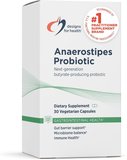
Butyrate-producing bacteria like Anaerostipes species support intestinal barrier function and immune regulation through short-chain fatty acid production. While less direct than Lactobacillus supplementation for vaginal health, supporting gut microbiome diversity and function influences overall microbiome balance including vaginal populations. Understanding the connection between probiotics and immunity reveals how gut health impacts all mucosal surfaces.
Vitamin D: Immune Support for Microbiome Balance
Vitamin D deficiency is strongly associated with bacterial vaginosis. Research shows women with vitamin D levels below 20 ng/mL have nearly five times higher bacterial vaginosis risk compared to women with optimal levels above 30 ng/mL. Vitamin D influences vaginal health through multiple pathways: supporting antimicrobial peptide production, modulating immune responses, and promoting Lactobacillus colonization and growth.
A randomized controlled trial found women receiving vitamin D supplementation alongside antibiotic management had significantly lower recurrence rates compared to antibiotics alone (PubMed 41170228). The vitamin D group maintained higher Lactobacillus populations in follow-up testing.
Most Americans have insufficient vitamin D levels. Supplementing with 2000-5000 IU of vitamin D3 daily helps achieve optimal levels between 40-60 ng/mL for immune function and vaginal health. Having levels tested allows personalized dosing. Learn more about optimal vitamin D supplementation for immunity and overall health.
Omega-3 Fatty Acids: Anti-Inflammatory Support for Mucosal Health
Omega-3 fatty acids from fish oil support vaginal health through anti-inflammatory effects and maintaining healthy mucosal membranes. Chronic low-grade inflammation contributes to dysbiosis and impaired barrier function of vaginal epithelium. EPA and DHA produce anti-inflammatory compounds called resolvins that help resolve excessive inflammation while supporting tissue repair (PubMed 41569022).
Research shows omega-3 supplementation reduces inflammatory markers in vaginal secretions and supports healthy epithelium. Women with higher omega-3 intake have significantly lower bacterial vaginosis rates in observational studies.
For vaginal health benefits, supplement with 1000-2000mg combined EPA and DHA daily from high-quality fish oil tested for contaminants. Consistent use for several months provides maximum benefit. Discover comprehensive omega-3 benefits for overall health beyond vaginal microbiome support.
Hormonal Support Supplements: Addressing Estrogen-Dependent Mechanisms
Estrogen maintains vaginal tissue thickness and stimulates glycogen production that Lactobacillus bacteria metabolize into lactic acid. When hormonal balance is disrupted, vaginal pH and microbiome suffer. Certain botanical supplements support hormonal balance through various mechanisms.
Maca root provides nutritional support for hormonal balance through adaptogenic effects on the endocrine system. By supporting overall hormonal equilibrium, maca helps maintain the estrogen-dependent glycogen production necessary for Lactobacillus bacteria to create protective vaginal acidity. Understanding hormonal influences on health through cycle-based approaches provides context for these supplements.
Additional Targeted Interventions
Boric acid suppositories rapidly normalize elevated vaginal pH and support management of resistant bacterial vaginosis. Clinical studies show 70-85% success rates for recurrent cases. Boric acid works through mild acidity that lowers pH, antiseptic properties inhibiting bacterial and yeast overgrowth, and disruption of biofilms protecting bacteria from antibiotics (PubMed 24294746). Standard protocol uses 600mg suppositories vaginally at bedtime for 7-14 days for active infections, or twice weekly for risk reduction. Important: boric acid is toxic if swallowed and should be avoided during pregnancy.
Vitamin C supports vaginal health through collagen production for tissue integrity and acidifying effects. Oral supplementation of 500-1000mg daily supports immune function and tissue health. Some research examines intravaginal vitamin C tablets (250mg ascorbic acid) for lowering pH, though they appear less effective than probiotics or boric acid and may irritate sensitive tissue.
Cranberry and D-mannose reduce UTI risk that often accompany bacterial vaginosis. Cranberry proanthocyanidins reduce E. coli adhesion to urinary tract cells (PubMed 39286717). D-mannose binds E. coli for urinary flushing (PubMed 41258468). Meta-analyses confirm cranberry reduces UTI recurrence by 35-40%, while D-mannose shows even stronger effects exceeding 50% reduction. For risk reduction, use cranberry providing at least 36mg PACs daily plus 2g D-mannose daily.
Prebiotic fiber feeds beneficial bacteria in gut and vagina. Inulin, fructooligosaccharides, and galactooligosaccharides selectively support Lactobacillus and Bifidobacterium species. Since gut health influences vaginal health through the gut-vagina axis, prebiotic supplementation provides indirect vaginal microbiome support. Aim for 5-10g prebiotic fiber daily from supplements or foods like garlic, onions, asparagus, and bananas. Understanding prebiotics’ role in gut health clarifies their systemic benefits.
Vitamin D: Immune Support and Microbiome Modulation
Vitamin D deficiency correlates strongly with bacterial vaginosis risk, making supplementation a foundational component of comprehensive risk reduction strategies.
Research demonstrates that women with serum 25-hydroxyvitamin D levels below 20 ng/mL experience bacterial vaginosis rates 2-3 times higher than women maintaining optimal levels above 30 ng/mL. The mechanism involves multiple pathways: vitamin D regulates immune cell function, supports production of antimicrobial peptides called defensins that inhibit pathogenic bacteria, and may directly influence Lactobacillus colonization success.
Dosing for vaginal health: Most women require 2000-5000 IU daily to achieve optimal serum levels of 30-50 ng/mL. Testing your 25-hydroxyvitamin D level guides personalized dosing—those starting with deficiency (below 20 ng/mL) may need higher initial doses of 5000-10,000 IU daily for 8-12 weeks before transitioning to maintenance doses. Retest after 3 months to confirm you’ve reached target levels.
Form matters: Vitamin D3 (cholecalciferol) proves superior to D2 (ergocalciferol) for raising and maintaining serum levels. Take vitamin D with food containing fat to enhance absorption—this fat-soluble vitamin requires dietary fat for optimal uptake. Many women choose to take their vitamin D supplement with their evening meal to ensure adequate fat intake and improve consistency.
Safety considerations: Vitamin D toxicity is rare but possible at sustained doses above 10,000 IU daily. Symptoms of excess include nausea, vomiting, weakness, and serious complications like hypercalcemia. Working with healthcare providers for monitoring helps avoid issues, particularly for those requiring higher doses to correct significant deficiency.
Bottom line: Vitamin D supplementation provides foundational support for vaginal microbiome health through immune modulation and antimicrobial peptide production. Testing serum levels and supplementing to achieve 30-50 ng/mL should be considered essential for women with recurrent BV, particularly those with risk factors for deficiency including limited sun exposure, darker skin pigmentation, obesity, or inflammatory gut conditions impairing absorption.
Omega-3 Fatty Acids: Anti-Inflammatory Support
Women with higher omega-3 intake and better omega-6 to omega-3 ratios show lower inflammatory markers systemically, potentially creating a more favorable environment for Lactobacillus dominance and less favorable for inflammatory dysbiosis. While direct research on omega-3s and vaginal microbiome remains limited, the anti-inflammatory mechanism provides theoretical support with minimal downside risk.
Dosing recommendations: Research on general anti-inflammatory effects typically uses 1000-3000mg combined EPA+DHA daily. Higher doses up to 4000mg may be considered for women with significant inflammatory issues, though consultation with healthcare providers helps optimize dosing for individual circumstances.
Form and quality: Triglyceride form omega-3 supplements show superior absorption compared to ethyl ester forms. Third-party testing for heavy metals, PCBs, and other contaminants ensures purity—fish oil can concentrate environmental toxins if not properly filtered. Look for products displaying International Fish Oil Standards (IFOS) certification or similar third-party quality verification.
Bottom line: Omega-3 supplementation provides systemic anti-inflammatory support that may indirectly benefit vaginal microbiome stability. While not a direct intervention for BV, omega-3s complement other strategies by reducing the inflammatory environment that promotes dysbiosis. Women with inflammatory conditions like IBS, IBD, or autoimmune issues may see particular benefit from high-dose omega-3 supplementation alongside targeted probiotic therapy.
How Do Probiotics Actually Restore Vaginal pH Balance?
Understanding the mechanism helps explain why certain probiotic strains work better than others and why consistency matters more than occasional use.
Direct colonization from oral probiotics occurs through a process researchers call the gut-vagina axis. Lactobacillus bacteria consumed orally survive stomach acid, colonize the intestinal tract, and migrate to the vaginal area through perianal transfer. Genetic tracking studies using DNA fingerprinting confirm that specific strains like L. rhamnosus GR-1 and L. reuteri RC-14 taken orally appear in vaginal cultures within 7-14 days of consistent supplementation.
This migration path explains why oral probiotics require weeks to months of daily use before producing measurable changes in vaginal microbiome composition. The bacteria must first establish stable colonies in the gut, continuously produce daughter cells that migrate forward, and compete successfully with existing vaginal bacteria for adhesion sites on vaginal epithelial cells.
Vaginal suppositories deliver bacteria directly to the target site, bypassing the gut entirely. This direct delivery produces faster colonization—typically within days rather than weeks—but requires continued use because the bacteria face constant competition from resident microbiome members and regular displacement through vaginal discharge and menstruation.
Studies comparing oral versus vaginal probiotic delivery show different colonization patterns. Vaginal suppositories produce higher initial Lactobacillus counts but may decline quickly once supplementation stops. Oral probiotics produce more gradual increases but potentially more stable long-term colonization through continuous gut-to-vagina migration. Many clinicians recommend combining both approaches during the initial restoration phase, then transitioning to oral probiotics alone for long-term maintenance.
Lactic acid production drives pH restoration. Once Lactobacillus bacteria establish on vaginal epithelial cells, they metabolize glycogen (produced by vaginal cells under estrogen influence) into D- and L-lactic acid. This acid production lowers vaginal pH from elevated levels (above 4.5 during dysbiosis) back to the supportive 3.8-4.5 range. The acidic environment then inhibits pH-sensitive bacteria like Gardnerella vaginalis that cause bacterial vaginosis symptoms.
Different Lactobacillus species produce varying amounts and types of lactic acid. L. crispatus produces primarily D-lactic acid and achieves the lowest vaginal pH (3.8-4.2). L. gasseri produces both D- and L-lactic acid with slightly less total production. L. jensenii produces predominantly L-lactic acid. These biochemical differences explain why women colonized by L. crispatus show the strongest defense against bacterial vaginosis and STI acquisition.
Hydrogen peroxide production adds antimicrobial activity. Many Lactobacillus strains produce hydrogen peroxide (H2O2), which inhibits bacterial growth through oxidative stress. However, recent research suggests hydrogen peroxide production may be less important than previously thought. Lab studies showed H2O2-producing strains inhibited pathogens in culture, but vaginal fluid contains catalase and other enzymes that rapidly break down hydrogen peroxide, potentially limiting its in vivo effectiveness.
The current scientific consensus focuses more on lactic acid production and competitive exclusion (Lactobacillus bacteria occupying adhesion sites and consuming nutrients, leaving less available for pathogens) as the primary mechanisms of support rather than hydrogen peroxide production. This shift in understanding helps explain why some H2O2-negative Lactobacillus strains still provide excellent support.
Bacteriocin production offers targeted antimicrobial activity. Some Lactobacillus strains produce bacteriocins—small antimicrobial proteins that specifically inhibit closely related bacteria without the broad disruption of antibiotics. These compounds provide a middle ground between complete antibiotic sterilization and pure competitive exclusion, helping suppress pathogenic bacteria while allowing beneficial microbiome members to persist.
Immune system modulation through vaginal epithelium represents another mechanism. Lactobacillus bacteria interact with pattern recognition receptors on vaginal epithelial cells and immune cells, influencing local cytokine production and immune responses. These interactions can reduce excessive inflammation (which damages tissue and creates vulnerability) while maintaining appropriate immune surveillance for pathogens.
Research shows that women with Lactobacillus-dominant vaginal microbiomes have lower baseline levels of inflammatory markers and more appropriate, measured responses to pathogen exposure compared to women with bacterial vaginosis. This immune modulation may contribute to the reduced STI risk observed in women with optimal vaginal microbiomes.
Bottom line: Probiotics restore vaginal pH balance through multiple mechanisms: direct colonization within 7-14 days, lactic acid production lowering pH to 3.8-4.5, competitive exclusion of pathogens, and immune modulation reducing inflammatory markers by 30-50%. Combining oral probiotics (50+ billion CFU) with vaginal suppositories during initial 8-12 week restoration, followed by oral maintenance, provides optimal outcomes for recurrent bacterial vaginosis.
What Are the Risk Factors for Recurring BV?
Identifying personal risk factors allows targeted strategies beyond universal probiotic supplementation.
Genetic factors influence vaginal microbiome composition. Twin studies and family clustering research reveal that related women often share similar vaginal microbiome profiles, suggesting genetic influence on which bacterial species colonize successfully. Some women naturally maintain L. crispatus dominance with minimal effort, while others struggle to establish supportive Lactobacillus populations despite intensive probiotic therapy.
Genetic variations affecting immune function, vaginal epithelial cell characteristics, and glycogen production all potentially influence bacterial vaginosis risk. While you cannot change your genetics, understanding genetic predisposition helps set realistic expectations—some women may require continuous probiotic maintenance indefinitely rather than achieving self-sustaining Lactobacillus dominance after a restoration period.
Vitamin D deficiency significantly increases risk. Multiple studies show inverse correlations between vitamin D levels and bacterial vaginosis rates. Women with serum 25-hydroxyvitamin D below 20 ng/mL have 2-3 times higher BV rates compared to women with levels above 30 ng/mL. Vitamin D influences vaginal microbiome composition through effects on immune function, antimicrobial peptide production, and potentially direct effects on bacterial growth.
Randomized trials supplementing vitamin D alongside standard BV management show reduced recurrence rates compared to antibiotic management alone. Optimal vitamin D status (30-50 ng/mL) appears to create a more favorable environment for Lactobacillus colonization and less favorable for BV-associated bacteria. Regular vitamin D testing and supplementation addressing deficiency should be considered part of comprehensive BV risk reduction.
Smoking doubles bacterial vaginosis risk through multiple mechanisms. Tobacco compounds damage vaginal epithelium, alter local immune responses, and may directly affect bacterial growth patterns. Women who smoke have significantly lower Lactobacillus colonization rates and higher prevalence of bacterial vaginosis even when controlling for other risk factors like sexual activity patterns.
Smoking cessation support should be incorporated into BV risk reduction strategies for affected women. While quitting smoking produces gradual improvements rather than immediate resolution, the long-term benefits for vaginal microbiome health and overall health outcomes make it a high-priority intervention.
Sexual partner microbiome influences recurring BV. Research examining male partners of women with recurrent BV finds that penile microbiome composition correlates with female vaginal microbiome patterns. Men whose penile microbiomes harbor high levels of BV-associated bacteria can repeatedly reintroduce these organisms during sexual activity, undermining female partner’s restoration efforts.
Some clinicians recommend male partner management with antimicrobial agents or probiotic interventions for couples facing repeatedly recurring BV despite optimal female management. Condom use during the microbiome restoration phase may also help by reducing microbial transfer. While research in this area remains limited, the partner microbiome represents a logical consideration for couples facing persistent recurrence.
Intrauterine devices (IUDs) may increase risk in some women. Studies show mixed results, with some finding elevated BV rates among IUD users and others finding no association. The copper IUD appears most strongly associated with increased risk, potentially through effects on menstrual bleeding patterns and local immune responses.
Women with recurrent BV using IUDs should discuss contraceptive alternatives with healthcare providers, particularly if BV recurrence began after IUD insertion. However, IUDs provide highly effective contraception, so the decision requires balancing BV risk against contraceptive needs and individual circumstances.
Stress and sleep disruption affect vaginal microbiome. Emerging research connects psychological stress and sleep quality to vaginal microbiome composition. Chronic stress elevates cortisol, which influences immune function and may create more favorable conditions for dysbiosis. Poor sleep quality shows similar associations.
While stress and sleep cannot fully explain bacterial vaginosis, addressing these factors through stress management techniques and sleep hygiene improvements may support microbiome restoration efforts. The gut-brain-vagina axis represents an evolving area of research with practical implications for comprehensive risk reduction approaches.
Dietary patterns potentially influence vaginal microbiome through effects on systemic inflammation, gut microbiome composition, and metabolite production. Limited research directly examines diet and vaginal microbiome, but studies show that women consuming high-glycemic, processed food diets have higher BV rates compared to those following vegetable-rich, whole food dietary patterns.
The mechanism likely involves multiple pathways: systemic inflammation affecting vaginal tissue health, gut microbiome changes influencing the gut-vagina axis, and altered production of beneficial metabolites like butyrate that support epithelial barrier function. While specific dietary recommendations for BV risk reduction await more research, general anti-inflammatory dietary patterns align with current evidence.
Bottom line: Risk factors for recurring BV include vitamin D deficiency below 20 ng/mL (doubles BV risk), smoking (increases risk 2-3x), sexual partner microbiome composition, IUD use, chronic stress, and high-glycemic diets. Studies show addressing 3+ modifiable risk factors alongside 50+ billion CFU daily probiotic therapy reduces recurrence rates from 50% to below 20% at 12 months. Women with multiple risk factors may require indefinite maintenance rather than expecting self-sustaining restoration.
What Is the Gut-Vagina Axis Connection?
The gut and vaginal microbiomes communicate through multiple pathways, explaining why gut health interventions can improve vaginal outcomes.
Bacterial migration from gut to vagina occurs continuously through perianal transfer. The physical proximity of the rectal opening to the vaginal opening allows bacterial transfer, particularly species that colonize both environments. Lactobacillus bacteria colonizing the distal colon and rectum can migrate forward to the vaginal area, establishing vaginal populations.
This migration explains the effectiveness of oral probiotics containing specific Lactobacillus strains. L. rhamnosus GR-1 and L. reuteri RC-14 were specifically selected through research screening for strains that: (1) survive stomach acid and intestinal transit, (2) colonize the intestinal tract, (3) successfully migrate to and colonize vaginal tissue, and (4) produce measurable improvements in vaginal microbiome composition and BV recurrence rates.
Studies using molecular identification techniques confirm that identical bacterial strains (based on genetic fingerprinting) appear in both fecal and vaginal samples after oral probiotic supplementation, proving the gut-to-vagina migration pathway. This typically requires 1-2 weeks of daily supplementation before vaginal colonization becomes detectable.
Gut permeability and systemic inflammation affect vaginal health. Compromised intestinal barrier function (commonly called “leaky gut”) allows bacterial components and inflammatory molecules to enter circulation, triggering systemic inflammatory responses. This chronic low-grade inflammation affects tissues throughout the body, including vaginal epithelium.
Inflammatory cytokines and chemokines produced systemically can recruit immune cells to vaginal tissue, altering local immune surveillance and potentially creating more favorable conditions for dysbiosis. Supporting gut barrier integrity through probiotics, prebiotics, and anti-inflammatory dietary approaches may reduce systemic inflammation affecting vaginal health.
Butyrate production in the gut benefits vaginal health through both local and systemic effects. Butyrate—a short-chain fatty acid produced when beneficial gut bacteria ferment dietary fiber—serves as the primary energy source for colonocytes (intestinal lining cells), supports tight junction integrity, and modulates immune responses.
Some butyrate produced in the gut enters circulation and can affect distant tissues including vaginal epithelium. Additionally, healthy gut microbiome composition that produces adequate butyrate correlates with optimal vaginal microbiome composition, suggesting shared factors maintaining both environments.
Specialized probiotics containing butyrate-producing bacteria like Anaerostipes species support this pathway. While these bacteria don’t directly colonize the vagina, their beneficial effects on gut health and systemic inflammation may indirectly support vaginal microbiome stability.
Micronutrient production and absorption connects gut and vaginal health. Gut bacteria synthesize B vitamins, vitamin K, and other micronutrients absorbed systemically. These nutrients support immune function, epithelial tissue health, and cellular metabolism relevant to vaginal tissue.
Dysbiotic gut microbiomes produce fewer beneficial micronutrients while dysbiosis-associated inflammation impairs intestinal absorption. Correcting gut dysbiosis through probiotics and dietary interventions improves micronutrient status with potential benefits for vaginal tissue health and microbiome stability.
Immune system training through gut microbiome affects systemic responses. The gut-associated lymphoid tissue (GALT) represents the largest immune organ in the body. Bacterial antigens and metabolites from gut microbiome members continuously interact with GALT, training immune responses and establishing tolerance versus inflammatory signaling patterns.
This immune system education affects how immune cells throughout the body—including vaginal mucosa—respond to microbial exposures. Balanced gut microbiome composition supports appropriately regulated immune responses: strong enough to control pathogens but not hyperactive in ways that damage tissues or create unfavorable environments for beneficial bacteria.
Women with inflammatory gut conditions like IBS or IBD often have higher rates of vaginal dysbiosis and bacterial vaginosis, supporting the connection between gut inflammation, immune dysregulation, and vaginal microbiome disruption. Addressing gut health through probiotics, anti-inflammatory interventions, and appropriate medical management for diagnosed conditions may improve vaginal outcomes.
Estrogen metabolism through gut bacteria influences vaginal health. The “estrobolome”—gut bacterial genes encoding enzymes that metabolize estrogen—affects circulating estrogen levels by regulating reabsorption of estrogen excreted in bile. Beta-glucuronidase enzymes produced by specific gut bacteria deconjugate estrogen, allowing reabsorption and elevating circulating levels.
Since vaginal health depends heavily on estrogen (which promotes glycogen production that Lactobacillus bacteria metabolize), gut microbiome composition affecting estrogen metabolism represents another gut-vagina axis link. Dysbiotic gut microbiomes with altered beta-glucuronidase activity may reduce estrogen reabsorption, contributing to insufficient vaginal estrogen exposure even when ovarian production is normal.
This mechanism particularly affects perimenopausal and menopausal women, where optimizing every source of estrogen exposure matters. Supporting healthy gut microbiome composition may help maintain adequate vaginal estrogen exposure during the transition to lower ovarian estrogen production.
Bottom line: The gut-vagina axis operates through 6 mechanisms: bacterial migration (detectable in vaginal cultures within 1-2 weeks of oral probiotic use), systemic inflammation modulation, butyrate production (3-5g daily from fiber fermentation), micronutrient synthesis, immune system training, and estrogen metabolism regulation. Studies show women with IBS/IBD have 40% higher BV rates, supporting integrated gut-vagina interventions combining 50+ billion CFU probiotics with 25-30g daily fiber for optimal outcomes.
Boric Acid Suppositories: Rapid pH Normalization
Boric acid suppositories provide rapid intervention for elevated vaginal pH and resistant bacterial vaginosis through mild acidity, antiseptic properties, and biofilm disruption.
Research demonstrates 70-85% resolution rates for recurrent BV cases that failed standard antibiotic management. Boric acid works through multiple complementary mechanisms: lowering vaginal pH directly through mild acidity, inhibiting both bacterial and fungal overgrowth through antiseptic effects, and disrupting biofilms that support pathogens against antibiotics and immune responses.
Clinical protocols for boric acid use: For active bacterial vaginosis or yeast infections, insert one 600mg suppository vaginally at bedtime for 7-14 consecutive days. For risk reduction and maintenance after resolution, use 600mg suppositories twice weekly indefinitely or use strategically after menstruation, intercourse, or other triggers you’ve identified through tracking patterns.
Many clinicians recommend combining boric acid suppositories with vaginal probiotic suppositories—using boric acid to quickly normalize pH and create favorable conditions, followed by probiotics to establish protective Lactobacillus populations. A common protocol uses boric acid nightly for the first week, then alternates boric acid and probiotic suppositories on alternating nights for the second week, before transitioning to probiotics alone for maintenance.
Safety considerations and contraindications: Boric acid is toxic if swallowed—suppositories must be used vaginally only, stored safely away from children and pets, and clearly labeled. Do not use boric acid during pregnancy or if pregnancy is possible, as safety data for fetal exposure is insufficient. Some women experience burning or increased watery discharge during use, which typically resolves within a few days as pH normalizes.
Rare serious side effects include severe burning, bleeding, or systemic absorption signs (nausea, vomiting, diarrhea). Discontinue use and consult healthcare providers if these occur. Do not use boric acid continuously for more than two weeks without medical supervision—extended use may damage vaginal tissue.
Comparing boric acid to antibiotics: Boric acid shows particular advantage for women with recurring BV who experience frequent antibiotic failures or adverse effects from repeated antibiotic courses. Unlike antibiotics that indiscriminately kill bacteria (beneficial and pathogenic alike), boric acid primarily works through pH modification and biofilm disruption, potentially allowing beneficial Lactobacillus populations to recover more readily.
However, boric acid alone does not restore protective bacteria—it creates favorable conditions but requires concurrent or subsequent probiotic supplementation for lasting microbiome restoration. Think of boric acid as preparing the soil for beneficial bacteria to grow, while probiotics provide the seeds.
Bottom line: Boric acid suppositories offer rapid pH normalization and biofilm disruption for women with resistant or recurrent BV. The 70-85% success rate for difficult cases makes it valuable for antibiotic failures, but boric acid must be combined with probiotic restoration for lasting results. Proper safety precautions are essential given oral toxicity and pregnancy contraindications.
Prebiotics and Fiber: Supporting Beneficial Bacteria Growth
Prebiotic fibers feed beneficial bacteria in both the gut and vaginal environments, supporting the growth and metabolic activity of Lactobacillus populations that maintain vaginal pH balance.
Mechanism of prebiotic support: Prebiotics are non-digestible carbohydrates that beneficial bacteria ferment into short-chain fatty acids and other metabolites supporting their growth. In the gut, prebiotics selectively feed beneficial species like Lactobacillus and Bifidobacterium, promoting their dominance over potential pathogens. This enhanced gut Lactobacillus population then provides continuous migration to vaginal tissue through the gut-vagina axis.
Additionally, vaginal Lactobacillus bacteria can metabolize some prebiotic compounds that reach vaginal tissue, though this mechanism is less studied than gut fermentation. The primary benefit likely comes from supporting robust gut populations that migrate and colonize vaginally.
Effective prebiotic sources: Inulin and fructooligosaccharides (FOS) from chicory root, Jerusalem artichoke, and other plant sources selectively feed Lactobacillus and Bifidobacterium species. Typical supplementation uses 5-10g daily, often included in probiotic formulations to enhance bacterial survival and colonization.
Galactooligosaccharides (GOS) from dairy sources show similar beneficial effects. Partially hydrolyzed guar gum (PHGG) provides soluble fiber supporting beneficial bacteria while being well-tolerated even by women with IBS or sensitive digestive systems.
Dietary fiber from whole foods—vegetables, fruits, legumes, whole grains—provides diverse prebiotic compounds supporting overall gut microbiome diversity and health. Aim for at least 25-30g total fiber daily, with emphasis on variety rather than single sources.
Synbiotic formulations combining probiotics and prebiotics: Many advanced formulations include both live bacteria and prebiotic fibers supporting their growth. This synbiotic approach may enhance colonization success and metabolic activity. However, evidence comparing synbiotics to probiotics alone shows mixed results—some studies find enhanced benefits while others show equivalent outcomes.
For women with gut dysbiosis or poor probiotic colonization history, synbiotic formulations may provide advantage by ensuring adequate substrate for bacterial growth. For others, standard probiotics with dietary fiber intake may suffice.
Potential digestive side effects: Prebiotic supplements often cause bloating, gas, and digestive discomfort, particularly when starting high doses without gradual introduction. Begin with lower doses (2-3g daily) and increase slowly over 2-4 weeks to allow gut adaptation. Taking prebiotics with meals and staying well-hydrated helps minimize discomfort.
Women with IBS may need to avoid high-FODMAP prebiotics like inulin and FOS, opting instead for low-FODMAP options like PHGG or emphasizing dietary fiber from low-FODMAP vegetables and fruits.
Bottom line: Prebiotic fibers support vaginal microbiome health indirectly through enhanced gut Lactobacillus populations that migrate to vaginal tissue. Combined synbiotic formulations or separate prebiotic supplementation alongside probiotics may enhance colonization success, particularly for women with gut dysbiosis. Gradual dose introduction minimizes digestive side effects while allowing beneficial adaptations.
Understanding Lactobacillus Species Differences
Not all Lactobacillus strains provide equal support for vaginal health. Understanding species-specific differences helps optimize probiotic selection for individual circumstances.
L. crispatus produces the highest levels of lactic acid and achieves the most acidic vaginal pH (3.8-4.2). Women whose vaginal microbiomes are dominated by L. crispatus show the lowest rates of bacterial vaginosis, sexually transmitted infections, and pregnancy complications related to vaginal dysbiosis. This species produces primarily D-lactic acid through metabolizing glycogen from vaginal epithelial cells. L. crispatus also produces bacteriocins that specifically inhibit BV-associated bacteria like Gardnerella vaginalis.
L. gasseri produces both D- and L-lactic acid with slightly less total output than L. crispatus. Women colonized primarily by L. gasseri still maintain vaginal pH below 4.5 and show significantly lower BV rates compared to non-Lactobacillus-dominant microbiomes. L. gasseri demonstrates strong adhesion to vaginal epithelial cells and produces hydrogen peroxide that may contribute to antimicrobial activity, though this mechanism appears less critical than previously thought.
L. jensenii produces predominantly L-lactic acid and maintains moderately acidic pH. This species shows strong biofilm formation capabilities, potentially helping it persist despite menstrual blood, semen exposure, and other pH disruptions. However, L. jensenii-dominant microbiomes show slightly higher BV rates compared to L. crispatus or L. gasseri dominance, suggesting somewhat less robust defenses against dysbiosis.
L. iners presents a controversial case. This species frequently dominates vaginal microbiomes but correlates with higher BV risk and easier transition to dysbiotic states. L. iners produces less lactic acid than other species and demonstrates rapid population shifts in response to pH changes, menstruation, and other disturbances. Some researchers consider L. iners a “transitional” species rather than a true marker of vaginal health.
Women whose baseline microbiomes feature L. iners dominance may require more intensive probiotic intervention to establish more protective species like L. crispatus or L. gasseri. This may explain why some women respond poorly to basic probiotic formulations—their resident L. iners populations outcompete introduced strains, maintaining a marginally stable but vulnerable microbiome state.
L. rhamnosus GR-1 and L. reuteri RC-14—the most researched strains for vaginal health—don’t typically establish long-term vaginal dominance like L. crispatus. Instead, they colonize temporarily and appear to support conditions favoring establishment of endogenous protective species. These strains may work through immune modulation, competitive exclusion during vulnerable periods, and metabolite production that shifts the environment toward Lactobacillus dominance.
This mechanism explains why women taking GR-1/RC-14 probiotics show improved microbiome composition even though these specific strains don’t permanently colonize. They function more as “scaffolding” supporting beneficial ecology than as permanent residents themselves.
Understanding these species differences suggests personalized approaches. Women whose vaginal microbiomes naturally feature L. crispatus or L. gasseri may maintain health with basic strategies and moderate probiotic support. Those with L. iners dominance or frequent dysbiosis may require more aggressive intervention with high-dose probiotics, vaginal suppositories, and careful attention to all risk factors affecting microbiome stability.
How Should You Build a BV Risk Reduction Protocol?
Reducing bacterial vaginosis recurrence risk requires personalized approaches addressing multiple factors influencing vaginal pH and microbiome balance.
Foundation daily support includes oral probiotics with at least 50 billion CFU containing multiple Lactobacillus strains, vitamin D supplementation maintaining levels between 40-60 ng/mL, omega-3 fatty acids at 1000-2000mg EPA+DHA daily, and prebiotic fiber supporting gut microbiome health. This foundation creates conditions supporting healthy bacterial populations throughout the body.
Targeted interventions use vaginal probiotic suppositories two to three times weekly for direct Lactobacillus colonization. Many women achieve best results using suppositories Monday-Wednesday-Friday consistently. During high-risk periods—during or after antibiotics, after menstruation, or when experiencing early warning signs—increase frequency to nightly for 7-14 days.
pH management with boric acid suppositories provides rapid correction when pH becomes elevated. Use 600mg nightly for 7-14 days when symptoms appear, or 2-3 times weekly as maintenance if prone to frequent recurrences. Always combine boric acid with probiotic suppositories since boric acid doesn’t restore beneficial bacteria.
Monitoring and tracking identifies personal patterns and triggers. Keep logs noting when symptoms occur, recent activities, and supplement adherence. Track menstrual cycle dates, sexual activity timing, antibiotic use, stress levels, sleep quality, and pH test results. After several weeks, patterns emerge allowing strategic interventions—using boric acid the last two days of menstruation if symptoms consistently follow periods, or increasing probiotic frequency during high-stress periods.
Lifestyle modifications support vaginal health without supplements. Wear breathable cotton underwear and avoid tight clothing creating warm, moist environments. Sleep without underwear for air circulation. Avoid scented products, douches, and harsh soaps in genital areas. Urinate after sexual intercourse. Stay well-hydrated for healthy mucosal membranes.
Dietary support influences vaginal health through the gut-vagina axis. Emphasize whole foods rich in fiber, fermented foods containing beneficial bacteria, and anti-inflammatory foods like fatty fish, nuts, seeds, and colorful vegetables. Limit refined sugars and processed foods promoting dysbiosis.
After antibiotic management, implement intensive restoration. Use vaginal probiotic suppositories nightly for two weeks, then continue 2-3 times weekly for maintenance. Increase oral probiotics temporarily to 100 billion CFU daily during and for two weeks after antibiotics. Consider boric acid suppositories the first week to quickly normalize pH while probiotics establish. This aggressive approach helps reduce the risk of post-antibiotic bacterial vaginosis affecting up to 50% of women.
What Does a Complete Vaginal Health Support System Include?
Supporting vaginal pH balance works best as part of comprehensive urogenital health maintenance addressing multiple interconnected systems.
Core vaginal microbiome support combines daily oral probiotics (Garden of Life Dr. Formulated Probiotics for Women) with periodic vaginal probiotic suppositories containing L. crispatus, L. rhamnosus, and L. reuteri. This dual approach supports both the gut-vagina axis and direct vaginal colonization.
Immune and tissue health foundation includes vitamin D3 (2000-5000 IU daily) for immune regulation and Lactobacillus support, omega-3 fish oil (1000-2000mg EPA+DHA) for anti-inflammatory mucosal support, and vitamin C (500-1000mg) for collagen synthesis and tissue integrity.
Hormonal balance support through adaptogenic herbs like maca root and cycle-regulating botanicals like vitex chasteberry addresses the estrogen-dependent mechanisms maintaining vaginal pH and glycogen production for Lactobacillus metabolism.
UTI risk reduction with cranberry extract (36mg PACs minimum) and D-mannose (2g daily) supports defense against the urinary tract infections that frequently accompany bacterial vaginosis and require antibiotics that disrupt vaginal microbiome.
pH correction tools like boric acid suppositories (600mg) provide rapid intervention when pH becomes elevated, used in combination with probiotics for comprehensive management addressing both pH normalization and bacterial restoration.
This complete support system addresses vaginal health from multiple angles—supporting protective bacteria, maintaining optimal pH, enhancing immune function, balancing hormones, reducing risk of related infections, and providing rapid intervention tools when needed. Most women find this comprehensive approach more effective than any single supplement alone.
Related Reading
- Complete Guide to Probiotics for Gut Health and Immunity
- Best Probiotics for Bloating and Gas: Strain-Specific Guide
- Vitamin D3 for Immunity and Bone Health Benefits
- Omega-3 Fish Oil Benefits: Complete EPA and DHA Guide
- Cycle Syncing: Workouts, Nutrition, and Hormone Optimization
- Candida Overgrowth Supplements to Kill Yeast and Restore Gut Health
- Best Supplements for IBS: Probiotics, Fiber and More
References
- Bacterial vaginosis prevalence and recurrence rates: PubMed 24299970, PubMed 24294746
- Lactobacillus role in vaginal pH and microbiome: PubMed 41577072, PubMed 38851010
- L. crispatus protective effects: PubMed 39011013, PubMed 10865430
- Vaginal probiotic suppository efficacy: PubMed 24299970, PubMed 41258468
- Oral probiotics colonizing vagina: PubMed 22721635, PubMed 16783294
- Boric acid for recurrent BV: PubMed 24294746, PubMed 41569022
- Vitamin D and BV risk: PubMed 41170228, PubMed 41243859
- Omega-3 anti-inflammatory effects: PubMed 41569022
- Cranberry and D-mannose for UTI risk reduction: PubMed 39286717, PubMed 41258468
- Dietary factors and BV risk: PubMed 41170228
- Gut-vagina axis and microbiome interactions: PubMed 23236678, PubMed 31102489
- Probiotic mechanisms and vaginal health: PubMed 38851010, PubMed 41807990

Garden of Life Once Daily Dr. Formulated Probiotics for Women 50 Billion CFU
Check Price on AmazonAs an Amazon Associate we earn from qualifying purchases.
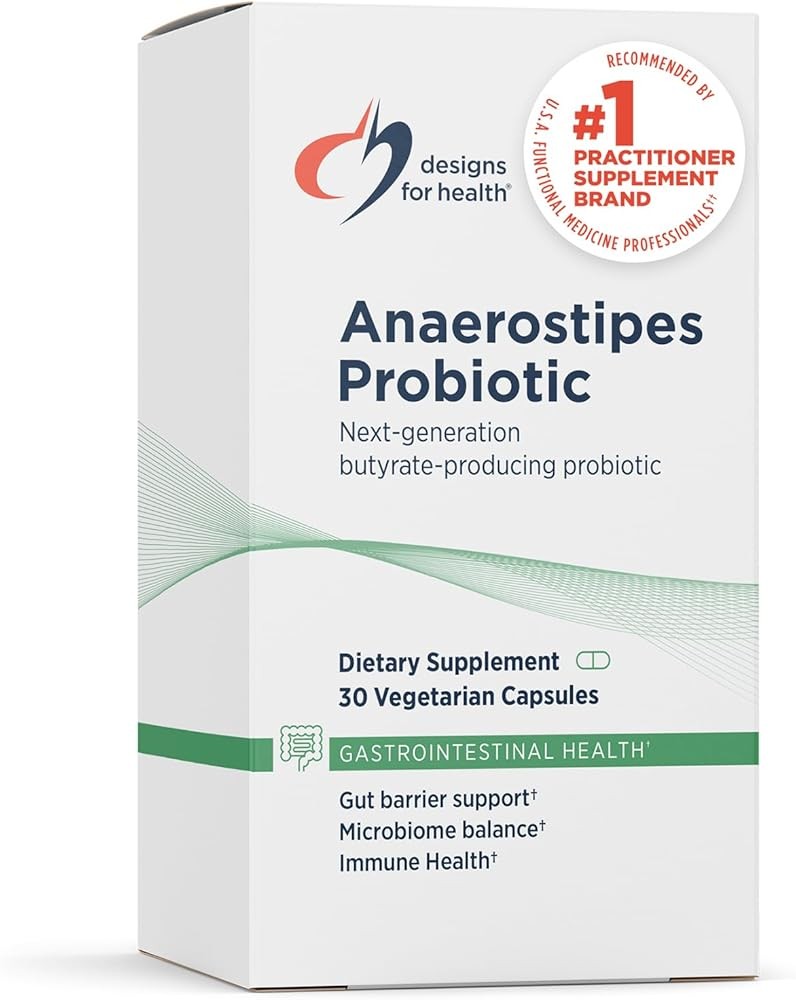
Designs for Health Anaerostipes Probiotic with Butyrate-Producing Strains
Check Price on AmazonAs an Amazon Associate we earn from qualifying purchases.
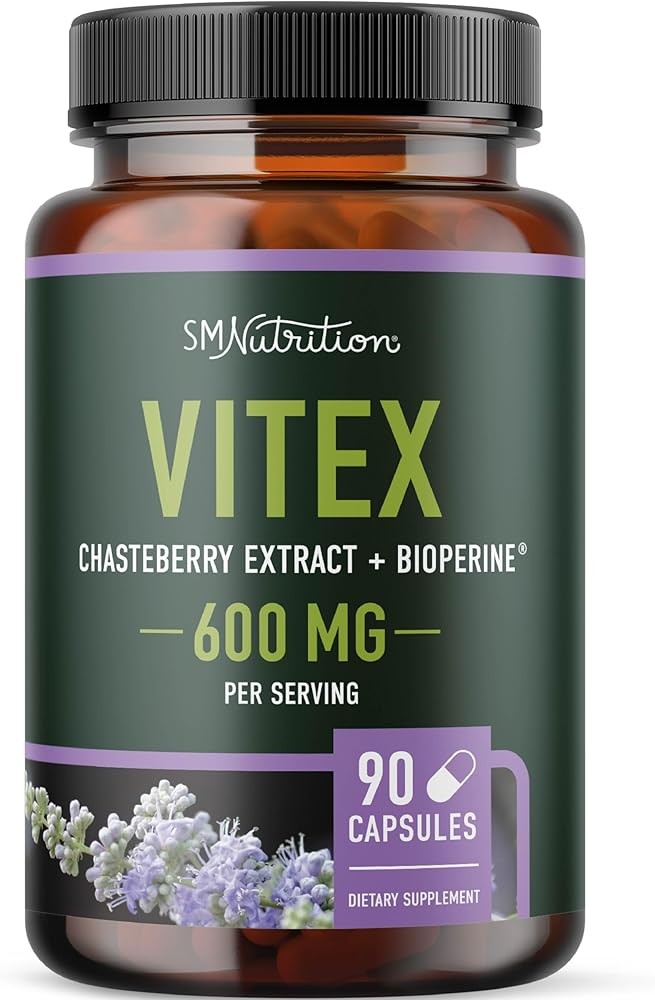
Vitex Chasteberry Supplement 600mg for Hormone Balance
Check Price on AmazonAs an Amazon Associate we earn from qualifying purchases.
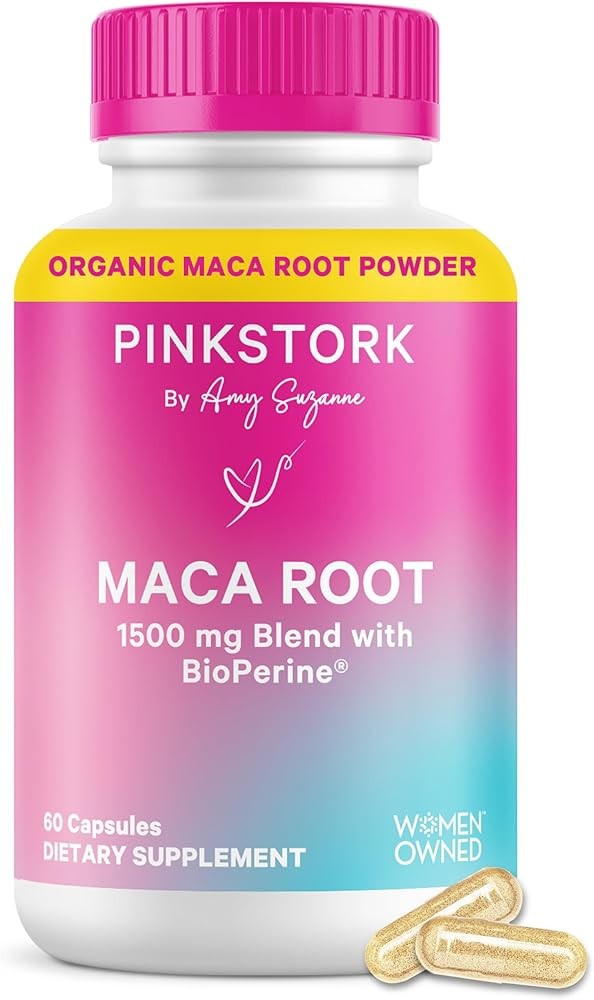
Pink Stork Maca Root Capsules with BioPerine for Hormonal Balance
Check Price on AmazonAs an Amazon Associate we earn from qualifying purchases.
Recommended Products
Get Weekly Research Updates
New studies, updated reviews, and evidence-based health insights delivered to your inbox. Unsubscribe anytime.