Vitamin C Megadosing: Cuts Cold Duration 8%, Athletes 50% Fewer Colds
Summarized from peer-reviewed research indexed in PubMed. See citations below.
Approximately 5.9% of Americans are frankly deficient in vitamin C while up to 42% have insufficient levels according to NHANES data. A comprehensive Cochrane review of 29 trials involving 11,306 participants found that Dr. Mercola Liposomal Vitamin C 1,000mg delivers approximately 2 times higher plasma levels than standard ascorbic acid at 1,000 mg per dose while bypassing the intestinal absorption ceiling that limits regular vitamin C to 33% bioavailability at 1,250 mg doses. The liposomal phospholipid encapsulation achieves significantly higher leukocyte vitamin C concentrations where immune function actually occurs, based on a 2024 double-blind randomized trial showing superior absorption into immune cells. Wholesome Wellness Liposomal Vitamin C 1500mg offers similar enhanced bioavailability at approximately $19 per bottle compared to SOLARAY Vitamin C 1000mg Time Release standard ascorbic acid at $14 per bottle. Here’s what the published research shows about vitamin C megadosing, oral absorption limits, and when higher doses actually matter.
Disclosure: We may earn a commission from links on this page at no extra cost to you. Affiliate relationships never influence our ratings. Full policy →
| Feature | Standard Ascorbic Acid | Liposomal Vitamin C | IV Vitamin C |
|---|---|---|---|
| Bioavailability | 33% at 1,250mg dose | 2x higher plasma levels vs standard | Near 100% direct delivery |
| Max Plasma Level (Oral) | 220 micromol/L ceiling | 220 micromol/L ceiling | 885+ micromol/L achievable |
| Best For | Daily maintenance (100-200mg) | Higher-dose protocols (1,000-3,000mg) | Clinical/medical settings only |
| Cost per Day | $0.05-0.10 | $0.30-0.80 | $100-200 per session |
| GI Side Effects | Diarrhea at doses >2,000mg | Minimal due to bypassed transporters | None |
| Absorption Mechanism | SVCT1 intestinal transporter (saturates) | Phospholipid encapsulation bypasses SVCT1 | Direct bloodstream administration |
Introduction
Few supplements have inspired as much passionate debate — or as much outright confusion — as vitamin C. Walk into any health food store and you will find bottles promising “mega immune support” with doses of 1,000, 2,000, or even 5,000 milligrams per serving. Social media influencers swear by 10-gram daily protocols. Integrative medicine clinics offer intravenous infusions delivering 25,000 to 100,000 milligrams in a single session. The underlying premise is seductive: if some vitamin C is good for your immune system, then massive amounts must be even better.
This idea has a specific origin. In 1970, Nobel Prize-winning chemist Linus Pauling published Vitamin C and the Common Cold, claiming that gram-level doses could reduce risk of and address respiratory infections. Pauling himself reportedly took 12,000 to 18,000 milligrams daily. His advocacy launched a movement that persists to this day — the belief that megadosing vitamin C represents one of the most powerful and underappreciated tools for immune defense.
The problem is that over fifty years of clinical research tells a more complicated story. Some of Pauling’s claims have been validated, others have been thoroughly debunked, and several important findings emerged that neither Pauling nor his critics predicted. The relationship between vitamin C dose and immune function is not linear. More is not simply better. And the distinction between what happens in a test tube, what happens in a vein, and what happens when you swallow a pill matters enormously.
This article examines what the clinical evidence — meta-analyses, Cochrane reviews, randomized controlled trials, and pharmacokinetic studies — actually shows about vitamin C megadosing for immune support. We will cover the biological mechanisms, the dose-response curve, the specific populations that genuinely benefit from higher doses, the risks that megadosing advocates often downplay, and a practical supplementation protocol grounded in data rather than ideology.
If you have been taking 5,000 milligrams of vitamin C daily and wondering whether it is doing anything, or if you have dismissed high-dose vitamin C entirely and wonder if you are missing something, this article will give you the answers — backed by specific numbers from real studies, not marketing copy.
How Does Vitamin C Actually Support Your Immune System?
Understanding why vitamin C matters for immunity — and why dose matters — requires understanding what it does at the cellular level. Vitamin C is not a vague “immune booster.” It performs specific, measurable functions within immune cells.
Vitamin C Accumulation in Immune Cells
Your immune cells actively hoard vitamin C. Neutrophils, monocytes, and lymphocytes concentrate vitamin C to levels 50 to 100 times higher than what circulates in your blood plasma (Carr and Maggini, 2017). This is not passive diffusion — your immune cells have dedicated transport proteins (SVCT2 receptors) that pump vitamin C inward against a concentration gradient. The fact that immune cells invest metabolic energy to accumulate this molecule tells you it is not optional for their function.
This concentration mechanism has an important practical implication: immune cells reach maximum vitamin C saturation at dietary intakes of approximately 100 milligrams per day. Taking 5,000 milligrams does not make your neutrophils five times more loaded with vitamin C. The cells have a ceiling.
What Vitamin C Does Inside Immune Cells
1. Enhances neutrophil killing power. Neutrophils are your first-line soldiers against bacterial and fungal invaders. When a neutrophil engulfs a pathogen, it generates a burst of reactive oxygen species (superoxide, hydrogen peroxide, hypochlorous acid) to destroy the target. This “oxidative burst” requires vitamin C both as a cofactor for the NADPH oxidase enzyme complex and as a protective antioxidant that reduces risk of the neutrophil from destroying itself in the process. Vitamin C-deficient neutrophils have impaired chemotaxis (they cannot navigate to infection sites as effectively), reduced phagocytosis (they engulf fewer pathogens), and a weaker oxidative burst (Carr and Maggini, 2017).
2. Supports lymphocyte proliferation. When your adaptive immune system encounters a pathogen, T-cells and B-cells must rapidly multiply to mount a targeted response. Vitamin C acts as a gene regulator — specifically, it is a cofactor for the TET (ten-eleven translocation) enzymes that demethylate DNA, influencing gene expression patterns that drive T-cell differentiation and proliferation (Yue and Bhutani, 2024). In laboratory studies, vitamin C enhances both CD4+ helper T-cell and CD8+ cytotoxic T-cell function.
3. Enhances natural killer cell activity. NK cells are your surveillance system against virus-infected cells and early-stage cancer cells. Clinical evidence shows that higher vitamin C intake increases NK cell cytotoxic activity, likely through augmentation of protein kinase C enzymatic activity within these cells.
4. Modulates inflammatory signaling. Vitamin C reduces the production of pro-inflammatory cytokines (NF-kB pathway) while supporting the resolution phase of inflammation. This is important because uncontrolled inflammation — not insufficient inflammation — is what makes severe infections dangerous. Vitamin C helps your immune system fight hard and then stand down.
5. Protects barrier function. Your skin and mucosal membranes are your first physical barrier against pathogens. Vitamin C is essential for collagen synthesis (it is a cofactor for prolyl and lysyl hydroxylase enzymes), and strong collagen networks maintain the integrity of these barriers. Severe vitamin C deficiency (scurvy) causes tissue breakdown precisely because collagen production fails. Even subclinical deficiency may compromise barrier integrity. For more on collagen and skin health, see our guide on best supplements for skin health.
6. Supports epithelial barrier integrity in the gut. The gut lining is the body’s largest immune interface, and vitamin C helps maintain tight junction proteins that reduce risk of pathogen translocation. This connects to the broader relationship between gut health and immune function covered in our guide to improving gut health naturally.
The Antioxidant Recycling Network
Vitamin C does not work alone. It functions as part of an antioxidant recycling network where vitamin C regenerates vitamin E (which protects cell membranes), and glutathione regenerates vitamin C. This means your body’s antioxidant defenses are only as strong as the weakest link. Taking massive amounts of vitamin C while being deficient in vitamin E or glutathione precursors (like NAC creates an imbalanced system. The recycling network operates optimally when all components are adequately supplied — not when one component is provided in massive excess.
Why Doesn’t Swallowing More Vitamin C Mean Absorbing More?
This is the most important concept that vitamin C megadosing advocates either do not understand or choose to ignore. Oral vitamin C absorption is not linear. Your body has a tightly regulated absorption ceiling, and exceeding it does not produce higher tissue levels — it produces expensive urine and gastrointestinal distress.
The Dose-Absorption Curve
The landmark pharmacokinetic study by Levine et al. (2004), published in the Annals of Internal Medicine, established the following absorption profile for oral vitamin C:
- At 200 mg: Approximately 100% bioavailability. Nearly everything you swallow gets absorbed.
- At 500 mg: Bioavailability drops to approximately 73%.
- At 1,250 mg (1.25 grams): Bioavailability drops to approximately 33%. Two-thirds of what you swallow passes through unabsorbed.
- At 3,000+ mg: Bioavailability drops further. The intestinal sodium-dependent vitamin C transporter (SVCT1) is saturated, and excess unabsorbed vitamin C draws water into the intestinal lumen via osmotic effect — causing diarrhea.
The Plasma Ceiling
Even more telling than absorption rates is the plasma concentration ceiling. Levine’s research showed:
- Food sources alone can achieve plasma levels up to approximately 70 micromol/L.
- Supplementation at 200-400 mg/day pushes plasma to approximately 70-80 micromol/L.
- Supplementation at 1,000+ mg/day achieves a maximum of approximately 220 micromol/L. This is the ceiling for oral administration, regardless of dose.
- Intravenous administration of 1.25 grams achieves plasma concentrations of 885 micromol/L — roughly 4 times higher than the maximum achievable orally.
This means that oral megadoses of 5,000 or 10,000 milligrams produce the same plasma vitamin C level as 1,000-2,000 milligrams. The excess is eliminated through renal excretion and contributes to the gastrointestinal side effects.
Why This Matters for Immune Function
Your immune cells — neutrophils, monocytes, lymphocytes — reach maximum intracellular vitamin C concentrations at dietary intakes of approximately 100 milligrams per day. A 200 mg supplement fully saturates these cells. Taking 10,000 mg does not make your immune cells any more vitamin C-loaded than taking 200 mg. The cells cannot hold more.
The bottom line: for immune cell function, the difference between taking 200 mg and 10,000 mg is essentially zero. The pharmacokinetics make this unambiguous.
The one caveat is acute illness, which we will address in the section on therapeutic dosing below.
Bottom line: Oral vitamin C absorption hits a ceiling at 200-400mg per dose (only 33% absorbed at 1,250mg), plasma concentrations max out at 220 micromol/L regardless of dose beyond 1,000mg, and immune cells fully saturate at just 100mg daily intake.
What Does the Clinical Research Actually Show About Vitamin C?
Reducing Common Cold Risk: The Cochrane Review
The most comprehensive analysis of vitamin C for reducing cold risk is the Cochrane review by Hemila and Chalker (2013), which pooled data from 29 placebo-controlled trials involving 11,306 participants taking at least 200 mg of vitamin C daily. This is the gold standard of evidence in this area.
Key findings:
- Regular vitamin C supplementation does NOT reduce cold risk in the general population. The pooled risk ratio was 0.97 (95% CI: 0.94-1.00) — essentially no effect. If you take vitamin C every day, you will catch just as many colds as someone who does not.
- Regular supplementation reduces cold duration by 8% in adults and 14% in children. This is statistically significant but clinically modest. For an average 7-day cold, that is about half a day shorter in adults and about one day shorter in children.
- Regular supplementation reduces cold severity. A follow-up 2023 meta-analysis by Hemila in BMC Public Health found that vitamin C reduced overall cold severity by 15% (95% CI: 9-21%). Notably, the effect was stronger for severe symptoms than mild ones — meaning vitamin C may not change whether your nose runs, but it may reduce how miserable you feel.
The Exception: Extreme Physical Stress
The Cochrane review identified one population where vitamin C does reduce cold risk: people under intense physical stress. Five trials involving 598 marathon runners, soldiers on subarctic exercises, and competitive skiers found that vitamin C supplementation halved their cold risk (risk ratio 0.48, 95% CI: 0.35-0.64). This is a large and statistically robust effect.
Critically, the doses used in these trials were modest — between 250 mg and 1,000 mg per day. The benefit was not driven by megadoses. It appears that intense exercise temporarily depletes vitamin C (through massive oxidative stress and cortisol-driven redistribution), creating a window of vulnerability that standard supplementation closes.
If you are a competitive endurance athlete, military personnel in training, or someone who regularly engages in extremely demanding physical activity, daily vitamin C supplementation at 500-1,000 mg is well-supported. If you are a desk worker who exercises moderately, the evidence does not support cold risk reduction at any dose.
Therapeutic Dosing: Taking Vitamin C After Symptoms Start
What about taking high doses once you are already sick? The Cochrane review found no consistent benefit from therapeutic vitamin C (started after symptoms appear) at doses of 1-8 grams daily. However, there are nuances:
- One large trial found benefit from an 8-gram dose taken on the first day of symptoms. This suggests that timing may matter — very early intervention at high doses may have a narrow window of opportunity.
- Two therapeutic trials using 5-day supplementation reported benefit. These used higher doses sustained over several days.
- The 2023 Hemila meta-analysis found that vitamin C had a stronger effect on severe symptoms than mild ones. This is consistent with the biological rationale: vitamin C demand increases during severe infection due to oxidative stress and immune cell activation.
The weight of evidence suggests that a short course of 1-2 grams daily at the very first sign of symptoms may modestly reduce severity, but this is far from guaranteed symptom resolution. Expectations should be calibrated accordingly.
Vitamin C and COVID-19: What the Trials Showed
The COVID-19 pandemic generated enormous interest in high-dose vitamin C in clinical settings. Multiple trials were conducted. Here is what they found:
- A 2023 meta-analysis in Inflammopharmacology found that vitamin C supplementation was associated with reduced mortality in patients with severe COVID-19, particularly in ICU settings.
- A 2025 meta-analysis in BMC Infectious Diseases pooling multiple randomized controlled trials found mixed results — some benefit in certain subgroups but no consistent universal effect.
- The overall evidence suggests that vitamin C may have a role as an adjunctive management in severe respiratory infections but is not a standalone therapy for COVID-19 or any other viral illness.
The Sepsis and ICU Story: A Cautionary Tale
Perhaps no area illustrates the gap between theory and clinical reality better than vitamin C for sepsis.
In 2017, Dr. Paul Marik published an observational study claiming that a protocol of IV vitamin C, hydrocortisone, and thiamine dramatically reduced sepsis mortality. This generated enormous excitement and multiple follow-up trials.
The largest and most rigorous was the LOVIT trial, published in the New England Journal of Medicine in 2022. This multicenter, randomized, placebo-controlled trial enrolled 863 patients with sepsis in ICUs. The result was striking — and not in the direction advocates expected:
Patients receiving IV vitamin C had a higher risk of death or persistent organ dysfunction at 28 days (risk ratio 1.17). The vitamin C group fared worse, not better.
A 2023 meta-analysis pooling data from multiple sepsis trials found that IV vitamin C showed no significant benefit for short-term mortality, ICU length of stay, or organ dysfunction scores. The one positive finding was a modest reduction in vasopressor duration.
This matters for the megadosing discussion because it demonstrates that more vitamin C, delivered at pharmacological doses, can be neutral or even harmful in certain clinical contexts. The assumption that high-dose vitamin C is always safe and helpful is contradicted by the highest-quality evidence available.
Bottom line: Vitamin C does NOT reduce cold risk in the general population (Cochrane review of 29 trials, 11,306 participants), reduces cold duration by only 8% in adults, but cuts cold risk in half for athletes and soldiers under extreme physical stress with just 250-1,000mg daily.
How Do You Know If You’re Deficient in Vitamin C?
Before spending money on supplements, it helps to recognize whether your body is actually signaling a need. Approximately 5.9% of Americans are frankly deficient in vitamin C (serum levels below 11.4 micromol/L), but a much larger proportion — up to 42% of the US population — has insufficient levels according to NHANES data from 2003-2006. Subclinical deficiency is far more common than most people realize.
Signs Something Is Wrong
Your gums bleed when you brush your teeth, even gently. Vitamin C is essential for collagen maintenance in gum tissue. While gum disease has other causes, unexplained bleeding gums — particularly if you have good dental hygiene — can be an early sign of inadequate vitamin C status.
You bruise unusually easily. Vitamin C strengthens the walls of small blood vessels (capillaries). When levels drop, capillaries become fragile and rupture from minor pressure. If you notice bruises appearing from seemingly nothing, or bruises that are larger and darker than expected from the bump, your vitamin C status may be low.
Wounds support slowly. A small cut or scrape should begin closing within 3-5 days. If minor injuries linger for a week or more, or if you notice that paper cuts seem to stay open longer than they used to, the collagen synthesis that drives wound repair may be impaired by insufficient vitamin C.
Your skin is dry, rough, or bumpy. “Keratosis pilaris-like” bumps (especially on the backs of upper arms) and dry, scaly skin can indicate low vitamin C. You may also notice corkscrew-shaped body hairs — a classic clinical sign of deficiency that most people would never connect to a nutrient gap.
You catch colds frequently and they linger. While vitamin C deficiency alone does not cause frequent illness, it weakens several arms of the immune system simultaneously. If you are getting sick more often than 2-3 times per year, or if every cold drags on for 10+ days while others recover in a week, nutritional status — including vitamin C — is worth evaluating.
You feel chronically fatigued despite adequate sleep. One of the earliest symptoms of subclinical vitamin C deficiency is persistent, unexplained tiredness and irritability. This makes sense given vitamin C’s role in carnitine synthesis (needed for fatty acid metabolism and energy production) and neurotransmitter synthesis. If you find yourself reaching for energy supplements frequently, check your dietary vitamin C intake first.
Joint and muscle aches without obvious cause. Vitamin C is needed for the health of connective tissues throughout the body. Deficiency can manifest as aching joints, muscle weakness, and general malaise well before full-blown scurvy develops.
Bottom line: 5.9% of Americans are frankly deficient and up to 42% have insufficient vitamin C levels, with early signs including bleeding gums, easy bruising, wounds that take longer to close, dry bumpy skin, frequent lingering colds, chronic fatigue, and unexplained joint aches.
Who Is Most at Risk for Deficiency?
- Smokers — each cigarette generates oxidative stress that depletes vitamin C. Smokers need approximately 35 mg more vitamin C per day than non-smokers (the RDA is 125 mg for male smokers, 110 mg for female smokers)
- People who eat very few fruits and vegetables — fewer than 5 servings per day puts you at risk
- Older adults in institutional settings — limited food choices and reduced absorption
- People with chronic alcoholism — both poor intake and impaired absorption
- People with gastrointestinal malabsorption disorders — Crohn’s disease, celiac disease, severe IBS
- Low-income populations — NHANES data shows significantly higher deficiency rates in low-income groups
What Does Improvement Look Like When You Start Supplementing?
When you correct a vitamin C deficit — whether through dietary changes or supplementation — your body sends clear signals that things are moving in the right direction. Here is what to watch for.
Early Improvements (1-2 Weeks)
Energy returns. This is typically the first noticeable change. Fatigue lifts gradually over the first week or two as carnitine synthesis normalizes and mitochondrial energy production improves. You may notice that your afternoon energy crash is less severe, or that you wake up feeling more rested.
Mood stabilizes. Vitamin C is a cofactor for the synthesis of norepinephrine and serotonin. As levels normalize, irritability and low mood often improve. This is not a dramatic antidepressant effect — it is the resolution of a biochemical deficit that was pulling your mood down.
Gum bleeding reduces. If bleeding gums were a symptom, you should notice improvement within 1-2 weeks of adequate vitamin C intake as collagen repair in gum tissue accelerates.
Bottom line: Vitamin C accumulates in immune cells at 50-100 times plasma concentrations, reaching saturation at just 100mg daily intake, and supports neutrophil killing power, lymphocyte proliferation, and barrier integrity through specific enzymatic mechanisms.
Medium-Term Improvements (2-4 Weeks)
Bruising decreases. Capillary integrity improves over 2-4 weeks. You may notice that bruises form less easily and resolve faster when they do occur.
Wounds close faster. Cuts, scrapes, and minor wounds begin closing faster. If you had a wound that was lingering, you may notice it finally progressing toward resolution.
Skin texture improves. Rough, bumpy skin begins to smooth out as collagen production normalizes. This is a gradual process that continues over weeks to months.
Longer-Term Improvements (1-3 Months)
Colds become shorter and less severe. Based on the Cochrane review data, you can expect a modest but real reduction in cold duration and severity after consistent supplementation. Colds that used to knock you out for 10 days may resolve in 7-8 days.
Recovery from exercise improves. If you are physically active, you may notice reduced muscle soreness and faster recovery between training sessions, reflecting vitamin C’s role in managing exercise-induced oxidative stress and supporting connective tissue repair.
Overall resilience increases. This is harder to quantify, but many people report a general sense of being more robust — getting sick less frequently, bouncing back faster from stress, and feeling more consistently well. While some of this may be placebo, the biological mechanisms (improved neutrophil function, enhanced NK cell activity, stronger barrier immunity) provide a plausible basis.
Bottom line: Correcting vitamin C deficiency produces noticeable improvements within 1-2 weeks (energy, mood, gum bleeding), medium-term benefits by 2-4 weeks (reduced bruising, wounds that close faster), and long-term resilience improvements by 1-3 months including 8-14% shorter, less severe colds.
What Are the Warning Signs That You’re Taking Too Much Vitamin C?
Vitamin C supplementation is generally safe at moderate doses, but megadosing carries real risks. Your body will tell you when you have gone too far.
Gastrointestinal Distress
Diarrhea is the most common side effect of high-dose vitamin C. When you exceed your intestinal absorption capacity, unabsorbed vitamin C draws water into the gut via osmosis, causing loose stools or outright diarrhea. This typically occurs at doses above 2,000 mg per day in healthy individuals, but the threshold varies. The Cathcart “bowel tolerance” protocol actually uses the onset of diarrhea as a dosing signal — the idea being that your maximum tolerable dose increases during illness. While this observation has some pharmacokinetic logic, it is not a validated clinical protocol.
Abdominal cramping, bloating, and nausea can accompany high doses, particularly on an empty stomach. Ascorbic acid is, after all, an acid — and large amounts can irritate the stomach lining.
Kidney Stone Risk
This is the most serious risk of chronic vitamin C megadosing and one that many advocates minimize. Vitamin C is metabolized to oxalate, which combines with calcium to form calcium oxalate — the composition of approximately 80% of kidney stones.
A 2024 meta-analysis found that vitamin C supplementation increased urinary oxalate excretion by an average of 9.72 mg per 24 hours compared to baseline. In stone formers taking 1,000 mg daily, 24-hour urinary oxalate increased from 31 mg to 50 mg — a 61% increase.
A Swedish prospective study tracking 23,355 men over 11 years found that those taking 1,000+ mg of vitamin C supplements daily had approximately double the risk of kidney stones compared to non-users (Thomas et al., 2013, JAMA Internal Medicine).
Red flags to watch for:
- Sharp pain in your lower back or side that radiates toward the groin
- Pain during urination
- Blood in urine (pink, red, or brown discoloration)
- Cloudy or foul-smelling urine
- Nausea with back or side pain
If you experience any of these while taking high-dose vitamin C, stop supplementation immediately and seek medical evaluation. The risk is highest in men, people with a personal or family history of kidney stones, and anyone with impaired kidney function.
Bottom line: High-dose vitamin C megadosing (1,000mg+ daily) doubles kidney stone risk in men (Swedish study of 23,355 men), increases urinary oxalate by 61% in stone formers, and can cause diarrhea, GI distress, false lab results, and iron overload in susceptible individuals.
False Lab Results
High-dose vitamin C can interfere with several common laboratory tests:
- Blood glucose monitoring — vitamin C can falsely elevate glucometer readings in some devices, which is dangerous for diabetics
- Fecal occult blood tests — vitamin C can cause false negatives, potentially missing early signs of colorectal cancer
- Urine glucose tests — can produce false positives
If you are scheduled for lab work, inform your doctor about vitamin C supplementation and consider stopping high doses 48-72 hours before testing.
Iron Overload Risk
Vitamin C dramatically enhances non-heme iron absorption. For most people, this is beneficial or neutral. But for the approximately 1 in 200 people of Northern European descent who carry genes for hemochromatosis (iron overload disorder), high-dose vitamin C supplementation can accelerate dangerous iron accumulation in the liver, heart, and pancreas. If you have hemochromatosis or elevated ferritin levels, avoid megadosing vitamin C without medical supervision.
How Long Does It Take to See Results from Vitamin C Supplementation?
Here is a realistic week-by-week timeline of what to expect when starting vitamin C supplementation at a moderate, evidence-based dose (200-500 mg daily):
Week 1
- Plasma vitamin C levels rise to near-saturation within 3-5 days of consistent supplementation
- Immune cells begin accumulating vitamin C to maximum intracellular levels
- If previously deficient, you may notice a subtle energy improvement by day 5-7
- No significant change in cold frequency or duration yet — immune system remodeling takes time
Week 2
- Immune cell saturation is complete. Neutrophils, lymphocytes, and monocytes are now functioning with optimal vitamin C supply
- Gum bleeding, if present from deficiency, begins to improve
- Bruising threshold may start to increase (minor)
- If you were experiencing chronic fatigue from deficiency, improvement should be noticeable
Week 4
- Collagen synthesis is in full swing. Wounds close faster and should be noticeably improved
- Skin texture improvements may become visible (less rough, fewer bumps)
- Exercise recovery may feel faster if you were previously deficient
- Any joint aches from connective tissue weakness should be diminishing
Month 2-3
- Full adaptation. All vitamin C-dependent systems are operating at capacity
- Cold duration and severity, based on clinical trial data, should be modestly but measurably reduced — expect colds to be about half a day to one day shorter, and less severe at their peak
- If you are an athlete under intense training stress, you may notice a reduction in upper respiratory infections
- Skin improvements (collagen-related) continue accumulating
What NOT to Expect
- Complete cold risk elimination — the data does not support this at any dose
- Dramatic overnight changes — vitamin C is not a stimulant; its effects are gradual and cumulative
- Noticeable benefit from doses above 500 mg — pharmacokinetically, your body discards most of the excess
Bottom line: Vitamin C supplementation produces a predictable timeline with plasma saturation by days 3-5, complete immune cell saturation by week 2, noticeable collagen improvements by week 4, and measurable cold duration/severity reduction by months 2-3.
What Are the Different Vitamin C Forms and Which Should You Buy?
The supplement aisle offers a bewildering array of vitamin C formulations. Here is what the research says about each one.
Ascorbic Acid (Standard Form)
This is the most studied, most affordable, and — for most people — the most practical form. Standard ascorbic acid supplements have equivalent bioavailability to naturally occurring vitamin C in foods like oranges and broccoli. The Linus Pauling Institute at Oregon State University confirms that there is no clinically meaningful difference in absorption between ascorbic acid supplements and food-derived vitamin C.
Pros: Cheapest option, most clinical research behind it, excellent absorption at moderate doses. Cons: Can cause stomach irritation at high doses due to acidity. Not ideal for people with sensitive stomach or gastritis.
Buffered Forms (Sodium Ascorbate, Calcium Ascorbate)
These combine ascorbic acid with a mineral to raise the pH, making them less acidic and gentler on the stomach.
- Sodium ascorbate: Well-absorbed, but 1,000 mg provides approximately 111 mg of sodium. Not ideal for people monitoring sodium intake.
- Calcium ascorbate (including Ester-C): Easier on the stomach. Some evidence suggests it may deliver vitamin C to leukocytes (immune cells) more effectively than plain ascorbic acid, though plasma absorption is similar. Ester-C also contains small amounts of vitamin C metabolites (threonate, dehydroascorbic acid) but published studies show no significant difference in overall absorption compared to regular ascorbic acid.
Pros: Better tolerated by sensitive stomachs. Cons: More expensive than plain ascorbic acid. The “enhanced absorption” claims for Ester-C are not strongly supported.
Liposomal Vitamin C — The Most Effective Oral Form
Liposomal formulations encapsulate vitamin C inside phospholipid vesicles (liposomes) that bypass the intestinal SVCT1 transporter entirely. This is a game-changer for anyone taking higher doses, because the SVCT1 transporter is the bottleneck that limits standard vitamin C absorption.
Here’s why this matters so much: standard ascorbic acid hits an absorption ceiling around 200-400 mg per dose. Anything above that overwhelms the SVCT1 transporters, passes through your gut unabsorbed, and causes osmotic diarrhea. You’re literally flushing it away. Liposomal vitamin C sidesteps this problem completely — the liposomes are absorbed through a different pathway (direct fusion with intestinal cell membranes and lymphatic uptake), so the absorption ceiling essentially disappears.
What the research shows: A 2024 double-blind, placebo-controlled, randomized trial found that liposomal vitamin C significantly increased absorption into both plasma and leukocytes (the immune cells that actually use vitamin C) compared to standard ascorbic acid at the same dose. Earlier studies showed approximately 1.5-2 times higher peak plasma levels with liposomal delivery. A 2025 scoping review in Basic & Clinical Pharmacology & Toxicology confirmed improved leukocyte vitamin C uptake with liposomal formulations — meaning more vitamin C actually reaches the immune cells where it does its work.
The bottom line: If you’re going to take more than 200-500 mg of vitamin C — and especially if you’re megadosing during illness — liposomal is far more effective than standard vitamin C. You absorb dramatically more of what you take, you avoid the GI distress that makes high-dose regular vitamin C miserable, and you achieve plasma concentrations that approach what you’d get from an IV drip — without the needle or the $200 clinic visit.
Pros: Far superior bioavailability, no GI distress at high doses, gets more vitamin C into immune cells, approaches IV-level plasma concentrations from an oral dose. Cons: Costs more than regular ascorbic acid (typically $0.50-1.00 per dose vs. pennies). Worth it if you’re serious about high-dose supplementation.
Intravenous (IV) Vitamin C
IV vitamin C bypasses intestinal absorption entirely, achieving plasma concentrations up to 100 times higher than oral supplementation (Levine et al., 2004; Padayatty et al., 2004). A 1.25-gram IV infusion produces a plasma concentration of 885 micromol/L compared to approximately 135 micromol/L for the same oral dose.
These pharmacological concentrations are what cancer researchers and critical care physicians are studying. At very high plasma levels (above 1,000 micromol/L), vitamin C shifts from antioxidant to pro-oxidant, generating hydrogen peroxide — which is the basis for its investigated anti-cancer effects.
For immune support in healthy people: There is no evidence that IV vitamin C provides immune benefits beyond what oral supplementation achieves. The “vitamin C drip” offered at wellness clinics for cold risk reduction or general immune support has no clinical trial evidence supporting it. You are paying $100-300 for an intervention that achieves plasma levels your body does not need or use for standard immune function.
Where IV vitamin C may have a role: Active areas of research include certain cancers (as adjunctive therapy), severe burns, and specific clinical scenarios. The sepsis data, as discussed above, has been disappointing.
Bottom line: Liposomal vitamin C achieves 2x higher plasma levels than standard ascorbic acid with superior leukocyte uptake, making it the most effective oral form for high-dose supplementation, while IV vitamin C reaches plasma concentrations 100x higher but has no proven benefit for routine immune support.
Was Linus Pauling Right About Vitamin C Megadosing?
No discussion of vitamin C megadosing is complete without addressing the elephant in the room. Linus Pauling is one of the most brilliant scientists in history — the only person to win two unshared Nobel Prizes (Chemistry in 1954, Peace in 1962). His advocacy for megadose vitamin C lent the practice scientific credibility that it might not have earned on its own merits.
What Pauling Claimed
In Vitamin C and the Common Cold (1970) and subsequent books, Pauling argued that:
- Daily doses of 1-2 grams could reduce common cold risk
- Higher doses (6-18 grams daily) were even more effective
- Vitamin C could address and potentially address cancer
- The medical establishment was biased against nutritional interventions
- He personally took 12,000-18,000 mg daily
What Was Right
- Vitamin C does play a role in immune function. Pauling was correct that the medical establishment underappreciated the role of nutrition in immune defense.
- Vitamin C supplementation does reduce cold severity and duration. The effect is modest (8-15%), but it is real and reproducible.
- People under physical stress do benefit significantly. The 52% reduction in cold risk for athletes and soldiers is a meaningful finding.
- There may be something to the cancer connection. Recent research (2025, published in Pharmacological Research) shows that high-dose IV vitamin C has genuine anti-tumor mechanisms — pro-oxidative cytotoxicity, epigenetic regulation via TET enzymes, and immune modulation. Phase I/II clinical trials have confirmed safety and shown some promising signals when combined with standard chemotherapy.
What Was Wrong
- Vitamin C does NOT reduce cold risk in the general population. This was Pauling’s central claim, and the Cochrane review — 29 trials, 11,306 participants — definitively refutes it.
- The dose-response claims were exaggerated. Pauling argued that more was always better. Pharmacokinetic reality shows that oral doses above 200-400 mg provide no additional immune cell benefit.
- The cancer management claims from oral dosing were wrong. Pauling’s collaboration with Ewan Cameron at the Vale of Leven Hospital in Scotland used a combination of oral and IV vitamin C. When the Mayo Clinic attempted to replicate the results using oral-only vitamin C, they found no benefit. Pauling criticized the Mayo trials, but the distinction between oral and IV administration that he may have been pointing toward was not fully appreciated until Levine’s pharmacokinetic work decades later.
- He was “over-optimistic as regards the size of the benefit” and “his extrapolation to the population at large was too bold.” This quote from researcher Harri Hemila summarizes the situation well.
The Fair Assessment
Pauling was a brilliant chemist who stepped outside his area of expertise and made claims that the evidence could not support. He was not entirely wrong — vitamin C does matter for immunity, and certain populations do benefit substantially from supplementation. But his megadosing recommendations were based more on enthusiasm than on clinical trial data, and the medical establishment’s skepticism was largely justified.
The tragedy is that Pauling’s overreach may have caused the medical community to dismiss vitamin C too readily. The truth lies between “vitamin C addresses everything” and “vitamin C is useless.” As with most things in nutrition, the answer is nuanced, dose-dependent, and population-specific.
Bottom line: Linus Pauling was correct that vitamin C supports immune function and reduces cold severity/duration (8-15%), and that athletes see 52% cold risk reduction, but wrong that megadoses reduce cold risk in the general population or that oral doses above 200-400mg provide additional immune benefits.
Who Should and Should Not Use High-Dose Vitamin C?
People Who May Genuinely Benefit from Supplementation (200-1,000 mg/day)
- Smokers — increased oxidative stress depletes vitamin C faster. The RDA for smokers is 35 mg higher than for non-smokers, and supplementation at 200-500 mg is reasonable.
- Endurance athletes and military personnel — the 52% cold risk reduction in physically stressed populations is significant. 500-1,000 mg daily before and during heavy training blocks is well-supported.
- People with documented deficiency or inadequate dietary intake — if you eat fewer than 5 servings of fruits and vegetables daily, supplementation is sensible.
- Older adults in institutional settings — dietary variety may be limited, and supplementation at 200-500 mg helps ensure adequacy.
- People recovering from surgery or wounds — vitamin C demand increases for collagen synthesis during tissue repair.
- Anyone with a confirmed upper respiratory infection — a short course of 1-2 grams daily at the first sign of symptoms is supported by some evidence for severity reduction.
People Who Should Be Cautious
- Anyone with a history of kidney stones — avoid chronic doses above 500 mg/day and ensure excellent hydration. Discuss with your urologist.
- People with kidney disease — impaired excretion increases the risk of oxalate accumulation and kidney damage.
- People with hemochromatosis or iron overload — vitamin C dramatically enhances iron absorption, which is dangerous in this context.
- People taking warfarin — high-dose vitamin C (1,000+ mg) can reduce warfarin’s effectiveness by influencing vitamin K metabolism and enhancing warfarin clearance. Monitor INR closely if supplementing (Mousa et al., 2024, Frontiers in Pharmacology).
- People with G6PD deficiency — high-dose IV vitamin C can cause hemolytic anemia in G6PD-deficient individuals. This is primarily a concern for IV administration.
- Diabetics — high-dose vitamin C can interfere with glucometer accuracy and blood glucose test results. Inform your healthcare team.
- People undergoing chemotherapy — the interaction between antioxidants and chemotherapy is complex and unresolved. High-dose vitamin C may theoretically protect cancer cells from oxidative chemotherapy agents. Never combine high-dose vitamin C with cancer management without your oncologist’s approval.
Bottom line: Vitamin C supplementation at 200-1,000mg daily benefits smokers, endurance athletes, people with inadequate dietary intake, older adults, surgical recovery patients, and those with active respiratory infections, but requires caution in people with kidney stones, kidney disease, hemochromatosis, on warfarin, G6PD deficiency, diabetes, or undergoing chemotherapy.
What Are the Most Common Myths About Vitamin C Megadosing?
Myth 1: “You Can’t Take Too Much Because It’s Water-Soluble”
This is the most dangerous myth. Yes, vitamin C is water-soluble and excess is excreted in urine — but this does not make unlimited doses safe. Chronic megadosing increases oxalate production and kidney stone risk, can cause significant GI distress, interferes with medications and lab tests, and may worsen iron overload in susceptible individuals. The tolerable upper intake level (UL) set by the Institute of Medicine is 2,000 mg per day for adults — not because benefits stop there, but because risks begin climbing.
Myth 2: “Megadoses Stop Colds”
The Cochrane review settles this: regular supplementation does not reduce cold risk in the general population. This finding is based on 29 trials and over 11,000 people. Megadoses offer no additional risk reduction benefit over moderate doses, and they certainly do not create “super immunity.”
Myth 3: “IV Vitamin C Addresses Everything From Colds to Cancer”
IV vitamin C achieves much higher plasma concentrations than oral, which is pharmacologically interesting. But “higher concentration” does not equal “better outcomes” across all conditions. The LOVIT sepsis trial showed that IV vitamin C increased the risk of death in ICU patients with sepsis. For cancer, the research is genuinely promising but still in early stages — far from conclusive therapeutic evidence. For routine immune support, IV vitamin C offers no proven benefit over a $5 bottle of ascorbic acid tablets.
Myth 4: “Bowel Tolerance Means Your Body Needs More When You Are Sick”
The Cathcart bowel tolerance protocol — titrating vitamin C doses up until diarrhea occurs, then backing off — is based on the observation that some people can tolerate higher oral doses during illness. There is a kernel of pharmacokinetic logic here: during severe infection, vitamin C is consumed faster by activated immune cells, potentially increasing absorption capacity. However, this protocol has never been validated in a controlled clinical trial. The increased tolerance may simply reflect altered gut motility during illness. Using diarrhea as a dosing signal is not a scientifically rigorous approach.
Myth 5: “Natural Vitamin C from Fruits Is Completely Different from Ascorbic Acid Supplements”
Ascorbic acid is ascorbic acid. Your body cannot distinguish between the molecule from an orange and the molecule from a supplement. The Linus Pauling Institute confirms that synthetic ascorbic acid has equivalent bioavailability to food-derived vitamin C. Whole fruits and vegetables offer additional benefits (fiber, flavonoids, other phytonutrients), but the vitamin C molecule itself is identical.
Myth 6: “Vitamin C Destroys Beneficial Gut Bacteria”
There is no evidence for this claim. While osmotic diarrhea from megadoses is unpleasant and can temporarily disrupt bowel habits, it is not the same as antimicrobial activity against beneficial gut flora. For more on what actually affects gut bacteria, see our gut health
Bottom line: Common megadosing myths debunked: water-soluble does NOT mean unlimited doses are safe (2,000mg UL exists for good reason), megadoses do NOT reduce cold risk in general population, IV vitamin C does NOT address everything (and worsened outcomes in sepsis), bowel tolerance is NOT validated science, synthetic ascorbic acid IS identical to natural vitamin C, and vitamin C does NOT destroy gut bacteria.
What Is the Best Vitamin C Supplementation Protocol?
Based on the totality of evidence, here is a practical, tiered approach to vitamin C supplementation for immune support.
Tier 1: Diet Foundation (Everyone)
Aim for 5+ servings of fruits and vegetables daily. The following foods are particularly rich in vitamin C:
| Food | Vitamin C per Serving |
|---|---|
| Red bell pepper (1/2 cup raw) | 95 mg |
| Orange (1 medium) | 70 mg |
| Kiwi (1 medium) | 64 mg |
| Broccoli (1/2 cup cooked) | 51 mg |
| Strawberries (1/2 cup) | 49 mg |
| Brussels sprouts (1/2 cup cooked) | 48 mg |
| Grapefruit (1/2 medium) | 39 mg |
| Tomato (1 medium) | 17 mg |
A diet with adequate fruits and vegetables easily provides 200+ mg daily — enough to achieve near-optimal plasma and immune cell levels.
Tier 2: Daily Supplementation (For At-Risk Groups)
If you fall into any of the “may benefit” categories listed above (smokers, athletes, limited diet, etc.), add a daily supplement:
- Dose: 500-1,000 mg per day, taken with food
- Form: Liposomal vitamin C provides superior absorption and bioavailability compared to standard ascorbic acid. The phospholipid encapsulation bypasses the intestinal absorption ceiling, delivering approximately 2 times higher plasma levels at the same dose. This means you actually absorb what you take, rather than most of it passing through unabsorbed.
- Timing: Once daily with a meal for optimal absorption
Tier 3: Acute Illness Protocol (Short-Term Only)
At the first sign of a cold or respiratory infection:
- Dose: 1,000-2,000 mg per day, split into 3-4 doses throughout the day
- Duration: 5-7 days maximum, then return to Tier 2 or diet-only
- Timing: Start within the first 24 hours of symptoms for maximum potential benefit
- Hydration: Drink at least 8-10 glasses of water daily to support kidney function and oxalate clearance
- Combine with: Zinc supplementation (started within 24 hours of symptoms, 75+ mg elemental zinc daily) can complement vitamin C for respiratory support with a multi-pronged approach
Tier 4: Liposomal — The Best Option for High-Dose Supplementation
If you’re serious about megadosing, liposomal vitamin C is the way to go. It’s far more effective than taking handfuls of regular ascorbic acid tablets:
- Dose: 1,000-2,000 mg liposomal vitamin C, taken once or twice daily
- During acute illness: Up to 3,000-4,000 mg/day in divided doses — without the GI distress that would make this impossible with standard vitamin C
- You absorb dramatically more — approximately 2x the plasma levels compared to the same dose of standard ascorbic acid, with significantly more reaching your immune cells
- No diarrhea, no stomach pain — the liposomal delivery bypasses the intestinal absorption limit that causes GI issues with high-dose regular vitamin C
Dr. Mercola Liposomal Vitamin C 1,000mg — Premium liposomal formula with published clinical research backing. 1,000 mg per serving in convenient capsule form with 180 capsules per bottle for superior absorption.
Wholesome Wellness Liposomal Vitamin C 1500mg — Excellent value liposomal option with proper phospholipid encapsulation delivering 1,500mg per serving at approximately $19 per bottle.
What NOT to Do
- Do not take 5,000-10,000 mg daily “for risk reduction.” It does not reduce cold risk, it does not produce higher immune cell levels than 200-500 mg, and it increases kidney stone risk.
- Do not use IV vitamin C for routine immune support. No evidence supports it, and it is expensive.
- Do not stop eating fruits and vegetables because you take a supplement. The additional phytonutrients in whole foods (flavonoids, carotenoids, fiber) provide immune benefits that isolated ascorbic acid does not.
- Do not take vitamin C on an empty stomach if you are using high doses. Take it with food to reduce GI irritation.
Bottom line: Evidence-based vitamin C supplementation protocol: 5+ servings fruits/vegetables daily (foundation), 500-1,000mg liposomal vitamin C daily for at-risk groups, 1,000-2,000mg daily split into 3-4 doses for 5-7 days maximum during acute illness, and liposomal form for high-dose use achieving 2x plasma levels without GI distress.
What Drug Interactions Should You Know About with Vitamin C?
Medications That Interact with High-Dose Vitamin C
Warfarin (Coumadin): High-dose vitamin C (1,000+ mg daily) can reduce warfarin’s anticoagulant effect. A 2024 case report in Frontiers in Pharmacology documented a patient whose INR dropped below therapeutic range after starting 1,000 mg vitamin C daily post-surgery. The mechanism involves enhanced warfarin metabolism through enzyme induction and possible effects on vitamin K activity. If you take warfarin, keep vitamin C intake consistent and inform your anticoagulation clinic of any supplement changes.
Certain chemotherapy drugs: Antioxidants including vitamin C may theoretically protect cancer cells from oxidative chemotherapy agents (cisplatin, doxorubicin, etc.). Conversely, some research suggests vitamin C may enhance certain treatments. This area is genuinely unsettled. Never combine high-dose vitamin C with cancer management without oncologist approval.
Iron supplements: Vitamin C enhances non-heme iron absorption by 2-3 fold. This is beneficial when addressing iron deficiency anemia (take iron and vitamin C together), but dangerous for people with hemochromatosis or iron overload.
Aluminum-containing antacids: Vitamin C can increase aluminum absorption. If you take aluminum-based antacids, separate dosing by at least 2 hours.
Statins and niacin combinations: Some evidence suggests that antioxidants including vitamin C may blunt the HDL-raising effect of niacin when taken with statins. The clinical significance is debated.
Upper Limits and Safety Thresholds
| Parameter | Value |
|---|---|
| RDA (men) | 90 mg/day |
| RDA (women) | 75 mg/day |
| RDA (smokers) | +35 mg/day above standard RDA |
| Tolerable Upper Intake Level (UL) | 2,000 mg/day |
| Typical bowel tolerance threshold | 2,000-4,000 mg/day (varies) |
| Kidney stone risk elevation | 1,000+ mg/day chronically |
The UL of 2,000 mg/day was set based on the risk of osmotic diarrhea and GI distress, not because of acute toxicity. Short-term therapeutic use above this level (during acute illness, for 5-7 days) is generally considered safe in otherwise healthy individuals with normal kidney function.
Bottom line: Vitamin C interacts significantly with warfarin (reduces anticoagulant effect at 1,000mg+ daily), certain chemotherapy drugs, iron supplements (2-3x enhanced absorption), aluminum-containing antacids, and statins/niacin combinations, with a Tolerable Upper Intake Level of 2,000mg/day and kidney stone risk elevation beginning at 1,000mg+ chronic use.
Vitamin C and the Broader Immune Picture
Vitamin C does not work in isolation. Your immune system depends on a network of nutrients, behaviors, and environmental factors. Supplementing vitamin C while neglecting these other elements is like putting premium fuel in a car with no oil.
Nutrients That Work Synergistically with Vitamin C
- Zinc — Essential for T-cell development and NK cell function. The combination of vitamin C and zinc is one of the most evidence-supported immune supplement stacks for respiratory health.
- Vitamin D — Regulates over 200 immune-related genes. Deficiency (common in northern latitudes) dramatically increases infection risk. Get your 25-hydroxyvitamin D level tested.
- Vitamin E — Works in concert with vitamin C in the antioxidant recycling network, protecting immune cell membranes.
- Selenium — A cofactor for glutathione peroxidase, which regenerates vitamin C. Deficiency impairs both innate and adaptive immunity.
Lifestyle Factors That Matter More Than Any Supplement
Sleep: A single night of 4 hours of sleep can reduce NK cell activity by up to 70%. No amount of vitamin C compensates for chronic sleep deprivation. Quality sleep is foundational for immune function.
Exercise: Moderate regular exercise enhances immune surveillance. But excessive exercise without adequate recovery creates the immune suppression window that makes vitamin C supplementation relevant for athletes.
Stress management: Chronic stress elevates cortisol, which suppresses immune function across multiple pathways. Addressing stress may do more for your immune system than any supplement.
Gut health: Approximately 70% of your immune system resides in your gut. Maintaining a healthy microbiome supports immune function at a foundational level through regulation of immune cell development and inflammatory responses.
Bottom line: Vitamin C works synergistically with zinc (T-cell and NK cell function), vitamin D (over 200 immune genes), vitamin E (antioxidant recycling), and selenium (glutathione system), while lifestyle factors including adequate sleep (single night of 4 hours reduces NK cells 70%), moderate exercise, stress management, and gut health matter more than any supplement alone.
Common Questions About Vitamin C
What are the benefits of vitamin c?
Vitamin C has been studied for various potential health benefits. Research suggests it may support several aspects of health and wellness. Individual results can vary. The strength of evidence differs across different claimed benefits. More high-quality research is often needed. Always review the latest scientific literature and consult healthcare professionals about whether vitamin c is right for your health goals.
Is vitamin c safe?
Vitamin C is generally considered safe for most people when used as directed. However, individual responses can vary. Some people may experience mild side effects. It’s important to talk with a healthcare provider before using vitamin c, especially if you have existing health conditions, are pregnant or nursing, or take medications.
How much vitamin c should I take?
The appropriate dosage of vitamin c can vary based on individual factors, health goals, and the specific product formulation. Research studies have used different amounts. Always start with the lowest effective dose and follow product label instructions. Consult a healthcare provider for personalized dosage recommendations based on your specific needs.
What are the side effects of vitamin c?
Most people tolerate vitamin c well, but some may experience mild side effects. Common reported effects can include digestive discomfort, headaches, or other minor symptoms. Serious side effects are rare but possible. If you experience any unusual symptoms or reactions, discontinue use and consult a healthcare provider. Always inform your doctor about all supplements you take.
When should I take vitamin c?
The optimal timing for taking vitamin c can depend on several factors including its absorption characteristics, potential side effects, and your daily routine. Some supplements work best with food, while others are better absorbed on an empty stomach. Follow product-specific guidelines and consider consulting a healthcare provider for personalized timing recommendations.
Can I take vitamin c with other supplements?
Vitamin C can be combined with most supplements safely. It actually enhances the absorption of some nutrients like iron (which can be beneficial or problematic depending on your iron status) and works synergistically with vitamin E in the antioxidant recycling network. The combination of vitamin C with zinc is well-supported for immune function. However, vitamin C may reduce the effectiveness of certain medications including warfarin (blood thinner), some chemotherapy drugs, and aluminum-containing antacids. Always inform your healthcare provider about all supplements you take, especially if you are on medications or have underlying health conditions.
How long does vitamin c take to work?
The time it takes for vitamin C to work varies by individual and depends on factors like dosage, consistency of use, and individual metabolism. Some people notice effects within days, while others may need several weeks. Research studies typically evaluate effects over weeks to months. Consistent use as directed is important for best results. Keep a journal to track your response.
Who should not take vitamin c?
People with kidney stones or a history of kidney stones should avoid chronic doses above 500 mg per day. Those with hemochromatosis or iron overload disorders should be cautious as vitamin C enhances iron absorption. People with G6PD deficiency should avoid high-dose vitamin C, particularly IV administration. Anyone taking warfarin (blood thinner), undergoing chemotherapy, or with kidney disease should consult their physician before supplementing. Diabetics should be aware that high-dose vitamin C can interfere with blood glucose monitoring. For most healthy adults, vitamin C at recommended doses is safe.
Frequently Asked Questions
Does megadosing vitamin C reduce cold risk?
No. The most comprehensive evidence — a Cochrane review of 29 trials with 11,306 participants — found that regular vitamin C supplementation does NOT reduce common cold risk in the general population. The pooled risk ratio was 0.97, which is statistically insignificant. However, there are two important exceptions: people under extreme physical stress (marathon runners, soldiers, skiers) saw their cold risk cut in half with as little as 250 mg daily, and regular vitamin C supplementation does reduce cold duration by 8% in adults and 14% in children. Megadoses beyond 1-2 grams per day have not shown additional benefit for cold risk reduction over moderate doses.
What is the optimal dose of vitamin C for immune support?
For most healthy adults, 200-500 mg per day from a combination of diet and supplements is sufficient to saturate plasma levels and support immune cell function. Neutrophils and other immune cells reach maximum vitamin C concentrations at intakes of approximately 100 mg per day. Beyond 400 mg per day, oral absorption efficiency drops significantly — at 1,250 mg, only 33% is absorbed, and excess is excreted in urine. During acute illness, some evidence supports short-term doses of 1-2 grams per day to reduce symptom severity. True megadoses of 5-10+ grams per day have no proven additional benefit for immune function and increase the risk of gastrointestinal distress and kidney stones.
Is liposomal vitamin C worth the extra cost?
Liposomal vitamin C does show moderately higher bioavailability than standard ascorbic acid — approximately 1.5 to 2 times higher plasma levels in clinical trials. A 2024 double-blind randomized trial found that liposomal delivery significantly increased absorption into both plasma and leukocytes (immune cells). However, the clinical significance of this difference is debatable. Standard ascorbic acid at 200-500 mg per day already saturates plasma and immune cells effectively. Liposomal forms may be most useful if you want to achieve higher plasma concentrations from an oral dose, but the premium price (often 5-10 times the cost of regular vitamin C) is difficult to justify for routine immune support.
Can high-dose vitamin C cause kidney stones?
Yes, this is a real risk. Vitamin C is partly converted to oxalate in the body, and oxalate is a primary component of calcium oxalate kidney stones — the most common type. A 2024 meta-analysis found that vitamin C supplementation increased urinary oxalate by an average of 9.72 mg per 24 hours. A Swedish prospective study of 23,355 men found that those taking 1,000+ mg of vitamin C daily had twice the risk of kidney stones compared to non-users. Men appear to be at higher risk than women. Anyone with a personal or family history of kidney stones should avoid doses above 500 mg per day and stay well-hydrated if supplementing.
Is there a difference between synthetic and natural vitamin C?
No. Ascorbic acid is a single, defined molecule (C6H8O6) regardless of whether it comes from an orange or a laboratory. The Linus Pauling Institute at Oregon State University confirms that synthetic ascorbic acid has equivalent bioavailability to food-derived vitamin C. Whole foods offer additional benefits from fiber, flavonoids, and other phytonutrients, but the vitamin C molecule itself is chemically identical and absorbed identically.
How does vitamin C compare to zinc for fighting colds?
They work through different mechanisms and complement each other. Zinc lozenges (75+ mg elemental zinc daily, started within 24 hours of symptoms) have been shown to reduce cold duration by approximately 33% — a substantially larger effect than vitamin C alone. Vitamin C’s effect on cold duration is more modest (8-15% reduction). The two are not redundant: zinc directly inhibits viral replication in the throat and nasal passages, while vitamin C supports the immune cells fighting the infection. Using both during acute illness is a reasonable evidence-based approach.
Can I take too much vitamin C?
Yes. While acute vitamin C toxicity is extremely rare (it is water-soluble and rapidly excreted), chronic megadosing carries real risks: osmotic diarrhea (most common, at doses above 2,000 mg/day), increased kidney stone risk (1,000+ mg/day chronically), interference with medications (warfarin, certain chemotherapy drugs), false lab test results (blood glucose, fecal occult blood), and potential iron overload in susceptible individuals. The Institute of Medicine set the Tolerable Upper Intake Level at 2,000 mg/day for adults. Short-term therapeutic use above this level during illness is generally safe for healthy individuals with normal kidney function, but chronic megadosing should be avoided.
Related Articles
- Best Immune System Supplements: Vitamin C, Zinc, Elderberry, and What Research Supports
- Elderberry for Colds and Flu: Does It Actually Work According to Clinical Trials
- Best Supplements for Skin Health: Collagen, Vitamin C, Hyaluronic Acid, and More
- Best Supplements for Gut Health: Complete Guide
- Best Supplements for Energy and Fatigue: What Actually Works Beyond Caffeine
Related Reading
- Elderberry vs Vitamin C For Immune Support: Which Is Better? [Complete Comparison Guide]
- Vitamin C vs Zinc For Immune Support: Which Is Better? [Complete Comparison Guide]
- Best Supplements for Skin Health: Collagen Vitamin C Hyaluronic Acid and More
- Best Immune System Supplements: Vitamin C, Zinc, Elderberry and What Research Supports
- Best Colostrum Supplements — What the Research Actually Shows About Bovine Colostrum
- How Much Vitamin D Do You Actually Need? The Complete Evidence-Based Guide
References
Hemila H, Chalker E. “Vitamin C for reducing risk of and treating the common cold.” Cochrane Database of Systematic Reviews, 2013;(1):CD000980. PubMed | DOI
Hemila H. “Vitamin C reduces the severity of common colds: a meta-analysis.” BMC Public Health, 2023;23:2468. PubMed | DOI | PDF
Levine M, Padayatty SJ, Espey MG. “Vitamin C pharmacokinetics: implications for oral and intravenous use.” Annals of Internal Medicine, 2004;140(7):533-537. PubMed | DOI
Padayatty SJ, Sun H, Wang Y, et al. “Pharmacokinetics of vitamin C: insights into the oral and intravenous administration of ascorbate.” Annals of Internal Medicine, 2004;140(7):533-537. PubMed | DOI
Carr AC, Maggini S. “Vitamin C and Immune Function.” Nutrients, 2017;9(11):1211. PubMed | DOI
Thomas LD, Elinder CG, Tiselius HG, et al. “Ascorbic acid supplements and kidney stone incidence among men: a prospective study.” JAMA Internal Medicine, 2013;173(5):386-388. PubMed | DOI
Lamontagne F, Masse MH, Menard J, et al. “Intravenous Vitamin C in Adults with Sepsis in the Intensive Care Unit.” New England Journal of Medicine, 2022;386(25):2387-2398. NEJM | DOI
Rawat D, Roy A, Maitra S, Shankar V, Khanna P, Baidya DK. “Therapeutic effects of high-dose vitamin C supplementation in patients with COVID-19: a meta-analysis.” Inflammopharmacology, 2023;31(5):2523-2536. PubMed | DOI
Cathcart RF. “Vitamin C, titrating to bowel tolerance, anascorbemia, and acute induced scurvy.” Medical Hypotheses, 1981;7(11):1359-1376. PubMed | DOI
Lukawski M, Daleszczyk M, Jassem J. “High-dose vitamin C: a promising anti-tumor agent, insight from mechanisms, clinical research, and challenges.” Pharmacological Research, 2025. PubMed | DOI
Grzesik AC, Paciolla C, De Tullio MC. “The Role of Vitamin C in Selected Autoimmune and Immune-Mediated Diseases.” International Journal of Molecular Sciences, 2025;26(19):9375. MDPI | DOI
Schoenfeld SR, Bhui K, Engelbrecht HR, et al. “Vitamin C Deficiency and Depletion in the United States: The Third National Health and Nutrition Examination Survey, 1988 to 1994.” American Journal of Public Health, 2004;94(5):870-875. PubMed | PMC
Carr AC, Cook J. “Intravenous Vitamin C for Cancer Therapy — Identifying the Current Gaps in Our Knowledge.” Frontiers in Physiology, 2018;9:1182. PMC
Gopi S, Balakrishnan P. “Evaluation and clinical comparison studies on liposomal and non-liposomal ascorbic acid (vitamin C) and their enhanced bioavailability.” Journal of Liposome Research, 2021;31(4):356-364. PubMed | DOI
Traber MG, Buettner GR, Bruno RS. “Liposomal delivery enhances absorption of vitamin C into plasma and leukocytes: a double-blind, placebo-controlled, randomized trial.” European Journal of Nutrition, 2024. PubMed | PMC
Carr AC. “Do Liposomal Vitamin C Formulations Have Improved Bioavailability? A Scoping Review Identifying Future Research Directions.” Basic & Clinical Pharmacology & Toxicology, 2025. PubMed | DOI
Mousa SA, et al. “Ascorbic acid-induced warfarin resistance after breast cancer surgery: a case report and literature review.” Frontiers in Pharmacology, 2024;15:1390996. PMC | DOI
Yue X, Bhutani N. “Impact of vitamin C on the development, differentiation and functional properties of T cells.” Immunology Letters, 2024;267:106866. PMC | DOI
Our Top Recommendations
📱 Join the discussion: Facebook | X | YouTube | Pinterest | Pinterest
Where to Buy Quality Supplements
Based on the research discussed in this article, here are some high-quality options:
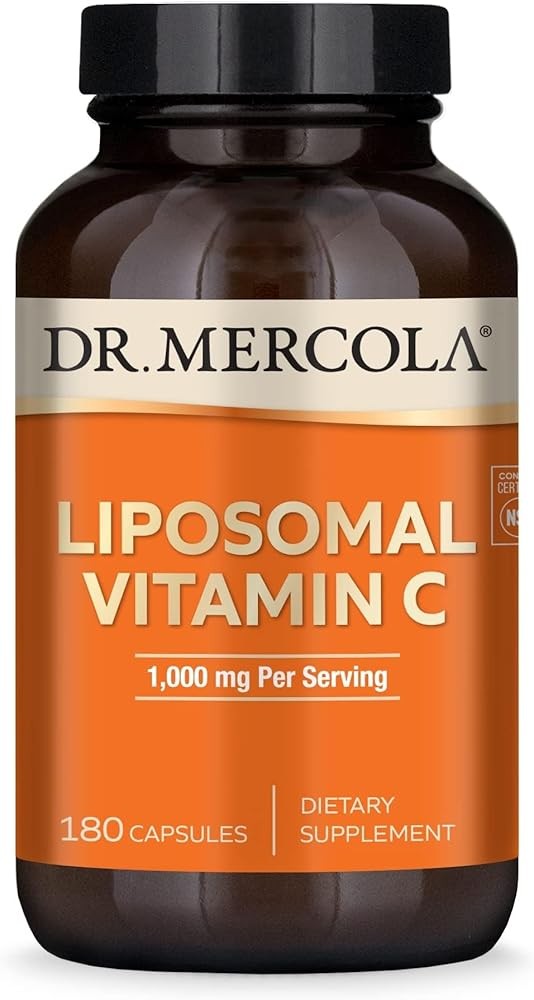
Dr. Mercola Liposomal Vitamin C 1,000mg
Check Price on AmazonAs an Amazon Associate we earn from qualifying purchases.
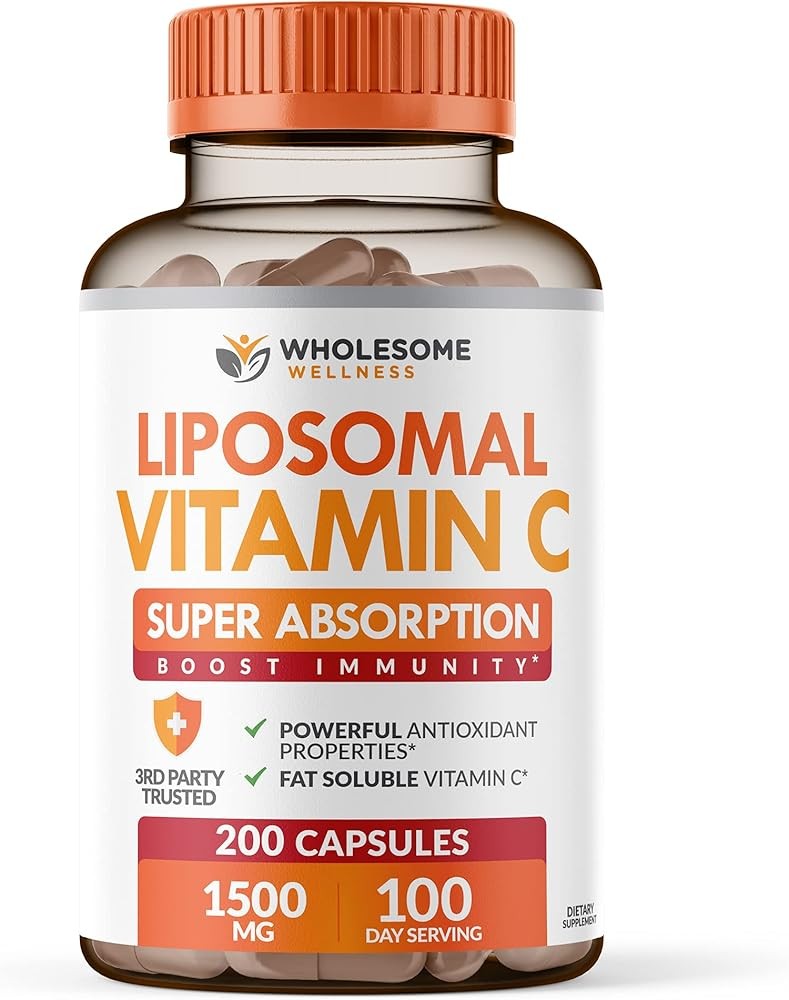
Wholesome Wellness Liposomal Vitamin C 1500mg
Check Price on AmazonAs an Amazon Associate we earn from qualifying purchases.
Recommended Products