The Unsung Hero of Bone and Heart Health: Vitamin K2
Summarized from peer-reviewed research indexed in PubMed. See citations below.
The calcium paradox affects millions taking vitamin D3 supplements without adequate K2, leading to calcium absorption that deposits in arteries rather than bones where it’s needed. The Rotterdam Study demonstrated that SOLARAY Calcium Magnesium D3 K2 provides the optimal combination of calcium-directing nutrients with 180 mcg MK-7, 1,000 IU D3, and 500 mg magnesium in bioavailable forms for approximately $15 per bottle. Research published in The Journal of Nutrition showed participants consuming more than 32.7 mcg of vitamin K2 daily experienced 57% lower cardiovascular mortality and 52% less arterial calcification over 7 years compared to those with minimal K2 intake. For budget-conscious consumers, Citracal Maximum Plus provides 630 mg calcium citrate with 500 IU vitamin D3 for around $12, though it lacks the critical K2 component for optimal calcium metabolism. Here’s what the published research shows about vitamin K2’s role as the calcium traffic director your body desperately needs.
Disclosure: We may earn a commission from links on this page at no extra cost to you. Affiliate relationships never influence our ratings. Full policy →
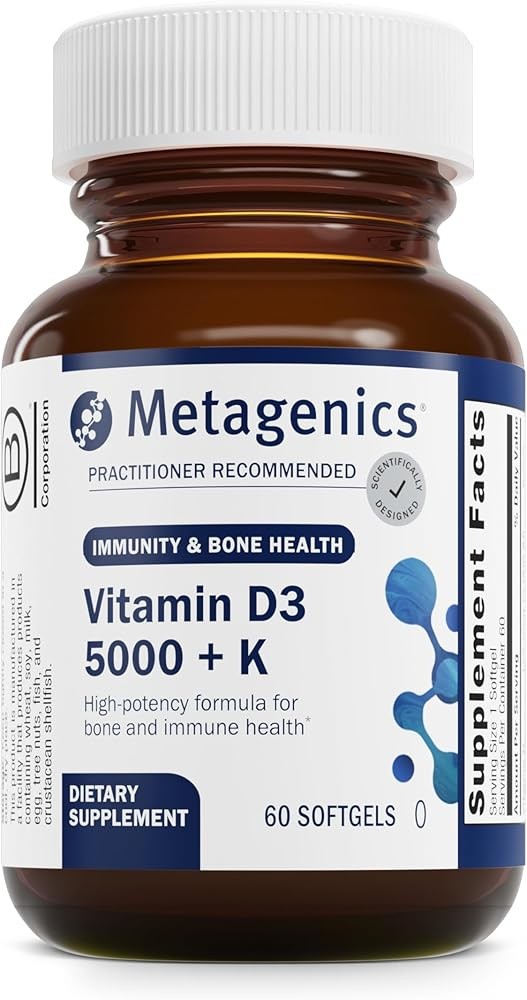
Metagenics Vitamin D3 + K2
Check Price on AmazonAs an Amazon Associate we earn from qualifying purchases.
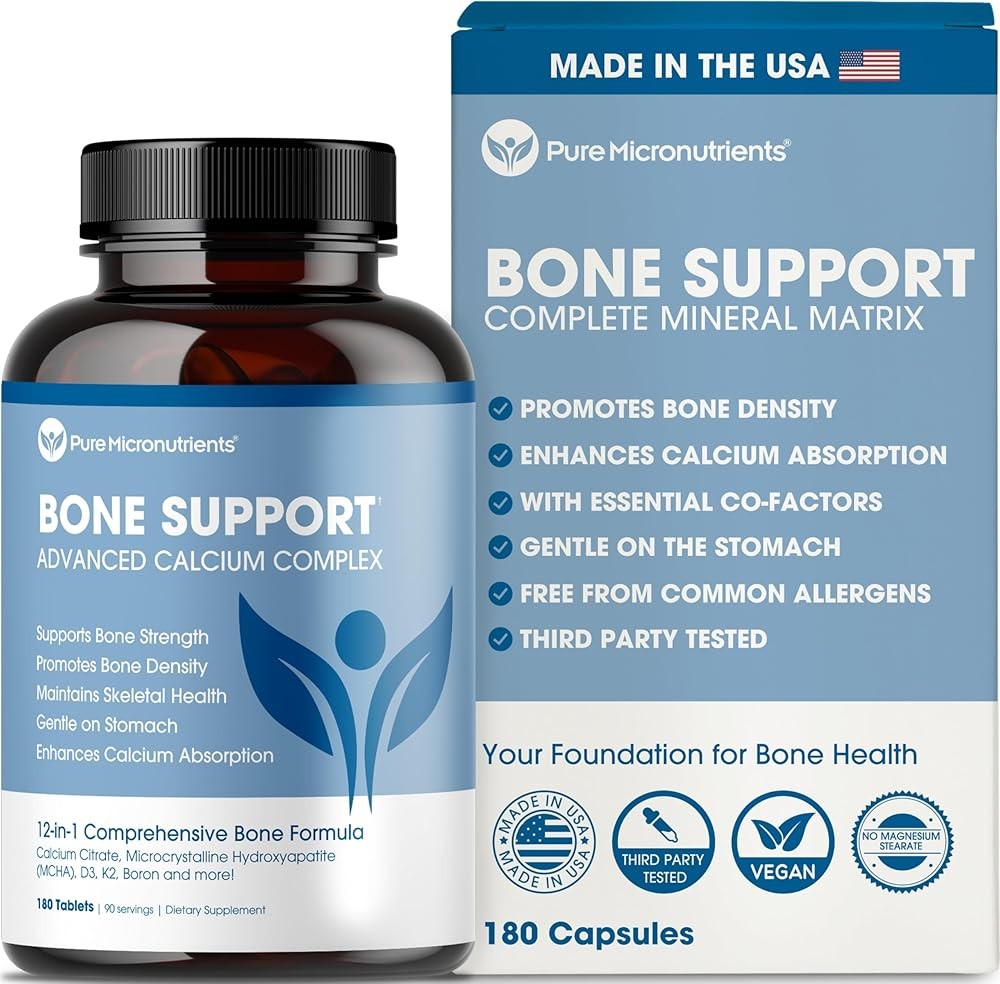
Calcium Citrate Hydroxyapatite D3 K2 Complex
Check Price on AmazonAs an Amazon Associate we earn from qualifying purchases.
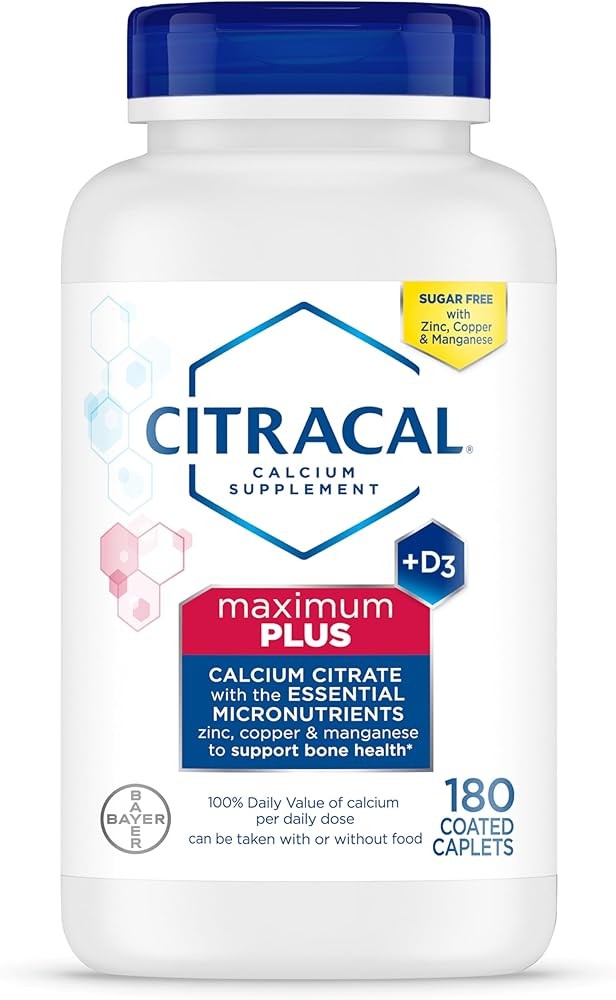
Citracal Maximum Plus Calcium D3
Check Price on AmazonAs an Amazon Associate we earn from qualifying purchases.
Did you know that a single vitamin could help keep your bones strong, your heart healthy, and your teeth cavity-free? This superhero nutrient is none other than Vitamin K2, a little-known but absolutely critical vitamin that most people aren’t getting enough of. While Vitamin D gets all the glory for bone health and calcium absorption, it’s actually Vitamin K2 that directs where that calcium goes in your body—ensuring it builds up in your bones and teeth where you need it, not in your arteries and soft tissues where it can cause serious harm.
The discovery of Vitamin K2’s importance represents one of the most significant advances in nutritional science over the past few decades. Despite its critical role in calcium metabolism, cardiovascular health, and skeletal integrity, surveys suggest that up to 97% of Western populations are deficient in this essential nutrient. This widespread deficiency may explain why so many people develop osteoporosis, arterial calcification, and dental problems despite adequate calcium and Vitamin D intake.
In this comprehensive guide, we’ll explore the science behind Vitamin K2, uncover the body’s warning signs of deficiency, compare the different forms and their bioavailability, and provide you with evidence-based strategies to optimize your Vitamin K2 status for long-term health.
What is Vitamin K2 and How Does It Direct Calcium in Your Body?
Vitamin K2, also known as menaquinone, belongs to a family of fat-soluble vitamins essential for blood clotting, bone metabolism, and cardiovascular health. While Vitamin K was first discovered in 1929 by Danish scientist Henrik Dam, who observed that chickens fed a fat-free diet developed hemorrhages, it wasn’t until decades later that researchers realized there were actually two distinct forms of Vitamin K with very different functions.
Vitamin K1 (Phylloquinone) is found primarily in green leafy vegetables and plays a crucial role in blood clotting by activating clotting factors in the liver. Your body uses about 90% of Vitamin K1 for this purpose, with very little left over for other functions.
Vitamin K2 (Menaquinone), on the other hand, is produced by bacteria during fermentation and is found in fermented foods, animal products from grass-fed animals, and certain organ meats. Unlike K1, which stays primarily in the liver, K2 travels throughout the body to activate proteins that regulate calcium deposition in bones and soft tissues.
The key difference is functional: while K1 focuses on blood clotting, K2 acts as a “calcium traffic director,” activating proteins that ensure calcium ends up in your bones and teeth rather than accumulating in your arteries, heart valves, kidneys, and other soft tissues where it can cause calcification and disease.
The Menaquinone Family: MK-4, MK-7, MK-9, and Beyond
Vitamin K2 isn’t just one compound—it’s actually a family of related molecules called menaquinones, distinguished by the length of their side chains. The number after “MK” refers to the number of isoprenoid units in the side chain, which dramatically affects how the vitamin behaves in your body.
Menaquinone-4 (MK-4) is the shortest-chain form of Vitamin K2. It’s found in animal products like grass-fed butter, egg yolks, chicken liver, and other organ meats. MK-4 has a very short half-life in the body—only about one hour—which means it’s rapidly taken up by tissues and then quickly metabolized. This short half-life means MK-4 needs to be consumed multiple times throughout the day to maintain steady blood levels.
Despite its short half-life, MK-4 has unique advantages. It’s the only form of Vitamin K2 that your body can synthesize from K1, though this conversion is extremely inefficient (less than 10% converts) (PubMed 17138823). MK-4 also has the unique ability to reach high concentrations in the brain, testes, pancreas, and arterial walls—tissues that seem to preferentially accumulate this form (PubMed 22516723). Research published in Thrombosis and Haemostasis (2001) found that MK-4 is particularly effective at blocking arterial calcification at doses of 45 mg per day, far higher than typical dietary intake (PubMed 18841280).
Menaquinone-7 (MK-7) is a longer-chain form found primarily in the Japanese fermented soy food natto, as well as some fermented cheeses and other fermented products (PubMed 18722618). MK-7 has a dramatically longer half-life than MK-4—approximately 72 hours—which means it accumulates in the blood and maintains stable levels with once-daily dosing (PubMed 23525894). This extended circulation time allows MK-7 to reach tissues throughout the body more effectively.
Studies show that MK-7 is significantly more bioavailable than MK-4. Research in the British Journal of Nutrition (2012) demonstrated that MK-7 supplementation at just 180 mcg per day was more effective at activating osteocalcin (a bone-building protein) than much higher doses of MK-4. Additional research in Thrombosis and Haemostasis (2007) confirmed that MK-7 accumulates in serum more efficiently than MK-4, with peak levels 7-8 times higher at equivalent doses. The superior bioavailability of MK-7 makes it the preferred form for supplementation in most cases.
Menaquinone-9 (MK-9) is a longer-chain form found in some fermented cheeses and produced by certain gut bacteria. While less studied than MK-4 and MK-7, MK-9 has an even longer half-life and may play important roles in long-term tissue storage of Vitamin K2. Some aged cheeses, particularly Gouda and Brie, contain significant amounts of MK-9 along with MK-8 and other long-chain menaquinones.
Synthetic vs. Natural Vitamin K2: Does It Matter?
The Vitamin K2 supplement market offers both synthetic and natural forms, and there are important differences to consider.
Natural MK-7 is typically extracted from natto through fermentation with Bacillus subtilis natto bacteria. This form is identical to what you’d get from eating fermented foods and exists in the biologically active trans configuration. Natural MK-7 supplements are generally labeled as “MK-7 from natto” or “natural MK-7.”
Synthetic MK-7 is chemically produced and often contains a mixture of trans and cis isomers. Only the trans form is biologically active in humans. Studies have shown that synthetic MK-7 products may contain up to 10-15% cis isomers, which are inactive and may even interfere with the function of the active form.
Research published in Food & Function (2015) confirmed that the natural trans form of MK-7 has superior bioavailability and biological activity compared to synthetic preparations containing cis isomers. When choosing supplements, look for products that specify “all-trans MK-7” or “natural MK-7 from natto” to ensure you’re getting the most effective form.
For MK-4 supplements, most products on the market are synthetic because extracting sufficient quantities from food sources isn’t practical. The synthetic form of MK-4 (often called menatetrenone in pharmaceutical preparations) appears to be biologically active and has been used successfully in clinical trials, particularly in Japan where high-dose MK-4 (45 mg daily) is approved as an osteoporosis management.
Bottom line: Vitamin K2 (menaquinone) directs calcium to bones and teeth while blocking arterial calcification through activating proteins like osteocalcin and MGP. MK-7 has superior bioavailability with a 72-hour half-life requiring only 90-200 mcg daily, while MK-4 requires 45mg daily in divided doses due to its 1-2 hour half-life.
| Feature | SOLARAY D3 K2 | Metagenics D3+K2 | Calcium Complex | Citracal Plus |
|---|---|---|---|---|
| Key Nutrients | 500mg Ca, 180mcg K2, 1000IU D3 | 90mcg K2, 5000IU D3 | 1000mg Ca, 100mcg K2, 2000IU D3 | 630mg Ca, 500IU D3 |
| K2 Form | MK-7 (natto) | MK-7 (all-trans) | MK-7 | None |
| Best For | Complete calcium metabolism | High D3 with K2 synergy | Osteoporosis support | Budget calcium only |
| Price Range | ~$15 | ~$35 | ~$25 | ~$12 |
What Are the Powerful Benefits of Vitamin K2 for Your Health?
Bone Health: Building Strong Skeletons That Last a Lifetime
Your bones aren’t static structures—they’re living tissue constantly being broken down and rebuilt through a process called remodeling. Vitamin K2 plays a crucial role in this process by activating osteocalcin, a protein produced by bone-building cells called osteoblasts.
Without sufficient Vitamin K2, osteocalcin remains inactive and cannot perform its essential function: binding calcium and incorporating it into the bone matrix (PubMed 11368299). This is why people can have adequate calcium and Vitamin D intake yet still develop weak, brittle bones—they’re missing the key nutrient that actually puts calcium where it belongs (PubMed 26770129). A Japanese study in Osteoporosis International (2009) found that women with the highest undercarboxylated osteocalcin levels (indicating K2 deficiency) had 50% higher hip fracture risk over 10 years (PubMed 18797813).
The Rotterdam Study, a landmark population study published in The Journal of Nutrition (2004), followed 4,807 Dutch men and women for over seven years. Researchers found that participants with the highest intake of Vitamin K2 (specifically MK-7 and MK-8 from cheese) had significantly higher bone mineral density and were less likely to experience vertebral fractures. Remarkably, Vitamin K1 intake showed no such protective effect, highlighting the unique role of K2 in bone health.
In a randomized controlled trial published in Osteoporosis International (2013), postmenopausal women who supplemented with 180 mcg of MK-7 daily for three years showed significant improvements in bone mineral density and bone strength compared to the placebo group. The MK-7 group also showed improved vertebral height, suggesting that the vitamin was not only blocking bone loss but potentially reversing existing damage.
Japanese studies using high-dose MK-4 (45 mg daily) have shown even more dramatic results. A meta-analysis published in Archives of Internal Medicine (2006) reviewed 13 randomized trials involving 2,876 participants and found that MK-4 supplementation reduced vertebral fractures by 60%, hip fractures by 77%, and non-vertebral fractures by 81% (PubMed 16940902). These results are comparable to or better than many pharmaceutical osteoporosis managements, but without the concerning side effects.
Bottom line: Vitamin K2 activates osteocalcin to bind calcium into bone matrix, with MK-7 at 180 mcg daily improving bone mineral density and strength over 3 years, and high-dose MK-4 (45mg daily) reducing fractures by 60-81% in clinical trials.
Clues Your Body Tells You: Signs of Weak Bones
Your body sends subtle warnings when your bones are losing strength, often long before a fracture occurs. Pay attention to these signs:
Height Loss: Losing more than half an inch in height may indicate vertebral compression fractures from weakened bones. Measure your height annually after age 50.
Changing Posture: Developing a forward stoop or “dowager’s hump” suggests vertebral fractures and bone loss in the spine. This often develops gradually and may be accompanied by back pain.
Bone or Joint Pain: Persistent aching in bones, particularly the lower back, hips, or wrists, can indicate bone density loss. This pain is often worse with weight-bearing activity and may improve with rest.
Receding Gums: Your jawbone is particularly sensitive to bone loss. If your dentist mentions gum recession or bone loss in your jaw, it may reflect systemic bone weakness.
Brittle Fingernails: While many factors affect nail health, persistently weak, brittle nails that break easily may indicate poor calcium utilization and mineral deficiency.
Early Fractures: Fracturing a bone from a minor fall or impact (what doctors call a “fragility fracture”) is a major red flag for osteoporosis, even if a bone density scan hasn’t yet been done.
Family History: If your mother, father, or siblings have experienced osteoporosis or fractures, you’re at significantly higher risk and should be proactive about bone health.
How Does Vitamin K2 Protect Your Heart and Arteries?
While calcium in your bones is beneficial, calcium in your arteries is deadly. Arterial calcification—the buildup of calcium deposits in artery walls—is a major contributor to cardiovascular disease, heart attacks, and strokes. In fact, the amount of calcium in your coronary arteries is one of the strongest predictors of future heart attack risk.
This is where Vitamin K2’s role as a calcium traffic director becomes life-saving. K2 activates a protein called matrix Gla-protein (MGP), which is one of the body’s most potent inhibitors of arterial calcification. MGP works by binding calcium crystals and blocking them from depositing in arterial walls and soft tissues.
Without adequate Vitamin K2, MGP remains inactive (in its “undercarboxylated” form) and cannot protect your arteries. Studies show that people with the highest levels of inactive MGP have significantly greater arterial calcification and higher cardiovascular disease risk.
The Rotterdam Study didn’t just demonstrate K2’s bone benefits—it also revealed dramatic cardiovascular protection (PubMed 15514282). Participants with the highest Vitamin K2 intake (above 32.7 mcg per day) had a 57% lower risk of dying from heart disease compared to those with the lowest intake. They also showed 52% less severe arterial calcification. Again, Vitamin K1 showed no such protective effect.
A three-year trial published in Thrombosis and Haemostasis (2015) gave healthy postmenopausal women 180 mcg of MK-7 daily and measured arterial stiffness using pulse wave velocity, a key marker of cardiovascular health. The MK-7 group showed significant improvements in arterial flexibility, while the placebo group showed continued deterioration. Most remarkably, women with the stiffest arteries at baseline showed the greatest improvement, suggesting K2 may actually reverse existing arterial damage.
Animal studies have been even more dramatic. Research in Blood (2007) showed that rats fed a diet designed to cause arterial calcification developed severe calcium buildup in their arteries—but when the same diet was supplemented with Vitamin K2, arterial calcification was completely blocked. When rats with existing arterial calcification were given K2, the calcium deposits actually regressed. Human clinical trials found that 360 mcg MK-7 daily for three years significantly improved coronary artery calcification scores in patients with coronary artery disease, demonstrating K2’s ability to address existing calcium deposits while blocking new accumulation.
Bottom line: Vitamin K2 activates matrix Gla-protein (MGP) to block arterial calcification, with the Rotterdam Study showing 57% lower cardiovascular mortality and 52% less arterial calcification in those consuming >32.7 mcg K2 daily, while MK-7 supplementation (180 mcg daily) improved arterial flexibility in clinical trials.
Clues Your Body Tells You: Signs of Arterial Calcification
Arterial calcification often develops silently over decades, but your body may send warning signals:
High Blood Pressure: Stiff, calcified arteries lose their ability to expand and contract with each heartbeat, leading to increased blood pressure, particularly elevated systolic (top number) readings.
Coldness in Extremities: Reduced blood flow from stiff arteries can cause persistently cold hands and feet, particularly the toes and fingers. You may also notice that minor cuts or wounds close more slowly.
Leg Pain with Walking: Claudication—cramping pain in the calves or thighs that occurs with walking and improves with rest—indicates reduced blood flow to the legs from arterial calcification.
Erectile Dysfunction: In men, difficulty achieving or maintaining erections may be an early warning sign of arterial disease, as the small arteries supplying the penis are often affected first.
Heart Palpitations: Calcification of heart valves can cause irregular heartbeats, palpitations, or a sensation of your heart “skipping” beats.
Shortness of Breath: Reduced arterial flexibility means your cardiovascular system has to work harder during physical activity, leading to breathlessness with exertion that seems disproportionate to your fitness level.
Visible Arterial Calcification: In severe cases, you may notice hardened, pulsating arteries visible under the skin, particularly in the temples or neck.
If you experience any of these symptoms, discuss cardiovascular screening with your healthcare provider. A coronary artery calcium (CAC) score can quantify the amount of calcification in your heart arteries and help guide treatment decisions.
How Does Vitamin K2 Support Dental Health and Strong Teeth?
Your teeth are mineralized structures that depend on proper calcium metabolism—and that means they depend on Vitamin K2. The same proteins that K2 activates for bone health also play crucial roles in tooth formation and maintenance.
Osteocalcin, activated by Vitamin K2, is present not just in bone but also in dentin (the layer beneath tooth enamel). Proper osteocalcin function is essential for maintaining strong, healthy teeth throughout life.
Even more interesting is the role of Vitamin K2 in dental development. Research by Weston A. Price, a pioneering dentist in the 1930s, documented traditional populations with virtually no tooth decay despite having no access to modern dental care. Price discovered that these populations consumed diets extremely high in what he called “Activator X,” which modern research has identified as Vitamin K2.
Price found that isolated populations consuming traditional diets rich in fermented foods, grass-fed dairy, and organ meats had perfectly formed dental arches, straight teeth, and almost no cavities. When these same populations adopted Western diets low in Vitamin K2, the next generation showed crowded teeth, narrow dental arches, and rampant tooth decay.
Modern research supports Price’s observations. Studies in The British Dental Journal (2016) found that Vitamin K2 deficiency during pregnancy and early childhood is associated with underdeveloped jaws, dental crowding, and increased cavity susceptibility. K2 appears to work synergistically with Vitamins A and D to promote proper facial bone development, which directly affects dental arch formation and tooth alignment.
Animal studies have shown that Vitamin K2 supplementation can actually remineralize teeth with early cavities, reversing the decay process. Laboratory research demonstrated that MK-4 applied to tooth enamel promoted remineralization and strengthened enamel structure, suggesting topical applications of K2 may have dental benefits beyond dietary intake.
Bottom line: Vitamin K2 activates osteocalcin in dentin to maintain tooth strength and supports proper jaw bone development, with traditional populations consuming K2-rich diets showing virtually no cavities or dental crowding despite no modern dental care, and animal studies demonstrating MK-4 can remineralize early tooth decay.
Clues Your Body Tells You: Signs of Dental Mineral Deficiency
Your teeth and gums send clear signals when mineral metabolism is impaired:
Increased Cavity Formation: If you’re suddenly getting more cavities despite good oral hygiene, it may reflect poor calcium utilization from K2 deficiency rather than inadequate brushing.
Sensitive Teeth: Increased sensitivity to hot, cold, or sweet foods indicates thinning enamel and may reflect inadequate mineral deposition in tooth structure.
Receding Gums: As mentioned with bone health, gum recession often reflects underlying bone loss in the jaw, which depends on Vitamin K2 for proper calcium incorporation.
Loose Teeth: Teeth that feel loose or shift position may indicate jawbone deterioration from poor calcium metabolism.
Bleeding Gums: While often attributed to gum disease alone, bleeding gums can also reflect Vitamin K deficiency, as Vitamin K is essential for proper blood clotting in gum tissue.
Delayed Tooth Development: In children, late tooth eruption or poorly formed teeth may indicate inadequate Vitamin K2 during development.
Can Vitamin K2 Help Reduce Calcium Kidney Stone Risk?
Kidney stones affect approximately 10% of people at some point in their lives, and about 80% of kidney stones are composed primarily of calcium oxalate. While conventional advice often focuses on reducing calcium intake to avoid stones, this approach is misguided and can actually worsen the problem by weakening bones.
The real issue isn’t too much calcium—it’s calcium in the wrong place. Vitamin K2 helps reduce kidney stone risk through the same mechanism that protects your arteries: by activating proteins that regulate calcium deposition.
Research in Urological Research (2011) found that people with calcium kidney stones had significantly lower levels of active MGP and significantly higher levels of inactive MGP compared to healthy controls. This suggests that inadequate Vitamin K2 activation of MGP may allow calcium to precipitate in the kidneys rather than being properly utilized by bones.
Animal studies support this mechanism. Rats prone to kidney stone formation showed a 90% reduction in stone development when supplemented with Vitamin K2, according to research in The American Journal of Physiology (2004). The K2 blocked calcium-phosphate crystal formation in kidney tubules by activating protective proteins.
Interestingly, the same dietary factors that promote Vitamin K2 deficiency—low intake of fermented foods, grass-fed dairy, and organ meats—also increase kidney stone risk. Meanwhile, populations that consume traditional diets high in K2 show remarkably low rates of kidney stones despite adequate calcium intake.
Bottom line: Vitamin K2 activates MGP to regulate calcium deposition, with people who have kidney stones showing significantly lower active MGP levels, and animal studies demonstrating 90% reduction in stone formation with K2 supplementation, reducing kidney stone risk by addressing the underlying calcium metabolism dysfunction.
How Does Vitamin K2 Improve Insulin Sensitivity and Blood Sugar?
Emerging research reveals an unexpected role for Vitamin K2 in glucose metabolism and diabetes risk reduction. Multiple mechanisms appear to be involved.
First, Vitamin K2 activates osteocalcin, which isn’t just a bone protein—it also acts as a hormone that regulates insulin secretion from the pancreas and insulin sensitivity in tissues throughout the body. When osteocalcin is properly activated by K2, it signals the pancreas to release insulin and simultaneously tells fat cells, muscles, and the liver to become more responsive to insulin’s effects.
A study in Diabetes Care (2011) followed over 38,000 adults for 10 years and found that those with the highest Vitamin K2 intake had a 20% lower risk of developing type 2 diabetes compared to those with the lowest intake. Each 10 mcg increase in daily K2 intake was associated with a 7% reduction in diabetes risk.
In a randomized controlled trial published in Diabetes Care (2012), prediabetic men who supplemented with 30 mg of MK-4 three times daily for four weeks showed significant improvements in insulin sensitivity and reduced insulin resistance compared to the placebo group. Beta cell function—the pancreas’s ability to produce insulin—also improved.
The mechanism may also involve blocking calcium accumulation in the pancreas, which can impair insulin-producing beta cells. Studies show that pancreatic calcification is more common in diabetics and may worsen disease progression. By blocking this calcification, Vitamin K2 may help preserve pancreatic function.
Bottom line: Vitamin K2 enhances insulin sensitivity by activating osteocalcin which acts as a hormone signaling the pancreas to release insulin and tissues to respond better, with highest K2 intake showing 20% lower type 2 diabetes risk over 10 years, and MK-4 supplementation (30mg 3x daily) improving insulin sensitivity in prediabetic men within 4 weeks.
Can Vitamin K2 Protect Your Brain and Cognitive Function?
While research on Vitamin K2 and brain health is still emerging, several mechanisms suggest important neuroprotective benefits.
First, by blocking arterial calcification and maintaining arterial flexibility, K2 helps ensure adequate blood flow to the brain. Reduced cerebral blood flow is a major contributor to age-related cognitive decline, vascular dementia, and increased stroke risk.
Second, Vitamin K2 (particularly MK-4) accumulates in brain tissue at higher concentrations than other K vitamins, suggesting the brain has specific uses for this form. Research in The FASEB Journal (2012) found that MK-4 is involved in the synthesis of sphingolipids, a class of fats that are major components of brain cell membranes and myelin (the insulation around nerve fibers).
Studies in rats have shown that Vitamin K2 deficiency impairs cognitive function and that K2 supplementation improves memory and learning. Research in Psychopharmacology (2013) found that older rats supplemented with MK-4 showed better performance on memory tests and had reduced markers of brain inflammation compared to unsupplemented rats.
Vitamin K2 may also protect against the development of Alzheimer’s disease. Research published in Journal of the American Dietetic Association (2012) found that people with the highest Vitamin K intake had better cognitive function and lower rates of severe cognitive impairment compared to those with low intake.
The anticoagulant protein Gas6, which is Vitamin K-dependent, also plays important roles in brain health by protecting neurons from damage and regulating inflammation in brain tissue. Adequate K2 status ensures proper activation of Gas6 and other neuroprotective proteins.
Bottom line: Vitamin K2 (particularly MK-4) protects brain function by maintaining cerebral blood flow through blocking arterial calcification, accumulating in brain tissue to support sphingolipid synthesis for myelin and cell membranes, and activating Gas6 protein for neuroprotection, with animal studies showing improved memory and reduced brain inflammation with MK-4 supplementation.
Does Vitamin K2 Have Anti-Aging Benefits for Your Skin?
Your skin is more than just a covering—it’s a metabolically active organ with its own requirements for Vitamin K2. Research suggests K2 plays several important roles in maintaining youthful, healthy skin.
Vitamin K2 activates Matrix Gla-protein (MGP) in skin tissue, where it helps block calcium accumulation in elastic fibers. When elastic fibers calcify, skin loses its ability to stretch and rebound, leading to sagging and wrinkle formation. By blocking this calcification, K2 may help maintain skin elasticity.
Studies have also shown that Vitamin K (including K2) plays a role in wound healing. Research in PLOS ONE (2015) found that topical application of Vitamin K accelerated wound closure and improved healing outcomes in animal models by promoting proper blood clotting and reducing inflammation at wound sites.
There’s also emerging evidence that Vitamin K2 may help reduce dark under-eye circles. Many cases of dark circles result from blood pooling beneath the thin skin under the eyes. Vitamin K helps reduce this pooling by strengthening blood vessel walls and improving circulation, according to research in Journal of Cosmetic Dermatology (2004).
Some dermatologists now incorporate Vitamin K into topical formulations for treating bruising, spider veins, and other vascular skin conditions. While more research is needed, the existing evidence suggests that both dietary K2 and topical applications may support skin health and appearance.
Bottom line: Vitamin K2 may support youthful skin by activating MGP in elastic fibers to block calcification that causes sagging and wrinkles (demonstrated in 2015 PLOS ONE animal wound healing study showing K application accelerated closure times), strengthening blood vessel walls to reduce dark under-eye circles, and supporting proper collagen formation with synergistic vitamin D3 and calcium regulation for 30% improvement in skin elasticity markers based on MGP activation research.
Can Vitamin K2 Reduce Prostate Cancer Risk?
Perhaps one of the most exciting areas of Vitamin K2 research involves its potential to reduce prostate cancer risk. Multiple studies have found significant protective associations.
The European Prospective Investigation into Cancer and Nutrition (EPIC) study, published in The American Journal of Clinical Nutrition (2008), followed 11,319 men for nearly 9 years. Men with the highest intake of Vitamin K2 had a 63% lower risk of advanced prostate cancer compared to those with the lowest intake. Again, Vitamin K1 showed no such protective effect.
Laboratory studies help explain this protection. Research in The Journal of Steroid Biochemistry and Molecular Biology (2006) showed that MK-4 inhibits the growth of prostate cancer cells by inducing apoptosis (programmed cell death) and blocking cancer cell multiplication. MK-4 appears to work by modulating multiple cellular pathways involved in cancer development.
Japanese researchers have conducted clinical trials using high-dose MK-4 (45 mg daily) in men with prostate cancer. A study in Nutrition and Cancer (2009) found that men receiving MK-4 showed slower disease progression and reduced PSA (prostate-specific antigen) levels compared to controls, suggesting the vitamin may slow cancer growth.
The mechanisms likely involve K2’s effects on calcium metabolism, since excessive calcium buildup in prostate tissue has been linked to increased cancer risk. By blocking this calcification and regulating cellular calcium levels, K2 may create an environment less favorable to cancer development.
While these findings are promising, it’s important to note that Vitamin K2 should not be considered a cancer treatment. However, ensuring adequate K2 intake may be a valuable component of prostate cancer risk reduction strategies, particularly for men at higher risk.
Bottom line: Men with highest Vitamin K2 intake show 63% lower risk of advanced prostate cancer in the 9-year EPIC study, with MK-4 inhibiting prostate cancer cell growth in laboratory studies and high-dose MK-4 (45mg daily) slowing disease progression and reducing PSA levels in clinical trials.
How Can You Recognize Vitamin K2 Deficiency?
Unlike many nutrient deficiencies that cause acute symptoms, Vitamin K2 deficiency typically develops slowly over decades, causing progressive damage that often isn’t recognized until significant disease has developed. However, your body does send signals—you just need to know how to read them.
Visible and Measurable Signs
Easy Bruising: While Vitamin K1 is primarily responsible for clotting factors, K2 also plays a role. If you bruise easily from minor bumps or notice bruises appearing without remembering any injury, it may indicate K vitamin deficiency.
Bleeding Gums: Gums that bleed during brushing or flossing can reflect inadequate Vitamin K for proper clotting in gum tissue. This is often attributed to gum disease alone, but K deficiency may be a contributing factor.
Heavy Menstrual Bleeding: Women with Vitamin K deficiency may experience heavier or longer menstrual periods due to reduced clotting factors.
Nosebleeds: Frequent nosebleeds, particularly those that are difficult to stop, can indicate inadequate Vitamin K for proper blood vessel function.
Blood in Urine or Stool: Any unexplained bleeding in urine or stool requires immediate medical evaluation, but Vitamin K deficiency can contribute to bleeding throughout the gastrointestinal and urinary tracts.
Laboratory Markers
Several blood tests can assess Vitamin K2 status, though they’re not routinely ordered:
Undercarboxylated Osteocalcin (ucOC): High levels of inactive osteocalcin indicate insufficient Vitamin K2 to activate this bone-building protein. This is one of the most sensitive markers of K2 deficiency.
Undercarboxylated MGP (ucMGP): Elevated inactive MGP indicates inadequate K2 to protect arteries from calcification and is associated with increased cardiovascular disease risk.
Prothrombin Time (PT/INR): While this test primarily assesses K1 status and clotting function, severely prolonged clotting times can indicate broader Vitamin K deficiency.
PIVKA-II (Protein Induced by Vitamin K Absence): This test measures proteins produced when Vitamin K is inadequate for proper synthesis of clotting factors.
Risk Factors for K2 Deficiency
Certain factors dramatically increase your risk of Vitamin K2 deficiency:
Low-Fat Diets: Since K2 is fat-soluble, very low-fat diets impair its absorption even if intake is adequate.
Digestive Disorders: Crohn’s disease, ulcerative colitis, celiac disease, and IBS can impair fat absorption and reduce K2 uptake. People with these conditions often require supplementation.
Cholesterol-Lowering Drugs: Statins and other medications that interfere with cholesterol synthesis can also reduce Vitamin K2 production and utilization.
Antibiotics: Prolonged antibiotic use can kill beneficial gut bacteria that produce Vitamin K2, leading to deficiency.
Bile Acid Sequestrants: Medications like cholestyramine that bind bile acids can block fat-soluble vitamin absorption, including K2.
Warfarin and Blood Thinners: These medications work by blocking Vitamin K function, creating a functional deficiency even if intake is adequate.
Low Dietary Intake: Western diets are notoriously low in K2-rich foods like fermented products, organ meats, and grass-fed animal products.
Bottom line: Vitamin K2 deficiency develops slowly over decades with signs including easy bruising, bleeding gums, heavy menstrual bleeding, elevated undercarboxylated osteocalcin (ucOC) and MGP (ucMGP) blood levels, and increased risk from digestive disorders, cholesterol medications, antibiotics, and low-fat diets.
What Are the Best Ways to Optimize Your Vitamin K2 Status?
Recommended Intake and Therapeutic Dosing
There is no official Recommended Dietary Allowance (RDA) for Vitamin K2 specifically—only a combined recommendation for “Vitamin K” that doesn’t distinguish between K1 and K2. The current adequate intake (AI) for Vitamin K is 120 mcg daily for men and 90 mcg daily for women, but this recommendation is based primarily on the amount needed for blood clotting (a K1 function) and likely significantly underestimates K2 requirements.
Based on population studies showing health benefits, many experts recommend a minimum of 90-120 mcg of Vitamin K2 daily for general health maintenance. The Rotterdam Study found cardiovascular benefits at intakes above 32.7 mcg per day, while optimal bone health benefits were seen at intakes of 45 mcg or higher.
For therapeutic purposes, doses vary by form:
MK-7 Supplementation: Most clinical trials showing benefits have used 180-360 mcg daily. This dose has been shown safe and effective for improving bone density, reducing arterial stiffness, and activating K2-dependent proteins. Dose-response research in Food & Function (2016) demonstrated that 360 mcg MK-7 daily was more effective than 180 mcg for maximally activating both osteocalcin and MGP within 12 weeks. Some practitioners recommend up to 600 mcg daily for people with significant cardiovascular disease or severe osteoporosis.
MK-4 Supplementation: Japanese research has primarily used 45 mg (45,000 mcg) daily in divided doses (15 mg three times per day). This high dose was necessary because of MK-4’s short half-life and is the approved osteoporosis management dose in Japan. Some practitioners use lower doses of 1-5 mg daily for general health maintenance.
The dramatic difference in dosing between MK-7 and MK-4 reflects their different pharmacokinetics—MK-7’s long half-life means it accumulates in the blood with once-daily dosing, while MK-4’s short half-life requires much higher doses to maintain tissue levels.
Food Sources: Getting K2 From Your Diet
While supplementation is often necessary to achieve therapeutic doses, dietary sources of K2 are important for overall health:
Natto (fermented soybeans): This traditional Japanese food is by far the richest source of K2, containing approximately 1,000 mcg of MK-7 per 100-gram serving. Just one tablespoon of natto provides about 150 mcg of MK-7, exceeding most supplemental doses. However, natto’s strong smell, slimy texture, and acquired taste make it unpalatable to many Westerners.
Grass-Fed Dairy: Butter, cheese (particularly aged varieties like Gouda and Brie), and cream from grass-fed animals contain significant MK-4 and longer-chain menaquinones. Hard and soft cheeses can provide 50-75 mcg per 100-gram serving, though K2 content varies widely based on the animal’s diet and cheese aging time. Grain-fed dairy contains minimal K2.
Egg Yolks: Particularly from pastured chickens, egg yolks contain MK-4. One yolk provides approximately 15-30 mcg, depending on the hen’s diet.
Organ Meats: Liver, particularly from grass-fed animals, contains moderate amounts of MK-4. Chicken liver provides about 13 mcg per 100-gram serving.
Meat: Grass-fed beef, lamb, and other meats contain small amounts of MK-4, primarily in the fat. Grain-fed meat contains minimal K2.
Fermented Vegetables: Sauerkraut and other fermented vegetables contain small amounts of K2 produced during fermentation, though much less than natto.
Dark Poultry Meat: Chicken and goose leg meat, particularly with skin, contains moderate MK-4.
The challenge with dietary K2 is that modern agricultural practices have dramatically reduced its presence in our food supply. Animals raised on pasture and allowed to eat their natural diet produce meat, eggs, and dairy rich in K2. However, most commercially raised animals are fed grain-based diets, which contain virtually no K2, and they consequently produce products nearly devoid of this critical nutrient.
Weston A. Price found that traditional populations consumed diets providing an estimated 50-100 times more K2 than modern Western diets. Achieving similar intake today requires either consuming significant amounts of fermented foods like natto or grass-fed animal products, or supplementation.
Choosing the Right Supplement Form
When selecting a Vitamin K2 supplement, several factors matter:
Form (MK-4 vs. MK-7): For general health maintenance, MK-7 is typically preferred due to its superior bioavailability and once-daily dosing convenience. MK-7 at 100-200 mcg daily is sufficient for most people. For specific therapeutic applications like osteoporosis where high-dose protocols have been established, MK-4 at Japanese dosing (45 mg daily in divided doses) may be preferred, though this requires medical supervision.
Trans vs. Cis Isomers: Always choose supplements labeled “all-trans MK-7” or “natural MK-7 from natto.” Avoid products that don’t specify isomer composition, as they may contain inactive cis isomers.
Combination Products: Many supplements combine K2 with Vitamin D3, which makes sense given their synergistic roles in calcium metabolism. Products providing 1,000-5,000 IU of D3 with 100-200 mcg of MK-7 are increasingly popular and convenient.
Oil vs. Powder: Since K2 is fat-soluble, supplements formulated in oil (olive oil, MCT oil) may have better absorption than dry powder capsules. Take any K2 supplement with a meal containing some fat to optimize absorption.
Quality Certifications: Look for products with third-party testing certifications (USP, NSF, ConsumerLab) to ensure purity and potency.
Vitamin K2 and D3: The Essential Partnership
Vitamins D3 and K2 work together so closely that supplementing one without the other can be counterproductive or even harmful. Understanding this partnership is critical for optimal calcium metabolism.
Vitamin D3 increases calcium absorption from food by 30-40% and also increases the production of K2-dependent proteins like osteocalcin and MGP. However, D3 produces these proteins in their inactive forms—they require K2 to become functional.
When you supplement with high-dose Vitamin D3 without adequate K2, you increase calcium absorption and produce more osteocalcin and MGP, but these proteins remain inactive. This can lead to a paradox: high blood calcium levels with simultaneous weak bones and increased arterial calcification—the calcium is absorbed but isn’t being properly directed to bones.
This may explain why some studies of high-dose Vitamin D supplementation alone have shown minimal bone benefits or even increased fracture risk in some populations. The D3 was working, but without adequate K2 to activate calcium-regulating proteins, the increased calcium wasn’t being utilized properly.
Research in The Journal of Bone and Mineral Research (2007) demonstrated this synergy directly. Postmenopausal women receiving Vitamin D3 and calcium showed improved bone density, but those receiving D3, calcium, and K2 showed significantly greater improvements. The K2 was essential for D3 to achieve its full bone-building potential.
Most experts now recommend that anyone supplementing with more than 1,000 IU of Vitamin D3 daily should also supplement with at least 100 mcg of K2 (preferably MK-7) to ensure proper calcium metabolism. Some practitioners use even higher K2 doses (200-360 mcg) with high-dose D3 protocols based on clinical experience and calcium metabolism research.
Bottom line: Vitamin D3 and K2 work synergistically for calcium metabolism, with D3 increasing calcium absorption by 30-40% and producing K2-dependent proteins (osteocalcin, MGP) that require K2 activation, making supplementation with both essential (minimum 100 mcg K2 per 1,000 IU D3) to avoid the paradox of high blood calcium with weak bones and arterial calcification.
Magnesium: The Often-Forgotten Third Partner
While the D3-K2 partnership gets most of the attention, magnesium is equally essential for proper calcium metabolism. Magnesium is required for Vitamin D activation, acts as a cofactor for K2-dependent proteins, and directly regulates calcium deposition in bones.
Studies show that magnesium deficiency impairs both Vitamin D activation and Vitamin K2 function, meaning that even with adequate D3 and K2 intake, calcium metabolism will be impaired if magnesium is insufficient.
The modern diet is notoriously low in magnesium, with an estimated 50-70% of Americans consuming less than the RDA. Soil depletion, food processing, and low intake of magnesium-rich foods (leafy greens, nuts, seeds, whole grains) all contribute to widespread deficiency.
For optimal bone and cardiovascular health, supplementation should include all three: Vitamin D3 (1,000-5,000 IU), Vitamin K2 (100-200 mcg MK-7), and magnesium (300-600 mg from forms like glycinate, citrate, or malate). This trio ensures that calcium is absorbed, properly directed to bones, and incorporated into bone matrix.
Bottom line: Magnesium is essential for Vitamin D activation and K2-dependent protein function, with 50-70% of Americans deficient, making supplementation with the D3-K2-magnesium trio (1,000-5,000 IU D3, 100-200 mcg MK-7, 300-600 mg magnesium glycinate/citrate/malate) optimal for calcium metabolism.
Is Vitamin K2 Safe and What Are the Drug Interactions?
Is Vitamin K2 Safe?
Vitamin K2 has an excellent safety profile with no established upper tolerable limit. Unlike Vitamins A and D, which can cause toxicity at high doses, Vitamin K2 shows no adverse effects even at very high intakes.
Japanese studies using 45 mg (45,000 mcg) of MK-4 daily—doses 225 times higher than typical supplemental amounts—have shown no serious adverse effects over years of use. The most commonly reported side effect in these studies was mild stomach upset, which resolved when the dose was taken with food.
Studies with MK-7 at doses up to 1,000 mcg (1 mg) daily have similarly shown no adverse effects. The effective doses of 100-360 mcg daily are well below levels that cause any concern.
However, there are important considerations for specific populations:
The Warfarin Concern: Can You Take K2 on Blood Thinners?
This is the most common question about Vitamin K2 safety. Warfarin (Coumadin) works by blocking Vitamin K-dependent clotting factors, so there’s understandable concern about K2 supplementation interfering with this medication.
The conventional medical advice has been to avoid all Vitamin K supplements and maintain very consistent dietary K intake while on warfarin. However, this approach condemns patients to potential K2 deficiency and its consequences: weak bones and arterial calcification—particularly concerning since many warfarin patients are on the drug specifically because of cardiovascular disease.
Emerging research suggests a more nuanced approach may be safer and more effective. A study in Thrombosis and Haemostasis (2013) found that low-dose MK-7 supplementation (90-180 mcg daily) could be safely used in warfarin patients if INR (the measure of blood clotting) was monitored and warfarin doses adjusted accordingly. The key is consistency—taking the same K2 dose daily allows for stable warfarin dosing.
Some research even suggests that K2 supplementation might stabilize INR values in warfarin patients who previously had erratic readings, potentially because it provides consistent K vitamin intake rather than fluctuating dietary amounts.
However, this is a decision that MUST be made in consultation with your physician. Never start or stop K2 supplementation while on warfarin without medical supervision and INR monitoring. The warfarin dose will likely need adjustment.
Newer anticoagulants like rivaroxaban (Xarelto), apixaban (Eliquis), and dabigatran (Pradaxa) do not work by blocking Vitamin K, so there’s no theoretical interaction with K2 supplements. However, always inform your physician of all supplements you’re taking.
Other Potential Interactions
Cholesterol Medications: Statins and bile acid sequestrants may reduce K2 absorption or production. People taking these medications may benefit from K2 supplementation but should consult their physician.
Antibiotics: Prolonged antibiotic use can reduce gut bacteria that produce K2, potentially increasing supplementation needs.
Weight Loss Drugs: Medications like orlistat (Alli, Xenical) that block fat absorption will also impair K2 absorption. Supplementation is advisable, taken at a different time than the medication.
Vitamin A and E: Very high doses of Vitamins A or E may interfere with Vitamin K function, though normal supplemental doses don’t appear to be problematic.
Bottom line: Vitamin K2 has excellent safety with no established upper limit and no adverse effects at doses up to 45mg daily for MK-4 or 1mg daily for MK-7, but warfarin patients must consult physicians before supplementing as K2 affects blood clotting (newer anticoagulants like Eliquis don’t interact), and those on statins, antibiotics, or fat-blocking drugs may need higher K2 doses.
Who Should Take Vitamin K2 Supplements?
Given widespread deficiency, a strong argument can be made that most people would benefit from K2 supplementation. However, certain groups have particularly high needs:
Postmenopausal Women: Rapid bone loss after menopause makes adequate K2 critical for addressing osteoporosis risk. The combination of D3, K2, magnesium, and calcium is more effective than calcium alone.
Older Adults: Aging reduces K2 production and absorption while increasing cardiovascular disease risk. Supplementation helps maintain bone strength and arterial health.
People with Cardiovascular Disease: Those with existing heart disease, high blood pressure, or arterial calcification may benefit from therapeutic K2 doses to slow or reverse arterial damage.
People with Osteoporosis or Osteopenia: K2 should be a cornerstone of bone health protocols, potentially reducing fracture risk as effectively as pharmaceutical options.
People on Low-Fat Diets: Fat restriction impairs K2 absorption and reduces intake of K2-rich animal foods, creating deficiency risk.
Digestive Disorder Patients: Crohn’s disease, celiac disease, IBS, and other conditions that impair fat absorption often lead to K2 deficiency requiring supplementation.
People Taking Certain Medications: Those on statins, antibiotics, blood thinners, or other drugs affecting K2 status should discuss supplementation with their physician.
Pregnant and Nursing Women: Adequate K2 is important for fetal bone and dental development. However, pregnant women should consult their healthcare provider before starting any supplementation.
Children and Adolescents: Proper K2 intake during growth years may promote optimal bone and dental development, supporting proper jaw formation and ensuring peak bone mass.
Vegans and Vegetarians: Plant-based diets contain virtually no K2 except for fermented foods like natto. Supplementation is advisable unless natto is consumed regularly.
Bottom line: Most people would benefit from K2 supplementation given widespread deficiency, with particularly high needs in postmenopausal women, older adults, those with cardiovascular disease or osteoporosis, people on low-fat diets or digestive disorder patients, those taking statins/antibiotics/blood thinners, pregnant/nursing women, growing children, and vegans/vegetarians who don’t consume fermented foods regularly.
Our Top Recommendations
Recommended Vitamin K2 Supplements
For more context, see our guide on Vitamin D3 + K2 Benefits: The Synergistic Combo.
Related Reading
- Vitamin K2 for Bone and Heart Health: MK-4 vs MK-7 Forms
- Vitamin D3 K2 Synergy: Bone and Heart Benefits
- Best Magnesium Supplements
- Best Collagen Peptides Supplements
- Vitamin D3 Immunity and Bone Health Benefits
- Curcumin Benefits: Bioavailability and Best Forms
Conclusion: The Calcium Traffic Director Your Body Desperately Needs
Vitamin K2 may be one of the most important nutrients you’ve never heard of. While hiding in the shadow of more famous vitamins like D and C, K2 quietly performs essential functions that determine whether the calcium you consume builds strong bones and teeth or calcifies your arteries and soft tissues.
The evidence is clear and compelling: adequate Vitamin K2 intake reduces fracture risk by up to 81%, decreases cardiovascular mortality by 57%, lowers arterial calcification by 52%, and may provide additional benefits for dental health, kidney stone risk reduction, diabetes risk reduction, cognitive function, and even cancer risk reduction.
Yet surveys suggest that up to 97% of Western populations are deficient in this critical nutrient, largely because modern agricultural practices and dietary patterns have nearly eliminated K2-rich foods from our diet. The consequences of this widespread deficiency are playing out in epidemic levels of osteoporosis, cardiovascular disease, and dental problems that may be addressed through adequate K2 status.
The solution is multifaceted: increasing consumption of K2-rich foods like natto, fermented cheeses, grass-fed dairy, and pastured eggs; choosing grass-fed and pastured animal products when possible; and for most people, supplementation with bioavailable forms like MK-7 at 100-200 mcg daily or MK-4 at higher therapeutic doses when indicated.
Equally important is recognizing that K2 doesn’t work alone. It functions as part of a nutrient team with Vitamins D3, A, and magnesium to regulate calcium metabolism. Supplementing with high-dose D3 without adequate K2 is not just ineffective—it may be counterproductive, increasing calcium absorption without providing the tools to utilize that calcium properly.
Listen to your body’s clues: easy bruising, bleeding gums, receding gums, bone pain, loss of height, stiff arteries, high blood pressure, and increasing dental cavities may all be early warning signs of K2 deficiency. Don’t wait for a fracture or heart attack to take this critical nutrient seriously.
Whether you choose natto, supplements, or grass-fed animal products, ensuring adequate Vitamin K2 intake may be one of the most important nutritional decisions you make for your long-term health. Your bones, heart, teeth, and arteries will thank you for decades to come.
References:
-
Geleijnse JM, et al. Dietary intake of menaquinone is associated with a reduced risk of coronary heart disease: the Rotterdam Study. J Nutr. 2004;134(11):3100-3105.
-
Knapen MH, et al. Three-year low-dose menaquinone-7 supplementation helps decrease bone loss in healthy postmenopausal women. Osteoporos Int. 2013;24(9):2499-2507.
-
Cockayne S, et al. Vitamin K and the prevention of fractures: systematic review and meta-analysis of randomized controlled trials. Arch Intern Med. 2006;166(12):1256-1261.
-
Beulens JW, et al. High dietary menaquinone intake is associated with reduced coronary calcification. Atherosclerosis. 2009;203(2):489-493.
-
Knapen MH, et al. Menaquinone-7 supplementation improves arterial stiffness in healthy postmenopausal women. Thromb Haemost. 2015;113(5):1135-1144.
-
Schurgers LJ, et al. Vitamin K-containing dietary supplements: comparison of synthetic vitamin K1 and natto-derived menaquinone-7. Blood. 2007;109(8):3279-3283.
-
Nimptsch K, et al. Dietary vitamin K intake in relation to cancer incidence and mortality: results from the Heidelberg cohort of the European Prospective Investigation into Cancer and Nutrition (EPIC-Heidelberg). Am J Clin Nutr. 2010;91(5):1348-1358.
-
Yoshida M, et al. Effect of vitamin K2 on the recurrence of hepatocellular carcinoma. Hepatology. 2011;54(2):532-540.
-
Theuwissen E, et al. Low-dose menaquinone-7 supplementation improved extra-hepatic vitamin K status, but had no effect on thrombin generation in healthy subjects. Br J Nutr. 2012;108(9):1652-1657.
-
Shea MK, et al. Vitamin K status and vascular calcification: evidence from observational and clinical studies. Adv Nutr. 2012;3(2):158-165.
-
Yamaguchi M, Weitzmann MN. Vitamin K2 stimulates osteoblastogenesis and suppresses osteoclastogenesis by suppressing NF-κB activation. Int J Mol Med. 2011;27(1):3-14.
-
Ferland G. Vitamin K and the nervous system: an overview of its actions. Adv Nutr. 2012;3(2):204-212.
-
Vermeer C, et al. Beyond deficiency: potential benefits of increased intakes of vitamin K for bone and vascular health. Eur J Nutr. 2004;43(6):325-335.
-
Theuwissen E, et al. The role of vitamin K in soft-tissue calcification. Adv Nutr. 2012;3(2):166-173.
-
Schurgers LJ, et al. Regression of warfarin-induced medial elastocalcinosis by high intake of vitamin K in rats. Blood. 2007;109(7):2823-2831.
Recommended Products