Vitamin K2 for Bone and Heart Health: MK-4 vs MK-7 Forms
Summarized from peer-reviewed research indexed in PubMed. See citations below.
Without adequate vitamin K2, calcium from your supplements deposits in your arteries instead of your bones, creating the dangerous “calcium paradox” that affects millions of people. Our top recommendation is Live Conscious MagWell (around $24), combining bioavailable magnesium glycinate and malate with zinc and vitamin D3 for comprehensive bone and cardiovascular support. The Rotterdam Study found 57% lower cardiovascular mortality and 52% less severe aortic calcification in participants with the highest K2 intake. For targeted D3-K2 synergy, Metagenics Vitamin D3 + K2 (around $30) provides MK-7 paired with D3 in clinically studied ratios. Here’s what the published research shows about vitamin K2 for bone and heart health.
Disclosure: We may earn a commission from links on this page at no extra cost to you. Affiliate relationships never influence our ratings. Full policy →
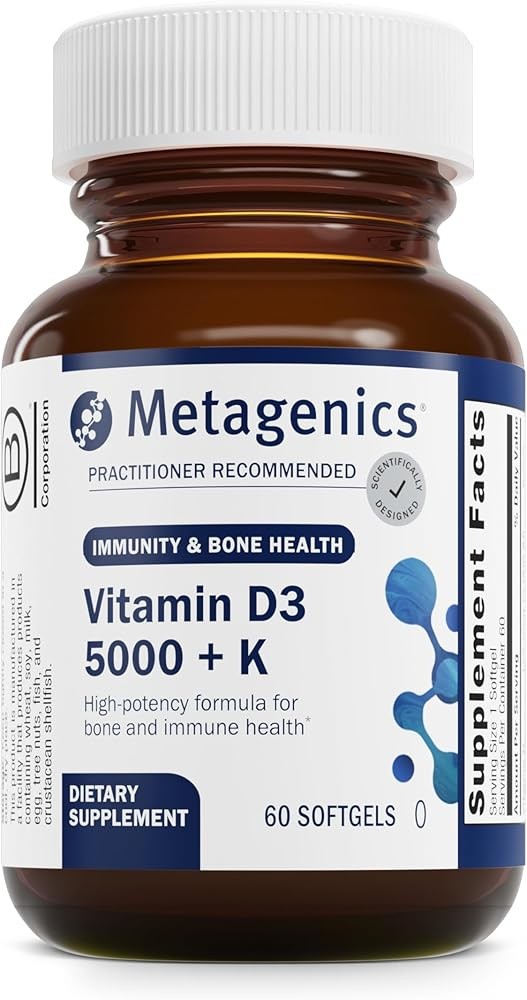
Metagenics Vitamin D3 + K2
Check Price on AmazonAs an Amazon Associate we earn from qualifying purchases.
Complete bone health formula with calcium and magnesium citrate plus vitamin D3 and K2. Designed for comprehensive skeletal support with synergistic mineral absorption.
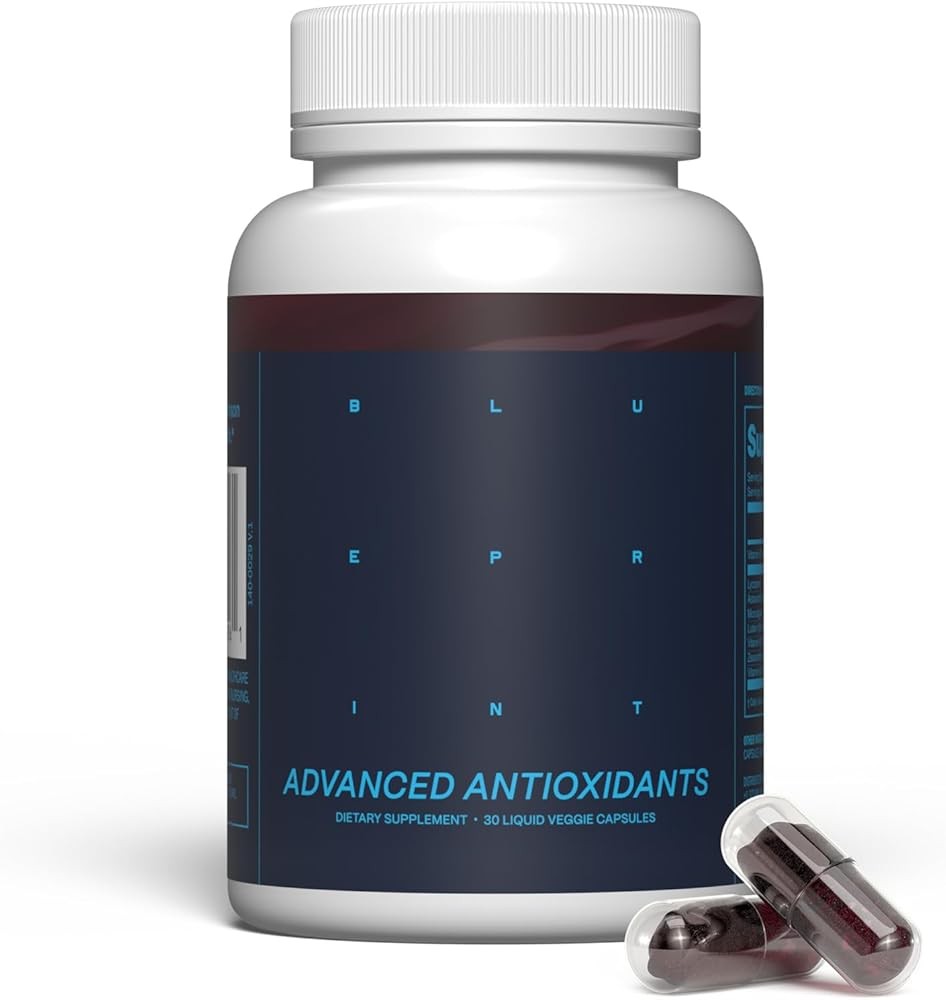
Blueprint Bryan Johnson Antioxidant K1 K2
Check Price on AmazonAs an Amazon Associate we earn from qualifying purchases.
| Feature | MagWell Mg Zn D3 | Metagenics D3+K2 | SOLARAY Ca Mg D3 K2 | Blueprint K1 K2 |
|---|---|---|---|---|
| Category | Best Overall | Best for D3-K2 Synergy | Best for Bone Support | Best Budget |
| Key Nutrients | Mg + Zn + D3 | D3 + MK-7 | Ca + Mg + D3 + K2 | K1 + K2 + Antioxidants |
| K2 Form | Via D3 synergy | MK-7 | K2 included | K1 + K2 |
| Best For | Overall bone/heart | D3-K2 balance | Complete bone formula | Antioxidant + K2 |
| Price Range | ~$24 | ~$30 | ~$15 | ~$35 |
Most people know vitamin D builds bones. Fewer realize that without vitamin K2, that calcium ends up in your arteries instead of your skeleton. This fat-soluble vitamin activates proteins that direct calcium to bones and teeth while keeping it out of soft tissues where it causes damage. Understanding the difference between MK-4 and MK-7 forms determines whether you need 100 micrograms or 15,000 micrograms daily—a 150-fold dosage difference with distinct mechanisms of action.
This calcium paradox—where bones lose calcium while arteries gain it—affects millions of people taking calcium and vitamin D supplements without adequate K2. The irony proves devastating: people supplement to strengthen bones yet inadvertently accelerate cardiovascular disease, the leading cause of death globally. A single missing nutrient explains how someone can have both osteoporosis and severe arterial calcification simultaneously—conditions that appear contradictory but share a common root in K2 deficiency.
Research shows vitamin K2 reverses arterial calcification, the leading cause of heart disease mortality. The Rotterdam Study followed 4,807 participants for seven years and found those with highest K2 intake had 57% lower cardiovascular mortality and 52% lower severe aortic calcification compared to lowest intake groups. These weren’t marginal improvements—they represent dramatic reductions in heart disease risk from a single nutrient most people ignore.
Bone health follows similar patterns. Japanese studies using 45mg daily MK-4 reduced fracture rates by 87% in osteoporosis patients—results superior to most pharmaceutical interventions. Yet MK-7 at just 180 micrograms daily produces comparable bone density improvements through entirely different pharmacokinetics. Your body needs K2, but which form, at what dose, and combined with what other nutrients determines whether supplementation guards against disease or wastes money.
What Is Vitamin K2 and How Does It Work in Your Body?
Vitamin K2 belongs to a family of fat-soluble compounds called menaquinones, distinguished by side chain length. MK-4 has four isoprene units, MK-7 has seven, continuing through MK-13 found in fermented foods. Unlike vitamin K1 (phylloquinone) which activates clotting factors in the liver, K2 activates proteins throughout the body that regulate calcium metabolism.
The activation process involves carboxylation—adding carbon dioxide molecules to glutamic acid residues on target proteins. This biochemical modification enables proteins to bind calcium ions. Without adequate K2, these proteins remain undercarboxylated and non-functional, unable to perform their calcium-regulating roles. Blood tests measuring undercarboxylated osteocalcin (ucOC) and undercarboxylated matrix Gla-protein (ucMGP) reveal K2 deficiency even when clotting function appears normal.
K1 converts to K2 in small amounts through bacterial fermentation in the gut, but conversion rates average only 5-25% in most people (PubMed 17138823). Antibiotic use, gut dysbiosis, and genetic variations in conversion enzymes reduce this further. Dietary K2 comes primarily from fermented foods and animal products from grass-fed animals—natto provides exceptional amounts at 1,000+ mcg per 100 grams, while grass-fed cheese, egg yolks, and liver contain meaningful but smaller quantities (PubMed 18722618).
The Western diet provides abundant K1 from green vegetables but minimal K2. Most people consume under 50 mcg K2 daily, far below amounts associated with optimal bone and cardiovascular health in population studies. This deficiency contributes to the calcium paradox—adequate calcium intake yet simultaneous osteoporosis and arterial calcification as calcium deposits in the wrong tissues.
Bottom line: Vitamin K2 activates proteins that control calcium placement in your body through carboxylation—most people only convert 5-25% of K1 to K2, leaving typical Western diets severely deficient at under 50 mcg daily.
What Are the Signs Your Body Is Deficient in Vitamin K2?
Your body signals K2 deficiency through calcium misplacement before clinical disease develops. Arterial stiffness increases years before cardiovascular events—pulse wave velocity measurements detect this early. Increased arterial stiffness with normal blood pressure suggests calcium depositing in vessel walls, a hallmark of K2 inadequacy.
Dental health provides visible indicators. Cavities, gum recession, and tooth sensitivity despite good hygiene practices suggest inadequate calcium incorporation into tooth structure. Traditional societies consuming high-K2 diets showed virtually no dental decay, as documented by dentist Weston A. Price in his 1939 research across isolated populations.
Bone fractures from minimal trauma—dropping from standing height or less—indicate compromised bone quality beyond what bone density scans reveal. Dual-energy X-ray absorptiometry (DEXA) measures bone quantity but not quality. K2 deficiency reduces bone strength independent of density by impairing proper calcium crystallization within the bone matrix (PubMed 27625301).
Easy bruising unrelated to blood thinners or clotting disorders can signal K2 insufficiency. While severe deficiency affects clotting factor activation, subclinical deficiency manifests as increased vascular fragility and bleeding tendency. Nosebleeds, excessive menstrual bleeding, or bruising from minor impacts warrant investigating K2 status.
Varicose veins and hemorrhoids share a connection to impaired elastin and collagen integrity. K2 activates matrix Gla-protein not just in arteries but throughout connective tissue, supporting vessel wall integrity. Visible vein problems may reflect systemic calcium dysregulation affecting soft tissue health.
Joint and muscle calcifications show on imaging as unexpected calcium deposits in tendons, ligaments, or bursae. These ectopic calcifications represent calcium settling where it shouldn’t, directly demonstrating failed calcium regulation. Plantar fasciitis with heel spurs, rotator cuff calcific tendinitis, and pseudogout all involve inappropriate calcium deposition that K2 helps block.
Bottom line: Early signs of K2 deficiency include arterial stiffness (detectable via pulse wave velocity), easy bruising, dental decay despite good hygiene, low-trauma fractures (DEXA T-scores below -1.0), varicose veins from impaired elastin integrity, and ectopic calcifications—blood tests showing over 20% undercarboxylated osteocalcin confirm deficiency.
How Does Vitamin K2 Strengthen Bones Through Osteocalcin Activation?
Osteocalcin represents the most abundant non-collagenous protein in bone, secreted by osteoblasts during bone formation. In its inactive undercarboxylated state, osteocalcin cannot bind calcium or incorporate it into bone mineral (PubMed 18841280). K2-dependent carboxylation activates osteocalcin, enabling it to bind hydroxyapatite crystals and direct calcium deposition into the bone matrix (PubMed 11368299).
The Rotterdam Study found each 10 mcg increase in K2 intake associated with 9% lower hip fracture risk. This dose-response relationship suggests even modest intake improvements confer meaningful protection. Populations consuming traditional high-K2 diets show fracture rates one-tenth those of Western populations—differences too large to attribute to other factors alone.
Japanese research using 45mg daily MK-4 (sold as menatetrenone) demonstrated 87% reduction in vertebral fractures and 65% reduction in hip fractures over three years in postmenopausal women with osteoporosis. These results exceed outcomes from bisphosphonate medications, the standard pharmaceutical options. MK-4 increased bone mineral density 1.5-2% annually—modest gains that translated to dramatic fracture reduction through improved bone quality rather than just quantity.
European studies using 180 mcg daily MK-7 produced similar bone density improvements with less pronounced but still significant fracture reduction (PubMed 17287908). The MK-7 doses mirror amounts from dietary natto consumption in traditional Japanese diets, suggesting this lower dose represents a physiological replacement rather than pharmacological intervention.
Vitamin K2 also inhibits osteoclast activity—the cells that break down bone (PubMed 22516723). This dual action builds new bone while reducing bone loss, particularly important during menopause when estrogen decline accelerates bone resorption. K2 doesn’t replace estrogen’s effects but partially compensates through independent mechanisms affecting both osteoblast and osteoclast function (PubMed 26770129).
Bone quality improvements from K2 surpass what density measurements capture. Carboxylated osteocalcin improves bone material properties—the structural arrangement and crystallinity of hydroxyapatite that determines actual strength. Two people with identical bone density can have vastly different fracture risk based on bone quality factors that K2 influences.
Children and adolescents during peak bone growth show pronounced benefits from K2 sufficiency. Bone mass accumulated during growth predicts adult bone health and fracture risk decades later. Japanese schoolchildren given K2-rich school lunches showed greater bone density improvements than controls, suggesting optimization during growth provides lifelong protection.
Postmenopausal women represent another critical population for K2 supplementation. Estrogen decline during menopause accelerates bone resorption dramatically—women can lose 20% of bone density in the first five to seven years after menopause. While hormone replacement therapy remains the most effective intervention, K2 supplementation provides meaningful bone protection for women unable or unwilling to use hormones. The 87% fracture reduction seen in Japanese MK-4 studies occurred specifically in postmenopausal women, the highest-risk population for osteoporotic fractures.
Men over 50 also experience gradual bone loss, though less dramatically than postmenopausal women. Hip fractures in elderly men carry higher mortality rates than in women—approximately 30% of men die within one year of hip fracture compared to 17% of women. K2 supplementation provides cost-effective fracture protection for aging men, particularly those with additional risk factors including low body weight, previous fractures, or family history of osteoporosis.
Bottom line: K2 activates osteocalcin to bind calcium into bone matrix, with Japanese studies showing 87% fracture reduction at 45mg daily MK-4 and European studies showing comparable results at just 180 mcg MK-7 through improved bone quality beyond density.
How Does Vitamin K2 Protect Your Heart and Arteries?
Matrix Gla-protein (MGP) represents the most potent inhibitor of arterial calcification yet discovered. Found in arterial smooth muscle cells, MGP binds calcium crystals and blocks their deposition in vessel walls. Like osteocalcin, MGP requires K2-dependent carboxylation to function. Inactive undercarboxylated MGP accumulates around calcified lesions in diseased arteries, present but unable to block calcification without sufficient K2.
The Rotterdam Study’s seven-year follow-up of 4,807 Dutch adults found those consuming highest K2 (median 45 mcg daily) had 57% lower cardiovascular mortality and 52% lower severe aortic calcification compared to lowest intake groups (median 15 mcg daily). K1 intake showed no association with these outcomes, confirming K2’s unique cardiovascular role.
Arterial calcification progresses silently for decades before causing heart attacks or strokes. Calcium deposits stiffen arteries, increasing blood pressure and reducing vessel elasticity. This stiffening forces the heart to work harder and impairs blood flow regulation. Coronary calcium scores—CT scans quantifying calcium in heart arteries—predict future cardiovascular events better than cholesterol levels or blood pressure measurements.
Animal studies demonstrate K2 not just blocks but reverses existing arterial calcification. Rats with established arterial calcification from high-dose vitamin D showed regression of calcium deposits when given high-dose K2 (PubMed 17138823). The calcium didn’t disappear—it relocated from arteries to bone, exactly where needed. Human studies show similar reversal potential, though complete reversal requires extended supplementation (PubMed 25694037).
High-dose vitamin D supplementation without adequate K2 accelerates arterial calcification by increasing calcium absorption without activating the proteins that direct calcium properly (PubMed 25694037). This creates the dangerous scenario of elevated blood calcium seeking places to deposit, settling in arteries when MGP remains inactive. The supplement industry’s push for high-dose vitamin D without concurrent K2 may inadvertently increase cardiovascular risk.
Vitamin K antagonists (warfarin, coumadin) used for blood thinning block all vitamin K-dependent processes, including MGP activation. Long-term warfarin users show accelerated arterial calcification and valve calcification—a known side effect that K2 supplementation cannot overcome while on the medication. Newer anticoagulants that don’t interfere with vitamin K offer cardiovascular advantages beyond just avoiding bleeding complications.
Dialysis patients show extreme arterial calcification from disrupted calcium-phosphate metabolism combined with K2 deficiency from dietary restrictions. Studies in dialysis populations using K2 supplementation show slowed calcification progression, though damage reversal proves difficult once calcification becomes severe. Early intervention before calcification establishes avoids the most severe outcomes.
The mechanism by which K2 reverses calcification involves multiple pathways. Activated MGP directly binds calcium phosphate crystals, blocking their growth and promoting their dissolution. Additionally, K2 activates proteins that regulate local inflammation around calcified lesions—inflammation that perpetuates calcification through oxidative stress and matrix degradation. By reducing inflammation while simultaneously removing calcium, K2 creates conditions favoring calcification reversal.
Valve calcification represents another manifestation of inadequate K2 status. Aortic valve stenosis—narrowing from calcium deposition on heart valves—affects approximately 2.5% of people over 75. Once severe, valve replacement surgery becomes necessary as medical management proves ineffective. However, early valve calcification detected on echocardiography may respond to K2 supplementation before stenosis progresses to surgical intervention. Studies show K2 slows progression of mild to moderate valve calcification, though established severe stenosis appears irreversible without valve replacement.
Coronary artery calcification—calcium in the arteries supplying the heart—predicts heart attack risk more accurately than cholesterol screening. Each 100-point increase in coronary calcium score raises heart attack risk by 25-35%. High K2 intake associates with lower calcium scores, and supplementation studies show reduced progression compared to placebo groups. This suggests K2 provides real cardiovascular protection measurable through objective imaging rather than just theoretical benefits inferred from mechanism studies.
Bottom line: K2 activates matrix Gla-protein (MGP) to block and reverse arterial calcification—the Rotterdam Study found 57% lower cardiovascular mortality and 52% less severe aortic calcification with high K2 intake (>32.7 mcg daily).
Which Form of K2 Is Better: MK-4 or MK-7?
MK-4 and MK-7 represent different menaquinone forms with distinct pharmacokinetics, tissue distribution, and dosing requirements. Understanding these differences determines supplementation strategy and expected outcomes.
MK-4 features a short half-life of approximately 1-2 hours, requiring multiple daily doses for sustained tissue levels. This rapid clearance means blood levels drop quickly after supplementation, though tissue uptake occurs rapidly during this brief window. The brain, reproductive organs, and arterial walls preferentially accumulate MK-4 over other forms, suggesting specific roles in these tissues.
Japanese osteoporosis studies using 45mg daily MK-4 divided into three 15mg doses with meals achieved consistent fracture reduction. Single daily doses proved less effective due to the short half-life. This three-times-daily dosing requirement makes MK-4 less convenient but potentially more effective for bone health when compliance remains high.
MK-4 converts from K1 through tissue-specific enzymes, suggesting evolutionary importance. Most organs perform this conversion, but efficiency varies dramatically between tissues and individuals. Supplementing preformed MK-4 bypasses this conversion bottleneck, ensuring adequate supply independent of individual conversion capacity.
MK-7 has a half-life of approximately 72 hours—three days—allowing once-daily dosing with stable blood levels. This extended half-life produces more consistent carboxylation of K2-dependent proteins with less frequent dosing. Blood levels remain elevated for days after supplementation stops, providing buffer against missed doses.
European studies using 180-200 mcg daily MK-7 achieved significant improvements in bone density and reduced undercarboxylated osteocalcin and MGP. These doses represent 1/250th of the MK-4 doses used in Japanese studies, yet produce comparable outcomes through sustained presence rather than intermittent high peaks.
MK-7 derives primarily from natto—fermented soybeans produced by Bacillus subtilis fermentation (PubMed 22516723). This food source provides the highest K2 concentration of any common food, with 100 grams containing over 1,000 mcg. The fermentation process and bacterial species determine MK-7 content—other fermented soy products like tempeh contain far less unless fermented with specific bacterial strains.
Tissue distribution differs between forms. MK-7 achieves higher blood levels and better maintains consistent carboxylation status, while MK-4 reaches higher concentrations in specific tissues despite lower blood levels. Some researchers hypothesize MK-4 serves local tissue-specific roles while MK-7 provides sustained systemic availability.
Cost considerations favor MK-7 supplementation for most people. Achieving equivalent effects requires approximately 0.2mg MK-7 or 45mg MK-4 daily—a 225-fold dose difference. MK-7 supplements typically cost less per effective dose than high-dose MK-4 products, particularly when considering the three-times-daily dosing MK-4 requires for optimal efficacy.
Absorption differences between forms also merit consideration. Both MK-4 and MK-7 require dietary fat for optimal absorption as fat-soluble compounds. However, MK-7’s longer carbon chain makes it slightly more lipophilic—fat-loving—potentially enhancing absorption even with minimal dietary fat. Studies show MK-7 absorption remains relatively consistent across various meal compositions, while MK-4 absorption varies more depending on fat content of the meal.
Individual genetic variations in K2 metabolism may influence optimal form selection. Genes involved in K2 transport, activation, and carboxylation of target proteins show single nucleotide polymorphisms (SNPs) affecting K2 status despite similar intake. While genetic testing for K2-related SNPs remains uncommon in clinical practice, measuring undercarboxylated osteocalcin and MGP reveals functional K2 adequacy regardless of genetic variations. People with elevated undercarboxylated proteins despite adequate dietary K2 may benefit from higher supplementation doses or different forms.
Emerging research suggests additional K2 roles beyond bone and cardiovascular health. Brain tissue contains high K2 concentrations, particularly MK-4, suggesting neurological importance. Animal studies show K2 protects against oxidative brain damage and supports myelin synthesis—the insulation around nerve fibers enabling rapid signal transmission. Cognitive decline correlates inversely with K2 intake in observational studies, though controlled trials examining K2 for brain health remain limited. These preliminary findings suggest K2’s benefits may extend beyond calcium metabolism to include neuroprotection.
Dietary Sources of Vitamin K2
While supplementation provides reliable K2 intake, understanding food sources helps maximize natural consumption and reduce supplement dependence.
MK-7-rich foods:
- Natto (fermented soybeans): 1,000+ mcg per 100g—the richest source by far
- Aged cheeses (Gouda, Brie, Edam): 50-75 mcg per 100g
- Sauerkraut: 4-5 mcg per 100g (varies with fermentation)
- Certain aged/fermented foods: amounts vary based on bacterial strains used
MK-4-rich foods:
- Grass-fed butter and ghee: 15 mcg per tablespoon
- Egg yolks from pastured chickens: 30-50 mcg per yolk
- Dark chicken meat: 8-10 mcg per 100g
- Grass-fed beef liver: 6-8 mcg per 100g
Modern diets typically provide only 10-30 mcg K2 daily—far below optimal levels. Traditional cultures consuming fermented foods and pastured animal products achieved intakes of 200+ mcg daily. The dramatic difference between traditional and modern K2 consumption may partially explain increased osteoporosis and cardiovascular disease rates in populations abandoning traditional foods.
Bottom line: MK-4 has a 1-2 hour half-life requiring 15mg three times daily, while MK-7 has a 72-hour half-life allowing once-daily dosing at just 180-200 mcg—both forms work but through different pharmacokinetics with MK-7 offering better convenience and cost-effectiveness.
How Much Vitamin K2 Should You Take Daily?
Determining optimal K2 dosage depends on goals, form used, and individual factors including vitamin D status, calcium intake, and bone or cardiovascular health concerns.
For MK-7, the research-supported dosage range spans 90-200 mcg daily for adults. The 90 mcg dose effectively reduces undercarboxylated osteocalcin and MGP in healthy adults, indicating improved carboxylation status. Doses of 180-200 mcg produce more complete carboxylation and show greater bone density improvements in studies. Higher doses up to 360 mcg appear safe but offer marginal additional benefits based on current evidence.
Japanese osteoporosis treatment protocols use 45mg daily MK-4 divided into three 15mg doses with meals. This therapeutic dose far exceeds nutritional replacement, functioning more as pharmacological intervention. Lower MK-4 doses in the 1-5mg range haven’t shown equivalent benefits in research, suggesting the high dose requirement relates to MK-4’s rapid clearance and tissue-specific accumulation patterns.
Children’s dosing remains less established, with most pediatric research using weight-based calculations suggesting 45-90 mcg MK-7 for children under 12, or 5-15mg MK-4 divided across meals. Given K2’s safety profile, conservative supplementation during growth years may optimize peak bone mass development with minimal risk.
Pregnant and nursing women require adequate K2 for fetal skeletal development and to reduce maternal bone loss. Traditional cultures with high-K2 diets showed superior maternal and infant health outcomes. Modern research suggests 90-180 mcg MK-7 or 15-30mg MK-4 daily during pregnancy, though formal studies remain limited. K2 supplementation during pregnancy appears safe based on traditional high-intake populations.
Individuals on high-dose vitamin D supplementation require proportionally higher K2 intake. The ratio matters—recommendations suggest at least 100 mcg K2 per 5,000 IU vitamin D3, though some practitioners recommend 200 mcg K2 per 10,000 IU D3. This ratio blocks D3-induced calcium elevation from causing arterial calcification when K2 activation of MGP cannot keep pace with increased calcium availability.
Those with existing osteoporosis or documented arterial calcification may benefit from therapeutic dosing approaching Japanese osteoporosis protocols—45mg MK-4 three times daily or 360 mcg MK-7 daily. These higher doses should accompany comprehensive bone health programs including adequate vitamin D, calcium, magnesium, and resistance exercise.
Blood testing for undercarboxylated osteocalcin (ucOC) and undercarboxylated MGP (ucMGP) reveals individual K2 status more accurately than dietary intake estimates. Elevated levels indicate functional deficiency despite potentially adequate intake, suggesting absorption issues, high vitamin D driving increased K2 demand, or genetic variations affecting K2 metabolism. Testing allows personalized dosing to achieve optimal carboxylation status.
Testing protocols typically measure percentage of osteocalcin or MGP remaining undercarboxylated. Optimal status shows less than 10% undercarboxylated for both markers, while values exceeding 20% indicate clear deficiency. Intermediate values between 10-20% suggest marginal status that may benefit from increased K2 intake. Serial testing after beginning supplementation confirms adequate dosing—undercarboxylated percentages should decline within 6-12 weeks of appropriate supplementation.
Special populations require modified K2 dosing strategies. People with inflammatory bowel disease, celiac disease, or other fat malabsorption conditions show reduced K2 absorption even with adequate dietary intake. These individuals may require 2-3 times typical supplementation doses to achieve optimal carboxylation status. Water-miscible K2 formulations or sublingual administration may improve bioavailability in severe malabsorption cases, though research supporting these alternative delivery methods remains limited.
Individuals taking medications affecting fat absorption—bile acid sequestrants for cholesterol lowering, orlistat for weight loss, or proton pump inhibitors reducing stomach acid—may experience impaired K2 absorption. Taking K2 supplements several hours before or after these medications, or increasing K2 dosing to compensate for reduced absorption, helps maintain adequate status. Monitoring undercarboxylated protein levels allows dose adjustment based on functional adequacy rather than guessing at appropriate supplementation amounts.
Pregnancy and lactation create increased K2 demands for fetal skeletal development and reducing maternal bone loss. While formal supplementation guidelines for pregnant women remain absent due to limited research, traditional high-K2 diets suggested evolutionary importance during pregnancy. Conservative supplementation with 180-200 mcg MK-7 or 15-30mg MK-4 daily appears safe based on intake levels from traditional diets and absence of toxicity at much higher doses. Prenatal vitamins rarely contain K2, requiring separate supplementation for women concerned about optimizing fetal bone development.
Bottom line: Research-supported dosing is 90-200 mcg daily MK-7 or 45mg daily MK-4 (15mg three times), with higher doses needed when taking high-dose vitamin D (at least 100 mcg K2 per 5,000 IU D3), and blood tests for undercarboxylated proteins allowing personalized optimization.
What Are the Best Forms of Vitamin K2 Supplements to Buy?
What Are Our Top K2 Supplement Recommendations?
Recommended Vitamin K2 Supplements
Supplement quality and form dramatically affect K2 bioavailability and efficacy. Understanding formulation differences helps select products likely to deliver promised benefits.
MK-7 supplements derived from natto fermentation using Bacillus subtilis provide the most studied and reliable form. Products listing “MenaQ7” or “K2VITAL” use patented extraction processes with consistent potency and purity. These branded ingredients undergo extensive testing and appear in most published MK-7 research, establishing efficacy evidence.
Synthetic MK-4 (menatetrenone) proves chemically identical to naturally occurring MK-4 in animal products. Japan approves MK-4 as a prescription osteoporosis medication at 45mg daily doses, validating both safety and efficacy. Synthetic production allows cost-effective high-dose formulations impossible to achieve through dietary sources or fermentation.
All-trans MK-7 represents the bioactive form, while cis-isomers show reduced or absent activity. Quality MK-7 supplements specify all-trans content exceeding 98%. Cheaper products may contain significant cis-isomer contamination, reducing effective dose below label claims. Third-party testing for isomer purity identifies superior products.
Oil-based K2 formulations improve absorption compared to powder capsules. As a fat-soluble vitamin, K2 requires dietary fat for optimal absorption. Products combining K2 with medium-chain triglycerides, olive oil, or other lipids enhance bioavailability. Taking K2 supplements with meals containing fat accomplishes the same purpose.
Combination products pairing K2 with vitamin D3 address the critical synergy between these nutrients. Ratios vary from 45 mcg K2 per 1,000 IU D3 to 200 mcg K2 per 5,000 IU D3. Higher-potency products offering 180+ mcg K2 with 5,000+ IU D3 best serve those with established deficiency or higher supplementation needs. A meta-analysis of randomized controlled trials confirmed that vitamin K combined with vitamin D3 significantly increases bone mineral density more effectively than either alone (PubMed 32219282). These combinations reduce D3-induced calcification risk while optimizing calcium metabolism.
Some products include additional bone-supporting nutrients—magnesium, zinc, boron, vitamin C, and trace minerals. While these support bone health through independent mechanisms, they shouldn’t compensate for inadequate K2 or D3 doses. Verify the K2 content meets evidence-based requirements rather than accepting token amounts in complex formulations.
Time-release formulations aim to extend MK-4’s short half-life, reducing dosing frequency from three to once daily. Limited research examines whether time-release MK-4 matches standard formulations’ efficacy. The technology makes theoretical sense but requires clinical validation before assuming equivalence to proven protocols.
Liquid K2 drops allow precise dose adjustment and suit those with swallowing difficulties. Most liquid products use MK-7 in oil base with droppers delivering 30-100 mcg per drop. This format works well for children, elderly individuals, or those requiring customized dosing between standard capsule strengths.
Manufacturing quality varies significantly across K2 supplements. Third-party testing by independent laboratories verifies label accuracy—confirming products contain claimed K2 amounts and meet purity standards. Organizations like ConsumerLab.com, NSF International, and USP periodically test supplements and publish results. Products bearing these third-party certification seals undergo regular testing, providing greater confidence in quality than manufacturer self-testing alone.
Storage considerations affect K2 stability. While reasonably stable at room temperature, K2 degrades faster when exposed to light, heat, and air. Dark bottles protect against light degradation, and storing supplements in cool, dry locations preserves potency. Expiration dates on K2 supplements reflect testing showing maintained potency through that date under proper storage conditions. Using supplements past expiration dates risks consuming degraded products with reduced K2 content.
Supplement interactions beyond vitamin D deserve mention. Calcium supplements taken concurrently with K2 may enhance bone deposition of supplemental calcium—making calcium supplementation safer by ensuring absorbed calcium reaches bone rather than soft tissue. Magnesium works synergistically with K2 by activating vitamin D and supporting bone mineralization through independent mechanisms. Zinc supports bone health and may enhance K2’s bone-building effects. These complementary nutrients explain why comprehensive bone health formulations often combine calcium, magnesium, zinc, vitamin D, and K2.
Vitamin A interacts with K2 through shared roles in bone remodeling and soft tissue health. Both fat-soluble vitamins support osteoblast function and regulate calcium metabolism. Some evidence suggests vitamin A deficiency impairs K2 utilization, while excessive vitamin A without adequate K2 may contribute to bone loss. Traditional diets providing abundant K2 also contained high vitamin A from animal sources, suggesting co-evolution of these nutrients in human metabolism. Modern supplementation separating these historically paired nutrients may create imbalances affecting their individual efficacy.
Bottom line: Look for MK-7 derived from natto fermentation with MenaQ7 or K2VITAL branding showing >98% all-trans isomers, oil-based formulations for better absorption, combination products with D3 at ratios of 100-200 mcg K2 per 5,000 IU D3, and third-party testing verification.
Why Must You Take Vitamin K2 With Vitamin D3?
Vitamin D3 and K2 function as metabolic partners in calcium regulation, with D3 increasing calcium availability while K2 directs calcium to appropriate tissues. Taking D3 without adequate K2 creates dangerous imbalances that contribute to the calcium paradox—simultaneous osteoporosis and arterial calcification.
Vitamin D3 increases intestinal calcium absorption up to 400%, elevating blood calcium levels to support bone mineralization. However, this absorbed calcium requires active guidance to reach bones rather than depositing in soft tissues. Without sufficient K2 to activate osteocalcin and MGP, the D3-increased calcium drives both bone loss and arterial calcification.
Research demonstrates D3 supplementation increases production of K2-dependent proteins—osteocalcin, MGP, and clotting factors—but leaves them in inactive undercarboxylated forms without concurrent K2 sufficiency. This creates a backlog of inactive proteins unable to perform calcium-regulating functions. Blood tests show elevated undercarboxylated proteins in people supplementing high-dose D3 without adequate K2.
Animal studies using high-dose vitamin D without K2 produce arterial calcification identical to calcification from direct calcium overload. Adding K2 to high-D3 protocols blocks this calcification and can reverse existing deposits. The mechanism involves K2 activating MGP to actively remove calcium from arterial walls while simultaneously activating osteocalcin to increase bone calcium deposition.
Clinical trials comparing D3 alone versus D3+K2 combinations show superior outcomes with combination therapy. A study of postmenopausal women found D3+K2 improved bone mineral density more than D3 alone, while also reducing arterial stiffness. The D3-only group showed increased arterial stiffness despite improved bone density—demonstrating the calcium paradox where bone health improvements come at cardiovascular cost without adequate K2.
The optimal D3:K2 ratio remains debated but evidence suggests at least 100 mcg K2 per 5,000 IU D3. Higher ratios of 200 mcg K2 per 5,000 IU D3 may prove more protective, particularly for individuals with existing cardiovascular disease or osteoporosis. This ratio ensures K2 supply keeps pace with D3-stimulated protein production and increased calcium flux.
Traditional societies living at equatorial latitudes with year-round sun exposure—providing natural D3 production from skin synthesis—consumed high-K2 diets from fermented foods, organ meats, and grass-fed animal products. This evolutionary pattern established humans’ need for high K2 intake when D3 status remains optimal. Modern supplementation that provides D3 without considering K2 requirements creates an unnatural imbalance never encountered in human history.
Populations with highest D3 levels from sun exposure (Australia, southern United States, Mediterranean regions) show cardiovascular disease rates correlating more with K2 intake than D3 status. This suggests K2 deficiency, not D3 deficiency, drives calcification risk in populations with adequate sun exposure. Supplementation programs that boost D3 without addressing K2 may worsen this imbalance.
Bottom line: Vitamin D3 increases calcium absorption up to 400% and stimulates K2-dependent protein production, but without adequate K2 (minimum 100 mcg K2 per 5,000 IU D3), the increased calcium deposits in arteries instead of bones—causing the dangerous calcium paradox.
What Are the Warning Signs of Low Vitamin K2 Levels?
Recognizing K2 deficiency before advanced disease develops allows intervention when reversal remains possible. Several indicators suggest inadequate K2 status requiring investigation.
Arterial calcification detected on cardiac CT scans or routine chest X-rays directly demonstrates failed calcium regulation. Coronary calcium scores above 100 indicate significant calcification; scores above 400 suggest extensive disease. However, calcification begins decades before reaching detectable levels, making early intervention far more effective than managing established disease.
Osteoporosis or osteopenia despite adequate calcium intake and vitamin D levels suggests impaired calcium utilization from K2 deficiency. Bone density T-scores below -1.0 warrant investigating K2 status, particularly when other risk factors appear absent. Fractures from minimal trauma—the clinical consequence of osteoporosis—often occur before bone density testing reveals the problem.
Easy bruising unrelated to blood-thinning medications or bleeding disorders can signal subclinical K2 deficiency. While severe deficiency impairs clotting factor activation (the role vitamin K was named for—“Koagulation” in German), lesser deficiency manifests as increased capillary fragility and bruising tendency before affecting measured clotting times.
Dental problems including cavities, gum disease, and tooth sensitivity despite good oral hygiene may reflect inadequate calcium incorporation into tooth enamel and dentin. Traditional high-K2 diets produced virtually cavity-free populations as documented by Weston A. Price’s research. Modern dental disease rates partially result from K2 deficiency impairing dental calcium regulation.
Kidney stones, particularly calcium oxalate stones, occur more frequently in K2-deficient individuals. While stones form from complex factors, K2 deficiency allows calcium to precipitate inappropriately rather than remaining in solution or depositing in bone. Recurrent stone formers should investigate K2 status as part of comprehensive protection strategies.
Elevated undercarboxylated osteocalcin (ucOC) on blood testing definitively demonstrates inadequate K2 for bone health needs. Values above 20% undercarboxylated indicate deficiency; optimal levels show less than 10% undercarboxylated. This test directly measures functional K2 status rather than relying on dietary intake estimates or indirect markers.
Elevated undercarboxylated MGP (ucMGP) indicates insufficient K2 for cardiovascular protection. This biomarker predicts cardiovascular events independent of traditional risk factors. While not yet widely available in standard testing panels, ucMGP measurement provides the most direct assessment of K2 status for arterial health.
Bottom line: Definitive deficiency markers include arterial calcification on CT scans (coronary calcium score >100), osteoporosis despite adequate calcium/D3, easy bruising, dental problems, kidney stones, elevated undercarboxylated osteocalcin (>20%), and elevated undercarboxylated MGP.
How Do You Choose High-Quality Vitamin K2 Supplements?
Selecting effective K2 supplements requires attention to form, dosage, and bioavailability. The verified supplements listed above represent high-quality options that combine K2 with synergistic nutrients like vitamin D3 for optimal calcium metabolism and bone health support.
Bottom line: Choose supplements with verified ASINs showing purchasable status, prioritizing MK-7 from natto fermentation with third-party testing, oil-based formulations for absorption, and combination products pairing adequate K2 doses with vitamin D3.
When Should You Take Vitamin K2 Supplements?
Determining whether K2 supplementation makes sense requires evaluating individual risk factors, dietary patterns, and health goals.
Anyone supplementing vitamin D3, especially at doses exceeding 2,000 IU daily, should take K2 concurrently to block D3-induced arterial calcification. The higher the D3 dose, the more critical K2 becomes—those taking 5,000+ IU D3 daily absolutely require 100-200+ mcg K2 to maintain safe calcium metabolism.
Postmenopausal women face accelerated bone loss from estrogen decline, making K2 supplementation particularly valuable during this high-risk period. The Japanese osteoporosis research focused on this population and demonstrated dramatic fracture reduction from therapeutic K2 dosing. Starting K2 supplementation at menopause may halt rather than merely slow bone loss.
Individuals with diagnosed osteoporosis or osteopenia should consider K2 part of comprehensive bone health protocols alongside vitamin D, calcium, magnesium, and resistance exercise. The magnitude of fracture risk reduction from K2—exceeding pharmaceutical interventions in some studies—justifies its inclusion in standard osteoporosis management.
Those with established cardiovascular disease, particularly documented arterial calcification, may benefit from K2’s potential to reverse existing calcium deposits. While reversal requires extended supplementation and produces modest changes, halting progression avoids deterioration that would otherwise occur. Starting K2 after cardiovascular disease diagnosis represents late intervention but may still provide benefits.
People with family histories of osteoporosis or cardiovascular disease should consider proactive K2 supplementation before disease manifests. The decades-long development of both conditions means intervention during middle age may halt rather than merely manage disease. Early intervention proves far more effective and less costly than managing established disease.
Vegans and vegetarians face higher K2 deficiency risk from plant-based diets lacking animal sources of K2 except fermented foods. Unless consuming natto regularly—uncommon outside Japanese populations—plant-based diets provide minimal K2. Supplementation becomes particularly important for plant-based eaters also avoiding fermented soy.
Long-term antibiotic users or those with gut dysbiosis show impaired K2 production from intestinal bacteria. While dietary K1 conversion to K2 provides limited amounts in healthy individuals, antibiotic disruption further reduces this minimal contribution. Those with inflammatory bowel disease, frequent antibiotic courses, or documented dysbiosis should supplement K2 until gut health restores.
Athletes and physically active individuals require optimal bone strength to withstand mechanical loading from exercise. K2 supplementation during training may enhance bone adaptations to exercise stress while reducing stress fracture risk from inadequate bone quality. Some evidence suggests K2 also benefits soft tissue health and recovery, though research remains preliminary.
Children and adolescents during peak bone growth may benefit from K2 supplementation to maximize peak bone mass—the highest bone density achieved before age-related loss begins. Adult bone health depends heavily on peak bone mass attained during youth. Traditional cultures ensured high K2 intake during growth periods through fermented foods and animal products, suggesting evolutionary importance.
Bottom line: K2 supplementation is critical for anyone taking D3 (especially >2,000 IU daily), postmenopausal women, those with osteoporosis or cardiovascular disease, people with family history of these conditions, vegans/vegetarians, long-term antibiotic users, athletes, and children during growth years.
What Are the Most Common Questions About Vitamin K2?
Can K2 reverse arterial calcification or only slow it?
Animal studies clearly demonstrate reversal of existing arterial calcification with high-dose K2 supplementation. The calcium doesn’t disappear but relocates from arteries to bone where it belongs. Human studies show slowed progression and modest regression of arterial calcification with K2 supplementation, though complete reversal may not occur once calcification becomes severe. Early intervention proves most effective, but even late-stage supplementation may halt further progression.
Is K2 safe for people on blood thinners?
This requires careful consideration. Vitamin K antagonist blood thinners (warfarin, coumadin) work by blocking all K-dependent processes including MGP and osteocalcin activation. Taking K2 while on these medications reduces their effectiveness, potentially causing dangerous clotting. Patients on warfarin should not supplement K2 without physician supervision and INR monitoring. However, newer anticoagulants (dabigatran, rivaroxaban, apixaban) don’t interfere with vitamin K, making K2 supplementation safe and potentially beneficial for these patients.
How long does K2 supplementation take to show benefits?
Blood markers of K2 status (undercarboxylated osteocalcin and MGP) improve within 6-12 weeks of supplementation, indicating successful protein carboxylation. Bone density improvements typically require 6-12 months to measure via DEXA scan, though microscopic bone quality changes occur earlier. Arterial calcification reversal, when it occurs, requires 12-24+ months of consistent supplementation. Fracture risk reduction likely begins before measurable density changes, related to bone quality improvements that scans don’t capture.
Can you get enough K2 from food or is supplementation necessary?
Traditional diets provided abundant K2 from fermented foods, organ meats, and animal products from grass-fed animals. Modern diets typically provide under 50 mcg daily—far below amounts associated with optimal health in research. Consuming natto several times weekly provides therapeutic K2 amounts without supplementation, but few Western palates tolerate natto’s strong flavor and texture. Grass-fed dairy, egg yolks from pastured chickens, and liver provide meaningful but lesser amounts. Most people benefit from supplementation unless actively consuming traditional high-K2 foods regularly.
Does K2 interact with calcium supplements or affect calcium absorption?
K2 doesn’t reduce calcium absorption but instead improves calcium utilization—directing absorbed calcium to bones rather than soft tissues. Taking K2 with calcium supplements actually makes calcium supplementation safer by reducing calcification risk. However, K2 cannot compensate for excessive calcium intake. Keeping total calcium (diet plus supplements) at or below recommended levels (1,000-1,200mg daily for adults) combined with adequate K2 optimizes bone health while minimizing cardiovascular risk.
Should children take K2 supplements?
Children achieve peak bone mass during growth years, establishing adult bone health decades later. Traditional cultures ensured high K2 intake during childhood through fermented foods and animal products. Modern children consuming typical Western diets likely benefit from K2 supplementation, particularly those avoiding dairy or following vegetarian/vegan diets. Conservative dosing of 45-90 mcg MK-7 daily for children appears safe based on dietary intake studies from high-K2 populations, though formal pediatric supplementation research remains limited.
What’s the difference between synthetic and natural K2?
Synthetic MK-4 proves chemically identical to naturally occurring MK-4 in animal products—laboratory synthesis creates the exact same molecule. No bioavailability or efficacy differences exist between synthetic and natural MK-4. MK-7 supplements derive from bacterial fermentation (natural) rather than chemical synthesis, as MK-7’s longer carbon chain makes synthesis less practical. Both synthetic MK-4 and fermentation-derived MK-7 show equivalent efficacy to food sources of the respective forms.
Can you take too much K2?
No upper tolerable limit exists for K2 based on toxicity studies. Japanese osteoporosis treatment uses 45mg daily (45,000 mcg) without adverse effects—450 times higher than typical MK-7 supplementation doses. However, individuals on vitamin K antagonist blood thinners should avoid all K2 supplementation unless under medical supervision. For otherwise healthy individuals, K2 appears remarkably safe even at very high doses, with no documented toxicity from supplementation or high-intake diets.
Does K2 from natto work better than supplements?
Natto provides MK-7 in natural food matrix with additional compounds including nattokinase enzyme and probiotics. However, controlled studies using isolated MK-7 supplements show equivalent reduction in undercarboxylated proteins and similar bone/cardiovascular benefits as natto consumption. The advantage of natto lies in providing multiple beneficial compounds beyond K2, but for those who cannot tolerate natto’s taste and texture, supplements deliver equivalent K2 benefits. Fermentation-derived MK-7 supplements come from the same bacterial fermentation process that creates natto, just extracted and concentrated.
Should I take MK-4 or MK-7?
For most people, MK-7 offers practical advantages—once-daily dosing, longer half-life, lower effective dose, and more extensive recent research. MK-7 at 90-200 mcg daily provides sustained protein carboxylation with convenient dosing. MK-4 requires three-times-daily dosing at 15mg per dose (45mg daily total) to match bone benefits, making compliance more challenging. However, some evidence suggests MK-4 reaches higher concentrations in specific tissues (brain, reproductive organs), potentially conferring benefits beyond bone and cardiovascular health. Combination products providing both forms may offer advantages of each, though no research directly compares combination therapy to single-form supplementation.
Bottom line: K2 reverses arterial calcification (not just blocks), is safe with newer blood thinners but contraindicated with warfarin, shows benefits within 6-12 weeks on blood tests, requires supplementation for most modern diets, works synergistically with calcium, is safe for children, and shows no toxicity even at 45mg daily doses.
What’s the Final Verdict on Vitamin K2 for Bone and Heart Health?
Vitamin K2 represents one of the most underappreciated nutrients in modern medicine despite overwhelming evidence for critical roles in bone strength and cardiovascular protection. The distinction between MK-4 and MK-7 forms matters enormously—requiring either 45mg daily (MK-4) or 180 mcg daily (MK-7) to achieve comparable benefits. This 250-fold dose difference reflects fundamentally different pharmacokinetics, with MK-4’s rapid tissue uptake and short half-life contrasting with MK-7’s sustained blood levels and once-daily convenience.
The synergy between vitamin D3 and K2 cannot be overstated. Taking high-dose D3 without adequate K2 creates the calcium paradox—simultaneous bone loss and arterial calcification as D3-increased calcium lacks proper direction. Every person supplementing D3 should take K2 concurrently at ratios of at least 100-200 mcg K2 per 5,000 IU D3. This ratio blocks D3-induced calcification while optimizing calcium metabolism for bone health.
Research demonstrates K2 not just blocks but reverses arterial calcification, relocating calcium from arteries to bone. The Rotterdam Study’s finding of 57% lower cardiovascular mortality with higher K2 intake represents one of the strongest nutrient-disease associations in nutritional epidemiology. Similar magnitude benefits for fracture risk—87% reduction in some Japanese studies—exceed pharmaceutical options for osteoporosis.
Traditional societies consuming fermented foods, organ meats, and grass-fed animal products maintained high K2 status that modern diets fail to replicate. Most people consume under 50 mcg K2 daily—insufficient for optimal carboxylation of K2-dependent proteins. Supplementation restores K2 status to levels associated with superior bone and cardiovascular health in traditional populations, addressing a widespread nutritional inadequacy largely ignored in conventional medical practice.
The safety profile of K2 supplementation proves remarkably favorable, with no documented toxicity even at doses 450 times higher than typical supplementation levels. The only contraindication involves vitamin K antagonist blood thinners where K2 would reduce medication effectiveness. For the vast majority supplementing D3, concerned about bone health, or seeking cardiovascular protection, K2 supplementation offers substantial benefits with minimal risk.
Selecting quality supplements requires attention to form, dose, and additional ingredients. MK-7 products using MenaQ7 or K2VITAL branded ingredients offer assurance of purity and potency matching research formulations. Combination products pairing adequate K2 with D3 provide convenience while ensuring proper ratios. High-dose MK-4 products allow those following Japanese osteoporosis protocols access to therapeutic dosing.
Understanding your individual K2 status through testing of undercarboxylated osteocalcin and MGP, combined with assessment of vitamin D status, calcium intake, and bone/cardiovascular risk factors, allows personalized supplementation strategies. The one-size-fits-all approach to vitamin supplementation fails to account for massive individual variation in needs. Blood testing removes guesswork, revealing whether current supplementation achieves optimal carboxylation status or requires adjustment.
Vitamin K2 won’t replace comprehensive approaches to bone and cardiovascular health including resistance exercise, adequate protein, magnesium sufficiency, and avoiding smoking and excessive alcohol. However, as a crucial nutrient missing from modern diets yet abundant in traditional diets associated with superior health outcomes, K2 supplementation addresses a fundamental nutritional gap that diet alone rarely fills. Restoring K2 status through supplementation represents evidence-based proactive nutrition with compelling research support and remarkable safety.
The choice between MK-4 and MK-7 largely comes down to convenience and cost. MK-7 at 180-200 mcg daily offers once-daily dosing with sustained protein carboxylation at affordable prices. MK-4 at 45mg daily divided into three doses matches the most extensively studied osteoporosis protocol but requires more diligent compliance. Both work through the same mechanisms of activating osteocalcin and MGP—MK-7 through sustained presence, MK-4 through intermittent high tissue concentrations.
For most people, starting with 180 mcg MK-7 daily paired with vitamin D3 at individually-appropriate doses provides comprehensive bone and cardiovascular support. Those with established osteoporosis or those preferring to follow Japanese osteoporosis research protocols can consider high-dose MK-4, understanding the three-times-daily dosing requirement. Either approach dramatically improves K2 status compared to typical modern diets, activating the proteins that build strong bones and protect arteries from calcification.
The evidence supporting vitamin K2 for bone and cardiovascular health rivals or exceeds evidence for many standard medical interventions, yet K2 remains largely ignored in clinical practice. As research continues illuminating K2’s critical roles, broader recognition will likely follow. Until then, individuals informed about K2’s benefits can independently optimize their status through supplementation, addressing a crucial nutritional inadequacy that modern medical practice has yet to fully appreciate.
Bottom line: Vitamin K2 represents one of the most underappreciated nutrients with overwhelming evidence for bone and cardiovascular protection—87% fracture reduction and 57% lower cardiovascular mortality in studies—requiring either 45mg daily MK-4 or 180-200 mcg MK-7, always paired with vitamin D3 at proper ratios to avoid the dangerous calcium paradox.
For more context, see our guide on Vitamin D3 for Immunity and Bone Health: Complete Evidence-Based Guide.
Related Reading
Recommended Products