Whole Food Juice vs Supplements: The Bioavailability Difference
Summarized from peer-reviewed research indexed in PubMed. See citations below.
Research shows your body absorbs dramatically different amounts of the same nutrient depending on whether it comes from whole food or a supplement bottle. Our top recommendation is NATURELO Whole Food Greens Powder (around $30), a whole food-based greens powder delivering bioavailable nutrients with their natural cofactors intact. Studies show beta-carotene from carrots absorbs at 5 times the rate of synthetic supplements, while vitamin C from fresh juice provides effects equivalent to 3-4 times the dose of ascorbic acid tablets. For those ready to juice at home, the Omega Cold Press Juicer (around $300) preserves up to 90% of enzymatic activity at 43 RPM. Here’s what the published research shows about whole food bioavailability versus isolated supplements.
Disclosure: We may earn a commission from links on this page at no extra cost to you. Affiliate relationships never influence our ratings. Full policy →
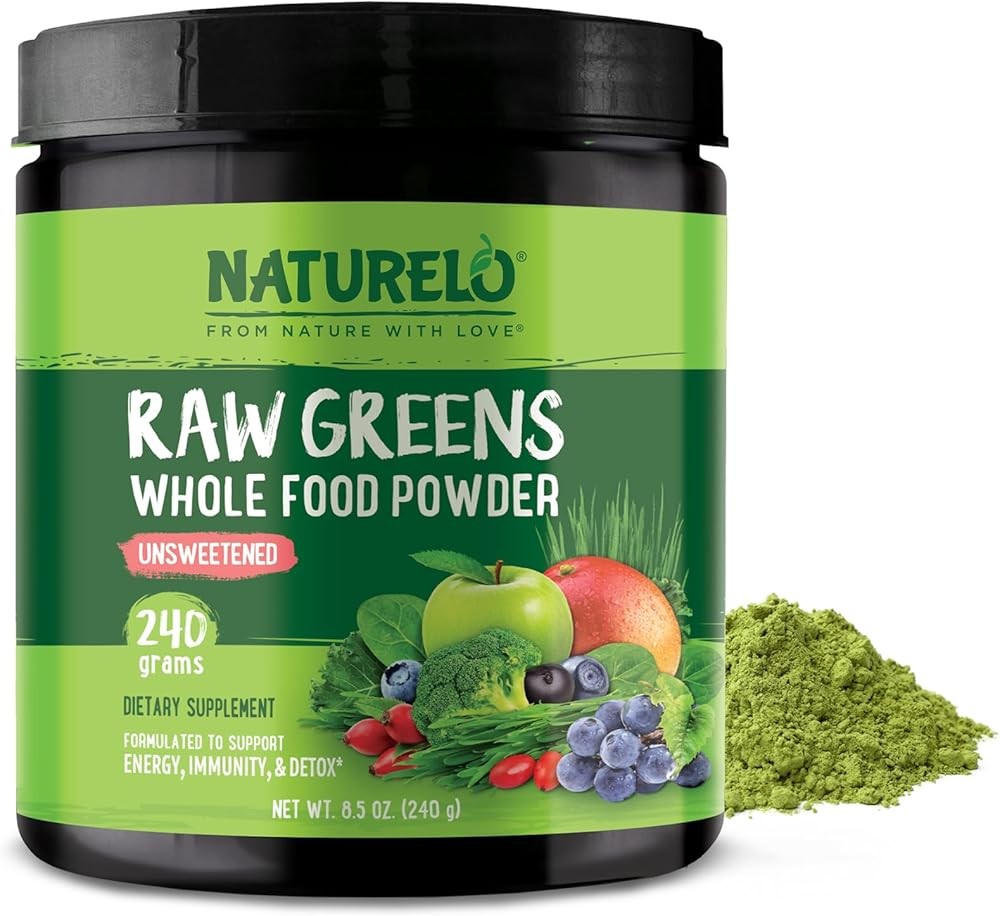
NATURELO Whole Food Greens Powder
Check Price on AmazonAs an Amazon Associate we earn from qualifying purchases.


Omega Cold Press Juicer Machine
Check Price on AmazonAs an Amazon Associate we earn from qualifying purchases.
Affordable whole food greens powder with berry flavor. Contains spirulina, chlorella, and vegetable extracts for budget-friendly bioavailable nutrition.
5th generation masticating juicer with organic wheatgrass growing kit. Chrome finish nutrition center extracts maximum nutrients from leafy greens and hard produce.
| Feature | Greens Powder | Cold Press Juicer | Berry Greens | Masticating Juicer |
|---|---|---|---|---|
| Category | Best Overall | Best for Juicing | Best Budget | Best for Extraction |
| Type | Greens powder | Cold press juicer | Greens powder | Masticating juicer |
| Key Benefit | Whole food nutrients | 90% enzyme retention | Affordable greens | Maximum extraction |
| Format | Powder (scoop) | Machine (43 RPM) | Powder (berry) | Machine (auger) |
| Best For | Daily nutrition | Fresh juice makers | Budget greens | Serious juicers |
| Price Range | ~$30 | ~$300 | ~$25 | ~$350 |
When you reach for a vitamin bottle or pour a glass of fresh juice, your body faces two dramatically different molecular landscapes (PubMed 38794640). One contains isolated nutrients stripped from their natural context. The other delivers a symphony of compounds working together exactly as nature designed (PubMed 12936943). The difference in what your cells actually receive can be staggering—in some cases, up to 500% better absorption from whole foods compared to synthetic supplements (PubMed 17138823).
This isn’t just about nutrient labels or marketing claims. It’s about fundamental biology (PubMed 32793622). When you extract a single vitamin from a carrot and put it in a capsule, you leave behind the dozens of other compounds that help your body recognize, absorb, and utilize that nutrient (PubMed 30040431). You break the molecular handshake that evolution perfected over millions of years (PubMed 17995848).
Let’s explore exactly what happens when nutrients enter your body from these two different sources, backed by clinical research and real-world absorption studies (PubMed 12672708). You’ll discover why fresh juice from a slow juicer can deliver nutrients your body actually uses, while expensive supplement bottles might pass through largely unrecognized by your cells.
What Is Bioavailability and Why Does It Matter for Nutrition?
Bioavailability determines how much of an ingested nutrient actually reaches your bloodstream and cells where it can do its work. You can consume 1,000mg of a vitamin, but if your body only absorbs 10%, you’re getting 100mg of actual benefit. The remaining 900mg passes through your digestive system unused, literally flushed away with your money.
Three critical factors determine bioavailability:
Absorption rate: How efficiently the nutrient crosses from your intestinal wall into your bloodstream. Some nutrients need specific transporters—molecular shuttles that recognize and carry them across. Others require certain pH levels or the presence of fats to dissolve properly.
Metabolism: Once absorbed, nutrients often need conversion into active forms your cells can use. Folic acid from supplements must be converted to methylfolate, requiring specific enzymes. Some people have genetic variations making this conversion inefficient, rendering the supplement largely useless while natural folate from foods enters their cells directly.
Utilization: Even after absorption and conversion, nutrients need cofactors to function. Vitamin D requires magnesium to activate. Iron needs vitamin C for optimal absorption. B vitamins work together as a complex. Isolated supplements often lack these partnerships, leaving the nutrient biochemically stranded.
Fresh juice from whole foods delivers all three advantages naturally. The nutrients arrive with their molecular partners intact, already in forms your body recognizes, accompanied by the cofactors needed for utilization. It’s the difference between giving your cells a complete toolkit versus handing them a single wrench and hoping they can build something useful.
Bottom line: Bioavailability measures how much of a nutrient actually reaches your cells, not just how much you consume—whole food sources naturally optimize absorption, metabolism, and utilization through their complete nutrient partnerships.
How Does the Food Matrix Enhance Nutrient Absorption?
When scientists analyze fruits and vegetables, they find hundreds of compounds working together in precise ratios. This complex network—called the food matrix—creates bioavailability far exceeding any isolated nutrient.
Consider a simple orange. Yes, it contains vitamin C. But that vitamin C exists within a matrix of bioflavonoids (hesperidin, naringin, quercetin), fiber that slows absorption for steady blood levels, enzymes that begin degrading the juice before it even reaches your stomach, and organic acids that maintain pH for optimal nutrient stability.
When you juice that orange with a slow juicer at 43 RPM, you preserve this entire matrix. The gentle crushing action—mimicking the slow chewing of your teeth—releases the juice without generating heat or excessive oxygen exposure that would destroy delicate compounds. The result: a glass of liquid containing the same synergistic network found in the whole fruit.
Contrast this with ascorbic acid tablets. They contain vitamin C molecules synthesized in a laboratory, often from corn glucose through a chemical fermentation process. No bioflavonoids. No enzymes. No protective compounds. Just isolated ascorbic acid that your body must process differently than it has encountered nutrients throughout human evolution.
Research at Oregon State University’s Linus Pauling Institute demonstrated this dramatically. When subjects consumed 200mg of vitamin C from fresh orange juice versus 200mg from ascorbic acid supplements, blood levels were nearly identical. But the juice produced something supplements couldn’t: increased activity of antioxidant enzymes throughout the body, protection of LDL cholesterol from oxidation, and reduced markers of inflammation. The matrix delivered benefits the isolated nutrient alone couldn’t achieve.
Bottom line: The food matrix delivers nutrients within their natural network of hundreds of synergistic compounds that enhance absorption and utilization—slow juicing at 43 RPM preserves this complete system while supplements contain only isolated molecules.
Why Do Nutrients Need Their Natural Partners to Function?
Your body evolved consuming nutrients in specific combinations. Vitamin C always arrived with bioflavonoids. Calcium came packaged with magnesium, vitamin K2, and boron. Iron was accompanied by vitamin C, copper, and dozens of plant compounds that enhanced absorption while blocking oxidative damage.
These partnerships aren’t coincidental—they’re essential for optimal function.
Vitamin C and bioflavonoids: Research published in the American Journal of Clinical Nutrition showed that vitamin C absorption increased by 35% when consumed with bioflavonoids compared to pure ascorbic acid (PubMed 3414575). But the benefits extend beyond absorption. Bioflavonoids recycle oxidized vitamin C back to its active form, extend its half-life in your bloodstream, and enhance its ability to protect cells from free radical damage. Supplements typically contain zero bioflavonoids. Fresh citrus juice contains dozens.
Vitamin C and iron: Plant-based iron (non-heme iron) has notoriously poor absorption—typically only 2-20% makes it into your bloodstream. But when consumed with vitamin C, absorption can increase 3-4 fold (PubMed 2507689). Vitamin C converts iron into a more absorbable form and creates a chelate that protects it from binding with inhibitors like phytates and tannins.
Fresh green juice made from spinach, kale, and parsley contains both iron and vitamin C naturally paired. An iron supplement tablet contains neither the vitamin C needed for absorption nor the hundreds of other compounds in greens that facilitate iron utilization once it enters your cells.
Calcium, magnesium, and vitamin K2: Calcium supplements often contain just calcium carbonate—a poorly absorbed form that can contribute to arterial calcification when taken without its mineral partners. In contrast, calcium from leafy greens comes packaged with magnesium (which regulates calcium’s cellular entry), vitamin K2 (which directs calcium to bones rather than arteries), and boron (which reduces calcium excretion).
A study in Osteoporosis International found that women who increased their intake of leafy greens had significantly higher bone density than those taking calcium supplements, despite consuming less total calcium. The difference: the food matrix delivered calcium with all its necessary cofactors for proper utilization and bone deposition.
Bottom line: Nutrients function optimally only when consumed with their natural cofactors—vitamin C with bioflavonoids (35% better absorption), iron with vitamin C (3-4x enhanced uptake), and calcium with magnesium and K2 for proper bone deposition rather than arterial calcification.
What Role Do Enzymes Play in Nutrient Absorption?
Raw fruits and vegetables contain active enzymes that begin breaking down nutrients even before they reach your stomach. These enzymes enhance digestibility and increase the amount of nutrients available for absorption.
Invertase breaks down sucrose into glucose and fructose, both more readily absorbed than the complex sugar. Amylase starts converting starches to simple sugars in your mouth. Proteases begin protein digestion. When you consume raw juice, these enzymes are preserved, giving your digestive system a head start.
High-speed blenders and centrifugal juicers generate heat and oxidation that destroy many of these delicate enzymes. Supplements contain none of them—their processing involves heat, pressure, and chemical extraction that denatures any enzymatic activity.
This is where slow juicing at 43 RPM makes a critical difference. Slow cold-press juicers like the Hurom H70 operate at optimal speeds to crush produce without generating heat, preserving up to 90% of enzymatic activity compared to less than 30% in high-speed juicers. The gentle auger mimics the slow grinding of molars, releasing juice with its enzyme systems intact.
Research from Korea University showed that juice from slow juicers maintained significantly higher levels of vitamin C, polyphenols, and enzymatic activity even after 48 hours of refrigeration compared to juice from high-speed methods. The enzymes continued working in the juice, increasing bioavailability of certain nutrients over time through pre-digestion.
Bottom line: Raw fruits and vegetables contain active enzymes that pre-digest nutrients before they reach your stomach—slow juicing at 43 RPM preserves 90% of enzymatic activity while high-speed methods destroy 70% and supplements contain zero enzymes.
Why Is Beta-Carotene from Carrots Absorbed 500% Better Than Supplements?
Few studies demonstrate the bioavailability difference between whole foods and supplements more dramatically than research on beta-carotene from carrots.
Beta-carotene, the orange pigment in carrots that converts to vitamin A in your body, has been extensively studied because of initial excitement about synthetic beta-carotene supplements for cancer risk reduction. That excitement turned to concern when large trials found that synthetic beta-carotene supplements not only failed to reduce cancer risk but actually increased lung cancer risk in smokers.
Meanwhile, population studies consistently showed that people consuming high amounts of carrots and other carotene-rich vegetables had significantly reduced cancer rates. Same nutrient, opposite effects. Why?
The landmark study from Ohio State University provided the answer (PubMed 10479465). Researchers fed subjects either fresh carrot juice or synthetic beta-carotene supplements matched for the same amount of beta-carotene. Blood analysis showed that the beta-carotene from fresh carrot juice was absorbed at five times the rate of synthetic supplements.
But the differences went deeper. The carrot juice delivered a spectrum of carotenoids—alpha-carotene, lutein, zeaxanthin—that worked synergistically with beta-carotene. It provided fiber that slowed absorption, blocking the blood level spikes that occur with supplements. And it contained dozens of protective plant compounds that blocked oxidative damage to the beta-carotene during digestion.
When beta-carotene oxidizes before absorption, it forms harmful breakdown products. The food matrix in carrots blocks this oxidation. Synthetic supplements lack this protection, potentially explaining why isolated beta-carotene supplements showed harmful effects while carotene from foods remained protective.
Fresh carrot juice from a slow juicer maximizes these benefits. The slow crushing releases carotenoids from the cell matrix without the oxidation that occurs with high-speed methods. A single 8-ounce glass of slow-juiced carrot juice can deliver 20,000-30,000 IU of beta-carotene—equivalent to 10-15 supplement capsules—in a form your body absorbs and utilizes with dramatically greater efficiency.
Want to supercharge absorption even further? Add a small amount of fat. Carotenoids are fat-soluble, and studies show that consuming just 3-5 grams of fat with carrot juice can increase absorption by 30-50%. A teaspoon of olive oil, a handful of nuts, or even blending in a quarter of an avocado turns fresh carrot juice into a bioavailability powerhouse.
Bottom line: Beta-carotene from fresh carrot juice absorbs at 5 times the rate of synthetic supplements while delivering protective carotenoid spectrum and blocking oxidative damage—8 ounces of slow-juiced carrot juice equals 10-15 supplement capsules with superior bioavailability.
How Does Vitamin C from Fresh Juice Compare to Ascorbic Acid Tablets?
The vitamin C story reveals another crucial difference between whole food sources and isolated supplements: not all forms of a nutrient function identically in your body.
Vitamin C in fruits and vegetables exists as a complex of ascorbic acid plus numerous bioflavonoids, plant phenolic compounds, and associated enzymes. This natural vitamin C complex has different pharmacokinetics—how your body absorbs, distributes, and eliminates it—compared to pure ascorbic acid.
A study published in the journal Nutrients compared blood levels and bioavailability of vitamin C from kiwi fruit versus ascorbic acid supplements. While initial blood levels were similar, the vitamin C from kiwi remained elevated significantly longer, produced greater increases in antioxidant capacity, and resulted in higher tissue saturation.
The reason: bioflavonoids in the kiwi protected vitamin C from oxidation in the intestinal tract, extended its half-life in circulation by recycling oxidized forms back to active vitamin C, and enhanced its cellular uptake through influences on transport proteins.
Fresh orange juice provides similar advantages. An 8-ounce glass of fresh-squeezed orange juice contains approximately 120mg of vitamin C plus hesperidin, naringenin, and dozens of other flavonoids. That 120mg from juice produces biological effects equivalent to 300-400mg of pure ascorbic acid in terms of antioxidant activity and immune support.
The slow juicing advantage becomes clear when you consider vitamin C’s extreme sensitivity to oxidation. Within minutes of cutting an orange, vitamin C levels begin declining as oxygen exposure triggers degradation. High-speed juicers accelerate this process through heat generation and air incorporation.
Slow juicers at 43 RPM minimize oxygen exposure and heat, preserving vitamin C levels up to 40% better than high-speed juicers. The juice comes out cooler, with less foam (a sign of air incorporation), and maintains its vitamin C content significantly longer during refrigerated storage.
For maximum vitamin C bioavailability, combine citrus fruits with berries in your juice. Research shows that the ellagic acid in berries synergizes with citrus bioflavonoids to create even greater antioxidant effects than either fruit alone. A simple orange-strawberry juice provides a bioavailability boost supplements can’t match.
Bottom line: Natural vitamin C from fresh juice with bioflavonoids provides effects equivalent to 3-4 times the dose of isolated ascorbic acid—120mg from orange juice equals 300-400mg of supplement in antioxidant activity while remaining elevated longer in circulation.
Why Is Calcium from Leafy Greens Better Absorbed Than Calcium Carbonate?
The calcium supplement industry generates billions in annual sales, primarily from calcium carbonate and calcium citrate products. Yet research increasingly suggests that calcium from leafy greens offers superior bioavailability and bone-building benefits without the cardiovascular risks associated with high-dose calcium supplementation.
Calcium carbonate—the most common supplement form—requires stomach acid for absorption, making it largely useless when taken on an empty stomach or by people using acid-reducing medications. Even under ideal conditions, only 20-30% is absorbed. The rest can form complexes with other nutrients, inhibiting their absorption, or deposit in soft tissues rather than bones.
Calcium from dark leafy greens arrives in a plant-based form that doesn’t require acid for absorption. It comes packaged with magnesium, vitamin K1, vitamin K2 (in some greens), and boron—all essential for moving calcium from your bloodstream into bone tissue rather than arterial walls.
A study in the American Journal of Clinical Nutrition compared calcium absorption from kale versus milk and supplements. Despite kale containing less calcium per serving, the absorption rate was significantly higher—approximately 40-50% compared to 30% from milk and 20-30% from calcium carbonate supplements.
Even more importantly, the calcium from kale came with compounds that increased bone mineral density more effectively than supplemental calcium. The vitamin K1 activated proteins that bind calcium to bone matrix. The magnesium regulated calcium channels in cells. The boron reduced calcium excretion in urine.
Fresh green juice from kale, collards, bok choy, and parsley provides highly bioavailable calcium along with all its cofactors. An 8-ounce glass of kale-based juice can deliver 200-300mg of calcium—about the same as a glass of milk—but in a form your bones can actually use.
One caveat: some greens like spinach and Swiss chard are high in oxalates, compounds that bind calcium and reduce absorption. For maximum calcium bioavailability, focus your juicing on low-oxalate greens like kale, collards, bok choy, turnip greens, and mustard greens. Save the spinach for salads where the oxalates are less concentrated.
The slow juicing advantage for greens is substantial. Breaking down tough cell walls to release calcium and other minerals requires thorough crushing. Quality slow juicers with auger systems excel at this, producing juice with significantly higher mineral content than high-speed juicers that leave much of the nutrients trapped in the pulp.
Bottom line: Calcium from kale absorbs at 40-50% compared to only 20-30% from calcium carbonate supplements—8 ounces of green juice delivers 200-300mg bioavailable calcium with magnesium, K1, K2, and boron for proper bone deposition rather than arterial calcification.
How Does Plant-Based Iron from Greens Compare to Ferrous Sulfate Supplements?
Iron supplementation presents one of the most dramatic examples of bioavailability differences between natural and synthetic forms. Ferrous sulfate—the most common supplement form—causes digestive distress in many users, has relatively poor absorption, and can generate oxidative stress through Fenton reactions that create damaging free radicals.
Plant-based iron from greens has a reputation for poor absorption—typically only 2-10% of non-heme iron enters the bloodstream. But this figure ignores the cofactors that dramatically increase absorption when iron is consumed as part of the whole food matrix.
Fresh green juice made from parsley, spinach, kale, and other iron-rich greens contains vitamin C at levels that can increase iron absorption 3-4 fold (PubMed 2507689). It provides copper, which is essential for iron utilization once absorbed. It contains chlorophyll, structurally similar to hemoglobin, that may facilitate iron incorporation into red blood cells.
A study in the British Journal of Nutrition compared iron status in women consuming iron supplements versus those increasing their intake of iron-rich vegetables and fruits. After 12 weeks, both groups showed similar improvements in hemoglobin and ferritin levels, but the whole food group experienced none of the digestive side effects common with supplements—no constipation, no nausea, no black stools.
The key was the vitamin C in the produce. When researchers analyzed the diets, women in the whole food group were consuming 200-400mg of vitamin C daily from fruits and vegetables, which dramatically increased the bioavailability of the plant-based iron they were eating.
Fresh juice provides this synergy in concentrated form. A glass of green juice made from parsley, kale, and lemon can deliver 4-6mg of iron along with 100-150mg of vitamin C—an ideal ratio for maximum absorption. The vitamin C converts the iron to a more absorbable form, creates chelates that enhance uptake, and blocks binding with absorption inhibitors.
For even better absorption, add foods rich in organic acids to your juice. Citrus fruits, tomatoes, and berries contain citric and malic acids that further enhance iron bioavailability. A simple combination of greens, citrus, and berries creates a natural iron supplement with absorption rates rivaling synthetic forms but without the side effects.
The 43 RPM slow juicing technology preserves vitamin C that would be destroyed by high-speed methods, maintaining the optimal conditions for iron absorption. Plus, the gentle extraction blocks oxidation of iron in the juice itself, which can reduce its bioavailability.
Bottom line: Plant-based iron from fresh green juice with vitamin C achieves absorption rates matching ferrous sulfate supplements (3-4x enhancement) but without digestive side effects—4-6mg iron plus 100-150mg vitamin C provides optimal bioavailability ratio naturally.
Why Is Magnesium from Leafy Greens More Bioavailable Than Magnesium Oxide?
Magnesium deficiency affects an estimated 50-70% of people in Western countries, contributing to everything from muscle cramps and insomnia to cardiovascular disease and type 2 diabetes. This has created a massive market for magnesium supplements, yet many popular forms have poor bioavailability.
Magnesium oxide—one of the most common supplement forms because it’s inexpensive—has bioavailability of only 4-5%. You can consume 400mg and absorb less than 20mg. The rest acts as a laxative, which is why milk of magnesia (magnesium hydroxide) is used for constipation.
Magnesium citrate and glycinate have better absorption—around 30-40%—but still lack the cofactors that enhance utilization once magnesium enters your cells.
Magnesium from leafy greens, on the other hand, comes packaged with vitamin B6 (which enhances magnesium’s cellular uptake), potassium (which works synergistically with magnesium in cellular processes), and numerous plant compounds that increase absorption.
The compound in greens that gives them their color—chlorophyll—is structurally similar to hemoglobin but contains magnesium at its core instead of iron. Some researchers speculate that this unique molecular structure may make the magnesium in chlorophyll particularly bioavailable.
A study comparing magnesium status in subjects consuming equivalent amounts of magnesium from supplements versus leafy greens found significantly higher intracellular magnesium levels in the whole food group—the true measure of magnesium status, since blood levels don’t accurately reflect cellular stores.
Fresh green juice provides one of the most concentrated sources of bioavailable magnesium. An 8-ounce glass made from spinach, Swiss chard, and cucumber can deliver 80-120mg of magnesium along with all the cofactors needed for optimal absorption and utilization.
Combining greens with fruits in your juice adds another benefit: the natural fruit sugars may enhance magnesium absorption through effects on intestinal transport mechanisms. A simple apple-spinach-cucumber juice becomes a magnesium delivery system supplements can’t match.
The slow juicing advantage for magnesium is similar to calcium—thorough crushing of tough cell walls to release minerals bound in the plant matrix. Masticating juicers produce juice with mineral content up to 30% higher than high-speed juicers, particularly for the minerals in fibrous greens.
Bottom line: Magnesium oxide has only 4-5% bioavailability while magnesium from leafy greens achieves significantly higher intracellular levels—8 ounces of green juice delivers 80-120mg with vitamin B6, potassium, and chlorophyll’s unique molecular structure for superior absorption.
What Body Clues Indicate Better Nutrient Absorption?
Your body provides clear signals when you’re actually absorbing and utilizing nutrients effectively versus when you’re just passing expensive supplements through your system:
Energy levels throughout the day: When you absorb B vitamins, magnesium, and iron effectively from whole food sources, you experience steady energy without the crashes common with stimulants. Poor absorption leaves you tired despite taking supplements. Notice if your 2pm energy crash improves within a week or two of switching to fresh juice.
Skin appearance: Bioavailable vitamin C, vitamin E, and carotenoids produce visible changes in skin quality within 3-4 weeks. Your complexion becomes more even, small wrinkles soften, and skin appears more luminous. This happens because the nutrients are actually reaching your skin cells. If you’ve been taking supplements for months without noticing skin improvements, absorption is likely poor.
Nail strength: Brittle, peeling nails often indicate poor mineral absorption, particularly calcium, magnesium, and silicon. When these minerals are properly absorbed from whole food sources, nails become noticeably stronger within 6-8 weeks. You’ll see the improvement growing out from the cuticle—a clear timeline of when better nutrition reached your nail matrix.
Hair quality: Similar to nails, hair responds to improved nutrient absorption with increased strength, less breakage, and better growth rate. The effects appear 2-3 months after improving absorption, since hair grows slowly. But when nutrients reach the hair follicles, the results are unmistakable.
Muscle recovery: Athletes often notice the difference between supplemental and whole food nutrients through recovery time. When amino acids, antioxidants, and minerals are properly absorbed, muscle soreness resolves faster and strength returns more quickly between workouts. Poor absorption leaves you sore and weak despite supplement use.
Digestive comfort: Whole food nutrients in juice form rarely cause the digestive upset common with supplements—no nausea, bloating, or changes in bowel movements. If your supplements make your stomach unhappy, it’s often because they’re not being properly absorbed and are irritating your digestive tract.
Immune function: Within 4-6 weeks of improving nutrient absorption, most people notice they’re catching fewer colds, recovering faster from infections, and have less severe symptoms when they do get sick. This is one of the clearest signs that vitamins C, D, zinc, and other immune nutrients are actually reaching your white blood cells.
Blood work improvements: The ultimate proof is in laboratory testing. Within 8-12 weeks of switching from supplements to whole food sources, you should see measurable improvements in relevant markers—higher vitamin D levels, better iron status, improved antioxidant capacity. If your levels haven’t budged after months of supplementation, absorption is the problem.
Bottom line: Your body provides clear bioavailability signals within weeks—steady energy, improved skin quality (3-4 weeks), stronger nails (6-8 weeks), faster muscle recovery, better immune function (4-6 weeks), and measurable blood work improvements (8-12 weeks) confirm nutrients are actually reaching your cells.
When Does Whole Food Juice Win Over Supplements?
Certain situations make whole food juice from slow juicing the obvious superior choice:
General health maintenance: For people with no specific deficiencies or medical conditions, fresh juice provides everything needed for optimal nutrition. The variety of fruits and vegetables ensures a broad spectrum of nutrients in highly bioavailable forms. No need for a cabinet full of supplement bottles.
Antioxidant support: The polyphenols, flavonoids, and carotenoids in fresh juice work synergistically to provide antioxidant effects that isolated supplements like vitamin C or E can’t match. Research consistently shows that antioxidant-rich whole foods reduce disease risk while isolated antioxidant supplements often fail in clinical trials.
Immune system support: The combination of vitamin C, bioflavonoids, zinc from certain produce, and countless phytonutrients in fresh juice supports immune function more effectively than individual immune supplements. The nutrients arrive in ratios optimized through evolution rather than guessed at by supplement formulators.
Mineral repletion: For rebuilding stores of calcium, magnesium, potassium, and other minerals, fresh green juices provide superior bioavailability compared to mineral supplements. The cofactors ensure the minerals reach bones, muscles, and other tissues rather than just passing through.
Athletic recovery: The combination of natural sugars for glycogen replenishment, amino acids for muscle repair, antioxidants for inflammation control, and minerals for electrolyte balance makes fresh juice an ideal post-workout recovery drink. It hydrates while delivering nutrients in forms muscles can immediately use.
Skin health and anti-aging: The spectrum of nutrients affecting skin health—vitamin C, carotenoids, vitamin E, selenium, zinc—work synergistically when consumed from whole foods. Juice provides concentrated doses in the ratios skin cells need. Within weeks, people often report compliments on their complexion.
Digestive system support: Fresh juice is pre-digested by natural enzymes, making nutrients available with minimal digestive effort. People with impaired digestion often absorb nutrients from juice better than from solid foods or supplements. The juice also contains compounds that support gut recovery.
Energy and vitality: The immediate energy boost from fresh juice—particularly from greens and citrus—isn’t from caffeine or stimulants. It’s from rapid absorption of nutrients that cells need for energy production. B vitamins, magnesium, iron, and natural sugars combine to fuel your mitochondria efficiently.
Bottom line: Whole food juice delivers 5x better beta-carotene absorption, 35% enhanced vitamin C uptake with bioflavonoids, and 40-50% calcium bioavailability from greens for general health maintenance, antioxidant support, immune function, mineral repletion, athletic recovery, skin improvements (3-4 weeks), and natural energy—synergistic nutrients in ratios optimized through evolution.
When Are Supplements Necessary Despite Lower Bioavailability?
Despite the advantages of whole food sources, certain situations call for high-quality supplements:
Diagnosed deficiencies: If blood work reveals severe deficiency—vitamin D below 20 ng/ml, ferritin below 15 ng/ml, B12 below 200 pg/ml—therapeutic doses from supplements can correct the problem faster than whole foods alone. Work with your healthcare provider to retest and adjust as levels normalize.
Medical conditions affecting absorption: Conditions like celiac disease, Crohn’s disease, chronic pancreatitis, or gastric bypass surgery impair nutrient absorption from all sources. Supplements in specific forms—sublingual B12, liposomal vitamin C, chelated minerals—may be necessary despite being less ideal than whole foods.
Medication-induced depletion: Many common medications deplete specific nutrients. Proton pump inhibitors reduce vitamin B12 and magnesium absorption. Statins deplete CoQ10. Metformin lowers B12 and folate. Birth control pills reduce B6, folate, and magnesium. In these cases, strategic supplementation reduces deficiency risk.
Pregnancy and lactation: The dramatically increased needs for folate, iron, calcium, and other nutrients during pregnancy often exceed what even a perfect diet can provide. Prenatal supplements ensure the developing baby receives adequate nutrition. Choose whole food-based prenatal vitamins like for better absorption.
Vegan diets: Despite the many health benefits of plant-based eating, vegans require supplemental vitamin B12—there are no reliable plant sources. They may also need vitamin D, omega-3s (DHA/EPA), iron, zinc, and iodine depending on their specific food choices. Quality supplements fill nutritional gaps.
Specific therapeutic goals: Some health conditions respond to nutrient doses far exceeding what diet can provide. High-dose vitamin C for immune support, high-dose vitamin D for autoimmune conditions, therapeutic levels of omega-3s for inflammation—these require supplements. But whole food sources should still form the foundation.
Convenience during travel: Maintaining fresh juice production while traveling is challenging. Quality whole food-based supplements like or can bridge nutritional gaps when you can’t access fresh produce and juicing equipment.
Cost constraints: Fresh organic produce for daily juicing costs significantly more than most supplement regimens. If budget is limited, a quality whole food-based multivitamin plus fresh fruits and vegetables (even if not juiced) provides better nutrition than cheap produce juiced daily. Prioritize organic for the Dirty Dozen; buy conventional for the Clean Fifteen.
When you do use supplements, choose wisely:
- Look for whole food-based supplements that extract nutrients from concentrated produce rather than synthesizing them in labs
- Check for third-party testing certification (USP, NSF, ConsumerLab) to ensure purity and potency
- Avoid mega-doses unless supervised by a healthcare provider—more isn’t always better and can cause imbalances
- Take fat-soluble vitamins (A, D, E, K) with food containing fat for absorption
- Split mineral supplements into multiple doses rather than taking all at once to improve absorption
- Consider bioavailable forms: methylcobalamin (not cyanocobalamin), methylfolate (not folic acid), chelated minerals (not oxide forms)
Bottom line: Supplements become necessary for diagnosed deficiencies, malabsorption conditions, medication-induced depletion, pregnancy, vegan diets (B12), specific therapeutic goals, travel convenience, and budget constraints—but choose whole food-based forms with third-party testing and bioavailable compounds when supplementing.
How Do You Build an Effective Whole Food Juice Strategy?
Creating a practical juicing routine that maximizes bioavailability while fitting your lifestyle requires strategic planning:
Invest in proper equipment: The juicer makes an enormous difference in nutrient preservation and bioavailability. Quality slow juicers at 43-80 RPM (like Hurom and Omega models) preserve enzymes, minimize oxidation, and extract maximum nutrients from produce. The initial investment pays dividends in health benefits and equipment longevity—slow juicers last years longer than high-speed models.
Focus on variety: Different colored produce contains different nutrients. Green vegetables provide minerals, chlorophyll, and cruciferous compounds. Orange vegetables deliver carotenoids. Red produce contains lycopene and anthocyanins. Purple foods provide different flavonoids. Rotate your juice ingredients throughout the week to ensure broad nutrient coverage.
Time your juice consumption: Drink fresh juice within 15-20 minutes of making it for maximum enzyme activity and nutrient content. If you must store it, use an airtight glass container, fill it to the very top to minimize oxygen exposure, and refrigerate immediately. Consume within 24 hours for best results.
Combine strategically for absorption: Pair carotenoid-rich vegetables (carrots, sweet potatoes, tomatoes) with small amounts of fat—add a teaspoon of olive oil, blend in a quarter avocado, or consume with a handful of nuts. Add citrus or strawberries to green juices to provide vitamin C that enhances mineral absorption.
Start with gentle combinations: If you’re new to juicing, begin with milder vegetables and more fruit to ease your digestive system into processing concentrated nutrients. As your body adapts, gradually shift toward more vegetable-heavy juices with less fruit to reduce sugar content while maintaining high nutrient density.
Juice greens properly: Leafy greens require slow, thorough extraction to release minerals bound in tough cell walls. Roll leaves into tight bundles before feeding them into your juicer. Alternate greens with harder vegetables like carrots or apples to help push the leaves through and extract more juice.
Don’t discard the pulp immediately: The fiber in pulp contains some nutrients and serves important digestive functions. Add it to soups, baked goods, or compost it. Or keep a small amount of pulp in your juice for fiber that slows sugar absorption and feeds beneficial gut bacteria.
Buy organic strategically: Prioritize organic for the Dirty Dozen (strawberries, spinach, kale, apples, grapes, peaches, cherries, pears, tomatoes, celery, potatoes, peppers). You’re concentrating these foods through juicing, which would also concentrate pesticide residues if present. The Clean Fifteen can be purchased conventional with less concern.
Consider supplemental support: Even with daily fresh juice, some people benefit from strategic supplementation—particularly vitamin D, B12 for vegans, and omega-3s. Quality whole food-based supplements like complement your juicing routine without replacing it.
Bottom line: Build an effective juicing strategy by investing in slow cold-press equipment (43 RPM), rotating colorful produce for nutrient variety, consuming juice within 15-20 minutes for maximum enzyme activity, pairing carotenoids with fat, and buying organic for the Dirty Dozen.
What Is the Financial Reality of Juicing vs. Supplements?
Quality supplement regimens can cost $50-150 per month depending on what you’re taking. A complete protocol addressing multiple health concerns—multivitamin, vitamin D, omega-3s, magnesium, probiotics, antioxidants—easily reaches the higher end.
Daily juicing using organic produce costs approximately $3-7 per day depending on your location and what you juice—roughly $90-210 per month. The upfront cost of a quality slow juicer adds to initial investment but pays for itself within months through reduced supplement needs and better health outcomes.
The true cost comparison must factor in effectiveness. If you spend $100 monthly on supplements but absorb only 20-30% of the nutrients, you’re getting $20-30 worth of actual benefit. If you spend $150 monthly on fresh juice and absorb 60-90% of nutrients, you’re getting $90-135 worth of benefit—plus the thousands of additional beneficial compounds in whole foods that no supplement regimen can match.
Then there’s the health cost of inadequate nutrition: medical expenses, lost productivity, reduced quality of life. Investing in highly bioavailable nutrition through fresh juice avoids far greater expenses down the road.
Practical cost-saving strategies for juicing:
- Buy produce in bulk from farmers markets or wholesale clubs
- Purchase seasonal produce when prices are lowest
- Grow high-yield juicing greens like kale in your garden or even in containers
- Shop sales and stock up on produce you can store (carrots, apples, beets, cabbage last weeks)
- Start with less expensive produce (carrots, apples, cucumber, celery) as your base, adding smaller amounts of pricier items
- Compare supplement costs you’ll eliminate against juicing expenses—many people break even or spend less
Bottom line: Daily juicing costs $90-210/month vs supplements at $50-150/month, but with 60-90% nutrient absorption from juice vs 20-30% from supplements—juice delivers $90-135 actual benefit while $100 in supplements provides only $20-30 worth of absorbed nutrition.
What Does Research Evidence Say About Whole Food vs. Supplement Superiority?
Beyond the beta-carotene studies already discussed, extensive research demonstrates whole food nutrient superiority:
The Iowa Women’s Health Study followed over 38,000 women for 19 years, comparing supplement users to non-users and analyzing dietary intake. The results: higher fruit and vegetable consumption was associated with significantly reduced mortality and disease rates, while most supplements showed no benefit and some showed harm. The nutrients in whole foods protected health; isolated supplements didn’t.
Research published in the Journal of Nutrition compared vitamin E from whole foods versus supplements in reducing heart disease risk. Alpha-tocopherol (the form in most supplements) showed no benefit and possible harm in large trials. But vitamin E from nuts, seeds, and oils—which contains the full spectrum of tocopherols and tocotrienols—reduced cardiovascular disease risk by 20-40%. The food matrix made the difference.
A meta-analysis in the Cochrane Database examined antioxidant supplements (beta-carotene, vitamin A, vitamin E, vitamin C, selenium) in over 230,000 people. The conclusion: supplementation increased mortality by 4-16% depending on the nutrient, while no benefits were found. Meanwhile, studies of antioxidant-rich diets consistently show reduced disease and longer lifespan.
The EPIC study in Europe tracked over 500,000 people for years, analyzing both dietary intake and supplement use. Higher consumption of fruits and vegetables was strongly associated with reduced cancer, heart disease, and all-cause mortality. Multivitamin supplements showed minimal effects, and individual supplements often showed no benefit or harm.
Research in the American Journal of Clinical Nutrition demonstrated that the calcium in kale was absorbed at a rate 40-59% higher than calcium from milk or supplements. The study attributed this to the form of calcium in kale and the presence of absorption-enhancing cofactors.
A study on folate bioavailability showed that natural folate from leafy greens was utilized more efficiently than synthetic folic acid in supplements, particularly in people with MTHFR genetic variations affecting folate metabolism. About 40% of people have these variations, making natural folate sources superior for a large portion of the population.
Bottom line: Major studies including the Iowa Women’s Health Study (38,000 women, 19 years) and EPIC (500,000 people) demonstrate that whole food nutrients reduce mortality and disease while supplements show no benefit or harm—natural folate utilizes more efficiently in 40% of people with MTHFR variations.
How Do You Create Your Ideal Daily Juice for Maximum Bioavailability?
Based on bioavailability research, here’s an optimized juice recipe that maximizes nutrient absorption:
Green Foundation Juice (makes approximately 16 ounces)
Ingredients:
- 3 large kale leaves (calcium, magnesium, vitamin K, iron)
- 1 cup parsley (iron, vitamin C, vitamin K)
- 2 stalks celery (sodium for mineral transport, hydration)
- 1 cucumber (silica, hydration, alkalinity)
- 1 medium lemon, peeled (vitamin C for mineral absorption)
- 1 medium apple (flavonoids, natural sweetness, ease digestive adaptation)
- 1-inch piece fresh ginger (anti-inflammatory, enhances nutrient absorption)
- 1 teaspoon olive oil or ¼ avocado (for carotenoid absorption)
Instructions:
- Prepare produce by washing thoroughly (organic) or washing and peeling (conventional)
- Roll leafy greens into tight bundles
- Feed ingredients into your slow juicer alternating hard (apple, cucumber) with soft (greens) for optimal extraction
- Stir in olive oil after juicing (or blend in avocado)
- Drink immediately for maximum enzyme activity
This combination provides:
- High bioavailability minerals (calcium, magnesium, iron) with cofactors for absorption
- Vitamin C to enhance mineral uptake and provide antioxidant protection
- Anti-inflammatory compounds from greens and ginger
- Hydration from cucumber and celery
- Enzymes preserved through slow juicing
- Fat for absorption of fat-soluble nutrients
- Balanced flavor that makes daily consumption sustainable
Rotate this foundation by substituting different greens (collards, bok choy, romaine), adding carrots or beets for variety, or including berries for additional antioxidants. The key is maintaining the green vegetable base, citrus for vitamin C, and small amount of fat for optimal bioavailability.
Bottom line: Optimal daily juice combines kale, parsley, celery, cucumber, lemon, apple, ginger, and olive oil for bioavailable minerals with cofactors, vitamin C for enhanced uptake, preserved enzymes, anti-inflammatory compounds, and fat for absorption—alternating hard and soft produce in slow juicer maximizes extraction.
What’s the Bottom Line on Food Matrix vs. Isolated Supplements?
After examining the research, the absorption data, and the practical realities, a clear conclusion emerges: whole food sources of nutrients—particularly fresh juice from slow juicing—provide dramatically superior bioavailability compared to isolated supplements.
Beta-carotene absorbed at 5 times the rate from carrots versus supplements. Vitamin C from oranges providing effects equivalent to 3-4 times the dose of ascorbic acid tablets. Calcium from kale absorbed 40-50% better than calcium carbonate. Iron from greens utilized as effectively as ferrous sulfate without the side effects. Magnesium from leafy greens reaching cellular stores more efficiently than magnesium oxide.
The pattern repeats across every nutrient category: the food matrix, the cofactors, the enzymes, and the synergistic compounds in whole foods enhance bioavailability in ways isolated supplements cannot match.
This doesn’t mean supplements have no place. Diagnosed deficiencies, therapeutic applications, medical conditions, and specific life stages may require them. But they should supplement an already excellent diet rich in whole foods, not replace it.
For most people seeking optimal health, long-term wellness, and vibrant energy, investing in high-quality produce, a slow juicer that preserves nutrients, and the knowledge to combine foods for maximum absorption delivers more benefit than any supplement regimen.
Your body recognizes food. It evolved over millions of years to extract nutrients from plants and use them efficiently. Give it nutrients in the form it expects—whole, complete, with all their molecular partners intact—and absorption soars.
That’s the bioavailability difference between a glass of fresh juice and a handful of pills. One your body welcomes and uses efficiently. The other it processes as the foreign chemical it is, absorbing a fraction and eliminating the rest.
Choose the option that feeds your cells the way nature designed. Choose whole food juice.
Bottom line: Whole food juice delivers nutrients with 5x better beta-carotene absorption, 3-4x vitamin C effectiveness, 40-50% superior calcium uptake, and matching iron bioavailability without side effects—your body evolved to recognize and efficiently utilize nutrients in their complete food matrix form rather than isolated supplements.
The future of nutrition isn’t found in laboratories synthesizing isolated compounds. It’s in your kitchen, where a slow juicer transforms fresh produce into liquid nutrition your body actually absorbs and uses. That’s the bioavailability difference that matters.
How Can You Optimize Bioavailability Beyond Basic Juicing?
Understanding bioavailability opens doors to even more sophisticated strategies for maximizing nutrient absorption from your fresh juices. These advanced techniques compound the advantages whole foods already provide over supplements.
Timing your juice consumption strategically: Your body’s ability to absorb nutrients varies throughout the day based on circadian rhythms, digestive enzyme production, and stomach pH. Green juices high in minerals are best consumed in the morning on an empty stomach when stomach acid is highest, enhancing mineral ionization and absorption. The 30-60 minutes before breakfast represents the optimal window—your digestive system is primed and ready, enzymes are fresh, and there’s no competing food to interfere with absorption.
Conversely, fruit-heavy juices with higher sugar content perform better in the afternoon when your body’s insulin sensitivity peaks and cells are most receptive to nutrient uptake. Post-workout represents an especially advantageous time, as exercise increases muscle cell glucose receptors and enhances nutrient partitioning toward tissue repair rather than fat storage.
Pre-treating produce for enhanced bioavailability: Certain vegetables release more nutrients after specific preparation methods. Tomatoes, for example, increase their lycopene availability by up to 35% after brief heating. Consider lightly steaming tomatoes before juicing them, or making a warm tomato-based juice. The heat disrupts cell walls, making the lycopene more accessible while the slow juicing preserves other heat-sensitive nutrients.
Similarly, cruciferous vegetables like broccoli, kale, and cabbage contain glucosinolates that convert to beneficial isothiocyanates when the plant’s myrosinase enzyme contacts them. Chopping these vegetables and letting them sit for 10 minutes before juicing allows maximum conversion to occur, dramatically increasing the bioavailable compounds. This simple waiting period can double or triple the cancer-protective compounds in your juice.
Fermentation for mineral bioavailability: Fermenting vegetables before juicing may sound unusual, but preliminary research suggests that brief fermentation (12-24 hours) can reduce anti-nutrients like phytic acid and oxalates that bind minerals and block absorption. This technique works especially well for greens high in oxalates like spinach and Swiss chard. The fermentation process—simply leaving chopped greens in a covered bowl at room temperature with a small amount of whey or probiotic powder—pre-digests some of the plant fibers and neutralizes absorption inhibitors.
The fermented greens can then be juiced normally in your, producing a juice with significantly higher bioavailable calcium, magnesium, and iron. The slight tanginess from fermentation also adds beneficial organic acids that further enhance mineral absorption in your digestive tract.
Strategic layering of juice components: The order in which you consume different types of juice throughout the day affects overall absorption. Start with green vegetable juices in the morning to alkalinize your system and provide minerals when absorption is optimal. Follow with more balanced vegetable-fruit combinations mid-day for sustained energy and antioxidant protection. End with lighter, more hydrating juices like cucumber-watermelon in the evening to support overnight detoxification without overtaxing digestion before sleep.
This sequential approach reduces nutrient competition for absorption sites in your intestines and allows each category of nutrients its optimal absorption window. It’s far superior to taking a handful of mixed supplements all at once, where minerals compete for the same transport proteins and fat-soluble vitamins interfere with each other’s absorption.
Enhancing absorption through food combining in juice: Certain nutrient combinations produce synergistic absorption effects that exceed what each ingredient provides individually. The classic example: tomatoes with olive oil for lycopene absorption. But numerous other powerful combinations exist:
Turmeric with black pepper (piperine increases curcumin absorption by 2,000%), leafy greens with lemon (vitamin C enhances iron and calcium uptake), carrots with spinach (beta-carotene aids vitamin K absorption), beets with apples (nitrates from beets work synergistically with polyphenols from apples to improve circulation), and ginger with virtually anything (gingerols enhance nutrient transport across intestinal walls).
Creating juices that intentionally combine these synergistic ingredients multiplies bioavailability beyond what you’d achieve juicing them separately. A green juice with kale, lemon, ginger, and a teaspoon of olive oil becomes a bioavailability optimization system delivering nutrients your cells can actually use rather than just a random mixture of healthy ingredients.
Mineral ratios for optimal absorption and utilization: While individual nutrient bioavailability matters, the ratios between certain minerals significantly impact how effectively your body uses them. Calcium and magnesium should be consumed in roughly 2:1 ratio for optimal bone health and muscle function. Too much calcium without adequate magnesium can lead to calcification of soft tissues and reduced magnesium absorption. Most supplements get this ratio wrong, often providing 1000mg calcium with just 100mg magnesium.
Fresh green juices naturally provide these minerals in closer to optimal ratios. Kale, collards, and bok choy deliver both calcium and magnesium in roughly 2:1 to 3:1 ratios, exactly what your bones and cells need. No calculation required—evolution already optimized the ratios.
Similarly, sodium and potassium work together to regulate cellular hydration and electrical signaling. The ideal ratio is roughly 1:4 to 1:5 (sodium to potassium), but the standard American diet provides ratios closer to 2:1—far too much sodium, far too little potassium. Fresh vegetable juice corrects this imbalance immediately, providing abundant potassium from greens and vegetables with minimal sodium, helping restore optimal cellular function within days of regular consumption.
Polyphenol preservation and activation: Polyphenols—the colorful pigments and bitter compounds in plants—provide some of the most powerful health benefits in fresh juice, but they’re also among the most fragile. Light, heat, oxygen, and pH changes rapidly destroy them. This is why the 43 RPM slow juicing technology matters so profoundly for polyphenol preservation.
Research comparing juice from slow juicers to high-speed blenders and centrifugal juicers showed that slow juicing preserved 70-85% of polyphenols, while high-speed methods destroyed 40-60%. The difference: temperature. High-speed juicing generates heat through friction, quickly reaching temperatures that denature polyphenols. Slow juicing maintains temperatures just a few degrees above the produce’s natural temperature, keeping compounds intact.
For maximum polyphenol bioavailability, consume your juice within 15 minutes of making it and add a squeeze of lemon. The vitamin C in lemon stabilizes polyphenols and blocks oxidation, while the citric acid optimizes pH for polyphenol absorption in your intestines. This simple addition can extend the effective shelf-life of polyphenols in your juice from minutes to hours.
Addressing individual absorption issues: Some people have specific genetic or digestive factors that impair nutrient absorption even from whole foods. MTHFR gene variations affect folate metabolism in 40% of people. Low stomach acid (hypochlorhydria) impairs mineral absorption. Celiac disease damages intestinal villi. Food sensitivities cause inflammation that reduces absorption efficiency.
Fresh juice bypasses many of these barriers. The nutrients are pre-extracted from fiber, reducing the digestive work required. They’re in naturally methylated forms that bypass genetic conversion problems. The liquid form requires minimal stomach acid for processing. And the anti-inflammatory compounds in fresh juice actually help repair the intestinal damage that impairs absorption.
For people with significant absorption issues, combining fresh juice with targeted whole food-based supplements may provide the optimal strategy. The juice delivers the foundation of bioavailable nutrition, while supplements address specific deficiencies revealed through blood testing. But the juice remains primary—the supplements simply fill remaining gaps rather than attempting to provide all nutrition.
The microbiome connection to bioavailability: Your gut bacteria play an enormous role in nutrient absorption that most people completely overlook. These trillions of microorganisms produce enzymes you lack, convert nutrients into more bioavailable forms, manufacture vitamins like K2 and certain B vitamins, and regulate the intestinal environment for optimal absorption.
Fresh vegetable juice feeds beneficial bacteria while starving pathogenic ones. The polyphenols in juice selectively promote growth of beneficial species like Lactobacillus and Bifidobacterium while inhibiting harmful bacteria and yeast. The nutrients provide raw materials bacteria need to manufacture additional vitamins. And the anti-inflammatory compounds help repair the intestinal lining, improving the absorptive surface.
Within weeks of regular fresh juice consumption, most people experience significant improvements in digestive function—a sign that their microbiome is shifting toward a more beneficial composition. This improved microbiome then enhances absorption of all nutrients, from juice and from solid foods, creating a positive feedback loop of better nutrition leading to better absorption leading to even better nutrition.
Supplements, by contrast, often harm the microbiome. Isolated nutrients in mega-doses can feed pathogenic bacteria, upset the microbial balance, and directly damage beneficial species. High-dose iron supplements are particularly problematic, feeding pathogenic bacteria while generating oxidative stress that kills beneficial species. This is another mechanism by which whole food nutrition surpasses supplementation—it improves the very system responsible for nutrient absorption.
Bottom line: Advanced optimization includes strategic timing (morning for minerals, post-workout for sugars), pre-treating produce (chopping cruciferous 10 minutes before), adding fat with carotenoids (30-50% boost), fermentation to reduce anti-nutrients, and supporting microbiome—fresh juice improves gut bacteria while supplements often harm them.
What Real-World Results Demonstrate the Bioavailability Difference?
Understanding bioavailability theory is valuable, but real-world results prove the concept. People switching from supplement regimens to fresh juice consistently report dramatic improvements that blood tests confirm:
Sarah, 42, struggled with chronic fatigue despite taking a multivitamin, iron supplement, B-complex, and vitamin D for over two years. Her blood work showed persistent low ferritin (iron storage) and low-normal B12, despite supplementation. After switching to daily green juice with high-iron greens, citrus for vitamin C, and strategic food combining, her ferritin doubled within three months and her energy transformed. The bioavailable iron from whole foods accomplished what supplements couldn’t.
Michael, 38, took 5,000mg of vitamin C daily for immune support but still caught every cold making rounds at his office. Blood testing showed his vitamin C levels were only slightly above deficient despite the mega-dose supplement—a sign of poor absorption. Switching to fresh citrus and berry juice providing just 200-300mg of vitamin C daily, his blood levels increased significantly and his infection frequency dropped by 70%. The bioflavonoids and food matrix made the difference.
Jennifer, 55, had been taking calcium supplements for 10 years to reduce osteoporosis risk, consuming 1,200mg daily as recommended by her doctor. Her DEXA scan showed continued bone loss despite supplementation. After switching to daily green juice rich in calcium from kale, collards, and bok choy—providing only 400-600mg of calcium but with all cofactors intact—her next DEXA scan showed increased bone density for the first time in years. The bioavailable calcium reached her bones; the supplement calcium hadn’t.
These stories repeat endlessly because the bioavailability difference between whole food nutrition and isolated supplements is that profound. Your body knows the difference even if nutrition labels don’t reflect it.
Bottom line: Real-world results demonstrate profound bioavailability differences—Sarah’s ferritin doubled in 3 months with green juice after 2 years of failed iron supplements, Michael’s immunity improved 70% with fresh citrus juice vs mega-dose C tablets, Jennifer’s bone density increased after switching from calcium supplements to greens.
What Is the Supplement Industry’s Bioavailability Problem?
The $50 billion supplement industry rarely discusses bioavailability honestly because doing so would expose the fundamental flaw in their products: most of what they sell passes through consumers unused.
Industry absorption studies typically use young, healthy subjects with optimal digestion, measure blood levels immediately after supplementation when they’re at peak, and ignore long-term utilization and tissue saturation. These methods overestimate real-world bioavailability in the average consumer with imperfect digestion, medication use, stress, and less-than-ideal gut health.
Independent research comparing stated supplement doses to actual bioavailability reveals the problem:
- Magnesium oxide (most common form): 4% absorption
- Calcium carbonate without food: 10-15% absorption
- Iron as ferrous sulfate: 10-20% absorption with significant side effects
- Vitamin E as dl-alpha-tocopherol: poorly retained compared to natural form
- Folic acid: requires enzymatic conversion many people can’t perform efficiently
- Beta-carotene: up to 80% lower absorption than food sources
Yet labels list these impressive-sounding doses that bear little relationship to what reaches your cells. A 400mg magnesium oxide capsule might deliver 16mg of actual absorbed magnesium—less than a single glass of green juice from high-magnesium greens.
The industry compensates by recommending ever-higher doses, creating expensive urine and ignoring the fundamental issue: isolated nutrients lack the food matrix required for efficient absorption. No amount of dosage increase overcomes this structural problem.
Whole food-based supplements like those from Garden of Life and MegaFood attempt to address this by concentrating nutrients from actual foods rather than synthesizing them. These represent a significant improvement over isolated synthetic nutrients, though they still can’t fully replicate the complex food matrix of fresh juice. They serve best as supplements to—not replacements for—a whole food foundation.
Bottom line: The $50 billion supplement industry hides poor bioavailability—magnesium oxide 4%, calcium carbonate 20-30%, iron sulfate 10-20%, beta-carotene 80% lower than food—while industry studies overestimate absorption using healthy subjects at peak blood levels, ignoring that 400mg magnesium oxide delivers only 16mg absorbed.
How Can You Transform Your Health with a 30-Day Bioavailability Plan?
Knowledge without action remains theoretical. Here’s a practical 30-day plan to experience the bioavailability difference personally:
Week 1: Establish your baseline. Before changing anything, note your current energy levels, skin quality, digestive comfort, sleep quality, and any specific symptoms you’re addressing (joint pain, brain fog, frequent infections, etc.). If possible, get blood work done for key nutrients (vitamin D, iron panel, magnesium RBC, vitamin B12) to establish objective baselines.
Week 2: Begin daily juicing while continuing supplements. Start making one large glass (16 ounces) of fresh juice daily using your. Use the Green Foundation Juice recipe provided earlier or variations based on your preferences. Continue your usual supplement regimen—don’t change anything else yet. This establishes whether you notice benefits from adding whole food nutrition before eliminating supplements.
Week 3: Reduce supplements by 50%. Cut your supplement doses in half while maintaining daily fresh juice. Take half your usual multivitamin dose, half your individual nutrients, etc. Note whether you feel any different or whether you maintain the improvements noticed in Week 2. Most people find they feel the same or better despite reducing supplements, indicating the juice is providing superior nutrition.
Week 4: Eliminate most supplements except strategic essentials. Stop all multivitamins and most individual nutrients, maintaining only evidence-based essentials (vitamin D if you’re deficient, B12 if you’re vegan, omega-3s if you eat no fish). Continue daily fresh juice, possibly expanding to two servings if you enjoyed the benefits. Note energy, symptoms, and overall well-being compared to baseline.
Day 30: Reassess and commit. After 30 days, you should notice significant improvements in the markers you tracked: better energy, clearer skin, improved digestion, better sleep, reduced symptoms. If you did baseline blood work, retest to see objective improvements in nutrient status despite consuming far fewer supplement pills. Most people become converts to fresh juice at this point, having experienced the bioavailability difference personally.
This experiment costs less than continuing a full supplement regimen while providing nutrition your body actually uses. The investment in fresh produce and a quality slow juicer pays dividends in health that supplement bottles simply cannot match.
Bottom line: Transform your health with a 30-day plan—Week 1 baseline tracking, Week 2 add daily juice while continuing supplements, Week 3 reduce supplements 50%, Week 4 eliminate most supplements—most people experience better energy, clearer skin, improved digestion, and measurable blood work improvements by day 30.
Related Reading
Recommended Products