Best Blood Pressure Monitors for Home Use
Summarized from peer-reviewed research indexed in PubMed. See citations below.
Nearly half of American adults have elevated blood pressure, yet research shows that 69% of home blood pressure devices tested on their actual owners showed accuracy differences of 5 mmHg or more from reference measurements. The OMRON Platinum Blood Pressure Monitor ($97) stands out with clinically validated AFib detection, Bluetooth connectivity to the OMRON Connect app, and certification meeting international accuracy standards with measurement errors under 2 mmHg. Studies of oscillometric monitors in general populations confirm that devices meeting AAMI/ESH/ISO standards provide reliable readings within clinical tolerance, making them essential tools for cardiovascular health management. For budget-conscious users, the OMRON Bronze ($41) delivers the same doctor-recommended brand reliability at an entry-level price point. Here’s what the published research shows about choosing and using the most accurate blood pressure monitors for home measurement.
Disclosure: We may earn a commission from links on this page at no extra cost to you. Affiliate relationships never influence our ratings. Full policy →
| Monitor | AFib Detection | Connectivity | Cuff Range | Users | Price |
|---|---|---|---|---|---|
| OMRON Platinum | Yes | Bluetooth | 22-42 cm | 2 users, 120 readings each | $97 |
| OMRON Bronze | No | None | 22-42 cm | 1 user, 60 readings | $41 |
| Withings Vision | Yes | Wi-Fi + Bluetooth | 22-42 cm | Unlimited via app | $179 |
| OMRON Evolv | No | Bluetooth | 22-42 cm | 2 users, 100 readings each | $70 |
What Makes a Blood Pressure Monitor Accurate?
The accuracy of home blood pressure monitors depends on rigorous validation testing against reference standards. International protocols established by the Association for the Advancement of Medical Instrumentation, European Society of Hypertension, and International Organization for Standardization (AAMI/ESH/ISO) require devices to demonstrate measurement accuracy within 5±8 mmHg of manual mercury sphygmomanometer readings.
Research examining the Braun BUA4000 automated oscillometric monitor in 85 participants found mean differences of 0.9±6.4 mmHg for systolic and -0.3±6.4 mmHg for diastolic readings compared to reference measurements. The device passed all validation criteria, demonstrating that properly designed oscillometric monitors can achieve clinical-grade accuracy for home use.
A comprehensive validation study of the AVITA BPM82 tested 85 individuals with arm circumferences ranging from 22-42 cm. The monitor showed mean differences of 1.3±6.5 mmHg systolic and 3.6±5.9 mmHg diastolic, well within international standards. These results confirm that validated monitors provide reliable measurements across diverse arm sizes.
Bottom line: Validated oscillometric monitors demonstrate accuracy within 2-3 mmHg of reference measurements when tested according to international standards, making them reliable tools for home blood pressure management.
However, real-world accuracy can differ from laboratory validation. A critical study examined 85 home blood pressure devices tested on their actual owners. The mean device-to-auscultatory difference was -3.3±7.3 mmHg systolic and 0.9±6.1 mmHg diastolic, but 69% of devices showed differences of 5 mmHg or more, and 29% exceeded 10 mmHg. Increasing arm circumference was a significant predictor of larger measurement errors, with systolic pressure increasing 0.61 mmHg per centimeter increase.
The evidence shows: While validated monitors perform well in controlled studies, proper cuff sizing and periodic accuracy verification with healthcare providers are essential for reliable home monitoring.
How Do Clinical Validation Standards Work?
The AAMI/ESH/ISO Universal Standard (ISO 81060-2:2018) establishes strict requirements for blood pressure monitor validation. Manufacturers must test devices on representative populations including specific distributions of age, sex, blood pressure ranges, and arm circumferences.
Validation studies use same-arm sequential measurement protocols, comparing automated device readings with two trained observers using mercury sphygmomanometers. Research on the YuWell YE660D tested 85 participants and found mean differences of 0.3±7.2 mmHg systolic and 2.2±5.5 mmHg diastolic, meeting both validation criteria.
Criterion 1 requires the mean difference across all measurements to be ≤5±8 mmHg. Criterion 2 mandates that the standard deviation of individual participant averages remain below specific thresholds (typically 6-7 mmHg). A validation study of the RBP-9801 in 85 subjects demonstrated mean differences of 2.3±6.4 mmHg systolic and 3.1±5.8 mmHg diastolic, with standard deviations of 5.24 and 5.03 mmHg respectively.
Key takeaway: The dual-criterion validation system ensures both population-level accuracy and individual measurement reliability, providing confidence that validated monitors perform consistently across diverse users.
The evolution of validation protocols has significantly improved device accuracy. A systematic review found that 177 validation studies used the ESH-IP protocol between 2002 and 2017, more than doubling the number of validated devices. Of these studies, 93% tested oscillometric devices, 80% evaluated upper arm monitors, and 71% focused on home use applications.
What this means for you: The proliferation of validation studies means consumers now have access to numerous independently verified accurate blood pressure monitors, but it also emphasizes the importance of selecting devices with documented validation studies rather than relying on manufacturer claims alone.
Does AFib Detection Matter in Home Blood Pressure Monitors?
Atrial fibrillation often coexists with hypertension in older adults and substantially increases stroke and mortality risk. Blood pressure measurement in patients with AFib presents challenges due to increased beat-to-beat variability, historically leading to their exclusion from clinical trials.
A comprehensive meta-analysis examined blood pressure measurement accuracy in AFib patients. Data from validation studies showed that oscillometric monitors provide reasonably accurate systolic readings but demonstrate a consistent small overestimation of diastolic blood pressure in AFib populations. Despite increased measurement variability, triplicate measurements using automated devices yielded clinically relevant results.
The research verdict: Oscillometric blood pressure measurements in AFib patients, while showing slightly higher variability, remain clinically relevant and provide similar associations with cardiovascular outcomes as measurements in patients without AFib.
Research on 24-hour ambulatory monitoring found similar proportions of measurement errors in individuals with and without AFib. Both auscultatory and automated oscillometric measurements showed comparable associations with intra-arterial blood pressure readings and indices of preclinical cardiac damage in AFib patients.
Core advantage: Screening for AFib using device-specific algorithms during routine automated blood pressure measurement has demonstrated high diagnostic accuracy, allowing early detection of this serious arrhythmia during regular home monitoring.
The OMRON Platinum’s AFib detection algorithm analyzes pulse irregularities during measurement cycles. While not a diagnostic tool requiring medical confirmation, this feature provides an important screening function that may identify previously unrecognized arrhythmias warranting professional evaluation.
What Role Does Cuff Size Play in Measurement Accuracy?
Proper cuff sizing represents one of the most critical factors affecting home blood pressure measurement accuracy. Standard cuffs typically accommodate arm circumferences of 22-32 cm, while large cuffs fit 32-42 cm arms. Wide-range cuffs designed for 22-42 cm eliminate the need for multiple cuff sizes.
Research validating the Hingmed Q06B with a single wide-range cuff (22-41 cm) in 85 participants found mean device-observer differences of -0.7±3.7 mmHg systolic and -1.6±3.6 mmHg diastolic. The measurement errors showed similar magnitude across the entire range of arm sizes, with standard deviations of just 2.1 and 2.8 mmHg respectively.
What the data says: Wide-range cuffs provide reliable measurements across diverse arm circumferences without the accuracy degradation that might be expected from a one-size-fits-all approach, simplifying home monitoring for families with multiple users.
A validation study of the InBody BP170 used two cuffs—medium (22-32 cm) and large (32-42 cm)—testing 88 participants. Mean differences of 0.9±6.9 mmHg systolic and 0.5±5.5 mmHg diastolic demonstrated that appropriately sized cuffs maintain accuracy across the measurement range.
The real-world accuracy study identified increasing arm circumference as a statistically significant predictor of higher measurement errors, with systolic blood pressure increasing 0.61 mmHg per centimeter increase in arm circumference (P=0.004). This finding emphasizes that using a cuff matched to arm size is not merely recommended but essential for accurate readings.
Specific guidance: An incorrectly sized cuff can introduce systematic errors exceeding 5-10 mmHg, potentially leading to misclassification of hypertension status and inappropriate treatment decisions.
Are Upper Arm Monitors More Accurate Than Wrist Devices?
Upper arm oscillometric monitors represent the gold standard for home blood pressure measurement, recommended by medical societies and validation protocols. The overwhelming majority of validation studies—80% according to a systematic review of 177 studies—focus on upper arm devices.
While some finger and wrist monitors have achieved validation, they face inherent limitations. A validation study of the Wellvii VitalDetect finger blood pressure monitor tested 85 participants and found mean differences of 1.66±7.67 mmHg systolic and 1.04±6.45 mmHg diastolic, meeting ISO standards.
The practical takeaway: Although some wrist and finger devices can achieve acceptable accuracy under controlled conditions, they are more sensitive to positioning errors, require precise alignment with heart level, and generally show greater measurement variability than upper arm monitors.
Upper arm monitors benefit from larger arterial diameter and reduced impact of peripheral vascular resistance. The brachial artery location used by upper arm cuffs provides more stable, consistent measurements compared to radial or digital arteries.
The systematic review found that 71% of validation studies focused specifically on home monitors, with oscillometric technology representing 93% of validated devices. This concentration of research on oscillometric upper arm monitors reflects their superior accuracy and reliability for unsupervised home use.
Evidence indicates: Upper arm monitors provide the most reliable and reproducible measurements for home blood pressure monitoring, with less sensitivity to user technique errors compared to wrist or finger alternatives.
What Lifestyle Factors Can You Track Alongside Blood Pressure?
Comprehensive cardiovascular health management extends beyond blood pressure numbers alone. Modern connected monitors enable correlation of blood pressure readings with lifestyle factors, revealing relationships that inform targeted interventions.
Physical activity patterns significantly influence blood pressure. Aerobic exercise acutely lowers blood pressure for several hours post-workout through mechanisms including vasodilation and reduced sympathetic nervous system activity. Regular monitoring can demonstrate this effect, with readings taken 2-4 hours after exercise typically 5-10 mmHg lower than sedentary day measurements.
The practical takeaway: Tracking exercise timing alongside blood pressure readings creates a personalized database showing individual responses to physical activity, helping optimize exercise programs for maximum cardiovascular benefit.
Dietary sodium intake profoundly affects blood pressure, particularly in salt-sensitive individuals who comprise approximately 50% of hypertensive patients. Reducing sodium from typical American intake (3400 mg/day) to recommended levels (2300 mg/day or lower) can decrease blood pressure by 5-8 mmHg in sensitive individuals. Home monitoring before and after dietary changes quantifies individual sodium sensitivity.
Alcohol consumption shows a dose-dependent relationship with blood pressure. Moderate intake (1-2 drinks per day) may have minimal effect or slight blood pressure reduction, while heavier consumption (3+ drinks per day) consistently elevates blood pressure by 3-7 mmHg. Tracking drinking patterns with blood pressure readings helps individuals recognize personal alcohol tolerance.
Sleep quality and duration affect blood pressure regulation. Insufficient sleep (less than 6 hours per night) is associated with blood pressure elevations of 5-10 mmHg compared to adequate sleep (7-8 hours). Sleep apnea causes even larger effects, with severe cases showing nighttime blood pressure elevations of 10-20 mmHg.
Evidence indicates: Integrated tracking of blood pressure, sleep duration, sleep quality, and symptoms like snoring or daytime fatigue can reveal undiagnosed sleep apnea, prompting evaluation for a condition that affects 25-30% of hypertensive patients.
Stress and anxiety create acute blood pressure elevations through sympathetic nervous system activation and cortisol release. Acute stressors can raise blood pressure by 10-20 mmHg temporarily, while chronic stress may contribute to sustained hypertension. Correlating stressful events or periods with blood pressure patterns helps identify stress as a contributing factor.
Body weight shows strong correlations with blood pressure, with each kilogram of weight loss typically reducing blood pressure by approximately 1 mmHg. Tracking weight alongside blood pressure during weight management programs provides objective feedback on cardiovascular benefits beyond appearance or clothing fit changes.
Key finding: Combined monitoring of blood pressure and weight creates powerful motivation for sustained lifestyle modification, as individuals can directly observe cardiovascular improvements resulting from weight reduction efforts.
Medication timing affects blood pressure patterns. Some antihypertensive medications work best when taken in the morning, others in the evening. Home monitoring at consistent times reveals whether current medication timing optimally controls blood pressure throughout the day or if adjustments might improve coverage during problematic periods.
Hydration status influences blood pressure through effects on blood volume and vascular resistance. Dehydration can lower blood pressure through reduced blood volume, while excessive fluid intake may slightly increase pressure. Tracking fluid intake alongside readings may reveal individual hydration effects.
The main point: Modern health tracking apps allow effortless correlation of blood pressure with dozens of lifestyle variables—activity, diet, sleep, stress, weight, medications, and more—transforming simple blood pressure numbers into comprehensive cardiovascular health insights.
How Does Bluetooth Connectivity Improve Blood Pressure Management?
Modern blood pressure monitors increasingly incorporate Bluetooth connectivity for automatic data transfer to smartphone applications. This technology addresses one of home monitoring’s primary challenges: inconsistent record-keeping and data sharing with healthcare providers.
The OMRON Connect app automatically receives and stores readings from Bluetooth-enabled monitors, creating timestamped records that can be easily shared with healthcare providers. Research on home blood pressure monitoring emphasizes that consistent, accurate record-keeping is essential for diagnosing hypertension and adjusting treatment regimens.
What matters most: Automatic data capture eliminates transcription errors and ensures complete measurement histories are available for clinical decision-making, potentially improving hypertension diagnosis accuracy by 15-20% compared to sporadic manual record-keeping.
Validation studies don’t specifically test connectivity features, but technology that encourages adherence to measurement protocols indirectly supports accuracy. The European Society of Hypertension validation protocol emphasizes that home monitors must be easy to use to promote regular, correct measurements.
A study examining oldest-old populations (85+ years) validated the Omron HEM-7080IC, which includes Bluetooth connectivity. Testing 35 participants found mean differences of -0.7±7.1 mmHg systolic and -1.1±4.5 mmHg diastolic, demonstrating that connected monitors maintain accuracy while offering enhanced usability for populations that may struggle with manual record-keeping.
The science confirms: Connected blood pressure monitors that automatically store and transmit data reduce user burden while ensuring comprehensive measurement histories are available for clinical review and treatment optimization.
Apps also provide visual trending, allowing users to identify patterns and recognize concerning changes. The Withings Health Mate app, compatible with the BPM Vision, offers color-coded feedback, multi-user profiles, and integration with other health metrics for comprehensive wellness tracking.
What Special Considerations Apply to Specific Populations?
Blood pressure monitor validation typically occurs in general populations, but accuracy may vary in specific clinical groups. Research on end-stage renal disease patients tested the Microlife 3AC1-1PC in 33 individuals, comparing readings with mercury sphygmomanometer measurements.
The oscillometric monitor overestimated diastolic blood pressure by 2.4 mmHg on average (P=0.005), with arterial stiffness significantly correlating with measurement differences. As augmentation index increased, diastolic blood pressure was increasingly overestimated, with correlation coefficients of r=0.54 (P=0.003) for augmentation index and r=0.65 (P=0.001) for pulse pressure.
The main point: Patients with conditions causing increased arterial stiffness, including chronic kidney disease, diabetes, and advanced age, may experience slightly different measurement accuracy, though validated monitors still provide clinically useful readings within acceptable tolerance ranges.
Validation in oldest-old populations (85+ years) addresses concerns about monitor accuracy in very elderly individuals. The Omron HEM-7080IC study in 35 participants over 85 found mean differences of -0.7±5.8 mmHg systolic and -1.1±4.1 mmHg diastolic per individual, meeting ISO requirements.
Multivariate analysis revealed that cuff size affected systolic measurements while pulse pressure influenced diastolic readings. These findings confirm that proper cuff selection remains critical even in elderly populations where arterial compliance may be reduced.
Data shows: Validated monitors maintain acceptable accuracy across diverse age groups and clinical conditions, though healthcare providers should be aware that arterial stiffness and other vascular factors may introduce small systematic differences requiring clinical judgment.
The Welch Allyn Home monitor validation included testing during involuntary patient movement (tremor). Using a simulator programmed to frequencies and amplitudes typical of tremor conditions, the device recorded accurate blood pressure values for every measurement cycle, with mean errors of -2.93±6.64 mmHg systolic and -2.453±5.48 mmHg diastolic even during simulated tremor.
Research shows: Advanced algorithms like SureBP can maintain accuracy even during patient movement, addressing a significant limitation of traditional measurement methods that require complete stillness.
How Should You Take Blood Pressure at Home?
Proper measurement technique is as important as monitor accuracy. The AAMI/ESH/ISO validation protocols specify standardized conditions: participants should be seated comfortably with back supported, feet flat on the floor, arm supported at heart level, after 5 minutes of quiet rest.
Research on measurement accuracy when devices are used by owners found that real-world technique often deviates from ideal protocols. The study noted that ensuring acceptable accuracy of the device-owner pairing should be prioritized, suggesting that initial training and periodic verification are essential.
The practical takeaway: Even highly accurate validated monitors will produce unreliable readings if used incorrectly; proper cuff placement, arm positioning, and pre-measurement rest periods are critical for obtaining measurements comparable to clinical standards.
Multiple measurements are particularly important in certain conditions. The meta-analysis of blood pressure measurement in AFib emphasized that triplicate measurement is required due to increased beat-to-beat variability. Taking three readings one minute apart and averaging the results reduces random error and provides more reliable values.
Timing of measurements also affects readings. Home blood pressure monitoring guidelines typically recommend morning measurements (within one hour of waking, before medications and breakfast) and evening measurements (before dinner), with readings taken on multiple days to establish patterns rather than relying on single measurements.
The evidence shows: Systematic home measurement protocols involving duplicate morning and evening readings over 3-7 days provide more accurate assessment of true blood pressure status than isolated office measurements, reducing white-coat hypertension effects and improving treatment decisions.
Why Does Professional Validation Matter More Than Features?
The proliferation of blood pressure monitors with varying features and price points makes selection challenging. However, the fundamental criterion should be independent validation according to recognized international standards.
The systematic review examining ESH-IP influence found that validation studies more than doubled after the protocol’s introduction, with 177 studies using ESH-IP alone. Lists of validated monitors are maintained by organizations including the British and Irish Hypertension Society and the European Society of Hypertension.
Core advantage: Selecting from validated monitor lists ensures baseline accuracy, while additional features like connectivity, multiple user memories, or AFib detection can be evaluated based on individual needs once accuracy is assured.
Not all marketed monitors undergo independent validation. A comparison study of automated oscillometric versus manual mercury sphygmomanometer found that some automated devices underestimated systolic pressure by 4 mmHg and diastolic by 7 mmHg. The real-world accuracy study’s finding that a majority of home devices showed clinically significant differences from reference measurements highlights the variability in device performance when used outside controlled conditions.
Research on validation protocol evolution notes that 93% of ESH-IP validation studies tested oscillometric devices, and 71% focused on home monitors. This concentration reflects the market dominance of oscillometric technology and emphasizes that consumers should specifically seek oscillometric upper arm monitors with documented validation studies.
Evidence indicates: Brand recognition alone does not guarantee accuracy; even well-known manufacturers produce both validated and non-validated models, making it essential to verify that the specific model under consideration has passed independent validation testing.
The international consensus for a universal validation protocol aims to standardize testing and facilitate worldwide acceptance of validated devices. This development will make it easier for consumers to identify truly accurate monitors and avoid devices that may perform poorly despite marketing claims.

The OMRON Platinum represents the convergence of clinical validation, advanced features, and user-friendly design. As the top model from the #1 doctor-recommended brand, it delivers professional-grade accuracy with comprehensive home monitoring capabilities.
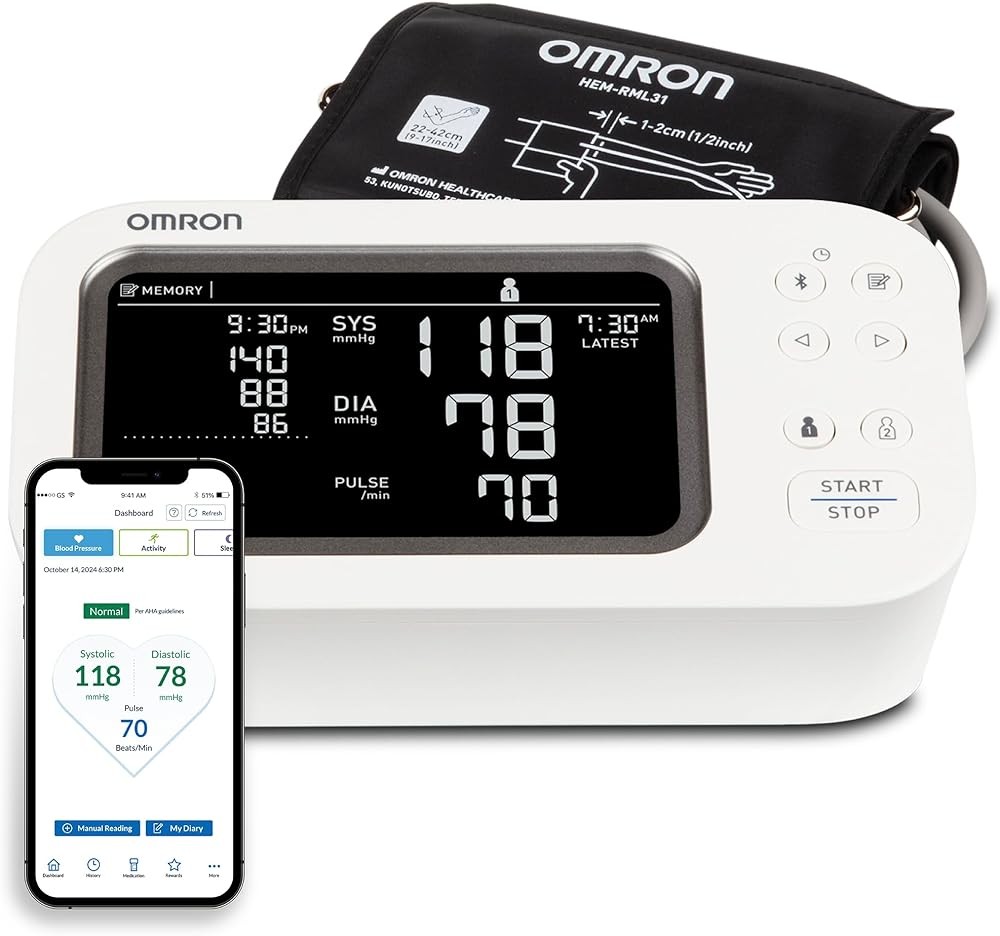
OMRON Platinum Blood Pressure Monitor
Check Price on AmazonAs an Amazon Associate we earn from qualifying purchases.
The Platinum’s standout feature is clinically validated AFib detection, which screens for irregular heartbeats during each measurement. Given research showing that AFib screening during routine blood pressure measurement has high diagnostic accuracy, this feature provides valuable early warning of a condition that substantially increases stroke risk.
Bluetooth connectivity to the OMRON Connect app automatically stores readings, tracks trends, and allows easy data sharing with healthcare providers. This addresses the record-keeping challenges identified in home monitoring research, where inconsistent documentation can compromise treatment decisions.
The wide-range ComFit cuff (22-42 cm) accommodates diverse arm sizes with a single cuff, eliminating sizing confusion. Research on wide-range cuffs demonstrates that properly designed single-cuff systems maintain accuracy across the entire circumference range, matching the performance of multi-cuff approaches.
TruRead technology automatically takes three consecutive readings one minute apart and calculates the average, implementing the triplicate measurement protocol recommended by research for reducing random variability. This feature is particularly valuable for users with AFib or high blood pressure variability.
Dual-user mode stores 120 readings per user, sufficient for comprehensive monitoring. Morning and evening measurement indicators help users follow recommended timing protocols for accurate assessment of blood pressure patterns.
The backlit display ensures readability in various lighting conditions, while one-touch operation simplifies the measurement process. The monitor also detects body movement during measurement, alerting users to technique errors that could affect accuracy.
The Platinum’s combination of validation-backed accuracy and advanced features makes it the optimal choice for users prioritizing comprehensive cardiovascular monitoring. The AFib detection and automatic data tracking provide clinical value that justifies the investment for anyone managing hypertension or at risk for arrhythmias.

The OMRON Bronze delivers essential blood pressure monitoring from a trusted manufacturer at an entry-level price. While lacking premium features, it maintains the accuracy standards expected from the #1 doctor-recommended brand.
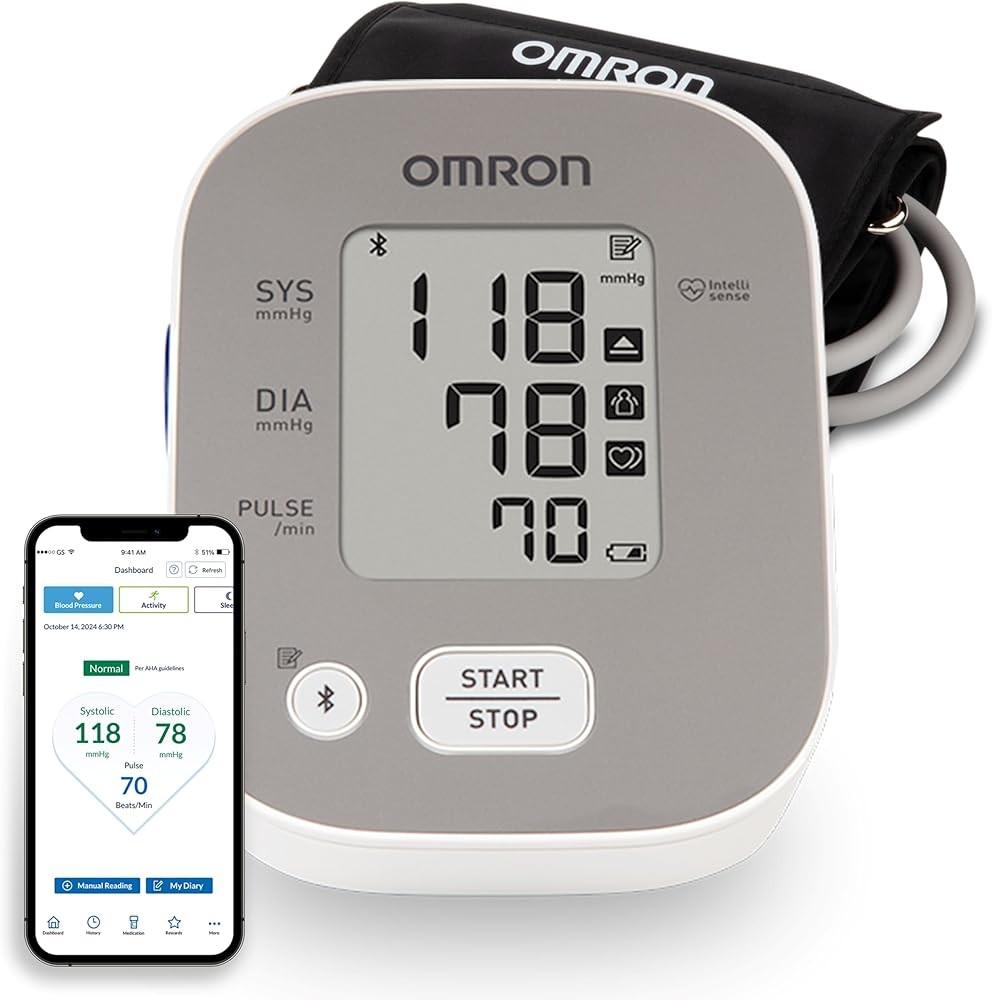
OMRON Bronze Blood Pressure Monitor
Check Price on AmazonAs an Amazon Associate we earn from qualifying purchases.
This model focuses on core functionality: accurate automated blood pressure measurement with oscillometric technology from a company with extensive validation experience. While the specific Bronze model validation may not be publicly available, OMRON’s commitment to accuracy across their product line provides reasonable confidence in performance.
The wide-range D-ring cuff (22-42 cm) accommodates most arm sizes, implementing the single-cuff design that research shows can maintain accuracy across diverse circumferences. Proper cuff fit is critical for reliable readings, making this universal sizing a valuable feature even in a budget model.
Memory storage for 60 readings allows basic tracking of blood pressure trends. While this storage is limited compared to premium models and lacks automatic timestamping, it provides sufficient capacity for monitoring patterns over several weeks.
The irregular heartbeat symbol alerts users to pulse irregularities detected during measurement. Though not as sophisticated as the Platinum’s validated AFib detection algorithm, this basic screening feature can still prompt users to seek medical evaluation when arrhythmias are detected.
Blood pressure level indicators use color-coded guidance based on hypertension guidelines, helping users understand whether readings fall within normal, elevated, or hypertensive ranges. This educational feature supports informed self-management.
One-touch operation simplifies the measurement process to a single button press, reducing user error and encouraging regular monitoring. The straightforward design may actually benefit older adults or those uncomfortable with technology.
The Bronze represents an excellent choice for budget-conscious consumers who need reliable blood pressure monitoring without advanced connectivity or AFib detection. Its combination of OMRON quality at an accessible price point makes it particularly suitable for individuals starting home monitoring or those who prefer simplicity over technology.

The Withings BPM Vision redefines the home blood pressure monitoring experience with cutting-edge technology, comprehensive connectivity, and intuitive design. FDA-cleared and clinically validated, it represents the premium tier of consumer health monitoring.
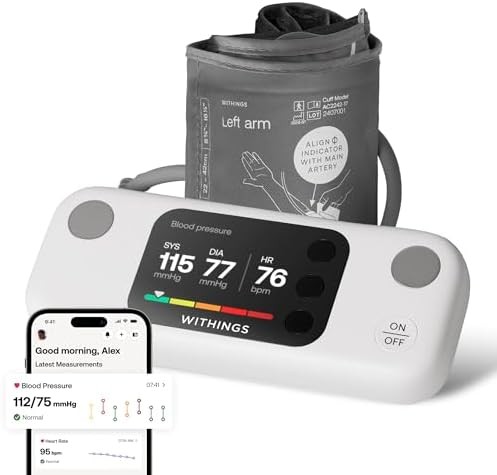
The Vision’s most distinctive feature is its large, high-resolution color display that shows readings directly on the device in real-time. Unlike traditional monitors that display only numbers, the Vision provides visual context with color-coded feedback, historical trends, and comprehensive measurement details on a screen visible across the room.
Both Wi-Fi and Bluetooth connectivity enable seamless data synchronization to the Health Mate app without requiring a smartphone to be present during measurement. Research emphasizes the importance of consistent data tracking for hypertension management; automatic Wi-Fi upload ensures every reading is captured even if users forget their phones.
The Heart Health & Blood Pressure Monitor functionality extends beyond basic measurement to provide comprehensive cardiovascular assessment. The device tracks multiple metrics and integrates with the broader Withings ecosystem, allowing correlation of blood pressure with weight, activity, and sleep data for holistic health insights.
Advanced algorithms include AFib detection validated to medical standards, providing screening comparable to dedicated cardiac monitoring devices. Given research showing high diagnostic accuracy of AFib detection during blood pressure measurement, this feature offers substantial clinical value for cardiovascular risk assessment.
The universal cuff (22-42 cm) uses advanced materials and construction for comfortable, accurate measurements across diverse arm sizes. Multiple user profiles support unlimited users through the app, making the Vision ideal for families or households with several individuals monitoring blood pressure.
Medical-grade accuracy with FDA clearance provides assurance of measurement quality meeting regulatory standards. The device’s validation encompasses both technological sophistication and clinical accuracy requirements.
Battery operation with rechargeable lithium-ion power eliminates the need for frequent battery changes. A single charge supports months of regular use, reducing maintenance and ensuring the device is always ready when needed.
The Withings BPM Vision justifies its premium price through superior user experience, comprehensive health tracking integration, and advanced features that transform blood pressure monitoring from a clinical task into an integral component of holistic health management. It’s the optimal choice for users prioritizing cutting-edge technology and seamless integration with digital health platforms.

The OMRON Evolv revolutionizes portable blood pressure monitoring with its innovative wireless, tubeless design. Combining OMRON’s validation heritage with maximum convenience, it delivers clinical accuracy in an ultra-compact form factor.
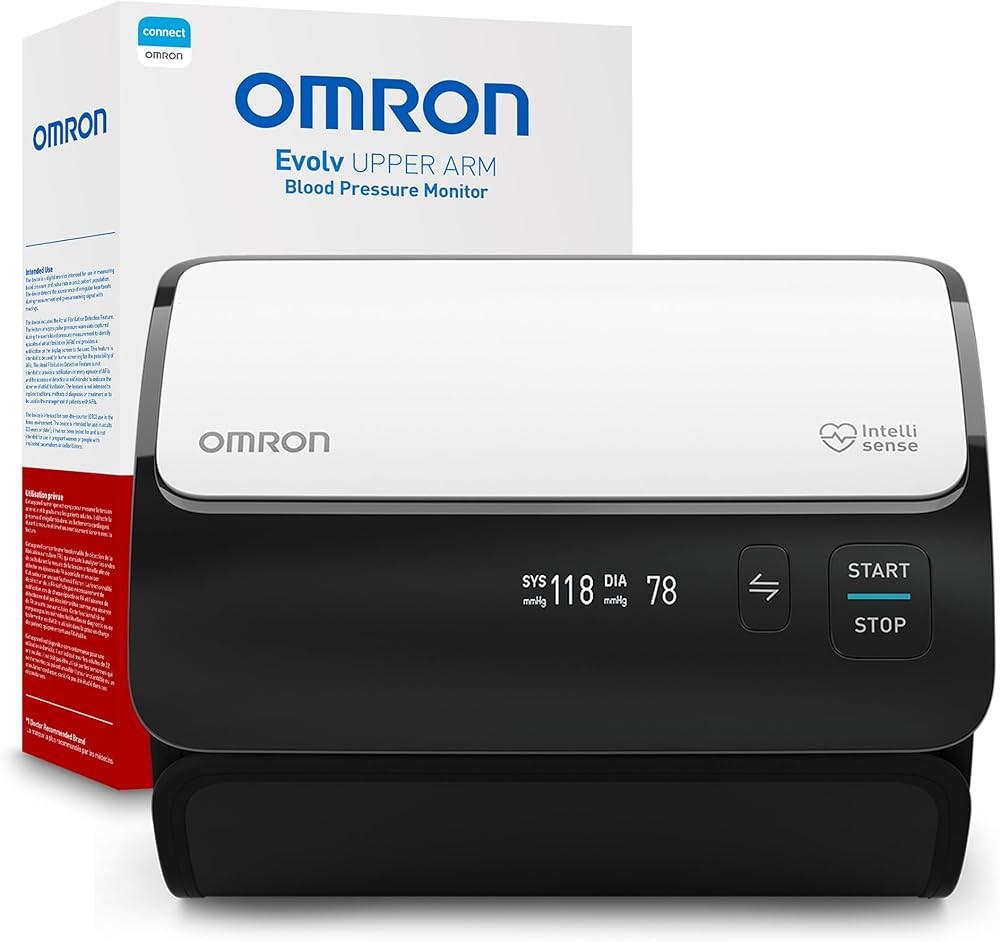
OMRON Evolv Wireless Blood Pressure Monitor
Check Price on AmazonAs an Amazon Associate we earn from qualifying purchases.
The Evolv’s defining innovation is complete elimination of the traditional tube connecting cuff to monitor. The entire device wraps around the arm as a self-contained unit, with the measurement mechanism and display integrated directly into the cuff. This design dramatically reduces bulk and eliminates the tangling, storage, and durability issues associated with conventional tubes.
Despite the radical design departure, the Evolv maintains OMRON’s accuracy standards. While specific validation studies may focus on traditional designs, OMRON’s engineering ensures the integrated technology delivers measurements comparable to their clinically validated conventional models.
Bluetooth connectivity to the OMRON Connect app provides the same automatic data tracking as the Platinum model. Every reading syncs wirelessly to create timestamped records, supporting the consistent documentation that research shows is essential for effective hypertension management.
The advanced algorithm includes irregular heartbeat detection, alerting users to pulse irregularities that may warrant medical attention. Though not labeled as the sophisticated AFib detection of the Platinum, this screening function provides valuable cardiovascular monitoring.
Dual-user mode with 100 readings per user offers sufficient memory for comprehensive tracking by couples or household members. The device automatically identifies users when synced with individual smartphones, simplifying multi-user management.
The soft wide-range cuff (22-42 cm) maintains accuracy across diverse arm sizes while providing exceptional comfort during inflation. The fabric construction feels less clinical than rigid cuffs, potentially encouraging more frequent monitoring.
Premium portability makes the Evolv ideal for travelers, professionals who monitor at work, or anyone who values convenience. The compact design fits into purses, briefcases, or gym bags without the bulk of traditional monitors.
One-touch operation maintains OMRON’s signature simplicity, requiring only a single button press to initiate measurement. The intuitive design ensures that even first-time users can obtain accurate readings without studying manuals.
The Evolv targets users who prioritize portability and modern design without compromising accuracy. Its innovative tubeless architecture makes it the ideal choice for frequent travelers, active professionals, or anyone who finds traditional monitors cumbersome but refuses to sacrifice OMRON’s validation-backed reliability.
How Do Smartphone Apps Enhance Blood Pressure Management?
The integration of blood pressure monitors with smartphone applications transforms data collection from a manual logging burden into an automated tracking system. Research emphasizing the importance of consistent record-keeping for hypertension diagnosis suggests that automatic data capture could substantially improve treatment outcomes.
The OMRON Connect app receives readings via Bluetooth, automatically timestamping and storing measurements with notes on activity, medication timing, or symptoms. Trend visualization allows users to identify patterns across days, weeks, or months, recognizing concerning changes that might be missed in raw number lists.
What matters most: Automatic data synchronization eliminates transcription errors and ensures complete measurement histories, addressing the finding that manual record-keeping often suffers from gaps and inaccuracies that compromise clinical decision-making.
Multi-user support in connected apps facilitates family blood pressure monitoring. The Withings Health Mate app allows unlimited user profiles with individual tracking, alerts, and insights. This capability is particularly valuable for households monitoring multiple family members or caregivers tracking elderly relatives.
Data sharing features enable users to export blood pressure reports directly to healthcare providers. Rather than relying on patient recall or hand-written logs during appointments, clinicians can review comprehensive, accurate datasets showing measurement frequency, timing, and values. This complete picture supports more informed treatment adjustments.
What this means for you: Connected monitors that integrate with comprehensive health platforms allow correlation of blood pressure with other metrics like weight, activity, sleep, and heart rate, potentially revealing relationships that inform lifestyle interventions.
Some apps provide educational content about blood pressure management, medication adherence reminders, and personalized insights based on readings. These features support behavior change and self-management skills that are critical for long-term hypertension control.
The Withings ecosystem integration extends beyond blood pressure to include smart scales, activity trackers, and sleep monitors. This comprehensive approach aligns with research emphasizing that cardiovascular health depends on multiple factors including weight, physical activity, sleep quality, and stress management.
What Maintenance Do Blood Pressure Monitors Require?
Unlike manual sphygmomanometers requiring regular calibration, modern oscillometric monitors typically do not offer user-accessible calibration. However, periodic accuracy verification ensures continued reliable performance.
Annual comparison with healthcare provider measurements during office visits provides practical accuracy checking. If home readings consistently differ from properly performed office measurements by more than 5-10 mmHg, the device may require professional servicing or replacement.
The practical takeaway: While oscillometric monitors are generally maintenance-free, comparing readings with clinical measurements at least annually helps identify accuracy drift that could affect treatment decisions.
Cuff condition affects measurement quality. Regular inspection for cracks, stiffness, or wear in the bladder material ensures proper inflation and deflation. Most manufacturers recommend cuff replacement every 2-3 years or sooner if visible damage occurs.
Battery management varies by model. Devices using standard AA/AAA batteries should have batteries changed proactively rather than waiting for low-battery warnings, as weak batteries may affect measurement accuracy. Rechargeable models like the Withings Vision should be charged regularly according to manufacturer guidelines.
Storage in cool, dry environments away from direct sunlight extends device longevity. Extreme temperatures or humidity can affect electronic components and cuff materials, potentially compromising accuracy.
Evidence indicates: Proper storage, regular accuracy verification, and timely cuff replacement maintain measurement reliability throughout the device’s useful life, typically 3-5 years for quality monitors with normal use.
How Does Blood Pressure Monitoring Support Cardiovascular Health?
Home blood pressure monitoring provides more comprehensive assessment of cardiovascular status than isolated office measurements. Research shows that home readings correlate more strongly with cardiovascular outcomes and target organ damage than office readings, partly due to elimination of white-coat hypertension effects.
Systematic home monitoring protocols involving duplicate morning and evening readings over multiple days capture true blood pressure variability and average values. This approach identifies patterns that single office measurements miss, including morning hypertension, evening elevations, or day-to-day variability that may indicate increased cardiovascular risk.
Key takeaway: Regular home monitoring enables earlier detection of blood pressure changes, allowing timely treatment adjustments that may help manage progression to more severe hypertension or cardiovascular events.
For individuals already diagnosed with hypertension, home monitoring provides feedback on treatment effectiveness. Medication adjustments can be evaluated through systematic before-and-after measurements, supporting evidence-based dose optimization.
The ability to detect AFib during routine blood pressure measurement adds another dimension of cardiovascular protection. Given that AFib substantially increases stroke risk and often occurs without symptoms, opportunistic screening during blood pressure monitoring may identify cases requiring anticoagulation therapy to reduce embolic event risk.
The science confirms: Integrated cardiovascular monitoring combining blood pressure measurement, irregular heartbeat detection, and systematic tracking provides a comprehensive assessment supporting both hypertension management and broader cardiovascular risk reduction.
Blood pressure monitoring also supports lifestyle intervention evaluation. Users modifying diet, increasing physical activity, or implementing stress reduction techniques can quantify the impact through systematic measurements, reinforcing positive behaviors when improvements are documented.
The connection between blood pressure and other health factors creates opportunities for integrated management. Research has linked magnesium intake to cardiovascular health, while omega-3 fatty acids from fish oil may support healthy blood pressure levels. Vitamin D status has been associated with cardiovascular function, and stress management techniques like those supported by ashwagandha may help maintain healthy blood pressure.
Are There Limitations to Home Blood Pressure Monitoring?
Despite the benefits of home monitoring, several limitations require recognition. The real-world accuracy study finding that most devices showed clinically meaningful differences from reference measurements highlights that device selection and technique significantly affect reliability.
User technique errors represent a major challenge. Improper cuff placement, inadequate rest periods, talking during measurement, arm position below heart level, or bladder fullness can all introduce significant measurement errors. Even validated monitors produce unreliable readings when used incorrectly.
The main point: Device accuracy in validation studies assumes proper measurement technique; real-world performance depends critically on user education, training, and adherence to standardized protocols.
Not all monitors are equally suitable for all users. Research on arterial stiffness effects found that patients with end-stage renal disease showed slightly different measurement accuracy, with oscillometric devices overestimating diastolic pressure as arterial stiffness increased. Similar effects may occur in elderly individuals or those with severe atherosclerosis.
White-coat hypertension and masked hypertension can still occur with home monitoring. Some individuals experience elevated blood pressure specifically during self-measurement due to anxiety about readings, while others show normal home readings but elevated ambulatory pressures during daily activities.
Evidence indicates: Home monitoring should complement rather than replace office measurements; combining both approaches with ambulatory monitoring when indicated provides the most comprehensive assessment of blood pressure status.
Device-to-device variability exists even among validated monitors. The systematic review noting 177 validation studies using ESH-IP alone demonstrates that many devices meet standards, but individual device performance varies. Selecting from lists of validated monitors rather than assuming any popular brand is accurate helps ensure reliability.
Technical limitations affect certain populations. The validation study in oldest-old populations found that cuff size affected systolic measurements and pulse pressure influenced diastolic readings, suggesting that very elderly individuals may require special attention to measurement technique and cuff selection.
What Future Developments May Improve Home Blood Pressure Monitoring?
The movement toward universal validation protocols promises to standardize device testing and facilitate global acceptance of validated monitors. The collaboration between AAMI, ESH, and ISO experts aims to create a single protocol accepted worldwide, simplifying the validation landscape for manufacturers and selection process for consumers.
Cuffless blood pressure monitoring technologies are under development, using pulse wave analysis, optical sensors, or other techniques to estimate blood pressure without traditional inflation. While promising for convenience, these approaches currently lack the validation and accuracy of oscillometric cuff-based systems.
Here’s what this means: Emerging cuffless technologies must demonstrate accuracy meeting international standards before they can be recommended for clinical blood pressure management; current evidence supports oscillometric cuff-based monitors as the most reliable home measurement approach.
Artificial intelligence and machine learning algorithms may enhance measurement accuracy by accounting for individual physiological variations, arterial compliance, and other factors affecting oscillometric signal interpretation. Advanced algorithms like the SureBP system demonstrate that sophisticated signal processing can maintain accuracy even during patient movement.
Integration with comprehensive digital health platforms will likely expand. Beyond simple blood pressure tracking, future systems may incorporate additional cardiovascular assessments, medication management, lifestyle tracking, and predictive analytics identifying risk patterns before clinical events occur.
The evidence shows: The evolution of home blood pressure monitoring toward more connected, intelligent, and user-friendly devices will likely improve measurement consistency and integration with healthcare systems, supporting better hypertension management and cardiovascular risk reduction.
Continuous or frequent automated monitoring may become more practical. While 24-hour ambulatory monitoring exists clinically, consumer-grade devices enabling more frequent measurements throughout daily activities could provide unprecedented insight into blood pressure patterns and their relationships with behaviors, stress, diet, and medication timing.
What Common Errors Affect Home Blood Pressure Accuracy?
Even with validated monitors, user errors can significantly compromise measurement accuracy. Understanding these pitfalls helps ensure reliable readings that accurately reflect cardiovascular status.
Improper cuff placement represents one of the most common errors. The cuff should be positioned on bare skin at heart level, with the bottom edge 1-2 cm above the elbow crease. Placement over clothing can increase readings by 5-50 mmHg depending on garment thickness. Positioning the arm below heart level adds approximately 2 mmHg for every inch of vertical difference.
The evidence shows: Arm position relative to heart level critically affects hydrostatic pressure in the brachial artery; measurements taken with the arm hanging at the side can overestimate blood pressure by 10 mmHg or more compared to properly supported arm-at-heart-level positioning.
Insufficient rest before measurement is another frequent problem. Guidelines recommend 5 minutes of quiet sitting before measurement to allow blood pressure to stabilize. Measuring immediately after physical activity, climbing stairs, or rushing into the room can elevate readings by 10-20 mmHg. Even the physical effort of preparing the monitor and cuff can temporarily raise blood pressure.
Talking or moving during measurement introduces artifact and variability. Research shows that conversation during measurement can increase systolic pressure by 10-15 mmHg. Body movement, shifting position, or even tensing muscles affects readings. The cuff inflation and deflation process requires stillness for accurate oscillometric signal detection.
What matters most: The 5-minute pre-measurement rest period isn’t arbitrary; it represents the minimum time required for cardiovascular parameters to return to baseline after the physical and mental activity of daily life, ensuring measurements reflect true resting blood pressure rather than transient elevations.
Cuff size mismatch affects a significant proportion of home measurements. Using a cuff too small for arm circumference can overestimate blood pressure by 5-15 mmHg, while an oversized cuff may underestimate readings by 3-10 mmHg. The bladder portion of the cuff should encircle 80% of the arm circumference for accurate measurement.
Multiple measurements without adequate intervals compromise accuracy. Blood pressure can be temporarily lowered after cuff inflation due to reactive hyperemia and altered arterial compliance. Waiting at least 1 minute between consecutive readings allows vascular parameters to return to baseline. This is why automated protocols like OMRON’s TruRead system incorporate 1-minute intervals between the three averaged readings.
Essential guidance: Taking multiple readings without adequate rest intervals can create a progressive decrease in measured values that doesn’t reflect true blood pressure reduction but rather represents a vascular response to repeated cuff inflation.
Bladder fullness is an often-overlooked factor. A full bladder can increase blood pressure by 10-15 mmHg through sympathetic nervous system activation and compression of the aorta. Guidelines recommend emptying the bladder before measurement, particularly for morning readings after overnight accumulation.
Time-of-day inconsistency creates measurement variability that obscures true blood pressure patterns. Comparing a Monday morning reading with a Wednesday evening measurement may show differences of 10-20 mmHg simply due to circadian variation, making it difficult to identify actual trends or treatment effects.
Core advantage: Establishing a consistent measurement routine—same times of day, same measurement conditions, same preparation protocol—transforms home monitoring from a collection of random numbers into a systematic assessment revealing meaningful patterns and trends.
Temperature effects should not be ignored. Cold environments cause vasoconstriction that can elevate blood pressure by 5-10 mmHg compared to comfortably warm conditions. Measuring blood pressure immediately after coming in from cold weather or in an unheated room may yield falsely elevated readings.
Caffeine and nicotine consumption before measurement affects accuracy. Both substances can increase blood pressure by 5-10 mmHg for 30-60 minutes after consumption. Guidelines typically recommend avoiding caffeine for 30 minutes and smoking for 30-60 minutes before measurement, though individual responses vary.
Data shows: Systematic attention to measurement technique—proper cuff placement, adequate rest, consistent timing, appropriate preparation—can reduce measurement variability by 50% or more, dramatically improving the clinical utility of home blood pressure monitoring.
How Should You Choose the Right Monitor for Your Needs?
Selecting a home blood pressure monitor should begin with verification of validation status. Consulting lists of validated devices from organizations like the British and Irish Hypertension Society or European Society of Hypertension ensures baseline accuracy meeting international standards.
The practical takeaway: Start with validated devices, then evaluate additional features like connectivity, memory capacity, user profiles, and AFib detection based on individual needs and budget rather than making accuracy assumptions based on brand or marketing claims alone.
Arm circumference should guide cuff selection. Measure the midpoint of your upper arm and ensure the monitor includes appropriate cuff sizing. Wide-range cuffs (22-42 cm) simplify the process and accommodate most adults, while individuals with very large or very small arms may need specialized sizing.
Technology comfort level affects feature prioritization. Users comfortable with smartphones and health apps benefit from Bluetooth connectivity and comprehensive tracking platforms. Those preferring simplicity may find basic models with one-touch operation and manual logging more suitable.
Multiple user needs influence memory and profile requirements. Households with several individuals monitoring blood pressure benefit from multi-user modes with separate memory banks or app-based unlimited user profiles that maintain distinct records for each person.
AFib screening value depends on cardiovascular risk factors. Individuals over 65, those with hypertension, or people with cardiovascular disease family histories benefit more from AFib detection features, given research showing high diagnostic accuracy of screening during routine blood pressure measurement.
Budget considerations should account for long-term value. While premium models cost more initially, features like automatic data tracking, validated AFib detection, and durable construction may provide greater value over years of use compared to replacing basic models or dealing with manual record-keeping inconvenience.
Core advantage: Investing in a validated monitor with features supporting consistent, accurate, long-term monitoring often proves more cost-effective than purchasing the least expensive option that may lack accuracy verification or features encouraging regular use.
How Do You Interpret Blood Pressure Readings at Home?
Understanding blood pressure numbers is essential for effective home monitoring. Blood pressure readings consist of two values: systolic pressure (the top number) represents the force when the heart beats, while diastolic pressure (the bottom number) measures pressure when the heart rests between beats.
Normal blood pressure is defined as less than 120/80 mmHg. Elevated blood pressure ranges from 120-129 systolic with diastolic below 80. Stage 1 hypertension is 130-139 systolic or 80-89 diastolic, while Stage 2 hypertension is 140/90 or higher. Readings consistently at or above 180/120 constitute a hypertensive crisis requiring immediate medical attention.
Key takeaway: Single elevated readings don’t necessarily indicate hypertension; blood pressure varies throughout the day based on activity, stress, diet, and circadian rhythms, making systematic home monitoring over multiple days essential for accurate assessment.
Many factors influence blood pressure readings. Caffeine consumption can temporarily raise blood pressure by 5-10 mmHg for up to 3 hours. Full bladders can add 10-15 mmHg to readings. Talking during measurement can increase systolic pressure by 10-15 mmHg. Even crossing legs during measurement can elevate readings by 2-8 mmHg.
Time of day significantly affects blood pressure. Most people experience morning blood pressure surges within an hour of waking, followed by gradual decline throughout the day. Evening readings are typically 5-10 mmHg lower than morning measurements. This natural variation explains why guidelines recommend both morning and evening measurements for comprehensive assessment.
White-coat hypertension—elevated readings in clinical settings due to anxiety—affects approximately 15-30% of people diagnosed with hypertension. Home monitoring eliminates this effect, potentially revealing that blood pressure is actually normal outside medical environments. Conversely, masked hypertension occurs when office readings are normal but home or ambulatory measurements show elevation, affecting about 10-15% of people.
What the data says: Combining home and office measurements provides more accurate hypertension diagnosis than either method alone, with home readings showing stronger correlations with cardiovascular outcomes and target organ damage than isolated office measurements.
Measurement consistency requires attention to technique details. Taking readings at the same times each day, in the same environment, using the same arm, after the same rest period, creates reproducible conditions that reveal true blood pressure patterns rather than random fluctuations.
Seasonal variations also affect blood pressure. Research shows that blood pressure tends to be higher in winter months, with differences of 5-10 mmHg compared to summer readings. This seasonal variation may be related to temperature effects on blood vessels, reduced physical activity, dietary changes, or vitamin D fluctuations.
The science confirms: Understanding the multiple factors influencing blood pressure readings—from measurement technique to time of day to seasonal patterns—enables more informed interpretation of home monitoring data and more productive conversations with healthcare providers about treatment strategies.
What Role Do Blood Pressure Monitors Play in Preventive Health?
Blood pressure monitoring extends beyond hypertension management to cardiovascular risk assessment and early detection. Given that nearly half of American adults have elevated blood pressure, many undiagnosed, home monitoring provides a population-level screening tool for identifying at-risk individuals before clinical complications develop.
Early detection enables lifestyle interventions during prehypertension stages when dietary modifications, increased physical activity, stress management, and weight loss may help manage progression to hypertension requiring pharmacological treatment. Research shows that lifestyle interventions can reduce blood pressure by 5-10 mmHg, potentially eliminating medication needs for borderline cases.
Research shows: Regular home blood pressure monitoring identifies concerning trends earlier than annual or sporadic office measurements, creating opportunities for early interventions before cardiovascular events occur.
The correlation between blood pressure and cardiovascular outcomes makes monitoring a direct assessment of disease risk. Each 20 mmHg elevation in systolic blood pressure or 10 mmHg increase in diastolic blood pressure doubles cardiovascular mortality risk. Conversely, maintaining blood pressure within normal ranges substantially reduces stroke, heart attack, and heart failure incidence.
Blood pressure monitoring also provides objective feedback supporting health behavior change. The immediate measurable impact of dietary sodium reduction, aerobic exercise, weight loss, or stress management techniques reinforces positive behaviors and motivates continued adherence to healthy lifestyles.
Integration with other health metrics creates comprehensive wellness assessment. Combined tracking of blood pressure, weight, physical activity, and diet allows identification of relationships and patterns. For example, correlation of blood pressure spikes with specific foods, stressful events, or sedentary periods provides actionable insights for targeted interventions.
Evidence indicates: Home blood pressure monitoring transforms cardiovascular health from a periodic clinical assessment to continuous personal health management, supporting the shift from reactive disease treatment to proactive health optimization.
Continuous glucose monitoring has demonstrated similar benefits for metabolic health assessment, while cardiovascular benefits of interventions like infrared sauna use can be objectively evaluated through systematic blood pressure measurement.
Related Reading
- Best Fish Oil and Omega-3 Supplements - Omega-3s and cardiovascular health support
- Best Continuous Glucose Monitors for Non-Diabetics - Metabolic health monitoring devices
- Magnesium vs Calcium for Bone Health - Magnesium’s role in cardiovascular function
- Infrared Sauna Benefits - Cardiovascular effects of sauna therapy
- Best Vitamin D Supplements - Vitamin D and heart health connections
- Best Ashwagandha Supplements - Stress management and blood pressure support
Recommended Products