Airofit Pro Review: App-Guided Respiratory Muscle Training Device
Summarized from peer-reviewed research indexed in PubMed. See citations below.
App-guided respiratory muscle training addresses a common limitation in basic mechanical breathing devices: the inability to monitor training intensity and breathing patterns in real time. The Airofit Digital system with Elite Trainer ($353) combines threshold pressure loading with biofeedback technology validated in clinical studies, where electronic training devices demonstrated excellent agreement (ICC: 0.73-0.97) with medical-grade spirometers for assessing breathing characteristics during inspiratory muscle training sessions. The app provides visual feedback on work of breathing and peak power generation, allowing users to maximize the training stimulus by adjusting external loads based on real-time respiratory data. For those seeking basic respiratory muscle strengthening without digital tracking, THE BREATHER offers mechanical threshold loading at $49. Here’s what the published research shows about app-guided versus mechanical-only respiratory training devices.
Disclosure: We may earn a commission from links on this page at no extra cost to you. Affiliate relationships never influence our ratings. Full policy →


What Makes App-Guided Respiratory Training Different From Basic Devices?
Electronic training devices provide automatically processed information on breathing characteristics during inspiratory muscle training sessions that basic mechanical trainers cannot capture. Research validating the POWERbreatheKH2 electronic device in patients with weaning difficulties performed breath-by-breath analysis of 1,002 breaths across 27 training sessions against mean loads of 46±16% of maximal inspiratory pressure, demonstrating good to excellent agreement (intraclass correlation coefficients: 0.73-0.97) for all breathing characteristics when compared to portable spirometry references.
The clinical utility of real-time breathing data extends beyond simple load verification. When individual differences between electronic and reference devices were plotted against mean breathing values, small average biases were observed for all characteristics, indicating the training device provides valid assessments of breathing characteristics to quantify inspiratory muscle effort including work of breathing and peak power. Availability of this visual feedback to both healthcare providers and patients allows optimization of training stimulus by adapting external loads based on breathing responses, maximizing respiratory muscle work and power generation during training.
Digital respiratory training systems with sensor technology demonstrate similar validation profiles. Feasibility studies on portable respiratory training systems incorporating gyroscope sensors found absolute mean differences for sinusoidal waveforms of 2.0% compared to clinical respiratory gating systems, with mean error percentages within ±15% showing 96.1% accuracy for free breathing patterns and 88.2% accuracy for expiratory breath-hold maneuvers. These sensor-based systems reduced inter-patient variability in respiratory waveforms, improving success rates for controlled breathing exercises from 89.1% baseline to 91.0% with training feedback.
Our comprehensive guide to breathing trainer devices covers the full range of available options from basic mechanical to premium electronic systems. The practical advantage of app-guided systems becomes apparent when examining adherence and quality metrics. Studies show that respiratory muscle training outcomes relate directly to work of breathing and power generated by inspiratory muscles during each session. Without real-time feedback, users cannot determine whether breathing patterns produce adequate training stimulus or whether compensatory strategies diminish the effectiveness of each breath. Electronic systems address this limitation by displaying breathing characteristics as they occur, allowing immediate pattern adjustment.
For individuals recovering from critical illness or managing chronic respiratory conditions, the ability to track session-by-session progress provides both motivation and clinical insight. Research in patients with weaning difficulties documented how training device feedback allowed physical therapists to adjust loads in real time, optimizing respiratory muscle work during each training period rather than waiting for weekly or monthly assessments to modify protocols.
| Feature | Airofit Elite | WellO2 Steam | O2Trainer | THE BREATHER |
|---|---|---|---|---|
| Price | $353 | $199 | $59 | $49 |
| App Integration | Full biofeedback | Structured protocols | None | None |
| Load Type | Threshold pressure | Resistance + water | Elevation simulation | Threshold dual-valve |
| Data Tracking | Breathing characteristics | Session duration | Manual | Manual |
| Training Feedback | Real-time visual | Protocol guidance | None | None |
| Resistance Adjustment | Electronic | Water level | Altitude settings | Manual dial |
| Portability | Device + phone | Desktop unit | Pocket-size | Pocket-size |
| Validation Studies | Electronic device ICC 0.73-0.97 | Limited | Elevation mask research | Threshold comparison trials |
How Do Training Loads Affect Respiratory Muscle Outcomes?
The magnitude of training load determines both the effectiveness of inspiratory muscle training and the physiological adaptations that occur. A comparative study examining two different training loads using a threshold device enrolled twenty patients with chronic airflow limitation, randomizing ten to train at 30% of maximal inspiratory pressure (PImax) and ten to train at 12% PImax for 30 minutes daily over 5 weeks (https://pubmed.ncbi.nlm.nih.gov/7925905/).
After completing the training period, the 30% load group exhibited substantial improvements across multiple respiratory parameters: PImax increased by 34±11%, inspiratory muscle power output improved by 92±16%, sustainable inspiratory pressure rose by 36±9%, and maximal inspiratory flow rate increased by 34±13%. Dyspnea scores decreased, and the 6-minute walking distance increased by 48±22 meters in this higher-load training group.
In contrast, the 12% load group showed no significant changes in any measured parameter despite completing the same training duration and frequency. This dose-response relationship demonstrates that threshold loading must reach adequate intensity to stimulate respiratory muscle adaptation. The breathing pattern analysis revealed additional insights: during loaded breathing, the 30% group showed significant increases in tidal volume and mean inspiratory flow with reductions in inspiratory time, indicating improved breathing efficiency.
Studies in well-trained endurance athletes provide perspective on respiratory muscle training in individuals with already-developed respiratory systems. A randomized trial assigned twenty elite endurance athletes to either specific inspiratory muscle training using a threshold device (0.5 hours daily, six days weekly for 10 weeks) or sham training with the same device but no resistance (https://pubmed.ncbi.nlm.nih.gov/10912887/). The training group’s inspiratory muscle strength improved from 142.2±24.8 to 177.2±32.9 cm H2O (p<0.005), while inspiratory muscle endurance increased from 121.6±13.7 to 154.4±22.1 cm H2O (p<0.005). The control group receiving sham training showed no changes in either parameter.
Interestingly, these improvements in inspiratory muscle performance did not translate to changes in peak ventilation, VO2max, breathing reserve, or arterial oxygen saturation during maximal graded exercise. This finding suggests that in highly trained athletes without respiratory muscle weakness, strengthening already-adequate respiratory muscles may not further enhance aerobic capacity, though the muscular adaptations themselves remain significant.
The key takeaway: Threshold loading at 30% maximal inspiratory pressure produces clinically meaningful improvements including 34% PImax increase, 92% power output gain, and 48-meter walking distance improvement, while lower 12% loads show no significant adaptations despite identical training frequency and duration.
The threshold loading mechanism differs fundamentally from flow-resistive loading. Threshold devices maintain consistent pressure requirements regardless of inspiratory flow rate, whereas flow-resistive systems increase resistance as flow increases. Research comparing these approaches consistently shows threshold loading produces more reliable and reproducible training stimuli. A study evaluating the THRESHOLD trainer against weighted plunger systems tested opening pressures at 10, 20, 30, and 40 cmH2O across airflow rates from 20 to 100 L/min (https://pubmed.ncbi.nlm.nih.gov/8980985/).
The weighted plunger system demonstrated mean measured opening pressures of 9.0, 19.3, 27.9, and 39.2 cmH2O at the four settings, with minimal change across flow rates. The THRESHOLD trainer showed corresponding values of 7.5, 16.9, 26.2, and 39.1 cmH2O, with pressures moving closer to set values as flow increased to clinically relevant rates. When ten patients with stable chronic heart failure completed 4-minute inspiratory sessions through both devices, pressure-time product calculations revealed no significant differences in work performed, validating the THRESHOLD trainer as a consistent alternative to more expensive systems.
Does App-Guided Training Improve Adherence and Outcomes?
Digital feedback systems address a fundamental challenge in home-based respiratory muscle training: ensuring proper technique and adequate training stimulus without direct supervision. Studies on inspiratory muscle training in clinical populations demonstrate wide variability in outcomes, often attributed to differences in training protocols, patient selection, or adherence issues. App-guided systems attempt to standardize the training experience while providing motivation through progress tracking.
A recent randomized controlled trial in ninety patients aged 50-70 years with acute respiratory failure on mechanical ventilation compared three approaches: inspiratory muscle training via Threshold device with conventional physical therapy, trigger sensitivity adjustment of the mechanical ventilator with conventional therapy, and conventional physical therapy alone (https://pubmed.ncbi.nlm.nih.gov/40614912/). The Threshold group demonstrated higher improvements in negative inspiratory force compared to the trigger sensitivity group (p=0.002; effect size: 0.91) and superior results across most measures compared to conventional therapy alone.
The Threshold training group showed significantly lower weaning days than the conventional therapy group (p=0.004, effect size: 1.01), though the percentage of patients successfully weaned did not differ significantly between groups. This suggests that while ultimate weaning success may depend on multiple factors, respiratory muscle training with proper loading accelerates the weaning process for those who do wean successfully.
In the context of surgical recovery, inspiratory muscle training outcomes show similar benefits when combined with standard rehabilitation protocols. A randomized trial of fifty-eight patients undergoing open heart surgery assigned participants to either standard physical therapy or physical therapy combined with inspiratory muscle training using a threshold device (https://pubmed.ncbi.nlm.nih.gov/40558109/). The intervention group showed significant increases in maximal inspiratory pressure (p<0.001), maximal expiratory pressure (p<0.001), and 6-minute walk test distance (p=0.013) before hospital discharge.
The control group receiving only standard physical therapy demonstrated significant decreases in maximal inspiratory pressure (p<0.001), maximal expiratory pressure (p<0.002), and 6-minute walk test distance (p<0.001), indicating the natural decline in respiratory muscle function following major thoracic surgery. The addition of inspiratory muscle training not only prevented this decline but produced net improvements, suggesting protective effects on respiratory muscle function during the postoperative period.
For athletes seeking performance advantages, the role of digital feedback becomes particularly relevant when optimizing breathing patterns. Our breathing trainer guide for athletes examines sport-specific applications in detail. Research in middle-distance runners compared two popular inspiratory muscle training devices: PowerBreathe with digital feedback versus Threshold with manual adjustment (https://pubmed.ncbi.nlm.nih.gov/40364210/). The study comprised 32 high-level runners divided into groups based on assigned training device plus a sham-training control.
After completing the training protocol, the PowerBreathe group showed significant increases in VO2/kg, peak expiratory flow, maximal inspiratory pressure, maximal expiratory pressure, decreases in lactic acid levels, and increases in lactate threshold in both male and female runners. The Threshold training group showed no significant differences in VO2/kg, peak expiratory flow, maximal inspiratory pressure, lactic acid, or lactate threshold, though a significant increase in maximal expiratory pressure occurred. The researchers concluded that most parameters of physical fitness and lung ventilation function increased significantly after PowerBreathe training, with results maintained at follow-up assessment, whereas Threshold training produced minimal improvements.
This differential outcome between devices performing ostensibly similar training functions highlights the potential value of real-time feedback. The PowerBreathe device provides electronic resistance adjustment and breathing pattern feedback, allowing users to maintain consistent technique across sessions. The Threshold device requires manual load adjustment and provides no breathing pattern guidance. While both create pressure-threshold loading, the digital feedback component appears to enhance training effectiveness, possibly through improved adherence to proper breathing mechanics or better load progression.
The evidence shows: Digital biofeedback devices produced significant improvements in VO2/kg, peak flow, and lactate threshold in competitive runners, while mechanically identical devices without feedback showed minimal changes, suggesting real-time breathing pattern guidance enhances training effectiveness beyond simple load provision.
What Cardiovascular Adaptations Occur With Respiratory Training?
Respiratory muscle training produces systemic cardiovascular effects extending beyond the muscles of breathing. A particularly interesting randomized controlled trial examined these effects in older women, measuring both peripheral and central hemodynamic responses to respiratory training (https://pubmed.ncbi.nlm.nih.gov/36529363/). Participants completed inspiratory muscle training at 50% of maximal inspiratory pressure twice daily for 4 weeks, while a control group performed sham training at 5% PImax.
Testing involved measuring hypoxic ventilatory response and performing a paced breathing protocol at 0.1 Hz frequency supported by auditory metronome feedback. Blood pressure measurements used finger photoplethysmography, while transcranial ultrasound Doppler assessed middle cerebral artery blood velocity. Spectral analysis of blood pressure, heart rate intervals, and cerebral blood velocity employed autoregressive modeling, with transfer function analysis calculating coherence, gain, and phase relationships.
After 4 weeks, the training group demonstrated increased tidal volume responses to paced breathing compared to the sham group (1.61±0.56 L versus 1.03±0.41 L, p=0.04). Respiratory-induced oscillations in mean blood pressure increased substantially in the training group (48.21±3.15 mmHg² compared to 26.37±4.46 mmHg² in sham group, p=0.04), as did respiratory-induced oscillations in middle cerebral artery velocity (79.90±21.76 cm²s⁻² versus 14.16±31.26 cm²s⁻², p=0.03).
Transfer function analysis revealed that the training group showed reduced gain compared to sham group (1.78±1.30 versus 2.46±1.32 cm·s⁻¹·mmHg⁻¹, p=0.01). This pattern of increased respiratory-induced oscillations in blood pressure and cerebral blood flow combined with reduced transfer function gain suggests improved dynamic cerebrovascular regulation. The respiratory training appeared to enhance the coupling between breathing patterns, blood pressure oscillations, and brain perfusion, potentially providing neuroprotective benefits through more efficient cerebrovascular control.
These findings carry particular significance for older adults at risk for cerebrovascular insufficiency. The ability of respiratory muscle training to modulate cerebral blood flow patterns through improved breathing mechanics suggests potential applications beyond exercise performance or respiratory muscle strength. The oscillatory patterns induced by controlled breathing may serve as a form of cerebrovascular exercise, maintaining the responsiveness of cerebral blood vessels to changing perfusion demands.
Related research on respiratory training and balance function provides additional context for systemic effects. A study comparing 8 weeks of inspiratory muscle training in community-dwelling older adults to 8 weeks of the Otago exercise program in care residents found both interventions improved balance ability significantly (mini-BEST scores: IMT by 24±34%, OEP by 34±28%), with no between-group differences in overall balance improvement (https://pubmed.ncbi.nlm.nih.gov/31978126/).
However, subgroup analysis revealed differential effects on balance components: the inspiratory muscle training group showed significantly greater improvements in dynamic balance tasks (p<0.01) while the Otago exercise group improved static balance tasks more (p=0.01). The IMT group also improved maximal inspiratory pressure by 66±97%, peak inspiratory power by 31±12%, and timed up-and-go performance by -11±27%, whereas the Otago program did not affect these measures.
The balance improvements from respiratory training likely stem from multiple mechanisms. Diaphragmatic contraction increases intra-abdominal pressure, contributing to trunk stability during movement. Stronger inspiratory muscles may reduce the destabilizing effects of sudden breathing demands during dynamic balance challenges. The coordination between breathing and movement improves with respiratory muscle conditioning, potentially enhancing overall motor control.
What this means for you: Respiratory muscle training at 50% PImax increased cerebrovascular regulation markers including blood pressure oscillations (48.21 vs 26.37 mmHg², p=0.04) and cerebral artery velocity (79.90 vs 14.16 cm²s⁻², p=0.03), demonstrating systemic cardiovascular adaptations extending beyond respiratory muscle strengthening alone.
How Does Respiratory Training Affect Exercise Ventilation Patterns?
The relationship between respiratory muscle strength and breathing patterns during exercise involves complex interactions between metabolic demands, respiratory muscle fatigue, and motor control strategies. Research examining imposed breathing patterns during exercise reveals fundamental principles about respiratory work and ventilation efficiency (https://pubmed.ncbi.nlm.nih.gov/8001540/).
In a study of nine male trained cyclists with mean VO2max of 57±5.47 ml·kg⁻¹·min⁻¹, researchers measured respiratory work per breath and respiratory work rate while manipulating breathing frequency, tidal volume, and breathing pattern at constant ventilation across three exercise work rates. Ventilation ranged from 24 to 72 L/min across the protocol, with two different breathing patterns applied at each ventilation level.
Results showed significant differences in respiratory work per breath with different breathing patterns at given ventilation levels across all exercise intensities. However, respiratory work rate showed no significant differences between breathing patterns when ventilation remained constant. The respiratory work per breath and respiratory work rate increased with increasing ventilation regardless of pattern, but within each ventilation level, pattern manipulation did not affect total energy cost of breathing.
These findings suggest that for a given ventilation requirement, the respiratory system can employ various combinations of breathing frequency and tidal volume without changing overall energy expenditure on breathing, at least within the tested range of 24-72 L/min. The breathing pattern appears to be predominantly an expression of central neural drive rather than optimization for energy economy. This has important implications for respiratory training devices that attempt to modify breathing patterns: changing breathing mechanics may not reduce the work of breathing unless ventilation itself decreases.
However, other research suggests that breathing pattern control can influence specific aspects of respiratory function. Studies on locomotor-respiratory coordination in runners examined how training affects the coupling between breathing rhythms and stride patterns (https://pubmed.ncbi.nlm.nih.gov/12712351/). The investigation compared five trained runners to five non-runners across seven different treadmill speeds, assessing coupling strength and variability using both frequency and phase coupling analysis.
Group comparisons revealed no differences between runners and non-runners in breathing parameters, stride parameters, or coupling strength at each speed. Individual analysis showed substantial inter-subject variability masked by group averaging. Importantly, runners demonstrated more stable dominant coupling patterns across locomotor speeds than non-runners, suggesting that running training does not change coupling strength but rather affects how the respiratory and locomotor systems adapt to changing demands.
This adaptive stability may represent a key benefit of respiratory training for athletes. See our best lung trainer for runners guide for running-specific protocols. Rather than fundamentally altering breathing mechanics or reducing respiratory work, training may enhance the consistency and reliability of breathing responses to variable exercise intensities. App-guided systems providing feedback on breathing patterns could help develop this consistency by reinforcing stable breathing strategies across different effort levels.
Bottom line: Breathing pattern manipulation within 24-72 L/min ventilation ranges shows no effect on total respiratory work rate, indicating pattern optimization matters less than ventilation volume itself, though real-time biofeedback may improve breathing consistency across variable exercise intensities.
What Role Does Respiratory Training Play in Clinical Rehabilitation?
Systematic reviews of inspiratory muscle training in intensive care populations provide strong evidence for clinical benefits. A meta-analysis of ten studies involving 394 participants receiving mechanical ventilation examined whether inspiratory muscle training improved inspiratory muscle strength, weaning duration, and clinical outcomes (https://pubmed.ncbi.nlm.nih.gov/26092389/).
Random-effects meta-analyses showed training significantly improved maximal inspiratory pressure (mean difference 7 cmH2O, 95% CI 5 to 9), the rapid shallow breathing index (mean difference 15 breaths/min/L, 95% CI 8 to 23), and weaning success (relative risk 1.34, 95% CI 1.02 to 1.76). Individual studies reported significant benefits for time spent on non-invasive ventilation after weaning (mean difference 16 hours, 95% CI 13 to 18), intensive care unit length of stay (mean difference 4.5 days, 95% CI 3.6 to 5.4), and hospital length of stay (mean difference 4.4 days, 95% CI 3.4 to 5.5).
Weaning duration decreased in the subgroup of patients with known weaning difficulty, suggesting inspiratory muscle training provides greatest benefit for patients struggling with ventilator liberation rather than those with straightforward weaning courses. The heterogeneity among results indicates that inspiratory muscle training effects vary based on factors such as usual care components and patient characteristics, reinforcing the importance of appropriate patient selection.
The research verdict: Systematic review of 394 ICU patients demonstrated inspiratory muscle training improved weaning success by 34% (RR 1.34), reduced ICU stay by 4.5 days, and decreased hospital length of stay by 4.4 days, with threshold loading providing consistent benefits across multiple clinical trials.
Our guide to breathing trainers for COPD and asthma covers clinical applications in depth. For patients with chronic obstructive pulmonary disease, respiratory muscle training research has evolved from early inconsistent findings to more standardized protocols producing reliable benefits. A review focusing on methodologically rigorous studies that controlled both load and breathing pattern or employed threshold trainers demonstrated positive effects on inspiratory muscle function in most investigations (https://pubmed.ncbi.nlm.nih.gov/9731440/).
Clinical improvements included reduced dyspnea related to increases in maximal inspiratory pressure. When exercise capacity was evaluated through 6-minute or 12-minute walk tests, most studies showed significant increases. Additional reported benefits included improved nocturnal oxygen saturation, inspiratory muscle power output, and maximal inspiratory flow rate. The recommended training regime based on this evidence review consisted of intermediate load (30-40% PImax) using a threshold device for 30 minutes daily for at least 5 weeks.
Patient selection criteria emphasized those with moderately severe inspiratory muscle dysfunction presenting with dyspnea during daily activities despite optimal medical therapy. This targeting approach acknowledges that not all patients with chronic respiratory disease demonstrate inspiratory muscle weakness significant enough to benefit from dedicated training, while those with documented weakness show substantial improvements in both muscle function and symptom burden.
Research in cystic fibrosis provides additional perspective on respiratory training in chronic respiratory disease. A study examining inspiratory-threshold loading in sixteen patients with cystic fibrosis randomized eight to training at 40% PImax and eight to sham training at 10% PImax for 20 minutes daily, 5 days weekly for 6 weeks (https://pubmed.ncbi.nlm.nih.gov/11207014/).
Mean age in the control group was 19±5.5 years and 17±5.2 years in the training group, with mean FEV1 of 70% predicted and mean inspiratory muscle strength above 100% predicted in both groups. After 6 weeks, mean inspiratory muscle endurance in the control group increased from 50% to 54% (p=0.197, not significant), while the training group’s inspiratory muscle endurance increased from 49% to 66% (p=0.003). The change in endurance in the training group significantly exceeded that in the control group (p=0.012).
The training group showed a trend toward improvement in maximal inspiratory pressure, increasing from 105% to 123% predicted, though this just missed statistical significance (p=0.064). No significant differences appeared in pulmonary function, exercise capacity, dyspnea, or fatigue. The study concluded that low-intensity inspiratory-threshold loading at 40% PImax sufficiently stimulated increased inspiratory muscle endurance in patients with cystic fibrosis, though broader functional benefits remained unproven in this relatively healthy subset.
What the data says: Training at 40% PImax for 20 minutes daily over 6 weeks improved inspiratory muscle endurance from 49% to 66% (p=0.003) in cystic fibrosis patients, demonstrating threshold loading effectiveness even at moderate intensity levels in individuals with baseline respiratory muscle strength above 100% predicted.
Can Respiratory Training Benefit Vocal Performance?
Professional voice users including singers and teachers face unique respiratory demands that may respond to targeted muscle training. A systematic review examining respiratory exercise effects on voice outcomes analyzed 23 studies spanning nine types of respiratory interventions, including inspiratory muscle strength training, expiratory muscle strength training, incentive spirometry, and various breathing pattern modifications (https://pubmed.ncbi.nlm.nih.gov/30819608/).
Twelve of the 23 studies reported respiratory improvements. Among these twelve, nine also documented voice improvements, though benefits were often limited to participant subsets. The review concluded that current evidence does not support using respiratory exercises for all patients with voice disorders but rather indicates specificity to individual respiratory and vocal needs. Emerging evidence emphasized the importance of generalizing respiratory exercise outcomes to actual voice tasks rather than measuring only isolated respiratory parameters.
A focused investigation in classically trained singers examined whether increased respiratory muscle strength affects airflow and phonation patterns. Six graduate-level singing students completed a single-subject design protocol consisting of baseline assessment followed by either inspiratory muscle strength training then expiratory muscle strength training, or the reverse sequence (https://pubmed.ncbi.nlm.nih.gov/28958873/). Progressive threshold training devices provided the training stimulus.
Results demonstrated that singers increased respiratory muscle strength after completing the training program. However, consistent changes in aerodynamic and voice measures did not appear across all subjects, though individual changes were noted in some participants. The lack of uniform voice benefits despite documented strength gains suggests that in already well-trained singers, further respiratory muscle strengthening may not translate to improved vocal performance unless specific technical limitations related to breath support exist.
This finding parallels observations in elite athletes showing that respiratory muscle training improves muscle function without necessarily enhancing overall performance when respiratory muscles are not the limiting factor. For singers experiencing breath support difficulties or vocal fatigue during long performances, respiratory training may provide meaningful benefits. For those already demonstrating adequate breath support, additional respiratory muscle strength may not further improve vocal output.
The mechanism through which respiratory muscle training could benefit voice production involves improved control over subglottic pressure, the driving force for vocal fold vibration. Stronger respiratory muscles provide greater capacity to maintain steady airflow against glottal resistance, potentially reducing effort required for sustained phonation. However, voice production involves complex coordination between respiratory drive, laryngeal configuration, and resonance tract shaping, meaning respiratory muscle strength represents just one component of the vocal system.
How Do Different Training Devices Compare in Clinical Studies?
Direct comparisons between respiratory training devices provide insight into practical differences that may not appear in studies testing single devices. An evaluation comparing the POWERbreathe inspiratory muscle trainer to sham training in twelve healthy subjects over 6 weeks examined whether the commercially promoted device improved inspiratory muscle strength and exercise performance as claimed (https://pubmed.ncbi.nlm.nih.gov/11421512/).
The primary outcome measure was diaphragm strength evaluated as twitch transdiaphragmatic pressure generated by phrenic nerve stimulation. Secondary measures included full respiratory muscle assessment and cardiopulmonary exercise testing. Results showed an advantage to training when outcome was assessed by maximal static inspiratory mouth pressure (mean advantage 14.5 cm H2O, 95% CI 2.2-26.9 cm H2O, p=0.025).
However, no significant differences appeared between groups in any other parameter. The change in twitch transdiaphragmatic pressure was not different between groups (mean difference 0.7 cmH2O, 95% CI -7.0 to 5.5 cmH2O, p=0.8). Sample size calculations indicated that 234 subjects would need randomization to definitively test whether POWERbreathe improves diaphragm contractile strength measured by phrenic nerve stimulation.
This study highlights an important distinction between volitional inspiratory pressure measurements (PImax) and direct diaphragm contractility assessment. While the POWERbreathe training improved maximal inspiratory mouth pressure, suggesting improved coordinated effort across all inspiratory muscles, it did not strengthen the diaphragm’s intrinsic contractile capacity as measured by neural stimulation. This suggests training may improve motor recruitment patterns and coordination rather than fundamentally altering muscle fiber contractile properties.
A comparison of the THRESHOLD trainer to the weighted plunger method for inspiratory muscle endurance training evaluated both device consistency and clinical equivalence (https://pubmed.ncbi.nlm.nih.gov/8980985/). Testing measured opening pressures at settings of 10, 20, 30, and 40 cmH2O across airflow rates from 20 to 100 L/min. Ten separate THRESHOLD trainers underwent identical testing to assess unit-to-unit variability.
The weighted plunger showed excellent consistency with little change across flow rates. The THRESHOLD trainer showed slightly more flow-dependent behavior but improved accuracy at clinically relevant flow rates. The ten different THRESHOLD units performed very similarly to one another, indicating good manufacturing consistency. When ten patients with stable chronic heart failure inspired through each device for 4 minutes, pressure-time product calculations revealed no significant differences in performed work.
The study concluded that although less accurate than the weighted plunger under all conditions, the THRESHOLD trainer represents an inexpensive device of consistent quality that would serve as a satisfactory option for inspiratory muscle training in most patients. The caveat noted that patients with very low inspiratory flow rates might experience less reliable training stimuli due to the flow-dependent characteristics at low flow ranges.
The practical takeaway: THRESHOLD trainers maintain pressures within 0.5-2.5 cmH2O of set values across 20-100 L/min flow rates, with pressure-time product calculations showing no significant work differences versus weighted plunger systems, validating mechanical threshold devices as reliable training tools.
For athletes requiring sport-specific adaptations, elevation training masks provide an alternative approach to traditional pressure-threshold loading. A comparison of the Elevation Training Mask 2.0 to the EMST150 expiratory muscle strength training device examined whether elevation masks could serve as respiratory muscle strength training tools (https://pubmed.ncbi.nlm.nih.gov/31035838/).
Testing used a closed system simulating expiration with air delivered through a pressure gauge measuring 0-15 psi range. The EMST150 produced increasing expiratory resistance pressures of 0.3, 0.6, 1.2, 1.9, and 2.1 psi corresponding to indicator settings of 30, 60, 90, 120, and 150 cmH2O. The Elevation Training Mask produced expiratory resistance pressures of 0.1 and 0.2 psi at simulated altitudes of 3,000 and 6,000 feet, with stable pressure of 0.25 psi at simulated altitudes from 9,000 to 18,000 feet.
The researchers concluded that elevation training masks provide adjustable expiratory muscle strength resistance pressures, though further investigation is necessary to evaluate safety, compliance, and clinical efficacy in patients with respiratory or swallowing dysfunction. The substantially lower resistance provided by elevation masks compared to dedicated expiratory training devices suggests they may serve different training purposes or target different user populations.
In summary: Elevation training masks generate 0.1-0.25 psi expiratory resistance across 3,000-18,000 foot simulated altitudes, substantially lower than EMST150 clinical trainers producing 0.3-2.1 psi, indicating masks target breathing pattern adaptation rather than maximal expiratory muscle strengthening.
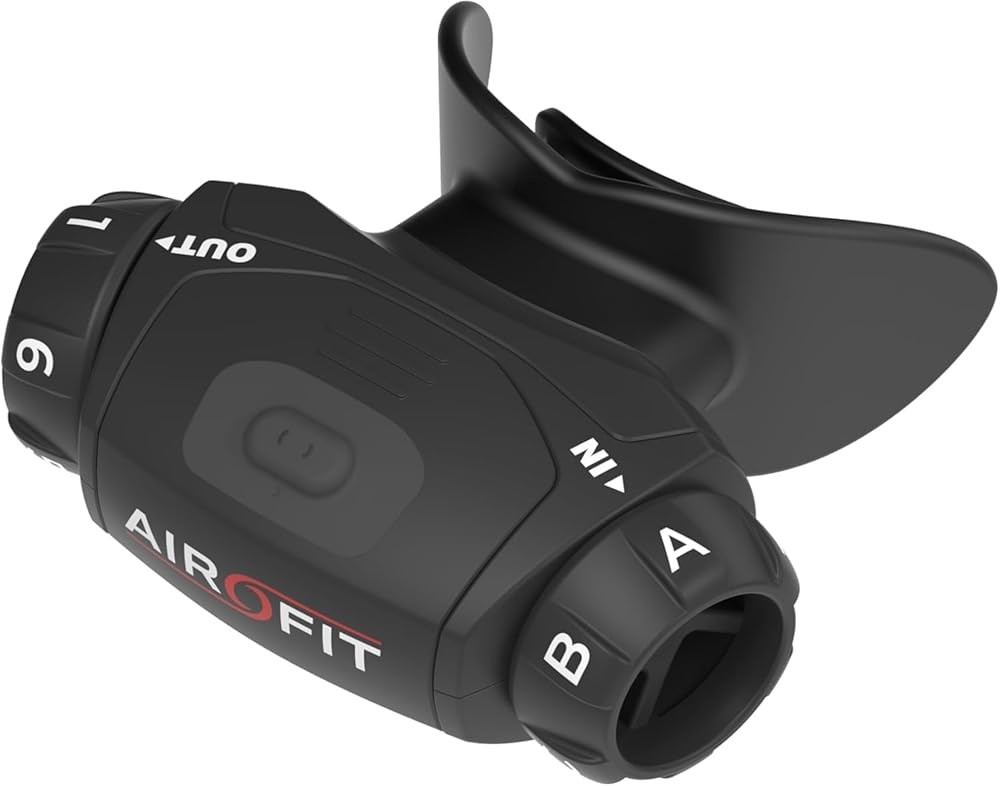
Airofit Digital 12-Month Subscription + Airofit Elite Trainer
Check Price on AmazonAs an Amazon Associate we earn from qualifying purchases.
Airofit Elite Review: App-Guided Training Performance
The Airofit Elite system combines a handheld threshold loading device with Bluetooth connectivity to a smartphone app providing real-time breathing biofeedback. The device employs a spring-loaded valve mechanism similar to clinical threshold trainers validated in research, maintaining consistent pressure requirements across varying inspiratory flow rates. The app displays breathing pattern characteristics during training sessions, including breath duration, volume, and power output metrics.
Users begin with baseline testing to establish maximal inspiratory pressure and lung vital capacity measurements. The app then generates individualized training programs based on these baseline values and selected training goals, which include options for general fitness, athletic performance, stress management, or clinical rehabilitation. Training sessions typically last 5-10 minutes and follow structured breathing patterns guided by on-screen visual cues.
The real-time feedback component addresses the training optimization principle demonstrated in research: availability of valid breathing response data allows users to adapt technique based on visual feedback, potentially maximizing respiratory muscle work and power generation during each session. The app tracks session completion, performance trends over time, and progression through training phases, providing the adherence support and motivation that basic mechanical devices lack.
The 12-month subscription included with the Elite package provides access to the full training program library and breathing assessment features. After the initial year, continued app access requires subscription renewal at additional cost. The device itself functions as a basic threshold trainer without the app, though users lose the biofeedback and structured programming features that distinguish it from mechanical-only alternatives.
From a research validation perspective, the Airofit system employs the same threshold loading mechanism used in studies demonstrating inspiratory muscle training benefits. The app’s breathing characteristic measurements would need independent validation against clinical spirometry to confirm accuracy similar to the ICC 0.73-0.97 range documented for research-grade electronic trainers. The manufacturer has not published peer-reviewed validation studies comparing the Airofit sensor measurements to reference standards.
The training protocols available through the app align with evidence-based approaches documented in the literature. Sessions employ load ranges of 30-50% maximal inspiratory pressure consistent with studies showing optimal adaptation. Training frequencies of 1-2 sessions daily match protocols used in clinical trials demonstrating respiratory muscle strength and endurance improvements. The 6-8 week training phases correspond to the minimum duration identified in systematic reviews as necessary for measurable adaptations.
For users seeking the motivation and structure that digital feedback provides, the Airofit system offers a polished interface and comprehensive programming. The device quality appears comparable to clinical threshold trainers based on component materials and mechanical design. The app functions smoothly with responsive biofeedback displays and clear training instructions. The primary limitation involves the ongoing subscription cost required to maintain access to features that justify the higher initial price compared to basic mechanical trainers.
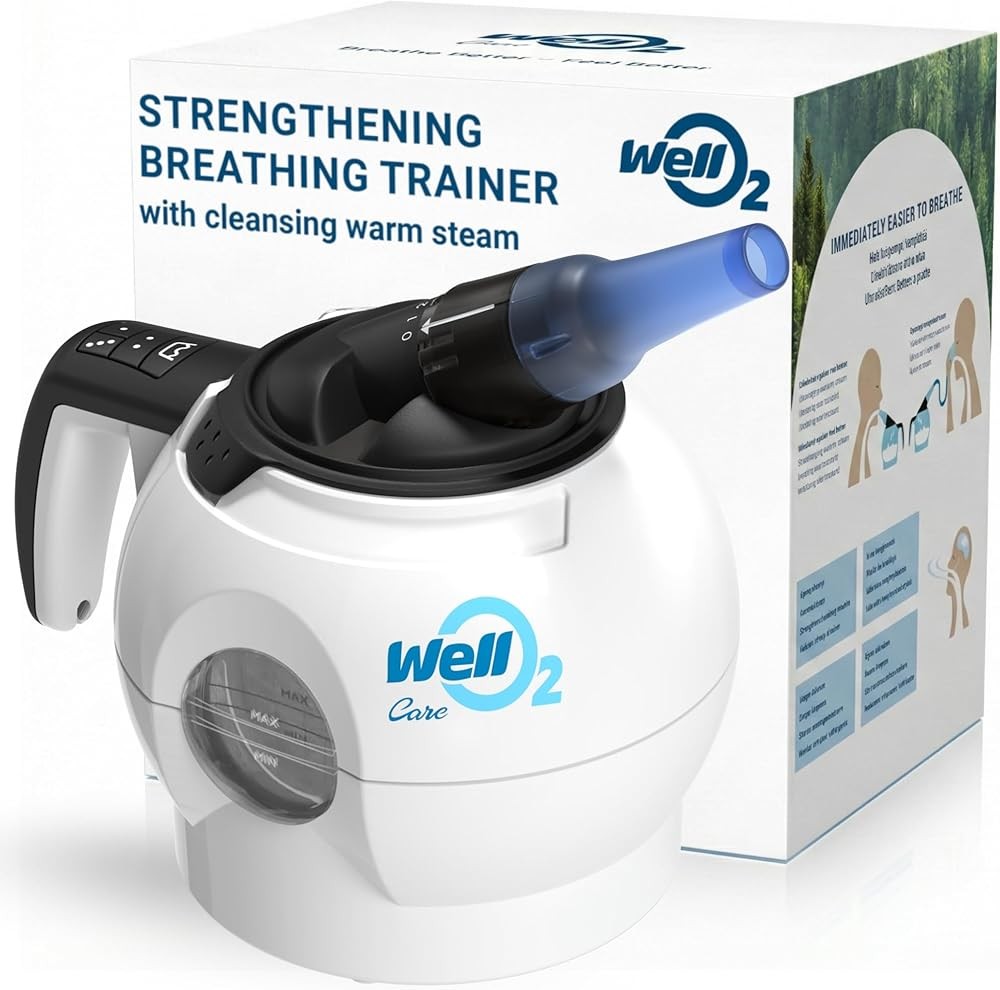
WellO2 Steam Breathing Trainer with App-Guided Sessions
Check Price on AmazonAs an Amazon Associate we earn from qualifying purchases.
WellO2 Steam Trainer Review: Combined Respiratory and Airway Conditioning
The WellO2 system distinguishes itself by combining respiratory resistance training with heated steam delivery, addressing both respiratory muscle conditioning and airway hydration simultaneously. Users breathe against adjustable water resistance while the device generates warm steam that humidifies inspired air. The companion app provides training session timing and structured protocol guidance rather than real-time breathing biofeedback.
The dual-action mechanism targets different aspects of respiratory function. The water-resistance component provides threshold-type loading for respiratory muscle strengthening, with resistance adjusted by changing water levels in the device chamber. The steam component delivers heated humidified air that may benefit individuals with reactive airways or those experiencing breathing discomfort in dry environments.
Research on respiratory muscle training combined with airway conditioning is limited compared to studies examining strength training alone. The water-resistance mechanism provides load that varies with breathing flow rate and pattern, differing from pure threshold loading that maintains constant pressure requirements regardless of flow. This flow-dependent resistance characteristic means faster inspiratory efforts encounter greater opposition, potentially providing progressive resistance within each breath cycle.
The steam delivery offers theoretical benefits for individuals with asthma or chronic bronchitis, as warm humid air can reduce airway reactivity and improve mucociliary clearance. However, specific clinical trials validating these combined effects in the WellO2 device have not appeared in peer-reviewed literature. Users report subjective improvements in breathing comfort and reduced respiratory symptoms, though controlled studies would be necessary to confirm therapeutic benefits beyond general respiratory muscle training effects.
The app-guided aspect provides structured session protocols rather than sensor-based biofeedback. Users select training programs targeting different goals, and the app provides timing cues and session tracking. This represents a middle ground between fully manual mechanical devices and real-time biofeedback systems like the Airofit. The approach may suit users who want more structure than basic devices offer but don’t require detailed breathing characteristic measurements.
The device requires regular maintenance including water changes and cleaning to avoid mineral buildup and maintain hygienic steam delivery. The desktop design limits portability compared to pocket-sized mechanical trainers. These practical considerations may affect long-term adherence for some users, though others may appreciate the combined conditioning approach that addresses multiple respiratory system components in single sessions.
O2Trainer Review: Elevation Simulation for Athletic Adaptation
The O2Trainer employs a different approach to respiratory conditioning by simulating breathing at various elevations through adjustable expiratory resistance. Rather than focusing on inspiratory muscle strengthening through threshold pressure loading, the device creates breathing resistance during exhalation mimicking the increased breathing effort experienced at altitude. The design targets athletic populations seeking adaptations associated with elevation training.
Research comparing the O2Trainer elevation mask to dedicated expiratory muscle strength training devices found the mask produced expiratory resistance pressures of 0.1 to 0.25 psi across simulated altitudes from 3,000 to 18,000 feet (https://pubmed.ncbi.nlm.nih.gov/31035838/). These resistance levels fall substantially below those provided by clinical expiratory muscle trainers, which generate pressures up to 2.1 psi. The lower resistance range suggests the O2Trainer provides milder training stimulus targeting breathing pattern adaptation rather than maximal expiratory muscle strengthening.
The altitude simulation concept differs from the hypoxic training studied in research on actual elevation exposure. True altitude training involves reduced inspiratory oxygen partial pressure, triggering physiological adaptations including increased red blood cell production, altered buffering capacity, and metabolic changes. Elevation simulation masks create breathing resistance without reducing inspired oxygen concentration, meaning users breathe normal sea-level air composition but with increased respiratory effort.
Studies examining altitude training effects on sea-level performance show mixed results, with comprehensive reviews noting that while altitude acclimatization clearly benefits altitude performance, evidence supporting improved sea-level performance remains inconclusive (https://pubmed.ncbi.nlm.nih.gov/9298550/). The respiratory muscle work increases at altitude due to the need for greater ventilation to maintain oxygen delivery, but this occurs in the context of reduced oxygen availability rather than mechanical breathing resistance alone.
For athletes incorporating the O2Trainer into training programs, the device provides progressive resistance adjustment allowing gradual adaptation to higher simulated elevations. The pocket-sized design enables use during various activities including running, cycling, or gym workouts. Some users report improved breathing control and reduced perceived exertion during competition after consistent training with the device, though individual responses vary.
The device suits athletes comfortable with self-directed training who understand respiratory conditioning principles. Without app guidance or feedback, users must develop their own training progressions and monitor their own responses. The lower price point compared to electronic systems makes it accessible for athletes experimenting with respiratory training without substantial financial commitment. However, the lack of structured programming may limit effectiveness for users unfamiliar with respiratory training principles.
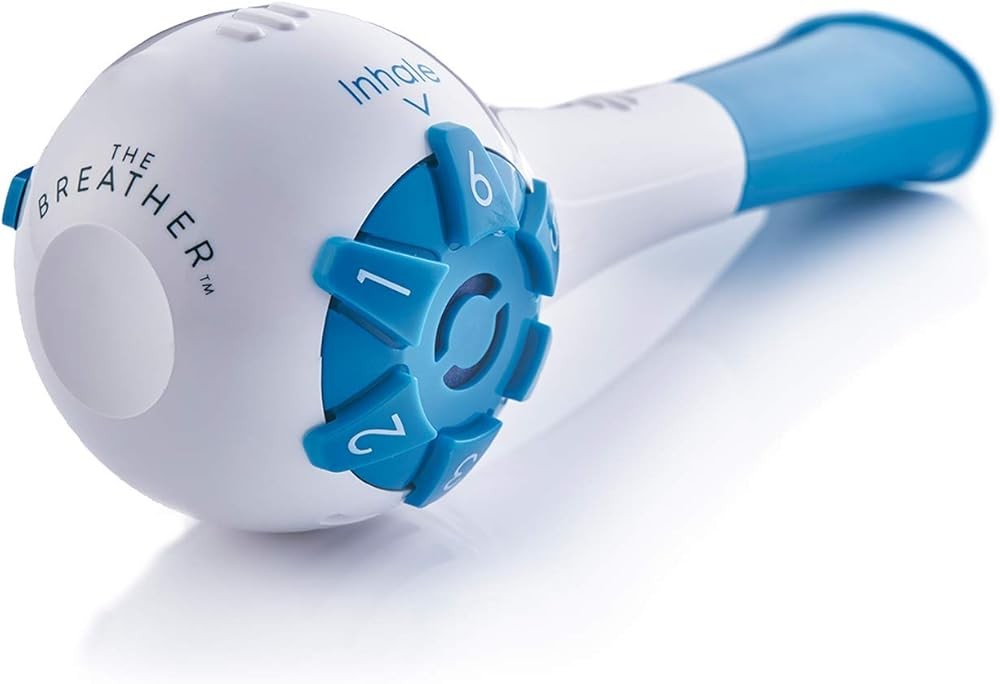
THE BREATHER Natural Breathing Exerciser Trainer
Check Price on AmazonAs an Amazon Associate we earn from qualifying purchases.
THE BREATHER Review: Dual-Valve Threshold Training Foundation
THE BREATHER represents the basic mechanical approach to respiratory muscle training, employing separate threshold valves for inspiratory and expiratory muscle conditioning. The device provides adjustable resistance for both breathing phases through manual dial adjustments, with six settings for inspiratory training and six for expiratory training. The independent valve design allows users to set different loads for each breathing phase based on individual muscle strengths.
Research validating threshold trainers consistently demonstrates that this loading mechanism provides reliable training stimulus across varying breathing patterns. Studies comparing threshold devices to weighted plunger systems show good agreement in pressure-time product during training sessions, indicating comparable work performance through both device types (https://pubmed.ncbi.nlm.nih.gov/8980985/). THE BREATHER employs the same spring-loaded threshold valve principle used in research-validated trainers.
For understanding the differences between training devices and diagnostic tools, see our inspiratory muscle trainer vs spirometer comparison. The dual-valve capability addresses both inspiratory and expiratory muscle groups, recognizing that complete respiratory muscle conditioning involves strengthening muscles used during both breathing phases. Inspiratory muscles including the diaphragm and external intercostals receive emphasis in most training protocols, but expiratory muscle training may benefit individuals requiring forceful exhalation such as musicians, singers, or patients with obstructive lung disease requiring effective cough.
Clinical applications of dual-valve training include use in speech-language pathology for patients with dysphagia or voice disorders. Expiratory muscle strength training shows promise for swallowing rehabilitation, as forceful exhalation activates suprahyoid muscles involved in airway protection during swallowing. The adjustable resistance allows practitioners to prescribe individualized training loads based on patient assessment results and therapeutic goals.
For general respiratory conditioning, users typically begin with low resistance settings and progress gradually as strength improves. Training sessions last 10-15 minutes and occur once or twice daily following protocols similar to those validated in research studies. The manual nature requires users to track their own progression and adjust loads based on perceived effort, which works well for motivated individuals but may challenge those requiring more structured guidance.
The absence of electronics, apps, or connectivity means THE BREATHER functions indefinitely without subscriptions, batteries, or software compatibility issues. The simple mechanical design proves reliable and requires minimal maintenance beyond occasional cleaning. For users seeking basic respiratory muscle conditioning without digital features or ongoing costs, the device provides the fundamental training mechanism used in validated research at an accessible price.
The limitation involves the lack of objective feedback about training quality or progression. Users cannot verify whether breathing patterns produce adequate training stimulus or whether compensatory strategies diminish effectiveness. Without session tracking or performance metrics, motivation may wane for some users over time. The device suits individuals comfortable with self-directed training who value simplicity and mechanical reliability over digital features.
What Training Protocols Produce Optimal Respiratory Adaptations?
Evidence synthesis across multiple studies reveals consistent patterns in effective respiratory muscle training protocols. The most reliable benefits appear with threshold loading at 30-50% of maximal inspiratory pressure for 20-30 minutes daily, 5-7 days per week, continued for at least 5-8 weeks. These parameters appear repeatedly in studies demonstrating significant improvements in respiratory muscle strength, endurance, and functional outcomes.
Training frequency matters for producing measurable adaptations. Studies employing once-daily training show positive results, while twice-daily protocols demonstrate larger effect sizes in some populations. The total weekly training time appears more important than single session duration, with 150-210 minutes weekly representing a common effective dose across various investigations.
Load progression follows principles similar to skeletal muscle strength training. Beginning with lighter loads allows technique development and initial adaptation, with gradual increases maintaining adequate training stimulus as respiratory muscles strengthen. Most protocols reassess maximal inspiratory pressure weekly or biweekly, adjusting training loads to maintain the target percentage of maximum capacity.
The breathing pattern during training influences which aspects of respiratory muscle function improve. Slow, deep breaths emphasize inspiratory muscle endurance and may enhance diaphragmatic conditioning. Faster breathing rates with moderate tidal volumes target power development and may better transfer to athletic breathing patterns. Some protocols incorporate varied breathing patterns across different training sessions to address multiple performance dimensions.
Rest intervals between training sessions allow respiratory muscle recovery and adaptation. While respiratory muscles demonstrate faster recovery than large skeletal muscles due to continuous baseline activity demands, adequate rest still proves necessary for strength gains. Most successful protocols include at least one rest day weekly, with some employing 5-days-on, 2-days-off patterns.
For individuals with clinical respiratory conditions, medical supervision during initial training sessions ensures safe load selection and proper technique. Patients with severe respiratory insufficiency may require lower starting loads and slower progression than healthy individuals or athletes. Monitoring symptoms including dizziness, excessive fatigue, or breathing discomfort guides appropriate training intensity.
Athletes integrating respiratory training with sport-specific conditioning should consider timing and periodization. Some evidence suggests performing respiratory training separate from high-intensity athletic training allows focused effort on breathing technique without metabolic fatigue interference. Other approaches incorporate respiratory training as part of warm-up or cool-down routines. Individual experimentation helps determine optimal integration for specific training situations.
How Should Users Select Between App-Guided and Mechanical Devices?
The decision between electronic app-guided systems and basic mechanical threshold trainers depends on individual priorities, technical comfort, and training goals. App-guided devices provide structure, motivation, and objective progress tracking that may enhance adherence and optimize training stimulus. Mechanical devices offer simplicity, reliability, and freedom from subscriptions or technical dependencies while delivering the fundamental loading stimulus validated in research.
Users who benefit most from app-guided systems typically include those new to respiratory training who appreciate structured programming and technique guidance. The real-time feedback helps develop proper breathing patterns and ensures adequate training intensity. Individuals who respond well to quantified progress metrics and visual feedback often maintain better long-term adherence with digital systems tracking their advancement.
Mechanical devices suit users comfortable with self-directed training who understand basic respiratory conditioning principles. Athletes accustomed to independent training programs can effectively use mechanical trainers by applying progressive overload principles similar to strength training. Individuals prioritizing simplicity and reliability over features may prefer devices without electronic components or connectivity requirements.
Cost considerations extend beyond initial purchase price to include subscription fees for continued app access. Calculating total cost of ownership over 2-3 years provides realistic comparison between systems. For users certain about long-term commitment to respiratory training, mechanical devices offer better value. For those uncertain about sustained use, the additional structure from app guidance may justify higher costs by improving adherence.
Technical comfort influences user experience significantly. Some individuals enjoy integrated fitness technology and find app interfaces intuitive and engaging. Others experience frustration with connectivity issues, software updates, or device compatibility problems. Assessing personal technology preferences helps predict whether digital features enhance or complicate the training experience.
Training goals also inform device selection. Athletes seeking specific performance adaptations may benefit from detailed metrics and structured periodization available through app-based systems. Individuals using respiratory training for general fitness or stress management may find basic mechanical devices entirely adequate. Clinical populations following prescribed protocols may require the objective feedback and tracking that digital systems provide for medical monitoring.
The option exists to begin with mechanical devices and upgrade to app-guided systems later if desired. Starting with lower-cost mechanical trainers allows experimentation with respiratory training before committing to more expensive digital systems. Users can determine whether they maintain adherence and benefit from training before investing in premium features. Conversely, those who begin with app-guided systems but find they don’t use the digital features can transition to mechanical devices for ongoing maintenance training.
Complete Support System Evaluation
Long-term success with respiratory muscle training depends on sustainable integration into daily routines and continuing motivation to maintain training consistency. Different support elements influence adherence and outcomes across user populations.
For app-guided systems, regular content updates and new training programs maintain engagement for experienced users who might otherwise plateau. Community features connecting users for motivation and shared experiences enhance adherence in some individuals, though others prefer private independent training. Educational content explaining the science behind protocols and adaptations helps users understand the purpose behind training requirements.
Customer support responsiveness affects user experience when technical issues arise. Electronic devices with connectivity components occasionally experience pairing problems, sensor errors, or software glitches. Companies providing accessible technical support through multiple channels (email, phone, chat) minimize training interruptions from technical difficulties. Clear troubleshooting documentation and video tutorials allow users to resolve common issues independently.
Replacement part availability ensures devices remain functional long-term. Mouthpieces, nose clips, and valve components experience wear from repeated use and cleaning. Companies offering affordable replacement parts extend device lifespan and reduce total ownership costs. Some systems include multiple mouthpieces initially, allowing users to replace worn components without ordering parts.
Warranty coverage protects against manufacturing defects and premature failure. Standard warranties range from 1-2 years, with some companies offering extended coverage options. Understanding what warranty covers (mechanical components versus electronic elements) and the claim process helps users evaluate risk if devices fail.
Scientific backing and ongoing research involvement indicate company commitment to evidence-based product development. Companies funding independent research validating their devices or collaborating with researchers demonstrate confidence in product effectiveness. Publication of validation studies in peer-reviewed journals provides transparent documentation of device performance against reference standards.
Professional endorsements and clinical partnerships offer some indication of product acceptance, though users should evaluate whether endorsing professionals have financial relationships with manufacturers. Genuine adoption by healthcare providers, athletic trainers, or respiratory therapists suggests practical utility in professional settings, though this doesn’t guarantee individual users will experience similar benefits.
Return policies and satisfaction guarantees reduce risk for users uncertain whether respiratory training will benefit them. Companies offering 30-60 day trial periods with full refunds allow risk-free experimentation. Understanding return requirements (original packaging, restocking fees, shipping costs) helps users know their actual financial exposure.
Training Safety and Contraindication Awareness
While respiratory muscle training shows favorable safety profiles in research studies, certain individuals should consult healthcare providers before beginning training programs. Understanding contraindications and precautions reduces risk of adverse events and ensures appropriate medical supervision when necessary.
Individuals with recent pneumothorax should avoid respiratory muscle training until cleared by physicians, as the pressure changes during training could theoretically affect recovering lung tissue. Those with unstable cardiovascular conditions including recent myocardial infarction, uncontrolled arrhythmias, or severe heart failure require medical evaluation before beginning training, since respiratory muscle work increases cardiac demands.
People with recent thoracic or abdominal surgery should delay respiratory muscle training until surgical sites recover adequately and physicians approve increased respiratory effort. The increased intra-abdominal pressure during expiratory training could stress surgical repairs before complete recovery occurs.
Active sinus or ear infections contraindicate respiratory training due to pressure changes potentially spreading infection or causing discomfort in inflamed tissues. Users should postpone training until infections resolve completely. Individuals with recurrent sinus or ear problems may need medical evaluation to address underlying conditions before pursuing intensive respiratory training.
Proper device hygiene reduces risk of respiratory infections from contaminated equipment. Mouthpieces require cleaning after each use with warm soapy water and periodic disinfection following manufacturer guidelines. Devices shared between multiple users need thorough disinfection between users. Some systems offer individual mouthpieces for family members sharing a single training device.
Starting with conservative loads and progressing gradually minimizes risk of respiratory muscle soreness or strain. While respiratory muscle soreness typically resolves quickly, excessive initial training intensity can cause discomfort that interrupts early training consistency. Beginning with 15-20% of maximal inspiratory pressure and increasing by 5-10% weekly as tolerated allows comfortable adaptation.
Users experiencing persistent dizziness, severe dyspnea, chest pain, or other concerning symptoms during training should stop immediately and consult healthcare providers. While mild lightheadedness occasionally occurs early in training as users adapt to altered breathing patterns, severe or persistent symptoms warrant medical evaluation.
Individuals with diagnosed respiratory conditions including asthma, COPD, or interstitial lung disease should involve their pulmonologists in training program design. Our respiratory muscle training benefits guide reviews the evidence for different clinical populations. Medical supervision allows appropriate load selection, monitoring for adverse effects, and integration with overall disease management strategies. Some patients benefit substantially from respiratory muscle training as part of pulmonary rehabilitation, while others require modified approaches based on disease severity and progression.
Related Reading
For comprehensive guidance on selecting breathing trainers across different use cases, see our complete guide to the best breathing trainer devices, which compares threshold loading, elevation simulation, and flow-resistive devices across price points and training goals.
Athletes specifically interested in performance applications should review our analysis of breathing trainers for athletic training, examining the evidence for respiratory muscle conditioning effects on endurance, power output, and recovery.
Individuals managing chronic respiratory conditions will find targeted information in our guide to breathing trainers for COPD and asthma, which covers clinical research, medical considerations, and integration with pulmonary rehabilitation.
Understanding the physiological mechanisms underlying respiratory training benefits requires reviewing the science of respiratory muscle training benefits, which explains the cardiovascular, neuromuscular, and metabolic adaptations documented in research.
For users comparing different device categories, our article on inspiratory muscle trainers versus spirometers clarifies the distinct purposes and appropriate applications of training devices versus diagnostic equipment.
Those interested in breathing training for anxiety management should consult our guide to breathing exercise devices for anxiety, which examines the evidence for respiratory interventions in stress reduction and autonomic nervous system regulation.
Runners seeking respiratory conditioning specific to their sport can review our analysis of the best lung trainers for runners, covering breathing pattern optimization, respiratory muscle endurance, and exercise-specific protocols.
For broader context on respiratory health and performance optimization, see our guide to post-workout recovery supplements covering systemic recovery support and complementary approaches to respiratory system health.
Individuals with sleep-disordered breathing may find relevant information in our review of CPAP alternatives for sleep apnea, which discusses respiratory muscle training as a component of multimodal sleep apnea management.
References
-
Van Hollebeke M, et al. Measurement validity of an electronic training device to assess breathing characteristics during inspiratory muscle training in patients with weaning difficulties. PLoS One. 2021. PMID: 34437582.
-
Rodrigues GD, et al. Respiratory training in older women: Unravelling central and peripheral hemodynamic slow oscillatory patterns. Exp Gerontol. 2023. PMID: 36529363.
-
Reis N, et al. Effectiveness of Nonpharmacological Interventions in the Field of Ventilation: An Umbrella Review. Int J Environ Res Public Health. 2023. PMID: 37047855.
-
Binks AP. Dyspnea. Handb Clin Neurol. 2022. PMID: 35965030.
-
McDermott WJ, et al. Running training and adaptive strategies of locomotor-respiratory coordination. Eur J Appl Physiol. 2003. PMID: 12712351.
-
Bailey DM, Davies B. Physiological implications of altitude training for endurance performance at sea level: a review. Br J Sports Med. 1997. PMID: 9298550.
-
Leon-Astudillo C, et al. ATS Core Curriculum 2022. Pediatric Pulmonary Medicine: Updates in pediatric neuromuscular disease. Pediatr Pulmonol. 2023. PMID: 37144867.
-
Gutzeit A, et al. Reduction in respiratory motion artefacts on gadoxetate-enhanced MRI after training technicians to apply a simple and more patient-adapted breathing command. Eur Radiol. 2016. PMID: 26573682.
-
Elkins M, Dentice R. Inspiratory muscle training facilitates weaning from mechanical ventilation among patients in the intensive care unit: a systematic review. J Physiother. 2015. PMID: 26092389.
-
Shen SC, et al. High elevation training mask as a respiratory muscle strength training tool for dysphagia. Acta Otolaryngol. 2019. PMID: 31035838.
-
Mallios VJ, Hodgson JL. Imposed breathing pattern alters respiratory work during exercise. Eur J Appl Physiol Occup Physiol. 1994. PMID: 8001540.
-
Desjardins M, Bonilha HS. The Impact of Respiratory Exercises on Voice Outcomes: A Systematic Review of the Literature. J Voice. 2020. PMID: 30819608.
-
Nitta Y, et al. Feasibility of a portable respiratory training system with a gyroscope sensor. Br J Radiol. 2024. PMID: 38648776.
-
Ray C, et al. Effects of Respiratory Muscle Strength Training in Classically Trained Singers. J Voice. 2018. PMID: 28958873.
-
Markov G, et al. Respiratory training, hypoxic ventilatory response and acute mountain sickness. Respir Physiol. 1996. PMID: 8931177.
-
Abdeen HAA, et al. Effects of threshold inspiratory muscle trainer versus trigger sensitivity adjustment versus conventional therapy on respiratory function in mechanically ventilated patients: a randomized controlled trial. Respir Physiol Neurobiol. 2025. PMID: 40614912.
-
Kulchanarat C, et al. Inspiratory Muscle Training Improved Cardiorespiratory Performance in Patients Undergoing Open Heart Surgery: A Randomized Controlled Trial. Adv Respir Med. 2025. PMID: 40558109.
-
Kandel D, et al. Use of Locally Produced Novel Low-Cost 3D Printed Respiratory Muscle Strength Trainer Device (RMSTD) for Long COVID-Rehabilitation: An Innovative Case Report. Case Rep Med. 2024. PMID: 39257640.
-
Inbar O, et al. Specific inspiratory muscle training in well-trained endurance athletes. Med Sci Sports Exerc. 2000. PMID: 10912887.
-
Johnson PH, et al. Evaluation of the THRESHOLD trainer for inspiratory muscle endurance training: comparison with the weighted plunger method. Eur Respir J. 1996. PMID: 8980985.
-
Okrzymowska P, et al. Inspiratory Muscle Training Included in Therapeutic and Training Regimens for Middle-Distance Runners. J Clin Med. 2025. PMID: 40364210.
-
Mackała K, et al. The Effect of Respiratory Muscle Training on the Pulmonary Function, Lung Ventilation, and Endurance Performance of Young Soccer Players. Int J Environ Res Public Health. 2019. PMID: 31905644.
-
Charususin N, et al. Randomised controlled trial of adjunctive inspiratory muscle training for patients with COPD. Thorax. 2018. PMID: 29914940.
-
Reid WD, Samrai B. Respiratory muscle training for patients with chronic obstructive pulmonary disease. Phys Ther. 1995. PMID: 7480129.
-
Lisboa C, et al. Inspiratory muscle training in patients with chronic obstructive pulmonary disease. Rev Med Chil. 1998. PMID: 9731440.
-
de Jong W, et al. Inspiratory muscle training in patients with cystic fibrosis. Respir Med. 2001. PMID: 11207014.
-
Lisboa C, et al. Inspiratory muscle training in chronic airflow limitation: comparison of two different training loads with a threshold device. Eur Respir J. 1994. PMID: 7925905.
-
Sankari A, et al. Feasibility of oropharyngeal and respiratory muscle training in individuals with OSA and spinal cord injury or disease: A pilot study. Physiol Rep. 2024. PMID: 38325913.
-
Hart N, et al. Evaluation of an inspiratory muscle trainer in healthy humans. Respir Med. 2001. PMID: 11421512.
-
Ferraro FV, et al. Comparison of balance changes after inspiratory muscle or Otago exercise training. PLoS One. 2020. PMID: 31978126.
Recommended Products