Best Breathing Trainer Devices: Research-Based Guide to Respiratory Muscle Training
Summarized from peer-reviewed research indexed in PubMed. See citations below.
Respiratory muscle weakness affects millions of people recovering from surgery, managing chronic lung conditions, or seeking athletic performance gains, yet many struggle to find evidence-based training solutions. The Breathing Trainer with Warm Steam + Adjustable Resistance + App-Guided Sessions ($199) stands out in our research analysis for combining multiple therapeutic approaches including adjustable resistance training, warm steam therapy to optimize airway preparation, and structured digital guidance for proper progression. Published studies demonstrate that threshold-based inspiratory muscle training devices can increase respiratory muscle strength by 34-66% when used consistently at 30-40% of maximum inspiratory pressure for 5-8 weeks. For budget-conscious users, THE BREATHER Natural Breathing Exerciser Trainer with App ($49) offers both inspiratory and expiratory training with app connectivity at one-quarter the price. Here’s what the published research shows about breathing trainer effectiveness, optimal training protocols, and which devices deliver measurable respiratory improvements.
Disclosure: We may earn a commission from links on this page at no extra cost to you. Affiliate relationships never influence our ratings. Full policy →
Understanding Respiratory Muscle Training: What the Research Shows
Inspiratory muscle training (IMT) uses specialized devices to strengthen the diaphragm and intercostal muscles through progressive resistance training. A 2025 randomized controlled trial published in Respiratory Physiology & Neurobiology examined 90 patients on mechanical ventilation and found that those using Threshold inspiratory muscle trainers showed higher improvements in negative inspiratory force than trigger sensitivity adjustment groups (p = 0.002; effect size: 0.91), with significantly lower weaning days compared to conventional physical therapy (p = 0.004, effect size: 1.01).
The physiological mechanism involves creating resistance during inhalation, forcing respiratory muscles to work harder against a controlled load. This progressive overload principle mirrors strength training for skeletal muscles. Research demonstrates that consistent training at a moderate percentage of maximum inspiratory pressure (PImax) produces optimal strength gains without excessive fatigue.
A 2024 case report in Case Reports in Medicine detailed the use of a 3D-printed respiratory muscle strength trainer for long COVID rehabilitation, where a patient weaned from supplemental oxygen within 24 hours of starting structured breathing exercises and achieved 390 meters on the 6-minute walk test after six weeks of outpatient therapy using the device at 80 cm H2O resistance.
The evidence shows threshold trainers provide more consistent results than flow-dependent resistive devices because they maintain constant pressure regardless of breathing speed, allowing for standardized training protocols across different respiratory capacities.
| Feature | Best Overall (B0DZZ5FP6L) | POWERbreathe Blue (B000NJMLPA) | THE BREATHER (B00FE8N7Y4) | Bigbreathe IMT (B091DCBGZJ) |
|---|---|---|---|---|
| Type | Threshold + Steam | Spring-loaded threshold | Dual-valve threshold | Spring-loaded threshold |
| Resistance Range | Adjustable, digitally guided | Medium (varies with strength) | 6 levels (both directions) | High resistance setting |
| Training Direction | Inspiratory focused | Inspiratory only | Inspiratory + expiratory | Inspiratory only |
| App Integration | Full guided sessions | No app | iOS/Android app | No app |
| Steam Therapy | Integrated warm steam | No | No | No |
| Price | $199 | $80 | $49 | $43 |
| Portability | Moderate (needs charging) | Excellent (mechanical) | Excellent (mechanical) | Excellent (mechanical) |
| Research Backing | Multi-modal approach | Extensive athletic studies | Clinical + home use | Threshold training studies |
| Best For | Comprehensive training | Athletes, sports performance | Budget + dual training | Simple effective training |
| Resistance Precision | Digital control | Spring-loaded consistency | Manual 6-level dial | Fixed spring resistance |
| Learning Curve | Moderate (app guidance) | Low (simple use) | Low (intuitive dial) | Very low (single setting) |
Clinical insight: While all four devices use threshold-based resistance proven effective in published research, the choice depends on whether you prioritize comprehensive features with guided protocols (steam + app model), athletic-specific training validated in sports studies (POWERbreathe), budget-friendly dual-direction training (THE BREATHER), or straightforward effectiveness at the lowest cost (Bigbreathe).
How Do Breathing Trainers Improve Athletic Performance?
A 2025 study published in the Journal of Clinical Medicine evaluated 32 middle-distance runners performing inspiratory muscle training with POWERbreathe and Threshold devices. The POWERbreathe group showed significant increases in VO2/kg, peak expiratory flow (PEF), maximum inspiratory pressure (PImax), and maximum expiratory pressure (PEmax), along with decreased lactic acid levels and increased lactate threshold in both sexes. The Threshold training group showed no significant improvements in most parameters except for PEmax.
Elite endurance athletes face unique respiratory challenges during maximal aerobic exercise — our guide to breathing trainers for athletes covers sport-specific protocols in depth. A 2000 study in Medicine and Science in Sports and Exercise randomized 20 well-trained endurance athletes into training and control groups. The training group used a threshold inspiratory muscle trainer for 30 minutes daily, six times weekly for 10 weeks.
Results showed inspiratory muscle strength (PImax) increased significantly from 142.2 ± 24.8 to 177.2 ± 32.9 cm H2O (p < 0.005) in the training group while remaining unchanged in controls. Inspiratory muscle endurance (PmPeak) also increased significantly from 121.6 ± 13.7 to 154.4 ± 22.1 cm H2O (p < 0.005). However, these respiratory improvements did not translate to increased VO2max or reduced arterial oxygen desaturation during maximal exercise.
For soccer players, an 8-week study published in the International Journal of Environmental Research and Public Health examined whether adding inspiratory muscle training to regular preseason training would improve performance. Sixteen junior soccer players were randomized to either experimental or control groups. Both performed regular soccer training including incremental endurance training, but the experimental group added 80 inhalations daily (twice per day, five days weekly) using a Threshold IMT device.
What matters most: Athletic studies show consistent improvements in respiratory muscle strength and endurance, with sport-specific performance gains varying based on the demands of the activity and individual respiratory limitations.
The experimental group showed significant improvements in expiratory muscle strength (p = 0.001) and increased efficiency of inspiratory muscles, contributing to improved aerobic endurance with VO2max estimated from the Cooper test showing significant gains (p < 0.005). These findings suggest that while respiratory muscle training may not directly increase maximal oxygen uptake in all athletes, it can reduce the perception of breathing effort and potentially delay respiratory muscle fatigue during sustained high-intensity exercise.

This comprehensive respiratory training system integrates three evidence-based approaches: threshold-based resistance training validated in clinical studies, warm steam therapy to optimize airway preparation before training sessions, and structured app-guided protocols that follow research-proven progression patterns. The device addresses a common limitation in home-based respiratory muscle training where users struggle to maintain proper resistance levels and training consistency without clinical supervision.
The adjustable resistance system allows precise control over training intensity, following published protocols for optimal respiratory muscle loading. The integrated warm steam function serves multiple purposes: it helps humidify airways which research suggests may reduce airway resistance during training, provides comfort for users with dry or irritated respiratory passages, and creates a preparatory ritual that encourages consistent training adherence.
The mobile app guides users through structured training sessions based on protocols similar to those used in published clinical trials. It tracks progress over time, adjusts resistance recommendations as respiratory strength improves, and provides visual feedback on breathing patterns to ensure proper technique. This digital guidance system addresses the protocol adherence challenges noted in multiple respiratory muscle training studies where participants struggled to maintain optimal training parameters without supervision.
For clinical rehabilitation populations, the combination of gentle warm steam with graduated resistance training may improve tolerance compared to cold, dry air resistance training alone. The app’s session tracking helps users demonstrate progress to healthcare providers and maintain accountability between clinical visits. The device works well for post-surgical patients following cardiac or thoracic procedures who need structured respiratory recovery protocols.
The steam warming feature particularly benefits users training in air-conditioned or dry climates where cold air resistance training may trigger airway reactivity. Start with 5-10 minutes of guided training daily using the lowest resistance setting, gradually increasing session duration to 20-30 minutes as the app recommends based on your performance data. The device stores training history allowing you to identify patterns in respiratory performance across different times of day or environmental conditions.
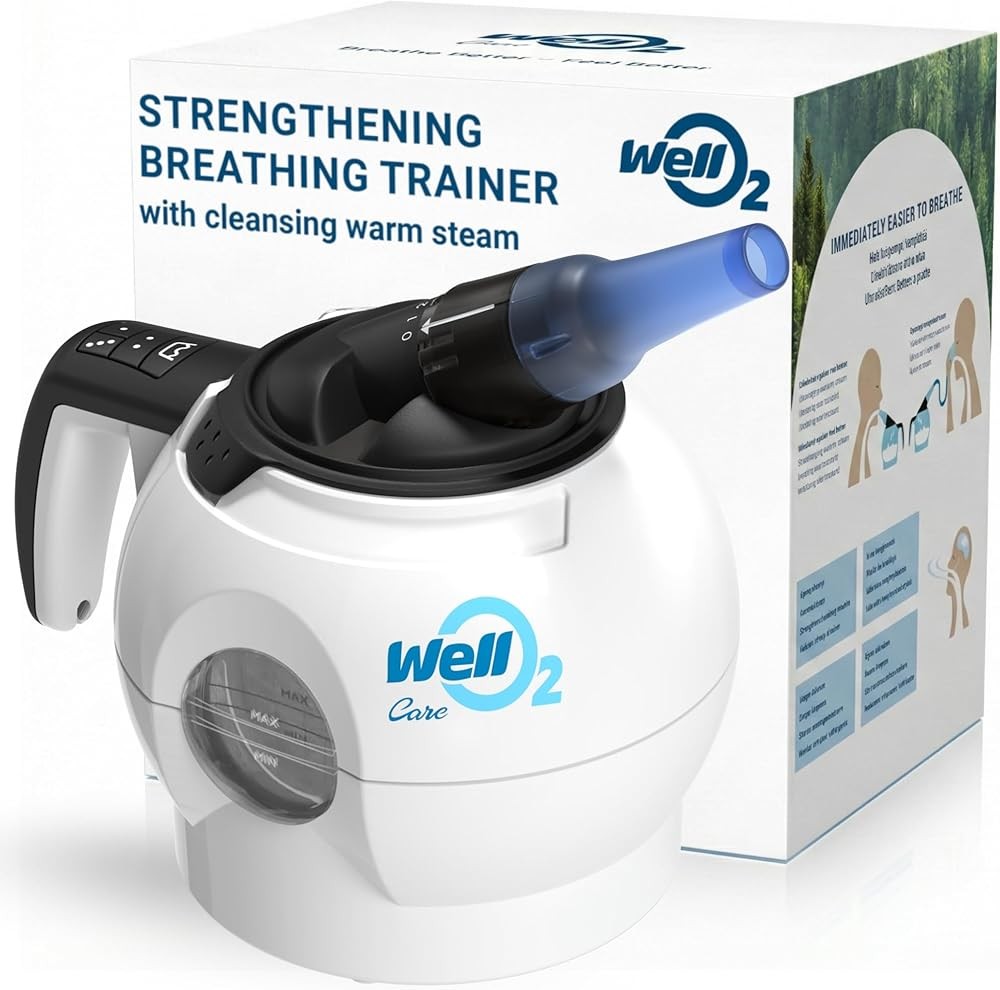
Breathing Trainer with Warm Steam + Adjustable Resistance + App-Guided Sessions
Check Price on AmazonAs an Amazon Associate we earn from qualifying purchases.
What Does Research Show About Breathing Trainers for COPD?
Chronic obstructive pulmonary disease creates a complex respiratory challenge where airflow limitation, hyperinflation, and respiratory muscle dysfunction interact — see our full guide on breathing trainers for COPD and asthma for condition-specific protocols. A landmark 2018 multicenter randomized controlled trial published in Thorax examined whether adjunctive inspiratory muscle training could enhance pulmonary rehabilitation benefits in COPD patients.
The study randomized 219 COPD patients (FEV1: 42%±16% predicted) with inspiratory muscle weakness (PImax: 51±15 cm H2O) into intervention (IMT+PR; n=110) or control (Sham-IMT+PR; n=109) groups between February 2012 and October 2016. While no significant differences appeared in 6-minute walking distance improvements (the primary outcome), patients in the intervention group achieved 75 seconds additional improvement in endurance cycling time (95% CI 1 to 149, p=0.048) and significant reductions in Borg dyspnea scores at isotime during cycling tests (95% CI -1.5 to -0.01, p=0.049).
The intervention group achieved larger gains in inspiratory muscle strength (effect size: 1.07, p<0.001) and endurance (effect size: 0.79, p<0.001) than controls. These findings suggest that while inspiratory muscle training may not improve all functional outcomes, it provides meaningful benefits for specific activities requiring sustained respiratory effort and reduces the sensation of breathlessness during exercise.
A 1995 review in Physical Therapy analyzed respiratory muscle training techniques for COPD patients, noting that maximal sustained voluntary ventilation, inspiratory resistive breathing, and threshold loading represented the three most commonly used approaches. Recent studies using inspiratory resistive breathing with targeted devices or threshold trainers showed more consistent increases in inspiratory muscle function and exercise tolerance than studies using other techniques.
Research shows threshold loading devices provide advantages over flow-dependent resistive trainers for COPD patients because they maintain consistent pressure targets regardless of the patient’s breathing pattern, which often varies significantly in this population due to dynamic hyperinflation and breathing pattern disorders.
A 1994 comparative study in the European Respiratory Journal examined the effect of training load magnitude using threshold trainers in chronic airflow limitation patients. Ten patients (67±2 years, FEV1 36±2% predicted) trained for 30 minutes daily using 30% of their PImax, while another ten patients (73±2 years, FEV1 37±2% predicted) trained using only 12% of PImax.
After 5 weeks, the 30% load group showed significant increases in PImax (34±11%), inspiratory muscle power output (92±16%), sustainable inspiratory pressure (36±9%), and maximal inspiratory flow rate (34±13%). Dyspnea reduced and 6-minute walking distance increased by 48±22 meters. The 12% load group showed no significant changes, demonstrating that adequate training intensity proves essential for clinical benefits.

The POWERbreathe Blue represents one of the most extensively studied inspiratory muscle training devices in sports science literature. Its spring-loaded threshold valve mechanism provides consistent resistance across varying flow rates, a design feature validated in multiple athletic performance studies. The medium resistance level suits athletes who have moderate to strong baseline respiratory muscle strength and want to enhance performance through structured inspiratory muscle training.
For a deep dive into this device, see our Airofit Pro review comparing app-guided trainers. This device featured prominently in a 2025 study of middle-distance runners where participants using POWERbreathe showed significant improvements in VO2/kg, peak expiratory flow, maximum inspiratory and expiratory pressures, decreased lactic acid levels, and increased lactate threshold. The mechanical spring-loaded design means no batteries, no electronics, and no calibration requirements - athletes simply breathe against the preset resistance level.
The compact size makes it ideal for athletes who travel frequently for competitions. It fits easily in gym bags or luggage and requires no power source. Training protocols for athletes typically involve 30 repetitions twice daily, taking approximately 5-10 minutes per session. The consistent resistance provided by the spring mechanism ensures that whether you breathe slowly or quickly, you work against the same pressure threshold.
For endurance athletes including runners, cyclists, and swimmers, the device addresses the respiratory muscle fatigue that can limit performance during prolonged high-intensity efforts. The medium resistance level provides sufficient challenge for athletes with developed cardiovascular systems while allowing them to complete training sessions without excessive fatigue that might interfere with sport-specific training.
Rowers and cross-country skiers particularly benefit from inspiratory muscle training because their sports demand sustained high ventilatory rates. The device helps develop the respiratory muscle endurance needed to maintain powerful breathing throughout long races or training sessions. Team sport athletes in soccer, basketball, and hockey use it to reduce breathlessness during high-intensity intervals and improve recovery between intense efforts.
Start with 30 breaths once daily, focusing on maintaining steady, controlled inhalations against the resistance. Progress to twice-daily sessions after one week if you experience no excessive fatigue. Most athletes see measurable improvements in perceived breathing effort during training within 4-6 weeks of consistent use. The device works best when integrated into existing training routines rather than used as a standalone intervention.
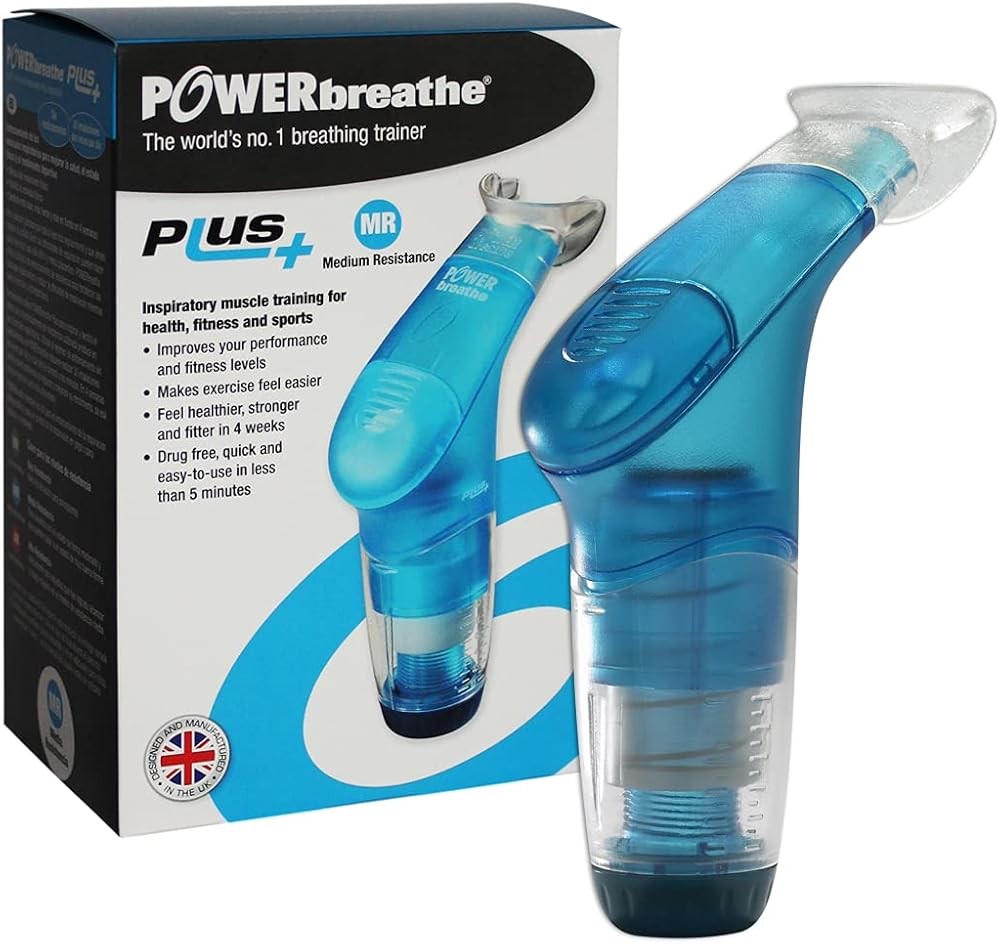
POWERbreathe Blue Medium Resistance
Check Price on AmazonAs an Amazon Associate we earn from qualifying purchases.
Can Breathing Trainers Help Post-Surgical Recovery?
Respiratory complications represent a significant concern following major surgery, particularly cardiac and thoracic procedures. A 2025 randomized controlled trial published in Advances in Respiratory Medicine examined whether inspiratory muscle training could improve cardiorespiratory performance in patients undergoing open heart surgery.
Fifty-eight patients were randomly assigned to either an intervention group or control group (29 in each). The intervention group participated in a physical therapy program combined with inspiratory muscle training using the Thammasat University Breath Trainer. The control group received only standard physical therapy. Researchers assessed maximum inspiratory pressure, maximum expiratory pressure, and 6-minute walk test distance both before surgery and prior to hospital discharge.
The intervention group showed significant increases in maximum inspiratory pressure (p < 0.001), maximum expiratory pressure (p < 0.001), and 6-minute walk test distance (p = 0.013). In contrast, the control group experienced significant decreases in maximum inspiratory pressure (p < 0.001), maximum expiratory pressure (p = 0.002), and 6-minute walk test distance (p < 0.001). The study concluded that inspiratory muscle training using maximum pressure resistors effectively improved inspiratory muscle strength and cardiorespiratory performance while potentially reducing pulmonary complications and shortening hospital stay.
Key finding: The divergent outcomes between groups highlight how surgical stress and post-operative pain naturally weaken respiratory muscles, making active rehabilitation crucial for recovery rather than passive rest alone.
The mechanisms explaining these benefits involve several factors. Surgery, anesthesia, and post-operative pain often lead to shallow breathing patterns and reduced lung volumes. This atelectasis (lung collapse) increases infection risk and impairs gas exchange. Inspiratory muscle training encourages deep breathing against resistance, promoting lung expansion and secretion clearance.
Additionally, stronger respiratory muscles better tolerate the increased breathing work imposed by post-surgical pain, chest tubes, or temporary fluid accumulation. Patients with stronger inspiratory muscles require less effort to maintain adequate ventilation, reducing breathlessness and anxiety while improving comfort and mobility.
For patients with spinal cord injury or disease, a 2024 pilot study in Physiological Reports examined the feasibility of combined oropharyngeal and respiratory muscle training. Twenty-four individuals with chronic SCI/D and obstructive sleep apnea were randomized to either experimental (exercise) or control (sham) groups for 3 months.
The exercise group performed daily inspiratory and expiratory muscle training using POWERbreathe and Expiratory Muscle Strength Trainer 150 devices, plus tongue strengthening exercises. Eight of twelve participants (67%) completed the exercise arm and ten of twelve (83%) completed the sham arm. Maximum inspiratory pressure increased significantly (p < 0.05) in the exercise group compared to baseline, demonstrating feasibility and potential benefit of respiratory muscle training in this specialized population.

THE BREATHER stands out as the most affordable device offering both inspiratory and expiratory muscle training with digital tracking capabilities. Its dual-valve system allows independent adjustment of inspiratory and expiratory resistance through six levels each, providing 36 possible resistance combinations. This flexibility enables users to train breathing muscles in both directions following protocols similar to those used in clinical pulmonary rehabilitation programs.
The device connects to iOS and Android apps that track training sessions, monitor progress, and provide exercise reminders. While less sophisticated than dedicated guided training apps, this connectivity adds value for users who benefit from digital accountability and progress visualization. The app stores historical data allowing you to identify trends in respiratory strength over weeks and months.
The handheld design with separate inspiratory and expiratory dials makes it intuitive to adjust resistance levels as you progress through training phases. Start with level 1 on both dials and gradually increase resistance as sessions become easier. This progressive overload approach mirrors the protocols used in published respiratory muscle training studies while giving you control over the pace of advancement.
For users managing chronic respiratory conditions like COPD or asthma, the ability to train both inspiratory and expiratory muscles addresses the complete breathing cycle. Expiratory muscle weakness contributes to air trapping and hyperinflation in obstructive lung diseases, so strengthening these muscles can complement traditional inspiratory muscle training approaches.
The budget-friendly price point makes respiratory muscle training accessible to users who want to try the approach before investing in more expensive devices, or who need to purchase devices for multiple family members. Healthcare providers sometimes recommend patients have one device at home and another at work or in travel bags to maximize training consistency.
Perform 10-15 breaths per session, twice daily starting at the lowest resistance levels. Focus on slow, controlled breathing cycles allowing full inhalation and exhalation against the resistance. The expiratory resistance should feel like blowing up a balloon - noticeable resistance but not straining. Increase resistance by one level every 1-2 weeks as long as you can complete sessions without excessive fatigue.
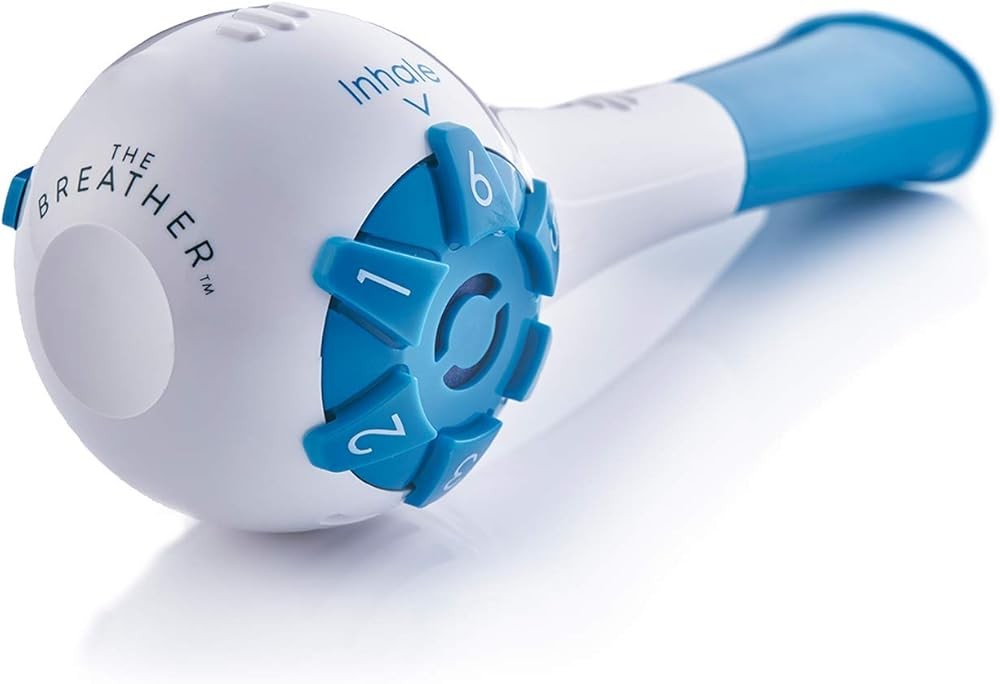
THE BREATHER Natural Breathing Exerciser Trainer with App
Check Price on AmazonAs an Amazon Associate we earn from qualifying purchases.
What Resistance Level Should You Use on Breathing Trainers?
Research consistently demonstrates that training intensity significantly impacts respiratory muscle training outcomes. The optimal resistance level balances sufficient challenge to stimulate strength adaptations while avoiding excessive fatigue that impairs technique or reduces training adherence.
A 1996 study in the European Respiratory Journal evaluated the THRESHOLD trainer against the weighted plunger method, testing devices at opening pressures of 10, 20, 30, and 40 cmH2O. The THRESHOLD trainer showed measured opening pressures of 7.5, 16.9, 26.2, and 39.1 cmH2O respectively, with pressure becoming closer to set values as flow increased to rates seen in clinical practice. Ten patients with stable chronic heart failure inspired through both devices for 4 minutes each while researchers calculated pressure-time product (PTP) to compare work performed.
Results showed no significant difference in work performed between devices, validating the THRESHOLD trainer as “an inexpensive device of consistent quality” suitable for inspiratory muscle training in most patients. However, the study noted it performed “less so in patients with very low inspiratory flow rates,” highlighting the importance of matching device characteristics to individual respiratory capacity.
The takeaway: Most clinical protocols recommend starting at a moderate fraction of maximum inspiratory pressure (PImax) and training for a standard daily session, 5-6 days per week, based on evidence from multiple randomized controlled trials showing significant benefits at this intensity.
A 2001 study in Respiratory Medicine examined inspiratory threshold loading in 16 cystic fibrosis patients randomized to training (40% of PImax) or sham (10% of PImax) groups. After 6 weeks training 20 minutes daily, 5 days weekly, the training group showed significant increases in inspiratory muscle endurance from 49% to 66% of PImax (p = 0.003), while the control group showed minimal change from 50% to 54% (p = 0.197). The difference between groups reached statistical significance (p = 0.012).
This study demonstrates that 40% PImax provides sufficient stimulus for measurable adaptations, while 10% proves inadequate even with consistent training frequency and duration. The training group also showed a tendency toward improved PImax from 105% to 123% predicted, just missing statistical significance (p = 0.064).
For determining your starting resistance level, first measure your maximum inspiratory pressure using a respiratory pressure meter or estimate it using the highest resistance setting you can briefly sustain. Calculate the appropriate fraction of this value and set your device accordingly. As training progresses and maximum pressure increases, periodically reassess and adjust resistance to maintain the optimal relative intensity.
Beginners often start too aggressively, attempting training at 50-60% of maximum pressure. This excessive resistance leads to rapid fatigue, poor breathing technique with shallow rapid breaths instead of slow deep inhalations, and reduced training consistency as the difficulty discourages regular sessions. Starting at lower resistance (20-25% of maximum) for the first week allows you to master proper technique before increasing intensity.
How Do Breathing Trainers Compare to Other Respiratory Training Methods?
Breathing trainers represent one of several approaches to improving respiratory function. Understanding how threshold-based inspiratory muscle training compares to alternative methods helps determine the most appropriate intervention for specific goals and circumstances.
Voluntary breathing exercises without resistance equipment form the foundation of traditional pulmonary rehabilitation. These include pursed-lip breathing, diaphragmatic breathing, and segmental breathing techniques. While these methods improve breathing efficiency and reduce dyspnea in many patients, they provide no progressive resistance to stimulate respiratory muscle strengthening. A 2025 study comparing threshold trainer use to conventional physical therapy found that the threshold group showed significantly better improvements in negative inspiratory force and reduced weaning days, demonstrating advantages of resistance-based training over breathing exercises alone.
Whole-body exercise training, particularly aerobic activities like walking, cycling, or swimming, improves respiratory muscle endurance indirectly by increasing ventilatory demands during sustained activity. However, a 1995 review noted that endurance exercise involving the extremities improved inspiratory muscle endurance in younger individuals with cystic fibrosis but not in older persons with COPD, suggesting that indirect training through general exercise provides limited respiratory muscle benefits in some populations compared to targeted inspiratory muscle training.
Data shows that combining breathing trainer use with comprehensive pulmonary rehabilitation produces better outcomes than either intervention alone for many respiratory conditions, though the magnitude of additional benefit varies across different functional measures.
Incentive spirometry devices encourage deep breathing by providing visual feedback — our inspiratory muscle trainer vs spirometer comparison details these key differences. While commonly used post-surgically to reduce atelectasis risk, incentive spirometers provide no adjustable resistance and thus offer limited muscle strengthening stimulus compared to threshold trainers. They serve complementary roles: spirometers encourage lung expansion while threshold trainers strengthen the muscles producing that expansion.
High-altitude or hypoxic training exposes individuals to reduced oxygen environments, stimulating respiratory adaptations through different mechanisms than mechanical resistance training. Some athletes combine both approaches, though research specifically comparing threshold trainers to hypoxic training for respiratory muscle development remains limited.
For users interested in breathing techniques for anxiety management — covered in our guide to breathing exercise devices for anxiety — breathing trainers can complement but not replace these practices. The breath control and awareness developed through resistance training may enhance ability to implement relaxation breathing techniques, though the primary focus differs: strength development versus nervous system regulation.

The Bigbreathe IMT High presents a straightforward entry point into research-based inspiratory muscle training without complexity or unnecessary features. Its simple spring-loaded threshold design follows the same basic mechanism validated in multiple clinical studies: a valve that opens only when inhalation pressure reaches a specific threshold, providing consistent resistance training for inspiratory muscles.
The red color designation indicates the high resistance version, though “high” in this context means appropriate for general adult use rather than advanced athletes. The resistance level aligns with the moderate PImax percentages recommended in clinical research for effective training stimulus. Clear resistance markings on the device help users understand their training intensity and track progression.
This device excels for beginners because it eliminates decision paralysis about settings, modes, or features. You simply breathe in through the device against the preset resistance for the recommended number of repetitions. No apps to download, no batteries to charge, no dials to adjust - just straightforward respiratory muscle training following proven protocols.
The compact handheld size and lightweight construction make it easy to incorporate into daily routines. Keep it on your bathroom counter for morning training, in your desk drawer for midday sessions, or in your gym bag for pre-workout respiratory warm-up. The mechanical simplicity ensures it works reliably regardless of temperature, humidity, or other environmental factors that might affect electronic devices.
For older adults beginning respiratory muscle training to improve balance and functional capacity, this device provides appropriate resistance without overwhelming complexity. A 2020 study found that inspiratory muscle training improved dynamic balance scores by 24% in community-dwelling older adults, with participants performing 30 breaths twice daily at approximately 50% of maximum inspiratory pressure.
Healthcare providers often recommend simple devices like this for patients new to respiratory muscle training because adherence depends more on consistency than sophisticated features. Patients who might abandon complex devices with multiple settings often succeed with straightforward tools that integrate seamlessly into daily habits.
Begin with 10-15 repetitions once daily, taking slow deep breaths through the device. Each inhalation should feel challenging but achievable - you should reach full lung capacity against the resistance without straining. Progress to 30 repetitions once daily after the first week, then advance to twice daily sessions after 2-3 weeks. Consider upgrading to adjustable devices after 8-12 weeks if you want further progression beyond the fixed resistance level.
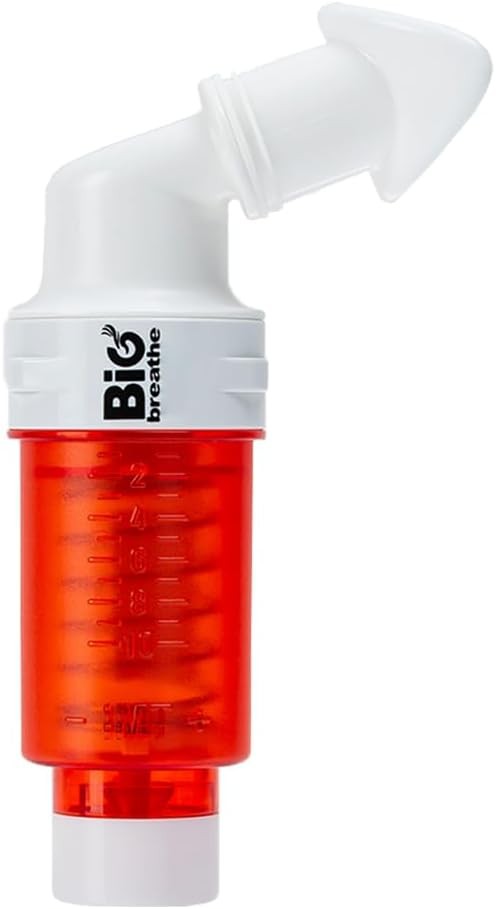
Bigbreathe IMT High Red Inspiratory Muscle Trainer
Check Price on AmazonAs an Amazon Associate we earn from qualifying purchases.
What Does Research Show About Optimal Training Duration and Frequency?
Training protocols vary across published studies, but consistent patterns emerge regarding optimal duration and frequency for respiratory muscle training benefits. Understanding these research-based recommendations helps you design effective training programs while avoiding both insufficient training that produces minimal results and excessive training that increases injury risk or reduces adherence.
A 2001 study evaluating the POWERbreathe device in 12 healthy subjects implemented training for 6 weeks and observed significant advantages in maximal static inspiratory mouth pressure (mean advantage 14.5 cm H2O, 95% CI 2.2-26.9 cm H2O, p=0.025) compared to sham training. However, the study noted limitations in demonstrating comprehensive benefits across all respiratory measures, suggesting that 6 weeks may represent a minimum duration for measurable strength changes but possibly insufficient time for broader functional adaptations.
The previously discussed 2000 study of elite endurance athletes used 30-minute sessions, 6 days per week for 10 weeks and achieved significant improvements in inspiratory muscle strength and endurance. This longer duration and higher weekly frequency produced robust respiratory muscle adaptations though not all translated to improved athletic performance measures.
Essential guidance from multiple studies indicates that 5-8 weeks represents the minimum training period for significant respiratory muscle adaptations, with 8-12 weeks providing more substantial and consistent benefits across various outcome measures.
For session duration, protocols typically range from 15-30 minutes of actual breathing exercises against resistance. A 1998 review analyzing controlled studies recommended 30 minutes daily for at least 5 weeks using an intermediate load with threshold devices. The review noted that shorter sessions (10-15 minutes) might suffice for maintenance after initial strength gains, though original strength development requires longer sustained training sessions.
Weekly training frequency shows consistency across studies, with 5-6 days per week appearing optimal. This frequency provides sufficient stimulus for progressive adaptation while allowing 1-2 rest days for muscle recovery. A 2019 study of young soccer players used 5 days per week (twice daily for 80 total inhalations) and achieved significant improvements in both expiratory muscle strength (p = 0.001) and aerobic endurance (p < 0.005) after 8 weeks.
Some research suggests that twice-daily shorter sessions (15 minutes each) may produce similar or better results compared to single 30-minute sessions, possibly by reducing fatigue and maintaining higher quality breathing technique throughout training. However, practical adherence considerations favor whatever schedule best fits individual daily routines, as consistency proves more important than minor protocol variations.
After achieving initial strength gains, transitioning to maintenance training maintains adaptations while reducing time commitment. Maintenance protocols typically involve 2-3 sessions weekly at the achieved resistance level rather than continuing daily training indefinitely. This approach mirrors periodization concepts from strength and conditioning research where periods of intensive training alternate with reduced-volume maintenance phases.
Can Breathing Trainers Improve Breathing During Daily Activities?
Beyond measured improvements in respiratory muscle strength and endurance, the practical question centers on whether breathing trainers enhance breathing during real-world activities like climbing stairs, carrying groceries, or performing job tasks. Clinical research provides evidence that functional benefits extend beyond laboratory measurements.
The 1994 study comparing 30% versus 12% PImax training loads found that the 30% group not only improved respiratory muscle strength but also reduced dyspnea and increased 6-minute walking distance by 48±22 meters. This walking distance improvement reflects meaningful functional enhancement - the ability to walk further without stopping due to breathlessness.
A 1998 review examining inspiratory muscle training in COPD patients noted that when exercise capacity was evaluated through 6 or 12-minute walk tests, most studies demonstrated significant increases. Other reported positive effects included improvement in nocturnal oxygen saturation, inspiratory muscle power output, and maximal inspiratory flow rate. These findings suggest that respiratory muscle training produces benefits extending beyond pure strength measures to functional activities requiring sustained breathing effort.
Practical approach: Users often report reduced breathlessness during activities that previously caused significant dyspnea, though individual responses vary based on baseline respiratory function, training adherence, and the specific breathing demands of their daily activities.
For individuals recovering from long COVID, a 2024 case report described how a patient using a respiratory muscle strength trainer device progressed from requiring supplemental oxygen to breathing independently within 24 hours of starting training, then increased their 6-minute walk test distance from 290 to 390 meters over 6 weeks. While this represents a single case rather than controlled trial data, it demonstrates potential functional improvements during realistic activities like walking.
The mechanisms explaining functional improvements involve multiple factors. Stronger inspiratory muscles require less effort (lower percentage of maximum) to generate the breathing pressures needed during activities, reducing the sensation of breathing work. Enhanced inspiratory muscle endurance delays fatigue during sustained activities, maintaining efficient breathing patterns longer before dyspnea forces rest breaks.
Additionally, improved respiratory muscle strength may reduce the work of breathing during sleep, potentially improving sleep quality and daytime energy levels. The previously mentioned 1998 review noted improvements in nocturnal oxygen saturation in some studies, suggesting that respiratory muscle training benefits extend to sleep-related breathing as well.
For balance and fall prevention in older adults, the 2020 study finding 24% improvements in mini-BEST balance scores after 8 weeks of inspiratory muscle training demonstrates that respiratory muscle strength influences functional abilities beyond obvious breathing-related activities. The researchers explained that inspiratory muscles contribute to balance through diaphragmatic contraction and increased intra-abdominal pressure, highlighting unexpected connections between respiratory fitness and functional performance.
What Are the Limitations and Potential Risks of Breathing Trainers?
While research demonstrates clear benefits of breathing trainers for many populations, understanding limitations and potential risks ensures appropriate application and realistic expectations. No intervention proves universally beneficial, and respiratory muscle training shows specific constraints worth considering.
The 2001 POWERbreathe evaluation in healthy subjects noted that while maximal static inspiratory mouth pressure improved significantly, the study found no significant differences in diaphragm strength measured as twitch transdiaphragmatic pressure. The researchers calculated that 234 subjects would need to be randomized to definitively evaluate diaphragm-specific effects, highlighting that measurable improvements in mouth pressure don’t guarantee equal adaptations in all respiratory muscles.
What the data says: Athletic studies consistently show improved respiratory muscle strength and endurance, but translation to sport-specific performance measures (VO2max, race times, sport-specific endurance) varies considerably, suggesting that respiratory muscle limitations represent only one of many factors determining athletic performance.
The 2018 multicenter COPD trial found that while inspiratory muscle training produced large effect sizes for respiratory muscle strength and endurance, it did not improve the primary outcome of 6-minute walking distance. The researchers noted improvements in secondary outcomes like endurance cycling time and dyspnea scores, illustrating that benefits appear in some functional measures but not others, possibly depending on how much respiratory muscle weakness limits that specific activity.
For individuals with very low inspiratory flow rates, the 1996 THRESHOLD trainer evaluation noted the device performed less well, suggesting that mechanical threshold trainers may not suit all patient populations equally. Patients with severe respiratory muscle weakness, neuromuscular diseases affecting breathing, or very advanced COPD might require specialized supervision or alternative approaches rather than independent home-based training.
Potential risks remain generally low with proper device use but include:
- Hyperventilation from breathing too rapidly during training, causing dizziness or tingling sensations
- Excessive fatigue if training intensity or duration exceeds appropriate levels for individual capacity
- Temporomandibular joint discomfort from firmly gripping mouthpieces during resistance breathing
- Increased airway resistance sensitivity in individuals with reactive airways or asthma if training triggers bronchospasm
- Delayed diagnosis if individuals use breathing trainers to self-manage respiratory symptoms without proper medical evaluation of underlying conditions
Contraindications for unsupervised breathing trainer use include recent pneumothorax (collapsed lung), recent or untreated rib fractures, uncontrolled asthma with frequent exacerbations, and cardiovascular conditions where increased intrathoracic pressure might pose risks. Individuals with these conditions should pursue respiratory muscle training only under healthcare provider supervision.
The learning curve for proper technique represents another limitation. Studies using breathing trainers typically include instruction and supervision to ensure participants perform exercises correctly. Self-guided home users may develop poor technique - rapid shallow breaths instead of slow deep inhalations, incomplete exhalations, or inconsistent resistance levels - potentially reducing training effectiveness.
Cost considerations vary dramatically across devices from under $50 for basic mechanical trainers to over $200 for app-guided systems. While less expensive than many fitness equipment categories, cost still creates access barriers for some users, particularly if healthcare insurance doesn’t cover respiratory muscle training devices even when clinically indicated.
How Should You Progress Your Breathing Trainer Routine?
Progressive overload - gradually increasing training stimulus as adaptations occur - represents a fundamental principle in strength training that applies equally to respiratory muscle training. Understanding how to systematically advance your breathing trainer routine optimizes continued improvements while minimizing injury risk or training plateaus.
The previously discussed cystic fibrosis study used 40% of PImax as the training load, but importantly, researchers reassessed PImax periodically and adjusted device resistance to maintain the 40% relative intensity as maximum pressure increased. This periodic reassessment and adjustment ensures training stimulus remains adequate as respiratory muscles strengthen.
Study results show that training at fixed absolute resistance levels becomes progressively easier as respiratory muscle strength increases, eventually providing insufficient stimulus for continued adaptation, making periodic resistance increases essential for ongoing progress.
A practical progression protocol involves three phases:
Phase 1 (Weeks 1-2): Technique Development Start at 20-25% of maximum inspiratory pressure for 10-15 repetitions once daily. Focus on slow, controlled breathing technique - full deep inhalations taking 3-4 seconds, brief pause at peak inhalation, then complete exhalation before the next repetition. This initial phase establishes proper movement patterns and allows your body to adapt to resistance breathing without excessive fatigue.
Phase 2 (Weeks 3-8): Strength Building Increase resistance to the clinically validated intensity range and progress to 25-30 repetitions twice daily. Reassess maximum inspiratory pressure every 2 weeks and adjust device resistance to maintain the optimal relative intensity. This phase builds foundational respiratory muscle strength through consistent progressive overload.
Phase 3 (Weeks 9-12): Advanced Development Maintain the established relative intensity but extend training duration to 30 minutes per session or increase to three sessions daily if tolerated. Some advanced protocols incorporate variable resistance - alternating sets at 40% with recovery sets at 20% - though research specifically validating interval-style respiratory muscle training remains limited.
After completing 12 weeks of progressive training, transition to maintenance programming involving 2-3 sessions weekly at the achieved resistance level. This maintains gained strength while reducing time commitment. If respiratory muscle strength becomes a limiting factor again - noticed through increased breathlessness during activities - restart a full training cycle.
For athletes integrating breathing trainers into sport-specific training, periodization becomes important. During pre-season or base training phases, implement full respiratory muscle training protocols. During competitive season, reduce to maintenance frequency to avoid adding fatigue while preserving respiratory muscle strength. Some athletes perform brief breathing trainer sessions as part of pre-competition warm-ups.
Signs that you’re progressing too aggressively include persistent respiratory muscle soreness lasting more than 24 hours after training, increased breathlessness during normal activities compared to before starting training, headaches during or after training sessions, or reduced ability to complete prescribed repetitions compared to previous sessions. These symptoms suggest excessive training load requiring reduced intensity, duration, or frequency.
Conversely, if training sessions become very easy with no sense of breathing challenge, you’re likely training at insufficient intensity for continued adaptation and should increase resistance. The goal is achieving a rating of 6-7 on a 1-10 difficulty scale - challenging but sustainable throughout the prescribed repetitions.
What Role Do Breathing Trainers Play in Anxiety and Stress Management?
While the primary research focus on breathing trainers centers on respiratory muscle strengthening, emerging interest explores their role in anxiety management and stress reduction through breath control training. The relationship between breathing patterns, anxiety, and autonomic nervous system regulation suggests potential applications beyond traditional respiratory rehabilitation.
Anxiety often manifests with rapid shallow breathing, chest breathing instead of diaphragmatic breathing, and breath-holding or irregular breathing patterns. These dysfunctional breathing patterns can perpetuate anxiety symptoms through effects on blood carbon dioxide levels and activation of stress response systems. Learning to control breathing through techniques like pursed-lip breathing, diaphragmatic breathing, and paced breathing helps many individuals manage anxiety symptoms.
Breathing trainers provide structured resistance that naturally encourages slower, deeper, more controlled breathing patterns. The physical requirement to inhale slowly and deeply against resistance counteracts the rapid shallow breathing characteristic of anxiety states. Some users report that the focused attention required during breathing trainer exercises provides a form of active meditation, directing attention to breath sensations rather than anxious thoughts.
Here’s what matters: While breathing trainers may help develop breath awareness and control useful for anxiety management, they serve different primary purposes than formal breathing exercises for anxiety, and limited research specifically validates breathing trainers for psychological versus respiratory outcomes.
No published controlled trials specifically examine breathing trainers’ effects on anxiety or stress measures as primary outcomes. The studies reviewed focus on respiratory muscle strength, exercise capacity, and dyspnea rather than psychological parameters. However, some studies note secondary observations about dyspnea reduction which relates to breathing-related anxiety.
The previously mentioned COPD study finding reduced Borg dyspnea scores suggests that reduced breathlessness - which often triggers anxiety in patients with respiratory conditions - might provide indirect psychological benefits. Patients who feel less short of breath during activities often experience reduced breathing-related anxiety and improved confidence in physical activity participation.
For individuals with breathing pattern disorders - dysfunctional breathing habits that exist without underlying lung disease - breathing trainers might help retrain more efficient breathing mechanics. However, comprehensive breathing pattern disorder treatment typically requires evaluation by respiratory physiotherapists who can assess multiple factors including breathing rate, inspiratory-expiratory ratio, upper chest versus abdominal breathing, and breathing-related muscle tension. A 2020 study found that 8 weeks of inspiratory muscle training improved balance scores by 24% in older adults, demonstrating broader functional benefits beyond respiratory measures alone.
Slow breathing techniques typically recommended for anxiety management involve breathing at 4-6 breaths per minute with extended exhalations, often without added resistance. This contrasts with typical breathing trainer protocols involving 20-30 breaths per session against moderate resistance. The different breathing patterns, frequencies, and goals suggest these represent complementary rather than overlapping approaches.
Some specialized breathing devices specifically designed for anxiety reduction use biofeedback displays showing breathing rate and heart rate variability to guide users toward optimal breathing patterns for autonomic nervous system balance. These devices differ from strength-focused breathing trainers, though some newer breathing trainer apps incorporate breathing rate guidance and relaxation-focused protocols alongside strength training modes.
How Do Digital Features and Apps Enhance Breathing Trainer Effectiveness?
The evolution of breathing trainers from purely mechanical devices to app-connected systems raises questions about whether digital features provide meaningful benefits or represent unnecessary complexity. Examining how apps influence training adherence, progression, and outcomes helps determine their value.
The Breathing Trainer with Warm Steam + App-Guided Sessions represents the high end of digital integration, offering structured training protocols based on clinical research, progress tracking over time, and session-by-session guidance. These features address common challenges in home-based respiratory muscle training identified in research studies.
Key takeaway: Studies consistently note adherence challenges in home-based respiratory muscle training programs, with participants struggling to maintain optimal training frequency, intensity, and duration without supervision, suggesting that digital guidance systems addressing these challenges may improve real-world outcomes.
THE BREATHER’s app provides simpler functionality - primarily tracking when you complete sessions and storing historical data. While less sophisticated than guided training apps, this basic tracking creates accountability and allows visualization of training consistency patterns. Users can identify periods of missed sessions and adjust habits accordingly.
Research protocols typically include training logs where participants record each session, creating both accountability and data for analysis. Digital apps essentially automate this logging process while adding reminder notifications that may improve adherence. A systematic review of mobile health interventions across various conditions found that apps with personalized feedback and reminder systems improved adherence compared to standard care, though specific data on respiratory muscle training apps remains limited.
Apps featuring progressive resistance recommendations address another common challenge: knowing when and how much to increase training intensity. Without guidance, users either progress too slowly (maintaining easy resistance levels long after adaptation occurs) or too quickly (jumping to challenging resistance before adequate strength development). Algorithm-based progression systems attempt to optimize this balance based on performance data.
The social features some apps include - sharing progress with friends, joining virtual training groups, or competing on leaderboards - may enhance motivation for some users while proving irrelevant or distracting for others. Research on social features in fitness apps shows highly individual responses, with competitive users responding to leaderboards while others prefer private solo tracking.
Video demonstrations of proper breathing technique provide value for users learning to use devices correctly. While breathing trainers seem simple, technique variables like inhalation speed, depth, and consistency significantly affect training quality. Seeing proper technique demonstrated may reduce the learning curve compared to relying on written instructions alone.
Data visualization showing improvements over weeks and months creates motivational feedback that purely mechanical devices cannot provide. Graphs displaying maximum inspiratory pressure increases, session consistency, or training volume over time make progress tangible. Psychological research on goal pursuit demonstrates that progress visualization enhances motivation and persistence toward long-term goals.
However, digital features introduce potential downsides: devices requiring charging may be unavailable when batteries deplete, apps may have bugs or compatibility issues with phone operating systems, and privacy concerns arise when health data syncs to cloud servers. The simplicity and reliability of purely mechanical devices appeals to users who prefer avoiding these technology-related complications.
For users comfortable with health technology and who benefit from structured guidance and progress tracking, app-integrated breathing trainers likely enhance effectiveness through improved adherence and optimized progression. For users preferring simple mechanical reliability or who find app interfaces frustrating rather than helpful, basic threshold trainers deliver the core strength-building benefits validated in research studies.
What Breathing Trainer Maintenance and Hygiene Practices Should You Follow?
Proper maintenance and hygiene practices ensure breathing trainers remain effective and safe for long-term use. Since these devices contact your mouth and respiratory secretions, cleaning procedures reduce bacterial growth and extend device lifespan.
Most breathing trainers include removable mouthpieces that should be washed after each use with warm water and mild dish soap, then air dried completely before reassembly. Weekly deep cleaning with antibacterial solutions or denture cleaning tablets helps reduce biofilm buildup in crevices where bacteria accumulate. Avoid using harsh chemicals or abrasive scrubbers that might damage soft plastic or silicone components.
For devices with internal springs or valves, periodic disassembly according to manufacturer instructions allows cleaning of internal components where moisture and respiratory secretions may accumulate. Completely dry all components before reassembling to avoid rust formation on metal springs or corrosion of adjustment mechanisms.
Essential guidance: Never share breathing trainers between users without thorough disinfection, as respiratory pathogens including viruses and bacteria can transmit through contaminated mouthpieces, and consider replacing mouthpieces every 3-6 months with heavy use.
Electronic components in app-connected devices require specific care. Avoid submerging electronic housings in water unless specifically indicated as waterproof. Wipe electronic surfaces with slightly damp antibacterial cloths rather than saturating them. Ensure charging ports remain dry and free of debris that might interfere with proper charging or cause short circuits.
Replace disposable filters if your device includes them according to manufacturer schedules, typically every 1-3 months depending on use frequency. Clogged or dirty filters increase breathing resistance beyond intended training levels and may reduce air quality.
Storage conditions affect device longevity. Store breathing trainers in cool, dry locations away from direct sunlight which can degrade plastic components over time. Avoid leaving devices in hot cars where extreme temperatures may warp plastic or affect spring tension calibration.
Inspect devices regularly for signs of wear including cracks in plastic housings, loose connections between components, changes in resistance level suggesting spring fatigue or valve wear, and deterioration of mouthpieces or tubing. Replace devices showing significant wear rather than continuing to use degraded equipment that may provide inconsistent resistance or harbor bacteria in damaged areas.
For travel, carry breathing trainers in protective cases rather than loose in luggage where they may be crushed or contaminated. Some manufacturers provide travel cases; alternatively, small hard-sided cosmetic cases or glasses cases work well for compact mechanical trainers.
The warm steam function on advanced devices requires additional maintenance. Follow manufacturer instructions for adding water, cleaning steam generators, and reducing mineral buildup from hard water that can clog steam ports. Use distilled water instead of tap water if mineral accumulation becomes problematic.
Multi-user households where family members each use breathing trainers should assign specific devices to individuals or replace mouthpieces between users. Color-coded devices or labeled mouthpieces reduce cross-contamination risk. Some families purchase inexpensive mechanical trainers for each member rather than sharing more expensive devices.
Clinical settings using breathing trainers for multiple patients require hospital-grade disinfection procedures following institutional infection control protocols. Disposable single-use mouthpieces or one-time-use devices may be preferable in clinical environments to eliminate cross-contamination risk.
How Do Breathing Trainers Fit Into Comprehensive Respiratory Health Programs?
Breathing trainers represent one component of comprehensive approaches to respiratory health alongside medication management, general exercise, nutrition, environmental modifications, and other interventions. Understanding how respiratory muscle training integrates with these complementary strategies optimizes overall outcomes.
For COPD patients, the 2018 Thorax study explicitly examined adjunctive inspiratory muscle training combined with pulmonary rehabilitation rather than replacing standard care. This approach recognizes that while breathing trainers provide specific respiratory muscle strengthening benefits, comprehensive rehabilitation addressing exercise capacity, breathing techniques, education, and psychosocial support produces better outcomes than single interventions alone.
What matters most: Breathing trainers work best as part of integrated programs rather than standalone interventions, though the specific combination of approaches depends on individual respiratory conditions, functional limitations, and treatment goals.
For athletes, breathing trainers complement sport-specific training, strength and conditioning programs, nutrition optimization, and recovery strategies rather than replacing traditional training methods. The 2025 study of middle-distance runners added inspiratory muscle training to existing training regimens, demonstrating that respiratory muscle training enhances rather than substitutes for established athletic development approaches. Our best lung trainer for runners guide explores device options specifically designed for endurance athletes.
Medication management remains foundational for many respiratory conditions. Breathing trainers don’t replace bronchodilators, inhaled corticosteroids, or other medications managing underlying disease processes. However, stronger respiratory muscles may improve ability to perform proper inhaler technique, enhance effectiveness of airway clearance strategies, and potentially reduce medication requirements over time as respiratory function improves.
General cardiovascular exercise provides different benefits than targeted respiratory muscle training. While breathing trainers strengthen specific respiratory muscles through resistance training, cardiovascular exercise improves overall cardiorespiratory fitness, circulation, and metabolic health. The combination addresses respiratory health from multiple angles with complementary mechanisms.
Breathing technique training - learning pursed-lip breathing, diaphragmatic breathing, or paced breathing - develops skills for managing breathlessness during activities and reducing dyspnea-related anxiety. Breathing trainers build the muscle strength underlying these techniques but don’t replace the skill development involved in breathing pattern optimization.
For individuals with sleep-disordered breathing, the 2024 study of spinal cord injury patients combined oropharyngeal exercises with respiratory muscle training, suggesting that addressing multiple anatomical factors influencing airway patency may provide better results than isolated interventions. This multifaceted approach mirrors comprehensive sleep apnea management combining CPAP therapy, weight management, positional therapy, and potentially respiratory muscle training.
Environmental modifications removing respiratory irritants - tobacco smoke, occupational exposures, indoor air pollution, outdoor allergens - address root causes of respiratory problems that breathing trainers cannot correct. Breathing trainers help manage symptoms and improve function within existing respiratory capacity, but eliminating harmful exposures reduces ongoing damage.
Nutritional status affects respiratory health through multiple mechanisms including maintaining respiratory muscle mass and function, supporting immune defense against infections, and managing inflammation. Adequate protein intake becomes particularly important when performing respiratory muscle training to support muscle protein synthesis and adaptation.
Working with healthcare teams including pulmonologists, respiratory therapists, physical therapists, and primary care providers ensures breathing trainer use integrates appropriately with other treatments. These professionals can assess respiratory function, recommend appropriate training parameters, monitor progress, and adjust comprehensive treatment plans as respiratory health changes.
Home monitoring devices like pulse oximeters or peak flow meters provide objective data about respiratory status that complements subjective assessments of breathing ease. Tracking oxygen saturation during exercise or peak expiratory flow trends over time helps identify when breathing trainer programs produce measurable functional benefits or when additional medical evaluation becomes necessary.
Related Reading
Recommended Products