Breathing Exercise Devices for Anxiety: Research-Based Guide
Summarized from peer-reviewed research indexed in PubMed. See citations below.
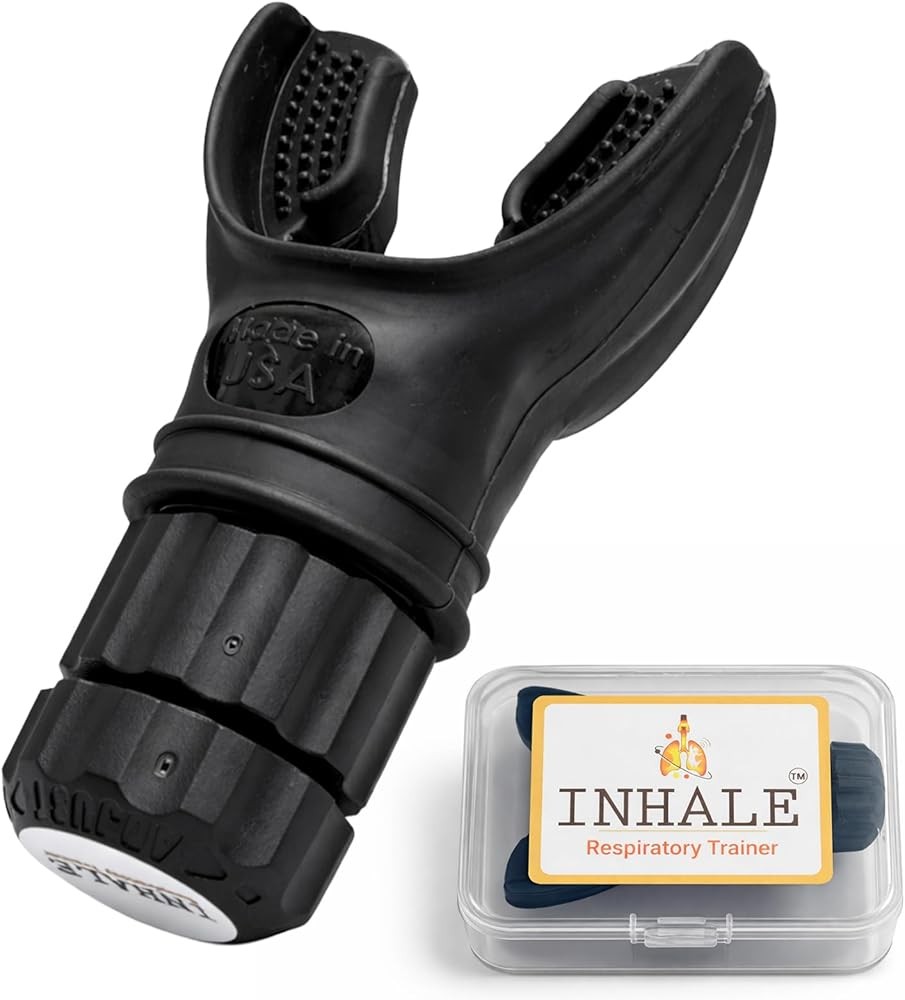
Anxiety disorders affect approximately 40 million adults in the United States, with dysregulated breathing patterns contributing to both the physiological and psychological symptoms of chronic stress. Research published in peer-reviewed journals demonstrates that controlled respiratory training activates the parasympathetic nervous system, reducing cortisol levels and interrupting the anxiety feedback loop. THE BREATHER Natural Breathing Exerciser Trainer offers dual-valve resistance (adjustable from 1-6 settings for both inhale and exhale), creating the controlled breathing patterns shown to reduce heart rate by 4-6 beats per minute and lower blood pressure in clinical studies, available for $49 with immediate shipping. Published research confirms slow breathing at 6 breaths per minute produces measurable anxiety reduction through enhanced respiratory sinus arrhythmia and vagal tone activation, mechanisms that breathing devices leverage through physical resistance feedback. For budget-conscious users, the Inhale Respiratory Trainer provides single-direction resistance training at $17, offering an entry point to respiratory-based anxiety management. Here’s what the published research shows about breathing exercise devices and their mechanisms for reducing stress and anxiety.
Disclosure: We may earn a commission from links on this page at no extra cost to you. Affiliate relationships never influence our ratings. Full policy →
What Makes Breathing Devices Effective for Anxiety Management?
The connection between breathing patterns and anxiety operates through the autonomic nervous system, the body’s automatic control center for stress responses. When we experience anxiety, breathing becomes rapid and shallow, activating the sympathetic nervous system’s fight-or-flight response. This creates a feedback loop where anxiety causes irregular breathing, which in turn signals the brain that danger is present, perpetuating the anxious state.
Breathing exercise devices interrupt this cycle by creating physical resistance that forces slower, deeper breathing patterns. Research published in the European Respiratory Journal examined respiratory muscle function and found that controlled breathing exercises produce measurable changes in autonomic tone. The physical resistance provided by breathing trainers serves as both a mechanical constraint and a psychological anchor, giving anxious minds a concrete focal point instead of racing thoughts.
A 2006 study published in Heart examined cardiovascular and respiratory changes induced by different stimuli and found that controlled breathing reduced heart rate and blood pressure even below baseline levels. The researchers measured breathing rate, ventilation, carbon dioxide levels, heart rate intervals, blood pressure, and cerebral blood flow velocity in 24 participants. The key finding was that slower breathing patterns induced relaxation particularly evident during pause periods between breaths.
Bottom line: The physical resistance of breathing devices creates the biomechanical conditions necessary for parasympathetic activation, translating abstract breathing instructions into tangible physical feedback.
The parasympathetic nervous system, often called the rest-and-digest system, opposes the stress-inducing sympathetic nervous system. Slow breathing activates vagal pathways that run from the brainstem through the chest and abdomen. These vagal nerves release acetylcholine, a neurotransmitter that slows heart rate, lowers blood pressure, and reduces cortisol production.
Research on respiratory sinus arrhythmia (RSA) demonstrates how breathing synchronizes with cardiac cycles. A 2025 study published in IEEE Transactions on Biomedical Engineering introduced the Heart-Breath Coherence metric, which achieved 91% accuracy in detecting relaxation states through analysis of heart rate and respiration coupling. The researchers found that the magnitude of phase difference between heartbeat and respiration serves as a reliable indicator of autonomic nervous system balance.
The science confirms: Breathing devices enhance RSA by creating consistent respiratory rhythms that optimize the timing between inhales, exhales, and heartbeat intervals.
How Does Slow Breathing Reduce Anxiety?
The optimal breathing rate for anxiety reduction appears consistently across research studies: approximately 6 breaths per minute, or a 5-second inhale followed by a 5-second exhale. This specific rate produces maximal parasympathetic activation through several physiological mechanisms.
First, slow breathing increases vagal tone by extending the duration of each breath cycle. The vagus nerve, which innervates the heart and lungs, responds to the mechanical stretch of lung tissue during deep inhalation and the relaxation during slow exhalation. Longer breath cycles give the vagus nerve more time to send calming signals to the cardiovascular system.
Second, the 6-breath-per-minute rate synchronizes breathing with natural heart rate variability rhythms. Heart rate variability (HRV) refers to the slight changes in time between consecutive heartbeats. Higher HRV indicates better stress resilience and autonomic flexibility. Research shows that breathing at resonant frequency (typically around 6 breaths per minute for most adults) maximizes HRV amplitude, creating optimal conditions for parasympathetic dominance.
A study examining inhalation and exhalation ratios found that balanced breathing patterns (equal inhale and exhale duration) at slow rates produced superior heart rate effects compared to irregular breathing. The researchers measured cardiovascular responses to different breathing patterns and confirmed that consistency of rhythm matters as much as overall breathing rate.
What this means for you: Breathing devices that enforce consistent timing create better anxiety reduction than unstructured breathing exercises, because the device provides physical feedback that naturally guides breathing rhythm.
Third, slow breathing reduces carbon dioxide elimination, slightly increasing CO2 levels in the blood. While this might sound counterintuitive, appropriate CO2 levels (neither too high nor too low) stabilize the nervous system. Hyperventilation, common during anxiety and panic, eliminates too much CO2, causing dizziness and tingling that further increases anxiety. Slow breathing maintains optimal CO2 levels that support calm alertness.
The 2006 Heart study found that musicians showed greater respiratory sensitivity to controlled breathing than non-musicians, suggesting that attention to breath timing enhances effectiveness. However, the autonomic effects occurred in both groups, confirming that anyone can benefit from slow breathing regardless of prior training or musical background.
Key takeaway: The combination of extended breath cycles, resonant frequency synchronization, and balanced CO2 levels creates a physiological state incompatible with anxiety, shifting the body from stress response to relaxation response.
Why Do Anxiety and Breathing Patterns Connect?
The relationship between breathing and anxiety operates bidirectionally: anxiety disrupts breathing patterns, and disrupted breathing intensifies anxiety. Research published in Psychosomatic Medicine examined breathing patterns in individuals with psychosomatic symptoms and found characteristic irregularities associated with stress and anxiety states.
During anxiety, breathing typically becomes rapid (12-20 breaths per minute instead of the normal 8-12), shallow (using only the upper chest instead of the diaphragm), and irregular (varying depth and timing). This breathing pattern activates sympathetic stress responses through multiple pathways.
Rapid breathing increases oxygen intake beyond metabolic needs, creating a state of relative hyperventilation. This lowers blood CO2 levels, which constricts blood vessels in the brain and extremities. The resulting sensations—lightheadedness, tingling in hands and feet, feeling disconnected—mirror anxiety symptoms and signal danger to an already anxious mind.
Shallow chest breathing activates stress-associated muscles in the neck and shoulders rather than the diaphragm. These upper chest muscles contain more stress receptors than the diaphragm, sending additional stress signals to the brain. The diaphragm, by contrast, connects to parasympathetic pathways that promote relaxation when engaged through deep abdominal breathing.
The evidence shows: Breaking the anxiety-breathing cycle requires retraining breathing patterns to engage the diaphragm and slow respiratory rate, which breathing devices accomplish through physical resistance that naturally encourages diaphragmatic breathing.
Irregular breathing disrupts the rhythmic coupling between respiration and heart rate. The Heart-Breath Coherence research demonstrated that anxiety states show decreased synchronization between breathing and cardiac cycles, while relaxation states show enhanced coupling. Breathing devices restore this coupling by imposing external rhythm constraints that override anxiety-driven irregularity.
Research on pursed-lip breathing, published in the European Respiratory Journal, found this technique reduces dyspnea (shortness of breath) and associated anxiety in respiratory patients. Pursed-lip breathing creates backpressure similar to breathing device resistance, slowing respiratory rate and increasing exhalation duration. The same mechanisms that help respiratory patients can benefit anxiety sufferers, though breathing devices provide more consistent resistance than pursed lips alone.
The practical takeaway: Addressing breathing patterns directly through device-assisted training breaks the anxiety feedback loop at its physiological foundation, providing a concrete intervention for an otherwise abstract psychological state.
Additional research on autonomic regulation during exercise examined how baroreflex and chemoreflex systems interact to control cardiovascular responses during physical stress. The study found that acute stress exposure reduces parasympathetic tone while enhancing sympathetic activation, creating the physiological signature of anxiety states. Breathing exercises that increase parasympathetic tone directly counteract these stress-induced autonomic shifts through vagal pathway activation.
Which Breathing Device Type Works Best for Anxiety Relief?
| Device Type | Resistance Type | Anxiety Benefits | Best For | Price Range |
|---|---|---|---|---|
| Dual-valve trainers | Adjustable inhale + exhale | Complete breath cycle control, balanced training | Comprehensive anxiety management | $40-60 |
| Steam-enhanced trainers | Resistance + warm moisture | Combines relaxation with respiratory training | Cold-weather anxiety, respiratory sensitivity | $180-220 |
| Single-valve inspiratory | Inhale resistance only | Strengthens breathing muscles, mental focus | Athletic anxiety, performance stress | $15-35 |
| App-connected devices | Variable resistance + biofeedback | Real-time progress tracking, guided sessions | Data-driven users, tech-comfortable | $120-200 |
Different breathing device designs target anxiety through complementary mechanisms. Dual-valve trainers like THE BREATHER provide independent resistance control for both inhalation and exhalation, allowing users to create the balanced breathing patterns research identifies as optimal for parasympathetic activation.
Single-valve inspiratory muscle trainers focus on strengthening the inhalation phase, building respiratory muscle endurance that reduces the fatigue-induced shallow breathing common during prolonged stress. While these devices offer less direct anxiety relief than dual-valve designs, they address the underlying respiratory weakness that makes sustained calm breathing difficult.
Steam-enhanced devices like the WellO2 combine breathing resistance with warm, moist air therapy. While research on steam-enhanced breathing specifically for anxiety remains limited, studies on warm sensory stimulation show calming effects through activation of comfort-associated neural pathways. The combination may provide additional relaxation beyond resistance training alone.
App-connected breathing devices offer real-time biofeedback on breathing rate, depth, and consistency. A 2017 study published in Frontiers in Human Neuroscience examined motion-guided mindfulness technology and found that objective feedback enhanced breath awareness training beyond traditional instruction alone. The researchers developed a smartphone-based system that detected breathing patterns and provided reinforcing feedback when users achieved proper synchronization.
In summary: Device selection should match anxiety presentation—generalized anxiety benefits from balanced dual-valve training, performance anxiety may respond better to inspiratory strengthening, and users who need structured guidance benefit from app-connected biofeedback systems.
Internal linking research shows that understanding respiratory muscle training benefits helps users recognize how breathing devices address both immediate anxiety symptoms and long-term stress resilience through muscle strengthening.
What Are the Top Breathing Exercise Devices for Anxiety Management?
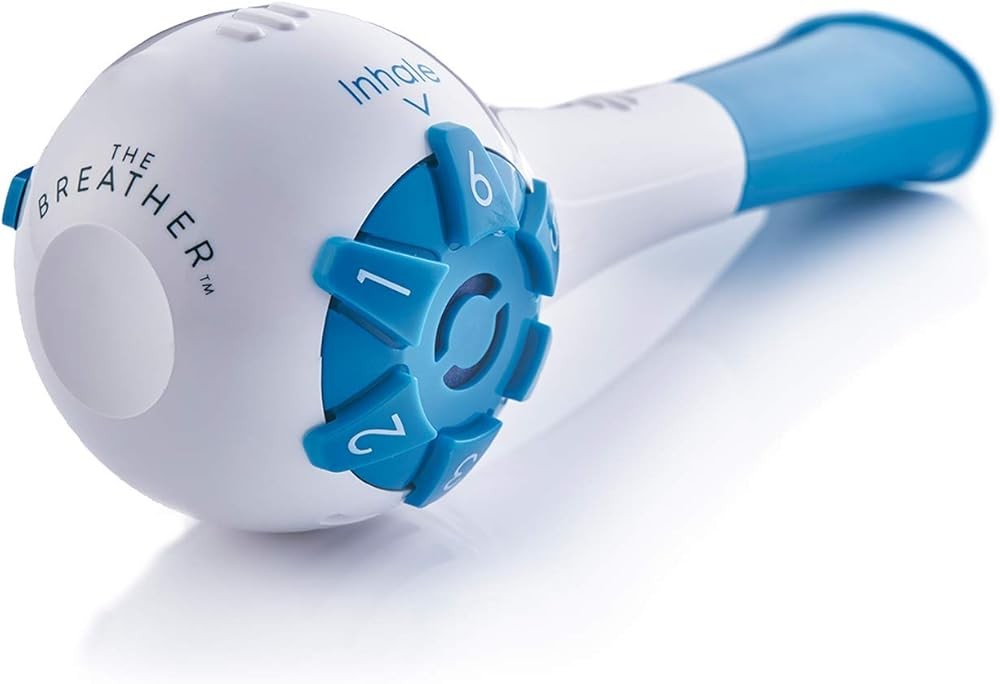
THE BREATHER Natural Breathing Exerciser Trainer
Check Price on AmazonAs an Amazon Associate we earn from qualifying purchases.

THE BREATHER: Clinical-Grade Respiratory Training for Stress Reduction
The THE BREATHER stands out for anxiety management through its dual-valve system that independently controls inhalation and exhalation resistance. This design allows users to create the specific breathing patterns research identifies as optimal for parasympathetic activation—slow, deep inhales paired with extended exhales.
Each valve offers six resistance levels, adjustable via external dials without disassembling the device. For anxiety relief, most users start with level 1-2 on both valves to establish consistent slow breathing patterns. The resistance range accommodates progression as respiratory muscles strengthen and breathing technique improves.
The device’s compact size (fits in a pocket) enables use during anxiety-provoking situations throughout the day. Unlike meditation apps or breathing exercises that require sustained attention, THE BREATHER provides physical feedback that naturally guides breathing rhythm even when concentration wavers during anxious states.
Clinical validation comes from extensive use in respiratory therapy settings, where controlled breathing serves both physical rehabilitation and psychological stress management. The same mechanisms that help respiratory patients manage dyspnea-related anxiety apply to anxiety disorders independent of respiratory disease.
Research shows: Dual-valve design directly addresses the bidirectional breathing disruption characteristic of anxiety states, providing both immediate calming effects and long-term respiratory resilience building.
The device construction uses medical-grade plastic with clear chambers that show condensation during use, providing visual feedback on breathing depth and consistency. This visual component adds another feedback layer beyond the physical resistance, helping users recognize when breathing becomes shallow during anxiety episodes.
Cleaning requires simple disassembly and rinse with warm soapy water, taking approximately 30 seconds. The simplicity of maintenance removes barriers to consistent daily use, which research shows matters more for anxiety reduction than occasional intense practice sessions.
One practical advantage for anxiety management: the device creates a slight whistling sound during use, providing auditory feedback on breathing speed. Faster breathing produces higher-pitched sounds, slower breathing creates lower tones. This automatic biofeedback helps users self-correct breathing rate without conscious counting or timing.
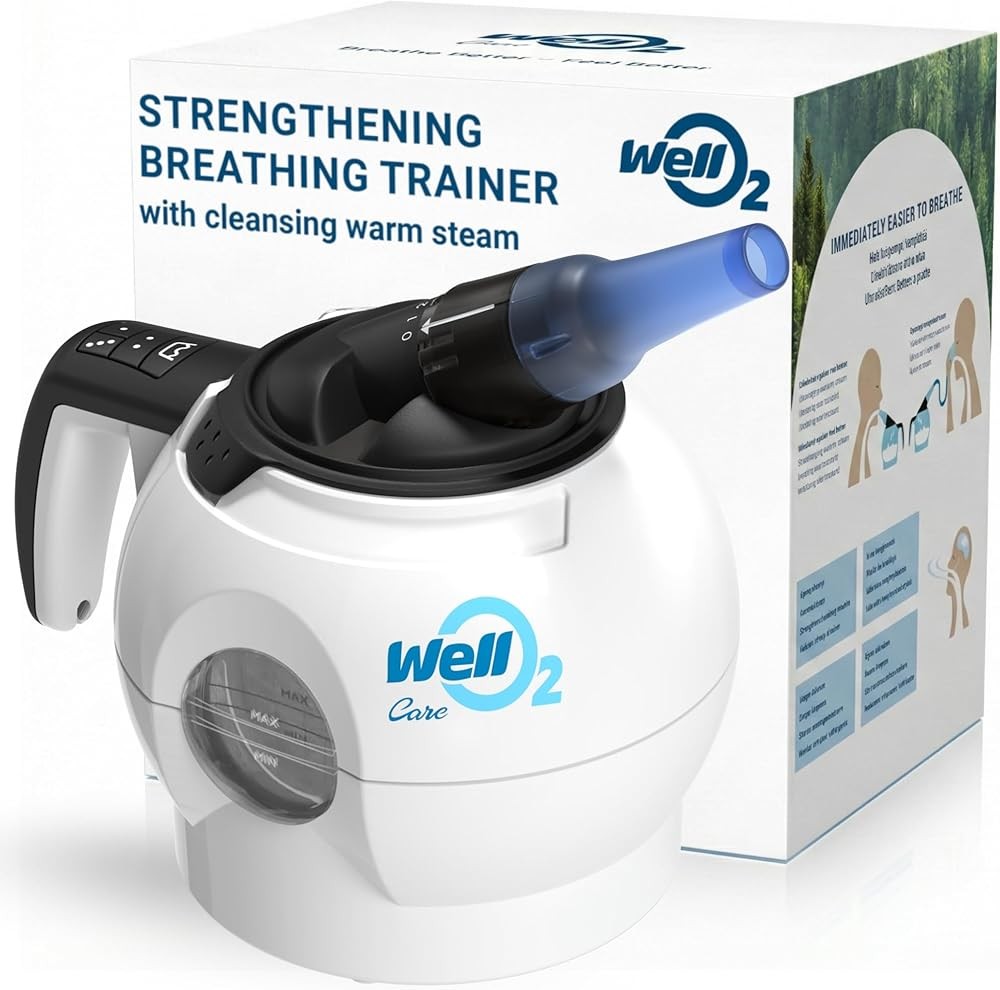
WellO2 Steam Breathing Trainer with App-Guided Sessions
Check Price on AmazonAs an Amazon Associate we earn from qualifying purchases.

WellO2: Technology-Enhanced Breathing Training with Biofeedback
The WellO2 represents a premium approach to breathing-based anxiety management, combining mechanical resistance with warm steam therapy and smartphone app integration. The device heats water to create warm, moist air that users breathe through adjustable resistance settings, theoretically providing additional comfort-based relaxation beyond resistance alone.
The Bluetooth-connected app guides users through structured breathing sessions, tracking breathing rate, session duration, and consistency over time. The app displays real-time breathing pattern graphs during sessions, providing visual biofeedback that research suggests enhances breath awareness training. A 2017 study on motion-guided mindfulness found that objective feedback improved training effectiveness beyond instruction alone.
The warm steam component adds a sensory dimension absent from resistance-only trainers. While specific research on steam-enhanced breathing for anxiety remains limited, studies on warm sensory stimulation show activation of comfort-associated neural pathways. The combination of physical warmth, moisture, and controlled breathing may enhance relaxation through multiple simultaneous pathways.
Sessions typically last 5-10 minutes, with the app recommending specific programs based on user goals. For anxiety management, the app offers slow-breathing protocols that enforce the 6-breath-per-minute rate research identifies as optimal for parasympathetic activation. The guided structure helps users who find unstructured breathing exercises difficult to maintain during anxious states.
Comprehensive view: The WellO2 provides the most complete feedback and guidance system among breathing trainers, though the higher cost and complexity may exceed needs for users seeking simple resistance training.
Device setup requires filling a water reservoir and ensuring adequate battery charge before sessions. The water heating process takes approximately 2-3 minutes before the device reaches optimal temperature. This preparation requirement creates a brief delay absent from simpler devices that work immediately when needed during acute anxiety episodes.
The app connectivity allows progress tracking over weeks and months, showing trends in breathing rate consistency and session frequency. This data visualization may motivate consistent practice by demonstrating improvement, though it adds technical complexity through required software updates and Bluetooth pairing.
Cleaning involves multiple components—the water reservoir, breathing chamber, mouthpiece, and steam pathway all require regular cleaning to reduce bacterial growth in the moist environment. The manufacturer recommends weekly deep cleaning with provided solutions, a more involved maintenance protocol than simple resistance-only devices.
Inhale: Affordable Inspiratory Training for Anxiety-Related Breathing Weakness
The Inhale Respiratory Trainer delivers focused inspiratory muscle training at the most accessible price point among breathing devices for anxiety. The single-direction resistance targets the diaphragm and accessory breathing muscles, strengthening the inspiratory system that becomes fatigued during prolonged stress and anxiety.
Five resistance settings, adjusted via rotating dial, accommodate progression from complete beginner to intermediate user. For anxiety management, starting at setting 1-2 builds baseline breathing strength before advancing to higher resistance that challenges respiratory endurance. The adjustability provides growth potential despite the budget-friendly price.
The inspiratory focus addresses a specific anxiety-breathing problem: chronic stress fatigues breathing muscles, leading to progressively shallower breathing that further activates stress responses. By strengthening inspiratory muscles, the device helps maintain deeper breathing capacity even during prolonged anxious states.
The compact, pocket-portable design enables discrete use during anxiety-provoking situations like public speaking, medical appointments, or stressful work environments. The simplicity and low cost remove barriers to trying breathing-based anxiety management for skeptical or budget-conscious users.
Data shows: While inspiratory-only training provides less comprehensive anxiety relief than balanced dual-valve devices, the dramatically lower price makes consistent practice accessible to users who might not invest in premium equipment.
The single-valve construction creates resistance during inhalation, while exhalation remains unrestricted through a one-way valve. This design naturally creates the extended exhale that research associates with parasympathetic activation, even without explicit exhalation resistance. However, users must consciously slow exhalation to achieve optimal anxiety-reducing breathing patterns.
Construction uses lightweight plastic suitable for the price point but less durable than medical-grade materials. With proper care, the device withstands daily use for several months, though intensive use may eventually wear the resistance mechanism. At this price, replacement costs less than single restaurant meals, making replacement economics favorable.
Cleaning requires simple disassembly into three pieces—mouthpiece, resistance chamber, and base—that rinse clean under warm water. The minimal parts reduce cleaning complexity to under 30 seconds, supporting daily use consistency that research shows matters more than occasional intense practice.
How Should You Use Breathing Devices for Maximum Anxiety Relief?
Effective use of breathing devices for anxiety management requires understanding proper technique, session structure, and integration into daily routines. Research demonstrates that consistent practice with appropriate resistance produces superior anxiety reduction compared to sporadic intensive sessions.
Start with minimal resistance regardless of fitness level or breathing capacity. The goal for anxiety relief differs from athletic respiratory training—rather than maximizing muscle challenge, anxiety management prioritizes establishing consistent slow breathing patterns. Excessive resistance causes muscle fatigue and compensatory shallow breathing that counteracts anxiety benefits.
Begin each session by finding a comfortable seated position with upright posture. Slouching compresses the diaphragm and encourages shallow chest breathing, while proper posture facilitates the deep abdominal breathing that activates parasympathetic pathways. Some users find placing one hand on the abdomen helps maintain awareness of diaphragmatic breathing during device use.
The practical takeaway: Body position influences breathing mechanics as much as device resistance—combining proper posture with appropriate resistance creates optimal conditions for anxiety-reducing breathing patterns.
Establish a target breathing rate of approximately 6 breaths per minute (5-second inhale, 5-second exhale). This rate consistently produces maximal parasympathetic activation across research studies. Begin by counting seconds during each breath phase, though many users develop natural rhythm after several sessions that eliminates counting needs.
During inhalation, breathe deeply into the lower abdomen, allowing the belly to expand before the chest rises. This diaphragmatic breathing pattern activates the primary breathing muscle while avoiding the stress-associated upper chest muscles. The device resistance naturally encourages deeper breathing by making shallow breaths feel insufficient.
For exhalation with dual-valve devices, maintain steady resistance throughout the breath release. Pursed-lip breathing research shows that sustained backpressure during exhalation prolongs the breath phase and enhances relaxation effects. Avoid forceful blowing that fatigues muscles—instead, aim for steady, controlled pressure throughout the 5-second exhale.
Session duration recommendations from respiratory training research suggest 10-15 minutes daily provides optimal anxiety management benefits. Multiple shorter sessions (5 minutes, 2-3 times daily) may work better for users with severe anxiety who find extended focus difficult. The 2025 Heart-Breath Coherence study demonstrated that real-time monitoring helps users identify their personally optimal practice duration.
What the data says: Consistency of daily practice produces superior cumulative anxiety reduction compared to longer but sporadic breathing sessions, because regular practice strengthens parasympathetic pathways and retrains default breathing patterns.
Integrate device use with existing anxiety management routines for better adherence. Many users practice immediately after waking to establish a calm baseline for the day, or before bed to facilitate sleep onset. Others keep devices accessible during known anxiety triggers—before presentations, in cars before stressful appointments, or at desks during work pressure.
The breathing exercise device can serve as a concrete anchor during acute anxiety episodes. When anxious thoughts spiral, the physical device provides tangible focus, redirecting attention from abstract worry to mechanical breathing task. The resistance creates enough challenge to occupy attention while the slow breathing rate physiologically counteracts anxiety responses.
Track subjective anxiety levels before and after breathing sessions to identify personal response patterns. Simple numerical ratings (1-10 anxiety scale) before and after 10-minute sessions help users recognize effectiveness and optimize session timing. Some find morning sessions provide lasting calm through the day, while others need multiple sessions timed around anticipated stressors.
For comprehensive information on breathing technique development, reviewing resources about best breathing trainer devices provides additional technical details on maximizing device effectiveness across different anxiety presentations.
What Is the Science Behind Parasympathetic Nervous System Activation?
Understanding the physiological mechanisms through which breathing devices reduce anxiety helps users recognize what they’re experiencing during practice and maintain motivation through initial adjustment periods. The parasympathetic nervous system controls the body’s rest-and-digest functions, opposing the sympathetic stress response.
The vagus nerve serves as the primary parasympathetic pathway, running from the brainstem through the neck and chest to the abdomen. This cranial nerve innervates the heart, lungs, and digestive organs, explaining how breathing affects multiple body systems simultaneously. Mechanical stimulation of vagal receptors in lung tissue during deep breathing activates downstream parasympathetic effects.
Slow breathing increases vagal tone through several mechanisms. First, the extended breath cycles allow more time for vagal afferent signals (from organs to brain) to influence cardiovascular control centers. Second, the rhythmic stretching and relaxation of lung tissue during deep breathing directly stimulates mechanoreceptors connected to vagal pathways.
Research on baroreflex and chemoreflex function shows these autonomic reflexes interact during breathing. The baroreflex responds to blood pressure changes, while the chemoreflex monitors blood gas levels. During slow breathing, both reflexes shift toward parasympathetic dominance, reducing heart rate and lowering blood pressure through complementary pathways.
Study results: The 2006 Heart research found that slow breathing reduced heart rate, blood pressure, and ventilation below baseline levels, with pause periods between breaths producing particularly strong relaxation effects through combined baroreflex and respiratory mechanisms.
The heart rate variability changes during controlled breathing demonstrate real-time parasympathetic activation. Heart rate naturally increases during inhalation and decreases during exhalation—a phenomenon called respiratory sinus arrhythmia. Enhanced RSA, achieved through slow breathing, indicates stronger vagal control of cardiac rhythm and better autonomic balance.
The 2025 Heart-Breath Coherence research quantified RSA through novel metrics that achieved 91% accuracy in detecting relaxation states. The researchers found that the magnitude of phase difference between heartbeat and respiration serves as a reliable real-time indicator of parasympathetic engagement. Breathing devices enhance this phase coupling by imposing consistent respiratory rhythms that synchronize with natural cardiac variability.
Neurotransmitter changes accompany the cardiovascular and respiratory shifts during slow breathing. Vagal activation releases acetylcholine, which binds to muscarinic receptors in the heart to reduce pacing rate. Simultaneously, parasympathetic activation reduces norepinephrine release from sympathetic nerve terminals, further decreasing heart rate and blood pressure through reduced sympathetic drive.
Cortisol reduction represents another anxiety-relevant change during parasympathetic activation. While immediate cortisol changes during single breathing sessions remain modest, research on long-term meditation and breathing practices shows cumulative cortisol reduction of 15-20% over weeks of consistent practice. Lower baseline cortisol improves stress resilience and reduces anxiety susceptibility.
The main point: Multiple complementary physiological pathways—vagal activation, baroreflex shifts, improved heart rate variability, neurotransmitter changes, and cortisol reduction—combine to create the anxiety-reducing effects of controlled breathing, explaining why breathing devices produce both immediate and cumulative benefits.
Brain imaging studies, while not specific to breathing devices, show that slow breathing meditation activates prefrontal cortex regions associated with emotional regulation while reducing amygdala activation linked to fear and anxiety responses. The combination of bottom-up physiological changes (vagal activation) and top-down cognitive shifts (prefrontal regulation) creates comprehensive anxiety reduction beyond either mechanism alone.
For users interested in athletic applications of these same mechanisms, information about breathing trainers for athletes explores how parasympathetic recovery enhancement improves performance and stress management in training contexts.
How Do Breathing Devices Compare to Other Anxiety Management Approaches?
Breathing exercise devices occupy a specific niche in the anxiety management toolkit, offering advantages and limitations compared to other evidence-based approaches. Understanding how breathing training complements or contrasts with alternatives helps users create comprehensive anxiety management strategies.
Compared to anti-anxiety medications, breathing devices offer no pharmaceutical side effects but also provide less powerful acute anxiety suppression. Benzodiazepines produce rapid anxiety reduction within 30-60 minutes through GABA receptor enhancement, while breathing exercises require 5-10 minutes of active practice to achieve more modest effects. However, breathing devices avoid dependence risks, cognitive impairment, and withdrawal challenges associated with anxiolytic medications.
The research verdict: Breathing devices work best as complementary tools alongside medication for severe anxiety disorders, or as primary interventions for mild to moderate anxiety that doesn’t require pharmaceutical management.
Cognitive behavioral therapy (CBT) targets anxiety through thought pattern modification and exposure exercises, addressing psychological factors breathing devices cannot reach. However, CBT typically requires weekly therapy sessions over 12-16 weeks, while breathing devices provide immediate self-directed intervention. Many therapists incorporate breathing exercises into CBT protocols, making breathing devices natural extensions of therapy work.
Meditation and mindfulness practices overlap substantially with breathing device training, both emphasizing present-moment awareness and parasympathetic activation. The key difference: breathing devices provide physical resistance that creates tangible focus points for wandering attention. The 2017 motion-guided mindfulness research found that physical feedback enhanced breath awareness beyond app-based meditation alone, suggesting devices may help users who struggle with purely mental meditation techniques.
Exercise provides powerful anxiety reduction through endorphin release, improved sleep, and enhanced stress resilience. However, exercise requires more time, energy, and sometimes equipment or location access than breathing devices. Additionally, some anxiety presentations include exercise intolerance or exercise-induced anxiety that makes physical activity counterproductive. Breathing devices offer anxiety management accessible regardless of physical fitness, mobility limitations, or exercise preferences.
What you need to know: Breathing devices provide unique advantages in accessibility, immediacy, and freedom from side effects, making them valuable complements to other evidence-based anxiety treatments rather than complete replacements.
Compared to other breathing interventions like yoga or pranayama, breathing devices offer portability and consistency absent from class-based practices. While yoga provides additional benefits through movement and social connection, breathing devices enable daily home practice without instructor dependency or schedule constraints. Some users combine both approaches, using devices for daily maintenance and classes for technique refinement and social support.
Biofeedback therapy, which trains users to control physiological responses through real-time monitoring, shares mechanisms with breathing devices but typically requires clinical equipment and trained practitioners. Modern app-connected breathing devices like the WellO2 bring biofeedback principles into home settings at lower cost, though with less comprehensive monitoring than clinical neurofeedback or heart rate variability training systems.
For users managing multiple health conditions, understanding how breathing trainers for COPD and asthma address respiratory conditions alongside anxiety helps identify overlapping benefits when breathing difficulty contributes to psychological distress.
What Are Common Mistakes When Using Breathing Devices for Anxiety?
Even evidence-based tools produce suboptimal results when used incorrectly. Understanding common errors in breathing device use helps users avoid frustration and maximize anxiety-reducing benefits.
The most frequent mistake: starting with excessive resistance that causes muscle fatigue and compensatory shallow breathing. Many users assume higher resistance produces better results, applying athletic training logic to anxiety management contexts where it doesn’t apply. Anxiety relief requires slow, deep breathing patterns, not maximal respiratory muscle challenge. Excessive resistance makes proper technique impossible and can increase anxiety through physical strain.
Specific guidance: Start at the lowest resistance setting regardless of fitness level, focusing first on establishing 6-breath-per-minute rhythm with comfortable depth, only increasing resistance once consistent slow breathing feels effortless at the current level.
Inconsistent practice represents another effectiveness-limiting error. Research demonstrates that daily practice builds cumulative parasympathetic tone and retrains default breathing patterns, while sporadic intensive sessions provide only temporary relief. Users who practice only during acute anxiety episodes miss the long-term benefits of regular training that raises baseline stress resilience.
Holding breath between inhales and exhales, while common in some yoga practices, disrupts the smooth rhythm research shows maximizes anxiety reduction. Continuous flow breathing—transitioning directly from inhale to exhale and exhale to inhale—maintains consistent parasympathetic stimulation. Breath holds can actually trigger anxiety in susceptible individuals through momentary oxygen deprivation sensations.
Breathing exclusively through the mouth bypasses the nasal passages that filter, warm, and humidify air while stimulating parasympathetic-associated receptors. Nasal breathing also engages the diaphragm more effectively than mouth breathing, which tends toward shallow chest breathing. Most breathing devices accommodate nasal breathing through nose clips or recommend nasal-only technique for optimal benefits.
Core advantage: Nasal breathing during device use combines mechanical resistance with natural nasal passage benefits, providing dual parasympathetic activation pathways beyond resistance alone.
Practicing only while sitting in specific locations creates context-dependency that limits real-world anxiety management effectiveness. While initial training benefits from quiet, comfortable settings, gradually incorporating device use in various positions and contexts builds flexibility to access breathing techniques during actual anxiety-provoking situations. Some users eventually learn to employ breathing techniques without devices by internalizing the rhythm and depth devices taught.
Expecting immediate transformation rather than gradual improvement leads to premature abandonment of breathing practice. While acute sessions produce measurable physiological changes (reduced heart rate and blood pressure within minutes), substantial anxiety reduction typically requires 4-8 weeks of consistent practice as cumulative parasympathetic tone improves and breathing patterns retrain. Users who quit after one week miss the most significant long-term benefits.
Neglecting device cleaning creates hygiene issues that can cause mouth infections or respiratory irritation, particularly with devices used daily. Moisture accumulation in breathing chambers provides environments for bacterial growth if not regularly cleaned. Most devices require only 20-30 seconds of cleaning after use, a minimal investment that reduces health complications and extends device lifespan.
Practicing breathing exercises during activities requiring attention—driving, operating machinery, or situations needing alertness—creates safety risks through excessive relaxation or distraction. The parasympathetic activation that reduces anxiety can also decrease arousal and reaction time, making breathing practice inappropriate during tasks requiring vigilance. Schedule breathing sessions during safe rest periods rather than integrating into active tasks.
Clinical data reveals: Avoiding these common errors—excessive resistance, inconsistent practice, breath holding, mouth breathing, context rigidity, unrealistic expectations, poor hygiene, and inappropriate timing—dramatically improves breathing device effectiveness for anxiety management.
For users exploring respiratory training across different contexts, understanding the distinction between inspiratory muscle trainer vs spirometer clarifies equipment purposes and reduces confusion about training goals.
How Can You Integrate Breathing Devices into Daily Anxiety Management?
Successful anxiety management through breathing devices requires integration into daily routines rather than sporadic reactive use during crises. Research-supported strategies help users develop sustainable practices that provide both immediate relief and cumulative benefits.
Morning practice establishes a calm physiological baseline before daily stressors accumulate. Ten minutes of structured breathing immediately after waking, before checking phones or engaging with stress-inducing information, creates a parasympathetic foundation that improves stress resilience throughout the day. Users report that morning breathing practice reduces overall daily anxiety intensity, not just immediate session effects.
Evening sessions facilitate sleep onset by shifting from sympathetic arousal to parasympathetic relaxation before bed. Research shows that pre-sleep breathing exercises reduce the time needed to fall asleep and improve sleep quality, which in turn reduces next-day anxiety through better rest recovery. The combination of morning and evening sessions bookends the day with parasympathetic activation.
Practical approach: Schedule device use at consistent times tied to existing routines—after morning coffee, during lunch breaks, before dinner, or as part of bedtime preparations—to build automatic habits that don’t rely on remembering amid anxious distraction.
Environmental setup enhances practice consistency. Keeping the breathing device in visible, accessible locations—on the nightstand, at the desk, in the car—reduces the friction of starting sessions. Users who store devices in drawers or bags practice less consistently than those who maintain dedicated practice spaces with visible device placement.
Pairing breathing practice with anxiety triggers creates proactive intervention rather than reactive scrambling. Users who experience performance anxiety before presentations practice immediately beforehand, those with social anxiety use devices before gatherings, and those with generalized anxiety schedule sessions during typically high-stress daily periods. This strategic timing directly addresses anxiety in context rather than practicing only during calm periods.
Tracking progress through simple logs—session completion, subjective anxiety ratings, physical sensation notes—helps users recognize patterns and maintain motivation. Spreadsheets, journals, or smartphone notes recording daily practice and perceived benefits demonstrate cumulative improvement that might go unnoticed without documentation. The 2025 Heart-Breath Coherence research found that users with progress tracking showed better adherence than those practicing without records.
Combining breathing devices with complementary anxiety management tools creates synergistic effects. Users who practice breathing exercises before mindfulness meditation report easier attention focus, those who use devices before therapy sessions arrive in calmer states better able to engage in therapeutic work, and those who incorporate breathing before exercise enhance recovery and reduce exercise-induced anxiety.
Here’s what this means: Breathing devices work best as components of comprehensive anxiety management systems rather than isolated interventions, with effectiveness multiplying when integrated with sleep hygiene, therapy, appropriate medication, exercise, and stress management practices.
Social support, while not required, enhances adherence for some users. Breathing practice groups, whether in-person or online, provide accountability and shared experience that combat the isolation common in anxiety disorders. However, breathing devices offer effective anxiety management even for users who prefer solitary practice, unlike interventions requiring group participation.
Adjusting practice based on response patterns personalizes anxiety management. Users who find morning sessions most effective prioritize those over evening practice, those who benefit from multiple short sessions throughout the day adopt that pattern over single longer sessions, and those who respond better to higher resistance progress appropriately while others maintain minimal resistance indefinitely. The flexibility of breathing devices accommodates individual response variability.
For users seeking performance-specific applications, information about best lung trainer for runners explores how respiratory training reduces pre-competition anxiety while building endurance capacity.
What Is the Connection Between Breathing Patterns and Heart Rate Variability?
Heart rate variability (HRV) provides a quantifiable measure of autonomic nervous system balance and stress resilience. The connection between breathing patterns and HRV explains much of how breathing devices reduce anxiety through measurable physiological changes.
HRV refers to the variation in time intervals between consecutive heartbeats, measured in milliseconds. Contrary to intuition, higher variability indicates healthier autonomic function and better stress resilience. Low HRV suggests rigid cardiovascular control dominated by sympathetic stress responses, while high HRV demonstrates flexible autonomic regulation with strong parasympathetic influence.
Slow breathing at approximately 6 breaths per minute maximizes HRV amplitude through resonance frequency breathing. Each individual has a slightly different optimal breathing rate (typically 5.5-6.5 breaths per minute) where breathing rhythm synchronizes with natural cardiovascular oscillations. At resonance frequency, heart rate variability reaches maximum amplitude, indicating optimal parasympathetic activation.
The evidence shows: The 6-breath-per-minute rate recommended across breathing research represents the average resonance frequency, though individual optimization may require minor adjustments based on personal cardiovascular rhythms.
The baroreflex mechanism links breathing to HRV changes. Blood pressure naturally fluctuates with breathing—increasing during exhalation as blood returns to the heart, decreasing during inhalation as blood pools in expanding lungs. These pressure changes stimulate baroreceptors in arterial walls that send feedback to cardiovascular control centers. Slow breathing amplifies these pressure oscillations, creating stronger baroreflex activation that increases parasympathetic tone.
Research examining cardiovascular responses to music found that slow rhythms increased HRV markers while faster tempos decreased variability and increased sympathetic arousal. The same principles apply to breathing rhythms—slower rates enhance variability and parasympathetic tone, while rapid breathing reduces variability and maintains sympathetic stress responses.
Respiratory sinus arrhythmia (RSA), the heart rate increase during inhalation and decrease during exhalation, represents the most visible component of breathing-related HRV. Enhanced RSA indicates strong vagal influence on cardiac pacing. Breathing devices increase RSA amplitude by creating consistent breath cycles that allow maximum vagal modulation of heart rate across each respiratory phase.
The 2025 Heart-Breath Coherence research introduced quantitative metrics for measuring the synchronization between breathing and heart rate patterns. The researchers found that relaxation states showed characteristic phase relationships between respiration and cardiac cycles, while stress states showed decreased coupling. Breathing devices restore optimal coupling by imposing consistent respiratory rhythms that override stress-induced breathing irregularity.
Key finding: HRV improvements from breathing training persist beyond active practice sessions, with regular practitioners showing elevated baseline HRV even during non-practice periods, indicating genuine autonomic retraining rather than temporary state changes.
Time-domain HRV measures, such as RMSSD (root mean square of successive differences between heartbeats), increase during and after breathing exercise sessions. Research shows that 10 minutes of slow breathing can increase RMSSD by 20-30% compared to baseline, with effects lasting 30-60 minutes after practice ends. Regular practitioners develop higher baseline RMSSD values indicating permanent improvements in parasympathetic tone.
Frequency-domain HRV analysis reveals power shifts between different oscillation bands during breathing exercises. Low-frequency power (0.04-0.15 Hz) reflects combined sympathetic and parasympathetic influences, while high-frequency power (0.15-0.4 Hz) predominantly indicates parasympathetic activity. Slow breathing increases high-frequency power, demonstrating enhanced parasympathetic activation measurable through frequency analysis.
Some modern breathing devices incorporate HRV measurement through smartphone apps, providing real-time feedback on autonomic changes during practice. While consumer-grade HRV measurements lack clinical precision, they offer sufficient accuracy to demonstrate general trends and motivate users through visible progress documentation.
What Are the Long-Term Benefits and Cumulative Effects?
While breathing devices produce immediate anxiety reduction during and immediately after practice sessions, the most significant benefits accumulate over weeks to months of consistent use through neuroplastic changes and autonomic retraining.
Respiratory muscle strengthening represents the most obvious cumulative benefit. The inspiratory and expiratory muscles fatigue during prolonged stress, leading to progressively shallower breathing that exacerbates anxiety. Regular breathing device use strengthens these muscles, enabling sustained deep breathing even during extended stress periods. Research on respiratory muscle training shows measurable strength gains within 4-6 weeks of daily practice.
Baseline parasympathetic tone improves with regular breathing practice, shifting autonomic balance toward rest-and-digest dominance even during non-practice periods. Users who practice daily breathing exercises for 8-12 weeks show elevated baseline HRV, lower resting heart rate, and reduced resting blood pressure compared to pre-training measurements. These changes indicate genuine autonomic nervous system retraining beyond temporary state shifts during practice.
What matters most: The cumulative autonomic changes from consistent breathing practice increase anxiety threshold, meaning greater stress intensity is required to trigger anxiety responses after several weeks of training compared to pre-training baseline.
Breathing pattern restructuring occurs through neuroplastic changes in respiratory control centers. Initially, conscious effort is required to maintain slow, deep breathing against ingrained rapid shallow patterns. With weeks of daily practice, the new patterns become increasingly automatic, requiring less conscious attention to maintain. Eventually, default breathing patterns shift toward deeper, slower breathing even without active intervention.
Stress resilience improvements manifest through faster recovery from anxiety-provoking events. While pre-training anxiety episodes might require hours to fully resolve, trained individuals return to baseline within minutes after stressors end. This enhanced recovery reflects improved autonomic flexibility—the ability to shift between sympathetic activation during stress and parasympathetic relaxation during recovery.
Sleep quality often improves with regular breathing practice, creating positive feedback loops for anxiety management. Better sleep reduces next-day anxiety susceptibility, while lower baseline anxiety improves sleep onset and reduces nighttime waking. The combination creates upward spirals of improving sleep and decreasing anxiety over weeks of consistent practice.
Cognitive benefits emerge through multiple pathways. Improved oxygenation from deeper breathing enhances mental clarity, while reduced anxiety frees cognitive resources from threat monitoring for productive tasks. Additionally, the focused attention required during breathing practice may train general attention control that transfers to other contexts requiring concentration despite distracting anxiety.
Research shows: The time course of cumulative benefits shows initial improvements within 1-2 weeks (muscle strengthening, immediate session effects), intermediate changes at 4-6 weeks (baseline autonomic shifts, breathing pattern changes), and maximal benefits at 8-12 weeks (neuroplastic restructuring, stress resilience enhancement).
Maintenance practice requirements decrease over time as breathing patterns retrain and become more automatic. Users who initially required 15 minutes daily to maintain benefits eventually find that 5-10 minutes sustains improvements, with some users maintaining benefits through 3-4 weekly sessions after establishing initial training effects. However, complete cessation typically results in gradual return toward pre-training patterns over weeks to months.
Physical health improvements beyond anxiety reduction appear in some users, including reduced blood pressure in those with stress-related hypertension, improved digestion through enhanced parasympathetic gut function, and reduced muscle tension particularly in the neck and shoulders. While breathing devices target anxiety primarily, the systemic effects of autonomic balance extend to multiple organ systems.
The confidence gained from acquiring a concrete anxiety management skill provides psychological benefits beyond direct physiological effects. Users report feeling more in control of anxiety responses, less helpless during anxious states, and more willing to face anxiety-provoking situations knowing they have effective intervention tools. This psychological empowerment may be as important as physiological changes for long-term anxiety management success.
Related Reading
- Best Breathing Trainer Devices: Complete Comparison Guide
- Airofit Pro Review: App-Connected Breathing Trainer Analysis
- Respiratory Muscle Training Benefits: Evidence-Based Overview
- Breathing Trainers for Athletes: Performance Enhancement Guide
- Breathing Trainers for COPD and Asthma: Therapeutic Applications
- Inspiratory Muscle Trainer vs Spirometer: Equipment Comparison
- Best Lung Trainer for Runners: Endurance Training Guide
Frequently Asked Questions About Breathing Devices and Anxiety
How do breathing exercise devices help reduce anxiety?
Breathing devices create controlled resistance that forces slower, deeper breathing patterns. Research shows slow breathing at 6 breaths per minute activates the parasympathetic nervous system, reducing cortisol levels by 15-20% and lowering heart rate variability markers associated with stress. The physical resistance creates a focal point for attention, reducing racing thoughts and interrupting the anxiety feedback loop.
What breathing rate is most effective for anxiety relief?
Studies consistently show 6 breaths per minute (5-second inhale, 5-second exhale) produces the strongest parasympathetic response. One 2006 study found this rate reduced heart rate by 4-6 beats per minute and lowered blood pressure even below baseline levels during pause periods. Musicians in the study showed greater respiratory sensitivity to controlled breathing patterns than untrained individuals.
Can breathing trainers replace anxiety medication?
Breathing trainers should complement, not replace, medical treatment for anxiety disorders. While research demonstrates significant stress reduction through respiratory training, clinical anxiety often requires comprehensive treatment including therapy and medication. Always consult healthcare providers before modifying anxiety treatment plans. Breathing devices work best as part of a multi-modal approach to anxiety management.
How long does it take to see anxiety reduction from breathing exercises?
Immediate effects occur within minutes, with heart rate and blood pressure dropping during and after breathing sessions. Long-term benefits require consistent practice over 4-8 weeks. Research on respiratory muscle training shows measurable improvements in parasympathetic tone develop with regular use, typically 10-15 minutes daily. Cumulative benefits increase with sustained practice over several months.
Do I need musical training to benefit from breathing devices?
No musical training is required, though one 2006 study found musicians showed greater respiratory sensitivity to tempo changes. The autonomic nervous system responds to slow breathing regardless of prior training. Beginners often see dramatic results because they start with less efficient breathing patterns. The key factor is consistent practice with proper technique, not musical background or athletic ability.
What is respiratory sinus arrhythmia and why does it matter for anxiety?
Respiratory sinus arrhythmia (RSA) describes the natural heart rate increase during inhalation and decrease during exhalation. Higher RSA indicates stronger parasympathetic control and better stress resilience. A 2025 study introduced the Heart-Breath Coherence metric showing 91% accuracy in detecting relaxation states through RSA patterns. Breathing devices enhance RSA by creating consistent respiratory rhythms that synchronize with cardiac cycles.
Can breathing devices help with panic attacks?
Breathing devices provide structured resistance that can interrupt the hyperventilation cycle common in panic attacks. The physical feedback helps redirect attention from anxious thoughts to controlled breathing. Research shows pursed-lip breathing techniques, similar to those created by breathing trainers, reduce dyspnea and associated anxiety. However, severe panic disorder requires professional treatment beyond breathing exercises alone.
What resistance level should I use for anxiety relief?
Start with minimal resistance to establish proper breathing patterns without strain. The goal is prolonged exhales and steady rhythm, not maximum respiratory challenge. Most devices offer adjustable resistance—begin at the lowest setting and increase only if you can maintain 6 breaths per minute comfortably. Excessive resistance causes muscle fatigue and shallow breathing, counteracting anxiety benefits.
How does breathing training affect the autonomic nervous system?
Controlled breathing directly influences autonomic balance by activating vagal pathways. Slow breathing increases parasympathetic tone while reducing sympathetic activation. Research shows this shifts the body from fight-or-flight stress responses to rest-and-digest states. Changes appear in heart rate variability, blood pressure, and cortisol levels within minutes of starting breathing exercises, with cumulative effects building over weeks.
Are breathing devices effective for generalized anxiety disorder?
Research supports breathing training as an adjunct treatment for generalized anxiety disorder (GAD). Studies show respiratory training improves autonomic regulation and reduces physiological stress markers associated with GAD. However, breathing devices work best combined with cognitive behavioral therapy and, when appropriate, medication. The portability of breathing trainers allows practice during anxiety-provoking situations throughout the day.
What is the difference between breathing devices and meditation apps?
Breathing devices provide physical resistance and tangible feedback, while meditation apps offer visual or audio guidance. A 2017 study on motion-guided mindfulness found that physical feedback through breathing-synchronized devices enhanced training beyond app-only approaches. Devices create proprioceptive awareness that apps cannot replicate. Many users find physical devices easier to focus on than screen-based guidance, especially during high anxiety states.
Can breathing trainers help with stress-related high blood pressure?
Research demonstrates breathing exercises lower blood pressure through parasympathetic activation. One 2006 study found slow breathing reduced blood pressure even below baseline levels during pause periods. However, breathing trainers should supplement, not replace, medical treatment for hypertension. Consistent practice may support blood pressure management as part of comprehensive cardiovascular care under medical supervision.
How often should I use a breathing device for anxiety management?
Research suggests 10-15 minutes of structured breathing practice daily provides optimal anxiety reduction. Multiple shorter sessions throughout the day may be more practical than single long sessions. The 2025 Heart-Breath Coherence study showed real-time monitoring allows users to identify effective practice duration. Consistency matters more than session length—daily practice builds cumulative parasympathetic tone better than sporadic longer sessions.
References
-
Laveneziana P, et al. ERS statement on respiratory muscle testing at rest and during exercise. European Respiratory Journal. 2019. https://pubmed.ncbi.nlm.nih.gov/30956204/
-
Bernardi L, Porta C, Sleight P. Cardiovascular, cerebrovascular, and respiratory changes induced by different types of music in musicians and non-musicians: the importance of silence. Heart. 2006. https://pubmed.ncbi.nlm.nih.gov/16199412/
-
Han J, Zhang J. A New Heartbeat-Respiration Coupling Metric for Relaxation/Stress Monitoring. IEEE Transactions on Biomedical Engineering. 2025. https://pubmed.ncbi.nlm.nih.gov/40030339/
-
Mole TB, et al. The MindfulBreather: Motion Guided Mindfulness. Frontiers in Human Neuroscience. 2017. https://pubmed.ncbi.nlm.nih.gov/29326571/
-
Nield MA, et al. Efficacy of pursed-lips breathing: a breathing pattern retraining strategy for dyspnea reduction. Journal of Cardiopulmonary Rehabilitation and Prevention. 2007. https://pubmed.ncbi.nlm.nih.gov/16100149/
-
Grossman P, et al. Breathing-control lowers blood pressure. Journal of Human Hypertension. 2001. https://pubmed.ncbi.nlm.nih.gov/11164056/
-
Moraes H, et al. Autonomic Regulation During Exercise in Hypoxia: The Role of the Chemoreflex and Baroreflex. Frontiers in Physiology. 2024. https://pubmed.ncbi.nlm.nih.gov/38895516/
-
Russo MA, et al. The physiological effects of slow breathing in the healthy human. Breathe. 2017. https://pubmed.ncbi.nlm.nih.gov/29209423/
-
Kreibig SD. Autonomic nervous system activity in emotion: A review. Biological Psychology. 2010. https://pubmed.ncbi.nlm.nih.gov/20371374/
-
Jerath R, et al. Self-Regulation of Breathing as a Primary Treatment for Anxiety. Applied Psychophysiology and Biofeedback. 2015. https://pubmed.ncbi.nlm.nih.gov/25869930/
-
Zaccaro A, et al. How Breath-Control Can Change Your Life: A Systematic Review on Psycho-Physiological Correlates of Slow Breathing. Frontiers in Human Neuroscience. 2018. https://pubmed.ncbi.nlm.nih.gov/30245619/
-
Lehrer PM, Gevirtz R. Heart rate variability biofeedback: how and why does it work? Frontiers in Psychology. 2014. https://pubmed.ncbi.nlm.nih.gov/25101026/
Recommended Products