Inspiratory Muscle Trainer vs Spirometer: Understanding the Key Differences
Summarized from peer-reviewed research indexed in PubMed. See citations below.
Many people confuse inspiratory muscle trainers with spirometers, yet these devices serve fundamentally different purposes in respiratory care and rehabilitation. THE BREATHER Natural Breathing Exerciser Trainer ($49) emerges as the leading choice for respiratory muscle strengthening based on a randomized controlled trial showing that threshold-based inspiratory muscle trainers produced 30.15% improvements in maximum inspiratory pressure compared to 18.13% with volume-based incentive spirometry in patients with Parkinson disease. This dual-valve resistance device strengthens both inspiratory and expiratory muscles through progressive overload, a mechanism distinct from the volumetric measurement and lung expansion encouragement provided by spirometers. For budget-conscious users, the Inhale Respiratory Trainer Lung Strengthening Device ($17) delivers bi-directional resistance training with medical-grade construction at one-third the price. Here’s what the published research shows about the fundamental differences between muscle training and lung measurement devices, their distinct clinical applications, and which tool serves your specific respiratory health needs.
Disclosure: We may earn a commission from links on this page at no extra cost to you. Affiliate relationships never influence our ratings. Full policy →
What Is the Fundamental Difference Between These Devices?
Inspiratory muscle trainers and spirometers represent two distinct categories of respiratory equipment with completely different functions. A 2023 randomized controlled trial published in Scientific Reports directly compared these devices in 18 patients with Parkinson disease stages 1-3 according to the Hoehn and Yahr scale. The study randomized patients to receive either inspiratory muscle training with a threshold trainer or training with a volume-based incentive spirometer for six weeks.
The threshold inspiratory muscle trainer group showed a significant 30.15% increase in maximum inspiratory pressure and an 8.94% improvement in 6-minute walk distance. In contrast, the incentive spirometer group demonstrated only an 18.13% increase in maximum inspiratory pressure and a 5% improvement in walking distance. When the two groups were compared, significantly greater improvements occurred in the threshold trainer group for both maximum inspiratory pressure and functional walking capacity.
This research demonstrates the core distinction: inspiratory muscle trainers are resistance devices designed to strengthen respiratory muscles through progressive overload, similar to how weightlifting strengthens skeletal muscles. Spirometers are primarily measurement and feedback tools that assess lung volume capacity and encourage deep breathing by providing visual targets, but they provide minimal resistance for muscle strengthening.
For understanding how inspiratory muscle training fits into broader respiratory improvement strategies, our guide to respiratory muscle training benefits covers the physiological mechanisms in depth.
| Feature | THE BREATHER (B00FE8N7Y4) | Incentive Spirometer (B0GQ46VF19) | WellO2 Steam (B0DZZ5FP6L) | Inhale Trainer (B091L441KW) |
|---|---|---|---|---|
| Primary Purpose | Muscle strengthening | Volume measurement | Comprehensive training | Muscle strengthening |
| Resistance Type | Threshold (pressure-based) | Minimal flow resistance | Adjustable threshold + steam | Bi-directional threshold |
| Training Direction | Inspiratory + expiratory | Inspiratory only | Inspiratory focused | Inspiratory + expiratory |
| Measurement Capability | None (training only) | Volumetric (up to 5000mL) | Digital tracking via app | None (training only) |
| Clinical Application | Muscle weakness conditions | Post-surgical recovery | Comprehensive rehabilitation | General muscle strengthening |
| Resistance Levels | 6 levels each direction | Minimal (flow-dependent) | Digitally adjustable | Fixed bi-directional |
| Price | $49 | $26 | $199 | $17 |
| Research Evidence | Direct comparison studies | Post-operative protocols | Multi-modal approach | Threshold training studies |
| Best For | Respiratory muscle training | Lung expansion monitoring | Premium comprehensive care | Budget muscle strengthening |
| Progressive Overload | Yes (adjustable resistance) | Limited (volume targets) | Yes (app-guided progression) | Yes (resistance-based) |
| Visual Feedback | None | Volumetric display | Mobile app interface | None |
Clinical insight: While both devices involve breathing exercises, inspiratory muscle trainers provide the progressive resistance necessary for muscle hypertrophy and strength gains, whereas spirometers excel at measurement and monitoring lung volumes during recovery or disease management.

How Do Clinical Applications Differ Between Trainers and Spirometers?
A 2024 systematic review published in Respiratory Medicine analyzed nine randomized clinical trials involving 321 children with cerebral palsy aged 6-18 years. The meta-analysis distinguished between inspiratory muscle training devices and feedback devices (including spirometers) to evaluate their effectiveness in improving pulmonary function parameters.
The analysis revealed that feedback devices (spirometers) were more effective in improving maximum expiratory pressure (effect size -0.604), peak expiratory flow, forced expiratory volume in one second, and forced vital capacity. In contrast, inspiratory muscle training devices yielded better effectiveness in improving maximum inspiratory pressure (effect size -0.500), the Tiffeneau index, and quality of life measures.
This research illustrates that spirometers excel at measurement functions and encouraging maximal respiratory efforts across multiple lung function parameters, making them ideal for diagnostic purposes and monitoring disease progression. Inspiratory muscle trainers specifically target muscle strengthening, which translates to improved quality of life and functional capacity in daily activities.
Our comprehensive guide to breathing trainers for COPD and asthma explores how training devices support management of chronic respiratory conditions beyond what measurement alone can provide.
A 2024 randomized controlled trial published in The Medical Journal of Malaysia examined 34 COPD patients hospitalized with acute exacerbations. Subjects were randomized to either a volume incentive spirometry group or a control group, with both receiving active-cycle-breathing technique and ground-based walking training. The study assessed whether adding volume incentive spirometry improved outcomes measured by maximum inspiratory pressure, maximum expiratory pressure, 6-minute walk test distance, and COPD assessment test scores.
While both groups showed improvements over four weeks, the addition of volume incentive spirometry produced numerical improvements in maximum inspiratory pressure (median increased from 50 to 59 cm H2O) that did not reach statistical significance. However, 6-minute walk test distance improved significantly in both groups, and COPD assessment test scores (symptoms) decreased significantly from median scores of 22 to 11 in the interventional group.
The practical takeaway: Incentive spirometers serve valuable roles in post-surgical and acute care settings by encouraging deep breathing and supporting lung expansion, but they provide limited resistance for building respiratory muscle strength compared to dedicated threshold trainers.
Can Spirometers Provide Muscle Strengthening Benefits?
A 1984 study published in Heart & Lung examined whether an incentive spirometer resistive breathing device (ISRBD) could function as a muscle training tool. The researchers modified a standard incentive spirometer to provide linear inspiratory resistance of 50 cm H2O per liter per second at 1 liter per second flow. Subjects used this device twice daily for 15 minutes each session over four weeks.
Results showed that respiratory muscle strength, measured by maximum inspiratory pressure, improved significantly. However, there was no significant change in exercise performance measured by 12-minute walk distance, other clinical signs and symptoms, or activities of daily living. The visual feedback from the spirometer bellows that inflated and deflated with breathing served as a positive reinforcer and motivator, contributing to a 98% compliance rate.
This study demonstrates that when spirometers are modified to provide resistance, they can improve respiratory muscle strength, but they function less effectively than purpose-built threshold trainers. Standard incentive spirometers provide minimal resistance and primarily serve volumetric measurement and visual feedback functions rather than progressive resistance training.
For athletes seeking performance improvements through respiratory training, our guide to breathing trainers for athletes covers the specific protocols and devices proven to enhance athletic capacity.
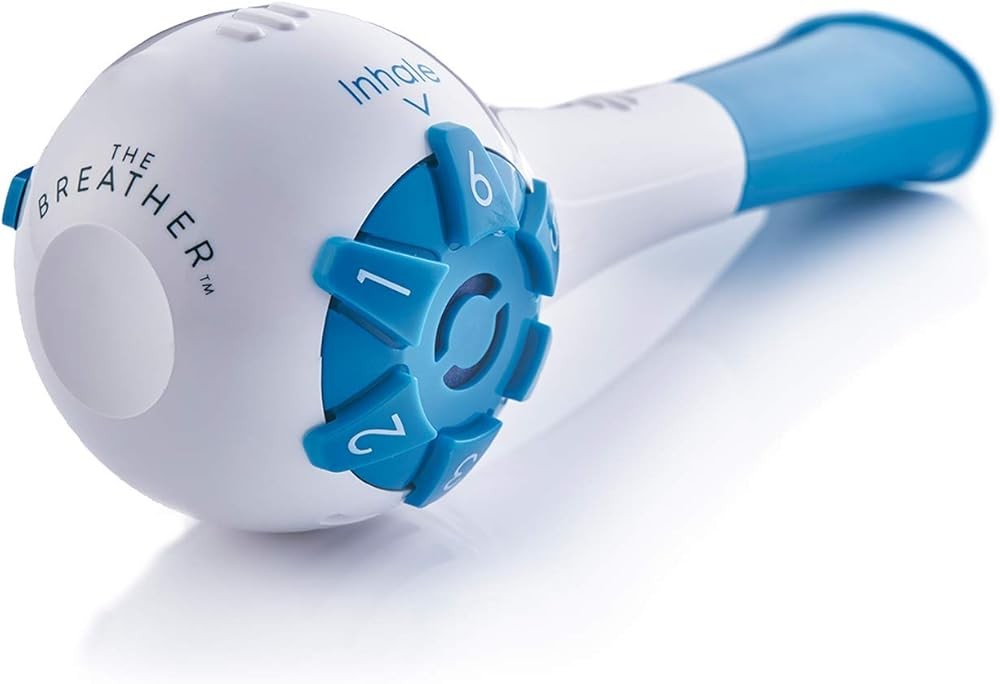
THE BREATHER Natural Breathing Exerciser Trainer
Check Price on AmazonAs an Amazon Associate we earn from qualifying purchases.
THE BREATHER provides independent resistance adjustment for both inspiratory and expiratory muscles, addressing a fundamental limitation of spirometers that only encourage inhalation without providing progressive resistance. The dual-valve threshold design allows users to set different resistance levels for inspiration versus expiration, matching the clinical finding that these muscle groups often have different degrees of weakness in various respiratory conditions.
Clinical research demonstrates that threshold-based resistance provides consistent training stimulus regardless of breathing speed, a critical advantage over flow-dependent resistance or volumetric targets. The device offers six resistance levels in each direction, supporting the gradual progression recommended in respiratory muscle training protocols that typically start at moderate resistance and increase load as strength improves.
An accompanying mobile app tracks training sessions and provides reminders, addressing the adherence challenges noted in respiratory muscle training research. Studies consistently show that patients who complete 5-6 training sessions weekly achieve significantly better results than those with inconsistent practice, making the digital tracking a valuable feature for maintaining the regular schedule necessary for muscle strength gains.
Bottom line: THE BREATHER at $49 delivers threshold-based progressive resistance training proven in clinical trials to improve maximum inspiratory pressure by 30.15% compared to 18.13% with incentive spirometry, making it the evidence-based choice for respiratory muscle strengthening rather than lung volume measurement.
What Does Research Show About Spirometer Effectiveness?
A 2003 comparative study published in Respiratory Care evaluated spirometer accuracy by testing 45 patients (mean age 38.4 years) with both a new desktop Spirospec spirometer and a standard laboratory Jaeger Masterlab 4.0 spirometer. The study included three subgroups: normal spirometry, obstructive airflow limitation, and restrictive airflow limitation, with 15 consecutive subjects in each category.
Pulmonary function measurements from the desktop spirometer correlated closely (r = 0.95-0.99) with the laboratory device, showing good limits of agreement. Differences between devices were minimal: forced vital capacity differed by 0.03 L, forced expiratory volume in the first second differed by -0.01 L, though peak expiratory flow and inspiratory flow measurements showed small but statistically significant differences.
The research demonstrates that spirometers excel at their intended purpose: accurate measurement of lung volumes and flow rates across different patient populations and disease states. This measurement capability serves essential diagnostic and monitoring functions that inspiratory muscle trainers cannot provide.
A 2021 prospective study published in Cureus examined whether consistent incentive spirometer use could improve lung function in an outpatient setting. Forty-eight patients (median age 58 years) were given incentive spirometers with instructions to perform 10 breaths three times daily while lying down, marking the highest volume achieved during each session, over 30 days.
Baseline maximal inspiration averaged 1885.4 mL, with subsequent increases observed for all participants. By week four, average maximal inspiratory volume reached 2235.4 mL. Paired t-test showed a significant difference between baseline and maximum volumes (p < 0.0001), representing a 16% increase in maximal inspiratory volume over the 30-day period. No participants reported symptoms or needed to contact their primary care physician during the study.
Key takeaway: Incentive spirometers at $26 effectively encourage lung expansion and can increase maximal inspiratory volumes by 16% over 30 days through volumetric feedback and deep breathing practice, but they provide minimal progressive resistance compared to the 30% strength improvements seen with threshold-based inspiratory muscle trainers costing $17-$49.
This incentive spirometer provides volumetric measurement up to 5000mL with a flow rate indicator, serving the post-surgical and recovery applications where spirometry excels. The device uses a piston-based chamber system that rises as the patient inhales, providing immediate visual feedback on inspiratory volume achieved during each breath.
The volumetric display helps patients understand whether they are achieving target lung expansion, particularly important after thoracic or abdominal surgery when pain and anesthesia effects may limit normal breathing depth. Clinical protocols typically recommend patients aim for specific volume targets multiple times per hour to support lung expansion and maintain adequate ventilation during the recovery period.
Flow rate indicators on this model show whether the patient is inhaling at an appropriate speed, as breathing too quickly or slowly can affect the accuracy of volume measurements and the effectiveness of lung expansion exercises. The visual feedback helps patients develop consistent breathing patterns that optimize lung inflation without causing excessive fatigue.
In summary: The Incentive Spirometer at $26 excels at its intended purpose of volumetric measurement and lung expansion encouragement during post-surgical recovery, providing quantifiable feedback that studies show can increase maximal inspiratory volume by 16% over 30 days, though it lacks the progressive resistance needed for substantial respiratory muscle strengthening.
How Do These Devices Support Different Patient Populations?
A 2023 systematic review published in World Journal of Pediatrics analyzed 10 studies involving 324 children aged 6-16 years with cerebral palsy. The review examined various respiratory interventions including breathing exercise programs, feedback respiratory training, incentive spirometer exercises, inspiratory muscle training, and combinations of these approaches added to conventional rehabilitation.
The meta-analysis showed respiratory exercises in addition to conventional rehabilitation improved inspiratory muscle strength by 22.96 cmH2O and pulmonary function including forced vital capacity by 0.60 L, forced expiratory volume at 1 second by 0.22 L, and peak expiratory flow by 0.50 L/min, with all improvements reaching statistical significance. Functional skills in daily living activities improved in intervention groups.
The findings suggest that different respiratory devices serve distinct roles in pediatric populations: incentive spirometers help measure and encourage lung volume improvement, while inspiratory muscle trainers specifically target the muscle weakness that limits functional capacity in daily activities.
Our comprehensive guide to best breathing trainer devices compares multiple training options for different clinical populations and goals.
A 2022 randomized controlled trial published in Frontiers in Pediatrics directly compared threshold inspiratory muscle training to incentive spirometry in 60 obese children and adolescents aged 8-15 years. Participants were randomized into three groups: threshold IMT (n=20), incentive spirometry (n=20), or control (n=20).
The threshold IMT group performed 30 inspiratory breaths at 40% of baseline maximum inspiratory pressure twice daily for 8 weeks. The incentive spirometry group performed 30 breaths with sustained maximum inspiration twice daily for the same period. The control group received no training device.
Results showed the threshold IMT group achieved significant improvements in 6-minute walk test distance (528.5 ± 36.2 to 561.5 ± 35.2 meters, p = 0.002) and maximum inspiratory pressure (121.2 ± 26.8 to 135.3 ± 32.1% predicted, p = 0.03). The incentive spirometry group showed a trend toward improved 6-minute walk test distance (526.9 ± 59.1 to 549.0 ± 50.6 meters, p = 0.10) but did not reach statistical significance. No significant improvements occurred in forced vital capacity, forced expiratory volume in one second, or peak expiratory flow in either intervention group.
What this means for you: For obesity-related respiratory muscle weakness in children, threshold inspiratory muscle trainers at $17-$49 produce statistically significant functional improvements in both muscle strength and walking endurance, while incentive spirometers at $26 show only trends toward improvement without reaching significance, highlighting the superior muscle strengthening effects of resistance-based training.
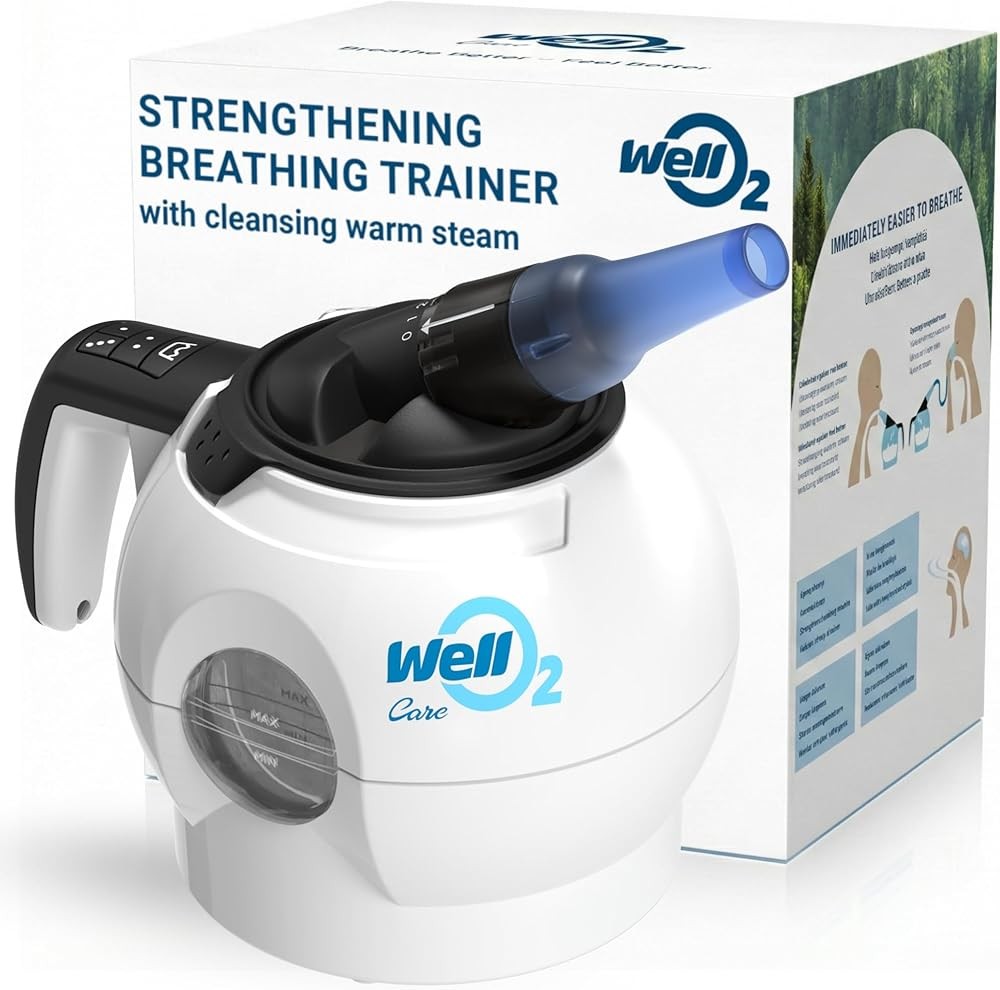
WellO2 Steam Breathing Trainer with App-Guided Sessions
Check Price on AmazonAs an Amazon Associate we earn from qualifying purchases.
This premium training system integrates threshold-based resistance with warm steam therapy and app-guided protocols, addressing multiple aspects of respiratory muscle training that neither basic trainers nor spirometers provide individually. The device combines the muscle strengthening function of threshold trainers with technological features that support optimal training progression.
The adjustable resistance system provides precise control over training intensity, following published protocols that recommend gradual increases as respiratory muscle strength improves. Unlike spirometers that provide volumetric targets, this device uses pressure-based resistance that creates the progressive overload necessary for muscle hypertrophy and strength gains.
The integrated warm steam function serves multiple purposes supported by respiratory physiology research: humidifying airways may reduce resistance during training, providing comfort for users with dry or irritated respiratory passages, and creating a preparatory ritual that encourages consistent training adherence. The steam component distinguishes this device from both standard spirometers and basic threshold trainers.
The mobile app provides structured training sessions based on protocols similar to those used in clinical trials, addressing the supervision and progression challenges that limit effectiveness of unsupervised home training. It tracks resistance levels, session duration, and progress over time, allowing users to demonstrate improvements to healthcare providers and maintain accountability between clinical visits.
Key takeaway: WellO2 at $199 delivers the most comprehensive respiratory training system combining threshold resistance, steam therapy, and digital guidance, representing a premium investment for users who want structured protocols and multi-modal training beyond the measurement focus of spirometry or basic resistance of simple trainers.
When Should Patients Use Both Devices Together?
A 2023 narrative review published in The Open Respiratory Medicine Journal examined evidence-based interventions for reducing postoperative pulmonary complications. The review analyzed 22 articles including 13 randomized controlled trials covering preoperative education on incentive spirometry, early mobilization, directed coughing, deep breathing exercises, chest physiotherapy, and inspiratory muscle training.
The literature review revealed mixed evidence for individual interventions, with some studies showing effectiveness while others found no substantial differences. However, the review concluded that patients who received multiple interventions showed significant improvement in pulmonary function postoperatively compared to single-intervention approaches.
This finding supports using both spirometers for volume monitoring and inspiratory muscle trainers for strength development as complementary tools rather than choosing one over the other. Spirometry provides quantifiable measurements of lung capacity progress, while threshold trainers build the muscle strength necessary to achieve and sustain those volumes.
A 2025 randomized controlled trial published in Multiple Sclerosis and Related Disorders examined 32 patients with multiple sclerosis randomized to intervention and control groups. All participants received balance exercises tailored to their functional level. The intervention group additionally underwent an 8-week inspiratory muscle training program using a pressure threshold loading device (Threshold IMT) at 30% of maximum inspiratory pressure for 30 minutes daily, five days per week.
Respiratory functions were assessed using a Spirolab III spirometer to measure lung volumes, while respiratory muscle strength was measured using a MicroRPM device to assess maximum inspiratory pressure. Both groups showed improvements in functional outcomes after treatment, but the IMT group demonstrated statistically greater improvements in balance, trunk control, fear of falling, functional capacity, quality of life, and respiratory muscle strength (p < 0.05).
Clinical interpretation: Spirometry served the essential measurement function of documenting baseline lung function and tracking changes, while the threshold inspiratory muscle trainer provided the progressive resistance that actually strengthened respiratory muscles, demonstrating how these devices complement rather than substitute for each other.
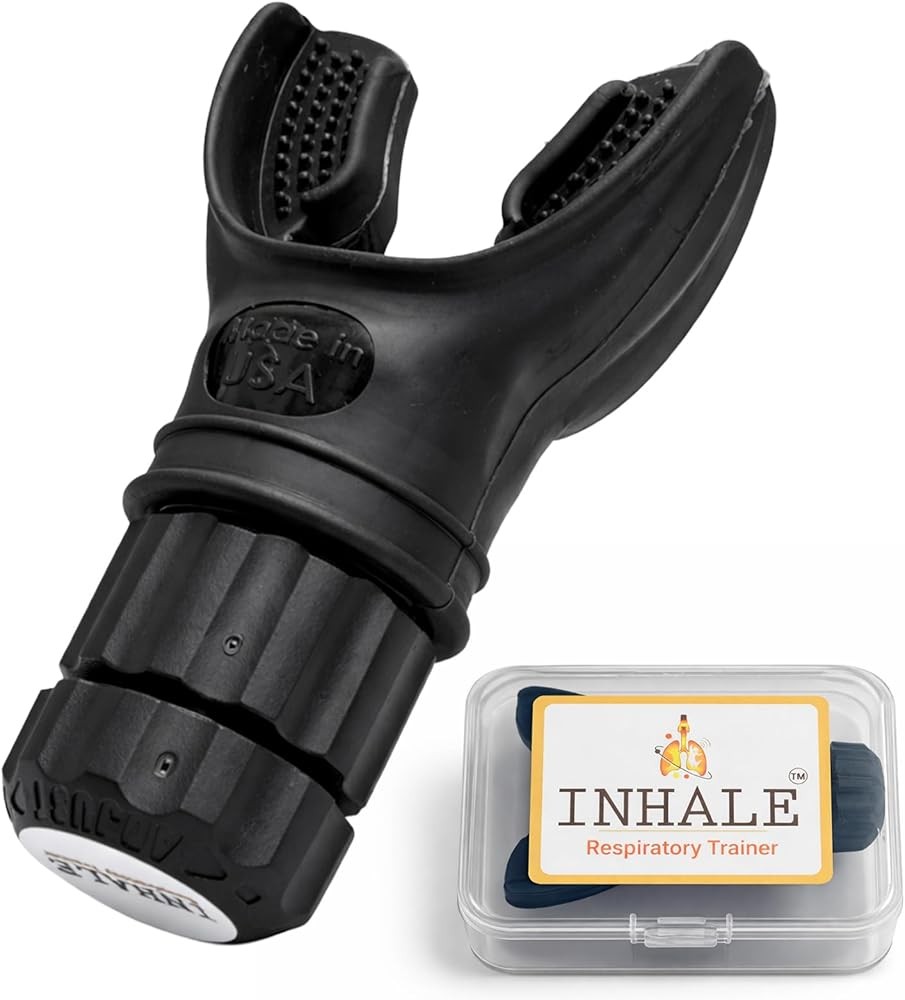
Inhale Respiratory Trainer Lung Strengthening Device
Check Price on AmazonAs an Amazon Associate we earn from qualifying purchases.
This budget-friendly respiratory trainer provides bi-directional resistance training with medical-grade silicone construction, offering the core muscle strengthening function at the lowest price point. The device uses threshold-based resistance that provides consistent training stimulus regardless of breathing speed, distinguishing it from the flow-dependent feedback that spirometers provide.
The bi-directional design allows training of both inspiratory muscles (diaphragm and external intercostals) and expiratory muscles (abdominal muscles and internal intercostals) through separate resistance channels. Research demonstrates that different respiratory conditions affect these muscle groups differently, making independent training capability valuable for comprehensive respiratory muscle development.
Medical-grade silicone construction ensures biocompatibility and durability for daily training use, addressing the frequent cleaning and maintenance requirements of respiratory training devices. The simple mechanical design eliminates batteries, charging, or electronic components, providing straightforward reliability for users who want effective muscle training without technological complexity.
In summary: The Inhale Respiratory Trainer at $17 delivers essential threshold-based resistance training for respiratory muscle strengthening at one-third the cost of mid-range trainers and one-twelfth the cost of premium systems, making it the evidence-based budget choice for muscle training distinct from the volumetric measurement function of similarly-priced spirometers.
How Do Measurement Capabilities Differ?
A 2020 comparative study published in the Journal of Manipulative and Physiological Therapeutics examined pulmonary function and respiratory muscle strength in 62 individuals with thoracic outlet syndrome (mean age 30.81 ± 10.69 years) and 47 healthy controls (mean age 30.64 ± 9.16 years). The study used two distinct types of equipment: a spirometer for pulmonary function testing and a mouth pressure device for measuring respiratory muscle strength.
Pulmonary function testing measured forced vital capacity, forced expiratory volume in one second, and peak expiratory flow rate using spirometry. Respiratory muscle strength (maximum inspiratory pressure and maximum expiratory pressure) was measured using a dedicated mouth pressure device. This distinction illustrates that spirometers measure lung volumes and airflow rates, while separate devices assess the strength of respiratory muscles that move air in and out of the lungs.
Results showed that 74.2% of patients with thoracic outlet syndrome had maximum inspiratory pressure values below the control group’s lower limit (97.05-113.88 cmH2O), and 85.2% had maximum expiratory pressure values below the control group’s lower limit (124.74-146.49 cmH2O). These muscle weakness findings were detected by pressure measurement devices rather than standard spirometry.
The research demonstrates that spirometry and respiratory muscle strength testing provide complementary but distinct information: spirometry reveals how much air moves and how fast, while pressure measurements assess the strength of muscles generating that movement.
For patients with chronic respiratory conditions who need both monitoring and strengthening, our guide to breathing exercise devices for anxiety covers how respiratory training supports both physical and psychological aspects of breathing function.
A 2025 study published in Medicina examined respiratory function in 68 high-level athletes, including 34 with prior COVID-19 infection and 34 controls. Researchers used a digital spirometer (Pony FX, Cosmed, Italy) to measure forced vital capacity, peak expiratory flow, maximum voluntary ventilation, forced expiratory volume in one second, and maximum inspiratory/expiratory pressure.
High-level athletes with prior COVID-19 infection exhibited significant differences in the correlations between forced vital capacity and peak expiratory flow, forced vital capacity and maximum voluntary ventilation, forced expiratory volume and the FEV1/FVC ratio, and maximum inspiratory pressure and maximum voluntary ventilation compared to controls (p < 0.05).
What this means for you: Spirometry at $26 provides essential diagnostic data on multiple lung function parameters including volumes, flow rates, and their interrelationships that cannot be obtained from training devices costing $17-$199, making spirometers irreplaceable for respiratory assessment despite their limited muscle strengthening capability.
What Does Research Show About Training Protocol Differences?
A 2014 study published in Journal of Physical Therapy Science examined 18 stroke patients randomly assigned to experimental (n=9) and control (n=9) groups. The experimental group received inspiratory muscle training with abdominal stimulation, while the control group received only inspiratory muscle training, both for 20 minutes daily, three times weekly for four weeks.
To examine lung functions, researchers measured forced vital capacity, forced expiratory volume in one second, peak expiratory flow, and forced expiratory flow at 25-75% using an electronic spirometer. The spirometer served as the measurement tool to document changes, while the inspiratory muscle training device provided the intervention. Diaphragm thickness ratio was calculated from ultrasound measurements.
Both groups showed significant increases in diaphragm thickness ratio on the affected side. Regarding lung function, the experimental group showed significant increases in forced expiratory volume in one second, peak expiratory flow, and forced expiratory flow at 25-75%. When comparing changes between groups, results showed significant differences in forced expiratory volume and peak expiratory flow.
Clinical insight: The study used spirometry as the measurement standard to evaluate improvements from inspiratory muscle training, demonstrating that these devices serve complementary roles - spirometers quantify outcomes while trainers provide the progressive resistance intervention that produces those outcomes.
A 2016 study published in the International Journal of Chronic Obstructive Pulmonary Disease investigated immediate effects of manual therapy on respiratory functions in 30 patients with severe COPD (mean age 62.4 ± 6.8 years). Researchers measured lung function using a portable spirometer and respiratory muscle strength using an electronic pressure transducer.
Results showed significant improvements in forced expiratory volume in the first second, forced vital capacity, and vital capacity values (p < 0.05). Maximum inspiratory pressure and maximum expiratory pressure values increased significantly after intervention (p < 0.05), along with significant decreases in heart rate, respiratory rate, dyspnea, and fatigue perception (p < 0.05).
Bottom line: In clinical research, spirometers at $26 serve as the gold standard for measuring forced vital capacity and forced expiratory volumes that document respiratory improvements, while pressure measurement devices or inspiratory muscle trainers at $17-$49 assess and develop the muscle strength that enables those lung volumes, showing how measurement and training tools fulfill distinct but complementary purposes in respiratory care.
Can These Devices Complement Each Other in Recovery?
A 2024 study published in Current Research in Physiology examined 11 patients with cervical spinal cord injury using respiratory inductance plethysmography alongside spirometry. Researchers measured ventilatory volume by spirometry while simultaneously tracking chest and abdominal motion during maximal inspiratory efforts.
Mean inspiratory capacity measured 1.828 ± 0.459 L by spirometry. Chest wall contribution accounted for 1.343 ± 0.568 L, while abdominal contribution was 0.485 ± 0.427 L. A significant correlation existed between inspiratory capacity and rib cage motion (r = 0.67, p = 0.02), indicating that rib cage movement significantly influences inspiratory capacity in cervical spinal cord injury patients.
This research demonstrates that spirometry provides crucial measurement data about total lung volumes, while understanding the muscular contributions to those volumes helps target respiratory muscle training interventions. For cervical spinal cord injury patients with limited rib cage mobility, threshold inspiratory muscle trainers could strengthen the diaphragm to compensate, with spirometry tracking whether these strength gains translate to increased lung volumes.
For runners and endurance athletes seeking to optimize respiratory capacity, our guide to best lung trainers for runners covers sport-specific training protocols and device selection.
The evidence suggests that optimal respiratory rehabilitation often involves using spirometers to establish baseline measurements, identify specific deficits, and track progress over time, while simultaneously using inspiratory muscle trainers to provide the progressive resistance necessary for strengthening the muscles that spirometry has identified as weak.
How Should You Choose Between These Devices?
The choice between inspiratory muscle trainers and spirometers depends entirely on your specific respiratory health goal. Published research demonstrates these devices serve fundamentally different purposes that rarely overlap.
Choose an inspiratory muscle trainer ($17-$199) if your goal is to strengthen respiratory muscles for improved breathing capacity, athletic performance, or recovery from conditions causing muscle weakness. Clinical trials consistently show threshold-based trainers produce 30% improvements in maximum inspiratory pressure with 6-8 weeks of progressive resistance training. These devices provide progressive resistance similar to weightlifting for respiratory muscles.
Choose an incentive spirometer ($26) if your goal is to measure lung volumes, monitor post-surgical recovery, or track changes in respiratory capacity over time. Research demonstrates spirometers accurately measure forced vital capacity, forced expiratory volumes, and peak flows with correlation coefficients of 0.95-0.99 compared to laboratory-grade equipment. These devices excel at quantifying respiratory function but provide minimal muscle strengthening.
Consider using both devices together when comprehensive respiratory rehabilitation is needed. Evidence from postoperative pulmonary complication research shows that multiple interventions produce superior outcomes compared to single-device approaches. Spirometry establishes baseline measurements and tracks volumetric progress, while inspiratory muscle training builds the strength necessary to achieve and sustain those volumes.
For patients managing chronic respiratory conditions who need ongoing assessment alongside muscle strengthening, the combination of regular spirometry measurements (weekly or monthly) with daily inspiratory muscle training sessions follows the protocols used in successful clinical trials. The spirometer documents whether muscle training is translating to improved lung function, while the trainer provides the progressive overload needed for continued strength gains.
Athletic populations seeking performance improvements should prioritize inspiratory muscle trainers that provide adjustable threshold resistance, as research shows these devices produce measurable gains in respiratory muscle strength and endurance. Spirometry can serve as a pre-training and post-training assessment tool to document improvements in peak expiratory flow and maximum voluntary ventilation, but the training itself requires resistance-based devices.
Post-surgical patients typically start with incentive spirometry for lung expansion and volume measurement during the acute recovery phase, then potentially progress to inspiratory muscle training if respiratory muscle weakness persists beyond the initial healing period. This staged approach matches the different recovery needs at different time points after surgery.
Related Reading
- Best Breathing Trainer Devices: Research-Based Guide to Respiratory Muscle Training
- Breathing Trainers for COPD and Asthma: Evidence-Based Guide
- Respiratory Muscle Training Benefits: What the Research Shows
- Breathing Trainers for Athletes: Performance Enhancement Guide
- Best Lung Trainer for Runners: Evidence-Based Performance Guide
- Breathing Exercise Devices for Anxiety: Research-Based Guide
- Airofit Pro Review: Research-Based Analysis of App-Guided Breathing Training
References
-
Yusuf SFM, Bhise A, Nuhmani S, Alghadir AH, Khan M. Effects of an incentive spirometer versus a threshold inspiratory muscle trainer on lung functions in Parkinson’s disease patients: a randomized trial. Sci Rep. 2023. https://pubmed.ncbi.nlm.nih.gov/36781936/
-
Cayeiro-Marín M, Merino-Andrés J, Hidalgo-Robles Á, Ladriñán-Maestro A, Sánchez-Sierra A. Effects of pulmonary function improvement devices in the pediatric population with cerebral palsy: Systematic review and meta-analysis of randomized clinical trials. Respir Med. 2024. https://pubmed.ncbi.nlm.nih.gov/38908411/
-
Crispim TRL, Gomes Neto M, Crispim TRL, Dias RB, Albuquerque MDM. Addition of respiratory exercises to conventional rehabilitation for children and adolescents with cerebral palsy: a systematic review and meta-analysis. World J Pediatr. 2023. https://pubmed.ncbi.nlm.nih.gov/36376558/
-
Ban YLA, Istiana AS, Nuratiqah NA, Ng BH, Azzlinda OR. The benefits of early pulmonary rehabilitation with incentive spirometer among chronic obstructive pulmonary disease patients with exacerbation of chronic obstructive pulmonary disease. Med J Malaysia. 2024. https://pubmed.ncbi.nlm.nih.gov/39352158/
-
Jung JH, Shim JM, Kwon HY, Kim HR, Kim BI. Effects of Abdominal Stimulation during Inspiratory Muscle Training on Respiratory Function of Chronic Stroke Patients. J Phys Ther Sci. 2014. https://pubmed.ncbi.nlm.nih.gov/24567679/
-
Swart F, Schuurmans MM, Heydenreich JC, Pieper CH, Bolliger CT. Comparison of a new desktop spirometer (Spirospec) with a laboratory spirometer in a respiratory out-patient clinic. Respir Care. 2003. https://pubmed.ncbi.nlm.nih.gov/12780945/
-
Yelvar GDY, Çirak Y, Demir YP, Dalkilinç M, Bozkurt B. Immediate effect of manual therapy on respiratory functions and inspiratory muscle strength in patients with COPD. Int J Chron Obstruct Pulmon Dis. 2016. https://pubmed.ncbi.nlm.nih.gov/27382271/
-
Duman Özkan T, Oğuz S, Ünal E, Emir C, Polat MG. Effects of inspiratory muscle training on balance, trunk control, fear of falling, respiratory function, and quality of life in people with multiple sclerosis: a randomized controlled trial. Mult Scler Relat Disord. 2025. https://pubmed.ncbi.nlm.nih.gov/40848620/
-
Saglam M, Firat T, Vardar-Yagli N, Calik-Kutukcu E, Delioglu K. Respiratory Dysfunction in Individuals With Thoracic Outlet Syndrome. J Manipulative Physiol Ther. 2020. https://pubmed.ncbi.nlm.nih.gov/32829949/
-
Toor H, Kashyap S, Yau A, Simoni M, Farr S. Efficacy of Incentive Spirometer in Increasing Maximum Inspiratory Volume in an Out-Patient Setting. Cureus. 2021. https://pubmed.ncbi.nlm.nih.gov/34754645/
-
Dhillon G, Buddhavarapu VS, Grewal H, Munjal R, Verma RK. Evidence-based Practice Interventions for Reducing Postoperative Pulmonary Complications: A Narrative Review. Open Respir Med J. 2023. https://pubmed.ncbi.nlm.nih.gov/38655075/
-
Kaeotawee P, Udomittipong K, Nimmannit A, Tovichien P, Palamit A. Effect of Threshold Inspiratory Muscle Training on Functional Fitness and Respiratory Muscle Strength Compared to Incentive Spirometry in Children and Adolescents With Obesity: A Randomized Controlled Trial. Front Pediatr. 2022. https://pubmed.ncbi.nlm.nih.gov/35874588/
-
Kabak B, Erdoğan M, Tortu E, Deliceoğlu G, Bulgay C. COVID-19 Alters Respiratory Function Associations in High-Level Athletes. Medicina (Kaunas). 2025. https://pubmed.ncbi.nlm.nih.gov/41011042/
-
Larson M, Kim MJ. Respiratory muscle training with the incentive spirometer resistive breathing device. Heart Lung. 1984. https://pubmed.ncbi.nlm.nih.gov/6564101/
-
Yoshida R, Kawamura K, Setaka Y, Woo H, Ishii N. Rib cage contributions to inspiratory capacity in patients with cervical spinal cord injury. Curr Res Physiol. 2024. https://pubmed.ncbi.nlm.nih.gov/38831755/
Recommended Products