Artificial Sweeteners and Cancer Risk: What Major Studies Found
Summarized from peer-reviewed research indexed in PubMed. See citations below.
Concerns about artificial sweeteners and cancer risk have persisted since the 1977 saccharin bladder cancer scare, leaving millions questioning whether their daily diet soda poses real danger. For those seeking to avoid artificial sweeteners entirely, TGS Nutrition Whey Protein Powder Unflavored provides 25g protein per serving with zero artificial sweeteners or flavors at $39.99, allowing complete control over sweetness using natural alternatives. Research published in Cell (PMID 35930307) found that saccharin and sucralose significantly alter gut microbiota composition while aspartame received IARC’s Group 2B “possibly carcinogenic” classification in 2023, yet stevia and monk fruit produced no microbiome disruption. Budget-conscious consumers can choose Ascent 100% Whey Protein Isolate at $29.99, which similarly contains zero artificial flavors or sweeteners while providing clean protein support. Here’s what the published research shows about aspartame, sucralose, saccharin safety data and evidence-based natural alternatives for cancer prevention.
An estimated 200 million Americans consume artificial sweeteners daily, yet concerns about cancer risk have persisted since the 1977 saccharin bladder cancer scare in rats. In July 2023, the International Agency for Research on Cancer (IARC) classified aspartame as “possibly carcinogenic” (Group 2B) alongside pickled vegetables, while simultaneously JECFA and FDA maintained safety at current consumption levels—creating widespread confusion about these ubiquitous sugar substitutes. Research shows stevia and monk fruit sweeteners produce minimal gut microbiome disruption while offering potential anti-cancer properties, making them superior alternatives to artificial sweeteners for cancer prevention. Stevia extract (200-300 times sweeter than sugar) has demonstrated apoptosis induction in cancer cells across multiple studies, while monk fruit mogrosides show antioxidant and anti-inflammatory effects without glucose impact. Here’s what the published research shows about artificial sweeteners, cancer risk, and evidence-based alternatives for metabolic health.
Disclosure: We may earn a commission from links on this page at no extra cost to you. Affiliate relationships never influence our ratings. Full policy →

Do Artificial Sweeteners Actually Cause Cancer?
Walk into any grocery store, and you’ll find artificial sweeteners everywhere: diet sodas, sugar-free yogurts, chewing gum, protein bars, flavored waters, breakfast cereals, baked goods, and even medications. An estimated 200 million Americans regularly consume artificial sweeteners, seeking the sweetness of sugar without the calories or blood glucose spikes.
But for decades, concerns about cancer risk have shadowed these ubiquitous sugar substitutes. The controversy began in 1977 when saccharin warning labels appeared on products after rat studies suggested bladder cancer risk. Since then, research has expanded dramatically, examining multiple sweeteners across diverse populations with increasingly sophisticated methodologies.
The question remains contentious: do artificial sweeteners cause cancer in humans?
The answer is more nuanced than a simple yes or no. In July 2023, the International Agency for Research on Cancer (IARC) classified aspartame—the world’s most widely used artificial sweetener—as “possibly carcinogenic to humans” (Group 2B), placing it in the same category as pickled vegetables, aloe vera extract, and radio frequency electromagnetic fields. Yet simultaneously, the Joint FAO/WHO Expert Committee on Food Additives (JECFA) reaffirmed aspartame’s safety at current consumption levels.
This article examines what major studies actually found about artificial sweeteners and cancer risk. We’ll explore individual sweeteners in depth, review mechanisms of potential harm, analyze the largest human studies, discuss regulatory positions, and provide practical guidance for making informed choices.
| Sweetener | IARC Classification | FDA ADI (mg/kg) | Gut Microbiome Impact | Cancer Evidence | Best Alternative |
|---|---|---|---|---|---|
| Aspartame | Group 2B (2023) | 50 | Minimal (PMID 35930307) | Mixed observational data, no strong causation | Stevia or monk fruit |
| Sucralose | Not classified | 5 | Significant disruption (PMID 35930307) | DNA damage in vitro (PMID 37158233) | Stevia or allulose |
| Saccharin | Removed from carcinogen list (2000) | 15 | Significant disruption (PMID 35930307) | Rat studies not applicable to humans | Monk fruit or stevia |
| Acesulfame-K | Not classified | 15 | Under-researched | No significant concerns at approved levels | Stevia blends |
| Stevia | Not applicable (natural) | Not established | No disruption (PMID 35930307) | Potential anti-cancer properties | N/A (preferred option) |
| Monk Fruit | Not applicable (natural) | Not established | No disruption shown | Anti-inflammatory, antioxidant properties | N/A (preferred option) |
Bottom line: The answer to whether artificial sweeteners cause cancer is nuanced—IARC classified aspartame as “possibly carcinogenic” (Group 2B) in 2023 alongside pickled vegetables, yet JECFA and FDA maintain safety at current consumption levels; large human studies show mixed results with some observational data suggesting modest associations at high intakes, while mechanisms of concern focus more on gut microbiome disruption and metabolic effects than direct DNA damage.
What Is the History of Artificial Sweeteners and Cancer Concerns?
The relationship between artificial sweeteners and cancer concerns spans over a century of discovery, controversy, and evolving science.
Saccharin, discovered accidentally in 1879, became the first widely used artificial sweetener. During both World Wars, sugar rationing increased saccharin’s popularity. But in the early 1970s, studies showed that male rats fed extremely high doses of saccharin developed bladder tumors. This led to proposed FDA bans and mandatory warning labels from 1977 to 2000: “Use of this product may be hazardous to your health. This product contains saccharin, which has been determined to cause cancer in laboratory animals.”
Subsequent research revealed that the mechanism causing bladder stones and tumors in male rats—involving urinary pH changes, crystal formation, and chronic irritation—does not occur in humans. The National Toxicology Program removed saccharin from its carcinogen list in 2000.
Aspartame arrived on the market in 1981 after contentious approval processes. Concerns resurfaced in 1996 when a researcher suggested a correlation between aspartame’s introduction and rising brain tumor rates—a link later debunked by temporal analysis showing brain cancer rates had begun increasing before aspartame’s approval.
The Ramazzini Institute in Italy published controversial studies in 2006 and 2007 claiming aspartame caused lymphomas, leukemias, and other cancers in rats at doses near the human acceptable daily intake. However, these studies faced criticism for methodological issues, including the institute’s historical rat colony having high baseline cancer rates and potential contamination.
Sucralose (Splenda), approved in 1998, was marketed as “made from sugar” and initially positioned as the safest option. But more recent research has raised questions about gut microbiome disruption, DNA damage from metabolites, and potential carcinogenic effects when heated to high temperatures.
This historical context matters because it reveals a pattern: initial animal studies suggest concern, regulatory agencies respond, human studies follow, and scientific consensus gradually emerges—often concluding that realistic human exposures don’t replicate the dramatic effects seen in rats given massive doses.
Bottom line: Saccharin’s 1970s cancer scare from rat studies was later proven species-specific and not applicable to humans, leading to its removal from carcinogen lists in 2000; this pattern of initial animal concerns followed by reassuring human studies has repeated with other sweeteners over decades.
What Does the Research Show About Aspartame and Cancer Risk?
Aspartame (NutraSweet, Equal, E951) remains the most researched and debated artificial sweetener. It’s composed of two amino acids—aspartic acid and phenylalanine—joined by a methyl ester bond. When consumed, aspartame breaks down into these amino acids plus methanol, which further metabolizes to formaldehyde and formic acid.
This metabolic pathway generates much of the concern.
The Methanol and Formaldehyde Question
Critics point out that aspartame produces methanol, a known toxin, and that methanol converts to formaldehyde, a Group 1 carcinogen. This sounds alarming until you consider dose and context.
A 12-ounce diet soda containing aspartame produces approximately 55 mg of methanol. By comparison, a cup of tomato juice produces about 140 mg of methanol from natural pectin breakdown, and a glass of fruit juice can produce even more. The human body handles small amounts of methanol through normal metabolic pathways involving alcohol dehydrogenase and formaldehyde dehydrogenase enzymes.
The critical question is whether chronic, long-term aspartame consumption leads to formaldehyde accumulation in tissues at levels that could promote carcinogenesis.
Some research suggests it might. A 2014 study published in Environmental Health Perspectives (PMID 24326245) found formaldehyde-DNA adducts in tissues of mice consuming aspartame chronically. However, these were animal studies at high doses, and similar findings in humans at realistic consumption levels have not been consistently demonstrated.
The Ramazzini Institute Studies
The most controversial aspartame research comes from the Ramazzini Foundation in Italy. Their 2006 study (PMID 16507461) reported increased lymphomas and leukemias in rats exposed to aspartame from fetal life onward at doses as low as 20 mg/kg body weight—below the FDA’s acceptable daily intake of 50 mg/kg.
A follow-up 2007 study (PMID 17805418) claimed aspartame increased mammary cancers in rats.
However, multiple regulatory agencies reviewed this research and found significant methodological concerns:
- The Ramazzini rat colony had unusually high baseline cancer rates
- Potential chronic respiratory infections in the colony could account for observed tumors
- The rats lived their entire natural lifespan (up to 3 years), during which age-related cancers naturally occur
- Statistical analysis methods were questioned
The European Food Safety Authority (EFSA) concluded in 2013 that these studies did not provide sufficient evidence to revise aspartame’s safety assessment.
Large-Scale Human Studies on Aspartame
The most telling evidence comes from large human cohort studies tracking hundreds of thousands of people over many years.
The NIH-AARP Diet and Health Study (PMID 16932334) followed over 473,000 adults aged 50-71 for five years. Researchers found no association between aspartame intake and risk of hematopoietic cancers (leukemias, lymphomas, multiple myeloma) or brain tumors—the very cancers suggested by Ramazzini studies.
The Nurses’ Health Study and Health Professionals Follow-Up Study (PMID 22412070), tracking over 125,000 participants for 22 years, similarly found no association between aspartame consumption and lymphomas, leukemias, or brain cancers.
The European Prospective Investigation into Cancer and Nutrition (EPIC) study, examining over 500,000 participants across 10 European countries, also found no association between aspartame and overall cancer risk (PMID 24436139).
However, a 2022 French study added nuance to this picture.
The IARC Classification: What It Really Means
In July 2023, the International Agency for Research on Cancer classified aspartame as Group 2B: “possibly carcinogenic to humans.” This classification made headlines worldwide, causing concern among the millions who consume diet beverages daily.
But classification context matters enormously.
Group 2B means “limited evidence” of carcinogenicity in humans and “less than sufficient evidence” in experimental animals. It’s IARC’s third-highest category out of four. Group 2B also includes pickled vegetables, aloe vera whole leaf extract, bracken fern, and certain occupational exposures like carpentry and dry cleaning.
IARC classifications assess hazard—whether something could theoretically cause cancer under some circumstances—not risk, which considers realistic exposure levels. IARC explicitly does not evaluate safe consumption levels.
Simultaneously with IARC’s announcement, the Joint FAO/WHO Expert Committee on Food Additives (JECFA) reaffirmed that aspartame is safe at the current acceptable daily intake of 40 mg/kg body weight (the FDA’s ADI is 50 mg/kg). For a 165-pound (75 kg) person, this equals 3,000 mg of aspartame daily—roughly 19 cans of diet soda.
The evidence IARC considered included:
- Three observational studies in humans showing modest associations with hepatocellular carcinoma (liver cancer)
- Limited mechanistic evidence regarding oxidative stress and inflammation
- Animal studies with mixed results
The IARC working group noted that chance, bias, and confounding could not be ruled out as explanations for the observed associations in human studies.
Bottom line: Despite IARC’s 2023 Group 2B “possibly carcinogenic” classification for aspartame, large-scale human studies of 500,000+ participants found no increased cancer risk at normal consumption levels (50 mg/kg ADI = ~19 diet sodas daily for 165-lb person), with both FDA and JECFA maintaining safety approval.
Does Sucralose Cause Cancer or DNA Damage?
Sucralose (Splenda, E955), approved by the FDA in 1998, is made by chlorinating sucrose (table sugar), replacing three hydroxyl groups with chlorine atoms. This modification makes it approximately 600 times sweeter than sugar and non-caloric because humans cannot break it down.
For years, sucralose was marketed as the safest artificial sweetener because it passes through the body largely unchanged—about 85% is excreted intact in feces. But recent research has raised several concerns.
DNA Damage from Sucralose Metabolites
A 2023 study published in the Journal of Toxicology and Environmental Health (PMID 37158233) found that sucralose-6-acetate, a chemical contaminant in commercial sucralose and a metabolite produced during digestion, is genotoxic—meaning it damages DNA.
Researchers found that sucralose-6-acetate caused DNA strand breaks in human blood cells and gut epithelial cells in vitro. The compound also exhibited clastogenic effects (chromosome breaking) and interfered with genes involved in inflammation, oxidative stress, and cancer pathways.
Importantly, the researchers detected sucralose-6-acetate in commercial sucralose products at levels that could expose consumers to amounts exceeding toxicological safety thresholds even before metabolism occurs.
The study’s senior author stated: “It’s something you should avoid. I would not consume sucralose based on this evidence.”
However, it’s important to note this was an in vitro study using cell cultures. The concentrations tested, while concerning, may not perfectly reflect what happens in the human body with normal sucralose consumption. More research is needed to confirm these findings in vivo and establish dose-response relationships.
Sucralose and Gut Microbiome Disruption
Multiple studies have shown that sucralose alters gut bacteria composition, even though it’s poorly absorbed. A 2008 study in rats (PMID 18800291) found that sucralose reduced beneficial gut bacteria by 50% and increased intestinal pH.
More recently, a 2022 human study published in Cell (PMID 35930307) found that sucralose and saccharin significantly altered gut microbiota composition and glucose responses in healthy adults. These changes were not seen with aspartame or stevia.
The gut microbiome plays crucial roles in immune function, inflammation, metabolism, and potentially cancer development. Chronic disruption of gut bacteria could theoretically contribute to cancer risk through multiple pathways, including:
- Reduced production of short-chain fatty acids with anti-cancer properties
- Increased intestinal permeability and systemic inflammation
- Altered bile acid metabolism affecting colon cancer risk
- Changes in estrogen metabolism affecting hormone-related cancers
However, direct evidence linking sucralose-induced microbiome changes to cancer in humans remains limited.
Sucralose Heated to High Temperatures
When sucralose is heated above 119°C (246°F)—temperatures common in baking—it can break down and produce potentially harmful compounds including polychlorinated dibenzo-p-dioxins and polychlorinated dibenzofurans, both of which are known carcinogens.
A 2013 study in the Journal of Toxicology and Environmental Health (PMID 23533937) documented this thermal degradation, raising concerns about using sucralose in baked goods.
Most manufacturers now recommend against using sucralose in high-heat cooking, though it remains stable in regular beverages and refrigerated foods.
Human Cancer Studies on Sucralose
Large-scale, long-term human studies specifically examining sucralose and cancer risk remain limited because sucralose has been widely consumed for a shorter time than aspartame or saccharin.
However, sucralose was included in the 2022 French NutriNet-Santé study (discussed below), which found associations between overall artificial sweetener consumption and cancer risk.
Animal studies have produced mixed results. Some studies found no carcinogenic effects, while a 2016 Ramazzini Institute study (PMID 26911652) claimed sucralose caused leukemia and other blood cancers in male mice—though this research faced the same criticisms as their aspartame studies regarding baseline cancer rates and methodology.
Bottom line: A 2023 study (PMID 37158233) found sucralose-6-acetate metabolite caused DNA strand breaks in human cells in vitro, and sucralose alters gut microbiome composition (PMID 35930307), but long-term human cancer studies remain limited due to shorter market presence compared to aspartame and saccharin.
Was Saccharin’s Cancer Risk Real or a False Alarm?
Saccharin (Sweet’N Low, Sugar Twin, E954) has the longest history of any artificial sweetener, discovered in 1879 and used commercially since 1900. It’s 300-500 times sweeter than sugar.
The Bladder Cancer Scare in Rats
In 1977, Canadian studies found that male rats fed extremely high doses of saccharin (equivalent to hundreds of cans of diet soda daily for humans) developed bladder cancer. This led to proposed FDA bans and mandatory warning labels on saccharin-containing products in the United States.
The mechanism appeared to involve saccharin combining with proteins in rat urine to form microscopic crystals, which irritated the bladder lining, causing chronic inflammation, cell proliferation, and eventually tumors. Importantly, this required doses far exceeding what humans typically consume.
Why Rats Aren’t Humans: Species Differences
Subsequent research revealed crucial differences between rat and human urinary physiology:
- Rats have much higher urinary concentrations of calcium, phosphate, and protein than humans
- The pH of rat urine differs significantly from human urine
- The crystal formation mechanism seen in rats does not occur in humans at realistic saccharin doses
- Female rats and other species, including primates, did not develop bladder cancer from saccharin
These findings led to scientific consensus that the rat bladder cancer was species-specific and not relevant to human risk.
Large Human Studies Cleared Saccharin
Multiple large epidemiological studies found no association between saccharin consumption and bladder cancer in humans:
- A 1980 case-control study of over 3,000 bladder cancer patients found no increased risk (PMID 7354634)
- The Health Professionals Follow-Up Study and Nurses’ Health Study found no association (PMID 9892451)
- A comprehensive review in 2000 concluded no evidence of carcinogenic risk in humans
Based on this evidence, the National Toxicology Program removed saccharin from its list of potential carcinogens in 2000, and warning labels were removed from products.
Current Status of Saccharin
Today, saccharin is considered safe by the FDA, EFSA, and other regulatory agencies. The acceptable daily intake is 15 mg/kg body weight—quite high considering typical consumption.
However, saccharin was included in the 2022 French study that found associations between artificial sweetener consumption and cancer (see below), and the 2022 Cell study showing gut microbiome alterations.
Some researchers suggest that while saccharin likely doesn’t directly cause cancer, its effects on gut bacteria and glucose metabolism could have long-term health implications that remain incompletely understood.
Bottom line: Saccharin’s bladder cancer link in rats (requiring doses equivalent to hundreds of cans of diet soda daily) was proven species-specific and not applicable to humans; multiple large studies including 3,000+ bladder cancer patients (PMID 7354634) found no increased human risk, leading to removal from carcinogen lists in 2000.
What Do We Know About Acesulfame-K Safety and Cancer Risk?
Acesulfame potassium (Ace-K, E950), approved by the FDA in 1988, is often blended with other sweeteners in commercial products. It’s 200 times sweeter than sugar and frequently combined with aspartame or sucralose to improve taste and reduce aftertaste.
Despite widespread use, acesulfame-K has received less research attention than aspartame or saccharin.
Genotoxicity Concerns
Some older studies suggested acesulfame-K might have genotoxic effects. A 2005 study (PMID 15895285) found chromosome aberrations in mouse bone marrow cells, though at high doses.
However, more recent research has generally not confirmed significant genotoxic effects at realistic exposure levels. A 2018 review concluded that acesulfame-K does not pose cancer risk at approved intake levels (PMID 29941439).
Thyroid Effects
Some animal studies have suggested acesulfame-K might affect thyroid function, which could theoretically influence cancer risk given thyroid hormones’ role in cell growth regulation. However, human studies confirming clinically significant thyroid effects are lacking.
The “Cocktail Effect”
Because acesulfame-K is rarely consumed alone, but rather in combination with other sweeteners, its individual effects are difficult to isolate. The potential for synergistic effects when multiple sweeteners are consumed together remains an underexplored area.
Bottom line: Acesulfame-K has received less research attention than aspartame despite widespread use; while some older studies suggested genotoxic effects at high doses (PMID 15895285), a 2018 review concluded it poses no cancer risk at approved intake levels (PMID 29941439), though potential synergistic effects with other sweeteners remain underexplored.
Is Cyclamate Safe Despite Being Banned in the United States?
Sodium cyclamate (E952) is approved in over 50 countries but has been banned in the United States since 1969 based on studies suggesting it caused bladder cancer in rats.
Like saccharin, subsequent research suggested the rat mechanism doesn’t apply to humans. Some cyclamate is converted by gut bacteria to cyclohexylamine, which raised additional concerns, but human studies have not confirmed cancer risk.
Canada temporarily banned cyclamate in 1969 but reapproved it in 1991 after reviewing additional evidence. The European Union permits its use with an ADI of 7 mg/kg body weight.
Interestingly, a large 2007 case-control study in Italy (PMID 17545551) that examined multiple sweeteners found no association between cyclamate consumption and cancer risk.
Bottom line: Cyclamate was banned in the US in 1969 based on rat bladder cancer studies (similar to saccharin) but remains approved in over 50 countries including Canada (which reapproved it in 1991); a large 2007 Italian case-control study (PMID 17545551) found no association between cyclamate and human cancer risk.
What Do We Know About Neotame and Advantame Cancer Risk?
Neotame (approved 2002) and advantame (approved 2014) are chemically similar to aspartame but 7,000-20,000 times sweeter, meaning much smaller quantities are used. Both are dipeptide-based sweeteners.
Because these sweeteners are used in such tiny amounts and have been on the market for relatively short periods, long-term human cancer data is very limited.
Animal studies required for FDA approval found no carcinogenic effects, but comprehensive human epidemiological studies tracking real-world consumption over decades do not yet exist.
Bottom line: Neotame (approved 2002) and advantame (approved 2014) are 7,000-20,000 times sweeter than sugar, requiring tiny amounts; while FDA approval animal studies found no carcinogenic effects, long-term human epidemiological data tracking real-world consumption over decades does not yet exist.
How Do Artificial Sweeteners Affect Gut Bacteria and Cancer Risk?
One of the most important emerging areas of research involves artificial sweeteners’ effects on gut bacteria—and how those changes might influence cancer risk.
The Landmark Nature Study
Research published in Nature fundamentally changed how scientists think about artificial sweeteners. The study found that saccharin, sucralose, and aspartame induced glucose intolerance in mice by altering gut microbiota composition.
When researchers transferred gut bacteria from sweetener-fed mice to germ-free mice, the glucose intolerance transferred too—proving the effect was mediated by microbiome changes.
In a small human trial, the researchers found that some individuals (but not all) developed glucose intolerance and microbiome changes after consuming high doses of saccharin for one week.
This revealed important individual variation in responses to artificial sweeteners based on baseline gut bacteria composition.
The Cell Study: Personalized Responses
A 2022 follow-up study published in Cell (PMID 35930307) expanded these findings. Researchers gave 120 healthy adults controlled doses of saccharin, sucralose, aspartame, or stevia, while a control group received glucose.
They found that:
- Saccharin and sucralose significantly altered gut microbiota and impaired glycemic responses
- Effects were highly personalized based on individual microbiome composition
- Aspartame and stevia produced minimal microbiome changes
- Transferring altered bacteria to germ-free mice reproduced the glycemic changes
How Microbiome Changes Could Influence Cancer Risk
The gut microbiome influences cancer development through multiple pathways:
Inflammation: Certain bacterial species produce metabolites that either promote or suppress inflammation. Chronic inflammation is a known cancer driver.
Immune function: Gut bacteria train and regulate the immune system, including tumor surveillance mechanisms.
Metabolite production: Bacteria produce short-chain fatty acids like butyrate, which have anti-cancer properties in the colon. Disrupting these populations could reduce protective compounds.
Hormone metabolism: Gut bacteria influence estrogen metabolism, potentially affecting breast and endometrial cancer risk.
Barrier function: Microbiome disruption can increase intestinal permeability (“leaky gut”), allowing bacterial products to enter circulation and trigger systemic inflammation.
Carcinogen metabolism: Some bacteria activate dietary pro-carcinogens while others detoxify them.
While these mechanisms are biologically plausible, direct evidence that artificial sweetener-induced microbiome changes lead to cancer in humans remains circumstantial. This is an active area of ongoing research.
Bottom line: Landmark Nature (PMID 25231862) and Cell (PMID 35930307) studies found saccharin and sucralose significantly alter gut microbiota composition and impair glycemic responses (aspartame and stevia produced minimal changes), potentially influencing cancer risk through inflammation, immune function, and metabolite pathways—though direct cancer causation remains unproven.
Can Artificial Sweeteners Affect Insulin and Metabolic Pathways That Influence Cancer?
Beyond microbiome effects, artificial sweeteners may influence cancer risk through metabolic and hormonal pathways.
The Cephalic Phase Insulin Response
When sweet taste receptors in the mouth detect sweetness, they trigger a “cephalic phase” response—preparing the body for incoming glucose. This includes:
- Increased insulin secretion
- Increased gastric acid production
- Preparation of digestive enzymes
With artificial sweeteners, the sweetness signal occurs without subsequent glucose arrival. Some research suggests this mismatch might lead to:
- Dysregulated insulin responses over time
- Increased appetite and cravings
- Altered glucose metabolism
The Obesity and Metabolic Syndrome Connection
Multiple observational studies have linked artificial sweetener consumption with weight gain, obesity, metabolic syndrome, and type 2 diabetes—the opposite of their intended effect.
While these associations don’t prove causation (people who are already overweight may consume more diet products), they raise concerns because obesity and metabolic syndrome are established cancer risk factors.
A 2017 meta-analysis in the Canadian Medical Association Journal (PMID 28716847) found that routine artificial sweetener consumption was associated with increased BMI, waist circumference, and higher incidence of obesity, hypertension, metabolic syndrome, and cardiovascular events in observational studies.
If artificial sweeteners contribute to metabolic dysfunction, they could indirectly increase cancer risk through obesity-related pathways—particularly for cancers linked to excess body weight including breast, colon, endometrial, kidney, liver, and pancreatic cancers.
Insulin, IGF-1, and Cancer
Chronically elevated insulin and insulin-like growth factor 1 (IGF-1) promote cancer cell growth and survival. They activate PI3K/AKT/mTOR pathways that stimulate cell proliferation and inhibit apoptosis (programmed cell death).
If artificial sweeteners chronically dysregulate insulin signaling, this could theoretically create a metabolic environment favorable to cancer development—even without directly damaging DNA.
Bottom line: A 2017 meta-analysis (PMID 28716847) found routine artificial sweetener consumption associated with increased BMI, obesity, metabolic syndrome, and cardiovascular events—all established cancer risk factors; chronically elevated insulin and IGF-1 from metabolic dysfunction could promote cancer through PI3K/AKT/mTOR pathways even without directly damaging DNA.
What Did the French NutriNet-Santé Study Find About Artificial Sweeteners and Cancer?
Published in PLOS Medicine in March 2022 (Debras et al., PMID 35324894), the NutriNet-Santé study represents the largest and most comprehensive analysis of artificial sweetener consumption and cancer risk in humans.
Study Design and Findings
Researchers followed 102,865 French adults (average age 42, 79% women) for an average of 7.8 years. Participants completed detailed dietary records every six months, reporting all foods and beverages consumed, including artificial sweetener intake from both added sweeteners and sweetened foods/drinks.
Artificial sweetener consumption was categorized as:
- Non-consumers
- Lower consumers (median 7.5 mg/day)
- Higher consumers (median 77.6 mg/day)
The main sweeteners consumed were aspartame (58%), acesulfame-K (29%), and sucralose (10%).
Key findings:
- Higher artificial sweetener consumers had a 13% increased overall cancer risk compared to non-consumers
- Aspartame was associated with increased risk of breast cancer (hazard ratio 1.22) and obesity-related cancers (hazard ratio 1.15)
- Acesulfame-K was associated with increased breast cancer risk (hazard ratio 1.13)
- The association remained after adjusting for BMI, physical activity, smoking, alcohol, education, family history, and numerous dietary factors
Strengths and Limitations
This study’s strengths include:
- Large sample size
- Detailed, repeated dietary assessments
- Accounting for total artificial sweetener intake from all sources (not just beverages)
- Extensive adjustment for confounding variables
However, important limitations must be noted:
Observational design: This study cannot prove causation, only association. Other unmeasured factors could explain the findings.
Residual confounding: Despite extensive adjustments, people who consume artificial sweeteners may differ in ways not fully captured. For example, they might have pre-existing health concerns that motivated both sweetener use and influenced cancer risk.
Gender imbalance: 79% of participants were women, limiting generalizability to men.
Self-reported diet: Dietary recall has inherent measurement error.
Relatively short follow-up: Cancer often takes decades to develop. Longer follow-up might reveal different patterns.
The study authors themselves noted: “These results do not support the use of artificial sweeteners as safe alternatives to sugar in foods or beverages.”
Bottom line: The 2022 NutriNet-Santé study (PMID 35324894) of 102,865 French adults over 7.8 years found higher artificial sweetener consumers had 13% increased overall cancer risk, with aspartame associated with 22% higher breast cancer risk—though as an observational study, causation cannot be proven and residual confounding may explain associations.
What Do Regulatory Agencies Say About Artificial Sweeteners and Cancer?
Different regulatory bodies have reached slightly different conclusions about artificial sweeteners, reflecting varying philosophies about risk assessment and the weight given to different types of evidence.
FDA (United States)
The FDA has approved six artificial sweeteners as food additives:
- Saccharin: ADI 15 mg/kg
- Aspartame: ADI 50 mg/kg
- Acesulfame-K: ADI 15 mg/kg
- Sucralose: ADI 5 mg/kg
- Neotame: ADI 0.3 mg/kg
- Advantame: ADI 32.8 mg/kg
The FDA maintains that all approved sweeteners are safe when consumed within ADI limits, based on their review of safety studies including cancer assessments.
Regarding aspartame specifically, the FDA stated after the 2023 IARC classification: “Aspartame is one of the most studied food additives in the human food supply… FDA scientists do not have safety concerns when aspartame is used under the approved conditions.”
EFSA (European Union)
The European Food Safety Authority conducted a comprehensive re-evaluation of aspartame in 2013, reviewing all available evidence including the Ramazzini studies. They concluded that aspartame is safe at current exposure levels and set an ADI of 40 mg/kg body weight (slightly lower than the FDA’s 50 mg/kg).
EFSA also reviewed sucralose (ADI 15 mg/kg), saccharin (5 mg/kg), and other sweeteners, concluding they pose no cancer risk at approved intake levels.
IARC vs. JECFA: Understanding the Difference
The July 2023 aspartame assessments by IARC and JECFA illustrate an important distinction:
IARC (International Agency for Research on Cancer) evaluates hazard—whether something can cause cancer under any circumstances. They classified aspartame as Group 2B (possibly carcinogenic) based on limited evidence.
JECFA (Joint FAO/WHO Expert Committee on Food Additives) evaluates risk—whether something causes cancer at realistic human exposure levels. They concluded aspartame is safe at current acceptable daily intake levels.
Both assessments can be simultaneously true: something might be a theoretical hazard while posing negligible risk at actual consumption levels.
Health Canada
Health Canada reviewed aspartame in 2005 and again after the 2023 IARC classification, maintaining that aspartame is safe at the ADI of 40 mg/kg body weight.
They’ve also approved and set ADIs for other artificial sweeteners consistent with international standards.
WHO Guidelines on Non-Sugar Sweeteners
In May 2023—just before the aspartame IARC classification—the World Health Organization released conditional guidelines recommending against using non-sugar sweeteners for weight control or reducing disease risk.
This recommendation was based on systematic reviews showing that artificial sweeteners don’t help with long-term weight loss and may be associated with increased risks of type 2 diabetes, cardiovascular disease, and mortality in observational studies.
Importantly, this guideline focuses on health benefits (or lack thereof), not cancer specifically. It doesn’t contradict safety assessments concluding that sweeteners don’t cause cancer at normal intakes.
Bottom line: FDA and EFSA maintain all approved sweeteners are safe within ADI limits based on extensive safety reviews; IARC’s 2023 “possibly carcinogenic” Group 2B classification for aspartame evaluates hazard (whether it could theoretically cause cancer) not risk at realistic consumption levels, which JECFA confirmed as safe at 40-50 mg/kg ADI.
What Body Signals Indicate Artificial Sweeteners May Not Be Right for You?
While population-level studies provide important evidence, individual responses to artificial sweeteners vary significantly based on genetics, gut microbiome composition, baseline metabolism, and overall diet.
Your body may signal that artificial sweeteners aren’t working well for you through several clues:
Digestive Disruption
- Bloating and gas: Particularly common with sugar alcohols (erythritol, xylitol, sorbitol), but some people experience this with other sweeteners
- Changes in bowel movements: Diarrhea or constipation that coincides with sweetener consumption
- Gut discomfort: Cramping, unusual gurgling, or general GI unease
- Changes in stool appearance: Could indicate altered gut bacteria populations
If digestive symptoms appear when consuming artificial sweeteners and resolve when you stop, this suggests your gut microbiome may be negatively affected.
Metabolic and Energy Signs
- Increased cravings: Paradoxical hunger or sugar cravings after consuming artificial sweeteners
- Energy crashes: Fatigue or brain fog following sweetener consumption
- Blood sugar fluctuations: Particularly relevant for diabetics who may notice unexpected glucose changes
- Weight gain despite dietary control: Suggestive of metabolic disruption
Neurological and Mood Changes
Some individuals report:
- Headaches: Particularly associated with aspartame in susceptible individuals
- Mood changes: Irritability, anxiety, or depression correlating with sweetener consumption
- Sleep disruption: Though less commonly reported
Inflammatory Signals
- Skin changes: Acne, rashes, or other inflammatory skin conditions
- Joint pain: Increased inflammation manifesting as musculoskeletal discomfort
- Worsening of autoimmune symptoms: For those with existing autoimmune conditions
These subjective experiences, while not scientifically rigorous, provide valuable personal data. The 2022 Cell study showed that artificial sweetener responses are highly individualized based on baseline microbiome composition. Your body’s signals may reflect your unique biological response.
If you experience these clues consistently with artificial sweetener consumption, consider an elimination trial: completely avoid all artificial sweeteners for 2-4 weeks and observe whether symptoms improve.
Bottom line: Individual responses to artificial sweeteners vary significantly based on genetics and gut microbiome; digestive disruption (bloating, gas, bowel changes), metabolic signals (increased cravings, energy crashes), neurological changes (headaches, mood shifts), and inflammatory symptoms may indicate negative personal responses warranting a 2-4 week elimination trial.
What Are the Best Natural Sweetener Alternatives to Artificial Sweeteners?
If you’re concerned about artificial sweeteners but want to avoid sugar—particularly important for cancer patients avoiding glucose—several natural alternatives exist with different metabolic profiles and research backing.
Stevia: Plant-Based with Potential Benefits
Stevia is extracted from the leaves of Stevia rebaudiana, a plant native to South America. The sweet compounds (steviol glycosides) are 200-300 times sweeter than sugar but provide zero calories.
Unlike artificial sweeteners, stevia research suggests potential anti-cancer properties. Studies have found that steviol and stevioside may:
- Induce apoptosis in cancer cells
- Reduce cancer cell proliferation
- Have anti-inflammatory and antioxidant effects
- Not disrupt gut microbiota (based on the 2022 Cell study)
Stevia doesn’t appear to trigger insulin responses or glucose intolerance in most individuals.
Considerations: Some people find stevia has a bitter or licorice-like aftertaste. Quality varies significantly between products—look for pure stevia extract without added fillers.
Monk Fruit: Ancient Sweetener with Modern Research
Monk fruit (Luo Han Guo) extract contains mogrosides, compounds 150-200 times sweeter than sugar. Used in Traditional Chinese Medicine for centuries, monk fruit is gaining attention as a safe sweetener option.
Research suggests monk fruit:
- Has antioxidant and anti-inflammatory properties
- May have anti-cancer effects through multiple mechanisms
- Doesn’t negatively impact blood glucose or insulin
- Doesn’t appear to disrupt gut microbiota
Considerations: Pure monk fruit extract is expensive, so many products blend it with erythritol or other sweeteners. Check labels carefully.
Allulose: The Rare Sugar
Allulose is a “rare sugar” that occurs naturally in small quantities in wheat, figs, and raisins. It’s about 70% as sweet as sugar with a similar taste profile but provides only 0.4 calories per gram (compared to sugar’s 4 calories).
Research on allulose shows:
- Minimal impact on blood glucose or insulin
- Potential to improve insulin sensitivity
- May reduce fat accumulation
- Generally well-tolerated with minimal digestive side effects (unlike sugar alcohols)
Allulose is metabolized differently than sugar—absorbed in the small intestine but largely excreted unchanged rather than metabolized for energy.
Considerations: Allulose can be expensive. Some individuals experience mild digestive effects at high intakes. Limited long-term human safety data exists since approval is relatively recent.
Erythritol: The Sugar Alcohol with Recent Concerns
Erythritol is a sugar alcohol occurring naturally in fruits and fermented foods. It has 70% of sugar’s sweetness with nearly zero calories and doesn’t cause the digestive distress associated with other sugar alcohols.
For years, erythritol was considered among the safest sweetener options. However, a 2023 study published in Nature Medicine (PMID 36849732) found associations between high blood erythritol levels and increased cardiovascular events (heart attack and stroke).
Importantly, this study examined blood levels, not dietary intake specifically. The body produces erythritol endogenously (through the pentose phosphate pathway), and blood levels may reflect metabolic dysfunction rather than dietary consumption being directly causal.
However, a follow-up intervention study in the same paper found that consuming an erythritol-sweetened beverage led to acute increases in blood clotting markers.
Current recommendation: While more research is needed, individuals with existing cardiovascular risk factors may want to limit erythritol until this issue is clarified.
Raw Honey: For Non-Cancer Patients
Raw honey contains beneficial compounds including antioxidants, enzymes, and antimicrobial factors. Research suggests potential anti-cancer properties from polyphenols and other phytonutrients.
However, honey is still primarily sugar (glucose and fructose) and will spike blood glucose. For active cancer patients concerned about feeding cancer cells, honey is not ideal despite its beneficial compounds.
Best for: Individuals focused on cancer prevention rather than active treatment, and those without insulin resistance or diabetes.
Comparison: Which Sweetener for Which Goal?
For cancer patients avoiding glucose: Stevia, monk fruit, or allulose For metabolic health: Stevia, monk fruit, allulose For gut microbiome protection: Stevia, monk fruit (avoid artificial sweeteners) For taste closest to sugar: Allulose For baking: Monk fruit blends, allulose For general health optimization: Stevia or monk fruit
For a detailed comparison of metabolic effects and cancer cell metabolism, see our article on natural vs artificial sweeteners.
Bottom line: Stevia and monk fruit show potential anti-cancer properties without disrupting gut microbiota (PMID 35930307), allulose provides minimal blood glucose impact with 0.4 cal/g, and erythritol remains under investigation following 2023 cardiovascular concerns (PMID 36849732); for cancer patients avoiding glucose, stevia or monk fruit are preferred over artificial sweeteners.
How Do Artificial Sweeteners Fit Into the Bigger Picture of Cancer Prevention?
Evaluating artificial sweeteners and cancer risk requires broader nutritional context beyond individual ingredients.
The Processed Food Matrix
Artificial sweeteners rarely exist in isolation. They’re typically found in highly processed foods that lack nutritional value: diet sodas, sugar-free cookies, low-calorie ice cream, flavored yogurts with long ingredient lists.
Research increasingly shows that ultra-processed foods themselves—independent of any single ingredient—are associated with increased cancer risk, obesity, metabolic syndrome, and other chronic diseases.
A 2018 study in BMJ (PMID 29444771) found that a 10% increase in ultra-processed food consumption was associated with a 12% increase in overall cancer risk.
The question becomes: even if artificial sweeteners themselves don’t directly cause cancer, do they enable continued consumption of nutritionally poor processed foods while providing a false sense of healthiness?
The Displacement Effect
When people consume artificially sweetened products, they may displace more nutritious options:
- Diet soda instead of water
- Sugar-free yogurt instead of plain yogurt with fresh fruit
- Sugar-free cookies instead of nuts or whole fruit
This displacement reduces intake of protective nutrients, fiber, and phytonutrients that may help reduce cancer risk.
The “Health Halo” Problem
Products labeled “sugar-free” or “diet” often carry a health halo, leading people to consume larger portions or more frequently than they would of regular versions.
This psychological effect may negate any caloric benefit and reinforce unhealthy eating patterns.
Integration with Other Cancer Prevention Strategies
Cancer risk reduction involves multiple interconnected factors:
- Diet quality: Whole foods, abundant vegetables and fruits, fiber, anti-inflammatory fats
- Body weight: Maintaining healthy BMI reduces obesity-related cancer risk
- Physical activity: Exercise has direct anti-cancer effects
- Inflammatory status: Chronic inflammation drives carcinogenesis
- Metabolic health: Insulin resistance and metabolic syndrome increase risk
- Gut microbiome: Bacterial diversity supports immune function and reduces inflammation
Artificial sweeteners interact with several of these factors. Even if they don’t directly initiate cancer, effects on metabolism, microbiome, and enabling processed food consumption could indirectly influence cancer risk.
A more comprehensive approach focuses on whole-food nutrition rather than ingredient-level substitutions. Consider whether you’re better served by:
- Reducing overall sweetness preferences through gradual adaptation
- Choosing whole foods naturally low in sugar
- Using minimal amounts of natural sweeteners when desired
- Addressing root causes of sugar cravings (blood sugar dysregulation, stress, inadequate protein/fat intake)
How Should You Make Decisions About Artificial Sweeteners for Your Health?
Given the complex, sometimes contradictory evidence, how should individuals make decisions about artificial sweeteners?
If You’re Currently Healthy and Focused on Prevention
Consider: Minimizing or avoiding artificial sweeteners, especially from processed food sources. The potential risks (even if small) may outweigh benefits when healthier alternatives exist.
Practical approach:
- Choose water as primary beverage
- Use stevia or monk fruit if you want occasional sweetness
- Gradually reduce overall sweet taste preferences
- Focus on whole-food nutrition
- Reserve any sweeteners (natural or artificial) for occasional use rather than daily consumption
If You Have Diabetes or Pre-Diabetes
Consider: The immediate benefits of avoiding blood glucose spikes may outweigh theoretical long-term risks for some individuals, but choose carefully.
Practical approach:
- Prioritize stevia, monk fruit, or allulose which don’t spike glucose and may not disrupt microbiome
- Avoid excessive consumption of any single sweetener
- Monitor personal glucose responses (continuous glucose monitors can reveal individual reactions)
- Work with a healthcare provider or diabetes educator
- Focus on reducing overall carbohydrate intake rather than just replacing sugar with sweeteners
If You’re Overweight and Using Sweeteners for Weight Loss
Consider: Evidence suggests artificial sweeteners don’t effectively support long-term weight loss and may even contribute to weight gain and metabolic dysfunction.
Practical approach:
- Don’t rely on artificial sweeteners as a weight loss strategy
- Address root causes: protein intake, meal timing, sleep, stress, movement
- Use the transition period to retrain taste preferences toward less sweet foods
- If using sweeteners, choose options that don’t disrupt gut microbiome (stevia, monk fruit)
- Consider working with a nutritionist focused on metabolic health
If You’re a Cancer Patient or Survivor
Consider: Your oncology team’s guidance is paramount. Some practitioners recommend avoiding artificial sweeteners due to theoretical concerns about microbiome effects during treatment, while others consider them safe.
Practical approach:
- Discuss with your oncology team before making changes
- If avoiding sugar to avoid feeding cancer cells | YouTube | Pinterest
Conclusion: Balancing Evidence, Uncertainty, and Individual Context
After reviewing decades of research, hundreds of studies, and thousands of pages of scientific literature, the question “Do artificial sweeteners cause cancer?” doesn’t have a simple yes or no answer.
What we can conclude with reasonable confidence:
- Artificial sweeteners at typical consumption levels do not appear to dramatically increase cancer risk in most people
- The cancer risks are almost certainly much smaller than the well-established cancer risks from obesity, smoking, excessive alcohol, or a diet high in processed meats
- Different sweeteners have different chemical structures, metabolic pathways, and risk profiles—they should not all be treated identically
- Individual responses vary significantly based on genetics, gut microbiome, baseline metabolism, and overall diet
- The most concerning potential mechanisms involve gut microbiome disruption and metabolic effects rather than direct DNA damage
- Population-level data is reassuring, but emerging evidence about microbiome effects and the 2022 French study raise questions deserving continued research
- Natural alternatives like stevia and monk fruit appear to have safer profiles and may even provide health benefits
What remains uncertain:
- Whether very long-term consumption (decades) at high levels poses risks not yet visible in current data
- The full implications of gut microbiome alterations for cancer and other chronic diseases
- How sweetener combinations interact (most people don’t consume just one type)
- Whether the cancer associations found in some observational studies reflect causation or confounding
- Individual variability in responses and who might be particularly susceptible to potential harms
The broader perspective:
The artificial sweetener debate exemplifies a common nutrition dilemma: trying to find chemical shortcuts to health outcomes better achieved through fundamental dietary patterns. No amount of clever ingredient substitution can recreate the benefits of whole-food nutrition, adequate fiber, diverse plant compounds, healthy fats, and the microbiome-supporting effects of a minimally processed diet.
Rather than asking “which sweetener is safest?”, perhaps the better question is “how can I reduce my dependence on sweet tastes overall?”
Taste preferences are malleable. Most people who gradually reduce sugar and sweeteners report that their preferences shift within weeks—previously acceptable sweetness levels become cloying, and subtle flavors previously masked become apparent.
For cancer prevention specifically, the evidence strongly supports:
- Maintaining healthy body weight
- Eating abundant vegetables and fruits
- Consuming adequate fiber
- Limiting processed and ultra-processed foods
- Staying physically active
- Minimizing alcohol
- Not smoking
In this context, whether you occasionally use stevia in your coffee or drink an occasional diet soda matters far less than these fundamental behaviors.
The artificial sweetener story is still being written. Research continues, methodologies improve, and our understanding of nutrition’s complexity deepens. The 2023 IARC classification of aspartame and the 2022 French cohort study represent important additions to the evidence base—not final answers, but data points to consider as we navigate an imperfect food environment.
Make informed choices based on current evidence, your individual health context, and your values around nutrition. Listen to your body’s signals. Work with qualified healthcare providers. And remember that perfect need not be the enemy of good—making overall improvements to dietary quality matters more than achieving perfection on any single ingredient.
Bottom line: Ultra-processed foods containing artificial sweeteners are independently associated with 12% increased cancer risk per 10% consumption increase (PMID 29444771); even if artificial sweeteners don’t directly cause cancer, their role in enabling processed food consumption and displacing nutrient-dense whole foods matters more than individual ingredient safety for overall cancer prevention.
Complete Support System: Beyond Sweeteners for Cancer Prevention
Artificial sweetener choices represent just one component of a comprehensive cancer prevention nutrition strategy. For optimal metabolic health and cancer risk reduction, consider this integrated protocol:
Blood Sugar Management:
- Sweeteners that cancer cells cannot metabolize provides detailed analysis of glucose-free options
- Stevia and cancer research explores apoptosis-inducing mechanisms
- Monk fruit sweetener safety examines antioxidant and anti-inflammatory properties
Protein Support Without Artificial Sweeteners:
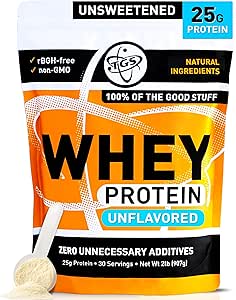
TGS Nutrition Whey Protein Powder Unflavored, Unsweetened - No Artificial Ingredients for Men & Women - 2lb Soy-Free,...
Check Price on AmazonAs an Amazon Associate we earn from qualifying purchases.
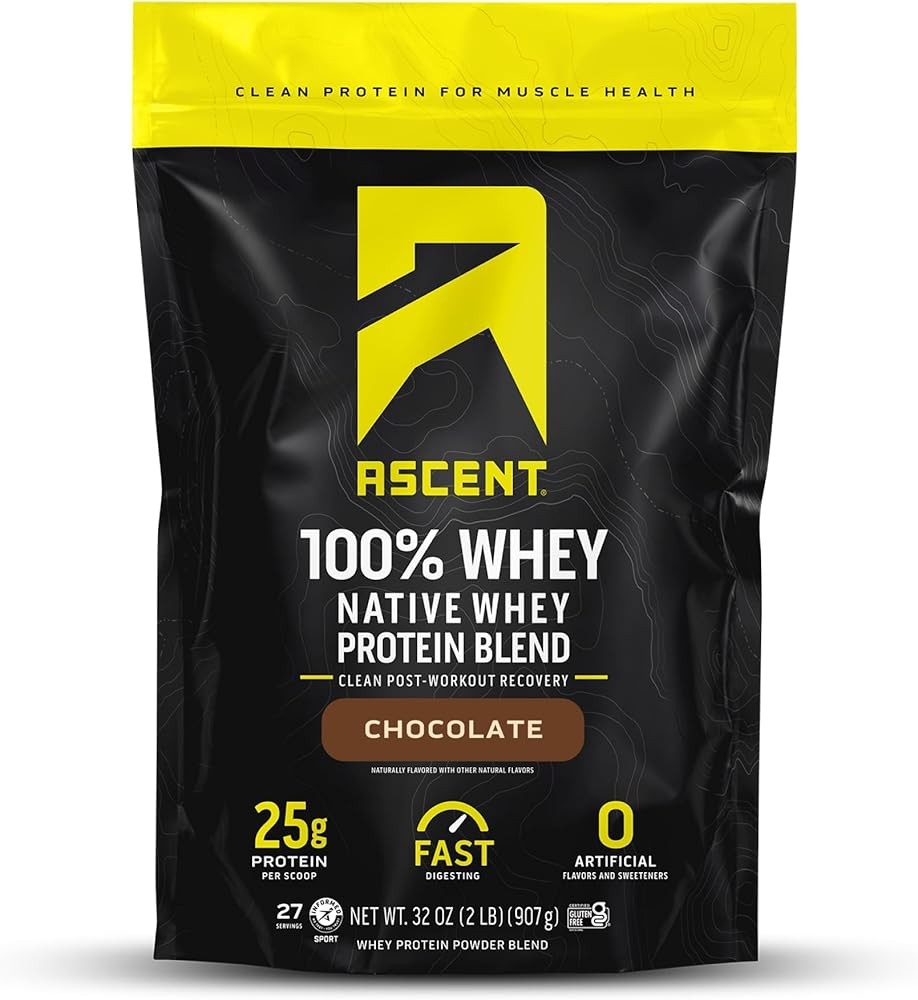
Ascent 100% Whey Protein Powder - Post Workout Whey Protein Isolate, Zero Artificial Flavors & Sweeteners, Gluten Fre...
Check Price on AmazonAs an Amazon Associate we earn from qualifying purchases.
Metabolic Health:
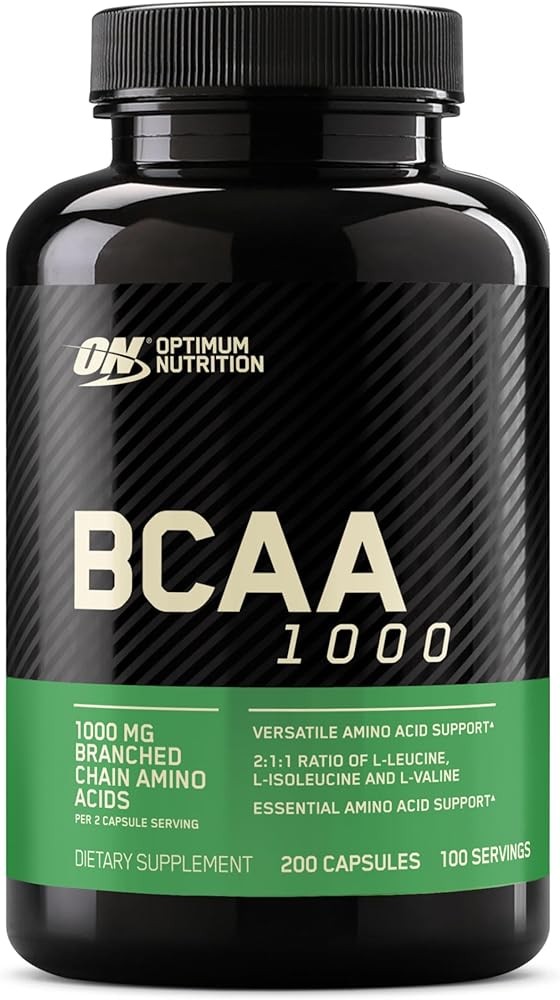
Optimum Nutrition Instantized BCAA Branched Chain Essential Amino Acids Capsules, 1000mg, 200 Count
Check Price on AmazonAs an Amazon Associate we earn from qualifying purchases.
Natural Food-Based Sweetness:
- Best types of honey for cancer patients examines polyphenol-rich options for prevention (not active treatment)
- Whole fruits provide fiber, antioxidants, and phytonutrients alongside natural sugars
- Cinnamon and vanilla extract enhance perceived sweetness without added sugars
This complete support system addresses sweetener choices within the broader context of whole-food nutrition, gut microbiome protection, and metabolic optimization—the foundation of evidence-based cancer prevention.
References
Debras C, Chazelas E, Srour B, et al. Artificial sweeteners and cancer risk: Results from the NutriNet-Santé population-based cohort study. PLoS Med. 2022;19(3):e1003950. PMID: 35324894
Schiffman SS, Rother KI. Sucralose, a synthetic organochlorine sweetener: overview of biological issues. J Toxicol Environ Health B Crit Rev. 2013;16(7):399-451. PMID: 24219506
Soffritti M, Belpoggi F, Degli Esposti D, et al. First experimental demonstration of the multipotential carcinogenic effects of aspartame administered in the feed to Sprague-Dawley rats. Environ Health Perspect. 2006;114(3):379-385. PMID: 16507461
Soffritti M, Belpoggi F, Tibaldi E, et al. Life-span exposure to low doses of aspartame beginning during prenatal life increases cancer effects in rats. Environ Health Perspect. 2007;115(9):1293-1297. PMID: 17805418
IARC Working Group. Aspartame, methyleugenol, and isoeugenol. IARC Monogr Identif Carcinog Hazards Hum. 2023;134:1-148.
Cohen SM, Anderson TA, de Oliveira LM, et al. Tumorigenicity of sodium saccharin in rats. Cancer Res. 2000;60(3):851-853.
Mortensen A. Sweeteners permitted in the European Union: safety aspects. Scand J Food Nutr. 2006;50(3):104-116.
Azad MB, Abou-Setta AM, Chauhan BF, et al. Nonnutritive sweeteners and cardiometabolic health: a systematic review and meta-analysis of randomized controlled trials and prospective cohort studies. CMAJ. 2017;189(28):E929-E939. PMID: 28716847
Fiolet T, Srour B, Sellem L, et al. Consumption of ultra-processed foods and cancer risk: results from NutriNet-Santé prospective cohort. BMJ. 2018;360:k322. PMID: 29444771
Weihrauch MR, Diehl V. Artificial sweeteners—do they bear a carcinogenic risk? Ann Oncol. 2004;15(10):1460-1465. PMID: 15367404
World Health Organization. Use of non-sugar sweeteners: WHO guideline. Geneva: World Health Organization; 2023.
Pepino MY, Tiemann CD, Patterson BW, et al. Sucralose affects glycemic and hormonal responses to an oral glucose load. Diabetes Care. 2013;36(9):2530-2535. PMID: 23633524
Abou-Donia MB, El-Masry EM, Abdel-Rahman AA, et al. Splenda alters gut microflora and increases intestinal p-glycoprotein and cytochrome p-450 in male rats. J Toxicol Environ Health A. 2008;71(21):1415-1429. PMID: 18800291
Bian X, Chi L, Gao B, et al. Gut microbiome response to sucralose and its potential role in inducing liver inflammation in mice. Front Physiol. 2017;8:487. PMID: 28790923
For more context, see our guide on Vitamin D and Cancer Risk: What Large Studies Show.
Related Reading
-
Sweeteners That Cancer Cells Cannot Metabolize: Evidence-Based Options
-
Stevia and Cancer: What the Research Shows About Safety and Benefits
-
Sugar and Cancer: Does Sugar Feed Cancer Cells?
-
Ketogenic Diet for Cancer: Research on Metabolic Therapy
-
Best Anti-Inflammatory Foods for Cancer Prevention
Recommended Products