Berberine and Cancer Research: What We Know So Far
Summarized from peer-reviewed research indexed in PubMed. See citations below.
Cancer patients exploring complementary approaches often encounter berberine, a yellow plant compound used in traditional medicine for thousands of years. Published studies in molecular oncology journals show berberine activates AMPK pathways and inhibits mTOR signaling in laboratory cancer cell lines, suppressing proliferation across breast, colon, liver, and lung cancers. The strongest human clinical evidence comes from a randomized controlled trial showing berberine (300mg twice daily) reduced colorectal adenoma recurrence by 23% after polypectomy, though most research remains in preclinical stages. Standard berberine suffers from less than 1% oral bioavailability due to poor absorption and P-glycoprotein efflux, leading researchers to develop dihydroberberine with 5-10 times better absorption that converts to active berberine in tissues. The budget-friendly option is Health Thru Nutrition Berberine HCl at 500mg per capsule for around $17, while those seeking enhanced absorption might consider dihydroberberine formulations at higher price points. Here’s what the published research shows about berberine’s anti-cancer mechanisms, bioavailability challenges, and clinical evidence across different cancer types.
Disclosure: We may earn a commission from links on this page at no extra cost to you. Affiliate relationships never influence our ratings. Full policy →
Why Is Berberine Being Studied for Cancer?
Berberine is a bright yellow isoquinoline alkaloid that has been used in traditional Chinese and Ayurvedic medicine for thousands of years. Extracted from plants like goldenseal (Hydrastis canadensis), barberry (Berberis vulgaris), Oregon grape (Mahonia aquifolium), and Chinese goldthread (Coptis chinensis), berberine has traditionally been used to address bacterial infections, diarrhea, and various inflammatory conditions.
In recent decades, pharmaceutical researchers have become increasingly interested in berberine’s potential beyond its antimicrobial properties. Laboratory studies have revealed that this compound affects multiple cellular pathways involved in metabolism, inflammation, and cell survival. These discoveries have led to extensive investigation of berberine’s potential role in cancer prevention and treatment.
Current research on berberine and cancer spans from basic laboratory work examining how berberine affects cancer cells in petri dishes, to animal studies exploring its effects on tumor growth, to human clinical trials investigating its safety and efficacy. While most evidence remains preclinical, some promising human data has emerged, particularly in colorectal cancer prevention.
This article examines what we actually know about berberine and cancer in 2026, distinguishing clearly between laboratory findings, animal research, and human clinical evidence. We’ll explore the mechanisms by which berberine may affect cancer cells, review the evidence for specific cancer types, and discuss the critical issue of bioavailability that has led to the development of more absorbable forms like dihydroberberine.
| Feature | Health Thru Nutrition | aSquared Nutrition | Luma Nutrition | Integrative Therapeutics |
|---|---|---|---|---|
| Berberine per Serving | 500mg | 1200mg HCl + 200mg cinnamon | 1200mg | 500mg |
| Form | Berberine HCl | Berberine HCl + Ceylon Cinnamon | Berberine HCl | Berberine HCl |
| Capsules per Bottle | 60 | 120 | 60 | 60 |
| Servings per Bottle | 60 | 60 | 30 | 60 |
| Daily Dose | 500-1500mg (1-3 capsules) | 1200mg (2 capsules) | 1200mg (2 capsules) | 500-1500mg (1-3 capsules) |
| Third-Party Tested | Yes | Yes | Yes | Yes |
| Certifications | Vegan, Non-GMO | Non-GMO | Vegan, Gluten-Free, Non-GMO | Dairy-Free, Gluten-Free |
| Manufacturing | GMP Certified | GMP Certified | GMP Certified | Practitioner-Grade |
| Additional Ingredients | None | Ceylon Cinnamon 200mg | None | None |
| Best For | Research-matched dosing | Combined metabolic support | High-dose value | Professional quality |
| Price Range | $17 | $20 | $18 | $35 |
Bottom line: Berberine is a bright yellow plant alkaloid traditionally used in Chinese and Ayurvedic medicine that shows multi-pathway anti-cancer effects in laboratory studies spanning from basic cell culture research to human clinical trials, with the strongest evidence in colorectal adenoma prevention where a randomized controlled trial demonstrated 23% reduction in polyp recurrence.
What Is Berberine? Chemical Structure and Traditional Use
Berberine is a quaternary ammonium salt from the protoberberine group of isoquinoline alkaloids. Its chemical structure consists of a core isoquinoline ring system that gives it distinctive properties, including its characteristic yellow color and bitter taste. This molecular structure allows berberine to interact with DNA and various cellular proteins, which underlies many of its biological effects.
Traditional medicine systems have employed berberine-containing plants for over 2,500 years. In Traditional Chinese Medicine, plants like Coptis chinensis (huang lian) were prescribed for “clearing heat and dampness,” which in modern terms might correlate with treating infections and inflammation. Ayurvedic practitioners used Berberis aristata (daruharidra) for liver disorders, skin conditions, and digestive complaints.
The active compound berberine wasn’t isolated and identified until the 19th century, when European chemists began analyzing medicinal plants. Throughout the 20th century, berberine was primarily studied for its antimicrobial properties, with research confirming its activity against various bacteria, fungi, and parasites. It was widely used in Asia for treating bacterial diarrhea and dysentery.
The modern pharmaceutical interest in berberine began in earnest in the 1980s and 1990s when researchers discovered its effects on glucose metabolism and lipid levels. Studies showed that berberine could lower blood sugar in diabetic animals and improve insulin sensitivity. This metabolic activity sparked interest in understanding berberine’s cellular mechanisms, which eventually led to investigations of its anti-cancer potential.
Today, berberine sits at an interesting intersection between traditional herbal medicine and modern pharmacology. While it’s available as a dietary supplement in many countries, pharmaceutical companies in China have developed prescription berberine formulations for treating diarrhea and diabetes. The compound continues to be extensively studied for multiple therapeutic applications, with cancer being one of the most active areas of research.
Bottom line: Berberine is a quaternary ammonium alkaloid extracted from plants like goldenseal, barberry, and Chinese goldthread that has been used for over 2,500 years in traditional medicine systems; its distinctive yellow color and molecular structure allow it to interact with DNA and cellular proteins, forming the basis for both its traditional antimicrobial use and modern cancer research applications.
What Is Berberine’s AMPK Connection and How Does It Affect Cancer?
One of berberine’s most important mechanisms of action involves activation of AMP-activated protein kinase, commonly known as AMPK. Understanding this pathway is crucial to grasping how berberine might affect cancer cells.
AMPK functions as a cellular energy sensor and regulator. When cells experience energy stress, such as low ATP levels or increased AMP to ATP ratio, AMPK becomes activated. Once activated, AMPK switches cells from energy-consuming processes (like building new proteins and dividing) to energy-generating processes (like breaking down nutrients and burning fat). This makes AMPK a critical checkpoint that determines whether cells can afford to grow and divide.
Berberine activates AMPK through an indirect mechanism. Research shows that berberine decreases mitochondrial membrane potential and reduces ATP production, which creates the energy stress that triggers AMPK activation. This is similar to how metformin, a common diabetes drug that’s also being studied for cancer prevention, works. Both compounds essentially make cells think they’re running low on energy, which activates AMPK as a compensatory response.
In cancer cells, AMPK activation by berberine has multiple downstream effects. Activated AMPK inhibits mTOR (mammalian target of rapamycin), a key protein that promotes cell growth and division. By blocking mTOR, berberine can slow or stop cancer cell proliferation. Studies have shown this effect across multiple cancer types, including breast, colon, liver, and lung cancers.
Research published in molecular biology journals has demonstrated that berberine regulates AMPK signaling pathways and inhibits colon tumorigenesis in mice. In these animal studies, berberine treatment activated AMPK in colon tissues and reduced the number and size of tumors. Interestingly, when researchers used AMPK inhibitors, berberine’s anti-tumor effects were partially but not completely blocked, indicating that AMPK activation is important but not the only mechanism by which berberine affects cancer.
The AMPK-mTOR pathway represents just one of several mechanisms through which berberine may influence cancer development. However, it’s a particularly relevant one because this pathway integrates metabolic signals with cell growth decisions, making it a logical target for compounds that affect both metabolism and cancer.
Bottom line: Berberine activates AMPK (cellular energy sensor) by reducing mitochondrial ATP production, which creates energy stress that triggers AMPK to inhibit mTOR and suppress cancer cell proliferation; animal studies show this AMPK activation reduces colon tumor numbers and size, though AMPK represents only one of several anti-cancer mechanisms berberine employs.
Why Doesn’t Standard Berberine Absorb Well?
Despite berberine’s impressive effects in laboratory studies, a major challenge exists in translating these findings to clinical benefits: bioavailability. Berberine has notoriously poor absorption when taken orally, with less than 1% reaching systemic circulation.
Multiple factors contribute to this low bioavailability. First, berberine is poorly soluble in the aqueous environment of the digestive tract. As a positively charged quaternary ammonium compound, it doesn’t easily cross lipid membranes, which limits passive absorption through intestinal cells.
Second, berberine is a substrate for P-glycoprotein (P-gp), an efflux transporter that pumps drugs out of cells. The intestinal lining expresses high levels of P-glycoprotein, which actively ejects berberine back into the gut lumen even when some molecules manage to enter intestinal cells. This efflux mechanism is the body’s defense against potentially toxic compounds, but it severely limits berberine absorption.
Third, berberine undergoes extensive first-pass metabolism in the intestine and liver. Enzymes break down a significant portion of absorbed berberine before it reaches systemic circulation. Studies measuring berberine levels in blood after oral administration consistently show very low concentrations, typically in the nanomolar range rather than the micromolar concentrations shown to be effective in cell culture studies.
This bioavailability problem creates a paradox in berberine research. Laboratory studies showing anti-cancer effects typically use berberine concentrations of 10-50 micromolar. Animal studies use doses that, when adjusted for body weight, would translate to several grams daily in humans. Yet human studies use 500-1500 mg daily, which achieve blood concentrations far below what laboratory research suggests is necessary for anti-cancer effects.
However, this doesn’t necessarily mean berberine is ineffective in humans. For colorectal cancer, the compound concentrates in the gut lining where it’s locally active despite low systemic absorption. The gut microbiome can also metabolize berberine into active metabolites. Additionally, even nanomolar blood concentrations might exert subtle metabolic effects that accumulate over time.
The bioavailability challenge has driven research into enhanced delivery systems, including nanoparticle formulations and the development of dihydroberberine, a reduced form of berberine with dramatically improved absorption.
Bottom line: Standard berberine has less than 1% oral bioavailability due to poor water solubility, P-glycoprotein efflux pumps that actively eject it from intestinal cells, and extensive first-pass metabolism in the gut and liver; this creates a research paradox where laboratory-effective concentrations (10-50 micromolar) far exceed blood levels achieved with typical human doses (500-1500mg daily producing nanomolar concentrations).
Is Dihydroberberine More Effective Than Regular Berberine?
Dihydroberberine (DHB) represents a novel approach to overcoming berberine’s bioavailability limitations. As a reduced form of berberine, DHB has different chemical properties that allow it to be absorbed much more efficiently.
The key difference is that dihydroberberine is uncharged and lipophilic, making it readily absorbed through intestinal cell membranes. Unlike berberine, DHB isn’t recognized by P-glycoprotein efflux pumps, so it isn’t pumped back into the gut. Studies show that DHB achieves 5-10 times higher absorption than standard berberine.
After absorption, dihydroberberine quickly converts back to berberine inside cells through oxidation. This conversion happens rapidly in tissues, meaning that DHB functions as a delivery vehicle that gets berberine into the body more efficiently. Think of it as a trojan horse strategy: the reduced form slips past the body’s barriers, then converts to the active form once inside.
Research comparing DHB to standard berberine in animal models has shown that DHB produces significantly higher tissue concentrations of berberine. In studies measuring berberine levels in liver, kidney, and other organs, animals given DHB had several-fold higher berberine content compared to those given equivalent doses of standard berberine.
For glucose metabolism and insulin sensitivity, studies have demonstrated that DHB produces comparable effects to standard berberine at one-fifth the dose. This suggests that the improved bioavailability translates to enhanced biological activity.
However, most cancer research published to date used standard berberine, not DHB. We don’t yet have extensive data on whether DHB’s superior bioavailability translates to better anti-cancer effects in humans. Theoretically, it should, since higher tissue concentrations would better match the concentrations shown effective in laboratory studies. But clinical trials specifically comparing DHB to standard berberine for cancer outcomes haven’t been published.
DHB supplements typically cost more than standard berberine, reflecting both patent protection and more complex manufacturing. Dosing recommendations for DHB are generally lower (200-300 mg daily) compared to standard berberine (500-1500 mg daily), reflecting the improved absorption.
For cancer patients specifically, DHB might be preferable if the goal is to achieve tissue concentrations closer to those shown effective in preclinical research. However, given the limited human data, this remains somewhat speculative. The colorectal cancer prevention data, which is the strongest clinical evidence, used standard berberine where local gut concentrations matter more than systemic absorption.
Bottom line: Dihydroberberine (DHB) is an uncharged, lipophilic reduced form of berberine with 5-10 times better absorption than standard berberine because it bypasses P-glycoprotein efflux pumps and readily crosses cell membranes, then converts back to active berberine inside tissues; animal studies show DHB produces several-fold higher tissue berberine concentrations at one-fifth the dose, though most published cancer research used standard berberine, leaving DHB’s comparative anti-cancer efficacy unproven in human trials.
What Are Berberine’s Anti-Cancer Mechanisms?
Berberine doesn’t work through a single mechanism but rather affects multiple pathways involved in cancer development and progression. This multi-target activity distinguishes it from conventional drugs that typically focus on one specific molecular target.
AMPK Activation and mTOR Inhibition
As discussed earlier, berberine activates AMPK, which then inhibits mTOR. The mTOR pathway is central to cell growth and proliferation, and it’s frequently hyperactive in cancer cells. By suppressing mTOR, berberine can slow cancer cell division and growth. This mechanism is shared with metformin and other compounds being investigated for cancer prevention.
NF-κB Pathway Suppression
Nuclear factor kappa B (NF-κB) is a transcription factor that regulates genes involved in inflammation, cell survival, and proliferation. Many cancers have constitutively active NF-κB, which promotes tumor growth and resistance to apoptosis. Research shows that berberine directly modifies IκB kinase, the enzyme that activates NF-κB, essentially putting a brake on this pro-cancer pathway.
Studies have demonstrated that berberine suppresses NF-κB-regulated antiapoptotic gene products like Bcl-2, Bcl-xL, and survivin. By reducing these survival proteins, berberine makes cancer cells more susceptible to dying through apoptosis. This mechanism is particularly relevant for cancers where chronic inflammation drives tumor progression.
Apoptosis Induction
Apoptosis, or programmed cell death, is a process that cancer cells often evade. Berberine can trigger apoptosis through multiple pathways, both caspase-dependent and caspase-independent.
Research on various cancer types shows that berberine activates caspases, the enzymes that execute apoptosis. In some cancer cells, berberine specifically activates caspase-3 and caspase-8, initiating the death program. In colon cancer cells, berberine has been shown to induce caspase-independent cell death through activation of apoptosis-inducing factor (AIF), which translocates to the nucleus and causes DNA fragmentation.
The mitochondrial pathway is another route by which berberine triggers apoptosis. Studies show berberine can disrupt mitochondrial membrane potential, release cytochrome c, and activate the intrinsic apoptotic cascade. This effect appears to involve AMPK activation, creating a connection between berberine’s metabolic and apoptotic mechanisms.
Cell Cycle Arrest
Cancer cells divide uncontrollably, bypassing normal cell cycle checkpoints. Berberine can arrest cancer cells at various points in the cell cycle, preventing division.
Research shows berberine particularly arrests cells in the G2/M phase, the transition between DNA synthesis and mitosis. By halting cells at this checkpoint, berberine may block cancer cells from completing division. The mechanism involves modulation of cyclins and cyclin-dependent kinases, the proteins that regulate cell cycle progression.
In some cancer types, berberine arrests cells in G0/G1 phase instead, stopping them before they even begin DNA synthesis. This variation in cell cycle effects across cancer types suggests that berberine’s activity depends partly on the specific molecular alterations present in different tumors.
Anti-Angiogenic Effects
Tumors require blood supply to grow beyond a tiny size. Angiogenesis, the formation of new blood vessels, is essential for tumor growth and metastasis. Berberine has demonstrated anti-angiogenic properties in multiple studies.
Research shows berberine inhibits vascular endothelial growth factor (VEGF), a key protein that stimulates blood vessel formation. By reducing VEGF expression and blocking its signaling pathways, berberine can limit tumor vascularization. Studies in lung cancer models show berberine suppresses metastasis partly through inhibiting endothelial transforming growth factor beta receptor 1, which is involved in angiogenesis.
Metastasis Inhibition
Preventing cancer spread is as important as controlling primary tumor growth. Berberine has shown effects on multiple steps in the metastatic cascade.
Studies demonstrate that berberine inhibits epithelial-mesenchymal transition (EMT), a process where epithelial cancer cells acquire migratory and invasive properties. By suppressing EMT, berberine helps keep cancer cells in a less aggressive state.
Berberine also affects the extracellular matrix and cell adhesion molecules involved in metastasis. Research in lung cancer shows berberine reduces expression of matrix metalloproteinases (MMPs), enzymes that break down tissue barriers and facilitate cancer cell invasion.
Gut Microbiome Modulation
An emerging area of berberine research involves its effects on intestinal bacteria. Berberine has antimicrobial properties that can shift the composition of gut microbiota, potentially creating a less favorable environment for cancer development.
Studies show berberine increases butyrate-producing bacteria in the gut. Butyrate is a short-chain fatty acid with anti-cancer properties, particularly for colorectal cancer. Research demonstrates that berberine combined with probiotics suppresses colon cancer growth more effectively than either intervention alone, suggesting synergistic effects through microbiome modulation.
The gut microbiome connection may help explain why berberine shows particularly strong evidence for colorectal cancer prevention despite poor systemic absorption. High local gut concentrations can directly impact intestinal bacteria, creating metabolic changes that affect cancer risk.
Bottom line: Berberine exerts anti-cancer effects through multiple mechanisms including AMPK activation that inhibits mTOR and suppresses proliferation, NF-κB pathway suppression that reduces inflammatory signaling and survival proteins, apoptosis induction via both caspase-dependent and mitochondrial pathways, cell cycle arrest primarily at G2/M phase, VEGF inhibition that limits angiogenesis, metastasis suppression through blocking EMT and matrix metalloproteinases, and gut microbiome modulation that increases butyrate-producing bacteria with local anti-cancer effects particularly relevant for colorectal cancer.
Which Cancer Types Have the Strongest Evidence for Berberine?
While berberine has been studied across virtually every cancer type, the strength of evidence varies considerably. Understanding which cancers have robust data versus preliminary findings is crucial for interpreting berberine’s potential clinical relevance.
Colorectal Cancer: The Strongest Clinical Evidence
Colorectal cancer and its precursor lesions (adenomatous polyps) have the most compelling human evidence for berberine. A randomized controlled trial published in 2025 provided long-term follow-up data on berberine for preventing colorectal adenoma recurrence.
In this study, patients who had undergone polypectomy (removal of precancerous polyps) were randomized to receive either berberine (300 mg twice daily) or placebo. After 6 years of follow-up, the berberine group showed a 23% reduction in adenoma recurrence compared to placebo. This effect was sustained throughout the study period, suggesting durable preventive benefits.
The study is particularly important because it represents actual clinical evidence in humans, not just laboratory or animal data. Adenoma recurrence is a validated endpoint that predicts colorectal cancer risk, so reducing polyp recurrence should translate to cancer prevention.
The mechanism likely involves multiple factors. Berberine achieves high local concentrations in the gut lining despite poor systemic absorption. It can directly affect colonocytes (colon cells), modulate inflammation in intestinal tissue, and alter gut microbiome composition in ways that reduce cancer risk. Laboratory studies support all these mechanisms.
Additional human data from Chinese research groups has examined berberine’s effects on colorectal cancer prevention in other contexts, generally supporting the polyp prevention findings. This makes colorectal cancer the cancer type with the most robust human evidence for berberine.
Breast Cancer: Extensive Preclinical Data
Breast cancer has been extensively studied in laboratory and animal models with berberine, though human clinical trials are limited.
Laboratory studies show berberine inhibits proliferation of various breast cancer cell lines, including both estrogen-receptor-positive and triple-negative breast cancer cells. The compound induces apoptosis, arrests cell cycle, and reduces cancer stem cell populations in breast cancer models.
Research has examined berberine’s interaction with chemotherapy in breast cancer. Studies show berberine combined with cisplatin induces DNA breaks and caspase-3-dependent apoptosis more effectively than either agent alone. However, dose matters: low-dose berberine may actually protect cancer cells through inducing autophagy and antioxidant responses, while high doses show anti-cancer effects.
Animal studies using breast cancer xenograft models (where human breast cancer cells are implanted in mice) show that berberine reduces tumor growth and metastasis. The doses used in these studies are substantial, often corresponding to several grams daily in human equivalent doses.
Despite extensive preclinical work, clinical trials of berberine specifically for breast cancer treatment or prevention are lacking. The preclinical data is promising enough to warrant clinical investigation, but we cannot yet conclude that berberine provides clinical benefits for breast cancer patients based on current evidence.
Liver Cancer (Hepatocellular Carcinoma): Mechanistic Insights
Liver cancer research with berberine has revealed interesting mechanistic insights, particularly regarding inflammation and immune cell polarization.
Recent research shows berberine suppresses hepatocellular carcinoma progression by blocking IL-4-JAK1-STAT6-mediated M2 polarization of macrophages. This refers to berberine’s ability to prevent immune cells called macrophages from converting into a pro-tumor phenotype. M2-polarized macrophages support tumor growth and suppress anti-tumor immunity, so blocking this polarization could help restrain liver cancer progression.
Laboratory studies demonstrate berberine’s effects on liver cancer cell proliferation, apoptosis, and invasion. Animal models of liver cancer show berberine reduces tumor burden, though again at doses substantially higher than typical human supplementation.
Interestingly, research has examined berberine in combination with sorafenib, the standard chemotherapy drug for advanced liver cancer. Studies show berberine synergistically sensitizes liver cancer cells to sorafenib, potentially allowing lower drug doses or overcoming resistance. This combination approach represents a plausible clinical strategy that warrants investigation in human trials.
Berberine’s effects on fatty liver disease (NAFLD/NASH) add another dimension to its potential role in liver cancer prevention. Since fatty liver disease is a risk factor for hepatocellular carcinoma, berberine’s ability to improve liver metabolism and reduce inflammation might contribute to cancer prevention independent of direct anti-tumor effects.
Lung Cancer: Anti-Metastatic Focus
Lung cancer research with berberine has particularly emphasized anti-metastatic mechanisms. Given that metastasis is the primary cause of lung cancer mortality, compounds that can limit spread are clinically valuable even if they don’t shrink primary tumors.
Studies show berberine suppresses lung metastasis by inhibiting endothelial transforming growth factor beta receptor 1 (TGF-βR1). This receptor is involved in angiogenesis and the formation of pre-metastatic niches where circulating cancer cells can establish new tumors. By blocking TGF-βR1, berberine may prevent metastatic colonization of the lungs.
Research has examined berberine across different lung cancer subtypes, including non-small cell lung cancer (NSCLC) and small cell lung cancer. The compound shows activity against both types in laboratory studies, though mechanisms differ somewhat between subtypes.
Animal studies demonstrate that berberine reduces both primary lung tumor growth and metastatic spread to other organs. As with other cancer types, the effective doses in animal studies are high relative to typical human supplementation.
No clinical trials have specifically tested berberine for lung cancer treatment or prevention in humans, leaving the extensive preclinical work unvalidated in clinical settings.
Other Cancer Types: Preliminary Evidence
Berberine has been studied in virtually every major cancer type, with varying degrees of evidence:
Pancreatic cancer: Laboratory studies show berberine inhibits pancreatic cancer cell growth through AMPK-dependent mechanisms. Research demonstrates both AMPK-dependent and AMPK-independent pathways by which berberine and metformin inhibit mTORC1, ERK, DNA synthesis, and proliferation in pancreatic cancer cells.
Ovarian cancer: Preclinical studies show anti-proliferative and pro-apoptotic effects. Limited data compared to other cancer types.
Prostate cancer: Laboratory research demonstrates growth inhibition and apoptosis induction. Mechanisms involve androgen receptor modulation and oxidative stress.
Leukemia and lymphoma: Studies in blood cancer cell lines show berberine induces apoptosis through caspase activation and nuclear localization of the compound.
Gastric cancer: Research shows anti-proliferative effects and enhancement of chemotherapy efficacy in laboratory models.
For all these cancer types, evidence remains primarily in the preclinical stage without clinical trials to demonstrate human relevance.
Bottom line: Colorectal cancer has the strongest human evidence with a 6-year randomized controlled trial showing 23% reduction in adenoma recurrence with 300mg berberine twice daily; breast cancer has extensive laboratory and animal data showing proliferation inhibition and chemotherapy synergy but no clinical trials; liver cancer research reveals berberine blocks pro-tumor macrophage polarization and sensitizes cells to sorafenib; lung cancer studies emphasize anti-metastatic effects through TGF-βR1 inhibition; other cancers (pancreatic, ovarian, prostate, leukemia, gastric) have preliminary laboratory evidence without clinical validation.
How Does Berberine Compare to Metformin for Cancer?
Berberine and metformin are often compared because they share several mechanisms of action, particularly AMPK activation. Metformin, a diabetes drug now being studied for cancer prevention, provides a useful reference point for understanding berberine’s potential.
Both compounds activate AMPK through similar mechanisms involving mitochondrial complex I inhibition and cellular energy stress. Both inhibit mTOR downstream of AMPK activation. Both have been shown to reduce cancer cell proliferation in laboratory studies and decrease tumor formation in animal models.
However, important differences exist. Metformin has been studied in large human populations through observational studies of diabetic patients, showing reduced cancer incidence in metformin users compared to those taking other diabetes drugs. These epidemiological studies, while not definitive, suggest real-world cancer preventive effects. Berberine lacks this type of large-scale human data.
Pharmacologically, metformin achieves much higher tissue concentrations than berberine when taken orally. While both have bioavailability challenges, metformin’s absorption is substantially better. This means that the doses used in human metformin studies achieve tissue concentrations more comparable to laboratory-effective levels than standard berberine doses do.
On the other hand, berberine affects additional pathways beyond AMPK that metformin doesn’t substantially impact. Berberine’s effects on NF-κB, gut microbiome, and direct DNA interaction represent mechanisms distinct from metformin. This could theoretically make berberine more broadly active against cancer, though whether this translates to clinical superiority is unknown.
Some research has directly compared berberine and metformin in cancer cell cultures. These studies generally show similar potency at equivalent concentrations, with subtle differences in which pathways are affected most strongly. Some suggest berberine may be more potent for specific endpoints like apoptosis induction, while metformin may be stronger for others.
Clinical trials are currently investigating metformin as an adjunct cancer therapy and for cancer prevention. If these trials show benefit, it would strengthen the rationale for studying berberine similarly. If metformin trials fail, it might dampen enthusiasm for AMPK activators generally, though berberine’s additional mechanisms could still be relevant.
For cancer patients, metformin has the advantage of being an FDA-approved drug with established safety data and standardized formulations. Berberine is a dietary supplement with more variable quality and less clinical oversight. However, berberine may be accessible to individuals who don’t have diabetes and thus wouldn’t typically be prescribed metformin.
The question of whether berberine or metformin is “better” for cancer cannot be definitively answered with current data. Both have theoretical potential, both show preclinical activity, but neither has proven clinical benefit for cancer treatment or prevention in randomized controlled trials (except for berberine’s colorectal adenoma data, which is specific to that context).
Bottom line: Berberine and metformin both activate AMPK through mitochondrial complex I inhibition and suppress mTOR signaling, with similar anti-cancer effects in laboratory studies; metformin has superior oral bioavailability and large-scale observational data showing reduced cancer incidence in diabetic patients, while berberine affects additional pathways (NF-κB, gut microbiome, direct DNA interaction) that metformin doesn’t substantially impact; neither has proven clinical benefit for cancer treatment in randomized trials outside berberine’s specific colorectal adenoma prevention data, making direct superiority comparisons impossible with current evidence.
Can Berberine Enhance Chemotherapy Effectiveness?
One of the more clinically relevant questions about berberine concerns its potential to enhance conventional chemotherapy. If berberine could make standard cancer drugs more effective or help overcome resistance, this would represent a practical application even without berberine having standalone anti-cancer activity.
Synergistic Effects with Cisplatin
Multiple studies have examined berberine combined with cisplatin, a platinum-based chemotherapy drug used for various solid tumors. Research in breast cancer cells shows that berberine plus cisplatin induces DNA breaks and caspase-3-dependent apoptosis more effectively than either agent alone.
The mechanism appears to involve berberine interfering with DNA repair processes that cancer cells use to survive cisplatin-induced damage. Cisplatin creates platinum-DNA crosslinks that block replication, and berberine may prevent cells from repairing these lesions, making the chemotherapy more lethal to cancer cells.
Similar synergy has been demonstrated in osteosarcoma cells, where berberine and cisplatin together inhibit the MAPK pathway more effectively than single agents. This combined pathway inhibition translates to enhanced cancer cell death.
Enhancement of Doxorubicin
Doxorubicin, an anthracycline chemotherapy drug, has also been studied in combination with berberine. Research shows berberine can improve breast cancer multidrug resistance through mechanisms involving drug efflux pumps.
Cancer cells often develop resistance to chemotherapy by increasing expression of efflux transporters that pump drugs out of cells. Interestingly, while berberine itself is a substrate for some of these transporters, it can modulate their activity in ways that affect chemotherapy sensitivity. Studies using fluorescence pharmacokinetics show berberine increases intracellular doxorubicin accumulation, potentially by competing for efflux or altering transporter expression.
Advanced delivery systems have been developed to co-deliver berberine and doxorubicin. Research on Janus nanocarriers (particles with distinct compartments) shows that simultaneous delivery of both compounds weakens chemotherapy-exacerbated liver cancer recurrence. The berberine appears to modulate the inflammatory and metabolic environment in ways that prevent chemotherapy-induced tumor promotion.
The Dose-Dependent Paradox
A critical finding complicates the picture of berberine-chemotherapy combinations: dose matters, and the relationship isn’t straightforward.
Research shows that low-dose berberine can actually attenuate the anti-cancer activity of chemotherapy drugs. A study examining berberine with breast cancer chemotherapy found that low berberine concentrations induced autophagy and antioxidant responses that protected cancer cells from chemotherapy-induced death.
This hormetic effect, where low and high doses have opposite effects, has important clinical implications. It means that berberine supplementation at inadequate doses could theoretically reduce chemotherapy effectiveness. Only at sufficient concentrations does berberine shift from protective to sensitizing.
The doses required for sensitization in laboratory studies typically correspond to peak plasma concentrations of 5-10 micromolar or higher. Given berberine’s poor bioavailability, achieving these levels with standard oral supplementation is questionable. This raises concerns that typical supplement doses might fall in the counterproductive range rather than the beneficial range.
Drug Metabolism Interactions
Beyond direct effects on cancer cells, berberine can affect how the body metabolizes chemotherapy drugs. Berberine modulates cytochrome P450 enzymes (CYP450s) and drug transporters involved in chemotherapy pharmacokinetics.
Specifically, berberine inhibits CYP3A4, CYP2D6, and CYP2C9, enzymes that metabolize many chemotherapy drugs. This could increase chemotherapy drug levels, potentially enhancing efficacy but also increasing toxicity. The clinical consequences depend on the specific drug, dose, and individual patient factors.
Some chemotherapy drugs are prodrugs that require metabolic activation. For these agents, CYP450 inhibition by berberine might reduce rather than enhance effectiveness. Other drugs are inactivated by metabolism, in which case berberine’s enzyme inhibition could prolong their activity.
P-glycoprotein, the efflux transporter that limits berberine absorption, also affects many chemotherapy drugs. Berberine’s complex interactions with P-gp (being both a substrate and modulator) add another layer of unpredictability to drug combinations.
Clinical Implications
The laboratory evidence for berberine-chemotherapy synergy is intriguing, but translating this to clinical practice requires caution. No large clinical trials have proven that berberine supplementation improves chemotherapy outcomes in cancer patients.
The dose-response complexity means that berberine supplementation could theoretically help, hurt, or have no effect depending on the dose achieved, the specific chemotherapy regimen, individual patient pharmacokinetics, and timing of administration.
For cancer patients considering berberine during chemotherapy, medical supervision is essential. Oncologists need to be informed about all supplements to watch for interactions and adjust chemotherapy dosing if needed. Some integrative oncology programs incorporate berberine or similar compounds in structured protocols with careful monitoring, which is very different from self-directed supplementation.
The development of better berberine formulations (like dihydroberberine or nanoparticle delivery) might address the dose-response issues by more reliably achieving therapeutic tissue concentrations. Combined with carefully designed clinical trials, this could clarify whether berberine can truly enhance chemotherapy in clinical settings.
Bottom line: Laboratory studies show berberine enhances cisplatin and doxorubicin effectiveness through increased DNA damage, caspase activation, and modulation of drug efflux pumps; however, low-dose berberine paradoxically protects cancer cells via autophagy and antioxidant induction while only high doses sensitize to chemotherapy, creating risk that typical supplement doses fall in counterproductive range; berberine also inhibits CYP450 enzymes (CYP3A4, CYP2D6, CYP2C9) that metabolize chemotherapy drugs, potentially altering drug levels unpredictably; no clinical trials prove berberine improves chemotherapy outcomes, requiring medical supervision for any combined use.
How Are Nanoparticles Being Used to Improve Berberine Delivery?
The bioavailability challenge has driven extensive research into advanced delivery systems for berberine. Nanoparticle formulations represent one of the most promising approaches to overcoming absorption limitations and achieving therapeutic tissue concentrations.
Why Nanoparticles?
Nanoparticles are structures typically 1-100 nanometers in size that can encapsulate or bind drugs. They offer several advantages for poorly bioavailable compounds like berberine:
Enhanced absorption: Nanoparticles can cross intestinal barriers more efficiently than free compounds. They can be taken up by specialized intestinal cells called M cells, or they can be designed to interact with specific transporters that facilitate absorption.
Protection from degradation: Encapsulating berberine in nanoparticles shields it from digestive enzymes and harsh pH conditions in the gut, preserving more of the compound for absorption.
Prolonged circulation: Once absorbed, nanoparticles can evade rapid clearance mechanisms that would quickly eliminate free berberine from the bloodstream. This allows sustained tissue exposure.
Targeted delivery: Nanoparticles can be engineered with surface modifications that target specific tissues or cell types, potentially concentrating berberine at tumor sites while sparing normal tissues.
Controlled release: Nanoparticles can release their payload gradually over time, maintaining therapeutic concentrations rather than the sharp peaks and rapid decline seen with conventional formulations.
Types of Berberine Nanoformulations
Research has explored various nanoparticle platforms for berberine delivery:
Liposomal formulations: Liposomes are spherical vesicles made of lipid bilayers similar to cell membranes. Berberine can be encapsulated in the aqueous core or embedded in the lipid layers. Studies show liposomal berberine achieves higher blood levels and tissue concentrations than free berberine.
Polymeric nanoparticles: Using biocompatible polymers like PLGA (poly lactic-co-glycolic acid) or chitosan, researchers have created nanoparticles that encapsulate berberine. These particles protect berberine during transit and release it gradually.
Solid lipid nanoparticles (SLN): These use solid fats as the matrix to carry berberine. SLNs are stable, easy to manufacture, and can improve berberine bioavailability several-fold.
Metal nanoparticles: Gold and silver nanoparticles can be conjugated with berberine. These systems may have dual activity, as the metal nanoparticles themselves can have anti-cancer properties that might synergize with berberine.
Micelles: Self-assembling structures formed by amphiphilic molecules can solubilize berberine in their hydrophobic cores while presenting hydrophilic exteriors that interact with aqueous environments. This improves berberine dissolution and absorption.
Janus Nanoparticles for Combination Delivery
A particularly innovative approach involves Janus nanoparticles, named after the two-faced Roman god. These particles have two distinct compartments that can carry different drugs.
Research has developed Janus nanocarriers that co-deliver doxorubicin (chemotherapy) and berberine. The two-compartment design allows separate loading of drugs with different chemical properties and independent control of their release kinetics.
Studies in hepatocellular carcinoma models show these Janus particles weaken chemotherapy-exacerbated cancer recurrence. The concept is that chemotherapy can sometimes create inflammatory conditions that promote tumor regrowth, but simultaneous berberine delivery modulates this inflammation and metabolic environment, reducing recurrence risk.
This represents a sophisticated strategy where berberine isn’t trying to be a standalone cancer treatment but rather a supportive agent that improves the therapeutic window of conventional chemotherapy.
Clinical Development Status
Despite extensive preclinical research, nanoparticle berberine formulations have not yet reached widespread clinical use. Most published studies are in cells and animals, not humans.
The challenges of clinical translation include:
Regulatory pathway: Nanoparticle formulations face more complex regulatory requirements than simple dietary supplements. They must prove safety and efficacy through formal clinical trials.
Manufacturing complexity: Producing nanoparticles with consistent size, loading, and properties at commercial scale is technically challenging and expensive.
Cost: Advanced nanoformulations will inevitably cost more than basic berberine supplements, raising questions about whether the improved delivery justifies the price for a compound with unproven clinical benefit.
Intellectual property: Universities and companies developing nanoparticle systems seek patent protection, which affects commercialization strategies.
Some research groups are working toward clinical trials of nanoparticle berberine formulations, particularly in China where both berberine research and nanomedicine are active fields. If these trials demonstrate superior bioavailability, safety, and efficacy compared to standard berberine, we could see commercial nanoparticle products emerge in coming years.
For now, nanoparticle berberine remains a research tool rather than a consumer option. Dihydroberberine represents a more immediately accessible approach to improved bioavailability, though it works through different mechanisms than nanoparticle encapsulation.
Bottom line: Nanoparticle delivery systems (liposomes, polymeric particles, solid lipid nanoparticles, micelles, metal conjugates) improve berberine bioavailability by enhancing absorption, protecting from degradation, prolonging circulation, and enabling targeted delivery; Janus nanoparticles with separate compartments co-deliver doxorubicin and berberine, reducing chemotherapy-exacerbated cancer recurrence in liver cancer models; despite extensive preclinical research, nanoparticle berberine formulations face regulatory, manufacturing, cost, and intellectual property barriers preventing widespread clinical use, remaining research tools rather than consumer products while dihydroberberine offers more immediately accessible bioavailability improvement.
What Are the Side Effects and Safety Concerns with Berberine?
While berberine has been used in traditional medicine for millennia and modern research generally considers it safe, understanding its side effect profile and potential interactions is crucial, especially for cancer patients who may be taking multiple medications.
Common Side Effects
The most frequently reported side effects of berberine supplementation involve the gastrointestinal system:
Digestive upset: Nausea, diarrhea, constipation, gas, and stomach cramping are common, especially at higher doses. These effects are usually mild to moderate and often improve with continued use as the body adapts.
Mechanism: The GI side effects likely relate to berberine’s antimicrobial activity affecting gut bacteria and its local effects on intestinal cells. The gut microbiome shifts induced by berberine can temporarily cause digestive disturbances.
Dose relationship: GI side effects increase with dose. Taking 500 mg at a time is generally better tolerated than taking 1000 mg or more in a single dose. Dividing daily intake into 2-3 doses with meals rather than taking it all at once reduces side effects.
Studies using berberine for various conditions typically report that about 20-30% of participants experience some digestive side effects, but most are mild enough that people continue taking the supplement.
Hypoglycemia Risk
Berberine lowers blood glucose through multiple mechanisms. While this is desirable for diabetes management, it creates a risk of hypoglycemia (dangerously low blood sugar) when combined with other glucose-lowering interventions.
Cancer patients may be at particular risk because:
Chemotherapy effects: Some chemotherapy regimens affect appetite and food intake, reducing carbohydrate consumption. Adding berberine could drop blood sugar too low in patients who aren’t eating normally.
Diabetes medications: Patients taking metformin, insulin, or other diabetes drugs who add berberine might experience additive glucose-lowering effects exceeding safe levels.
Metabolic stress: Cancer and its treatment create metabolic stress that can affect glucose regulation. Introducing another glucose-lowering agent requires careful monitoring.
Symptoms of hypoglycemia include shakiness, sweating, confusion, rapid heartbeat, and in severe cases, loss of consciousness. Anyone taking berberine with diabetes medications or during chemotherapy should monitor blood glucose and work with healthcare providers to adjust medications if needed.
Drug Interactions
Berberine’s effects on drug-metabolizing enzymes and transporters create multiple interaction possibilities:
CYP450 inhibition: As mentioned earlier, berberine inhibits CYP3A4, CYP2D6, and CYP2C9. Many drugs are metabolized by these enzymes, including some chemotherapy agents, immunosuppressants, anticoagulants, and cardiovascular medications. Berberine could increase levels of these drugs, potentially causing toxicity.
P-glycoprotein modulation: Berberine interacts with P-gp, an efflux transporter that affects absorption and elimination of numerous drugs. This could alter levels of chemotherapy drugs, antibiotics, and other medications.
Specific drug concerns:
- Cyclosporine (immunosuppressant): Berberine may increase cyclosporine levels, requiring dose adjustment
- Warfarin (anticoagulant): Potential for altered anticoagulation requiring more frequent monitoring
- Sedatives/anxiolytics: Possible enhanced sedation when combined with berberine
- Macrolide antibiotics: Berberine might increase antibiotic levels
For cancer patients on complex medication regimens, these interactions require careful consideration. Any supplement that affects drug metabolism can potentially interfere with carefully calibrated chemotherapy dosing.
Cardiovascular Effects
Berberine affects cardiovascular parameters in ways that are generally beneficial (lowering blood pressure, improving lipids) but could theoretically cause problems in specific contexts.
Blood pressure reduction: Berberine can lower blood pressure. While this is usually positive, combining berberine with blood pressure medications might cause excessive reduction, leading to dizziness or fainting.
Heart rhythm effects: Some research indicates berberine affects cardiac ion channels. While serious cardiac effects are rare, individuals with pre-existing heart rhythm disorders should use berberine cautiously.
Pregnancy and Breastfeeding
Berberine is contraindicated during pregnancy. High doses have been associated with neonatal jaundice and kernicterus in newborns when mothers used berberine-containing herbs during pregnancy.
The mechanism involves berberine’s ability to displace bilirubin from albumin binding sites, potentially allowing bilirubin to cross the blood-brain barrier in newborns and cause neurological damage.
For breastfeeding, berberine should be avoided as it may be excreted in breast milk and could affect nursing infants.
Long-term Safety
Most berberine research has focused on relatively short-term use (weeks to months). Long-term safety data spanning years of continuous use is limited.
The colorectal adenoma prevention trial mentioned earlier followed patients for up to 6 years on berberine, providing some reassurance about long-term safety. No serious safety signals emerged in this study, though it used moderate doses (600 mg daily total).
Theoretical concerns about very long-term berberine use include potential effects on nutrient absorption, sustained alterations of gut microbiome with unknown consequences, and cumulative effects of CYP450 inhibition.
Quality and Contamination Concerns
As a dietary supplement, berberine products aren’t subject to the same rigorous quality control as pharmaceuticals. Testing has revealed issues with some products:
Underdosing: Some supplements contain significantly less berberine than labeled.
Contamination: Heavy metals, pesticides, or other contaminants have been detected in some berberine supplements, particularly those manufactured without good quality control.
Adulteration: Rare cases of supplements spiked with undeclared pharmaceutical ingredients have been reported in the broader supplement market.
For cancer patients specifically, consuming contaminants or inconsistent doses could complicate treatment. This makes choosing high-quality, third-party tested products particularly important.
Special Considerations for Cancer Patients
Cancer patients considering berberine should discuss several specific concerns with their oncology team:
Timing relative to chemotherapy: Should berberine be taken continuously, or cycled to avoid interactions during peak chemotherapy dosing?
Monitoring requirements: What additional monitoring (blood glucose, drug levels, etc.) might be needed?
Contraindications: Are there specific chemotherapy regimens or patient conditions where berberine should be avoided?
Quality assurance: What brands or formulations does the integrative oncology team recommend, if any?
The general safety profile of berberine is reasonably favorable, but cancer treatment creates a higher-stakes situation where even mild interactions or side effects deserve careful consideration.
Bottom line: Berberine commonly causes mild-to-moderate gastrointestinal side effects (nausea, diarrhea, cramping) in 20-30% of users, particularly at higher doses; it creates hypoglycemia risk when combined with diabetes medications or during metabolic stress from chemotherapy, requiring blood glucose monitoring; berberine inhibits CYP450 enzymes (CYP3A4, CYP2D6, CYP2C9) and modulates P-glycoprotein, potentially altering levels of chemotherapy drugs, immunosuppressants, anticoagulants, and other medications; it’s contraindicated in pregnancy due to neonatal jaundice risk; long-term safety beyond 6 years is unstudied; dietary supplement quality varies with risks of underdosing, contamination, or adulteration making third-party testing essential for cancer patients requiring medical supervision for all berberine use.
What Dosages of Berberine Are Used in Research Studies?
Understanding the doses used in research helps contextualize what might be appropriate for human use, while recognizing the significant differences between laboratory, animal, and human studies.
Laboratory (In Vitro) Studies
Cell culture studies typically use berberine concentrations measured in micromolar (μM):
Standard range: Most laboratory studies showing anti-cancer effects use 10-50 μM berberine. Some studies use concentrations as high as 100-200 μM for specific endpoints.
Time exposure: Effects are usually measured after 24-72 hours of continuous berberine exposure in culture medium.
Translation challenges: These concentrations don’t directly translate to oral doses because bioavailability, distribution, and metabolism differ dramatically between a petri dish and a living organism.
A 10 μM concentration in cell culture might seem achievable, but reaching 10 μM in human cancer tissue through oral supplementation is questionable given berberine’s poor absorption. Peak plasma concentrations after standard doses are typically in the nanomolar to low micromolar range, orders of magnitude below what laboratory studies use.
This gap between laboratory-effective concentrations and achievable human levels is one of the key challenges in translating berberine research to clinical applications.
Animal Studies
Rodent studies use doses typically expressed as mg/kg body weight:
Common dosing: Animal cancer studies often use 25-100 mg/kg berberine daily. Some studies use even higher doses.
Duration: Treatment durations vary from a few weeks to several months in cancer prevention or treatment models.
Human equivalent doses: Converting animal doses to human equivalent doses isn’t straightforward, but using standard conversion factors, a 100 mg/kg dose in a mouse would correspond to approximately 8 mg/kg in humans. For a 70 kg person, that’s 560 mg, which is in the range of typical supplement doses.
However, this simple conversion doesn’t account for differences in metabolism, absorption, and distribution between species. Rodents often metabolize and clear compounds differently than humans, complicating direct dose translations.
Many effective animal doses would correspond to several grams daily in humans if directly scaled by body weight, well above typical supplement doses.
Human Clinical Studies
Human studies use berberine doses ranging from 500 mg to 1500 mg daily:
Standard dosing: Most research uses 500 mg taken 2-3 times daily (1000-1500 mg total daily dose).
Colorectal adenoma prevention trial: The study showing reduced polyp recurrence used 300 mg twice daily (600 mg total), which is on the lower end of the dosing spectrum.
Diabetes and metabolic studies: Research on berberine for blood sugar and lipid management typically uses 500 mg three times daily (1500 mg total).
Timing: Berberine is usually taken with meals or shortly after eating, which may improve tolerability and affect absorption.
Dihydroberberine dosing: Studies with DHB use lower doses, typically 200-300 mg daily, reflecting its superior bioavailability. This suggests that about 200-300 mg of DHB may provide tissue concentrations similar to 1000-1500 mg of standard berberine.
Pharmacokinetic Data
Understanding what doses achieve in terms of blood and tissue levels provides important context:
Peak plasma concentrations: After oral doses of 400-500 mg berberine, peak plasma concentrations reach approximately 0.4-4 ng/mL (roughly 1-10 nM), achieved about 2 hours after dosing.
Area under the curve (AUC): The total exposure over time is modest, reflecting rapid clearance.
Tissue concentrations: Limited human data exists on tissue levels, but animal studies show berberine does distribute to organs like liver, kidney, and gut at higher concentrations than plasma levels. The gut wall in particular achieves much higher local concentrations due to direct exposure during passage through the intestine.
Half-life: Berberine has a relatively short half-life (around 6 hours in humans), which is why multiple daily doses are used to maintain more consistent levels.
The pharmacokinetic data reinforces that standard oral berberine supplementation achieves blood concentrations far below the micromolar range shown effective in laboratory studies. This gap is precisely what researchers attempt to bridge with improved formulations like DHB or nanoparticles.
Dose-Response Relationships
Some research has examined how different berberine doses affect outcomes:
Glucose lowering: Studies show dose-dependent effects on blood sugar, with 1500 mg daily producing greater reductions than 1000 mg, and 1000 mg more than 500 mg. However, the relationship isn’t perfectly linear, and tolerability worsens at higher doses.
Colorectal cancer prevention: The successful polyp prevention study used just 600 mg daily, less than many metabolic studies. This might reflect that local gut concentrations matter more than systemic levels for colorectal effects.
Side effect threshold: GI side effects increase notably above 1500 mg daily total dose, or when more than 500 mg is taken at once. This creates a practical upper limit for many people.
Hormetic effects: As mentioned earlier, some research suggests biphasic dose-response where very low doses might have different effects than moderate to high doses. This complicates simple “more is better” thinking.
Practical Dosing Recommendations
Based on the research, if someone and their healthcare team decide berberine supplementation is appropriate, typical approaches include:
Standard berberine: 500 mg taken 2-3 times daily with meals (1000-1500 mg total daily). Start with lower dose (500 mg once or twice daily) and increase gradually to assess tolerance.
Dihydroberberine: 200-300 mg daily, typically taken once daily or split into two doses. Less frequent dosing may be possible due to better absorption.
For colorectal cancer prevention specifically: 300 mg twice daily (600 mg total) matches the successful clinical trial dosing.
Monitoring: Check blood glucose if taking diabetes medications. Monitor for GI side effects and reduce dose if needed.
Duration: Most research uses continuous daily dosing. Whether cycling (periods on and off) provides benefits or reduces side effects hasn’t been well studied.
The dose question ultimately cannot be perfectly answered because the optimal dose for cancer-related effects in humans hasn’t been established through clinical trials. Current dosing recommendations are extrapolated from metabolic studies and the limited cancer prevention data available.
Bottom line: Laboratory studies use 10-50 μM berberine concentrations showing anti-cancer effects that far exceed levels achievable with oral dosing; animal studies use 25-100 mg/kg daily (roughly 560 mg for 70kg human using standard conversion) though species differences complicate translation; human clinical trials typically use 500mg taken 2-3 times daily (1000-1500mg total) achieving peak plasma concentrations of only 1-10 nM; the successful colorectal adenoma prevention trial used 300mg twice daily (600mg total); dihydroberberine dosing is 200-300mg daily due to 5-10x better absorption; the gap between laboratory-effective concentrations and achievable human blood levels represents a key challenge, though local gut concentrations may explain colorectal cancer effects despite poor systemic absorption.
What Body Clues Indicate Berberine Is Working?
Unlike drugs that produce immediate, obvious effects, berberine’s benefits (if they occur) tend to be subtle and develop gradually. Understanding what changes might indicate berberine is having biological effects can help users and healthcare providers assess whether supplementation is worthwhile.
Metabolic Markers
The most reliably measurable effects of berberine involve metabolism, which can be tracked through laboratory testing:
Blood glucose changes: Berberine typically lowers fasting blood glucose within 1-3 months of starting supplementation. Diabetic individuals might see decreases of 20-30 mg/dL or more. Those without diabetes might see more modest changes.
HbA1c reduction: Hemoglobin A1c, which reflects average blood sugar over 2-3 months, often decreases with berberine. Reductions of 0.5-1.0% are common in diabetic individuals. This is a more reliable long-term marker than single glucose readings.
Insulin sensitivity improvement: While not routinely measured clinically, research shows berberine improves insulin sensitivity. Indirectly, this might be reflected in reduced fasting insulin levels or improved glucose tolerance testing.
Lipid profile changes: Berberine can lower total cholesterol, LDL cholesterol, and triglycerides while sometimes raising HDL. These changes typically emerge over 2-3 months. Lipid reductions are generally modest (10-15% for LDL, 20-30% for triglycerides).
For cancer patients, these metabolic improvements might be desirable independent of any direct anti-cancer effects. Better glucose control and healthier lipid profiles could support overall health during cancer treatment.
Digestive Changes
Given berberine’s effects on gut microbiome and GI function, digestive changes are common:
Initial disruption: In the first 1-2 weeks, many people experience changes in bowel habits, gas, or mild stomach discomfort. This usually represents microbiome shifts as berberine’s antimicrobial effects alter bacterial populations.
Stabilization: After 2-4 weeks, digestive function often stabilizes. Some people report more regular bowel movements or reduced bloating, possibly reflecting a healthier microbiome composition.
Stool changes: Changes in stool consistency, frequency, or color might occur. Berberine’s yellow color can sometimes tint stools, which is harmless.
For berberine’s potential colorectal cancer preventive effects, the relevant outcomes (polyp recurrence) would only be detected through colonoscopy, not through symptoms or obvious changes. This makes objective monitoring challenging.
Energy and Well-being
Subjective effects are harder to attribute definitively to berberine, but some users report:
Energy levels: Some people report improved energy, possibly related to better glucose regulation and mitochondrial effects. However, this is highly variable and could easily be placebo effect.
Weight changes: Berberine may promote modest weight loss in some individuals, likely through metabolic effects. Research shows average weight reductions of 2-5 pounds over several months, which is modest but potentially meaningful.
Inflammation reduction: Berberine’s anti-inflammatory effects might manifest as reduced joint pain or other inflammatory symptoms in some individuals, though this hasn’t been specifically studied in cancer patients.
Mood effects: Some research suggests berberine might have antidepressant properties, possibly through effects on neurotransmitters or inflammation. Whether individuals notice mood improvements is uncertain.
Cancer-Specific Markers
For cancer patients, the question of whether berberine is providing anti-cancer benefit is challenging to answer based on markers:
Tumor markers: Standard cancer markers (PSA, CA-125, CEA, etc.) might theoretically be affected by berberine if it’s impacting tumor biology, but no research has established that berberine supplementation reliably changes these markers. Any changes should be interpreted in the context of primary cancer treatment, not attributed to berberine.
Imaging studies: Whether berberine affects tumor size or progression would be detected through standard cancer imaging (CT, MRI, PET scans). However, these changes would be confounded by concurrent cancer treatment, making it impossible to isolate berberine’s contribution.
Symptom control: If berberine were improving cancer-related symptoms (pain, fatigue, etc.), this could suggest benefit, but again, attributing causation is difficult when multiple treatments are ongoing.
Recurrence prevention: For the specific context of colorectal polyp prevention, the outcome would only be detected through follow-up colonoscopy showing whether polyps recurred. This requires years of follow-up.
The reality is that for cancer effects specifically, there isn’t a simple marker or symptom that indicates “berberine is working.” The time scales involved (years for cancer prevention, months for treatment effects) and the confounding influence of conventional therapy make direct assessment difficult outside formal research studies.
What Changes Might Prompt Discontinuation
While hoping for benefits, it’s also important to recognize changes that might indicate problems:
Hypoglycemia symptoms: Shakiness, sweating, confusion, or extreme fatigue, especially if taking diabetes medications, might indicate blood sugar dropping too low. This warrants glucose testing and potentially discontinuing or reducing berberine.
Severe GI distress: While mild digestive changes are common, severe diarrhea, persistent nausea, or stomach pain severe enough to affect quality of life might justify stopping berberine.
Unusual symptoms while on chemotherapy: Any new symptoms during chemotherapy should be reported to the oncology team. While berberine might not be the cause, the possibility of interactions warrants evaluation.
Lab abnormalities: If routine monitoring shows unexpected liver enzyme elevations, electrolyte imbalances, or other concerning lab changes, berberine should be considered as a potential contributor.
The Challenge of Attribution
A fundamental challenge with berberine supplementation is the attribution problem: when changes occur, determining what caused them is difficult, especially for cancer patients on complex treatment regimens.
If metabolic markers improve, is it the berberine, dietary changes, weight loss, or concurrent medications? If cancer markers stabilize, is it the chemotherapy, radiation, surgery, or could berberine be contributing? These questions often cannot be definitively answered.
This is precisely why randomized controlled trials are so valuable. They control for these confounding factors and can isolate the effect of berberine specifically. Outside that research context, individual patients and providers are making informed guesses based on timing of changes, biological plausibility, and clinical judgment.
Practical Monitoring Approach
For cancer patients using berberine under medical supervision, a reasonable monitoring approach might include:
Baseline assessment: Before starting berberine, measure fasting glucose, HbA1c, lipid panel, liver enzymes, and standard cancer markers being tracked. This provides comparison points.
Short-term follow-up: After 1 month, check in about tolerability and any concerning symptoms. Consider glucose testing if diabetes or hypoglycemia risk exists.
Longer-term monitoring: At 3-6 months, repeat metabolic labs to assess whether berberine is producing measurable changes in glucose, lipids, or other markers.
Cancer-specific tracking: Continue standard cancer monitoring (scans, tumor markers, etc.) per oncology team’s plan. Don’t expect or attribute changes specifically to berberine given the confounding effects of primary treatment.
Symptom diary: Keeping notes about energy, digestion, and overall well-being might help identify patterns, though placebo effects and normal fluctuations make interpretation challenging.
The honest answer is that most people won’t have clear, obvious signs that berberine is “working” specifically for cancer. Metabolic improvements can be measured and are established effects of berberine. Anti-cancer effects, if they exist, generally operate over long time frames and would be obscured by concurrent cancer treatment in most clinical situations.
This uncertainty is part of why berberine remains controversial and why definitive clinical trials are needed to establish whether it genuinely provides benefit for cancer patients beyond its metabolic effects.
Bottom line: Berberine’s most measurable effects involve metabolic markers, with fasting glucose decreasing 20-30 mg/dL in diabetics, HbA1c reducing 0.5-1.0%, and lipids improving (10-15% LDL reduction, 20-30% triglyceride reduction) over 2-3 months; digestive changes including initial microbiome disruption followed by stabilization occur in first 2-4 weeks; cancer-specific effects cannot be isolated from concurrent treatment effects in clinical settings, with no reliable markers indicating anti-cancer activity; colorectal adenoma prevention requires years and follow-up colonoscopy to detect; hypoglycemia symptoms, severe GI distress, or unexpected lab abnormalities warrant discontinuation; the attribution problem makes determining whether berberine specifically causes clinical changes extremely difficult outside randomized controlled trials, leaving most users without clear confirmation that anti-cancer effects are occurring.
Common Questions About Berberine
Is berberine the same as turmeric?
No, berberine and turmeric are completely different compounds from different plants. Berberine is a yellow alkaloid from plants like goldenseal and barberry. Turmeric is a root that contains curcumin, a different type of compound called a curcuminoid. While both are yellow plant compounds being studied for cancer, they have different chemical structures, mechanisms of action, and research profiles. They can be used together as they work through distinct pathways.
Can I take berberine if I don’t have cancer?
Yes. Berberine is studied for various conditions including diabetes, high cholesterol, fatty liver disease, and cardiovascular health. You don’t need to have cancer to potentially benefit from its metabolic effects. However, the same safety considerations apply: inform healthcare providers, monitor blood glucose if taking diabetes medications, and be aware of drug interactions.
How long does it take for berberine to start working?
For metabolic effects, research shows changes in blood glucose within 1-2 weeks, with more substantial effects by 1-3 months. Lipid changes typically emerge over 2-3 months. For cancer prevention effects like colorectal polyp reduction, the clinical trial used continuous supplementation for years. Short-term use is unlikely to produce measurable cancer-related benefits.
Does berberine need to be cycled or can it be taken continuously?
Most research uses continuous daily dosing rather than cycling. The colorectal adenoma prevention study used continuous supplementation for years. There’s no strong evidence that cycling provides advantages, though some practitioners recommend occasional breaks. This is an area where clinical judgment varies and definitive data is lacking.
Can berberine replace chemotherapy?
Absolutely not. Berberine is not a cancer treatment and should never be used instead of evidence-based conventional therapies like surgery, chemotherapy, radiation, or immunotherapy. The research on berberine is primarily preclinical, and even the positive colorectal cancer prevention data involves preventing polyp recurrence, not treating active cancer. Berberine might be considered as a complementary approach alongside conventional treatment, but only with medical supervision and never as a replacement.
Is berberine safe for long-term use?
The longest human study followed patients for 6 years without serious safety concerns emerging, providing some reassurance about long-term use. However, data beyond 6 years is limited. Theoretical concerns about very long-term use include potential effects on nutrient absorption and sustained gut microbiome alterations. For cancer prevention contexts where long-term use would be necessary, the risk-benefit calculation should be made with healthcare providers.
Does berberine interact with vitamin supplements?
Direct interactions between berberine and most vitamins are unlikely. However, berberine’s effects on gut microbiome and intestinal function could theoretically affect absorption of some nutrients. Also, berberine might affect the same metabolic pathways as some supplements. For example, combining berberine with other supplements that lower blood sugar (like chromium or alpha-lipoic acid) could have additive effects requiring glucose monitoring.
Can I take berberine and metformin together?
Potentially, but medical supervision is essential. Both compounds activate AMPK and lower blood glucose, so combining them creates increased hypoglycemia risk. Some research has examined combining low doses of both, finding additive metabolic benefits. However, this should only be done under medical supervision with blood glucose monitoring. Don’t combine these without informing your healthcare provider.
Which form of berberine is best: capsules, powder, or liquid?
Most research uses capsules containing berberine HCl (hydrochloride), which is the standard and well-studied form. Capsules are convenient, allow consistent dosing, and typically contain 500 mg per capsule matching research protocols. Powders and liquids are less common and might have bioavailability or stability considerations. For standardized dosing and proven effectiveness, capsules from reputable manufacturers are generally preferred.
Should I take berberine with food or on an empty stomach?
Most research protocols specify taking berberine with meals or shortly after eating. This approach improves tolerability by reducing GI side effects. Food doesn’t significantly impair berberine absorption, and may actually help with some delivery mechanisms. Taking berberine with meals is the standard recommendation.
Frequently Asked Questions
What is berberine?
Berberine is a small molecule isoquinoline alkaloid extracted from the rhizomes of coptis and other plants like goldenseal, barberry, and Oregon grape. It has been used in traditional Chinese and Ayurvedic medicine for over 2,500 years to address infections, inflammation, and digestive issues.
Can berberine support cancer recovery?
No, there is no evidence to suggest that berberine can support recovery from cancer or serve as a cancer treatment. While research suggests it may have potential as an adjunct therapy to conventional treatment, more studies are needed. Berberine should never replace evidence-based cancer therapies.
How does berberine work against cancer?
Berberine has been shown to have anti-cancer properties through various mechanisms in laboratory studies, including activating AMPK which inhibits mTOR (suppressing cell proliferation), suppressing NF-κB inflammatory signaling, inducing apoptosis through caspase activation and mitochondrial pathways, arresting cell cycle at G2/M phase, inhibiting angiogenesis through VEGF suppression, blocking metastasis via EMT inhibition, and modulating gut microbiome to increase butyrate-producing bacteria.
Is berberine safe to use?
Berberine is generally considered safe when used appropriately. However, high doses may cause gastrointestinal side effects like nausea, diarrhea, and cramping. It can lower blood sugar, creating hypoglycemia risk when combined with diabetes medications. Berberine also inhibits drug-metabolizing enzymes (CYP450s) and can interact with chemotherapy and other medications. It’s essential to consult with an oncology team before using berberine as a supplement, especially during cancer treatment.
What are the current limitations of berberine research in cancer treatment?
The current evidence is largely based on in vitro (laboratory) and animal studies. While these show promising anti-cancer mechanisms, human clinical trials are limited. The strongest human data involves colorectal adenoma prevention, but data for other cancer types remains preclinical. Additionally, berberine’s poor bioavailability (less than 1% absorption) creates questions about whether typical supplement doses achieve tissue concentrations shown effective in laboratory studies.
What is dihydroberberine and is it better than regular berberine?
Dihydroberberine is a reduced form of berberine with 5-10 times better absorption than standard berberine. It’s uncharged and lipophilic, allowing it to bypass P-glycoprotein efflux pumps that limit berberine absorption. After absorption, dihydroberberine quickly converts back to active berberine in tissues. This makes it a more bioavailable option, potentially achieving tissue concentrations closer to laboratory-effective levels at lower doses (200-300mg vs 1000-1500mg daily). However, most published cancer research used standard berberine, so DHB’s comparative effectiveness for cancer specifically hasn’t been proven in human trials.
Can berberine be taken with chemotherapy?
Research suggests berberine may enhance the effects of certain chemotherapy drugs like cisplatin and doxorubicin through increased DNA damage and modulation of drug resistance mechanisms. However, berberine can also interact with drug metabolism via CYP450 enzyme inhibition, potentially altering chemotherapy levels unpredictably. Additionally, low-dose berberine can paradoxically protect cancer cells through autophagy induction, while only high doses sensitize them to chemotherapy. It’s critical to discuss any supplement use with your oncology team before combining berberine with cancer treatment.
Which types of cancer have the most research evidence for berberine?
Colorectal cancer has the strongest clinical evidence, with a human randomized controlled trial showing berberine (300mg twice daily) reduced adenoma recurrence by 23% after polypectomy over 6 years of follow-up. Breast cancer, hepatocellular carcinoma (liver cancer), and lung cancer also have substantial preclinical evidence from laboratory and animal studies, but lack clinical trial data. Other cancers (pancreatic, ovarian, prostate, leukemia, gastric) have preliminary laboratory research without clinical validation.
Product Recommendations
If you and your healthcare team determine that berberine supplementation is appropriate for your situation, choosing high-quality products matters. As a dietary supplement, berberine quality can vary significantly between manufacturers.
Standard Berberine Options
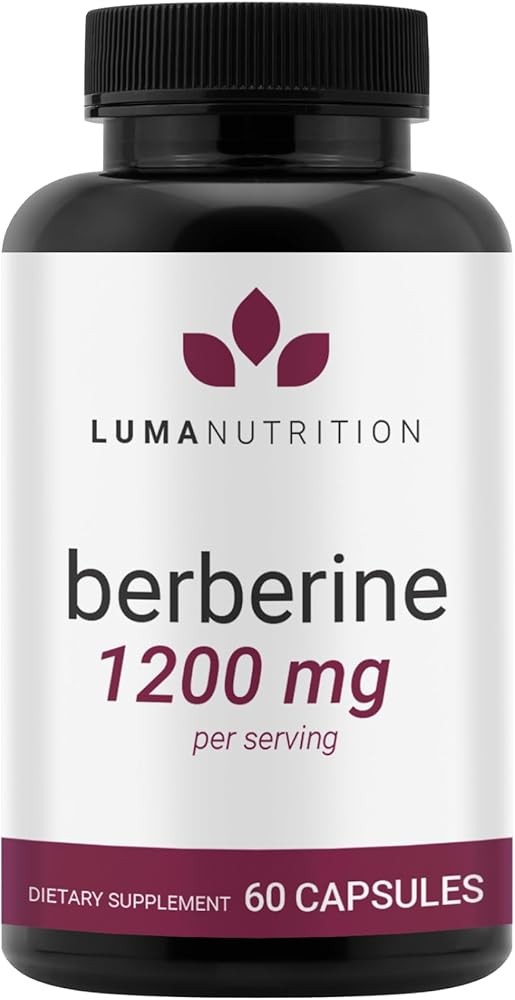
Luma Nutrition Berberine Supplement - Berberine HCL 1200mg Per Serving - Vegan, Gluten Free, Non-GMO - 60 Capsules
Check Price on AmazonAs an Amazon Associate we earn from qualifying purchases.
Luma Nutrition provides 1200mg berberine HCl per two-capsule serving at competitive pricing, making it a strong value option for those seeking higher-dose berberine without premium pricing. The product is vegan, gluten-free, and non-GMO certified.
The 60-capsule bottle provides 30 servings at the full 1200mg dose, or can be split to 60 servings at 600mg (matching the colorectal adenoma prevention trial dose). This flexibility allows users to start with lower doses and increase as tolerated.
Luma Nutrition follows GMP manufacturing standards and tests for purity, though the budget pricing reflects fewer premium certifications compared to practitioner-grade brands.
Premium and Enhanced Options
Integrative Therapeutics is a practitioner-focused brand known for pharmaceutical-grade supplement manufacturing and rigorous testing protocols. Their berberine product provides 500mg berberine HCl per capsule with the quality assurance that healthcare providers expect for patient recommendations.
For cancer patients who need assurance of product purity and potency, premium manufacturers like Integrative Therapeutics may be worth the additional cost. The brand is dairy-free and gluten-free, accommodating dietary restrictions common during cancer treatment.
Integrative Therapeutics conducts extensive testing including identity verification, potency testing, and contaminant screening. The manufacturing follows pharmaceutical-level quality control, providing confidence in consistent dosing across batches.
What to Look For in Berberine Supplements
When selecting a berberine product, consider these factors:
Berberine content: Most research uses 500 mg capsules. Check that the product clearly states the berberine content (usually berberine HCl).
Third-party testing: Look for products tested by independent organizations like USP, NSF International, or ConsumerLab. This provides some assurance that the product contains what the label claims.
Manufacturer reputation: Established companies with good manufacturing practices (GMP) are more likely to produce consistent, quality products.
Purity information: The product should be free from contaminants, heavy metals, and unnecessary fillers.
Form of berberine: Standard berberine HCl versus dihydroberberine. DHB costs more but may be worth it for those seeking better absorption.
Certificate of analysis: Some manufacturers provide detailed test results showing purity and potency for specific batches.
A Note on Pricing and Quality
Berberine supplements range widely in price. The cheapest options aren’t necessarily the best value if they contain less berberine than labeled or include contaminants. Conversely, the most expensive products aren’t automatically superior. Look for the combination of reasonable pricing, verified potency, and quality testing.
For cancer patients specifically, investing in higher-quality products from reputable manufacturers makes sense given the importance of knowing exactly what you’re taking and avoiding contaminants that could complicate treatment.
Consult Before Purchasing
Before purchasing any berberine supplement, discuss your specific situation with your oncology team. They may have specific preferences for formulations or brands, or they may recommend against berberine use entirely based on your individual circumstances. Some integrative oncology practices work with specific supplement companies or compounding pharmacies and can provide guidance on reliable sources.
Complete Support System for Cancer Nutrition
Berberine represents just one component of a comprehensive nutritional approach to cancer support. Integrating berberine with other evidence-based nutritional strategies creates a more complete system for metabolic health during cancer treatment.
Blood sugar management: Beyond berberine, maintaining stable glucose levels through low-glycemic nutrition, adequate protein intake, and strategic meal timing supports metabolic health that may affect cancer outcomes. Research shows that elevated glucose and insulin create favorable conditions for cancer cell proliferation, making metabolic optimization a priority.
Anti-inflammatory nutrition: Combining berberine’s NF-κB suppression with other anti-inflammatory compounds from whole foods creates synergistic effects. Omega-3 fatty acids from fish, polyphenols from berries and green tea, and curcumin from turmeric all modulate inflammatory pathways that intersect with cancer biology.
Gut health optimization: Berberine’s microbiome effects work best within a broader gut health strategy including prebiotic fiber, probiotic foods, and avoidance of microbiome-disrupting factors. Research shows that berberine combined with probiotics produces stronger anti-cancer effects than either alone, highlighting the importance of comprehensive gut support.
Protein adequacy: Cancer and its treatment increase protein needs for tissue repair and immune function. Ensuring adequate high-quality protein (0.5-0.7 grams per pound of body weight daily) provides the building blocks for maintaining muscle mass and supporting treatment tolerance.
Micronutrient optimization: Berberine’s metabolic effects occur within a broader context of vitamin and mineral status. Ensuring adequacy of nutrients like vitamin D, zinc, selenium, and B vitamins through diet and targeted supplementation supports the cellular pathways berberine affects.
Related nutritional strategies for cancer support:
- Curcumin and Turmeric — Another extensively studied plant compound with anti-inflammatory and anti-cancer mechanisms complementary to berberine
- Omega-3 Fatty Acids in Cancer Care — Anti-inflammatory fats that support immune function and may enhance treatment outcomes
- Vitamin D and Cancer Prevention — Hormonal vitamin with roles in cell differentiation and apoptosis regulation
- Green Tea and EGCG Research — Polyphenol compound with similar AMPK activation and anti-cancer pathways
- Protein Requirements During Cancer Treatment — Essential macronutrient for maintaining muscle mass and supporting recovery
Related Reading
-
Curcumin and Cancer Research: What Published Studies Show
-
Omega-3 Fatty Acids and Cancer: Clinical Evidence Review
-
Vitamin D and Cancer Prevention: Research Update
-
Green Tea EGCG and Cancer: Mechanisms and Clinical Data
-
Protein Requirements During Cancer Treatment
-
Blood Sugar Control and Cancer Outcomes
-
Gut Microbiome and Cancer: The Connection
-
Medicinal Mushrooms and Cancer Research: A Review of Turkey Tail, Reishi, and Chaga
-
Nutrition and Cancer Research: Exploring Sweeteners that Cancer Cells Cannot Metabolize
-
Monk Fruit Sweetener and Cancer Safety: A Review of the Evidence
Conclusion
Berberine represents one of the more extensively studied natural compounds in cancer research, with a body of evidence spanning from molecular biology to human clinical trials. What we know in 2026 paints a nuanced picture that requires careful interpretation.
The laboratory evidence is compelling. Across dozens of cancer types, berberine demonstrates multiple anti-cancer mechanisms: AMPK activation leading to mTOR inhibition, NF-κB pathway suppression, apoptosis induction, cell cycle arrest, anti-angiogenic effects, metastasis inhibition, and gut microbiome modulation. These effects operate through distinct but interconnected pathways, suggesting that berberine’s activity isn’t dependent on a single targetable mechanism but rather represents broad metabolic and inflammatory modulation.
Animal studies largely support the laboratory findings, with berberine reducing tumor burden, metastasis, and mortality across various cancer models. The doses required in animal studies are substantial, but the consistency of findings across research groups and cancer types lends credibility to berberine’s anti-cancer potential.
Human clinical evidence, however, remains limited. The strongest data exists for colorectal adenoma prevention, where a well-designed randomized controlled trial showed significant, lasting reductions in polyp recurrence. This makes biological sense given berberine’s poor systemic absorption but high local gut concentrations. For other cancer types, we have promising mechanistic research and correlative data but not definitive clinical trials proving benefit.
The bioavailability challenge fundamentally shapes how we interpret berberine research. Laboratory studies showing dramatic effects at 10-50 micromolar concentrations are using berberine levels that standard oral supplementation cannot achieve in most tissues. The development of dihydroberberine helps address this gap, potentially making tissue concentrations closer to laboratory-effective levels achievable. However, most published cancer research used standard berberine, leaving questions about whether DHB’s improved bioavailability translates to superior anti-cancer effects in humans.
For cancer patients considering berberine, several principles should guide decision-making:
First, berberine is not a cancer treatment and should never replace conventional evidence-based therapy. The research simply doesn’t support using berberine instead of proven therapies.
Second, the potential for berberine as an adjunct therapy exists but remains largely unproven in human cancer treatment. The mechanistic rationale is sound, the preclinical evidence is substantial, but clinical validation is lacking for most cancer types.
Third, drug interactions and proper medical supervision are critical. Berberine affects drug-metabolizing enzymes and transporters, potentially altering chemotherapy pharmacokinetics in unpredictable ways. The dose-dependent effects where low doses might protect cancer cells while high doses combat them further emphasizes why medical oversight matters.
Fourth, for specific situations like colorectal polyp prevention, berberine has actual clinical evidence supporting its use and represents a reasonable discussion point with gastroenterologists for individuals at high risk.
Fifth, the gut microbiome connection deserves consideration. Berberine’s effects on intestinal bacteria and subsequent impacts on inflammation, metabolism, and immune function represent mechanisms that might benefit cancer patients independent of direct anti-tumor effects. Better metabolic health, reduced inflammation, and favorable microbiome composition could support overall treatment tolerance and outcomes even if berberine doesn’t directly combat cancer cells.
The research trajectory for berberine and cancer continues to advance. More human clinical trials are needed across cancer types to definitively establish whether berberine’s preclinical promise translates to meaningful clinical benefits. Studies comparing standard berberine to dihydroberberine in cancer contexts would help clarify whether improved bioavailability matters for anti-cancer effects. Research on optimal combinations with specific chemotherapy regimens could identify synergistic strategies worth clinical implementation.
📱 Join the discussion: Facebook | X | YouTube | Pinterest
References
Liu, D. et al. “Berberine for preventing colorectal adenoma recurrence and neoplasm occurrence: 6-Year follow-up of a randomized clinical trial.” Cell Reports Medicine, 2025. PubMed | Full Text
Zhang, Y. et al. “Berberine suppresses hepatocellular carcinoma progression by blocking IL-4-JAK1-STAT6-mediated M2 polarization of macrophage.” Frontiers in Pharmacology, 2025. Full Text
Li, W. et al. “Berberine and health outcomes: an overview of systematic reviews.” BMC Complementary Medicine and Therapies, 2025. Full Text | PubMed
Kim, H.S. et al. “Berberine regulates AMP-activated protein kinase signaling pathways and inhibits colon tumorigenesis in mice.” Molecular Carcinogenesis, 2015. PubMed | Full Text
Iizuka, N. et al. “Dose-Dependent AMPK-Dependent and Independent Mechanisms of Berberine and Metformin Inhibition of mTORC1, ERK, DNA Synthesis and Proliferation in Pancreatic Cancer Cells.” PLOS One, 2019. Full Text
Kalaiarasi, A. et al. “Berberine: An Important Emphasis on Its Anticancer Effects through Modulation of Various Cell Signaling Pathways.” Molecules, 2022. PubMed | Full Text
Wang, Y. et al. “The anti-cancer mechanisms of berberine: A review.” Cancer Management and Research, 2020. Full Text
Bonam, S.R. et al. “Berberine as a natural modulator of inflammatory signaling pathways in the immune system: Focus on NF-κB, JAK/STAT, and MAPK signaling pathways.” Phytotherapy Research, 2022. PubMed
Mahata, S. et al. “Berberine Modifies Cysteine 179 of IκBα Kinase, Suppresses Nuclear Factor-κB–Regulated Antiapoptotic Gene Products, and Potentiates Apoptosis.” Cancer Research, 2008. PubMed | Full Text
Roudkenar, M.H. et al. “Apoptosis Induction, a Sharp Edge of Berberine to Exert Anti-Cancer Effects, Focus on Breast, Lung, and Liver Cancer.” Frontiers in Pharmacology, 2022. Full Text | PubMed
Park, K.S. et al. “Berberine Induces Apoptotic Cell Death via Activation of Caspase-3 and -8 in HL-60 Human Leukemia Cells: Nuclear Localization and Structure-Activity Relationships.” Pharmacology, 2017. PubMed
Piyanuch, R. et al. “Berberine Induces Caspase-Independent Cell Death in Colon Tumor Cells through Activation of Apoptosis-Inducing Factor.” Anticancer Research, 2012. PubMed | Full Text
Wang, N. et al. “Berberine induces selective apoptosis through the AMPK-mediated mitochondrial/caspase pathway in hepatocellular carcinoma.” Molecular Medicine Reports, 2013. PubMed
Xie, W. et al. “Berberine influences multiple diseases by modifying gut microbiota.” Frontiers in Nutrition, 2023. Full Text | PubMed
Tian, Y. et al. “Suppression of Berberine and Probiotics (in vitro and in vivo) on the Growth of Colon Cancer With Modulation of Gut Microbiota and Butyrate Production.” Frontiers in Pharmacology, 2022. PubMed | Full Text
Peng, Y. et al. “Berberine inhibits intestinal carcinogenesis by suppressing intestinal pro-inflammatory genes and oncogenic factors through modulating gut microbiota.” BMC Cancer, 2022. Full Text
Sheng, X. et al. “Multi-Target Potential of Berberine as an Antineoplastic and Antimetastatic Agent: A Special Focus on Lung Cancer Treatment.” Cells, 2022. Full Text
Li, J. et al. “Berberine Suppresses Lung Metastasis of Cancer via Inhibiting Endothelial Transforming Growth Factor Beta Receptor 1.” Frontiers in Pharmacology, 2022. PubMed | Full Text
Liu, Y. et al. “Effects of Berberine on Liver Cancer.” Natural Product Communications, 2022. PubMed
Refaat, A. et al. “The potential of the nutraceutical berberine in the treatment of hepatocellular carcinoma and other liver diseases such as NAFLD and NASH.” Expert Opinion on Investigational Drugs, 2024. PubMed
Zhao, Y. et al. “Berberine, a natural plant alkaloid, synergistically sensitizes human liver cancer cells to sorafenib.” Oncology Reports, 2018. PubMed
Zhang, C. et al. “Berberine in combination with cisplatin suppresses breast cancer cell growth through induction of DNA breaks and caspase-3-dependent apoptosis.” Oncology Reports, 2016. Full Text
Choi, M.S. et al. “Berberine and Cisplatin Exhibit Synergistic Anticancer Effects on Osteosarcoma MG-63 Cells by Inhibiting the MAPK Pathway.” Evidence-Based Complementary and Alternative Medicine, 2021. Full Text
Liu, Q. et al. “Berberine Improves Breast Cancer Multidrug Resistance Based on Fluorescence Pharmacokinetics In Vitro and In Vivo.” ACS Omega, 2021. Full Text
Han, B. et al. “Low-Dose Berberine Attenuates the Anti-Breast Cancer Activity of Chemotherapeutic Agents via Induction of Autophagy and Antioxidation.” Dose-Response, 2020. Full Text
Javed Iqbal, M. et al. “Nanotechnology-based strategies for berberine delivery system in cancer treatment: pulling strings to keep berberine in power.” Frontiers in Molecular Biosciences, 2021. Full Text
Sun, L. et al. “Janus nanocarrier-based co-delivery of doxorubicin and berberine weakens chemotherapy-exacerbated hepatocellular carcinoma recurrence.” Theranostics, 2019. PubMed
Recommended Products