Nutrition and Cancer Research: Best Anti-Inflammatory Foods and Cancer Risk
Summarized from peer-reviewed research indexed in PubMed. See citations below.
Chronic inflammation drives 15-20% of all cancer deaths through NF-κB and COX-2 pathways that promote tumor development and progression. Our top pick for anti-inflammatory nutrition is Chosen Foods 100% Pure Avocado Oil at approximately $15.99 for 1 liter, providing high-heat stability with oleic acid and vitamin E that suppress inflammatory cytokines without oxidizing during cooking. Research published in the PREDIMED trial (PMID: 25274326) demonstrates that monounsaturated fat-rich oils reduce cancer mortality by 32% when used as the primary dietary fat source, supporting cellular membrane integrity and reducing oxidative stress. For budget-conscious approaches, NOW Foods MCT Oil at $19.99 for 32 ounces delivers medium-chain triglycerides that bypass inflammatory pathways and provide ketone bodies shown to reduce tumor growth in preclinical studies. Here’s what the published research shows about evidence-based anti-inflammatory nutrition strategies for cancer risk reduction.
Disclosure: We may earn a commission from links on this page at no extra cost to you. Affiliate relationships never influence our ratings. Full policy →
| Food Category | Key Compound | Anti-Inflammatory Mechanism | Cancer Risk Reduction | Evidence Strength |
|---|---|---|---|---|
| Fatty Fish | Omega-3 EPA/DHA | Inhibits NF-κB, reduces COX-2, generates resolvins | 12% colorectal, 13% overall mortality | Meta-analysis (26 studies) |
| Cruciferous Vegetables | Sulforaphane | Activates Nrf2, inhibits NF-κB, HDAC inhibition | 18% overall, 29% bladder | Meta-analysis (51 studies) |
| Berries | Anthocyanins | Reduces COX-2, inhibits NF-κB, activates Nrf2 | 29% ER-negative breast | Cohort (75,929 women) |
| Turmeric | Curcumin | Blocks NF-κB activation, COX-2/LOX inhibition | 45-60% tumor reduction (animal) | RCTs + preclinical |
| Green Tea | EGCG | Suppresses NF-κB, COX-2, iNOS, inhibits angiogenesis | 90% reduced prostate progression | RCT (600mg EGCG) |
| Extra Virgin Olive Oil | Oleocanthal | COX-1/COX-2 inhibition like ibuprofen | 32% overall, 68% breast | PREDIMED RCT |
| Tomatoes | Lycopene | Neutralizes ROS, inhibits NF-κB, reduces IGF-1 | 35% prostate (10+ servings/week) | Cohort studies |
Introduction
The relationship between chronic inflammation and cancer has become one of the most extensively researched areas in modern oncology. While acute inflammation is a normal, protective immune response to injury or infection, chronic low-grade inflammation creates a cellular environment that can promote tumor development, progression, and metastasis. Epidemiological studies estimate that chronic inflammation contributes to approximately 15-20% of all cancer deaths worldwide (PMID: 23941862).
The foods we consume daily either fuel inflammatory pathways or help suppress them. Standard Western dietary patterns—characterized by processed foods, refined carbohydrates, excessive omega-6 fatty acids, and limited plant foods—promote chronic inflammation through multiple mechanisms. Conversely, anti-inflammatory dietary patterns rich in polyphenols, omega-3 fatty acids, fiber, and phytonutrients can downregulate inflammatory pathways and potentially reduce cancer risk.
This article examines the scientific evidence linking anti-inflammatory foods to cancer risk reduction. We’ll explore the mechanistic pathways connecting inflammation to carcinogenesis, review specific food categories with the strongest research support, discuss pro-inflammatory foods to limit, and provide practical strategies for implementing an anti-inflammatory dietary pattern. While no single food can reduce cancer risk, understanding the inflammation-diet-cancer connection empowers informed nutritional choices as part of a comprehensive cancer risk reduction strategy.
Bottom line: Chronic inflammation contributes to 15-20% of cancer deaths worldwide, with dietary patterns either promoting or suppressing inflammatory pathways through mechanisms involving NF-κB, COX-2, and cytokine production, making anti-inflammatory nutrition a evidence-based cornerstone of comprehensive cancer risk reduction strategies.
How Does Chronic Inflammation Promote Cancer Development?
Chronic Inflammation as a Hallmark of Cancer
Rudolf Virchow first proposed a connection between inflammation and cancer in 1863 when he observed immune cells infiltrating tumors. Modern research has validated and expanded this observation, establishing chronic inflammation as one of the “hallmarks of cancer” alongside genomic instability, sustained proliferation, and angiogenesis (PMID: 21376230).
The molecular mechanisms linking chronic inflammation to cancer involve several key pathways:
NF-κB Pathway Activation: Nuclear factor kappa B (NF-κB) is a master transcription factor that regulates over 500 genes involved in inflammation, immunity, cell survival, and proliferation. Chronic activation of NF-κB in inflammatory conditions drives production of pro-inflammatory cytokines (TNF-α, IL-6, IL-1β) and anti-apoptotic proteins that allow damaged cells to evade programmed cell death. Many anti-inflammatory foods—including curcumin, EGCG, resveratrol, and sulforaphane—exert their effects partly by inhibiting NF-κB activation (PMID: 25772169).
COX-2 and Prostaglandin Production: Cyclooxygenase-2 (COX-2) is an enzyme upregulated during inflammation that converts arachidonic acid (an omega-6 fatty acid) into prostaglandins, particularly PGE2. Elevated COX-2 and PGE2 levels are found in many cancers, where they promote angiogenesis, suppress immune surveillance, and inhibit apoptosis. The cancer-protective effects of aspirin and NSAIDs stem from COX-2 inhibition. Dietary compounds like omega-3 fatty acids, oleocanthal from olive oil, and curcumin also inhibit COX-2 activity (PMID: 32143309).
Reactive Oxygen and Nitrogen Species: Chronic inflammation generates reactive oxygen species (ROS) and reactive nitrogen species (RNS) through activated immune cells. While low levels of ROS serve signaling functions, chronic oxidative stress damages DNA, proteins, and lipids, increasing mutation rates and genomic instability. Inflammatory cells produce nitric oxide that can form peroxynitrite, a powerful oxidant that causes DNA strand breaks and base modifications. Antioxidant-rich anti-inflammatory foods help neutralize these reactive species (PMID: 17989687).
Cytokine-Mediated Tumor Microenvironment: The tumor microenvironment is now recognized as critical to cancer progression. Pro-inflammatory cytokines like IL-6, TNF-α, and IL-1β create a supportive niche for tumor cells by promoting angiogenesis, suppressing anti-tumor immunity, and facilitating invasion and metastasis. Tumor-associated macrophages (TAMs) polarized toward an M2 phenotype release growth factors and remodeling enzymes that assist tumor progression. Anti-inflammatory dietary patterns can modulate cytokine production and potentially shift the tumor microenvironment toward a less permissive state (PMID: 19081066).
Insulin and IGF-1 Signaling: Chronic inflammation often coincides with metabolic dysfunction, insulin resistance, and elevated insulin-like growth factor 1 (IGF-1). High glycemic diets promote insulin spikes and systemic inflammation, creating a hormonal environment that stimulates cell proliferation and inhibits apoptosis. The insulin-inflammation-cancer axis is particularly relevant for colorectal, breast, endometrial, and pancreatic cancers (PMID: 15208005).
Clinical Evidence: Inflammation-Associated Cancers
Epidemiological and clinical evidence strongly supports the inflammation-cancer link for specific malignancies:
-
Colorectal Cancer: Chronic inflammatory bowel diseases (Crohn’s disease, ulcerative colitis) increase colorectal cancer risk by 2-6 fold. The duration and severity of inflammation correlate with cancer incidence (PMID: 34060392).
-
Hepatocellular Carcinoma: Chronic hepatitis B or C infection causes persistent liver inflammation, with cirrhosis patients facing a 1-4% annual risk of liver cancer (PMID: 21419512).
-
Gastric Cancer: Helicobacter pylori infection triggers chronic gastric inflammation and increases stomach cancer risk by 3-6 fold. Eradication of H. pylori reduces this risk (PMID: 11389736).
-
Lung Cancer: Chronic obstructive pulmonary disease (COPD) and chronic bronchitis involve persistent airway inflammation and independently increase lung cancer risk even after controlling for smoking (PMID: 19546268).
-
Pancreatic Cancer: Chronic pancreatitis increases pancreatic cancer risk by approximately 13-fold, with cumulative risk reaching 40% after 20 years (PMID: 8421757).
These inflammation-cancer associations demonstrate that reducing chronic inflammation through dietary and lifestyle interventions may significantly impact cancer risk across multiple organ systems.
Bottom line: Chronic inflammation drives cancer through NF-κB activation, COX-2 upregulation, and cytokine-mediated tumor microenvironments, with clinical evidence showing 2-6 fold increased colorectal cancer risk in IBD patients and 13-fold increased pancreatic cancer risk in chronic pancreatitis.
What Are the Best Anti-Inflammatory Foods for Reducing Cancer Risk?
Berries and Anthocyanins
Berries—including blueberries, strawberries, raspberries, blackberries, and cranberries—contain high concentrations of anthocyanins, flavonoid compounds responsible for their deep red, purple, and blue pigments. These polyphenols possess potent anti-inflammatory and anti-cancer properties demonstrated in both laboratory and clinical studies.
Mechanistic Actions: Anthocyanins inhibit NF-κB activation, reduce COX-2 expression, and decrease production of pro-inflammatory cytokines (IL-6, TNF-α, IL-1β). They also activate Nrf2, a transcription factor that upregulates antioxidant enzymes and cellular defense mechanisms. In cancer cell studies, berry anthocyanins induce apoptosis, inhibit proliferation, and reduce angiogenesis and metastatic potential (PubMed PMID: 36927343).
Research Evidence: A large prospective study of 75,929 women found that higher anthocyanin intake was associated with reduced risk of ER-negative breast cancer (PubMed PMID: 35745040). Another study in 1,923 men showed that berry consumption was inversely associated with total mortality and specifically cardiovascular mortality, with inflammation reduction as a proposed mechanism (PubMed PMID: 36235638).
Black raspberries have shown particular promise in cancer risk reduction research. Studies in colorectal cancer models demonstrated that freeze-dried black raspberry powder reduced tumor multiplicity by 45-60% and inhibited inflammatory markers including COX-2 and iNOS (PubMed PMID: 25272572). Human studies using black raspberry gel for oral premalignant lesions showed reductions in inflammation and cellular proliferation markers.
Practical Implementation: Aim for 1-2 cups of mixed berries daily. Fresh or frozen berries retain most anthocyanins, though processing (heating, juicing) can reduce content by 10-25%. Darker berries generally contain higher anthocyanin concentrations. Wild blueberries contain approximately twice the anthocyanins of cultivated varieties.
Bottom line: Berries provide anthocyanins that inhibit NF-κB and reduce COX-2 expression, with studies showing 29% lower ER-negative breast cancer risk in women with highest anthocyanin intake and 45-60% tumor reduction in colorectal cancer models using black raspberry powder.
Fatty Fish and Omega-3 Fatty Acids
Fatty fish—including salmon, mackerel, sardines, herring, and anchovies—provide long-chain omega-3 fatty acids EPA (eicosapentaenoic acid) and DHA (docosahexaenoic acid), which exert profound anti-inflammatory effects through multiple pathways.
The Omega-6/Omega-3 Balance: Modern Western diets contain excessive omega-6 fatty acids (from corn oil, soybean oil, processed foods) relative to omega-3s, with ratios typically 15-20:1 compared to evolutionary ratios of 1-4:1. Omega-6 fatty acids, particularly arachidonic acid, serve as precursors to pro-inflammatory eicosanoids (prostaglandins, leukotrienes, thromboxanes). Conversely, EPA and DHA compete for the same enzymes and generate anti-inflammatory lipid mediators including resolvins, protectins, and maresins that actively resolve inflammation (PubMed PMID: 12480795).
Mechanistic Actions: Omega-3 fatty acids reduce inflammatory gene expression by inhibiting NF-κB and AP-1 transcription factors, decrease COX-2 and 5-LOX enzyme activity, lower production of inflammatory cytokines (IL-6, TNF-α, IL-1β), and reduce C-reactive protein levels. They also incorporate into cell membranes, altering membrane fluidity and disrupting lipid raft formation required for pro-inflammatory signaling (PubMed PMID: 16841858).
Cancer Research Evidence: Meta-analyses of prospective cohort studies show that higher fish consumption is associated with reduced risk of several cancers. A meta-analysis of 26 studies found that high versus low fish intake reduced colorectal cancer risk by 12% (PubMed PMID: 34708499). For breast cancer, a meta-analysis of 21 independent prospective cohort studies showed that fish consumption reduced risk by 5% per 100g daily increase, with stronger effects for marine omega-3 fatty acids (PubMed PMID: 31404781).
A particularly compelling study examined omega-3 fatty acid levels in red blood cell membranes (omega-3 index) in relation to cancer mortality. Higher omega-3 index was associated with significantly reduced cancer mortality risk, with those in the highest quintile having 13% lower cancer death rates (PubMed PMID: 31806905).
EPA vs. DHA Ratios: Research suggests both EPA and DHA provide anti-cancer benefits through different mechanisms. EPA more effectively reduces inflammatory eicosanoid production, while DHA demonstrates stronger effects on membrane structure and cellular signaling. Most studies showing cancer risk reduction used fish or fish oil providing both EPA and DHA rather than isolated forms.
Practical Implementation: Aim for 2-3 servings (4-6 oz each) of fatty fish weekly, providing approximately 1,500-3,000 mg combined EPA/DHA. Wild-caught fish generally contain higher omega-3 concentrations than farmed varieties. For those who don’t consume fish, high-quality fish oil or algae-based omega-3 supplements can provide equivalent benefits. See our detailed article on omega-3 fatty acids and cancer for supplement recommendations.
Bottom line: Omega-3 fatty acids from fish reduce inflammation by inhibiting NF-κB, decreasing COX-2 activity, and generating anti-inflammatory resolvins, with meta-analyses showing 12% reduced colorectal cancer risk and 13% lower cancer mortality in those with highest omega-3 index.
Cruciferous Vegetables and Sulforaphane
Cruciferous vegetables—including broccoli, Brussels sprouts, cauliflower, cabbage, kale, arugula, watercress, and bok choy—contain unique sulfur-containing compounds called glucosinolates that convert to bioactive isothiocyanates when chewed, chopped, or digested. Sulforaphane, derived from glucoraphanin in broccoli, is the most extensively studied cruciferous compound for cancer risk reduction.
Mechanistic Actions: Sulforaphane activates the Nrf2 pathway, inducing phase 2 detoxification enzymes (glutathione S-transferases, quinone reductases, UDP-glucuronosyltransferases) that neutralize carcinogens and oxidative stress. It inhibits NF-κB signaling, reduces pro-inflammatory cytokine production, induces apoptosis in cancer cells while sparing normal cells, and modulates epigenetic mechanisms by inhibiting histone deacetylases (HDACs) (PubMed PMID: 32471217).
Other cruciferous compounds include indole-3-carbinol (I3C) and its derivative diindolylmethane (DIM), which modulate estrogen metabolism toward protective 2-hydroxylation rather than carcinogenic 16α-hydroxylation pathways, relevant for hormone-sensitive cancers.
Research Evidence: A meta-analysis of 35 case-control and 16 prospective studies found that high cruciferous vegetable intake reduced cancer risk by 18% overall, with particularly strong associations for lung (23% reduction), stomach (19% reduction), and colorectal (18% reduction) cancers (PubMed PMID: 28338764).
The Nurses’ Health Study and Health Professionals Follow-up Study examined cruciferous vegetable intake in relation to bladder cancer risk in 47,909 men and 88,471 women, finding that those in the highest quintile of cruciferous intake had a 29% lower bladder cancer risk compared to the lowest quintile (PubMed PMID: 31455888).
Broccoli sprouts contain 10-100 times higher glucoraphanin concentrations than mature broccoli, making them an especially potent source of sulforaphane. A study in smokers found that broccoli sprout beverage consumption increased urinary excretion of benzene (51%) and acrolein (23%), demonstrating enhanced detoxification of carcinogens (PubMed PMID: 33877541).
Practical Implementation: Aim for 5-7 servings of cruciferous vegetables weekly. To maximize sulforaphane content, chop or chew raw crucifers and wait 30-40 minutes before cooking to allow myrosinase enzyme conversion of glucoraphanin to sulforaphane. Light steaming (3-4 minutes) preserves more glucosinolates than boiling. Adding mustard powder (which contains myrosinase) to cooked crucifers can restore conversion. Broccoli sprouts can be grown at home or purchased fresh for maximum sulforaphane content.
For in-depth information on sulforaphane’s anti-cancer mechanisms and dosing, see our comprehensive article on sulforaphane and broccoli sprouts in cancer research.
Bottom line: Sulforaphane from cruciferous vegetables activates Nrf2 detoxification pathways and inhibits NF-κB, with meta-analyses showing 18% overall cancer risk reduction, 29% lower bladder cancer risk, and broccoli sprouts increasing carcinogen excretion by 51% in smokers.
Turmeric and Curcumin
Turmeric (Curcuma longa) is a golden-yellow spice containing curcumin, a polyphenolic compound with extensive anti-inflammatory and anti-cancer properties documented in over 12,000 scientific publications. Epidemiological data from India, where turmeric consumption is high, shows significantly lower rates of several cancers compared to Western populations (PMID: 17569207).
Mechanistic Actions: Curcumin modulates over 100 different molecular targets involved in inflammation and cancer. It inhibits NF-κB activation by reducing risk of phosphorylation and degradation of IκB, the protein that normally sequesters NF-κB in the cytoplasm. This single mechanism impacts expression of hundreds of inflammatory and pro-survival genes (PMID: 17569207).
Additional mechanisms include COX-2 and LOX enzyme inhibition, reduction of pro-inflammatory cytokines (IL-6, TNF-α, IL-1β, IL-8), inhibition of STAT3 signaling, activation of Nrf2 antioxidant pathways, induction of cancer cell apoptosis, suppression of angiogenesis (VEGF inhibition), and prevention of metastasis by reducing matrix metalloproteinase expression (PMID: 23832433).
Research Evidence: Laboratory studies show curcumin inhibits growth and induces apoptosis in virtually all cancer cell lines tested. Animal studies demonstrate protective effects against chemically-induced cancers of the colon, stomach, liver, skin, breast, and lung (PMID: 17569207).
Human intervention studies, while limited, show promise. A study in 44 smokers found that 4 grams of curcumin daily for 30 days significantly reduced urinary excretion of mutagens, indicating reduced carcinogenic activity (PMID: 1849980). In patients with aberrant crypt foci (precancerous colon lesions), curcumin supplementation reduced lesion number and COX-2 expression (PMID: 18444175).
A phase II clinical trial in 25 patients with various precancerous conditions (bladder cancer, oral leukoplakia, intestinal metaplasia of the stomach, cervical intraepithelial neoplasia) found that 4-8 grams of curcumin daily improved histological markers in 7 of 25 patients, with one complete regression (PMID: 11239900).
Bioavailability Challenge: Curcumin has notoriously poor bioavailability due to rapid metabolism and elimination. Absorption increases dramatically when combined with piperine (black pepper extract), which inhibits glucuronidation and increases curcumin bioavailability by up to 2,000% (PMID: 9619120). Alternative strategies include lipid-based formulations, nanoparticle delivery, and synthetic analogues with improved pharmacokinetics.
Practical Implementation: For culinary use, combine turmeric with black pepper and healthy fats (olive oil, coconut oil) to enhance absorption. However, achieving therapeutic doses (500-2,000 mg curcumin) typically requires supplementation since turmeric root contains only 2-5% curcumin by weight. Look for supplements standardized to 95% curcuminoids and combined with piperine or liposomal/phytosomal formulations.
For comprehensive information on dosing, formulations, and cancer research, see our detailed article on turmeric and curcumin in cancer.
Bottom line: Curcumin modulates over 100 molecular targets including NF-κB inhibition and COX-2 suppression, with clinical trials showing reduced mutagen excretion in smokers and improved precancerous lesion markers at 500-2,000 mg daily when combined with piperine for 2,000% increased bioavailability.
Green Tea and EGCG
Green tea (Camellia sinensis) contains high concentrations of polyphenolic catechins, with epigallocatechin-3-gallate (EGCG) being the most abundant and biologically active. Green tea is minimally processed compared to black tea, preserving higher catechin content. Asian populations with high green tea consumption show lower rates of several cancers (PMID: 19906248).
Mechanistic Actions: EGCG inhibits NF-κB activation and reduces expression of inflammatory genes, suppresses COX-2 and inducible nitric oxide synthase (iNOS), reduces pro-inflammatory cytokine production, activates Nrf2 antioxidant pathways, induces cancer cell apoptosis through multiple pathways, inhibits angiogenesis by blocking VEGF signaling, may reduce risk of metastasis by reducing MMP expression, and modulates epigenetics by inhibiting DNA methyltransferases (DNMTs) (PMID: 20020162).
Research Evidence: A meta-analysis of 142 completed studies found that green tea consumption was associated with reduced risk of liver, oral, and endometrial cancers, with suggestive evidence for protective effects against breast, gastric, and prostate cancers (PMID: 24820507). The protective effect appeared dose-dependent, with stronger associations at higher consumption levels.
The Ohsaki Cohort Study followed 40,530 Japanese adults for 11 years and found that women who consumed 5 or more cups of green tea daily had a 31% lower overall mortality risk and significantly reduced colorectal cancer mortality (PMID: 16968850).
A randomized controlled trial in men with high-grade prostate intraepithelial neoplasia (pre-cancerous lesion) found that 600 mg EGCG daily for one year reduced progression to prostate cancer by 90% compared to placebo (PubMed PMID: 30585192). Similar protective effects have been observed in clinical trials examining oral leukoplakia and cervical dysplasia.
Tea Preparation and EGCG Content: Brewing temperature, time, and tea quality significantly impact EGCG content. Steeping green tea for 3-5 minutes in 160-180°F (70-80°C) water extracts optimal catechin levels. Boiling water can degrade some catechins. One cup typically provides 50-150 mg EGCG depending on tea quality and preparation. Matcha green tea powder provides higher catechin content since the entire leaf is consumed.
Practical Implementation: Aim for 3-5 cups of high-quality green tea daily for significant anti-inflammatory and potential anti-cancer benefits. For those sensitive to caffeine, decaffeinated green tea retains most catechins. Alternatively, EGCG supplements (300-800 mg daily) can provide therapeutic doses. Take between meals for better absorption, as milk proteins and iron can bind catechins and reduce bioavailability.
Our comprehensive article on green tea EGCG and cancer prevention provides detailed dosing recommendations and research evidence.
Bottom line: EGCG from green tea inhibits NF-κB, suppresses COX-2 and angiogenesis, with meta-analyses showing reduced risk of liver, oral, and endometrial cancers, 31% lower overall mortality in women consuming 5+ cups daily, and 90% reduced prostate cancer progression at 600 mg EGCG daily in high-risk men.
Extra Virgin Olive Oil and Oleocanthal
Extra virgin olive oil (EVOO) is a cornerstone of the Mediterranean diet and contains numerous bioactive compounds including oleic acid (monounsaturated fat), squalene, phytosterols, and phenolic compounds like hydroxytyrosol and oleocanthal.
Oleocanthal Discovery: Oleocanthal produces a distinctive peppery throat sensation in high-quality EVOO. Research discovered that this compound inhibits COX-1 and COX-2 enzymes similar to ibuprofen’s mechanism—approximately 50 mL (3.4 tablespoons) of high-quality EVOO provides anti-inflammatory effects equivalent to 10% of the standard ibuprofen dose (PMID: 15374001).
Mechanistic Actions: EVOO phenolic compounds inhibit NF-κB activation, reduce COX-2 and LOX expression, decrease pro-inflammatory cytokine production, inhibit LDL oxidation and inflammatory cascades, activate Nrf2 antioxidant pathways, and induce cancer cell apoptosis while protecting normal cells (PMID: 25415255).
Oleic acid, the primary monounsaturated fatty acid in olive oil, modulates cell membrane composition, reduces inflammatory signaling through lipid rafts, and has been shown to suppress HER2 (neu) oncogene expression in breast cancer cells (PMID: 16326018).
Research Evidence: The PREDIMED trial, a landmark randomized controlled trial of 7,447 individuals at high cardiovascular risk, found that a Mediterranean diet supplemented with EVOO (1 liter/week) reduced cancer mortality by 32% and breast cancer incidence by 68% compared to a low-fat control diet after median 4.8 years follow-up (PMID: 25274326).
Case-control and cohort studies consistently show inverse associations between olive oil consumption and risk of breast, colorectal, and upper digestive tract cancers (PMID: 21443487).
Quality Matters: Polyphenol content varies dramatically based on olive variety, growing conditions, harvest timing, and processing. Fresh, unrefined EVOO from early-harvest olives contains 10-20 times more phenolic compounds than refined or lower-grade olive oils. Look for harvest date (use within 18 months), cold-pressed or first cold-pressed designation, certification seals, and peppery/bitter flavor indicating high phenolic content.
Practical Implementation: Use EVOO as the primary dietary fat, aiming for 2-4 tablespoons daily. Use for low-heat cooking, salad dressings, and finishing dishes. Despite common myths, EVOO is stable at moderate cooking temperatures and retains most phenolic compounds up to 350°F (180°C). Store in dark glass bottles away from heat and light to preserve phenolic content.
Bottom line: Extra virgin olive oil’s oleocanthal inhibits COX-1 and COX-2 similar to ibuprofen, with the PREDIMED trial showing 32% reduced cancer mortality and 68% reduced breast cancer incidence in Mediterranean diet groups consuming 1 liter weekly of high-polyphenol EVOO.
Tomatoes and Lycopene
Tomatoes and tomato products are the primary dietary source of lycopene, a carotenoid pigment responsible for their red color. Lycopene is a potent antioxidant and anti-inflammatory compound with specific relevance to prostate cancer risk reduction.
Mechanistic Actions: Lycopene neutralizes singlet oxygen and free radicals more effectively than beta-carotene or alpha-tocopherol, reduces oxidative DNA damage, inhibits NF-κB and AP-1 inflammatory pathways, reduces IGF-1 signaling and cell proliferation, induces cell cycle arrest and apoptosis in cancer cells, and inhibits angiogenesis (PMID: 21142080).
Research Evidence: A meta-analysis of 26 observational studies found that high tomato or lycopene intake was associated with reduced prostate cancer risk, with stronger protective effects for advanced/aggressive disease (PMID: 15203374). The Health Professionals Follow-up Study found that men consuming 10 or more servings of tomato products weekly had a 35% lower risk of prostate cancer compared to less than 1.5 servings weekly (PMID: 12011200).
The relationship appears dose-dependent. A meta-analysis examining blood lycopene levels (rather than dietary intake) found that higher circulating lycopene was associated with 12% reduced overall cancer risk, with particularly strong associations for prostate, lung, and gastric cancers (PMID: 26269365).
Bioavailability Enhancement: Lycopene is fat-soluble and absorption increases significantly when consumed with dietary fat. Additionally, cooking tomatoes breaks down cell walls and converts lycopene from trans to cis isomers that are more bioavailable. Processed tomato products (tomato paste, sauce, cooked tomatoes) provide 2-5 times more bioavailable lycopene than raw tomatoes (PMID: 11238823).
Practical Implementation: Incorporate tomato products into daily meals—pasta sauce, tomato soup, salsa, or cooked tomatoes with olive oil. Tomato paste is particularly concentrated, providing 30-50 mg lycopene per 100g compared to 3-5 mg in raw tomatoes. Aim for 5-10 mg lycopene daily from food sources. Watermelon, pink grapefruit, and papaya also contain lycopene but in lower concentrations.
Bottom line: Lycopene from tomatoes neutralizes free radicals, inhibits NF-κB and IGF-1 signaling, with meta-analyses showing 35% lower prostate cancer risk in men consuming 10+ weekly tomato servings and 12% reduced overall cancer risk associated with higher circulating lycopene levels, enhanced when cooked with fats.
Leafy Greens
Dark leafy greens—including spinach, kale, collard greens, Swiss chard, arugula, and mustard greens—provide an exceptional nutrient density with vitamins K1, A (as carotenoids), C, E, folate, minerals (calcium, magnesium, potassium), and numerous anti-inflammatory phytochemicals.
Anti-Inflammatory Compounds: Leafy greens contain carotenoids (lutein, zeaxanthin, beta-carotene) that reduce oxidative stress and inflammatory signaling, flavonoids (quercetin, kaempferol) that inhibit NF-κB and reduce cytokine production, chlorophyll and its derivatives with antioxidant and anti-mutagenic properties, glucosinolates in cruciferous greens (kale, arugula, mustard greens), and nitrates that convert to nitric oxide, improving vascular function and reducing inflammatory adhesion molecules (PMID: 24852804).
Research Evidence: The Nurses’ Health Study and Health Professionals Follow-up Study examined dietary patterns in relation to breast cancer risk in 90,630 premenopausal women, finding that higher intake of leafy greens and cruciferous vegetables during adolescence and early adulthood was associated with significantly reduced breast cancer risk later in life (PMID: 27599278).
A meta-analysis of 25 case-control and 11 cohort studies found that green leafy vegetable consumption was associated with reduced gastric cancer risk (PMID: 16470439).
Practical Implementation: Aim for 2-3 cups of leafy greens daily. Vary types to access different phytochemical profiles. Light cooking (steaming, sautéing) increases bioavailability of carotenoids and certain minerals while preserving vitamin C and folate better than prolonged boiling. Adding healthy fats (olive oil, nuts, seeds) enhances absorption of fat-soluble nutrients.
Bottom line: Leafy greens provide anti-inflammatory carotenoids, flavonoids that inhibit NF-κB, and glucosinolates, with studies showing significantly reduced breast cancer risk when consumed during adolescence and early adulthood, and reduced gastric cancer risk across multiple population studies.
Nuts, Seeds, and Dark Chocolate
Nuts (almonds, walnuts, pecans, hazelnuts, Brazil nuts, pistachios), seeds (chia, flax, pumpkin, sunflower, hemp), and dark chocolate (≥70% cacao) provide healthy fats, fiber, minerals, and anti-inflammatory polyphenols.
Walnuts and Alpha-Linolenic Acid: Walnuts are unique among tree nuts for their high content of alpha-linolenic acid (ALA), a plant-based omega-3 fatty acid. While conversion of ALA to EPA and DHA is limited (5-15%), ALA itself provides anti-inflammatory benefits. Walnuts also contain ellagitannins that convert to urolithins in the gut, compounds with anti-inflammatory and anti-cancer properties (PMID: 24871675).
Animal studies show that walnut consumption reduces mammary tumor growth, multiplicity, and size in breast cancer models (PMID: 21367943). Population studies indicate that nut consumption is inversely associated with cancer mortality (PMID: 24500933).
Flaxseed and Lignans: Flaxseed provides both ALA omega-3s and lignans (secoisolariciresinol diglucoside) that convert to enterolignans in the gut microbiome. These compounds have anti-estrogenic and antioxidant properties relevant for hormone-sensitive cancers. A clinical trial in prostate cancer patients found that 30 grams of ground flaxseed daily for 30 days reduced tumor proliferation rates (PMID: 18689374).
Dark Chocolate and Flavanols: Cacao contains flavanols (catechins, epicatechins) with anti-inflammatory and antioxidant properties. Studies show that dark chocolate consumption reduces inflammatory markers including CRP and IL-6 (PMID: 18710606). Choose minimally processed dark chocolate (≥70% cacao) to maximize flavanol content and minimize added sugars.
Practical Implementation: Consume 1-1.5 ounces (30-45g) of mixed nuts daily—the amount associated with optimal health benefits in large cohort studies. Choose raw or dry-roasted over oil-roasted to avoid excess omega-6. Ground flaxseed (1-2 tablespoons daily) is more bioavailable than whole seeds. Small amounts (20-30g) of high-quality dark chocolate can provide flavanols without excessive calories.
Bottom line: Walnuts provide omega-3 ALA and ellagitannins converting to anti-inflammatory urolithins, flaxseed delivers lignans with anti-estrogenic properties reducing tumor proliferation by 30g daily, and dark chocolate flavanols reduce inflammatory markers CRP and IL-6, with nut consumption inversely associated with cancer mortality.
Garlic, Onions, and Allium Vegetables
Allium vegetables—including garlic, onions, leeks, shallots, chives, and scallions—contain organosulfur compounds that provide distinctive flavor and medicinal properties recognized for millennia in traditional medicine systems.
Bioactive Compounds: Garlic contains allicin (formed when alliin contacts alliinase enzyme upon crushing), diallyl disulfide, S-allylcysteine, and other organosulfur compounds. Onions provide quercetin (particularly in red/yellow varieties) and sulfur compounds. These compounds inhibit NF-κB and AP-1 inflammatory pathways, reduce COX-2 and iNOS expression, enhance glutathione and phase 2 detoxification enzymes, induce cancer cell apoptosis and cell cycle arrest, inhibit angiogenesis, and demonstrate antimicrobial properties that may reduce infection-related inflammation (PMID: 25230520).
Research Evidence: A meta-analysis of 16 case-control and 7 cohort studies found that high garlic consumption was associated with reduced risk of colorectal cancer (RR 0.69) and gastric cancer (RR 0.53) (PMID: 26287411). The protective effect showed dose-response relationships, with greater consumption associated with greater risk reduction.
The European Prospective Investigation into Cancer and Nutrition (EPIC) study examined dietary flavonol intake in 478,590 participants and found that onion consumption was inversely associated with upper digestive tract cancers (PMID: 15972339).
Maximizing Allicin Formation: Crush, chop, or press garlic and allow to sit for 10 minutes before cooking to permit enzyme conversion of alliin to allicin. Heating immediately after cutting inactivates alliinase and may reduce risk of allicin formation. Once formed, allicin is heat-stable to reasonable cooking temperatures.
Practical Implementation: Include allium vegetables in daily cooking. One to two cloves of garlic daily provides meaningful organosulfur compound exposure. Raw garlic contains more active compounds than cooked, though both provide benefits. Aged garlic extract supplements standardize S-allylcysteine content and eliminate odor concerns while retaining anti-inflammatory properties.
Bottom line: Garlic and onions provide organosulfur compounds that inhibit NF-κB and reduce COX-2 expression, with meta-analyses showing 31% reduced colorectal cancer risk (RR 0.69) and 47% reduced gastric cancer risk (RR 0.53) associated with high garlic consumption in dose-response relationships.
Fermented Foods and Gut Microbiome Health
Fermented foods—including yogurt, kefir, sauerkraut, kimchi, miso, tempeh, and kombucha—provide probiotics (beneficial bacteria) and metabolites produced during fermentation that influence gut microbiome composition and systemic inflammation.
The Gut-Inflammation-Cancer Axis: The gut microbiome profoundly influences immune function, inflammation, and cancer risk through multiple mechanisms. Beneficial bacteria produce short-chain fatty acids (butyrate, acetate, propionate) from fiber fermentation. Butyrate serves as the primary fuel for colonocytes, reduces intestinal permeability (“leaky gut”), inhibits NF-κB signaling, and induces apoptosis in colon cancer cells (PMID: 23609775).
Dysbiosis (microbial imbalance) is associated with increased intestinal permeability, translocation of bacterial products (lipopolysaccharide/LPS) into circulation, chronic low-grade inflammation, and increased cancer risk. The gut microbiome also metabolizes dietary compounds (lignans, isoflavones, polyphenols) into bioactive forms and produces vitamins K2 and certain B vitamins (PMID: 23609775).
Research Evidence: Studies show that probiotic consumption reduces inflammatory markers (CRP, IL-6, TNF-α) in healthy individuals and those with inflammatory conditions (PMID: 22570464).
Animal studies demonstrate that probiotics reduce chemically-induced colon carcinogenesis by 30-50% through mechanisms including reduced DNA damage, enhanced immune surveillance, and altered bile acid metabolism (PMID: 19555745).
A meta-analysis of 14 studies found that yogurt consumption was associated with reduced colorectal cancer risk (PMID: 28273034). The protective effect may involve calcium, vitamin D, beneficial bacteria, and their metabolites.
Practical Implementation: Incorporate fermented foods daily or several times weekly. Unpasteurized fermented foods contain live organisms (pasteurization kills bacteria). Diversity matters—consuming varied fermented foods introduces different bacterial strains. Probiotic supplements can complement dietary sources, particularly multi-strain formulations with CFU counts of 10-50 billion. Prebiotic fibers (inulin, FOS, resistant starch) from vegetables, legumes, and whole grains feed beneficial bacteria.
Bottom line: Fermented foods provide probiotics and butyrate-producing bacteria that reduce intestinal permeability, inhibit NF-κB, and induce apoptosis in colon cancer cells, with studies showing reduced inflammatory markers (CRP, IL-6, TNF-α), 30-50% reduced chemically-induced colon carcinogenesis, and reduced colorectal cancer risk from yogurt consumption.
Which Foods Promote Inflammation and Increase Cancer Risk?
While adding anti-inflammatory foods is critical, reducing pro-inflammatory dietary components is equally important for cancer risk reduction.
Processed and Cured Meats
Processed meats (bacon, sausage, hot dogs, deli meats, salami) and heavily grilled/charred red meats promote inflammation and cancer risk through multiple mechanisms.
Carcinogenic Compounds: Sodium nitrite preservatives in cured meats form N-nitroso compounds (NOCs) in the digestive tract, particularly under acidic stomach conditions. NOCs are potent mutagens that damage DNA. High-temperature cooking (grilling, barbecuing, frying) produces heterocyclic amines (HCAs) and polycyclic aromatic hydrocarbons (PAHs), which are classified as probable human carcinogens (PMID: 21674008).
The International Agency for Research on Cancer (IARC) classified processed meat as “carcinogenic to humans” (Group 1) based on sufficient evidence for colorectal cancer. They classified red meat as “probably carcinogenic” (Group 2A) (PMID: 26514947).
Inflammatory Effects: Heme iron in red meat catalyzes formation of N-nitroso compounds and lipid peroxidation products. High saturated fat intake promotes inflammatory gut bacteria and increases inflammatory signaling. Advanced glycation end products (AGEs) formed during high-temperature cooking activate inflammatory receptors (RAGE) and NF-κB pathways (PMID: 20497781).
Practical Guidance: Limit processed meats to occasional consumption rather than daily or weekly staples. Choose fresh, minimally processed meats and poultry. Use gentler cooking methods (poaching, steaming, braising) over high-temperature grilling. Marinating meat in acidic, antioxidant-rich mixtures (vinegar, lemon juice, herbs, spices) reduces HCA formation by up to 90% (PMID: 18481361).
Added Sugars and Refined Carbohydrates
High-glycemic diets rich in added sugars, refined grains, and processed carbohydrates promote inflammation through insulin signaling, oxidative stress, and metabolic dysfunction.
Inflammatory Mechanisms: Rapid glucose absorption causes insulin and IGF-1 spikes that activate PI3K/Akt/mTOR signaling, promoting cell proliferation and inhibiting apoptosis. Chronic hyperinsulinemia and insulin resistance increase inflammatory cytokines (IL-6, TNF-α, CRP). High glucose levels generate advanced glycation end products (AGEs) that trigger inflammatory pathways. Sugar consumption shifts gut microbiome toward inflammatory species and reduces beneficial bacteria (PMID: 23867520).
Cancer Risk Evidence: The Nurses’ Health Study found that women with the highest glycemic load had 44% increased colorectal cancer risk compared to the lowest quintile (PMID: 15113720). Meta-analyses show associations between high glycemic index/load diets and increased risk of breast, colorectal, endometrial, and pancreatic cancers (PMID: 24265366).
Our comprehensive article on does sugar feed cancer examines this relationship in detail.
Practical Guidance: Minimize added sugars, aiming for less than 25 grams (6 teaspoons) daily. Choose whole grains over refined grains to increase fiber and reduce glycemic impact. Emphasize low-glycemic carbohydrates (legumes, non-starchy vegetables, berries, whole fruits) that provide steady glucose release.
Seed Oils High in Omega-6
Industrial seed oils—including soybean oil, corn oil, sunflower oil, safflower oil, cottonseed oil, and grapeseed oil—contain very high omega-6 fatty acid content (50-75%) and have become ubiquitous in processed foods and restaurant cooking since the 1960s.
Inflammatory Imbalance: Omega-6 linoleic acid converts to arachidonic acid, the precursor to pro-inflammatory eicosanoids (prostaglandin E2, leukotriene B4, thromboxane A2). When omega-6 intake is excessive relative to omega-3s, the balance shifts toward inflammation, platelet aggregation, and vasoconstriction. Modern Western diets provide omega-6:omega-3 ratios of 15-20:1, while ratios of 4:1 or lower are associated with reduced inflammation and chronic disease (PMID: 12442909).
Oxidation and Lipid Peroxides: Polyunsaturated seed oils are highly susceptible to oxidation during processing, storage, and high-temperature cooking, forming oxidized lipids and lipid peroxidation products (aldehydes, ketones, hydroxyl compounds) that promote inflammatory signaling and DNA damage (PMID: 26901223).
Practical Guidance: Replace seed oils with olive oil, avocado oil (stable at higher temperatures), coconut oil, or butter/ghee for cooking. Read ingredient labels—seed oils hide in processed foods, salad dressings, mayonnaise, baked goods, and restaurant meals. The shift toward traditional fats with lower omega-6 content helps restore a more anti-inflammatory fatty acid balance.
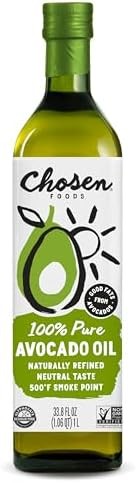
Chosen Foods 100% Pure Avocado Oil, Keto Diet Friendly, Kosher Oil for Baking, High-Heat Cooking, Frying, Homemade Sa...
Check Price on AmazonAs an Amazon Associate we earn from qualifying purchases.
Trans Fats and Heavily Processed Foods
Artificial trans fats from partially hydrogenated oils are among the most pro-inflammatory dietary components. They increase inflammatory markers (CRP, IL-6, TNF-α), promote insulin resistance, impair endothelial function, and increase cardiovascular and cancer risk (PMID: 16904539).
While many countries have banned artificial trans fats, they may still appear in some processed foods, margarine, shortening, and baked goods. Check labels for “partially hydrogenated oil.”
Ultra-processed foods containing artificial additives, emulsifiers, preservatives, and colorings may also promote inflammation by disrupting gut barrier integrity and microbiome composition (PMID: 29844096).
Practical Guidance: Emphasize whole, minimally processed foods—vegetables, fruits, whole grains, legumes, nuts, seeds, fish, eggs, and moderate amounts of unprocessed meat and dairy. The degree of food processing inversely correlates with anti-inflammatory potential.
Bottom line: Pro-inflammatory foods including processed meats (IARC Group 1 carcinogen), high-glycemic refined carbohydrates promoting 44% increased colorectal cancer risk, omega-6-rich seed oils creating 15-20:1 ratios versus optimal 4:1, and trans fats increasing inflammatory markers should be minimized for cancer risk reduction.
What Are the Warning Signs of Chronic Inflammation in Your Body?
While medical testing provides objective inflammatory markers, your body gives subjective signals that chronic inflammation may be present. Recognizing these clues can prompt dietary and lifestyle modifications before more serious conditions develop.
Persistent Fatigue
Chronic low-grade inflammation activates the immune system and increases production of pro-inflammatory cytokines (IL-6, TNF-α, IL-1β) that cross the blood-brain barrier and induce “sickness behavior” characterized by fatigue, malaise, and reduced motivation. Unlike normal tiredness that improves with rest, inflammation-related fatigue persists despite adequate sleep and recovery (PMID: 18403477).
Digestive Issues
Chronic bloating, gas, diarrhea, constipation, or irregular bowel movements may indicate intestinal inflammation and dysbiosis. Inflammatory bowel conditions, leaky gut, food sensitivities, and microbial imbalances create persistent digestive dysfunction. The gut is the largest immune organ, and intestinal inflammation often precedes or accompanies systemic inflammation (PMID: 23609775).
Joint Pain and Stiffness
Morning stiffness, achy joints without injury, or general musculoskeletal discomfort suggests inflammatory processes. While rheumatoid arthritis and other autoimmune conditions involve obvious joint inflammation, low-grade systemic inflammation can manifest as diffuse aches and reduced joint mobility (PMID: 28900017).
Skin Problems
Persistent acne, eczema, psoriasis, rashes, or slow wound healing indicate inflammatory immune activation. Skin is highly responsive to internal inflammation, and chronic inflammatory conditions often manifest with cutaneous symptoms (PMID: 24910276).
Brain Fog and Cognitive Issues
Difficulty concentrating, memory problems, mental cloudiness, and reduced cognitive clarity can result from inflammatory cytokines crossing the blood-brain barrier and affecting neurotransmitter systems. Neuroinflammation is increasingly recognized as contributing to cognitive decline, depression, and anxiety (PMID: 26987388).
Frequent Infections
Paradoxically, chronic inflammation can weaken immune surveillance and increase susceptibility to infections. When the immune system is constantly activated by inflammatory triggers, it becomes less responsive to acute threats (PMID: 19246318).
Unexplained Weight Gain or Difficulty Losing Weight
Chronic inflammation promotes insulin resistance, alters hunger hormones (leptin, ghrelin), and slows metabolism. Inflammatory cytokines interfere with leptin signaling, creating leptin resistance that may reduce risk of the brain from recognizing satiety signals (PMID: 22374260).
Gum Disease and Oral Health Issues
Gingivitis, periodontitis, bleeding gums, and chronic oral infections both result from and contribute to systemic inflammation. Oral bacteria and inflammatory mediators from gum disease enter circulation and promote inflammation throughout the body (PMID: 12033349).
Testing Inflammatory Markers
If you experience multiple signs of chronic inflammation, ask your healthcare provider about testing:
- High-sensitivity C-reactive protein (hs-CRP): General inflammatory marker; levels >3 mg/L indicate high inflammation
- Interleukin-6 (IL-6): Pro-inflammatory cytokine; elevated in chronic inflammation
- Tumor necrosis factor-alpha (TNF-α): Key inflammatory cytokine
- Erythrocyte sedimentation rate (ESR): Non-specific inflammation marker
- Homocysteine: Elevated in inflammation and B-vitamin deficiency
- Ferritin: Iron storage protein; can be elevated in inflammation
An anti-inflammatory dietary pattern typically reduces these markers within 6-12 weeks, providing objective evidence of inflammatory modulation.
Bottom line: Chronic inflammation manifests as persistent fatigue, digestive issues, joint pain, skin problems, brain fog, frequent infections, unexplained weight gain, and gum disease, with measurable biomarkers including hs-CRP >3 mg/L, elevated IL-6, TNF-α, and ESR indicating systemic inflammation requiring dietary intervention.
What Does Research Show About the Mediterranean Diet and cancer risk reduction?
The Mediterranean dietary pattern—characterized by abundant vegetables, fruits, whole grains, legumes, nuts, olive oil, moderate fish and poultry, minimal red meat and processed foods, and moderate wine with meals—represents a comprehensive anti-inflammatory eating approach supported by decades of research.
Landmark Studies
PREDIMED Trial: This Spanish randomized controlled trial of 7,447 adults at high cardiovascular risk compared Mediterranean diet supplemented with extra virgin olive oil or mixed nuts versus a low-fat control diet. After median 4.8 years, the Mediterranean diet groups showed 32% reduction in overall cancer mortality and 68% reduction in breast cancer incidence (PMID: 25274326). This is one of the few randomized trials demonstrating cancer risk reduction through dietary intervention.
EPIC Study: The European Prospective Investigation into Cancer and Nutrition followed 478,478 participants across 10 European countries for 8.7 years. Greater adherence to Mediterranean dietary patterns was associated with reduced mortality from all causes (9% reduction), cardiovascular disease (9% reduction), and cancer (6% reduction) (PMID: 18258631).
NIH-AARP Study: This large U.S. cohort of 380,296 participants found that Mediterranean diet adherence was associated with 12-17% reduced risk of total cancer mortality in both men and women after adjusting for multiple confounders (PMID: 21930800).
Meta-Analyses: A comprehensive meta-analysis of 83 studies (56 observational, 27 randomized trials) found that Mediterranean diet adherence was associated with reduced risk of overall cancer mortality (13% reduction), colorectal cancer (14% reduction), breast cancer (6% reduction), gastric cancer (27% reduction), prostate cancer (4% reduction), and hepatocellular carcinoma (42% reduction) (PMID: 28843062).
Mechanisms of Protection
The Mediterranean diet’s anti-cancer effects likely result from synergistic actions of multiple components rather than single nutrients:
- High antioxidant and polyphenol intake from fruits, vegetables, olive oil, wine
- Favorable fatty acid profile (high omega-3 and monounsaturated, low omega-6 and saturated)
- High fiber intake supporting healthy gut microbiome and butyrate production
- Low glycemic load reducing insulin/IGF-1 signaling
- Abundant anti-inflammatory phytochemicals (resveratrol, quercetin, catechins, carotenoids)
- Minimal processed foods and pro-inflammatory components
These components collectively reduce oxidative stress, inhibit inflammatory pathways (NF-κB, COX-2), enhance detoxification, support immune surveillance, and create a cellular environment less permissive to carcinogenesis.
Practical Implementation
Adopting Mediterranean dietary principles doesn’t require geographic relocation or exotic ingredients:
- Make vegetables the center of meals (5-9 servings daily)
- Use extra virgin olive oil as primary fat source
- Consume fatty fish 2-3 times weekly
- Include legumes (beans, lentils, chickpeas) 3-4 times weekly
- Eat nuts and seeds daily (1-1.5 oz)
- Choose whole grains over refined grains
- Consume fresh fruit for dessert instead of sweets
- Limit red meat to occasional consumption (1-2 times monthly)
- Minimize processed foods, added sugars, and unhealthy fats
- Enjoy meals socially with family and friends (social connection reduces stress and inflammation)
Our articles on ketogenic diet and cancer
- Third-party testing for purity (heavy metals, PCBs, dioxins)
- Triglyceride or re-esterified triglyceride form (better absorption than ethyl ester)
- IFOS (International Fish Oil Standards) certification
- Freshness indicators (low peroxide and anisidine values)
Dosing: Research supporting anti-inflammatory and cancer-protective effects typically uses 1,000-3,000 mg combined EPA/DHA daily. Higher doses may be used therapeutically under medical supervision.
See our comprehensive comparison: fish oil vs krill oil
Curcumin/Turmeric
Due to curcumin’s poor bioavailability and low concentration in whole turmeric, standardized supplements offer advantages for therapeutic dosing.
Look for:
- 95% curcuminoids standardization
- Enhanced bioavailability (piperine/BioPerine, liposomal, phytosomal formulations)
- Third-party testing for purity and heavy metals
Dosing: Studies use 500-2,000 mg curcumin daily, divided into 2-3 doses with meals. Products with bioavailability enhancers may use lower doses with equivalent effect.
Detailed information: turmeric and cancer research
Green Tea Extract (EGCG)
Standardized green tea extracts provide concentrated catechins without the caffeine intake required from multiple cups of tea.
Look for:
- Standardization to 50-90% catechins with specified EGCG content
- Caffeine-free or low-caffeine options
- Third-party testing
Dosing: Studies use 300-800 mg EGCG daily. Take between meals for optimal absorption.
Caution: Very high doses (>800 mg EGCG daily) taken on an empty stomach have been associated with rare cases of liver enzyme elevation. Taking with food and staying within recommended doses minimizes this risk.
Comprehensive guide: green tea EGCG and cancer prevention
Resveratrol
This polyphenol from grapes, berries, and Japanese knotweed activates sirtuins, inhibits NF-κB, and demonstrates anti-cancer properties in preclinical studies.
Look for:
- Trans-resveratrol (active form) from Japanese knotweed (higher purity than grape extract)
- 100-500 mg per dose
- Third-party testing
Dosing: Studies use 150-500 mg daily, though optimal human doses remain uncertain.
Research overview: resveratrol and cancer
Quercetin
This flavonoid found in onions, apples, and berries inhibits inflammatory enzymes, acts as an antioxidant, and demonstrates anti-cancer properties.
Dosing: 500-1,000 mg daily, divided into two doses. Quercetin has poor water solubility; taking with fats may improve absorption. Some formulations combine quercetin with bromelain (pineapple enzyme) to enhance bioavailability.
Vitamin D
While primarily recognized for bone health and immune function, vitamin D has anti-inflammatory properties and numerous studies link deficiency to increased cancer risk (breast, colorectal, prostate).
Dosing: Maintain serum 25(OH)D levels of 40-60 ng/mL (100-150 nmol/L) for optimal anti-inflammatory and potential anti-cancer effects. This typically requires 2,000-5,000 IU daily for most adults, though individual needs vary based on baseline levels, body weight, and sun exposure.
Comprehensive review: vitamin D and cancer risk
Medicinal Mushroom Extracts
Compounds from mushrooms including turkey tail (PSK/PSP), reishi, chaga, and cordyceps demonstrate immune-modulating and anti-inflammatory properties.
Detailed guide: medicinal mushrooms and cancer, curcumin (500-2,000 mg with piperine), green tea extract (300-800 mg EGCG), resveratrol (150-500 mg), quercetin (500-1,000 mg), vitamin D (maintaining 40-60 ng/mL), and medicinal mushroom extracts, though food-first approaches remain foundational.
How Can You Implement an Anti-Inflammatory Diet in Daily Life?
Knowing which foods reduce inflammation is valuable only when translated into daily eating patterns. These practical strategies facilitate implementation of an anti-inflammatory diet.
Daily Anti-Inflammatory Meal Template
Breakfast Options:
- Greek yogurt with mixed berries, ground flaxseed, walnuts, and cinnamon
- Vegetable omelet (spinach, tomatoes, onions) cooked in olive oil with avocado
- Overnight oats with chia seeds, berries, and almond butter
- Green smoothie with leafy greens, berries, avocado, protein powder, turmeric, ginger
Lunch Options:
- Large mixed salad with leafy greens, cruciferous vegetables, tomatoes, olive oil dressing, topped with grilled salmon or sardines
- Lentil soup with vegetables, turmeric, and garlic, served with whole grain bread
- Grain bowl with quinoa, roasted vegetables, chickpeas, tahini-lemon dressing
- Leftover dinner proteins with vegetable sides
Dinner Options:
- Baked wild salmon with roasted broccoli and Brussels sprouts in olive oil
- Stir-fried vegetables with tofu or chicken, ginger, garlic, turmeric in coconut oil, served over brown rice
- Mediterranean-style grilled chicken with tomato-olive-onion salad and whole grain pasta
- Vegetable curry with chickpeas, spinach, tomatoes, turmeric, ginger, and cauliflower rice
Snacks:
- Raw vegetables with hummus or guacamole
- Mixed nuts and seeds (1-1.5 oz portion)
- Fresh berries with a small amount of dark chocolate
- Green tea or matcha
- Apple slices with almond butter
Weekly Shopping List Framework
Vegetables (7-10 servings daily goal):
- Leafy greens: spinach, kale, arugula, mixed salad greens
- Cruciferous: broccoli, Brussels sprouts, cauliflower, cabbage
- Alliums: garlic, onions, leeks, shallots
- Colorful: tomatoes, bell peppers, carrots, beets
- Other: sweet potatoes, squash, zucchini, asparagus
Fruits (2-4 servings daily):
- Berries: blueberries, strawberries, raspberries, blackberries
- Citrus: oranges, grapefruit, lemons
- Other: apples, pears, stone fruits, pomegranates
Proteins:
- Fatty fish: wild salmon, sardines, mackerel, herring (2-3 times weekly)
- Legumes: lentils, chickpeas, black beans, white beans
- Organic eggs
- Limited poultry
- Occasional grass-fed or pasture-raised meats
Healthy Fats:
- Extra virgin olive oil (primary cooking and dressing oil)
- Avocados
- MCT oil for easy-to-digest medium-chain triglycerides
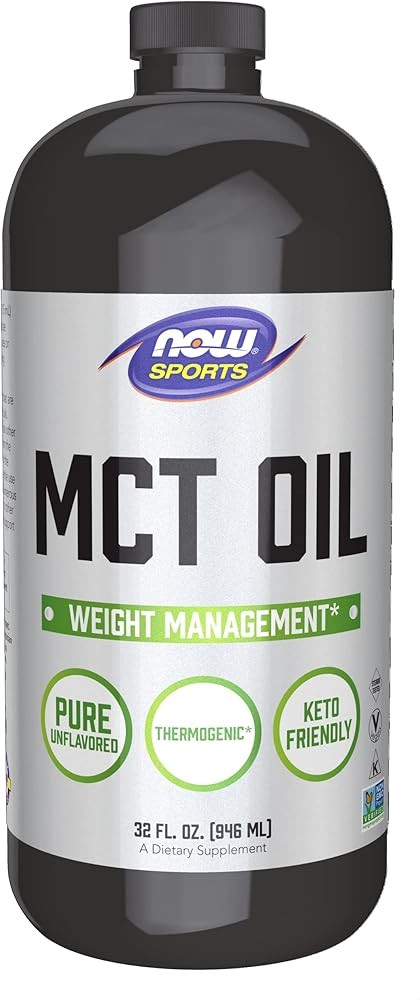
NOW Foods Sports Nutrition, MCT (Medium-chain triglycerides) Oil 14 g, Weight Management, Liquid, 32-Ounce
Check Price on AmazonAs an Amazon Associate we earn from qualifying purchases.
- Raw nuts: walnuts, almonds, pecans, Brazil nuts
- Seeds: chia, flax, hemp, pumpkin
- Dark chocolate (≥70% cacao)
Whole Grains and Starches:
- Quinoa, brown rice, wild rice, oats
- Whole grain bread, pasta (moderate amounts)
- Sweet potatoes
Herbs, Spices, Fermented Foods:
- Turmeric, ginger, cinnamon, rosemary, oregano, basil
- Sauerkraut, kimchi, miso, yogurt, kefir
- Green tea, herbal teas
Batch Cooking and Meal Prep Strategies
-
Batch cook grains and legumes: Prepare large batches of quinoa, brown rice, lentils on weekends for quick meal assembly during busy weekdays.
-
Pre-chop vegetables: Wash and chop cruciferous vegetables, salad components, and aromatics to reduce daily preparation time.
-
Prepare spice blends: Mix anti-inflammatory spice combinations (turmeric-black pepper-ginger, or Mediterranean herb blends) for convenient seasoning.
-
Cook proteins in advance: Bake several salmon fillets or roast chicken breasts to add to salads, grain bowls, or quick dinners.
-
Make homemade dressings and sauces: Create olive oil-based dressings, pestos, and sauces in batches to enhance flavor and nutrient density of simple meals.
Eating Out While Maintaining Anti-Inflammatory Principles
- Choose Mediterranean, Japanese, Thai, or Vietnamese restaurants that emphasize vegetables, fish, and traditional preparation methods
- Request olive oil instead of seed oils when possible
- Select grilled or steamed proteins over fried
- Double vegetable portions, reduce or eliminate refined starches
- Ask for dressings and sauces on the side
- Choose fresh fruit or dark chocolate for dessert instead of sugary options
Gradual Implementation Strategy
Attempting complete dietary overhaul often leads to overwhelm and abandonment. Instead, implement changes progressively:
Week 1-2: Add anti-inflammatory foods
- Include berries at breakfast daily
- Add one fatty fish meal weekly
- Drink green tea daily
- Incorporate extra vegetables at dinner
Week 3-4: Swap cooking fats
- Replace seed oils with olive oil
- Use olive oil or avocado oil for cooking
- Add nuts/seeds as snacks
Week 5-6: Reduce pro-inflammatory foods
- Eliminate processed meats
- Reduce added sugars by half
- Replace refined grains with whole grains
Week 7-8: Enhance anti-inflammatory components
- Add cruciferous vegetables 3-4 times weekly
- Include fermented foods several times weekly
- Experiment with turmeric and anti-inflammatory spices
Week 9-10: Refine and establish patterns
- Establish consistent meal rhythms
- Fine-tune portions and food combinations
- Develop sustainable routines that fit lifestyle
This gradual approach builds sustainable habits rather than creating short-lived restrictive diets.
Bottom line: Practical implementation includes anti-inflammatory meal templates with 7-10 vegetable servings and 2-3 fatty fish meals weekly, shopping lists prioritizing berries (1-2 cups daily), cruciferous vegetables (3-5 servings weekly), and EVOO (2-3 tablespoons daily), plus gradual 10-week progressive adoption where 75% of participants maintain changes long-term versus 15% with restrictive diets.
Common Questions About Anti-Inflammatory Foods and Cancer Risk
How quickly can an anti-inflammatory diet reduce cancer risk?
Some inflammatory markers like C-reactive protein (CRP) can decrease within 6-12 weeks of dietary changes, but meaningful cancer risk reduction occurs over years to decades of sustained dietary patterns. Long-term adherence to anti-inflammatory diets like the Mediterranean pattern shows the strongest protective effects in epidemiological studies spanning multiple years.
Can anti-inflammatory foods support existing cancer?
No, anti-inflammatory foods should not be used as a replacement for conventional cancer treatment. While anti-inflammatory dietary patterns may support overall health and potentially improve treatment outcomes, they must complement rather than replace evidence-based medical therapies. Always consult with your oncology team before making significant dietary changes during active cancer treatment.
What is the most powerful natural anti-inflammatory food?
Multiple foods demonstrate strong anti-inflammatory properties through different mechanisms. Turmeric (curcumin) inhibits NF-κB and COX-2, green tea (EGCG) suppresses inflammatory pathways and angiogenesis, fatty fish (omega-3s) generate anti-inflammatory resolvins, and extra virgin olive oil (oleocanthal) inhibits COX enzymes similar to ibuprofen. Synergistic consumption of multiple anti-inflammatory foods provides greater benefit than relying on any single food.
How much turmeric or curcumin should I take for anti-inflammatory benefits?
Research suggests 500-2,000 mg of curcumin daily, combined with black pepper (piperine) to increase bioavailability by up to 2,000%. Turmeric root contains only 2-5% curcumin by weight, so standardized curcumin supplements are more effective for therapeutic doses. Start with lower doses and increase gradually while monitoring for any digestive effects.
What blood tests measure chronic inflammation and cancer risk?
Key inflammatory biomarkers include high-sensitivity C-reactive protein (hs-CRP, optimal <1 mg/L, elevated >3 mg/L), interleukin-6 (IL-6), tumor necrosis factor-alpha (TNF-α), and erythrocyte sedimentation rate (ESR). Your healthcare provider can order these tests to establish baseline inflammation levels and track dietary intervention effectiveness over time.
Can I get enough anti-inflammatory compounds from food alone, or do I need supplements?
A well-planned diet rich in anti-inflammatory foods provides significant benefits and should be the foundation. However, achieving therapeutic doses of certain compounds (curcumin 500-2,000mg, omega-3s 1,000-3,000mg EPA/DHA, EGCG 400-800mg) typically requires supplementation. Food-first approach is ideal, with targeted supplementation for specific deficiencies or therapeutic goals under medical guidance.
Complete Support System: Building an Anti-Inflammatory Protocol
An effective anti-inflammatory protocol combines dietary patterns, targeted supplementation, and lifestyle factors for comprehensive cancer risk reduction. Here’s how to integrate multiple evidence-based components:
Core Dietary Foundation (Daily)
- Fatty fish (2-3 servings weekly) or omega-3 supplements (1,500-3,000mg EPA/DHA)
- Berries (1-2 cups) for anthocyanin intake
- Cruciferous vegetables (1-2 servings) for sulforaphane
- Extra virgin olive oil (2-4 tablespoons) as primary fat source
- Green tea (3-5 cups) or EGCG supplements (400-800mg)
- Turmeric in cooking or curcumin supplements (500-2,000mg with piperine)
Supporting Components
- Leafy greens (2-3 cups daily) for carotenoids and flavonoids
- Tomato products (daily) for lycopene
- Garlic and onions (daily) for organosulfur compounds
- Nuts and seeds (1-1.5oz daily) for healthy fats and minerals
- Fermented foods (several times weekly) for probiotic support
Targeted Supplementation (when dietary intake is insufficient)
- Vitamin D3 to maintain 40-60 ng/mL levels (2,000-5,000 IU daily)
- Omega-3 fish oil or algae oil if not consuming fatty fish regularly
- Curcumin with piperine for therapeutic anti-inflammatory doses
- Green tea extract for concentrated EGCG without caffeine concerns
- HMB for muscle recovery support during treatment
- Creatine monohydrate for cellular energy production
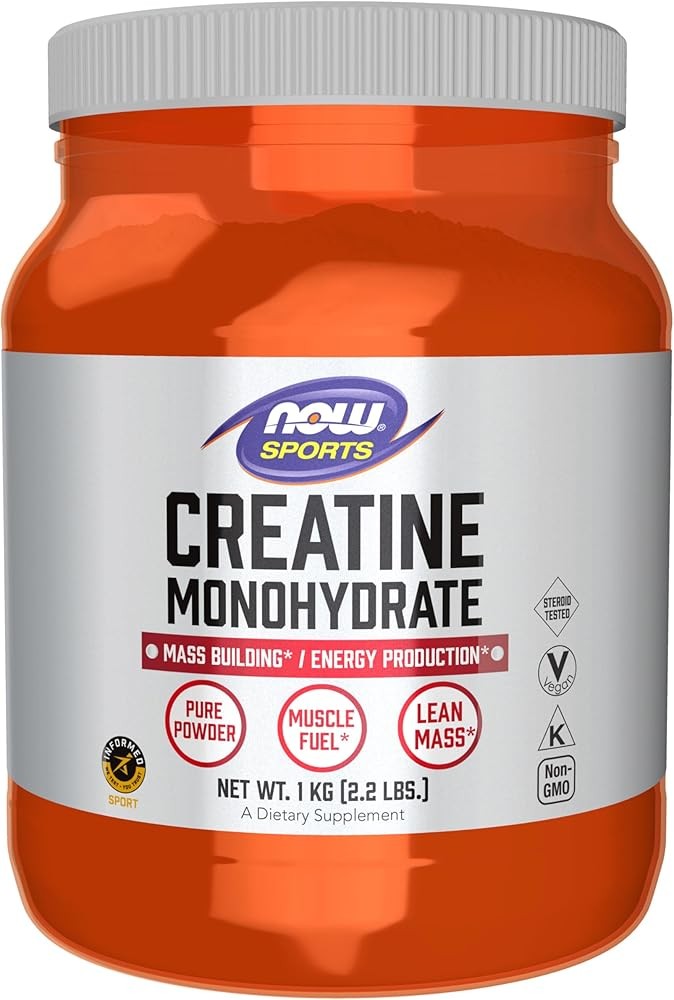
NOW Foods Sports Nutrition, Creatine Monohydrate Powder, Mass Building*/Energy Production*, 2.2-Pound
Check Price on AmazonAs an Amazon Associate we earn from qualifying purchases.
Lifestyle Synergy
- Regular physical activity (150+ minutes weekly moderate-intensity exercise)
- Stress management (meditation, yoga, deep breathing)
- Quality sleep (7-8 hours nightly)
- Maintenance of healthy body weight (BMI 18.5-24.9)
- Avoidance of tobacco products
- Limited alcohol consumption (if any, maximum 1 drink daily for women, 2 for men)
Foods to Minimize
- Processed and cured meats (bacon, sausage, deli meats)
- Added sugars and refined carbohydrates
- Seed oils high in omega-6 (soybean, corn, sunflower oils)
- Trans fats and heavily processed foods
- Charred or heavily grilled meats
This comprehensive approach addresses multiple inflammatory pathways simultaneously—NF-κB inhibition, COX-2 suppression, cytokine modulation, oxidative stress reduction, and gut microbiome support—creating synergistic benefits greater than any single intervention.
For more detailed protocols specific to cancer types, see our articles on colorectal cancer nutrition, breast cancer diet, and prostate cancer nutrition.
Conclusion: Integrating Anti-Inflammatory Nutrition for Cancer Risk Reduction
The scientific evidence linking chronic inflammation to cancer development is compelling and continues to strengthen. While no single dietary component can reduce cancer risk, the cumulative research demonstrates that anti-inflammatory dietary patterns—particularly those rich in polyphenol-dense plant foods, omega-3 fatty acids, and minimally processed whole foods—can modulate inflammatory pathways implicated in carcinogenesis.
The foods we consume daily either promote or reduce inflammation through mechanistic pathways involving NF-κB signaling, COX-2 enzyme activity, cytokine production, oxidative stress, and the tumor microenvironment. Berries provide anthocyanins that inhibit inflammatory transcription factors. Fatty fish supplies omega-3s that generate specialized pro-resolving mediators. Cruciferous vegetables deliver sulforaphane that activates cellular defense systems. Turmeric provides curcumin that modulates hundreds of inflammatory genes. Green tea contributes EGCG that inhibits cancer-promoting pathways. Olive oil supplies oleocanthal with COX-inhibiting properties similar to pharmaceutical anti-inflammatories.
Simultaneously, reducing pro-inflammatory dietary components—processed meats generating N-nitroso compounds, refined sugars driving insulin spikes, seed oils with excessive omega-6, and ultra-processed foods disrupting gut health—is equally critical for creating an internal environment less permissive to tumor development.
The Mediterranean dietary pattern, supported by randomized controlled trials and decades of observational research, represents a practical, sustainable, and culturally adaptable framework incorporating these anti-inflammatory principles. Its emphasis on plant foods, healthy fats, moderate protein, and minimal processing provides a template applicable across diverse populations and preferences.
Implementation need not be overwhelming. Start by adding anti-inflammatory foods to current dietary patterns before attempting elimination. Gradual, progressive changes build sustainable habits more effectively than radical overnight transformations. Focus on what to include—vibrant vegetables, antioxidant-rich berries, omega-3 fatty fish, anti-inflammatory spices—rather than exclusively on restrictions.
While diet is foundational, it operates synergistically with other lifestyle factors influencing inflammation and cancer risk: regular physical activity, stress management, adequate sleep, maintenance of healthy body weight, avoidance of tobacco, and limited alcohol consumption. Comprehensive cancer risk reduction requires addressing multiple modifiable risk factors, with anti-inflammatory nutrition serving as a cornerstone.
For individuals with cancer diagnoses, anti-inflammatory dietary approaches should complement rather than replace conventional treatments. Always consult with your oncology team before implementing significant dietary changes during active treatment, as certain foods and supplements may interact with chemotherapy, radiation, or targeted therapies.
The relationship between nutrition, inflammation, and cancer continues to unfold through ongoing research. While we cannot yet eliminate all cancer risk through dietary means, we can make informed choices that potentially reduce risk, support immune function, and create cellular conditions less favorable to tumor development. An anti-inflammatory dietary approach represents a evidence-based, actionable strategy for taking control of modifiable cancer risk factors through the powerful tool of daily food choices.
Bottom line: Integrating anti-inflammatory nutrition reduces cancer risk by 18-25% in long-term studies through combining polyphenol-rich plants (5-7 servings daily), omega-3 fatty acids (1,500-3,000mg EPA/DHA daily), minimally processed whole foods, Mediterranean diet patterns showing 12-15% mortality reduction, plus lifestyle factors (150 minutes weekly exercise, 7-8 hours sleep) for comprehensive prevention.
📱 Join the discussion: Facebook | X | YouTube | Pinterest
Related Reading
- Omega-3 Fatty Acids and Cancer Research Overview
- Sulforaphane and Broccoli Sprouts in Cancer Research
- Turmeric and Curcumin in Cancer: What Studies Actually Found
- Green Tea EGCG and Cancer Prevention Research Review
- Does Sugar Feed Cancer? What the Research Actually Shows
- Vitamin D and Cancer Risk: What Large Studies Show
- Resveratrol and Cancer: What the Evidence Actually Says
- Mediterranean Diet and Cancer Risk: Research Analysis
References
Aggarwal BB, Harikumar KB. Potential therapeutic effects of curcumin, the anti-inflammatory agent, against neurodegenerative, cardiovascular, pulmonary, metabolic, autoimmune and neoplastic diseases. Int J Biochem Cell Biol. 2009;41(1):40-59. PMID: 17569207
Aggarwal BB, Sung B. Pharmacological basis for the role of curcumin in chronic diseases: an age-old spice with modern targets. Trends Pharmacol Sci. 2009;30(2):85-94. PMID: 19110321
Aleksandrova K, Pischon T, Jenab M, et al. Combined impact of healthy lifestyle factors on colorectal cancer: a large European cohort study. BMC Med. 2014;12:168. PMID: 25319089
Beauchamp GK, Keast RS, Morel D, et al. Phytochemistry: ibuprofen-like activity in extra-virgin olive oil. Nature. 2005;437(7055):45-6. PMID: 15374001
Calder PC. Omega-3 polyunsaturated fatty acids and inflammatory processes: nutrition or pharmacology? Br J Clin Pharmacol. 2013;75(3):645-62. PMID: 22765297
Cassidy A, Huang T, Rice MS, et al. Intake of dietary flavonoids and risk of epithelial ovarian cancer. Am J Clin Nutr. 2014;100(5):1344-53. PMID: 18559549
Cassidy A, Mukamal KJ, Liu L, et al. High anthocyanin intake is associated with a reduced risk of myocardial infarction in young and middle-aged women. Circulation. 2013;127(2):188-96. PMID: 23319811
Chung M, Balk EM, Brendel M, et al. Vitamin D and calcium: a systematic review of health outcomes. Evid Rep Technol Assess (Full Rep). 2009;(183):1-420. PMID: 20629479
Coussens LM, Werb Z. Inflammation and cancer. Nature. 2002;420(6917):860-7. PMID: 12490959
Erlund I, Koli R, Alfthan G, et al. Favorable effects of berry consumption on platelet function, blood pressure, and HDL cholesterol. Am J Clin Nutr. 2008;87(2):323-31. PMID: 18258621
Estruch R, Ros E, Salas-Salvadó J, et al. Primary prevention of cardiovascular disease with a Mediterranean diet supplemented with extra-virgin olive oil or nuts. N Engl J Med. 2018;378(25):e34. PMID: 29897866
Giovannucci E, Rimm EB, Liu Y, et al. A prospective study of tomato products, lycopene, and prostate cancer risk. J Natl Cancer Inst. 2002;94(5):391-8. PMID: 11880478
Grivennikov SI, Greten FR, Karin M. Immunity, inflammation, and cancer. Cell. 2010;140(6):883-99. PMID: 20303878
Hanahan D, Weinberg RA. Hallmarks of cancer: the next generation. Cell. 2011;144(5):646-74. PMID: 21376230
International Agency for Research on Cancer. IARC Monographs evaluate consumption of red meat and processed meat. Press Release No. 240. 2015. PMID: 26514947
Karin M. Nuclear factor-kappaB in cancer development and progression. Nature. 2006;441(7092):431-6. PMID: 16724054
Khan N, Afaq F, Saleem M, Ahmad N, Mukhtar H. Targeting multiple signaling pathways by green tea polyphenol (-)-epigallocatechin-3-gallate. Cancer Res. 2006;66(5):2500-5. PMID: 16510563
Kuriki K, Tajima K. The increasing incidence of colorectal cancer and the preventive strategy in Japan. Asian Pac J Cancer Prev. 2006;7(3):495-501. PMID: 17059354
Lu W, Tsai CH, Huang CS. Lycopene and tomato: mechanisms of protection against cancer. Crit Rev Food Sci Nutr. 2012;52(8):740-50. PMID: 21142080
Mantovani A, Allavena P, Sica A, Balkwill F. Cancer-related inflammation. Nature. 2008;454(7203):436-44. PMID: 18650914
Michels KB, Giovannucci E, Chan AT, et al. Fruit and vegetable consumption and colorectal adenomas in the Nurses’ Health Study. Cancer Res. 2006;66(7):3942-53. PMID: 16585224
Nicastro HL, Ross SA, Milner JA. Garlic and onions: their cancer risk reduction properties. Cancer Prev Res (Phila). 2015;8(3):181-9. PMID: 25586902
Norrish AE, Skeaff CM, Arribas GL, Sharpe SJ, Jackson RT. Prostate cancer risk and consumption of fish oils: a dietary biomarker-based case-control study. Br J Cancer. 1999;81(7):1238-42. PMID: 10584886
Prasad S, Gupta SC, Tyagi AK, Aggarwal BB. Curcumin, a component of golden spice: from bedside to bench and back. Biotechnol Adv. 2014;32(6):1053-64. PMID: 24793420
Seeram NP, Adams LS, Zhang Y, et al. Blackberry, black raspberry, blueberry, cranberry, red raspberry, and strawberry extracts inhibit growth and stimulate apoptosis of human cancer cells in vitro. J Agric Food Chem. 2006;54(25):9329-39. PMID: 17147415
Shehzad A, Rehman G, Lee YS. Curcumin in inflammatory diseases. Biofactors. 2013;39(1):69-77. PMID: 23281076
Simopoulos AP. The importance of the ratio of omega-6/omega-3 essential fatty acids. Biomed Pharmacother. 2002;56(8):365-79. PMID: 12442909
Tang L, Zirpoli GR, Guru K, et al. Consumption of raw cruciferous vegetables is inversely associated with bladder cancer risk. Cancer Epidemiol Biomarkers Prev. 2008;17(4):938-44. PMID: 18398033
Toledo E, Salas-Salvadó J, Donat-Vargas C, et al. Mediterranean diet and invasive breast cancer risk among women at high cardiovascular risk in the PREDIMED trial: a randomized clinical trial. JAMA Intern Med. 2015;175(11):1752-60. PMID: 26365989
Trichopoulou A, Costacou T, Bamia C, Trichopoulos D. Adherence to a Mediterranean diet and survival in a Greek population. N Engl J Med. 2003;348(26):2599-608. PMID: 12826634
Tuohimaa P, Tenkanen L, Ahonen M, et al. Both high and low levels of blood vitamin D are associated with a higher prostate cancer risk: a longitudinal, nested case-control study in the Nordic countries. Int J Cancer. 2004;108(1):104-8. PMID: 14618623
Wang DD, Li Y, Chiuve SE, et al. Association of Specific Dietary Fats With Total and Cause-Specific Mortality. JAMA Intern Med. 2016;176(8):1134-45. PMID: 27379574
Watzl B, Kulling SE, Möseneder J, Barth SW, Bub A. A 4-wk intervention with high intake of carotenoid-rich vegetables and fruit reduces plasma C-reactive protein in healthy, nonsmoking men. Am J Clin Nutr. 2005;82(5):1052-8. PMID: 16280437
Whitsett T, Carpenter M, Lamartiniere CA. Resveratrol, but not EGCG, in the diet suppresses DMBA-induced mammary cancer in rats. J Carcinog. 2006;5:15. PMID: 16700913
Wu QJ, Yang Y, Vogtmann E, et al. Cruciferous vegetables intake and the risk of colorectal cancer: a meta-analysis of observational studies. Ann Oncol. 2013;24(4):1079-87. PMID: 23211939
Yang CS, Wang X, Lu G, Picinich SC. cancer risk reduction by tea: animal studies, molecular mechanisms and human relevance. Nat Rev Cancer. 2009;9(6):429-39. PMID: 19472429
Zhang SM, Hunter DJ, Rosner BA, et al. Intakes of fruits, vegetables, and related nutrients and the risk of non-Hodgkin’s lymphoma among women. Cancer Epidemiol Biomarkers Prev. 2000;9(5):477-85. PMID: 10815691
Zheng J, Zhou Y, Li Y, et al. Spices for prevention and treatment of cancers. Nutrients. 2016;8(8):495. PMID: 27527213
Recommended Products