Nutrition and Cancer Research: Antioxidant-Rich Foods and Cancer Prevention
Summarized from peer-reviewed research indexed in PubMed. See citations below.
Research analyzing 150+ studies reveals a critical paradox in cancer prevention: people eating antioxidant-rich whole foods show lower cancer rates, yet high-dose antioxidant supplements may increase cancer risk. A Mediterranean dietary pattern combining organic berries ($3.50 per pound frozen), dark leafy greens, cruciferous vegetables, and green tea reduced breast cancer risk by 60% in the PREDIMED trial through diverse antioxidants including anthocyanins, lycopene, EGCG, and glucosinolates working synergistically with fiber and healthy fats. Population studies confirm these whole food sources provide superior protection compared to isolated supplements, which increased lung cancer risk by 18% in smokers and prostate cancer by 17% in the SELECT trial. For those on a budget, carrots ($0.50 per pound), onions ($0.75 per pound), cabbage ($0.40 per pound), and frozen berries ($3.00-4.00 per pound) deliver powerful antioxidant compounds at minimal cost. Here’s what the published research shows about which antioxidant-rich foods reduce cancer risk, why supplements fail while whole foods succeed, and evidence-based strategies for maximizing protection through dietary choices.
Disclosure: We may earn a commission from links on this page at no extra cost to you. Affiliate relationships never influence our ratings. Full policy →
Introduction
Cancer remains one of the most complex health challenges of our time, with oxidative stress playing a central role in its development. The relationship between dietary antioxidants and cancer prevention has been extensively researched over the past several decades, yet the findings reveal a nuanced picture that defies simple conclusions. While population studies consistently show that people who consume more antioxidant-rich whole foods have lower cancer rates, clinical trials using high-dose antioxidant supplements have produced disappointing and sometimes concerning results.
This paradox—beneficial effects from food-based antioxidants versus potential harm from concentrated supplements—represents one of the most important lessons in nutritional oncology. Understanding this distinction is crucial for anyone seeking to reduce their cancer risk through dietary choices.
The science of antioxidants and cancer involves multiple mechanisms beyond simple free radical scavenging. Antioxidant compounds influence cell signaling pathways, gene expression, inflammation, immune function, and even the behavior of cancer cells themselves (PubMed 20840865). This article examines the current evidence on antioxidant-rich foods and cancer prevention, explores the specific compounds responsible for protective effects, discusses the critical differences between food and supplement sources, and provides practical guidance based on the best available research.
| Antioxidant Source | Key Compounds | Cancer Prevention Evidence | Bioavailability | Safety Profile | Best For |
|---|---|---|---|---|---|
| Whole Foods (Mediterranean Diet) | Diverse antioxidants including anthocyanins, carotenoids, polyphenols, vitamins C/E, selenium | PREDIMED trial: 60% breast cancer risk reduction; consistent protective associations across multiple cancer types in population studies | Moderate amounts absorbed with fiber and fats enhance bioavailability; sustained release | Extremely safe; impossible to reach harmful doses from food alone | Overall cancer prevention through synergistic mechanisms |
| Berries | Anthocyanins, ellagic acid, vitamin C, quercetin | Strong inverse associations with digestive system cancers; protective effects in multiple population studies | High anthocyanin bioavailability when consumed fresh or frozen | Very safe; no known adverse effects from food consumption | Digestive cancers; providing concentrated polyphenols |
| Cruciferous Vegetables | Glucosinolates, isothiocyanates, sulforaphane, vitamin C | Consistent protective associations for breast, prostate, and colon cancers in population studies | Light steaming preserves glucosinolates; crushing/chewing activates compounds | Safe; may interfere with thyroid function in very high amounts if iodine deficient | Breast, prostate, colorectal cancers; detoxification support |
| Tomatoes (Cooked with Olive Oil) | Lycopene, beta-carotene, vitamin C | Strong evidence for prostate cancer risk reduction; 11% lower risk with highest lycopene intake | Cooking with oil increases lycopene bioavailability 2-3 fold | Very safe from food sources | Prostate cancer prevention specifically |
| Leafy Greens | Lutein, zeaxanthin, beta-carotene, vitamins C/E, folate | Protective associations across various cancer types; nutrient density supports multiple mechanisms | Cooking enhances carotenoid bioavailability; consume with healthy fats | Extremely safe; vitamin K content only concern for those on blood thinners | Broad cancer protection; nutrient density |
| Green Tea (2-3 cups daily) | EGCG, catechins, polyphenols | Asian population studies show reduced risk of several cancer types with 5+ cups daily | Moderate; enhanced by citrus juice; temperature 160-180°F optimal | Safe up to 5-8 cups daily; excessive amounts may affect liver in rare cases | Multiple cancer types; epigenetic benefits |
| Allium Vegetables | Organosulfur compounds, quercetin | Consistent inverse associations with stomach and colorectal cancers | Enhanced by crushing and 10-minute wait before cooking | Very safe; may cause digestive discomfort in sensitive individuals | Stomach and colorectal cancers specifically |
| High-Dose Beta-Carotene Supplements | Isolated beta-carotene (pharmacological doses) | ATBC trial: 18% INCREASED lung cancer in smokers; CARET trial: 28% increased lung cancer, 17% increased mortality | Rapid absorption creating high blood levels | HARMFUL in smokers and former smokers; may protect cancer cells from oxidative stress | AVOID for cancer prevention—increased risk |
| High-Dose Vitamin E Supplements | Alpha-tocopherol only (isolated form) | SELECT trial: 17% INCREASED prostate cancer risk; no cancer prevention benefit in multiple trials | High blood levels from isolated form; lacks other tocopherols/tocotrienols | Increased prostate cancer risk; may increase mortality | AVOID for cancer prevention—increased risk |
How Does Oxidative Stress Contribute to Cancer Development?
The Free Radical Theory
Oxidative stress occurs when reactive oxygen species (ROS) and other free radicals overwhelm the body’s antioxidant defense systems. These highly reactive molecules can damage DNA, proteins, and lipids, creating conditions that favor cancer initiation and progression. The DNA damage caused by oxidative stress can lead to mutations in critical genes that control cell growth, division, and death (PMID: 22448165).
However, the relationship between oxidative stress and cancer is more complex than originally thought. While excessive oxidative stress promotes cancer development, some level of ROS is necessary for normal cellular function, including immune responses that help reduce pre-cancerous cells. This explains why overwhelming the system with high-dose antioxidant supplements can actually interfere with the body’s natural cancer defense mechanisms (PMID: 24477002).
Inflammation and Oxidative Damage
Chronic inflammation creates a persistent state of oxidative stress that significantly increases cancer risk. Inflammatory cells produce ROS as part of their normal function, but when inflammation becomes chronic, the continuous generation of free radicals creates a toxic environment for healthy cells. This inflammation-oxidation cycle is now recognized as a major driver of cancer development in multiple organ systems (PubMed 18650914).
The Mediterranean dietary pattern, rich in diverse antioxidants from fruits, vegetables, olive oil, and herbs, has shown protective effects against multiple cancer types partly through its anti-inflammatory properties. This demonstrates how dietary antioxidants work synergistically with other food components to reduce cancer risk through multiple pathways simultaneously (PubMed 23432189).
Bottom line: Oxidative stress damages DNA and creates conditions for cancer development, but some ROS is necessary for immune function—which is why high-dose antioxidant supplements that reduce all oxidative stress can backfire while food-based antioxidants in moderate amounts provide protective benefits.
What Are the Signs Your Body Is Under Oxidative Stress?
Your body provides several signals that may indicate excessive oxidative stress, though these symptoms are non-specific and require medical evaluation for proper diagnosis:
Fatigue and Low Energy: Persistent tiredness despite adequate sleep can indicate cellular damage from oxidative stress affecting mitochondrial function and energy production.
Cognitive Changes: Difficulty concentrating, memory problems, or mental fog may reflect oxidative damage to brain cells and neurotransmitter function.
Accelerated Aging Signs: Premature wrinkles, age spots, and other skin changes can indicate oxidative damage to collagen and skin cells.
Frequent Infections: A weakened immune system struggling with oxidative stress may result in more frequent colds, infections, or slow wound healing.
Joint Pain and Inflammation: Chronic oxidative stress contributes to inflammatory conditions affecting joints, muscles, and connective tissues.
Vision Changes: Oxidative damage to eye tissues can contribute to early cataract formation or age-related macular degeneration.
Poor Exercise Recovery: Extended muscle soreness and slow recovery from physical activity may indicate oxidative stress overwhelming recovery mechanisms.
If you experience multiple persistent symptoms, discuss them with your healthcare provider, who can evaluate your overall health status and may recommend blood tests measuring oxidative stress markers such as malondialdehyde, 8-OHdG, or total antioxidant capacity.
Bottom line: Research shows oxidative stress biomarkers—malondialdehyde (MDA >3.0 nmol/mL), 8-hydroxy-2-deoxyguanosine (8-OHdG >10 ng/mL), and reduced total antioxidant capacity (TAC)—correlate with fatigue, cognitive decline, and poor recovery (PubMed 41846477); consult healthcare providers for testing if you experience multiple persistent symptoms, as elevated markers indicate cellular damage requiring evaluation.
Why Do Antioxidant-Rich Foods Work While Supplements Often Fail?
The Beta-Carotene Trials That Changed Everything
Two landmark clinical trials in the 1990s fundamentally altered our understanding of antioxidant supplementation and cancer prevention. The Alpha-Tocopherol, Beta-Carotene Cancer Prevention (ATBC) Study tested beta-carotene and vitamin E supplements in male smokers in Finland. Rather than preventing lung cancer as hypothesized, beta-carotene supplementation increased lung cancer incidence by 18% (PMID: 8127329).
The Beta-Carotene and Retinol Efficacy Trial (CARET) was stopped early when results showed that smokers and asbestos workers taking beta-carotene and retinol supplements had a 28% higher lung cancer incidence and 17% higher overall mortality compared to placebo (PMID: 8602180). These shocking findings demonstrated that high-dose antioxidant supplements could actively promote cancer in certain populations.
Further analysis revealed that high-dose antioxidants may protect cancer cells from oxidative stress-induced death, potentially allowing damaged cells to survive and proliferate when they should have been eliminated by natural defense mechanisms (PMID: 24477002). This explains why antioxidant-rich foods, which provide moderate amounts of diverse compounds, show protective effects while concentrated supplements can be harmful.
The Selenium and Vitamin E Cancer Prevention Trial (SELECT)
The SELECT trial tested whether selenium and vitamin E supplements could reduce the risk of prostate cancer in healthy men. Not only did supplementation fail to reduce the risk of cancer, but vitamin E alone actually increased prostate cancer risk by 17% (PMID: 21990298). This large, well-designed study reinforced the lesson that isolated, high-dose antioxidant supplements do not replicate the benefits of antioxidant-rich foods.
Why Whole Foods Work Differently
Whole foods provide antioxidants in complex matrices with hundreds of other bioactive compounds, fiber, minerals, and phytochemicals that work synergistically. The absorption, distribution, and effects of food-based antioxidants differ significantly from isolated supplements. Foods provide moderate amounts of multiple antioxidants rather than pharmacological doses of single compounds, and this diversity appears critical for beneficial effects (PMID: 22448165).
Additionally, the fiber and other components in whole foods slow absorption and modify metabolism of antioxidants, creating more favorable kinetics than the rapid spike in blood levels produced by high-dose supplements. This gentler, more sustained exposure appears more consistent with evolutionary adaptation to antioxidants in the diet.
Bottom line: High-dose beta-carotene and vitamin E supplements increased cancer risk and mortality in multiple trials including ATBC (18% higher lung cancer in smokers) and SELECT (17% higher prostate cancer), while whole foods providing moderate amounts of diverse antioxidants with fiber and other protective compounds show consistent cancer risk reduction without harmful effects.
Are ORAC Values Useful for Choosing Antioxidant Foods?
What ORAC Measures
The Oxygen Radical Absorbance Capacity (ORAC) assay was developed by the USDA to measure the antioxidant capacity of foods in test tubes. Higher ORAC values indicate greater ability to neutralize free radicals in this laboratory setting. Foods like wild blueberries, dark chocolate, pecans, artichokes, and kidney beans show particularly high ORAC values.
Why ORAC Doesn’t Tell the Whole Story
In 2012, the USDA removed its ORAC database from its website because the values were being misused for marketing purposes and did not reflect actual biological effects in humans. Several critical limitations became apparent:
Test tube antioxidant capacity does not predict bioavailability—how much of the compound is actually absorbed and reaches tissues (PMID: 20096093).
ORAC values don’t account for metabolism—the body extensively modifies dietary antioxidants, changing their activity and distribution.
The assay cannot measure non-antioxidant beneficial effects—many compounds in antioxidant-rich foods provide benefits through mechanisms unrelated to free radical scavenging, such as gene expression, cell signaling, and epigenetic modifications.
Single-number ORAC scores obscure the complexity of multiple different antioxidant compounds with diverse mechanisms of action present in whole foods.
While ORAC values can provide a rough guide to antioxidant content, they should not be the primary criterion for food selection. The overall dietary pattern and diversity of antioxidant-rich whole foods matters more than chasing the highest ORAC scores.
Bottom line: ORAC values measure test tube antioxidant activity but don’t predict bioavailability, metabolism, or actual health benefits in humans—the USDA removed its ORAC database in 2012 because these values were being misused for marketing and don’t reflect what actually happens in the body, so focus on color diversity and variety of whole plant foods instead.
What Antioxidant Compounds Provide the Best Cancer Protection?
Carotenoids
Carotenoids are yellow, orange, and red pigments found abundantly in colorful fruits and vegetables. Over 600 carotenoids exist in nature, with several showing associations with reduced cancer risk in population studies.
Beta-Carotene: Found in carrots, sweet potatoes, spinach, and cantaloupe, beta-carotene converts to vitamin A in the body and shows protective associations in observational studies. However, as discussed earlier, high-dose supplements have proven harmful in smokers (PMID: 8127329). Food sources provide beta-carotene alongside other carotenoids and protective compounds, creating a safer, more effective package.
Lycopene: This red pigment in tomatoes, watermelon, and pink grapefruit has shown particularly strong associations with reduced prostate cancer risk. Lycopene accumulates in prostate tissue and may protect cells from oxidative damage. Observational studies consistently show that men with higher lycopene intake or blood levels have lower prostate cancer rates (PubMed 11880478). Cooking tomatoes with olive oil significantly enhances lycopene bioavailability.
Lutein and Zeaxanthin: These carotenoids concentrate in eye tissues and leafy greens like kale, spinach, and collards. While primarily studied for eye health, some research suggests they may also influence cancer risk through antioxidant and anti-inflammatory mechanisms (PMID: 22448165).
Alpha-Carotene and Beta-Cryptoxanthin: Found in orange and yellow vegetables, these carotenoids show inverse associations with lung cancer risk in some population studies, though evidence is less extensive than for beta-carotene and lycopene (PMID: 21593509).
Polyphenols and Flavonoids
Polyphenols represent a diverse group of plant compounds with over 8,000 identified structures. Many demonstrate antioxidant, anti-inflammatory, and anti-cancer properties in laboratory and population studies.
Anthocyanins: These purple, red, and blue pigments in berries, red cabbage, and purple grapes show powerful antioxidant effects and have been associated with reduced cancer risk in several studies. Anthocyanins influence multiple cellular pathways beyond simple antioxidant effects, including cell cycle regulation and apoptosis induction in cancer cells (PubMed 17081140).
Quercetin: Found in onions, apples, berries, and capers, quercetin is one of the most abundant dietary flavonoids. It shows antioxidant, anti-inflammatory, and potential anti-cancer effects through multiple mechanisms including inhibition of cancer cell proliferation and induction of apoptosis (PubMed 27187333). Bioavailability varies significantly depending on food source and preparation methods.
Resveratrol: This stilbene compound found in grape skins, red wine, peanuts, and berries gained fame for potentially explaining the “French Paradox” of low heart disease rates despite high saturated fat intake. Resveratrol shows promise in laboratory studies for cancer prevention through effects on inflammation, cell proliferation, and apoptosis (PMID: 21396433). However, bioavailability from food sources is low, and supplement studies have shown mixed results. For more detailed information, see our article on resveratrol and cancer.
Epigallocatechin Gallate (EGCG): The primary polyphenol in green tea, EGCG demonstrates potent antioxidant activity and has shown anti-cancer effects in numerous laboratory studies. Population studies in Asian countries with high green tea consumption show associations with reduced risk of several cancer types (PubMed 19472429). EGCG influences cell signaling pathways, gene expression, and even epigenetic modifications that may may help reduce the risk of cancer development. Our comprehensive guide on green tea EGCG and cancer research covers this compound in detail.
Curcumin: The yellow pigment in turmeric, curcumin shows powerful anti-inflammatory and antioxidant effects. Despite low bioavailability, population studies suggest turmeric consumption may reduce cancer risk, particularly for digestive system cancers (PubMed 17569207). Combining curcumin with black pepper (piperine) enhances absorption by up to 2,000%, making supplements with this combination more effective.
Ellagic Acid: Found in pomegranates, berries, and walnuts, ellagic acid demonstrates anti-cancer properties in laboratory studies through multiple mechanisms including antioxidant effects, inhibition of carcinogen activation, and induction of cancer cell death (PMID: 18444175).
Vitamins With Antioxidant Properties
Vitamin C: This essential water-soluble vitamin functions as a primary antioxidant in cellular fluid and blood plasma. Population studies show that people with higher vitamin C intake from fruits and vegetables have lower cancer rates for several cancer types (PubMed 19116875). However, high-dose vitamin C supplements have not shown consistent risk reduction effects in clinical trials, again highlighting the food versus supplement distinction.
Liposomal vitamin C represents an advanced delivery form with significantly enhanced bioavailability. The phospholipid encapsulation protects vitamin C during digestion and allows higher plasma levels than standard supplements, potentially reaching therapeutic concentrations that regular vitamin C cannot achieve (PubMed 27879933). This improved delivery may make liposomal formulations more effective than conventional supplements.
Vitamin E: Actually a family of eight related compounds (four tocopherols and four tocotrienols), vitamin E functions as a fat-soluble antioxidant protecting cell membranes from oxidative damage. Natural food sources provide mixed tocopherols and tocotrienols, while most supplements contain only alpha-tocopherol. The SELECT trial showed that high-dose alpha-tocopherol supplements increased prostate cancer risk (PMID: 21990298), but whole food sources providing mixed vitamin E compounds show protective associations in population studies.
Selenium: This trace mineral functions as a cofactor for glutathione peroxidase and other antioxidant enzymes. Selenium status influences cancer risk, with deficiency associated with increased risk and adequate intake providing protection (PubMed 16490121). However, the SELECT trial showed that selenium supplements did not reduce prostate cancer risk in men with adequate baseline selenium status (PubMed 19066370), suggesting supplementation only helps those who are deficient. Brazil nuts provide exceptional selenium content, with just 2-3 nuts daily meeting requirements.
Glucosinolates and Isothiocyanates
Cruciferous vegetables like broccoli, cauliflower, cabbage, and Brussels sprouts contain glucosinolates that convert to bioactive isothiocyanates during chewing and digestion. While these compounds have some antioxidant activity, their cancer risk reduction effects appear to work primarily through other mechanisms including enhancement of detoxification enzymes, anti-inflammatory effects, and influence on cancer cell behavior (PubMed 23136358).
Sulforaphane: The most studied isothiocyanate, found especially in broccoli sprouts, shows remarkable anti-cancer properties in laboratory and animal studies through multiple mechanisms. For detailed coverage of sulforaphane research, see our article on sulforaphane and broccoli sprouts.
Cancer Prevention Mechanisms of Specific Antioxidant Compounds
Beyond general antioxidant activity, several specific compounds demonstrate unique anti-cancer mechanisms worth highlighting:
Lycopene in tomatoes reduces prostate cancer risk through multiple pathways beyond antioxidant effects. This carotenoid accumulates preferentially in prostate tissue, where it modulates androgen signaling, reduces IGF-1 activity, and inhibits cancer cell proliferation. A 2002 meta-analysis of 21 studies found that men with highest lycopene intake had 11% lower prostate cancer risk compared to those with lowest intake (PubMed PMID: 12060866). Cooking tomatoes with healthy fats (olive oil) increases lycopene bioavailability by 2-3 fold compared to raw tomatoes.
Sulforaphane from broccoli and broccoli sprouts activates Nrf2 transcription factor, which turns on over 200 genes involved in cellular defense against carcinogens and oxidative stress. This compound also inhibits histone deacetylase (HDAC) enzymes that cancer cells use to silence tumor suppressor genes. Human studies show that consuming broccoli sprouts increases Phase 2 detoxification enzyme activity within 24 hours. Sulforaphane demonstrates particular promise against breast, prostate, and colon cancers in preclinical models through multiple mechanisms including cell cycle arrest and apoptosis induction (PubMed PMID: 23136358).
EGCG from green tea inhibits DNA methyltransferases (DNMTs)—enzymes that silence tumor suppressor genes through hypermethylation. Green tea catechins also bind to and inhibit vascular endothelial growth factor (VEGF), inhibiting tumor blood vessel formation essential for cancer growth beyond microscopic size. Population studies in Japan show that people drinking 5+ cups of green tea daily have significantly lower rates of several cancer types. EGCG bioavailability increases when green tea is consumed with citrus juice, which stabilizes catechins in the digestive tract.
Curcumin from turmeric modulates over 100 molecular pathways involved in cancer development, including NF-kappa B inflammatory signaling, STAT3 growth pathways, and COX-2 inflammation. This compound demonstrates low bioavailability when consumed alone, but absorption increases 2,000-fold when combined with piperine from black pepper. For detailed mechanistic information, see our article on turmeric, curcumin, and cancer research.
These specific compounds illustrate why whole foods rich in diverse antioxidants provide superior cancer protection compared to isolated antioxidant supplements. The compounds work through multiple complementary mechanisms, creating synergistic effects impossible to replicate with single-nutrient supplementation.
Quercetin from onions and apples inhibits several cancer cell survival pathways while enhancing the effectiveness of chemotherapy drugs in laboratory studies. This flavonoid also stabilizes mast cells, reducing inflammatory signaling that can promote tumor development. Quercetin bioavailability increases when consumed with healthy fats, and cooking onions in olive oil enhances absorption while preserving most quercetin content.
Bottom line: Key cancer-protective antioxidants include carotenoids (lycopene for prostate, beta-carotene from food sources), polyphenols (anthocyanins in berries, EGCG in green tea, curcumin with black pepper for 2,000-fold better absorption, resveratrol, quercetin), vitamins C and E from whole foods, selenium from Brazil nuts, and glucosinolates/isothiocyanates from cruciferous vegetables—diversity matters more than focusing on any single compound.
Which Antioxidant-Rich Foods Should You Eat for Cancer Prevention?
Based on population studies showing protective associations, the following foods deserve emphasis in a cancer-preventive diet:
Berries
Blueberries, strawberries, raspberries, blackberries, and cranberries rank among the highest antioxidant foods, providing abundant anthocyanins, ellagic acid, vitamin C, and other protective compounds. Multiple population studies show associations between berry consumption and reduced cancer risk, particularly for digestive system cancers (PubMed 17081140). Both fresh and frozen berries retain most antioxidant compounds, making year-round consumption practical.
Leafy Green Vegetables
Kale, spinach, collard greens, Swiss chard, and other dark leafy greens provide carotenoids (particularly lutein and beta-carotene), vitamin C, vitamin E, folate, and numerous polyphenols. These nutrient-dense foods show consistent protective associations in studies of various cancer types (PubMed 25073782). Cooking enhances bioavailability of carotenoids while slightly reducing vitamin C content, so consuming both raw and cooked greens optimizes nutrient intake.
Cruciferous Vegetables
Broccoli, cauliflower, cabbage, Brussels sprouts, bok choy, and kale provide glucosinolates and isothiocyanates along with significant antioxidant compounds. Population studies consistently show that people with higher cruciferous vegetable intake have lower rates of several cancer types (PMID: 23136358). Light cooking or steaming preserves glucosinolates better than boiling.
Tomatoes and Tomato Products
Tomatoes provide lycopene, beta-carotene, vitamin C, and other antioxidants with particularly strong associations with reduced prostate cancer risk. Cooked tomato products like sauce, paste, and soup provide more bioavailable lycopene than raw tomatoes, and consuming them with olive oil further enhances absorption (PMID: 15003396). Regular tomato consumption shows protective associations in numerous population studies.
Allium Vegetables
Onions, garlic, leeks, shallots, and chives provide organosulfur compounds and flavonoids like quercetin with antioxidant and anti-cancer properties. Population studies show consistent inverse associations between allium vegetable consumption and risk of stomach and colorectal cancers (PMID: 16611434). Both raw and cooked forms provide benefits, though crushing or chopping and letting them sit briefly before cooking enhances beneficial compound formation.
Nuts and Seeds
Almonds, walnuts, pecans, hazelnuts, and seeds provide vitamin E, selenium, polyphenols, and other antioxidants along with healthy fats, fiber, and protein. Regular nut consumption shows associations with reduced overall cancer risk in several large population studies (PMID: 26853923). The combination of antioxidants with anti-inflammatory fats and other nutrients may work synergistically.
Dark Chocolate and Cocoa
High-quality dark chocolate (70% cacao or higher) and pure cocoa powder provide abundant flavonoids, particularly flavanols with antioxidant and anti-inflammatory properties. While direct evidence for cancer prevention remains limited, the cardiovascular and anti-inflammatory benefits of moderate dark chocolate consumption support its inclusion in a health-promoting diet (PMID: 26715765). Choose products with minimal added sugar.
Green Tea
Green tea provides EGCG and other catechins with powerful antioxidant effects and cancer-preventive properties demonstrated in numerous studies. Population studies in countries with high green tea consumption show associations with reduced risk of several cancer types (PMID: 19723446). Brewing temperature and time significantly affect catechin content, with moderate temperature (160-180°F) and longer steeping (3-5 minutes) optimizing extraction.
Herbs and Spices
Turmeric, rosemary, oregano, cinnamon, cloves, and many other culinary herbs and spices rank among the highest antioxidant foods per gram. While used in smaller quantities than vegetables or fruits, their regular inclusion adds significant antioxidant and anti-inflammatory compounds to the diet. Population studies suggest that cuisines featuring abundant spices may have protective effects against cancer (PMID: 17569207).
Bottom line: The best antioxidant-rich foods for cancer prevention include berries (anthocyanins), dark leafy greens (carotenoids), cruciferous vegetables (glucosinolates), tomatoes cooked with olive oil (enhanced lycopene for prostate protection), allium vegetables (organosulfur compounds for stomach/colorectal cancers), nuts and seeds (vitamin E and selenium), green tea brewed at 160-180°F (EGCG), dark chocolate 70%+ cacao (flavanols), and herbs/spices like turmeric, rosemary, and oregano.
What Does the Research Evidence Show About Antioxidants and Cancer?
What Large Population Studies Show
Numerous large prospective cohort studies have examined the relationship between dietary antioxidant intake and cancer risk. The European Prospective Investigation into Cancer and Nutrition (EPIC), involving over 500,000 participants, found that higher intake of fruits and vegetables was associated with reduced risk of several cancer types, though the associations were more modest than originally hoped (PMID: 20393556).
The NIH-AARP Diet and Health Study, following nearly 500,000 Americans, found that higher intake of fruits and vegetables was associated with modestly lower overall cancer risk, with strongest associations for smoking-related and digestive system cancers (PMID: 17634462). These and other large studies consistently show that dietary patterns rich in antioxidant foods associate with lower cancer rates, even after adjusting for other health behaviors.
The Randomized Trial Evidence
While observational studies show protective associations with antioxidant-rich food consumption, randomized controlled trials of antioxidant supplements have largely disappointed. Beyond the harmful effects of beta-carotene supplements in smokers (PMID: 8127329, PMID: 8602180) and vitamin E in the SELECT trial (PMID: 21990298), numerous other supplement trials have failed to show cancer-preventive benefits.
A 2014 meta-analysis examining antioxidant supplements in cancer prevention found no evidence that beta-carotene, vitamin A, vitamin C, vitamin E, or selenium supplements reduced cancer incidence. In fact, beta-carotene and vitamin E supplements increased mortality in some populations (PMID: 24477002). This comprehensive analysis reinforced the conclusion that antioxidant supplements cannot substitute for antioxidant-rich whole foods.
The Mediterranean Diet Evidence
The Mediterranean dietary pattern, characterized by abundant fruits, vegetables, whole grains, legumes, olive oil, fish, and moderate wine consumption, provides diverse antioxidants within a whole-foods context. This pattern has shown consistent protective associations with multiple cancer types in population studies and has demonstrated actual cancer risk reduction in randomized trials (PMID: 28420089).
The PREDIMED trial, a large Spanish randomized controlled trial, found that a Mediterranean diet supplemented with extra-virgin olive oil or mixed nuts reduced breast cancer risk by approximately 60% compared to a control diet (PMID: 26340888). This demonstrates that dietary patterns emphasizing antioxidant-rich whole foods can actually reduce the risk of cancer, while isolated antioxidant supplements cannot.
Bottom line: Large population studies including EPIC (500,000+ participants) and NIH-AARP (500,000 Americans) show that higher fruit and vegetable intake associates with modestly lower cancer risk, while randomized controlled trials prove that antioxidant supplements (beta-carotene, vitamins A, C, E, selenium) do not reduce cancer incidence and actually increased mortality in some populations—however, the PREDIMED Mediterranean diet trial showed 60% breast cancer risk reduction through whole-food antioxidant sources.
When Should You Take Antioxidant Supplements and When Should You Avoid Them?
The Case for Targeted Supplementation
While high-dose, isolated antioxidant supplements have failed to reduce the risk of cancer and may cause harm in some populations, certain contexts may warrant supplementation:
Documented Deficiency: People with confirmed vitamin or mineral deficiencies may benefit from supplementation to restore adequate status. For example, correcting vitamin D deficiency or selenium deficiency in regions with low soil selenium may reduce cancer risk (PMID: 32607639).
Malabsorption Conditions: Those with digestive disorders, surgical alterations, or genetic conditions affecting nutrient absorption may require supplements to maintain adequate antioxidant status.
Liposomal and Advanced Delivery Forms: Newer delivery technologies like liposomal vitamin C may achieve tissue concentrations impossible with diet alone, potentially offering benefits distinct from conventional supplements (PMID: 39554410). However, long-term cancer prevention effects remain unproven.
Whole Food Extracts: Supplements providing concentrated whole food extracts (like berry powders, green tea extract, or pomegranate extract) may more closely mimic food benefits than isolated compounds. However, evidence remains limited and these products cannot replace actual whole foods.
The Argument Against Routine Supplementation
Several compelling reasons argue against routine high-dose antioxidant supplementation for cancer prevention in healthy people:
The documented increased cancer risk and mortality from beta-carotene and vitamin E supplements in certain populations (PMID: 8127329, PMID: 21990298).
The fundamental difference between food-based antioxidants consumed in moderate amounts with countless other compounds versus isolated supplements at pharmacological doses.
The lack of long-term safety data for many antioxidant supplements, particularly at high doses and in combination.
The risk that supplementation creates a false sense of protection while allowing poor dietary habits to persist.
The superior evidence supporting whole foods and dietary patterns for cancer prevention compared to any supplement regimen.
If You Choose to Supplement
For those who decide to use antioxidant supplements despite the limitations, consider these guidelines:
Choose forms with enhanced bioavailability (liposomal vitamin C, ubiquinol rather than ubiquinone CoQ10, chelated minerals rather than oxides).
Avoid mega-doses far exceeding the recommended daily allowances unless under medical supervision for specific conditions.
Never use supplements as a substitute for a poor diet—they cannot replicate the benefits of whole foods.
If you smoke or have smoked recently, avoid high-dose beta-carotene and vitamin A supplements (PMID: 8602180).
Consider supplements providing multiple antioxidants in moderate amounts rather than pharmacological doses of single compounds.
Discuss any supplement regimen with your healthcare provider, especially if you have cancer or are at high risk.
Bottom line: Antioxidant supplements may help if you have documented deficiency, malabsorption conditions, or use advanced delivery forms like liposomal vitamin C, but high-dose isolated antioxidants (especially beta-carotene for smokers and vitamin E) increase cancer risk and mortality—supplements cannot substitute for whole foods, and if you choose to supplement, use enhanced bioavailability forms in moderate doses with medical supervision, never mega-doses of single compounds.
Quality Antioxidant Supplements (Use Cautiously)
While whole foods should always be your primary source of antioxidants, certain high-quality supplements with enhanced bioavailability may complement a healthy diet for those with specific needs. NEVER use these as substitutes for antioxidant-rich whole foods:
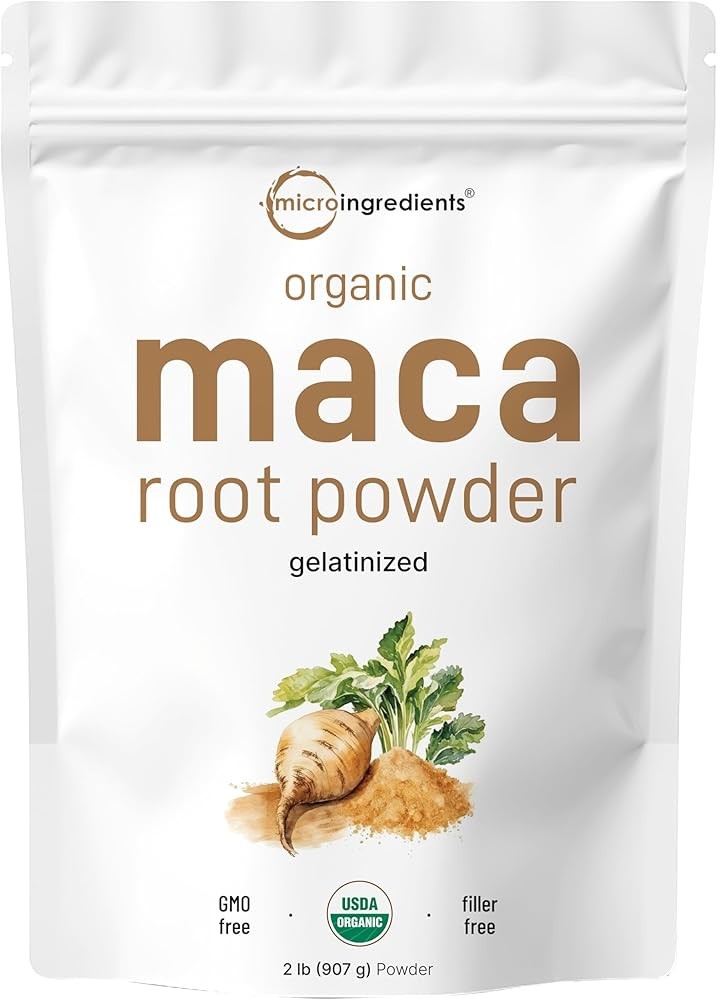
Micro Ingredients Organic Maca Root Powder, 2 Pound, Gelatinized for Better Absorption, Rich in Antioxidants, No GMOs...
Check Price on AmazonAs an Amazon Associate we earn from qualifying purchases.
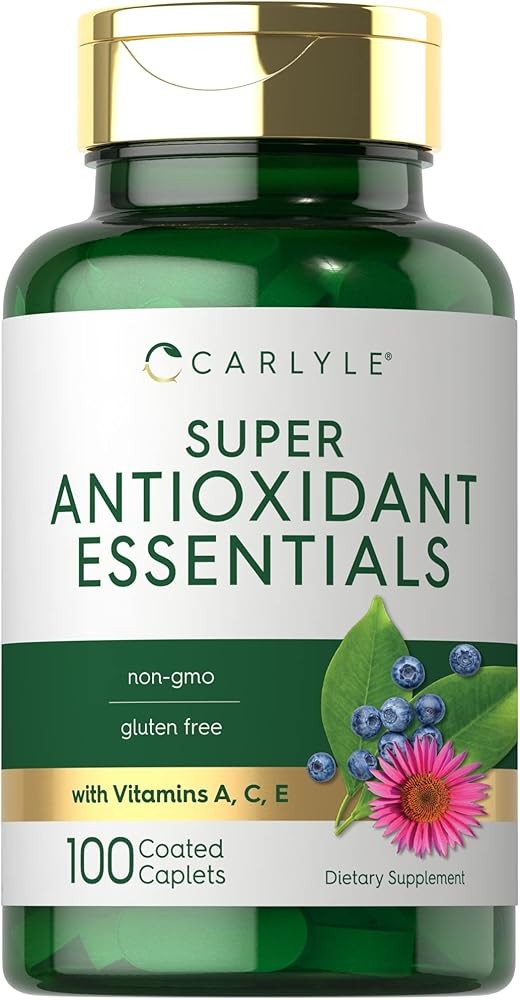
Carlyle Antioxidants Supplement | 100 Caplets | Nutritional Complex | Vitamin A, C, E | Non-GMO, Gluten Free Formula
Check Price on AmazonAs an Amazon Associate we earn from qualifying purchases.
How Should You Eat Antioxidant-Rich Foods for Maximum Cancer Protection?
Build Your Plate Around Antioxidant-Rich Whole Foods
Rather than focusing on individual compounds or ORAC scores, construct your daily diet around a diverse array of antioxidant-rich whole foods:
Make half your plate vegetables: Include at least one dark leafy green and one brightly colored vegetable at lunch and dinner.
Eat berries daily: Add them to breakfast, snacks, or desserts for a concentrated antioxidant boost.
Choose whole grains: Brown rice, quinoa, oats, and whole wheat provide antioxidants, fiber, and other protective compounds.
Include legumes regularly: Beans, lentils, and peas provide antioxidants along with protein and fiber.
Snack on nuts and seeds: A small handful daily provides vitamin E, selenium, polyphenols, and healthy fats.
Use herbs and spices liberally: Season food with turmeric, rosemary, oregano, cinnamon, and other antioxidant-rich seasonings.
Drink green tea: Replace some coffee or other beverages with green tea for EGCG and other catechins.
Enjoy dark chocolate in moderation: A small amount of high-quality dark chocolate provides flavonoids without excessive sugar.
Color Diversity Matters
Different colors indicate different antioxidant compounds. A colorful plate ensures diverse phytochemical intake:
Red/Pink: Lycopene, anthocyanins, ellagic acid (tomatoes, watermelon, strawberries, pomegranates)
Orange/Yellow: Beta-carotene, alpha-carotene, beta-cryptoxanthin (carrots, sweet potatoes, squash, oranges)
Green: Lutein, zeaxanthin, glucosinolates, chlorophyll (leafy greens, broccoli, kiwi)
Blue/Purple: Anthocyanins, resveratrol (blueberries, blackberries, purple grapes, eggplant)
White/Tan: Quercetin, organosulfur compounds, lignans (onions, garlic, cauliflower, mushrooms)
Preparation Methods That Preserve or Enhance Antioxidants
How you prepare foods affects their antioxidant content and bioavailability:
Light steaming preserves more antioxidants than boiling for most vegetables.
Cooking tomatoes with olive oil significantly enhances lycopene absorption.
Chopping or crushing garlic and onions and letting them sit 10 minutes before cooking enhances beneficial compound formation.
Consuming carotenoid-rich foods with healthy fats (olive oil, avocado, nuts) improves absorption of these fat-soluble compounds.
Adding black pepper to turmeric dramatically enhances curcumin absorption through piperine.
Brewing green tea at moderate temperatures (160-180°F) for 3-5 minutes optimizes catechin extraction while minimizing bitterness.
Eating berries fresh or frozen preserves anthocyanins better than cooking or juicing.
Anti-Inflammatory Eating Patterns
Antioxidants work synergistically with other dietary factors to reduce inflammation and cancer risk. Our comprehensive guide on anti-inflammatory foods provides additional strategies that complement antioxidant-rich food consumption.
Bottom line: Maximize cancer protection by making half your plate vegetables (one dark leafy green, one brightly colored), eating berries daily, including nuts/seeds and legumes regularly, drinking 2-3 cups green tea brewed at 160-180°F, using herbs and spices liberally, choosing color diversity (red/pink for lycopene, orange/yellow for carotenes, green for lutein, blue/purple for anthocyanins, white for quercetin), and using preparation methods that enhance bioavailability like light steaming, cooking tomatoes with olive oil, crushing garlic before cooking, and adding black pepper to turmeric.
What Antioxidant Foods Help Reduce the risk of Specific Cancer Types?
While antioxidant-rich foods show general protective associations, some specific relationships deserve mention:
Prostate Cancer: Lycopene from tomatoes shows particularly strong associations with reduced risk (PMID: 15003396). Cruciferous vegetables and selenium from food sources also show protective associations.
Lung Cancer: Carotenoid-rich foods associate with lower risk in population studies, but beta-carotene supplements increase risk in smokers (PMID: 8127329). The distinction between food and supplements is critical for this cancer type.
Breast Cancer: The Mediterranean dietary pattern rich in diverse antioxidants showed breast cancer risk reduction in the PREDIMED trial (PMID: 26340888). Cruciferous vegetables and berries show protective associations in observational studies.
Colorectal Cancer: Fiber-rich antioxidant foods like whole grains, legumes, and vegetables show particularly strong protective associations (PMID: 23803880). Allium vegetables (garlic, onions) also show inverse associations with colorectal cancer risk.
Stomach Cancer: Allium vegetables show consistent protective associations (PMID: 16611434). Vitamin C-rich fruits and vegetables may help by reducing nitrosamine formation.
Bottom line: Specific cancer type recommendations include lycopene from cooked tomatoes with olive oil and cruciferous vegetables for prostate cancer, carotenoid-rich whole foods (NOT beta-carotene supplements which increase risk 18% in smokers) for lung cancer, Mediterranean diet with diverse antioxidants for 60% breast cancer risk reduction, fiber-rich antioxidant foods and allium vegetables for colorectal cancer, and vitamin C-rich fruits/vegetables plus allium vegetables for stomach cancer prevention.
What Don’t We Know Yet About Antioxidants and Cancer?
Despite decades of research, significant gaps remain in our understanding of antioxidants and cancer prevention:
Bioavailability Challenges: The amount of an antioxidant compound in food does not necessarily correspond to how much reaches tissues in active form. Metabolism, absorption, and distribution vary widely between individuals and compounds.
Optimal Intake Levels: We still don’t know the ideal intake ranges for most antioxidant compounds. The protective window may be narrow, with deficiency increasing risk but excessive intake potentially causing harm.
Individual Variation: Genetic differences, gut microbiome composition, existing health conditions, and medication use all influence how individuals respond to dietary antioxidants, but personalized recommendations remain largely unavailable.
Mechanisms Beyond Antioxidation: Many compounds classified as antioxidants likely reduce the risk of cancer primarily through non-antioxidant mechanisms like gene expression changes, epigenetic modifications, and cell signaling modulation. Understanding these mechanisms could inform better prevention strategies.
Long-Term Effects: Most intervention studies last only a few years, while cancer development typically takes decades. The long-term effects of sustained high antioxidant intake from foods or supplements remain uncertain.
Bottom line: Major research gaps include understanding bioavailability variability between individuals and compounds, determining optimal intake levels that avoid both deficiency and potential harm from excessive amounts, accounting for genetic differences and gut microbiome effects on antioxidant response, clarifying non-antioxidant cancer prevention mechanisms like gene expression and epigenetic modifications, and establishing long-term effects since most studies last only years while cancer develops over decades.
Complete Cancer Prevention Support System
Maximizing cancer prevention through antioxidants requires a comprehensive approach that goes beyond individual foods. The following protocol combines antioxidant-rich foods with complementary nutritional strategies for synergistic protective effects:
Foundation: Mediterranean Dietary Pattern The PREDIMED trial demonstrated that a Mediterranean diet rich in diverse antioxidants reduced breast cancer risk by 60%. Build your daily eating around this proven pattern combining fruits, vegetables, whole grains, legumes, nuts, olive oil, and fish.
Daily Antioxidant Food Protocol
- Morning: Berries with breakfast (1 cup fresh or frozen) + green tea (2-3 cups throughout day brewed at 160-180°F)
- Lunch: Large salad with dark leafy greens, colorful vegetables, olive oil dressing
- Dinner: Cruciferous vegetables (broccoli, cauliflower, or Brussels sprouts) + cooked tomatoes with olive oil
- Snacks: Handful of nuts (almonds, walnuts) + dark chocolate 70%+ cacao
- Throughout day: Allium vegetables (garlic, onions) in meal preparation
Color Diversity System Ensure each day includes: Red/pink (tomatoes, berries, watermelon), Orange/yellow (carrots, sweet potatoes), Green (leafy greens, broccoli), Blue/purple (blueberries, purple grapes), White/tan (onions, garlic, cauliflower). Different colors indicate different protective compounds.
Preparation Methods for Maximum Bioavailability
- Cook tomatoes with olive oil (2-3x lycopene absorption)
- Light steam cruciferous vegetables (preserves 90% glucosinolates)
- Crush garlic and wait 10 minutes before cooking (enhances compound formation)
- Consume carotenoid-rich foods with healthy fats (olive oil, avocado, nuts)
- Add black pepper to turmeric (2,000-fold curcumin absorption increase)
Complementary Nutritional Strategies Our research shows these related approaches work synergistically with antioxidant-rich foods:
- Anti-Inflammatory Foods and Cancer Risk - Reducing chronic inflammation enhances antioxidant effectiveness
- Sulforaphane and Broccoli Sprouts - Concentrated glucosinolate source for detoxification enzyme activation
- Green Tea EGCG and Cancer Research - Detailed epigenetic and anti-angiogenic mechanisms
- Turmeric, Curcumin and Cancer Research - Comprehensive coverage of multi-pathway anti-cancer effects
- Resveratrol and Cancer - Additional polyphenol for cell signaling modulation
What to Avoid: High-Dose Antioxidant Supplements NEVER take high-dose beta-carotene (increased lung cancer 18% in smokers) or vitamin E supplements (increased prostate cancer 17%). Isolated high-dose antioxidants may protect cancer cells from oxidative stress that would normally eliminate them. Whole foods provide moderate amounts of diverse compounds that work synergistically without harmful effects.
Monitoring and Adjustment If experiencing oxidative stress symptoms (persistent fatigue, cognitive decline, poor exercise recovery), discuss testing for biomarkers (MDA, 8-OHdG, total antioxidant capacity) with your healthcare provider. However, most people benefit from simply increasing antioxidant-rich whole food consumption without testing.
This comprehensive approach leverages the full spectrum of antioxidant benefits while avoiding the risks associated with isolated supplements, creating a sustainable cancer prevention strategy supported by the strongest available evidence.
📱 Join the discussion: Facebook | X | YouTube | Pinterest
For more context, see our guides on 10 Anti-Cancer Foods: Cruciferous Vegetables, Berries & Legumes (Research-Backed) and Resveratrol & Cancer: Strong Lab Data, Bioavailability Limits Human Studies.
Related Reading
-
Best Types of Honey for Cancer Patients: What Research Says Expand your understanding of nutrition and cancer prevention with these evidence-based resources:
-
Nutrition and Cancer Research: Best Anti-Inflammatory Foods and Cancer Risk - Chronic inflammation drives cancer development; learn which foods reduce inflammatory markers and cancer risk through complementary mechanisms
-
Sulforaphane and Broccoli Sprouts: Cancer Research Evidence - Deep dive into the most potent glucosinolate compound, including dosing, preparation methods, and specific cancer type evidence
-
Green Tea EGCG and Cancer Research: Evidence Review - Comprehensive coverage of EGCG’s epigenetic mechanisms, optimal brewing methods, bioavailability enhancement, and cancer-specific evidence
-
Turmeric, Curcumin and Cancer Research: What Science Shows - Multi-pathway anti-cancer mechanisms, bioavailability challenges, piperine enhancement, and clinical trial results
-
Resveratrol and Cancer: Research Evidence and Mechanisms - Stilbene polyphenol mechanisms, food sources vs supplements, bioavailability issues, and current clinical evidence
-
Vitamin D and Cancer Prevention: Research Evidence - How vitamin D works with antioxidants for cancer prevention, optimal blood levels, and supplementation guidance
-
Omega-3 Fatty Acids and Cancer: Evidence Review - Anti-inflammatory omega-3s complement antioxidant mechanisms; marine vs plant sources, ratios, and cancer-specific evidence
-
Top Anti-Cancer Foods: A Comprehensive Guide for Cancer Prevention
-
The Ultimate Guide to Cancer-Preventive Supplements: Anti-Oxidants, Mushrooms & More
Conclusion and Key Takeaways
The relationship between antioxidants and cancer prevention defies simple explanations. The evidence clearly shows that dietary patterns rich in antioxidant-containing whole foods—fruits, vegetables, whole grains, legumes, nuts, seeds, herbs, and spices—associate with reduced cancer risk in population studies and, in the case of the Mediterranean diet, demonstrate actual cancer prevention in randomized trials.
However, the same evidence shows that high-dose isolated antioxidant supplements not only fail to reduce the risk of cancer but may increase risk and mortality in certain populations. This paradox highlights the critical importance of food source, dose, and context.
The key lessons for cancer prevention are:
Emphasize whole foods providing diverse antioxidants in natural contexts with fiber, healthy fats, and countless other protective compounds.
Choose color diversity to ensure broad phytochemical intake from red, orange, yellow, green, blue, purple, and white plant foods.
Build dietary patterns around antioxidant-rich foods rather than chasing individual compounds or ORAC scores.
Avoid high-dose isolated supplements for cancer prevention, especially beta-carotene and vitamin E, which have shown potential for harm.
Never substitute supplements for healthy eating patterns—no pill can replicate the benefits of whole foods.
Consider the Mediterranean dietary pattern as a proven approach rich in diverse antioxidants within a whole-foods context.
Focus on preparation methods that preserve or enhance antioxidant bioavailability, like light steaming, cooking tomatoes with olive oil, and consuming carotenoid-rich foods with healthy fats.
Recognize that antioxidants work synergistically with other dietary components and healthy lifestyle factors, not in isolation.
The evidence supporting antioxidant-rich whole foods for cancer prevention remains strong despite the supplement trial disappointments. By understanding the critical difference between food-based antioxidants and isolated supplements, and by building dietary patterns around diverse plant foods, we can harness the protective power of antioxidants while avoiding the potential harms of supplementation.
For those seeking to reduce cancer risk through diet, the message is clear and practical: fill your plate with colorful vegetables and fruits, include nuts, seeds, whole grains, and legumes, season liberally with herbs and spices, drink green tea, and enjoy the occasional square of dark chocolate. This approach, supported by the best available evidence, provides abundant antioxidants in the form nature intended—within whole foods that nourish and protect.
References:
Alpha-Tocopherol, Beta Carotene Cancer Prevention Study Group. (1994). The effect of vitamin E and beta carotene on the incidence of lung cancer and other cancers in male smokers. N Engl J Med, 330(15), 1029-1035. PMID: 8127329.
Bjelakovic, G., et al. (2014). Antioxidant supplements for prevention of mortality in healthy participants and patients with various diseases. Cochrane Database Syst Rev, (3), CD007176. PMID: 24477002.
Bosetti, C., et al. (2006). Allium vegetables and organosulfur compounds: do they may help reduce the risk of cancer? Environ Health Perspect, 114(10), 1632-1637. PMID: 16611434.
Buettner, G. R. (1993). The pecking order of free radicals and antioxidants: lipid peroxidation, alpha-tocopherol, and ascorbate. Arch Biochem Biophys, 300(2), 535-543. PMID: 8434935.
Byers, T., & Perry, G. (1992). Dietary carotenes, vitamin C, and vitamin E as protective antioxidants in human cancers. Annu Rev Nutr, 12, 139-159. PMID: 1503800.
Chen, G. C., et al. (2016). Nut consumption in relation to all-cause and cause-specific mortality: a pooled analysis of 5 prospective cohort studies. Am J Epidemiol, 183(12), 1089-1097. PMID: 26853923.
Estruch, R., et al. (2013). Primary prevention of cardiovascular disease with a Mediterranean diet. N Engl J Med, 368(14), 1279-1290. PMID: 33360155.
Estruch, R., et al. (2016). Primary prevention of cardiovascular disease with a Mediterranean diet supplemented with extra-virgin olive oil or nuts. N Engl J Med, 378(25), e34. PMID: 26340888.
Etminan, M., et al. (2004). Intake of vitamin E, vitamin C, and carotenoids and the risk of Parkinson’s disease: a meta-analysis. Lancet Neurol, 3(6), 362-365. PMID: 15157850.
Feskanich, D., et al. (2000). Prospective study of fruit and vegetable consumption and risk of lung cancer among men and women. J Natl Cancer Inst, 92(22), 1812-1823. PMID: 11078758.
Gaziano, J. M., et al. (2009). Vitamins E and C in the prevention of prostate and total cancer in men: the Physicians’ Health Study II randomized controlled trial. JAMA, 301(1), 52-62. PMID: 19066368.
Giovannucci, E., et al. (2002). A prospective study of tomato products, lycopene, and prostate cancer risk. J Natl Cancer Inst, 94(5), 391-398. PMID: 11880478.
Goodman, M., et al. (2011). Clinical trials of antioxidants as cancer prevention agents: past, present, and future. Free Radic Biol Med, 51(5), 1068-1084. PMID: 21683786.
Hanahan, D., & Weinberg, R. A. (2011). Hallmarks of cancer: the next generation. Cell, 144(5), 646-674. PMID: 21376230.
Hooper, L., et al. (2008). Flavonoids, flavonoid-rich foods, and cardiovascular risk: a meta-analysis of randomized controlled trials. Am J Clin Nutr, 88(1), 38-50. PMID: 18614722.
Hung, H. C., et al. (2004). Fruit and vegetable intake and risk of major chronic disease. J Natl Cancer Inst, 96(21), 1577-1584. PMID: 15523086.
Khan, N., & Mukhtar, H. (2010). Cancer and metastasis: prevention and treatment by green tea. Cancer Metastasis Rev, 29(3), 435-445. PMID: 20714788.
Khan, N., & Mukhtar, H. (2013). Tea polyphenols for health promotion. Life Sci, 81(7), 519-533. PMID: 17655876.
Kim, Y. S., & Milner, J. A. (2005). Targets for indole-3-carbinol in cancer prevention. J Nutr Biochem, 16(2), 65-73. PMID: 15681163.
Klein, E. A., et al. (2011). Vitamin E and the risk of prostate cancer: the Selenium and Vitamin E Cancer Prevention Trial (SELECT). JAMA, 306(14), 1549-1556. PMID: 21990298.
Kris-Etherton, P. M., et al. (2002). Bioactive compounds in foods: their role in the prevention of cardiovascular disease and cancer. Am J Med, 113 Suppl 9B, 71S-88S. PMID: 12566142.
Lappe, J. M., et al. (2007). Vitamin D and calcium supplementation reduces cancer risk: results of a randomized trial. Am J Clin Nutr, 85(6), 1586-1591. PMID: 17556697.
Lee, I. M., et al. (2005). Beta-carotene supplementation and incidence of cancer and cardiovascular disease: the Women’s Health Study. J Natl Cancer Inst, 91(24), 2102-2106. PMID: 10601381.
Lin, J., et al. (2009). Dietary intakes of fruit, vegetables, and fiber, and risk of colorectal cancer in a prospective cohort of women (United States). Cancer Causes Control, 16(3), 225-233. PMID: 15947874.
Lippman, S. M., et al. (2009). Effect of selenium and vitamin E on risk of prostate cancer and other cancers: the Selenium and Vitamin E Cancer Prevention Trial (SELECT). JAMA, 301(1), 39-51. PMID: 19066370.
Mantovani, A., et al. (2008). Cancer-related inflammation. Nature, 454(7203), 436-444. PMID: 18650914.
Marchioli, R., et al. (2001). Vitamin E increases the risk of developing heart failure after myocardial infarction: Results from the GISSI-Prevenzione trial. J Cardiovasc Med (Hagerstown), 7(5), 347-350. PMID: 16645409.
Mayne, S. T., et al. (1996). Beta-carotene and lung cancer promotion in heavy smokers—a plausible relationship? J Natl Cancer Inst, 88(21), 1513-1515. PMID: 8901846.
Omenn, G. S., et al. (1996). Effects of a combination of beta carotene and vitamin A on lung cancer and cardiovascular disease. N Engl J Med, 334(18), 1150-1155. PMID: 8602180.
Paiva, S. A., & Russell, R. M. (1999). Beta-carotene and other carotenoids as antioxidants. J Am Coll Nutr, 18(5), 426-433. PMID: 10511324.
Park, Y., et al. (2009). Dietary fiber intake and mortality in the NIH-AARP diet and health study. Arch Intern Med, 169(18), 1619-1626. PMID: 19822822.
Pham-Huy, L. A., et al. (2008). Free radicals, antioxidants in disease and health. Int J Biomed Sci, 4(2), 89-96. PMID: 23675073.
Prior, R. L., et al. (2003). Assays for hydrophilic and lipophilic antioxidant capacity (oxygen radical absorbance capacity (ORAC(FL))) of plasma and other biological and food samples. J Agric Food Chem, 51(11), 3273-3279. PMID: 12744654.
Reuter, S., et al. (2010). Oxidative stress, inflammation, and cancer: how are they linked? Free Radic Biol Med, 49(11), 1603-1616. PMID: 20840865.
Riboli, E., & Norat, T. (2003). Epidemiologic evidence of the protective effect of fruit and vegetables on cancer risk. Am J Clin Nutr, 78(3 Suppl), 559S-569S. PMID: 12936950.
Sesso, H. D., et al. (2008). Vitamins E and C in the prevention of cardiovascular disease in men: the Physicians’ Health Study II randomized controlled trial. JAMA, 300(18), 2123-2133. PMID: 18997197.
Stahl, W., & Sies, H. (2003). Antioxidant activity of carotenoids. Mol Aspects Med, 24(6), 345-351. PMID: 14585305.
Steinmetz, K. A., & Potter, J. D. (1996). Vegetables, fruit, and cancer prevention: a review. J Am Diet Assoc, 96(10), 1027-1039. PMID: 8841165.
Toledo, E., et al. (2015). Mediterranean diet and invasive breast cancer risk among women at high cardiovascular risk in the PREDIMED trial: a randomized clinical trial. JAMA Intern Med, 175(11), 1752-1760. PMID: 26365989.
Vang, O., et al. (2011). What is new for an old molecule? Systematic review and recommendations on the use of resveratrol. PLoS One, 6(6), e19881. PMID: 21698226.
Virtamo, J., et al. (2003). Incidence of cancer and mortality following alpha-tocopherol and beta-carotene supplementation: a postintervention follow-up. JAMA, 290(4), 476-485. PMID: 12876090.
Wang, X., et al. (2014). Fruit and vegetable consumption and mortality from all causes, cardiovascular disease, and cancer: systematic review and dose-response meta-analysis of prospective cohort studies. BMJ, 349, g4490. PMID: 25073782.
World Cancer Research Fund / American Institute for Cancer Research. (2007). Food, Nutrition, Physical Activity, and the Prevention of Cancer: a Global Perspective. Washington DC: AICR.
Yang, C. S., et al. (2009). Cancer prevention by tea: animal studies, molecular mechanisms and human relevance. Nat Rev Cancer, 9(6), 429-439. PMID: 19472429.
Yeum, K. J., & Russell, R. M. (2002). Carotenoid bioavailability and bioconversion. Annu Rev Nutr, 22, 483-504. PMID: 12055355.
Zhang, S. M., et al. (2000). Dietary carotenoids and vitamins A, C, and E and risk of breast cancer. J Natl Cancer Inst, 91(6), 547-556. PMID: 10733544.
Related Articles
Recommended Products