Nutrition and Cancer Research: Exploring Sweeteners that Cancer Cells Cannot Metabolize
Summarized from peer-reviewed research indexed in PubMed. See citations below.
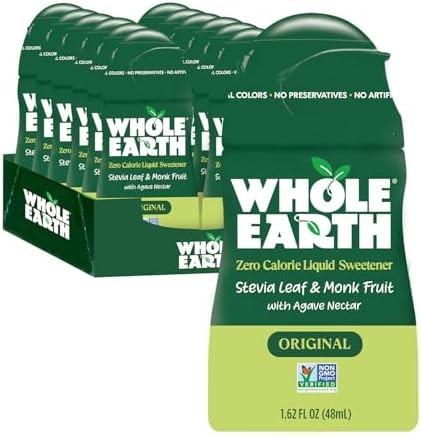
Cancer cells exhibit the Warburg effect, consuming glucose at 10-200 times higher rates than normal cells through aerobic glycolysis, creating treatment challenges for patients seeking metabolic support strategies. Published research demonstrates that stevia (steviol glycosides) provides 200-400x sweetness without metabolizable calories and shows cytotoxic effects comparable to chemotherapy drug 5-FU against breast cancer cells in laboratory studies, with significantly less toxicity to normal cells. The best overall choice is the Whole Earth stevia and monk fruit liquid sweetener, while monk fruit extract offers a budget-friendly alternative at $9-12 per 50-serving bottle. Here’s what the published research shows about non-metabolizable sweeteners and cancer cell metabolism.
Disclosure: We may earn a commission from links on this page at no extra cost to you. Affiliate relationships never influence our ratings. Full policy →
| Sweetener | Cancer Cells Can Metabolize? | Sweetness vs Sugar | Calories per gram | Key Research Finding |
|---|---|---|---|---|
| Stevia | No | 200-400x | 0 | Cytotoxic effects comparable to 5-FU chemotherapy against breast cancer cells |
| Monk Fruit | No | 150-250x | 0 | Induces apoptosis in cancer cells; potent antioxidant via hydroxyl groups |
| Allulose | No | 70% | 0.4 | May disrupt glycolysis pathways; 70% excreted unchanged in urine |
| Erythritol | No | 70% | 0.24 | 90% excreted unchanged; cardiovascular concerns in 2023-2024 studies |
| Xylitol | Limited | 100% | 2.4 | Preliminary anti-cancer properties; induces selective cancer cell death via glutathione regulation |
| Aspartame | N/A | 200x | 4 | IARC Group 2B “possibly carcinogenic”; may promote ovarian cancer progression |
| Sucralose | N/A | 600x | 0 | Interferes with cancer immunotherapy by depleting arginine via gut microbiome disruption |
| Fructose/HFCS | Indirectly | 100-120% | 4 | Liver converts to lysophosphatidylcholines that fuel tumor growth |
What Is the Connection Between Cancer and Sugar?
When someone receives a cancer diagnosis, one of the first questions they often ask is: “What should I eat?” Among the most common concerns is sugar—specifically, whether sugar “feeds” cancer and which sweeteners might be safer alternatives. This question has driven thousands of searches for “sweeteners that cancer cells cannot metabolize” and reflects a growing awareness of the complex relationship between nutrition and cancer.
The concern is rooted in legitimate science. Cancer cells have fundamentally different metabolic needs than normal cells, consuming glucose at extraordinary rates—sometimes 10 to 200 times more than healthy tissue. This phenomenon, known as the Warburg effect, has revolutionized our understanding of cancer metabolism and opened new avenues for both research and supportive nutritional strategies.
However, the landscape of sweeteners and cancer is far more nuanced than simple headlines suggest. Not all sweeteners are created equal. Some provide calories that cancer cells can potentially use for energy, while others pass through the body without being metabolized at all. Some artificial sweeteners, once thought to be safe alternatives, are now under scrutiny. Recent research investigating the relationship between artificial sweeteners and cancer risk has raised concerns, with studies on aspartame showing it may promote ovarian cancer progression for potential cancer-related concerns. Meanwhile, natural non-caloric sweeteners like stevia and monk fruit are emerging as potentially safer options.
This article examines the current scientific evidence on sweeteners and cancer metabolism. We’ll explore which sweeteners cancer cells cannot effectively metabolize, which ones raise concerns, and what the research actually shows about the relationship between sweet taste and cancer growth. Most importantly, we’ll distinguish between preliminary laboratory findings and clinically meaningful evidence, always emphasizing that dietary choices should complement—never replace—evidence-based cancer treatment.
If you’re a cancer patient, survivor, or someone concerned about cancer risk, understanding how different sweeteners interact with cancer metabolism can help you make informed choices. Research on exploiting the Warburg effect provides the foundation for understanding which sweeteners may be preferable. But remember: this information is educational, not prescriptive. Your oncology team should always guide your dietary decisions, as adequate nutrition during cancer treatment is paramount to successful outcomes.
Watch Our Video Review
What Is the Warburg Effect and Why Does It Matter for Cancer?
To understand why certain sweeteners might matter in cancer, we first need to understand how cancer cells generate energy—and how this differs dramatically from normal cells.
Otto Warburg’s Nobel Prize-Winning Discovery
In the 1920s, German physiologist Otto Heinrich Warburg made a landmark observation that would earn him the 1931 Nobel Prize in Physiology. Warburg discovered that tumor cells consumed tremendous amounts of glucose compared to normal tissues, but instead of efficiently burning it for energy using oxygen (through oxidative phosphorylation), they fermented it to lactate—even when oxygen was abundantly available.
This was puzzling. Normal cells only produce lactate when oxygen is scarce, such as during intense exercise. But cancer cells do this continuously, even in oxygen-rich environments. This phenomenon became known as “aerobic glycolysis” or, more commonly, the Warburg effect.
Why Cancer Cells Prefer Glucose Fermentation
For nearly a century, scientists debated why cancer cells would choose this seemingly inefficient metabolic pathway. After all, fermenting glucose to lactate yields only 2 ATP molecules per glucose, while complete oxidation through the mitochondria yields approximately 36 ATP—an 18-fold difference.
Recent research reveals several advantages the Warburg effect provides to cancer cells:
-
Rapid energy production: While less efficient per glucose molecule, fermentation occurs much faster than oxidative phosphorylation, supporting the rapid growth rates of cancer cells.
-
Biosynthetic precursor generation: The glycolytic pathway produces intermediates that cancer cells use to synthesize lipids, nucleotides, and amino acids needed for proliferation.
-
Acidic microenvironment creation: Lactate production acidifies the tumor microenvironment, which may help cancer cells invade surrounding tissues and evade immune responses.
-
Reduction of reactive oxygen species: By relying less on mitochondrial respiration, cancer cells generate fewer potentially damaging free radicals.
The Clinical Significance: PET Scans Exploit This Metabolic Difference
The Warburg effect isn’t just theoretical—it has immediate clinical applications. Positron emission tomography (PET) scans, one of the most valuable tools in cancer detection and monitoring, work precisely because cancer cells consume so much glucose. Research on glucose metabolism regulating cancer shows how glucose utilization drives tumor initiation and progression. Patients receive an injection of radioactive glucose analog (fluorodeoxyglucose or FDG), which accumulates in areas of high glucose uptake—namely, tumors.
This diagnostic capability demonstrates just how fundamental glucose dependence is to cancer cell biology. Cancer cells literally light up on scans because of their insatiable appetite for glucose.
Not All Cancers Are Equally Glucose-Dependent
It’s important to note that the Warburg effect, while widespread, isn’t universal to all cancers or all stages of cancer progression. Research shows considerable metabolic heterogeneity both between different cancer types and even within individual tumors. Some cancer cells may revert to oxidative metabolism under certain conditions. Additionally, cancer cells can utilize other fuel sources, including amino acids (particularly glutamine), fatty acids, and ketone bodies.
Research on exploiting the Warburg effect for cancer treatment has shown that while cancer cells can adapt, their glucose dependence remains a therapeutic target. This metabolic flexibility means that no single dietary intervention—including sweetener choice—can “starve” cancer cells entirely. However, understanding their preferential reliance on glucose provides a rational basis for considering how different sweeteners might impact tumor metabolism.
Bottom line: Cancer cells consume glucose at rates 10-200 times higher than normal cells through the Warburg effect (aerobic glycolysis), yielding only 2 ATP per glucose versus 36 ATP in normal oxidative metabolism. This extreme glucose dependence is exploited clinically in PET scans using radioactive glucose (FDG) to detect tumors.
Does Sugar Actually “Feed” Cancer?
Perhaps no question generates more anxiety for cancer patients than: “Does eating sugar feed my cancer?” The answer, like most things in cancer biology, is nuanced and requires careful examination of what the evidence actually shows.
The Mechanistic Plausibility
Given what we know about the Warburg effect, the concern about sugar “feeding” cancer is mechanistically plausible. Cancer cells do consume glucose at extraordinarily high rates. In theory, providing less glucose could potentially slow cancer growth by restricting their primary fuel source.
However, several important factors complicate this seemingly straightforward logic:
-
Blood glucose homeostasis: The human body tightly regulates blood glucose levels between 70-100 mg/dL through hormonal mechanisms. Even when you don’t eat carbohydrates, your liver produces glucose through gluconeogenesis (making glucose from non-carbohydrate sources like amino acids). Your body prioritizes maintaining blood glucose for essential functions, particularly brain metabolism.
-
All cells use glucose: While cancer cells may use more glucose, every cell in your body—including immune cells, rapidly dividing cells in your gut lining and bone marrow, and healing tissues—requires glucose. Severe glucose restriction could potentially impair immune function and tissue repair during cancer treatment.
-
Cancer cells’ metabolic flexibility: As mentioned, cancer cells can adapt to use alternative fuel sources. Research shows how tumors maintain energy production through metabolic flexibility when glucose is restricted, including amino acids, fatty acids, and potentially even ketone bodies in some cancers.
What Human Studies Show
The relationship between sugar intake and cancer is complex. Epidemiological evidence shows associations between high sugar consumption and increased cancer risk, but this relationship is largely mediated through obesity, insulin resistance, and chronic inflammation—not through directly “feeding” existing tumors.
For cancer patients already diagnosed, the evidence is more limited:
-
No evidence that moderate sugar intake accelerates cancer progression: There are no clinical trials demonstrating that reasonable sugar consumption worsens cancer outcomes in humans.
-
Severe calorie or glucose restriction may be harmful: Malnutrition and weight loss are major concerns during cancer treatment, associated with poorer outcomes, treatment intolerance, and reduced quality of life.
-
The type of sugar may matter more than the amount: Emerging evidence suggests fructose may be particularly problematic for cancer growth through mechanisms we’ll discuss shortly.
The Stanford Medicine Perspective
Stanford Medicine experts emphasize that while high-sucrose or high-fructose diets activate inflammatory pathways that may create an environment where cancer thrives, completely eliminating sugar is neither necessary nor advisable. The focus should be on reducing added sugars while maintaining adequate nutrition.
The Balanced Approach
For cancer patients, the evidence suggests a middle path:
- Minimize refined sugars and added sugars, particularly sugar-sweetened beverages, candies, and processed foods high in fructose.
- Maintain adequate caloric intake to support immune function, treatment tolerance, and quality of life.
- Choose nutrient-dense carbohydrates from vegetables, fruits, and whole grains that provide not just energy but also fiber, vitamins, minerals, and phytonutrients.
- Consider sweetener alternatives that cancer cells cannot directly metabolize, which we’ll explore in detail in the following sections.
For more detailed discussion of this topic, see our comprehensive article on does sugar feed cancer
Bottom line: While the body maintains blood glucose at 70-100 mg/dL through homeostatic mechanisms regardless of dietary intake, the type of sugar matters significantly. Fructose poses unique risks as it is converted by the liver into lysophosphatidylcholines that fuel tumor growth. The evidence-based approach is reducing added sugars—especially fructose from HFCS and agave—while maintaining adequate 2000-2500 calorie daily intake.
Which Sweeteners Can Cancer Cells NOT Metabolize?
Now we turn to the central question: which sweeteners cannot be metabolized by cancer cells? These alternatives may offer sweet taste without providing usable fuel for tumor growth.
Stevia (Steviol Glycosides)

Stevia, derived from the leaves of Stevia rebaudiana, contains steviol glycosides—sweet compounds that provide intense sweetness (200-400 times sweeter than sugar) with zero calories.
Why Cancer Cells Cannot Metabolize Stevia:
Steviol glycosides are not broken down into glucose or any other energy-yielding compounds that cells can use for fuel. They pass through the upper digestive tract intact and are ultimately broken down by gut bacteria in the colon into steviol, which is then absorbed, conjugated in the liver, and excreted in urine. This metabolic pathway provides no usable energy for any cells, including cancer cells.
Anti-Cancer Properties in Research:
Beyond simply not feeding cancer cells, stevia may have active anti-cancer properties. Research published in 2022 found that stevia products manifest “potent cancer cell growth inhibitory effects,” with steviol and steviol glycosides showing cytotoxic effects comparable to conventional chemotherapy drugs like 5-FU, but with less toxicity to normal cells.
In vitro studies have shown that steviol glycosides affect functional properties of breast cancer cells. Additionally, research on stevioside in osteosarcoma cells has demonstrated molecular mechanisms of anticancer activity, that steviol glycosides affect functional properties and macromolecular expression of breast cancer cells, inducing cell death in MCF-7 and MDA-MB-231 breast cancer cell lines within 24 hours.
Perhaps most intriguingly, a 2025 study found that when stevia extract is fermented with plant-derived Lactobacillus plantarum, it exhibits significantly enhanced anticancer activity against pancreatic cancer cells while showing minimal toxicity to healthy kidney cells.
Important Caveats:
All of this research comes from cell culture (in vitro) and animal studies. No clinical trials have examined whether stevia consumption affects cancer progression in humans. The amounts used in laboratory studies often far exceed typical human consumption levels.
Practical Use:
Stevia is widely available in liquid drops, powder form, and as an ingredient in various products. Some people find stevia has a bitter or licorice-like aftertaste, though newer extracts have improved flavor profiles. For cancer patients looking for a non-caloric sweetener with preliminary evidence of safety and potential benefits, stevia represents a reasonable choice.
For more detailed information, see our article on stevia and cancer research
Bottom line: Stevia (steviol glycosides) provides sweetness 200-400 times greater than sugar with zero calories that cancer cells cannot metabolize for energy. Laboratory studies show steviol exhibits cytotoxic effects comparable to chemotherapy drug 5-FU against breast cancer cells within 24 hours, with significantly less toxicity to normal cells.
Monk Fruit (Mogrosides)
Monk fruit sweetener, derived from Siraitia grosvenorii, contains mogrosides—compounds that provide sweetness 150-250 times that of sugar without calories.
Why Cancer Cells Cannot Metabolize Monk Fruit:
Similar to stevia, mogrosides are not converted into glucose or other metabolizable sugars. They are absorbed intact in the intestine or metabolized by gut bacteria, but do not provide usable energy for cellular metabolism. Cancer cells lack the enzymatic machinery to extract energy from mogroside molecules.
Antioxidant and Potential Anti-Cancer Properties:
Mogrosides possess remarkable antioxidant capabilities, with hydroxyl groups that provide electrons to neutralize unstable free radicals. Oxidative stress plays significant roles in cancer development and progression, so the antioxidant properties of mogrosides may offer protective benefits.
Research on monk fruit’s anti-cancer potential includes:
-
A 2022 study found that mogroside’s demonstrated potential as an anti-cancer agent stems from its ability to impede cancer cell growth and prompt programmed cell death (apoptosis).
-
Bladder and prostate cancer cells showed reduced viability, cell-cycle arrest, and apoptosis upon exposure to monk fruit extract in laboratory studies.
-
Mogroside IVe inhibited proliferation of colorectal cancer and throat cancer cells in a dose-dependent manner.
-
A 2024 review presents mogrosides exhibiting antioxidant, anti-inflammatory, anti-cancer, anti-diabetic, and liver protective activities.
Safety Profile:
Monk fruit has Generally Recognized as Safe (GRAS) status from the FDA and has been consumed for centuries in traditional Chinese medicine. No adverse effects have been reported in human consumption studies.
Practical Use:
Monk fruit sweetener is available in granulated form (often blended with erythritol), liquid drops, and as an ingredient in various products. It has no bitter aftertaste like stevia, making it preferable for some users. The main drawback is cost—monk fruit sweetener is typically more expensive than other options.
For comprehensive information, see research on monk fruit sweetener and cancer safety.
Bottom line: Monk fruit (mogrosides) delivers sweetness 150-250 times that of sugar without providing metabolizable energy for cancer cells. Research demonstrates mogrosides induce apoptosis (programmed cell death) in cancer cells while providing potent antioxidant protection through hydroxyl groups that neutralize free radicals.
Erythritol: A Sweetener with Recent Concerns
Erythritol is a sugar alcohol (polyol) that provides about 70% of the sweetness of sugar with virtually no calories (0.24 calories per gram).
Why Cancer Cells Cannot Metabolize Erythritol:
Erythritol is unique among sugar alcohols because humans cannot metabolize it at all. Approximately 90% of consumed erythritol is absorbed in the small intestine and excreted unchanged in the urine. It does not raise blood glucose or insulin levels and provides no usable energy for any cells, including cancer cells.
Recent Cardiovascular Concerns:
The Cleveland Clinic research discovered that erythritol increased platelet activity, potentially raising blood clot formation risk. A follow-up 2024 study reinforced these findings.
Implications for Cancer Patients:
Cancer patients already face increased cardiovascular risk due to certain treatments (particularly some chemotherapy agents). Additionally, cancer itself increases risk of blood clots (thrombosis). The potential for erythritol to further increase clotting risk is concerning, though more research is needed to fully understand this relationship.
Current Status:
Despite these concerns, erythritol remains classified as GRAS by the FDA. However, research suggests it should be reevaluated. The cardiovascular findings do not directly relate to cancer metabolism, but they raise important safety considerations for cancer patients.
Practical Considerations:
Given the cardiovascular concerns, cancer patients—particularly those with existing heart disease or on cardiotoxic treatments—should discuss erythritol use with their oncology team. It may be prudent to choose alternative sweeteners like stevia or monk fruit until more definitive safety data emerges.
Xylitol: Partial Metabolism with Potential Anti-Cancer Effects
Xylitol is another sugar alcohol, providing the same sweetness as sugar but with 40% fewer calories (2.4 calories per gram versus 4 for sugar).
Metabolism and Cancer Cells:
Unlike erythritol, xylitol is partially metabolized by human cells—but through a pathway that bypasses insulin signaling and has a minimal glycemic impact (glycemic index of 7 versus 65 for table sugar). Cancer cells may have limited ability to efficiently use xylitol for energy due to metabolic constraints.
Emerging Anti-Cancer Research:
Recent research suggests xylitol may have active anti-cancer properties:
-
A 2020 study found that xylitol acts as an “anticancer monosaccharide” inducing selective cancer cell death via regulation of glutathione levels. The induction of the glutathione-degrading enzyme CHAC1 triggers endoplasmic reticulum stress selectively in cancer cells.
-
A January 2025 study explored xylitol’s impact on mouse cancer models (4T1 mammary carcinoma and B16F10 melanoma), finding that xylitol administration initially reduced tumor growth in the melanoma model with alterations in tumor metabolism.
-
Research demonstrates xylitol may inhibit cancer by reducing angiogenesis (new blood vessel formation) and decreasing tumor vascularization, along with anti-inflammatory properties that may reduce tumor progression.
Important Caveats:
The anti-cancer research remains preliminary, from cell culture and animal studies. No human clinical trials have examined whether xylitol consumption affects cancer outcomes. Additionally, the 2025 animal study showed the anti-tumor effects were temporary and varied by cancer type.
Safety Considerations:
Xylitol is generally safe for human consumption but is highly toxic to dogs (causes severe hypoglycemia and liver failure). It can cause digestive upset (gas, bloating, diarrhea) when consumed in large amounts (>40-50 grams/day).
Practical Use:
Xylitol is commonly found in sugar-free gum, candies, and oral care products. It’s also known for dental health benefits, reducing cavity-causing bacteria. For cancer patients, it represents a partially metabolized sweetener with intriguing preliminary anti-cancer findings.
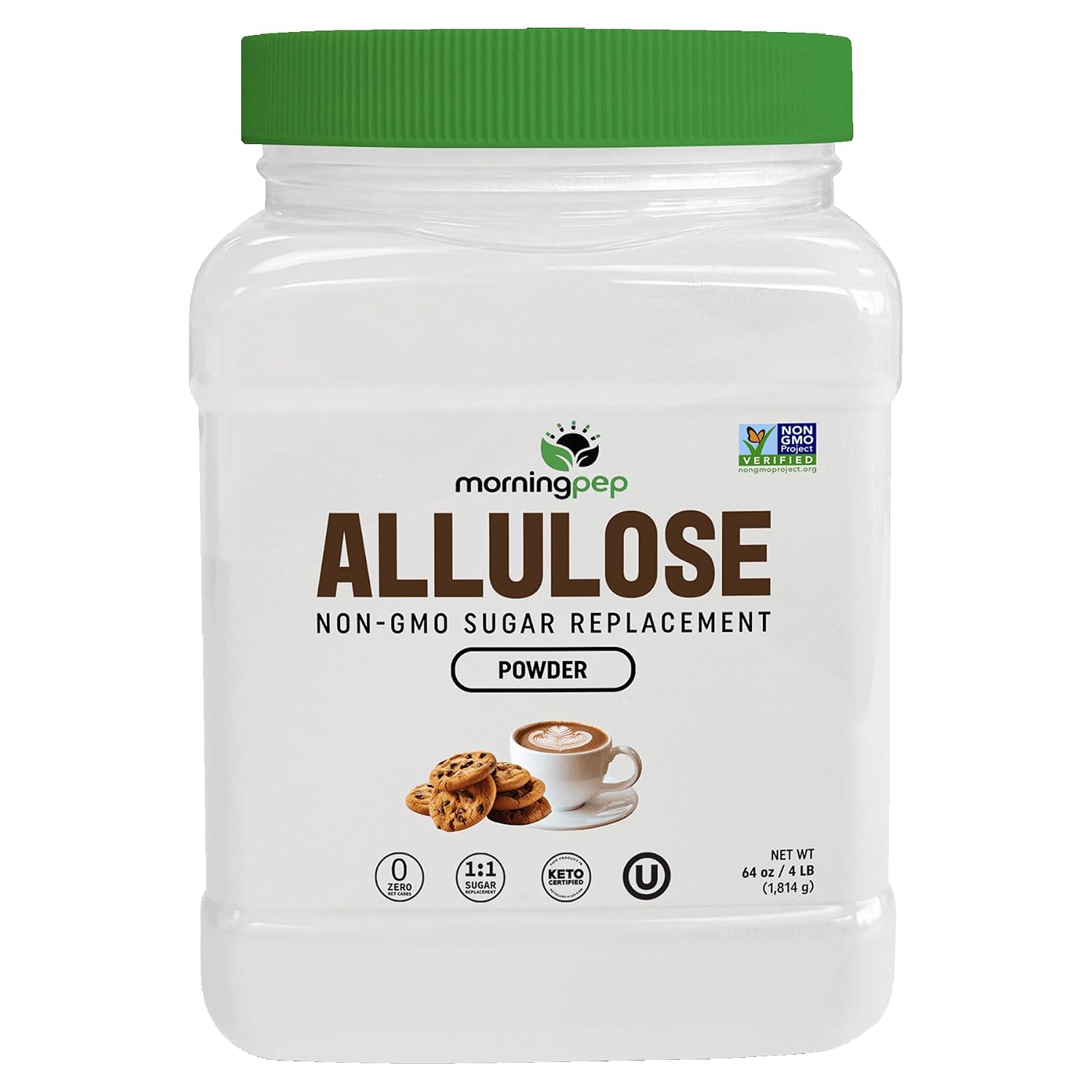
Allulose: A Rare Sugar with Minimal Metabolism
Allulose (also called D-psicose) is a “rare sugar”—a monosaccharide that exists in nature but in very small quantities. It provides about 70% of the sweetness of sugar with only 0.4 calories per gram (90% fewer calories than sugar).
Why Cancer Cells Cannot Effectively Metabolize Allulose:
Allulose is absorbed in the small intestine but [not metabolized for energy]( 70% is excreted unchanged in urine. The small amount that undergoes metabolism does so without significantly impacting blood glucose or insulin levels (glycemic index near zero).
Research suggests that allulose may disrupt glycolysis-associated pathways and reduce glucose availability, potentially restricting cancer cell proliferation. Cancer cells adapted to high glucose consumption may struggle to efficiently use allulose as a fuel alternative.
Additional Metabolic Benefits:
A 2024 study showed that 12 weeks of allulose consumption increased GLP-1 (a beneficial metabolic hormone) and improved insulin sensitivity. Since high insulin and IGF-1 signaling promote cancer growth, allulose’s insulin-sensitizing effects may be beneficial.
Additionally, allulose may reduce oxidative stress markers, theoretically supporting anticancer metabolic environments.
Safety Profile:
Allulose has received GRAS status from the FDA after a comprehensive 14-year review of 62 studies found no carcinogenic potential in mammals. The European Food Safety Authority’s (EFSA) 2021 assessment declared allulose non-genotoxic.
Practical Use:
Allulose is increasingly available in granulated form and is gaining popularity due to its sugar-like taste and browning properties in baking (unlike most alternative sweeteners). Its main drawback is cost and limited availability compared to more established sweeteners.
Yacon Syrup: Fructooligosaccharides That Feed Gut Bacteria, Not Cancer
Yacon syrup, derived from the tuberous roots of Smallanthus sonchifolius, contains 40-50% fructooligosaccharides (FOS)—prebiotic fibers that provide sweetness but cannot be directly digested by human enzymes.
Why Cancer Cells Cannot Metabolize FOS:
Fructooligosaccharides are resistant to enzymatic breakdown by salivary and intestinal digestive enzymes. They pass through the upper gastrointestinal tract unmetabolized before reaching the colon, where beneficial bacteria ferment them to produce short-chain fatty acids (SCFAs) like butyrate, acetate, and propionate. Cancer cells cannot directly metabolize FOS for energy.
Potential Cancer-Protective Mechanisms:
The fermentation of FOS produces effects that may be protective against certain cancers, particularly colorectal cancer:
-
Short-chain fatty acids, especially butyrate, serve as the preferred energy source for colonocytes (colon cells) and have anti-inflammatory and anti-cancer properties.
-
SCFAs lower colon pH, creating an environment less favorable to pathogenic bacteria and potentially inhibiting cancer-promoting processes.
-
Research shows yacon consumption increases fecal SCFA concentrations and may upregulate beneficial immune responses.
-
FOS enhances the growth of beneficial bacteria like Bifidobacteria and Lactobacilli while reducing pathogenic bacteria, supporting overall gut health and immune function.
Important Considerations:
Yacon syrup is not entirely non-caloric—it contains approximately 20 calories per tablespoon due to its content of free fructose, glucose, and sucrose (about 35-50% of the syrup). These simple sugars can be metabolized by cancer cells, so yacon should not be consumed in large quantities under the assumption it’s entirely “cancer-safe.”
Practical Use:
Yacon syrup has a molasses-like consistency and earthy sweet taste. It’s less sweet than honey or maple syrup but provides prebiotic benefits. For cancer patients, it offers a sweetener option that supports gut health—particularly important since gut microbiome health influences immune function, which is critical during cancer treatment. However, excessive consumption can cause digestive upset (gas, bloating).
Which Sweeteners Should Cancer Patients Avoid?
While some sweeteners cannot be metabolized by cancer cells, others raise specific concerns based on recent research. Cancer patients should be particularly mindful of these sweeteners.
Aspartame: IARC’s “Possibly Carcinogenic” Classification
Aspartame is one of the most widely used artificial sweeteners, found in thousands of products under brand names like NutraSweet and Equal. It’s composed of two amino acids (aspartic acid and phenylalanine) plus methanol.
The 2023 IARC Classification:
In July 2023, the International Agency for Research on Cancer (IARC) [classified aspartame](https://www.iarc.who.int/news-events as “possibly carcinogenic to humans” (Group 2B) based on “limited evidence” for cancer in humans, specifically for hepatocellular carcinoma (a type of liver cancer).
What Group 2B Means:
Group 2B classification is the third-highest level out of four categories. It’s used when there’s limited but not convincing evidence for cancer in humans OR convincing evidence in experimental animals, but not both. Other Group 2B substances include pickled vegetables, aloe vera extract, and lead.
The Controversy:
The classification created controversy because the Joint Expert Committee on Food Additives (JECFA) simultaneously reviewed aspartame and reaffirmed its safety within the established acceptable daily intake (ADI) of 0-40 mg/kg body weight per day. They concluded the data indicated “no sufficient reason to change” the previously established ADI.
Practical Implications:
For cancer patients, the IARC classification warrants caution even if it’s not definitive evidence of harm. Given that safer alternatives exist (stevia, monk fruit), avoiding aspartame represents a reasonable precautionary approach, particularly for those already dealing with cancer or at high risk of recurrence.
Sucralose: Gut Microbiome Disruption and Immunotherapy Interference
Sucralose (Splenda) is an artificial sweetener made by chlorinating sucrose (table sugar), providing sweetness without calories.
landmark 2025 Research:
Perhaps the most significant recent finding about sweeteners and cancer came from research published in July 2025 in Cancer Discovery. The study found that sucralose consumption:
-
Dramatically reduced the effectiveness of cancer immunotherapy (anti-PD-1 checkpoint inhibitors) in preclinical models and human patients
-
Shifted gut microbiome composition, increasing bacterial species that degrade arginine—an amino acid essential for T-cell function
-
Restricted T-cell metabolism and function, impairing the immune system’s ability to address cancer
Clinical Evidence:
Patients with melanoma and non-small cell lung cancer who consumed high levels of sucralose had worse responses to immunotherapy and poorer survival compared to those with diets low in the artificial sweetener.
The Mechanism:
Sucralose altered the gut microbiome in ways that reduced blood, tumor, and stool levels of arginine. Since arginine is crucial for T-cell activation and function—particularly in mounting immune responses against cancer—this depletion significantly impaired immunotherapy effectiveness.
Potential Solution:
The research showed that supplementing with citrulline (which converts to arginine in the body) restored immunotherapy effectiveness in sucralose-fed mice. Clinical trials are being planned to test whether citrulline supplementation can counteract sucralose’s negative effects in cancer patients.
Critical Implications:
For cancer patients—especially those receiving or considering immunotherapy—avoiding sucralose appears prudent based on this evidence. Immunotherapy has revolutionized cancer treatment for many cancers, and anything that potentially reduces its effectiveness is a serious concern.
Acesulfame-K: Limited Long-Term Data with Mixed Signals
Acesulfame potassium (Ace-K) is an artificial sweetener often used in combination with other sweeteners in diet sodas and processed foods. It provides sweetness without calories and is heat-stable, making it useful for cooking.
Safety Assessment:
Acesulfame-K has FDA approval and GRAS status. Traditional toxicology studies found no evidence it causes cancer, and the National Toxicology Program found no increases in tumors in mice exposed to acesulfame potassium.
Recent Conflicting Evidence:
However, a large 2022 French cohort study (NutriNet-Santé) found that adults who consumed acesulfame-K had a 13% higher risk of cancer overall (hazard ratio = 1.13) compared to non-consumers. This association remained after adjusting for multiple confounding factors.
The Challenge:
This is the only human study examining acesulfame-K and cancer risk, and researchers acknowledge that “further large-scale and experimental studies are necessary to replicate this result.” Association doesn’t prove causation, and numerous confounding factors could explain the findings.
Practical Approach:
Given the limited but concerning data, cancer patients may wish to avoid acesulfame-K when alternatives are available. The evidence isn’t strong enough to warrant alarm, but it’s sufficient to warrant caution—particularly when safer options like stevia and monk fruit exist.
High-Fructose Corn Syrup and Fructose: The Hidden Danger
While technically not a “sweetener” in the alternative sense, high-fructose corn syrup (HFCS) and concentrated fructose sources deserve special attention due to recent discoveries about how fructose fuels cancer growth.
The 2024 Nature Study: Fructose’s Indirect Path to Fueling Tumors:
landmark research published in Nature in December 2024 revealed a disturbing mechanism by which fructose promotes tumor growth—not directly, but through liver metabolism.
The Mechanism:
-
Cancer cells cannot directly metabolize fructose efficiently because they lack the enzyme KHK-C (ketohexokinase-C) needed for fructose metabolism.
-
However, the liver readily metabolizes fructose, converting it into lipids—particularly lysophosphatidylcholines (LPCs).
-
These LPCs enter the bloodstream and are absorbed by tumor cells.
-
Cancer cells convert LPCs into phosphatidylcholines, essential components for building cell membranes during rapid proliferation.
The Evidence:
[The study](https://source.washu.edu/2024/12 showed that fructose supplementation enhanced tumor growth in animal models of melanoma, breast cancer, and cervical cancer—without causing weight gain or insulin resistance. Mice directly treated with LPCs or genetically modified to enhance LPC production showed accelerated tumor growth. Conversely, suppressing LPC utilization in cancer cells significantly reduced proliferation and tumor size.
Clinical Implications:
This research suggests that fructose may be particularly problematic for cancer patients—potentially more so than glucose. The liver’s conversion of fructose to lipids that then fuel tumors provides a mechanism independent of blood glucose levels.
Major Sources of Fructose:
- High-fructose corn syrup (in sodas, processed foods, sweetened beverages)
- Agave nectar (up to 85% fructose)
- Fruit juice concentrates
- Crystalline fructose
Important Note About Whole Fruit:
This doesn’t mean avoiding whole fruits. Whole fruits contain fiber, water, vitamins, minerals, and beneficial phytochemicals that slow fructose absorption and provide numerous health benefits. The concern is with concentrated fructose sources and added fructose in processed foods.
For more information, see our article on does sugar feed cancer
Agave Nectar: The “Natural” Sweetener with High Fructose Content
Agave nectar is often marketed as a natural, healthier alternative to sugar. However, agave syrup is approximately 85% fructose—significantly higher than high-fructose corn syrup (typically 55% fructose) and far higher than table sugar (50% fructose).
Why This Matters for Cancer:
Given the 2024 findings about how the liver converts fructose into tumor-fueling lipids, agave nectar’s extremely high fructose content makes it a particularly poor choice for cancer patients. The [carcinogenic property of fructose](https://beatcancer.org/blog has made this molecule a connecting link between obesity, metabolism, and cancer.
Processing Concerns:
Agave nectar undergoes significant processing. The fructans naturally present in agave plants are extracted and broken down into fructose by exposing the sap to heat and/or enzymes—similar to how high-fructose corn syrup is manufactured.
Recommendation:
Despite marketing as a “natural” sweetener, agave nectar should be avoided or minimized by cancer patients, particularly given safer alternatives that don’t provide concentrated fructose.
Bottom line: Aspartame is classified by IARC as Group 2B (“possibly carcinogenic to humans”), with multi-omics studies showing it may promote ovarian cancer progression. Sucralose has been shown to interfere with cancer immunotherapy effectiveness in clinical research. Natural alternatives like stevia and monk fruit carry no such concerns in current research.
What Are the Signs That Sugar Is Impacting Your Health?
For cancer patients and those concerned about cancer risk, understanding how your body responds to sugar intake—and how it changes when you reduce refined sugars—can guide dietary choices. Your body provides valuable feedback if you know what to look for.
Signs of Excessive Sugar Intake
If you’re consuming too much refined sugar and high-glycemic carbohydrates, your body may signal distress through several symptoms:
Energy and Mental Function:
- Fatigue and energy crashes, particularly 1-2 hours after eating sweet foods
- Brain fog, difficulty concentrating, or mental sluggishness
- Irritability or mood swings related to blood sugar fluctuations
- Afternoon energy slumps requiring caffeine or sugar to function
Inflammation Markers: Research shows that excessive sugar intake activates inflammatory pathways. You might experience:
- Joint pain or stiffness without obvious injury
- Persistent muscle aches
- Chronic low-grade inflammation (which can be measured through blood tests like C-reactive protein)
- Worsening of inflammatory conditions
Immune Function: High blood sugar can impair immune function, which is particularly concerning for cancer patients:
- Frequent infections or slow wound healing
- Recurring yeast infections or oral thrush
- Taking longer than normal to recover from colds or minor illnesses
Metabolic Signs:
- Persistent thirst and increased urination
- Unexplained weight gain, particularly around the midsection
- Skin issues like acne, skin tags, or dark patches (acanthosis nigricans)
- Persistent sugar cravings creating a difficult-to-break cycle
Digestive Symptoms:
- Bloating and digestive discomfort after high-sugar meals
- Changes in bowel habits
- Gut microbiome disruption (which can be inferred from digestive symptoms)
What Improvement Looks Like: Benefits of Sugar Reduction
When you reduce refined sugars and switch to non-metabolizable sweeteners, many cancer patients report significant improvements across multiple domains:
Week 1-2: Initial Adjustments
- You may experience sugar withdrawal symptoms: headaches, irritability, intense cravings
- Energy levels might temporarily dip as your body adjusts
- Some people report flu-like symptoms for 2-4 days
- This is temporary—push through this adjustment period
Weeks 2-4: Stabilization Begins
- Energy becomes more stable throughout the day without crashes
- Reduced afternoon fatigue and less need for caffeine
- Mental clarity improves; brain fog lifts
- Mood stabilizes with fewer swings related to blood sugar fluctuations
- Sugar cravings begin to diminish significantly
Months 1-3: Substantial Benefits Emerge
- Weight stabilization or gradual healthy weight loss (if overweight)
- Reduced inflammation markers (measurable through blood tests)
- Improved immune function—fewer infections, better wound healing
- Better sleep quality
- Clearer skin and reduction in inflammatory skin conditions
- Digestive improvements as gut microbiome rebalances
- Taste buds recalibrate—whole foods taste sweeter, processed foods taste overly sweet
Long-Term Benefits (3+ Months):
- Sustained energy throughout the day
- Improved insulin sensitivity (measurable through fasting insulin and HOMA-IR tests)
- Reduced chronic inflammation
- Better metabolic health markers overall
- Maintenance of healthy weight
- Decreased disease risk factors
Timeline Expectations: What’s Realistic
Immediate (Days 1-3): Expect difficulty and cravings. This is the hardest phase. Stay hydrated, ensure adequate protein and healthy fats, and use permitted non-caloric sweeteners to help transition.
Short-term (1-2 weeks): Withdrawal symptoms resolve. Energy begins stabilizing. Cravings lessen but haven’t disappeared.
Medium-term (1-3 months): Substantial benefits become evident. Your body has adapted to lower sugar intake. Cravings are minimal. You feel noticeably better.
Long-term (3+ months): New eating patterns become habitual. You may find you’ve lost taste for overly sweet foods. Health markers show improvement.
Warning Signs to Discuss with Your Oncology Team
While reducing refined sugars is generally beneficial, certain symptoms warrant medical attention:
- Unexplained weight loss (particularly if rapid or unintentional)
- Persistent fatigue that doesn’t improve with sugar reduction (could indicate treatment side effects or disease progression)
- Difficulty maintaining adequate caloric intake (malnutrition is a serious concern during cancer treatment)
- Blood sugar levels that are too low (if you’re on medications that affect blood glucose)
- Worsening of any cancer-related symptoms
Important Reminder: Nutrition Adequacy is Paramount
While reducing refined sugars is beneficial, maintaining adequate caloric and nutrient intake during cancer treatment is crucial. [Malnutrition and weight loss](https://www.abta.org/mindmatters are associated with poorer cancer outcomes, reduced treatment tolerance, and decreased quality of life.
The goal is to replace refined sugars with nutrient-dense whole foods and non-caloric sweeteners—not to restrict calories or reduce all carbohydrates. Work with your oncology team and, ideally, an oncology dietitian to ensure you’re meeting your nutritional needs while reducing refined sugar intake.
How Can Cancer Patients Reduce Sugar Intake Safely?
Making dietary changes during cancer treatment can feel overwhelming. Here are practical, actionable strategies for reducing refined sugars while maintaining adequate nutrition and quality of life.
Gradual Reduction vs. Abrupt Elimination
The Gradual Approach (Recommended for Most People):
- Reduce added sugars by 25% each week over four weeks
- Replace eliminated sugars with non-caloric sweeteners like stevia or monk fruit
- This approach minimizes withdrawal symptoms and feels more sustainable
- Allows taste buds to gradually recalibrate
The Abrupt Approach:
- Immediate elimination of all added sugars
- Expect intense cravings and withdrawal symptoms for 3-7 days
- May work better for some people who prefer “cold turkey” methods
- Requires strong support system and preparation
Most cancer patients benefit from the gradual approach, as it’s less disruptive during an already stressful time.
Reading Labels: Identifying Hidden Sugars
Sugar hides in unexpected places. Learn to identify its many names on ingredient labels:
Common Sugar Names:
- Anything ending in “-ose”: sucrose, fructose, dextrose, maltose, glucose
- Syrups: corn syrup, high-fructose corn syrup, rice syrup, maple syrup, agave syrup
- Sugars: cane sugar, brown sugar, coconut sugar, date sugar
- Concentrates: fruit juice concentrate, cane juice
- Other names: molasses, honey, malt, dextrin
The 5-Gram Rule: Choose products with less than 5 grams of added sugar per serving. Check the nutrition label’s “Added Sugars” line—this separates naturally occurring sugars (like in milk or fruit) from added sugars.
Ingredient Order Matters: Ingredients are listed by quantity. If sugar appears in the first three ingredients, the product is likely high in added sugar.
Serving Size Deception: Pay attention to serving sizes. A package that looks like one serving may actually contain 2-3 servings, multiplying the sugar content.
Cooking and Baking Adaptations
Sweetener Substitutions:
Converting recipes to use non-caloric sweeteners requires adjustments:
-
Stevia: 200-400x sweeter than sugar. Use 1 teaspoon stevia for each cup of sugar, but add bulk with applesauce, Greek yogurt, or additional flour.
-
Monk fruit: 150-250x sweeter than sugar. Similar conversion to stevia. Monk fruit blends (mixed with erythritol) can replace sugar 1:1 in baking.
-
Allulose: Can replace sugar 1:1 in most recipes. Browns like sugar, making it ideal for baking. May need slightly longer baking time.
-
Xylitol: Replaces sugar 1:1. Works well in most baking applications. Remember: toxic to dogs.
Flavor Enhancement: When reducing sugar, enhance other flavors:
- Vanilla extract or vanilla bean
- Cinnamon, nutmeg, cardamom, or other warming spices
- Almond extract, coconut extract, or other flavor extracts
- Citrus zest (lemon, orange, lime)
- Unsweetened cocoa powder for chocolate recipes
Texture Considerations: Sugar provides texture and moisture in baking. When replacing it:
- Add extra egg for structure
- Use unsweetened applesauce or mashed banana for moisture
- Include Greek yogurt or sour cream for richness
- Slightly underbake to reduce the risk of dryness
Beverage Strategies
Beverages are often the biggest source of added sugars. Making swaps here provides the most significant impact:
Coffee and Tea:
- Gradually reduce sugar while adding stevia or monk fruit
- Try cinnamon or vanilla extract for flavor without sweetness
- Switch to half-and-half or heavy cream instead of flavored creamers (which are high in sugar)
Sodas and Soft Drinks:
- Replace with sparkling water flavored with fruit slices
- Use stevia-sweetened beverages (read labels carefully)
- Make your own: sparkling water + fresh fruit + stevia drops
- Note: Diet sodas with aspartame or sucralose should be avoided based on recent research
Smoothies:
- Use whole fruits (berries have lower sugar than tropical fruits)
- Add stevia or monk fruit if additional sweetness is needed
- Include protein powder, Greek yogurt, or nut butter for satiety
- Add vegetables (spinach, kale) for nutrition without sugar
- Use unsweetened almond milk, coconut milk, or regular milk as base (not fruit juice)
Fruit Juices:
- Avoid fruit juices (even “100% juice”)—they concentrate fructose without fiber
- If you drink juice, dilute 1:3 with water
- Better option: infuse water with fresh fruit slices
Managing Cravings During Treatment
Cancer treatment can intensify sweet cravings due to:
- Taste changes from chemotherapy
- Stress and emotional eating
- Fatigue leading to seeking quick energy
- Certain medications increasing appetite
Craving Management Strategies:
-
Protein first: Eat protein at each meal to stabilize blood sugar and reduce cravings.
-
Healthy fats: Include avocado, nuts, olive oil, or fatty fish to increase satiety.
-
Fiber-rich foods: Vegetables, berries, and seeds slow glucose absorption and increase fullness.
-
Permitted sweet is used for: Keep stevia-sweetened options available for when cravings hit.
-
Distraction techniques: When cravings strike, wait 15 minutes while doing another activity—many cravings pass.
-
Adequate sleep: Poor sleep intensifies cravings. Prioritize rest during treatment.
-
Stress management: Practice meditation, deep breathing, or gentle exercise to manage emotional eating triggers.
-
Social support: Connect with others making similar dietary changes for accountability and encouragement.
Dining Out and Social Situations
Social eating presents challenges when reducing sugar:
Restaurant Strategies:
- Ask about added sugars in sauces and dressings
- Request dressings and sauces on the side
- Choose grilled, baked, or steamed preparations over glazed or marinated
- Skip the bread basket or chips
- Order herbal tea or sparkling water instead of sodas
- For dessert, share one serving or ask if they have fresh fruit
Social Gatherings:
- Eat before attending to reduce temptation
- Bring a dish you can eat (stevia-sweetened dessert)
- Have a plan and rehearse polite refusals
- Focus on socializing rather than food
- Don’t feel obligated to explain your choices in detail
Travel:
- Pack permitted snacks and sweeteners
- Research restaurant options in advance
- Bring stevia or monk fruit packets for coffee/tea
- Choose accommodations with refrigerators to store healthy options
Working with Your Oncology Team
Before Making Major Changes:
- Discuss dietary modifications with your oncologist
- Request referral to an oncology-specialized registered dietitian
- Ensure changes won’t interfere with treatment
- Verify you’re meeting caloric and protein needs
Monitoring Progress:
- Track energy levels, symptoms, and quality of life
- Request regular blood work to monitor metabolic markers
- Communicate any concerning symptoms promptly
- Adjust approach based on your individual response
Personalization:
- Every cancer patient is different
- Treatment side effects may require dietary flexibility
- Some days you may need whatever you can tolerate
- Don’t sacrifice adequate nutrition for “perfect” sugar avoidance
Bottom line: The American Heart Association recommends limiting added sugars to 25g (6 tsp) daily for women and 36g (9 tsp) for men. Cancer patients should aim for these limits or lower while maintaining total caloric intake of 25-35 calories per kg body weight daily (approximately 1750-2450 calories for a 70kg person) to support immune function and treatment tolerance.
Can a Ketogenic Diet Help with Cancer?
The ketogenic diet—characterized by very low carbohydrate intake (typically <50 grams per day), moderate protein, and high fat—represents the most extreme form of glucose restriction. Given cancer cells’ dependence on glucose through the Warburg effect, ketogenic diets have garnered significant interest as a potential adjunct to cancer treatment.
The Theoretical Rationale
The logic seems straightforward: if cancer cells are highly dependent on glucose and have impaired ability to use alternative fuel sources (like ketone bodies), then drastically restricting dietary carbohydrates should preferentially “starve” cancer cells while sparing normal cells that can adapt to using ketones and fat for energy.
Research in experimental models shows ketogenic diets may reduce glycolytic flux in cancer cells while increasing ketolysis in non-tumoral cells, potentially enhancing tumor-reactive immune responses.
Recent Clinical Trial Evidence ()
Several recent studies have examined ketogenic diets in cancer patients:
Glioblastoma Studies:
-
A phase 1 trial with recently diagnosed glioblastoma patients receiving standard-of-care treatment found that a supervised 16-week ketogenic diet intervention was feasible and safe.
-
A clinical study showed successful application of dietary ketogenic metabolic therapy in glioblastoma patients, though outcomes varied by individual.
-
A Phase 2 randomized study is ongoing with 170 patients with newly diagnosed glioblastoma, comparing ketogenic diet to standard anti-cancer diet.
Systematic Review Findings: A 2024 meta-analysis found that ketogenic diets resulted in improved:
- Cancer-related fat mass and visceral fat
- Emotional function, fatigue, insomnia, and social function
- LDL cholesterol, total cholesterol
- Blood glucose, insulin, thyroid-stimulating hormone
However, another systematic review of 8 randomized controlled trials only observed improvements in glucose levels, finding that ketogenic diets did not result in modifications in cholesterol, weight, IGF-1 levels, or quality of life in cancer patients.
Important Caveats and Concerns
Metabolic Heterogeneity: Not all cancers are equally dependent on glucose. Some cancer cells can adapt to metabolize ketone bodies, amino acids, or fatty acids. The effectiveness of ketogenic approaches may vary significantly by cancer type.
Nutritional Challenges:
- Ketogenic diets are difficult to maintain, particularly during cancer treatment
- Risk of inadequate caloric intake and malnutrition
- Potential for micronutrient deficiencies without careful planning
- May exacerbate treatment side effects like nausea
Lack of Definitive Evidence: Despite promising preclinical data, no large-scale clinical trials have definitively shown that ketogenic diets improve cancer survival outcomes in humans. Most studies are small, short-term feasibility studies.
Individual Variation: Response to ketogenic diets varies greatly between individuals. Some patients report improved energy and quality of life; others find the diet intolerable or experience negative effects.
A More Moderate Approach: Low-Glycemic Eating
For most cancer patients, a more moderate approach may be more appropriate and sustainable:
- Reduce refined sugars and high-glycemic carbohydrates
- Include non-starchy vegetables as primary carbohydrate source
- Choose low-glycemic whole grains in moderation (quinoa, steel-cut oats, barley)
- Include adequate protein and healthy fats for satiety and metabolic health
- Use non-caloric sweeteners that cancer cells cannot metabolize
This approach provides benefits of glucose moderation without the challenges and risks of severe carbohydrate restriction.
Working with Your Healthcare Team
If considering ketogenic or low-carbohydrate approaches:
- Never initiate without oncologist approval
- Work with an oncology dietitian experienced in ketogenic diets
- Monitor regularly through blood tests (glucose, ketones, metabolic panels)
- Ensure adequate protein intake (critical during treatment)
- Be prepared to modify or discontinue if not tolerated
- Prioritize adequate nutrition above dietary dogma
For comprehensive information, see research on ketogenic diet and cancer.
Bottom line: Ketogenic diets (70-80% fat, 15-20% protein, 5-10% carbohydrates) restrict glucose availability and shift metabolism to ketone production. Early clinical trials show blood glucose reductions from baseline ~100 mg/dL to 65-70 mg/dL may enhance certain cancer treatments, but this approach requires medical supervision as ketone bodies can fuel some tumor types.
Who Needs to Be Most Careful About Sweetener Choices?
While the information in this article applies broadly, certain groups should pay particular attention to sweetener choices:
Active Cancer Patients Receiving Treatment
Priorities:
- Maintaining adequate nutrition and caloric intake
- Managing treatment side effects
- Supporting immune function
- Preserving quality of life
Specific Considerations:
- Avoid sucralose if receiving or planning immunotherapy
- Minimize fructose from concentrated sources (HFCS, agave, fruit juices)
- Use stevia or monk fruit as primary sweeteners
- Don’t sacrifice nutrition for “perfect” dietary restriction
- Some days, whatever you can tolerate is the right choice
Red Flags: If reducing sugar leads to unintentional weight loss, inadequate caloric intake, or worsening of treatment side effects, you need to adjust your approach with your healthcare team’s guidance.
Cancer Survivors and Those in Remission
Priorities:
- Reducing cancer recurrence risk
- Optimizing overall health and metabolic function
- Establishing sustainable long-term eating patterns
Specific Considerations:
- You have more flexibility than active patients to experiment with dietary approaches
- Focus on anti-inflammatory eating patterns (see our article on best anti-inflammatory foods
- Establish habits that support long-term health, not just short-term goals
- Consider moderate carbohydrate restriction rather than extreme approaches
- Address insulin resistance if present (common after certain treatments)
Individuals at High Risk for Cancer
High-risk groups include:
- Strong family history of cancer
- Genetic predispositions (BRCA mutations, Lynch syndrome, etc.)
- Previous cancer diagnosis
- Precancerous conditions
- Significant risk factors (smoking history, chronic inflammatory conditions)
Preventive Approach:
- Minimize refined sugars and high-fructose foods
- Maintain healthy body weight (obesity increases cancer risk)
- Focus on whole-food, nutrient-dense diet
- Consider supplementing with compounds showing anti-cancer properties (see articles on resveratrol
- Allulose (may improve insulin sensitivity)
- Possibly xylitol (glycemic index of 7)
- Avoid: all caloric sweeteners including agave
Additional Strategies:
- Work with endocrinologist and oncologist if you have both conditions
- Prioritize weight management if overweight
- Consider metformin (discuss with physician—shows potential anti-cancer properties)
- Regular exercise (improves insulin sensitivity and reduces cancer risk)
Patients on Cardiotoxic Cancer Treatments
Relevant Treatments:
- Anthracyclines (doxorubicin, epirubicin)
- HER2-targeted therapies (trastuzumab)
- Certain tyrosine kinase inhibitors
- Radiation to chest area
Specific Concern: These treatments increase cardiovascular risk. The 2023-2024 findings about erythritol and cardiovascular events are particularly relevant.
Recommendation:
- Avoid erythritol given cardiovascular concerns
- Choose stevia, monk fruit, or allulose instead
- Work with cardio-oncologist if available
- Monitor cardiac function regularly
- Manage other cardiovascular risk factors aggressively
Children and Adolescents with Cancer
Special Considerations:
- Growth and development requirements
- Higher caloric needs
- Different palatability concerns
- Long-term survivorship considerations
Approach:
- Work closely with pediatric oncology dietitian
- Don’t impose overly restrictive diets that impair growth
- Focus on reducing liquid sugar sources (sodas, juice)
- Introduce taste for less-sweet foods gradually
- Model healthy eating rather than imposing rigid rules
- Consider long-term survivorship health (pediatric cancer survivors face elevated lifelong cancer risk)
Patients Receiving Immunotherapy
Critical Finding: Based on the 2025 research, patients receiving checkpoint inhibitor immunotherapy should specifically avoid sucralose, as it may significantly reduce treatment effectiveness by altering gut microbiome and depleting arginine levels.
Recommended Approach:
- Reduce sucralose from diet before and during immunotherapy
- Consider citrulline supplementation (discuss with oncologist—clinical trials testing this are in development)
- Support gut microbiome health through probiotic-rich foods
- Focus on adequate protein intake to support immune function
- Use stevia or monk fruit as sweetener alternatives
Those Practicing Intermittent Fasting
Intermittent fasting is gaining interest as a complementary approach to cancer treatment (see our article on intermittent fasting and cancer.
Sweetener Considerations:
- True non-caloric sweeteners (stevia, monk fruit) don’t break a fast
- Opinions vary on sugar alcohols—conservative approach is to avoid during fasting periods
- Focus on hydration with water, herbal tea, black coffee
- Use sweeteners during eating windows if desired
Important: Never begin intermittent fasting during active cancer treatment without oncologist approval. Fasting may not be appropriate for all patients, particularly those struggling to maintain weight.
Product Recommendations for Cancer Patients
Recommended Supplements
Based on the research we’ve reviewed, here are specific product recommendations for cancer patients looking to reduce metabolizable sugars:
Recommended Primary Sweeteners
Stevia-Based Products:
- Liquid stevia drops offer the most versatility
- Start with small amounts and adjust to taste (it’s very sweet)
- Look for products without added sugars or fillers
- Organic options available for those preferring to avoid pesticides
Monk Fruit Products:
- Monk fruit-erythritol blends offer 1:1 sugar replacement for baking
- Pure monk fruit extract is extremely concentrated
- No bitter aftertaste unlike some stevia products
- More expensive but worth it for many users
Allulose for Baking:
- Best option for baked goods due to browning properties
- 1:1 sugar replacement in most recipes
- More expensive than other options
- Relatively new but gaining popularity
Use with Caution
Xylitol for Specific Applications:
- Good for oral health products (toothpaste, mouthwash, gum)
- Can be used for general sweetening but monitor digestive tolerance
- Remember: toxic to dogs—keep secured if you have pets
- Partial caloric content (2.4 cal/g vs 4 for sugar)
Erythritol—Consider Alternatives:
- Given 2023-2024 cardiovascular concerns, consider using alternatives
- If using, discuss with oncologist, especially if on cardiotoxic treatments
- May be appropriate for some patients but warrants caution
Products to Avoid
Based on the research reviewed:
- Sucralose/Splenda products: Especially for immunotherapy patients
- Aspartame/Equal/NutraSweet: Given IARC Group 2B classification
- Acesulfame-K products: Limited concerning data warrants caution
- Agave nectar: Very high fructose content
- High-fructose corn syrup products: Choose alternatives
Reading Product Labels
When selecting sweetened products, look for:
✓ Sweetened with stevia or monk fruit ✓ “No added sugars” ✓ Low total carbohydrate content ✓ Minimal ingredients list
Avoid products listing: ✗ Sucralose or Splenda ✗ Aspartame, acesulfame-K, or saccharin ✗ Agave syrup ✗ High-fructose corn syrup ✗ Multiple types of sweeteners (often used to avoid listing sugar first)
Cost Considerations
Alternative sweeteners are generally more expensive than sugar:
- Most affordable: Stevia (especially store brands)
- Mid-range: Erythritol, xylitol
- Most expensive: Monk fruit, allulose
Cost-saving strategies:
- Buy in bulk from online retailers
- Use liquid stevia (small amounts go far)
- Reserve expensive sweeteners like allulose for special baking
- Store brands are often significantly cheaper than name brands
Storage and Shelf Life
- Liquid stevia: Indefinite shelf life, no refrigeration needed
- Crystalline/powder forms: Store in cool, dry place; typically 2-3 year shelf life
- Monk fruit: Long shelf life similar to stevia
- Allulose: Store in airtight container; may crystallize over time (can be re-dissolved)
- Sugar alcohols: Long shelf life; store in cool, dry place
Complete Support System: Complementary Nutritional Strategies
While choosing non-metabolizable sweeteners is one component of metabolic support during cancer treatment, comprehensive nutritional strategies work synergistically. Consider this evidence-based protocol:
Metabolic Support Foundation:
- Primary sweeteners: Organic liquid stevia extract or monk fruit powder for daily use (zero metabolizable calories)
- Baking applications: Allulose granulated for sugar-like browning properties in recipes
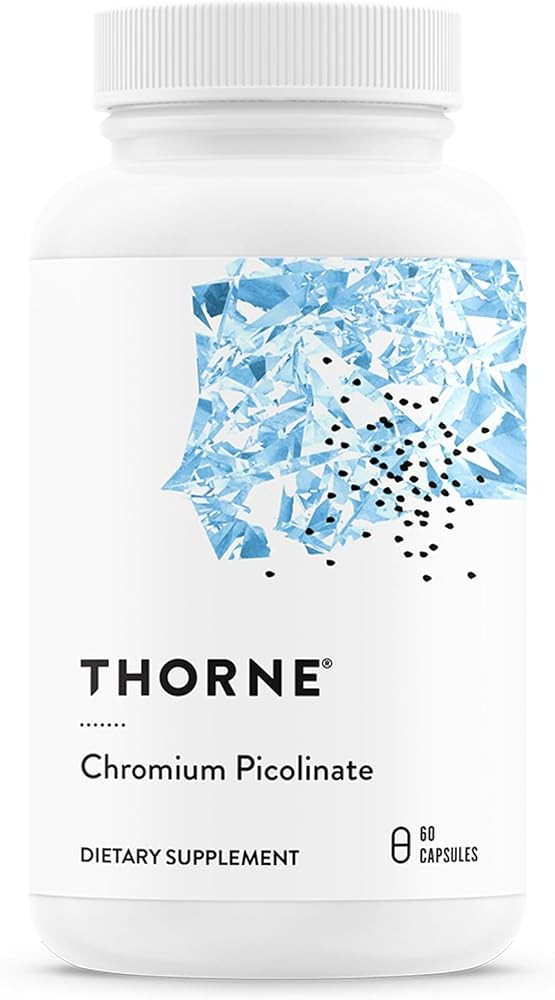
- Chromium supplementation: supports healthy glucose metabolism and insulin sensitivity (200-400 mcg daily)
 Check Price on Amazon
As an Amazon Associate we earn from qualifying purchases.
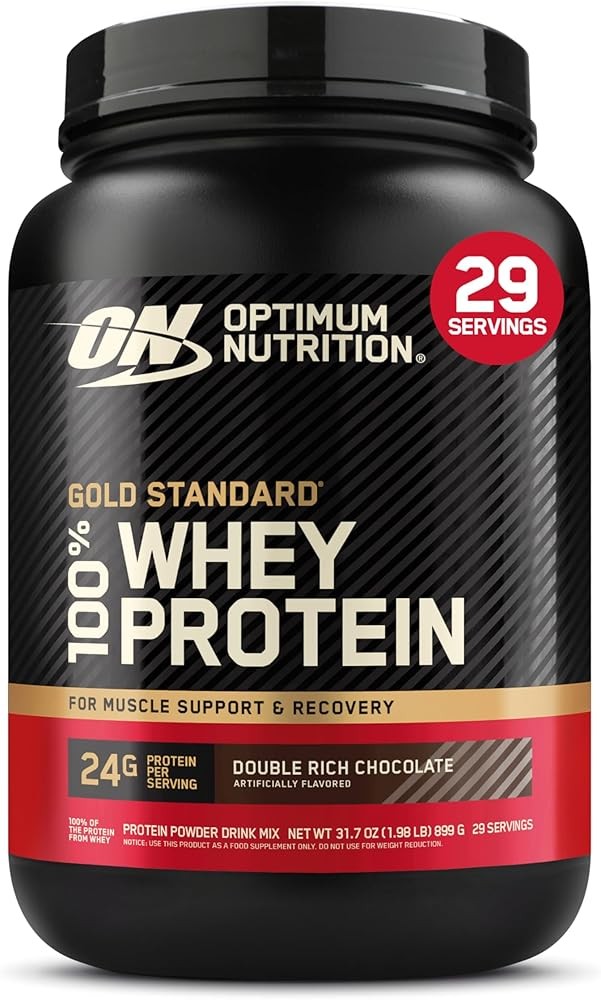
- Protein preservation: maintains lean body mass during treatment (25-30g per meal)
 Check Price on Amazon
As an Amazon Associate we earn from qualifying purchases.
Advanced Metabolic Optimization:
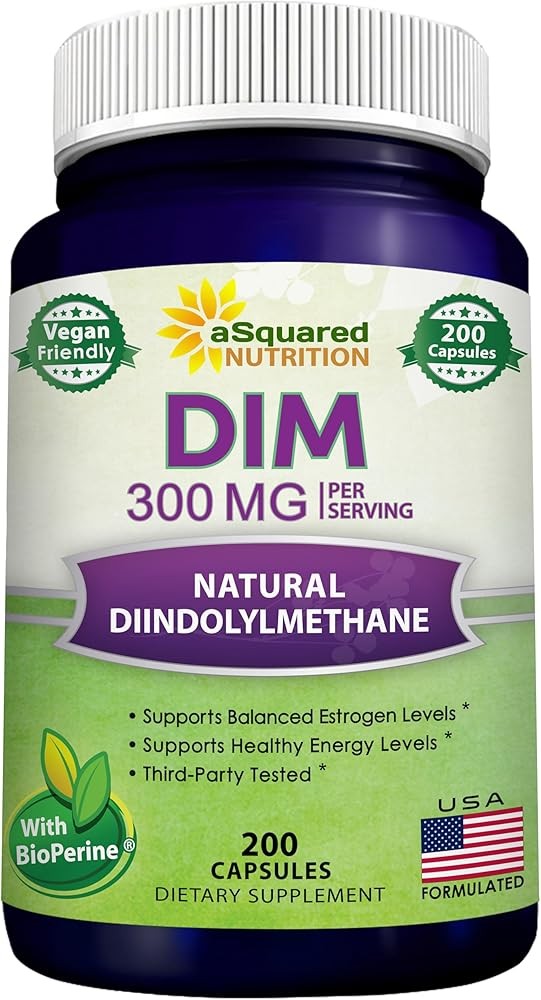
- DIM supplementation: for estrogen metabolism support in hormone-sensitive cancers (300mg daily with BioPerine for enhanced absorption)
 Check Price on Amazon
As an Amazon Associate we earn from qualifying purchases.
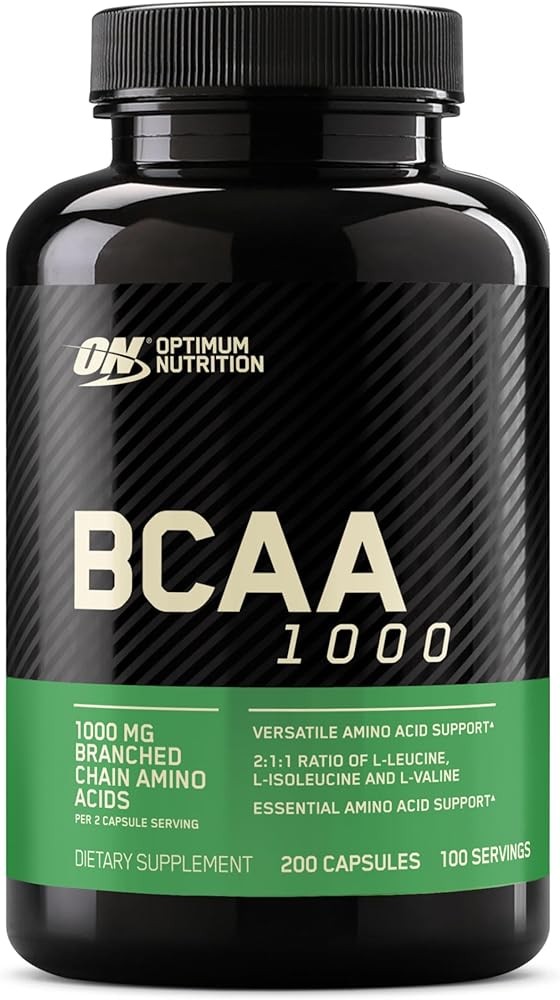
- BCAA support: preserves muscle protein synthesis during catabolic cancer treatment phases (5-10g before/after activity)
 Check Price on Amazon
As an Amazon Associate we earn from qualifying purchases.
This protocol addresses the Warburg effect metabolically while maintaining adequate nutrition for immune function and treatment tolerance. The American Heart Association recommends limiting added sugars to 25g daily for women and 36g for men; cancer patients should aim for these limits or lower while maintaining total caloric intake of 25-35 calories per kg body weight to support treatment outcomes.
Our Top Recommendations
📱 Join the discussion: Facebook | X | YouTube | Pinterest
Common Questions About Sweeteners
What are the benefits of sweeteners?
Sweeteners has been studied for various potential health benefits. Research suggests it may support several aspects of health and wellness. Individual results can vary. The strength of evidence differs across different claimed benefits. More high-quality research is often needed. Always review the latest scientific literature and consult healthcare professionals about whether sweeteners is right for your health goals.
Is sweeteners safe?
Sweeteners is generally considered safe for most people when used as directed. However, individual responses can vary. Some people may experience mild side effects. It’s important to talk with a healthcare provider before using sweeteners, especially if you have existing health conditions, are pregnant or nursing, or take medications.
How does sweeteners work?
Sweeteners works through various biological mechanisms that researchers are still studying. Current evidence suggests it may interact with specific pathways in the body to produce its effects. Always consult with a healthcare provider before starting any new supplement or health regimen to ensure it’s appropriate for your individual needs.
Who should avoid sweeteners?
Sweeteners is a topic of ongoing research in health and nutrition. Current scientific evidence provides some insights, though more studies are often needed. Individual responses can vary significantly. For personalized advice about whether and how to use sweeteners, consult with a qualified healthcare provider who can consider your complete health history and current medications.
What are the signs sweeteners is working?
How long should I use sweeteners?
The time it takes for sweeteners to work varies by individual and depends on factors like dosage, consistency of use, and individual metabolism. Some people notice effects within days, while others may need several weeks. Research studies typically evaluate effects over weeks to months. Consistent use as directed is important for best results. Keep a journal to track your response.
Conclusion: Making Informed Sweetener Choices During Cancer
The relationship between sweeteners and cancer is complex, nuanced, and still being actively researched. While no sweetener will address cancer, and no single dietary change will determine cancer outcomes, understanding how different sweeteners interact with cancer metabolism can help you make informed choices. Research on exploiting the Warburg effect provides the foundation for understanding which sweeteners may be preferable that may complement your overall treatment plan.
Key Takeaways
Sweeteners Cancer Cells Cannot Effectively Metabolize:
- Stevia (steviol glycosides): Not metabolized for energy; preliminary research suggests potential anti-cancer properties
- Monk fruit (mogrosides): Cannot be converted to glucose; possesses antioxidant properties
- Allulose: Minimally metabolized; may disrupt cancer cell glycolysis pathways
- Erythritol: Not metabolized by humans; however, recent cardiovascular concerns warrant caution
- Xylitol: Partially metabolized with minimal glycemic impact; preliminary anti-cancer findings in research
- Yacon syrup: FOS content not directly metabolizable; however, contains some free sugars
Sweeteners to Approach with Caution:
- Aspartame: IARC Group 2B classification (“possibly carcinogenic”)
- Sucralose: May dramatically reduce immunotherapy effectiveness by disrupting gut microbiome
- Acesulfame-K: Limited but concerning human data
- High-fructose corn syrup and concentrated fructose sources: Liver converts fructose to lipids that fuel tumors
- Agave nectar: Extremely high fructose content (up to 85%)
The Warburg Effect Context: Cancer cells consume glucose at rates 10-200 times higher than normal cells through aerobic glycolysis, making them heavily glucose-dependent. However, they demonstrate metabolic flexibility and can adapt to alternative fuel sources, meaning no dietary approach will completely “starve” cancer cells.
Evidence Level Reality Check: Most research on sweeteners and cancer comes from cell culture and animal studies. Human clinical trials are limited. The evidence supports informed caution and reasonable choices, not definitive recommendations. Always prioritize adequate nutrition during cancer treatment over dietary dogma.
A Balanced, Practical Approach
For most cancer patients, a sensible approach includes:
- Minimize refined sugars and added sugars, particularly from beverages and processed foods
- Specifically reduce fructose from concentrated sources (HFCS, agave, fruit juice)
- Choose stevia or monk fruit as primary non-caloric sweeteners
- Avoid sucralose if receiving or planning immunotherapy
- Exercise caution with aspartame, acesulfame-K, and erythritol
- Maintain adequate nutrition—never sacrifice caloric intake or nutritional adequacy for “perfect” dietary restriction
- Personalize your approach based on your specific cancer type, treatment, overall health, and individual tolerance
- Work with your healthcare team—especially an oncology-specialized registered dietitian
The Bigger Picture: Beyond Just Sweeteners
Sweetener choice is one small piece of a comprehensive approach to nutrition during cancer. Other important factors include:
- Overall dietary pattern (anti-inflammatory eating
- Adequate protein intake to preserve lean body mass
- Sufficient calories to reduce the risk of malnutrition
- Phytonutrient-rich foods (colorful vegetables and fruits)
- Omega-3 fatty acids (see our article on omega-3s and cancer
- Gut microbiome support through probiotic and prebiotic foods
- Hydration
- Regular physical activity (as tolerated)
- Stress management and adequate sleep
Looking Forward: Areas for Future Research
The field of nutrition and cancer metabolism is rapidly evolving. Areas requiring further research include:
- Large-scale human clinical trials examining sweetener consumption and cancer outcomes
- Studies on optimal dietary approaches for specific cancer types
- Research on individual metabolic differences affecting response to dietary interventions
- Investigation of synergies between dietary interventions and specific cancer treatments
- Long-term studies on cancer survivors and recurrence risk
- Examination of how other non-caloric sweeteners (not just stevia and monk fruit) affect immunotherapy
Empowerment Through Knowledge
If you’re a cancer patient or survivor, understanding the science behind sweeteners and cancer metabolism empowers you to make informed choices. You don’t have to feel helpless about nutrition—there are evidence-based steps you can take that may support your treatment and overall health.
However, remember that dietary changes are supportive strategies, not cancer treatments. Never delay, refuse, or discontinue evidence-based cancer treatment in favor of dietary approaches alone. The most successful outcomes occur when patients combine standard oncological care with evidence-informed supportive strategies, including thoughtful nutrition choices.
Your Next Steps
- Discuss this information with your oncology team
- Request referral to an oncology-specialized registered dietitian
- Assess your current sugar and sweetener intake—keep a food diary for 3-7 days
- Make gradual changes—replace one high-sugar item at a time
- Stock your pantry with stevia, monk fruit, or allulose
- Experiment with recipes using alternative sweeteners
- Track how you feel—energy, cravings, digestive function, overall well-being
- Be patient with yourself—dietary changes take time
- Stay informed—nutrition and cancer research evolves rapidly
- Connect with others—support groups and cancer communities can provide practical tips and encouragement
Final Thoughts
The question “which sweeteners can cancer cells not metabolize?” reflects an understandable desire to take control in an often overwhelming situation. While the answer provides some guidance—stevia, monk fruit, and allulose appear to be the safest choices—it’s important to maintain perspective.
Cancer is a complex disease influenced by genetics, environment, treatment, and numerous physiological factors. Nutrition is important, but it’s one piece of a larger puzzle. Make informed sweetener choices, reduce refined sugars where feasible, maintain adequate nutrition, and most importantly, work closely with your healthcare team to develop a comprehensive treatment plan tailored to your specific needs.
You are not defined by perfect dietary adherence. Some days will be harder than others. Treatment side effects, fatigue, stress, and emotional factors all influence food choices. Give yourself grace, make the best choices you can in each moment, and remember that overall patterns matter more than individual foods or occasional indulgences.
Your journey through cancer treatment is uniquely yours. May this information serve as a helpful tool in that journey, supporting your health, well-being, and quality of life.
For more context, see our guides on Artificial Sweeteners and Cancer Risk: What Major Studies Found, Omega-3 Fatty Acids and Cancer Research Overview, and 10 Anti-Cancer Foods: Cruciferous Vegetables, Berries & Legumes (Research-Backed).
Related Reading
Explore these evidence-based articles for comprehensive cancer nutrition strategies:
-
Does Sugar Feed Cancer? What Research Actually Shows - Comprehensive analysis of glucose metabolism and cancer cell growth
-
Ketogenic Diet and Cancer: Clinical Trial Evidence - Detailed examination of carbohydrate restriction approaches
-
Best Anti-Inflammatory Foods for Cancer Patients - Evidence-based dietary patterns supporting treatment outcomes
-
Intermittent Fasting and Cancer: What Studies Reveal - Research on time-restricted eating and metabolic health
-
Omega-3 Fatty Acids and Cancer Prevention - Clinical evidence for anti-inflammatory fatty acids
-
Resveratrol and Cancer: Mechanisms and Clinical Data - Polyphenol research in cancer metabolism
-
Best Protein Powders for Cancer Patients - Maintaining lean body mass during treatment
-
Curcumin and Cancer: Research-Backed Benefits - Anti-inflammatory compound mechanisms
-
Monk Fruit Sweetener and Cancer Safety: A Review of the Evidence
-
Artificial Sweeteners and Cancer Risk: What Major Studies Found
-
Top Anti-Cancer Foods: A Comprehensive Guide for Cancer Prevention
References
“The Warburg Effect: How Does it Benefit Cancer Cells?” PMC, 2016. Full Text
“Glucose Metabolism in Cancer: The Warburg Effect and Beyond.” NCBI Bookshelf, 2021. Full Text
“Metabolic Signature of Warburg Effect in Cancer.” Cancers, 2024. Full Text
“Revisiting the biological role of the Warburg effect: Evolving perspectives on cancer metabolism.” ScienceDirect, 2025. PubMed
“Anti-Cancer Properties of Stevia rebaudiana; More than a Sweetener.” PMC, 2022. Full Text
“Steviol glycosides affect functional properties and macromolecular expression of breast cancer cells.” PubMed, 2022. PubMed
“Stevia Leaf Extract Fermented with Plant-Derived Lactobacillus plantarum SN13T Displays Anticancer Activity.” MDPI, 2025. Full Text
“Anticancer and Antioxidant Effects of Bioactive Extracts from Monk Fruit.” Cancer Science Research, 2022. Full Text
“Recent advancements in mogrosides.” ScienceDirect, 2024. Article Link
“Cleveland Clinic Study: Substitute Erythritol Raises Cardiovascular Risk.” Cleveland Clinic, 2024. News Release
“Xylitol acts as an anticancer monosaccharide to induce selective cancer death.” PubMed, 2020. PubMed
“Effects of Xylitol on Tumor Progression in Syngeneic Mice Cancer Models.” MDPI, 2025. Full Text
“The Anticancer Activity of Monosaccharides.” PMC, 2024. Full Text
“Is Allulose Cancerous? Separating Fact From Fear.” BIOSTARCH, 2024. [Article Link](https://www.bio-starch.com/news
“The Metabolic and Endocrine Effects of a 12-Week Allulose-Rich Diet.” Nutrients, 2024. Full Text
“What is allulose?” MD Anderson Cancer Center. Article Link
“Aspartame hazard and risk assessment results released.” WHO, 2023. News Release
“Summary of findings of the evaluation of aspartame.” IARC, 2023. PDF Report
“Artificial Sweeteners and Cancer.” National Cancer Institute. Fact Sheet
“Sucralose Consumption Ablates Cancer Immunotherapy Response through Microbiome Disruption.” Cancer Discovery, 2025. Full Text
“Sucralose Could Make Cancer Treatment Less Effective.” University of Pittsburgh School of Medicine, 2025. News Release
“Lack of potential carcinogenicity for acesulfame potassium.” PubMed, 2020. PubMed
“Artificial sweeteners and cancer risk: Results from the NutriNet-Santé population-based cohort study.” PLOS Medicine, 2022. Full Text
“Dietary fructose enhances tumour growth indirectly via interorgan lipid transfer.” Nature, 2024. Article Link
“The liver converts fructose into lipids to fuel tumours.” Nature, 2024. Commentary
“Research reveals how fructose in diet enhances tumor growth.” Washington University, 2024. [News Release](https://source.washu.edu/2024/12
“The dark face of fructose as a tumor promoter.” PMC, 2020. Full Text
“Understanding the Link between Sugar and Cancer.” PMC, 2022. Full Text
“Excessive intake of sugar: An accomplice of inflammation.” PMC, 2022. Full Text
“The sugar-cancer connection: Five things you should know.” Stanford Medicine, 2025. Article Link
“The role of dietary sugars in cancer risk.” ScienceDirect, 2025. Article Link
“Is the ketogenic diet still controversial in cancer treatment?” Taylor & Francis Online, 2025. Full Text
“Impact of ketogenic diets on cancer patient outcomes: a systematic review and meta-analysis.” PMC, 2024. Full Text
“A phase 1 safety and feasibility trial of a ketogenic diet plus standard of care for patients with recently diagnosed glioblastoma.” Scientific Reports, 2025. Full Text
“Successful application of dietary ketogenic metabolic therapy in patients with glioblastoma.” Frontiers in Nutrition, 2024. Full Text
“Effects of ketogenic diets on cancer-related variables: A systematic review and meta-analysis.” PubMed, 2024. PubMed
“Yacon (Smallanthus sonchifolius) as a Food Supplement: Health-Promoting Benefits of Fructooligosaccharides.” PMC, 2016. Full Text
“The Potential Prebiotic Effects of Yacon in Colorectal Cancer.” Bentham Science, 2020. Article Link
“A Sustainable Wholesome Foodstuff; Health Effects of Yacon.” PMC, 2019. Full Text
Recommended Products