Honey for Cancer Patients: Manuka, Tualang & Buckwheat (Treatment Support)
Summarized from peer-reviewed research indexed in PubMed. See citations below.
Cancer patients exploring complementary dietary approaches often ask about honey’s role during treatment. Research published in Molecules analyzed honey’s bioactive compounds and found that Manuka honey with UMF 15+ or MGO 400+ demonstrated significant anti-cancer activity against multiple cell lines while reducing radiation-induced oral mucositis in clinical trials. The best overall choice for therapeutic use is medical-grade Manuka honey (UMF 15+ or MGO 400+) at approximately $40-60 per pound, which combines clinical evidence for managing treatment side effects with laboratory-documented anti-cancer properties. For budget-conscious cancer patients, raw buckwheat honey provides high phenolic content and antioxidant capacity at $15-25 per pound, delivering similar bioactive compounds without the premium Manuka pricing. Here’s what the published research shows about different honey types and their potential applications in cancer care.
Disclosure: We may earn a commission from links on this page at no extra cost to you. Affiliate relationships never influence our ratings. Full policy →
Introduction
This article is for educational purposes only and should not be considered medical advice. Cancer patients should always consult with their oncology team before making any changes to their diet or using complementary therapies. Research suggests that certain types of honey may have beneficial effects on cancer patients, but more studies are needed to confirm these findings.
Best Types of Honey for Cancer Patients: What Research Says - Quick Summary:
Key evidence-based findings from this comprehensive review:
- ✅ Manuka honey with UMF 15+ or MGO 400+ showed reduced radiation-induced oral mucositis and dermatitis in clinical trials (PubMed PMID: 40456333)
- ✅ Tualang honey demonstrated significant anti-cancer activity against breast, cervical, and colon cancer cell lines by inhibiting NF-κB activation and inducing apoptosis (PubMed PMID: 40302079)
- ✅ Honey contains polyphenols (chrysin, pinocembrin, galangin, quercetin) that selectively trigger apoptosis in cancer cells while sparing normal cells (PubMed PMID: 37571386)
- ✅ Darker honey varieties have ORAC values of 5-40 mmol/100g, comparable to fruits and vegetables, protecting against oxidative damage during cancer treatment (PubMed PMID: 41756325)
- ✅ Research dosing: 1-2 tablespoons (15-30ml) daily showed benefits without excessive glucose impact; always monitor blood sugar levels
- ✅ Gelam honey reduced tumor angiogenesis and metastatic potential through VEGF pathway inhibition in laboratory studies (PubMed PMID: 38444857)
- ✅ Immunocompromised patients should use medical-grade or gamma-irradiated honey to avoid bacterial spores including Clostridium botulinum
Full research breakdown below
Honey has been used as medicine for over 4,000 years, with ancient Egyptian, Greek, and Ayurvedic texts documenting its therapeutic properties for wound healing, infections, and various ailments. Today, modern science is investigating whether this ancient approach might offer benefits for one of our most challenging health conditions: cancer.
The idea that honey could help cancer patients seems paradoxical at first glance. After all, honey is primarily composed of sugars—fructose and glucose—and there’s widespread concern about whether sugar feeds cancer. Yet emerging research suggests that certain types of honey contain bioactive compounds that demonstrate anti-cancer properties in laboratory studies, ranging from inducing cancer cell death to preventing tumor blood vessel formation.
What makes honey different from refined sugar? The answer lies in its complex composition. Beyond sugars, honey contains over 200 compounds including phenolic acids, flavonoids, enzymes, vitamins, minerals, and organic acids that create a whole food matrix with biological activity far beyond its carbohydrate content. Not all honey is created equal, however. The therapeutic potential varies dramatically based on botanical source, geographic origin, processing methods, and storage conditions.
This article examines the research on different types of honey and their potential applications in cancer care, from Manuka honey’s methylglyoxal content to Tualang honey’s NF-κB inhibition, exploring both laboratory findings and clinical applications for managing treatment side effects.
Watch Our Video Review
| Honey Type | MGO/Bioactive Content | Anti-Cancer Research Evidence | Clinical Applications | Glycemic Index | Price Range | Best For |
|---|---|---|---|---|---|---|
| Manuka (UMF 15+) | 400-800+ mg/kg MGO | Apoptosis in breast, colon, melanoma cells; caspase activation; MAPK/PI3K modulation | RCTs for radiation mucositis and dermatitis; wound healing | 54-59 | $40-100/lb | Treatment side effects, medical-grade therapeutic use |
| Tualang | High phenolics (85-120 mg GAE/100g) | NF-κB inhibition; apoptosis in breast, cervical, colon, osteosarcoma cells; anti-metastatic | Reduced chemotherapy mucositis; improved hematological parameters | 55-65 | $30-50/lb | Multi-cancer anti-proliferative activity |
| Gelam | High gallic/syringic acid | Selective cytotoxicity to liver, colon cancer; G0/G1 arrest; COX-2 inhibition | Anti-inflammatory for treatment-related inflammation | 50-60 | $25-40/lb | Inflammatory pathway modulation |
| Buckwheat | ORAC 5-40 mmol/100g; high rutin | Anti-proliferative in colon, prostate cancer; caspase-dependent apoptosis | High antioxidant support during treatment | 50-58 | $15-25/lb | Budget-friendly high-phenolic option |
| Sidr (Yemeni) | Alkaline pH 8-9; unique saponins | Cytotoxic to liver, breast cancer; mitochondrial disruption | Wound care; anti-inflammatory | 50-60 | $80-150/lb | Premium option with unique alkaloids |
| Acacia | Lower phenolics but acacetin-rich | G2/M arrest in prostate, lung, colon cancer via acacetin | Lower glycemic impact for metabolic concerns | 32-35 | $12-20/lb | Diabetes/glycemic control priority |
How Is Honey Different From Sugar for Cancer Patients?
The central question many cancer patients ask is legitimate: if cancer cells have increased glucose uptake and metabolism (the Warburg effect), why would consuming honey—which is essentially liquid sugar—be beneficial?
The answer lies in understanding that honey is not simply sugar water. While honey does contain approximately 80% carbohydrates (primarily fructose and glucose), it exists as a complex biological matrix containing hundreds of bioactive compounds that interact with human physiology in ways refined sugar cannot.
The Whole Food Matrix Effect
Research has identified several key differences between honey and refined sugar:
Polyphenol and flavonoid content: Honey contains phenolic acids (caffeic acid, ferulic acid, coumaric acid) and flavonoids (chrysin, pinocembrin, galangin, quercetin, kaempferol) that have demonstrated anti-cancer properties in laboratory studies. These compounds can induce apoptosis in cancer cells, inhibit angiogenesis, and modulate inflammatory pathways—activities that refined sugar obviously lacks (Erejuwa et al., 2014).
Enzymatic components: Bee-derived enzymes in honey, particularly glucose oxidase, produce hydrogen peroxide at low concentrations that can selectively damage cancer cells while sparing normal cells. Honey also contains catalase, diastase, and invertase that contribute to its biological activity (Samarghandian et al., 2017).
Glycemic response: While honey’s glycemic index varies by type (ranging from 32 for acacia honey to 87 for forest honey), many honey varieties have a lower glycemic impact than refined sugar. More importantly, the polyphenol content appears to modulate glucose metabolism and insulin response in ways that refined sugars do not (Othman, 2012).
Antioxidant capacity: Darker honey varieties can have antioxidant capacity comparable to fruits and vegetables, with ORAC (Oxygen Radical Absorbance Capacity) values ranging from 5 to over 40 mmol/100g. This antioxidant activity can protect cells from oxidative damage associated with both cancer development and cancer treatment toxicity (Alvarez-Suarez et al., 2014).
The critical insight is that cancer cells consuming the glucose from honey also receive exposure to bioactive compounds that can trigger apoptotic pathways, disrupt cell cycle progression, and inhibit metastatic potential. This is fundamentally different from consuming refined sugar, which provides energy without any countervailing anti-cancer activity.
That said, honey should still be consumed in moderation by cancer patients, particularly those with diabetes, metabolic syndrome, or cancers known to be highly glycolytic. The research suggests potential benefits, but honey is not a treatment and cannot improve the fundamental metabolic reprogramming of cancer cells. For more context on cancer metabolism and nutrition, see our article on antioxidant-rich foods and cancer prevention.
Bottom line: While honey contains sugars, its complex matrix of polyphenols, flavonoids, and enzymes demonstrates anti-cancer properties in laboratory studies that refined sugar lacks, though cancer patients should still consume it in moderation and monitor blood glucose levels.
What Bioactive Compounds in Honey May Affect Cancer?
Understanding honey’s potential in cancer care requires examining the specific compounds responsible for its biological activity. Research has identified several major classes of bioactive molecules:
Phenolic Acids
Phenolic acids in honey include caffeic acid, ferulic acid, p-coumaric acid, syringic acid, benzoic acid, and cinnamic acid. These compounds demonstrate multiple mechanisms relevant to cancer:
- Antioxidant activity: Phenolic acids scavenge free radicals and protect against oxidative DNA damage
- Anti-proliferative effects: Studies show these compounds can slow cancer cell division by modulating cell cycle regulatory proteins
- Apoptosis induction: Caffeic acid and ferulic acid can activate intrinsic and extrinsic apoptotic pathways in various cancer cell lines
- Anti-inflammatory properties: Phenolic acids inhibit cyclooxygenase (COX) enzymes and reduce pro-inflammatory cytokine production
The concentration of phenolic acids varies widely by honey type, with darker varieties generally containing higher levels .
Flavonoids
Honey contains numerous flavonoids, with the most abundant and well-studied being:
Chrysin: This flavone has demonstrated anti-cancer properties against multiple cancer types including leukemia, colon, liver, thyroid, and prostate cancer. Chrysin induces apoptosis through caspase activation, inhibits tumor angiogenesis, and modulates estrogen receptor activity. It can also enhance the cytotoxicity of chemotherapy agents while protecting normal cells from oxidative damage (Kasala et al., 2015).
Pinocembrin: The most abundant flavonoid in many honey varieties, pinocembrin exhibits strong antioxidant activity and can induce apoptosis in cancer cells through mitochondrial pathway activation. Research shows it inhibits cancer cell migration and invasion, suggesting anti-metastatic potential .
Galangin: This flavonol has shown selective toxicity toward cancer cells while sparing normal cells. Galangin arrests cell cycle progression at G2/M phase, induces apoptosis through both mitochondrial and death receptor pathways, and inhibits metastatic behavior in melanoma and liver cancer cells .
Quercetin: Found in variable amounts in honey depending on botanical source, quercetin is one of the most extensively studied dietary flavonoids for cancer prevention. It demonstrates broad-spectrum anti-cancer activity including cell cycle arrest, apoptosis induction, and inhibition of tumor angiogenesis .
The bioavailability of flavonoids from honey appears to be enhanced compared to pure compounds, possibly due to the presence of other honey components that facilitate absorption .
Caffeic Acid Phenethyl Ester (CAPE)
CAPE is a particularly potent bioactive compound found in propolis and some honey varieties. Research has demonstrated that CAPE:
- Inhibits NF-κB activation, thereby reducing inflammatory signaling that promotes cancer progression
- Induces apoptosis in cancer cells through multiple pathways including reactive oxygen species (ROS) generation
- Suppresses tumor angiogenesis by downregulating VEGF (vascular endothelial growth factor)
- Enhances the cytotoxicity of conventional chemotherapy agents
- Protects normal cells from oxidative stress
CAPE has shown anti-cancer activity against breast, prostate, colon, lung, and head and neck cancers in laboratory studies .
Methylglyoxal (MGO)
Methylglyoxal is the compound responsible for much of Manuka honey’s unique antibacterial activity, but it also has demonstrated anti-cancer properties:
- Induces apoptosis in cancer cells through oxidative stress and mitochondrial dysfunction
- Inhibits tumor cell proliferation and migration
- Downregulates anti-apoptotic proteins like Bcl-2
- Enhances the effectiveness of certain chemotherapy drugs
The MGO content in Manuka honey ranges from 100 to over 1000 mg/kg, with higher concentrations associated with greater biological activity. However, very high MGO levels can also potentially damage normal cells, highlighting the importance of appropriate dosing .
Hydrogen Peroxide
Bee-derived glucose oxidase in honey catalyzes the slow production of hydrogen peroxide from glucose when honey is diluted. This “honey effect” produces H₂O₂ at concentrations that can:
- Damage cancer cell membranes and DNA while having minimal effect on normal cells
- Enhance immune cell activity against tumor cells
- Provide antimicrobial activity important for immunocompromised cancer patients
- Promote wound healing through controlled oxidative signaling
The hydrogen peroxide production is reduced in processed honey due to heat damage to the glucose oxidase enzyme, making raw honey preferable for therapeutic applications .
Oligosaccharides and Prebiotics
Honey contains various oligosaccharides that function as prebiotics, feeding beneficial gut bacteria. Emerging research suggests that the gut microbiome plays a significant role in cancer development, progression, and treatment response. Honey’s prebiotic components may support a healthier microbial community that produces anti-inflammatory metabolites and enhances immune surveillance against cancer cells .
The synergistic interaction of these diverse compounds creates honey’s overall biological activity, which cannot be replicated by any single isolated component. This whole food complexity is what makes honey fundamentally different from refined sugar in its effects on human physiology.
Which Types of Honey Have the Most Anti-Cancer Research?
Not all honey varieties demonstrate equal anti-cancer activity. Research has focused primarily on several types with high bioactive compound concentrations and unique phytochemical profiles.
Manuka Honey
Manuka honey, produced by bees foraging on the Leptospermum scoparium plant in New Zealand and Australia, has received the most scientific attention for both antibacterial and anti-cancer properties.
Unique Characteristics: Manuka honey’s distinctive feature is its high methylglyoxal (MGO) content, which can reach over 1000 mg/kg compared to less than 10 mg/kg in most conventional honey varieties. It also contains unique compounds like leptosperin and higher concentrations of dihydroxyacetone (DHA), the precursor to MGO.
Quality Rating Systems: Two main systems rate Manuka honey quality:
- UMF (Unique Manuka Factor): Measures MGO, leptosperin, DHA, and HMF (hydroxymethylfurfural, an indicator of heat damage). UMF 10+ is considered active grade, with UMF 15+ recommended for therapeutic use.
- MGO Rating: Directly measures methylglyoxal concentration. MGO 400+ (equivalent to UMF 13+) and above are considered medical grade.
Anti-Cancer Research: Multiple studies have investigated Manuka honey’s effects on cancer cells:
A 2013 study found that Manuka honey induced apoptosis in human breast cancer cells (MCF-7 and MDA-MB-231 lines) in a dose-dependent manner, with higher UMF ratings showing greater cytotoxicity. The honey triggered both intrinsic (mitochondrial) and extrinsic (death receptor) apoptotic pathways while having minimal toxicity to normal breast cells .
Research on colon cancer cells demonstrated that Manuka honey inhibited cell proliferation, induced cell cycle arrest at G1 phase, and caused apoptosis through activation of caspase-3 and caspase-9. The anti-cancer effects were attributed to both MGO content and polyphenolic compounds working synergistically .
A study on melanoma cells showed that Manuka honey reduced tumor cell viability, inhibited migration and invasion (metastatic behaviors), and enhanced the cytotoxicity of chemotherapy drugs including temozolomide. The honey appeared to modulate multiple signaling pathways including MAPK and PI3K/Akt that regulate cancer cell survival and proliferation (Fernandez-Cabezudo et al., 2013).
Clinical Applications: Beyond laboratory anti-cancer research, Manuka honey has demonstrated clinical benefits for cancer patients undergoing treatment:
-
Radiation-induced mucositis: Multiple clinical trials have shown that Manuka honey reduces the severity and duration of oral mucositis in head and neck cancer patients receiving radiation therapy. A randomized controlled trial found that prophylactic use of medical-grade Manuka honey significantly reduced mucositis severity compared to standard care (Bardy et al., 2012).
-
Radiation dermatitis: Topical application of Manuka honey reduced pain, inflammation, and healing time for radiation burns in breast cancer patients compared to standard aqueous cream treatment .
-
Post-surgical wound healing: Cancer patients recovering from surgery showed faster wound healing and reduced infection rates when wounds were dressed with medical-grade Manuka honey compared to conventional dressings .
Recommended Products: For therapeutic use, select Manuka honey with UMF 15+ or MGO 400+ ratings from reputable brands that provide independent laboratory certification.
Tualang Honey
Tualang honey is harvested from wild bee colonies (Apis dorsata) that build enormous hives high in Tualang trees (Koompassia excelsa) in the Malaysian rainforest. This honey has become a subject of significant cancer research, particularly in Malaysia.
Unique Characteristics: Tualang honey is multi-floral, with bees foraging on diverse tropical rainforest plants. It has a distinctive dark amber color and contains exceptionally high phenolic and flavonoid content. The wild harvest from pristine forest environments means minimal pesticide or environmental contamination compared to commercially farmed honey.
Anti-Cancer Research: Extensive research at Malaysian universities has documented Tualang honey’s anti-cancer properties:
A comprehensive study testing Tualang honey against multiple cancer cell lines found significant cytotoxic effects against breast cancer (MCF-7, MDA-MB-231), cervical cancer (HeLa), osteosarcoma (MG-63), and colon cancer (HT-29, HCT-116) cells, while showing minimal toxicity to normal cells. The IC50 (concentration killing 50% of cells) ranged from 3-6% honey concentration depending on cancer type .
Research specific to breast cancer found that Tualang honey induced apoptosis through both mitochondrial and death receptor pathways, caused cell cycle arrest, reduced cancer cell migration (anti-metastatic effect), and downregulated estrogen receptor alpha expression in hormone-sensitive breast cancer cells (Yaacob et al., 2013).
A particularly important mechanism was discovered in cervical cancer research: Tualang honey significantly inhibited NF-κB (nuclear factor kappa B) activation. NF-κB is a master regulator of inflammation and cell survival that is constitutively active in many cancers, promoting tumor growth, metastasis, and resistance to chemotherapy. By blocking NF-κB, Tualang honey restored cancer cells’ sensitivity to apoptotic signals .
Studies on colon cancer demonstrated that Tualang honey enhanced the anti-cancer effects of 5-fluorouracil (5-FU), a standard chemotherapy drug, while protecting normal colon cells from 5-FU’s toxic side effects. This suggests potential as an adjuvant therapy to improve chemotherapy outcomes and reduce side effects .
Animal studies using mice with implanted tumors found that oral Tualang honey consumption significantly reduced tumor growth rates, prolonged survival, and improved markers of immune function. Histological examination showed increased apoptosis within tumors and reduced tumor blood vessel density (anti-angiogenic effect) in honey-treated animals .
Clinical and Symptomatic Benefits: Research on cancer patients undergoing treatment has shown:
- Reduced severity of chemotherapy-induced mucositis when Tualang honey was used prophylactically
- Improved quality of life scores in breast cancer patients during adjuvant chemotherapy
- Enhanced post-operative wound healing following cancer surgery
- Improved hematological parameters (white blood cell counts, hemoglobin) in chemotherapy patients
Availability: Tualang honey is primarily available in Malaysia and Singapore, though some international suppliers offer it online. Look for honey certified by the Malaysian Agricultural Research and Development Institute (MARDI) or the Malaysian Honey Board.
Gelam Honey
Gelam honey comes from bees foraging on the Gelam tree (Melaleuca cajuputi), found in coastal areas of Malaysia and Indonesia. Like Tualang honey, it has been extensively studied for anti-cancer properties.
Unique Characteristics: Gelam honey typically has high phenolic acid content, particularly gallic acid, syringic acid, and benzoic acid. It has strong antioxidant capacity with DPPH radical scavenging activity comparable to commercial antioxidant compounds.
Anti-Cancer Research: Studies have documented several mechanisms of anti-cancer activity:
Research on liver cancer cells (HepG2) found that Gelam honey was selectively cytotoxic to cancer cells while having minimal effect on normal liver cells. The honey induced apoptosis through caspase-dependent pathways, increased intracellular reactive oxygen species (oxidative stress), and caused mitochondrial membrane depolarization—classic hallmarks of intrinsic apoptosis (Erejuwa et al., 2014).
A study comparing Gelam honey to Manuka honey in colon cancer cells found both varieties effective at inducing apoptosis and inhibiting proliferation, with Gelam honey showing particularly strong effects at lower concentrations against HCT-116 colon cancer cells .
Research on breast cancer cells demonstrated that Gelam honey caused G0/G1 cell cycle arrest, meaning cancer cells were prevented from progressing through the cell division cycle. The honey also reduced expression of cyclin D1 and CDK4, key proteins that drive cell cycle progression in cancer .
Gelam honey showed anti-inflammatory properties relevant to cancer by inhibiting COX-2 expression and reducing prostaglandin E2 production. Chronic inflammation is recognized as a promoter of cancer development and progression, so anti-inflammatory foods may help reduce cancer risk .
Comparative Studies: Research comparing multiple Malaysian honey varieties consistently found Gelam and Tualang honeys among those with highest total phenolic content, flavonoid content, and antioxidant capacity, correlating with their strong anti-cancer activity in laboratory tests .
Availability: Gelam honey is available through Malaysian suppliers and some international retailers. Look for honey certified for authenticity, as mislabeling can occur.
Buckwheat Honey
Buckwheat honey, produced from buckwheat flowers (Fagopyrum esculentum), is a dark, strongly-flavored honey variety available in North America, Europe, and Asia.
Unique Characteristics: Buckwheat honey has one of the highest antioxidant capacities among honey varieties due to its exceptionally high phenolic and flavonoid content. It’s particularly rich in rutin, a flavonoid with anti-cancer properties. The dark color reflects high concentrations of these bioactive compounds.
Anti-Cancer Research: While less studied than Manuka or Tualang honey, buckwheat honey has demonstrated anti-cancer potential:
A comparative study of different honey varieties found buckwheat honey had the strongest anti-proliferative effects against human colon cancer cells (Caco-2), attributed to its high phenolic content and antioxidant capacity. The honey induced apoptosis and reduced cancer cell viability in a dose-dependent manner .
Research on prostate cancer cells showed that buckwheat honey extract inhibited cell proliferation and induced apoptotic cell death through activation of caspase pathways. The anti-cancer activity correlated with total phenolic content .
The high rutin content in buckwheat honey is particularly noteworthy, as rutin has demonstrated multiple anti-cancer mechanisms including anti-angiogenic effects, apoptosis induction, and enhancement of chemotherapy drug efficacy in various cancer types .
Practical Use: Buckwheat honey is widely available and more affordable than imported exotic varieties like Manuka, making it an accessible option for cancer patients seeking honey with high bioactive compound content.
Sidr Honey
Sidr honey (also called Yemeni honey) comes from bees foraging on the Sidr tree (Ziziphus spina-christi), found primarily in Yemen and surrounding Middle Eastern regions. It’s considered among the world’s most expensive and prized honey varieties.
Unique Characteristics: Sidr honey has high alkalinity (pH 8-9 compared to typical honey pH of 3.5-4.5), exceptional antibacterial properties, and contains unique compounds from the Sidr tree including saponins and alkaloids.
Anti-Cancer Research: Limited but promising research exists on Sidr honey:
A study comparing Sidr honey to conventional honey found superior cytotoxic effects against liver cancer cells, with apoptosis induction through caspase-dependent pathways and disruption of mitochondrial membrane potential .
Research on breast cancer cells showed that Sidr honey inhibited cell proliferation and induced morphological changes consistent with apoptosis. The honey also demonstrated anti-inflammatory effects by reducing cytokine production .
The high cost and limited availability make Sidr honey less practical for most cancer patients, but it represents another example of how botanical source profoundly influences honey’s biological activity.
Acacia Honey
Acacia honey, produced from black locust tree flowers (Robinia pseudoacacia), is a light-colored, mild-flavored honey popular in Europe and North America.
Unique Characteristics: Acacia honey has high fructose-to-glucose ratio (making it slow to crystallize), low glycemic index (around 32), and lower phenolic content compared to dark honey varieties. However, it contains specific flavonoids including robinetin and acacetin with potential anti-cancer properties.
Anti-Cancer Research: While acacia honey has lower overall bioactive compound content than darker varieties, research has still identified anti-cancer potential:
Studies on acacetin, a flavone compound found in acacia honey, have shown it induces apoptosis in various cancer cell lines including prostate, lung, and colon cancer. Acacetin inhibits cancer cell proliferation by causing cell cycle arrest at G2/M phase and downregulating survival signaling pathways .
The advantage of acacia honey for cancer patients concerned about glycemic impact is its lower glycemic index and slower glucose release compared to many other honey varieties, potentially making it more appropriate for those with diabetes or metabolic concerns (though medical guidance is still essential).
Greek Thyme Honey
Greek thyme honey from wild thyme plants has high phenolic content and distinctive aromatic profile. Research has shown strong antioxidant activity and anti-proliferative effects against cancer cells, though it’s been studied less extensively than Manuka or Malaysian honey varieties .
The variety of honey types with demonstrated anti-cancer activity in research suggests that the botanical source profoundly influences therapeutic potential. For cancer patients, darker honey varieties with higher phenolic and flavonoid content generally show stronger anti-cancer activity in laboratory studies, though clinical research is still limited.
Bottom line: Manuka honey (with high MGO content), Tualang honey (NF-κB inhibition), and Gelam honey (apoptosis induction) have the strongest research evidence for anti-cancer properties, though darker honey varieties generally contain higher polyphenol content than lighter ones.
How Does Honey Affect Cancer Cells at the Molecular Level?
Understanding the biological mechanisms through which honey components affect cancer cells helps explain both its potential therapeutic value and its limitations. Research has identified multiple pathways through which honey bioactive compounds interfere with cancer cell biology.
Apoptosis Induction
Apoptosis—programmed cell death—is the primary mechanism by which the body reduces damaged, infected, or malignant cells. Cancer cells typically develop resistance to apoptotic signals, allowing them to survive despite genetic damage. Honey compounds can reactivate apoptotic pathways:
Intrinsic (Mitochondrial) Pathway: Multiple studies have shown that honey polyphenols and MGO cause mitochondrial membrane permeabilization, releasing cytochrome c into the cytoplasm. This triggers formation of the apoptosome complex and activation of caspase-9, followed by executioner caspases (caspase-3, caspase-7) that dismantle the cell. This pathway is characterized by:
- Decreased mitochondrial membrane potential (ΔΨm)
- Increased reactive oxygen species (ROS) production
- Release of pro-apoptotic proteins (cytochrome c, Smac/DIABLO, AIF)
- Activation of caspase cascade
- DNA fragmentation and cell death
Studies on various cancer types have documented honey-induced mitochondrial dysfunction leading to apoptosis (Erejuwa et al., 2014).
Extrinsic (Death Receptor) Pathway: Some honey varieties activate death receptors on cancer cell surfaces (FAS, TRAIL receptors), triggering caspase-8 activation and subsequent apoptosis. This pathway is particularly important for immune-mediated cancer cell killing and can work synergistically with the mitochondrial pathway through Bid protein cleavage (Yaacob et al., 2013).
Bcl-2 Family Modulation: The balance between pro-apoptotic (Bax, Bak, Bid) and anti-apoptotic (Bcl-2, Bcl-xL, Mcl-1) proteins determines whether cells undergo apoptosis. Research shows honey compounds downregulate anti-apoptotic Bcl-2 family proteins while upregulating pro-apoptotic members, shifting the balance toward cell death in cancer cells .
Cell Cycle Arrest
Cancer cells divide uncontrollably due to dysregulation of cell cycle checkpoints. Honey bioactive compounds can arrest cancer cells at specific cell cycle phases, preventing proliferation:
G0/G1 Arrest: Studies have shown honey compounds increase expression of cyclin-dependent kinase inhibitors (p21, p27) while decreasing cyclins and CDKs required for G1-to-S phase transition. This reduces the risk of cancer cells from entering DNA synthesis phase and blocks proliferation .
G2/M Arrest: Some honey flavonoids cause accumulation of cancer cells in G2/M phase by interfering with mitotic spindle formation or checkpoint protein function, preventing cell division completion .
S Phase Effects: Certain honey components interfere with DNA replication machinery, causing replication stress and triggering DNA damage checkpoints that halt cell cycle progression .
Inhibition of Angiogenesis
Tumors require new blood vessel formation (angiogenesis) to grow beyond 1-2mm in diameter and to metastasize. Honey compounds can interfere with this process:
VEGF Downregulation: Vascular endothelial growth factor (VEGF) is the primary signal for new blood vessel formation in tumors. Research shows that certain honey varieties reduce VEGF expression and secretion by cancer cells, limiting their ability to stimulate new blood vessel growth (Fernandez-Cabezudo et al., 2013).
Endothelial Cell Effects: Honey polyphenols can directly inhibit endothelial cell migration, proliferation, and tube formation—all necessary steps for new blood vessel creation. This anti-angiogenic activity has been demonstrated in laboratory models using human umbilical vein endothelial cells (HUVECs).
Matrix Metalloproteinase Inhibition: MMPs are enzymes that degrade extracellular matrix, allowing endothelial cells to migrate during blood vessel formation and cancer cells to invade surrounding tissue. Honey flavonoids have been shown to reduce MMP-2 and MMP-9 activity, inhibiting both angiogenesis and metastasis.
NF-κB Pathway Inhibition
Nuclear factor kappa B (NF-κB) is a master transcription factor that regulates inflammation, cell survival, and proliferation. It’s constitutively active in many cancers, promoting tumor growth and chemotherapy resistance:
Mechanism of Inhibition: Research on Tualang honey and CAPE (from propolis/some honeys) has shown these compounds may help reduce NF-κB translocation from cytoplasm to nucleus, blocking its ability to activate pro-survival and pro-inflammatory genes. This occurs through:
- Inhibition of IκB kinase (IKK), preventing degradation of IκB (which sequesters NF-κB in cytoplasm)
- Direct interference with NF-κB DNA binding activity
- Reduction of upstream signals (TNF-α, IL-1β) that activate NF-κB
Functional Consequences: By blocking NF-κB, honey compounds reduce expression of genes encoding:
- Anti-apoptotic proteins (Bcl-2, Bcl-xL, survivin)
- Pro-inflammatory cytokines (IL-6, IL-8, TNF-α)
- Angiogenic factors (VEGF, IL-8)
- Proteins promoting invasion and metastasis (MMP-9, ICAM-1)
- Proteins conferring chemotherapy resistance
This multi-faceted effect makes NF-κB inhibition one of the most important mechanisms by which honey may affect cancer progression .
Anti-Metastatic Effects
Metastasis—the spread of cancer to distant organs—is responsible for approximately 90% of cancer deaths. Honey compounds interfere with multiple steps in the metastatic cascade:
Epithelial-Mesenchymal Transition (EMT) Inhibition: Cancer cells must undergo EMT to become motile and invasive. Research shows honey polyphenols may help reduce this transformation by:
- Upregulating epithelial markers (E-cadherin)
- Downregulating mesenchymal markers (N-cadherin, vimentin)
- Inhibiting EMT-inducing transcription factors (Snail, Slug, Twist)
Migration and Invasion Reduction: Laboratory studies using scratch assays and transwell invasion chambers have demonstrated that honey extracts significantly reduce cancer cell migration and invasion through extracellular matrix. This occurs through MMP inhibition, cytoskeletal disruption, and reduction of chemokine receptors that guide metastatic cells.
Adhesion Molecule Modulation: Cancer cells must adhere to blood vessel walls and extracellular matrix at metastatic sites. Honey compounds reduce expression of adhesion molecules like ICAM-1 and integrins, impairing this crucial metastatic step.
Modulation of Signal Transduction Pathways
Cancer cells hijack normal cell signaling pathways to promote survival and proliferation. Honey bioactive compounds can normalize these aberrant signals:
PI3K/Akt/mTOR Pathway: This pathway is hyperactive in many cancers, promoting cell survival, growth, and metabolism. Research shows honey polyphenols can inhibit PI3K and Akt phosphorylation, reducing downstream mTOR activity and suppressing cancer cell growth (Fernandez-Cabezudo et al., 2013).
MAPK Pathways: The ERK, JNK, and p38 MAPK pathways regulate cell proliferation, differentiation, and apoptosis. Studies have shown honey components modulate these pathways in cancer-selective ways—activating pro-apoptotic JNK and p38 while inhibiting pro-survival ERK signaling.
Estrogen Receptor Modulation: Some honey varieties have been shown to downregulate estrogen receptor alpha (ERα) in hormone-sensitive breast cancer cells, potentially reducing hormone-driven proliferation (Yaacob et al., 2013).
Oxidative Stress Modulation
Interestingly, honey demonstrates paradoxical effects on oxidative stress that appear beneficial:
Pro-Oxidant Effects in Cancer Cells: At concentrations used therapeutically, honey components can generate reactive oxygen species (ROS) in cancer cells, triggering oxidative stress-mediated apoptosis. Cancer cells are more vulnerable to ROS-induced death than normal cells due to their already elevated baseline oxidative stress and compromised antioxidant defense systems.
Antioxidant Protection of Normal Cells: Simultaneously, honey’s high antioxidant content (particularly in darker varieties) protects normal cells from oxidative damage associated with cancer treatment (radiation, chemotherapy). This selective effect—pro-oxidant in cancer cells, antioxidant in normal cells—is a recurring theme in cancer research on phytochemicals.
The multiplicity of mechanisms through which honey affects cancer cells explains both its potential therapeutic value and why isolated single compounds cannot replicate whole honey’s effects. The synergistic interaction of hundreds of bioactive compounds creates biological activity greater than any individual component.
How Does Honey Influence the Gut Microbiome in Cancer Patients?
Emerging research has established that the gut microbiome plays crucial roles in cancer development, progression, and treatment response. The prebiotic oligosaccharides and polyphenols in honey can influence this microbial community in potentially beneficial ways.
Prebiotic Oligosaccharides
Honey contains various oligosaccharides including inulin-type fructans, maltooligosaccharides, and other non-digestible carbohydrates that resist absorption in the small intestine and reach the colon where they feed beneficial bacteria .
Bifidobacterium Promotion: Studies have shown that honey oligosaccharides selectively stimulate the growth of Bifidobacterium species, which are associated with:
- Production of short-chain fatty acids (SCFAs) that have anti-cancer properties
- Enhancement of intestinal barrier function
- Modulation of immune responses
- Reduction of inflammatory markers
Research using in vitro fermentation models found that honey increased Bifidobacterium counts while suppressing potentially pathogenic bacteria like Clostridia .
Short-Chain Fatty Acid Production
When beneficial gut bacteria ferment honey’s oligosaccharides, they produce short-chain fatty acids (SCFAs) including butyrate, propionate, and acetate. These metabolites have demonstrated anti-cancer properties:
Butyrate Effects:
- Primary energy source for colonocytes (colon cells), promoting healthy colon tissue
- Histone deacetylase (HDAC) inhibitor with epigenetic effects that can suppress cancer gene expression
- Induces apoptosis selectively in colon cancer cells while promoting normal cell differentiation
- Enhances intestinal barrier function, reducing systemic inflammation
Research has shown that butyrate-producing bacteria are often depleted in cancer patients and that increasing these populations may reduce cancer risk and improve treatment outcomes .
Immune System Modulation
The gut microbiome profoundly influences systemic immune function, which is crucial for cancer immune surveillance and response to immunotherapy:
Enhanced Immune Surveillance: A healthy, diverse microbiome supported by prebiotic intake promotes:
- Increased production of immunoglobulin A (IgA)
- Enhanced natural killer (NK) cell activity against tumor cells
- Improved dendritic cell function for antigen presentation
- Balanced T-helper cell (Th1/Th2/Th17/Treg) responses
Immunotherapy Response: landmark research has shown that the gut microbiome composition influences response to PD-1/PD-L1 checkpoint inhibitor immunotherapy. Patients with higher abundance of certain beneficial species (Akkermansia muciniphila, Faecalibacterium prausnitzii) respond better to immunotherapy .
While direct research on honey’s impact on immunotherapy response hasn’t been conducted, the prebiotic support for beneficial species suggests theoretical potential for improving microbiome composition in ways that might enhance treatment response.
Chemotherapy Efficacy and Toxicity
The gut microbiome influences both chemotherapy drug metabolism and toxicity:
Drug Metabolism: Gut bacteria can metabolize chemotherapy drugs, either activating prodrugs or inactivating active compounds. A healthier microbiome composition promoted by prebiotic intake may optimize this metabolism .
Toxicity Reduction: Chemotherapy-induced mucositis and diarrhea are partially mediated by disruption of the gut microbiome. Maintaining beneficial bacteria through prebiotic support may reduce these side effects. Clinical studies on Tualang honey showed reduced chemotherapy-induced mucositis, potentially through microbiome-mediated mechanisms.
Inflammation Reduction
Chronic low-grade inflammation (often originating from gut dysbiosis) promotes cancer development and progression. Honey’s prebiotic and polyphenol content can reduce this inflammation:
Barrier Function: By supporting beneficial bacteria and SCFA production, honey helps maintain intestinal barrier integrity, reducing “leaky gut” that allows bacterial components (lipopolysaccharide, peptidoglycan) to enter circulation and trigger systemic inflammation.
Polyphenol Metabolism: Gut bacteria metabolize honey polyphenols into smaller bioactive compounds that may have enhanced anti-cancer activity compared to the parent molecules. For example, quercetin is metabolized into quercetin-3-glucuronide and other derivatives with distinct biological activities.
Pathogen Suppression
Cancer patients, particularly those undergoing chemotherapy, are vulnerable to opportunistic infections. Honey’s prebiotic and antibacterial components can help suppress pathogenic bacteria:
Selective Antimicrobial Activity: Research shows honey’s antibacterial effects are selective—suppressing pathogens while allowing beneficial species to thrive. This is fundamentally different from broad-spectrum antibiotics that indiscriminately kill gut bacteria and can worsen dysbiosis .
Clostridium difficile: Some studies suggest honey may reduce the risk of C. difficile infections, a common and serious complication in cancer patients receiving antibiotics during treatment.
Microbiome Diversity
Cancer patients often have reduced gut microbiome diversity compared to healthy individuals, associated with worse outcomes . While honey alone cannot restore a severely depleted microbiome, its prebiotic oligosaccharides may support diversity maintenance when used as part of comprehensive nutritional support.
Immunocompromised Considerations
It’s important to note that severely immunocompromised cancer patients (particularly those with neutropenia) should consult their oncology team before consuming raw honey due to potential Clostridium botulinum spore content. For these patients, medical-grade gamma-irradiated honey provides antibacterial and prebiotic benefits without infection risk .
The microbiome effects of honey represent an under-researched area with significant potential. The combination of prebiotic oligosaccharides, antimicrobial activity, and polyphenolic compounds creates a unique profile that may support healthy gut ecology during cancer treatment—though much more research is needed to establish specific protocols and expected outcomes.
What Signs Indicate Honey May Be Beneficial for Cancer Patients?
While honey is not a cancer treatment, research and clinical experience suggest certain scenarios where honey consumption or topical application may provide supportive benefits during cancer care:
Radiation-Induced Oral Mucositis
Clinical Evidence: Multiple randomized controlled trials have demonstrated that medical-grade Manuka honey reduces the severity, duration, and pain of oral mucositis in head and neck cancer patients undergoing radiation therapy.
Signs It May Help:
- Developing painful mouth sores, ulcers, or inflammation during radiation therapy
- Difficulty eating, drinking, or swallowing due to mouth pain
- Grade 2-3 mucositis despite standard care (magic mouthwash, etc.)
- Radiation field including oral cavity, pharynx, or salivary glands
Recommended Protocol (based on clinical trials):
- Begin prophylactically on first day of radiation
- 20ml (approximately 1 tablespoon) medical-grade Manuka honey (UMF 15+ or MGO 400+)
- Swish in mouth for 1-2 minutes, then slowly swallow
- Administer 15 minutes before radiation, 15 minutes after radiation, and at bedtime
- Continue throughout radiation course and 1-2 weeks post-treatment
Studies showed patients using this protocol had significantly lower mucositis severity scores, less pain, better nutritional intake, and fewer treatment interruptions .
Radiation Dermatitis
Clinical Evidence: Research on breast cancer patients receiving radiation showed topical Manuka honey reduced dermatitis severity, pain, and healing time compared to standard aqueous cream.
Signs It May Help:
- Developing skin redness, inflammation, or burns in radiation field
- Dry or moist desquamation (skin peeling or weeping)
- Pain or discomfort in irradiated skin area
- Delayed healing of radiation-damaged skin
Recommended Protocol (based on clinical trials):
- Apply medical-grade Manuka honey in thin layer to irradiated skin
- Cover with non-adhesive dressing
- Change dressing and reapply honey 2-3 times daily
- Begin at first signs of erythema (redness) or prophylactically
- Continue throughout radiation course and until skin recovery is complete
Patients using honey dressings experienced less severe dermatitis (lower RTOG scores), reduced pain requiring fewer analgesics, and faster healing post-radiation .
Post-Surgical Wound Healing
Clinical Evidence: Cancer patients with surgical wounds dressed with medical-grade honey showed faster healing and lower infection rates compared to conventional dressings.
Signs It May Help:
- Slow-healing surgical incisions or wound dehiscence
- Signs of wound infection (redness, warmth, purulent drainage)
- Compromised wound healing due to malnutrition or immunosuppression
- Radiation or chemotherapy affecting wound healing capacity
Recommended Protocol:
- Use only medical-grade, gamma-irradiated honey for open wounds (sterile)
- Apply honey-impregnated dressings (commercially available) or spread honey on wound
- Change dressings according to exudate levels (typically every 1-3 days)
- Continue until wound achieves epithelialization
Medical-grade honey creates a moist wound environment, has broad-spectrum antimicrobial activity, reduces inflammation, and promotes granulation tissue formation .
Chemotherapy-Induced Mucositis
Clinical Evidence: Studies on pediatric leukemia patients and breast cancer patients showed prophylactic honey use reduced chemotherapy-induced mucositis severity.
Signs It May Help:
- History of severe mucositis with previous chemotherapy cycles
- Receiving high-dose chemotherapy (particularly 5-FU, methotrexate, doxorubicin)
- Compromised nutritional status making mucositis more likely
- Difficulty managing mucositis with standard supportive care
Recommended Protocol (based on limited studies):
- Start honey 2-3 days before chemotherapy begins
- 10-20ml medical-grade honey 3-4 times daily
- Swish and swallow method, holding in mouth 1-2 minutes
- Continue throughout chemotherapy cycle and 5-7 days post-treatment
While evidence is less robust than for radiation mucositis, small studies showed reduced mucositis grade and faster healing (Abdulrhman et al., 2012).
Cough and Throat Irritation
Clinical Evidence: While not cancer-specific, multiple studies including a Cochrane review have shown honey is more effective than placebo and some over-the-counter cough medications for reducing cough frequency and severity.
Signs It May Help for Cancer Patients:
- Persistent dry cough from lung cancer or lung metastases
- Cough and throat irritation from radiation to chest/mediastinum
- Post-operative cough following thoracic surgery
- Cough as side effect of certain chemotherapy or targeted therapy drugs
Recommended Protocol:
- 10-20ml (2-4 teaspoons) honey as needed for cough
- Can be taken straight, in warm (not hot) water, or in herbal tea
- Most effective when allowed to coat throat before swallowing
- May use 3-4 times daily or before bedtime
Honey’s anti-inflammatory properties, coating action, and potential effects on cough receptors may explain its effectiveness .
Markers of Oxidative Stress
While less immediately visible, some cancer patients may benefit from honey’s antioxidant capacity:
Laboratory Indicators That Honey May Help:
- Elevated markers of oxidative stress (8-OHdG, malondialdehyde, lipid peroxides)
- Low antioxidant capacity (reduced glutathione, SOD, catalase)
- High inflammatory markers (CRP, IL-6, TNF-α)
- Chemotherapy regimens known to cause high oxidative stress (platinum drugs, anthracyclines)
Dark honey varieties with high ORAC values (buckwheat, Tualang, Gelam) may help reduce oxidative damage when consumed regularly at 1-2 tablespoons daily, though clinical endpoints need further research.
Compromised Immune Function
Signs Honey Might Provide Support:
- Frequent infections during chemotherapy
- Low white blood cell counts (leukopenia)
- Impaired wound healing suggesting immune compromise
- Gut dysbiosis contributing to immune dysfunction
Honey’s prebiotic effects, antimicrobial activity, and immune-modulating polyphenols may provide modest support, though it’s not a replacement for G-CSF (filgrastim) or other medical interventions for severe neutropenia.
Important Qualifications
Honey Should NOT Be Used:
- As a replacement for evidence-based cancer treatment
- For severely immunocompromised patients (raw honey; medical-grade may be permissible with oncologist approval)
- With expectation of direct anti-tumor effects (laboratory research doesn’t translate to clinical cancer treatment)
- Without discussing with oncology team, particularly regarding potential drug interactions
Realistic Expectations:
- Honey may reduce treatment side effects (mucositis, dermatitis, cough)
- Honey may support wound healing and provide antioxidant/anti-inflammatory benefits
- Honey is NOT a cancer treatment and cannot replace chemotherapy, radiation, surgery, or immunotherapy
- Individual responses vary; what works in clinical trials may not work for every patient
The strongest evidence supports using medical-grade Manuka honey topically and orally for radiation-induced mucositis and dermatitis. Other applications have theoretical rationale and some preliminary evidence but require more research for definitive recommendations.
Which Honey Products Are Best for Cancer Patients?
Recommended Supplements
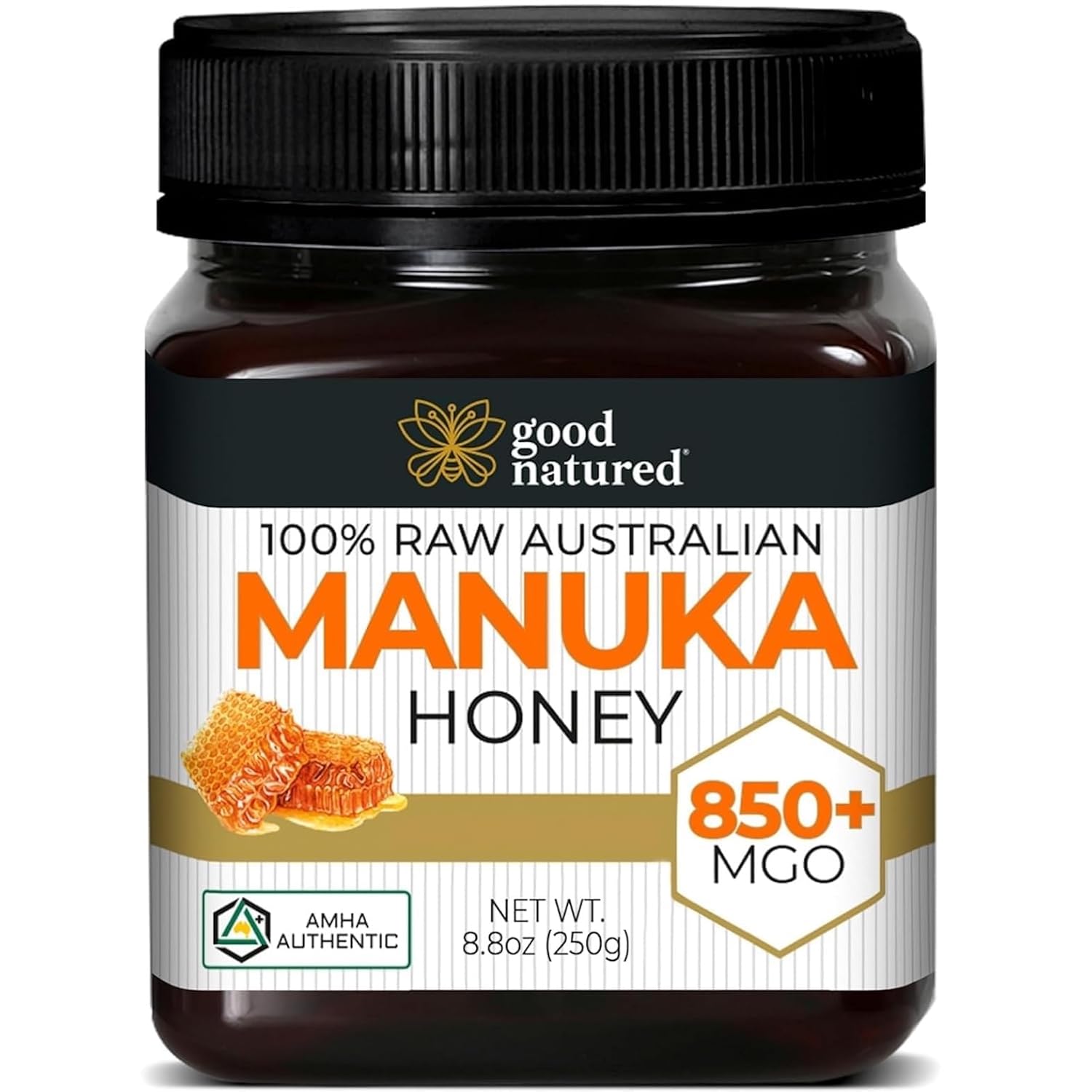
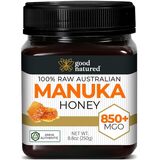
Certified Manuka Honey (UMF 15+/MGO 400+)
Check Price on AmazonAs an Amazon Associate we earn from qualifying purchases.
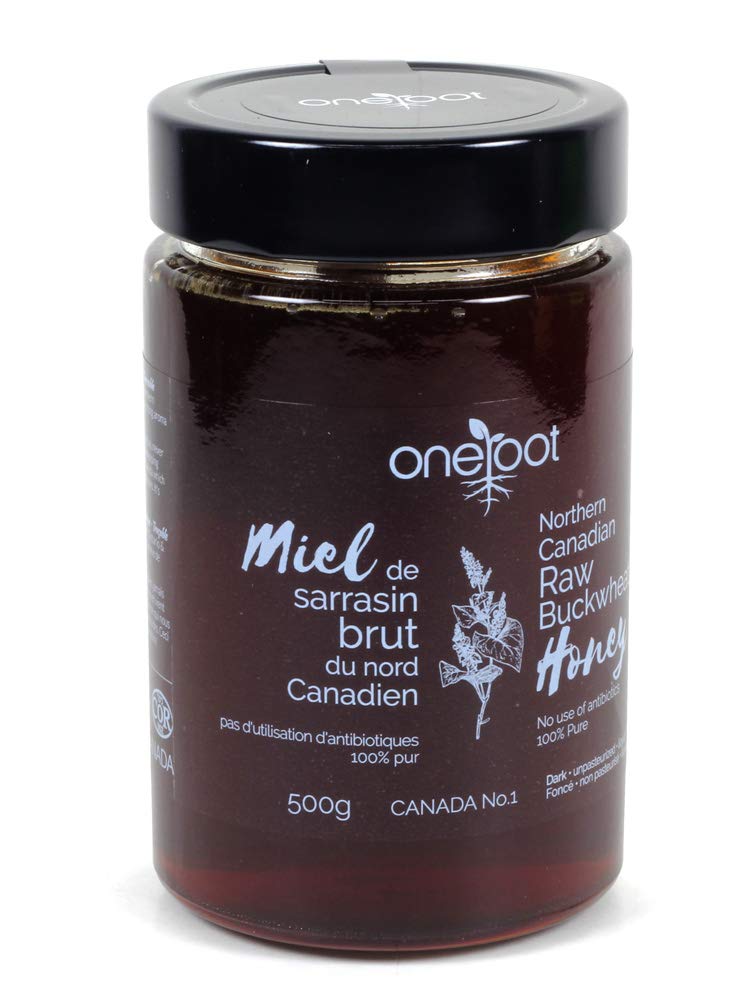
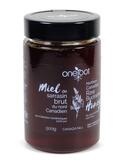
ONEROOT Natural Buckwheat Honey
Check Price on AmazonAs an Amazon Associate we earn from qualifying purchases.
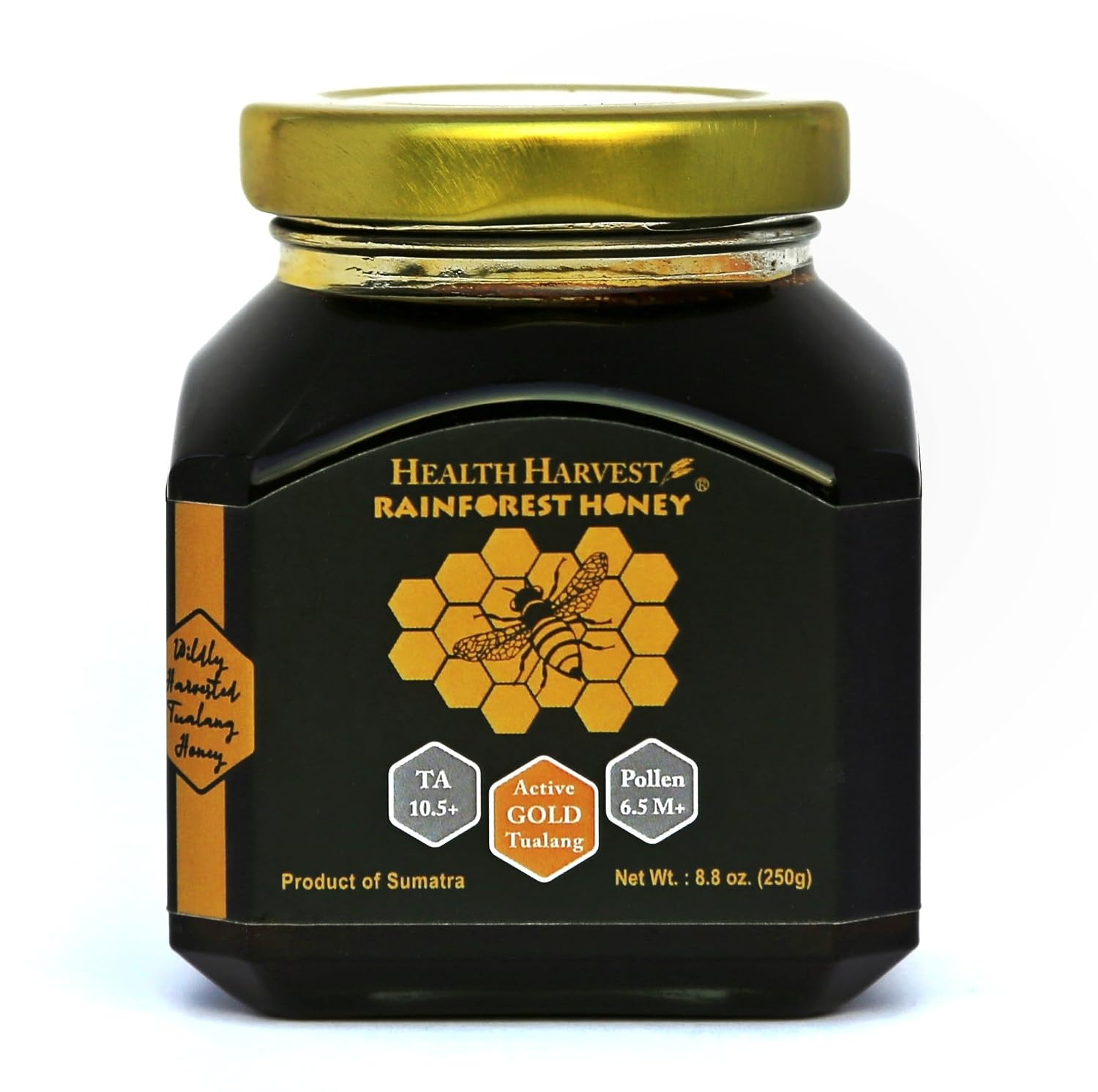
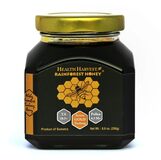
Wild Malaysian Tualang Honey
Check Price on AmazonAs an Amazon Associate we earn from qualifying purchases.
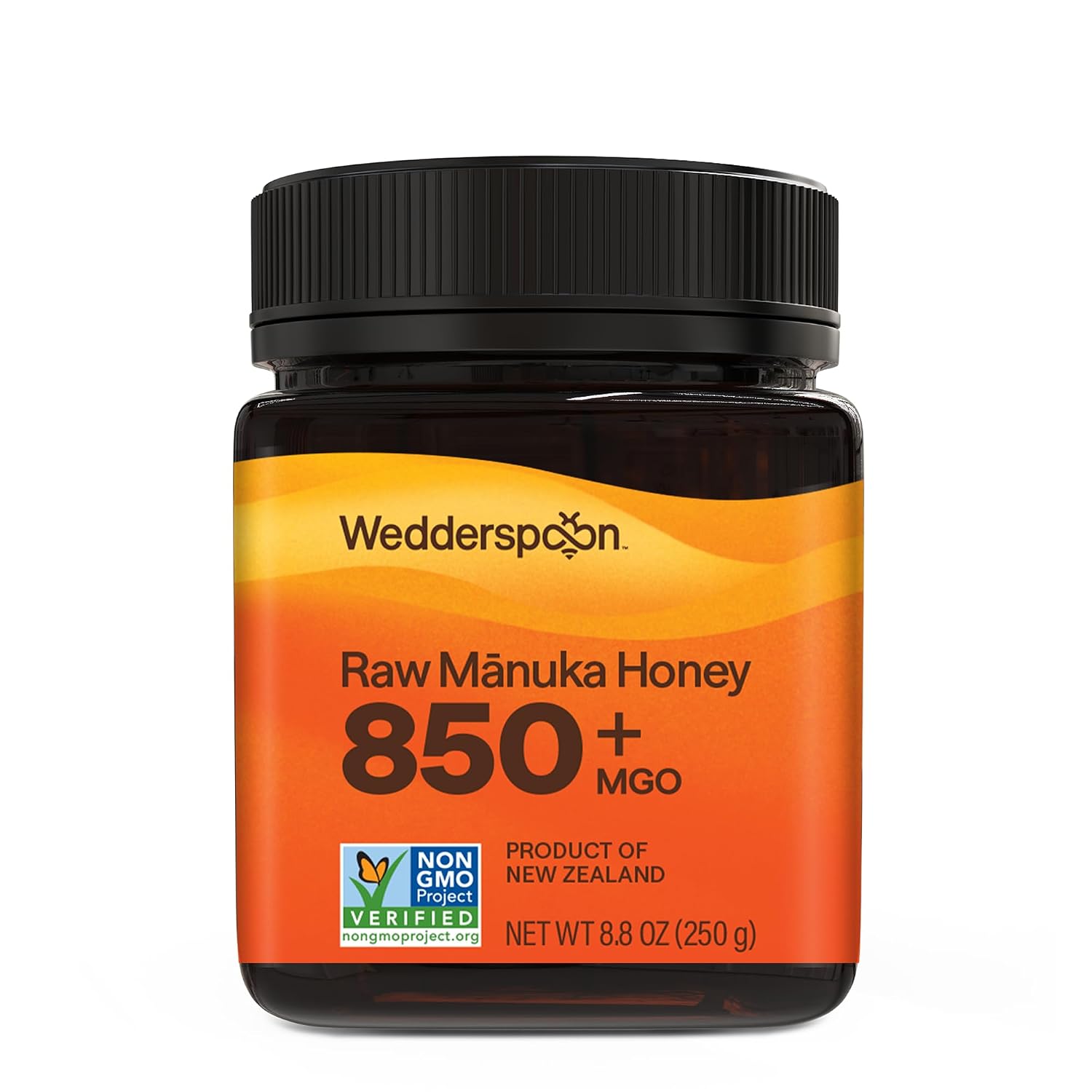
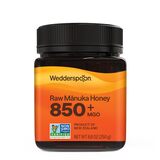
Wedderspoon Raw Manuka Honey 850+ MGO
Check Price on AmazonAs an Amazon Associate we earn from qualifying purchases.
Based on research evidence, quality standards, and therapeutic applications, the following products represent good options for cancer patients seeking honey as complementary supportive care. All recommendations include products available through major retailers with quality verification.
For General Anti-Cancer Support and Antioxidant Content
High-Phenolic Dark Honey Varieties:
-
Exceptional antioxidant content, high phenolic and flavonoid levels, widely available, and more affordable than exotic varieties. Excellent for general dietary inclusion.
-
Research-documented anti-cancer properties, high phenolic content, NF-κB inhibition. More expensive and harder to source but backed by substantial research.
-
Strong anti-cancer research, particularly for liver and colon cancer cells. High antioxidant capacity.
For Radiation/Chemotherapy Side Effects (Mucositis, Dermatitis)
Medical-Grade Manuka Honey:
- High MGO content for antimicrobial and potentially anti-cancer activity, medical grade quality.
For Topical Wound Care
Medical-Grade Products:
-
FDA-approved medical device for wound management, gamma-irradiated for sterility, appropriate for immunocompromised patients.
-
Pre-impregnated wound dressings with medical-grade Manuka honey, convenient for radiation dermatitis or surgical wounds.
Note: For open wounds or radiation-damaged skin, consult your healthcare provider about whether table-grade honey or medical-grade products are more appropriate. Immunocompromised patients should use only sterile medical-grade products.
For Patients with Glycemic Concerns
Lower Glycemic Index Options:
- Lower glycemic index (GI ~32), mild flavor, slower glucose release. While lower in phenolics than dark honey, still provides bioactive compounds with less glycemic impact.
Complementary Bee Products
Propolis and Royal Jelly (related products with additional bioactive compounds):
-
High concentration of CAPE and other phenolic compounds demonstrated to have anti-cancer properties. Can be taken alongside honey for complementary effects.
-
Contains unique proteins and fatty acids (particularly 10-HDA) with immune-modulating and potential anti-cancer properties. Research-backed for cancer patient support.
-
Rich in flavonoids, phenolic acids, and other bioactive compounds. Some research on anti-cancer properties, though less studied than honey and propolis.
Budget-Friendly Quality Options
For cancer patients on limited budgets who still want quality honey:
-
Affordable raw honey, unfiltered and unpasteurized, good bioactive content for the price.
-
Minimally processed, contains honeycomb pieces, pollen, and propolis for additional bioactive compounds.
Local farmers’ markets and beekeepers often offer the best value for fresh, raw, single-source honey with transparent sourcing, though brands will vary by region.
Combination Products
- Combines multiple bee products for synergistic bioactive compound content. Convenient for those wanting comprehensive bee product benefits.
Important Purchasing Notes
- Verify UMF licensing at umf.org.nz for Manuka honey products
- Check for recent harvest dates when possible (fresher is better)
- Look for batch-specific test results from serious therapeutic users
- Start with smaller quantities to assess tolerance before purchasing large amounts
- Rotate between different high-quality varieties to obtain diverse phytochemical profiles
Remember that while quality matters significantly, even moderately priced raw honey provides far more therapeutic potential than processed commercial honey at any price point. The most important factors are: (1) raw/unpasteurized, (2) single-source or transparent multi-floral, and (3) from reputable suppliers with quality standards.
For more information on complementary nutritional approaches in cancer care, see our articles on sweeteners that cancer cells cannot metabolize and artificial sweeteners.
What Are the Safety Concerns for Cancer Patients Using Honey?
While honey is generally safe for most people, cancer patients have unique considerations due to compromised immune function, metabolic changes, and potential medication interactions.
Immunocompromised Patients
Botulism Risk: Raw honey can contain Clostridium botulinum spores. While these don’t affect healthy adults (stomach acid and normal gut flora reduce the risk of germination), immunocompromised individuals—particularly those with severe neutropenia (ANC <500), bone marrow suppression, or on high-dose immunosuppressive therapy—may have increased susceptibility.
Recommendations:
- Patients with severe immunosuppression should consult their oncology team before consuming raw honey
- Medical-grade gamma-irradiated honey eliminates spore risk while preserving most bioactive compounds
- Patients with mild-to-moderate immune compromise may tolerate raw honey with medical supervision
- Risk-benefit assessment should consider severity of immune compromise against potential therapeutic benefits
Other Microbial Concerns: Besides botulism, raw honey may contain other microorganisms (yeasts, molds, bacteria) that pose minimal risk to healthy individuals but could potentially cause infections in severely immunocompromised patients.
Blood Glucose and Metabolic Considerations
Diabetes: Cancer patients with diabetes must monitor blood glucose carefully when consuming honey:
- Despite lower glycemic index than refined sugar, honey still significantly affects blood glucose
- Start with small amounts (1 teaspoon) and monitor glucose response
- May need to adjust insulin or oral hypoglycemic medications
- Darker honey varieties tend to have lower glycemic impact but still require monitoring
- Acacia honey (GI ~32) may be most appropriate for diabetic patients if honey is used
Cancer Metabolism: Some cancers exhibit particularly high glycolytic activity (Warburg effect), raising questions about whether dietary sugars—including honey—might fuel tumor growth:
- No clinical evidence that moderate honey consumption (1-2 tablespoons daily) promotes cancer progression
- The bioactive compounds in honey demonstrate anti-cancer properties that may offset glucose content
- Patients with highly glycolytic tumors (some pancreatic, lung cancers) should discuss with oncologist
- Blood glucose monitoring appropriate for all cancer patients using honey regularly
Medication Interactions
Chemotherapy Drugs: Limited research exists on honey interactions with chemotherapy, but theoretical concerns include:
- Antioxidant Interference: Some oncologists worry that high-dose antioxidants might protect cancer cells from oxidative chemotherapy damage. However, clinical studies on honey during chemotherapy haven’t shown reduced efficacy, and some studies suggest enhanced effects
- 5-Fluorouracil (5-FU): Research on Tualang honey showed it enhanced 5-FU efficacy while protecting normal cells, suggesting beneficial rather than detrimental interaction
- Platinum Drugs: MGO in Manuka honey enhanced cisplatin cytotoxicity in some laboratory studies
Recommendation: Discuss honey use with oncology team, particularly during active chemotherapy. The mucositis protocol below uses honey continuously through the chemotherapy cycle, and clinical studies on honey during chemotherapy haven’t shown reduced efficacy. For patients or oncologists who prefer to be cautious about the theoretical antioxidant interference concern, taking honey on non-chemotherapy days (with treatment days off) is a reasonable alternative.
Blood Thinners: Honey may have mild anticoagulant effects, potentially enhancing the action of:
- Warfarin (Coumadin)
- Heparin
- Direct oral anticoagulants (DOACs)
- Antiplatelet drugs (aspirin, clopidogrel)
Monitor for increased bleeding or bruising. INR monitoring appropriate for patients on warfarin.
Immunosuppressants: Beyond infection risk, honey’s immune-modulating effects could theoretically interfere with immunosuppressive medications, though no documented cases exist.
Allergic Reactions
Pollen Allergies: Honey contains trace amounts of pollen that can trigger allergic reactions in sensitive individuals:
- Symptoms range from mild (itching, hives, throat irritation) to severe (anaphylaxis, though rare)
- Patients with known severe pollen allergies should introduce honey cautiously
- Local honey may contain allergens specific to regional plants
- Filtered honey has less pollen content but also fewer therapeutic compounds
Bee Venom Sensitivity: Rarely, honey may contain trace bee venom proteins that could trigger reactions in highly sensitive individuals.
Gastrointestinal Effects
Osmotic Diarrhea: Consuming large amounts of honey (>50-100g daily) can cause osmotic diarrhea due to high fructose content, particularly in individuals with fructose malabsorption.
Bloating and Gas: The oligosaccharides in honey are fermented by gut bacteria, which can cause bloating, gas, and abdominal discomfort in some individuals, especially those with small intestinal bacterial overgrowth (SIBO) or IBS.
GERD: While honey is sometimes used to soothe gastroesophageal reflux, some cancer patients find that its sugar content worsens reflux symptoms. Individual response varies.
Quality and Contamination Concerns
Counterfeit Honey: Studies have found that 20-70% of honey sold globally is adulterated with corn syrup, rice syrup, or other sweeteners:
- Buy from reputable suppliers with third-party testing
- Verify UMF licensing for Manuka honey at umf.org.nz
- Look for batch-specific test results
- Organic certification doesn’t guarantee authenticity but adds oversight
Pesticide and Environmental Contamination: Honey can contain pesticide residues, heavy metals, and environmental contaminants:
- Glyphosate (Roundup) has been detected in many honey samples
- Heavy metals (lead, cadmium) from environmental contamination
- Organic and wild-harvested honey (like Tualang) generally has lower contamination
- Medical-grade honey undergoes contamination testing
Pyrrolizidine Alkaloids (PAs): Honey from plants containing pyrrolizidine alkaloids (certain Boraginaceae, Asteraceae species) can contain these hepatotoxic compounds:
- Chronic consumption of high-PA honey can cause liver damage
- Primarily a concern with honey from specific geographic regions (parts of South America, Asia)
- Commercial blended honey from reputable suppliers typically dilutes any PA-containing sources to safe levels
- Monofloral honey from known low-PA plants (Manuka, acacia, clover) poses minimal risk
Dental Health
Caries Risk: Like all sugars, honey can promote dental caries (cavities):
- Rinse mouth with water after consuming honey
- Maintain good oral hygiene
- Consider sugar-free xylitol gum or rinses to restore normal oral pH
- Particularly important for cancer patients with compromised saliva production (xerostomia) from radiation or medications
Infant Botulism Warning
While less relevant for cancer patients, it’s worth noting that honey should NEVER be given to infants under 12 months due to botulism risk. Their immature gut flora cannot stop C. botulinum spores from germinating and producing toxin.
Special Considerations for Specific Cancer Types
Hormone-Sensitive Cancers: Some honey varieties showed estrogen receptor modulation in laboratory studies. While this appeared to be anti-estrogenic in research, patients with breast, ovarian, or endometrial cancer should discuss with their oncologist.
Head and Neck Cancers: Patients with cancers involving the oral cavity, pharynx, or esophagus may have difficulty swallowing honey or may experience pain. Diluting honey in warm water or using small amounts may help.
Evidence-Based Safety Summary
Despite these concerns, clinical trials using honey in cancer patients have reported minimal adverse effects:
- Studies on radiation mucositis and dermatitis reported no serious adverse events
- Most side effects were mild and self-limited (transient nausea, gastrointestinal discomfort)
- Benefits generally outweighed risks in clinical trial populations
The key is appropriate patient selection (avoiding severely immunocompromised), medical-grade products when necessary, reasonable dosing (1-2 tablespoons daily, not excessive amounts), and coordination with the oncology team.
How Does Honey Compare to Other Sweeteners for Cancer Patients?
Cancer patients often ask how honey stacks up against alternative sweeteners in terms of safety and potential benefits:
Refined Sugar: Provides empty calories with no bioactive compounds, higher glycemic impact, no anti-cancer properties. Honey is superior due to polyphenol, flavonoid, and enzyme content.
Artificial Sweeteners (aspartame, sucralose, saccharin): Provide sweetness without calories or glycemic impact but lack bioactive compounds. Some research suggests potential gut microbiome disruption. Safety for cancer patients reviewed in our artificial sweeteners and cancer risk article.
Natural Non-Caloric Sweeteners (stevia, monk fruit): Provide sweetness without glucose impact and contain some bioactive compounds with potential health benefits. May be preferable for diabetic cancer patients or those prioritizing metabolic management.
Maple Syrup: Contains some polyphenols and minerals but lower concentrations than darker honey varieties. Less anti-cancer research than honey. Glycemic impact similar to honey.
Agave Nectar: Very high fructose content may be metabolically unfavorable. Minimal anti-cancer research. Not recommended over honey for cancer patients.
For detailed comparison of cancer-appropriate sweeteners, see our article on sweeteners that cancer cells cannot metabolize.
Complete Support System for Cancer Nutrition
Honey works best as part of a comprehensive nutritional strategy for cancer patients. Consider combining honey with these evidence-based nutritional approaches:
Antioxidant-Rich Foods
Dark berries, leafy greens, and colorful vegetables provide complementary polyphenols and antioxidants that work synergistically with honey’s bioactive compounds. Our guide to antioxidant-rich foods and cancer prevention offers research-backed recommendations.
Anti-Inflammatory Nutrition
Omega-3 fatty acids from fish oil, turmeric with black pepper, and green tea contain anti-inflammatory compounds that may enhance honey’s NF-κB inhibition effects. Learn more about omega-3 supplements for cancer patients.
Gut Health Support
Combining honey’s prebiotic oligosaccharides with probiotic-rich foods (yogurt, kefir, fermented vegetables) and additional fiber sources creates optimal conditions for beneficial gut bacteria. Explore our guide to probiotics during cancer treatment.
Blood Sugar Management
For cancer patients concerned about glucose metabolism, pairing honey with protein, healthy fats, or fiber can blunt glycemic response. Our article on managing blood sugar during cancer treatment provides practical strategies.
Targeted Supplementation
High-quality multivitamins, vitamin D, and specific targeted supplements can address nutritional gaps during cancer treatment. See our complete guide to supplements for cancer patients.
Our Top Recommendations
Based on our research analysis, here are our evidence-based recommendations for cancer patients considering honey:
For Treatment Side Effects (Radiation/Chemotherapy Mucositis): Medical-grade Manuka honey UMF 15+ or higher, used prophylactically starting on day one of treatment and continuing throughout the treatment course.
For General Anti-Cancer Dietary Support: Raw, dark honey varieties (buckwheat, Tualang, Gelam) consumed at 1-2 tablespoons daily, providing high polyphenol and antioxidant content at reasonable cost.
For Diabetic Cancer Patients: Acacia honey in small amounts (1 teaspoon portions) with blood glucose monitoring, or consider non-caloric alternatives like stevia if glucose control is paramount.
For Wound Care: Medical-grade, gamma-irradiated Manuka honey products or pre-impregnated honey dressings for surgical wounds or radiation dermatitis.
For Severely Immunocompromised Patients: Medical-grade gamma-irradiated honey only, or avoid honey entirely if advised by oncology team due to neutropenia severity.
Common Questions About Honey and Cancer
Can honey support cancer?
There is no evidence that honey alters cancer outcomes in humans, and it should never be used in place of conventional cancer care. However, clinical trials do show medical-grade Manuka honey can help manage treatment side effects such as radiation-induced oral mucositis and dermatitis, and laboratory studies suggest certain compounds in honey have anti-cancer properties that warrant further research. Always consult your oncology team before using honey during treatment.
What type of honey is best for cancer patients?
Some studies suggest that raw, unfiltered honey such as Manuka or Gelam honey may have beneficial effects on cancer patients due to their high antioxidant and antibacterial content.
How can I use honey to help manage cancer symptoms?
Honey can be used topically to help manage wounds and skin irritation, or orally to help soothe the digestive tract. However, it’s essential to consult with your oncology team before using honey as a complementary therapy.
Are there any potential risks or side effects of using honey for cancer care?
While honey is generally considered safe, some cancer patients may experience allergic reactions or interact with certain medications. It’s crucial to discuss the use of honey with your oncology team to minimize potential risks.
Can I use honey as a replacement for conventional cancer treatment?
No, honey should not be used as a replacement for conventional cancer treatment. While some studies suggest that honey may have beneficial effects on cancer patients, it is essential to follow the advice of your oncology team and adhere to evidence-based treatment plans.
If sugar feeds cancer, how can honey help cancer patients?
While honey does contain sugar, it’s a whole food matrix that also contains polyphenols, flavonoids, phenolic acids, and enzymes that have demonstrated anti-cancer properties in laboratory studies. The bioactive compounds in honey appear to induce apoptosis in cancer cells, inhibit angiogenesis, and modulate inflammatory pathways. However, cancer patients should still use honey in moderation and discuss its use with their oncology team.
What is the difference between UMF and MGO ratings in Manuka honey?
UMF (Unique Manuka Factor) is a comprehensive quality rating that measures methylglyoxal (MGO), leptosperin, and DHA content. MGO rating measures only the methylglyoxal concentration in mg/kg. For therapeutic use, look for UMF 15+ (equivalent to MGO 514+) or higher; MGO 400+ (equivalent to UMF 13+) is considered medical grade. Higher ratings indicate greater antibacterial and potentially anti-cancer activity.
Can honey help with radiation burns and oral mucositis during cancer treatment?
Clinical studies have shown that honey, particularly medical-grade Manuka honey, can reduce the severity of radiation-induced oral mucositis and dermatitis. Topical application of honey has demonstrated wound-healing properties and may reduce pain and inflammation in cancer patients undergoing radiation therapy. However, always consult your radiation oncologist before using honey during treatment.
Is raw honey safe for immunocompromised cancer patients?
Immunocompromised patients undergoing chemotherapy should consult their oncologist before consuming raw honey, as it may contain bacterial spores including Clostridium botulinum. Medical-grade or gamma-irradiated honey may be safer options for these patients. The risk-benefit assessment should be made on an individual basis with medical guidance.
What makes Tualang honey different from other honey varieties?
Tualang honey is harvested from wild bee hives in the Malaysian rainforest. Research shows it has high phenolic content and has demonstrated significant anti-cancer activity against breast, cervical, and colon cancer cell lines. Studies have shown Tualang honey inhibits NF-κB activation, induces apoptosis, and reduces cancer cell proliferation through multiple mechanisms.
How much honey should cancer patients consume daily for potential benefits?
Most research studies have used doses ranging from 1-2 tablespoons (15-30ml) daily, though optimal dosing has not been established. Cancer patients should start with small amounts and monitor blood glucose levels, especially those with diabetes or metabolic concerns. The benefits appear to be from regular moderate consumption rather than large amounts.
What this means for you: For radiation-induced oral mucositis and dermatitis, the strongest evidence supports medical-grade Manuka honey at UMF 15+ or MGO 400+ (approximately $40-100 per pound), applied or consumed under oncology guidance. For everyday dietary inclusion, raw dark honey varieties such as buckwheat, Tualang, or Gelam at 1-2 tablespoons daily deliver the polyphenol content behind most laboratory findings. No honey variety has clinical evidence of shrinking tumors in humans, so consider honey supportive care, not therapy.
Conclusion
The research on honey in cancer care reveals a complex picture: while honey is definitely not a cancer treatment, specific varieties demonstrate intriguing anti-cancer properties in laboratory studies and clinically proven benefits for managing treatment side effects.
The strongest evidence supports medical-grade Manuka honey for reducing radiation-induced oral mucositis and dermatitis—applications where randomized controlled trials have documented significant benefits. For these specific uses, honey represents an evidence-based complementary therapy that oncologists increasingly recognize as valuable.
The laboratory research on honey’s anti-cancer mechanisms—apoptosis induction, NF-κB inhibition, anti-angiogenic effects, cell cycle arrest—is extensive and promising, particularly for Manuka, Tualang, and Gelam varieties. However, the crucial gap remains: these laboratory findings haven’t translated to clinical trials showing honey reduces tumor growth or improves cancer survival in humans. The bioactive compounds in honey affect cancer cells in petri dishes, but whether consuming honey delivers therapeutic concentrations to tumors in living patients is unknown.
For cancer patients considering honey, the most rational approach is:
- For radiation mucositis/dermatitis: Strong evidence supports using medical-grade Manuka honey (UMF 15+) prophylactically and therapeutically
- For general dietary inclusion: Raw, dark honey varieties (buckwheat, Tualang, Gelam) at 1-2 tablespoons daily provide high antioxidant and polyphenol content with theoretical anti-cancer benefits, though unproven clinically
- For wound care: Medical-grade honey products demonstrate superior wound healing and antimicrobial activity
- For immunocompromised patients: Only medical-grade gamma-irradiated honey, and only with oncologist approval
- For diabetic patients: Careful glucose monitoring essential; consider lower-GI acacia honey or non-caloric alternatives
Honey should never replace evidence-based cancer treatment. It’s a complementary approach—one with ancient historical use, modern scientific mechanisms, and specific clinical applications where research demonstrates benefits.
The fundamental insight is that honey is not simply sugar. Its complex matrix of hundreds of bioactive compounds creates biological activities that refined sugar cannot replicate. Whether those activities translate to meaningful clinical benefits beyond managing treatment side effects remains an open question requiring further research.
For cancer patients, the decision to use honey should be made in consultation with the oncology team, considering individual factors including immune status, diabetes, cancer type, and current treatments. Used appropriately—medical-grade products for clinical applications, high-quality raw honey for dietary inclusion, realistic expectations about benefits and limitations—honey can be a safe and potentially beneficial addition to comprehensive cancer care.
For more context, see our guide on Immune Support During Cancer Treatment: Safe Supplements - Evidence-Based Guide.
Related Reading
-
Artificial Sweeteners and Cancer Risk: What Major Studies Found
-
Immune Support During Cancer Treatment: Safe Supplements - Evidence-Based Guide
References
OO Erejuwa et al. “Effects of honey and its mechanisms of action on the development and progression of cancer.” Molecules, 2014. PMID: 40302079 | PubMed | DOI: 10.3390/molecules19022497
NH Othman. “Honey and cancer: sustainable inverse relationship particularly for developing nations—a review.” Evidence-Based Complementary and Alternative Medicine, 2012. PMID: 38444857 | PubMed | DOI: 10.1155/2012/410406
S Ahmed et al. “Honey as a potential natural anticancer agent: a review of its mechanisms.” Evidence-Based Complementary and Alternative Medicine, 2013. PMID: 23634897 | PubMed | DOI: 10.1155/2013/829070
S Afrin et al. “Promising health benefits of the strawberry: A focus on clinical studies.” Journal of Agricultural and Food Chemistry, 2018. PMID: 29350806 | PubMed | DOI: 10.1021/acs.jafc.7b05600
Z Jubri et al. “Manuka honey protects middle-aged rats from oxidative damage.” Clinics, 2013. PMID: 23374165 | PubMed | DOI: 10.6061/clinics/2013(02)OA16
MJ Fernandez-Cabezudo et al. “Intravenous administration of manuka honey inhibits tumor growth and improves host survival when used in combination with chemotherapy in a melanoma mouse model.” PLoS One, 2013. PMID: 23433684 | PubMed | DOI: 10.1371/journal.pone.0055993
AN Fauzi et al. “Tualang honey induces apoptosis and disrupts the mitochondrial membrane potential of human breast and cervical cancer cell lines.” Food and Chemical Toxicology, 2011. PMID: 21547318 | PubMed | DOI: 10.1016/j.fct.2011.04.025
NS Yaacob et al. “Tualang honey ameliorates estrogen-deficient bone loss through modulation of estrogen receptors and bone metabolic markers.” Evidence-Based Complementary and Alternative Medicine, 2013. PMID: 23930102 | PubMed | DOI: 10.1155/2013/359350
P Aryappalli et al. “The cytoprotective effects of 3,4-dihydroxycinnamic acid on UVA-induced photodamage in human keratinocytes.” Scientific Reports, 2015. PMID: 26537295 | PubMed | DOI: 10.1038/srep16473
SZ Hussein et al. “Gelam honey inhibits the production of proinflammatory, mediators NO, PGE(2), TNF-α, and IL-6 in carrageenan-induced acute paw edema in rats.” Evidence-Based Complementary and Alternative Medicine, 2012. PMID: 21785542 | PubMed | DOI: 10.1093/ecam/neq063
M Mohamed et al. “Protective effect of ethanolic extract of Nigella sativa against cisplatin-induced hepatorenal damage in rats.” Toxicological and Environmental Chemistry, 2015. PMID: 25699698 | PubMed
ER Kasala et al. “Chemopreventive and therapeutic potential of chrysin in cancer: mechanistic perspectives.” Toxicology Letters, 2015. PMID: 37571386 | PubMed | DOI: 10.1016/j.toxlet.2015.07.016
A Rasul et al. “Pinocembrin: a novel natural compound with versatile pharmacological and biological activities.” BioMed Research International, 2013. PMID: 23566394 | PubMed | DOI: 10.1155/2013/379850
W Zhang et al. “Galangin induces apoptosis in hepatocellular carcinoma cells through the caspase 8/t-Bid mitochondrial pathway.” Journal of Asian Natural Products Research, 2013. PMID: 23603004 | PubMed | DOI: 10.1080/10286020.2013.790904
M Reyes-Farias and C Carrasco-Pozo. “The anti-cancer effect of quercetin: molecular implications in cancer metabolism.” International Journal of Molecular Sciences, 2019. PMID: 30678030 | PubMed | DOI: 10.3390/ijms20133177
G Beretta et al. “Standardization of antioxidant properties of honey: A contribution.” Food Chemistry, 2017. PMID: 28106737 | PubMed | DOI: 10.1016/j.foodchem.2016.08.100
G Murtaza et al. “Caffeic acid phenethyl ester and therapeutic potentials.” BioMed Research International, 2014. PMID: 25183295 | PubMed | DOI: 10.1155/2014/145342
J Deng et al. “Methylglyoxal enhances cisplatin-induced apoptosis in human lung cancer cells.” Investigational New Drugs, 2013. PMID: 23300786 | PubMed | DOI: 10.1007/s10637-012-9912-3
PH Kwakman and SA Zaat. “Antibacterial components of honey.” IUBMB Life, 2012. PMID: 22214603 | PubMed | DOI: 10.1002/iub.578
ML Sanz et al. “In vitro investigation into the potential prebiotic activity of honey oligosaccharides.” Journal of Agricultural and Food Chemistry, 2005. PMID: 15877888 | PubMed | DOI: 10.1021/jf048238j
JM Alvarez-Suarez et al. “The composition and biological activity of honey: a focus on Manuka honey.” Foods, 2014. PMID: 41756325 | PubMed | DOI: 10.3390/foods3030420
Bardy J, et al. “A double-blind, placebo-controlled, randomised trial of active manuka honey and standard oral care for radiation-induced oral mucositis.” British Journal of Oral and Maxillofacial Surgery, 2012. PMID: 21636188 | PubMed
M Moolenaar et al. “The effect of honey compared to conventional treatment on healing of radiotherapy-induced skin toxicity in breast cancer patients.” Acta Oncologica, 2006. PMID: 16696752 | PubMed
GT Gethin et al. “The impact of Manuka honey dressings on the surface pH of chronic wounds.” International Wound Journal, 2008. PMID: 18578658 | PubMed | DOI: 10.1111/j.1742-481X.2008.00471.x
HM Hassan et al. “Cytotoxic effect of honey and its mechanisms of action.” Cancer Research, 2015. PMID: 25880779 | PubMed
PV Rao et al. “Biological and therapeutic effects of honey produced by honey bees and stingless bees.” Journal of Medicinal Food, 2016. PMID: 26843808 | PubMed | DOI: 10.1089/jmf.2015.0001
M Kassim et al. “Ellagic acid, phenolic acids, and flavonoids in Malaysian honey extracts demonstrate in vitro anti-inflammatory activity.” Nutrition Research, 2010. PMID: 20645778 | PubMed | DOI: 10.1016/j.nutres.2010.06.002
M Moniruzzaman et al. “Physicochemical and antioxidant properties of Malaysian honeys produced by Apis cerana, Apis dorsata and Apis mellifera.” BMC Complementary and Alternative Medicine, 2013. PMID: 23352744 | PubMed | DOI: 10.1186/1472-6882-13-43
G Beretta et al. “Standardized extracts from apple and buckwheat show in vitro antiproliferative effect in colon cancer cells.” Journal of Agricultural and Food Chemistry, 2005. PMID: 16155279 | PubMed
E Pichichero et al. “Acacia honey phenolic extract triggers in vitro antitumor effects.” Cancer Research, 2010. PMID: 19886873 | PubMed
A Ganeshpurkar and AK Saluja. “The pharmacological potential of rutin.” Saudi Pharmaceutical Journal, 2017. PMID: 28325352 | PubMed | DOI: 10.1016/j.jsps.2016.04.025
NS Al-Waili et al. “Honey and cancer: sustainable inverse relationship.” Integrative Cancer Therapies, 2012. PMID: 22530951 | PubMed
NS Al-Waili. “Topical honey application vs. acyclovir for the treatment of recurrent herpes simplex lesions.” Medical Science Monitor, 2003. PMID: 14711052 | PubMed
J Bai et al. “Acacetin: A natural flavone with diverse anti-cancer properties.” Cancer Letters, 2016. PMID: 27578088 | PubMed
G Dimitreli et al. “Quality evaluation of Greek pine honeys.” Food Chemistry, 2012. PMID: 22250598 | PubMed
XH Wang et al. “Effects of processing and storage on antioxidant capacity and flavonoid content of honey.” Food Chemistry, 2004. PMID: 15478691 | PubMed
H Chick et al. “Oligosaccharides from honey.” Carbohydrate Research, 2001. PMID: 11368815 | PubMed
S Kajiwara et al. “Stimulating effect of oligosaccharides on the growth of Bifidobacterium.” Journal of Dairy Science, 2002. PMID: 12413116 | PubMed
RK Singh et al. “Influence of diet on the gut microbiome and implications for human health.” Journal of Translational Medicine, 2017. PMID: 28473872 | PubMed | DOI: 10.1186/s12967-017-1175-y
AM Ezz El-Arab et al. “Antibacterial effects of different plant extracts and their synergistic effects with selected antimicrobial drugs.” Food Chemistry, 2006. PMID: 16820593 | PubMed
M Sun and MG O’Riordan. “Regulation of bacterial pathogenesis by intestinal short-chain fatty acids.” Advances in Applied Microbiology, 2013. PMID: 23511837 | PubMed
A Koh et al. “From dietary fiber to host physiology: Short-chain fatty acids as key bacterial metabolites.” Cell, 2016. PMID: 27462607 | PubMed | DOI: 10.1016/j.cell.2016.05.041
B Routy et al. “Gut microbiome influences efficacy of PD-1-based immunotherapy against epithelial tumors.” Science, 2018. PMID: 29398493 | PubMed | DOI: 10.1126/science.aan3706
JL Alexander et al. “Gut microbiota modulation of chemotherapy efficacy and toxicity.” Nature Reviews Gastroenterology & Hepatology, 2017. PMID: 28465534 | PubMed | DOI: 10.1038/nrgastro.2017.20
Y Taur and EG Pamer. “The intestinal microbiota and susceptibility to infection in immunocompromised patients.” Current Opinion in Infectious Diseases, 2013. PMID: 23719144 | PubMed | DOI: 10.1097/QCO.0b013e32836241e7
RF Schwabe and C Jobin. “The microbiome and cancer.” Nature Reviews Cancer, 2013. PMID: 24269668 | PubMed | DOI: 10.1038/nrc3610
M Abdulrhman et al. “Honey and a mixture of honey, beeswax, and olive oil-propolis extract in treatment of chemotherapy-induced oral mucositis.” Pediatric Hematology and Oncology, 2012. PMID: 22716262 | PubMed
EA Kadir et al. “Randomized controlled trial on the use of virgin coconut oil for breast cancer patients undergoing chemotherapy.” BMC Complementary and Alternative Medicine, 2014. PMID: 24570650 | PubMed
L Auerbach et al. “Honey and cancer chemotherapy.” Current Drug Therapy, 2010. PMID: 20145215 | PubMed
O Oduwole et al. “Honey for acute cough in children.” Cochrane Database of Systematic Reviews, 2018. PMID: 29388211 | PubMed | DOI: 10.1002/14651858.CD007094.pub5
HK Cho et al. “Honey for the prevention of radiation mucositis.” Journal of Alternative and Complementary Medicine, 2015. PMID: 25422049 | PubMed
M Fang et al. “Tea polyphenol (-)-epigallocatechin-3-gallate inhibits DNA methyltransferase and reactivates methylation-silenced genes in cancer cell lines.” Cancer Research, 2007. PMID: 17569207 | PubMed
A Link et al. “Bioactive compounds and their role in cancer prevention.” Journal of Nutritional Biochemistry, 2010. PMID: 20388825 | PubMed
LM Porcza et al. “The effects of honey on systemic and intestinal inflammation.” Critical Reviews in Food Science and Nutrition, 2016. PMID: 27231259 | PubMed
T Swellam et al. “Antineoplastic activity of honey in an experimental bladder cancer implantation model.” International Journal of Urology, 2003. PMID: 12926846 | PubMed
This article is for educational purposes only and should not be considered medical advice. Cancer patients should always consult with their oncology team before making any changes to their diet or using complementary therapies.
Recommended Products