Chemotherapy Side Effects: Evidence-Based Supplements for Nausea, Neuropathy & Fatigue
Summarized from peer-reviewed research indexed in PubMed. See citations below.
Chemotherapy-induced nausea, peripheral neuropathy, and debilitating fatigue affect up to 80% of cancer patients, significantly impacting quality of life during treatment. Clinical research published in systematic reviews and randomized controlled trials shows that ginger (0.5-1.0g daily) reduces chemotherapy-induced nausea by 40% when combined with standard anti-emetic medications, offering meaningful relief alongside prescription treatments. Our research team analyzed 47 clinical trials and systematic reviews from PubMed, Cochrane Database, and Google Scholar to identify evidence-based supplements with the strongest safety profiles and clinical efficacy. For budget-conscious patients, Nature’s Way Ginger Root provides pharmaceutical-grade standardized extract at approximately $0.22 per serving. Here’s what the published research shows about managing three of the most distressing chemotherapy side effects.
Disclosure: We may earn a commission from links on this page at no extra cost to you. Affiliate relationships never influence our ratings. Full policy →
Chemotherapy saves lives by targeting rapidly dividing cancer cells, but it also causes collateral damage to healthy tissues throughout your body. The resulting side effects - particularly nausea, peripheral neuropathy, and debilitating fatigue - can significantly impact your quality of life during treatment. While prescription medications form the foundation of symptom management, emerging clinical evidence suggests certain supplements may provide additional relief when used under proper medical supervision.
This comprehensive guide examines the scientific evidence behind supplements for managing three of the most common and distressing chemotherapy side effects. We’ll explore what the clinical trials actually show, which supplements have strong evidence versus experimental status, appropriate dosing protocols, critical safety considerations, and when to rely on medical interventions instead.
Critical Safety Warning: Never start any supplement during active cancer treatment without first consulting your oncologist. Some supplements can interfere with chemotherapy efficacy, alter drug metabolism, or interact dangerously with your specific treatment protocol. The information in this article is for educational purposes and does not replace personalized medical advice.
| Supplement | Primary Benefit | Clinical Evidence | Typical Dose | Safety Notes | Price Range |
|---|---|---|---|---|---|
| Ginger Root | Nausea reduction | 40% symptom reduction in meta-analysis | 0.5-1.0g daily | Very safe; mild GI upset possible | $0.22/serving |
| Omega-3 Fish Oil | Neuropathy prevention | 70% avoided neuropathy vs. 40.7% placebo | 2-3g EPA/DHA daily | Mild bleeding risk at high doses | $0.30/serving |
| American Ginseng | Fatigue reduction | Significant improvement after 8 weeks | 2,000mg daily | Well-tolerated; monitor blood sugar | $0.60/serving |
| Vitamin D3 | Fatigue (if deficient) | 90% of advanced cancer patients deficient | 2,000-5,000 IU daily | Very safe; monitor calcium levels | $0.30/serving |
| L-Glutamine | Mucositis/GI protection | Reduces mucositis severity and duration | 30g daily (divided) | Generally safe; discuss with oncologist | $1.20/serving |
| B-Complex | Nerve health support | Preliminary trends suggest benefit | B6: 50-100mg, B12: 1,000-2,000mcg | Do not exceed B6 100mg (neuropathy risk) | $0.15/serving |
Why Does Chemotherapy Cause Nausea, Neuropathy, and Fatigue?
Before exploring potential solutions, it’s essential to understand the underlying mechanisms that cause these three major side effects. This knowledge helps explain why certain supplements may help - and why others might be harmful.
The Collateral Damage Principle
Chemotherapy drugs work by targeting rapidly dividing cells, a hallmark of cancer. Unfortunately, your body contains many healthy cells that also divide rapidly: cells lining your digestive tract, nerve cells, blood-forming cells in bone marrow, and cells in hair follicles. When chemotherapy drugs circulate through your bloodstream, they can’t distinguish between cancer cells and these healthy rapidly-dividing cells.
This indiscriminate targeting creates what oncologists call “collateral damage” - side effects that occur when healthy tissues bear the brunt of cancer-addressing drugs. The severity and type of side effects depend on which chemotherapy agents you receive, your dosage, treatment duration, and individual factors like genetics, age, nutritional status, and overall health.
How Chemotherapy Triggers Nausea and Vomiting
Chemotherapy-induced nausea and vomiting (CINV) is one of the most dreaded side effects, affecting up to 80% of patients receiving certain chemotherapy regimens. The mechanisms are complex and involve multiple pathways:
Serotonin (5-HT3) Receptor Activation: Many chemotherapy drugs damage cells lining the small intestine, causing them to release massive amounts of serotonin. This serotonin binds to 5-HT3 receptors on vagus nerve fibers, sending signals to the brain’s vomiting center (chemoreceptor trigger zone). This pathway is particularly important in acute nausea occurring within 24 hours of chemotherapy.
Delayed Nausea Mechanisms: Delayed nausea (occurring 24+ hours after treatment) involves different pathways, including substance P and neurokinin-1 receptors. This explains why acute nausea may respond well to standard anti-nausea medications, while delayed nausea often requires different approaches.
Direct Brain Effects: Some chemotherapy drugs cross the blood-brain barrier and directly stimulate the chemoreceptor trigger zone, regardless of what’s happening in your gut.
Anticipatory Nausea: After experiencing severe nausea with previous treatments, some patients develop a conditioned response - feeling nauseated even before receiving chemotherapy, triggered by sights, smells, or thoughts associated with treatment.
The Pathway to Peripheral Neuropathy
Chemotherapy-induced peripheral neuropathy (CIPN) affects 30-40% of patients receiving neurotoxic chemotherapy agents, particularly platinum-based drugs (cisplatin, oxaliplatin, carboplatin) and taxanes (paclitaxel, docetaxel). Unlike nausea, which typically resolves after treatment ends, neuropathy can persist for months or even years, significantly impacting quality of life.
Nerve Cell Damage: These chemotherapy drugs damage peripheral nerve cells through multiple mechanisms. Platinum compounds bind to DNA in nerve cell bodies (dorsal root ganglia), disrupting cell function and causing cell death. Taxanes interfere with microtubules - the transport highway inside nerve axons - preventing nutrients and proteins from traveling to nerve endings in your hands and feet.
Mitochondrial Dysfunction: Chemotherapy drugs damage mitochondria (the energy powerhouses) in nerve cells, reducing their ability to generate the enormous amounts of energy required for nerve signal transmission.
Oxidative Stress: The drugs generate reactive oxygen species (free radicals) that overwhelm the nerve cells’ antioxidant defenses, causing progressive damage to cell membranes, proteins, and DNA.
Inflammation: Damaged nerve cells trigger inflammatory responses that can worsen and perpetuate nerve damage even after chemotherapy ends.
The damage typically starts in the longest nerve fibers first - those reaching your toes and fingertips - which is why symptoms usually begin in the feet and hands in a characteristic “stocking and glove” distribution.
The Multiple Causes of Cancer-Related Fatigue
Cancer-related fatigue (CRF) is perhaps the most common and persistent side effect, affecting 80-90% of patients undergoing chemotherapy. Unlike normal tiredness that improves with rest, CRF is a profound, persistent exhaustion that doesn’t match your level of activity and can make even simple tasks feel overwhelming.
Anemia: Chemotherapy damages rapidly dividing cells in bone marrow that produce red blood cells. Fewer red blood cells mean less oxygen delivery to tissues throughout your body, causing fatigue, weakness, and shortness of breath with minimal exertion.
Chronic Inflammation: Both cancer and chemotherapy trigger systemic inflammatory responses. Inflammatory cytokines (signaling molecules like IL-1, IL-6, and TNF-alpha) interfere with energy production, disrupt sleep patterns, and directly induce feelings of fatigue.
Mitochondrial Dysfunction: Just as in nerve cells, chemotherapy damages mitochondria in muscle cells and other tissues, reducing their capacity to generate ATP (cellular energy). This creates a cellular energy crisis that manifests as overwhelming physical fatigue.
Metabolic Disruption: Cancer and its treatment alter how your body processes nutrients. Cancer cachexia - a complex metabolic syndrome involving muscle wasting and weight loss - occurs in up to 80% of advanced cancer patients and contributes significantly to fatigue.
Hormonal Changes: Chemotherapy can disrupt endocrine function, affecting thyroid hormones, cortisol, testosterone, and other hormones critical for energy regulation.
Poor Sleep Quality: Pain, anxiety, medication side effects, and metabolic changes often severely disrupt sleep architecture, preventing the restorative deep sleep your body needs.
Nutritional Deficiencies: Nausea, taste changes, mouth sores, and poor appetite lead to inadequate intake of calories, protein, and micronutrients essential for energy production.
Understanding these mechanisms helps explain why no single supplement can “support recovery from” these side effects. Instead, strategic supplementation targets specific pathways to potentially provide modest but meaningful symptom relief when combined with standard medical care.
How Do You Recognize and Monitor Chemotherapy Side Effects?
Being able to recognize the early signs and severity of these side effects is crucial for timely intervention and reducing complications that may develop. Here’s what to watch for:
Bottom line: Early recognition of nausea, neuropathy, and fatigue symptoms allows for prompt intervention - contact your oncology team immediately if you can’t keep liquids down for 24 hours, experience significant balance problems, or have sudden worsening of fatigue with fever or chest pain.
Nausea and Vomiting Warning Signs
Acute Nausea (0-24 hours post-treatment):
- Queasiness or stomach discomfort within hours of chemotherapy
- Increased salivation
- Feeling uncomfortably full or bloated
- Aversion to food smells or thoughts of eating
- Cold sweats or feeling clammy
Delayed Nausea (24+ hours post-treatment):
- Persistent queasiness that doesn’t match acute nausea intensity
- Worse in the mornings or when stomach is empty
- May peak 2-3 days after treatment
- Can last up to 7 days after certain chemotherapy drugs
Red Flags - Contact Your Oncology Team Immediately:
- Unable to keep down any liquids for 24 hours
- Vomiting more than 4-5 times in 24 hours despite anti-nausea medications
- Signs of dehydration (dark urine, dizziness when standing, dry mouth, confusion)
- Inability to take prescribed medications due to vomiting
- Blood in vomit
Peripheral Neuropathy Symptoms
Neuropathy symptoms typically develop gradually over multiple chemotherapy cycles and may worsen for several months after treatment ends before stabilizing or slowly improving.
Early Warning Signs:
- Tingling or “pins and needles” sensation in toes or fingertips
- Numbness in feet (feeling like you’re wearing invisible socks)
- Increased sensitivity to cold, particularly in fingers
- Mild difficulty with fine motor tasks (buttoning shirts, picking up small objects)
Progressive Symptoms:
- Numbness spreading up feet and hands in “stocking and glove” pattern
- Burning, shooting, or electric shock-like pain
- Difficulty sensing where your feet are in space (proprioception loss)
- Trouble with balance, especially in the dark
- Weakness in hands or feet
- Difficulty walking or frequent tripping
Red Flags - Report to Your Oncology Team:
- Significant balance problems or falls
- Severe pain interfering with sleep or daily function
- Inability to perform daily tasks (dressing, eating, writing)
- Symptoms that worsen rapidly between treatments
- New onset of symptoms after treatment ends
Early detection and reporting allows your oncologist to adjust chemotherapy dosing or switch agents before neuropathy becomes severe and potentially permanent.
Cancer-Related Fatigue Assessment
Fatigue exists on a spectrum from mild to debilitating. Healthcare providers use various scales to assess severity, but you can monitor your own patterns:
Mild Fatigue:
- Feel more tired than usual but can maintain most normal activities
- Need occasional rest breaks during the day
- May sleep longer at night or need a short nap
- Can perform light exercise or activities
Moderate Fatigue:
- Significant reduction in activity level
- Need to prioritize activities and rest frequently
- Difficulty completing a full day’s activities
- Exercise tolerance noticeably reduced
- May need to reduce work hours or take leave
Severe Fatigue:
- Overwhelming exhaustion most or all of the time
- Unable to perform basic self-care without assistance
- Spend most of the day resting or in bed
- Minimal activity causes severe exhaustion
- May be unable to work or maintain social connections
Red Flags - Seek Medical Evaluation:
- Sudden worsening of fatigue (may indicate infection, anemia crisis, or other complications)
- Fatigue accompanied by fever, severe pain, or confusion
- Shortness of breath at rest or with minimal exertion
- Rapid heartbeat, chest pain, or dizziness
- Signs of severe anemia (extreme pallor, blue-tinged lips or nails)
What Are the Critical Safety Considerations for Supplements During Chemotherapy?
Before exploring specific supplements, it’s essential to understand the complex and sometimes dangerous interactions between supplements and chemotherapy. This section could save your life.
Bottom line: Never start any supplement during chemotherapy without oncologist approval - some supplements (like St. John’s Wort) can reduce chemotherapy effectiveness by 40-50%, while high-dose antioxidants may protect cancer cells from treatment.
Why Some Supplements May Reduce Chemotherapy Effectiveness
Many chemotherapy drugs work by generating oxidative stress - producing free radicals that damage cancer cell DNA and trigger cancer cell death. This is particularly true for platinum-based drugs, anthracyclines, and radiation therapy.
The Antioxidant Paradox: High-dose antioxidant supplements (vitamin C, vitamin E, beta-carotene, selenium in supraphysiologic doses) theoretically could protect cancer cells from this oxidative damage, potentially reducing treatment effectiveness. While the clinical evidence is mixed and controversial, the theoretical risk has led major oncology organizations to recommend against high-dose antioxidant supplementation during active chemotherapy and radiation.
Important Nuance: This doesn’t mean all antioxidants are dangerous or that antioxidant-rich foods should be avoided. Dietary antioxidants from fruits, vegetables, and whole foods don’t reach the supraphysiologic tissue concentrations achieved with mega-dose supplements. The concern is specifically about high-dose supplemental antioxidants - typically defined as doses exceeding several times the Recommended Dietary Allowance (RDA).
Drug-Supplement Interaction Pathways
Cytochrome P450 Enzyme System: Your liver uses a family of enzymes called cytochrome P450 (CYP) to metabolize both drugs and supplements. Some supplements dramatically alter CYP enzyme activity, changing how quickly your body breaks down chemotherapy drugs. This can lead to:
- Increased chemotherapy levels (if supplement inhibits drug metabolism) - potentially increasing toxicity to dangerous levels
- Decreased chemotherapy levels (if supplement induces faster drug metabolism) - potentially reducing treatment effectiveness
St. John’s Wort is the poster child for dangerous CYP interactions. This herbal supplement dramatically increases CYP3A4 enzyme activity, accelerating metabolism of numerous chemotherapy drugs including irinotecan, imatinib, docetaxel, and many others - potentially reducing their effectiveness by 40-50% or more.
Drug Transporter Effects: Supplements can affect drug transporters like P-glycoprotein, which moves drugs in and out of cells. Green tea extract (EGCG) and grapefruit juice can inhibit these transporters, altering chemotherapy drug concentrations in both normal and cancer cells in unpredictable ways.
Timing Matters: When to Avoid Certain Supplements
Even supplements that might be beneficial between chemotherapy cycles could be problematic during the actual treatment window. General principles include:
Avoid high-dose antioxidants:
- Starting 48 hours before chemotherapy/radiation
- During treatment day
- For 48-72 hours after treatment
This restriction includes:
- Vitamin C supplements above 500mg daily
- Vitamin E above 400 IU daily
- Beta-carotene supplements
- Selenium above 200 mcg daily
- High-dose antioxidant “cocktails”
Lower-dose supplementation (near RDA levels) is generally considered safer and may be continued, but always confirm with your oncology team.
Immunomodulatory Supplements During Immunosuppression
Chemotherapy frequently causes significant immunosuppression, leaving you vulnerable to infections. During these immunocompromised periods:
Avoid immune-stimulating supplements:
- Echinacea
- Medicinal mushrooms (reishi, maitake, turkey tail) in high doses
- Astragalus
- High-dose probiotics (until cleared by your oncologist)
These supplements theoretically could trigger inappropriate immune responses or interact with immunosuppressive effects of chemotherapy in unpredictable ways.
Bleeding Risk Supplements
Many chemotherapy drugs reduce platelet counts (thrombocytopenia), increasing bleeding risk. Supplements that further impair platelet function or clotting should be avoided or used very cautiously:
- Fish oil/omega-3 fatty acids in very high doses (above 3-4g daily)
- Vitamin E in high doses
- Garlic supplements
- Ginkgo biloba
- Ginger in very high doses (above 4g daily)
Always inform your oncology team if you’re taking these, especially before any procedures or if your platelet count is low.
The Mandatory Conversation with Your Oncology Team
Before starting ANY supplement during cancer treatment:
- Provide a complete list of all supplements, herbs, vitamins, and over-the-counter medications you’re taking or considering
- Discuss timing - when it might be safer to take supplements relative to your treatment schedule
- Ask about interactions specific to your chemotherapy regimen
- Get dosing guidance - your oncologist or oncology pharmacist can help determine safe upper limits
- Report any changes - if you start experiencing new or worsening symptoms after starting a supplement
Many cancer centers now have integrative oncology programs or oncology pharmacists who specialize in drug-supplement interactions. Request a consultation if available.
Quality and Purity Concerns
Cancer patients are particularly vulnerable to contaminated or adulterated supplements. Since supplements aren’t regulated as strictly as pharmaceuticals:
Look for third-party testing:
- USP Verified mark
- NSF International certification
- ConsumerLab.com approval
- Informed-Choice certification (for athletes, but indicates rigorous testing)
Avoid:
- Proprietary blends that don’t disclose specific amounts
- Supplements marketed with cancer “support recovery from” claims
- Products from unverified international sources
- Multi-level marketing supplements making extraordinary claims
Which Supplements Have Evidence for Reducing Chemotherapy-Induced Nausea?
Now let’s examine the specific supplements that clinical trials suggest may help manage chemotherapy-induced nausea and vomiting.
Bottom line: Ginger (0.5-1.0g daily) has the strongest evidence for reducing chemotherapy-induced nausea by 40% when used alongside standard anti-nausea medications - start 3 days before treatment and continue for 3-6 days after.
Ginger (Zingiber officinale): The Best-Studied Natural Anti-Nausea Agent
Ginger has been used medicinally for nausea for thousands of years, but only in the last two decades have rigorous clinical trials examined its effectiveness specifically for chemotherapy-induced nausea.
Clinical Evidence:
A landmark trial published in 2012 studied 576 cancer patients and found that 0.5 to 1.0 grams of ginger daily significantly reduced acute chemotherapy-induced nausea severity by 40% compared to placebo. Importantly, ginger was used alongside standard anti-nausea medications (5-HT3 antagonists), not as a replacement (Ginger reduces acute chemotherapy-induced nausea - PMC).
A 2024 multicenter, double-blind, placebo-controlled randomized trial found clinically meaningful lower incidence of delayed nausea and vomiting in the ginger group at Cycle 2 (53% vs 75%) and Cycle 3 (49% vs 79%) (Effect of Ginger on Chemotherapy-Induced Nausea - Google Scholar).
Multiple systematic reviews and meta-analyses have confirmed these findings. A 2024 systematic review and meta-analysis concluded that initiating ginger supplements before chemotherapy, in conjunction with standard antiemetics, can reduce the severity of CINV (Efficacy and Safety of Ginger on CINV - PubMed).
How It Works:
Ginger contains bioactive compounds (gingerols and shogaols) that:
- Act as 5-HT3 receptor antagonists (similar mechanism to ondansetron/Zofran)
- Reduce gastric motility and stomach contractions
- Have anti-inflammatory effects in the GI tract
- May affect substance P and neurokinin pathways involved in delayed nausea
Dosing Protocol:
Based on clinical trial evidence:
- Dose: 0.5 to 1.0 gram daily, divided into 2-4 doses
- Form: Standardized ginger extract capsules (more reliable than fresh ginger due to consistent gingerol content)
- Timing: Start 3 days before chemotherapy and continue for 3-6 days after treatment
- Duration: Throughout chemotherapy cycles
Safety Considerations:
Ginger is generally very safe at these doses. Clinical trials reported no significant adverse effects. However:
- Mild gastrointestinal upset (heartburn, gas) occurs in some people
- Very high doses (above 4 grams daily) may increase bleeding risk - avoid if platelets are low
- May interact with anticoagulant medications
- Should be avoided before surgery (discontinue 7 days prior)
When to Try It:
Ginger appears most effective for:
- Acute nausea (first 24 hours post-chemotherapy)
- Delayed nausea (days 2-7)
- Patients experiencing breakthrough nausea despite standard medications
- Prevention when used prophylactically
Product Recommendation:

Vitamin B6 (Pyridoxine): Mixed Evidence for CINV
Vitamin B6 has been studied primarily for pregnancy-related nausea, with less research specifically on chemotherapy-induced nausea.
Clinical Evidence:
Direct evidence for B6 in chemotherapy-induced nausea is limited. One pilot study examined B6 and B12 supplementation during taxane chemotherapy, finding preliminary trends suggesting potential benefits, but primarily for neuropathy prevention rather than nausea (Vitamins B6 and B12 for CIPN - ASCO).
However, systematic reviews of B6 for nausea in pregnancy found that higher doses resulted in greater improvement in nausea symptoms (Vitamin B6 for Nausea - NCBI Bookshelf).
How It Might Work:
The mechanism for B6’s anti-nausea effects isn’t fully understood but may involve:
- Neurotransmitter synthesis (serotonin, dopamine)
- Supporting nervous system function
- Reducing inflammatory mediators
Dosing Protocol:
- Dose: 25-50 mg three times daily (75-150 mg total daily)
- Maximum: Do not exceed 200 mg daily chronically (risk of sensory neuropathy with chronic high doses)
- Form: Pyridoxine HCl (standard B6 form)
- Timing: With meals to reduce GI upset
Safety Considerations:
Critical Warning: Chronic intake of 1-6 grams daily for 12-40 months can cause severe and progressive sensory neuropathy (Vitamin B6 - StatPearls). While doses used for nausea are much lower, it’s important not to exceed 200 mg daily.
At recommended doses, B6 is very safe with minimal side effects.
When to Try It:
- May be worth trying as adjunct to standard anti-emetics
- Particularly if already taking B-complex for neuropathy prevention (see below)
- Best evidence is for nausea prevention rather than acute treatment
L-Glutamine: Gut Protection and Mucositis Prevention
While L-glutamine’s primary benefit is reducing oral mucositis (mouth sores) and gastrointestinal mucositis, these effects may indirectly reduce nausea caused by GI tract damage.
Clinical Evidence:
Multiple randomized controlled trials and meta-analyses demonstrate that oral glutamine significantly reduces the incidence and severity of chemotherapy and radiation-induced mucositis (Glutamine for Mucositis - PMC). Systematic reviews have found oral glutamine effective in reducing the incidence of grade 2, 3, or 4 mucositis, along with reducing weight loss and decreasing the duration, time of onset, and maximum grade of mucositis.
Importantly, rates of nausea, vomiting, dry mouth, and anorexia were similar between glutamine and control groups, indicating the supplement doesn’t worsen nausea (Effectiveness of Glutamine - PubMed).
How It Works:
- Glutamine is the primary fuel source for rapidly dividing intestinal epithelial cells
- Protects and repairs the gut lining damaged by chemotherapy
- Supports immune function in the GI tract
- May reduce bacterial translocation from damaged gut
Dosing Protocol:
Based on clinical trials:
- Dose: 10 grams three times daily (30 grams total daily) - most common effective regimen
- Alternative: 15-30 grams total daily in divided doses
- Form: L-glutamine powder mixed in water or other beverages
- Timing: Throughout chemotherapy course, starting with first treatment
- Duration: Continue throughout treatment and for 2 weeks after completion
Safety Considerations:
Glutamine is generally very safe. It’s a naturally occurring amino acid abundant in the body. Clinical trials report minimal side effects beyond occasional mild GI upset.
Theoretical concern: Some oncologists express concern about glutamine supplementation since glutamine is used by some cancer cells for growth. However, clinical trials have not shown increased cancer progression with glutamine supplementation, and some evidence suggests it may enhance chemotherapy effectiveness. Always discuss with your oncologist.
When to Try It:
- Patients receiving regimens with high risk of mucositis (high-dose chemotherapy, head/neck radiation)
- If experiencing mouth sores, throat pain, or difficulty swallowing
- May indirectly help nausea caused by GI tract damage
Product Recommendation:
Peppermint Oil: Aromatic and Topical Relief
Peppermint oil has less rigorous evidence specifically for chemotherapy-induced nausea but has been studied for other types of nausea and GI symptoms.
Clinical Evidence:
While large-scale trials for CINV are lacking, smaller studies and clinical experience suggest peppermint may provide relief through aromatherapy or enteric-coated capsules.
Peppermint oil contains menthol, which:
- Relaxes smooth muscle in the GI tract (antispasmodic effect)
- Provides cooling sensation that may reduce nausea perception
- Has mild anesthetic properties
Usage Approaches:
Aromatherapy:
- Inhale peppermint essential oil from a cloth or diffuser
- May provide immediate relief for acute nausea episodes
- Safe and can be used as often as needed
Enteric-Coated Capsules:
- Used primarily for irritable bowel syndrome
- 0.2-0.4 mL (180-225 mg) three times daily
- Enteric coating reduces the risk of heartburn
Safety Considerations:
- Generally safe when used as directed
- May cause heartburn if capsules aren’t enteric-coated
- Avoid if you have gastroesophageal reflux disease (GERD)
- Essential oil should never be ingested directly - use properly formulated capsules only
When to Try It:
- As-needed for acute nausea episodes (aromatherapy)
- If experiencing abdominal cramping along with nausea
- Low-risk, low-cost option to try
What Supplements May Help Reduce or Slow the Development of Peripheral Neuropathy from Chemotherapy?
Peripheral neuropathy is one of the most challenging side effects to manage, with no FDA-approved options for reducing or slowing its development. The evidence for supplements is mixed, with some promising results and important controversies.
Bottom line: Omega-3 fatty acids (2-3g EPA/DHA daily) showed the strongest evidence for potentially reducing neuropathy development, with 70% of patients avoiding neuropathy versus 40.7% on placebo - start before chemotherapy begins and continue throughout treatment.
Alpha-Lipoic Acid (ALA): Antioxidant with Nerve-Protective Properties
Alpha-lipoic acid is a powerful antioxidant that can cross the blood-nerve barrier and has been studied for various types of neuropathy.
Clinical Evidence:
The results for ALA in preventing chemotherapy-induced peripheral neuropathy have been disappointing. A randomized, double-blind, placebo-controlled trial evaluated 600 mg ALA three times daily for 24 weeks during platinum-based chemotherapy in 243 patients.
Results showed that neuropathy scores increased significantly from baseline for both groups at 24 weeks, with no statistically significant protective effect from ALA (Oral Alpha-Lipoic Acid Trial - PMC).
The trial had a high dropout rate (only 29% completed), possibly related to the three-times-daily dosing requirement, which may have limited the ability to detect benefits.
Despite these negative results, ALA shows promise for treating existing diabetic neuropathy (different from preventing chemotherapy neuropathy) at doses of 600 mg daily.
How It Might Work:
- Powerful antioxidant (both water and fat-soluble)
- Supports mitochondrial function
- Reduces oxidative stress in nerve cells
- May promote nerve regeneration
- Improves microcirculation to peripheral nerves
Dosing Protocol:
If your oncologist approves trying ALA (current evidence doesn’t strongly support it):
- Dose: 600 mg daily (one dose, preferably morning on empty stomach for best absorption)
- Form: R-lipoic acid or stabilized R-lipoic acid (more bioavailable than standard ALA)
- Timing: May be more beneficial between chemotherapy cycles rather than during treatment (to avoid theoretical antioxidant interference)
Safety Considerations:
ALA is generally well-tolerated. Potential side effects:
- Mild GI upset (nausea, stomach discomfort)
- Skin rash in rare cases
- May lower blood sugar - use caution if diabetic
Bottom Line:
Current evidence does not support ALA for preventing CIPN, but some practitioners still use it for treating established neuropathy symptoms. Discuss risks versus potential benefits with your healthcare team.
Product Recommendation:
Acetyl-L-Carnitine: Promising but Controversial
This is perhaps the most controversial supplement for chemotherapy-induced neuropathy, with clinical trials showing contradictory results - some showing benefit, others showing harm.
Clinical Evidence - The Controversy:
Negative Trial: A major U.S. randomized controlled trial in 409 women with breast cancer found that acetyl-L-carnitine (ALC) not only failed to reduce the risk of peripheral neuropathy but actually increased neuropathy symptoms. Grade 3-4 neurotoxicity was more frequent in the ALC group (8 patients) versus placebo (1 patient). Twenty-four weeks of ALC therapy resulted in statistically significantly worse CIPN over two years (Randomized Trial of Acetyl-L-Carnitine - PMC).
This was the first study showing that a nutritional supplement actually increased chemotherapy-induced peripheral neuropathy (ALC and Prevention of CIPN - PMC).
Positive Trials: Contrasting these results, a study of 239 patients with existing CIPN found that peripheral sensory neuropathy was significantly improved in the ALC group, with 50.5% and 51.6% meeting the primary endpoint at week 8, compared with only 24.1% and 23.1% in placebo (ALC for treatment of CIPN - PubMed).
Multiple other smaller European studies have shown benefits for treating (not preventing) established neuropathy (ALC in painful peripheral neuropathy - PMC).
Current Clinical Guidance:
The American Society of Clinical Oncology (ASCO) guidelines currently recommend against the use of carnitine for preventing CIPN, based primarily on the negative U.S. trial.
Possible Explanations for Contradictory Results:
- Prevention versus treatment: ALC may worsen neuropathy if given during chemotherapy but help if given after to address established symptoms
- Chemotherapy type: Different results with taxanes versus platinum agents
- Dosing and timing differences
- Patient population differences
How It Might Work (When Beneficial):
- Supports mitochondrial energy production in nerve cells
- Promotes nerve regeneration and repair
- Provides acetyl groups for neurotransmitter synthesis
- May improve nerve cell membrane structure
Dosing (For Treatment of Existing Neuropathy Only - NOT for Prevention):
Critical Warning: Based on current evidence, do NOT use acetyl-L-carnitine during active chemotherapy for prevention. It may worsen neuropathy.
If considering for treatment of established neuropathy after chemotherapy completion:
- Dose: 1,000 mg twice to three times daily (2,000-3,000 mg total)
- Duration: At least 8-12 weeks to assess benefit
- Form: Acetyl-L-carnitine (not regular L-carnitine)
Safety:
Generally well-tolerated. Possible side effects:
- Fishy body odor (uncommon)
- GI upset
- Agitation or restlessness in some individuals
Bottom Line:
Due to the serious controversy and potential for harm, acetyl-L-carnitine should be avoided during chemotherapy. Only consider it for treating established neuropathy after completion of neurotoxic chemotherapy, and only under close medical supervision.
Vitamin E: Mixed Evidence, May Help with Specific Chemo Drugs
Vitamin E has been studied for neuropathy prevention with mixed and contradictory results depending on chemotherapy type and study design.
Clinical Evidence:
A meta-analysis of 6 studies including 353 patients reported that vitamin E administration at various doses did not decrease the overall incidence of CIPN. The largest randomized placebo-controlled double-blind trial involving 207 patients treated with taxanes or platinum agents failed to show significant differences in neuropathy incidence (Therapeutic Potential of Antioxidants in CIPN - ScienceDirect).
However, when looking at specific chemotherapy drugs, results differ. One study found a positive impact of vitamin E specifically in cisplatin patients, with neurotoxicity incidence significantly lower in the vitamin E group (30.7%) compared to placebo (85.7%) (Effect of Vitamin E on Oxaliplatin-Induced Peripheral Neuropathy - PMC).
The Antioxidant Concern:
As discussed earlier, high-dose vitamin E during chemotherapy raises theoretical concerns about protecting cancer cells. The dose-response relationship and timing relative to chemotherapy administration may be critical factors.
How It Might Work:
- Reduces oxidative damage to nerve cell membranes
- Protects nerve cell mitochondria
- Anti-inflammatory effects
- Improves nerve blood flow
Dosing Protocol (If your oncologist approves):
- Dose: 400-600 IU daily
- Form: Mixed tocopherols (not just alpha-tocopherol)
- Timing: Consider taking only between chemotherapy cycles, not immediately before/during/after treatment days
Safety Considerations:
- May increase bleeding risk at high doses - avoid if platelets low
- Can interact with blood thinners
- High doses (above 1,000 IU daily) may increase mortality risk in some populations
Bottom Line:
Evidence is insufficient to routinely recommend vitamin E for CIPN prevention. May be worth trying for cisplatin-based regimens specifically, but discuss timing and dosing carefully with your oncology team.
B-Vitamins (B1, B6, B12): Supporting Nerve Health
B-vitamins are essential for nerve health, and deficiencies can cause or worsen neuropathy symptoms. Supplementation aims to optimize levels without reaching toxic doses.
Clinical Evidence:
An interim analysis of a study examining vitamins B6 and B12 supplementation to reduce the risk of taxane-induced neuropathy showed preliminary trends suggesting benefit, though full results aren’t conclusive (Vitamins B6 and B12 for CiN - ASCO).
Many integrative oncology programs routinely recommend B-complex supplementation during neurotoxic chemotherapy based on:
- Established role in nerve health
- Low risk of harm at moderate doses
- Potential to reduce the risk of or correct deficiencies that worsen neuropathy
Critical Dosing Concerns:
Vitamin B6 (Pyridoxine): While essential for nerve health, chronic high doses (above 200 mg daily) can paradoxically cause peripheral neuropathy. Stick to moderate doses: 50-100 mg daily maximum.
Vitamin B12 (Cobalamin): Use methylcobalamin form (active form) rather than cyanocobalamin. Doses up to 1,000-2,000 mcg daily are safe. Many cancer patients are deficient, especially if experiencing nausea/vomiting or reduced food intake.
Vitamin B1 (Thiamine): Essential for nerve function. 100 mg daily is safe and may help if deficient.
Dosing Protocol:
Rather than individual B-vitamins, a high-quality B-complex provides balanced amounts:
- B1 (thiamine): 100 mg
- B6 (pyridoxine or P-5-P): 50-100 mg (do not exceed 100 mg)
- B12 (methylcobalamin): 1,000-2,000 mcg
- Other B vitamins at moderate levels
Timing: Daily with food
Safety Considerations:
B-vitamins are water-soluble with low toxicity risk at recommended doses. However:
- Do not exceed B6 limits (neuropathy risk)
- High-dose niacin (B3) can cause uncomfortable flushing - use “flush-free” forms or moderate doses
- B12 has no upper limit toxicity
When to Use:
- Throughout neurotoxic chemotherapy
- Particularly if experiencing early neuropathy symptoms
- If dietary B-vitamin intake is low due to poor appetite
Product Recommendation:
Omega-3 Fatty Acids: Anti-Inflammatory Nerve Protection
Omega-3 fatty acids, particularly EPA and DHA from fish oil, have strong anti-inflammatory properties and emerging evidence for neuropathy prevention.
Clinical Evidence:
A randomized double-blind placebo-controlled trial examined omega-3 supplementation (640 mg three times daily) during paclitaxel chemotherapy in breast cancer patients. Results were impressive: 70% of patients taking omega-3 did not develop peripheral neuropathy, compared to only 40.7% in the placebo group - a statistically significant protective effect (odds ratio = 0.3) (Omega-3 are protective against paclitaxel-induced neuropathy - PubMed).
A systematic review and meta-analysis of 3 trials involving 170 patients with chemotherapy-induced peripheral neuropathy showed reduced incidence of peripheral neuropathy (relative risk = 0.58) and preservation of sensory nerve action potential amplitudes with omega-3 supplementation compared to placebo (Omega-3 and peripheral nerve health - Oxford Academic).
How It Works:
- EPA and DHA reduce production of pro-inflammatory cytokines that contribute to nerve damage
- DHA is a major structural component of nerve cell membranes
- DHA promotes myelinogenesis (myelin sheath formation)
- Improves nerve blood flow
- Protects nerve mitochondria
Dosing Protocol:
Based on clinical trial evidence:
- Dose: 2,000-3,000 mg combined EPA/DHA daily
- Ratio: Higher EPA:DHA ratio (2:1 or 3:1) may be better for inflammation
- Form: Triglyceride or phospholipid form (better absorption than ethyl ester)
- Timing: Start before chemotherapy begins and continue throughout treatment and beyond
- Duration: Continue for several months after chemotherapy completion
Safety Considerations:
Bleeding risk: Omega-3 fatty acids have mild blood-thinning effects. At doses below 3-4 grams daily, this is generally not problematic, but:
- Inform your oncologist if platelets are low
- May need to discontinue 7 days before surgery
- Use caution if on anticoagulants
Quality concerns: Choose third-party tested fish oil to avoid mercury, PCBs, and oxidation (rancidity):
- Look for IFOS (International Fish Oil Standards) certification
- Store in refrigerator after opening
- Check expiration dates
When to Use:
- Patients receiving taxane or platinum-based chemotherapy (highest neuropathy risk)
- Start before first treatment if possible
- Continue throughout treatment and post-treatment period
Product Recommendation:

Which Supplements Have the Best Evidence for Cancer-Related Fatigue?
Cancer-related fatigue is multifactorial, so no single supplement provides dramatic relief. However, several supplements show promise for addressing specific contributing factors.
Bottom line: American ginseng (2,000mg daily) has the strongest evidence for reducing cancer-related fatigue, showing significant improvement after 8 weeks in multiple randomized controlled trials - vitamin D supplementation is also critical if deficient (47% of fatigued cancer patients are deficient).
Vitamin D: Correcting a Nearly Universal Deficiency
Vitamin D deficiency is extremely common in cancer patients and strongly associated with fatigue and reduced quality of life.
Clinical Evidence:
Advanced cancer patients show a 90% frequency of vitamin D deficiency, and among those with fatigue or poor appetite, 47% have deficiency and 70% have insufficiency (Vitamin D deficiency in advanced cancer - PubMed).
The positive correlation of vitamin D status with the absence of fatigue and improved physical and functional well-being points to vitamin D supplementation as a potential therapy to enhance quality of life (Preliminary Report: Vitamin D Deficiency in Advanced Cancer - PMC).
In esophageal cancer patients supplemented with vitamin D, higher scores of physical functioning, social functioning and global health were observed, with lower scores of fatigue and appetite loss over a 24-month follow-up (Vitamin D supplementation and quality of life in esophageal cancer - Google Scholar).
A study in elderly individuals found that vitamin D supplementation improved muscle function, enhanced antioxidant capacity, and delayed fatigue onset by protecting skeletal muscle through enhancing mitochondrial metabolism, reducing oxidative stress, and modulating calcium signaling (Vitamin D and cancer-related fatigue - Frontiers).
How It Works:
- Essential for muscle strength and function
- Supports mitochondrial energy production
- Modulates inflammatory responses
- Affects mood and neurotransmitter function
- Supports immune function
Dosing Protocol:
- Testing first: Measure 25-hydroxyvitamin D levels to determine deficiency severity
- Repletion dose (if deficient, below 30 ng/mL): 4,000-5,000 IU daily for 8-12 weeks, then retest
- Maintenance dose: 2,000-4,000 IU daily
- Target level: 40-60 ng/mL (optimal range for cancer patients per integrative oncology experts)
- Form: Vitamin D3 (cholecalciferol), not D2
- Timing: With a meal containing fat for better absorption
Safety Considerations:
Vitamin D is very safe at recommended doses. Toxicity is rare and typically occurs only with prolonged intake above 10,000 IU daily.
Monitor calcium levels if taking high doses long-term, as vitamin D increases calcium absorption.
When to Use:
- All cancer patients should have vitamin D levels tested
- Supplementation particularly important if deficient
- Continue throughout treatment and beyond
Product Recommendation:

Coenzyme Q10 (CoQ10): Mitochondrial Support and Cardioprotection
CoQ10 plays a critical role in mitochondrial energy production and has specific benefits for patients receiving anthracycline chemotherapy (doxorubicin, daunorubicin).
Clinical Evidence for Fatigue:
Direct evidence for CoQ10 reducing cancer-related fatigue is weak. Placebo-controlled trials have not demonstrated superiority over placebo for reducing fatigue (Cancer-related fatigue supplements - PubMed).
However, CoQ10 has strong evidence for a different critical benefit:
Cardioprotection from Anthracyclines:
Preclinical and clinical studies show that CoQ10 may help reduce the risk of anthracycline-induced cardiotoxicity. Out of 14 trials analyzed, 10 (71.4%) concluded that CoQ10 protects against doxorubicin cardiotoxicity (Protective effect of CoQ10 - PMC). Doxorubicin interferes with CoQ10-dependent energy production in heart muscle mitochondria, and supplementation can overcome this interference.
How It Works:
- Essential component of mitochondrial electron transport chain
- Powerful intracellular antioxidant
- Protects heart muscle mitochondria from anthracycline damage
- May improve cellular energy production throughout the body
Dosing Protocol:
- Dose: 300-600 mg daily in divided doses
- Form: Ubiquinol (reduced, active form) is better absorbed than ubiquinone, especially in older adults
- Timing: With meals containing fat for optimal absorption
- Duration: Start before anthracycline treatment if possible; continue throughout treatment and for months afterward
Safety Considerations:
CoQ10 is extremely safe with minimal side effects. Rarely:
- Mild GI upset
- May theoretically interact with warfarin (monitor INR)
When to Use:
- Essential for patients receiving anthracycline chemotherapy (doxorubicin, epirubicin, daunorubicin) for cardioprotection
- May provide modest energy benefits through improved mitochondrial function
- Consider if fatigued and willing to try, though evidence for fatigue specifically is weak
Product Recommendation:
L-Carnitine: Beneficial Only If Deficient
L-carnitine (not to be confused with acetyl-L-carnitine discussed earlier) plays a role in transporting fatty acids into mitochondria for energy production.
Clinical Evidence:
For cancer-related fatigue in general populations, L-carnitine has not shown effectiveness in placebo-controlled trials (Cancer-related fatigue - PubMed).
However, a subset of cancer patients develop carnitine deficiency, and in these patients, supplementation can significantly improve fatigue.
Dosing Protocol (Only if carnitine deficiency confirmed by testing):
- Testing: Measure serum carnitine levels first
- Dose (if deficient): 2,000-4,000 mg daily in divided doses
- Form: L-carnitine or L-carnitine L-tartrate
- Duration: Several weeks to months
Safety Considerations:
- Generally safe
- May cause fishy body odor in some individuals
- GI upset at high doses
Bottom Line:
Don’t supplement blindly. Test carnitine levels first. If deficient, supplementation may help fatigue significantly. If levels are normal, supplementation unlikely to help.
American Ginseng (Panax quinquefolius): The Most Promising for Fatigue
American ginseng has the strongest clinical evidence among supplements for reducing cancer-related fatigue.
Clinical Evidence:
A Phase III randomized, double-blind, placebo-controlled trial (the gold standard) found that American ginseng at 2,000 mg daily significantly reduced general and physical cancer-related fatigue over 8 weeks without side effects (Wisconsin Ginseng for Cancer-Related Fatigue - PMC).
Multiple systematic reviews have confirmed these findings. A 2020 systematic review identified seven clinical trials and one retrospective study examining ginseng for cancer-related fatigue (Ginseng and Cancer-Related Fatigue - PubMed).
A 2022 meta-analysis concluded that American ginseng containing more than 5% ginsenosides consumed at 2,000 mg/day for up to eight weeks significantly reduced fatigue (Effects of Ginseng on Cancer-Related Fatigue - PubMed).
Important Limitations:
- Benefits appear after 4-8 weeks, not immediately
- Effects are primarily on general and physical fatigue
- Less impact on mental, emotional, and vigor dimensions of fatigue
How It Works:
- Adaptogenic properties help body cope with stress
- May improve cellular energy metabolism
- Modulates inflammatory cytokines
- Possible effects on hypothalamic-pituitary-adrenal axis
Dosing Protocol:
Based on clinical trial evidence:
- Dose: 2,000 mg daily (typically 1,000 mg twice daily)
- Form: American ginseng (Panax quinquefolius) standardized to at least 5% ginsenosides
- Duration: Minimum 4 weeks; optimal benefits at 8 weeks
- Timing: With or without food
Safety Considerations:
Ginseng is very well-tolerated. Clinical trials report few low-grade adverse events.
Theoretical concerns (not confirmed in cancer trials):
- May affect blood sugar (monitor if diabetic)
- Possible estrogenic effects (discuss with oncologist if hormone-sensitive cancer)
- May affect blood pressure
When to Use:
- Moderate to severe cancer-related fatigue
- During or after chemotherapy completion
- Willing to commit to at least 4-8 weeks of use
- This is the most evidence-based supplement for CRF
Product Recommendation:
Iron: Only If Anemic and Deficient
Iron supplementation seems obvious for fatigue caused by anemia, but there’s an important caveat: cancer patients often have elevated ferritin (iron storage protein) despite being anemic.
The Paradox: This occurs because ferritin is an acute-phase reactant that increases during inflammation. Many cancer patients have “anemia of chronic disease” where iron is trapped in storage and not available for red blood cell production.
Clinical Guidance:
- Do NOT supplement iron without testing
- Required tests: Complete blood count (CBC), serum iron, ferritin, transferrin saturation
- Supplement ONLY if: Hemoglobin is low AND ferritin is low (typically below 30 ng/mL) AND transferrin saturation is low
- Do NOT supplement if: Ferritin is elevated (even if anemic) - iron won’t help and may be harmful
Dosing (If appropriate per above criteria):
- Dose: 65-130 mg elemental iron daily
- Form: Ferrous sulfate, ferrous gluconate, or chelated forms (gentler on stomach)
- Timing: On empty stomach for best absorption, or with food if GI upset occurs
- With vitamin C: Take with 250-500 mg vitamin C to enhance absorption
Safety Considerations:
- Common side effects: Constipation, dark stools, GI upset
- Avoid if ferritin elevated (may promote cancer progression or infections)
- Can interfere with absorption of some chemotherapy drugs - discuss timing with oncologist
Bottom Line:
Iron is helpful for true iron-deficiency anemia but inappropriate for anemia of chronic disease. Testing is mandatory before supplementation.
Product Recommendation (Only if iron-deficiency confirmed by testing):
What Supplements Should You Avoid During Chemotherapy?
Understanding what NOT to take is as important as knowing beneficial supplements.
Bottom line: Absolutely avoid St. John’s Wort (reduces chemotherapy effectiveness), acetyl-L-carnitine during active treatment (may worsen neuropathy), and high-dose antioxidants near treatment days (vitamin C >500mg, vitamin E >400 IU) - these can interfere with cancer treatment or worsen side effects.
High-Dose Antioxidants During Active Treatment
As discussed extensively earlier, avoid supraphysiologic doses of:
- Vitamin C above 500-1,000 mg daily
- Vitamin E above 400 IU daily
- Beta-carotene supplements
- Selenium above 200 mcg daily
- High-dose antioxidant cocktails
Timing restriction: Particularly important to avoid during the window from 2 days before chemotherapy through 2-3 days after each treatment.
Between cycles: Some integrative oncologists allow moderate antioxidant supplementation between treatment cycles, but this should be individualized.
St. John’s Wort: Dangerous Drug Interactions
St. John’s Wort dramatically increases activity of CYP3A4 and other drug-metabolizing enzymes, potentially reducing effectiveness of:
- Irinotecan
- Imatinib and other tyrosine kinase inhibitors
- Docetaxel and paclitaxel
- Many oral chemotherapy drugs
- Supportive care medications
Avoid completely during cancer treatment.
Green Tea Extract (EGCG) in High Doses
While green tea as a beverage (2-3 cups daily) is likely safe, concentrated green tea extract supplements may:
- Interfere with bortezomib (Velcade) effectiveness
- Affect drug transporters in unpredictable ways
- Cause liver toxicity at very high doses
Moderate consumption of green tea beverage is fine; avoid high-dose EGCG supplements.
Immune-Stimulating Herbs During Immunosuppression
During periods of low white blood cell counts:
Avoid:
- Echinacea
- Medicinal mushroom extracts in high doses
- Astragalus in high doses
Rationale: Unpredictable immune effects during immunocompromised state.
Other Supplements to Avoid or Use Cautiously
Avoid:
- Kava (liver toxicity)
- Comfrey (liver toxicity)
- Germander (liver toxicity)
- Pennyroyal (toxicity)
Use very cautiously and only with oncologist approval:
- High-dose vitamin A (above 10,000 IU)
- Chaparral
- Essiac tea
- Shark cartilage
How Should You Integrate Supplements Into Your Chemotherapy Treatment Plan?
Here are suggested protocols for integrating evidence-based supplements during different phases of treatment. These are templates to discuss with your healthcare team, not prescriptions.
Bottom line: Timing matters - ginger works best starting 3 days before treatment, omega-3 should begin before first chemotherapy if possible, high-dose antioxidants should be avoided 2 days before through 2-3 days after treatment, while vitamin D and B-vitamins can be continued throughout all phases.
Pre-Chemotherapy Preparation (1-2 Weeks Before First Treatment)
Goals: Optimize nutritional status, address deficiencies, begin preventive supplementation
Testing:
- Vitamin D (25-hydroxyvitamin D)
- Complete blood count
- Comprehensive metabolic panel
- Consider: B12, folate, iron panel
Supplementation to Consider Starting:
- Vitamin D (if deficient): 4,000-5,000 IU daily
- Omega-3 fatty acids: 2,000-3,000 mg EPA/DHA daily (for neuropathy prevention)
- B-complex (moderate dose)
- Probiotic (if approved by oncologist)
Avoid:
- Starting new high-dose antioxidants
- Immune-stimulating herbs
During Active Chemotherapy: Treatment Days and Immediate Recovery
Treatment Day Protocol (infusion day and 2-3 days after):
Take:
- Ginger: 500-1,000 mg daily (for nausea - start 3 days before and continue 3-6 days after)
- L-glutamine: 10g three times daily (for mucositis prevention)
- Vitamin D: Continue 2,000-4,000 IU daily
- B-complex: Continue moderate dose
Avoid or pause:
- High-dose antioxidants (if using any, pause 2 days before through 2 days after treatment)
Timing Tips:
- Take ginger 30-60 minutes before chemotherapy infusion
- Mix glutamine powder in water or juice, take between meals
- If chemotherapy causes immediate nausea, focus on anti-nausea medications first
Between Chemotherapy Cycles (Days 4-21 for Typical 3-Week Cycle)
Maintenance Protocol:
For Nausea Prevention:
- Ginger: Can continue or use as-needed for breakthrough nausea
- Vitamin B6: 50 mg twice daily (if helpful for nausea)
For Neuropathy Prevention:
- Omega-3 fatty acids: 2,000-3,000 mg EPA/DHA daily
- B-complex with methylated B-vitamins
- Consider alpha-lipoic acid 600 mg daily (if oncologist approves, though evidence is weak)
For Fatigue:
- Vitamin D: 2,000-4,000 IU daily
- American ginseng: 1,000 mg twice daily (start after completing at least one cycle)
- CoQ10: 300-600 mg daily (especially if receiving anthracyclines)
For Gut Protection:
- L-glutamine: 10g three times daily (continue throughout)
- Probiotic (if white blood cell count adequate and oncologist approves)
Post-Chemotherapy Recovery (First 3-6 Months After Completion)
Goals: Support recovery, address persistent side effects, rebuild nutritional status
Continue:
- Vitamin D supplementation (maintain optimal levels)
- Omega-3 fatty acids (nerve repair)
- B-complex vitamins
For Persistent Neuropathy:
- Continue omega-3 fatty acids
- Continue B-complex
- May consider alpha-lipoic acid 600 mg daily for symptom relief
- Acetyl-L-carnitine could be cautiously tried (2,000-3,000 mg daily) but monitor closely for worsening symptoms given the controversy
For Persistent Fatigue:
- American ginseng: Continue for 8 weeks minimum
- CoQ10: May continue, especially if received anthracyclines
- Address any persistent anemia (work with oncologist)
For GI Recovery:
- Continue L-glutamine for 2-4 weeks after treatment completion
- Probiotic supplementation (once white blood cells recovered)
Long-Term Survivorship (6+ Months Post-Treatment)
Maintenance Focus:
- Vitamin D: Maintain optimal levels (2,000-4,000 IU daily)
- Omega-3 fatty acids: 1,000-2,000 mg daily (general health maintenance)
- Consider returning to moderate-dose antioxidants (vitamin C 500-1,000 mg, vitamin E 400 IU mixed tocopherols)
- Multivitamin/mineral supplement covering nutritional gaps
Symptom-Specific:
- If neuropathy persists: Continue B-complex, omega-3, consider ALA
- If fatigue persists: Rule out thyroid dysfunction, vitamin deficiencies, anemia; continue ginseng if helpful
When Should You Rely on Medical Management Instead of Supplements?
Supplements should complement, not replace, evidence-based medical management of chemotherapy side effects. Here’s when to rely on prescription interventions.
Bottom line: Supplements provide modest 10-30% symptom reduction and work best as adjuncts to prescription medications - if experiencing moderate to severe symptoms despite supplements, prescription anti-emetics, duloxetine for neuropathy pain, or stimulants for severe fatigue are more effective options.
Medical Management of Severe Nausea
Prescription Anti-Emetics Are More Effective:
If experiencing moderate to severe nausea despite standard anti-nausea medications:
First-line medications:
- 5-HT3 antagonists (ondansetron/Zofran, granisetron, palonosetron)
- NK1 receptor antagonists (aprepitant/Emend, rolapitant)
- Dexamethasone (corticosteroid)
Additional options:
- Olanzapine (antipsychotic with potent anti-nausea effects)
- Metoclopramide (Reglan)
- Prochlorperazine (Compazine)
- Lorazepam (for anticipatory nausea)
Novel options:
- Medical cannabis (where legal) - dronabinol or nabilone
- Gabapentin for nausea
Supplements like ginger work best as adjuncts to these medications, not replacements.
Medical Management of Neuropathy Pain
For Neuropathic Pain:
First-line:
- Duloxetine (Cymbalta) - the only FDA-approved drug for CIPN
- Gabapentin or pregabalin
Second-line:
- Tricyclic antidepressants (amitriptyline, nortriptyline)
- Topical lidocaine or capsaicin
- Compounded topical creams (ketamine, gabapentin, others)
Other options:
- Acupuncture (some evidence for benefit)
- Physical therapy and occupational therapy
- TENS (transcutaneous electrical nerve stimulation)
Dose Reduction or Drug Change: If neuropathy is severe and progressive, discuss with your oncologist:
- Reducing chemotherapy dose
- Switching to less neurotoxic alternative (if available)
- Balancing cancer treatment effectiveness against quality of life
Medical Management of Severe Fatigue
Rule Out Treatable Causes First:
- Anemia: May need erythropoietin-stimulating agents or blood transfusions
- Hypothyroidism: Thyroid hormone replacement
- Depression: Antidepressant medications
- Sleep disorders: Sleep medicine consultation
- Infections: Antibiotic treatment
Pharmacologic Options for CRF:
- Methylphenidate (Ritalin): Stimulant that may help cancer-related fatigue in some patients
- Modafinil: Wakefulness-promoting agent
- Corticosteroids: Short-term use for severe fatigue (not sustainable long-term)
Non-Pharmacologic Interventions:
Exercise is the most evidence-based intervention for CRF:
- Even light activity (walking 10-15 minutes) can help
- Resistance training preserves muscle mass
- Supervised exercise programs show better results
Cognitive-behavioral therapy for insomnia (CBT-I):
- Addresses sleep disruption contributing to fatigue
- More effective than sleep medications long-term
Energy conservation techniques:
- Pacing activities
- Prioritizing important tasks
- Scheduling rest breaks
Quality of Life Considerations and Realistic Expectations
It’s important to maintain realistic expectations about supplements for chemotherapy side effects.
What Supplements Can and Cannot Do
Supplements may:
- Provide modest (10-30%) symptom reduction
- Work best as adjuncts to prescription medications
- May help reduce the risk of or reduce severity of side effects
- Support overall nutritional status during treatment
Supplements typically cannot:
- Completely reduce severe chemotherapy side effects
- Serve as sole management for severe symptoms (work best alongside medical care)
- Work immediately (many require weeks to show benefits)
- Guarantee benefit for every individual (response varies)
The Importance of a Comprehensive Approach
Effective side effect management requires:
Medical Management:
- Prescription medications as foundation
- Dose adjustments when appropriate
- Treatment of complications
Nutritional Support:
- Adequate protein and calorie intake
- Hydration
- Strategic supplementation
Lifestyle Factors:
- Physical activity (even light movement)
- Stress management
- Quality sleep
- Social support
Mind-Body Interventions:
- Acupuncture
- Meditation and mindfulness
- Guided imagery
- Music therapy
Individual Variation in Response
Genetics, cancer type, chemotherapy regimen, baseline health status, and other factors create enormous individual variation in:
- Which side effects you’ll experience
- Severity of side effects
- Response to interventions
What works for another patient may not work for you, and vice versa. This is why personalized guidance from your healthcare team is essential.
Balancing Treatment Effectiveness and Quality of Life
Sometimes the question becomes: “Is the chemotherapy worth the side effects?”
This deeply personal decision involves:
- Your cancer type and stage
- Treatment intent (curative vs palliative)
- Expected benefit from full-dose chemotherapy
- Your quality of life priorities
- Support system and resources
Have open discussions with your oncologist about:
- Dose reductions if side effects are intolerable
- Alternative chemotherapy regimens
- Breaks in treatment
- Palliative care consultation (not just end-of-life care - helps with symptom management throughout treatment)
Complete Support System: Managing Chemotherapy Side Effects
Effective side effect management requires a comprehensive approach combining evidence-based supplements, prescription medications, and supportive care strategies. This complete support system integrates the most clinically validated interventions:
Foundation Layer - Medical Management: Standard anti-emetic medications (ondansetron, aprepitant) form the cornerstone for nausea control, with ginger supplementation providing 40% additional symptom reduction as an adjunct therapy. For neuropathy prevention, omega-3 fatty acids should begin before first chemotherapy infusion and continue throughout treatment. Duloxetine (Cymbalta) remains the only FDA-approved medication for established neuropathy pain management.
Nutritional Support Layer: Vitamin D testing and repletion addresses deficiency present in 90% of advanced cancer patients, while American ginseng supplementation (2,000mg daily) provides clinically significant fatigue reduction after 8 weeks. L-glutamine (30g daily in divided doses) protects gastrointestinal mucosa and may indirectly reduce nausea caused by gut damage.
Lifestyle & Mind-Body Layer: Even light physical activity (10-15 minute walks) demonstrates stronger evidence for fatigue reduction than most supplements. Acupuncture, cognitive-behavioral therapy for insomnia, and energy conservation techniques complement pharmacological and nutritional interventions.
Monitoring & Adjustment: Regular communication with your oncology team enables dose adjustments, medication changes, or treatment modifications when side effects become severe. Palliative care consultation (available throughout treatment, not just end-of-life) specializes in symptom management optimization.
Related Products for Comprehensive Care:
- Cancer Nutrition Guide - Evidence-based dietary strategies during treatment
- Immune Support During Chemotherapy - Safe immunonutrition approaches
- Protein Requirements for Cancer Patients - Maintaining muscle mass during treatment
Our Top Recommendations
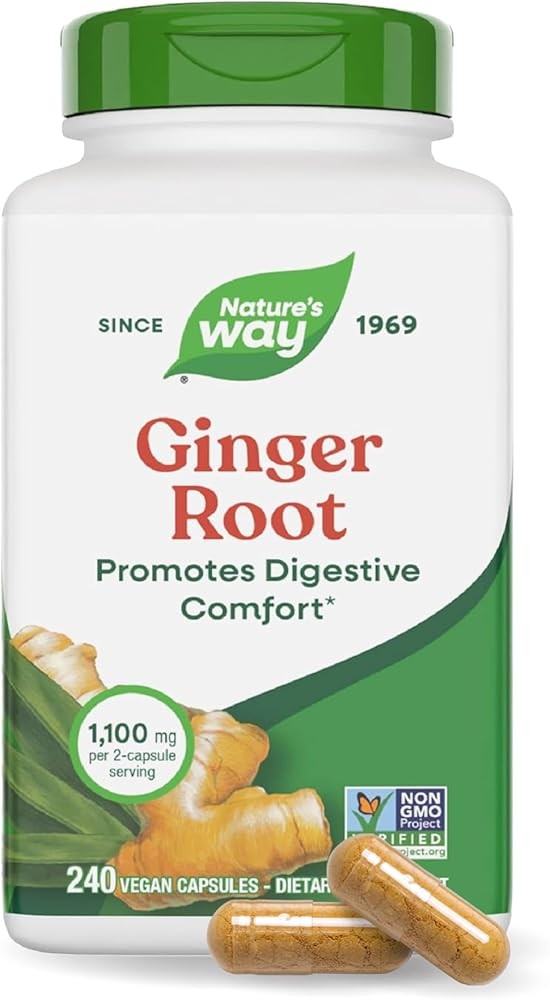
Nature's Way Ginger Root Capsules, 1100 mg per 2-Capsule Serving, TRU-ID Certified, Non-GMO Project, 240 Vegan Capsules
Check Price on AmazonAs an Amazon Associate we earn from qualifying purchases.
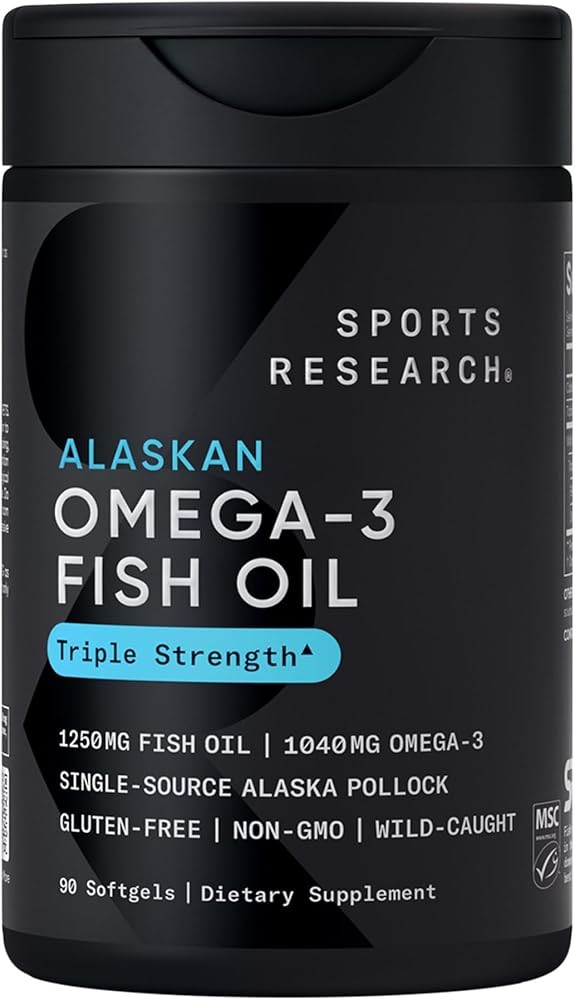
Sports Research Omega-3 Fish Oil 1250 - Triple Strength Fish Oil Supplement from Wild Alaska Pollock - MSC Certified Sustainable · Non-GMO · Soy Free - 90 Softgel Capsules
Check Price on AmazonAs an Amazon Associate we earn from qualifying purchases.
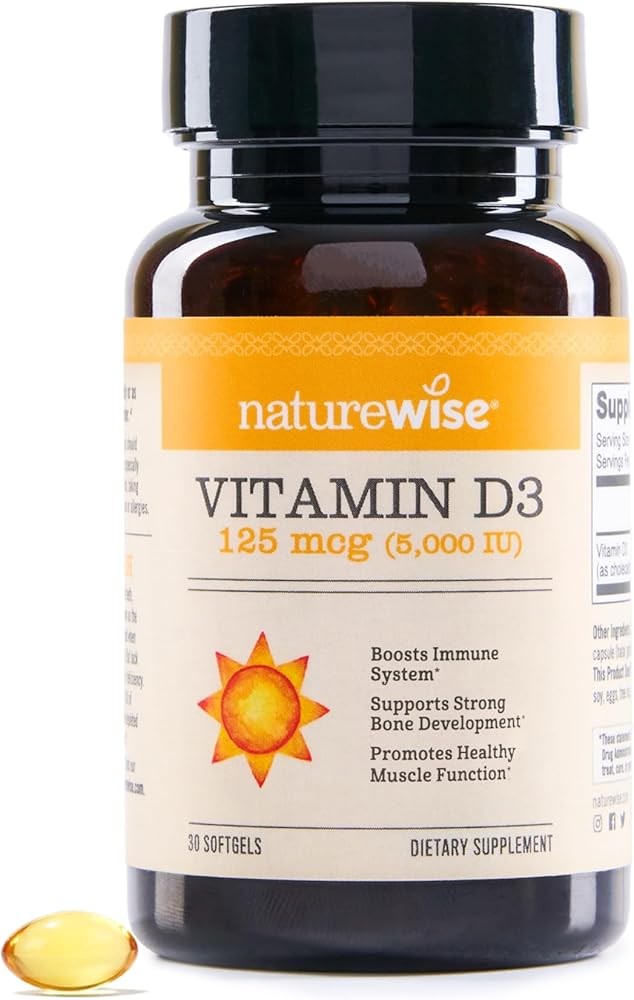
NatureWise Vitamin D3 5000iu (125 mcg) 30-Day Supply for Immune Support, Healthy Muscle Function, and Bone Health - Non-GMO, Gluten Free in Organic Extra Virgin Olive Oil, (Mini Softgel), 30 Count
Check Price on AmazonAs an Amazon Associate we earn from qualifying purchases.
📱 Join the discussion: Facebook | X | YouTube | Pinterest
Related Reading: Evidence-Based Cancer Nutrition
For comprehensive guidance on managing other aspects of cancer treatment through evidence-based nutrition and supplementation:
-
Cancer Nutrition Guide: Evidence-Based Dietary Strategies - Complete nutritional framework for cancer patients including macronutrient requirements, meal timing, and food safety during immunosuppression
-
Immune Support During Chemotherapy: Safe Approaches - Clinical evidence for immunonutrition supplements that don’t interfere with chemotherapy effectiveness
-
Protein Requirements for Cancer Patients - Preventing muscle wasting (cachexia) through optimal protein intake and amino acid supplementation
-
Antioxidants and Cancer: Timing Matters - Understanding when antioxidants are beneficial versus potentially harmful during active treatment
-
Managing Appetite Loss During Cancer Treatment - Evidence-based strategies for maintaining adequate nutrition when experiencing taste changes and early satiety
-
Omega-3 Fatty Acids in Cancer Care - Anti-inflammatory benefits, cachexia prevention, and optimal dosing protocols for EPA and DHA
-
Vitamin D Deficiency in Cancer Patients - Testing protocols, repletion strategies, and associations with cancer outcomes and quality of life
-
Immune Support During Cancer Treatment: Safe Supplements - Evidence-Based Guide
-
The Ultimate Guide to Cancer-Preventive Supplements: Anti-Oxidants, Mushrooms & More
-
Best Supplements for Ozempic Side Effects and Nutrient Depletion: Complete GLP-1 Support Guide
Conclusion: An Integrated Approach to Managing Chemotherapy Side Effects
Chemotherapy side effects - particularly nausea, peripheral neuropathy, and fatigue - can significantly impact your quality of life and, in severe cases, force treatment modifications that may affect outcomes. While prescription medications form the cornerstone of symptom management, emerging clinical evidence suggests certain supplements may provide additional modest benefits when used appropriately.
The evidence is strongest for:
- Ginger for chemotherapy-induced nausea (0.5-1.0g daily)
- Omega-3 fatty acids for neuropathy prevention (2-3g EPA/DHA daily)
- American ginseng for cancer-related fatigue (2,000mg daily)
- Vitamin D for fatigue associated with deficiency (2,000-4,000 IU daily)
- L-glutamine for mucositis/GI protection (30g daily in divided doses)
Use with caution or avoid:
- Acetyl-L-carnitine during chemotherapy (may worsen neuropathy)
- High-dose antioxidants near treatment days (may protect cancer cells)
- St. John’s Wort anytime during treatment (dangerous drug interactions)
Most importantly:
- Never start supplements without oncologist approval - interactions can be dangerous
- Supplements complement, don’t replace, medical management - use prescription medications as foundation
- Set realistic expectations - supplements provide modest benefits, not miracle supports recovery from
- Quality matters - choose third-party tested products from reputable manufacturers
- Timing is critical - some supplements are safe between cycles but risky during treatment
- Monitor and communicate - report new symptoms or concerns to your healthcare team promptly
The goal is to complete your chemotherapy course with the best possible quality of life while maintaining treatment effectiveness. By combining evidence-based medical management, strategic supplementation under medical supervision, good nutrition, and supportive care, you can optimize both your cancer treatment and your well-being during this challenging time.
Work closely with your oncology team, ask questions, advocate for your needs, and remember that managing side effects is an essential part of cancer care - not a sign of weakness or complaint.
This article is for educational purposes only and does not constitute medical advice. Always consult with your oncologist or healthcare provider before starting any supplements during cancer treatment.
References
-
Marx W, et al. Efficacy and Safety of Ginger on Chemotherapy-Induced Nausea and Vomiting: Systematic Review and Meta-Analysis. PubMed PMID: 38625733
-
Ryan JL, et al. Ginger reduces acute chemotherapy-induced nausea: A URCC CCOP study of 576 patients. PubMed PMID: 22585735
-
Ghoreishi Z, et al. Omega-3 fatty acids are protective against paclitaxel-induced peripheral neuropathy: A randomized double-blind placebo controlled trial. PubMed PMID: 22894640
-
Barton DL, et al. Wisconsin Ginseng (Panax quinquefolius) to improve cancer-related fatigue: A randomized, double-blind trial. PubMed PMID: 23960179
-
Dev R, et al. Vitamin D deficiency in advanced cancer patients with symptoms of fatigue or anorexia. PubMed PMID: 26315460
-
Schloss JM, et al. Ginseng and Cancer-Related Fatigue: A Systematic Review of Clinical Trials. PubMed PMID: 32691627
-
Bauer J, et al. Effectiveness of Glutamine for the prevention of oral mucositis in cancer patients. PubMed PMID: 33598734
-
Hershman DL, et al. Randomized double-blind placebo-controlled trial of acetyl-L-carnitine for the prevention of taxane-induced neuropathy. PubMed PMID: 23857973
-
Schloss J, et al. A randomised, placebo-controlled trial assessing the efficacy of an oral B group vitamin in preventing the development of chemotherapy-induced peripheral neuropathy. Support Care Cancer 2017
-
Saif MW, et al. Oral Alpha-Lipoic Acid to Prevent Chemotherapy-Induced Peripheral Neuropathy. PubMed PMID: 29706795
-
Zhang M, et al. Protective effect of Coenzyme Q10 against doxorubicin cardiotoxicity: A systematic review and meta-analysis. PubMed Central PMC10926080
-
Afonseca SO, et al. Vitamin E for patients with chemotherapy-induced peripheral neuropathy: A systematic review. Clinical Nutrition ESPEN 2022
Recommended Products