Does Sugar Feed Cancer? The Warburg Effect Explained (Research Review)
Summarized from peer-reviewed research indexed in PubMed. See citations below.
Cancer cells consume glucose 10-200x faster than normal cells through the Warburg effect, and women consuming ≥2 servings per day of sugar-sweetened beverages have more than double the risk of early-onset colorectal cancer according to large-scale epidemiological studies. For those reducing sugar intake, ProMix Nutrition Electrolytes Powder Packets ($20-25 for 30 servings) provides a sugar-free, zero-calorie hydration solution that helps eliminate sugar-sweetened beverages without sacrificing electrolyte balance or taste. Research demonstrates that chronically elevated insulin and IGF-1 from high dietary sugar intake activate growth-promoting pathways including PI3K/AKT and MAPK/ERK signaling that increase cancer cell proliferation, survival, and angiogenesis. For blood sugar management on a budget, ProMix Nutrition Whey Protein Powder ($30-35 for 1.98 lbs) delivers 25g protein per serving to blunt glucose spikes when consumed with carbohydrates, reducing insulin-IGF-1 pathway activation. Here’s what the published research shows about sugar’s complex relationship with cancer development and the evidence-based strategies for minimizing added sugar intake.
Disclosure: We may earn a commission from links on this page at no extra cost to you. Affiliate relationships never influence our ratings. Full policy →
Introduction
The relationship between sugar and cancer has evolved from a simple claim—“sugar feeds cancer”—into a nuanced understanding of metabolic reprogramming, insulin signaling, and inflammatory pathways. While this statement contains kernels of truth, the complete picture is far more complex and scientifically fascinating than popular headlines suggest.
Research demonstrates that cancer cells do preferentially consume glucose through altered metabolic pathways, a phenomenon first observed nearly a century ago. However, the implications for diet and cancer prevention extend well beyond simply eliminating carbohydrates. High dietary sugar intake influences cancer risk through multiple interconnected mechanisms: chronic hyperinsulinemia activating growth-promoting signaling pathways, insulin resistance creating a pro-tumorigenic metabolic environment, inflammation triggered by advanced glycation end products, and fructose metabolism producing lipids that tumor cells can utilize.
Recent epidemiological studies have strengthened the evidence linking sugar-sweetened beverage consumption to increased risk of several cancers, particularly breast, colorectal, and pancreatic cancers. Meanwhile, mechanistic research has revealed sophisticated ways that cancer cells exploit glucose metabolism and how dietary patterns affect the tumor microenvironment.
| Feature | Sugar-Sweetened Beverages | Natural Sweeteners (Stevia/Monk Fruit) | Whole Fruits |
|---|---|---|---|
| Blood Glucose Impact | Rapid spike (GI 60-75) | No impact (GI 0) | Moderate, fiber-blunted (GI 30-55) |
| Insulin Response | High, promotes IGF-1 pathway | None | Low to moderate |
| Cancer Risk Association | +4% per daily serving (meta-analysis) | No association found | Protective effect (phytonutrients) |
| Added Sugar Content | 25-40g per 12 oz serving | 0g | 0g added (natural fructose present) |
| Nutritional Value | Zero nutrients | Zero calories, no nutrients | Vitamins, minerals, fiber, antioxidants |
| Fructose Metabolism | Hepatic lipid production for tumors | No fructose metabolism | Fiber slows fructose absorption |
| Recommended Daily Limit | Eliminate or <1 serving/week | Unlimited (no safety concerns) | 2-3 servings encouraged |
This article examines the current state of research on the relationship between sugar and cancer, exploring the Warburg effect, insulin/IGF-1 signaling, fructose metabolism, epidemiological evidence, and practical implications for cancer prevention and treatment.
Watch Our Video Review
The Warburg Effect: Otto Warburg’s Discovery and Modern Understanding
Historical Context
In the early 1920s, German physiologist Otto Heinrich Warburg made a discovery that would fundamentally reshape our understanding of cancer metabolism. Warburg set out in 1926 to test what seemed like a straightforward hypothesis: because tumors grow faster than normal cells, cancer cells should have higher rates of oxygen consumption.
The results surprised him. Oxygen consumption did not increase as expected, but the production of lactic acid—which normal cells produce only under anaerobic (oxygen-deprived) conditions—was dramatically elevated. Warburg and his colleagues showed that under aerobic conditions, tumor tissues metabolized approximately tenfold more glucose to lactate in a given time than normal tissues, producing lactic acid at rates 70-fold higher than normal cells.
Warburg observed that cancer cells tend to use fermentation for obtaining energy even in aerobic conditions, coining the term “aerobic glycolysis.” He hypothesized that dysfunctional mitochondria might be the cause of this elevated glycolysis and potentially a cause of cancer development itself. This observation was first published by Otto Heinrich Warburg, who was awarded the 1931 Nobel Prize in Physiology for his “discovery of the nature and mode of action of the respiratory enzyme.”
Modern Understanding of the Warburg Effect
Contemporary cancer metabolism research has revealed that the Warburg effect is far more sophisticated than Warburg initially understood. Cancer cells exhibit metabolic reprogramming toward a glycolysis-dominant profile that enhances cancer cell survival, growth, and metastasis by increasing glucose uptake and lactate production.
The Warburg effect is characterized by the preferential conversion of glucose to lactate even in the presence of oxygen and functional mitochondria—a prominent metabolic hallmark of cancer cells that has emerged as a promising therapeutic target. Importantly, Warburg’s initial hypothesis about defective mitochondria has been largely disproven; most cancer cells have functional mitochondria but actively choose glycolytic metabolism.
Why Cancer Cells Prefer Glycolysis
While aerobic glycolysis is less efficient for ATP production than oxidative phosphorylation (yielding only 2 ATP molecules per glucose versus approximately 36 through complete oxidation), this metabolic strategy offers several advantages for rapidly proliferating cancer cells:
Rapid ATP Production: Glycolysis produces ATP much faster than mitochondrial respiration, even though the total yield is lower. For cells that need energy quickly, speed trumps efficiency.
Biosynthetic Precursors: Glycolytic intermediates feed into multiple biosynthetic pathways essential for cell proliferation, including the pentose phosphate pathway (producing nucleotides for DNA synthesis), one-carbon metabolism, amino acid synthesis, and lipid production.
Reduced Oxidative Stress: Lower mitochondrial activity means less production of reactive oxygen species (ROS), which could otherwise damage rapidly replicating DNA.
Acidic Microenvironment: Lactate production contributes to an acidic environment within the tumor, creating an immunosuppressive microenvironment that helps cancer cells evade immune surveillance. The acidic pH can also facilitate invasion and metastasis by activating proteolytic enzymes.
Beyond Glucose: The Broader Metabolic Context
The renewed interest in cancer cell metabolism has expanded well beyond the original Warburg effect related to glycolysis. Recent efforts to study tumor metabolism in vivo have identified some disconnects between in vitro and in vivo biology, highlighting a growing need to utilize more physiologically relevant approaches.
Cancer metabolism now encompasses multiple interconnected pathways including amino acid metabolism, one-carbon metabolism, the pentose phosphate pathway, nucleotide synthesis, glutamine metabolism, and antioxidant machinery. Numerous studies have confirmed the critical role of aerobic glycolysis in hepatocellular carcinoma by influencing tumor cell proliferation, invasion, metastasis, apoptosis, immune escape, and angiogenesis.
Understanding the Warburg effect remains central to cancer biology 100 years after its discovery, with ongoing efforts to develop therapeutic strategies targeting this metabolic phenomenon.
The Insulin and IGF-1 Pathway: How Chronically Elevated Insulin Promotes Tumor Growth
Beyond directly providing fuel for cancer cells, dietary sugar influences cancer through its profound effects on insulin and insulin-like growth factor-1 (IGF-1) signaling—potent drivers of cell proliferation, survival, and tumor progression.
The Insulin/IGF System in Cancer
Insulin-like growth factors (IGFs) are essential for growth and survival, suppressing apoptosis while promoting cell cycle progression, angiogenesis, and metastatic activities in various cancers. The high levels of insulin, chronic inflammation, and altered cellular energy usage associated with insulin resistance create an environment that can fuel the growth and spread of tumors.
Insulin resistance is recognized as a significant risk factor for several major cancers, including those of the breast, liver, colorectal system, pancreas, and endometrium. The link between insulin resistance and cancer is underpinned by several interconnected biological mechanisms that create a systemic environment rich in growth-promoting signals, inflammatory mediators, and metabolic substrates that can initiate and fuel tumor growth.
Mechanisms of Insulin-Driven Cancer Promotion
Sustained Hyperinsulinemia and IGF-1 Bioavailability: High dietary sugar intake leads to repeated blood glucose spikes, triggering insulin secretion. Over time, this can lead to insulin resistance, resulting in increased bioavailability of IGF-1, a potent mitogen that stimulates cell proliferation and inhibits apoptosis.
Direct Insulin Signaling in Cancer Cells: Many cancer cells express high levels of insulin receptors and IGF-1 receptors. When activated by elevated insulin or IGF-1, these receptors trigger intracellular signaling cascades—particularly the PI3K/AKT and MAPK/ERK pathways—that promote cell proliferation, survival, and migration.
Recent research demonstrated that hyperinsulinemia was the driver of emergence of resistance to PI3K inhibitors in mouse cancer models, and that elevated insulin acts as an accelerant of tumor growth rather than elevated glucose acting as additional fuel. This finding has significant implications for understanding how metabolic conditions influence cancer progression and treatment resistance.
Inflammation and Tumor Microenvironment: Insulin resistance is accompanied by chronic low-grade inflammation, characterized by elevated levels of pro-inflammatory cytokines such as TNF-α, IL-6, and C-reactive protein. This inflammatory milieu supports tumor development, progression, and metastasis by promoting DNA damage, inhibiting apoptosis, and facilitating angiogenesis.
Cancer Risk from Hyperinsulinemia
Epidemiological evidence strongly supports the link between hyperinsulinemia and cancer risk. Individuals with hyperinsulinemia have nearly a twofold higher risk of colorectal and endometrial cancers. IGFs promote the proliferation, migration, and invasive ability of tumor cells and are closely associated with poor prognosis.
Furthermore, IGFs can influence the interactions between immune cells in the tumor microenvironment leading to immune escape. Additionally, the activation of signals associated with IGFs mediates the resistance of tumor cells to chemotherapeutic drugs, presenting significant challenges for cancer treatment.
Therapeutic Implications
The insulin-like growth factor-1 receptor (IGF-1R) has emerged as a critical target in oncology due to its pivotal role in tumor growth, progression, and therapeutic resistance. Despite encouraging preclinical findings, clinical trials utilizing IGF-1R inhibitors as monotherapies have largely been unsuccessful, suggesting that combination approaches may be necessary.
Recent research into specific mechanisms shows that aberrant alternative splicing of IGF1 isoforms may alter cellular functions, disrupting key pathways like PI3K/AKT and MAPK/ERK, driving cell proliferation, survival, and migration in cancers such as endometrial cancer.
Fructose Metabolism: The Unique Role of Fructose in Cancer
While glucose receives most of the attention in discussions about sugar and cancer, fructose—abundant in table sugar (sucrose), high-fructose corn syrup, and fruit—has emerged as a metabolically distinct sugar with unique implications for tumor growth.
How Fructose Differs from Glucose
Sucrose (table sugar) and high-fructose corn syrup (HFCS) both contain approximately 50% glucose and 50% fructose. A broad scientific consensus has emerged that there are no significant metabolic or endocrine response differences between HFCS and sucrose given their similar composition. However, the metabolic fates of glucose and fructose differ substantially:
Glucose Metabolism: Glucose is absorbed directly across the lining of the small intestine into your bloodstream, which delivers it to cells throughout the body. It’s either used immediately to create energy or converted to glycogen for storage in muscles and liver.
Fructose Metabolism: Your liver has to convert fructose into glucose before your body can use it for energy. Low-dose fructose is mainly metabolized in the small intestine, but only when intake exceeds the intestine’s metabolic capacity does fructose spill over to be metabolized in the liver. This hepatic fructose metabolism has important implications for cancer.
The Liver-Cancer Connection: Recent Discoveries
A landmark study published in Nature in 2024 revealed that cancer cells lacking the ability to metabolize fructose directly benefit from the lipids produced by the liver after fructose metabolism. While cancer cells do not metabolize fructose effectively due to the lack of essential enzymes such as ketohexokinase-C (KHK-C), the liver processes fructose into lipids, including lysophosphatidylcholines (LPCs), which enter the bloodstream and are absorbed by tumor cells.
This reveals a novel metabolic cross-talk between the liver and cancer cells. Mice fed high-fructose corn syrup showed a surge of LPCs in their blood, and when LPCs were fed to mice with skin, breast, or cervical tumors, the tumors grew faster. In mice fed high-fructose corn syrup, an experimental drug that blocks the KHK enzyme substantially slowed tumor growth, with the drug having been tested as a treatment for fatty liver disease.
Fructose-Induced Metabolic Reprogramming
Fructose is a highly lipogenic compound related to the onset of steatosis (fatty liver) and hepatocellular carcinoma. Cancer cells use fructose as an alternative fuel source in glucose-starved conditions, showing metabolic adaptation that enhances the pentose phosphate pathway and improves tumorigenic properties and chemoresistance.
Fructose metabolism, particularly through key enzymes such as ketohexokinase (KHK) and aldolase B (ALDOB), along with the fructose transporter GLUT5, supports tumor growth, metastasis, and therapeutic resistance. Recent studies from 2024-2025 demonstrate that fructose induces metabolic reprogramming in liver cancer cells, promoting aggressiveness and chemotherapy resistance.
Excessive Fructose Intake and Disease
Excessive intake of fructose has been linked to various diseases, including obesity, nonalcoholic fatty liver disease (NAFLD), cardiovascular disease, chronic renal insufficiency, and increased mortality risk. The relationship between fructose and cancer appears to be mediated through multiple mechanisms including:
- Direct hepatic lipid production that tumors utilize
- Enhanced glycolysis and pentose phosphate pathway activity
- Promotion of insulin resistance and hyperinsulinemia
- Increased inflammation and oxidative stress
- Altered gut microbiome composition
It’s crucial to note that these concerns primarily apply to added fructose in processed foods and beverages, not the fructose naturally present in whole fruits, which come packaged with fiber, vitamins, minerals, and phytonutrients that provide protective effects.
Types of Sugar: Understanding Different Forms and Their Metabolic Fates
Not all sugars are created equal from a metabolic perspective. Understanding the different forms of sugar and how the body processes them provides important context for cancer risk.
Monosaccharides: Simple Sugars
Glucose: The primary fuel for cells, glucose circulates in the bloodstream and is tightly regulated by insulin. All digestible carbohydrates are ultimately broken down into glucose for cellular use.
Fructose: Found naturally in fruits and honey, and as a component of sucrose and HFCS. Metabolized primarily in the liver, where it can be converted to glucose, glycogen, or fat.
Galactose: A component of lactose (milk sugar), converted to glucose in the liver.
Disaccharides: Two-Sugar Molecules
Sucrose: Table sugar, composed of one glucose and one fructose molecule bonded together. Rapidly broken down in the digestive tract into its constituent monosaccharides.
Lactose: Milk sugar, composed of glucose and galactose.
Maltose: Found in malted foods and beer, composed of two glucose molecules.
High-Fructose Corn Syrup (HFCS)
HFCS is produced by converting corn starch into glucose syrup and then enzymatically converting some glucose to fructose. The most common formulations are HFCS-42 (42% fructose) used in processed foods and HFCS-55 (55% fructose) used in soft drinks.
Recent meta-analysis data indicate that HFCS intake does not significantly change weight compared to sucrose. However, analysis suggests HFCS consumption was associated with a higher level of C-reactive protein (CRP)—a marker of inflammation—compared to sucrose, though no significant differences between the two sweeteners were evident in other anthropometric and metabolic parameters.
The key concern isn’t whether HFCS is worse than sucrose, but rather that both contribute excessive amounts of rapidly absorbed sugars that spike blood glucose and insulin levels while providing no nutritional value.
Complex Carbohydrates vs. Simple Sugars
Complex carbohydrates—found in whole grains, legumes, and vegetables—are composed of long chains of glucose molecules that require time to break down. This slower digestion leads to gradual, sustained glucose release rather than rapid spikes. Complex carbohydrates also typically come with fiber, protein, vitamins, and minerals.
From a cancer risk perspective, the critical distinction isn’t between “good” and “bad” sugars per se, but rather between:
- Added sugars in processed foods (rapid absorption, no nutrients, blood sugar spikes)
- Natural sugars in whole foods (slower absorption, packaged with fiber and nutrients, blunted glucose response)
Epidemiological Evidence: Large Cohort Studies Linking Sugar to Specific Cancers
While mechanistic research reveals how sugar might influence cancer at the cellular and molecular level, epidemiological studies examine real-world associations between dietary sugar intake and cancer incidence in large populations.
Colorectal Cancer
The evidence linking sugar-sweetened beverages to colorectal cancer is particularly strong. In the Multiethnic Cohort Study published in 2024, intakes of total sugar, total fructose, glucose, fructose, and maltose were associated with an increased risk of colorectal cancer, with the association strongest for colon cancer, younger participants, and Latinos.
The Nurses’ Health Study II found that women who consumed ≥2 servings per day of sugar-sweetened beverages had more than doubled risk of early-onset colorectal cancer (diagnosed before age 50) compared with those consuming <1 serving per week. Even more concerning, each daily serving of sugar-sweetened beverages during adolescence (ages 13-18) was associated with a 32% increased risk of early-onset colorectal cancer in adulthood.
Breast Cancer
Among specific cancer types, only breast cancer showed a positive association with total and added sugar intake in comprehensive reviews, with associations more pronounced for sucrose, non-fruit-derived sugars, and added and natural sugars present in sugary drinks.
A meta-analysis published in 2025 examining dietary glycemic index, glycemic load, sugar, and fiber intake found associations between high sugar consumption and increased breast cancer risk, particularly for postmenopausal women and estrogen receptor-positive tumors.
Pancreatic Cancer
Pancreatic cancer has been linked to sugar intake in multiple studies, though the evidence is somewhat less consistent than for colorectal and breast cancers. High consumption of sugary drinks and refined carbohydrates may be associated with an increased risk of pancreatic cancer, likely mediated through chronic hyperinsulinemia and insulin resistance—both of which are established risk factors for this deadly cancer.
Overall Cancer Risk
One serving per day increment in sugar-sweetened beverage consumption could increase overall cancer risk by 4% according to systematic reviews and meta-analyses of observational studies. While this relative risk increase may seem modest, given the widespread consumption of sugary beverages, the population-level impact is substantial.
A large population-based prospective cohort study based on the UK Biobank examined dietary carbohydrate intake and risks of multiple site-specific cancers in 194,388 participants over extended follow-up, providing robust data on the relationship between carbohydrate quality and cancer risk across multiple sites.
Limitations and Interpretations
It’s important to acknowledge the limitations of epidemiological evidence. Observational studies can demonstrate associations but cannot prove causation. People who consume high amounts of sugar-sweetened beverages often have other dietary and lifestyle patterns that increase cancer risk—lower vegetable intake, higher processed meat consumption, less physical activity, and higher rates of obesity.
However, when epidemiological associations are consistent across multiple populations and cohorts, biologically plausible based on mechanistic research, and demonstrate dose-response relationships, the evidence becomes more compelling. The sugar-cancer link meets these criteria for several cancer types.
Sugar, Inflammation, and Cancer: The AGE Connection
Beyond direct metabolic effects, sugar contributes to cancer risk through its role in chronic inflammation—a well-established driver of tumor initiation, progression, and metastasis.
Advanced Glycation End Products (AGEs)
Advanced glycation end products (AGEs) are harmful compounds formed when proteins or fats combine with sugars in the bloodstream (glycation) or through high-temperature cooking methods. Chronically elevated blood glucose accelerates AGE formation throughout the body.
Increased serum levels of AGEs may induce aging, diabetic complications, cardiovascular diseases, neurodegenerative diseases, cancer, and inflammaging (chronic inflammation associated with aging). A 2025 publication explored carcinogenesis associated with AGE-mediated disruption of mitohormesis—the adaptive cellular responses to mild mitochondrial stress.
The RAGE-NF-κB Inflammatory Pathway
AGEs exert their effects by binding to the receptor for AGE (RAGE) or other scavenger receptors on cell surfaces, activating multiple pro-inflammatory signaling pathways including PI3K-Akt, P38-MAPK, ERK1/2-JNK, and MyD88-induced NF-κB signaling.
AGE-mediated activation of RAGE results in increased activation of pro-inflammatory transcriptional regulators including nuclear factor-kappa B (NF-κB), signal transducer and activator of transcription 3 (STAT3), and hypoxia-inducible factor 1 (HIF1). The primary signaling pathways through which AGEs increase RAGE expression are NF-κB and STAT3.
Once activated, NF-κB triggers the expression of numerous genes involved in inflammation, cell proliferation, angiogenesis, and resistance to apoptosis—all processes that can promote cancer development and progression. The AGE-RAGE-NF-κB axis creates a pro-tumorigenic inflammatory microenvironment.
AGEs and Cancer Development
AGE accumulation activated RAGE-NF-κB signaling pathways and induced widespread reactive gliosis and aberrant mitochondrial respiratory complex activity, creating conditions favorable for tumor growth. Recent studies are exploring network pharmacology approaches for potential anticancer interventions through the AGE-RAGE signaling pathway.
The implications for dietary sugar intake are clear: chronically elevated blood glucose from high-sugar diets accelerates AGE formation, which in turn promotes inflammation through RAGE signaling, creating an environment conducive to cancer initiation and progression.
Glycemic Index and Glycemic Load: Practical Dietary Frameworks
Understanding glycemic index (GI) and glycemic load (GL) provides practical tools for managing blood sugar and insulin responses to food.
Defining Glycemic Index and Load
Glycemic Index (GI): A measure of how quickly a food raises blood glucose compared to pure glucose (GI = 100). Foods are classified as:
- Low GI: ≤55
- Medium GI: 56-69
- High GI: ≥70
Glycemic Load (GL): Takes into account both the GI and the amount of carbohydrate in a serving, providing a more accurate measure of a food’s effect on blood sugar:
- Low GL: ≤10
- Medium GL: 11-19
- High GL: ≥20
GL = (GI × grams of carbohydrate) ÷ 100
For example, watermelon has a high GI (72), but because a typical serving contains relatively little carbohydrate, its GL is only 5—meaning it has minimal impact on blood sugar when consumed in normal portions.
Glycemic Measures and Cancer Risk
Research on GI, GL, and cancer risk shows complex, sometimes counterintuitive patterns. A population-based cohort study published in Annals of Family Medicine in 2025 found that high dietary glycemic index is linked to increased risks of lung cancer, non-small cell lung cancer (NSCLC), and small cell lung cancer (SCLC).
After multivariate adjustment, glycemic index was positively associated with lung cancer (Q4 vs Q1: HR = 1.13), NSCLC (HR = 1.11), and SCLC (HR = 1.34). Surprisingly, dietary glycemic load appeared to be associated with a decreased risk of lung cancer (Q4 vs Q1: HR = 0.72) and NSCLC (HR = 0.68).
These paradoxical findings may reflect that people consuming high total carbohydrates (thus high GL) may be eating more plant-based diets rich in protective compounds, while those with high GI are consuming more refined carbohydrates. This underscores the importance of carbohydrate quality over quantity.
For ovarian cancer, glycemic load, but not glycemic index, is associated with increased risk according to systematic review and meta-analysis. A meta-analysis examining breast cancer found associations between glycemic index, glycemic load, dietary sugar, and breast cancer risk.
High glycemic index or high glycemic load diets, which chronically raise postprandial blood glucose, may increase cancer risk by affecting insulin-like growth factor signaling, creating the mechanistic link between dietary patterns and tumor development.
Practical Application
Rather than obsessing over GI/GL values for every food, focus on principles that naturally lower glycemic impact:
- Choose whole grains over refined grains
- Include protein and healthy fats with carbohydrate-rich meals
- Prioritize non-starchy vegetables
- Eat whole fruits rather than fruit juice
- Choose legumes and beans as carbohydrate sources
- Avoid sugar-sweetened beverages
The Ketogenic Diet and Cancer: Glucose Deprivation Strategies
Given that cancer cells preferentially utilize glucose, could a very low-carbohydrate ketogenic diet “starve” tumors by depriving them of their preferred fuel? This concept has generated significant research interest and clinical trials.
The Ketogenic Diet Rationale
The ketogenic diet typically restricts carbohydrates to 20-50g per day while emphasizing high fat intake (70-80% of calories) and moderate protein (15-25%). This metabolic shift forces the body to produce ketone bodies—beta-hydroxybutyrate, acetoacetate, and acetone—as alternative fuel sources.
The theoretical basis for using ketogenic diets in cancer treatment stems from observations that many cancer cells are highly dependent on glucose as a source of energy, and because of this, these cells go through a state of energy deprivation if there is an absence of glucose. In contrast, many cancer cells do not possess the metabolic capacity to adjust to fasting and utilize ketone bodies as an alternative source of energy.
Clinical Trial Evidence
Multiple clinical trials have tested ketogenic diets in cancer patients, particularly those with glioblastoma (brain cancer):
A phase 1 trial of a ketogenic diet was conducted among patients with recently diagnosed glioblastoma (GBM) receiving standard-of-care treatment. Adults with GBM within 3 months of diagnosis followed a supervised 16-week intervention of a 3:1 ketogenic diet plus chemoradiation, with secondary outcomes including feasibility, progression-free survival, overall survival, health-related quality-of-life, and cognitive function.
A Phase 2, randomized two-armed, multi-site study of 170 patients with newly diagnosed glioblastoma multiforme is underway, where patients will be randomized 1:1 to receive either a ketogenic diet or standard anti-cancer diet.
Mixed Results from Meta-Analyses
A systematic review and meta-analysis of 8 randomized controlled trials that implemented the ketogenic diet with or without intermittent fasting, but energy stabilization begins Week 1-2: Energy levels become more stable, mood improves, mental clarity increases Weeks 2-4: Skin improvements become visible, digestive symptoms improve Months 1-3: Insulin sensitivity improves, inflammatory markers decrease, sustainable weight loss occurs Months 3-6: Risk factors for chronic diseases including cancer begin to improve measurably
These timeline estimates vary based on individual factors including baseline sugar intake, overall diet quality, physical activity, and metabolic health.
What We Know vs. What We Don’t Know
Despite extensive research, important gaps remain in our understanding of sugar and cancer.
What the Evidence Clearly Shows
- Cancer cells preferentially metabolize glucose through aerobic glycolysis (Warburg effect)
- Chronic hyperinsulinemia and insulin resistance promote tumor growth through IGF-1 signaling
- Fructose metabolism produces lipids that tumors can utilize for growth
- Sugar-sweetened beverage consumption is associated with increased risk of several cancers
- High-glycemic diets create metabolic conditions favorable for tumor development
- AGE formation from high blood sugar promotes inflammation through RAGE-NF-κB signaling
Areas of Uncertainty
Optimal Sugar Intake for Cancer Prevention: While reducing added sugar is clearly beneficial, the specific threshold below which cancer risk is minimized remains unclear. Current recommendations suggest <25g/day for women and <36g/day for men of added sugar, but cancer-specific guidelines are not well established.
Sugar Type Matters?: Whether the type of sugar consumed (sucrose vs. fructose vs. glucose) affects cancer risk differently remains partially unclear, though fructose’s unique hepatic metabolism and lipid production has raised specific concerns.
Fruit Intake: The protective effects of whole fruit consumption despite fructose content need better mechanistic understanding, though fiber’s role in blunting glucose spikes is well established.
Intervention Trials: Most evidence comes from observational epidemiology. Rigorous randomized controlled trials testing whether sugar reduction reduces cancer incidence or improves outcomes are lacking, partly because such trials would require decades of follow-up.
Individual Variation: How genetic factors, gut microbiome composition, metabolic health status, and other individual characteristics modify the sugar-cancer relationship is not well understood.
Timing and Context: Whether sugar intake is more problematic at certain life stages (childhood vs. adulthood) or in certain metabolic contexts (obesity vs. normal weight) requires further research.
Debunking Common Myths
Myth 1: “Sugar Directly Causes Cancer”
Reality: Sugar does not directly cause the initial genetic mutations that transform normal cells into cancer cells. The relationship is indirect—chronic high sugar intake promotes metabolic conditions (hyperinsulinemia, insulin resistance, inflammation, obesity) that increase cancer risk and may accelerate tumor growth once cancer has developed.
Myth 2: “You Must Eliminate All Sugar and Carbohydrates”
Reality: Extreme carbohydrate restriction is not necessary for most people. The concern is added sugars in processed foods and sugar-sweetened beverages, not the complex carbohydrates in whole plant foods or the natural sugars in whole fruits. A balanced approach focusing on food quality and glycemic control is more sustainable and evidence-based than carbohydrate elimination.
Myth 3: “Fruit Is Bad Because It Contains Sugar”
Reality: Whole fruits are protective rather than harmful. The fiber in whole foods slows down carbohydrate absorption, helping to regulate how quickly sugar enters your bloodstream, preventing the blood sugar spikes that come from processed sweets or sugary drinks. Fruit has high fiber content and therefore a lower glycemic load than sugary foods and drinks sweetened with high fructose corn syrup.
As an example, you would probably have to eat about a bushel (or 48 pounds) of apples to get the same amount of fructose found in a 40 oz Coke. Eating a plant-forward diet that incorporates fruits and vegetables in their whole-food form is actually a smart way to reduce the risk of cancer developing, as fruits and vegetables contain antioxidants that can be important to protecting cells from the kind of damage that can lead to cancer.
Myth 4: “Artificial Sweeteners Are Just as Bad as Sugar”
Reality: The evidence on artificial sweeteners or confounding factors. Major cancer organizations including the American Cancer Society have stated that available evidence does not support claims that artificial sweeteners at normal consumption levels cause cancer. For more information, see our detailed articles on stevia and cancer research are 200-300 times sweeter than sugar. Research suggests stevia may have beneficial effects including anti-inflammatory and antioxidant properties
Monk fruit extract contains mogrosides, natural compounds that are 150-250 times sweeter than sugar. Like stevia, monk fruit provides sweetness without calories, carbohydrates, or effects on blood glucose. Research on monk fruit and cancer
- Remember that while these alternatives don’t spike blood sugar, maintaining preference for sweet flavors may perpetuate cravings
- For comprehensive information on alternatives, see our guide to sweeteners that cancer cells cannot metabolize and progressively refine from there.
Consider the Broader Context
Sugar reduction is one component of cancer prevention. Anti-inflammatory foods, this product provides a practical solution that addresses both hydration and taste preferences. Each packet is fasting-friendly and designed for clean ingredient profiles.
The formulation uses Himalayan pink salt as a natural electrolyte source and contains no artificial colors or flavors. This makes it particularly suitable for those following anti-inflammatory dietary patterns for cancer prevention, as it avoids the pro-inflammatory additives found in many commercial sports drinks and flavored waters.
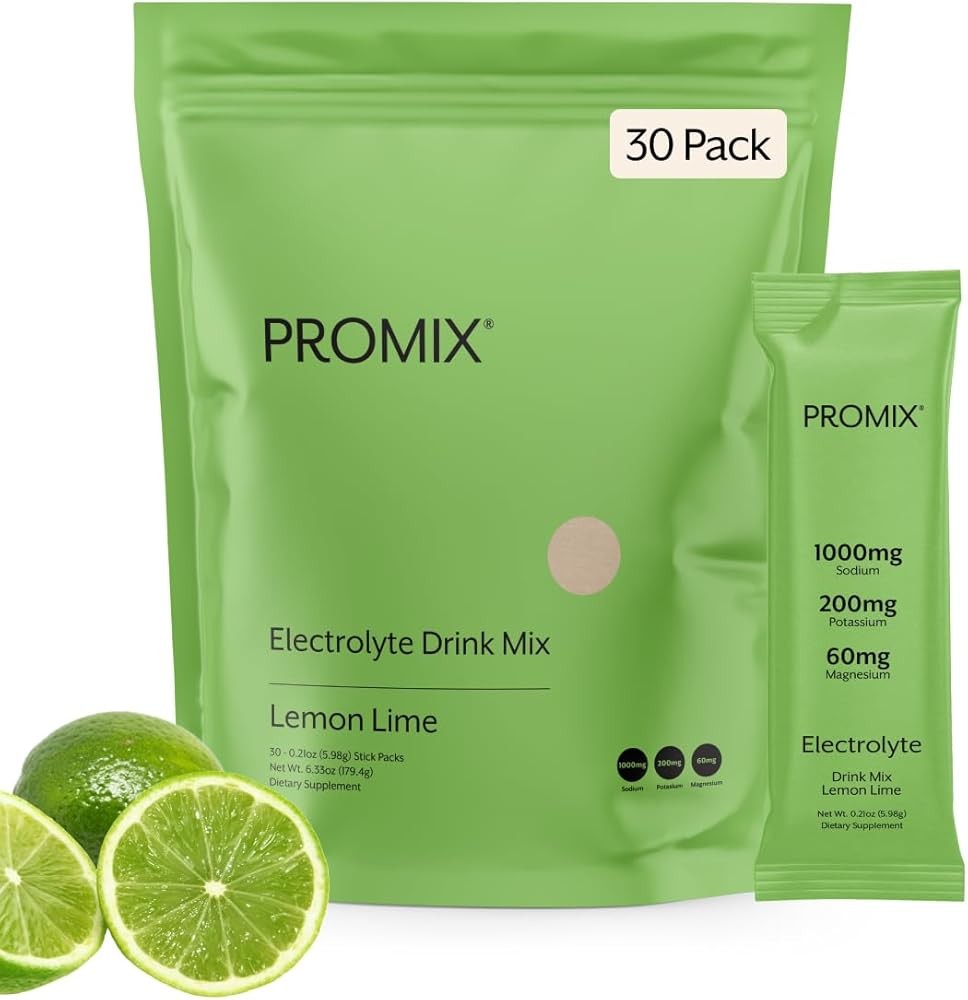
ProMix Nutrition Electrolytes Powder Packets - Sugar Free, Zero Calorie, Stevia Free, Fasting Friendly, Natural Himal...
Check Price on AmazonAs an Amazon Associate we earn from qualifying purchases.

The ProMix Nutrition Whey Protein Powder offers an evidence-based approach to managing the glycemic impact of meals—a critical factor in cancer prevention given the role of chronic hyperinsulinemia in promoting tumor growth through IGF-1 signaling pathways.
Each serving delivers 25g of high-quality grass-fed whey protein isolate without any added sugars, artificial sweeteners, or hormones. The unsweetened formulation allows complete control over sweetness levels, enabling users to add stevia, monk fruit, or consume it plain in savory applications.
Research demonstrates that protein co-ingestion with carbohydrates significantly reduces the glycemic response. A study published in the American Journal of Clinical Nutrition found that adding protein to a carbohydrate meal reduced the glycemic response by 30-40%. This mechanism is particularly valuable for cancer prevention, as it helps maintain stable blood glucose and insulin levels throughout the day, reducing activation of the insulin-IGF-1 axis that promotes cancer cell proliferation.
The grass-fed sourcing also provides a superior fatty acid profile compared to conventional whey, with higher levels of omega-3 fatty acids and conjugated linoleic acid (CLA), both of which have demonstrated anti-inflammatory and potential anti-cancer properties in preclinical research.
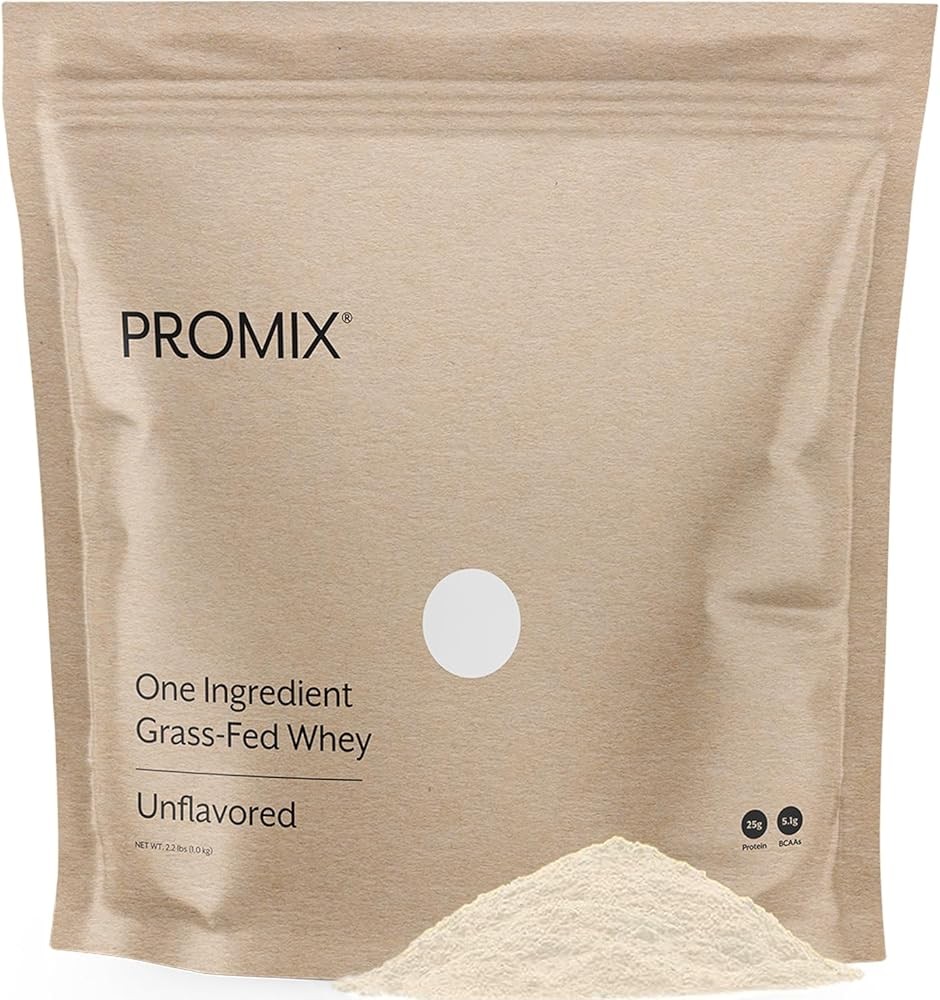
ProMix Nutrition Whey Protein Powder, Grass Fed, Unsweetened, Hormone Free - 25g Protein per Serving, Sugar Free, Soy...
Check Price on AmazonAs an Amazon Associate we earn from qualifying purchases.
The Kiala Nutrition Super Greens offers a practical solution for increasing nutrient density and phytonutrient intake while maintaining stable blood glucose—a dual benefit for cancer prevention strategies that emphasize both what to avoid (added sugars) and what to include (protective plant compounds).
This organic greens formula combines spirulina, chlorella, wheat grass, barley grass, alfalfa, and numerous vegetable and fruit extracts to deliver a concentrated source of vitamins, minerals, antioxidants, and phytonutrients. Importantly, the formulation contains minimal natural sugars and has essentially zero glycemic impact, making it ideal for those managing blood glucose and insulin levels as part of cancer risk reduction.
Spirulina and chlorella—the featured ingredients—have been studied for potential anti-cancer properties. Spirulina contains phycocyanin, a blue pigment with demonstrated anti-inflammatory and antioxidant activities. Research published in the journal Nutrients found that spirulina supplementation significantly reduced markers of oxidative stress and inflammation. Chlorella has shown potential in supporting immune function and may enhance the activity of natural killer cells, which play a role in cancer surveillance.
The formula also supports gut health through digestive enzyme inclusion and prebiotic fiber, which is particularly relevant given emerging research on the gut microbiome’s role in cancer prevention and the fact that high sugar intake disrupts beneficial bacterial populations.

The Optimum Nutrition Gold Standard 100% Whey Protein Powder has earned its reputation as the most popular whey protein supplement globally, combining quality, taste, and value in a formulation that supports cancer prevention through blood glucose management and maintenance of lean body mass.
Each serving provides 24g of protein from a blend of whey protein isolate (the purest form of whey), whey protein concentrate, and whey peptides. While this Double Rich Chocolate flavor contains a small amount of added sugar (3g per serving), the high protein content still produces a net positive effect on glycemic control when used to replace higher-sugar snacks or when added to meals.
Maintaining lean muscle mass is increasingly recognized as important for cancer prevention and outcomes. Research published in Cancer demonstrates that higher muscle mass is associated with better cancer survival outcomes across multiple cancer types. During dietary modifications that reduce added sugar intake, ensuring adequate protein intake (1.2-1.6g per kg body weight) helps preserve muscle mass and metabolic rate, which could otherwise decline with caloric restriction.
The Double Rich Chocolate flavor has been optimized over decades to provide palatability that encourages compliance—a critical factor in long-term dietary adherence. The protein blend provides both fast-absorbing (isolate and peptides) and slower-absorbing (concentrate) proteins, creating a more sustained amino acid delivery compared to isolate-only formulations.

Optimum Nutrition Gold Standard 100% Whey Protein Powder, Double Rich Chocolate 1.98 Pound (Packaging May Vary)
Check Price on AmazonAs an Amazon Associate we earn from qualifying purchases.
Complete Support System: Building a Cancer Prevention Dietary Strategy
Reducing dietary sugar represents one critical component of a comprehensive cancer prevention approach. To maximize protective effects, consider this evidence-based protocol that addresses multiple pathways involved in cancer development:
Blood Sugar Management Foundation
- Eliminate or severely restrict sugar-sweetened beverages (primary intervention with strongest epidemiological evidence)
- Use natural zero-calorie sweeteners (stevia, monk fruit, allulose) to facilitate taste transition without blood glucose impact
- Consume protein with every carbohydrate-containing meal to blunt glycemic response and reduce insulin secretion
- Choose low-glycemic carbohydrate sources (non-starchy vegetables, legumes, intact whole grains) over refined grains and added sugars
Anti-Inflammatory Nutritional Support
- Include omega-3 fatty acids from fatty fish, algal oil, or purified fish oil supplements to counter pro-inflammatory pathways activated by AGE-RAGE signaling
- Consume cruciferous vegetables (broccoli, cauliflower, Brussels sprouts, kale) daily for sulforaphane and indole-3-carbinol compounds that support phase 2 detoxification
- Add polyphenol-rich foods (berries, green tea, dark chocolate ≥70% cacao, turmeric with black pepper) for antioxidant and anti-inflammatory effects
- Consider resveratrol supplementation from Japanese knotweed extract for sirtuin activation and potential metabolic benefits
Gut Microbiome Optimization
- Include diverse prebiotic fiber sources (Jerusalem artichoke, chicory root, garlic, onions, asparagus) to support beneficial bacterial populations disrupted by high sugar intake
- Consume fermented foods (unsweetened yogurt, kefir, sauerkraut, kimchi) for probiotic bacteria that produce anti-inflammatory short-chain fatty acids
- Rotate plant diversity (aim for 30+ different plant foods weekly) to maximize microbiome resilience and metabolic capacity
Metabolic Health Monitoring
- Track fasting glucose, hemoglobin A1c, and fasting insulin (the latter often overlooked but critical for assessing insulin resistance)
- Monitor inflammatory markers (high-sensitivity C-reactive protein, homocysteine) to assess systemic inflammation status
- Maintain body composition through resistance training and adequate protein intake (muscle mass associated with improved cancer outcomes)
Supplemental Support Considerations
- Vitamin D3 (maintain serum 25-hydroxyvitamin D >40 ng/mL, optimal range 50-70 ng/mL for cancer prevention based on epidemiological data)
- Magnesium glycinate (400-600mg daily) supports insulin sensitivity and glucose metabolism while correcting common deficiency
- Methylated B vitamins (methylfolate, methylcobalamin) for homocysteine metabolism and DNA methylation processes
- Alpha-lipoic acid (300-600mg daily) for glucose disposal and antioxidant regeneration, particularly beneficial for those with insulin resistance
This integrated approach addresses sugar-cancer mechanisms through multiple pathways: reducing substrate availability for cancer cell metabolism, improving insulin sensitivity to minimize IGF-1 pathway activation, reducing inflammatory signaling through AGE-RAGE pathways, and supporting immune surveillance through nutritional optimization.
For personalized guidance on implementing these strategies, particularly for individuals with existing cancer diagnoses or significant metabolic dysfunction, consultation with a registered dietitian specializing in oncology nutrition and a functional medicine practitioner can provide valuable individualized protocols.
📱 Join the discussion: Facebook | X | YouTube | Pinterest
Common Questions About Sugar Feed
What are the benefits of sugar feed?
Sugar Feed has been studied for various potential health benefits. Research suggests it may support several aspects of health and wellness. Individual results can vary. The strength of evidence differs across different claimed benefits. More high-quality research is often needed. Always review the latest scientific literature and consult healthcare professionals about whether sugar feed is right for your health goals.
Is sugar feed safe?
Sugar Feed is generally considered safe for most people when used as directed. However, individual responses can vary. Some people may experience mild side effects. It’s important to talk with a healthcare provider before using sugar feed, especially if you have existing health conditions, are pregnant or nursing, or take medications.
How does sugar feed work?
Sugar Feed works through various biological mechanisms that researchers are still studying. Current evidence suggests it may interact with specific pathways in the body to produce its effects. Always consult with a healthcare provider before starting any new supplement or health regimen to ensure it’s appropriate for your individual needs.
Who should avoid sugar feed?
Sugar Feed is a topic of ongoing research in health and nutrition. Current scientific evidence provides some insights, though more studies are often needed. Individual responses can vary significantly. For personalized advice about whether and how to use sugar feed, consult with a qualified healthcare provider who can consider your complete health history and current medications.
What are the signs sugar feed is working?
Sugar Feed is a topic of ongoing research in health and nutrition. Current scientific evidence provides some insights, though more studies are often needed. Individual responses can vary significantly. For personalized advice about whether and how to use sugar feed, consult with a qualified healthcare provider who can consider your complete health history and current medications.
How long should I use sugar feed?
The time it takes for sugar feed to work varies by individual and depends on factors like dosage, consistency of use, and individual metabolism. Some people notice effects within days, while others may need several weeks. Research studies typically evaluate effects over weeks to months. Consistent use as directed is important for best results. Keep a journal to track your response.
Conclusion
The relationship between sugar and cancer is complex, multifaceted, and scientifically robust—though often oversimplified in popular discourse. Cancer cells do exhibit altered glucose metabolism through the Warburg effect, preferentially consuming glucose even when oxygen is available. High dietary sugar intake contributes to cancer risk through multiple interconnected mechanisms: chronic hyperinsulinemia activating IGF-1 signaling pathways, insulin resistance creating a pro-tumorigenic metabolic environment, fructose metabolism producing lipids that tumors utilize, advanced glycation end products triggering inflammatory cascades, and glycemic patterns affecting cellular growth signals.
Epidemiological evidence consistently links sugar-sweetened beverage consumption to increased risk of several cancers, particularly breast, colorectal, and pancreatic cancers. The magnitude of risk increase—approximately 4% per daily serving of sugar-sweetened beverages—may seem modest but translates to substantial population impact given widespread consumption.
However, important nuance is essential: sugar does not directly cause cancer through mutagenic effects, eliminating all carbohydrates is not necessary or advisable for most people, whole fruits are protective despite containing natural sugars, and sugar restriction during cancer treatment must be balanced against nutritional needs.
Practical recommendations focus on limiting added sugars—particularly in beverages and processed foods—while emphasizing whole foods, stable blood sugar patterns through low-glycemic choices, and overall dietary quality. Natural low-calorie sweeteners like stevia and monk fruit offer viable alternatives for those reducing sugar intake.
As research continues to evolve, the fundamental principle remains clear: minimizing added sugar consumption while maintaining a nutrient-dense, anti-inflammatory dietary pattern represents a prudent, evidence-based approach to cancer prevention. For individuals with cancer, dietary decisions should always involve collaboration with qualified oncology professionals.
Related Articles
- Best Sweeteners That Cancer Cells Cannot Metabolize: Research-Based Guide
- Stevia and Cancer: What the Research Shows
- Monk Fruit Sweetener and Cancer Safety: A Review of the Evidence
- Intermittent Fasting and Cancer: Research Review
- Resveratrol and Cancer: What the Evidence Actually Says
- Ketogenic Diet and Cancer: What the Research Shows
- Artificial Sweeteners and Cancer Risk: Evidence-Based Review
- Anti-Inflammatory Foods for Cancer Prevention
Related Reading
- Stevia and Cancer: What the Research Shows
- Green Tea EGCG and Cancer Prevention Research Review
- Omega-3 Fatty Acids and Cancer Research Overview
- Top Anti-Cancer Foods: A Comprehensive Guide for Cancer Prevention
- Nutrition and Cancer Research: Exploring Sweeteners that Cancer Cells Cannot Metabolize
- Monk Fruit Sweetener and Cancer Safety: A Review of the Evidence
- Vitamin D and Cancer Risk: What Large Studies Show
References
Warburg Effect and Cancer Metabolism
Warburg effect (oncology). Wikipedia. Source))
Liberti MV, Locasale JW. “The Warburg Effect: How Does it Benefit Cancer Cells?” Trends in Biochemical Sciences, 2016;41(3):211-218. PMC4783224
Vaupel P, Schmidberger H, Mayer A. “The Warburg effect: essential part of metabolic reprogramming and central contributor to cancer progression.” International Journal of Radiation Biology, 2019;95(7):912-919.
Díaz-García F, García-Montero C, Álvarez-Mon M, et al. “Revisiting the biological role of the Warburg effect: Evolving perspectives on cancer metabolism.” Biochemical Pharmacology, 2025. [Source](https://www.sciencedirect.com/science/article/pii/S0344033825003449)
Koppenol WH, Bounds PL, Dang CV. “Otto Warburg’s contributions to current concepts of cancer metabolism.” Nature Reviews Cancer, 2011;11(5):325-337. PubMed
Ahn CS, Metallo CM. “Mitochondria as biosynthetic factories for cancer proliferation.” Cancer & Metabolism, 2015;3:1. DOI
Vander Heiden MG, Cantley LC, Thompson CB. “Understanding the Warburg effect: the metabolic requirements of cell proliferation.” Science, 2009;324(5930):1029-1033.
Insulin, IGF-1, and Cancer
Brahmkhatri VP, Prasanna C, Atreya HS. “Insulin-like growth factor system in cancer: novel targeted therapies.” BioMed Research International, 2015;2015:538019. PMC4383470
Li Z, Zhang Y, Chen L. “Insulin-like growth factor in cancer: New perspectives.” Molecular Medicine Reports, 2025. PubMed
Woźniak-Grygiel E, Kowalczyk A, Żebrowski R, et al. “Insulin-Like Growth Factor 1 (IGF1) and Its Isoforms: Insights into the Mechanisms of Endometrial Cancer.” International Journal of Molecular Sciences, 2025. PMC11720045
Pollak M. “The insulin and insulin-like growth factor receptor family in neoplasia: an update.” Nature Reviews Cancer, 2012;12(3):159-169.
Ferguson RD, Gallagher EJ, Cohen D, LeRoith D. “Insulin/IGF Axis and the Receptor for Advanced Glycation End Products: Role in Meta-inflammation and Potential in Cancer Therapy.” Endocrine Reviews, 2023;44(4):693-723. [Source](https://academic.oup.com/edrv/article/44/4/693/7069293)
Loh K, Chia JA, Greco S, et al. “The Role of Insulin Resistance in Cancer.” Endocrinology and Metabolism Clinics of North America, 2024. PMC12468734
Hopkins BD, Goncalves MD, Cantley LC. “Insulin-PI3K signalling: an evolutionarily insulated metabolic driver of cancer.” Nature Reviews Endocrinology, 2020;16(5):276-283.
Kareva I, Berezovskaya F. “From Hyperinsulinemia to Cancer Progression: How Diminishing Glucose Storage Capacity Fuels Insulin Resistance.” Aging and Cancer, 2024. [Source](https://onlinelibrary.wiley.com/doi/full/10.1002/aac2.12073)
Fructose Metabolism and Cancer
Lever conversion of fructose fuels cancer growth by supplying lipids for tumor proliferation. News Medical, December 2024. [Source](https://www.news-medical.net/news/20241205/Liver-conversion-of-fructose-fuels-cancer-growth-by-supplying-lipids-for-tumor-proliferation.aspx)
Fructose Sugar Fuels Cancer Growth Indirectly. National Cancer Institute, January 2025. [Source](https://www.cancer.gov/news-events/cancer-currents-blog/2025/fructose-tumor-growth-liver-lipids)
Wang Y, Liu S, Yan Y, et al. “Fructose-induced metabolic reprogramming of cancer cells.” Frontiers in Immunology, 2024;15:1375461. PMC11070519 | PubMed
Chen L, Shi Y, Yuan J, et al. “Fructose Metabolism in Cancer: Molecular Mechanisms and Therapeutic Implications.” International Journal of Medical Sciences, 2025;22:2852-2864. PMC12163614
Andres-Hernando A, Johnson RJ, Lanaspa MA. “Endogenous fructose production: what do we know and how relevant is it?” Current Opinion in Clinical Nutrition & Metabolic Care, 2019;22(4):289-294.
Epidemiological Evidence: Sugar Intake and Cancer Risk
Hur J, Otegbeye E, Joh HK, et al. “Sugar-Sweetened Beverage Intake in Adulthood and Adolescence and Risk of Early-Onset Colorectal Cancer among Women.” Gut, 2021;70(12):2330-2336. PMC8571123
Tasevska N, Jiao L, Cross AJ, et al. “Sugars in diet and risk of cancer in the NIH-AARP Diet and Health Study.” International Journal of Cancer, 2012;130(1):159-169. PMID: 21351087
Makarem N, Bandera EV, Lin Y, et al. “Consumption of Sugars, Sugary Foods, and Sugary Beverages in Relation to Cancer Risk: A Systematic Review of Longitudinal Studies.” Annual Review of Nutrition, 2018;38:17-39. PMID: 29801420
Park SY, Boushey CJ, Shvetsov YB, et al. “Intake of Sugar and Food Sources of Sugar and Colorectal Cancer Risk in the Multiethnic Cohort Study.” Cancer Epidemiology, Biomarkers & Prevention, 2024;33(6):796-804. PubMed
Navarrete-Muñoz EM, Wark PA, Romaguera D, et al. “Sweet-beverage consumption and risk of pancreatic cancer in the European Prospective Investigation into Cancer and Nutrition (EPIC).” American Journal of Clinical Nutrition, 2016;104(3):760-768.
Llaha F, Gil-Lespinard M, Unal P, et al. “Consumption of Sweet Beverages and Cancer Risk. A Systematic Review and Meta-Analysis of Observational Studies.” Nutrients, 2021;13(2):516. PubMed
Chazelas E, Srour B, Desmetz E, et al. “Sugary drink consumption and risk of cancer: results from NutriNet-Santé prospective cohort.” BMJ, 2019;366:l2408.
Makarem N, Bandera EV, Lin Y, et al. “Consumption of Sugars, Sugary Foods, and Sugary Beverages in Relation to Cancer Risk: A Systematic Review of Longitudinal Studies.” Annual Review of Nutrition, 2018;38:17-39.
Wang X, Zhang X, Xu T, et al. “Dietary carbohydrate intake and risks of overall and 21 site-specific cancers: a prospective cohort study.” Frontiers in Nutrition, 2025;12:1607358. [Source](https://www.frontiersin.org/journals/nutrition/articles/10.3389/fnut.2025.1607358/full)
Glycemic Index, Glycemic Load, and Cancer
Lu Y, Liu S, Wang X, et al. “Dietary Glycemic Index, Glycemic Load, and Risk of Lung Cancer: A Population-Based Cohort Study.” Annals of Family Medicine, 2025;23(6):524-531. [Source](https://www.annfammed.org/content/23/6/524)
Reynolds AN, Akerman A, Kumar S, et al. “Association of glycaemic index and glycaemic load with type 2 diabetes, cardiovascular disease, cancer, and all-cause mortality: a meta-analysis of mega cohorts of more than 100,000 participants.” Lancet Diabetes & Endocrinology, 2024;12(7):443-453.
Schlesinger S, Neuenschwander M, Schwedhelm C, et al. “Dietary Glycemic Index, Glycemic Load, Sugar, and Fiber Intake in Association With Breast Cancer Risk: An Updated Meta-analysis.” Nutrition Reviews, 2025;83(7):1171-1183. [Source](https://academic.oup.com/nutritionreviews/article/83/7/1171/8105806)
Sadeghi A, Shab-Bidar S, Parohan M, Djafarian K. “Glycemic load, but not glycemic index, is associated with an increased risk of ovarian cancer: A systematic review and meta-analysis.” Nutrition Research, 2024;123:1-11. PubMed
Advanced Glycation End Products (AGEs) and Cancer
Liu Y, Li H, Liu F, et al. “Advanced Glycation End-Products Acting as Immunomodulators for Chronic Inflammation, Inflammaging and Carcinogenesis in Patients with Diabetes and Immune-Related Diseases.” Biomedicines, 2024;12(8):1845. PMC11352041
Moldogazieva NT, Mokhosoev IM, Terentiev AA. “Role of Advanced Glycation End Products and Mitohormesis in Cancer Development and Progression.” Antioxidants, 2025;14(10):1165. [Source](https://www.mdpi.com/2076-3921/14/10/1165)
Perrone A, Giovino A, Benny J, Martinelli F. “Advanced Glycation End Products (AGEs): Biochemistry, Signaling, Analytical Methods, and Epigenetic Effects.” Oxidative Medicine and Cellular Longevity, 2020;2020:3818196.
Kellow NJ, Coughlan MT. “Effect of diet-derived advanced glycation end products on inflammation.” Nutrition Reviews, 2015;73(11):737-759.
Ketogenic Diet and Cancer
Muscaritoli M, Rossi Fanelli F, Molfino A. “Is the ketogenic diet still controversial in cancer treatment?” Expert Review of Anticancer Therapy, 2025. [Source](https://www.tandfonline.com/doi/full/10.1080/14737140.2025.2522936)
Phillips MCL, Deprez LM, Mortimer GMN, et al. “A phase 1 safety and feasibility trial of a ketogenic diet plus standard of care for patients with recently diagnosed glioblastoma.” Scientific Reports, 2025;15:2104. [Source](https://www.nature.com/articles/s41598-025-06675-6)
Salido-Bueno A, Garcia-Rodriguez JM, Gómez-Martín A. “Effects of ketogenic diets on cancer-related variables: A systematic review and meta-analysis of randomised controlled trials.” Nutrition Bulletin, 2024;49(4):542-556. PubMed
Li Z, Liu H, He J, et al. “Induction of a metabolic switch from glucose to ketone metabolism programs ketogenic diet-induced therapeutic vulnerability in lung cancer.” Cell Reports, 2025. PubMed
Weber DD, Aminzadeh-Gohari S, Tulipan J, et al. “Ketogenic diet in the treatment of cancer - Where do we stand?” Molecular Metabolism, 2020;33:102-121.
Sugar Types and Metabolic Differences
Rippe JM, Angelopoulos TJ. “Sucrose, High-Fructose Corn Syrup, and Fructose, Their Metabolism and Potential Health Effects: What Do We Really Know?” Advances in Nutrition, 2013;4(2):236-245. PMC3649104
Hieronimus B, Griffen SC, Keim NL, et al. “Consuming Sucrose- or HFCS-sweetened Beverages Increases Hepatic Lipid and Decreases Insulin Sensitivity in Adults.” The Journal of Clinical Endocrinology & Metabolism, 2021;106(11):3248-3264. [Source](https://academic.oup.com/jcem/article/106/11/3248/6321747)
Zhang H, Wang H, Jiao X, et al. “The impact of high fructose corn syrup on liver injury and glucose metabolism: a systematic review.” Frontiers in Nutrition, 2025;12:1724398. [Source](https://www.frontiersin.org/journals/nutrition/articles/10.3389/fnut.2025.1724398/full)
Jensen T, Abdelmalek MF, Sullivan S, et al. “Fructose and sugar: A major mediator of non-alcoholic fatty liver disease.” Journal of Hepatology, 2018;68(5):1063-1075.
General Reviews and Commentary
Hasan N, Yazdanpanah O, Khaleghi B. “The role of dietary sugars in cancer risk: A comprehensive review of current evidence.” Cancer Treatment and Research Communications, 2025;42:100140. [Source](https://www.sciencedirect.com/science/article/pii/S2468294225000140)
Goncalves MD, Hopkins BD, Cantley LC. “Dietary Fat and Sugar in Promoting Cancer Development and Progression.” Annual Review of Cancer Biology, 2019;3:255-273.
The risks of claiming that sugar feeds cancer. Stanford Report, October 2025. [Source](https://news.stanford.edu/stories/2025/10/sugar-feeds-cancer-facts-research)
Sugar and Cancer. UCSF Osher Center for Integrative Health. [Source](https://osher.ucsf.edu/patient-care/integrative-medicine-resources/cancer-and-nutrition/faq/sugar-and-cancer)
The Lowdown on Sugar and Cancer: MSK Experts Look at the Evidence. Memorial Sloan Kettering Cancer Center, 2023. [Source](https://www.mskcc.org/news/no-sugar-no-cancer-look-evidence)
Does sugar cause cancer? MD Anderson Cancer Center. [Source](https://www.mdanderson.org/cancerwise/does-sugar-cause-cancer-.h00-159775656.html)
This article is for educational purposes only and should not be considered medical advice. It is essential to consult with your oncology team before making any changes to your diet or treatment plan.
Recommended Products