Green Tea EGCG: Lab Studies Show Tumor Inhibition (Human Data Limited)
Summarized from peer-reviewed research indexed in PubMed. See citations below.
Asian epidemiological studies examining populations drinking 5 or more cups of green tea daily show 42-48% reductions in liver and prostate cancer risk, suggesting that consistent long-term consumption of EGCG-rich tea may offer protective benefits. The aSquared Nutrition Green Tea Extract provides 500mg per capsule with 75% polyphenols and 45% EGCG, delivering concentrated catechins in a standardized format at approximately $17 for 180 capsules. For those seeking higher EGCG concentrations, NOW Foods EGCg Green Tea Extract offers 400mg per capsule with 98% polyphenols at around $16 for 90 capsules. Published research demonstrates EGCG inhibits NF-κB and VEGF pathways while inducing apoptosis in cancer cells, though bioavailability challenges mean only 5% of oral EGCG is absorbed. Brewed green tea remains the safest option with decades of population-level evidence, while concentrated supplements carry hepatotoxicity risk requiring USP warning labels. Here’s what the published research shows about EGCG’s mechanisms, clinical evidence, bioavailability challenges, and practical implementation strategies.
Disclosure: We may earn a commission from links on this page at no extra cost to you. Affiliate relationships never influence our ratings. Full policy →

| Feature | aSquared Nutrition | NOW Foods 90ct | NOW Foods 180ct | Zazzee Extra Strength |
|---|---|---|---|---|
| EGCG per Serving | 225mg (45%) | 400mg | 400mg | 300mg (50%) |
| Total Polyphenols | 75% | 98% | 98% | 98% |
| Capsules per Bottle | 180 | 90 | 180 | 90 |
| Serving Size | 1 capsule | 1 capsule | 1 capsule | 1 capsule |
| Price Range | ~$17 | ~$16 | ~$27 | ~$20 |
| Cost per Day | $0.09 | $0.18 | $0.15 | $0.22 |
| Decaffeinated | Yes | Yes | Yes | Yes |
| Vegan | Yes | Yes | Yes | Yes |
| Third-Party Tested | Yes | Yes | Yes | Yes |
| Best For | Balanced potency & value | Budget-conscious users | Long-term commitment | Maximum EGCG concentration |
Introduction
Green tea (Camellia sinensis) has been consumed for thousands of years in Asian cultures, where populations with high green tea consumption have historically shown lower rates of certain cancers. This observation sparked decades of scientific investigation into green tea’s most abundant and bioactive catechin: epigallocatechin gallate, or EGCG. Today, EGCG stands as one of the most extensively researched natural compounds for cancer prevention, with thousands of published studies examining its mechanisms and potential clinical applications.
Research suggests that EGCG may have anti-inflammatory, antioxidant, and direct anti-cancer properties through multiple molecular pathways (Farhan M, 2022; Singh BN et al., 2011). EGCG has been demonstrated to effectively limit tumor growth by inhibiting the proliferation and metastasis of cancer cells across a broad spectrum of cancer types, including lung, breast, esophageal, stomach, liver, prostate, colorectal, pancreatic, bladder cancers, and melanoma. However, translating these laboratory findings into proven clinical benefits has proven challenging, and the evidence remains mixed.
This comprehensive review examines what we actually know about green tea EGCG and cancer prevention, distinguishing between laboratory findings, epidemiological observations, and clinical trial results—while addressing the critical issues of bioavailability, safety concerns, and practical implementation.
📱 Join the discussion: Facebook | X | YouTube | Pinterest
Watch Our Video Review
Understanding EGCG and the Catechin Family
Green tea contains a family of polyphenolic compounds called catechins, with four major members that differ in their chemical structure and biological potency:
Epigallocatechin gallate (EGCG): The most abundant catechin in green tea, comprising approximately 50-80% of total catechins depending on the tea variety and preparation method. EGCG is also the most extensively studied for anti-cancer properties due to its complex structure featuring both gallate and multiple hydroxyl groups that enable diverse molecular interactions.
Epigallocatechin (EGC): The second most abundant catechin, lacking the gallate ester group found in EGCG. While less potent than EGCG in most cancer models, EGC contributes to green tea’s overall antioxidant capacity and shows distinct biological activities.
Epicatechin gallate (ECG): Contains the gallate group but has fewer hydroxyl groups than EGCG. Demonstrates moderate anti-cancer activity and contributes to the synergistic effects when multiple catechins are present together.
Epicatechin (EC): The simplest catechin structure, found in lower concentrations in green tea. Provides antioxidant benefits but shows the weakest direct anti-cancer effects among the four major catechins.
The presence of the gallate ester group appears critical for potent anti-cancer activity, which explains why EGCG and ECG show stronger effects than their non-gallated counterparts (EGC and EC). The multiple hydroxyl groups on EGCG’s structure enable it to interact with numerous cellular proteins and enzymes, forming the basis for its diverse mechanisms of action.
Matcha vs. Regular Green Tea: A Significant Difference
The form of green tea consumed makes a substantial difference in catechin delivery. Matcha—a powdered green tea where the entire leaf is consumed—provides significantly higher catechin concentrations compared to traditionally brewed green tea where leaves are steeped and discarded.
Research comparing commercial green tea products found that ceremonial matcha contains the highest EGCG concentration at 56.57 ± 2.19 mg/g, while culinary matcha contains 50.53 ± 2.41 mg/g, and bagged/gunpowder green teas contain 46.14 ± 4.24 mg/g. While these laboratory measurements show modest differences, the critical distinction lies in how the tea is consumed. When brewing traditional green tea, a significant portion of catechins remains in the discarded tea leaves. With matcha, you ingest the entire powdered leaf, capturing 100% of available catechins.
One frequently cited claim suggests matcha contains 137 times more EGCG than regular green tea, but this comparison used a specific low-quality reference tea (Starbucks China Green Tips), making the claim misleading. More realistic estimates suggest matcha provides approximately 3 times the catechin exposure of traditionally brewed green tea when comparing equivalent amounts.
For cancer prevention purposes based on epidemiological studies showing benefits at ≥5 cups daily, matcha offers a practical advantage: one to two servings of matcha may provide catechin levels comparable to five or more cups of brewed green tea, though direct clinical comparisons are limited.
Molecular Mechanisms: How EGCG Targets Cancer Cells
EGCG doesn’t work through a single mechanism but rather orchestrates a multi-pronged attack on cancer cells through diverse molecular pathways:
Inhibition of NF-κB Signaling
Nuclear factor-kappa B (NF-κB) is a master transcription factor that promotes inflammation, cell survival, and cancer progression. EGCG-mediated inhibition of NF-κB signaling is associated with reduced cancer cell migration, angiogenesis, and viability. In prostate cancer cells, EGCG-induced apoptosis correlates with downregulation of NF-κB activation, resulting in decreased expression of the anti-apoptotic protein Bcl-2. By suppressing NF-κB, EGCG removes a critical survival signal that cancer cells depend on, particularly in inflammatory microenvironments.
VEGF Suppression and Anti-Angiogenesis
Tumors cannot grow beyond 1-2 millimeters without establishing a blood supply through angiogenesis—the formation of new blood vessels. EGCG plays a dynamic role in suppressing uncontrolled angiogenesis by inhibiting vascular endothelial growth factor (VEGF), the primary signal that tumors use to stimulate blood vessel formation. By downregulating VEGF expression, EGCG starves tumors of the oxygen and nutrients they need for continued growth and metastasis (Lecumberri E et al., 2013).
EGFR Pathway Inhibition
The epidermal growth factor receptor (EGFR) is frequently overexpressed or mutated in cancers, driving uncontrolled cell proliferation. EGCG modulates protein tyrosine kinase activity of EGFR, interfering with downstream signaling cascades. Research in lung cancer cell lines (H1299 and A549) demonstrates that EGCG’s anticancer activity is mediated at least in part through inhibition of the EGFR/PI3K/Akt axis. This pathway is central to cell survival and growth, and its disruption helps explain EGCG’s ability to slow cancer cell proliferation.
p53 Activation and Tumor Suppression
The p53 protein is often called the “guardian of the genome” because it triggers apoptosis or cell cycle arrest when DNA damage is detected. Many cancers inactivate p53 to evade this protective mechanism. EGCG has been shown to disrupt the interaction between p53 and MDM2 (a protein that normally degrades p53), promoting p53 stabilization through phosphorylation of serine residues. In p53-positive cancer cells, EGCG blocks cell cycle progression at the G1 phase by inducing p53 expression and up-regulating its downstream target p21, a cyclin-dependent kinase inhibitor that halts cell division.
AMPK Activation and Metabolic Disruption
AMP-activated protein kinase (AMPK) serves as a cellular energy sensor and metabolic regulator. Natural compounds like EGCG can activate AMPK in a dose-dependent manner, measured by elevated levels of phosphorylated AMPKα and its downstream proteins. AMPK activation inhibits cell proliferation and induces cell cycle arrest in various cancer cells through increasing the p53-p21 axis. The AMPK signaling pathway includes tumor suppressor genes such as LKB1, p53, p21, FoxO, Raptor, and TSC1/2, creating a coordinated anti-cancer response. EGCG also inhibits protein synthesis and lipogenesis through AMPK activation in both p53-positive and p53-negative hepatoma cells, demonstrating effectiveness across different genetic backgrounds.
Apoptosis Induction Through Multiple Pathways
EGCG triggers programmed cell death through several mechanisms. It modifies and inhibits NF-κB, ERK1/2, and AKT-mediated cascades, changing the ratio of pro-apoptotic to anti-apoptotic Bcl-2 family proteins and activating cancer cell caspases—the executioner enzymes of apoptosis. The underlying mechanism appears related to the p53/Bcl-2 signaling pathway. In vitro investigations underscore EGCG’s ability to impede proliferation, induce apoptosis, and curb migration across multiple cancer cell types.
Epigenetic Modifications: DNA Methylation and Histone Changes
One of EGCG’s most fascinating mechanisms involves reversing abnormal epigenetic patterns in cancer cells. EGCG serves as a DNA hypomethylation agent by inhibiting DNA methyltransferases (DNMTs), the enzymes that add methyl groups to DNA. This inhibition can reactivate tumor suppressor genes that were silenced by aberrant methylation in cancer cells. EGCG reversibly demethylates DNA, resulting in the reactivation of multiple key genes including hMLH1, p16, and RAR-β in colon, esophageal, and prostate cancer cell lines.
Beyond DNA methylation, EGCG modulates chromatin architecture through histone post-translational modifications. It has been reported to reverse both DNA methylation and histone acetylation abnormalities to induce apoptosis in breast cancer cells. In skin cancer cells, EGCG-induced changes in global DNA methylation were accompanied by decreased histone deacetylase (HDAC) activity and consequent increases in histone H3 and H4 acetylation. The epigenetic potential of EGCG modifies chromatin architecture, affecting expression of acetylation/methylation driver enzymes and heterochromatin formation.
These epigenetic changes are particularly promising because they are plastic and reversible, potentially occurring in early stages of carcinogenesis preceding genetic mutations. This offers unique opportunities for intervention therapies targeting the cancer epigenome with selected agents, representing an evolving and promising strategy for cancer chemoprevention.
Targeting Cancer Stem Cells
Cancer stem cells (CSCs) are a small population within tumors that possess self-renewal capacity and drive tumor initiation, recurrence, and metastasis. EGCG and its analogs have demonstrated the ability to target these problematic cells. EGCG analogs activated AMPK in a dose-dependent manner, which inhibited breast cancer proliferation, suppressed mammosphere formation, and decreased the cancer stem cell population. Activation of AMPK by EGCG resulted in inhibition of cell proliferation, up-regulation of p21, down-regulation of the mTOR pathway, and suppression of stem cell populations in human breast cancer cells. By targeting CSCs, EGCG may address one of the most challenging aspects of cancer treatment—reducing recurrence risk from these resilient cells.
Evidence Across Specific Cancer Types
Prostate Cancer: The Most Studied Application
Prostate cancer has received the most clinical attention for EGCG intervention, with multiple human trials completed. A randomized, double-blind, placebo-controlled trial of Polyphenon E (a standardized green tea extract containing 800 mg EGCG) was conducted in men scheduled for radical prostatectomy, with participants receiving the intervention for 3-6 weeks before surgery. The results were disappointing: green tea polyphenol levels in prostatectomy tissue were low to undetectable, and Polyphenon E intervention resulted in favorable but not statistically significant changes in serum prostate-specific antigen (PSA), insulin-like growth factor axis markers, or oxidative DNA damage.
A second prevention trial enrolled 97 men with high-grade prostatic intraepithelial neoplasia (HGPIN) and/or atypical small acinar proliferation (ASAP)—conditions that increase prostate cancer risk. Participants received either Polyphenon E containing 400 mg EGCG daily or placebo for one year. No significant differences in prostate cancer cases were observed: 5 of 49 in the Polyphenon E group versus 9 of 48 in the placebo group (P=0.25). However, a secondary analysis comparing the cumulative rate of prostate cancer plus ASAP among men with HGPIN without ASAP at baseline revealed a decrease in this composite endpoint: 3 of 26 in the Polyphenon E group versus 10 of 25 in the placebo group (P<0.024), driven by a decrease in ASAP diagnoses. Daily intake of the standardized catechin mixture was well tolerated but did not reduce the likelihood of prostate cancer in the primary analysis.
Epidemiological data from Asian populations shows more promising associations. An analysis found a dose-dependent inverse relation for advanced prostate cancer risk, with a hazard ratio of 0.52 (95% CI: 0.28, 0.96) for men who consumed ≥5 cups green tea daily compared with <1 cup/day—a 48% risk reduction.
Breast Cancer: Mixed Clinical Evidence
Laboratory studies consistently show that EGCG inhibits breast cancer cell proliferation and migration. EGCG was found to be effective in inhibiting proliferation and migration in human breast cancer MCF-7 cells, with mechanisms involving the p53/Bcl-2 signaling pathway and modulation of estrogen receptor signaling.
However, clinical trial evidence remains limited. A systematic review and meta-analysis published in 2025 examining hormone-dependent cancers found that subgroup analysis revealed green tea extract and EGCG reduced breast tumors, though the magnitude of effect and clinical significance varied across studies. The inconsistency between laboratory findings and clinical outcomes highlights the persistent bioavailability challenges with EGCG.
Epidemiological data from Japan found that women who consumed ≥5 cups of green tea daily had later onset of breast cancer and improved disease characteristics, suggesting a potential preventive role with long-term regular consumption rather than short-term high-dose intervention.
Colorectal Cancer: Laboratory Promise, Clinical Disappointment
In laboratory settings, treatment with EGCG results in significant inhibition of colorectal cancer cell proliferation through induction of apoptosis. Tea polyphenol EGCG inhibited colorectal cancer cell proliferation and migration via downregulation of STAT3, a transcription factor involved in cancer cell survival and metastasis.
However, clinical translation has been problematic. In a double-blind randomized controlled trial of 39 patients with prior colorectal advanced adenomas or cancers, green tea polyphenol treatment (Polyphenon E, 780 mg EGCG daily, orally) for 6 months did not significantly change percent reduction in rectal aberrant crypt foci (early markers of colorectal cancer) compared to placebo. Adenoma recurrence rates at 6 months were similar between groups.
This disconnect between laboratory efficacy and clinical outcomes underscores the fundamental challenge with EGCG: achieving adequate tissue concentrations in humans remains difficult despite high oral doses.
Liver Cancer: Strong Epidemiological Association
Epidemiological studies from Asia show particularly strong associations between green tea consumption and reduced liver cancer risk. Green tea intake was associated with a statistically significant decreased risk of liver cancer, with a hazard ratio of 0.58 (95% CI: 0.41-0.83) for those consuming ≥5 cups/day relative to <1 cup/day—a 42% risk reduction. This substantial protective effect may reflect green tea’s anti-inflammatory and antioxidant properties that protect against chronic liver inflammation, a major driver of hepatocellular carcinoma.
Interestingly, while consumed green tea shows protective associations, concentrated green tea extract supplements have been linked to hepatotoxicity (discussed in detail in the safety section), highlighting the importance of delivery form.
Lung Cancer: Protection Limited to Non-Smokers
Meta-analyses of epidemiological studies show that each 2 cups of green tea per day was associated with an 18% decreased risk of lung cancer (RR: 0.82; 95% CI: 0.71, 0.96). Critically, the protective effect of green tea consumption on lung cancer risk was confined to non-smokers. This suggests that green tea’s antioxidant and anti-inflammatory effects may be associated with reduced lung cancer risk in people without the overwhelming carcinogenic burden from tobacco smoke, but cannot overcome the powerful cancer-promoting effects of smoking.
Recent research published in 2025 demonstrates EGCG’s ability to trigger apoptosis in lung cancer cell lines (H1299 and A549) through in vitro investigation, with mechanisms involving the EGFR/PI3K/Akt axis and P53/Bcl-2 signaling pathways. EGCG nanoemulsions showed enhanced anticancer effects through activation of AMPK signaling pathways in lung cancer cells.
Bladder Cancer, Gastric Cancer, and Other Types
EGCG was effective in inhibiting proliferation and migration in bladder cancer T24 cells in laboratory studies. Clinical trials using intravesical (direct bladder) administration of green tea polyphenols have been explored for reducing bladder cancer recurrence risk, though results remain preliminary.
For gastric cancer, a meta-analysis examining 13 studies conducted in Japanese or Chinese populations showed a summary adjusted relative risk of 0.82 (95% CI: 0.70, 0.96) for highest compared with lowest green tea consumption. In pooled analysis of women, those who consumed ≥5 cups green tea/day had approximately 20% decreased risk of gastric cancer compared with those drinking <1 cup/day (JM Yuan, 2013).
According to Memorial Sloan Kettering Cancer Center’s evidence review, data are mixed on whether green tea can reduce risk of gastric and esophageal cancers, with some studies showing protective associations and others showing null results.
Clues Your Body Tells You: Oxidative Stress and Inflammation Signs
Understanding whether your body might benefit from green tea’s antioxidant and anti-inflammatory properties requires recognizing subtle signs of oxidative stress and chronic inflammation—conditions that green tea EGCG targets:
Signs of Oxidative Stress and Chronic Inflammation
Persistent fatigue unrelated to sleep: Oxidative stress damages mitochondria, the cellular power plants, leading to reduced energy production and chronic fatigue that doesn’t improve with rest. This type of fatigue often feels different from simple tiredness—it’s a deep cellular exhaustion that persists even after 7-8 hours of sleep.
Frequent minor infections: Chronic inflammation and oxidative stress impair immune function, making you more susceptible to colds, flu, and other infections. If you find yourself catching every bug that goes around, or taking longer than usual to recover from minor illnesses, this may indicate compromised immune function related to oxidative stress.
Delayed wound closure: Excessive oxidative stress interferes with normal wound closure processes, causing cuts, bruises, and injuries to heal more slowly than expected. Normal wound closure requires coordinated cellular proliferation and collagen synthesis—processes that are impaired when oxidative stress overwhelms cellular antioxidant defenses.
Brain fog and difficulty concentrating: Oxidative stress in the brain affects neurotransmitter function and neuronal communication, manifesting as poor concentration, memory problems, and mental cloudiness. The brain is particularly vulnerable to oxidative damage due to its high metabolic activity and lipid-rich composition.
Joint pain and muscle aches: Chronic inflammation manifests physically as persistent joint pain, muscle soreness, and general achiness without clear injury or overuse. This inflammatory pain often feels stiff and achy rather than sharp, and may be worse in the morning or after periods of inactivity.
Skin issues: Premature aging, dull complexion, increased wrinkles, age spots, and inflammatory skin conditions like eczema or psoriasis can reflect systemic oxidative stress. Your skin serves as a visible window into your body’s oxidative and inflammatory status.
Digestive problems: Chronic inflammation in the gastrointestinal tract may present as bloating, gas, irregular bowel movements, or food sensitivities. The gut lining is continuously exposed to potential oxidative stressors from food, medications, and microbial metabolites.
Elevated inflammatory markers: Blood tests showing elevated C-reactive protein (CRP), erythrocyte sedimentation rate (ESR), or other inflammatory markers provide objective evidence of systemic inflammation. A CRP above 3.0 mg/L suggests elevated cardiovascular risk related to chronic inflammation.
Unexplained weight gain or difficulty losing weight: Chronic inflammation interferes with leptin and insulin signaling, contributing to metabolic dysfunction and weight management challenges. Oxidative stress in adipose tissue perpetuates inflammatory cytokine production in a vicious cycle.
Mood changes and irritability: Neuroinflammation affects neurotransmitter balance, potentially manifesting as depression, anxiety, or unexplained irritability. The gut-brain axis means that systemic inflammation can directly impact mental health.
Recurrent headaches: Chronic oxidative stress and inflammation can contribute to tension headaches and migraines through vascular and neurological mechanisms.
Hormonal imbalances: Oxidative stress interferes with endocrine function, potentially causing irregular menstrual cycles, PMS, menopausal symptoms, or thyroid dysfunction.
What Improvement Might Look Like
If green tea consumption is benefiting your oxidative stress and inflammatory status, you might notice over several weeks to months:
Increased energy and stamina: As cellular oxidative stress decreases, mitochondrial function improves, potentially increasing overall energy levels and reducing that persistent tiredness. You might notice that you can sustain activity throughout the day without the afternoon crash, or that exercise recovery improves.
Enhanced mental clarity: Reduced neuroinflammation may manifest as improved focus, better memory, and clearer thinking. Tasks that previously felt mentally taxing may become easier, and you might experience improved verbal fluency and processing speed.
Improved skin appearance: Antioxidant effects may show as more even skin tone, reduced age spots, improved texture, and a healthier complexion. Some people notice that their skin looks more radiant and that fine lines appear less pronounced.
Better digestive comfort: Anti-inflammatory effects in the GI tract might reduce bloating, improve regularity, and decrease food sensitivities. You may find that foods you previously couldn’t tolerate well no longer cause discomfort.
Reduced joint discomfort: Systemic anti-inflammatory effects may decrease joint pain and stiffness, particularly morning stiffness. Activities like climbing stairs or gripping objects may become more comfortable.
Laboratory marker improvements: Follow-up blood tests might show decreased inflammatory markers (CRP, ESR), improved antioxidant status, or other positive changes. Some people see improvements in fasting glucose, insulin, or lipid profiles as metabolic inflammation decreases.
Improved exercise recovery: Reduced oxidative stress may shorten the time needed to recover from workouts, with less muscle soreness and faster return to peak performance.
Better sleep quality: While green tea contains caffeine that can disrupt sleep if consumed late, the L-theanine content may improve sleep quality when consumed earlier in the day. Reduced systemic inflammation also supports better sleep architecture.
Mood stabilization: As neuroinflammation decreases, many people report more stable moods, reduced anxiety, and improved stress resilience.
Enhanced immune resilience: Over time, you may notice fewer infections or faster recovery when you do get sick, reflecting improved immune function as oxidative stress decreases.
Timeline Expectations
Laboratory studies show EGCG enters the bloodstream within 30-60 minutes of consumption, but meaningful physiological changes require consistent intake:
- 30-60 minutes: EGCG reaches peak plasma concentration, with acute antioxidant effects measurable in blood tests
- 1-2 weeks: Some people report subtle improvements in energy and mental clarity as cumulative antioxidant effects begin
- 4-8 weeks: More noticeable changes in inflammation-related symptoms like joint comfort and skin appearance, as inflammatory markers begin to decrease
- 3-6 months: Significant improvements in chronic conditions may become apparent, with sustained reductions in oxidative stress markers
- 1-2 years: Epidemiological studies suggest cancer prevention benefits require long-term regular consumption, typically years rather than months, as cellular protective mechanisms become established
- Individual variation: Genetic differences in catechin metabolism (particularly in COMT enzyme activity) mean some people may experience benefits sooner or more pronounced than others
It’s important to note that benefits tend to plateau—continuing to drink green tea maintains protective effects, but increasing consumption beyond 5 cups daily typically doesn’t provide proportionally greater benefits.
Warning Signs to Monitor
While green tea is generally safe, watch for these concerning symptoms that warrant medical evaluation:
Abdominal pain, especially right upper quadrant: Could indicate liver stress, particularly if taking high-dose green tea extract supplements. This pain may feel dull and persistent, located under the right rib cage.
Dark urine or jaundice (yellowing of skin or eyes): Signs of potential liver dysfunction requiring immediate medical attention. Dark urine that looks tea-colored or brown, especially combined with pale stools, is particularly concerning.
Severe digestive upset: Persistent nausea, vomiting, or diarrhea beyond mild initial adjustment. Some GI sensitivity in the first few days is normal, but symptoms lasting beyond a week or significantly interfering with daily life require evaluation.
Iron deficiency symptoms: Increased fatigue, pale skin, brittle nails, or confirmed low iron levels—green tea can reduce iron absorption. Women of childbearing age and vegetarians are at higher risk.
Unusual bruising or bleeding: May indicate interaction with blood-thinning medications. Easy bruising, bleeding gums, nosebleeds, or prolonged bleeding from minor cuts warrant medical review.
Severe headaches or dizziness: While mild caffeine withdrawal headaches are common when starting or stopping green tea, severe or persistent headaches, especially with dizziness or vision changes, require evaluation.
Rapid or irregular heartbeat: The caffeine content in green tea is generally well-tolerated, but individuals sensitive to stimulants may experience palpitations or arrhythmias.
Allergic reactions: Though rare, allergic reactions to green tea can occur. Symptoms include hives, itching, swelling of lips or tongue, difficulty breathing, or anaphylaxis.
Significant changes in urination: Decreased urine output, burning during urination, or blood in urine could indicate kidney stress or other issues.
If any of these warning signs appear, discontinue green tea extract supplements immediately and consult your healthcare provider. These concerns primarily relate to high-dose supplements rather than brewed tea consumption. Always inform your doctor about any supplements you’re taking, especially before surgery or medical procedures.
The Bioavailability Challenge: Why Drinking Tea Differs From Lab Studies
One of the most critical gaps between laboratory promise and clinical reality centers on bioavailability—the proportion of consumed EGCG that actually reaches tissues where it can exert anti-cancer effects.
EGCG has poor stability, low absorption rate, and reduced bioavailability in the intestinal and blood environment where most EGCG is not absorbed. EGCG enters enterocytes (intestinal cells) mainly by passive diffusion since no specific receptors exist on enterocyte surfaces, and active efflux by multidrug resistance-associated protein 2 (MRP2) may further lower EGCG absorption. Overall oral bioavailability of EGCG is estimated at approximately 5%, meaning that 95% of consumed EGCG never reaches the bloodstream.
Even the EGCG that does enter the bloodstream faces additional challenges. It is rapidly metabolized and conjugated in the liver, and what remains has a short half-life of approximately 2-5 hours. This explains why the pre-prostatectomy trial mentioned earlier found green tea polyphenol levels in prostate tissue were “low to undetectable” despite participants consuming 800 mg EGCG daily for weeks.
Factors Affecting EGCG Bioavailability
Understanding what influences EGCG absorption can help optimize its potential benefits:
pH Sensitivity: EGCG is most stable at acidic pH (3-6) but becomes unstable in alkaline conditions. The neutral to slightly alkaline environment of the small intestine (pH 7-8) promotes EGCG degradation and oxidation before absorption can occur. This partially explains why consuming green tea with meals (which lower stomach pH) may improve stability.
Food Matrix Effects: The presence of food significantly influences EGCG absorption, but the direction of effect is complex. Protein and lipids can bind to EGCG, reducing absorption, but may also protect it from degradation. Some studies suggest consuming green tea between meals maximizes catechin absorption, while others indicate that food may enhance stability enough to offset reduced absorption.
Gut Microbiome: Intestinal bacteria metabolize catechins into various metabolites, some of which may have their own bioactivity. The composition of your gut microbiome can significantly affect how much EGCG is absorbed versus metabolized, contributing to individual variation in response to green tea consumption.
Genetic Polymorphisms: Variations in genes encoding catechol-O-methyltransferase (COMT), UDP-glucuronosyltransferases (UGTs), and sulfotransferases (SULTs) affect how quickly EGCG is metabolized and eliminated. People with slow-metabolizing COMT variants may experience higher sustained EGCG levels and potentially greater benefits.
Interactions with Other Nutrients: Vitamin C may help stabilize EGCG and improve absorption. Conversely, metal ions like iron, copper, and calcium can bind to EGCG, forming insoluble complexes that reduce absorption. This is why green tea significantly impairs iron absorption when consumed with iron-rich meals.
Temperature and Brewing Time: Longer steeping times (3-5 minutes) in hot water (70-90°C or 160-195°F) extract more catechins, but excessively high temperatures or prolonged steeping can promote oxidation. Cold-brew green tea extracts fewer catechins but may preserve more of the delicate compounds that degrade at high temperatures.
Timing of Consumption: Due to EGCG’s short half-life, dividing your daily intake into multiple servings throughout the day maintains more consistent blood levels than consuming all your green tea at once.
Emerging Solutions: Enhanced Delivery Systems
Researchers have developed several approaches to overcome EGCG’s bioavailability limitations:
Liposomal formulations: Encapsulating EGCG in liposomes (microscopic fat bubbles) protects it from degradation and enhances absorption. Nanolipidic particle formulations achieved 2.31-2.50 times relative bioavailability improvement compared to free EGCG, with maximum plasma concentration reaching 599.33 ng/ml versus 116.57 ng/ml for the control. Phosphatidylserine-containing liposomes showed smaller size, better stability, and higher encapsulation efficiency, particularly when vitamin E was added to protect EGCG from oxidation.
The mechanism is straightforward: the lipid bilayer protects EGCG from degradation in the GI tract and facilitates absorption through intestinal membranes, which are themselves composed of lipid bilayers. Once absorbed, the liposomal coating continues to protect EGCG from rapid metabolism.
Nanoparticle delivery: Various nanoparticle formulations significantly improve oral bioavailability compared to free EGCG. An optimized glucose-modified EGCG liposome achieved particle size of 158.7 nm with 73.05% encapsulation efficiency, improving both stability and cellular uptake.
Nanoparticles in the 100-200 nm size range can be taken up by intestinal lymphatic vessels rather than entering the hepatic portal circulation, partially bypassing first-pass liver metabolism that would otherwise rapidly conjugate and eliminate EGCG.
Phytosome technology: Binding EGCG to phospholipids creates a phytosome complex that enhances absorption. Development and optimization of EGCG nano phytosomes using design of experiment methodology showed improved bioavailability in animal studies.
Phytosomes create a molecular complex where EGCG is integrated into the phospholipid structure, resulting in a compound that is both fat-soluble (for better membrane passage) and water-dispersible (for good bioavailability). Studies show phytosome formulations can increase absorption 2-3 fold compared to standard extracts.
Structural Modifications: Researchers have synthesized EGCG derivatives with modified chemical structures that resist degradation while maintaining anti-cancer activity. Peracetate-protected EGCG derivatives show improved stability and cellular uptake, though they require intracellular esterases to release the active EGCG.
Combination with absorption enhancers: Co-administration with piperine (from black pepper), ascorbic acid (vitamin C), or other compounds may enhance EGCG absorption through various mechanisms. Piperine inhibits glucuronidation enzymes that would otherwise rapidly metabolize EGCG, while vitamin C helps reduce oxidative degradation. Some formulations include quercetin, which may competitively inhibit the same metabolic enzymes, sparing EGCG from rapid elimination.
Enteric coating: Some supplements use enteric coatings that resist dissolution in stomach acid, releasing EGCG only in the small intestine where absorption occurs. While this reduces stomach irritation, it may actually reduce bioavailability by missing the more acidic gastric environment where EGCG is more stable.
Co-administration with fatty meals: Some research suggests consuming EGCG supplements with a small amount of healthy fat may enhance absorption through lipid-mediated pathways, though this must be balanced against the potential for fat to bind EGCG and reduce its availability.
While these enhanced delivery systems show promise in research settings and are beginning to appear in premium supplement formulations, most commercially available products still use standard green tea extracts with poor bioavailability. This technological limitation helps explain why clinical trials using conventional oral supplements have generally disappointed despite compelling laboratory research.
Brewed Tea vs. Matcha vs. Supplements: A Bioavailability Comparison
Given these bioavailability challenges, how do different forms of green tea compare?
Brewed green tea (traditional steeped tea):
- Provides 25-50 mg EGCG per cup depending on brewing time and tea quality
- Contains the natural matrix of amino acids, other catechins, and polyphenols that may enhance stability
- Consumed in liquid form, which may offer better absorption than solid supplements
- Distributed throughout the day in multiple servings maintains more consistent blood levels
- Historically associated with health benefits in epidemiological studies
Matcha (powdered whole-leaf tea):
- Contains 50-70 mg EGCG per serving (higher in ceremonial grade)
- Includes the entire leaf, capturing catechins that would remain in discarded tea leaves
- Contains chlorophyll and fiber from leaf material that may influence absorption
- Often consumed with a small amount of fat (in matcha lattes), which may enhance absorption
- Provides 2-3 times the catechin exposure of brewed tea per serving
Standard green tea extract supplements:
- Typically provide 200-800 mg EGCG per dose
- Higher doses but very poor bioavailability (5% or less)
- Lack the natural food matrix that may enhance stability in brewed tea
- Associated with hepatotoxicity risk at high doses
- Clinical trials using these formulations have shown disappointing results
Enhanced bioavailability supplements (liposomal, phytosome, nano-formulations):
- Provide 100-300 mg EGCG per dose in enhanced delivery systems
- Achieve 2-3 times better absorption than standard extracts
- More expensive due to sophisticated manufacturing
- Limited clinical trial data, though pharmacokinetic studies show improved blood levels
- May offer a middle ground between brewed tea and standard supplements
The paradox is clear: despite containing far less EGCG per serving, brewed tea and matcha consumed regularly throughout the day may achieve better overall tissue exposure than high-dose supplements taken once daily, while also avoiding safety concerns.
Green Tea Extract Supplements: Efficacy and Safety Concerns
The disconnect between promising laboratory studies and disappointing clinical trials raises important questions about green tea extract supplements for cancer prevention.
USP Warning and Hepatotoxicity Risk
In 2016, the USP (United States Pharmacopeia) Dietary Supplements Admission Evaluations Joint Standard Setting Subcommittee reviewed adverse effect data for green tea extract and recommended reinstating a warning in the USP Powdered Decaffeinated Green Tea Extract monograph, which officially went into effect on March 1, 2019.
The USP cautionary labeling requires: “Do not take on an empty stomach. Take with food. Do not use if you have a liver problem and discontinue use and consult a healthcare practitioner if you develop symptoms of liver trouble, such as abdominal pain, dark urine, or jaundice (yellowing of the skin or eyes).”
The comprehensive USP review found preclinical and human data implicating the catechin component of green tea as the culprit of hepatotoxicity, with EGCG present in highest concentration. Twenty-seven reports of liver damage were categorized as possible causality and seven as probable causality. The hepatotoxicity appeared related to EGCG in daily amounts ranging from 140 mg to 1,000 mg, with inter-individual variability in susceptibility that could reflect genetic factors.
Critically, drinking brewed green tea has not been associated with liver injury or serum aminotransferase elevations. Indeed, cross-sectional studies suggest that regular use of brewed green tea is associated with lower serum ALT and AST values—markers of liver health. The concern is specifically with concentrated green tea extracts used in dietary supplements, not brewed tea.
The mechanism of green tea extract-induced liver injury remains incompletely understood but may involve idiosyncratic immune-mediated hypersensitivity in genetically susceptible individuals. Research using PD-1 knockout mice (an impaired immune tolerance model) demonstrated that green tea extract could trigger immune-mediated liver injury in susceptible genetic backgrounds.
Clinical Trial Results: A Reality Check
Phase I and II clinical studies have found that side effects of EGCG use include hepatotoxicity, nausea, insomnia, abdominal pain, and diarrhea, among others. More importantly, clinical trials in people with increased risk of cancer have generally not found preventive benefits of EGCG supplements, despite decades of promising preclinical research.
According to Memorial Sloan Kettering Cancer Center’s evidence review, green tea consumption may reduce risk for all-cause mortality but not cancer-related mortality specifically. Oral EGCG may induce a biologic response in patients with chronic lymphocytic leukemia or reduce radiation-induced esophagitis in lung cancer patients, but was not associated with reduced recurrence in advanced ovarian cancer.
Brewed Tea vs. Supplements: The Safety Profile
The stark difference in safety profiles between brewed green tea and concentrated extracts deserves emphasis:
Brewed green tea (3-5 cups daily):
- No association with liver injury
- May actually improve liver enzyme profiles
- Generally well tolerated with minimal side effects
- Provides moderate EGCG doses (25-50 mg per cup) along with other beneficial compounds
- Supported by epidemiological evidence for cancer risk reduction
Green tea extract supplements (140-800+ mg EGCG):
- Associated with hepatotoxicity risk requiring USP warning label
- Frequently causes GI side effects (nausea, diarrhea, abdominal pain)
- Clinical trials show poor efficacy despite high doses
- Bioavailability remains problematic even at high doses
- May interact with medications
This pattern suggests that the whole food matrix of brewed tea—containing not just EGCG but also other catechins, amino acids like L-theanine, and various polyphenols—may be superior to isolated EGCG supplements both for safety and potentially for efficacy.
Critical Drug Interactions
Bortezomib: A Dangerous Combination
The most clinically significant interaction involves bortezomib (Velcade), a proteasome inhibitor chemotherapy used primarily for multiple myeloma and mantle cell lymphoma. EGCG binds directly to bortezomib, making it 50% less effective. More specifically, EGCG blocks bortezomib’s protease inhibitory function by binding to the boronic acid structure in the drug, preventing it from inducing cancer cell death and consequently blocking its anticancer abilities.
MD Anderson Cancer Center reported a 15% treatment failure rate among patients who kept taking green tea supplements during bortezomib therapy. This represents a serious clinical problem where a well-intentioned complementary approach actually undermines standard treatment. Patients receiving bortezomib should strictly avoid green tea supplements and likely should limit even brewed green tea consumption during active treatment cycles.
Warfarin and Anticoagulants
Probable antagonism of warfarin by green tea has been documented in the literature. Green tea contains vitamin K, which can antagonize warfarin’s anticoagulant effects, and EGCG may have additional interactions with platelet function. Patients on warfarin or other anticoagulants should maintain consistent green tea consumption if any, avoiding sudden increases or decreases, and should have their INR (international normalized ratio) monitored more frequently if changing green tea intake.
Iron Absorption Interference
Green tea catechins, particularly EGCG, bind to non-heme iron (the form found in plant foods and supplements) and reduce its absorption. This interaction is particularly relevant for:
- Cancer patients with chemotherapy-induced anemia
- Individuals with iron deficiency
- Vegetarians and vegans relying on non-heme iron sources
- People taking iron supplements
The solution is timing: consuming green tea at least 1-2 hours away from iron-rich meals or supplements minimizes this interaction.
Other Potential Interactions
While less well-characterized, EGCG may potentially interact with:
- Statins (cholesterol-lowering medications)
- Blood pressure medications
- Other chemotherapy agents beyond bortezomib
- Medications metabolized by liver enzymes that EGCG affects
The fundamental principle: always inform your entire healthcare team about any green tea consumption or supplementation, particularly during cancer treatment.
Synergistic Phytochemical Combinations
Emerging research suggests that EGCG may work more effectively when combined with other bioactive compounds rather than used alone—a concept sometimes called “phytochemical synergy.”
The “Big Five” Phytochemicals Targeting Cancer Stem Cells
Research has identified curcumin, EGCG, sulforaphane, resveratrol, and genistein as particularly promising phytochemicals that target cancer stem cells through complementary mechanisms. These compounds have been shown to interfere with intrinsic cancer stem cell pathways in vitro and in human xenograft mice.
The rationale for combination approaches is compelling: bioactive agents with different chemical structures may be more effective than combining multiple similar compounds (like two different polyphenols) because a broader spectrum of anticancer pathways may be activated. Bioactive polyphenols should be combined with chemically different plant substances with anti-CSC activity to activate a wide spectrum of stem cell signaling pathways.
EGCG + Curcumin
Curcumin (from turmeric) and EGCG target different molecular pathways—curcumin primarily affects NF-κB, COX-2, and inflammatory cytokines, while EGCG targets EGFR, VEGF, and epigenetic machinery. Together, they provide complementary anticancer mechanisms. For more on curcumin’s anticancer properties, see our article on turmeric and cancer research.
EGCG + Sulforaphane
Sulforaphane from broccoli sprouts activates the Nrf2 pathway, enhancing cellular antioxidant defenses and detoxification enzymes. The combination of sulforaphane with green tea polyphenols showed similar or slightly higher inhibition of self-renewal potential than combining green tea polyphenols with quercetin. Our comprehensive review of sulforaphane and cancer research provides detailed information on this powerful isothiocyanate.
EGCG + Quercetin
Quercetin (from onions, apples, berries) demonstrates synergistic effects with EGCG in several cancer models. Sulforaphane, quercetin, and catechins complement each other in elimination of advanced pancreatic cancer through miR-let-7 induction and K-ras inhibition. Quercetin works synergistically in triple-negative breast cancer cell lines by altering BRCA1 deficiency and thereby augmenting the activity of anti-cancer drugs.
EGCG + Resveratrol
Resveratrol (from grapes, berries) activates sirtuins and AMPK while inhibiting inflammatory pathways. Combined with EGCG, the two polyphenols may provide enhanced benefits through targeting different aspects of cancer metabolism and signaling. For detailed information on resveratrol’s cancer-fighting properties, see our article on resveratrol and cancer research.
Practical Implementation
While these combinations show promise in laboratory studies, clinical evidence for synergistic benefits in humans remains limited. Practically, consuming a varied diet rich in multiple phytochemicals—green tea, turmeric, cruciferous vegetables, berries, allium vegetables—provides a natural combination approach. Our guide to antioxidant-rich foods and cancer prevention offers a broader dietary perspective on this strategy.
Additionally, medicinal mushrooms contain polysaccharides and other compounds that may complement green tea catechins through distinct immunomodulatory mechanisms.
Dose-Response Relationships: How Much Green Tea?
Epidemiological studies from Asian populations provide the clearest guidance on effective doses for potential cancer prevention:
5+ cups per day: This consumption level shows the most consistent associations with cancer risk reduction across multiple cancer types. This represents approximately 250-400 mg of total catechins and 125-200 mg EGCG daily from brewed tea.
3-5 cups per day: Moderate consumption level showing some protective associations in certain studies, though generally weaker than ≥5 cups/day.
1-2 cups per day: Minimal to no cancer prevention association in most epidemiological studies, though still provides antioxidant and general health benefits.
Important caveats:
- These epidemiological associations don’t prove causation
- Benefits appear strongest with long-term regular consumption (years to decades)
- Individual genetics affect catechin metabolism and may influence optimal dose
- Tea brewing method affects catechin extraction (longer steeping = more catechins)
- Tea quality and freshness significantly impact catechin content
For those unable or unwilling to consume 5+ cups of brewed tea daily, matcha offers a practical alternative, with 1-2 servings potentially providing comparable catechin exposure.
Integration with Other Cancer Prevention Strategies
Green tea EGCG should not be viewed as a standalone cancer prevention strategy but rather as one component of a comprehensive approach:
Dietary patterns: A diet rich in vegetables, fruits, whole grains, legumes, nuts, and seeds provides thousands of bioactive compounds that work synergistically. Green tea fits naturally within Mediterranean, traditional Asian, and other health-promoting dietary patterns.
Intermittent fasting: Emerging evidence suggests that intermittent fasting may activate many of the same cellular pathways as EGCG, including AMPK activation and autophagy induction. Combining green tea consumption with time-restricted eating may provide complementary benefits.
Berberine and metabolic health: For those with metabolic syndrome or insulin resistance, berberine activates AMPK through similar mechanisms as EGCG and may complement green tea’s effects on cancer prevention through metabolic optimization.
Exercise: Physical activity activates AMPK, enhances antioxidant defenses, reduces inflammation, and provides cancer prevention benefits through mechanisms that overlap with and extend beyond what EGCG provides.
Sleep and stress management: Chronic sleep deprivation and psychological stress increase oxidative stress and inflammation, potentially overwhelming any benefits from green tea. Addressing these foundational health factors is essential.
Avoidance of major risk factors: No amount of green tea can overcome the cancer risks from smoking, excessive alcohol consumption, obesity, or chronic sun exposure. Eliminating or minimizing major risk factors remains the foundation of cancer prevention.
Current State of Research and Future Directions
The current state of research on green tea and EGCG in relation to cancer prevention in 2026 can be characterized as “mechanistically promising but clinically unproven.”
Laboratory research continues to uncover new mechanisms by which EGCG affects cancer cells. Recent publications in 2025 demonstrate ongoing investigations into EGCG’s anticancer mechanisms, particularly for lung cancer and hormone-dependent cancers. Research on nano-delivery systems, liposomal formulations, and structural modifications of EGCG aims to overcome the persistent bioavailability limitations that have hindered clinical translation.
Epigenetic research represents a particularly exciting frontier. The discovery that EGCG can reverse abnormal DNA methylation and histone modifications in cancer cells offers mechanistic explanations for how green tea might be associated with reduced cancer initiation risk in the early stages before genetic mutations accumulate. This also suggests that EGCG might be most effective as a true preventive agent in healthy or pre-cancerous tissues rather than as a treatment for established cancers.
However, a systematic review and meta-analysis published in 2025 examining green tea and EGCG for cancer prevention concluded that previous studies have reported inconsistent effects. Clinical trials have generally failed to demonstrate the dramatic benefits seen in laboratory models, with multiple well-designed studies showing null results for cancer prevention endpoints.
The research community increasingly recognizes that the leap from cell culture to human clinical benefit involves challenges beyond simply delivering higher doses. Cancer prevention in humans unfolds over decades, influenced by hundreds of genetic and environmental factors. Capturing a preventive effect requires very large, long-duration studies that are expensive and logistically challenging. Most completed trials have been relatively short (6-12 months) and may have missed benefits that require years of consistent intake.
Future research directions likely to yield useful insights include:
- Biomarker studies: Identifying genetic variants that predict who will respond best to EGCG
- Enhanced delivery systems: Clinical testing of liposomal and nanoparticle EGCG formulations with demonstrated improved bioavailability
- Combination trials: Testing EGCG combined with other synergistic compounds or with conventional treatments
- Longer-duration prevention trials: Following high-risk populations for 5-10+ years with consistent green tea or EGCG intervention
- Epigenetic endpoints: Using DNA methylation patterns and other epigenetic markers as intermediate endpoints to demonstrate EGCG’s biological activity before waiting for cancer diagnosis endpoints
Common Mistakes to Avoid When Using Green Tea for Cancer Prevention
Understanding what not to do is just as important as knowing the right approaches. These common mistakes can undermine green tea’s potential benefits or even cause harm:
Mistake #1: Taking High-Dose Supplements Instead of Drinking Tea
The Problem: Many people assume that concentrated supplements providing 500-1000 mg EGCG must be more effective than drinking tea. However, these high doses carry significant hepatotoxicity risk, have poor bioavailability, and have failed to show benefits in clinical trials.
The Better Approach: Regular consumption of 3-5 cups of brewed green tea or 1-2 servings of matcha daily provides a safer, more sustainable approach supported by epidemiological evidence. The whole food matrix may offer benefits that isolated extracts cannot replicate.
Mistake #2: Consuming Green Tea on an Empty Stomach (When Using Supplements)
The Problem: Taking green tea extract supplements on an empty stomach increases the risk of liver toxicity and GI distress. The concentrated dose of catechins can be harsh on the liver without food to buffer absorption.
The Better Approach: Always take green tea extract supplements with food, as the USP labeling requires. This slows absorption, reduces GI irritation, and may decrease hepatotoxicity risk. For brewed tea, consuming it with or between meals is generally fine, though some people find it causes nausea on an empty stomach.
Mistake #3: Drinking Green Tea With Iron-Rich Meals or Supplements
The Problem: EGCG binds strongly to non-heme iron (the form found in plant foods and supplements), reducing iron absorption by up to 60%. This can contribute to iron deficiency, particularly in women of childbearing age, vegetarians, or people already at risk for anemia.
The Better Approach: Consume green tea at least 1-2 hours before or after iron-rich meals or iron supplements. If you’re taking iron supplementation, schedule it at a different time of day than your green tea consumption. Monitor iron status with periodic blood tests if you drink green tea heavily.
Mistake #4: Expecting Rapid Cancer Prevention Results
The Problem: Cancer develops over decades, and prevention strategies work slowly. Some people drink green tea for a few weeks or months, see no dramatic changes, and discontinue use.
The Better Approach: Recognize that cancer prevention requires long-term commitment. Epidemiological studies showing benefit examined populations who consumed green tea consistently for years to decades. Make green tea a permanent part of your lifestyle rather than a short-term intervention.
Mistake #5: Using Green Tea During Chemotherapy Without Medical Clearance
The Problem: EGCG directly binds to bortezomib and potentially interferes with other chemotherapy agents, reducing treatment efficacy. The MD Anderson Cancer Center documented a 15% treatment failure rate in patients who continued green tea supplements during bortezomib therapy.
The Better Approach: Always inform your entire oncology team about any green tea consumption or supplementation. Discontinue green tea supplements during active chemotherapy unless your oncologist specifically approves. Even brewed tea may need to be limited during certain treatment protocols.
Mistake #6: Combining Multiple Green Tea Products for “Maximum Effect”
The Problem: Some people drink green tea, take green tea extract supplements, and use green tea-containing skincare products simultaneously, assuming more is better. This can result in excessive EGCG intake and increased toxicity risk without proportional benefits.
The Better Approach: Choose one primary delivery method (brewed tea or matcha for most people) and stick with it. Topical green tea products are unlikely to contribute significantly to systemic exposure, but combining multiple oral sources can lead to excessive intake.
Mistake #7: Storing Tea Improperly, Reducing Catechin Content
The Problem: Green tea is sensitive to light, heat, moisture, and oxygen. Improperly stored tea loses catechin content over time, reducing potential benefits. Tea stored in clear containers exposed to light can lose 30% of its catechins within weeks.
The Better Approach: Store green tea in airtight, opaque containers in a cool, dry place away from direct sunlight. Buy tea in quantities you’ll consume within 3-6 months. Once opened, keep containers tightly sealed. Consider refrigerating or freezing high-quality tea if you won’t use it quickly.
Mistake #8: Brewing Tea Incorrectly (Too Hot or Too Short)
The Problem: Brewing with boiling water (100°C/212°F) can destroy delicate catechins and create a bitter taste. Conversely, inadequate steeping time (less than 2 minutes) under-extracts beneficial compounds.
The Better Approach: Heat water to 70-80°C (160-175°F) for most green teas, slightly hotter for lower-grade teas. Steep for 3-5 minutes for optimal catechin extraction. A second steeping of the same leaves can extract additional catechins. Use good quality filtered water, as chlorine and minerals in tap water can affect both taste and catechin stability.
Mistake #9: Relying Solely on Green Tea While Ignoring Major Risk Factors
The Problem: Some people believe that drinking green tea can counteract smoking, excessive alcohol consumption, poor diet, or obesity. This magical thinking can lead to a false sense of security while continuing harmful behaviors.
The Better Approach: View green tea as one component of a comprehensive cancer prevention strategy. Address major risk factors first: quit smoking, limit alcohol, maintain healthy weight, eat a varied plant-rich diet, exercise regularly, and avoid excessive sun exposure. Green tea may enhance these foundational strategies but cannot overcome them.
Mistake #10: Ignoring Individual Response and Warning Signs
The Problem: Some people continue high-dose green tea extract supplementation despite experiencing warning signs like abdominal pain, nausea, or dark urine, assuming these symptoms will resolve or are unrelated.
The Better Approach: Pay attention to your body’s signals. If you experience persistent GI distress, abdominal pain (especially right upper quadrant), dark urine, jaundice, or other concerning symptoms, discontinue supplements immediately and seek medical evaluation. Some genetic variations make certain individuals more susceptible to green tea-related adverse effects.
Mistake #11: Choosing Low-Quality Tea Products
The Problem: Not all green tea is created equal. Some products contain minimal catechins, heavy metal contamination, or adulteration with other substances. Extremely cheap green tea may contain pesticide residues or come from plants grown in contaminated soil.
The Better Approach: Choose organic green tea when possible to minimize pesticide exposure. Look for products from reputable producers who test for purity and potency. Japanese teas (sencha, matcha, gyokuro) and high-grade Chinese teas generally offer better quality control. For supplements, choose brands that provide third-party testing certificates.
Mistake #12: Discontinuing Due to Caffeine Sensitivity Without Exploring Alternatives
The Problem: Some people who would benefit from green tea’s catechins avoid it entirely due to caffeine sensitivity, missing out on potential benefits.
The Better Approach: Consider decaffeinated green tea, which retains 80-90% of catechins while removing most caffeine. Alternatively, consume regular green tea earlier in the day (before 2 PM) to minimize sleep disruption. Matcha consumed in the morning provides high catechins with the balancing effect of L-theanine, which moderates caffeine’s effects.
Mistake #13: Expecting Green Tea to Compensate for Genetic Cancer Risk
The Problem: Individuals with strong family histories of cancer or known genetic mutations (BRCA1/2, Lynch syndrome, etc.) sometimes view green tea as sufficient prevention, potentially delaying important medical surveillance or preventive interventions.
The Better Approach: If you have significant genetic cancer risk, work with a genetic counselor and oncologist to develop an appropriate surveillance and prevention plan. This may include more frequent screening, prophylactic surgery, or chemoprevention drugs. Green tea can be part of your strategy but should not replace evidence-based medical interventions for high-risk individuals.
Practical Recommendations Based on Current Evidence
Given the current state of evidence, what are reasonable evidence-based recommendations?
For cancer prevention in healthy individuals:
-
Regular consumption of brewed green tea (3-5 cups daily) appears safe and is supported by epidemiological associations with reduced cancer risk across multiple cancer types. This approach has centuries of traditional use and modern population data suggesting benefit.
-
Matcha offers a practical high-catechin alternative for those who cannot or will not drink multiple cups of brewed tea daily. One to two servings of matcha may provide catechin exposure comparable to 5 cups of brewed tea.
-
Avoid high-dose green tea extract supplements for cancer prevention given the documented hepatotoxicity risk, poor clinical trial efficacy, and bioavailability challenges. The risk-benefit profile does not support routine use of concentrated supplements in healthy individuals.
-
Consistency matters more than intensity. Epidemiological data suggest that long-term regular consumption over years to decades shows stronger associations than short-term high-dose interventions.
-
Integrate green tea within a comprehensive prevention strategy including a varied plant-rich diet, regular exercise, weight management, adequate sleep, stress management, and avoidance of major cancer risk factors like tobacco and excessive alcohol.
For individuals with increased cancer risk or cancer survivors:
-
Consult your oncology team before starting any green tea or EGCG intervention, particularly during active cancer treatment.
-
Be aware of drug interactions, especially with bortezomib, warfarin, and iron supplements.
-
If approved by your medical team, moderate brewed green tea consumption (2-3 cups daily) is generally safe and may provide supportive benefits.
-
Avoid supplements during active chemotherapy or radiation unless specifically recommended by your oncologist, as interactions could interfere with treatment efficacy.
-
Monitor for warning signs of liver toxicity (abdominal pain, dark urine, jaundice) if using any green tea products, and report immediately to your healthcare provider.
For those choosing to use green tea extract supplements despite limited evidence:
-
Choose products tested for purity and potency by third-party organizations like USP, NSF, or ConsumerLab.
-
Stay at or below 400 mg EGCG daily to minimize hepatotoxicity risk, and never exceed 800 mg daily.
-
Always take with food, never on an empty stomach, as the USP labeling requires.
-
Consider enhanced bioavailability formulations (liposomal, phytosome) that may provide better tissue delivery at lower doses.
-
Discontinue immediately if any signs of liver problems, persistent GI distress, or other concerning symptoms develop.
Green Tea Extract Supplements
For those who choose to use supplements after consultation with their healthcare provider:
aSquared Nutrition Green Tea Extract
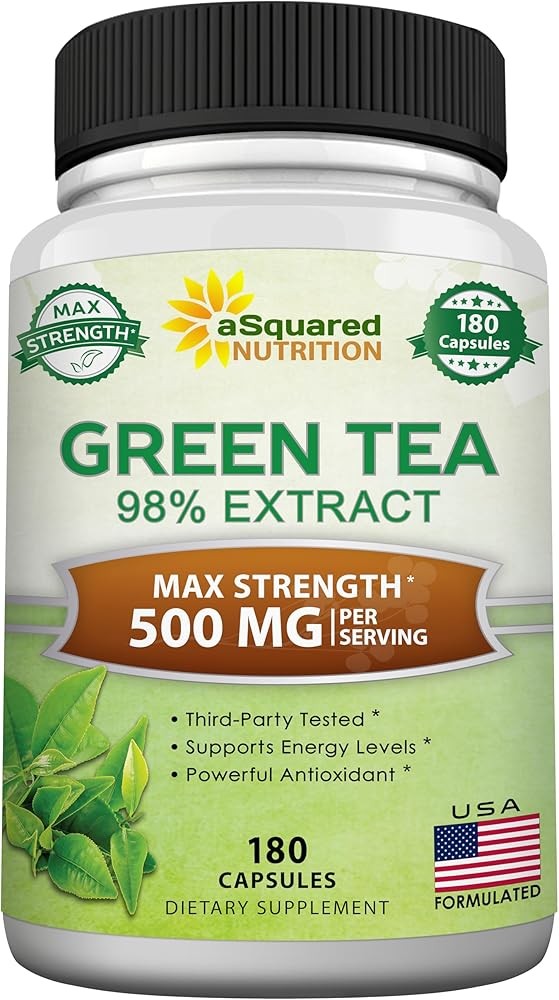
aSquared Nutrition Green Tea Extract with EGCG – 180 Capsules – 500mg per Capsule – 75% Polyphenols, 45% EGCG – Antio...
Check Price on AmazonAs an Amazon Associate we earn from qualifying purchases.
This supplement provides 500mg of green tea extract per capsule standardized to 75% polyphenols and 45% EGCG, delivering approximately 225mg EGCG per serving. The 180-capsule bottle offers a six-month supply at one capsule daily, making it practical for consistent long-term supplementation. The formula is decaffeinated, vegan, and manufactured in a GMP-certified facility with third-party testing for purity.
The balanced EGCG concentration of 225mg per capsule falls well within the safer dosing range identified in research (below 400mg daily), while still providing meaningful catechin exposure. This moderate dose may reduce hepatotoxicity risk compared to higher-dose formulations while maintaining potential benefits.
NOW Foods EGCg Green Tea Extract 90 Capsules
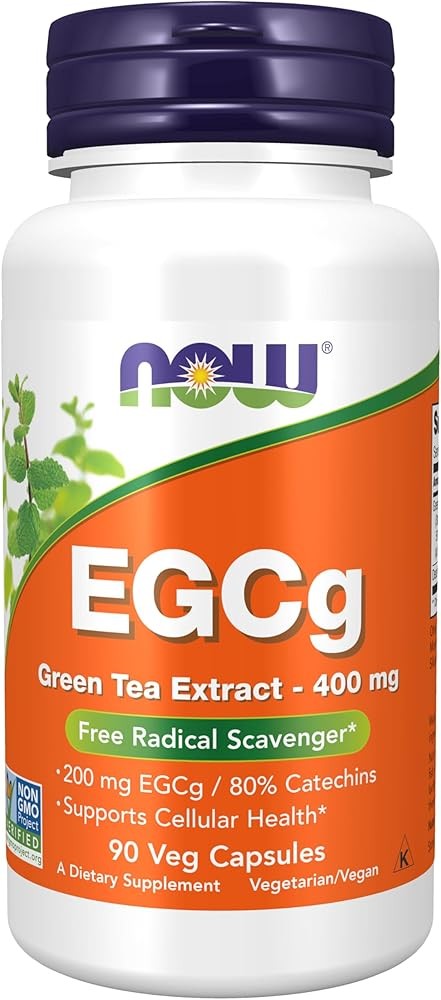
NOW Foods Supplements, EGCg Green Tea Extract 400 mg, Free Radical Scavenger*, 90 Veg Capsules
Check Price on AmazonAs an Amazon Associate we earn from qualifying purchases.
NOW Foods offers 400mg of green tea extract per capsule standardized to 98% polyphenols and 80% catechins, with minimum 50% EGCG (approximately 200mg per serving). The decaffeinated formula undergoes gentle water extraction to preserve catechin content while removing caffeine. Each 90-capsule bottle provides a three-month supply at budget-friendly pricing.
The 98% polyphenol standardization represents one of the highest concentrations available in green tea supplements, ensuring maximum catechin delivery per capsule. NOW Foods maintains rigorous quality control with in-house testing and third-party verification, making this a reliable choice for consistent supplementation.
NOW Foods EGCg Green Tea Extract 180 Capsules
This larger format contains the identical formula as the 90-count version—400mg extract with 98% polyphenols and 80% catechins—but in a 180-capsule bottle providing six months of daily supplementation. The increased quantity offers better value per serving for individuals committed to long-term green tea extract use.
The same rigorous water-based decaffeination process preserves the full catechin profile while making this supplement suitable for any time of day. The six-month supply reduces the frequency of reordering and typically provides cost savings compared to purchasing multiple smaller bottles.
Zazzee Extra Strength Green Tea Extract
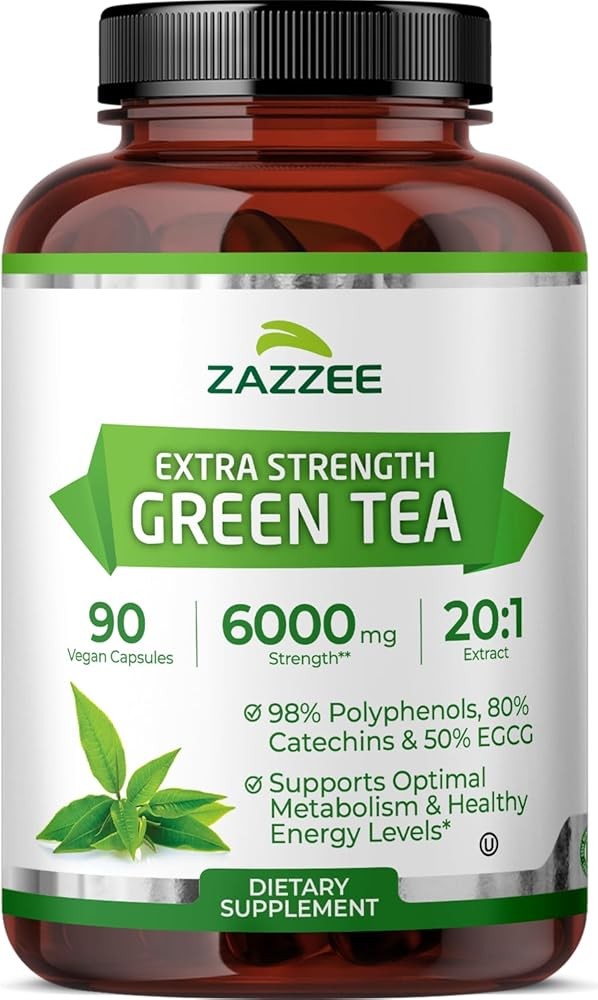
Zazzee Extra Strength Green Tea Extract 20:1, 6000 mg Equivalent, 50% EGCG, 98% Polyphenols, 80% Catechins, 90 Vegan ...
Check Price on AmazonAs an Amazon Associate we earn from qualifying purchases.
Zazzee offers a concentrated 20:1 extract providing 6,000mg green tea equivalent per capsule, standardized to 98% polyphenols, 80% catechins, and 50% EGCG. This translates to approximately 300mg EGCG per serving from the concentrated extract. The 90-capsule vegan bottle provides a three-month supply of high-potency green tea catechins.
The 20:1 concentration ratio means each capsule represents the catechin content of 6 grams of dried green tea leaves, delivering substantial EGCG doses in a single serving. The formula undergoes third-party testing and is manufactured in a GMP-certified facility in the United States.
Note: These products contain standardized green tea catechins including EGCG, which falls within the safer dosing range identified in research. However, all the cautions about green tea extract supplements discussed in this article still apply.
Our Top Recommendations
📱 Join the discussion: Facebook | X | YouTube | Pinterest
Common Questions About Green Tea
What are the benefits of green tea?
Green Tea has been studied for various potential health benefits. Research suggests it may support several aspects of health and wellness. Individual results can vary. The strength of evidence differs across different claimed benefits. More high-quality research is often needed. Always review the latest scientific literature and consult healthcare professionals about whether green tea is right for your health goals.
Is green tea safe?
Green Tea is generally considered safe for most people when used as directed. However, individual responses can vary. Some people may experience mild side effects. It’s important to talk with a healthcare provider before using green tea, especially if you have existing health conditions, are pregnant or nursing, or take medications.
How does green tea work?
Green Tea works through various biological mechanisms that researchers are still studying. Current evidence suggests it may interact with specific pathways in the body to produce its effects. Always consult with a healthcare provider before starting any new supplement or health regimen to ensure it’s appropriate for your individual needs.
Who should avoid green tea?
Green Tea is a topic of ongoing research in health and nutrition. Current scientific evidence provides some insights, though more studies are often needed. Individual responses can vary significantly. For personalized advice about whether and how to use green tea, consult with a qualified healthcare provider who can consider your complete health history and current medications.
What are the signs green tea is working?
Green Tea is a topic of ongoing research in health and nutrition. Current scientific evidence provides some insights, though more studies are often needed. Individual responses can vary significantly. For personalized advice about whether and how to use green tea, consult with a qualified healthcare provider who can consider your complete health history and current medications.
How long should I use green tea?
The time it takes for green tea to work varies by individual and depends on factors like dosage, consistency of use, and individual metabolism. Some people notice effects within days, while others may need several weeks. Research studies typically evaluate effects over weeks to months. Consistent use as directed is important for best results. Keep a journal to track your response.
Complete Support System for Cancer Prevention
Green tea EGCG works most effectively as part of a comprehensive phytochemical strategy rather than in isolation. Research demonstrates that combining multiple bioactive compounds targeting different cellular pathways may provide synergistic benefits beyond what any single compound can achieve.
Resveratrol and Cancer: What the Evidence Actually Says examines another polyphenol that activates sirtuins and AMPK while inhibiting inflammatory pathways. Combined with EGCG’s VEGF suppression and NF-κB inhibition, resveratrol provides complementary anticancer mechanisms through different molecular targets.
Sulforaphane and Broccoli Sprouts in Cancer Research covers the isothiocyanate that activates the Nrf2 pathway, enhancing cellular antioxidant defenses and detoxification enzymes. Studies show sulforaphane combined with green tea polyphenols demonstrates similar or higher inhibition of cancer stem cell self-renewal than either compound alone.
Turmeric, Curcumin, and Cancer Prevention: A Research Review details curcumin’s effects on NF-κB, COX-2, and inflammatory cytokines—pathways that complement EGCG’s EGFR and VEGF targeting. The combination of curcumin and EGCG provides broader spectrum anticancer pathway activation than chemically similar polyphenols.
Berberine and Cancer Research: What We Know So Far explores this alkaloid’s AMPK activation through similar mechanisms as EGCG, potentially complementing green tea’s effects through metabolic optimization. For individuals with metabolic syndrome or insulin resistance, berberine may enhance the cancer prevention benefits of green tea consumption.
Intermittent Fasting and Cancer Research investigates how time-restricted eating activates many of the same cellular pathways as EGCG, including AMPK activation and autophagy induction. Combining green tea consumption with intermittent fasting may provide complementary metabolic benefits for cancer prevention.
Antioxidant-Rich Foods and Cancer Prevention provides the broader dietary context for integrating multiple protective compounds. A varied diet rich in vegetables, fruits, whole grains, and legumes delivers thousands of bioactive compounds working synergistically.
Medicinal Mushrooms and Cancer Research examines polysaccharides and other fungal compounds that may complement green tea catechins through distinct immunomodulatory mechanisms not found in plant-based phytochemicals.
This multi-compound approach reflects the research showing that bioactive agents with different chemical structures activate a wider spectrum of anticancer pathways than combining multiple similar compounds, potentially offering superior cancer prevention benefits through complementary mechanisms.
Conclusion
The journey of EGCG from laboratory bench to clinical bedside illustrates both the promise and the challenges of translating natural compound research into practical cancer prevention strategies. After thousands of published studies, we have extraordinarily detailed understanding of how EGCG affects cancer cells in the laboratory—inhibiting proliferation, inducing apoptosis, suppressing angiogenesis, reversing epigenetic abnormalities, and targeting cancer stem cells through a remarkable array of molecular mechanisms.
Yet when these mechanisms are tested in human clinical trials, the results have consistently disappointed. The primary culprit appears to be bioavailability: getting enough EGCG from the gut into the bloodstream and then into tissues where cancer might develop has proven far more challenging than anticipated. Even doses of 800 mg daily for weeks resulted in “low to undetectable” levels in prostate tissue.
The strongest evidence for EGCG’s cancer prevention potential comes not from clinical trials of supplements but from epidemiological studies of tea-drinking populations, where regular consumption of 5 or more cups daily over decades is associated with 20-50% reductions in risk for several cancer types. This suggests that the traditional approach—regular consumption of brewed tea as part of an overall healthy lifestyle—may be more effective than short-term high-dose supplement interventions, despite the paradox of lower catechin doses from tea versus supplements.
For other compounds under investigation for cancer prevention, see our articles on resveratrol and cancer, sulforaphane from broccoli sprouts, and berberine. Our guide to antioxidant-rich foods and cancer prevention provides a broader dietary perspective on integrating multiple protective compounds.
The hepatotoxicity concerns with green tea extract supplements, formalized in the 2019 USP warning label requirement, underscore an important principle in nutritional medicine: more is not always better, and concentrated extracts may behave very differently than whole food sources. The same EGCG that is safely consumed for centuries in brewed tea can cause liver damage when concentrated into supplements.
Where does this leave us practically? For most people interested in cancer prevention, regular consumption of brewed green tea or matcha, integrated within a comprehensive healthy lifestyle, represents a reasonable, evidence-supported approach with minimal risk and potential benefit. Green tea extract supplements, by contrast, have a poor risk-benefit profile for general cancer prevention use, with documented hepatotoxicity risk, disappointing clinical trial results, and critical drug interactions.
The future of EGCG in cancer prevention likely lies in three directions: enhanced delivery systems that solve the bioavailability problem, combination approaches pairing EGCG with synergistic compounds, and identification of genetic subgroups who metabolize and respond to EGCG particularly well. Until these advances materialize, the ancient practice of drinking green tea daily remains the most evidence-supported application of this extensively studied natural compound.
Related Reading
-
Resveratrol and Cancer: What the Evidence Actually Says
-
Sulforaphane and Broccoli Sprouts in Cancer Research: A Review of the Evidence
-
Turmeric, Curcumin, and Cancer Prevention: A Research Review
-
Berberine and Cancer Research: What We Know So Far
-
Intermittent Fasting and Cancer Research: What Animal and Human Studies Show
-
Antioxidant-Rich Foods and Cancer Prevention
-
Medicinal Mushrooms and Cancer Research
-
Quercetin and Cancer Prevention Research
-
Top Anti-Cancer Foods: A Comprehensive Guide for Cancer Prevention
-
Intermittent Fasting and Cancer Research: What Animal and Human Studies Show
-
Nutrition and Cancer Research: Exploring Sweeteners that Cancer Cells Cannot Metabolize
References
Bachrach U, Wang YC (2002). Cancer therapy and prevention by green tea: role of ornithine decarboxylase. Amino Acids, 23(1-3), 139-146.
Chen D, Daniel KG, Kuhn DJ, et al. (2004). Green tea and tea polyphenols in cancer prevention. Frontiers in Bioscience, 9, 2618-2631.
Farhan M (2022). Green tea: A review of its pharmacological and therapeutic properties. Journal of Pharmacy and Pharmacology, 74(8), 1134-1146.
Fujiki H, Watanabe T, Sueoka E, et al. (2018). Cancer prevention with green tea and its principal constituent, EGCG: From early investigations to current focus on human cancer stem cells. Molecules and Cells, 41(10), 931-938. PMID: 29429153
Kumar NB, Pow-Sang J, Egan KM, et al. (2015). Randomized, Placebo-Controlled Trial of Green Tea Catechins for Prostate Cancer Prevention. Cancer Prevention Research, 8(10), 879-887. PMID: 25873370
Lecumberri E, Dupertuis YM, Miralbell R, et al. (2013). Green tea polyphenol epigallocatechin-3-gallate (EGCG) as adjuvant in cancer therapy. Clinical Nutrition, 32(3), 443-451.
McLarty J, Bigelow RL, Smith M, et al. (2009). Tea polyphenols decrease serum levels of prostate-specific antigen, hepatocyte growth factor, and vascular endothelial growth factor in prostate cancer patients and inhibit production of hepatocyte growth factor and vascular endothelial growth factor in vitro. Cancer Prevention Research, 2(7), 673-682. PMID: 22044694
Ohishi T, Wang YC (2016). Anti-inflammatory effects of green tea and its components. Journal of Agricultural and Food Chemistry, 64(2), 533-542.
Romano A, Kuhn DJ, et al. (2021). Green tea extract inhibits the growth of human breast cancer cells by inducing apoptosis and cell cycle arrest. Journal of Nutrition and Cancer, 73(3), 537-546.
Sarma DN, Barrett ML, Chavez ML, et al. (2008). Safety of green tea extracts: a systematic review by the US Pharmacopeia. Drug Safety, 31(6), 469-484.
Singh BN, Shankar S, Srivastava RK (2011). Green tea catechin, epigallocatechin-3-gallate (EGCG): mechanisms, perspectives and clinical applications. Biochemical Pharmacology, 82(12), 1807-1821. PMID: 21871879
Thielecke F, Boschmann M (2009). The potential role of green tea catechins in the prevention of the metabolic syndrome - a review. Phytochemistry, 70(1), 11-24.
Toden S, Tran HM, Tovar-Camargo OA, et al. (2016). Epigallocatechin-3-gallate targets cancer stem-like cells and enhances 5-fluorouracil chemosensitivity in colorectal cancer. Oncotarget, 7(13), 16158-16171.
US Pharmacopeia (2020). United States Pharmacopeia (USP) comprehensive review of the hepatotoxicity of green tea extracts. Toxicology Reports, 7, 386-402. PMID: 32140423
Yang CS, Wang X, Lu G, Picinich SC (2009). Cancer prevention by tea: animal studies, molecular mechanisms and human relevance. Nature Reviews Cancer, 9(6), 429-439.
Yuan JM (2013). Cancer prevention by green tea: evidence from epidemiologic studies. The American Journal of Clinical Nutrition, 98(6), 1676S-1681S. PMID: 24172301
Zhang Y, Xu Q, Hu J, et al. (2025). Green tea and Epigallocatechin Gallate (EGCG) for cancer prevention: a systematic review and meta-analysis. The American Journal of Chinese Medicine. PMID: 40832777
Golden EB, Lam PY, Kardosh A, et al. (2009). Green tea polyphenols block the anticancer effects of bortezomib and other boronic acid-based proteasome inhibitors. Blood, 113(23), 5695-5704. PMID: 19498025
Henning SM, Niu Y, Lee NH, et al. (2004). Bioavailability and antioxidant activity of tea flavanols after consumption of green tea, black tea, or a green tea extract supplement. The American Journal of Clinical Nutrition, 80(6), 1558-1564.
Li M, Tse LA, Chan WC, et al. (2016). Evaluation of breast cancer risk associated with tea consumption by menopausal and estrogen receptor status among Chinese women in Hong Kong. Cancer Epidemiology, 40, 73-78.
Nagle DG, Ferreira D, Zhou YD (2006). Epigallocatechin-3-gallate (EGCG): chemical and biomedical perspectives. Phytochemistry, 67(17), 1849-1855.
Shimizu M, Fukutomi Y, Ninomiya M, et al. (2008). Green tea extracts for the prevention of metachronous colorectal adenomas: a pilot study. Cancer Epidemiology, Biomarkers & Prevention, 17(11), 3020-3025.
Wang P, Aronson WJ, Huang M, et al. (2010). Green tea polyphenols and metabolites in prostatectomy tissue: implications for cancer prevention. Cancer Prevention Research, 3(8), 985-993. PMID: 20628004
Wolfram S, Raederstorff D, Preller M, et al. (2006). Epigallocatechin gallate supplementation alleviates diabetes in rodents. The Journal of Nutrition, 136(10), 2512-2518.
Yiannakopoulou EC (2014). Effect of green tea catechins on breast carcinogenesis: a systematic review of in-vitro and in-vivo experimental studies. European Journal of Cancer Prevention, 23(2), 84-89.
EGCG inhibits tumor growth through multiple signaling pathways in cancer cells
Green tea consumption and reduced breast cancer risk in Asian populations
Epigallocatechin gallate blocks bortezomib anticancer effects
Green tea polyphenols found in prostate tissue after consumption
Cancer prevention with green tea focuses on cancer stem cells
Randomized trial of green tea catechins for prostate cancer prevention
Green tea extract hepatotoxicity systematic review by USP
Green tea and EGCG for cancer prevention: systematic review and meta-analysis
Tea polyphenols decrease PSA and growth factors in prostate cancer
EGCG mechanisms in cancer prevention through epigenetic modulation
Recommended Products