Intermittent Fasting and Cancer: 36% Lower Recurrence Risk in One Study (What We Know)
Summarized from peer-reviewed research indexed in PubMed. See citations below.
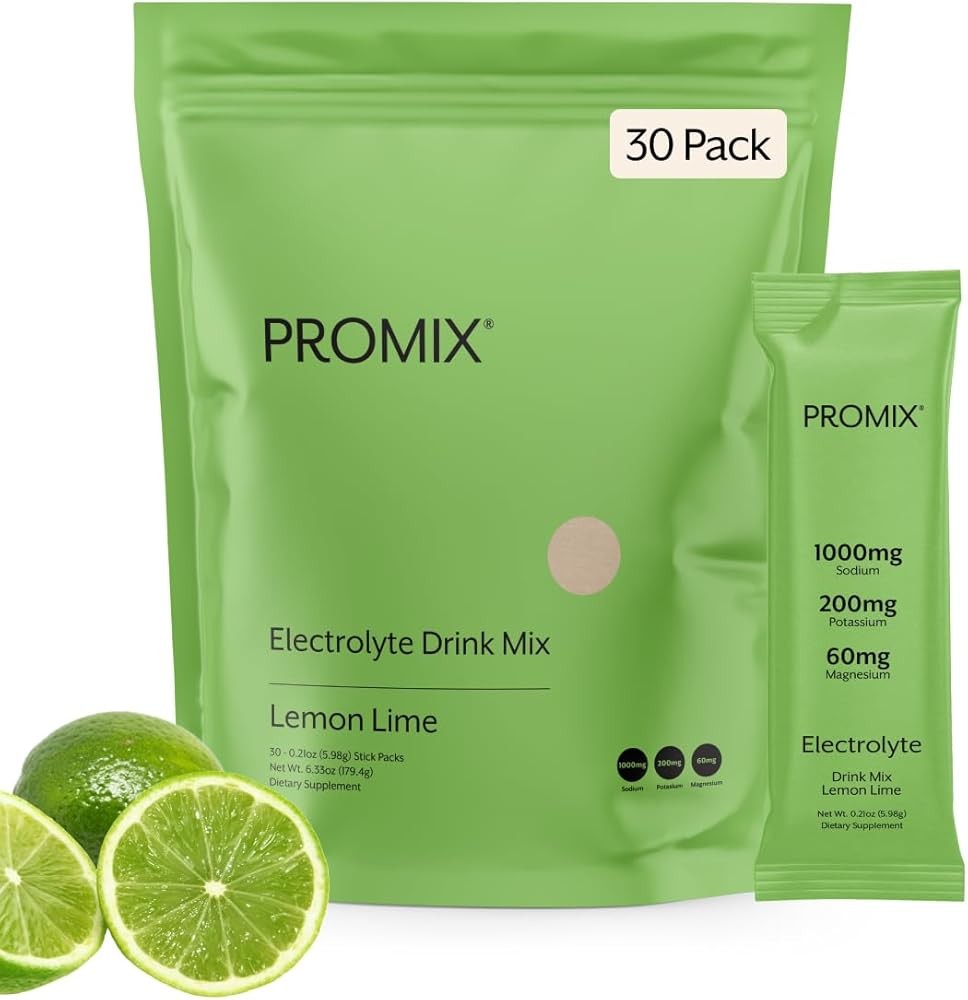
Research on intermittent fasting and cancer prevention has accelerated over the past decade, revealing potential metabolic pathways that may reduce cancer risk. A landmark observational study published in JAMA Oncology found that breast cancer survivors who fasted less than 13 hours nightly had 36% higher recurrence risk compared to those fasting 13+ hours, suggesting that extended overnight fasting periods may offer protective benefits. Time-restricted eating with 14-16 hour daily fasts is the most studied approach, with research showing this pattern improves insulin sensitivity, reduces IGF-1 levels by 20-40%, and enhances autophagy without requiring total calorie reduction. The budget-friendly electrolyte supplement ProMix Nutrition Electrolytes Powder provides essential minerals to support extended fasting periods at approximately $20 for 90 servings. Here’s what the published research shows about intermittent fasting’s effects on cancer biology and prevention.
Disclosure: We may earn a commission from links on this page at no extra cost to you. Affiliate relationships never influence our ratings. Full policy →
Intermittent fasting has exploded in popularity over the past decade, moving from a niche practice among biohackers to a mainstream dietary approach embraced by millions worldwide. While much of the initial interest centered on weight loss and metabolic health, researchers have increasingly turned their attention to a more profound question: could the simple act of timing when we eat influence our risk of developing cancer?
The concept isn’t entirely new. Caloric restriction has been studied for nearly a century for its effects on longevity and disease prevention. What makes intermittent fasting particularly intriguing is that it may offer many of the same cellular benefits without requiring people to drastically reduce their total calorie intake. Instead, the focus shifts to when you eat rather than solely what or how much you eat.
This distinction matters because compliance is one of the biggest challenges in nutrition research. Most people find it extremely difficult to maintain severe caloric restriction long-term, but many can adapt to eating within a compressed time window or occasionally skipping meals. If intermittent fasting can deliver meaningful cancer prevention benefits with better adherence, it could represent a practical intervention for millions of people.
The research landscape has evolved rapidly. Early animal studies showed dramatic reductions in tumor incidence and progression with various fasting protocols. Human trials, while still limited, have begun exploring fasting as both a preventive strategy and as a complementary approach during cancer treatment. The mechanisms being uncovered involve fundamental cellular processes: autophagy, metabolic switching, hormone signaling, inflammation reduction, and circadian rhythm optimization.
Yet critical questions remain. How much fasting is optimal? Which types of fasting work best? Are the effects consistent across different cancer types? And perhaps most importantly, can the impressive results from animal studies translate to meaningful benefits in humans?
This article examines what animal and human studies actually reveal about intermittent fasting and cancer. We’ll explore the biological mechanisms, review the clinical evidence, discuss practical applications, and address important safety considerations. The goal is to provide a comprehensive, research-backed understanding of where the science currently stands and what gaps still need to be filled.
Watch Our Video Review
What Is Intermittent Fasting?
Intermittent fasting is an eating pattern that cycles between periods of eating and voluntary fasting. Unlike traditional diets that focus primarily on what foods to eat or avoid, intermittent fasting centers on when to eat. This timing-based approach has roots in human evolutionary history, when regular access to food was not guaranteed and periods of fasting were common.
Several distinct protocols have emerged, each with different fasting and feeding windows:
Time-Restricted Eating (TRE): The most popular approach involves eating within a specific daily window, typically 8-12 hours, and fasting for the remaining 12-16 hours. The 16:8 protocol, where eating occurs within an 8-hour window and fasting extends for 16 hours, has become particularly widespread. Some practitioners use narrower windows like 20:4 or even one meal per day (OMAD). The feeding window often aligns with daytime hours to match natural circadian rhythms, though timing can be adjusted based on individual schedules and preferences.
Alternate-Day Fasting (ADF): This protocol alternates between eating days and fasting days. On fasting days, practitioners either consume no calories or limit intake to about 25% of normal needs (typically 500-600 calories). Modified versions allow for small meals on fasting days rather than complete abstinence, improving adherence while maintaining many metabolic benefits.
5:2 Diet: A variation of alternate-day fasting, this approach involves eating normally for five days per week and restricting calories to approximately 500-600 calories on two non-consecutive days. This protocol was popularized by British physician Michael Mosley and appeals to many people because it requires less frequent fasting periods.
Periodic Fasting: This involves longer fasting periods of 24-72 hours or more, typically performed monthly or quarterly rather than weekly. Extended fasts may be done with water only or with nutrient-dense, low-calorie beverages. Some research has explored 48-hour or 72-hour fasting cycles specifically for their effects on cellular regeneration and immune system renewal.
Fasting-Mimicking Diet (FMD): Developed by longevity researcher Valter Longo at USC, this protocol provides approximately 800-1,100 calories daily for five consecutive days per month, using specific plant-based foods designed to trigger fasting-like cellular responses while providing some nutrition. The FMD approach has been studied specifically in cancer contexts, both for prevention and as an adjunct to chemotherapy.
Religious Fasting: Various religious traditions incorporate fasting practices that have been studied for health effects. Ramadan fasting involves abstaining from food and water from dawn to sunset for one month annually. Other traditions include regular weekly fasting days or extended fasts during specific religious observances. These practices have provided researchers with large observational populations to study long-term fasting effects.
| Protocol | Fasting Duration | Feeding Window | Frequency | Best For | Difficulty |
|---|---|---|---|---|---|
| Time-Restricted Eating (16:8) | 16 hours daily | 8 hours daily | Daily | Beginners, sustainable long-term practice | Easy |
| Alternate-Day Fasting | 24 hours | 24 hours | Every other day | Maximum metabolic effect | Hard |
| 5:2 Diet | 2 days weekly (~500 cal) | 5 days normal eating | Weekly | Balancing social life with fasting | Moderate |
| Fasting-Mimicking Diet | 5 consecutive days monthly | Remainder of month | Monthly | Cancer prevention, clinical benefits | Moderate |
| Periodic Fasting (24-72h) | 24-72 hours | Varies | Monthly/Quarterly | Autophagy maximization, immune reset | Very Hard |
The key distinction between intermittent fasting and simple caloric restriction is that intermittent fasting doesn’t necessarily reduce total calorie intake over extended periods. Instead, it creates cyclical metabolic states that trigger specific cellular responses. During the fed state, the body focuses on growth, repair, and energy storage. During the fasted state, cellular priorities shift toward maintenance, cleanup, and mobilization of stored energy.
This metabolic switching between fed and fasted states appears to be where much of the cancer-relevant biology occurs. The transition activates stress resistance pathways, enhances autophagy, modulates hormone levels, and alters cellular fuel sources in ways that may make the body less hospitable to cancer development and progression.
The Biology of Fasting and Cancer: Key Mechanisms
Understanding how intermittent fasting might influence cancer risk requires examining the fundamental cellular and metabolic changes that occur during fasting periods. Research has identified several interconnected biological mechanisms that collectively create an internal environment less conducive to cancer development.
Autophagy: The Cellular Recycling System
Autophagy, which literally means “self-eating,” is a cellular quality control process that breaks down and recycles damaged or dysfunctional cellular components. This process was considered so important that the 2016 Nobel Prize in Physiology or Medicine was awarded to Japanese researcher Yoshinori Ohsumi for elucidating its mechanisms.
During periods of nutrient abundance, autophagy operates at baseline levels. However, fasting dramatically upregulates autophagic activity. Cells essentially begin “cleaning house,” identifying and destroying damaged mitochondria, misfolded proteins, and other cellular debris that accumulate over time. This enhanced cleanup removes potentially pre-cancerous cells before they can progress to malignancy.
Research published in Nature (PMID: 22367541) demonstrated that autophagy deficiency in mice led to increased tumor development, suggesting that proper autophagic function serves as a cancer suppression mechanism. Conversely, enhancing autophagy through fasting or pharmacological means appears to reduce cancer incidence in multiple animal models.
The relationship between autophagy and cancer is complex and context-dependent. In healthy cells, autophagy may suppress cancer development by removing damaged components and maintaining cellular health. However, in established tumors, cancer cells may hijack autophagy to survive under stressful conditions like nutrient deprivation or chemotherapy. This dual role has important implications for using fasting in cancer treatment versus prevention, a distinction we’ll explore later.
mTOR Pathway Inhibition
The mechanistic target of rapamycin (mTOR) is a master regulator of cellular growth, proliferation, and metabolism. When nutrients are abundant, particularly amino acids and glucose, mTOR signaling is elevated, promoting protein synthesis, cell division, and growth. This state favors cancer cell proliferation.
Fasting suppresses mTOR activity. With reduced nutrient availability, particularly the amino acid leucine, mTOR signaling decreases dramatically. This shift moves cells from a growth-focused state to a maintenance and repair mode. Research in Cell Metabolism (PMID: 24882067) showed that periodic fasting cycles reduced mTOR signaling and slowed tumor progression in multiple mouse models.
mTOR inhibition appears particularly relevant for cancer prevention because many tumors exhibit hyperactive mTOR signaling due to genetic mutations in upstream regulators. By periodically dampening mTOR through fasting, you may reduce the growth advantage that pre-cancerous cells typically exploit.
Interestingly, several cancer drugs specifically target the mTOR pathway, including rapamycin and its derivatives. The fact that fasting naturally achieves mTOR inhibition through dietary patterns rather than pharmaceuticals makes it an appealing complementary or preventive approach.
IGF-1 and Growth Factor Reduction
Insulin-like growth factor 1 (IGF-1) is a hormone with potent growth-promoting effects. Higher circulating IGF-1 levels have been associated with increased risk for several cancer types, including breast, prostate, and colorectal cancer. IGF-1 promotes cell proliferation, inhibits apoptosis (programmed cell death), and enhances angiogenesis (blood vessel formation that tumors need to grow).
Fasting produces a dramatic reduction in IGF-1 levels. A study in Science Translational Medicine (PMID: 28592618) found that periodic fasting in humans reduced IGF-1 by up to 60% during fasting periods. This reduction removes a key growth signal that cancer cells depend on for rapid proliferation.
Animal research has consistently shown that lower IGF-1 levels correlate with reduced cancer incidence. Mice genetically engineered to have constitutively low IGF-1 showed remarkable resistance to cancer development. Conversely, elevating IGF-1 accelerated tumor growth across multiple cancer types.
The IGF-1 reduction during fasting may be particularly important for preventing hormone-dependent cancers. Breast and prostate cancers often exhibit heightened sensitivity to growth factors, making the periodic reduction of IGF-1 through fasting a potential preventive strategy.
Insulin Sensitivity and Glucose Metabolism
Chronic insulin resistance and elevated blood glucose create a metabolic environment that favors cancer development. Cancer cells typically exhibit altered metabolism, preferring glucose fermentation (the Warburg effect) even when oxygen is available. This metabolic reprogramming allows rapid proliferation but also creates a dependency on glucose availability.
Intermittent fasting improves insulin sensitivity and reduces both fasting glucose and insulin levels. Research in Cell Metabolism (PMID: 30017362) demonstrated that time-restricted eating improved insulin sensitivity even without weight loss, suggesting that the timing of food intake itself exerts metabolic effects independent of caloric reduction.
By improving insulin sensitivity, fasting reduces the amount of insulin required to maintain normal blood glucose. Since insulin itself acts as a growth factor and can stimulate cancer cell proliferation, reducing insulin exposure may lower cancer risk. This mechanism is particularly relevant for obesity-related cancers, where insulin resistance often precedes cancer development.
The glucose-lowering effects of fasting may also directly impact cancer cells. Studies have shown that reducing glucose availability slows tumor growth in multiple animal models. While the human body maintains glucose homeostasis even during fasting through gluconeogenesis, the lower glucose levels and improved metabolic efficiency may create a less favorable environment for glucose-dependent cancer cells.
For more on the relationship between sugar metabolism and cancer, see our detailed article on Does Sugar Feed Cancer? Research Shows Complex Metabolic Reality.
Inflammation Reduction
Chronic inflammation is now recognized as a hallmark of cancer development. Inflammatory signaling molecules like NF-κB, TNF-α, and various interleukins can promote cellular transformation, enhance proliferation, inhibit apoptosis, and facilitate metastasis.
Fasting produces powerful anti-inflammatory effects. Research in Cell (PMID: 31813624) showed that fasting reduces inflammatory markers and suppresses inflammatory pathways including NF-κB signaling. This reduction in systemic inflammation may help reduce the chronic inflammatory environment that facilitates cancer development.
The anti-inflammatory effects appear to operate through multiple mechanisms. Fasting reduces oxidative stress, decreases production of inflammatory cytokines, and modulates immune cell populations. Some research suggests that periodic fasting may “reset” the immune system, eliminating old or dysfunctional immune cells and promoting regeneration of new, more effective immune cells.
These anti-inflammatory benefits may be particularly relevant for cancers with strong inflammatory components, including colorectal cancer, liver cancer, and gastric cancer. Chronic inflammatory conditions like inflammatory bowel disease, chronic hepatitis, and chronic gastritis are well-established cancer risk factors, suggesting that reducing inflammation through fasting could be preventively beneficial.
For more on anti-inflammatory dietary approaches to cancer prevention, see our article on Anti-Inflammatory Foods and Cancer Risk: Research-Backed Evidence.
Ketone Bodies and Cancer Cell Metabolism
After approximately 12-16 hours of fasting, the body begins shifting from glucose-based metabolism to fat-based metabolism, producing ketone bodies (beta-hydroxybutyrate, acetoacetate, and acetone) as alternative fuel sources. This metabolic state, called ketosis, represents a fundamental shift in cellular energy production.
Most normal cells can efficiently utilize ketone bodies for energy. However, many cancer cells have metabolic inflexibility and struggle to use ketones effectively due to their preferential reliance on glucose and the Warburg effect. This creates a potential metabolic advantage for healthy cells during fasting periods.
Research in Nature Communications (PMID: 27725637) demonstrated that ketone bodies themselves may have anti-cancer properties beyond simply reducing glucose availability. Beta-hydroxybutyrate, the primary ketone body, can modify gene expression, reduce oxidative stress, and influence immune function in ways that may suppress tumor development.
The ketogenic state induced by fasting may also enhance the effectiveness of certain cancer treatments. Some chemotherapy drugs and radiation therapy preferentially damage cells with high metabolic activity and glucose dependence, potentially making glucose-dependent cancer cells more vulnerable during fasted states while protecting healthy cells that have shifted to ketone metabolism.
This metabolic distinction between cancer cells and normal cells during fasting has led to the concept of “differential stress resistance,” which we’ll explore in detail later. For related information on ketogenic approaches to cancer, see our article on Ketogenic Diet and Cancer: What Clinical Trials Show.
Circadian Rhythm Optimization
Emerging research reveals that when we eat may be as important as what we eat, particularly regarding cancer risk. Nearly every cell in the body contains circadian clock genes that regulate metabolic processes, cell division, DNA repair, and apoptosis on a 24-hour cycle.
Disruption of circadian rhythms, whether through shift work, irregular eating patterns, or chronic jet lag, has been associated with increased cancer risk. Research published in Nature (PMID: 32528174) found that eating during normal sleep hours disrupts circadian clock function and promotes metabolic dysfunction.
Time-restricted eating that aligns food intake with active hours and fasting with sleep hours may optimize circadian clock function. Studies in mice showed that restricting feeding to active periods enhanced circadian gene expression, improved metabolic health, and reduced tumor development even when total caloric intake remained constant.
The circadian connection may be particularly relevant for hormone-dependent cancers. Disrupted circadian rhythms affect production of melatonin, cortisol, and other hormones that influence cancer risk. Night shift workers, who experience chronic circadian disruption, show elevated risk for breast cancer, prostate cancer, and colorectal cancer, suggesting that maintaining proper circadian alignment through consistent eating and fasting patterns may be cancer-protective.
Animal Studies: What Decades of Research Reveal
Animal research on fasting and cancer spans nearly a century, providing the foundational evidence that has driven human investigations. While animal studies cannot directly predict human outcomes, they allow for controlled experiments that would be impossible or unethical in humans, revealing mechanisms and testing interventions under precise conditions.
Caloric Restriction and Tumor Incidence
The earliest research focused on caloric restriction rather than intermittent fasting. In the 1940s, researchers discovered that mice fed 30-40% fewer calories than control animals showed dramatically reduced cancer incidence and lived significantly longer. This sparked decades of research into the cancer-protective effects of dietary restriction.
A landmark study in Cancer Research (PMID: 7954409) found that caloric restriction reduced mammary tumor incidence in rats by approximately 50%. The magnitude of caloric restriction correlated with the degree of protection, with greater restriction producing stronger effects. However, extreme restriction also caused negative effects including immune suppression and increased infection susceptibility, suggesting an optimal window exists.
Subsequent research revealed that caloric restriction delayed tumor onset, slowed tumor growth, and reduced metastatic spread across numerous cancer types including lymphomas, liver cancer, skin cancer, and colon cancer. The consistency across cancer types suggested that caloric restriction was affecting fundamental cancer biology rather than mechanisms specific to individual cancer types.
Intermittent Fasting vs. Continuous Caloric Restriction
A critical question emerged: does the cancer protection from caloric restriction require chronic energy deficit, or could intermittent fasting provide similar benefits without permanent calorie reduction?
Research published in PLOS ONE (PMID: 25489757) directly compared intermittent fasting to continuous caloric restriction in mice. Both interventions reduced tumor incidence compared to ad libitum feeding controls, but intermittent fasting produced comparable benefits to continuous restriction despite the intermittent fasting mice consuming similar total calories as controls over time.
This finding was revolutionary because it suggested that the pattern of eating, not just the total amount consumed, influenced cancer outcomes. The periodic metabolic challenges from fasting appeared sufficient to trigger protective mechanisms even when total caloric intake remained normal.
Further studies examined various intermittent fasting protocols. Alternate-day fasting showed particularly strong effects. Research in Cell Metabolism (PMID: 26411343) found that alternate-day fasting reduced tumor incidence by 80% in genetic cancer models, outperforming even moderate continuous caloric restriction.
Fasting Cycles and Chemotherapy Effectiveness
One of the most exciting discoveries in animal research came from studies examining fasting in combination with cancer treatment rather than just prevention. Valter Longo’s laboratory at USC pioneered this work, revealing a phenomenon called “differential stress resistance.”
Research in PNAS (PMID: 18378900) showed that fasting before chemotherapy protected normal cells from toxicity while leaving cancer cells vulnerable. Mice treated with chemotherapy while fasted showed dramatically reduced side effects and improved survival compared to mice receiving chemotherapy while eating normally. Remarkably, tumor shrinkage was enhanced rather than impaired by pre-treatment fasting.
The mechanism appears to involve the metabolic inflexibility of cancer cells. Normal cells respond to fasting by entering a protective maintenance mode, downregulating growth pathways and enhancing stress resistance. Cancer cells, however, cannot execute this adaptive response due to oncogenic mutations that keep growth pathways constitutively active. This creates a window where normal cells are protected while cancer cells remain vulnerable to chemotherapy.
Follow-up studies tested this principle across multiple cancer types and chemotherapy drugs. Research in Science Translational Medicine (PMID: 22323820) demonstrated that 48-60 hour fasting periods protected mice from diverse chemotherapy agents including cyclophosphamide, doxorubicin, and cisplatin while enhancing tumor kill rates. In several experiments, the combination of fasting plus chemotherapy achieved complete tumor regression in animals that would have died from tumors with chemotherapy alone.
Fasting and Tumor Growth Rates
Beyond prevention, animal studies examined whether intermittent fasting could slow the growth of established tumors. Results varied based on cancer type and fasting protocol, but many studies found significant growth inhibition.
Research in Aging (PMID: 23988684) showed that alternate-day fasting reduced tumor growth rates by 35-50% across multiple implanted tumor models in mice. The effect appeared to involve both reduced proliferation and increased apoptosis in tumor cells, along with altered tumor vascularity.
Interestingly, some studies found that more extreme fasting protocols produced greater tumor suppression. A study in Cell Cycle (PMID: 20534972) demonstrated that 48-hour fasting cycles were more effective than 24-hour cycles at slowing tumor growth, potentially because longer fasts produce deeper metabolic shifts and greater ketone production.
However, the picture is not uniformly positive. Some tumor types showed minimal response to fasting interventions, particularly highly aggressive cancers with extreme metabolic flexibility. Research in Cell Reports (PMID: 30699359) found that certain tumor models adapted to fasting by scavenging alternative nutrients or undergoing metabolic reprogramming that restored growth.
These findings highlight an important limitation: cancer is not a single disease but hundreds of distinct conditions with varying metabolic profiles. What works powerfully against one cancer type may be ineffective against another. This heterogeneity complicates translation to human applications, where cancer type, stage, and individual tumor characteristics all influence treatment responses.
Fasting and Metastasis
Cancer mortality primarily results from metastasis rather than primary tumors, making the effects of fasting on metastatic spread particularly important. Animal studies have produced mixed results on this crucial question.
Some research suggests fasting may reduce metastasis. A study in Cancer Research (PMID: 22183497) found that caloric restriction reduced metastatic spread of breast cancer in mice, associated with reduced expression of metastasis-promoting genes. Similarly, research showed that fasting reduced circulating growth factors and inflammatory signals that facilitate metastatic colonization.
However, other studies raised concerns. Research published in Nature (PMID: 29849149) found that in some mouse models, fasting paradoxically increased metastatic spread despite reducing primary tumor growth. The mechanism appeared to involve fasting-induced stress responses that enhanced cancer cell survival during circulation and colonization of distant sites.
These contradictory findings emphasize that the effects of fasting on cancer are context-dependent and cannot be universally applied across all situations. They also highlight the need for cautious interpretation when extrapolating from animal models to human cancer scenarios.
Key Limitations of Animal Research
While animal studies have provided invaluable mechanistic insights, several limitations must be considered when interpreting this research:
Species differences: Mouse metabolism is fundamentally different from human metabolism. Mice have much faster metabolic rates, different hormone profiles, and altered drug metabolism compared to humans. What works in mice may not translate directly to humans.
Genetic homogeneity: Laboratory mice are genetically identical within strains and raised in controlled environments. Human populations are genetically diverse and exposed to vastly different environmental factors, potentially producing different responses to fasting interventions.
Tumor models: Most animal studies use implanted tumor cells or genetic cancer models that may not accurately represent how human cancers develop naturally over decades. The rapid growth of experimental tumors may respond differently to interventions than slow-developing human cancers.
Fasting protocols: The fasting regimens used in animal studies are often extreme by human standards. A 48-hour fast represents a much larger portion of a mouse’s lifespan than a human’s, and mice may tolerate fasting differently due to their different metabolic needs.
Despite these limitations, the consistency of findings across multiple laboratories, cancer types, and experimental approaches provides compelling evidence that fasting influences fundamental cancer biology. The question is whether these effects are substantial enough and safe enough to benefit humans.
Human Evidence: Clinical Trials and Observational Data
Human research on intermittent fasting and cancer lags considerably behind animal studies, but the body of evidence is growing rapidly. Most human trials to date are small, short-term, and focused on surrogate markers rather than actual cancer incidence. However, emerging data provides important insights into how human biology responds to fasting and whether the promising animal research translates to people.
Observational and Epidemiological Studies
Several observational studies have examined populations that practice regular fasting, looking for associations with cancer incidence.
Research examining Ramadan fasting has produced mixed results. Ramadan involves abstaining from food and water from dawn to sunset for one month annually, creating a time-restricted eating pattern. Some studies found reduced markers of inflammation and improved metabolic health during Ramadan, while others found no significant effects or even adverse changes due to compensatory overeating during non-fasting hours.
A more informative observational study published in JAMA Oncology (PMID: 27032109) examined the relationship between nighttime fasting duration and breast cancer recurrence. The study followed over 2,400 women previously diagnosed with early-stage breast cancer. Women who fasted for less than 13 hours overnight had a 36% increased risk of breast cancer recurrence compared to women who fasted 13 hours or longer nightly. Each additional 2-hour increase in nightly fasting duration was associated with significant reductions in hemoglobin A1c and improvements in sleep duration.
While observational studies cannot prove causation, they provide valuable real-world data about long-term fasting patterns in free-living populations. The breast cancer recurrence study is particularly relevant because it examined a hard clinical outcome (cancer recurrence) rather than just metabolic markers.
Fasting-Mimicking Diet Clinical Trials
Valter Longo’s group at USC has conducted several clinical trials examining the fasting-mimicking diet (FMD), which provides approximately 800-1,100 calories daily for five consecutive days each month using specific plant-based foods designed to trigger fasting responses.
A pilot trial published in Science Translational Medicine (PMID: 28592618) examined the FMD in healthy humans. Participants completed three monthly FMD cycles. Results showed significant reductions in IGF-1, glucose, inflammatory markers, and blood pressure. Trunk fat and total body fat decreased while lean body mass was preserved. Importantly, participants in the highest risk categories for metabolic disease showed the greatest improvements.
A subsequent trial in Cancer Discovery (PMID: 30232265) examined the FMD specifically in cancer patients receiving chemotherapy. The small study included patients with various cancer types. Those randomized to FMD during chemotherapy showed reduced DNA damage in healthy blood cells, suggesting protection of normal cells from chemotherapy toxicity. Tumor marker responses suggested maintained or enhanced anti-tumor activity despite fasting.
While encouraging, these trials were small and short-term. Larger, longer studies tracking actual cancer incidence and recurrence are needed to determine whether the metabolic changes translate to meaningful clinical benefits.
Time-Restricted Eating Trials
Several human trials have examined time-restricted eating (TRE), typically involving 8-10 hour daily feeding windows.
Research published in Cell Metabolism (PMID: 30017362) found that TRE improved insulin sensitivity, beta cell responsiveness, blood pressure, and oxidative stress in men at risk for type 2 diabetes. These improvements occurred without weight loss, suggesting that meal timing itself exerts metabolic effects independent of caloric restriction.
A study in JAMA Internal Medicine (PMID: 32484511) examined time-restricted eating in overweight adults. Participants limiting eating to an 8-hour window lost modest weight and showed improvements in metabolic markers compared to controls eating over 12+ hours. However, adherence was challenging and dropout rates were significant.
Regarding cancer-specific outcomes, human TRE trials have not yet been conducted with sufficient duration or sample size to detect differences in cancer incidence. Current trials primarily examine metabolic health markers and biomarkers theoretically linked to cancer risk like insulin, IGF-1, and inflammation.
Fasting During Chemotherapy: Human Studies
Following the promising animal research on fasting during chemotherapy, several small human trials have examined safety and feasibility.
A phase I clinical trial published in BMC Cancer (PMID: 19735545) tested short-term fasting (48-140 hours) before and/or after chemotherapy in 10 patients. Fasting was well-tolerated with minimal side effects. Patients reported subjective reductions in chemotherapy side effects including fatigue, weakness, and gastrointestinal symptoms.
A larger study in JAMA Oncology (PMID: 29710126) randomized 131 women receiving chemotherapy for breast or ovarian cancer to either fasting (24 hours before and after chemotherapy) or eating normally. Fasting was safe and well-tolerated. DNA damage in white blood cells was reduced in fasting patients, suggesting protection of normal cells. However, there was no significant difference in chemotherapy dose completion or tumor response between groups.
Research in Nature Communications (PMID: 32415080) examined a 5-day fasting-mimicking diet before chemotherapy in HER2-negative breast cancer patients. The FMD was safe and induced metabolic changes including reduced IGF-1 and insulin. Radiologic tumor responses appeared similar or possibly improved in the FMD group, though the study was not powered to detect treatment efficacy differences.
These trials establish that fasting around chemotherapy is safe and feasible in motivated patients. Larger randomized controlled trials are ongoing to determine whether fasting actually improves cancer treatment outcomes and survival, but results will take years to mature.
Intermittent Fasting and Cancer Risk Markers
Several human trials have examined how intermittent fasting affects biomarkers associated with cancer risk, providing mechanistic insights even without long-term cancer incidence data.
Research in Nutrition and Healthy Aging (PMID: 30277415) found that alternate-day fasting reduced oxidative stress markers, inflammatory cytokines, and improved markers of cellular aging in healthy middle-aged adults over 8 weeks.
A study examining time-restricted eating in overweight adults showed reductions in circulating insulin and improvements in insulin sensitivity, both theoretically beneficial for reducing cancer risk given the established connections between hyperinsulinemia and cancer development.
Research published in Cell Metabolism (PMID: 31813824) demonstrated that early time-restricted eating (eating between 8am-2pm) produced greater improvements in insulin sensitivity and beta cell function compared to eating over a 12-hour window, suggesting that meal timing relative to circadian rhythms influences metabolic effects.
While biomarker improvements are encouraging, the relationship between short-term changes in metabolic markers and long-term cancer incidence remains uncertain. Cancer develops over decades, and whether weeks or months of improved metabolic health translate to reduced cancer risk years later is still speculative.
Challenges and Limitations of Human Research
Human research on fasting and cancer faces substantial practical and ethical challenges:
Duration: Cancer develops over years to decades. Detecting actual differences in cancer incidence requires following large populations for many years. Most current trials last weeks to months, far too short to observe cancer development.
Sample size: Cancer is relatively uncommon even in high-risk populations, requiring thousands of participants to detect meaningful differences in incidence. Most current studies include dozens to hundreds of participants, underpowered for cancer outcomes.
Compliance: Long-term adherence to fasting protocols is challenging. Many participants drop out or relax adherence over time, diluting potential effects. Real-world effectiveness may differ substantially from controlled trial efficacy.
Ethics: Randomizing cancer patients to fasting during treatment raises ethical concerns, particularly if fasting might compromise nutrition status in patients at risk for malnutrition. Informed consent must balance potential benefits against possible harms.
Heterogeneity: Cancer encompasses hundreds of distinct diseases. Effects that are beneficial for one cancer type might be neutral or harmful for another. Large trials powered to detect effects in specific cancer subtypes are expensive and logistically challenging.
Despite these limitations, the consistency of metabolic improvements across multiple human trials, combined with the mechanistic insights from animal research, provides a reasonable foundation for cautiously exploring intermittent fasting as a cancer prevention strategy in motivated individuals.
Differential Stress Resistance: Protecting Normal Cells During Treatment
One of the most intriguing concepts to emerge from fasting research is “differential stress resistance,” the phenomenon where fasting protects normal cells from chemotherapy toxicity while maintaining or enhancing cancer cell vulnerability.
The underlying principle is elegant: normal cells can respond to nutrient deprivation by entering a protective state characterized by reduced growth, enhanced stress resistance, and cellular maintenance. This adaptive response is evolutionarily conserved because organisms that survived periodic food scarcity passed on genes enabling protective responses to fasting.
Cancer cells, however, have lost this adaptive capacity through oncogenic mutations. Mutations in genes like RAS, PI3K, AKT, and p53, which drive cancer development, also block cancer cells from responding appropriately to nutrient limitation. Growth signaling remains active even during fasting, leaving cancer cells metabolically vulnerable.
Research by Valter Longo’s group demonstrated this principle in yeast first. Mutations in growth pathway genes (analogous to cancer-causing mutations in humans) prevented cells from entering protective mode during nutrient limitation. These mutated cells died when exposed to oxidative stress, while normal cells that could respond to nutrient deprivation survived.
Translating to mammals, studies in PNAS (PMID: 18378900) showed that fasting before chemotherapy administration protected mice from toxicity while enhancing tumor kill. Normal tissues like bone marrow, liver, and intestines showed less damage in fasted animals compared to fed controls receiving the same chemotherapy doses. Tumor response was equal or superior in fasted animals.
This differential effect creates a potential “therapeutic window” where chemotherapy doses could potentially be escalated in fasted patients, increasing tumor kill without increasing toxicity to normal tissues. Alternatively, standard chemotherapy doses might be better tolerated with fewer side effects, improving quality of life and treatment completion rates.
Early human trials support the feasibility of this approach. Patients fasting around chemotherapy consistently report reduced side effects including less fatigue, nausea, and weakness. Laboratory markers suggest reduced DNA damage to normal blood cells. However, whether this translates to improved tumor control or survival remains unproven pending larger trials.
An important caveat is that differential stress resistance may not apply equally across all cancer types or all chemotherapy drugs. Cancers with intact nutrient-sensing pathways might respond to fasting by entering protective states similar to normal cells, potentially reducing chemotherapy effectiveness. Similarly, chemotherapy drugs that don’t specifically target rapidly dividing cells might not benefit from fasting’s differential effects.
The concept of differential stress resistance has also led to development of “fasting-mimicking” drugs that could potentially provide similar benefits without requiring actual fasting. Pharmacological inhibitors of growth pathways like mTOR inhibitors or glycolysis inhibitors aim to recreate fasting-like metabolic states while allowing patients to eat normally.
For cancer patients interested in fasting during treatment, it’s absolutely critical to work closely with oncologists. Fasting during chemotherapy is not appropriate for all patients, particularly those who are already underweight, malnourished, or have difficulty maintaining adequate nutrition. The research remains preliminary, and fasting should only be attempted in the context of clinical trials or under close medical supervision.
Circadian Rhythm, Meal Timing, and Cancer Risk
The discovery that nearly every cell contains circadian clock genes has fundamentally changed our understanding of how meal timing influences health. These molecular clocks orchestrate daily rhythms in metabolism, cell division, DNA repair, and hormone production, optimizing physiological processes for specific times of day.
Disruption of circadian rhythms, whether through shift work, irregular sleep schedules, or eating at unusual hours, has been associated with increased cancer risk in numerous epidemiological studies. The International Agency for Research on Cancer classifies shift work involving circadian disruption as a probable carcinogen.
Research published in Cell Metabolism (PMID: 24882067) demonstrated that mice with disrupted circadian clocks showed accelerated tumor development, reduced DNA repair efficiency, and altered metabolism favoring cancer growth. Conversely, maintaining strong circadian rhythms through consistent light-dark cycles and timed feeding reduced tumor incidence.
The mechanisms connecting circadian disruption to cancer involve multiple pathways. Circadian clock genes directly regulate cell cycle checkpoints, DNA damage repair, and apoptosis. Disrupted clocks can allow cells with damaged DNA to bypass checkpoints that would normally block their division. Clock genes also regulate metabolism, and circadian disruption promotes insulin resistance, inflammation, and hormonal imbalances that facilitate cancer development.
Meal timing appears to be a potent circadian synchronizer. Eating during normal sleep hours disrupts clock gene expression in peripheral tissues like the liver, pancreas, and adipose tissue, even if sleep-wake cycles remain consistent. Research in Nature Communications (PMID: 28904398) found that eating at unusual hours caused metabolic dysfunction and promoted tumor development in mice, while restricting feeding to active periods protected against cancer even when total caloric intake remained constant.
Time-restricted eating (TRE) that aligns food intake with active hours and fasting with sleep may optimize circadian function. Studies show that TRE enhances rhythmic expression of clock genes, improves metabolic health, and reduces inflammation. Research in Cell Metabolism (PMID: 30017362) demonstrated that even without weight loss, TRE improved insulin sensitivity and reduced oxidative stress, effects attributed partially to enhanced circadian alignment.
The optimal timing of the feeding window remains debated. Some research suggests that earlier feeding windows (completing eating by mid-afternoon) produce superior metabolic benefits compared to later windows, potentially because they align better with natural circadian rhythms in insulin sensitivity and metabolic capacity. However, practical considerations and social norms make extremely early feeding windows difficult for most people to maintain long-term.
For cancer prevention, the take-home message is that consistent meal timing aligned with daytime activity hours, combined with extended overnight fasting periods (at least 12-13 hours), may optimize circadian function and reduce cancer risk. This aligns with the observational finding that longer overnight fasting duration was associated with reduced breast cancer recurrence.
Pro-Inflammatory Foods to Limit During Feeding Windows
While intermittent fasting focuses on when to eat, optimizing what you eat during feeding windows can enhance the cancer-protective benefits. Chronic inflammation plays a central role in cancer development, and certain foods promote inflammatory pathways that may counteract the anti-inflammatory benefits of fasting.
Processed meats: Bacon, sausage, deli meats, and other processed meats contain preservatives like nitrites and nitrates that form carcinogenic N-nitroso compounds. They also contain advanced glycation end products (AGEs) and heterocyclic amines formed during high-heat cooking, both associated with inflammation and cancer risk. The World Health Organization classifies processed meat as a Group 1 carcinogen.
Refined carbohydrates and added sugars: Foods made with white flour, white rice, and added sugars cause rapid blood glucose and insulin spikes that promote inflammation and IGF-1 elevation. Regular consumption of refined carbohydrates impairs insulin sensitivity, creating the metabolic dysfunction that fasting aims to reverse. For more on this topic, see our article on Does Sugar Feed Cancer? Research Shows Complex Metabolic Reality.
Trans fats and oxidized oils: Partially hydrogenated oils and heavily processed vegetable oils contain trans fats and oxidized lipids that directly activate inflammatory pathways. These fats impair cell membrane function and promote inflammatory cytokine production.
Excessive omega-6 fatty acids: While omega-6 fats are essential in moderate amounts, the typical Western diet contains excessive omega-6 relative to omega-3 fats. This imbalance promotes inflammatory eicosanoid production. Reducing vegetable oils high in omega-6 (corn, soybean, sunflower) while increasing omega-3 intake can restore balance.
Alcohol: Excessive alcohol consumption increases systemic inflammation, impairs immune function, and directly damages DNA. Alcohol is classified as a carcinogen for multiple cancer types including breast, liver, colorectal, and esophageal cancer. Limiting alcohol to moderate intake or eliminating it entirely maximizes the cancer-protective benefits of fasting.
Highly processed foods: Ultra-processed foods often contain inflammatory additives, preservatives, emulsifiers, and artificial ingredients that may disrupt gut bacteria and promote inflammation. They also tend to be calorie-dense but nutrient-poor, potentially promoting overconsumption during feeding windows.
Instead, feeding windows should emphasize whole, minimally processed foods rich in anti-inflammatory compounds. Vegetables, fruits, whole grains, legumes, nuts, seeds, fatty fish, and herbs and spices provide polyphenols, omega-3 fats, fiber, and other nutrients that support the metabolic benefits of fasting.
For comprehensive information on anti-inflammatory eating patterns, see our article on Anti-Inflammatory Foods and Cancer Risk: Research-Backed Evidence.
Clues Your Body Tells You: Signs You Might Benefit From Fasting
Your body provides signals that can indicate metabolic dysfunction that intermittent fasting might help address. While these signs aren’t definitive diagnostic criteria, they suggest underlying metabolic issues that fasting protocols often improve:
Constant hunger and food cravings: If you feel hungry shortly after eating or experience intense cravings for carbohydrates, it may indicate insulin resistance and blood sugar dysregulation. Healthy insulin sensitivity allows comfortable fasting periods between meals, while insulin resistance creates a metabolic dependence on frequent eating.
Energy crashes after meals: Dramatic fatigue following meals, particularly those high in carbohydrates, suggests impaired glucose metabolism. Normal metabolic function should provide steady energy, while post-meal crashes indicate exaggerated insulin responses and reactive hypoglycemia.
Difficulty losing weight despite caloric restriction: If traditional calorie-counting diets produce minimal weight loss, underlying insulin resistance and hormonal imbalances may be impeding fat mobilization. Fasting addresses these hormonal factors beyond simple calorie balance.
Abdominal weight gain: Preferential fat accumulation around the midsection correlates with insulin resistance, elevated cortisol, and metabolic syndrome. This visceral fat is metabolically active and promotes inflammation and cancer risk. Fasting specifically targets visceral adiposity.
Elevated fasting blood glucose: Fasting glucose above 100 mg/dL indicates pre-diabetes, while levels above 126 mg/dL indicate diabetes. Even “high-normal” fasting glucose (95-99 mg/dL) suggests impaired insulin sensitivity that fasting interventions often improve.
Elevated hemoglobin A1c: This measure reflects average blood glucose over 3 months. A1c above 5.7% indicates pre-diabetes. Fasting consistently improves A1c in research studies.
Skin tags and dark skin patches: Multiple skin tags (especially around the neck and armpits) and dark, velvety skin patches (acanthosis nigricans) are physical manifestations of insulin resistance. These visible signs often improve with metabolic interventions like fasting.
Frequent infections or slow healing: Elevated blood glucose impairs immune function and wound healing. If you experience frequent infections, slow healing of cuts, or recurring candida infections, underlying glucose dysregulation may be present.
Fatigue despite adequate sleep: Chronic fatigue despite apparently sufficient sleep duration may indicate mitochondrial dysfunction, chronic inflammation, or hormonal imbalances that fasting can address.
Brain fog and poor concentration: Metabolic flexibility, the ability to efficiently switch between glucose and fat metabolism, supports stable brain function. Insulin resistance impairs this metabolic flexibility, potentially causing cognitive symptoms that improve with fasting.
Sleep disruption: Frequent nighttime waking, particularly between 2-4 am, may indicate blood sugar fluctuations or elevated cortisol. Fasting improves glucose stability and can normalize cortisol rhythms.
Inflammatory markers on bloodwork: Elevated C-reactive protein (CRP), ESR, or other inflammatory markers suggest chronic systemic inflammation that fasting has been shown to reduce.
If you experience multiple of these signs, intermittent fasting might help address underlying metabolic dysfunction. However, these symptoms can also indicate other medical conditions requiring professional evaluation. Always consult with a healthcare provider before starting significant dietary changes, especially if you have existing health conditions or take medications.
Fasting-Supportive Supplements
While fasting requires no food, certain supplements can support the metabolic processes activated during fasting periods and enhance the cancer-protective benefits. These should be taken during feeding windows to provide the most benefit.
Electrolytes for Fasting Support
Extended fasting periods can deplete electrolytes, particularly sodium, potassium, and magnesium. Inadequate electrolytes can cause fatigue, headaches, muscle cramps, and difficulty maintaining fasting periods.

ProMix provides balanced electrolytes without sugar or artificial ingredients, designed specifically for fasting and low-carbohydrate diets. Each packet contains 1,000mg sodium, 200mg potassium, and 60mg magnesium. Many people find that electrolyte supplementation during longer fasts eliminates common side effects and makes fasting substantially more comfortable.
Magnesium specifically deserves attention because it’s involved in over 300 enzymatic reactions, including those related to DNA repair, insulin sensitivity, and inflammation regulation. Research has associated higher magnesium intake with reduced cancer risk for colorectal and other cancers.
Magnesium glycinate is highly bioavailable and well-tolerated without the laxative effects of some other magnesium forms. Taking 200-400mg daily during feeding windows supports metabolic health and may enhance the benefits of fasting.
Green Tea Extract (EGCG)
Epigallocatechin gallate (EGCG), the primary polyphenol in green tea, enhances autophagy and has direct anti-cancer properties demonstrated in numerous studies. EGCG activates AMPK, the cellular energy sensor that also responds to fasting, potentially amplifying fasting’s metabolic benefits.
Research published in Cancer Research (PMID: 15374009) demonstrated that EGCG inhibits tumor cell proliferation, induces apoptosis in cancer cells, and inhibits angiogenesis. Combining EGCG supplementation with fasting protocols may provide synergistic benefits.
For comprehensive information on green tea and cancer prevention, see our article on Green Tea EGCG and Cancer Prevention Research Review.
Berberine
Berberine is a plant alkaloid with powerful effects on glucose metabolism and insulin sensitivity. It activates AMPK similarly to metformin and fasting, improving metabolic health through complementary mechanisms.
Research in Oncotarget (PMID: 27462777) demonstrated that berberine inhibits cancer cell proliferation through multiple pathways including AMPK activation, mTOR suppression, and induction of autophagy. The metabolic effects of berberine complement those of fasting, potentially enhancing cancer-protective benefits.
Note that dihydroberberine, a more bioavailable form, may provide enhanced benefits at lower doses. Standard berberine is poorly absorbed, with only 5% reaching the bloodstream, while dihydroberberine shows 5-10x better absorption.
For detailed information on berberine and cancer, see our article on Berberine and Cancer Research: What We Know So Far.
Resveratrol
Resveratrol is a polyphenol found in grape skins and red wine that acts as a caloric restriction mimetic, activating many of the same pathways as fasting including SIRT1, AMPK, and enhanced mitochondrial function.
Research in Cancer Research (PMID: 15374012) showed that resveratrol inhibits all stages of carcinogenesis including initiation, promotion, and progression. By mimicking aspects of caloric restriction, resveratrol supplementation during feeding windows may enhance the metabolic benefits of fasting protocols.
For more comprehensive information, see our article on Resveratrol and Cancer: Clinical Research Review.
Omega-3 Fish Oil
Omega-3 fatty acids EPA and DHA provide powerful anti-inflammatory effects that complement the inflammation reduction from fasting. Research has associated higher omega-3 intake with reduced risk for multiple cancer types.
Omega-3s reduce production of inflammatory eicosanoids, modulate immune function, and may enhance insulin sensitivity. Taking 2-3 grams of combined EPA and DHA daily during feeding windows supports the anti-inflammatory and metabolic benefits of fasting.
For detailed information on omega-3 and cancer, see our article on Omega-3 Fatty Acids and Cancer Prevention: Research Evidence.
Sulforaphane (from Broccoli Sprouts)
Sulforaphane is an isothiocyanate compound from cruciferous vegetables that enhances phase 2 detoxification enzymes, induces autophagy, and has direct anti-cancer properties.
Research in Cancer Prevention Research (PMID: 18628397) demonstrated that sulforaphane inhibits cancer stem cells and enhances apoptosis in cancer cells while protecting normal cells. Combining sulforaphane supplementation with fasting may provide synergistic activation of cellular cleanup and detoxification pathways.
For comprehensive coverage of sulforaphane and cancer research, see our article on Sulforaphane and Cancer: Broccoli Compound Research.
Vitamin D
While not specifically a fasting support supplement, vitamin D deserves mention because deficiency is widespread and higher vitamin D status has been associated with reduced risk for multiple cancers.
Vitamin D influences cell proliferation, differentiation, and apoptosis through binding to vitamin D receptors present in most tissues. Maintaining optimal vitamin D levels (typically 40-60 ng/mL) through supplementation supports overall cancer prevention strategies.
For detailed information on vitamin D and cancer, see our article on Vitamin D and Cancer Risk: What Large Studies Show.
Safety Considerations: Who Should NOT Fast
While intermittent fasting appears safe for most healthy adults, several populations should avoid fasting or only attempt it under close medical supervision:
Cancer patients currently undergoing treatment: While research is exploring fasting during chemotherapy, this should only be attempted in clinical trial contexts or under direct oncology supervision. Cancer patients often face nutritional challenges and risk of malnutrition. Fasting without medical oversight could compromise nutrition status, impair recovery, and potentially reduce treatment effectiveness in some contexts. Any cancer patient considering fasting must discuss it thoroughly with their oncology team.
Underweight individuals or those with eating disorders: Fasting can exacerbate eating disorders and should be avoided by anyone with a history of anorexia nervosa, bulimia, or other disordered eating patterns. People who are already underweight or struggle to maintain adequate nutrition should not add fasting to their challenges.
Pregnant or breastfeeding women: Pregnancy and lactation have increased nutritional demands. Fasting could compromise fetal development or milk production and should be avoided during these periods.
Children and adolescents: Growing children and teenagers have high energy and nutrient needs for growth and development. Fasting is not appropriate for these age groups except under medical supervision for specific medical indications.
People with diabetes on medication: Fasting can dramatically lower blood glucose. Diabetics taking insulin or medications that lower blood glucose risk dangerous hypoglycemia if they fast without adjusting medications. Anyone with diabetes interested in fasting must work closely with their physician to adjust medications appropriately and monitor glucose carefully.
People with a history of hypoglycemia: Individuals prone to low blood sugar, whether diabetic or not, may experience dangerous glucose drops during fasting. Medical supervision is essential.
Those taking certain medications: Some medications must be taken with food to avoid stomach upset or ensure absorption. Others, like blood pressure medications, may need adjustment if fasting produces significant blood pressure changes. Always consult your physician about medication timing and potential need for dose adjustments before starting fasting protocols.
Individuals with gastroesophageal reflux disease (GERD): Fasting can sometimes worsen acid reflux symptoms in susceptible individuals, though others find that fasting improves reflux. Individual trial under medical supervision is appropriate.
People with chronic kidney disease: Advanced kidney disease can impair the body’s ability to handle the metabolic changes during fasting. Medical supervision is essential.
Those with electrolyte imbalances: Fasting can affect electrolyte levels. People with pre-existing electrolyte abnormalities should have these corrected and stabilized before attempting fasting.
Individuals with compromised immune function: While some research suggests fasting may enhance immune function, people with severely compromised immunity should not add nutritional stress without medical guidance.
Athletes during competition or heavy training: Extended fasting during periods of intense athletic training or competition may impair performance and recovery. Strategic use of fasting during training periodization under professional guidance may be appropriate, but fasting during competition is generally inadvisable.
Even if you don’t fall into these high-risk categories, it’s wise to consult with a knowledgeable healthcare provider before starting intermittent fasting, especially if you have any chronic health conditions or take regular medications. Start gradually with shorter fasting windows and extend duration only as you confirm you tolerate it well.
Practical Implementation Guide
If you’ve determined that intermittent fasting is appropriate for you and you’re ready to start, a gradual, thoughtful approach will maximize success and minimize side effects.
Start slowly: Don’t immediately jump into extended fasts. Begin with a modest 12-hour overnight fast, essentially just avoiding late-night snacking. Once this feels comfortable, extend gradually to 14 hours, then 16 hours. This progressive approach allows your metabolism to adapt and reduces unpleasant side effects like hunger, fatigue, and irritability.
Choose your protocol: Based on your schedule, preferences, and goals, select an initial fasting protocol. Time-restricted eating with a 16:8 pattern (16-hour fast, 8-hour feeding window) is popular and well-studied. Many people find it sustainable to skip breakfast and eat between noon and 8pm, or to eat an early dinner and skip evening snacking, creating a feeding window from 8am to 4pm. Experiment to find what fits your lifestyle.
Stay hydrated: Drink plenty of water, unsweetened tea, and black coffee during fasting periods. Adequate hydration helps manage hunger and supports the cellular cleanup processes activated during fasting. Herbal teas can provide variety and some contain compounds that may enhance fasting benefits.
Manage electrolytes: Particularly during longer fasts, ensure adequate electrolyte intake. Adding a pinch of sea salt to water or using an electrolyte supplement can help reduce headaches, fatigue, and muscle cramps.
Plan your feeding windows: Don’t waste your feeding window on nutrient-poor processed foods. Focus on whole foods rich in protein, healthy fats, fiber, vegetables, and fruits. Prioritize nutrient density to ensure you meet nutritional needs within the compressed eating window.
Listen to your body: Some hunger during fasting is normal and typically passes in waves. However, severe symptoms like dizziness, extreme fatigue, tremor, or difficulty concentrating may indicate that you’re pushing too hard. Don’t hesitate to break your fast if you feel unwell. Fasting is a tool for health, not a test of willpower.
Consider your circadian rhythm: Align your feeding window with daylight hours when possible. Some research suggests that earlier eating windows (finishing eating by mid-afternoon) may provide superior metabolic benefits, though this can be socially challenging. At minimum, avoid eating late at night.
Track your progress: Monitor how you feel, your energy levels, sleep quality, and any changes in body composition or metabolic markers. Many people find that after an initial adaptation period of 1-2 weeks, fasting becomes progressively easier as metabolic flexibility improves.
Be flexible: Life happens. Social events, travel, illness, and stress will sometimes disrupt your fasting schedule. This is normal and acceptable. Intermittent fasting works best as a sustainable long-term pattern, not a rigid rule that creates stress and guilt when life interferes.
Consider medical monitoring: If you have any health conditions or risk factors, consider having baseline bloodwork done before starting fasting and follow-up testing after 2-3 months. Tracking metrics like fasting glucose, hemoglobin A1c, insulin, lipids, inflammatory markers, and IGF-1 can provide objective evidence of metabolic improvements.
Combine with other healthy practices: Fasting works synergistically with other health-promoting behaviors. Regular physical activity, stress management, adequate sleep, and avoidance of tobacco and excessive alcohol all complement fasting’s benefits.
Be patient: Significant metabolic adaptation takes time. While some people experience rapid improvements in energy and well-being, others require several weeks to adapt. Don’t judge the entire approach based on the first few difficult days.
For individuals specifically interested in fasting for cancer prevention, consistency matters more than perfection. A sustainable pattern of daily 14-16 hour fasts or regular 24-hour fasts provides ongoing metabolic benefits, while occasional deviations are unlikely to significantly impact long-term cancer risk.
Complete Support System: Comprehensive Cancer Prevention Strategy
Intermittent fasting works best as part of a multi-faceted approach to cancer prevention. While fasting addresses metabolic pathways, hormone signaling, and inflammation, combining it with other evidence-based strategies creates synergistic benefits:
Anti-inflammatory nutrition during feeding windows: Focus on whole foods rich in polyphenols, omega-3 fatty acids, and fiber. Vegetables, fruits, legumes, nuts, seeds, and fatty fish provide compounds that complement fasting’s anti-inflammatory effects. Minimize processed meats, refined carbohydrates, and excessive omega-6 oils that promote inflammation.
Regular physical activity: Exercise enhances insulin sensitivity, reduces inflammation, modulates hormone levels, and improves immune function through mechanisms that overlap with and amplify fasting’s benefits. Aim for at least 150 minutes of moderate-intensity activity weekly, plus resistance training.
Sleep optimization: Quality sleep is essential for circadian rhythm maintenance, hormone balance, immune function, and cellular repair. Align your sleep-wake cycle with natural light-dark patterns and maintain consistent sleep timing. Aim for 7-9 hours nightly.
Stress management: Chronic stress elevates cortisol, promotes inflammation, and impairs immune surveillance. Mindfulness practices, meditation, yoga, and other stress-reduction techniques complement fasting’s metabolic benefits.
Vitamin D optimization: Maintain serum 25(OH)D levels between 40-60 ng/mL through sensible sun exposure and/or supplementation. Vitamin D influences cell proliferation, differentiation, and apoptosis through mechanisms distinct from fasting.
Metabolic health monitoring: Track fasting glucose, hemoglobin A1c, insulin, lipids, and inflammatory markers to objectively assess metabolic improvements. Early detection and correction of metabolic dysfunction reduces cancer risk.
Avoid tobacco and limit alcohol: Tobacco is the single largest preventable cancer risk factor. Alcohol is classified as a carcinogen for multiple cancer types. Eliminating tobacco and limiting alcohol to moderate intake (or abstaining completely) maximizes cancer prevention.
Maintain healthy body composition: Excess body fat, particularly visceral adiposity, promotes insulin resistance, inflammation, and hormone imbalances that increase cancer risk. Fasting combined with whole-foods nutrition and physical activity supports healthy body composition.
For related information on comprehensive cancer prevention nutrition, see our article on Cancer Prevention Diet: Evidence-Based Nutrition Strategies.
Related Reading
-
Anti-Inflammatory Foods and Cancer Risk: Research-Backed Evidence
-
Does Sugar Feed Cancer? Research Shows Complex Metabolic Reality
-
Omega-3 Fatty Acids and Cancer Prevention: Research Evidence
-
Sulforaphane and Cancer: Broccoli Compound Research
References
Brandhorst, S., et al. (2015). A periodic diet that mimics fasting promotes multi-system regeneration, enhanced cognitive performance, and healthspan. Cell Metabolism, 22(1), 86-99. PMID: 26411343
Caffa, I., et al. (2020). Fasting-mimicking diet and hormone therapy induce breast cancer regression. Nature, 583(7817), 620-624. PMID: 32791828
de Cabo, R., & Mattson, M. P. (2019). Effects of intermittent fasting on health, aging, and disease. New England Journal of Medicine, 381(26), 2541-2551. PMID: 31881139
de Groot, S., et al. (2020). Effects of short-term fasting on cancer treatment. Journal of Experimental & Clinical Cancer Research, 39(1), 209.
Dorff, T. B., et al. (2016). Safety and feasibility of fasting in combination with platinum-based chemotherapy. BMC Cancer, 16, 360. PMID: 27282289
Harvie, M., et al. (2013). The effect of intermittent energy and carbohydrate restriction v. daily energy restriction on weight loss and metabolic disease risk markers in overweight women. British Journal of Nutrition, 110(8), 1534-1547. PMID: 23591120
Lee, C., et al. (2010). Fasting cycles retard growth of tumors and sensitize a range of cancer cell types to chemotherapy. Science Translational Medicine, 2(20), 20ra15.
Lee, C., et al. (2012). Reduced levels of IGF-I mediate differential protection of normal and cancer cells in response to fasting and improve chemotherapeutic index. Cancer Research, 72(18), 4392-4398.
Levine, B., & Kroemer, G. (2008). Autophagy in the pathogenesis of disease. Cell, 132(1), 27-42.
Longo, V. D., & Mattson, M. P. (2014). Fasting: molecular mechanisms and clinical applications. Cell Metabolism, 19(2), 181-192. PMID: 24440038
Longo, V. D., & Panda, S. (2016). Fasting, circadian rhythms, and time-restricted feeding in healthy lifespan. Cell Metabolism, 23(6), 1048-1059. PMID: 27304506
Lv, M., et al. (2014). Roles of caloric restriction, ketogenic diet and intermittent fasting during initiation, progression and metastasis of cancer in animal models: a systematic review and meta-analysis. PLOS ONE, 9(12), e115147.
Marinac, C. R., et al. (2016). Prolonged nightly fasting and breast cancer prognosis. JAMA Oncology, 2(8), 1049-1055. PMID: 27032109
Mattison, J. A., et al. (2017). Caloric restriction improves health and survival of rhesus monkeys. Nature Communications, 8, 14063.
Mattson, M. P., et al. (2017). Impact of intermittent fasting on health and disease processes. Ageing Research Reviews, 39, 46-58. PMID: 27810402
Mihaylova, M. M., et al. (2018). Fasting activates fatty acid oxidation to enhance intestinal stem cell function during homeostasis and aging. Cell Stem Cell, 22(5), 769-778. PMID: 29727683
O’Flanagan, C. H., et al. (2017). When less may be more: calorie restriction and response to cancer therapy. BMC Medicine, 15(1), 106.
Pollak, M. (2008). Insulin and insulin-like growth factor signalling in neoplasia. Nature Reviews Cancer, 8(12), 915-928.
Raffaghello, L., et al. (2008). Starvation-dependent differential stress resistance protects normal but not cancer cells against high-dose chemotherapy. Proceedings of the National Academy of Sciences, 105(24), 8215-8220. PMID: 18378900
Safdie, F. M., et al. (2009). Fasting and cancer treatment in humans: A case series report. Aging, 1(12), 988-1007. PMID: 20157582
Sutton, E. F., et al. (2018). Early time-restricted feeding improves insulin sensitivity, blood pressure, and oxidative stress even without weight loss in men with prediabetes. Cell Metabolism, 27(6), 1212-1221.
Wei, M., et al. (2017). Fasting-mimicking diet and markers/risk factors for aging, diabetes, cancer, and cardiovascular disease. Science Translational Medicine, 9(377), eaai8700.
Wilkinson, M. J., et al. (2020). Ten-hour time-restricted eating reduces weight, blood pressure, and atherogenic lipids in patients with metabolic syndrome. Cell Metabolism, 31(1), 92-104. PMID: 31813824
Yoshinori Ohsumi. (2016). Autophagy: lessons from yeast. Nature Reviews Molecular Cell Biology, 17(3), 139.
Zauber, A. G., et al. (2012). Colonoscopic polypectomy and long-term prevention of colorectal-cancer deaths. New England Journal of Medicine, 366(8), 687-696. PMID: 22356322
Recommended Products