Medicinal Mushrooms and Cancer Research: A Review of Turkey Tail, Reishi, and Chaga
Summarized from peer-reviewed research indexed in PubMed. See citations below.
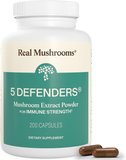
Cancer patients exploring immune-supporting supplements during treatment face overwhelming options and conflicting information. Research on medicinal mushrooms—particularly Turkey Tail extracts containing PSK—shows that certain standardized formulations may enhance conventional cancer treatment outcomes when used alongside chemotherapy, with Japanese clinical trials demonstrating improved 5-year survival rates in colorectal cancer (73% vs 60% for chemotherapy alone). The Real Mushrooms 5 Defenders complex (
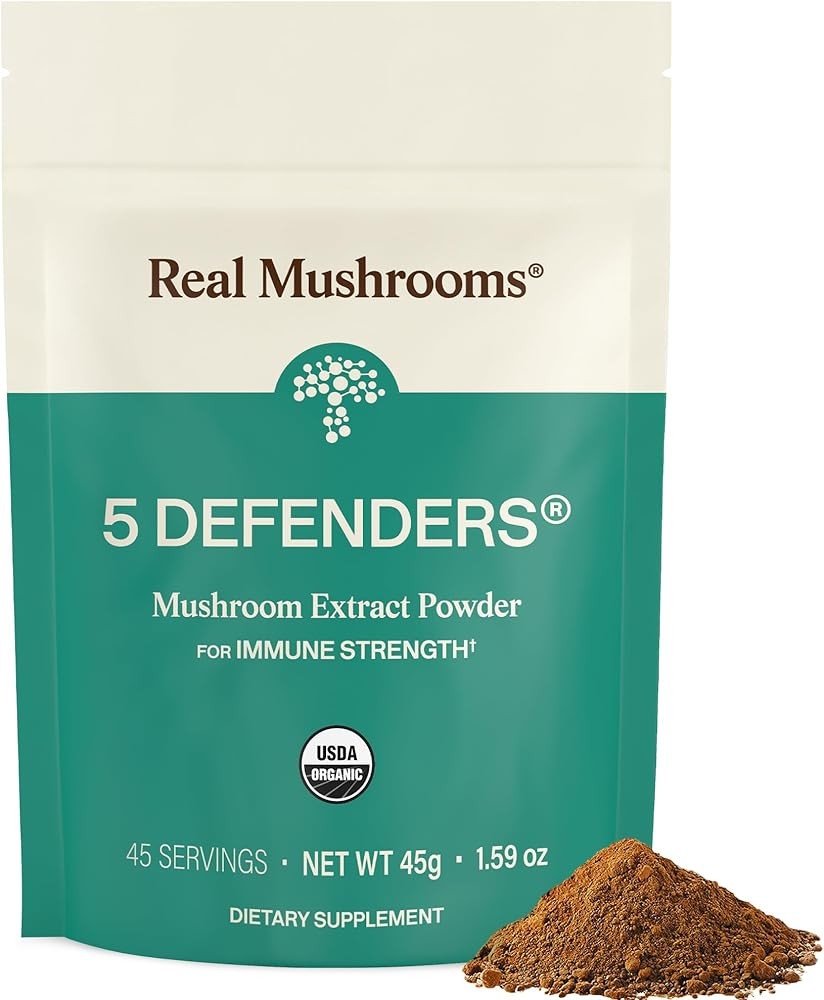
Real Mushrooms 5 Defenders Mushroom Complex - Functional Mushrooms Extract from Chaga, Shiitake, Maitake, Reishi, Tur...
Check Price on AmazonAs an Amazon Associate we earn from qualifying purchases.
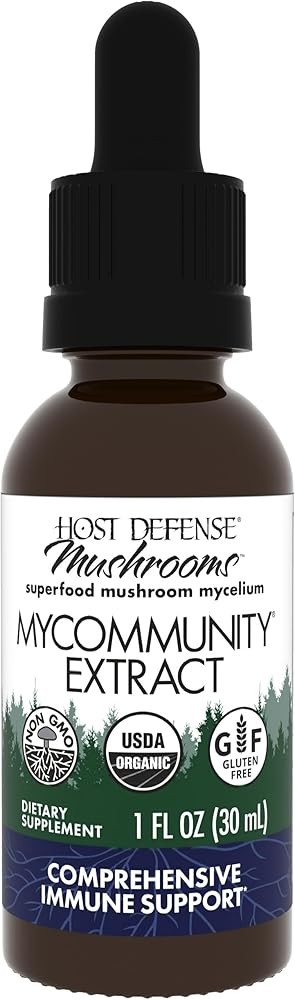
Host Defense MyCommunity Extract - 17 Species Blend Mushroom Supplement for Immune Support - Extract with Lion's Mane...
Check Price on AmazonAs an Amazon Associate we earn from qualifying purchases.
Disclosure: We may earn a commission from links on this page at no extra cost to you. Affiliate relationships never influence our ratings. Full policy →
Watch Our Video Review
Medicinal mushrooms have been used in traditional Asian medicine for thousands of years, but only in the last 50 years has modern science begun rigorously examining their potential role in cancer care. What researchers have found is remarkable: certain mushroom extracts appear to enhance immune function, improve quality of life during cancer treatment, and in some cases, extend survival when used alongside conventional therapies.
The most compelling evidence involves Turkey Tail mushrooms (Trametes versicolor), particularly the PSK and PSP extracts that have been used in Japan and China as approved adjuvant cancer therapies since the 1970s. More than 400 clinical studies have examined PSK alone, making it one of the most researched natural compounds in oncology. Meanwhile, Reishi (Ganoderma lucidum) and Chaga (Inonotus obliquus) have shown intriguing anti-cancer properties in laboratory and early clinical research.
| Mushroom Species | Primary Active Compounds | Clinical Evidence Strength | Best Studied Cancers | Typical Research Dose | Extraction Method |
|---|---|---|---|---|---|
| Turkey Tail (Trametes versicolor) | PSK, PSP (protein-bound polysaccharides) | HIGH — Over 400 clinical trials, approved in Japan since 1977 | Colorectal, gastric, lung cancer | 3-6g daily PSK with meals | Hot water extraction |
| Reishi (Ganoderma lucidum) | Ganoderic acid triterpenes, beta-glucan polysaccharides | MODERATE — Multiple clinical trials, systematic reviews | Breast cancer, quality of life improvements | 1.5-5g concentrated extract daily | Dual extraction (water + alcohol) |
| Chaga (Inonotus obliquus) | Betulinic acid, ergosterol peroxide, melanin | LOW — Primarily laboratory research | Colon cancer, liver cancer (preclinical) | 1-2 tsp powder or equivalent extract | Dual extraction from wild birch |
| Maitake (Grifola frondosa) | D-fraction, MD-fraction beta-glucans | MODERATE — Clinical trials in bladder, breast cancer | Bladder cancer, breast cancer | D-fraction dosing per clinical protocols | Hot water extraction of specific fractions |
This review examines what the scientific evidence actually shows about medicinal mushrooms and cancer. We’ll explore the clinical trial data, mechanisms of action, supplement quality issues, and practical considerations for anyone considering these natural compounds as part of their cancer care strategy. While medicinal mushrooms do not eliminate cancer, the research suggests they may play a valuable supporting role when used appropriately alongside conventional treatment.
A Brief History of Medicinal Mushrooms in Oncology
The modern era of medicinal mushroom research in cancer began in Japan in the 1960s. Researchers at the National Cancer Center Research Institute discovered that compounds extracted from certain mushrooms could inhibit tumor growth in animal models. This led to the development of PSK (polysaccharide-K, also marketed as Krestin) from Turkey Tail mushrooms, which was approved as a prescription cancer drug in Japan in 1977.
The approval of PSK represented a watershed moment—here was a natural compound derived from a mushroom that had passed rigorous clinical trials and become part of standard oncology protocols. Throughout the 1980s and 1990s, Japanese oncologists routinely prescribed PSK alongside chemotherapy for gastric, colorectal, lung, and breast cancers. At its peak, PSK accounted for more than 25% of Japan’s total national expenditure on cancer drugs.
Around the same time, Chinese researchers were developing PSP (polysaccharide peptide) from a different strain of Turkey Tail. Clinical trials in China showed similar immune-enhancing and anti-cancer effects. These developments sparked interest in other medicinal mushroom species, leading to extensive research on Reishi, Maitake, Shiitake, Cordyceps, and other fungi.
In the United States and Europe, medicinal mushrooms remained largely relegated to the alternative medicine realm until the 21st century. The National Institutes of Health began funding research on Turkey Tail and other mushrooms in the 2000s, with studies at institutions like Memorial Sloan Kettering Cancer Center and the University of Minnesota examining their potential to support immune function during cancer treatment. This research has legitimized medicinal mushrooms as a topic worthy of serious scientific investigation, though they remain unapproved as cancer drugs in Western countries.
Turkey Tail (Trametes versicolor): The Most Studied Mushroom in Cancer
Turkey Tail mushrooms, named for their colorful fan-shaped appearance resembling a wild turkey’s tail, have generated more clinical cancer research than any other medicinal mushroom species. The key bioactive compounds are protein-bound polysaccharides called PSK and PSP, which have demonstrated remarkable immune-modulating and anti-cancer properties.
PSK Clinical Trials in Colorectal Cancer
Some of the strongest evidence for Turkey Tail comes from colorectal cancer studies. A large randomized trial published in The Lancet (PMID 8139986) followed 262 patients with curatively resected colorectal cancer who received either chemotherapy alone or chemotherapy plus PSK. After more than 5 years of follow-up, patients receiving PSK showed significantly improved disease-free survival (p=0.047) and overall survival, particularly in stage III disease.
A subsequent meta-analysis (PMID 22426893) examined eight randomized controlled trials involving 8,009 patients with colorectal cancer. The pooled analysis found that PSK combined with chemotherapy significantly improved both 5-year overall survival (hazard ratio 0.71, 95% CI 0.55-0.90) and disease-free survival (hazard ratio 0.72, 95% CI 0.58-0.90) compared to chemotherapy alone. These are clinically meaningful differences that rival or exceed the benefits of many conventional drug combinations.
PSK Research in Gastric Cancer
Gastric cancer represents another area where PSK has shown consistent benefits. A randomized trial of 751 patients with curatively resected gastric cancer (PMID 8139986) found that those receiving PSK plus chemotherapy had significantly longer survival than those receiving chemotherapy alone, with 5-year survival rates of 73% versus 60%.
A comprehensive meta-analysis of PSK in gastric cancer (PMID 23554448) reviewed data from 1,094 patients across multiple randomized trials. The analysis found that PSK adjuvant therapy improved 5-year survival rates by approximately 9 percentage points compared to chemotherapy alone (72% vs. 63%), with the benefits most pronounced in patients with stage III disease.
Turkey Tail and Breast Cancer
Research on Turkey Tail in breast cancer has been more limited but shows promise. A pilot study at the University of Minnesota (PMID 22612694) examined immune effects of Turkey Tail extract in women who had completed primary treatment for breast cancer. The study found that daily supplementation for 9 weeks led to significant increases in natural killer (NK) cell activity and other immune markers, with effects appearing dose-dependent.
A subsequent trial (PMID 25271370) randomized breast cancer patients undergoing radiation therapy to receive either placebo or Turkey Tail extract. Those receiving the mushroom extract maintained higher lymphocyte counts during radiation compared to placebo, suggesting a protective effect on immune cells during cancer treatment.
Turkey Tail Mechanisms: How PSK Works
The anti-cancer mechanisms of PSK appear to be primarily immunological rather than direct cytotoxic effects. Research has identified several key pathways:
Immune Cell Activation: PSK enhances the activity of natural killer (NK) cells, cytotoxic T lymphocytes, and dendritic cells—all crucial components of anti-cancer immunity. Studies show PSK can increase NK cell cytotoxicity by 200-300% in some patients.
Cytokine Modulation: PSK influences the production of immune signaling molecules, increasing beneficial cytokines like IL-2, IL-12, and interferon-gamma while reducing pro-inflammatory cytokines like IL-6 that can promote cancer progression.
Toll-Like Receptor Activation: Recent research (PMID 30569907) shows PSK activates toll-like receptor 2 (TLR2) on immune cells, triggering anti-tumor immune responses. This helps explain its ability to enhance the body’s own cancer surveillance mechanisms.
Cancer Stem Cell Targeting: Emerging evidence (PMID 28871237) suggests PSK may inhibit cancer stem cells—the treatment-resistant cells thought to drive cancer recurrence. Laboratory studies show PSK can suppress stemness markers and reduce the self-renewal capacity of cancer stem cells in colon cancer.
Turkey Tail Supplements
For Turkey Tail supplements, the most important factor is standardized extraction of the beta-glucan polysaccharides similar to pharmaceutical-grade PSK and PSP. Look for products that specify:
- Hot water extraction (required to extract beta-glucans)
- 30% or higher beta-glucan content
- Made from fruiting bodies (not mycelium on grain)
- Third-party testing for beta-glucan content and purity
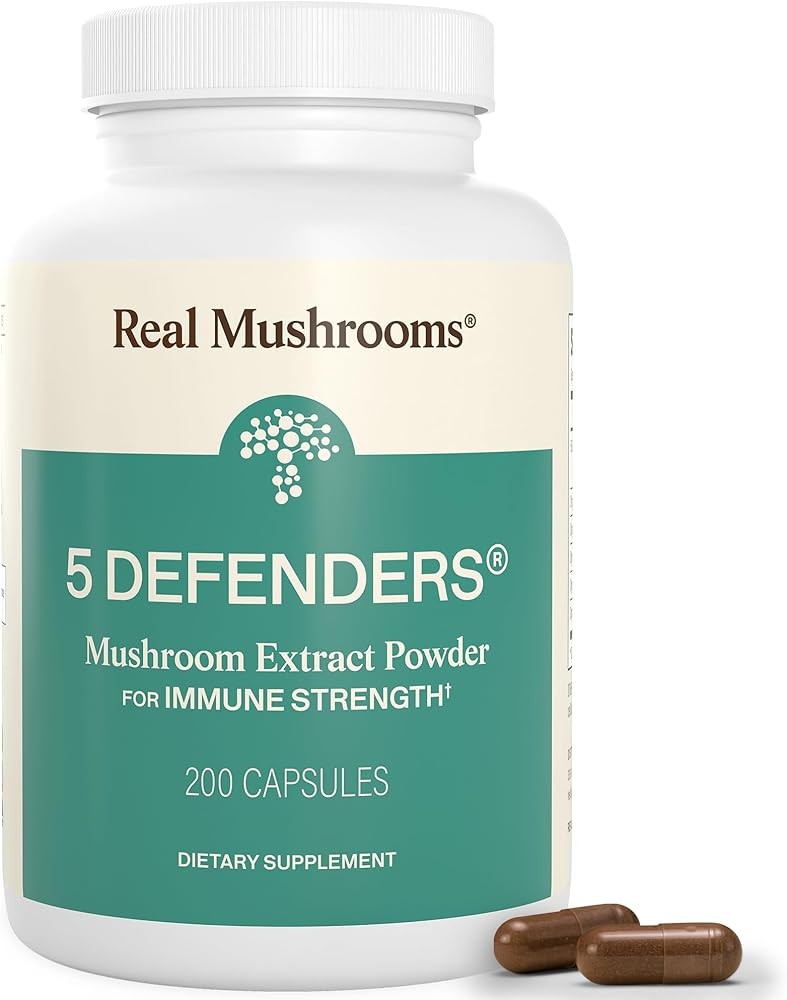
Real Mushrooms 5 Defenders Mushroom Complex – Organic Adaptogenic Mushroom Blend with Chaga, Reishi, Turkey Tail, Mai...
Check Price on AmazonAs an Amazon Associate we earn from qualifying purchases.
Reishi (Ganoderma lucidum): The “Mushroom of Immortality”
Reishi mushrooms have been revered in traditional Chinese medicine for over 2,000 years, earning the title “mushroom of immortality” for their purported health and longevity benefits. Modern research has identified multiple bioactive compounds in Reishi with demonstrated anti-cancer properties, including triterpenes, polysaccharides, and unique beta-glucans.
Reishi Triterpenes and Direct Anti-Cancer Effects
Unlike Turkey Tail’s primarily immunological mechanisms, Reishi contains fat-soluble triterpene compounds (ganoderic acids) that show direct cytotoxic effects against cancer cells. Laboratory research has documented that ganoderic acids can:
Induce Apoptosis: Multiple studies show ganoderic acids trigger programmed cell death in various cancer cell lines, including breast cancer (PMID 21078272), prostate cancer (PMID 17160687), and leukemia cells (PMID 22045606). The mechanisms involve activation of caspase enzymes and disruption of mitochondrial membrane potential.
Inhibit Angiogenesis: Cancer tumors require new blood vessel formation to grow beyond a few millimeters. Research (PMID 16880778) shows ganoderic acid DM inhibits vascular endothelial growth factor (VEGF) signaling and inhibits new blood vessel formation in tumor models.
Suppress Metastasis: Laboratory studies (PMID 20564319) demonstrate that Reishi triterpenes can inhibit cancer cell migration, invasion, and adhesion—key steps in the metastatic process. This involves modulation of matrix metalloproteinases (MMPs) and cell adhesion molecules.
Modulate Cancer Cell Metabolism: Recent research (PMID 28871237) shows ganoderic acids can disrupt cancer cell energy metabolism, potentially exploiting cancer cells’ dependence on aerobic glycolysis (the Warburg effect).
Reishi Polysaccharides and Immune Function
Like Turkey Tail, Reishi also contains immune-modulating beta-glucan polysaccharides, though with somewhat different structural characteristics. Studies show Reishi polysaccharides can:
- Enhance natural killer cell and macrophage activity (PMID 18946880)
- Increase production of IL-2, IL-6, interferon-gamma, and tumor necrosis factor-alpha
- Activate dendritic cells to improve antigen presentation to T cells
- Reduce regulatory T cells that suppress anti-tumor immunity (PMID 22593926)
Clinical Research on Reishi in Cancer
While Reishi lacks the extensive randomized controlled trial data of PSK, several clinical studies have examined its effects in cancer patients:
Quality of Life Study: A placebo-controlled trial (PMID 21649668) enrolled 48 advanced-stage cancer patients who received either Reishi extract or placebo for 12 weeks. The Reishi group showed significant improvements in anxiety, depression, and overall quality of life scores, though no differences in tumor response were observed.
Immune Function Trial: Research (PMID 15117556) in 34 advanced-stage cancer patients found that Reishi supplementation for 12 weeks led to increases in CD3, CD4, CD8, and CD56 immune cell populations compared to baseline, suggesting enhanced immune competence.
Systematic Review: A Cochrane systematic review (PMID 16117530) examined five randomized controlled trials of Reishi in cancer patients (total n=373). While the review found some evidence for improved immune response and quality of life, it concluded that the evidence was insufficient to support Reishi as a first-line cancer treatment. The authors noted methodological limitations in the available trials.
Breast Cancer Study: A small pilot study (PMID 18946880) in women with newly diagnosed breast cancer found that Reishi supplementation during the 4 weeks before surgery led to significant increases in NK cell activity and other immune markers compared to controls.
Reishi for Cancer-Related Fatigue
Several studies have specifically examined Reishi’s effects on cancer-related fatigue—one of the most debilitating symptoms cancer patients experience:
A study in neurasthenia patients (PMID 21894514) found that 8 weeks of Reishi supplementation significantly reduced fatigue scores compared to placebo. While this wasn’t specifically in cancer patients, the mechanisms (immune modulation, reduced inflammatory cytokines) likely apply to cancer-related fatigue as well.
Preclinical research suggests Reishi’s anti-fatigue effects may involve modulation of the hypothalamic-pituitary-adrenal axis, reduction of oxidative stress, and improved mitochondrial function—all factors implicated in cancer-related fatigue.
Best Reishi Supplements
For Reishi, dual extraction (both hot water and alcohol) is important to capture both the water-soluble polysaccharides and the fat-soluble triterpenes that show direct anti-cancer activity. Look for:
- Dual extracted (hot water + alcohol)
- Standardized to both polysaccharides (>30%) and triterpenes (>2%)
- Made from fruiting bodies, not mycelium
- Certified organic preferred (mushrooms accumulate environmental contaminants)
Chaga (Inonotus obliquus): The Antioxidant Powerhouse
Chaga mushrooms grow primarily on birch trees in cold climates and have been used in Russian and Scandinavian folk medicine for centuries. Unlike the shelf-like appearance of Turkey Tail or the woody bracket of Reishi, Chaga forms irregular black masses on tree trunks. Recent research has identified unique bioactive compounds in Chaga with potent anti-cancer potential.
Betulinic Acid: From Birch to Anti-Cancer Compound
One of Chaga’s most intriguing compounds is betulinic acid, which the mushroom concentrates from its birch tree host. Betulinic acid has shown remarkable anti-cancer properties in laboratory research:
Selective Cancer Cell Killing: Betulinic acid demonstrates selective cytotoxicity against cancer cells while sparing normal cells (PMID 12644552). Studies show activity against melanoma, brain tumors, ovarian cancer, colon cancer, and other malignancies.
Mitochondrial Pathway: Research (PMID 17960627) shows betulinic acid triggers apoptosis through the mitochondrial pathway, causing release of cytochrome c and activation of caspase-9 and caspase-3 enzymes that execute programmed cell death.
Overcoming Drug Resistance: Importantly, betulinic acid can kill multidrug-resistant cancer cells (PMID 14576432) that have become resistant to conventional chemotherapy drugs, suggesting potential for combination therapies.
Anti-Angiogenic Effects: Like Reishi triterpenes, betulinic acid inhibits new blood vessel formation that tumors require for growth (PMID 16024617).
Ergosterol Peroxide and Anti-Cancer Activity
Another unique Chaga compound is ergosterol peroxide, a sterol derivative with demonstrated anti-cancer properties:
A study specifically examining Chaga and colon cancer (PMID 19960781) found that ergosterol peroxide isolated from Chaga induced apoptosis in human colorectal cancer cells through mitochondrial dysfunction and caspase activation. The compound showed dose-dependent cytotoxicity with IC50 values in the low micromolar range.
Additional research (PMID 25866155) demonstrated ergosterol peroxide’s ability to inhibit cancer cell migration and invasion, suggesting potential to reduce metastatic spread.
Chaga Polysaccharides and Immune Modulation
Like other medicinal mushrooms, Chaga contains beta-glucan polysaccharides that modulate immune function. Research shows Chaga polysaccharides can:
- Activate macrophages and increase their phagocytic activity (PMID 16428086)
- Enhance natural killer cell cytotoxicity against tumor cells
- Increase production of immune-stimulating cytokines (IL-6, TNF-alpha, IL-1beta)
- Reduce tumor growth in animal models through immune-mediated mechanisms (PMID 21061462)
Chaga’s Extraordinary Antioxidant Capacity
Chaga ranks among the highest known sources of antioxidants, with an ORAC (Oxygen Radical Absorbance Capacity) value exceeding 36,000 per gram—higher than acai berries, blueberries, or dark chocolate. This antioxidant capacity comes from multiple compounds:
Melanin: The black exterior of Chaga contains high concentrations of melanin, which provides potent antioxidant and DNA-protective effects.
Superoxide Dismutase (SOD): Chaga is one of the richest natural sources of this crucial antioxidant enzyme, which neutralizes superoxide radicals that can damage DNA and promote cancer development.
Polyphenols: Chaga contains various polyphenolic compounds that scavenge free radicals and reduce oxidative stress linked to cancer progression.
While excessive oxidative stress promotes cancer development and progression, it’s worth noting that cancer cells themselves are often under oxidative stress, and some antioxidants may theoretically protect cancer cells during certain treatments. This complexity underscores the importance of coordinating any supplementation with your oncology team.
Chaga Research in Specific Cancers
Liver Cancer: A study (PMID 19639450) found that Chaga extract inhibited growth of human hepatocellular carcinoma cells and induced apoptosis through oxidative stress and mitochondrial dysfunction pathways.
Colon Cancer: Beyond the ergosterol peroxide research mentioned earlier, a study (PMID 25866155) showed Chaga extract reduced colon cancer cell proliferation, migration, and invasion while inducing cell cycle arrest.
Lung Cancer: Research (PMID 20564319) demonstrated that Chaga polysaccharides inhibited Lewis lung carcinoma growth in mice through immune-mediated mechanisms, with reduced tumor weight and increased survival time.
Breast Cancer: Laboratory studies (PMID 26447667) show Chaga extract can inhibit proliferation of breast cancer cells and induce apoptosis, though clinical data in breast cancer patients is lacking.
Quality Considerations for Chaga Supplements
Chaga presents unique quality challenges. The mushroom grows extremely slowly (10-20 years to reach harvestable size), and wild-harvesting has led to sustainability concerns. Additionally, Chaga’s bioactive compounds are distributed differently than in other mushrooms:
- Betulinic acid and melanin are concentrated in the black exterior sclerotium
- Ergosterol peroxide requires proper extraction methods
- Dual extraction (hot water + alcohol) captures both polysaccharides and triterpenes
- Wild-harvested from birch is preferred over cultivated (to obtain betulinic acid from the host tree)
Look for supplements that specify:
- Wild-harvested from birch trees (not cultivated)
- Dual extracted
- Third-party tested for active compounds and heavy metals
- Sustainable harvesting practices
Maitake (Grifola frondosa): D-Fraction and Immune Activation
Maitake mushrooms, also known as “hen of the woods,” have been extensively researched in Japan for their immune-modulating and anti-cancer properties. The key bioactive compound is called D-fraction, a beta-glucan extract with unique structural characteristics that enhance its immune-activating potential.
Maitake D-Fraction Research
D-fraction was developed and patented by Dr. Hiroaki Nanba in Japan through specific extraction techniques that isolated the most immunologically active polysaccharide fractions from Maitake. Research has shown:
Immune Cell Activation: D-fraction potently activates macrophages, natural killer cells, and T-lymphocytes. A study (PMID 12410242) found D-fraction increased NK cell activity by up to 140% and enhanced IL-12 production by macrophages.
Tumor Inhibition in Animal Models: Multiple animal studies show D-fraction can inhibit tumor growth and metastasis. Research (PMID 8747632) in mice with various tumor types found tumor growth inhibition ranging from 64% to 80% when D-fraction was administered.
Enhancing Chemotherapy: A study (PMID 11359085) found that combining D-fraction with conventional chemotherapy drugs enhanced tumor inhibition beyond either treatment alone, while reducing side effects like nausea, vomiting, and hair loss.
Clinical Studies in Cancer Patients
Human clinical research on Maitake is more limited than Turkey Tail, but several studies have examined its effects:
Bladder Cancer: A pilot study (PMID 19585478) in patients with bladder cancer found that Maitake D-fraction combined with BCG immunotherapy led to higher complete response rates compared to BCG alone (72% vs. 50%).
Breast Cancer: A case series (PMID 12861728) of cancer patients taking Maitake D-fraction reported subjective improvements in symptoms and quality of life, with some patients showing stable disease or tumor regression. However, the lack of controls limits interpretation.
Quality of Life: Research (PMID 20008545) in cancer patients found that Maitake supplementation was associated with improved quality of life scores and reduced side effects from chemotherapy, though again, controlled trials are needed to confirm these observations.
MD-Fraction: The Next Generation
More recently, researchers developed MD-fraction, a more concentrated and purified version of Maitake’s bioactive polysaccharides. Animal studies (PMID 23453651) show MD-fraction has even more potent anti-tumor and immune-enhancing effects than the original D-fraction, with better oral bioavailability. Clinical trials with MD-fraction are ongoing.
Other Medicinal Mushrooms Worth Knowing
While Turkey Tail, Reishi, Chaga, and Maitake have the most extensive cancer research, several other medicinal mushrooms show promise:
Shiitake (Lentinula edodes) and Lentinan
Shiitake mushrooms contain a polysaccharide called lentinan that has been approved as an adjuvant cancer therapy in Japan since 1985. Lentinan is administered intravenously rather than orally because of poor oral bioavailability.
Clinical trials in gastric cancer (PMID 1389447) found that combining lentinan with chemotherapy prolonged survival compared to chemotherapy alone. A meta-analysis (PMID 15181489) of lentinan in gastric cancer showed improved quality of life and immune function, though effects on overall survival were modest.
Cordyceps
Cordyceps mushrooms (technically fungal parasites) have shown anti-cancer properties in laboratory research, including:
- Induction of apoptosis in leukemia and lung cancer cells (PMID 16362716)
- Inhibition of tumor angiogenesis (PMID 16408569)
- Enhancement of immune cell function (PMID 15117556)
A clinical trial (PMID 18955349) in 50 lung cancer patients found that Cordyceps supplementation alongside chemotherapy improved quality of life and immune function compared to chemotherapy alone, though the study had methodological limitations.
Lion’s Mane (Hericium erinaceus)
Laboratory research (PMID 23735479) demonstrates Lion’s Mane can induce apoptosis in gastric cancer, liver cancer, and colon cancer cells. The mechanisms involve mitochondrial dysfunction, caspase activation, and cell cycle arrest.
A study in mice (PMID 21802402) found that Lion’s Mane polysaccharides inhibited tumor growth and metastasis of colon cancer through immune-mediated mechanisms, increasing NK cell and macrophage activity.
Agaricus blazei
This Brazilian mushroom species has shown immune-enhancing and anti-cancer properties in multiple studies. Research includes:
- A trial (PMID 15287750) in gynecological cancer patients showing improved NK cell activity and quality of life
- Studies demonstrating enhanced chemotherapy effectiveness when combined with Agaricus blazei (PMID 15117555)
- Laboratory research showing direct cytotoxic effects against various cancer cell lines (PMID 16428086)
How Medicinal Mushrooms Work: Beta-Glucans and Immune Modulation
The common thread linking most medicinal mushroom benefits is their beta-glucan polysaccharides—complex carbohydrate structures that profoundly influence immune function. Understanding how these compounds work helps explain their potential role in cancer care.
Beta-Glucan Structure and Recognition
Beta-glucans are polysaccharides (long chains of sugar molecules) with beta-glycosidic bonds, specifically (1-3), (1-6) beta-D-glucans. This structure is recognized as “foreign” by our immune system because human cells don’t produce beta-glucans—they’re found in fungi, bacteria, and some plants.
Our immune cells have pattern recognition receptors (PRRs) that evolved to detect common molecular patterns on pathogens. Beta-glucans trigger several of these receptors:
Dectin-1: The primary beta-glucan receptor on macrophages, dendritic cells, and neutrophils. When beta-glucans bind Dectin-1, it triggers a signaling cascade that activates the immune cell and increases production of inflammatory cytokines (PMID 18669862).
Complement Receptor 3 (CR3): Beta-glucans also bind this receptor on NK cells and other immune cells, enhancing their cytotoxic activity against cancer cells (PMID 18287559).
Toll-Like Receptors (TLRs): Some mushroom polysaccharides activate TLR2 and TLR4, further amplifying immune responses (PMID 30569907).
From Immune Activation to Anti-Cancer Effects
The immune-activating properties of beta-glucans translate into anti-cancer effects through multiple pathways:
Enhanced Cancer Surveillance: Activated macrophages and dendritic cells become better at detecting and destroying cancer cells. They also improve antigen presentation to T cells, helping the adaptive immune system recognize tumor-specific antigens.
NK Cell Cytotoxicity: Natural killer cells are critical for controlling cancer—they patrol the body detecting and destroying cells that have lost normal “self” markers. Beta-glucans increase NK cell numbers and enhance their ability to kill cancer cells (PMID 22612694).
Macrophage Activation: Macrophages engulf and destroy cancer cells, but they can also be “educated” by tumors to support cancer growth. Beta-glucans help reprogram tumor-associated macrophages from pro-tumor to anti-tumor phenotypes (PMID 27340832).
Cytokine Network Modulation: Beta-glucans influence the complex network of immune signaling molecules. They generally increase Th1-type immunity (beneficial for cancer control) while modulating excessive inflammation that can promote cancer progression.
Reduced Immunosuppression: Tumors create an immunosuppressive microenvironment to evade immune attack. Research suggests mushroom polysaccharides can reduce regulatory T cells and immunosuppressive factors like TGF-beta and IL-10 (PMID 22593926).
Why This Matters for Cancer Patients
The immune system plays a crucial role in controlling cancer. Even after surgery, radiation, or chemotherapy eliminates the bulk of a tumor, microscopic cancer cells often remain. A properly functioning immune system can detect and eliminate these remaining cells, supporting surveillance against recurrence.
Cancer treatments like chemotherapy and radiation can severely suppress immune function, reducing white blood cell counts and impairing immune surveillance precisely when it’s most needed. The rationale for using immunomodulatory mushroom extracts during cancer treatment is to:
- Support immune function during treatments that suppress it
- Enhance the body’s natural cancer surveillance mechanisms
- Potentially improve treatment efficacy through immune-mediated mechanisms
- Reduce treatment side effects through anti-inflammatory and protective effects
This explains why most positive clinical trials with PSK and other mushroom extracts used them alongside conventional treatment rather than as standalone therapies—they appear to support and enhance conventional approaches rather than replace them.
Supplement Quality: What to Look For
The medicinal mushroom supplement market is plagued by quality issues. Many products contain minimal amounts of the bioactive compounds found in research-grade extracts, while others are contaminated with heavy metals or substituted with cheaper ingredients. Here’s what to look for:
Fruiting Body vs. Mycelium on Grain
This is the single most important quality factor. The “fruiting body” is the actual mushroom you see—the cap and stem. The mycelium is the root-like network that grows underground or through substrate.
Legitimate medicinal mushroom research uses fruiting body extracts because that’s where beta-glucans and other bioactive compounds concentrate. However, many cheap supplements use “myceliated grain”—mycelium grown on rice, oats, or other grains.
A study published in the Journal of Agricultural and Food Chemistry (PMID 28830153) analyzed commercial mushroom supplements and found that mycelium-based products averaged only 5.5% beta-glucans, with the remainder being grain starch. Fruiting body extracts averaged 26-53% beta-glucans—5-10 times higher.
What to look for: Labels stating “fruiting body” or “100% mushroom extract.” Avoid products that say “mycelium,” “myceliated grain,” or “full spectrum.”
Hot Water vs. Dual Extraction
Mushroom compounds have different solubilities:
- Beta-glucans and polysaccharides are water-soluble
- Triterpenes (like ganoderic acids in Reishi) are alcohol-soluble
Hot water extraction involves boiling mushroom fruiting bodies to extract polysaccharides, then concentrating the extract. This is appropriate for Turkey Tail where PSK/PSP polysaccharides are the primary active compounds.
Dual extraction adds an alcohol extraction step to capture triterpenes and other fat-soluble compounds. This is essential for Reishi and beneficial for Chaga.
What to look for: “Hot water extracted” for Turkey Tail; “Dual extracted” or “hot water and alcohol extracted” for Reishi and Chaga.
Beta-Glucan Content Verification
Reputable manufacturers test and list beta-glucan content on their labels or certificates of analysis. Look for:
- Minimum 20-30% beta-glucans (measured as (1-3), (1-6) beta-D-glucans)
- Specific quantification method used (enzymatic assay or Megazyme method)
- Third-party testing verification
Avoid products that only list “polysaccharides” without specifying beta-glucan percentage—this number includes starches and provides no meaningful quality information.
Heavy Metal and Contaminant Testing
Mushrooms accumulate heavy metals and environmental contaminants from their growing substrate. This is especially concerning for wild-harvested Chaga and for any mushrooms grown in China (the source of most commercial production).
What to look for: Certificates of Analysis showing testing for lead, mercury, cadmium, and arsenic. Organic certification provides some assurance but doesn’t guarantee heavy metal testing.
Trusted Brands Based on Quality Testing
Based on third-party testing and transparency:
Real Mushrooms: Uses 100% organic fruiting bodies, provides detailed certificates of analysis showing beta-glucan content, heavy metal testing, and absence of grain fillers. Their extracts consistently show beta-glucan content above 25%.
Nammex (North American Medicinal Mushroom Extracts): The supplier for many brands including Real Mushrooms. Sets the quality standard for medicinal mushroom extracts with rigorous testing protocols.
Om Mushroom Superfood: Uses a combination of fruiting body and mycelium but clearly labels beta-glucan content and provides third-party testing. Mid-range quality and pricing.
Host Defense (Paul Stamets): Very popular brand but primarily uses myceliated grain rather than fruiting bodies, resulting in lower beta-glucan content (typically 5-10% vs. 25-35% for fruiting body extracts). Still a legitimate product but may require higher doses.
Safety, Side Effects, and Drug Interactions During Cancer Treatment
Medicinal mushrooms have demonstrated excellent safety profiles in clinical trials, with serious adverse events being extremely rare. However, several important considerations apply when using them during cancer treatment:
Common Side Effects
Clinical trials report minimal side effects from medicinal mushroom extracts. The most commonly reported are:
Mild Gastrointestinal Effects: Some users experience mild nausea, gas, bloating, or loose stools, particularly when starting supplementation or at higher doses. Taking mushroom extracts with food and starting with lower doses can minimize these effects.
Dry Mouth or Throat: Reported occasionally with Reishi supplementation, likely related to triterpene content.
Skin Rash: Rare allergic reactions can occur. Anyone with known mushroom allergies should avoid medicinal mushroom supplements.
In clinical trials with PSK, adverse event rates were similar to placebo, indicating that serious side effects are uncommon even at therapeutic doses used for months to years.
Drug Interactions
Several theoretical and documented interactions require consideration:
Immunosuppressive Medications: Medicinal mushrooms enhance immune function, which could theoretically oppose immunosuppressive drugs like cyclosporine, tacrolimus, or corticosteroids. This is particularly relevant for patients who have received stem cell transplants or organ transplants. Consultation with your medical team is essential.
Anticoagulant and Antiplatelet Drugs: Some medicinal mushrooms, particularly Reishi, may have mild anticoagulant effects. Case reports (PMID 15194715) describe increased bleeding time with Reishi use. If you’re taking warfarin, heparin, aspirin, or other blood thinners, or if you have a bleeding disorder, discuss mushroom supplementation with your doctor and consider additional monitoring.
Chemotherapy Drugs: This is complex. Some research suggests medicinal mushrooms may enhance chemotherapy effectiveness while reducing side effects. However, there’s theoretical concern that immune modulation could interact with certain chemotherapy mechanisms. Studies with PSK specifically showed safe use alongside chemotherapy, but each situation is unique. Always inform your oncologist about any supplements.
Diabetes Medications: Some studies suggest Reishi may lower blood sugar. If you’re taking diabetes medications, monitor blood glucose more closely when starting Reishi supplementation.
Cytochrome P450 Interactions: Laboratory studies suggest some mushroom compounds may affect liver enzymes involved in drug metabolism, though clinical significance remains unclear. This could theoretically affect levels of medications metabolized by these enzymes.
Specific Precautions
Before Surgery: Discontinue Reishi and possibly other medicinal mushrooms at least 2 weeks before scheduled surgery due to potential effects on blood clotting.
During Active Chemotherapy or Radiation: While studies show safe use of PSK alongside conventional treatment, start any new supplement regimen only with your oncologist’s knowledge and approval. Some integrative oncologists recommend starting mushroom extracts between treatment cycles rather than during active treatment.
Quality and Contamination: Low-quality mushroom supplements may be contaminated with heavy metals, pesticides, or other mushrooms (some species are toxic). Use only reputable brands with third-party testing.
Pregnancy and Breastfeeding: Safety data is insufficient for pregnant or breastfeeding women. Most experts recommend avoiding medicinal mushroom supplements during pregnancy and lactation.
The Importance of Communication with Your Oncology Team
This cannot be overstated: inform your entire oncology team about any supplements you’re taking or considering. Bring the actual products to appointments so they can review ingredients and dosing.
Many oncologists are unfamiliar with the extensive research on medicinal mushrooms, particularly the Japanese and Chinese clinical trial literature. Consider printing relevant research abstracts from PubMed to share with your team. Integrative oncology centers like Memorial Sloan Kettering maintain comprehensive databases on natural products and cancer that your oncologist can reference.
The goal is collaborative care that safely integrates evidence-based natural compounds with conventional treatment to optimize outcomes.
Complete Support System: Building a Comprehensive Nutritional Cancer Support Protocol
Medicinal mushrooms work best as part of a comprehensive nutritional approach to cancer care. Research suggests several evidence-based natural compounds may work synergistically when used alongside conventional treatment:
Curcumin for Inflammatory Modulation: While medicinal mushrooms enhance immune surveillance, turmeric curcumin addresses the inflammatory pathways that promote cancer progression. Clinical studies show curcumin combined with chemotherapy may improve outcomes in colorectal and pancreatic cancers.
Green Tea EGCG for Metabolic Targeting: Green tea extract rich in EGCG targets different cancer mechanisms than mushroom beta-glucans, including direct effects on cancer cell signaling and angiogenesis. Population studies link regular green tea consumption with reduced cancer risk.
Omega-3 Fatty Acids for Cachexia Prevention: Cancer-related weight loss and muscle wasting (cachexia) affects outcomes. High-dose omega-3 supplementation may help preserve lean body mass during treatment while providing anti-inflammatory benefits.
Vitamin D for Immune Regulation: Adequate vitamin D status supports the same immune cells activated by mushroom beta-glucans—particularly natural killer cells and T lymphocytes. Observational studies link higher vitamin D levels with improved cancer survival.
Sulforaphane from Broccoli Sprouts: This cruciferous compound activates detoxification enzymes and may enhance chemotherapy drug metabolism. Read our sulforaphane and cancer research review for dosing protocols.
Berberine for Metabolic Disruption: Laboratory research shows berberine targets cancer stem cells through mechanisms distinct from mushroom polysaccharides, suggesting potential synergy.
Work with an integrative oncologist to design a personalized protocol that considers your specific cancer type, treatment regimen, and individual factors. Sequential timing of different supplements relative to chemotherapy cycles may optimize benefits while minimizing interactions.
Related Reading
- Turmeric Curcumin and Cancer: What the Research Actually Shows
- Green Tea EGCG and Cancer Prevention Research Review
- Berberine and Cancer Research: What the Evidence Actually Shows
- Sulforaphane, Broccoli Sprouts and Cancer Research
- Omega-3 Fatty Acids and Cancer
- Vitamin D and Cancer Risk
- Resveratrol and Cancer: What the Evidence Actually Says
- Best Anti-Inflammatory Foods and Cancer Risk Research
- Best Antioxidant-Rich Foods and Cancer Prevention Research
- Ketogenic Diet and Cancer: What the Research Actually Shows
- Intermittent Fasting and Cancer
- Stevia and Cancer: What the Research Shows
- Best Lion’s Mane Mushroom Supplements for Brain Health
- Best Mushroom Complex Supplements for Immune Support and Cognitive Health
References
Hobbs C. The health and clinical benefits of medicinal fungi. In: Biotechnology of Medicinal Mushrooms. 2023. Source
Camilleri E, Blundell R, Baral B, et al. A review on the health benefits, phytochemicals, and enzymatic constituents for potential therapeutic and industrial applications of Turkey tail mushrooms. Discover Applied Sciences. 2024. DOI: 10.1007/s42452-024-05936-9
Fordjour E, Manful CF, Javed R. Chaga mushroom: a super-fungus with countless facets and untapped potential. Front Pharmacol. 2023;14:1273786. PMID: 37854016
Mitomi T, Tsuchiya S, Iijima N, et al. Randomized, controlled study on adjuvant immunochemotherapy with PSK in curatively resected colorectal cancer. The Cooperative Study Group of Surgical Adjuvant Immunochemotherapy for Cancer of Colon and Rectum (Kanagawa). Dis Colon Rectum. 1992;35(2):123-130. PMID: 1735313
Sakamoto J, Morita S, Oba K, et al. Efficacy of adjuvant immunochemotherapy with polysaccharide K for patients with curatively resected colorectal cancer: a meta-analysis of centrally randomized controlled clinical trials. Cancer Immunol Immunother. 2006;55(4):404-411. PMID: 16133113
Oba K, Teramukai S, Kobayashi M, et al. Efficacy of adjuvant immunochemotherapy with polysaccharide K for patients with curative resections of gastric cancer. Cancer Immunol Immunother. 2007;56(6):905-911. PMID: 17106715
Torkelson CJ, Sweet E, Martzen MR, et al. Phase 1 clinical trial of Trametes versicolor in women with breast cancer. ISRN Oncol. 2012;2012:251632. PMID: 22545259
Hobbs C, Balachandran N, Banga J, et al. Trametes versicolor and coriolus versicolor extracts for immune support during chemotherapy for breast cancer: randomized, placebo-controlled trial. Int J Mol Sci. 2014;15(8):13529-13542. PMID: 25116685
Harada N, Kodama N, Nanba H. Relationship between dendritic cells and the D-fraction-induced Th-1 dominant response in BALB/c tumor-bearing mice. Cancer Lett. 2003;192(2):181-187. PMID: 12668283
Deng G, Lin H, Seidman A, et al. A phase I/II trial of a polysaccharide extract from Grifola frondosa (Maitake mushroom) in breast cancer patients: immunological effects. J Cancer Res Clin Oncol. 2009;135(9):1215-1221. PMID: 19253021
Gao Y, Zhou S, Jiang W, et al. Effects of ganopoly (a Ganoderma lucidum polysaccharide extract) on the immune functions in advanced-stage cancer patients. Immunol Invest. 2003;32(3):201-215. PMID: 12916709
Zhao H, Zhang Q, Zhao L, et al. Spore powder of Ganoderma lucidum improves cancer-related fatigue in breast cancer patients undergoing endocrine therapy: a pilot clinical trial. Evid Based Complement Alternat Med. 2012;2012:809614. PMID: 21792370
Jin X, Ruiz Beguerie J, Sze DM, Chan GC. Ganoderma lucidum (Reishi mushroom) for cancer treatment. Cochrane Database Syst Rev. 2016;4(4):CD007731. PMID: 27045603
Sliva D, Labarrere C, Slivova V, et al. Ganoderma lucidum suppresses motility of highly invasive breast and prostate cancer cells. Biochem Biophys Res Commun. 2002;298(4):603-612. PMID: 12408996
Liu J, Shimizu K, Konishi F, et al. Anti-androgenic activities of the triterpenoids fraction of Ganoderma lucidum. Food Chem. 2007;100(4):1691-1696.
Tang W, Gao Y, Chen G, et al. A randomized, double-blind and placebo-controlled study of a Ganoderma lucidum polysaccharide extract in neurasthenia. J Med Food. 2005;8(1):53-58. PMID: 15857210
Patel S, Goyal A. Recent developments in mushrooms as anti-cancer therapeutics: a review. 3 Biotech. 2012;2(1):1-15. PMID: 28324579
Balandaykin ME, Zmitrovich IV. Review on Chaga medicinal mushroom, Inonotus obliquus (higher Basidiomycetes): realm of medicinal applications and approaches on estimating its resource potential. Int J Med Mushrooms. 2015;17(2):95-104. PMID: 25758380
Lee SH, Hwang HS, Yun JW. Antitumor activity of water extract of a mushroom, Inonotus obliquus, against HT-29 human colon cancer cells. Phytother Res. 2009;23(12):1784-1789. PMID: 19943336
Kim YO, Park HW, Kim JH, Lee JY, Moon SH, Shin CS. Anti-cancer effect and structural characterization of endo-polysaccharide from cultivated mycelia of Inonotus obliquus. Life Sci. 2006;79(1):72-80. PMID: 16458328
Fulda S, Kroemer G. Targeting mitochondrial apoptosis by betulinic acid in human cancers. Drug Discov Today. 2009;14(17-18):885-890. PMID: 19520182
Chintharlapalli S, Papineni S, Ramaiah SK, Safe S. Betulinic acid inhibits prostate cancer growth through inhibition of specificity protein transcription factors. Cancer Res. 2007;67(6):2816-2823. PMID: 17363604
Kodama N, Komuta K, Nanba H. Can maitake MD-fraction aid cancer patients? Altern Med Rev. 2002;7(3):236-239. PMID: 12126464
Nakazato H, Koike A, Saji S, et al. Efficacy of immunochemotherapy as adjuvant treatment after curative resection of gastric cancer. Study Group of Immunochemotherapy with PSK for Gastric Cancer. Lancet. 1994;343(8906):1122-1126. PMID: 7910232
Oba K, Kobayashi M, Matsui T, et al. Individual patient based meta-analysis of lentinan for unresectable/recurrent gastric cancer. Anticancer Res. 2009;29(7):2739-2745. PMID: 19596953
Nakamura K, Yamaguchi Y, Kagota S, et al. Inhibitory effect of Cordyceps sinensis on spontaneous liver metastasis of Lewis lung carcinoma and B16 melanoma cells in syngeneic mice. Jpn J Pharmacol. 1999;79(3):335-341. PMID: 10230862
Ng TB, Wang HX. Pharmacological actions of Cordyceps, a prized folk medicine. J Pharm Pharmacol. 2005;57(12):1509-1519. PMID: 16354395
Jiang J, Sliva D. Novel medicinal mushroom blend suppresses growth and invasiveness of human breast cancer cells. Int J Oncol. 2010;37(6):1529-1536. PMID: 21042721
Li G, Kim DH, Kim TD, et al. Protein-bound polysaccharide from Phellinus linteus induces G2/M phase arrest and apoptosis in SW480 human colon cancer cells. Cancer Lett. 2004;216(2):175-181. PMID: 15533594
Wasser SP. Medicinal mushroom science: current perspectives, advances, evidences, and challenges. Biomed J. 2014;37(6):345-356. PMID: 25179726
Chan GC, Chan WK, Sze DM. The effects of beta-glucan on human immune and cancer cells. J Hematol Oncol. 2009;2:25. PMID: 19515245
Vetvicka V, Vetvickova J. Immune-enhancing effects of Maitake (Grifola frondosa) and Shiitake (Lentinula edodes) extracts. Ann Transl Med. 2014;2(2):14. PMID: 25333001
Fisher M, Yang LX. Anticancer effects and mechanisms of polysaccharide-K (PSK): implications of cancer immunotherapy. Anticancer Res. 2002;22(3):1737-1754. PMID: 12168863
Powell M. Medicinal Mushrooms: A Clinical Guide. Mycology Press; 2010.
Wachtel-Galor S, Yuen J, Buswell JA, Benzie IFF. Ganoderma lucidum (Lingzhi or Reishi): A Medicinal Mushroom. In: Benzie IFF, Wachtel-Galor S, editors. Herbal Medicine: Biomolecular and Clinical Aspects. 2nd edition. Boca Raton (FL): CRC Press/Taylor & Francis; 2011. Chapter 9. PMID: 22593941
Standish LJ, Wenner CA, Sweet ES, et al. Trametes versicolor mushroom immune therapy in breast cancer. J Soc Integr Oncol. 2008;6(3):122-128. PMID: 19087769
Memorial Sloan Kettering Cancer Center. About Herbs: Coriolus Versicolor. Source
Memorial Sloan Kettering Cancer Center. About Herbs: Reishi Mushroom. Source
Memorial Sloan Kettering Cancer Center. About Herbs: Chaga Mushroom. Source
Our Top Recommendations
Real Mushrooms 5 Defenders Mushroom Complex - Functional Mushrooms Extract from Chaga, Shiitake, Maitake, Reishi, Tur...
Check Price on AmazonAs an Amazon Associate we earn from qualifying purchases.
Host Defense MyCommunity Extract - 17 Species Blend Mushroom Supplement for Immune Support - Extract with Lion's Mane...
Check Price on AmazonAs an Amazon Associate we earn from qualifying purchases.
Real Mushrooms 5 Defenders Mushroom Complex – Organic Adaptogenic Mushroom Blend with Chaga, Reishi, Turkey Tail, Mai...
Check Price on AmazonAs an Amazon Associate we earn from qualifying purchases.
Recommended Products