Monk Fruit Sweetener and Cancer Safety: A Review of the Evidence
Summarized from peer-reviewed research indexed in PubMed. See citations below.
Cancer patients searching for safe sugar alternatives face conflicting information about monk fruit sweetener’s safety and potential anti-cancer properties. Research shows monk fruit (Siraitia grosvenorii) extract has GRAS status from the FDA with no established upper limit, indicating safety at all reasonable consumption levels. Laboratory studies demonstrate mogrosides inhibit cancer cell proliferation in breast, colon, and pancreatic cancer cells through antioxidant and anti-inflammatory pathways, though human clinical trials remain absent. The best option is pure monk fruit extract with 40-50% mogroside content, providing 200-300x sugar’s sweetness with zero glycemic impact. Budget-conscious patients can use monk fruit-erythritol blends that offer 1:1 sugar replacement ratios for $12-15 per pound. Here’s what the published research shows about monk fruit’s safety profile, potential anti-tumor mechanisms, and practical applications for cancer nutrition.
Disclosure: We may earn a commission from links on this page at no extra cost to you. Affiliate relationships never influence our ratings. Full policy →
Introduction
This article is for educational purposes only and should not be considered medical advice. It is crucial to consult with your oncology team before making any changes to your diet or supplement routine.
For cancer patients and those focused on cancer prevention, dietary choices around sweeteners can feel overwhelming. The question of whether to eliminate sugar entirely, which sweeteners are truly safe, and whether any alternatives might actually support health rather than just avoid harm is increasingly important as we understand more about how sugar feeds cancer.
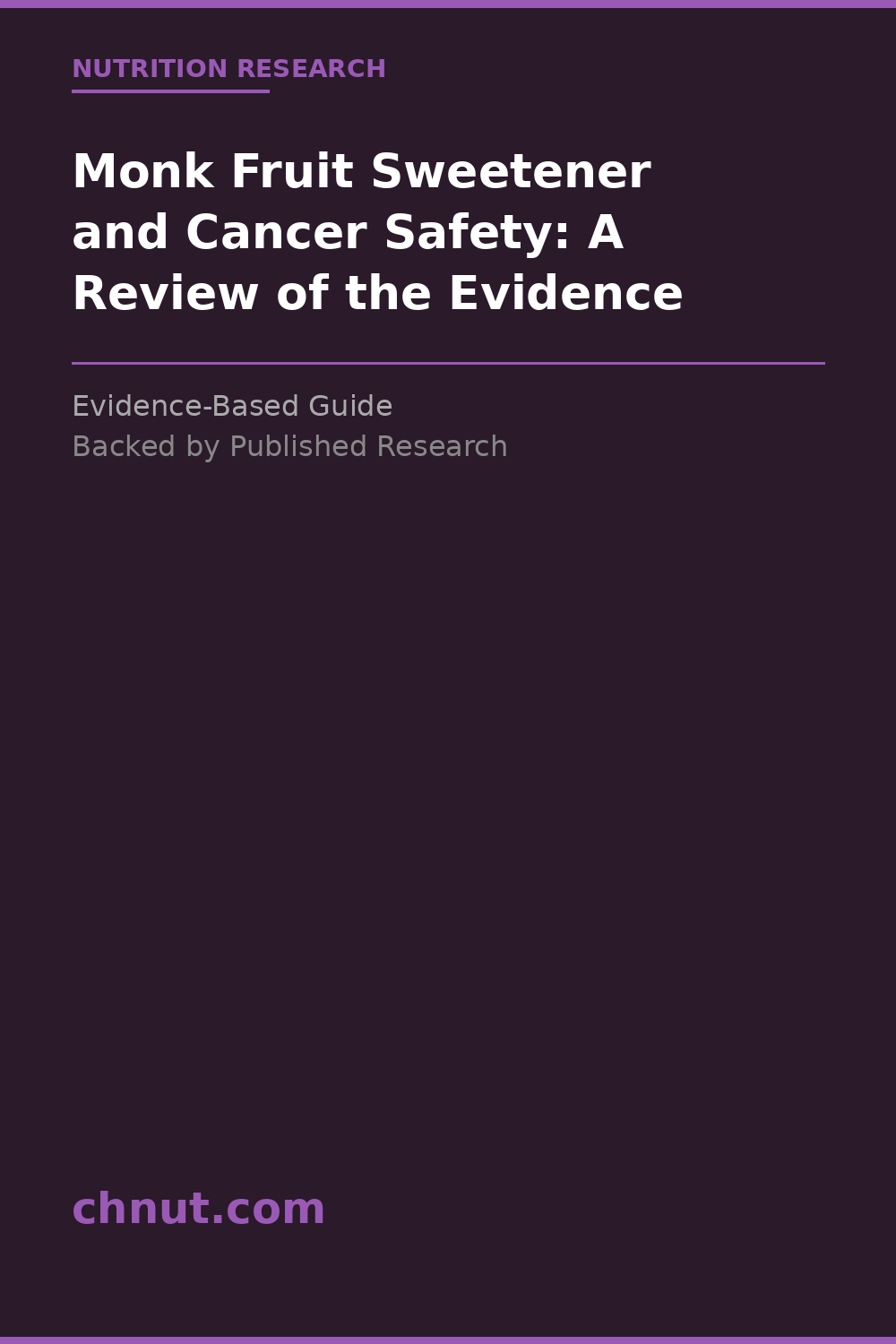
Monk fruit sweetener has emerged as one of the most promising natural alternatives to sugar, derived from a small green gourd native to southern China. Unlike many artificial sweeteners that have faced scrutiny over potential cancer links, monk fruit extract has a centuries-long history of traditional use and a growing body of modern research suggesting not just safety, but potential anti-cancer properties.
This comprehensive review examines the current scientific evidence on monk fruit sweetener and cancer, from its traditional origins to cutting-edge laboratory studies on mogrosides—the unique compounds that give monk fruit its intense sweetness. We’ll explore the biochemistry, safety data, potential anti-tumor mechanisms, and practical guidance for cancer patients considering monk fruit as part of their dietary strategy.
| Feature | Monk Fruit | Sugar | Stevia | Artificial Sweeteners |
|---|---|---|---|---|
| Glycemic Index | 0 | 65 | 0 | 0 |
| Calories (per tsp equivalent) | 0 | 16 | 0 | 0 |
| Sweetness vs Sugar | 200-300x | 1x | 200-400x | 200-600x |
| Source | Natural (fruit extract) | Natural (cane/beet) | Natural (plant extract) | Synthetic chemical |
| Antioxidant Properties | Yes (mogrosides) | No | Moderate | No |
| Anti-inflammatory | Yes (documented) | No (pro-inflammatory) | Moderate | No |
| Insulin Response | None | High | None | Minimal/None |
| Gut Microbiome Impact | Neutral/Positive | Negative (feeds harmful bacteria) | Neutral | Negative (alters composition) |
| Cancer Cell Studies | Inhibits proliferation | Promotes growth | Minimal research | No benefit |
| FDA Status | GRAS (no ADI limit) | GRAS | GRAS | GRAS (with ADI limits) |
| Aftertaste | Clean, none | None | Bitter/licorice | Metallic/chemical |
| Best Use | Beverages, baking (with bulking agent) | All applications | Beverages, some baking | Beverages, diet foods |
| Cost (per lb equivalent) | $18-25 (pure) / $12-15 (blends) | $2-3 | $15-20 | $8-12 |
Watch Our Video Review
What Is Monk Fruit Sweetener? Origins and Traditional Use
Monk fruit (Siraitia grosvenorii, also known as Luo Han Guo) is a perennial vine in the gourd family (Cucurbitaceae) native to the mountainous regions of southern China, particularly Guangxi province. The fruit has been used in Traditional Chinese Medicine (TCM) for over 800 years, primarily as a remedy for respiratory conditions including coughs, sore throats, and constipation (Yeung, 2023).
According to TCM principles, monk fruit is classified as a cooling herb that clears heat and moistens the lungs. Buddhist monks are credited with first cultivating the fruit in the 13th century, giving it the common name “monk fruit.” The traditional preparation involved drying the fruit and brewing it as a tea, which was consumed both as a medicinal remedy and as a natural sweetener.
The intense sweetness of monk fruit comes from a group of triterpene glycosides called mogrosides, primarily mogroside V, which is 200-300 times sweeter than sucrose (table sugar) on a weight basis. Unlike sugar, mogrosides provide this sweetness with zero calories, zero glycemic impact, and no effect on insulin levels—properties that make monk fruit particularly interesting for metabolic health and cancer prevention.
Modern commercial monk fruit sweetener is produced by crushing the fruit, extracting the mogrosides, and concentrating them into a powder or liquid form. The extract typically contains 40-50% mogrosides, with mogroside V being the predominant compound. Some premium extracts achieve even higher mogroside concentrations of 55-60% for maximum sweetness with minimal product needed.
The Chemistry of Mogrosides: What Makes Monk Fruit Sweet
To understand monk fruit’s potential effects on cancer, we need to examine the chemistry of mogrosides—the bioactive compounds responsible for both its sweetness and its biological properties.
Mogrosides are cucurbitane-type triterpene glycosides, a class of compounds characterized by a triterpenoid backbone (mogrol) attached to glucose molecules. The monk fruit contains several different mogrosides (designated I through V based on the number of glucose units attached), but mogroside V is the most abundant and sweetest, comprising 70-90% of total mogroside content in the fruit.
The chemical structure of mogroside V consists of a mogrol aglycone backbone with five glucose molecules attached. This structure is key to its sweetness—the compound activates the sweet taste receptors (T1R2/T1R3) on the tongue with far greater efficiency than sucrose, producing intense sweetness without any calories since mogrosides are not metabolized by human digestive enzymes for energy.
What makes mogrosides particularly interesting from a cancer research perspective is their multi-functional biological activity beyond just taste. The mogrol backbone has significant antioxidant properties, while the glycoside structure affects bioavailability and cellular uptake. In the human gut, mogrosides are partially metabolized by intestinal bacteria into mogrol and other metabolites, which are then absorbed and distributed systemically (Yeung, 2023).
The extraction and purification process is crucial for understanding commercial monk fruit products. Traditional water extraction methods are being refined with modern techniques including membrane separation, resin adsorption, and supercritical fluid extraction to maximize mogroside yield while minimizing unwanted compounds. The purity of the final extract directly correlates with sweetness intensity and potential health benefits.
Monk Fruit Sweetener Safety: Regulatory Status and Toxicology Studies
Before examining anti-cancer research, it’s essential to establish the baseline safety profile of monk fruit sweetener. Understanding regulatory status and toxicology data provides the foundation for evaluating whether monk fruit is appropriate for cancer patients.
FDA GRAS Status and Global Regulatory Approval
In the United States, monk fruit extract received Generally Recognized as Safe (GRAS) status from the Food and Drug Administration (FDA) in 2010. This designation means that qualified experts consider monk fruit sweetener safe for its intended use based on scientific procedures or common use in food before 1958. Notably, the FDA did not establish an Acceptable Daily Intake (ADI) limit for monk fruit, indicating no safety concerns at any reasonable consumption level.
Globally, regulatory acceptance has been mixed. While monk fruit is approved in the United States, Canada, Japan, Australia, and New Zealand, the European Union has only partially approved it, creating regulatory barriers for food manufacturers (Kaim et al., 2025). The EU’s cautious approach stems from bureaucratic processes rather than safety concerns—European regulators require extensive novel food approval dossiers that can take years to compile and approve.
Animal Toxicology Studies
Multiple animal studies have evaluated monk fruit extract’s safety profile. A comprehensive 13-week subchronic toxicity study in rats found no adverse effects at doses up to 2,000 mg/kg body weight per day—far exceeding any realistic human consumption level (Anwar et al., 2023). The study examined hematological parameters, blood chemistry, organ weights, and histopathology, finding no treatment-related abnormalities.
Genotoxicity studies (testing for DNA damage and mutation potential) have consistently shown negative results for monk fruit extract and mogrosides. Ames tests for bacterial mutagenicity, chromosomal aberration tests, and micronucleus assays all indicate monk fruit does not damage genetic material—a critical consideration for cancer risk assessment.
Long-term carcinogenicity studies in rodents spanning two years have found no evidence that monk fruit extract increases cancer incidence. In fact, some studies have noted reduced tumor formation in animals consuming monk fruit compared to controls, though these findings require replication and mechanistic investigation.
Historical Human Use and Modern Clinical Data
The centuries-long history of monk fruit use in Traditional Chinese Medicine provides reassuring real-world safety data. Populations in southern China have consumed monk fruit as a food and medicine for generations without documented adverse effects. This extensive history of safe use was a key factor in the FDA’s GRAS determination.
Modern clinical studies, while limited in number, support this safety profile. Small human trials examining monk fruit’s effects on glucose metabolism, weight management, and overall health have reported excellent tolerability with minimal side effects (Sachan & Singh, 2025). The most commonly reported issue is mild digestive discomfort in some individuals when first introducing monk fruit, particularly in products that combine it with sugar alcohols like erythritol.
Importantly, unlike some artificial sweeteners that have faced cancer concerns (even if ultimately unfounded), monk fruit has never been associated with increased cancer risk in epidemiological studies or case reports. The bibliometric analysis by Yeung (2023) traced the evolution of sweetener safety research and found that while early artificial sweeteners like saccharin faced bladder cancer concerns, no such association has ever emerged for monk fruit.
Does Sugar Feed Cancer? The Context for Sweetener Alternatives
To understand why monk fruit sweetener matters for cancer patients, we need to address the fundamental question: does sugar feed cancer?
The relationship between sugar consumption and cancer is complex and often misunderstood. While the oversimplified claim that “sugar feeds cancer” is not entirely accurate, there are legitimate metabolic pathways through which excessive sugar intake may promote cancer development and progression.
The Warburg Effect and Cancer Metabolism
Cancer cells exhibit altered metabolism compared to normal cells, a phenomenon first described by Otto Warburg in the 1920s. The “Warburg effect” refers to cancer cells’ preference for fermenting glucose to lactate even in the presence of oxygen, rather than using the more efficient oxidative phosphorylation pathway employed by normal cells.
This metabolic shift means cancer cells consume glucose at much higher rates than normal tissues—a principle exploited by PET scans, which use radioactive glucose (FDG) to visualize tumors. However, this doesn’t mean dietary sugar directly “feeds” cancer. All cells require glucose, and the body will produce it from other nutrients if dietary intake is restricted.
What matters more is the chronic metabolic dysfunction that high sugar diets can create: insulin resistance, chronic hyperglycemia, elevated insulin-like growth factor 1 (IGF-1), and inflammatory signaling. These systemic changes create an environment more permissive for cancer initiation and growth.
Insulin, IGF-1, and Cancer Progression
Chronically elevated insulin and IGF-1 levels—common consequences of high sugar diets and insulin resistance—are associated with increased cancer risk and worse outcomes for several cancer types. The insulin/IGF-1 signaling pathway promotes cell proliferation, inhibits apoptosis (programmed cell death), and activates mTOR, a master regulator of cell growth that is often dysregulated in cancer.
Epidemiological studies have found associations between high glycemic load diets (which cause rapid blood sugar and insulin spikes) and increased risk of colorectal, breast, endometrial, and pancreatic cancers. A meta-analysis of prospective cohort studies found that high glycemic index diets were associated with a 26% increased risk of colorectal cancer and a 10% increased risk of breast cancer.
For cancer patients, maintaining stable blood glucose and insulin levels through dietary choices may help create a less favorable metabolic environment for tumor growth. This is where zero-glycemic sweeteners like monk fruit become relevant—they provide sweetness and palatability without triggering the metabolic responses that sugar causes.
The Inflammation and Oxidative Stress Connection
Beyond direct metabolic effects, high sugar consumption promotes chronic low-grade inflammation and oxidative stress—both of which are recognized cancer hallmarks. Advanced glycation end products (AGEs) formed when sugars react with proteins can activate inflammatory pathways and generate reactive oxygen species that damage DNA.
This broader metabolic context explains why replacing sugar with monk fruit sweetener may offer benefits beyond simple calorie reduction. If monk fruit mogrosides possess antioxidant and anti-inflammatory properties (as research suggests), they could potentially address multiple aspects of the metabolic dysfunction that high sugar diets create.
Anti-Cancer Properties of Mogrosides: Laboratory and Animal Research
While monk fruit’s safety profile is well-established, more intriguing for cancer patients is the emerging evidence that mogrosides may possess direct anti-cancer activity. This section examines laboratory and animal studies exploring potential anti-tumor mechanisms.
Antioxidant and Anti-Inflammatory Effects
Multiple in vitro studies have demonstrated that mogrosides, particularly mogroside V, possess potent antioxidant activity. These compounds can scavenge free radicals, reduce oxidative stress markers, and upregulate endogenous antioxidant defense systems including superoxide dismutase (SOD) and glutathione peroxidase.
A study examining mogrosides’ antioxidant capacity found they effectively neutralized multiple reactive oxygen species (ROS) including superoxide anions, hydroxyl radicals, and hydrogen peroxide. The antioxidant activity was dose-dependent and comparable to or exceeding that of other known antioxidants like vitamin C in some assays.
This antioxidant activity is cancer-relevant because oxidative stress and chronic inflammation create an environment conducive to DNA damage, mutagenesis, and tumor promotion. By reducing oxidative stress, mogrosides may help address the cellular damage that initiates cancer development. However, the relationship between antioxidants and cancer is complex—while oxidative stress can promote cancer initiation, some cancer therapies work by inducing oxidative stress to kill tumor cells, making blanket antioxidant supplementation during treatment controversial.
Mogrosides also demonstrate anti-inflammatory properties in cell culture and animal models. They can suppress pro-inflammatory cytokines including TNF-alpha, IL-6, and IL-1beta, and inhibit the NF-kappa B signaling pathway—a master regulator of inflammation that is often constitutively active in cancer cells. By modulating inflammatory signaling, mogrosides may help disrupt the inflammatory microenvironment that supports tumor growth and metastasis.
Direct Anti-Proliferative and Pro-Apoptotic Effects
Several laboratory studies have examined mogrosides’ direct effects on cancer cell lines, with promising results across multiple cancer types.
Research on colorectal cancer cells found that mogroside V treatment inhibited cell proliferation in a dose-dependent manner, with IC50 values (the concentration that inhibits growth by 50%) in the range of 50-200 micromolar depending on the cell line. The mechanism involved cell cycle arrest at the G1/S checkpoint, preventing cancer cells from progressing through the cell division cycle.
In pancreatic cancer cell lines, mogrosides induced apoptosis (programmed cell death) through both intrinsic (mitochondrial) and extrinsic (death receptor) pathways. Treatment increased expression of pro-apoptotic proteins like Bax and decreased anti-apoptotic proteins like Bcl-2, shifting the cellular balance toward death. Notably, normal pancreatic cells showed much less sensitivity to mogrosides, suggesting some selectivity for cancer cells.
Studies on lung cancer cells demonstrated that mogrosides could suppress migration and invasion—processes critical for metastasis. The compounds reduced expression of matrix metalloproteinases (MMPs), enzymes that degrade the extracellular matrix and allow cancer cells to spread. They also decreased expression of vimentin and other markers of epithelial-mesenchymal transition (EMT), the process by which epithelial cancer cells acquire migratory and invasive properties.
Breast cancer research has shown mogrosides can inhibit the PI3K/Akt/mTOR pathway, one of the most frequently dysregulated signaling cascades in cancer. This pathway promotes cell survival, proliferation, and resistance to therapy. By suppressing its activity, mogrosides may sensitize cancer cells to treatment and inhibit growth.
It’s important to note that these are in vitro studies using isolated cancer cell lines and often employing mogroside concentrations that may not be achievable through dietary consumption. The relevance to human cancer outcomes remains uncertain, but the mechanisms identified are biologically plausible and consistent with anti-cancer activity.
Animal Studies on Cancer Prevention and Treatment
Animal models provide a bridge between cell culture studies and potential human relevance. Several rodent studies have examined mogrosides’ effects on tumor development and growth.
A mouse model of skin carcinogenesis found that topical application of monk fruit extract reduced tumor incidence and burden when applied before carcinogen exposure. The extract appeared to work through both antioxidant mechanisms (reducing carcinogen-induced DNA damage) and anti-inflammatory effects (suppressing the inflammatory response that promotes tumor development).
In a colon cancer xenograft model, oral administration of mogrosides slowed tumor growth compared to control animals. The treated tumors showed increased apoptosis, decreased proliferation markers (Ki-67 staining), and reduced angiogenesis (new blood vessel formation that tumors require for growth). The doses used, while high, were well-tolerated without adverse effects.
Importantly, one study examining monk fruit extract in combination with chemotherapy (5-fluorouracil for colon cancer) found enhanced tumor growth inhibition compared to chemotherapy alone, without increased toxicity. This suggests mogrosides might complement conventional cancer treatment, though such findings require extensive validation before clinical application.
A critical consideration in interpreting animal studies is dose. The mogrosides doses shown to have anti-cancer effects in rodents often translate to human equivalent doses far exceeding what could be consumed through reasonable use of monk fruit sweetener. This doesn’t negate the biological plausibility of anti-cancer mechanisms, but it does mean we cannot assume dietary consumption will replicate these effects.
Mechanisms Summary: How Mogrosides Might Fight Cancer
The laboratory and animal evidence suggests mogrosides could inhibit cancer through multiple complementary mechanisms:
- Antioxidant activity: Neutralizing reactive oxygen species and reducing oxidative DNA damage
- Anti-inflammatory effects: Suppressing pro-inflammatory signaling pathways (NF-kB, COX-2) that promote tumor development
- Cell cycle arrest: Preventing cancer cells from completing division
- Apoptosis induction: Triggering programmed cell death in cancer cells
- Anti-angiogenesis: Inhibiting the formation of new blood vessels that tumors need to grow
- Anti-metastatic activity: Reducing cancer cell migration, invasion, and EMT
- Pathway modulation: Inhibiting cancer-promoting signaling cascades (PI3K/Akt/mTOR, MAPK)
While these mechanisms are scientifically sound and supported by preclinical data, it’s crucial to emphasize that we currently lack human clinical trials demonstrating that monk fruit consumption addresses or supports cancer concerns. The leap from cell culture and animal models to human efficacy is substantial and uncertain.
Comparing Monk Fruit to Other Sweeteners: Cancer and Metabolic Perspectives
Understanding monk fruit’s position in the broader sweetener landscape helps cancer patients make informed choices. How does it compare to sugar, artificial sweeteners, stevia, and other alternatives?
Monk Fruit vs. Sugar
The comparison with sugar is straightforward from a cancer metabolism perspective. While sugar provides rapid energy with a high glycemic index (causing blood glucose and insulin spikes), monk fruit has zero glycemic impact. For cancer patients concerned about the insulin/IGF-1 pathway and creating an optimal metabolic environment, monk fruit clearly offers advantages.
Sugar also provides only sweetness without bioactive health benefits, whereas mogrosides contribute antioxidant and anti-inflammatory effects. The complete absence of calories in monk fruit sweetener may also support healthy weight maintenance, which is important since obesity is a recognized cancer risk factor for multiple malignancies.
The main trade-off is taste and functionality in cooking. While monk fruit can replicate sugar’s sweetness, it doesn’t provide the same bulk, browning, or texture in baked goods. Many commercial monk fruit sweeteners blend the extract with erythritol (a sugar alcohol) to achieve a 1:1 sugar replacement ratio with better functionality.
Monk Fruit vs. Artificial Sweeteners
Artificial sweeteners like aspartame, sucralose, and saccharin have faced decades of cancer safety concerns, though large epidemiological studies have generally not found strong associations with cancer risk in humans. The regulatory consensus is that these sweeteners are safe at typical consumption levels.
However, monk fruit offers several potential advantages over artificial options:
- Natural origin: Derived from a fruit with centuries of traditional use versus synthetic chemical compounds
- Bioactive properties: Mogrosides contribute antioxidant/anti-inflammatory effects beyond just sweetness
- Gut microbiome: Emerging research suggests some artificial sweeteners may alter gut bacteria in potentially unfavorable ways, while monk fruit appears to have neutral or potentially beneficial effects on the microbiome
- Consumer perception: Many people prefer natural sweeteners, which can improve dietary adherence
The main advantage of artificial sweeteners is cost—they are generally cheaper to produce than monk fruit extract. Taste preferences vary individually, with some people finding monk fruit has a cleaner taste without the metallic or bitter aftertaste sometimes reported with saccharin or stevia.
Monk Fruit vs. Stevia
Monk fruit and stevia share many similarities: both are natural plant extracts, provide zero calories and zero glycemic impact, and demonstrate antioxidant properties. The primary differences lie in taste profile and specific bioactive compounds.
Taste is the most notable distinction. Monk fruit typically provides clean sweetness without aftertaste, while stevia can have a bitter or licorice-like aftertaste that some consumers find objectionable. This is why many commercial products blend the two sweeteners to balance taste profiles.
From a cancer research perspective, monk fruit has more robust preclinical data demonstrating direct anti-cancer mechanisms compared to stevia. While stevia compounds (steviol glycosides) show antioxidant activity, the specific anti-proliferative and pro-apoptotic effects documented for mogrosides are more extensive.
Both sweeteners appear safe for cancer patients, and individual preference should guide selection. Some practitioners recommend rotating between natural sweeteners to diversify phytonutrient intake.
Monk Fruit vs. Sugar Alcohols
Sugar alcohols (erythritol, xylitol, sorbitol) provide another category of reduced-calorie sweeteners. These compounds are partially absorbed and metabolized, providing approximately 0.2-2.6 calories per gram compared to sugar’s 4 calories per gram.
Erythritol stands out among sugar alcohols with zero glycemic index, 0.2 calories per gram (essentially zero), and better digestive tolerance than other sugar alcohols. It’s frequently blended with monk fruit to provide bulk and texture that pure mogrosides lack.
The main drawback of sugar alcohols is digestive sensitivity. While erythritol is generally well-tolerated, larger doses can cause bloating, gas, or diarrhea in sensitive individuals. Xylitol and sorbitol are more likely to cause digestive upset and can cause digestive upset at high doses due to incomplete absorption.
From a cancer perspective, sugar alcohols offer glycemic benefits similar to monk fruit but lack the bioactive antioxidant and anti-inflammatory properties of mogrosides. The combination products leveraging both ingredients may provide the best of both worlds—easy sugar replacement with functional benefits.
The Verdict: Best Sweeteners for Cancer Patients
For cancer patients seeking the optimal sweetener profile, the research suggests prioritizing:
- Monk fruit extract: Natural, zero-glycemic, with potential anti-cancer bioactive compounds
- Stevia: Similar benefits with slightly different taste profile
- Erythritol: If a sugar alcohol is needed for bulk, this is the most tolerable
- Combinations: Monk fruit + erythritol blends offer functionality with bioactive benefits
Sweeteners that cancer cells cannot metabolize include monk fruit, stevia, and other zero-calorie options that don’t raise blood glucose. Avoiding high glycemic sweeteners (sugar, honey, agave, maple syrup) and instead using monk fruit aligns with the goal of minimizing insulin/IGF-1 signaling and creating a less permissive metabolic environment for cancer.
Monk Fruit Sweetener and Blood Sugar Control: Implications for Cancer
One of monk fruit’s most significant advantages for cancer patients is its complete lack of glycemic impact. Understanding why blood sugar control matters for cancer helps explain monk fruit’s potential role in cancer nutrition strategies.
Zero Glycemic Index and Insulin Response
The glycemic index (GI) measures how quickly a carbohydrate-containing food raises blood glucose, with pure glucose assigned a value of 100. Monk fruit sweetener has a GI of zero—it produces no measurable blood glucose increase because mogrosides are not digested or absorbed as carbohydrates.
Similarly, monk fruit triggers no insulin response. Since insulin secretion is primarily stimulated by rising blood glucose, and monk fruit doesn’t raise glucose, pancreatic beta cells don’t release insulin in response to monk fruit consumption. This differentiates it from artificial sweeteners, some of which may trigger cephalic phase insulin responses (anticipatory insulin release based on sweet taste).
Why Glucose and Insulin Control Matters in Cancer
The relationship between glucose, insulin, and cancer operates through several interconnected pathways:
The Insulin/IGF-1 Axis: Chronically elevated insulin stimulates production of insulin-like growth factor 1 (IGF-1), which promotes cell proliferation and inhibits apoptosis. The insulin/IGF-1 receptor is overexpressed in many cancers, and activation of this pathway supports tumor growth. Epidemiological data links higher circulating insulin and IGF-1 levels with increased risk of several cancers including breast, prostate, and colorectal.
mTOR Activation: Insulin signaling activates the mechanistic target of rapamycin (mTOR) pathway, a central regulator of cell growth, proliferation, and metabolism. mTOR is frequently dysregulated in cancer, and many tumors show constitutive mTOR activation. Dietary strategies that minimize insulin spikes may help reduce mTOR activity.
Metabolic Syndrome and Inflammation: Chronic hyperglycemia and hyperinsulinemia contribute to metabolic syndrome, insulin resistance, and systemic inflammation—all of which create an environment more permissive for cancer development and progression.
Cancer Cell Metabolism: While all cells can utilize glucose, cancer cells often show heightened glucose uptake and glycolysis (the Warburg effect). Maintaining lower blood glucose levels through dietary choices may help limit substrate availability for rapidly growing tumors, though this remains controversial and is not a substitute for conventional treatment.
Clinical Evidence on Glycemic Control and Cancer Outcomes
Several observational studies have examined the relationship between glycemic control and cancer outcomes in diabetic patients. A meta-analysis of studies in diabetic patients with cancer found that better glycemic control (measured by HbA1c) was associated with improved cancer-specific survival and reduced recurrence risk.
Metformin, a diabetes medication that lowers blood glucose and insulin levels, has shown potential anti-cancer effects in both epidemiological studies and clinical trials. While metformin has direct anti-cancer mechanisms beyond glucose lowering, the correlation between improved glycemic control and better cancer outcomes supports the biological plausibility of dietary strategies to minimize glucose and insulin spikes.
For cancer patients, using monk fruit sweetener instead of sugar represents a straightforward way to reduce glycemic load without sacrificing dietary satisfaction. While this single dietary change is unlikely to dramatically alter cancer outcomes alone, it fits within a broader metabolic approach that includes whole food nutrition, appropriate carbohydrate quality and quantity, and maintaining healthy body weight.
Clues Your Body Tells You: Recognizing Individual Responses to Monk Fruit
While research provides population-level safety and efficacy data, individual responses to monk fruit sweetener can vary. Learning to recognize how your body responds helps optimize its use in your personal cancer nutrition strategy.
Digestive Responses
The most common individual variation in monk fruit tolerance involves digestive symptoms. Pure monk fruit extract is generally well-tolerated, but many commercial products blend it with sugar alcohols (particularly erythritol) to provide bulk and improve functionality.
Signs of good tolerance:
- No bloating, gas, or abdominal discomfort after consuming monk fruit products
- Normal bowel movements without diarrhea or constipation
- No stomach cramping or nausea
Signs of poor tolerance (often related to sugar alcohol content):
- Bloating or gas within 1-4 hours of consumption
- Loose stools or diarrhea, especially with larger servings
- Abdominal cramping or gurgling sounds
- Symptoms typically dose-dependent (worse with higher intake)
If you experience digestive symptoms, try switching to pure monk fruit extract without erythritol or other sugar alcohols. Start with small amounts and gradually increase to allow your digestive system to adapt. Most people tolerate erythritol better than other sugar alcohols (xylitol, sorbitol, maltitol), but individual sensitivity varies.
Taste Perception and Satisfaction
Individual taste perception of monk fruit varies based on genetics, previous diet, and other factors:
Signs monk fruit works well for you:
- Clean, pleasant sweetness without off-flavors
- Satisfies sweet cravings effectively
- No lingering aftertaste
- You find yourself naturally reducing overall sweetener consumption
Signs to adjust your approach:
- Bitter, chemical, or “cooling” aftertaste (may indicate product quality issues or individual taste receptor sensitivity)
- Doesn’t satisfy sweet cravings, leading to overeating
- Find yourself using excessive amounts to achieve desired sweetness
If taste is an issue, try different brands (mogroside content and processing methods vary), or blend monk fruit with stevia to balance flavor profiles. Some people find that 100% monk fruit has excellent taste while others prefer 75% monk fruit / 25% stevia blends.
Blood Sugar and Energy Patterns
While monk fruit shouldn’t raise blood glucose, monitoring your patterns helps ensure products don’t contain hidden sugars and that you’re managing overall carbohydrate intake appropriately:
Positive signs:
- Stable energy levels throughout the day
- No mid-afternoon crashes or strong cravings
- If monitoring glucose: readings remain stable after consuming monk fruit products
- Reduced cravings for sweet foods overall
Warning signs requiring investigation:
- Blood glucose rises after consuming “monk fruit” products (may indicate added sugars like maltodextrin or dextrose)
- Energy crashes or increased hunger (may indicate overall diet is too low in nutrients)
- Intensified sweet cravings (suggests psychological dependence on sweetness)
Cancer patients should work with their oncology dietitian to develop comprehensive blood sugar management strategies, with monk fruit as one tool among many including appropriate protein intake, fiber-rich vegetables, healthy fats, and mindful carbohydrate choices.
Allergy and Sensitivity Signals
Monk fruit allergies are rare but possible, particularly for individuals with allergies to other members of the gourd family (Cucurbitaceae) including cucumbers, melons, squash, and pumpkins.
Signs of possible allergy or sensitivity:
- Itching of mouth, tongue, or throat after consumption
- Hives or skin rash
- Swelling of lips, tongue, or throat
- Difficulty breathing (seek immediate medical attention)
- Digestive distress beyond typical sugar alcohol effects
If you suspect an allergy, discontinue use and consult with your healthcare team. True monk fruit allergy appears to be extremely rare based on current literature, but individual sensitivities can occur with any food.
Long-Term Satisfaction and Dietary Pattern Changes
Monitor how monk fruit affects your broader dietary patterns over weeks and months:
Positive patterns:
- Successfully reduced added sugar intake
- Maintained enjoyment of foods without excess sugar
- Stable or improved weight management
- Better overall diet quality (more whole foods, less processed food)
Concerning patterns:
- Increased consumption of processed “low-carb” or keto products (monk fruit makes ultra-processed foods palatable)
- Using sweetness as a coping mechanism rather than addressing underlying stress or emotional eating
- Neglecting whole foods in favor of sweetened alternatives
The goal should be using monk fruit as a tool to transition away from high-sugar diets while emphasizing anti-inflammatory foods, antioxidant-rich foods, and nutrient-dense whole foods that support cancer prevention and treatment.
Practical Guidelines: Using Monk Fruit in a Cancer-Prevention Diet
Integrating monk fruit sweetener into a comprehensive cancer nutrition strategy requires understanding product selection, appropriate use, and how it fits within broader dietary patterns.
Choosing High-Quality Monk Fruit Products
Not all monk fruit sweeteners are created equal. Product quality varies significantly based on mogroside content, processing methods, and added ingredients.
What to look for:
- High mogroside content: Look for products listing 40-50% or higher mogroside content. Higher concentrations mean less product needed and fewer potential fillers.
- Minimal ingredients: Pure monk fruit extract should be the primary or only ingredient. If a bulking agent is needed, erythritol is the preferred option (well-tolerated, zero glycemic index).
- No added sugars: Avoid products listing maltodextrin, dextrose, or sugar as ingredients—these add calories and glycemic impact that defeat the purpose.
- Organic certification: While not essential, organic certification ensures the fruit was grown without synthetic pesticides.
- Reputable brands: Established companies with third-party testing for purity and mogroside content.
Forms available:
- Pure liquid extract: Most concentrated, no fillers, add drops to beverages or recipes
- Granulated blends: Usually monk fruit + erythritol in 1:1 sugar ratio for easy substitution
- Powdered extract: Fine powder, useful for dissolving in cold beverages
- Monk fruit + stevia blends: Combines both natural sweeteners for balanced taste
Recommended Products for Cancer Patients


How Much to Use: Conversion and Dosing
Conversion ratios depend on product form:
Pure monk fruit extract (powder or liquid):
- 200-300 times sweeter than sugar
- 1/8 to 1/4 teaspoon extract = 1 cup sugar (varies by brand)
- Start with very small amounts and adjust to taste
- Liquid drops: typically 2-6 drops = 1 teaspoon sugar
Monk fruit + erythritol blends:
- Usually formulated for 1:1 sugar replacement
- Use the same amount as you would sugar in recipes
- May need slight adjustments for personal taste preference
Baking considerations:
- Monk fruit won’t caramelize or brown like sugar
- May need to add a small amount of molasses or use golden monk fruit for color
- Baked goods may have slightly different texture (less crispy, potentially more cake-like)
- Works well for sweetening but doesn’t provide bulk or structure like sugar does
Integrating Monk Fruit into Cancer-Supportive Dietary Patterns
Monk fruit works best as part of a comprehensive nutrition strategy rather than as a standalone intervention. Consider how it supports various evidence-based dietary approaches:
Within a low-glycemic diet:
- Replace sugar in coffee, tea, and beverages
- Use in homemade salad dressings and marinades instead of honey or sugar
- Sweeten plain yogurt with monk fruit and berries instead of buying pre-sweetened versions
- Make low-glycemic desserts using monk fruit, nut flours, and healthy fats
Supporting a ketogenic or low-carb approach: For those following a ketogenic diet for cancer, monk fruit is ideal since it has zero net carbs and won’t interfere with ketosis. Use it to make keto-friendly foods more palatable without adding carbohydrates.
Complementing anti-inflammatory nutrition: Combine monk fruit with anti-inflammatory foods like berries, dark chocolate, green tea, and spices. For example, make a berry smoothie sweetened with monk fruit, or create an anti-inflammatory “golden milk” with turmeric, ginger, and monk fruit.
Enhancing antioxidant intake: While monk fruit provides antioxidant mogrosides, prioritize getting antioxidants primarily from antioxidant-rich whole foods like colorful vegetables, berries, nuts, and green tea. Use monk fruit to make these foods more palatable if needed.
Recipes and Practical Applications
Morning beverages:
- Coffee or tea sweetened with monk fruit instead of sugar
- Monk fruit vanilla latte (monk fruit + vanilla extract + milk of choice)
- Green smoothie with spinach, berries, protein powder, and monk fruit to balance tartness
Healthy desserts:
- Dark chocolate mousse made with avocado, cocoa, monk fruit
- Chia seed pudding with monk fruit and cinnamon
- Baked apples with monk fruit, cinnamon, and walnuts
- Low-carb cheesecake using monk fruit sweetener
Condiments and dressings:
- Balsamic vinaigrette with monk fruit to balance acidity
- BBQ sauce made with tomato paste, spices, and monk fruit
- Teriyaki marinade using monk fruit instead of sugar
Baked goods:
- Almond flour muffins with monk fruit and berries
- Low-carb bread sweetened lightly with monk fruit
- Protein cookies using monk fruit, nut butter, and chocolate chips
Timing and Context of Use
Consider when and how you use sweeteners:
Best practices:
- Use monk fruit to transition away from high-sugar diets gradually
- Pair sweet foods with protein, fat, or fiber to minimize any metabolic impact
- Focus on whole foods as the foundation, with monk fruit as an occasional enhancement
- Don’t rely on sweetness (even from monk fruit) as a primary dietary pleasure
Potential pitfalls to avoid:
- Replacing whole fruit with monk fruit-sweetened processed foods
- Using monk fruit as an excuse to maintain a highly sweet palate
- Consuming excessive amounts of “healthy” desserts just because they use monk fruit
- Neglecting savory, bitter, and sour flavors that provide important phytonutrients
What We Know vs. What We Don’t Know: Research Gaps and Limitations
While the current evidence on monk fruit and cancer is encouraging, it’s crucial to acknowledge the limitations and uncertainties that remain.
What the Evidence Supports
Based on current research, we can reasonably conclude:
- Safety: Monk fruit sweetener is safe for human consumption with no credible cancer risk
- Glycemic benefits: Zero impact on blood glucose and insulin, advantageous for metabolic health
- Bioactive properties: Mogrosides demonstrate antioxidant and anti-inflammatory activity
- Preclinical anti-cancer activity: Laboratory and animal studies show multiple potential anti-tumor mechanisms
- Preferable to sugar: For cancer patients, monk fruit offers clear advantages over high-glycemic sweeteners
What Remains Uncertain
Critical gaps in the evidence include:
Lack of human clinical trials: No randomized controlled trials have examined whether monk fruit consumption affects cancer risk, progression, or treatment outcomes in humans. All anti-cancer evidence comes from cell culture and animal studies, which frequently don’t translate to human efficacy.
Optimal dosing unknown: We don’t know what dose of mogrosides (if any) would be needed to achieve anti-cancer effects in humans, or whether achievable dietary intake is sufficient.
Long-term effects: While short-term safety is well-established, we lack decades-long studies on populations consuming monk fruit regularly. Given its recent commercial availability outside traditional use regions, long-term population data will take time to accumulate.
Cancer-specific effects: Most research examines monk fruit generally, without investigating whether effects differ by cancer type, stage, or treatment status.
Interaction with treatments: We lack data on potential interactions between mogrosides and chemotherapy, radiation, immunotherapy, or targeted therapies. While no concerning interactions have been reported, systematic study is needed.
Bioavailability and metabolism: How mogrosides are absorbed, distributed, metabolized, and excreted in humans requires more detailed pharmacokinetic study. What percentage of consumed mogrosides reaches systemic circulation and target tissues?
Gut microbiome effects: While preliminary data suggest monk fruit doesn’t negatively impact gut bacteria, comprehensive studies examining microbiome composition, diversity, and metabolic output after monk fruit consumption are needed.
Research Priorities for the Future
To advance our understanding of monk fruit and cancer, future research should prioritize:
- Human clinical trials: Well-designed studies examining cancer outcomes, biomarkers, and quality of life in cancer patients using monk fruit vs. control sweeteners
- Bioavailability studies: Detailed pharmacokinetics of mogrosides in humans to determine achievable tissue concentrations
- Mechanistic investigations: Understanding exact molecular targets and pathways through which mogrosides might affect cancer biology
- Treatment interaction studies: Systematic evaluation of potential synergies or antagonisms with standard cancer therapies
- Long-term epidemiology: Prospective cohort studies tracking cancer incidence and outcomes in populations with varying monk fruit consumption
Until such studies are conducted, monk fruit should be viewed primarily as a safe, metabolically favorable sugar alternative rather than as a cancer treatment or prevention agent per se.
Special Considerations for Cancer Patients Using Monk Fruit
Cancer patients have unique nutritional needs and treatment considerations that may affect how monk fruit sweetener should be used.
During Active Cancer Treatment
Chemotherapy considerations:
- Monk fruit can help make foods more palatable during treatment when taste changes are common
- Zero-calorie sweeteners are useful if maintaining calorie intake is challenging (won’t add calories but can improve taste)
- No known interactions with chemotherapy agents, but always inform your oncology team of all dietary supplements and changes
- May help maintain blood sugar stability if steroids (often given with chemo) are causing hyperglycemia
Radiation therapy:
- Monk fruit-sweetened beverages can help maintain hydration if plain water is unappealing
- Useful for soothing drinks if mouth or throat soreness makes eating difficult
- Won’t interfere with radiation effectiveness based on current knowledge
Surgery recovery:
- Maintaining stable blood sugar supports wound healing; monk fruit allows sweetness without glucose spikes
- Can make protein shakes and nutritional supplements more palatable to support recovery needs
- Gentle on digestive system if recovering from GI surgery (pure monk fruit without sugar alcohols)
Weight Management Considerations
Cancer patients may face either unwanted weight loss or weight gain depending on cancer type and treatment:
For those needing to maintain or gain weight:
- Monk fruit alone won’t provide calories, so it must be combined with nutrient-dense foods
- Don’t replace calorie-containing foods with monk fruit-sweetened alternatives if calorie intake is a concern
- Focus on nutrient density: monk fruit + protein smoothies, not monk fruit + zero-calorie beverages
For those needing to lose weight:
- Monk fruit can support calorie reduction while maintaining dietary satisfaction
- Useful for managing obesity-related cancer risk factors
- Helps create sustainable long-term dietary patterns vs. restrictive diets
Diabetes and Metabolic Syndrome in Cancer Patients
Many cancer patients also have diabetes or metabolic syndrome, making blood sugar management particularly important:
- Monk fruit is ideal for managing blood glucose without sacrificing taste
- Work with both oncology team and endocrinologist/diabetes educator to integrate into meal plans
- Monitor blood glucose to ensure products are truly zero-glycemic (some “monk fruit” products contain hidden sugars)
- May reduce need for diabetes medications over time if part of comprehensive dietary improvement (always adjust medications with physician supervision)
Pediatric Cancer Considerations
For children with cancer, dietary adherence can be challenging:
- Monk fruit can make nutritious foods more appealing to children who are accustomed to sweet tastes
- Reduces sugar intake without requiring taste preferences change immediately
- Work with pediatric oncology dietitian to ensure overall nutritional adequacy
- May help reduce risk of treatment-related metabolic complications
- Important to also gradually shift taste preferences toward less sweetness overall
End-of-Life and Palliative Care
For patients in palliative or end-of-life care, quality of life and comfort are paramount:
- If patient enjoys sweet foods, monk fruit allows this without metabolic stress
- Taste and enjoyment matter; use whatever sweetener provides comfort and satisfaction
- Monk fruit may be preferable if diabetes is causing discomfort (thirst, urination)
- Practical considerations of availability and cost vs. conventional sugar may guide choices
The Bigger Picture: Monk Fruit Within Comprehensive Cancer Nutrition
While monk fruit sweetener offers clear advantages over sugar and potential biological benefits, it’s essential to maintain perspective within comprehensive cancer nutrition.
Sweeteners Are Not Primary Cancer Interventions
No sweetener—regardless of how beneficial—should be viewed as a primary cancer prevention or treatment strategy. The foundational elements of cancer nutrition include:
- Vegetable and fruit intake: Colorful produce providing phytonutrients, fiber, vitamins, and minerals
- Quality protein: Supporting immune function, tissue repair, and metabolic health
- Healthy fats: Omega-3 fatty acids, monounsaturated fats, limited saturated fat
- Whole food carbohydrates: Minimally processed grains, legumes, starchy vegetables providing fiber and nutrients
- Adequate calories and nutrients: Meeting individual needs based on treatment status and goals
- Hydration: Sufficient fluid intake to support all physiological processes
Monk fruit’s role is to make this foundational diet more palatable and sustainable by replacing high-glycemic sweeteners, not to serve as a therapeutic intervention by itself.
Reducing Overall Sweetness Preference
An often-overlooked consideration is that maintaining a highly sweet palate—even with zero-calorie sweeteners—may perpetuate cravings and make it harder to appreciate the natural flavors of whole foods.
The ideal long-term strategy involves gradually reducing overall sweetness preference:
- Initial transition: Replace sugar with monk fruit to eliminate glycemic impact
- Gradual reduction: Slowly decrease amount of monk fruit used over weeks and months
- Taste adaptation: Allow taste buds to become more sensitive to subtle sweetness in whole foods
- Balanced palate: Appreciate savory, bitter, sour, and umami flavors alongside sweetness
This approach uses monk fruit as a transitional tool rather than a permanent crutch, ultimately leading to greater dietary flexibility and whole food appreciation.
Whole Food Sources of Sweetness
While monk fruit has its place, don’t overlook naturally sweet whole foods that provide sweetness along with fiber, nutrients, and cancer-protective compounds:
- Berries: Antioxidants, fiber, vitamin C with modest natural sweetness
- Sweet potatoes: Beta-carotene, fiber, potassium with satisfying sweetness
- Carrots: Beta-carotene, fiber, natural sugars balanced by nutrients
- Beets: Folate, fiber, nitrates with earthy sweetness
- Winter squash: Beta-carotene, fiber, minerals with rich sweet flavor
These foods provide sweetness in the context of complete nutrition, making them preferable to isolated sweeteners for most dietary applications.
Integration with Evidence-Based Dietary Patterns
Consider how monk fruit supports various evidence-based dietary approaches:
Mediterranean diet: Use monk fruit sparingly to sweeten yogurt or homemade desserts, while emphasizing the Mediterranean pattern’s foundation of vegetables, olive oil, fish, nuts, and whole grains.
Plant-based diets: Monk fruit can make plant-based eating more palatable for those transitioning from standard American diets, supporting adherence to cancer-protective plant-forward patterns.
Time-restricted eating: If practicing intermittent fasting, monk fruit-sweetened beverages during fasting windows won’t break the fast or trigger insulin response.
Low-carbohydrate or ketogenic approaches: For those following ketogenic diets for cancer, monk fruit is essential for maintaining palatability without adding carbohydrates.
The key is ensuring monk fruit enhances rather than undermines these broader dietary patterns.
Complete Support System: Enhancing Monk Fruit Benefits with Complementary Nutrition
Monk fruit sweetener works synergistically with other evidence-based nutritional strategies to create a comprehensive metabolic approach for cancer patients. Here’s how to maximize benefits through strategic combinations.
Antioxidant-Rich Foods to Pair with Monk Fruit
While monk fruit provides antioxidant mogrosides, combining it with antioxidant-rich whole foods amplifies protective effects:
- Berries + Monk Fruit: Sweeten berry smoothies or yogurt bowls with monk fruit to make antioxidant-rich berries more palatable without adding sugar
- Green Tea + Monk Fruit: EGCG in green tea plus mogrosides creates dual antioxidant protection; monk fruit eliminates need for sugar in tea
- Dark Chocolate + Monk Fruit: Combine cocoa flavanols with monk fruit for desserts that provide both pleasure and bioactive compounds
Anti-Inflammatory Protocol Integration
Monk fruit’s anti-inflammatory properties work best alongside comprehensive anti-inflammatory nutrition:
- Omega-3 Fatty Acids: Combine monk fruit-sweetened smoothies with chia seeds, flax seeds, or walnuts for complementary inflammation reduction
- Turmeric Golden Milk: Sweeten turmeric beverages with monk fruit instead of honey to maintain anti-inflammatory benefits without glycemic impact
- Ginger Tea: Monk fruit enhances palatability of ginger tea, creating synergistic anti-inflammatory effects
Blood Sugar Stabilization Stack
For optimal metabolic control, pair monk fruit with other glucose-stabilizing strategies:
- Fiber-Rich Vegetables: Use monk fruit in dressings for large vegetable salads to increase palatability while fiber slows any remaining carbohydrate absorption
- Protein Combinations: Add monk fruit to protein shakes or yogurt with nuts to create balanced, zero-glycemic meals
- Cinnamon Synergy: Combine monk fruit with cinnamon (which improves insulin sensitivity) in beverages and desserts
Gut Microbiome Support
While monk fruit doesn’t feed harmful bacteria like sugar does, pair it with prebiotic and probiotic foods:
- Fermented Foods: Use monk fruit to sweeten yogurt, kefir, or kombucha for gut-friendly snacks
- Resistant Starch: Combine monk fruit with cooked-and-cooled potatoes or rice (resistant starch feeds beneficial bacteria)
- Prebiotic Fiber: Monk fruit-sweetened smoothies with asparagus, garlic, onions, or Jerusalem artichokes support microbiome diversity
Juicing Protocols for Cancer Patients
For those incorporating fresh vegetable juices into cancer nutrition strategies:

Omega Cold Press Juicer Machine, All-in-One Nutrition System for Vegetable and Fruit Juice, Nut Butter, Baby Food, Pa...
Check Price on AmazonAs an Amazon Associate we earn from qualifying purchases.

Omega J8006 Nutrition Center Quiet Dual-Stage Slow Speed Masticating Juicer Creates Continuous Fresh Healthy Fruit an...
Check Price on AmazonAs an Amazon Associate we earn from qualifying purchases.
Use monk fruit to balance tart or bitter vegetable juices without compromising the zero-glycemic benefits. Add 2-4 drops of liquid monk fruit to green juices to improve palatability while maintaining anti-cancer properties of cruciferous vegetables.
Protein Supplementation During Treatment
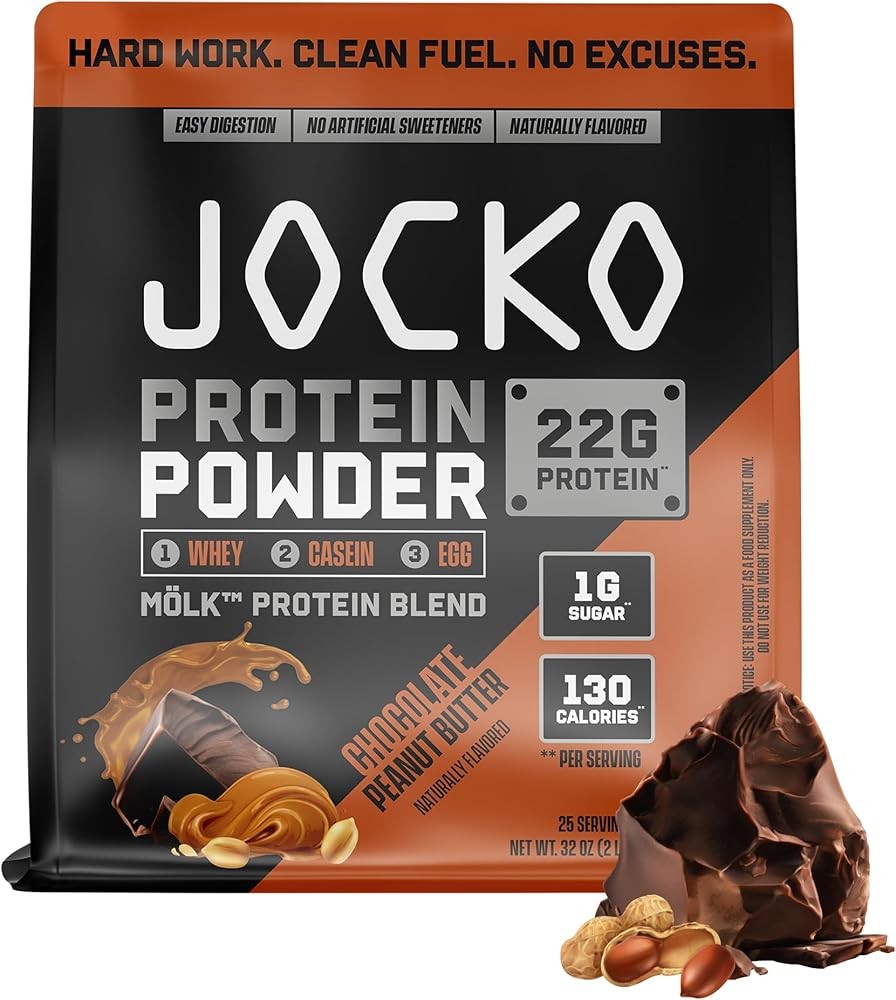
Jocko Fuel Mölk Whey Protein Powder 22g Low Sugar Monk Fruit Blend - Muscle Recovery & Growth, Packaging May Vary (25...
Check Price on AmazonAs an Amazon Associate we earn from qualifying purchases.
Monk fruit-sweetened protein powders help cancer patients maintain muscle mass during treatment without sugar’s metabolic drawbacks. Look for whey or plant-based proteins using monk fruit as the sole sweetener.
Our Top Recommendations
Join the discussion: Facebook | X | YouTube | Pinterest
Common Questions About Monk Fruit
What are the benefits of monk fruit?
Monk Fruit has been studied for various potential health benefits. Research suggests it may support several aspects of health and wellness. Individual results can vary. The strength of evidence differs across different claimed benefits. More high-quality research is often needed. Always review the latest scientific literature and consult healthcare professionals about whether monk fruit is right for your health goals.
Is monk fruit safe?
Monk Fruit is generally considered safe for most people when used as directed. However, individual responses can vary. Some people may experience mild side effects. It’s important to talk with a healthcare provider before using monk fruit, especially if you have existing health conditions, are pregnant or nursing, or take medications.
How does monk fruit work?
Monk Fruit works through various biological mechanisms that researchers are still studying. Current evidence suggests it may interact with specific pathways in the body to produce its effects. Always consult with a healthcare provider before starting any new supplement or health regimen to ensure it’s appropriate for your individual needs.
Who should avoid monk fruit?
Monk Fruit is a topic of ongoing research in health and nutrition. Current scientific evidence provides some insights, though more studies are often needed. Individual responses can vary significantly. For personalized advice about whether and how to use monk fruit, consult with a qualified healthcare provider who can consider your complete health history and current medications.
What are the signs monk fruit is working?
Monk Fruit is a topic of ongoing research in health and nutrition. Current scientific evidence provides some insights, though more studies are often needed. Individual responses can vary significantly. For personalized advice about whether and how to use monk fruit, consult with a qualified healthcare provider who can consider your complete health history and current medications.
How long should I use monk fruit?
The time it takes for monk fruit to work varies by individual and depends on factors like dosage, consistency of use, and individual metabolism. Some people notice effects within days, while others may need several weeks. Research studies typically evaluate effects over weeks to months. Consistent use as directed is important for best results. Keep a journal to track your response.
Conclusion: Monk Fruit’s Role in Cancer Nutrition
The evidence surrounding monk fruit sweetener and cancer paints a picture of a safe, metabolically favorable sugar alternative with intriguing potential benefits that extend beyond simple calorie replacement.
What We Can Conclude
Based on current research, several conclusions are well-supported:
-
Safety is established: Monk fruit sweetener poses no credible cancer risk and has an excellent safety profile supported by traditional use, animal toxicology, and modern clinical experience.
-
Metabolic advantages over sugar: With zero glycemic index and no insulin response, monk fruit eliminates the metabolic drivers that link high sugar consumption to cancer risk—elevated insulin, IGF-1, inflammation, and oxidative stress.
-
Bioactive potential: Mogrosides demonstrate antioxidant, anti-inflammatory, and direct anti-cancer properties in laboratory settings through multiple mechanisms including apoptosis induction, cell cycle arrest, anti-angiogenesis, and pathway modulation.
-
Practical utility: Monk fruit provides a viable way for cancer patients to maintain dietary satisfaction and adherence while optimizing metabolic parameters.
-
Preferable to artificial alternatives: For those seeking natural options, monk fruit offers advantages over artificial sweeteners with its bioactive properties and traditional use history.
What Remains to Be Proven
Important limitations must be acknowledged:
-
Human efficacy unknown: No clinical trials have demonstrated that monk fruit consumption affects cancer outcomes in humans. Laboratory findings don’t guarantee clinical benefit.
-
Optimal dosing uncertain: We don’t know what dose of mogrosides (if any achievable through diet) would be needed for anti-cancer effects in humans.
-
Not a cancer treatment: Monk fruit should never be viewed as a substitute for evidence-based cancer treatment. It is a dietary tool, not a therapeutic intervention.
Practical Recommendations for Cancer Patients
For cancer patients and those focused on cancer prevention, monk fruit can play a valuable supporting role:
Primary uses:
- Replace sugar in beverages, recipes, and foods to eliminate glycemic impact
- Maintain dietary satisfaction and adherence during treatment when taste changes are common
- Support metabolic health as part of comprehensive nutrition strategy
- Reduce exposure to high-glycemic sweeteners that may promote cancer-permissive metabolic conditions
Best practices:
- Choose high-quality products with maximal mogroside content and minimal fillers
- Use as part of a whole-food, nutrient-dense dietary pattern, not as a replacement for nutritious foods
- Gradually reduce overall sweetness preference rather than maintaining high sweetness with zero-calorie alternatives
- Work with oncology dietitians to integrate appropriately based on individual needs and treatment status
- Monitor individual responses and adjust usage accordingly
What to avoid:
- Viewing monk fruit as a cancer treatment or primary prevention strategy
- Replacing nutrient-dense whole foods with monk fruit-sweetened processed alternatives
- Using monk fruit as justification for consuming excessive “healthy” desserts
- Expecting dramatic health benefits beyond metabolic advantages over sugar
The Bigger Picture
Monk fruit sweetener represents one small piece of a comprehensive cancer nutrition strategy. While it offers clear advantages over sugar and potential benefits beyond simple calorie reduction, it cannot substitute for the foundational elements of cancer-supportive nutrition: abundant vegetables and fruits, quality protein, healthy fats, adequate calories and nutrients, and minimally processed whole foods.
The evidence suggests monk fruit is more than just a safe sugar substitute—it may be a beneficial one. While we await human clinical trials to confirm the anti-cancer properties demonstrated in laboratory studies, cancer patients can confidently incorporate monk fruit sweetener as part of a metabolically optimized, nutrient-dense dietary approach that supports both treatment and long-term health.
This article is for educational purposes only and should not be considered medical advice. It is crucial to consult with your oncology team before making any changes to your diet or supplement routine.
Related Reading
-
Nutrition and Cancer Research: Exploring Sweeteners that Cancer Cells Cannot Metabolize
-
Artificial Sweeteners and Cancer Risk: What Major Studies Found
-
Omega-3 Fatty Acids and Cancer Research Overview
-
Anti-Inflammatory Foods for Cancer Prevention
-
Antioxidant-Rich Foods and Cancer
-
Ketogenic Diet and Cancer
-
Nutrition and Cancer Research: Exploring Sweeteners that Cancer Cells Cannot Metabolize
References
U Kaim, U Gawlik, K Lisiecka. “Why Does Monk Fruit Extract Remain Only Partially Approved in the EU? Regulatory Barriers and Policy Implications for Food Innovation” Foods, 2025. PubMed | Full Text PDF | DOI
AWK Yeung. “Bibliometric analysis on the literature of monk fruit extract and mogrosides as sweeteners” Frontiers in Nutrition, 2023. PubMed | Full Text PDF | DOI
J Weenuttranon, P Hirunyophat. “DEVELOPMENT OF LOW-CALORIE AMLA (PHYLLANTHUS EMBLICA) SHERBET USING MONK FRUIT SWEETENER: PHYSICAL, NUTRITIONAL VALUE, AND …” Afro-Asian solutions …, 2025. PubMed | Full Text PDF | DOI
S Anwar, QA Syed, F Munawar, et al. “Inclusive overview of sweeteners trends: Nutritional safety and commercialization” ACS Food Science & …, 2023. PubMed | Full Text PDF | DOI
M Sachan, P Singh. “Artificial Sweeteners: Chemistry, Health Impacts and Regulatory Perspectives” Asian Journal of Pharmaceutical Research and …, 2025. PubMed | Full Text PDF | DOI
Recommended Products